• Talk True is a Zikoko limited series for medical myth-busting. With each episode, we’ll talk to medical professionals about commonly misunderstood health issues to get the actual facts.


    As a child, I had very clear skin. When my older cousins started breaking out, I was sure it would never happen to me. And for a while, it didn’t, until 17, when I woke up with half my face covered in painful cystic acne. I tried everything: pharmacy prescriptions, black soap, toothpaste, lemon juice, Cacatin, shea butter; if someone recommended it, I used it. Nothing worked.

    My skin didn’t start healing until I simplified my routine and stopped following every “skincare rule” I thought I knew. Looking back, I realised most of what I grew up believing was just bad advice.

    It made me curious about the myths other women also had to unlearn. So I asked 16 women to share theirs and got Dr Olufolakemi Cole-Adeife, a consultant dermatologist, to debunk them.

    1. “If you have oily skin, you don’t need moisturiser”— Chioma, 32, Marketing Executive

    Growing up, my older sister told me that putting cream on oily skin was like adding fuel to a fire. So for years, I’d wash my face and leave it bare, thinking I was doing the right thing. My skin was constantly shiny by midday, and I’d blot with tissue paper every hour. It wasn’t until a dermatologist explained that my skin was overcompensating for dehydration that everything clicked. Now I use a lightweight gel moisturiser, and ironically, my skin produces less oil than it did when I was avoiding moisturiser completely.

    Expert Opinion: Moisturization helps control oil, and when the skin is dehydrated, it may cause it to produce more oil. For oily skin, choose a lightweight, non-comedogenic formula that is more water-based or a gel formula.

    2. “Higher price means better product. Expensive cream = clear skin” — Aza, 27, Content Creator

    Good old YouTube and social media are where I learned this skincare rule from. I’d watch these beauty influencers with glowing skin use ₦50,000 serums, and I genuinely believed that was the secret. It worked at first, or at least that’s what people around me were saying, then my face went back to its usual rough, black, spot-ridden self. I kept buying really expensive toners and serums, thinking I just needed to find the right one. Instead, I broke out in fungal acne and had the dullest skin of my life. My bank account suffered too.

    The turning point came when I started investigating the actual ingredients in products rather than just the price tags. I realised there’s more to skincare than just having one particular skin type. When I saw no improvements for months despite spending so much, I knew something was wrong. Now I know that expensive doesn’t mean it’s good. I’ve also learned that results aren’t as immediate as the YouTube girlies make them seem. It can take time, and that’s fine. Less is more. I buy smaller sizes to test things out first, which saves me from wasting money and having regrets.

    Expert Opinion: The price doesn’t always correlate with efficacy. Sometimes all you are paying for is the brand name. What really matters is proven, science-backed ingredients and formulations.

    3. “No need to go to a dermatologist, just know your skin type and find products that have the skin type tag” — Ngozi, 45, School Administrator

    My mother taught me this skincare rule, and I passed it on to my daughter before I knew better. The logic seemed sound: figure out if you’re oily, dry, or combination, then buy products labelled for that skin type. I never thought I’d need a doctor for something as simple as skincare. But over the years, I developed hyperpigmentation that wouldn’t fade no matter what ‘for dark spots’ cream I bought. Then came the psoriasis. It started small, just a few patches I thought were dry skin, but it spread. That’s when I finally went to see a dermatologist. I cried in that office when she showed me what years of using the wrong products had done. Now my rule is simple: anywhere it hurts, go to who knows best, doctors.

    Expert Opinion: Skin concerns are more complex than “types”, and we all have unique concerns that transcend skin types. A dermatologist consultation will address real issues with evidence-based solutions in a personalised way.

    4. “You only need sunscreen on sunny days” — Folake, 29, Graphic Designer

    Lagos’ weather is unpredictable; one minute it’s sunny, the next it’s raining. I only wore sunscreen when I knew I’d be under direct sunlight for extended periods, like on beach trips. Regular cloudy or rainy days? I didn’t bother. I couldn’t understand why my dark spots weren’t fading despite using all the brightening products. A dermatologist friend finally explained that UVA rays can get inside a building as well. I was getting sun damage while sitting by my office window every single day. Now my sunscreen sits right next to my toothbrush; it’s that non-negotiable.

    Expert Opinion: Ultraviolet B rays are low on cloudy days, but UVA rays are present even on cloudy, rainy, and indoor days (UVA can penetrate glass). UVA is a major trigger or aggravator of hyperpigmentation, so please use sunscreen every day!

    5. “Drinking lots of water hydrates your skin enough” — Amaka, 35, Pharmacist

    You’d think that as a pharmacist, I’d know better, but even I fell for this skincare rule. I drank at least three litres of water daily and genuinely believed my skin would be plump and hydrated from the inside out. Don’t get me wrong, I felt great internally, and my body appreciated it. But my skin? Still dry and flaky, especially around my nose and forehead. I finally accepted that while water is essential, my skin barrier needed direct, topical help. Adding a good moisturiser to my routine made all the difference. Now I do both: hydrate from within and nourish from the outside.

    Expert Opinion: Water is great for overall health, but the skin still needs topical hydration and moisturisers for the best results.

    Get More Zikoko Goodness in Your Mail

    Subscribe to our newsletters and never miss any of the action

    You’ll Also Enjoy: 10 Nigerian Influencers Share the One Skincare Product They Swear By


    6. “Natural ingredients are always safer or better, and gentler than clinical treatments” — Temi, 38, Small Business Owner

    I was that person who swore by everything ‘natural’ and ‘organic.’ Chemical-free this, plant-based that. If it came from the earth, it had to be better than something made in a lab, right? I made face masks from ingredients in my kitchen: turmeric, honey, raw tomatoes, you name it. Then I tried raw lemon juice as a toner because someone on Instagram said it would brighten my skin. I got burns. My face was red, stinging, and peeling for weeks. That’s when I learned that natural doesn’t automatically mean safe. Now I look for products that have been properly tested and formulated, whether they’re natural or not.

    Expert Opinion: Some natural products can irritate the skin, too. Isn’t poison ivy or “werepe” natural? Safety comes from proper testing, not just from being “natural” or unprocessed.

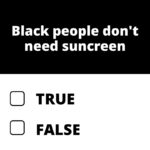
    7. “Black/darker skin doesn’t need sunscreen” — Jennifer, 42, HR Manager

    I genuinely believed melanin was enough protection. I’d hear about sunscreen and think, ‘That’s for oyinbo people.’ Why would I need it when I’m already dark? But after a beach vacation where I thought I was immune to sun damage, I came back with dark patches that took months to fade. The sun doesn’t discriminate. Now I wear SPF 50 every single day, rain or shine. My skin has never looked more even.

    Expert Opinion: Darker skin can burn, tan unevenly, and is prone to hyperpigmentation from the sun’s rays. Sunscreen is more important for lighter skin tones to prevent skin cancer, but it is important for darker skin as well to prevent hyperpigmentation and premature skin ageing.


    You’ll Love: Why Nigerian Women Still Need Sunscreen, According to Olapeju


    8. “Your skin gets used to a product, so it stops working” — Blessing, 31, Software Developer

    I had this amazing serum that cleared my breakouts within weeks. I was glowing. Then, about three months in, I started breaking out again. Immediately, I assumed my skin had ‘gotten used to it’ and the product stopped working. I switched to something else, then something else again when that ‘stopped working’ too. I was cycling through products every few months, spending so much money. Turned out, I’d been slacking on my routine during a stressful work period, and I’d also been eating terribly. The product was fine, it was me. 

    Expert Opinion: Other factors may be involved in the recurrence of breakouts while using a product, like the level of consistency or changes in diet and environment. It may not be related to the product. Also, beware of imitation products, which are quite common in our environment these days.

    9. “Exfoliating every day makes skin clearer and smoother”— Hauwa, 26, Journalist

    I read somewhere that exfoliation was the key to smooth, glowing skin, so I thought more must be better. I exfoliated every single day, sometimes with a physical scrub in the morning and a chemical exfoliant at night. For a week or two, my skin felt incredibly smooth. Then it started stinging whenever I applied anything, even water. My face was red, sensitive, and breaking out in places I’d never had acne before. I’d destroyed my skin barrier trying to make it perfect. 

    Expert Opinion: Exfoliation is great for the skin, but over-exfoliation damages the skin barrier. Two to three times a week is ideal.

    10. “Retinol thins the skin permanently” — Funmi, 51, University Lecturer

    When I started noticing fine lines in my late forties, a colleague recommended retinol. But another friend warned me that it would thin my skin permanently and make me look older in the long run. I was terrified and avoided retinol for two years. Finally, at a conference I attended for work, I learned the truth: retinol thickens the skin over time. I started using it properly, with sunscreen during the day, and the results have been incredible. My skin looks firmer and healthier. I wish I hadn’t wasted those two years being afraid.

    Expert Opinion: Retinol can cause temporary dryness, but it actually thickens skin over time by boosting collagen production.

    11. “Home/DIY hacks (toothpaste, lemon, baking soda) will clear pimples and popping them helps them heal faster” — Chiamaka, 21, University Student

    TikTok convinced me that toothpaste would dry out my pimples overnight. I also saw videos of people using baking soda as an exfoliant and lemon juice to fade dark spots. I tried all of them. The toothpaste burned my skin and left dark marks. The baking soda was so harsh that my face felt raw for days. And the lemon juice? Let’s just say I learned about photosensitivity the hard way when I stepped outside after applying it. As for popping pimples, I thought I was helping them heal faster. Instead, I spread the infection and now have scars on my cheeks that I’m still trying to fade. I’ve learned to leave the DIY hacks alone and use actual acne treatments from the pharmacy or a dermatologist.

    Expert Opinion: Most DIY hacks actually burn or irritate the skin. Popping pimples can spread infection and worsen scars. 

    12. “Coconut oil or heavy oils are safe for everyone” — Ivie, 28, Fashion Designer

    Coconut oil was my everything. I used it on my hair, my body, and my face. Everyone online was raving about how natural and moisturising it was. But my face started breaking out with these deep, painful cysts that wouldn’t go away. I couldn’t figure out what was wrong because I was using something ‘natural’ and ‘healthy.’ When I finally stopped using coconut oil on my face, the cystic acne cleared up within weeks. Not everything that works for everyone will work for you.

    Expert Opinion: Coconut oil or heavy oils are often comedogenic and clog pores for many people. They may be okay for some, but they can trigger breakouts in those with acne-prone skin.

    13. “Products sold in stores or markets are automatically safe” — Maryam, 44, Civil Servant

    I used to buy my skincare products from the market near my house. They were cheaper than pharmacy prices, and I assumed that if they were being sold openly, they must be safe and approved. I bought a cream that promised to clear dark spots in two weeks. Within days, my face started peeling and burning. I showed my sister, who’s a nurse, and she was horrified. The cream contained steroids and mercury, ingredients that are banned but still make their way into products sold in unregulated markets. I had to see a dermatologist to repair the damage, and it took months. Now I only buy from trusted pharmacies and verified retailers, even if it costs more. My skin is worth it.

    Expert Opinion: Hmmm… not always. Some are unregulated, fake, or harmful. Always buy from trusted retailers.

    14. “Bleaching creams recommended by friends/influencers are harmless” — Adanna, 33, Banker

    I had a friend who went from dark-skinned to significantly lighter within months, and everyone kept complimenting her. When I asked what she used, she recommended a cream she got from an influencer. She looked happy and confident, so I thought it must be safe. I used it for about six weeks, and yes, I got lighter. But then my skin started developing strange discolouration patches that were lighter than others, and some areas that looked almost grey. My skin also became extremely sensitive; anything I applied would sting.

    I went to a dermatologist who told me the cream contained steroids and hydroquinone at dangerous levels. She warned me about the long-term damage: thinning skin, increased risk of infection, and permanent discolouration. I’m still dealing with the aftermath years later. I wish I’d loved my original skin tone enough to never touch that cream or skincare rule.

    Expert Opinion: Bleaching creams are never harmless! Most contain steroids, mercury, or hydroquinone and cause skin damage, discolouration and increase the risk of skin infection. Avoid! All skin colours are beautiful!

    15. “Dark spots will go away if you scrub harder or use strong acids frequently” — Bongee, 25, Entrepreneur

    I learned from my mum to scrub hard to remove dark spots. I have sensitive skin plus aquagenic pruritus, so I was always scratching or slapping my body and dealing with wounds. My mum would tell me to scrub harder during baths to ‘remove the dead skin’ and make the dark spots fade. I used rough sponges and harsh black soap, thinking that was the solution. It only made things worse; my skin was constantly irritated, and the dark spots got darker from all the inflammation.

    When I moved out and started bathing myself gently with just mild soap, I noticed my skin didn’t fall apart like I thought it would. In fact, it started healing. I’ve learned that less is more. My skin can’t handle harsh products, even black soap, so you’ll find me shopping in the baby section now. Gentle care has done more for my dark spots than years of aggressive scrubbing ever did.

    Expert Opinion: Hard scrubbing just creates more inflammation and results in darker spots. Gentle, consistent care with twice- or thrice-weekly hydroxy acid washes or creams works best.

    16. “You must lighten your skin to remove acne marks quickly. Fairer skin is more beautiful anyway, so good!” — Zainab, 60, Retired Teacher

    In my generation, fair skin was considered the standard of beauty. When my daughters were young, I encouraged them to use lightening creams because I genuinely believed it would make them more beautiful and help fade their acne scars faster. I used those creams myself for decades. Now, at sixty, I’m dealing with thin, fragile skin that scars easily and has uneven pigmentation that no amount of makeup can hide. My daughters, thankfully, didn’t listen to me for long. They embraced their natural skin tones and treated their acne properly with dermatologist-recommended products.

    Watching them now, confident and glowing in their natural complexions, I realise how wrong I was. Skin health has nothing to do with being light or dark. Beauty truly does come in every shade. If I could go back, I would tell my younger self that my deep brown skin was already beautiful, and that treating acne marks doesn’t require changing your skin color. I share my story now so other women don’t make the same mistake I did. Love your skin at every shade, it’s the only one you’ve got.

    Expert Opinion: Skin health is not about skin colour. Light skin does not equate to healthy skin. If you do not treat the underlying causes of acne, the dark spots will persist. Treating acne marks doesn’t require lightening your skin tone. Beauty comes in every shade!


    Dr. Olufolakemi Cole-Adeife is a consultant dermatologist and one of Nigeria’s most passionate voices for healthy, beautiful skin — backed by science, not hype. She combines clinical expertise with public education to empower people with accurate skincare guidance, especially for African skin types. From research to community advocacy to content creation, she champions safe, inclusive skincare for everyone. She is an award-winning doctor recognised globally for her impact in dermatology and public health, and was recently honoured with the ILDS Young Dermatologist International Achievement Award for the African region. She regularly engages and educates her online community on skin health as Foladermadoc on Instagram and TikTok.


    Next Read: The Real Cost of Clear Skin for Women in Nigeria

    [ad]

  • “Two finger rule”, “A dollop of sunscreen every thirty minutes”, “Use nothing less than SPF 50”, “Reapply every thirty minutes”, these and many more quotes come to mind when we think of sunscreen. 

    Aren’t you tired of feeling confused about how much sunscreen you should actually use, and why we even need it in the first place? Well, you’re not the only one. That’s why we caught up with Dr Isima, an aesthetic physician at Precision, to give us all the tea about sunscreen. 

    So, doc, why should we use sunscreen in the first place?

    Sunscreen is important for many reasons. The first is that it helps to prevent your skin from burning due to sun exposure. It also helps protect your skin from skin cancer and it prevents photoageing—a condition where a person begins to look older as a result of excess exposure to the sun. 

    Also, when people are treating skin conditions like hyperpigmentation and acne, their skin becomes more sensitive due to the products being used. In that state, the skin needs extra protection to prevent darkening. For those with darker skin tones, our bodies tend to respond to pressure or drama on the skin by darkening. 

    But how much sunscreen should we actually be applying? 

    The recommended amount is 2mg per cm³ of skin. That’s not so easy to measure this in everyday life, which is where the estimates come in: 2 tablespoons, a shot glass, or sunscreen spread across the length of your index and middle fingers. These are all estimates but should typically give a good measurement of the face.  A trick is to build up this application. It can be challenging to apply in one go, so consider splitting it into two applications, 30 minutes apart, to achieve the ideal coverage. 

    Since sunscreen is so important, can I use any type? 

    There are various things to consider when choosing sunscreen, and one of the most important is your skin type. If you have oily skin, go for lightweight sunscreen. If your skin is dry, a heavier one works. One thing is non-negotiable: you should never use sunscreen with less than SPF 30.

    READ ALSO: Talk True: Is Period Syncing

    Why?

    SPF stands for Sun Protection Factor.  It measures how well a sunscreen will protect your skin from UVB rays. SPF 30 protects against 97% of UVB rays, while SPF 50 protects against 98%. The margin might seem small, but when it comes to your skin, you’ll want as much protection as possible. That’s why we say SPF 50 is the best bet for sun protection, but SPF 30 is far better than no SPF at all. 

    Another thing to understand is what the SPF number (15, 30, 50) means. If your skin would normally take 1 minute to burn without sunscreen, SPF 30 means it will now take 30 times longer, that is 30 minutes. However, everyone’s skin is different, so the time it takes to burn can differ. The higher the SPF, the longer you can go without reapplying it, but we advise reapplying every 2-3 hours during the day.

    Why do we need reapply sunscreen? 

    Because sunscreen only protects the skin for a limited time before it loses its effectiveness. That’s why there’s a need for a top-up. 

    But won’t all that  product cause buildup? And isn’t Nigeria too hot for this? 

    Yes, Nigeria is very hot, and sticking to a skincare can be challenging, especially  during the dry season.  That’s why it’s important to consider your lifestyle when choosing products. If you spend a lot of time outside, and in the sun, you can use lighter serums and  swap your moisturiser for a hydrating sunscreen that does both jobs. 

    If you have access to running water, it’s best to cleanse your skin before reapplying sunscreen to remove oil and product buildup. But if you’re always on the move because of work or school, and don’t have time to cleanse and skincare redo, you can use a sunscreen that comes as a spray or sunstick for reapplication on the go. There are even sunscreen powders, though some of them don’t work well with darker-skin tones because of shade matches. 

    So basically, everyone should be using sunscreen and reapplying?

    Yes, that’s exactly it, and not just for your face. It should be used on any area of your body that gets exposed to the sun or UVB rays.

    READ ALSO: Talk True: What’s the Deal With Vaginal Yeast Infections?

  • The Nigerian skincare industry just witnessed a major milestone with the official launch of Eucerin, the globally recognised dermatological skincare brand by Beiersdorf, makers of NIVEA. Held at the prestigious Marriott Hotel in Lagos on Friday March 28, 2025, the event brought together dermatologists, skincare experts, pharmacists, and beauty enthusiasts for an immersive experience into the science of safe and effective skincare.

    L-R: Country Manager, Beiersdorf Nigeria, Oladele Adeyole; Regional Medical Manager, Africa & Middle East, Beiersdorf, Nathalie Gemayel; Consultant Dermatologist, UPTH & President, Nigerian Association of Dermatologists, Prof. Altraide Dandeson; Commercial Marketing Manager, Central, East & West Africa (CEWA), Beiersdorf, Victor Okafor; Consultant Dermatologist, LUTH & Vice President, Nigerian Association of Dermatologists, Dr. Ayesha Akinkugbe; General Manager, CEWA, Beiersdorf, Mathieu Levasseur, and United Kingdom’s award winning dermatologist and laser consultant, Prof. Firas Al Niami at the launch of Beiersdorf’s Eucerin in Ikeja, Lagos recently

    Science Meets Skincare: Addressing Hyperpigmentation

    For decades, many Nigerians have turned to harsh, unregulated bleaching products in the quest for even-toned skin. Recognising this challenge, Beiersdorf Nigeria introduced its Eucerin range of scientifically proven products with Thiamidol, a groundbreaking molecule designed to treat hyperpigmentation at its root without compromising the skin’s natural beauty. Unlike hydroquinone and other skin-lightening agents, Thiamidol is a safe, long-term solution that preserves the skin’s normal melanocytes, ensuring that Black skin remains beautiful and healthy.

    Country Manager for Beiersdorf Nigeria, Oladele Adeyole, emphasised the urgency of addressing skin bleaching, referencing a 2021 NAFDAC warning about its prevalence. “Beauty is no longer just about healthcare and well-being; it has become a moral issue that needs to be addressed,” he stated, highlighting the need for safe, dermatologically-approved skincare solutions.

    Beiersdorf’s General Manager for Central, East and West Africa, Mathieu Levasseur, reinforced the company’s long-standing presence in Nigeria through the NIVEA brand and expressed excitement about expanding with Eucerin, bringing a brand that is rooted in dermatological science and innovation.

    A Journey Rooted in Science

    One of the event’s highlights was an in-depth presentation by Beiersdorf’s Regional Medical Manager, Nathalie Gemayel, who took the audience through Eucerin’s history, dating back to 1882. “From pioneering the first dermatological skincare solutions to today’s innovations, Eucerin remains committed to efficacy, proof, and scientific advancement. We sell a product every two seconds globally because our solutions work”, Gemayel shared.

    The science of Eucerin’s new range was further explored by renowned UK-based Consultant Dermatologist and Laser Specialist, Prof. Firas Al-Niaimi. He explained how Beiersdorf remains the only skincare brand in the world capable of testing human Tyrosinase, the enzyme responsible for melanin production. By targeting this enzyme, Thiamidol effectively treats hyperpigmentation without relying on aggressive top-layer removal methods. 

    Beyond its scientific benefits, Eucerin’s new treatment is:

    • A safer alternative to hydroquinone
    • Designed to target only problem areas without affecting normal pigmentation
    • Non-toxic to melanocytes, preserving the integrity of Black skin
    • Safe for long-term use, including during pregnancy
    • Free from systemic absorption, ensuring safety at all levels

    Real Results from Real Users

    There were testimonials from users who had already experienced Eucerin’s products. Angela and Helen, two attendees, shared their journeys with the Day and Night Cream, Triple Effect Serum, SPF 50+ Sun & Blue Light Protection Cream, and Dual Serum. Their stories reinforced the effectiveness of the products, further solidifying Eucerin’s impact in the Nigerian skincare space.

    A panel discussion was also led by Prof. Firas Al-Niaimi featuring top dermatologists, including Prof. Ayesha Akinkugbe, Dr. Cynthia Ebie, and Dr. Omatighene Enovo Obaro. The discussion covered product application, dosage, effectiveness, and the economic advantages of dermatologically approved treatments. They also emphasised the superior efficacy of Thiamidol, selected as the best human Tyrosinase inhibitor out of over 50,000 compounds.

    A Grand Unveiling and an Exciting Future

    As the event drew to a close, attendees witnessed a digital unveiling of the new Eucerin range, followed by interactive breakout sessions where they got hands-on experience with the products. 

    Dignitaries present included Prof. Dasetima Altraide, President of the Nigerian Association of Dermatologists (NAD), along with several esteemed dermatologists and pharmaceutical professionals. Their presence underscored the significance of this launch and its potential impact on skincare in Nigeria.

    With Eucerin’s entry into the Nigerian market, Beiersdorf is championing a shift towards science-backed skincare that is safe, effective, and designed for diverse skin types. As more Nigerians seek solutions that nurture rather than damage their skin, Eucerin stands at the forefront, offering trusted dermatological care for the long term.

  • We spoke to five women about the products they swear by and how much they spend to keep their skin on point. 

    Although skincare isn’t cheap, it’s non-negotiable for many Nigerian women.  But with prices driven up by inflation and fake products flooding the market, how much does it really cost to maintain good skin?

    “My current stash is worth ₦350K, and 70% comes from PR packages.” — JRuqayyah, 23, Skincare Content Creator.

    I started taking skincare seriously to fix my hyperpigmentation in 2020. My face was sunburnt and several shades darker than my body, and people in my school never let me forget it. It wasn’t a great feeling, but I also had no clue what to do about it.

    Then Covid happened, and TikTok put me on to proper skincare. I started a basic routine: cleanser, moisturizer, and sunscreen. Over time, I built a structured routine and learned what worked for my combination (oily and dry) skin.

    When I returned to school after the COVID-19 lockdown, the results were clear — my face was brighter, and I felt more confident in my skin. 

    By 2023, I started creating skincare content on TikTok. I currently have 9.2K followers and over 285K total likes. Because of this, I’ve received PR packages from over 10 international brands, including Anua, Centella, Purito, Heimish, Kaine, and Mixsoon. 

    This has significantly reduced my skincare costs, but I still buy products when necessary. 

    How Much I Spend (₦350k/ As needed)

    My last personal skincare haul in January 2025 cost me ₦120K. I bought the Uncover On-the-Go & Essential Set, Skin Aqua Sunscreen, Hatomugi Body Sunscreen and B.Lab Matcha Cleanser. 

    At one point, I had up to 100 products from PR packages, but I had used up most of them by December 2024.

    My current stash is worth around ₦350K, though 70% comes from PR packages. 

    Here’s a cost breakdown of some products in my stash:

    • Uncover on-the-go kit (3 in 1) → ₦23,580
    • Uncover Essentials (3 in 1) → ₦44,100
    • Azelaic acid gel 20% → ₦9,300
    • Beauty of Joseon Eye Serum → ₦17,000
    • Centella Toner → ₦19,200
    • Centella cleansing oil → ₦23,000
    • Abib Eye Collagen patch → ₦48,528
    • Anua Heartleaf clear pad→ ₦23, 200
    • Anua niacinamide → ₦25,800
    • Centella Sunstick → ₦21,000
    • Centella ampoule → ₦16,500
    • Purito Wonder Releaf → ₦22,500
    • Centella Poremising Clay Stick Mask → ₦13,500
    • Skin Aqua → ₦17,500
    • Hatomugi body sunscreen → ₦14,100
    • B.lab matcha cleanser → ₦10,900
    • Total → ₦349,708

    Shopping for skincare in Nigeria isn’t easy—some products are hard to find, and fake products are everywhere. Inflation and high exchange rates have also made everything more expensive and less accessible. To avoid counterfeits, I buy directly from brands or verified vendors like Teeka4, BeautyHut, BeautybyDaz, and BuyBetter. Skincare isn’t cheap, but healthy skin is worth every naira.

    “I’d rather spend my feeding money on skincare. As long as my skin is giving, forget the money.” — Becca, 18, Student

    I couldn’t stand looking at my face in the mirror when I was 15 years old. I had acne, textured skin, and open pores, and I was truly disgusted by myself. I knew I could look better if I took skincare seriously. 

    I tried every DIY remedy I found on the internet: honey and sugar scrubs, toothpaste, turmeric and honey, and rice water. Nothing worked. The breakouts wouldn’t stop, and my skin got worse. I ultimately had to see a dermatologist, who recommended my new routine. From then on, I went all in on proper skincare. 

    Let’s talk about the real problem—skincare is expensive. I spend about ₦105k every six months, and my dad is over it. He nearly lost his mind when he saw me buy a ₦22k Neutrogena face wash. He keeps reminding me that my mum also had skin problems in uni, but she didn’t spend all her parents’ money trying to fix them. But he doesn’t understand that I can’t stop now. Skincare has me in a toxic chokehold. 

    How Much I Spend (₦105k/ Twice a year)

    Here’s a cost breakdown of products I buy every six months: 

    • Neutrogena Face Wash → ₦22,000
    • Skin by Zaron Toner → ₦26,000
    • Panoxyl Face Wash → ₦20,000
    • Terminator Benzoyl Peroxide → ₦11,000
    • Black Girl Sunscreen → ₦21,000
    • Cotton Pad for Toner → ₦5,000
    • Total → ₦105,000

    Finding these products in Nigeria is another struggle; some products are impossible to find, and when you do, the prices make you question your life choices. I don’t get every product I need in the supermarket, so I order online or buy from overpriced beauty stores. 

    I’d rather spend my feeding money on skincare. As long as my skin is giving, forget the money. Now, people compliment my skin all the time. When I fix my lashes or nails, everything just pops differently. I used to have severe acne; now, I only have textured skin, and I know that’ll clear up soon, too. Whenever I feel a breakout coming, I just slap on some Terminator, and that’s the end of the story.

    I know I’m stuck with skincare forever. If I go a few days without my routine, my skin starts to break out, and that’s when I remember I can’t afford to slack off. I do my routine once a day because, let’s be real, I only bathe once a day. The economy is hard, and I’m managing my products. But even with that, every penny I spend is worth it.

    Skincare has changed my life, but it’s eating my money. No effort is wasted, though— it’s all for my own good.

    Get More Zikoko Goodness in Your Mail

    Subscribe to our newsletters and never miss any of the action

    “My skin went from “I’ve had better days” to “Is that a glowing angel?”—Faizah, 21, Policy Research Specialist & Writer.

    My skin used to be perfect, and I didn’t even know anything about skincare. I was just minding my business with Dudu Osun and Vaseline. 

    Fast forward to my first year of uni, my hormones switched up, and hormonal acne hit me with full force. That’s when I realised I needed to take skincare seriously.

    After my first hormonal flare-up, I went into full-on skincare scientist mode, desperately trying to regain my flawless skin. I tried everything: Salicylic acid, glycolic acid, mandelic acid, tretinoin, Funbact-A, and even fermented rice water. If someone on the internet swore by it, I probably tried it.

    And yes, I’ve spent ridiculous amounts on my skin — at some point, I was dropping half my allowance trying to fix it. My mum even took me to a doctor,  who prescribed birth control pills to manage my hormones. But I suck at taking medication, so I just went back to Dudu Osun, vitamin C serum, and aloe vera gel. Somehow, my skin decided to chill.

    Now, my routine is pretty basic. I realised that the fewer products I use, the more my skin thrives, so I keep it simple. 

    How Much I Spend (₦60k/ Month)

    I shop monthly or as needed — it depends on how much time I have to pamper myself. If I’m feeling put together, it’s a monthly affair. Otherwise, I just restock when I notice a shortage or a sudden breakout crisis. My last purchase was the Arami Gluta Soap for ₦9,000.

    Here’s a rundown of my most recent skincare spree:

    • Revlon Natural Honey Lotion → ₦14,900
    • Nivea Even Glow Body Care Lotion → ₦5,500
    • Blue Seal Vaseline → ₦3,500
    • Disaar Vitamin C Oil (for body) → ₦2,500
    • Dudu Osun Soap → ₦900
    • Arami Gluta Soap → ₦9,000
    • Kojie-San Soap → ₦3,000
    • Disaar Aloe Vera Gel → ₦2,000
    • Dr Rashel Vitamin C Toner → ₦4,700
    • Benzoyl Peroxide (Oxy 10) → ₦4,500
    • Face Facts Ceramide Moisturizing Gel Cream → ₦5,000
    • Estelin Tinted Sunscreen → ₦4,500
    • Total → ₦60,000

    The biggest game-changer for me is the Kojie-San Soap. It evened out my skin tone and made me feel more confident. Then there’s vitamin C—my personal “glow-in-a-bottle potion.” And don’t even get me started on benzoyl peroxide (OXY 10) — this one is non-negotiable.

    The money, effort, and time have paid off. My skin went from “I’ve had better days” to “Is that a glowing angel?” There’s still room for improvement, but overall, I’m hitting my skin goals.

    My biggest struggle is finding original products. Once I find a good plug, I stick to it like glue. I don’t betray my plug.

    I used to be a Jumia loyalist. I only bought from verified stores and skimmed through the reviews like a detective looking for clues. My current plug is Skinnit; she always has everything I need. 


    What’s the point of investing in glowing skin if you’re not stepping out to show it off? HERtitude 2025 is the perfect place to do that! It’s the hottest women-only party in Lagos, where the girlies pull up looking peng and have the time of their lives. Get your tickets right here and come outside with your healthy skin this April!


    “My skin is brighter, my dark spots are fading, and I no longer get huge pimples.” — Sharon, 22, Content Marketer. 

    NYSC camp wrecked my skin. I reacted so severely to everything there—the water, the weather, the food—that I had huge breakouts everywhere. For months, I felt insecure about it. None of the random products I found worked. My last hope was to see a dermatologist, and she saved my skin.

    She put me on a proper routine, and I started noticing changes. I still have acne and dark spots, and I won’t lie—I still feel insecure about them. But my skin is better than it’s been in years, and that’s progress.

    How Much I Spend ( ₦80k/ As needed)

    I don’t have a set restock schedule. If something finishes and I have the money, I buy it. Some months, I mostly spend ₦80k, sometimes more, sometimes less. My last haul included:

    • Nivea Moisturizer → ₦5,000
    • Panoxyl Benzoyl Peroxide Face Wash → ₦20,000
    • Simple Toner → ₦5,000
    • Dr Rashel Niacinamide/Alpha-Arbutin → ₦5,000
    • Skin Aqua Sunscreen → ₦13,000
    • Azelaic Acid → ₦14,000
    • Face Cleanser → ₦10,000
    • Rice Soap → ₦1,500
    • Nizoral Cream → ₦6,000
    • AloeVera Gel → ₦4,500
    • Pei Mei Hyaluronic Acid → ₦3,500
    • Total → ₦88,000

    My skin is brighter, my dark spots are fading, and I no longer get huge pimples. But the cost, the struggle to find original products, and the stress drive me crazy.

    “I should have just seen an aesthetician from the jump instead of wasting money on trial and error.” —Maryam, 22, UX Designer.

    I’ve had oily, sensitive, acne-prone skin since I was 13, and every breakout leaves a dark spot. I tried everything — Oriflame, turmeric, honey — but nothing worked. By 19, I started getting facials at a spa, and they sold me “organic” skincare.

    A year later, I switched to Lemonskinco, another skincare brand I found on Instagram that seemed even more natural. I’d spend up to ₦50k at once without really knowing what these products were doing to my skin.

    The first week without the spa’s “organic” products was a disaster. I broke out badly, my skin felt paper-thin, and the dark spots worsened. Luckily, my mum had an aesthetician, so I followed her to an appointment. That’s when I learned I had topical steroid withdrawal from the products I’d been using. I had no clue what it meant, but that was my wake-up call. My aesthetician took me back to the basics: cleanser, moisturiser, sunscreen. My skin recovered. But the hyperpigmentation remained. 

    In January 2023, she recommended a chemical peel, which cost ₦50k. However, I had to prep my skin with Tretinoin for a month before I could do it. I was nervous because I’d seen intense chemical peel reactions online, and no one I knew had done it. But I trusted her.

    The first peel made a huge difference, but I wasn’t consistent with Tretinoin and sunscreen, so my hyperpigmentation relapsed. I needed three treatments, and after the last one, which cost ₦105k in December 2024,  I finally committed to my routine. I gave away all my random products and stuck to what worked.

    Looking back, I should have just seen an aesthetician from the jump instead of wasting money on trial and error. A consultation back then was only ₦5k, and skin issues that could have taken six months to clear would have been gone in one or two.

    I’ve figured out my skin problems: mild acne and hyperpigmentation. My main treatment is Tretinoin, and my routine is simple. I use a cleanser, toner, moisturiser, and sunscreen. On some days, I apply alpha arbutin; on other days, I use an AHA/BHA exfoliant and snail mucin for extra hydration. 

    How Much I Spend (₦50k/ Thrice a year)

    I shop for skincare three times a year and prioritise quality over quantity. For example, I once bought a ₦7k Simple cleanser (100ml) that lasted two months, but when I spent ₦15k on a CeraVe foaming cleanser (473 ml), it lasted ten months, which was a better value for money. Some products last longer than others, so I don’t buy everything at once.

    My last skincare haul in January cost:

    • Acwell Licorice pH Cleanser → ₦17,500
    • Face Facts Ceramide Moisturising Cream → ₦6,999
    • La Roche-Posay Sunscreen → ₦19,500
    • Tretinoin Gel → ₦5,600
    • Total → ₦49,600 + ₦7,000 delivery → ₦58,000

    I don’t mind the prices because these products cost almost twice as much on their official websites due to the naira-dollar rates. So, I buy from verified vendors who ship in bulk, and it’s totally worth it.

    Skincare has been an emotional rollercoaster for me. It’s frustrating to spend so much money on products and still break out. But now, I know what works, and my skin is in a much better place.


    Join 1,000+ Nigerians, finance experts and industry leaders at The Naira Life Conference by Zikoko for a day of real, raw conversations about money and financial freedom. Click here to buy a ticket and secure your spot at the money event of the year, where you’ll get the practical tools to 10x your income, network with the biggest players in your industry, and level up in your career and business.


    Also Read: What Are Hot Babes Spending Their Salaries On This Month?


    [ad]

  • It’s salary week, and our reward for working hard the entire month has finally hit our bank accounts! It’s easy to go haywire and spend money on white elephants and other non-necessities.

    To help you get a better idea of where your salary should go, Zikoko talked to some young Nigerian women about the top four things they plan to spend their salaries on once that credit alert dings.

    [ad][/ad]

    Hertitude 2025 Tickets

    The hot babes are buying their Hertitude tickets in advance this year! Don’t say we didn’t tell you, o.

    “I missed last year’s Hertitude because I went over my budget that month,” Bomi, 22, says,” this year, I’m buying my ticket way ahead of time because I don’t want any stories.”

    A single entry ticket is currently going for ₦17,949, but you can save 15% by buying a Bestie ticket with your best friend for just ₦30,547. Some of the girlies on X are coming together to buy the Geng ticket, which covers 4 people for just ₦57,516. If you want the full experience, though, you can get the VIP access ticket for one, which goes for ₦57,849. You can get your tickets right here.

    Skincare Products

    The girlies are also investing in their skincare products this March! There’s nothing better than having healthy, yummy looking skin and the girlies are gushing over some of these Nigerian made skincare products.

    “I just got the Neutriherbs Hyaluronic Acid Gel for ₦15,000, and I’m so excited to try it out!” says Tominsin, 28.

    “Sunscreen is an essential in this hot weather. I’ve stocked up to protect my skin”, says, Ada, 26. We’re currently loving this one from Uncover for ₦21,500.

    Banging Outfits

    Of course, the babes are spending their money on collecting a wardrobe full of fits for only the hottest babes. Where will you be buying your clothes for Hertitude from?

    “I’ve been keeping my eyes on thrift stores to get the best retro pieces for the look I want to pull off for Hertitude.” says Timilehin, 22.

    “I’m buying some of my favourite pieces from RTW Nigerian brands that have been on my wishlist for a while,” says, Bolawa, 25, “ like these Amore Pants for ₦38,000 from Bloom Womenswear”

    Staying Fit

    The girls are investing a lot into keeping on top of their health this year. The girlies are killing it in the gym and staying active. You can check google to find a gym close to you for ease and the prices on average run from ₦30,000 – ₦50,000 depending on your location.


    If you enjoyed reading this, you’ll also enjoy: What It Really Costs to Move Out as a Young Person in Nigeria


  • Taking proper care of your skin is a lot of work. There’s a long list of things you should do and an even longer list of things you shouldn’t do. It can become too much, so here’s a quick and simple guide on how to take good care of your skin.

    Understand your skin type

    It might be tempting but don’t dive head-first into everything you see other people doing. Figure out what type of skin you have and what mayfor you. That way, you’re not wasting time and money on products that might cause you more harm than good.

    Get money

    Skincare is anything but cheap.If you want to put in enough hard work for your skin to finally take pity on you and start caring, you’ll need to get your bag up as soon as possible.

    Keep your hands away from your face 

    Think of all the surfaces you’ve touched throughout the day. Now think of all the people who have also touched them and where their hands might have been. You don’t want germs anywhere near parts of the body you’re trying to take care of, especially your face.

    Always moisturize

    You’ll need to get used to moisturising your skin and not just slapping oils on. When you use a good moisturising lotion like Nivea Radiant Beauty Even Glow, you get 48-hour moisture that leaves your skin looking and feeling better.  It has 95% pure vitamin C and Pearl Extract that helps reduce the appearance of dark spots leaving you with a visibly radiant and even tone skin in just two weeks.

    Use sunscreen

    There’s truth behind the sunscreen hype sunscreen. It protects you from the harsh rays of the sun, makes sure skin cancer stays far away from you, and stops you from looking 55 at the young age of 25. If you get the Nivea Even Glow lotion you won’t need to get a body sunscreen because it contain SPF 15.

    Don’t ever say Zikoko did nothing for you.

    Get a daily skincare routine 

    It doesn’t have to be an elaborate 10-step routine, as long as you wake up every morning and make sure your skin feels loved and tended to.

    Change your pillowcase once a week 

    Forget about all the slobbering you do while sleeping and think about the dust mites that have made your pillowcase their home. The more time you spend with the same pillowcase, the more dead skin cells accumulate, the more dust mites you get, and the higher your chances of acne and bacterial infections.

  • Have you seen Elsa Majimbo’s glow lately? The melanin is popping, her Kenyan meets American accent has fans in a chokehold, and our girl be out here narrating her life like a telenovela, all while slathering on shea butter like it’s going out of style. She’s showing us how to give our skin some much-needed TLC.

    If you’re still conflicted about how to give your melanin skin the glow it deserves, you should take notes.

    Show some skin

    An Elsa Majimbo Guide to Glowing for Dark Skinned People

    Even though you’re doing it for you, people of the world have to witness the result of all the hard work you put into looking this good. Spaghetti tops, off-shoulder cuts, crop tops and mini skirts should be your go-to fits.

    Use shea butter

    An Elsa Majimbo Guide to Glowing for Dark Skinned People

    Our forefathers were on to something when they coined the iconic “Black and Shine” term. But Elsa knows the shine doesn’t happen by accident. It happens by deliberately slathering shea butter everywhere. Your neck, shoulders, arms, belly, armpit, EVERYWHERE.

    When people see your picture and drop comments like, “Even if you’re plantain”, you know you’ve done a good job.

    And top with Vaseline for extra shine

    An Elsa Majimbo Guide to Glowing for Dark Skinned People

    You don’t stop at shea butter. You have to go in with a generous scoop of petroleum jelly everywhere, to make up for spots you might’ve missed when you applied shea butter.

    Don’t forget the body oil

    An Elsa Majimbo Guide to Glowing for Dark Skinned People

    In case you’re not paying attention, “too much shine” isn’t a concept in Elsa’s books. It’s the only reason why body oil is a must in a lineup that already has shea butter and petroleum jelly.

    Throw in some glossy lip finish

    You’ll never catch Elsa with a no-shine, non-glossy lip finish. So, leave that matte. You don’t want to have em lips looking ashy while rocking the shiny body of a black goddess. 

    [ad]

    The body mists

    You don’t want to be the black and shine that walks into a room smelling like day-old akara oil. Instead, you want compliments that go from “You’re glowing” to “You smell so nice”. That right there is the power of layering. So, on top of all that butter and oil, throw in a generous razzle dazzle of body mist.

    And some perfume too

    Surely, you know Elsa doesn’t leave her business in only one capable hand. If the duo of shea butter and vaseline for shine weren’t enough, why should body mists for scent be? Exactly. Layer that shit up with some perfume that leaves you smelling like money itself.

    If you enjoyed reading this, you’ll find this article relatable: 10 Annoying Things Dark Skinned People Will Relate To

  • Who needs a dermatologist when you can take this quiz instead?