• Love Life is a Zikoko weekly series about love, relationships, situationships, entanglements and everything in between.


    *Chris (28) and *Feranmi (27) first noticed each other on Grindr while serving in Ibadan in 2021, but didn’t talk for weeks until boredom changed everything.

    On this week’s Love Life, they talk about how an impulsive text sparked a relationship that survived NYSC flings, moving in together in Lagos, drifting apart when life got hard, and learning to grow together.

    If you want to share your own Love Life story, fill out this form.

    What’s your earliest memory of each other?

    Chris: It was in April 2021, during an NYSC CDS meeting in Ibadan. Before then, I’d seen Feranmi’s profile on Grindr multiple times but never messaged. Most people I met on there just wanted sex. It was always, “Are you top or bottom? When can we meet?” So boring. 

    One Saturday in March, I was bored, so I messaged his account and he responded almost immediately. It seemed like he’d been lowkey waiting for me to text him.

    Feranmi: I remember that day. I didn’t take Grindr seriously in Ibadan, especially for security reasons. I’m a Lagos boy; I didn’t want to get kitoed in another state. But when Chris messaged me, we chatted for almost an hour before he even asked anything flirty. That was generally rare on Grindr, Ibadan or not. So, we got into this drawn-out conversation.

    What did you talk about for that long?

    Chris: It started  with Feranmi asking what I was doing, and I told him I was looking for a new series to binge. He suggested one, we started talking about movies we liked, and then somehow, NYSC entered the chat. That’s when we found out we were both serving in Ibadan.

    Feranmi: The conversation felt really engaging, not forced like usual convos that barely made it past pleasantries and role inquiries. After that, he said we should meet at the next monthly CDS.

    How did that first meeting go? Did you both show up for CDS? 

    Feranmi: Yes we did. Before then, we had not exchanged pictures because we didn’t want to jinx it. Conversations tend to tank on Grindr once you guys exchange photos, and we didn’t want that. After Chris got to the secretariat, he texted, “Are you around? I’m wearing a brown face cap.” I just looked for the guy in a cap, and we shook hands like two regular dudes. We hung out the whole day after that, gisting and people-watching.

    Chris: I knew instantly he wasn’t like the others I’d met. There was an immediate chemistry, and a sense of comfort I couldn’t explain. I think the word is “familiar stranger”. But yeah, after CDS, we said our goodbyes and promised to hang out in a more relaxed environment.

    Get More Zikoko Goodness in Your Mail

    Subscribe to our newsletters and never miss any of the action

    Did that happen?

    Chris: Quicker than we both expected. We got home that Friday and actually flirted for the first time. I think he said something about wanting to grab my ass so bad but had to respect boundaries since we’d only just met.

    Feranmi: I told him I’d have let him. And like that, we planned another meet-up one week later at my place. We had an intense make out session that we both really needed.  It had been two months plus of not getting laid in Ibadan, and we unleashed all the pent up tension on each other. 

    Must have been fun. How did things move from that second meeting to being together?

    Chris: Honestly, we didn’t define anything. It started with sleepovers. I’d spend weekends at his place, or he’d come over. At first, it was a lot of sex, no lies. But then, we’d end up cooking together, watching films, and talking about random stuff. This continued for seven or eight months. By the time NYSC ended, it was obvious we weren’t just hookups anymore, even though we didn’t have the official dating tag.

    Feranmi: We didn’t even have a proper “Will you date me?” talk. It just happened. We met each other’s friends in Ibadan, did almost everything together. By the end of 2021, everyone knew us as the NYSC besties, and we played along. Only my queer friends knew we were an item, though. To my parents, siblings and straight friends, Chris was my gift of friendship from NYSC. I remember my dad saying “ You better hold him tight. NYSC gave me some of my lifelong friendships,” when I posted pictures from our POP. That was super cute. In my head, I was like, “If only daddy knew.”

    Right. You mentioned NYSC ended. What changed after that?

    Feranmi: I moved back to Lagos for work. My parents already got me a role in the family business, so I didn’t have the chance to pick or delay my stay in Ibadan. Chris stayed back for his master’s, and that was when things got funny. Long distance humbled us.

    Chris: At first, we really tried to make it work. We’d plan FaceTime dates and end up dozing off mid-call because we were both exhausted. We promised to visit each other once a month, but even that became hard. I remember one time I saved up to come to Lagos for a long weekend, but my supervisor scheduled a last-minute seminar and I had to cancel. We fought about that for days.

    Feranmi: I get moody when I feel ignored. So, sometimes when he called, I wouldn’t pick up immediately. Or I’d reply late on WhatsApp on purpose. It was messy. We still talked, but the vibe was off. We’d both pretend we were fine, but deep down, we knew it wasn’t the same.

    Chris: We even tried to spice things up — like planning staycations whenever I was in Lagos. We’d pick a cheap hotel, buy food and drinks, have lots of sex and get lost in each other. It helped, but the poor communication cycle continued once I got back to Ibadan. It was tough.

    Did you guys consider breaking up?

    Chris: Not really, but it felt like we were on the edge sometimes. We argued about stupid things: who should travel to visit who, why someone didn’t pick up their phone. There was a time I thought, maybe this is dying. But then we’d meet again, spend a weekend together, and remember why we liked each other.

    Feranmi: We both liked each other clearly, and we just needed to figure out the long distance. I wasn’t going to break up, at least not until he was done with his master’s and fully back in Lagos. I’d be convinced we were over if we were still having the same issues. The visits helped a lot, honestly.

    [ad]

    When did things get better?

    Feranmi: I’d say late 2023, when Chris finally finished his master’s and moved back to Lagos. He didn’t want to return to his parents’ house and hadn’t saved enough to rent his own place. I’d rented a mini-flat earlier in the year and I had enough space for both of us, so I asked him to move in.

    Chris: I didn’t even think twice. I’d been craving that closeness again, so I moved in almost immediately. That said, I did have some worries. You know how they say you never really know people until you’ve lived with them. I wasn’t sure what part of each other we would uncover, plus as much as he was offering to help, I couldn’t help feeling like I was encroaching on his space. It’s one thing to visit for a weekend or a week and leave, it’s another thing to move in fully without contributing anything to rent. But I kept this to myself; I didn’t tell Feranmi.

    Why?

    Chris: He offered me the chance to move in on his own accord. Saying all that might have come off as projecting, and I didn’t want to be that person who questions kindness, especially from someone I considered dear to my heart. I guess it was just my mind playing games on me. Anyway, I moved in November 2023.


    If you want to share your own Love Life story, fill out this form.


    And how did living together go?

    Feranmi: Let me just say that with distance, it’s easy to avoid some conversations. Living together means seeing everything: the good, bad, and annoying.

    Chris: God abeg. Everything scattered and rearranged itself. Suddenly, I realised how different our daily lives were. I’m the neat freak; Feranmi can forget his clothes anywhere. I’m the type to plan groceries and cook; he’ll wake up and decide shawarma is dinner three nights straight.

    Feranmi: I actually hate routine, but Chris loves it. At first, it caused small fights. He’d nag about dishes in the sink, and I’d complain he was too controlling about what we should eat. But gradually, we learnt to adjust — or ignore the small stuff. And about sex, I used to think living together would turn us into rabbits, but it was the opposite. I was too tired from work most days, and Chris wasn’t in the mood. He was mostly sad about rejection emails, and buried himself in scholarship applications. We realised we needed to be intentional about other ways to feel connected — so, more talking, cuddling, random movie dates when possible.

    Chris: And giving each other space, too. Living together doesn’t mean being in each other’s faces 24/7. I think that’s what saved us from killing each other.

    Speaking of, have you guys had a major fight yet?

    Feranmi: We’ve had a few. One that I remember closely was about chores. After work, I’d be too tired to wash the plates or sweep. I’d tell myself, “I’ll do it tomorrow,” but I wouldn’t. By morning, Chris would be fuming.

    Chris: It wasn’t even about the mess; it was more about how it made me feel. I’d just finished my master’s, but I had no job yet, and I was basically squatting in Feranmi’s house. So I thought he left things undone because he saw me as the “jobless one” who should clean up. It built up resentment I didn’t know how to communicate. One night, we argued so badly that I packed a bag and went to crash at a friend’s.

    Feranmi: I was shocked. I didn’t know it was that bad to warrant him sleeping out. He called me from there and ranted about how I was making him feel like a houseboy, and I didn’t even know what to say because there were some truths to his argument. It didn’t matter if my actions were intentional or not.

    Chris: And then there was an episode with his childhood friend. Feranmi said he needed a week in Lagos for an interview. Fine. But our place is small; so small that we all ended up on the same bed. I’d wake up at 2 a.m. and see the guy curled up next to Feranmi, sometimes so close it felt like they were spooning. Once, I swear he touched me by mistake. It made my skin crawl. But because I was the “squatter”, I didn’t feel I could say much without sounding ungrateful. When we talked, everything I feared happened. He said I was asking him not to extend kindness to other people in his life.

    How did you resolve these issues, and what did they teach you about handling conflict in your relationship?

    Feranmi: After that fight, I had to check myself. I realised I was taking advantage of the fact that Chris didn’t really have a say because technically, it was “my” house. It wasn’t fair. We sat down and talked about how to share the load. Now we divide chores properly, and we pay someone to clean for weeks when work is hectic.

    The thing with the friend — I knew Chris was uncomfortable, but he didn’t say it outright. He bottled it up until it blew. I think that taught both of us that silence is dangerous. Now, if something annoys me, I don’t wait. I say it, even if it’s awkward.

    Chris: For me, it was humbling. I had to learn that leaving resentment to fester does more damage than just saying, “Hey, I don’t like this.” I was so focused on not wanting to look like the ungrateful squatter that I made myself miserable.

    These days, I don’t keep things. I speak up if I feel a certain way, and Feranmi listens. Same for him. It’s made us fight less and understand each other faster. Living together is still chaotic sometimes, but at least we’re honest about our feelings. That’s our biggest win so far.

    Fair enough. Are your families aware that you live together? Particularly, are they aware of this relationship?

    Feranmi: Not exactly. My parents think Chris is just my good friend from NYSC who needed a place in Lagos for a while. It helps that he’s polite and respectful whenever they visit, so they don’t suspect anything. My siblings probably know, but everyone minds their business.

    Chris: Same here. My folks think I got a place with a “friend” from Ibadan who also moved to Lagos. It’s easier that way than explaining that I moved in with my boyfriend. But sometimes it’s weird, you know? We do all this to protect ourselves, but it means hiding one of the best parts of my life.

     I hope one day we won’t have to pretend.

    What’s the best thing about being with each other?

    Chris: Coming home to someone who gets you. After a bad day, we lie on the floor, watch trash TV and laugh. He’s my peace.

    Feranmi: Same for me. Life is chaotic, but I can forget everything when we are together. Plus,  Chris is super smart, funny and kind. I like him a lot.

    Sweet. How would you rate your love life on a scale of 1-10? 

    Feranmi: I’ll say 9 because no matter what, it feels good to know that this is my person.

    Chris: 8. The missing two is because we still fight about chores, and I wish we could be free in public.

    *Names have been changed to protect the identity of the subjects.


    Click here to see what other people are saying about this article on Instagram

  • For Pride Month, I was looking to speak with queer people who have found solace, community and enriching relationships when I found Jason*.

    He shares how he found love in the village on a trip to bury his mother and how distance dashed the hopes of his budding love story.

    My Mum’s Death Led Me to Find True Love

    As Told To Adeyinka

    It’s hard to find love when you’re vulnerable, broken, and grieving. During this time, people want to take advantage of you. But this wasn’t the case with my partner.

    I met my Femi* during one of the darkest periods of my life. I’d had several depressive episodes, but this felt different; it was triggered by grief. I’d just lost my mum and travelled from Lagos to our village for the funeral arrangements.

    Burying my mum was hard on me. It took me a while to come to terms with her demise and come out of my state of mourning.

    Initially, the plan was to attend the funeral, which would last a few days, and then return to base. But because of the scale of the preparations, I ended up spending about three weeks in the village.

    During one of those days in the village, I needed an escape from the grief that had overcome me, making me numb to what was going on around me. I was on social media to mindlessly scroll my sorrows away and landed on a dating app. The idea of interacting with a stranger seemed like a good distraction. A few minutes after I logged in, an account viewed my profile and texted me, and I responded. 

    As with most interactions I’d had on the platform, the chat dragged. This wasn’t surprising because a lot of people came on the platform for different reasons. People came seeking sex, companionship, relationships or the thrill of meeting new people. I was there seeking an escape from the grief I was feeling, so a part of me was largely indifferent.

    Shortly after we started talking, he broached a topic that piqued my interest, and that was how we hit it off. We talked about different things until the interaction fizzled out.

    After that first encounter, I fell back into my shell; I was still deep in grief and wasn’t keen on making new friends. Even though it felt refreshing to have random, interesting conversations with a stranger,  it was all I had strength for.

    But in a way, that first encounter with him also stayed with me. I’d not felt that free and unburdened to live life since my mum died. For starters, he wasn’t a reminder of what I was going through, unlike the relatives around me. Soon, I found myself coming online more frequently to text him. We’d also moved the conversation from the platform since we exchanged phone numbers. Our interactions were a rich mix of shared interests and life in general.

    We texted for hours between days, and soon enough, I was hooked. I was deeply fascinated by this person who had the range to converse in a way that pulled me out of grief. It wasn’t like I didn’t have other people around who’d tried to talk me out of my sadness, but they just didn’t hit the mark like he did.

    Fast-forward to a few weeks after we met, I started getting a weird vibe from him. It felt like he was giving me an attitude, and I wasn’t sure why. The truth is, I’d been inconsistent at some point. Grief is weird. There were days I came alive and days nothing interested me, not even the charm of this person who, on many occasions, had successfully yanked me from the claws of grief.

    But was this the reason why he was giving me the cold shoulder? Was it because we hadn’t defined what we were doing? A friendship, relationship, or just two horny guys? It wasn’t clear. Whatever it was, his attitude wasn’t what I needed, so I also stepped back and withdrew. I stopped texting as frequently and didn’t bother to reach out.

    I’d expected him to return the same energy and keep his distance. However, instead of withdrawing, he became more present.  He reached out as often as he could.

    Soon, we decided to meet in person.

    During the early stages of our interaction, we’d both mentioned our love for taking long walks. So, we decided to walk the first time we met. We both agreed it would give us the opportunity to know each other even better without the pressure of sexual expectations.

    Unfortunately, I was held up on the day and couldn’t make the agreed-upon time. I didn’t show up until 8 p.m., and even though I expected him to be mad, he kept his cool. By that time, it was pointless to take a walk, so we decided to hang out at his house since I was already in the area. When I arrived, he was outside to receive me and even offered to pay my cab fare.

    [ad]

    When we got to his room, I realised he didn’t have chairs, so we had to stay on the bed — which wasn’t the ideal situation considering we wanted to avoid sexual tension.

    We spent the whole night talking just like we used to while texting, and the conversation was just as good. While all this was happening, I expected him to make a move. Yes, we didn’t want to smash on our first date, but I was already in his house and on his bed. I thought we might as well get down to business.

    Surprisingly, he didn’t make any sexual advances toward me. He kept it casual and even got me contemplating that he wasn’t attracted to me. With other people I’d met in the past, they’d try to make a move and only stopped when I refused. With him, we carried on as usual until I left his house. That whole experience made me see the potential of what we had brewing in a different light. It felt like we were laying the foundation for what could be a true and genuine relationship.

    After the first visit, I visited his place thrice and spent the night once. We still didn’t get intimate; I especially needed cerebral conversations, laughter, and companionship at that point in my life. He was attentive when I went on and on about my mum and always knew the right things to say when I was near breaking point.

    I remember crying one night while reminiscing about my mum, and he simply pulled me closer, rocking me into a peaceful calmness.

    I’ve met quite a handful of queer men, and sex is always on the table for most. Deep connections or genuine friendships are simply add-ons that aren’t guaranteed. It was refreshing to find someone different. He only offered solace as I struggled to reclaim the shattered pieces of myself from the grip of loss.

    About five weeks later, it was finally time to return to Lagos. I paid him a visit to say my goodbyes, and I still remember how his eyes swelled with tears as he muttered, “I love you.”

    I honestly felt the same way about him. On the day I left the village, I was as heartbroken as the day I arrived to bury my mum. I’d found love but knew it was one I couldn’t keep because we were almost a thousand miles apart.

    We both value the physical quality of time spent together, so a long-distance relationship was out of the question. We still text like lovers even though our relationship remains undefined.

    Read also: Why Dating Femme Queer Women Is Not for the Weak

  • It’s officially pride month and the gays are outside. If you and your dearly beloved are out there for some quality movie time, you’ll be glad to know that there are some Nollywood gems that tell stories of love, the power of community and acceptance.

    And we made a list. 

    “Hell or High Water”

    This movie was released in 2016, two years after Nigeria’s Same-Sex Marriage Prohibition Act was enacted. Hell or High Water follows the life of a young, married, widely admired  pastor.  However, he’s soon forced to come to terms with his sexuality; a realisation that initially unsettled him. Hell or High Water exposes the issues of homophobia and societal stigma. Enyinna Nwigwe, Daniel K Daniel, Davies Adedayo, among others star in the movie.

    “Walking with Shadows”

    Released in 2019, this movie is an adaptation of Jude Dibia’s 2005 novel of the same name. 

    The movie revolves around the life of gay protagonist Ebele Njoko. In his bid to seek love and familial acceptance, Ebele reinvents himself as Adrian. Everything plays out well for Adrian until a vengeful colleague outs him as gay. Adrian is forced to reveal his sexuality when his wife confronts him. After their divorce, Adrian finds comfort in the power of community when his gay friend offers a helping hand.

    Directed by Aoife O’Kelly, Walking with Shadows features Ozzy Agu, Funiola Aofiyebi, Zainab Balogun, among others. 

     [ad]

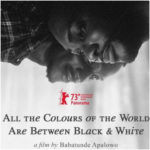
    “All The Colors of The World Are Between Black and White”

    This movie should be on your radar if you’re looking for a queer romcom. 

    Directed by Babatunde Apalawo,  it  tells the story of two young men, Bambino and Bawa, who become friends after first meeting at a photography competition. The two soon start to develop feelings for each other but they can’t fully express what they feel for each other due to the highly homophobic society. However, the lovebirds are undeterred as they find ways to navigate their feelings. The story shows the importance of love, acceptance and the beauty of human connections. It stars Tope Tedela, Riyo David, Uchechika Elumelu, among others.

    “Ife”

    This 2020 short was produced by LGBTQ rights advocates and filmmakers, Pamela Adie and Uyaiedu Ikpe-Etim. It tells the love story of Ife and Adaora, two women who fall in love after an initial one-night date that extends to three days spent together. Ife highlights the challenges the experience of the ladies as queer lovers in Nigeria.

    “Country Love”

    Country Love follows the life of a young man, Kambili, who returns home after fifteen years and finds out that his memories of home have changed. The film explores the bond among siblings, love and sexuality, and their impact on queer people. Kelechi Michaels, Uzoamaka Onuoha and Divine Ahiwe.

    Read this next: We Got Married So We Can Be Gay in Peace

  • June is the month when the Queer community gets to celebrate the joy of their existence worldwide. From marches to pride parades, balls, e.t.c, it’s a celebration of the lives of people existing loudly and proudly as their most authentic selves. We spoke to these five Nigerians about what celebrating pride month in Nigeria meant to them.

    Lu (they/them)

    I think of pride month as independence day for LGBTQ+ people. They’re free to express themselves, marry, and live a life free from danger. But since it doesn’t apply to me here in Nigeria, I decided to look at it as me celebrating coming to terms with my sexual orientation and gender identity. I struggled with it, so pride month is my independence. 

    I celebrated by watching LGBTQ+ series, mostly animated, because they’re more authentic. Most non-animated series/movies gave off “let’s just add LGBTQ+ characters so it won’t look like we’re bigots” and the characters barely have personalities outside their identity. 

    I wish I’d gone to the parties and events people hosted and attended a pride parade or drag show. But I’m an introvert and still live with my mom.

    RELATED: These 7 Animated Shows Have the Coolest LGBTQ Representation

    Temi  (he/they)

    To me, Pride is a celebration. It’s happiness despite everything happening — holding onto your community, checking up on each other. Having a month means something about me, my identity and my community. It makes me so happy. 

    I celebrated by publishing queer love letters throughout the month. Every one of those letters brought me immense joy. I had a pride picnic with queer people in my school, which was the highlight of my entire month. I also read queer books at home. 

    I would have loved to attend the queer parties and events, but I can’t come out at night, as I live with my parents. I’m bitter about that and blame this useless government for not ending the strike so I could celebrate pride properly with my friends. If everything had gone to plan, I might have attended several pride parties this year, gotten a new partner, and enjoyed my life.

    Muna (they/she) 

    Pride month for me is just a time to hang out with my queer friends and family. It’s very wholesome, I feel seen, and I don’t have to pretend I’m heterosexual. I don’t get to be in spaces like this often, so it’s always amazing. I celebrated Pride Month by going to random queer spaces looking like my gayest self — places that make me happy, and I didn’t have to bond over trauma.

    Clover (she/her) 

    Pride Month celebrates how far we’ve come as a community. Even though I can’t openly celebrate because of the homophobia, I post about queer history and culture worldwide on my Whatsapp status. If I could, I’d march the streets wearing all kinds of rainbow merch. One day, one day. 

    Fidel (he/him)

    For me, pride month is the one time in my life when I find myself rid of fear. There’s something about seeing myself among queer people happy and celebrating that makes me feel like life is worth something.

    I spent this month attending as many events as possible, sitting with my chosen family, watching movies and documentaries, and having dinner. I used to think I hated going out, but I don’t. I just needed to be in the presence of people to whom I didn’t have to explain myself.

    I know we’re not where many countries are regarding the rights of LGBTQ+ people, but seeing people in other countries celebrate gives me hope that one day that could be us. 

    ALSO READ: 9 Ways to Support Your Queer Friend During Pride Month

  • What does it mean to be a man? Surely, it’s not one thing. It’s a series of little moments that add up. Man Like is a weekly Zikoko series documenting these moments to see how it adds up. It’s a series for men by men, talking about men’s issues. We try to understand what it means to “be a man” from the subject of the week’s perspective.

    Aaron Ahalu refuses to be bothered by the concept of masculinity. Joining me for a virtual chat from the beach where he’s celebrating his birthday, the creative director and photographer tells me his entire existence is somehow a middle finger to society. “I do what I want because I want to”, he says. But being this self-assured in a place like Nigeria doesn’t come without consequences.

    In this episode of Man Like, he talks about finding freedom of expression in makeup and fashion, breaking out of his dad’s control and how he deals with pushback from people uncomfortable with his look. 

    What was growing up like for you? 

    My childhood was anything but conventional. My parents were never married, so I spent most of my childhood with my mum in Jos while my dad lived in Lagos.

    In Jos, I was surrounded by many women who taught me a lot about acceptance and what it means to be a thoughtful person. I wore one of my aunt’s heels when I was about eight and tumbled down a flight of stairs into the living room. My mum and her sisters had never seen me in heels before, but instead of freaking out, they laughed about it. That was my first experience with not being judged. I’ll never forget it.

    As for my dad, I didn’t meet him until I was 13. 

    Why? 

    I was born out of wedlock, and because of that, my dad didn’t feel indebted to me. Also, my mum was doing better than him financially, so it just made sense for me to live with her. 

    But the year I turned 13 was when the crisis in Jos began to intensify, and my mum thought it best to send me to Lagos to live with my dad. She mentioned she didn’t want to burden any of her relatives, so she called my dad and sent me over. When my aunt and I got to the park, she was like, “Oh, there’s your dad,” and I remember just looking at all the random men there, trying to figure out which one was my dad. He eventually walked up to both of us. 

    Did he meet your expectations? What was your expectation?

    I’d never seen this man before, and as a material gworl, I was hoping not to end up with a raggedy-looking dad. He looked really good in his white jalabiya, which was a relief. It was a weird first encounter. I didn’t know what to ask him. He didn’t know what to ask me either. We just rode in silence until we got home. And even then, we never had a proper conversation during the two months I spent with him. 

    What happened during those two months? 

    Nothing spectacular. When we got to the house in Lagos, I realised my dad was married. He showed me where I’d sleep and introduced me to my half-siblings, which was weird because I was meeting these people for the first time, and now I had to call them “brother” and “sister”. I was also very frustrated because, like I mentioned earlier, he didn’t have as much as my mum financially, so I had to manage and share a lot of things with my half-siblings. 

    Ironically, the best part of my stay with my dad was meeting and bonding with them. This was the first time I had other children who looked up to me because I was older, and we all got along. Given a choice, I doubt I’d choose to meet my dad under the circumstances we met. But they’re the one thing I wouldn’t change about that trip.  

    After two months with my Dad in Lagos, my mum sent for me after things calmed down and I went back home to Jos. 

    Hmm. Did you and your mum talk about your time in Lagos? 

    We spoke about it briefly, but it was mostly me complaining about how jaga jaga my dad’s house was compared to hers. LOL. She still teases me about the way I described his house.

    After my return to Jos, one thing that changed was my dad started to communicate with me more often. He eventually moved to Abuja and I moved in with him. Living with him again, we got closer until things fell apart between us.

    Let’s not rush. Why did you move in with your dad again after the last time? 

    I didn’t have a choice, sis. My mum was tired of my bullshit, so she sent me to go live with him. 

    LOL. What did you do? 

    I was pretty rebellious as a child. I got expelled from school for jumping the fence and this was like the third secondary school I was attending. I’ve never been a fan of rules and regulations, yet they kept sending me to boarding schools rife with oppression and people I didn’t want to be around. I think my mum was just over everything, considering this was my third expulsion. I had to go live with my dad, and that’s how I started attending a day school, which was a better fit for me. 

    Did anything change when you moved in with your dad for the second time? 

    It was a completely different experience. I was older and more present, which made everything feel better. But I’m mostly glad for being old enough to provide emotional support for my younger step-siblings. We had bonded, so it wasn’t all fresh and confusing like before. Abuja was fun for me because I had them around. I also got to finish secondary school, attend university, and eventually get a job. Life was good. Until it wasn’t. 

    How so? 

    The older I got, the more I started changing in terms of experimenting with fashion and going out to events. My dad saw me as this “good boy”, so the change was too much for him to handle. It’s not like I became bad. I just started to evolve into who I am today. My dad became very good at making me feel small. He did that to my siblings as well and it messed us up. 

    The oppression I’d complained about in boarding school moved to my own house from my family. My dad and step-mum couldn’t handle that I wasn’t a child anymore, so I had to break free. 

    Damn 

    The fact that he couldn’t control who I wanted to be as a person triggered a weird anger in him. I used to go out a lot back then because I was getting into the events business space I currently work in, and I remember coming home one day when I was about 24, just to find all my belongings thrown out of our house. Even my fucking mattress. 

    I thought it was stupid, so I tried to let myself in, but they refused. At some point during the whole back and forth, my dad had police officers drag me to a police station, where I was beaten and threatened. All of that shit was toxic AF, and I couldn’t take it anymore. If they couldn’t handle who I was becoming, there was no point staying with them, so I left. 

    I’m so sorry you went through all that. Did your mum know about this? 

    Thank you. I wanted to reach out to her that day, but my dad had seized my phone. I later got through to her, and she was pissed. She tried to call her contacts in the police to get back at my dad. That was the most challenging part because I could hear the pain in her voice. All of it hurt her. I’ve tried to repress these memories and move on from them. 

    I get that. So what did you do when you left? 

    I had some savings from my job, so I moved to Lagos where I stayed with my aunt until I could get back on my feet. I later moved in with some friends here and there, and now, I have a place I share with my friends. Things were slow, but I somehow pulled through.

    That’s great to hear. How have all of these experiences influenced who you are today? 

    I think it has made me a better judge of character and energy. I meet people now, and I can read them better because I’ve experienced the good and the bad. I can’t fully explain it, but I get people now. 

    We are shifting gears. Let’s talk about fashion and beauty 

    Yassss. 

    How has having a style that doesn’t conform to society’s definition of masculine influenced your interaction with people? 

    Hmm. So I like to tell people there’ll always be barriers to happiness in life. I’ve met several people who disrespected me based on my outfit and appearance. Today’s my birthday, and police officers stopped and searched our boat on the way to the beach. Because I was wearing makeup, one of them threatened to slap me and throw me into the water. It’s nothing new.

    But one thing I’ve told myself is never to let these things get to me or prevent me from expressing my true self. I get a lot of love and support from the people around me. I refuse to let the negative reactions I get drown out the love because I have more of that in my life. 

    So you’ve never felt the need to fit into the mould? 

    I’m human, and sometimes, it happens. I’ve walked into a place and thought, “Oh, shit! Maybe I shouldn’t have worn this today.” Or the times when I’m walking on the street and get catcalled. It’s unintentional. But, yeah, I try to get over those feelings as soon as possible. I also try to avoid spaces where I’m not welcome. 

    Preach! Why is your expression of fashion and beauty an important part of your identity considering the backlash it comes with? 

    For me, it’s all about how I’m feeling and finding creative ways to express that. I could wake up in the morning, get my face beat and sit at home. I’m doing it because I feel like having fun with my looks and also because I can. I don’t take life or myself too seriously. 

    I also don’t believe anything is gender-specific regarding fashion and beauty. Everything belongs to everyone because we’re all human before anything else. We have these systems that have kept us down for so long, believing that we should be one way or another. Who makes the fucking rules? I wear what I want and use makeup because I want to. 

    Also, my pronouns are he/him/they. The “they” is there because I can be whoever I want to be. 

    Inject it! Your thoughts make me really interested in how you view masculinity

    What’s that? I feel like that term is stupid. It’s such a weird question. I don’t know what masculinity is abeg. 

    Fair. So it’s pride month! What does this period signify for you? 

    It means a lot to me, but I also feel like it should mean more to other people. June is the one month in a year when we celebrate people who are continuously marginalised. It’s an important period for me because I also get to celebrate with an annual pride ball that I’m excited about. 

    Ouu. Invites for me? 

    Yes, of course! 

    ALSO READ: I Was Labelled Gay Before I Even Understood What It Meant — Man Like Richard Akuson

  • It’s still pride month, and we’re queering it up one day at a time. We’ve given you a playlist of the best bops to get down to this season. Now, let’s move on to the best African queer documentaries. From underground ballroom culture to the dangerous intersection between religion and homophobia, these documentaries present a wide range of queer history and current struggles. 

    The Legend of the Underground 

    The American TV show, Pose, introduced the general public to New York’s underground ballroom scene when it premiered in 2017. But what if we told you that Nigeria had a ballroom scene just as resilient and beautiful? The Legend of the Underground is a documentary that explores different characters from Nigeria’s colourful ballroom scene. Shedding light on the complicated lives of members of Nigeria’s LGBTQ+ community both at home and abroad, it’s a must-watch that is both celebratory and eye-opening at the same time. 

    Born This Way 

    No, this is not a Lady Gaga project. The two characters this documentary follows are super obsessed with Lady Gaga and Rihanna, though (We stan taste in this house.) Set in Cameroon, Born This Way looks at the inspiring queer community in the country against the backdrop of a law that punishes homosexual relations with up to five years in prison. 

    God Loves Uganda 

    History has shown us time and time again that queer people existed in Africa long before the arrival of colonisers. And while “modern” religion brought a considerable amount of progress (Shoutout to the good sis, Mary Slessor), it also brought a large amount of homophobia. 

    God Loves Uganda is a 2013 documentary examining how American evangelicals are encouraging homophobia in Uganda after failing in America with the passage of the Same-Sex Marriage act. The documentary takes a deep dive into the intersection between race, religion and homophobia in Uganda. 

    I Am Samuel 

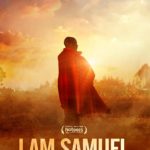
    This Kenyan documentary about the life of a gay man navigating life in a conservative country was banned because it was seen as an attack on the country’s culture and identity. Sis, what? Anyway, I Am Samuel looks at the life of the eponymous character, Samuel, and his partner, Alex. Shot over five years, it explores Samuel’s relationship with religion, his family, and the queer community in Nairobi, Kenya. 

    It’s almost an hour long, but trust us, it’ll be an hour well spent. 

    The Pearl of Africa 

    Ugandans are steady with the queer  content, and I live! The Pearl of Africa tells the story of Ugandan transgender activist, Cleopatra Kambugu, and her fight for the fundamental right to live and love alongside her husband, Nelson. It shows the battle one woman has to face just to be accepted as a human being and loved in a country that fails to acknowledge her existence. This documentary will surely have you in your feels, so be ready to sob a little and be inspired like crazy.

    Stories of Our Lives 

    This Kenyan project is more of a collection of short films than a documentary. Created by filmmaker Jim Chuchu, Stories of Our Lives shows queer life in Kenya through a series of five black-and-white short stories. Covering a broad spectrum of gay, lesbian, bisexual, transgender and intersex, the film, banned in Kenya, tells a collective story of people who have been relegated to the back of the line. It doesn’t give a voice; instead, it amplifies voices that the noise of bigotry have drowned out. An incredible project everyone should see even beyond this period.

    Paris is Burning

    While this documentary isn’t African, it’s an undeniable queer classic and an essential documentary. Paris is Burning is THAT girl. It follows the lives of drag queens living in New York City and the house-ballroom culture that provided them with chosen families and safe havens.

  • Welcome to Jibiti month! As you all know, June has been set aside as a month to celebrate the LGBTQ+ community in its fullness and beauty. And while the community doesn’t get to celebrate in Nigeria like other countries, many queer Nigerians are celebrating in their own little way — through music and dance. To celebrate pride month, we took a peek into their playlists for the best songs to vibe to this season.  Here’s our official Pride 2022 playlist. Get into it, yuh! 

    1. Get into the Mila Jam’s inclusive It’s Raining Them 

    — Izzie

    This song reminds me that I’m queer, I’m here, and I’m going to shine no matter what. 

    2. Rina Sawayama’s Chosen Family reminds me of the bond we share as a community. 

    — E.B

    When people think of pride songs, they think of pop and upbeat songs. For me, it’s the opposite. I think Rina Sawayama’s Chosen Family is an important song. The lyrics highlight the shared pain and joy of queer people all over the world, and how we’re able to create a bond to form new familes and communities. 

    3. If the gays ever form our country, Todrick Hall’s Parade should be our national anthem

    — Moses

    Todrick Hall’s Parade intensifies my homosexuality, making me feel proud and causing me to vogue. The voices of the black choir that sings the chorus with Todrick give my knees the strength to successfully pull off a ballroom routine worthy of 10s across the board. Anytime they open their mouths, I do a death drop that I’m pretty sure would make RuPaul die of excitement. That song is magic. 

    4. Every ABBA song is queer AF! 

    — Nini

    The only aunt I was out to — she’s late now — was obsessed with ABBA and would play their songs non-stop when I was little.  I became obsessed. Plus, I think Mamma Mia is the gayest movie ever made. I can’t count how many times I’ve cried about a partner travelling abroad to I Have a Dream or how many times I’ve been sad about my reality as a queer person in Nigeria, crying and dancing along to Dancing Queen. They’re my comfort band and songs, and I wouldn’t have it any other way.

    5. Wo Fie by Sister Deborah and Angel Maxine is the most iconic African queer anthem. Period! 

    — Ehi 

    The first time I heard Wo Fie, I thought it was a parody or joke of some sorts. It’s funny, but in a way that makes homophobic people realise how ridiculous their bias is. The video is also hilarious AF, and it feels empowering to see an African trans woman like Angel Maxine kill it on screen. Inject it inna mi veins!

    RECOMMENDED: 7 Fun Activities You Can Plan for Pride Month in Nigeria

    6. Lady Donli’s MKK makes me feel like I can snag bad bitches

    — Toke

    Lady Donli’s MKK speaks to my soul and spirit and just screams “gay”. It makes me feel like I have, and can get many babes in real life, which is not true, but we move. I listen to it to feel good.

    7. I can’t really dance, but Azealia Banks’ 212 makes me move every time. 

    — Joel

    Truth is, 212 is a senseless oontz oontz club song made for the gays. It doesn’t have any meaning, but whenever life is doing me somehow and I just want to feel good, I put on this song and dance with the skills I don’t have. Don’t tell anyone, but I have the perfect mob dance break in my head to the bridge of this song, and hopefully I get to do it someday. 

    8.  I want that feeling Kehlani is singing about on Melt.

    — Elizabeth 

    Listening to Melt, you can tell that Kehlani feels safe with her partner. I love how she uses the lyrics of this song to describe that feeling, and to be honest, who doesn’t want to feel safe with the person that they love? 

    9. There’s something unapologetically gay about Todrick Hall’s I Like Boys. 

    — Seun 

    I Like Boys is an upbeat song that is guaranteed to make me dance. Singing the lyrics makes me feel like I’m letting everyone know that yes, I’m gay, and it’s time for them to revel in the fabulousness that is this pride and joy. 

    10. Want to feel like a bad bitch? Listen to Doja Cat’s Boss Bitch

    — Ikenna 

    As soon as Boss Bitch starts, I want to strut in heels and tell everyone to clear road because a bad bitch is coming through. Perod!

    11. Niniola doesn’t know it yet, but Bana has made her a gay icon

    — Derrick

    Something about the groove and beat of Bana is incredibly gay. You have no choice but to body roll and drop to the floor as soon as the beat drops. This will always be a bop that makes me feel good. 

    12. Flava by Lady Donli is a certified lesbian bop! 

    — Mariam

    Lady Donli’s Flava sounds so lesbian with all the soft voices and sweetness. I love it!

    ALSO READ: 9 Ways to Support Your Queer Friend During Pride Month

  • There are so many activities you can do for pride month without breaking the bank. From planning a picnic, speed dating or binge-watching queer movies. Here are seven fun activities you should try this Pride Month.

    Organise a picnic with your friends

    Write the names of all seven colours of the rainbow on individual stripes of paper. Make everyone pick a colour randomly and then have them bring food items in that exact colour and dress up in the same colour. If your friend group isn’t up to seven, invite more people — the more, the merrier. 

    RELATED: Every Queer Friend Group Has One of These

    Invite your friends to a party where they have to dress as their favourite musician

    You don’t even have to spend much money. Ask everyone to come with something to share with others. Set up karaoke and have them sing along to the musician they’re dressed as. Nothing says pride like a bunch of queer people singing Odunsi (The Engine’s) “wicked, sexy!” at the top of their lungs

    Go to a poetry night

    For queer people that enjoy reading and listening to poetry, you can attend any poetry night event or even host one yourself. Be ready to cry, laugh and have an all-around good experience listening to people’s stories and struggles.

    Invite friends to binge-watch queer movies

    You don’t need Pride to watch queer movies, of course, but Pride Month just makes binge-watching with your chosen family feel extra special. You have thirty whole days to go through as many full-length films, short films and animated films as possible. Be ready for the loud laughter, the God-when’s, and the tears. 

    Attend online pride events 

    For people that can’t physically attend any event, you can live vicariously through an online Pride celebration. Just talking and being in the presence of people that understand you makes all the difference.

    Do something nice for someone

    You can donate to a safe house or any GoFundMe of your choice. Buy queer books for younger queer kids, and write letters to your friends or those your social media mutuals. Think of Pride as queer Christmas. 

    Buy Pride merch from queer-owned companies 

    It may cost a little more to patronise small queer businesses but think of it as giving back to the cause. Buy as many accessories or flags as you can afford for friends and try to have a good time. 

    READ ALSO: 9 Ways To Support Your Queer Friend During Pride Month

  • Outing a queer person without their consent especially in a country like Nigeria is one of the worst things you could do to a queer person. To the four people we spoke to in this story, they know too well that it is like to feel the fear of being outed before you feel ready and how it leaves you exposed to violence.

    Pride to be Gay

    Ben, 24.

    Mine is kind of funny. You know how Twitter shows you your contacts that are available on the app? My brother saw my Twitter profile when he signed up for it. He started seeing my tweets talking about men and penis. He came up to me when I returned home from uni and asked me if this wasn’t my Twitter. I couldn’t even think, I said yes. Then he told our parents. My parents still look at me with disgust.

    Ada, 27.
    My sister outed me. She caught me watching lesbian porn one day. Before I could say ‘Flash’ she had run to my mother. My mother on her part wasted no time descending on me. It was brutal. My family have spoken about it now and moved past the homophobia but that day, God I wanted to die.

    Dare, 22.

    A course mate of mine found my Twitter where even though I was using my name, I was using my photo and other identifiable things and I was very open about my sexuality. They told everyone in school, it was so awful. People started making very obscene jokes about me, people were very mean. It affected me and because I stopped going to classes often, it affected my grades for a long time. At some point, I just said fuck it and moved on with my life.

    Chisom, 24.
    There was a boy I was talking to at some point but after a while, I lost interest. I had made the mistake of telling him I was bisexual before and when I told him I didn’t want to sleep with him, he went out of his way to tell everyone I was a lesbian. People were looking at me weird, some even came up to ask me. Luckily, I didn’t care about it all and kept telling them ‘yes’. Eventually, it became stale gossip.

    Aaron, 27.

    I got outed by someone I went to have sex with. When we met, things were going as expected. Then they went outside and came back with someone and started threatening me. He and his goon took my shoes, money, and took incriminating photos. They used the photos to blackmail for a long time. One day, I refused to budge and they sent it to my mother. My mother isn’t very open or progressive but seeing her child that vulnerable and hearing how I was blackmailed changed something her. She has accepted my sexuality now but I hate that it happened that way.

    Matthew, 22.
    When I was in my teens, I was very religious and when I started going through puberty and realizing I wasn’t straight. I made the mistake of turning to our music director in the choir. He and I were close and he tried to be very fatherly towards us. The moment I said it, he started looking at me differently and I immediately regretted saying anything. A few days later, my mum called me to her room and asked me why I wanted to disgrace her by being choosing homosexuality. I was destroyed. I never looked at him the same and left the choir and church as soon as I could.

    • Names have been changed for the sake of anonymity.
  • This article shares stories of women who have experienced both sides of love and relationships and have chosen what makes them feel the happiest . These women share their stories of leaving heterosexual relationships to date women. Here are their stories:

    Mimi

    I always dated and was sexually active with both men and women at the same time. I never put a tag on it or thought I was a lesbian and I was suffering while dating men. The relationship was very abusive but I had put a time frame for marriage and I went on with the relationship.

    I started seeing someone else as a way to escape the abuse as a power reclaim move, this new person was the first man I had ever been willingly sexual with.

    Eventually, I realized I didn’t enjoy having sex with men. Luckily for me, I met his best friend, a babe. I felt an instant attraction to her. Being with her was the seal I needed to realize I only want to date women moving forward. I have enjoyed making that decision.

    Dee

    I was married for two years and he was narcissistic and abusive. Even then always knew I liked girls too and I had dated a girl while I was in university. I married my ex-husband because I thought he was a good Christian and we could build a good life together.

    My marriage had been over for two years before I started dating again, the relationship I got into after leaving him was very toxic and triggering and made me go back to therapy. I am all fine now and in a new relationship, we are both growing and know what we want. She is the yin to my yang. I will rate it 9- the other one is because we are both stubborn.

    To Cater To Women, Sex Tech Founders Need To Listen To Lesbians

    Babek

    I was seeing two guys at the same time, I would not call it dating but I referred to both of them as baby. The first one who I’ll call M repulsed me, I could never get myself to kiss him no matter what and the second guy also irritated me sometimes. I don’t remember the moment of awakening I experienced, I just started finding women attractive and knew I wanted that.

    The first time I fell in love with a girl I knew I had lucked out, every minute I spent with her was the best part of my day but I was still seeing the guys. I was constantly verbally abused by M. He was constantly saying things to me that made me uncomfortable about my body, but I kept up with it for appearances.

    The first proper relationship that I acknowledged was with a woman and it was perfect. I guess I realize the reason I was so averse to labelling whatever I had with those men was that I never wanted to actually date men. Those two men helped me know that dating men wasn’t for me.

    Animated gif about gif in BLESBIANS 🤘🏾 by Jules

    Eniola

    I have always been with men even when I found women insanely attractive, I never acted on it. I didn’t think I was ever going to like women or move to a woman and tell her how I felt even when I had stopped enjoying sex with men. One of the times I was seeing a guy, I told him I might be bi-curious and it must have been a fetish for him. He constantly brought it up and asked if I wanted to have threesomes. I honestly was not interested in it.

    While still seeing him, I met a babe who I found really attractive. We went out a couple of time and I started to like her. Told her I liked her and she said she liked me too, it was my first time moving to a woman romantically. It has not worked out yet, but one thing I know for sure is that I am done with men, bi-curious or not. 

    Check this out for more queer centered stories.