• On February 26, 2022, Ayanwola Bamise boarded a Bus Rapid Transit (BRT) vehicle at Chevron Bus Stop, Lekki, heading to Oshodi in Lagos. The 22-year-old fashion designer was on her way to her brother’s home to stay with him and his pregnant wife.

    According to a Twitter thread posted by her friend, Mercy, on March 2, 2022, Bamise sensed something was wrong with the ride shortly after it started around 7 pm.

    The driver had asked her to sit at the back of the bus even though it was empty.

    Her discomfort with the situation grew, so she started texting her friends to update them with audio messages and videos.

    The bus was initially not picking up any new passengers, but she said she was relieved after two men and one woman boarded. But she was still uneasy that she told her friends she would get down as Oworonshoki, unwilling to reach Oshodi with the bus.

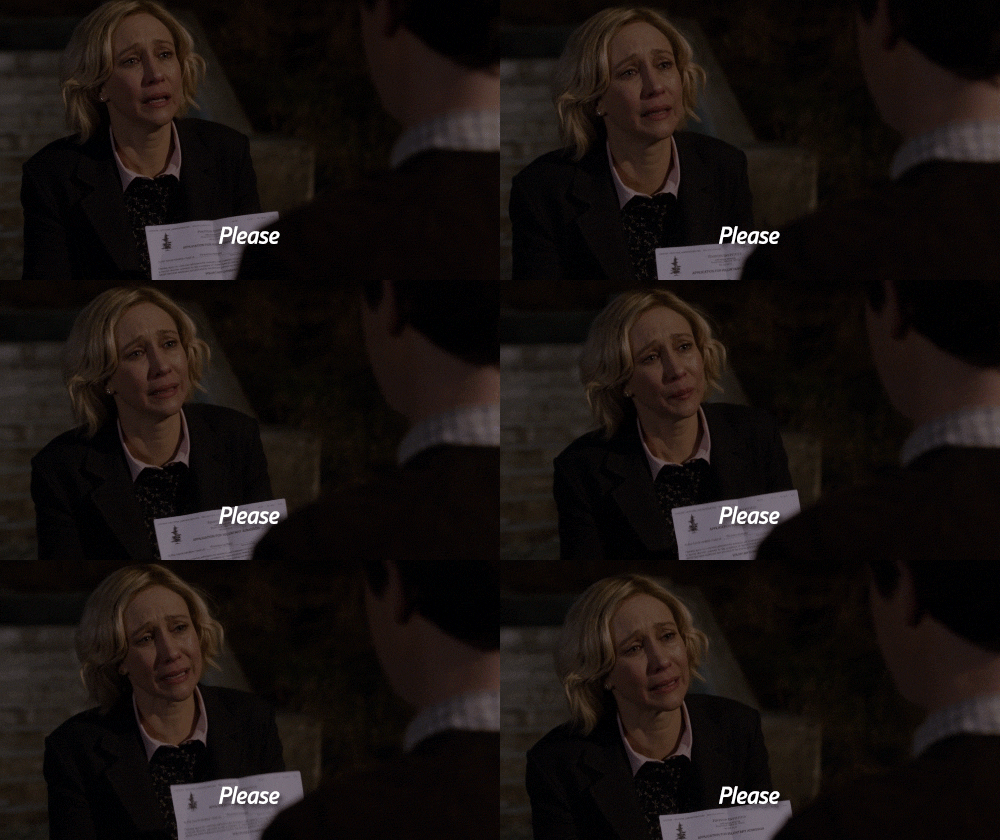
    In one of the videos she shared, she told her friend, “Please pray for me. My mind is not at rest. Don’t tell anybody. Don’t tell Aunty Rinu. She’d make fun of me if nothing happens.”

    But something did happen — it was the last time anyone heard from her alive.

    Missing for over one week

    Bamise’s family used the information she passed on to her friends to start searching for her when she did not return home on February 26, 2022. They went to the Oshodi BRT Park Terminal and located the bus that she identified, but the driver was nowhere to be found. 

    Police officers were alerted but they found out the driver already relocated from his known address. It was the desperation of the search that led her friends to start raising alarm about her disappearance on Twitter. Mercy’s March 2, 2022 Twitter thread has been retweeted over 10,000 times and many people online started calling out the authorities for not doing enough to find her.

    The Lagos State Police Command announced in a statement on March 5, 2022 that two suspects had already been arrested during investigations into Bamise’s disappearance.

    Body found, suspect arrested

    The Lagos State Police Command, on March 7, 2022, announced that Bamise’s body was found lying on the Carter Bridge by Ogogoro Community in Lagos Island. The body has been confirmed by her family. Online reports have claimed that her private part was missing, but this has not been verified by authorities or Bamise’s brother who identified her body.

    Hours after her death was announced, the Department of State Services (DSS) arrested the bus driver, identified as Nice Andrew Omininikoron. The Lagos State Police Command’s spokesperson, CSP Adekunle Ajisebutu, said the suspect will be charged to court “soon”.

    Driver denies involvement

    Omininikoron was paraded before the media late on March 7, 2022,  but he denied having anything to do with Bamise’s death. He claimed the two of them were attacked by three other male passengers, but he drove off while they were dragging the young lady off the bus.

    Nice Andrew Omininikoron is the main suspect in the murder of Ayanwola Bamise

    He said, “When those guys showed me the weapon, I couldn’t be myself anymore. Whatever the man with the gun told me was what I did. When I followed that Carter Bridge, they ordered me to stop and open the door. When I opened the door, they started dragging her. She was crying for help, but I was helpless. I thought she was inside the vehicle holding the iron, so I moved on.”

    Omininikoron also said he ran into hiding after the incident because he was afraid.

    What are the issues?

    The BRT vehicle used by the suspect is operated by the Lagos Bus Service Ltd (LBSL) which was incorporated in 2016. The company prides itself as “the first point of call for reliable transit in Lagos”. That claim is now under dispute following Bamise’s murder.

    The BRT vehicle that Bamise boarded was running LSBL’s Ajah-Oshodi route.

    Many Nigerians online are lamenting that the service is no longer the safe space that it was once thought to be. Other people are also worried that the government did not swing into action quickly enough, following Bamise’s disappearance.

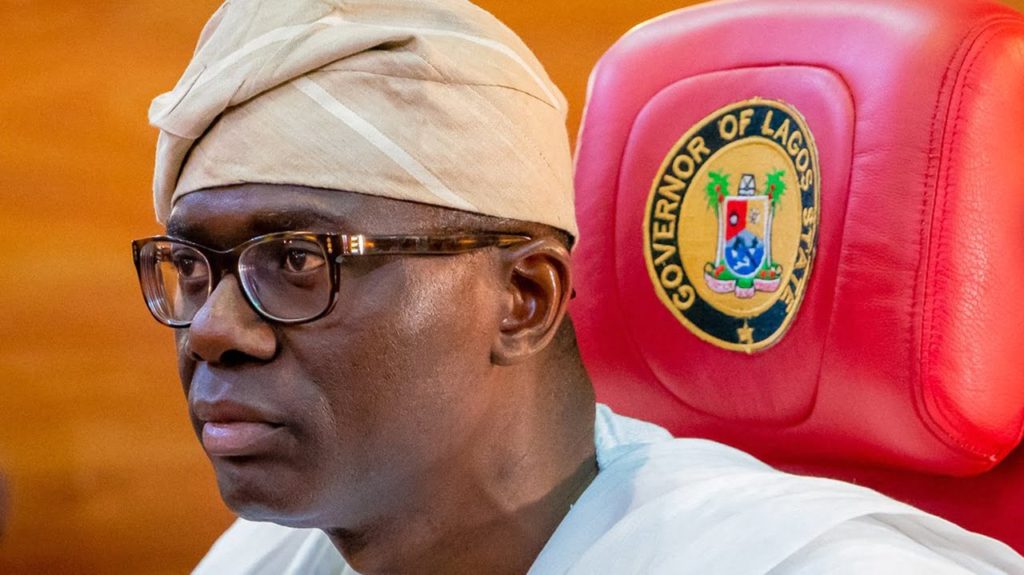
    Lagos state governor, Babajide Sanwo-Olu, said in a statement on March 7, 2022 that he’s instructed LSBL to cooperate with the police and assist in the investigations.

    He said, “I hereby give you my word that JUSTICE WILL BE SERVED. To fellow Lagosians, I assure you that I am following all the investigations closely, and will ensure that Oluwabamise gets the justice she deserves. I also assure you all that the BRT services remain safe, despite this condemnable act.”

    Protests take place

    A protest against Bamise’s murder was announced to take place in Lagos on March 8 which is also International Women’s Day

    Protesters will converge at the Gani Fawehinmi Park, and proceed to the Government House in Alausa, Ikeja.

    Protesters have been advised to conduct themselves peacefully.

  • Life

    Navigating life as a woman in the world today is interesting. From Nigeria to Timbuktu, it’ll amaze you how similar all our experiences are. Every Wednesday, women the world over will share their experiences on everything from sex to politics right here. 

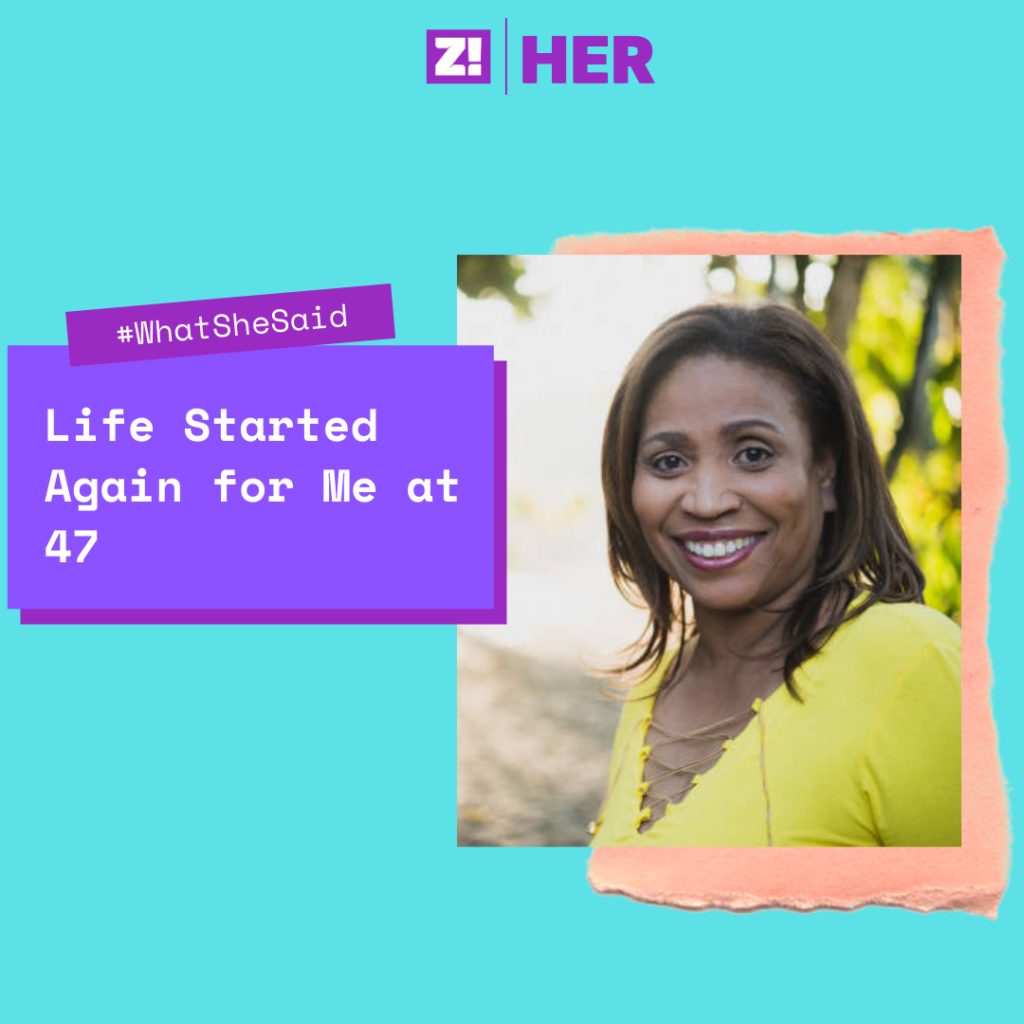
    Today’s subject for #ZikokoWhatSheSaid is a 50-year-old mum of three living her life backwards. She talks about the ups and downs of having a police dad, navigating adulthood without a solid plan and the moment of epiphany that reset her life.

    What was it like growing up in the 80s?

    We moved around a lot when I was a child. My dad was an Assistant Commissioner of Police in Lagos, and his job made sure we moved to a new place every other year. Those trips were the most exciting thing about having a police dad. I knew we were always going to try someplace new — and loved it. 

    I was born in Lagos and lived in the officer’s quarters at the Police College in Ikeja. The first time we moved, I was nine. We went from Lagos to Makurdi in Benue State and moved between three towns in Benue: Makurdi, Ida and Otukpo. Eight years later, my father was redeployed and we settled down in Oji river in Enugu State, where we lived until my father retired from the police force and moved to Delta State. 

    What were the best parts of your road trips? 

    I miss the drive between towns. The fruity scent of my mum’s perfume in my dad’s Peugeot 504. The cool breeze as my dad drove through highways… 

    Didn’t you lose friends with all of this moving about?

    My parents were pretty strict. My dad in particular. He was very strict about minding his business, which meant ensuring his kids didn’t mingle with the neighbours or make friends. He made sure we didn’t wander outside the compound. Our lives looped around home, school and church. It didn’t help that our flat at the barracks had its own compound. That seclusion made it so boring — the kids at the communal side of the barracks seemed to have all the fun. We didn’t even have a TV to watch. It was so annoying. The only form of entertainment we had was standing by the window in the living room and watching the other kids run around, roll tyres and get dirty. 

    I made my first set of friends in secondary school, but I didn’t feel attached to those relationships. Leaving right in the middle of a school term was second nature to me — it never felt like I was losing anything. 

    You never snuck out of the house?

    Hm. Once bitten, twice shy. 

    Ghen ghen… Tell me about the once.

    My older brother snuck out one day after school while my sister and I looked on. He was having the time of his life that afternoon, rolling tyres, throwing sand around with the other kids and laughing. All that laughter disappeared when my dad rode his bicycle into the compound. We didn’t even have enough time to call him back into the house. It was my dad’s belt that brought him inside. When my mum returned from the market, he received another round of beating. Nobody had to tell us to never try it again after that.

    That’s harsh. 

    Yeah. Anyway, being stuck in the house got me obsessed with reading novels. I started saving any money I got to buy books. I also climbed a lot of trees. When we lived in Otukpo, our compound had been surrounded by tall mango trees, and we were allowed to play with them. It was fun racing my brother and sister to the top, and up there we were rewarded with cool breeze and juicy mangos. 

    Climbing trees made me feel daring, brave.

    Wild. Deciding on a Netflix show is where my bravery ends. 

    LOL.  I also remember things like hiding in the farm behind our house in Maiduguri to avoid going for a secondary school entrance exam that was miles away from home. My father threatened to not send me to school for the whole year, but I didn’t care. He eventually enrolled me at a school close to the house. My mother used to beat me for soaking my clothes in the bathroom for days and locking myself in the bathroom to avoid my chores. I was quite the coconut head.

    When was the first time you got to do what you wanted?

    Way way later. My adult life was pretty uneventful. When I got into uni, I wanted to experience new things in a new town. Sadly, as a broke Nigerian student, that dream had to take a back seat. I was also too shy and reserved. My mates were chilling with their razzlers.

    Razz what?

    LOL. That’s what we called the men chasing us back then — what you guys call toasters. I had my razzlers, but I was too reserved to go for any of their advances. I only hung out with one person — let’s call her Amanda — who would drag me to Aba to chill. After uni, the “fun” ended. 

    And what started?

    Job-hunting. I moved to Lagos to find a job. My friends were going into the banking sector, but I couldn’t see myself working as a banker.  I wasn’t sure what I wanted anyway. I got a job as a supervisor in a barbing saloon, but it still didn’t feel like the right place. I complained to my father and he advised me to work as a teacher since I had a degree in English — that wasn’t something I wanted either. Eventually, I asked my sister, who’d moved to the UK,  to start sending clothes I could sell to my friends in Lagos. I did that for a few years but got fed up with the hustle in Lagos and moved back to Port Harcourt. I started the search for a new job again and met the man I married in the process. The years went by, and I still couldn’t find a job. When we started having kids, I started the clothing business again to support my family. My life pretty much shut down, until I turned 47. 

    Tell me what went down.

    I had a moment of epiphany. I got married with three lovely kids, but I was always angry. I didn’t even realise how bad it was until the evening I was watching a series on Zee world and my eight year old daughter walked in to ask a question, and I snapped at her. She wasn’t being difficult; I was just transfering aggression. 

    I was angry at my status. It felt like one minute I was a 17-year-old getting admission into uniport, to study English, taking trips to Aba to visit my friend and enjoying life. Then suddenly, all that time — 33 years —  had gone by and nothing exciting happened in between. I didn’t own anything for myself and my friends who’d chosen banking had solid careers. That reality built some kind of resentment in me.  I wanted more, but it felt late at first. 

    At first?

    Yes. Things changed once I renewed my mind. It meant allowing myself to become the coconut-headed child I once was. It meant trusting God again on the plans he had for me, believing I wasn’t a failure just because time had gone by. The first step was to build something my fears wouldn’t let me believe I was good enough to do. I decided to open up a creche the next year.

    A creche?

    Yeah. Six years after graduating from uniport, my close friend Amanda opened a primary school in Abuja. The parents at her school kept requesting a creche section for their younger kids, but she wasn’t interested in expanding. She called me up a few times to take up the opportunity and set up my own place. I wasn’t ready. 

    I shoved the conversation away until after the incident with my daughter. I went to see her to talk through the emotions. Her advice was to get past the anger and try something new. She mentioned setting up the creche again, and it just felt right. 

    I set up the school in 2020, and it’s gradually grown. I started off with only two staff, and now I have five. New kids come in each year. 

    What does it take to run a creche?

    Continuously learning. You have to be open-minded and keep up with new trends to teach kids. The years they spend in creche are usually the most formative ones, so I’m very particular about exploring teaching strategies. 

    I started this school when I was 48 — a year after that moment of epiphany at 47. This year, I turned 50, and with each moment that passes, there’s something new to learn about teaching. Google had to be my best friend, and it was hard at first. I had to ask my own kids for help — you know that’s not an African mother’s forte. So learning to keep my school up to date has been the hardest thing. I have to be, how do you guys say it…

    Woke?

    Yes. “Woke.”

    LOL. Looking at how your parents trained you, I’m curious about how you’ve trained your kids.

    Haha. I used to be as strict as my parents, but it didn’t work with my kids. As they got older, they only became more rebellious and distant. At one point, I was called in by the principal because my son was suspended for stealing from the cafeteria. That was the moment I knew my father’s austere approach wasn’t going to work. I needed to find a balance. 

    At first, they didn’t trust me, but I kept trying. I let go of the stern boundaries and gave them room to socialise — our communication became more open. They could politely challenge me with ideas, and I was fine stepping back.  As time went by, they started talking to me about things I could only dream about before — crushes at school, places they wanted to see — and I loved every bit of it.

    That’s so sweet. What does a 50-year-old woman who manages a school look forward to in 2022?

    Travelling! Last December, I decided to go on a trip with my kids, sister and her kids to see my dad. He retired and moved to Delta State after serving in the police force for almost 32 years. We couldn’t afford a train ticket, so we decided to take a train from Abuja. My elder brother felt it was a careless decision. But I didn’t want to overthink it. 

    I drove to Lokoja and bought the train tickets at a station there. It was a slow ride, but I enjoyed the scenery. It took me back to those moments in the Peugeot 504 with my family again. There was no breeze from zooming down the highways, but I had the trees and the sun. 

    The next thing on my list is to go on a safari in Kenya. I want to know what the sun feels like around the world. It’s small small sha. I’m starting life backwards — it’s scary, but I love it.

    For more stories like this, check out our #WhatSheSaid and for more women like content, click here

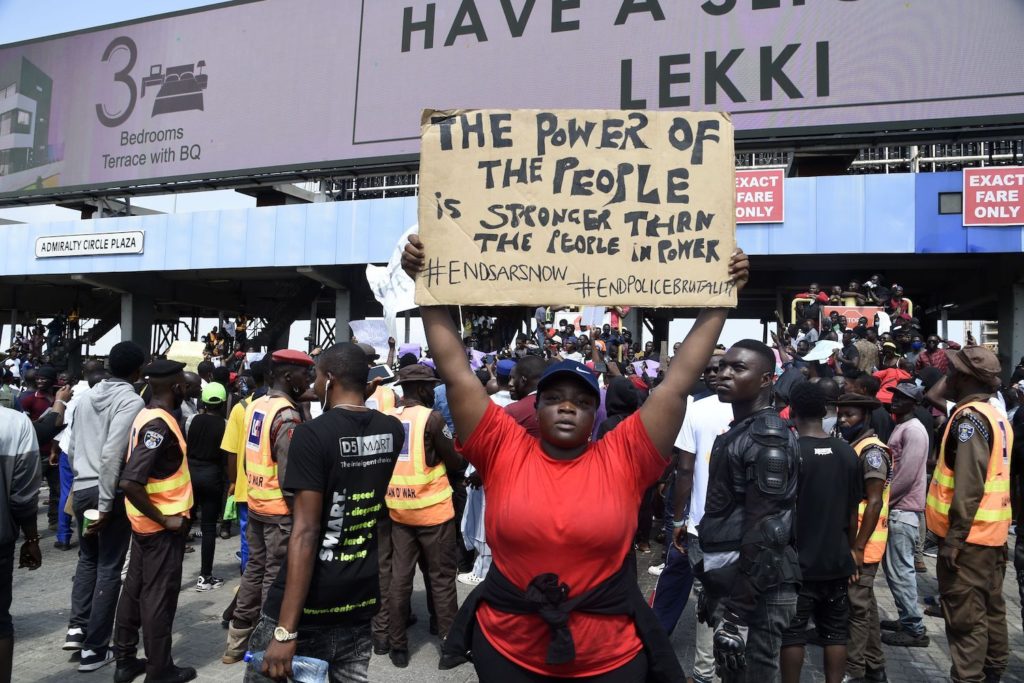
  • More than a year after the Lekki Toll Gate massacre, the Lagos State Judicial Panel on #EndSARS has submitted a report confirming that the Nigerian Army and Police Force were both responsible for the killing of protesters on the night of October 20th, 2020.

    The panel was inaugurated on October 19th, 2020, to quell the ongoing protests by investigating cases of human rights abuses by the Nigerian Police Force, the panel’s role eventually expanded following the night of the massacre.

    “The Nigerian Army was invited for intervention in the State and was deployed to Lekki Toll Gate on the 20th of October 2020. At the Lekki Toll Gate, officers of the Nigerian Army shot, injured, and killed unarmed helpless and defenseless protesters, without provocation or justification, while they were waving the Nigerian Flag and singing the National Anthem and the manner of assault and killing could in context be described as a massacre,” the report read. 

    Here’s everything we know about the report:  

    The Nigerian Army Fired Live Bullets

    After months of going through evidence and listening to eye-witness accounts, the panel concluded that the Nigerian Army actually fired live rounds at the tollgate, killing multiple Nigerians. 

    The panel stated that it had recovered two bullet shells from the scene on October 30th, 2020, when it went for a spot assessment. The shells were duly analyzed by forensic experts who determined that they belonged to the Nigerian Army. 

    Doctors Testified To Multiple Injured People And Over 96 Recorded Deaths

    Presenting its findings, the panel cited the testimonies of three doctors who attended to protesters on that night. In their testimonies, the doctors confirmed that many protesters were critically injured, with over 96 gunshot-related deaths recorded from that night alone (some of the bodies are yet to be identified). 

    The Nigerian Police Also Shot At Protesters 

    The panel’s report also points at another round of shootings from that night, this time by the Nigerian Police Force. According to the report, after the Nigerian Army left the toll gate, officers of the Police Force showed up and shot directly at the remaining protesters who tried to flee the scene. Bodies were reportedly discovered in the shanties and the Lagoon at the Lekki Phase 1 Foreshore, close to the Lekki Toll Gate. 

    The Nigerian Army Blocked Ambulances From Attending To Victims

    Confirming reports made by medics and protesters from that night, the panel found that the Nigerian Army made the situation worse by refusing to allow ambulances to render medical assistance to victims who required it. This eventually led to more deaths that could have easily been prevented if medical aid had been administered at the appropriate time. 

    Lekki Concession Company (LCC) Tried To Stall The Investigation 

    The report also provided more information on the LCC’s role during and after the shootings. According to the panel, the LCC failed to cooperate with the investigation, refusing to hand over vital evidence in its possession. 

    The LCC is also reported to have manipulated the CCTV footage it presented before the panel. 

    A Clean-up Attempt

    Finally, the report also revealed that several government agencies attempted to cover up the incident of October 20th. According to several eyewitness accounts, the Nigerian Army and the Lagos State Environmental Health Monitoring Unit (LASHEMU) allegedly showed up with vans to cart away the bodies of dead protesters. The Lagos Waste Management Authority (LAWMA) was also reported to have arrived at the scene for a quick clean-up immediately after the shootings. Similarly, officers of the Nigerian Army and Police Force were reported to have picked up empty shells from the bullets they used, in a bid to cover up their parts in the shootings.

    Next Steps….

    As part of its report, the panel recommended that the Lekki Toll Plaza be made a memorial site for the protesters who died, renaming it the “ENDSARS TOLLGATE”. Other recommendations included making October 20th of every year a toll-free remembrance day – hinting at plans to reopen the toll gate, a public apology by both the State and Federal Governments, compensation to victims from that night, the establishment of a standing committee to bridge the gap between the society and the police, and the institution of a Human Rights Committee or Tribunal made up of relevant stakeholders. 

    Receiving the report, Governor Babajide Sanwo-Olu promised to set up a 4-man committee led by the Honorable Attorney-General to prepare a White Paper for the purpose of implementing the findings and recommendations expressed in the report. He also promised to send the report to the National Economic Council (NEC) for implementation.

  • A Week In The Life” is a weekly Zikoko series that explores the working-class struggles of Nigerians. It captures the very spirit of what it means to hustle in Nigeria and puts you in the shoes of the subject for a week.


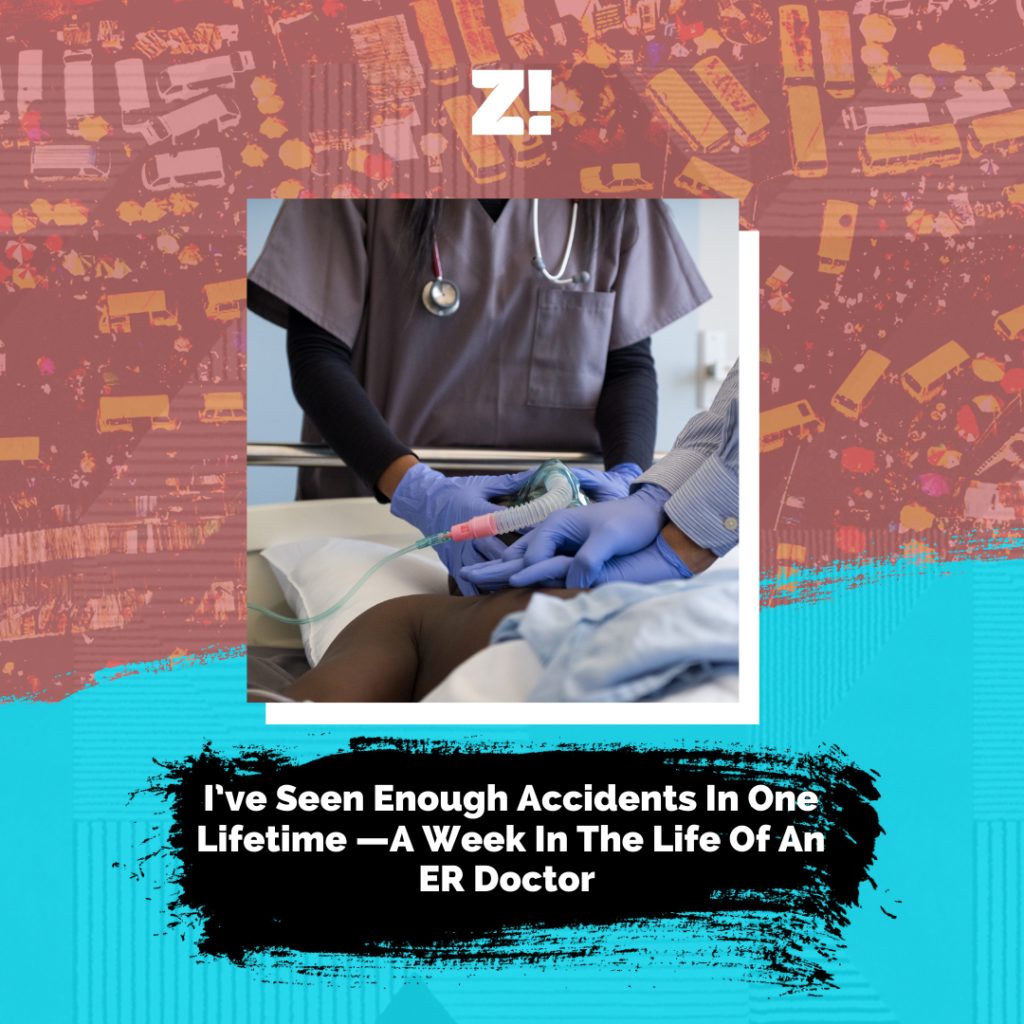
    The subject of today’s “A Week In The Life” is an emergency room doctor at the Lagos State Accident and Emergency Center. He talks to us about the stress that comes with his job, how witnessing road accidents has made him more cautious, and the procedure for contacting emergency services in Lagos. 

    ER doctor

    MONDAY:

    Because everyone is rushing to beat Lagos traffic, Mondays are one of the busiest days for me. And I’m not saying this because I’m also stuck in traffic.

    I start my day at 6 a.m. on most days. My routine is the same: I wake up for morning prayers, have my bath and freshen up, then I dress up. 

    Work resumes at 8 a.m. so I leave my house at 7 a.m. Because I work in an emergency centre, the first thing I do when I get to work is change into scrubs — a protective garment worn by healthcare professionals involved in patient care. 

    After that, I go to the emergency room to take over from my colleagues on the night shift. My colleagues hand over by briefing me on the history of patients on admission and treatments done so far. Somewhere between all the paperwork and catching up, my day fully starts. 

    On Monday, we get a lot of road traffic accidents and a high number of assault cases. Unsuspecting workers who leave their houses early to beat the traffic are sometimes attacked by hoodlums. Also, private cars and bus drivers who drive too fast in the early morning get into accidents. 

    My job involves resuscitating these patients and stabilising them. That is, keeping them alive long enough until they can get to a General hospital or to a specialist. 

    My first patient today stood out to me because he was a victim of assault. He was rushed in with a fractured skull and he had lost a lot of blood. I noted to the ambulance driver that I could only stabilise the bleeding, and he had to take the patient to LASUTH for specialist care. 

    After that patient, the rest of my day was a blur: stabilise this patient, repeat, stabilise that patient, repeat. Over and over again. 

    TUESDAY:

    We get a lot of emergency cases every day and our response time is of utmost importance. When a patient enters our gate, the security personnel rings an alarm system to alert every healthcare worker in the facility to start running to the ER. You leave whatever you’re doing and run. 

    It takes less than two minutes to get to a patient, then treatment commences. 

     Before any contact with the patient, we put on our PPEs, gloves, disposable aprons, face mask and shields. Then we move to what we call initial patient evaluation and resuscitation. This follows a stepwise pattern known as A — E: 

    A — airway and cervical spine  — spinal cord  —  protection

    B — breathing & ventilation

    C — circulation

    D — disability or neurological deficit observation

    E — environmental checks. You check the surroundings to eliminate any other form of injury that might have happened due to the environment. 

    Different doctors handle different parts of the protocol.

    A: There’s a doctor whose job is to ensure that the airway is not compromised and the patient can breathe well. In addition, they also protect the cervical spine which houses the spinal cord. Protecting the spine is important because the lifting of a patient for treatment, especially after an accident, can damage important nerves connected to the diaphragm. And this can affect the supply of oxygen to the brain and heart, which can lead to death.

    There’s another doctor in charge of monitoring the patient’s breathing. They ensure the patient has no injuries that can affect breathing. Then circulation where the doctor replaces body fluid of patients who are in shock due to reasons like bleeding or infection.

    Finally, we check for disability and monitor the patient’s surroundings to ensure that we don’t miss anything. While all this is ongoing, the patient’s vitals like pulse rate, heart rate and oxygen level are being measured by the nurses.  

    Once the health team is satisfied with the patient’s stability, we then refer them for specialist management. A nurse accompanies the patient in our ambulance and hands over the patient to the new team that’ll resume management. 

    The best part? We do all this for free so that patients don’t have to worry about money. In an emergency, people just need to dial 121 and our ambulance will pick them up. Then our facility handles the rest.

    WEDNESDAY:

    Today, I’m thinking of how quickly things in the ER move from 0-100. One second you’re in your call room chilling and the next you hear the alarm ringing. And you start to run. 

    It can be overwhelming and demanding because you’re always on your toes. I remember being nervous on my first day of work because of the number of patients and the pace of the job. But now? I can function in my sleep. 

    It’s been a year since I started this job and the experience has given me self confidence. Now, I don’t panic and I never freeze. 

    I’ve also changed a lot since I resumed the job. I now take extra caution when driving by wearing my seat belt before leaving my house or office. I don’t drive more than 60km/h. And if I see a car speeding, I allow them to go past me. 

    When everyone is horning on the road, I put on my double-pointer [hazard light] and stay on one side of the lane. I let everyone overtake me because I’m not rushing anywhere. 

    I also don’t cross the express. If the pedestrian bridge is 30 minutes away, I’ll trek towards it and climb. I’ll also not be caught dead on a bike.

    Why? I’ve seen enough road traffic accidents to last a lifetime. I know better. 

    We have a saying in the emergency centre: “What are you running for? Even if you go slow, you’ll still get to where you’re going.”

    THURSDAY:

    In this job, there’s no “off” switch that you can just turn off. The lines between home and work get blurred, especially for patients who have spent some time in the facility with us. I find myself constantly thinking about my patients even when I’m off work. 

    I’m happy that the Lagos state government pays the patient’s fees so we can focus on saving lives. In my experience, the delay from payment and deposit affects a patient’s chances of survival. But this way, we commence treatment quickly.

    I wish there were more centres like this around the country. I also wish the health system as a whole was something to be proud of. If things worked well and doctors had equipment, maybe jaapa would reduce. I love my job, but I know it’s a bubble so I’m still making plans to leave for greener pastures. 

    The experience has opened my eyes to many possibilities. When I get abroad, I know that I’d like to still continue as an emergency responder. The adrenaline and fulfilment from helping patients is second to none. 

    But away from daydreaming to the present. We have a lot of accident cases today. But I’m not worried —with our level of care and protocols, we’re fortunate to have a low mortality rate. For that, Glory be to God. 

    I can’t wait to close from work in the evening and crash on my bed. I’m on the night shift tomorrow, and I need all the rest I can get. Fridays are also one of the busiest days because of TGIF accidents. But until I have to think of Friday, my plan is simple: I must survive today’s madness. 


    Check back every Tuesday by 9 am for more “A Week In The Life ” goodness, and if you would like to be featured or you know anyone who fits the profile, fill this form.

    [donation]

  • Citizen is a column that explains how the government’s policies fucks citizens and how we can unfuck ourselves.

    After a series of lootings in Lagos State, Babajide Sanwo-Olu, the governor of the state, declared that the state will need ₦1 trillion to fix the damages incurred.

    There have also been allegations of fraud and financial misappropriation against the speaker of the Lagos State House of Assembly. 

    Due to this, there has been public scrutiny on the Lagos State and the Lagos State House of Assembly’s disbursement of funds. We decided to break down the financial statement of Lagos State to get a true picture of the financial situation of the state.

    1. Lagos State earned ₦644 billion in 2019

    The total amount paid to the state for the economic value it offers is calculated as revenue.

    Economic value includes the services that the state renders to its citizens and the country, from which it is paid back in taxes, allocations and other monies.

    This revenue is divided into “non-exchange transactions” and “exchange transactions”.

    Exchange transactions are transactions where two people buy and sell from each other. In a non-exchange transaction, there is no sale of any goods, and only one party takes from the other. An example of a non-exchange transaction is taxes and levies.

    The money Lagos got from non-exchange transactions in 2019 include: 

    • Taxation income – ₦348,001,113,000 billion .
    • Levies, fees and fines – ₦26,597,553,000 billion. 
    • Statutory allocation – ₦229,495,389,000 billion.
    •  Grants – ₦483,934,000 million.
    •  Other revenue from non-exchange transactions – ₦3,958,723,000 billion.

    Exchange transactions include: 

    • Income from other sources –  refers to money gotten from private sector development programmes, such as the Lekki-Ikoyi toll revenue, proceeds from hospital units and other miscellaneous revenues. This revenue was  ₦24,014,757,000 billion.
    • Capital receipts – ₦8,972,888, 000 billion.
    • Investment income – ₦2,077,847,000 billion.
    • Interest income -₦1,161,184,000 billion.

    The total operating revenue of the state was ₦644,762,788,000.

    Read: This Is Lagos

    2. Lagos State spent ₦278 billion in 2019

    From the gross revenue of the state, the state spent ₦278,551,391,000 billion on expenses, leaving it with ₦366,211,397,000 billion.

    The ₦278 billion expenses went to: 

    • Wages, salaries and employee benefits – ₦107,132,214,000 billion.
    • Grants and other transfers – ₦16,626,164 billion.
    • Subvention to parastatals – ₦53,445,714 billion.
    • General and administrative expenses – ₦101,347,300 billion.

    3. Other losses, charges and expenses amounted to  ₦366 billion

    After spending ₦278 billion on operating expenses, Lagos State further incurred losses in these respects:

    • Capital expenditure134,521,650,000 billion.
    • Public debt charges62,533,163 billion.
    • Net loss on foreign exchange transactions – (2,332,949,000 billion).
    • Depreciation104,491,678 billion.

    4. Lagos State had a ₦66 billion surplus for the 2019 financial year.

    After spending ₦278 billion on recurrent expenditure, and losing ₦366 billion on capital expenses, foreign exchange losses, public debt charges and depreciation, Lagos State had a surplus of ₦66,997,855,000 billion for the 2019 financial year.

    5. Lagos State’s total asset is ₦2.4 trillion

    Assets are divided into current assets and non-current assets.

    Current assets include: 

    • Cash and cash equivalents – ₦33,349,831,000 billion. 
    • Receivables from exchange transactions – ₦325,268,000,000 billion. 
    • Receivables from non-exchange transactions – ₦31,961,939,000 billion.
    • Inventory – ₦3,076,959,000 billion.

    Non-current assets include: 

    • Available for sale investments – valued at ₦49,665,927,000 billion .
    • Other financial assets – valued at ₦16,453,704,000 billion.
    • Property, plant and equipment (PPE) – valued at ₦2,271,309,527 trillion.

    Read: Money

    6. Lagos State has total liabilities of 957 billion 

    Liabilities are divided into current and non-current liabilities.

    Current liabilities include:

    • Payables and other liabilities  – ₦123,543,010 billion .
    • Public funds – ₦434,004,000 million .
    • Public debt (borrowings) – ₦101,234,508,000 billion.
    • Finance lease obligations – ₦2,769,303,000 billion.

    Non-current liabilities include: 

    • Public debt (borrowings) – ₦684,608,927,000 billion.
    • Finance lease obligations – ₦3,099,800,000 billion.
    • Retirement benefits obligations – ₦41,857,304,000 billion.

    From this breakdown, Lagos State spent ₦134 billion to build infrastructure in 2019. So, spending ₦1 trillion to rebuild the state would equal the state’s capital expenditure for over six years, if we take into account the impact of inflation.

    For more on Lagos State’s audited financial statements, check here.

    Read: Lagos New Taxes Will Send Everyone Back To Their Village

    We hope you’ve learned a thing or two about how to unfuck yourself when the Nigerian government moves mad. Check back every weekday for more Zikoko Citizen explainers.


    [donation]

  • In light of this recent and brilliant discovery, we’ve tabled a list of things we need the government to help us quickly find. We await their favourable response.

    1) Location of Bubu

    Call us, daddy Bubs. We miss you.

    2) Canadian bae with citizenship

    Lagos state government, pls. It’s urgent. Pls, bae must be located in Ontario and not some remote province.

    3) Judgement day

    So that we can plan ourselves. Sin small and quickly repent before the big day.

    4) Dollars

    Especially the one you can pick on the floor without turning to yam.

    5) Money I misplaced when I was 10 years old

    It can change my current financial situation.

    6) My lost long primary 5 bae

    My dearest Tola.

    Since we last saw my life hasn’t been the same. However, I find respite in the fact that one day we’ll be reunited at long last. On that day we shall meet in a place where there’s no darkness.

    Till then, ko stay jiggy.

    With love, your pencil and sharpener bae.

    7) Job that pays ₦900,000 with just small insult

    My body is ready, my excellency.

    8) God fearing sugar mummy/daddy

    LASG, I come to you as a child of God. I hope you look favorably upon my request.

    9) How to do money ritual in a way that will please God

    I can’t displease God because of money.

    10) Where I can sell my kidney

    Your excellency, I’m willing to give a commission on the successful sale of the said kidney.

    11) How to Jaapa without IELTS

    Nobody has time to write a letter to an uncle that’s not lost about the holiday you’re definitely not going to spend.

    12) The Oba’s staff

    “Do am if e easy” – Burna Boy.

  • Self-isolating sounds a lot like the opposite of anybody’s best life. How can back to back hanging out with your furniture and window be a best life. It is ridiculously painful, we know. But guess what? There’s a method to these things and we’ve devised one to get you living your best life even while self-isolating from COVID-19.

    Grab a pen because you are about to get schooled.

    Stock Up On Your Faves

    First you need to make sure that your quarantine buddies are all your favs. Especially favorite food. If you’re going to be stuck indoors for a while, it only makes sense that you get stuck with things you actually love. Secure the food yo!

    Back Up Your Electricity

    zikoko- live your best life while self isolating

    By now you must already know that NEPA lives to disappoint. Come through for yourself with your generator. Make sure it is in good shape so that nothing spoils your groove. Then get a big keg and fill it up enough fuel.

    Block False News Carriers on Social Media

    zikoko- live your best life while self isolating

    This is for your own sanity dear. You can’t be living your best life if you keep getting minor heart attacks courtesy of fake alarms from false news casters online.

    Subscribe to Zikoko

    Yasssss, subscribe and sit back as we keep you informed and entertained. We have the latest updates on COVID-19 too so it’s a total win-win for you. You can also watch our Youtube videos and follow us on social media (Facebook and Instagram) @zikokomag so you don’t miss out on all the fun we’re spreading this period.

    Create Your Jamming Playlist

    This play list will come through for you when you get bored and just want to dance. Or twerk. Or do both. Think of it as your personalized DJ.

    Read a Nice Book

    Books are like movies you can watch without a television or electricity. Pretty genius if you ask me. And you probably need to give your eyes a break from all the screen time.

    Stay in Touch With Friends and Family

    zikoko- live your best life while self isolating

    Don’t forget to check up on your friends and family while you’re at it. Now is the time to respond to your mother’s Whatsapp broadcast messages. Just so you’re sure she is also up to date with the latest news on COVID-19

    Exercise while indoors

    zikoko- live your best life while self isolating

    You need to stay active and keep your body in good shape too. At least once a day do some activity like push ups, skipping or even dancing. Dancing is a fun way to exercise. See why you need that playlist?

    And while you stay home in comfort and safety, Guardian has put together a useful resource on Coronavirus in Nigeria. Click here to get the latest COVID-19 information in Nigeria.
  • Life in Lagos can be difficult and stressful but don’t let that distract you from the fact that it’s possible to use enjoyment to kill yourself in this same Lagos? And the best part? You don’t even have to spend money.

    Gate crash somebody’s owambe. Make sure it’s not one that is strictly be invitation to avoid disgrace.

    Is anything better than free food and drinks? If you hustle well you’ll even collect souvenir too.

    Go to your nearest bar anytime Nigeria is playing in any football tournament and just sit down. Once Nigeria scores, someone is guaranteed to buy beer for everyone in the bar.

    😂 When @Ebuka ordered beer for everyone at the viewing centre, naija wayyy. 🙏🏾 pic.twitter.com/A4TDeMLScg

    — Spookz (@BolajiOdukoya_) June 22, 2018

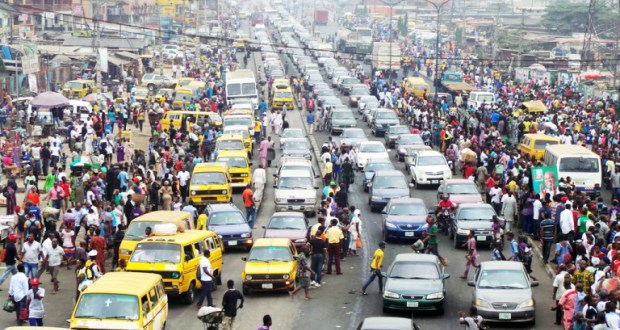
    Visit tourist attractions. You might die in Lagos traffic but don’t worry it’s all part of the experience.

    It’s only in Lagos you can witness a danfo scratching a Ferrari, you can’t get that kind of entertainment anywhere else.
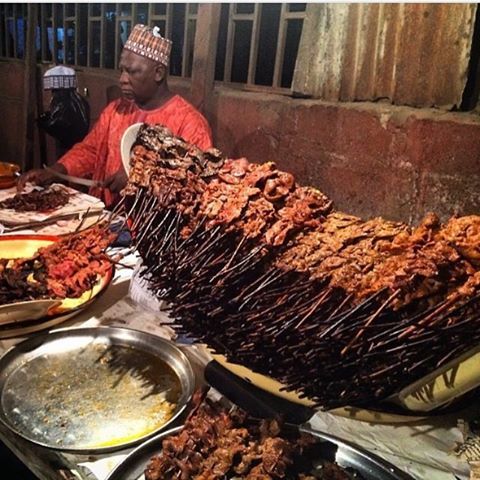
    Take a tour of all the suya spots in your area and finesse your way to getting free suya.

    So this is how it’s done. Buy a bottle of coke and go from suya spot to suya spot asking for ‘tasting’. By the time you check out ten spots, you’ll be well fed.

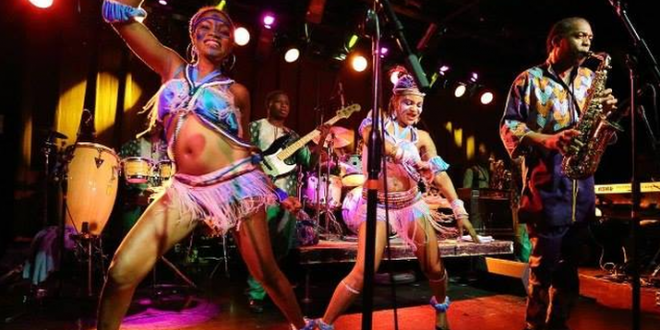
    Go to the New Afrikan Shrine and just soak up the great vibe and music it has to offer.

    If you go on a Sunday you get to see the legendary Femi Kuti perform for free.

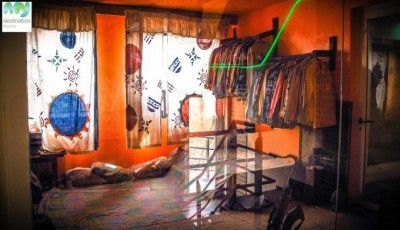
    Complete the cultural experience of visiting Shrine with a trip to Kalakuta museum where Fela’s spirit lives on.
    There’s also a bar in the museum, if you are sharp you can finesse your way to free beer.


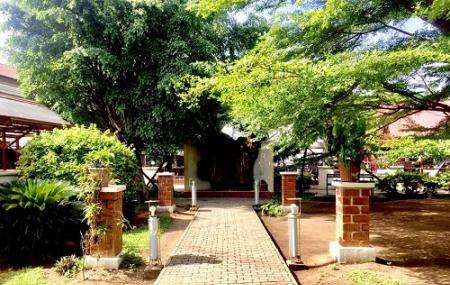
    If you like Shrine you’ll also like Freedom Park in Lagos Island.

    There is almost always a live music performance going on for you to enjoy. There are also several food courts you could buy food from, but that’s not what you are there for so pack rice from your house.

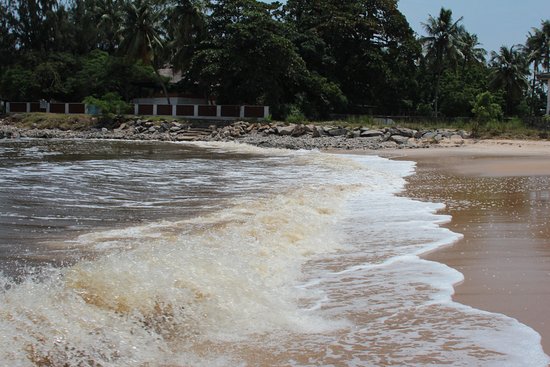
    Are you even a Lagosian if you’ve never been to one of the beaches?

    Pick a weekend to go and dig your feet in the sand and take a dip in the water.

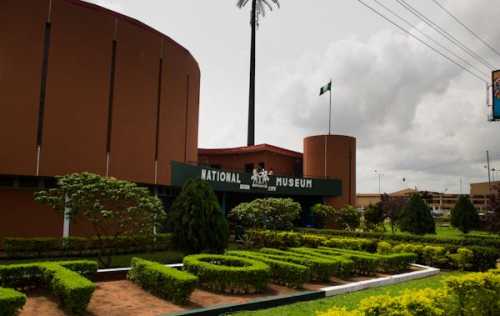
    Go and learn about Nigeria’s history at the National Museum. It’s completely free.

    It’s not everyday chop life. Some days educate yourself.

    But the ultimate way to enjoy Lagos? Just don’t leave your house. What are you looking for outside? Isn’t there rice at home?

    We’ve done the math and if you don’t leave your house in Lagos you won’t spend up to 2k a day. If you don’t want to spend any money at all, then Lagos is not the place for you. Have you considered moving to Ibadan?
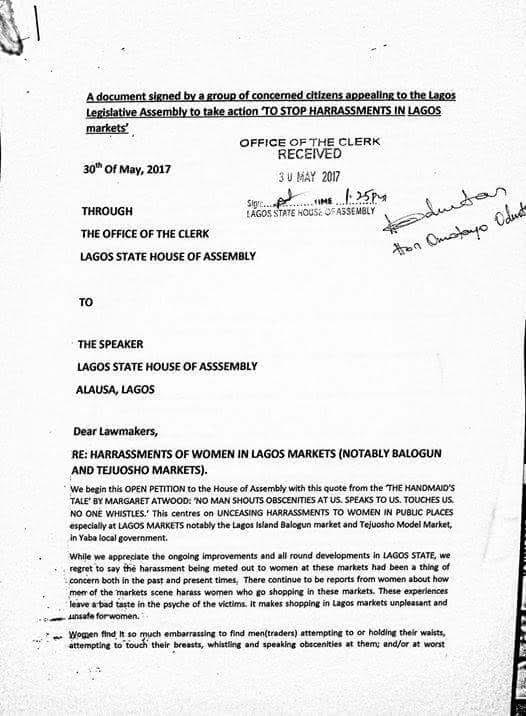
  • A group of people have written a petition to the Lagos State House of Assembly to take action to stop harassment in Lagos markets.

    The petition was submitted on the 30th of May and we could not be happier.

    Particularly for those who have been victims at one point or the other and guys who have witnessed the harassment first hand.

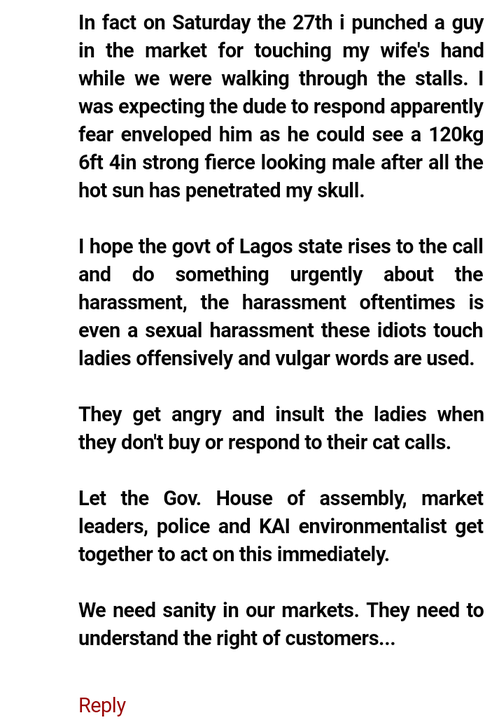
    Like this guy who legit went hulk on the guy trying to harass his wife at the market.

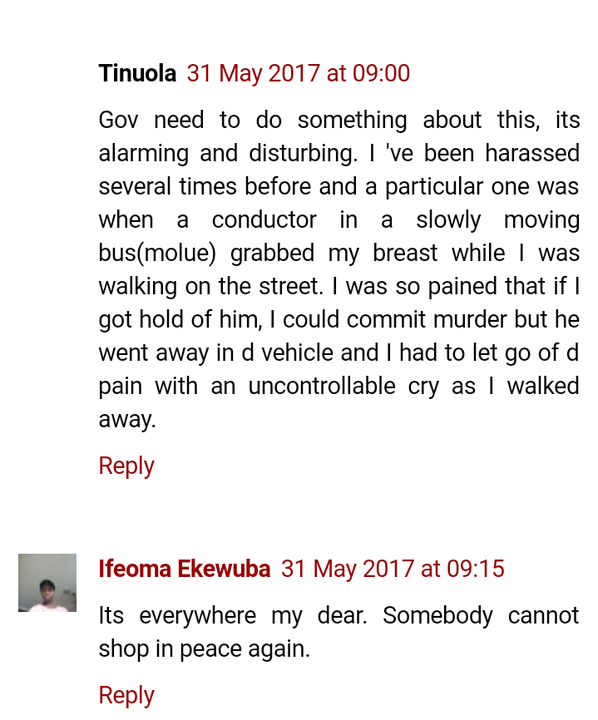
    And for this woman who has gone through what many women go through daily:

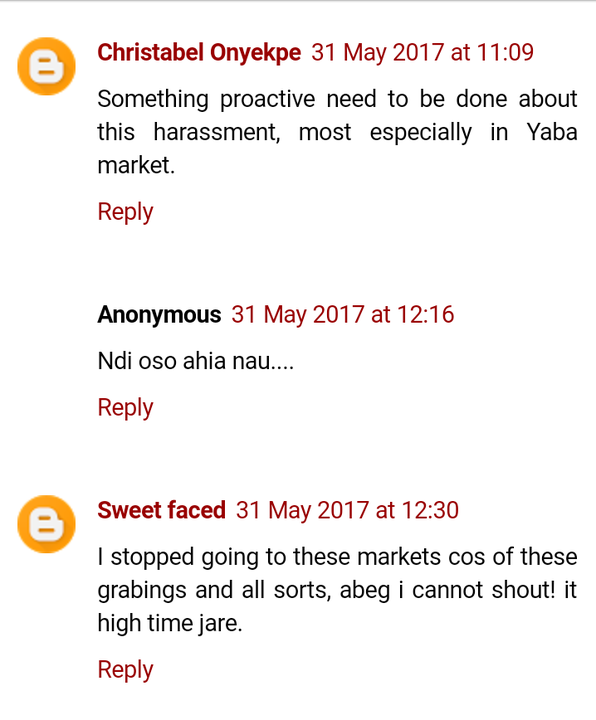
    Someone cannot even shop in peace again:

    Really, these streets aren’t safe, especially for women:

    https://twitter.com/EniolaErhuvwu/status/870012517187112960

    So this petition is making people very happy.

    We just hope that Lagos lawmakers really decide to take action to stop harassment on these streets.

    More Zikoko!

    https://zikoko.com/list/14-things-girls-do-that-guys-will-never-understand/
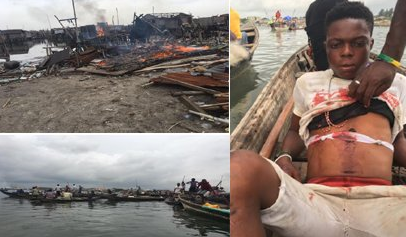
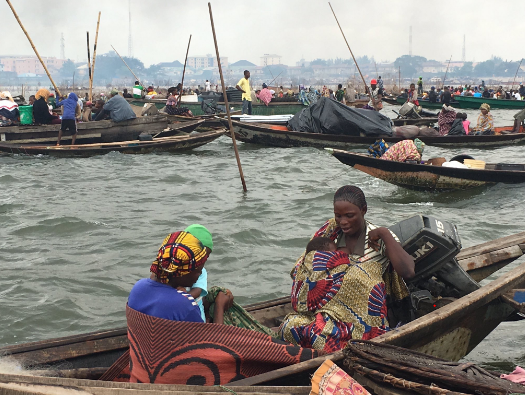
  • Around 5am on Sunday, 10th April , while you were chilling in the (dis)comfort of your home, the people of Otodo Gbame were getting evicted and shot at by policemen on orders from the Lagos State Government.

    Why? These people who took the fishing communities as their home are said to have been illegally occupying the area which is ultimately a big part of Lagos state’s mega city.

    However, reports have also shown that the government defied a high court ruling which ordered a negotiation and probably a relocation of the people of the community to a safer environment.

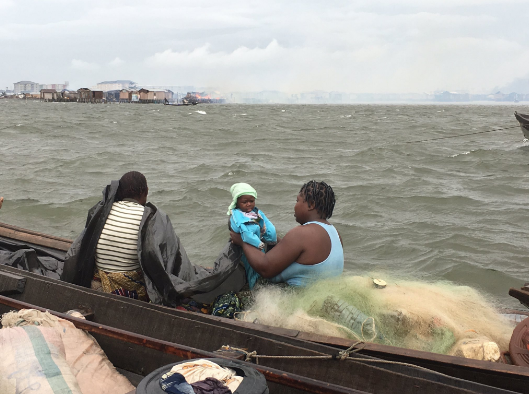
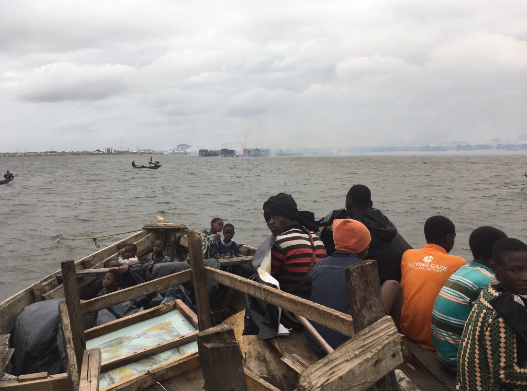
    Unfortunately, these people were forcefully kicked out and many babies like this probably slept in the cold, without shelter. On top of that, 1 person was killed, while Otodo Gbame was burnt to the ground because of ‘development’.

    This begs the questions, Is Lagos eradicating the poor as opposed to eradicating poverty?

    When your government is building malls and ‘mega-cities” but refuses to provide good drainage and water.

    When your government is building malls and ‘mega-cities” but refuses to provide good drainage and water.

    When your government kicks out the rural communities after begging them for votes during the elections.

    Although the government has accused the public of emotional blackmail, we hope the people in charge do the right thing to cater for its citizens who cannot obviously afford to live on the mega cities.

    If you’d like to help, you can submit donations here:

    Or here:

    https://twitter.com/molarawood/status/851204331911213056

    And here:

    https://twitter.com/Jollz/status/851408438647238656