Janet* (28) spent years being the dependable first daughter who solved everyone’s financial problems, until loan apps, ₦3.8 million in debt and relentless pressure pushed her to her limit. In this story, she talks about becoming her family’s breadwinner, developing panic disorder and depression, and learning how destructive self-sacrifice can be.
TW: Attempted suicide.
As Told To Boluwatife
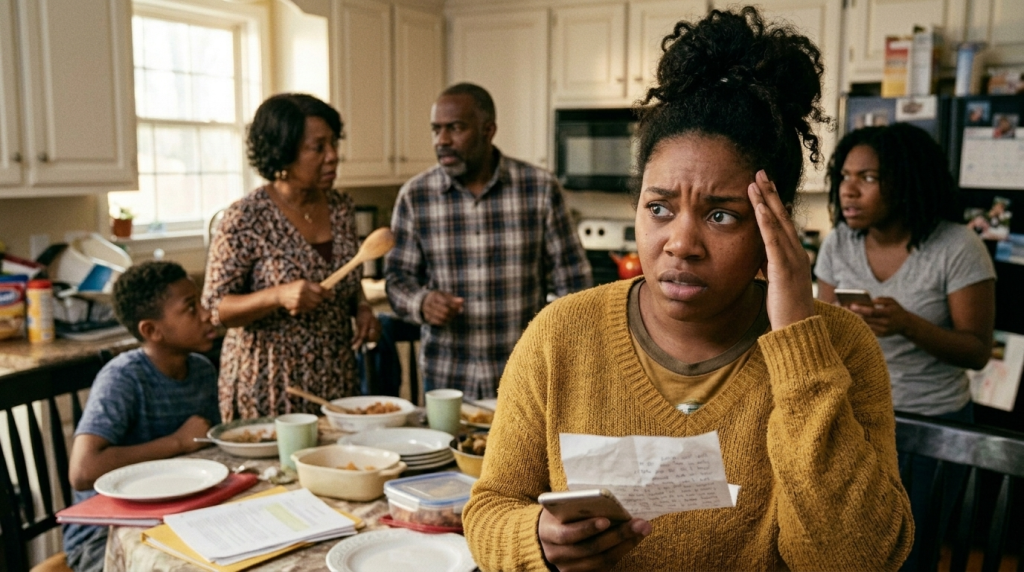
For as long as I can remember, I’ve been stuck in the “deputy parent” role that society has unanimously placed on firstborn daughters.
As the first daughter of five children, responsibility followed me everywhere. I started cooking when I was 8. Before I turned 13, I was cooking for the whole house, whether my mum was around or not.
I had to make sure everyone was doing the right thing. If my younger siblings forgot to do their homework or broke something at home, it was my fault. Whenever any sibling needed help or money for snacks, they came to me first.
A part of me liked that responsibility. I felt proud when our neighbours called me “second mummy” and praised me for taking care of my siblings. I didn’t realise how internalising that responsibility would eventually hurt me.
My dad did relatively well when we were younger. We weren’t rich, but we could comfortably afford the necessities. Things changed in 2017, around the time I graduated from the university. His printing business collapsed, and suddenly, every conversation in our house became about money.
Every other day, my parents would complain about one bill to pay or one debt to settle. My dad had been the primary breadwinner, and my mum’s income as a clothes trader wasn’t enough to fill the gap left by his business crash. My only income at the time was NYSC allawee of ₦19,800/month, but I started giving my parents over half of that amount. I figured I was helping out. I couldn’t just watch them suffer.
When I got paid my first ₦80k salary from my first job, I gave my brother ₦40k to pay his school bus fee. My mum prayed for me that day, saying my children would also honour me as I had honoured them.
I think that incident cemented who I’d become in my family’s eyes: someone they could depend on for financial assistance.
Gradually, “just helping out” became a full-on responsibility. Everyone started calling me for every financial need. No food at home? Call Janet. Someone needs money for handouts? Let’s see if Janet has money to give.
I think a lot of it is my fault. I never pushed back on the requests. I preferred to send the last card in my account home and starve rather than have my parents complain about money.
As my income grew, so did my sense of responsibility towards sorting my family’s needs. I don’t know how to explain it; I just didn’t feel comfortable knowing my siblings could get sent out of school, or my hypertensive parents could fall sick worrying about money. Since I had it, I was supposed to help.
I stopped living for myself without noticing. I didn’t buy things I liked anymore because there was always a more urgent need at home. I was constantly calculating expenses in my head, feeling guilty for the smallest personal expense.
Then the loans started.
I started regularly borrowing money in 2023, when two of my siblings entered university. I’d attended a public university and faced sexual harassment from cultists and lecturers during my undergraduate days. I didn’t want my siblings to face the same, so I insisted they go to a private university.
Another reason I was comfortable recommending a private uni was that my dad had gotten a job by then. He should have been able to pay their tuition. Unfortunately for us, he decided to use the little money he was making to carry women all over the place.
Tuition responsibility fell squarely on me, and since I didn’t want my siblings to drop out, I started borrowing money from loan apps to meet the demands. It was small amounts at first; ₦50k here and ₦100k there. But I was also sorting out other bills at home and trying to survive, so I was taking multiple loans from whatever app would give me money.
At the peak, I owed ₦3.8 million across six loan apps and my bank. That was in addition to the small loans I took from friends and coworkers. It got to a stage where people started avoiding me because they knew I would ask for money.
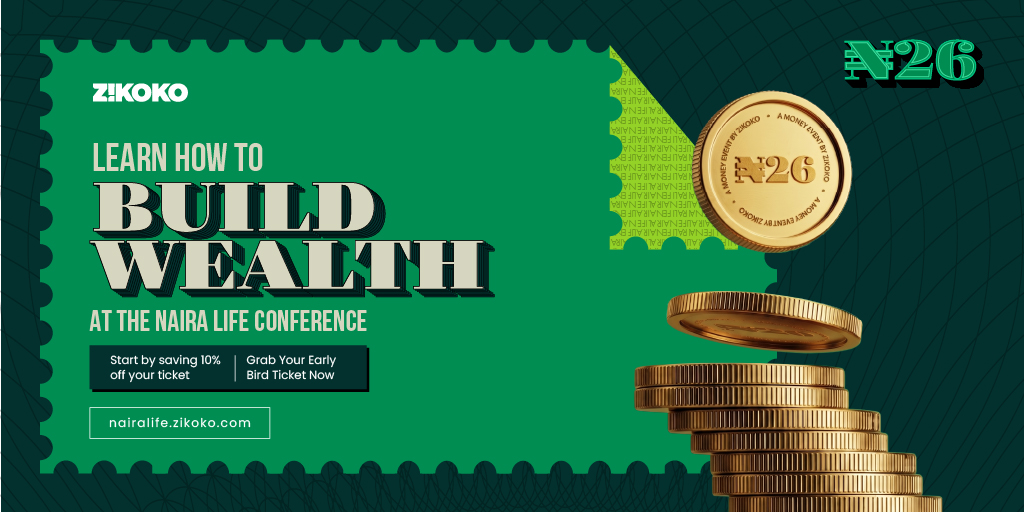
The Naira Life Conference is returning on August 22, 2026, in Lagos! Come learn from finance experts and industry leaders, and partake in unfiltered conversations about building wealth and diversifying your income stream in a country like Nigeria. Real stories, expert advice you can actually use, and a community ready to build wealth together. Secure your spot here.
On the other hand, loan apps were calling me multiple times a day and sending me threats for not paying my debt. I had to switch off my phone to avoid calls constantly. Whenever I turned it on, it would freeze for almost 30 minutes because of the hundreds of messages and missed calls from loan apps pouring in.
It was around this time that the panic attacks started.
The first one happened in traffic. My chest suddenly became tight, and I genuinely thought I was dying. My hands were numb, and I couldn’t breathe. I jumped out of the bus and lay down by the roadside because I feared I was having a heart attack. I lay there for about 20 minutes until the tightness passed. People thought I’d gone mad and gathered around me. I don’t even know how I managed to leave that place. It was so embarrassing.
The attacks started coming regularly. I’d be doing random things, and my heart would suddenly start racing, and I would literally hear my heartbeat in my ears. Sometimes, my chest would feel so tight that I wouldn’t be able to stand straight. Every time it happened, I was convinced I was going to die.
It didn’t help that the doctor at the hospital I went to told me it was all in my head. For months, I endured regular panic attacks and chest pains. I also lost weight because my throat closed up whenever I tried to eat. You’d think I would’ve taken the hint and dropped some of my responsibilities at home. I didn’t. I was still sending whatever money I had home when they called.
In late 2024, I lost my job. It was inevitable, really. My productivity had tanked due to the panic attacks, and I struggled to get anything done. Going from being the one everyone depended on to having zero income really affected me. I became severely depressed.
After a suicide attempt in March 2025, my friend forced me to get treatment at the psychiatric hospital. I was diagnosed with panic disorder and chronic depression. I took antidepressants for a year. I still have panic attacks whenever I face a stressful situation.
My family doesn’t know about the diagnosis or my mental health struggles. My parents are very superstitious, and I really don’t want to worry them. However, I’m consciously learning that I can’t solve everyone’s problems.
I still support my family, but I don’t take loans anymore. I still have about ₦1.5 million in debt on loan apps, but I don’t intend to pay them off. I focused only on my bank debt, which I’ve cleared.
Right now, I’m trying to slowly rebuild my life. I now understand that I need to make something of myself and my finances if I truly want to help my family. I can’t do it from a place of lack and struggle. That means I’ll have to say no to some requests so my finances can grow.
It’s been really hard, and I struggle with guilt, but if I don’t want to return to where I’m coming from, I have no other choice.
Need support? Here are some Nigerian mental health resources that may help.
Mentally Aware Nigeria Initiative (MANI) — Youth-focused mental health support
mentallyaware.org | Crisis support: +234 916 841 7413
She Writes Woman — Free teletherapy & crisis helpline
shewriteswoman.org | +234 800 800 2000
SURPIN — Suicide prevention & crisis interventionsurpinng.com | 080 0078 7746
*Name has been changed for the sake of anonymity.
NEXT READ: “I Bought Her a Car” — Nigerians Reveal the Most They Spent on Partners Who Still Left