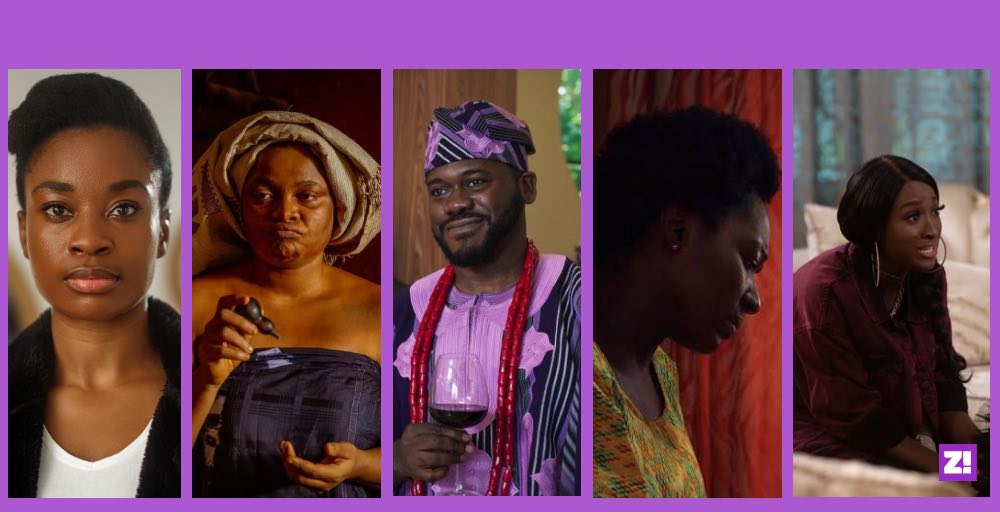
While the jump to consume more streaming content took a lot of our data and almost made us bankrupt, some Nollywood actors and their performances made all that time and money worth our while.
Genovevah Umeh — Blood Sisters and Far From Home
Stealing the show from an ensemble cast of heavyweights like Kate Henshaw, Ramsey Nouah, Kehinde Bankole and Gabriel Afolayan is no easy feat. But that’s the heist Genovevah Umeh successfully pulled off on EbonyLife’s Blood Sisters. With eyes that said much more than any dialogue could convey, Genovevah’s performance turned what could’ve been a caricature into a fully fleshed-out human.
Genovevah is undoubtedly the breakout star of 2022.
Meg Otanwa — For Maria: Ebun Pataki
Meg Otanwa is the only actor with one film on this list, but anyone who’s seen her performance in For Maria: Ebun Pataki will tell you that one role was all she needed to end 2022 on a high. Diving deeper than any actor I’ve seen in a while, Meg’s nuanced turn as Derin, a young mother struggling with postpartum depression, had the internet talking and researching for weeks.
This was the role of a lifetime, and Meg Otanwa definitely matched it with the year’s best performance.
Odunlade Adekola — King of Thieves and Elesin Oba: The King’s Horseman
Odunlade Adekola is more than just a meme king; in 2022, it’s clear he wants you to know that. As the imposing Oba Adegbite Tadenikaro in the Yoruba revenge epic, King of Thieves, Odunlade turns the humour down but still makes his character charismatic and unforgettable.
While his “Father Christmas” beard in Elesin Oba: The King’s Horseman might be unnerving, it takes nothing from Odunlade’s commanding work as the film’s conflicted titular character, a performance that’s one of 2022’s best.
Bimbo Ademoye — Anikulapo, Iya Barakat Teropi Secxxion and Selina
Bimbo Ademoye is the gift that keeps on giving. Since grabbing my attention with her colourful role in 2019’s Sugar Rush, Bimbo has consistently delivered incredible performances, even when the film’s plot happens to be the weapon fashioned against her.
While Bimbo has been hailed for her comedic timing, her dramatic and seductive turn as Queen Arolake was one of the best parts of Kunle Afolayan’s confused Anikulapo. PS: If you’re here for the hilarious Bimbo, her Instagram skit turned web series, Iya Barakat Teropi Secxxion will have you spitting out your food in laughter.
Uzoamaka Aniunoh — Juju Stories and Diiche
Uzoamaka Aniunoh makes her way through each project, making choices and doing things that feel natural for whatever character she’s playing. It’s acting that’s more like being. While I’ve wondered out loud why Nigerian TV shows don’t have the same pull they had in the past, Uzoamaka’s role as Inspector Ijeoma Anene on Diiche happens to be one of the few performances that restores my faith in television.
Deyemi Okanlawon — Blood Sisters and Elesin Oba: The King’s Horseman
Deyemi Okanlawon is quickly turning into the Noah Centineo of Nollywood, but I can’t be mad because the man can actually act. Marking attendance on not just one but two major Netflix releases (the third, Far From Home,drops this December) in one year is a major flex for any actor, but all the flexing Deyemi does happen on screen.
As Olunde in Elesin Oba: The King’s Horseman, Deyemi is dutiful and loyal, a far cry from his terrifying and unforgivable turn as Kola in Blood Sisters.
Bisola Aiyeola — Dwindle, Flawsome and Dinner at My Place
It’s hard to fault Nollywood producers who cast former reality TV stars in films when Bisola Aiyeola continues to hit her roles out of the park. An actress with incredible range, Bisola can make her audience laugh like they’re at a stand-up show in one scene and still make them cry like they’ve been served breakfast in the next. I’m waiting for a role that fully utilises her talents because that role hasn’t been written yet.
Daniel Etim Effiong — Collision Course, Blood Sisters and Selina
What can I do when an actor I like is cast in a role I dislike that’s also the centrepiece of a movie I can’t stand? If the acting works, I have no choice but to give this actor his flowers. And yes, Daniel Etim Effiong’s acting works in the deeply upsetting police-sympathy drama, Collision Course. I just wish he wasn’t in it.
That being said, Daniel’s roles in Blood Sisters and Selina slightly make up for the Bolanle Austen-Peters blunder.
Gabriel Afolayan — For Maria: Ebun Pataki, Blood Sisters and U Turn
If we’re keeping it one hundred, Gabriel Afolayan would make any list of the best performances of the year for just about any role, and with his eyes closed. He stays committed to every character and keeps it interesting, even when the film is undeserving of his talent. Thankfully, in 2022, Gabriel got the chance to sink his teeth into a wide variety of juicy roles, and he ate everything up.
From the supportive albeit confused husband in For Maria: Ebun Pataki to the scheming and overlooked brother on Blood Sisters, Gabriel created completely different characters whose only similarity was the actor that played them.
Tina Mba — For Maria: Ebun Pataki, U-Turn and Finding Hubby 2
Very few actresses command the screen like Tina Mba, even in minor supporting roles. While it could’ve been easy to dislike her as the mother-in-law in For Maria: Ebun Pataki, Tina plays the role with such dedication that we can’t’t help but understand her character’s point of view — right or wrong.
A memorable scene I can’t get over is when she sprinkles anointing oil around her daughter-in-law’s room and then uses some on her breast to get her to lactate. It’s totally uncomfortable to watch, but it’s still the most Nigerian mother thing ever.
Do you want to find out which movie industry role fits you? Take this quiz:
Every week, Zikoko seeks to understand how people move the Naira in and out of their lives. Some stories will be struggle-ish, others will be bougie. All the time, it’ll be revealing.
The actress in this #NairaLife has 99 problems. The biggest one? Not knowing her next payday and figuring out how best to manage this situation.
What’s your oldest memory of money?
It was walking in on my mum and her salesgirl counting money when I was 11. Out of curiosity, I asked my mum what bank she was keeping her money in. And she was like: “This is everything I have. I don’t have money in the bank.”
I looked at her and the wads of cash on the floor, wondering how that was all the money she had. For context, I have four siblings and that money didn’t look like it was enough to take care of all of us. I was in so much shock. Ask me what I did the following day.
What did you do the following day?
I went to look for a job.
Wait, but you were 11.
I felt the onus was on me to help my mum get more money to take care of me and my siblings. So, I got into a bus and went to the busiest part of town. I entered the first shop I saw and told them I’d like to work for them. The boss liked me the moment she saw me and offered me a job as a salesgirl. The pay was ₦3,000 per month. But I only spent a few hours there.
What happened?
My parents had been looking for me the whole day. The next thing was that a car parked in front of the shop and my mum and a neighbour came out. They bundled me into the car. As we were leaving, the boss was like, “Aww, you would have made a good salesgirl.” She gave me ₦2,500 for my troubles. My mum was livid. I don’t remember if I got a beating, but I probably did.
This is an interesting first work experience. Did you have any idea your parents were, maybe, struggling before this event?
Not really. I knew my dad had fallen on tough times, but my mum took over as the breadwinner. We went to private schools, although I was on a scholarship. We never ran out of food. Our Christmas clothes came in August or September. In my head, there was no way the money I saw on the floor could be everything we had. But my mum doesn’t lie.
I began to understand the toll carrying the weight of the family must be having on her, so I tried not to be a burden. It developed into a lingering desire to help her save money.
Is there a memory of this that particularly stuck?
My plan was to go to uni in the US, and I actually got a partially-funded scholarship. When I realised how much I would still have to pay, I decided that I wasn’t going to put her through it. So, I opted for a Nigerian university.
Oof.
Another time, I had run out of my allowance — ₦10,000 per semester — and food in school. But it didn’t cross my mind to call my mum. I was like, “Who knows if she even has money? I should be able to bear this drought.” I was hungry for a week, and it culminated into a stomach ulcer I’m still treating today.
Eish. I’m sorry. But how far did ₦10,000 take you per semester?
Well, not far. But I was making money on the side. In my second year, I saved up and bought a computer for ₦20,000 or ₦30,000. I started typing projects and assignments for students in my school at ₦30 to ₦50 per page. I made an extra ₦10,000 – ₦15,000 per month from this.
Lit.
I was also writing movie scripts. I loved watching movies when I was a kid. My plan was to study Theatre Arts, but my folks wanted me in science.
Marketers held sway in Nollywood at the time, so I would get their numbers from movie jackets and pitch a script to them. Then I would travel to Lagos to give them a copy of the script and get my money. I got ₦16,000 from the first script I sold. I only sold a couple more because of the stress and risks involved. The last one I wrote in school sold for ₦60,000, but I don’t remember if I received full payment.
Nigerians, man. What did you do after?
A few weeks after I wrote my final exams in 2007, I travelled to Lagos to audition for a movie role. Unfortunately, I got the wrong info and the audition had been done days before I showed up. But the producer liked how I spoke and asked if I would be interested in coming on another show as a resource person of sorts — to do some of the heavy weightlifting behind the scenes. I was supposed to be paid ₦15,000 every month, but I wasn’t paid a dime during the four months I spent with them.
Ah!
A week after I quit, they sent me an offer letter stating that they would pay me what they owed and increase my salary to ₦30,000 in addition to some other benefits if I came back. I was done with them. I didn’t go back.
Energy!
They had no respect for the value I brought to them, so I kept it moving. I auditioned for a couple more roles until I landed a part in a TV show. This one was ₦6,000 per episode, and I appeared in six episodes. They didn’t want to pay either until I went back to fight them.
LMAO. Run me my coins.
Right? Oh, between the first job and the TV show, I did two stage plays in quick succession. Both were ₦50,000 gigs. I was paid in full for one and got half payment for the other.
I did theatre for three years after that. The show paid me ₦3,000 per week when I started. It increased to ₦5,000, then ₦15,000 by the time I left. But also, I was working 6 days a week and there were tons of rehearsals.
When did you leave the theatre company?
2010 or thereabout. In 2011, I applied to a film school in the US but pulled out at the last minute. You’re going to ask me why, aren’t you?
I am.
I couldn’t raise the money I needed on time. About ₦1.5m. By the time I had the money, the school had resumed for like a week or two. I applied for an express interview at the embassy. The woman who interviewed me was like, “I can approve this thing. But I promise you, the immigration officers at the airport will wonder why you’re coming two weeks after school has resumed. And they won’t let you in because they won’t believe that’s what you came for.”
Omo, I looked at the risks and was like “Nah.” I worked hard for that money. I wasn’t going to lose it.
Fair enough
I went back to vigorously auditioning for roles. A movie here. A TV show there. Each job was between ₦30,000 and ₦50,000. Later in 2012, I did this stage play for a month and got ₦70,000 from it. A week after it wrapped up, I got a call from someone high up in the industry. They had seen my performance and liked it. They were in the organising committee of a festival in the UK and wanted to know if I would be interested in being one of the entertainers representing the country.
That sounds huge.
It was. It was a big festival. I could hardly contain my excitement. I got the contract and found out that I was going to be paid ₦750,000 to travel out of the country. That wasn’t all.
Oh?
I also won a £3000 grant to fund a project I was working on. This was an entirely different thing. It just happened at the same time. Also, I made extra cash in the UK.
How?
I travelled with some food supplies. Fortunately, I found a Nigerian lady near our hotel who allowed me to cook at her house. When the Nigerians I travelled with saw what I was doing, they were interested and everyone started paying me £3- £5 to cook for them. I made an extra £5000 from that alone. I returned to Nigeria with about ₦2.5m in my account.
Mad oh. I wonder how this income affected your relationship with money?
It didn’t. You have to know that earning is not a constant in this line of work, so you need to plan around whatever you get. I came back from the UK, and two weeks later, I was doing a ₦15,000 job.
Brutal.
Also, most of the ₦2.5m went into funding projects and paying black tax. And then, I was back to regular programming. By the time I got married later in 2012, I’d done a few more projects — indie films, stage plays, TV shows. Our first child came in 2015.
Did anything change?
My husband is a filmmaker. I’m an actress. Both of us don’t have a regular stream of income. I was better with money, so I started taking care of our finances.
We also started working together, building our production company. But the thing was, with a child in the mix, I had to become stricter with how money moved in our relationship and work, and it was tricky. As a filmmaker, he would think about the creative bits of work. I was the producer, so I always thought about how to squeeze out more money from whatever we were working on. We had lots of clashes.
Phew. You were still acting in other projects, right?
Yes, but those gigs had become even more irregular. Because of my husband and our company, people thought I was sorted. Whatever came in had to be planned in a way that it would last until something else came up.
Intense. Tell me, how do you build a production company in Nollywood?
You have to be creative, which is more difficult than it sounds. You need funds to actualise whatever you’re creating. So I’m constantly sourcing for funds.
In 2015, we thought of this big project and started working on it. I made calls to a couple of friends I made at film festivals I attended over the years. I got one of them to co-produce the movie with us. The budget was ₦15m, and each company brought 50%. The movie went to the cinema and was well-received. It did more than ₦20M at the box office.
How does money move in that space?
The producer gets a distributor to take the film to the cinemas. When a cinema accepts the film, you get date and time slots. The cinema takes 50% of whatever the film makes in the first week. But as it stays longer, the more percentage the people involved in the production and distribution get. At the end, the producers get 1/3 of what remains after tax and after everyone involved has taken their cuts. With that film, we got ₦7.5m.
This is only the box office, though. When the movie leaves the cinema, you sell to channels, flight, and other avenues. Over the years, it’s turned in a profit.
Interesting. What’s happened since that time?
We’ve done about three cinema films. We made a loss of about ₦7m on one because there was no money for ads.
My thought process shifted after that. I had to decide if I wanted to keep funding films that may likely not make money or become a content producer for TV stations. I got the first TV commission in 2016, and they gave us ₦4m to produce a show for them.
Sweet. And your earnings, how has it changed between 2015 and now?
Let’s say I make between ₦500k and ₦1m in a month where everything works. But it’s still irregular. What has been consistent is the inconsistency of my income. And what hasn’t changed is the way I budget.
Tell me about that.
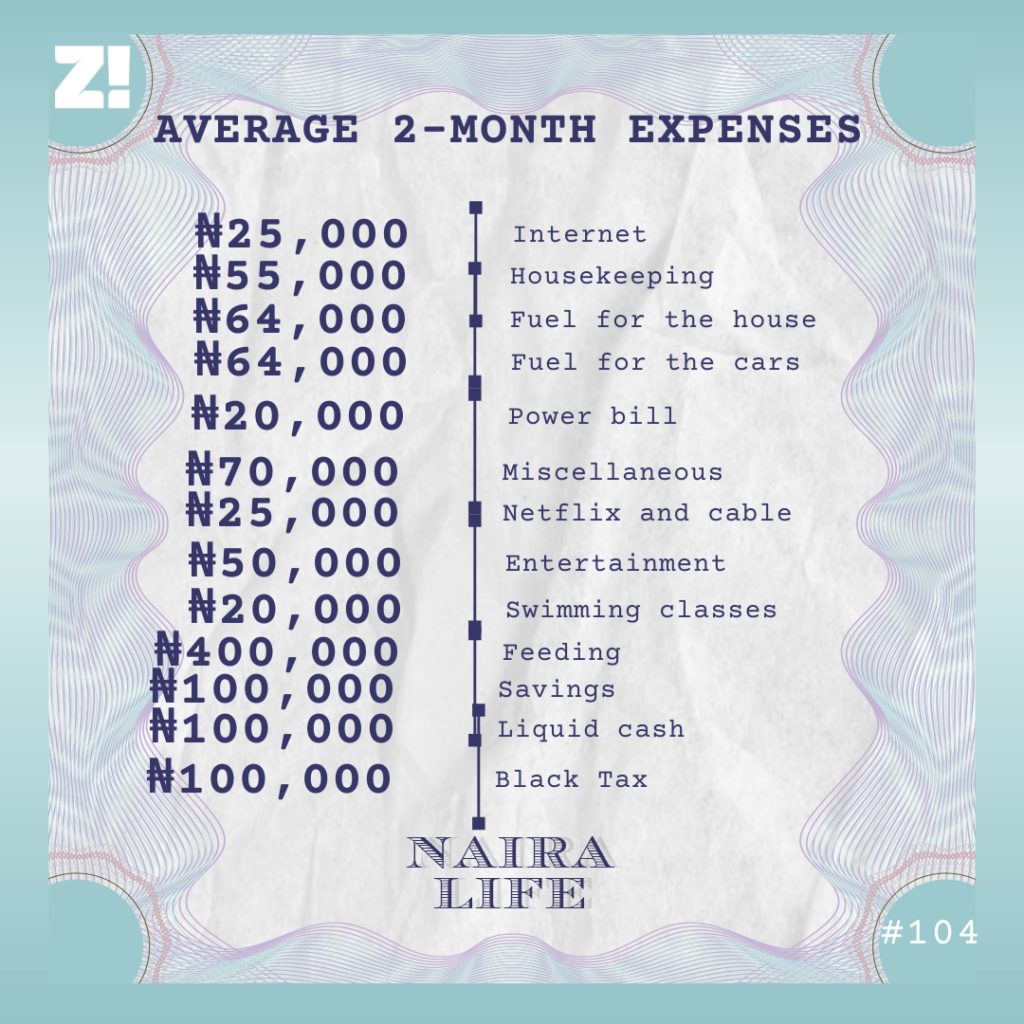
When our second child came in 2018, I realised that things had become more real. I started making a two-month budget instead of a one-month budget. We try to limit our expenses to ₦800k within a two-month period. But it’s not set in stone.
There’s a separate plan for rent. We pay about ₦8m in rent for the house and other properties we run business in. I find out that by the second quarter of each year, I’ve saved up rent for the following year.
This is actually refreshing. Do you know how much you have in savings?
About ₦8-₦9m. I know it won’t be liquid for long; we’re always putting money into funding projects.
Ah, I see. What about investments?
We bought some real estate two years ago. 5 plots of land, and each one cost ₦1.2m. There is a sixth plot that we got for ₦2.5m. We’ve always heavily invested in our work. We’re also in the money markets, but we don’t have a lot in it — about $5000 in stocks. Then there’s one ₦700k in mutual funds.
Most of our investment is tied to work, and that’s not very helpful if I really want to work around our irregular income. It sounds better to invest in something outside the scope of work.
What’s stopping you from doing that?
Finding someone to trust or understanding the business I’m going into. With the film business, no one can bullshit me. It’s smarter to invest in what I know.
Fair enough. How would you say that your experiences have shaped your perspective about money?
I have a lot of respect for money. And I have a lot of anxiety about it. I’m always planning stuff around money and making budgets even when I don’t have to. One of my goals this year is to work on the anxiety bit. I just want to relax.
How much do you think you’d need to earn to get rid of the anxiety?
The thing is, it’s not about the amount. It’s about how often they come. If the income is as regular as I’d like, then I won’t have to worry so much about money.
I’m curious, do you have a retirement plan?
It’s funny, I don’t. I should definitely start working on that this year.
What’s something you want right now but can’t afford?
A holiday. I will have to go with my family, and it will run into a couple of millions, which I don’t have right now.
What about something you bought recently that kinda improved the quality of your life?
I was going to say the new production office we opened, but it didn’t really improve the quality of my lifet. It just gave me more things to worry about. Apart from that, nothing. Such a shame.
Lmao. That’s all right. On a scale of 1-10, how would you rate your financial happiness?
5. It’s neither here nor there. Income is still not regular even after all the years in the industry — I probably won’t hack this. But if I get this major gig I’m expecting soon, this number can move to a 7 or an 8.
1. Abba T. Makama is mostly known as a filmmaker and founder of Osiris; a creative group that creates magical ideas for digital and traditional media.
But personally he considers himself an artist and prefers the label ‘creator’. Born and raised in Jos Plateau State. He went to Hillcrest School Jos and St. Joseph’s College before graduating from SUNY Fredonia N.Y. He also studied film at N.Y.U. Ventures Africa listed him as one of the 15 African creatives to watch for in 2016.
2. While growing up in Jos he attend Hillcrest school and was classmates with Tejumola Komolafe (NaijaBoyz).
They were both the best art students in their class and also best friends. Teju left Nigeria in the early 90’s. The two reconnected in 2006 via Myspace and discovered they both where on the path to becoming filmmakers.
3. His company Osiris has worked with numerous brands.
Directing commercials, digital marketing skits and documentaries for companies like Google, Blackberry, Gtbank Nigerian Breweries etc.
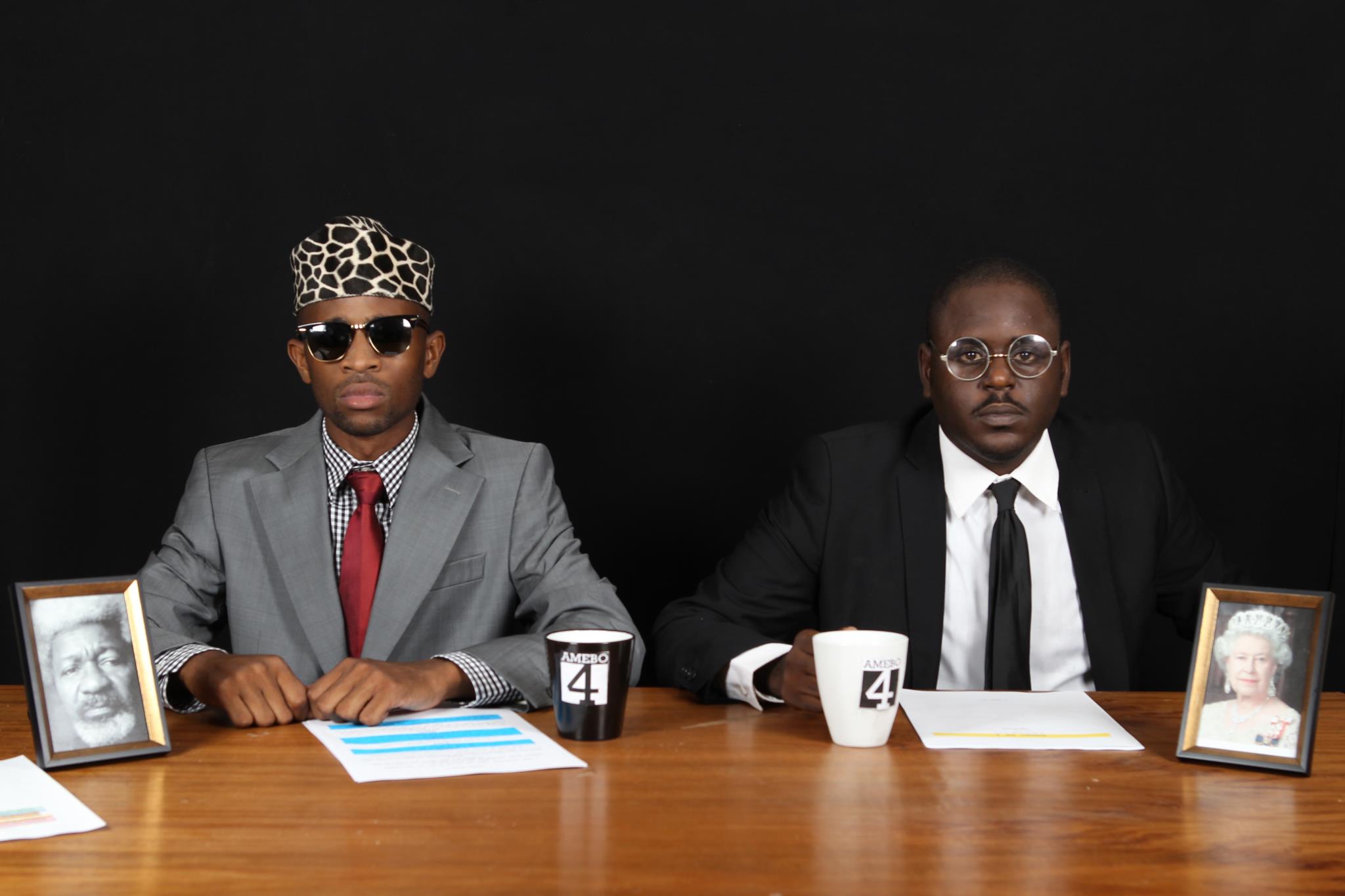
4. In 2010, he and friend/colleague Bolaji Kekere Ekun ( 37th State) created AMEBO at FOUR.
5. In 2010 he wrote, produced and directed the comedy satire on the Nigerian film industry called Direc-toh.
Direc-toh screened at Eko International Film Festival 2010 and won Best Actor at InShort Film Festival 2010.
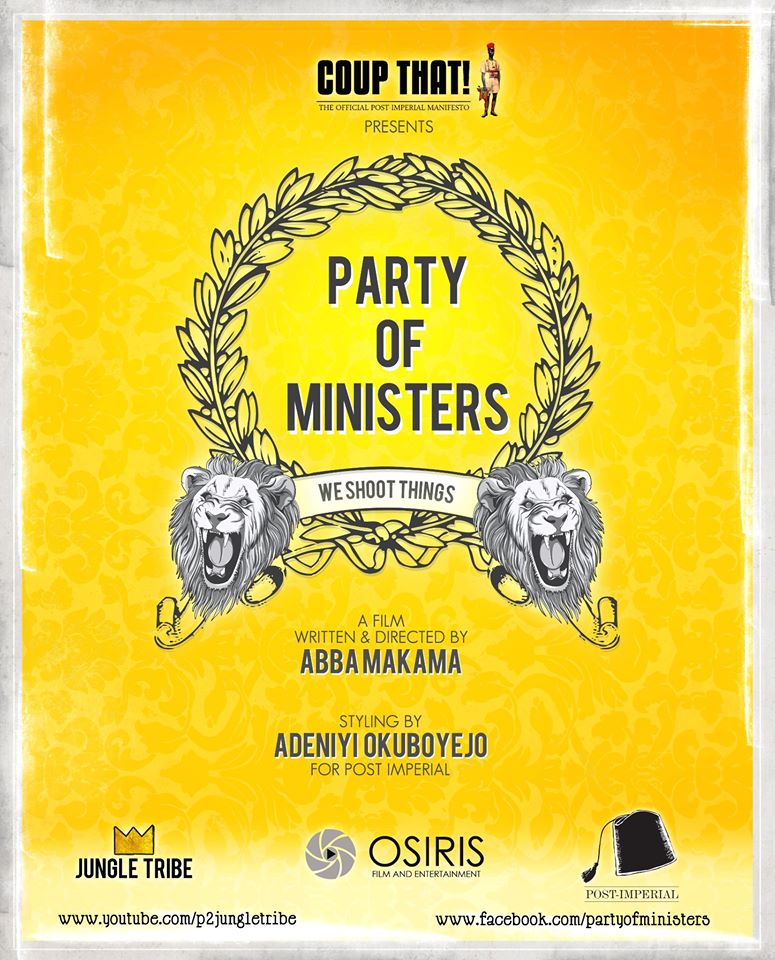
6. In 2012 he collaborated with fashion designer and close friend Niyi Okuboyejo, to create Party of Minister.
Party of Minister is a satire short film about corrupt African dictators. It screened at the 2016 Black Star Film Festival in Philadelphia.
That same year he also directed a fashion film for acclaimed fashion designer Maki Oh.
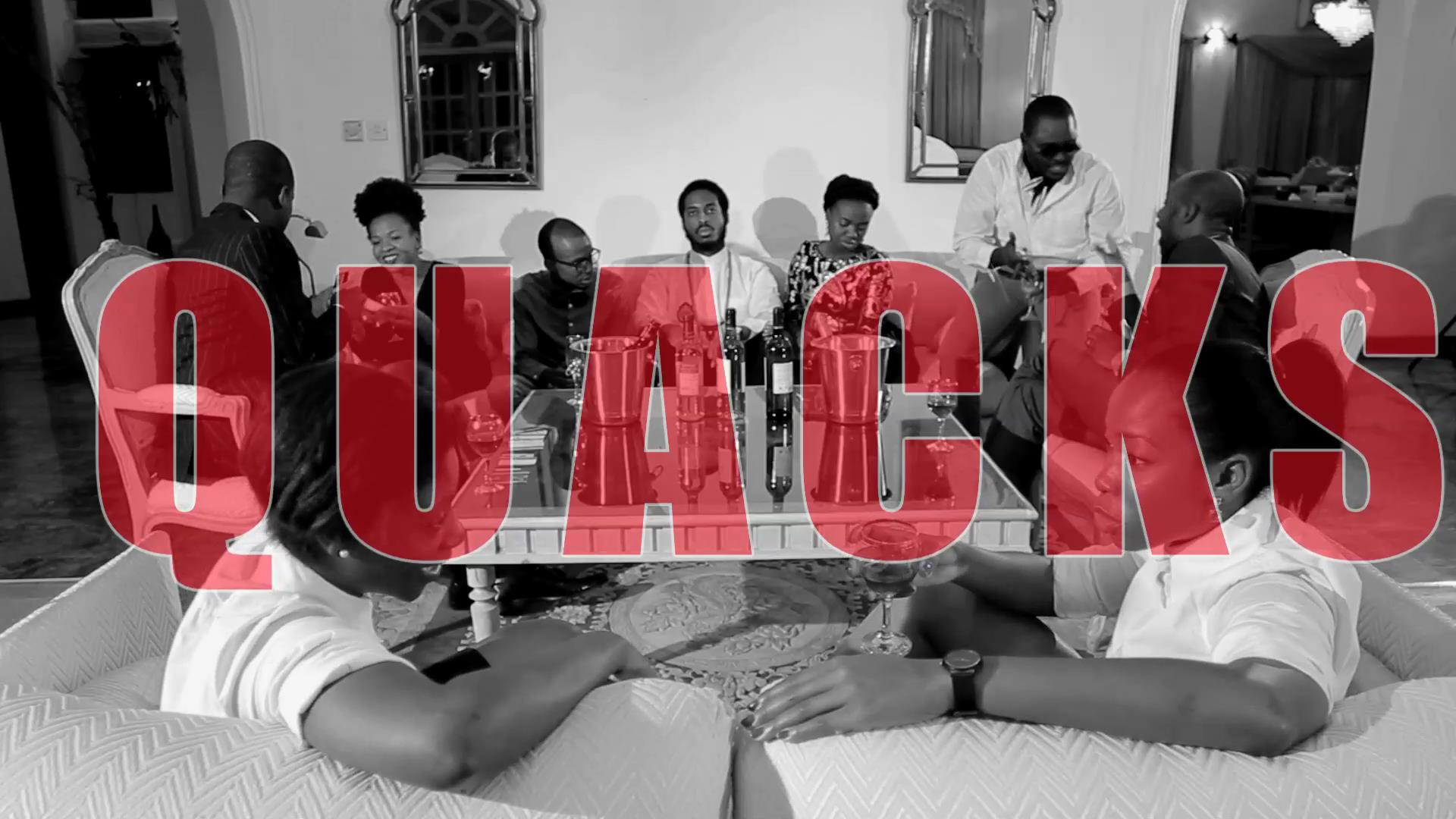
7. In 2013 he released QUACKS a sequel to Party of Ministers.
Party of Minister and Quacks were selected for the first Iroko TV online short film festival.
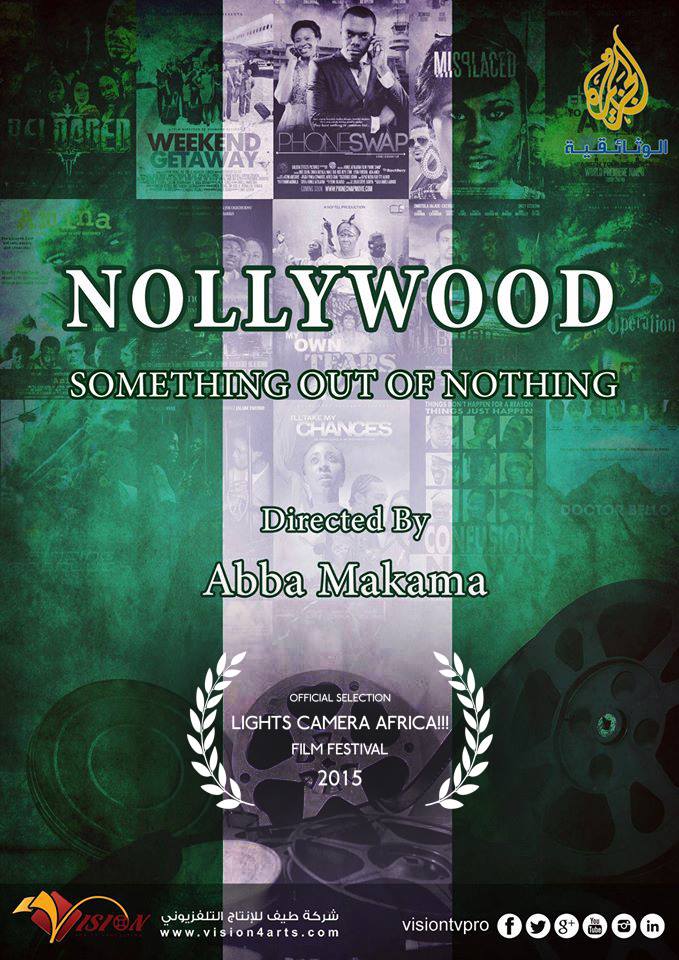
8. In 2014 he was commissioned by Al Jazeera to direct a documentary on the Nigeria Film Industry.
It aired in July 2015 on Al Jazeera world and was well received by key figures in the industry.
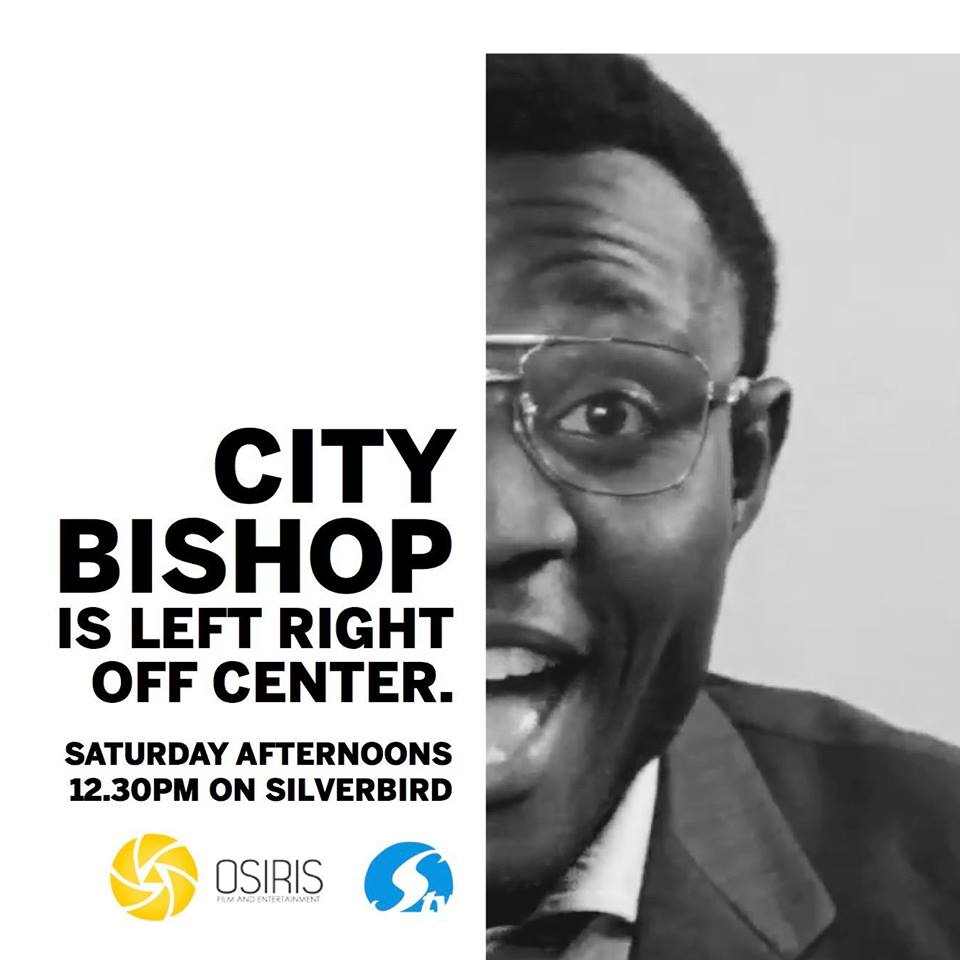
9. In 2015 he released a comedy reality TV show, CITY BISHOP, about a journalist from the village of Isoko who explores Lagos city life.
Season 1 aired on SilverBird TV.
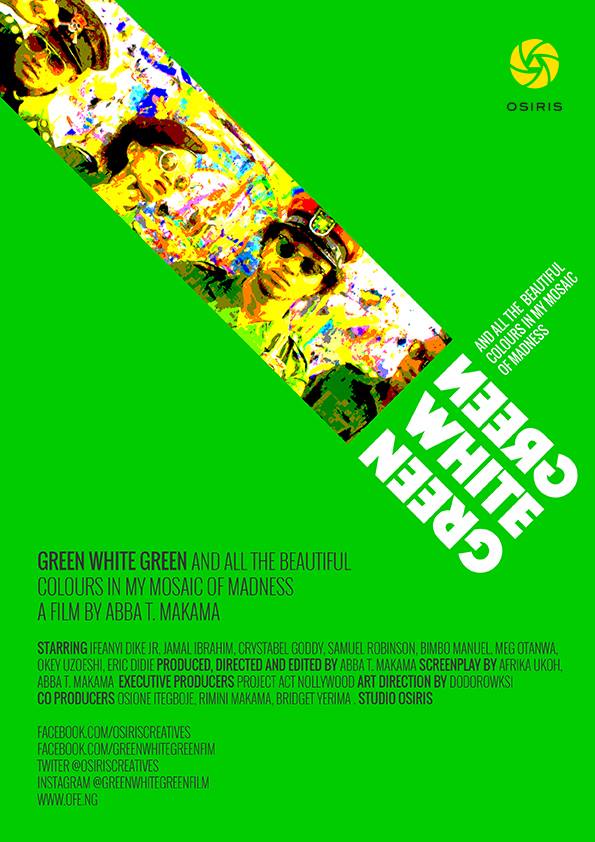
10. 2016 will be the release of his first feature length film ‘Green White Green’.
Green White Green is a comedy satire and coming of age story about 3 young boys from the 3 major ethnic group on an adventure to shoot a short film inspired by Nigeria’s history.
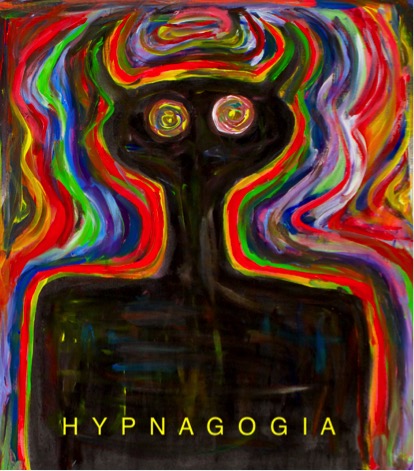
11. Abba Makama the painter.
His first solo art exhibition is on February 28th 2016 at the IAMSIGO showroom. Waking hallucinations and sleep paralysis are the inspiration behind the art show.