• Every year, the Nigerian music scene pulls off a miracle: it births a new generation of artists who altogether redefine the soundscape, challenge the old guard and give us new songs to obsess over. From Afrobeats to alternative, street-pop, R&B to hip-hop, 2026 is shaping up to be a year of creative and boundary-pushing artists.

    I’ve done the search, sifting through the independent releases, the sleeper hits and the underground gems to identify important voices.

    These are the ten Nigerian artists who should be on your radar: rising stars and underrated talents whose music, style and vision promise to make them impossible to ignore.

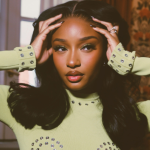
    Jamz FR

    What makes Jamz FR exciting is her fusion of styles and her ability to navigate between bangers and introspective tunes. She taps into the essence of Afropop while layering in influences from R&B and reggae‑tinged vocal styles. When artistry is rooted in authentic experiences and a lifelong love of music, you’ll get songs with clarity and heart like “Sober”, “Lose Ya” and her latest “Jamzy Vibe.”

    Reehaa

    Reehaa stands out because she brings a female presence to a space often dominated by male streetpop acts. She has a music style grounded in both tradition and contemporary youth expression. She writes about real experiences and youthful perspectives in ways that feel relatable to her generation, not as an imitation but as an authentic voice of her own. Her songs often blend Yoruba and Pidgin English and lends her music cultural depth and broad appeal.

    Her music carries both upbeat tracks and more introspective ones. Her recent singles, such as “Sati Ramoni” and collaborations with artists like Shallipopi and DJ Neptune, demonstrate her growing confidence, versatility and relevance. She’s increasingly seen not just as a rising woman in music, but as a contender shaping the future of Nigerian Street-Pop.


    Subscribe to Zikoko Pop newsletter, The Feed, for the most important pop culture news


    Musta4a

    The velvety falsetto of Musta4a’s voice distinguishes him from his peers in the Nigerian contemporary music scene. Across Afropop, R&B and those hazy, soul-leaning pockets where emotions reside, he operates with ease. Though he’s a lover at heart, his songwriting stitches reflection and youthful exuberance that feel admiringly dreaming or lived in. Both approaches work for him.

    His latest release, Musty & Yugo Vol. 1, an EP with Yugoszn, is proof of his instincts for forward-thinking collaborations and his ability to create chemistry. He’s growing his catalogue, he’s signed to a major publisher (Sony Music Publishing (West Africa)), and momentum is gathering around him. All these suggest one thing: a fuller evolution is on the horizon, and next year might be when it finally tips.

    Abstraktt

    Abtraktt’s journey from underground releases to broader acclaim shows a creative restlessness that refuses to sit still. His music weaves hip-hop, trap, and afrobeats to convey everyday experiences. Abstraktt’s first EP, The Yellow Tape, marks a turning point and showcases his ability to shift between introspective storytelling and high‑energy tracks that groove just as hard as his lyrical raps. His latest, Uncle Yellow, showcases his approach as rhythm‑forward hip‑hop that favours versatility over genre limits.

    With a growing catalogue that resonates with a broad audience and a knack for memorable hooks, Abstraktt is an artist worth watching as he pushes his Hip‑Hop style into 2026 and beyond.

    Elestee

    From her early appearances opening for Ladipoe to her breakthrough releases, Elestee has demonstrated a range across styles, blending rap with Afropop. Her debut projects, Lifesize Teddy and POISN, showcase her lyrical ability, vocal flexibility and willingness to cross genre lines. Tracks like “Space”, featuring Ajebo Hustlers, have become some of her most-streamed songs, helping establish her presence in the Nigerian music landscape.

    Elestee can deliver tight rap verses, shift into sung choruses and adapt her voice to different moods. She refines her sound with every release. Her recent EP, Mentally I’m Here, marks another step in her journey, showcasing her growth and her determination to seize her moment.


    READ NEXT: The 2025 Nigerian Songs Getting Nigerians Through the Year


    Syntax, The Creator

    Ibadan remains a breeding ground for alternative artists and musicians experimenting with music in a constantly evolving way. Syntax, The Creator is one of those artists and he makes music that takes listeners into spaces of introspection, celebration and creative expansiveness.

    His Room 203 (2024) and Rvivi (2025) EPs express this vividly, with collaborations and features that expand his sound. If experimentation is where your interests lie, this singer-producer is always ready to turn “What if..?” into “What is” with his music.

    Fimi

    Versatility sets Fimi apart. One moment, she’s dropping compelling, braggadocious and sensual rap verses. Next, she has flown into melodic hooks and artsy performances into her visuals, displaying the traits of zeitgeist hip-hop. She’s a new voice contributing to a growing space for authentic female participation in Nigerian Hip-Hop. In 2026, Fimi is an artist to watch.


    Get More Zikoko Goodness in Your Mail

    Subscribe to our newsletters and never miss any of the action


    oSHAMO

    As Afrobeats expands, the most recent releases are fusions that incorporate other styles. oSHAMO is a new artist at the heart of this approach. Born in Lagos and now based in the UK, his music seamlessly mixes Afrobeat, Fuji, Amapiano, and hip-hop with exciting melodies that carry the heart of Nigerian musical heritage into new sonic spaces. His debut EP First of My Kind maps his journey from Agege to London and marks him as a storyteller as much as a performer.

    On his new EP, I D R I S, he gets personal and transitions to both infectious dance-floor moments and introspective narratives. In his own way, he serves as a cultural bridge, threading the soul of Lagos into London’s global soundscape.

    Sewà 

    Sewà grounds her music in Afro-soul, but with the gleams of R&B, jazz and pop. It’s a rich fusion that carries both mainstream and niche circles in its arms, but the speciality of Sewà’s music lies in her stories. She backs it up with her debut album, Detox. Every song is a sincere narrative, whether examining love, loss, reflection or personal growth. 

    With sold-out shows both in Toronto and Nigeria, including stage performances with established artists like Asa and The Cavemen., Sewà is emerging as one of the new, bold voices of alternative music in this part of the world.

    Zaylevelten

    Zaylevelten is one of Nigeria’s most compelling emerging voices in rap and alternative Afro‑fusion. He fuses street energy, trap influence and experimental sound into something distinctly his own. Zaylevelten’s breakout came through a series of strong releases and viral moments, especially a track like “Maye.” This song helped him build a loyal fanbase that connects with his unpolished and laid-back delivery.

    He doesn’t chase trends, he shapes them, with glitchy trap styles, sharp flows and beats that defy easy categorisation. That experimental edge places him at the forefront of a new underground movement in Nigerian music. A key part of what makes Zaylevelten stand out is his work as a producer under the name Tenski. He plays a major role in crafting his own sound, producing much of his material, and ensuring identity, self-sufficiency and that the music reflects his vision from the ground up.

    His recent project, 1t g0t crazy and its deluxe version, showcase his off‑kilter experimentation and street‑aware confidence, with features that also signal his growing influence.


    ALSO READ: 10 Nigerian Music Projects That Deserved More Love in 2025


    [ad][/ad]

  • Every October, the Recording Academy’s submission window sparks a frenzy among artists worldwide, including those from Nigeria. With nominations for the 2026 Grammy Awards set to be announced on November 7, anticipation is high across the Afrobeats scene.

    Since the Academy introduced the ‘Best African Music Performance’ category in 2023, more Nigerian artists have found themselves in Grammy conversations. 

    For many, submitting to the Grammys isn’t just a bid for validation; it’s a marker of evolution. It signals ambition, confidence, and a belief that speaks beyond Billboard charts, Afrobeats playlists and TikTok trends.

    Below, I highlight the Nigerian artists I believe are most likely to be nominated for the 2026 Grammy Awards, based on past Grammy data and the strength of their submissions.

    Ayra Starr

    She submitted:

    • “Gimme Dat” featuring Wizkid for ‘Best African Music Performance’
    • “Gimme” Dat” featuring Wizkid for ‘Best Music Video’
    • “Hot Body” for ‘Record of the Year’
    • “Hot Body” for ‘Song of the Year’

    Likely to be nominated:

    • “Gimme” Dat” featuring Wizkid for ‘Best African Music Performance’

    Why?

    Ayra Starr is already a Grammy nominee for “Rush,” and Wizkid’s five nominations and one win make him a proven Academy favourite. Their chemistry on “Gimme Dat” is undeniable, and the category tends to reward high-profile collaborations with global reach. This is one of the most secure Nigerian bets of the year.

    Asake

    He submitted:

    • “WHY LOVE” for ‘Best African Music Performance’

    Likely to be nominated:

    • “WHY LOVE” for Best ‘African Music Performance’

    Why?

    Following back-to-back ‘Best African Music Performance’ nominations for “Amapiano” in 2024 and “MMS” in 2025, it’s safe to say that the Grammys love them some Asake. I expect that recognition to continue with the solid “WHY LOVE.”


    Subscribe to Zikoko Pop newsletter, The Feed, for the most important pop culture news


    Burna Boy

    He submitted:

    • No Sign Of Weakness for ‘Album of the Year’
    • No Sign Of Weakness for ‘Best Global Album’
    • “Love” for ‘Best African Music Performance’
    • “4 Kampe II” with Joé Dwèt Filé for ‘Best Global Music Performance’

    Likely to be nominated:

    • No Sign Of Weakness for ‘Best Global Album’
    • “Love” for ‘Best African Music Performance’
    • “Wgft” with Gunna for ‘Best Melodic Rap Performance’

    Why?

    Burna’s a Grammy darling with 11 nominations and one win. He’s been nominated every year he’s submitted, and is one of the rare Nigerian acts to be nominated outside of the ‘African’ or ‘Global’ categories, earning a nod for ‘Best Melodic Rap Performance’ for “Sittin’ On Top of the World” with 21 Savage. Expect him to be the most nominated Nigerian this year. 

    Davido

    He submitted:

    • 5IVE for ‘Best Global Album’
    • 5IVE for ‘Best Artwork’
    • 5IVE for ‘Best Album of the Year’
    • “With You” for ‘Best African Music Performance’
    • “With You” for ‘Song of the Year’
    • “With You” for ‘Record of the Year’
    • “With You” for ‘Best Music Video’

    Likely to be nominated:

    • 5IVE for Best ‘Global Album’
    • “With you” for ‘Best African Music Performance’

    Why?

    Davido’s 5IVE is one of his most acclaimed albums yet, and the viral success of “With You” — boosted heavily by Omah Lay — makes it difficult for voters to ignore. As one of the inaugural nominees of the ‘Best African Music Performance’ category, Davido already has name recognition with Grammy voters. Expect multiple nominations here.


    READ NEXT: Nigerians Who Have Won or Been Nominated for Grammys: A Complete List


    Olamide

    He submitted:

    • “Billionaires Club” featuring Wizkid and Darkoo for ‘Best African Music Performance’

    Likely to be nominated:

    • “Billionaires Club” featuring Wizkid and Darkoo for ‘Best African Music Performance’

    Why?

    After earning his first Grammy nomination with Asake for “Amapiano,” Olamide returns with another heavy collaboration. Wizkid’s presence already boosts a submission, and “Billionaires Club” is already beloved for its sleek production and cross-market appeal. It fits perfectly into the Academy’s taste profile for this category.

    Omah Lay

    He submitted:

    • “With You” with Davido for ‘Best African Music Performance’

    Likely to be nominated: 

    • “With You” with Davido for ‘Best African Music Performance’

    Why?

    Omah Lay is the heart of “With You,” one of 2025’s biggest Afrobeats records. His melodic control and emotional delivery elevate the track, and the Grammys often reward breakout performances within collaborations. If this song lands — and it should — Omah Lay will deservedly join the growing list of Grammy-nominated Nigerians.

    Rema

    He submitted:

    • “Baby (Is It A Crime)” for ‘Best African Music Performance’

    Likely to be nominated:

    • “Baby (Is It A Crime)” for ‘Best African Music Performance’

    Why?

    After getting his first Grammy nomination for HEIS in 2025, Rema tenders “Baby (Is It A Crime)”, as his Grammy 2026 submission. The song samples four-time Grammy winner Sade Adu’s “Is It A Crime” and remains one of the best and most versatile releases in Afrobeats this year. It would be a shocker if this didn’t make the cut. 


    Get More Zikoko Goodness in Your Mail

    Subscribe to our newsletters and never miss any of the action


    Wizkid

    He submitted:

    • Morayo for ‘Album of the Year’
    • Morayo for ‘Best Global Album’
    • “Piece of My Heart” featuring Brent Faiyaz for ‘Record of the Year’
    • “Piece of My Heart” featuring Brent Faiyaz for ‘Song of the Year’
    • “Piece of My Heart” featuring Brent Faiyaz for ‘Best African Music Performance’
    • “Kese (Dance)” for ‘Best Music Video’

    Likely to be nominated:

    • Morayo for ‘Best Global Album’
    • Ayra Starr’s “Gimme Dat” for ‘Best African Music Performance’

    Why?

    With five nominations and one win, Wizkid is another certified Grammy darling. I expect him to show up in ‘Best Global Album’ for the celebrated Morayo, but I think his strongest chance for a nomination in the ‘Best African Music Performance’ category will be for his work on Ayra’s Starr’s “Gimme Dat,” instead of his own single, “Piece of My Heart.”


    ALSO READ: 10 Nigerian Music Projects That Deserved More Love in 2025


    Everyone talks about love online, but what’s it really like offline? We’re collecting anonymous stories for Zikoko’s biggest relationship survey yet. Share your truth here.

    [ad][/ad]

  • This article is part of Had I Known, Zikoko’s theme for September 2025, where we explore Nigerian stories of regret and the lessons learnt. Read more Had I Known stories here.


    Every artist has that one song they wish could be removed from their catalogue — the track that makes them wince whenever fans scream at shows, or the one they recorded just to please a label, a producer, or even their younger self who didn’t know better. 

    Not every gamble pays off in the fast-paced world of Nigerian music, where trends shift as quickly as TikTok sounds. Sometimes, the beat slaps, but the lyrics age poorly. Other times, the song simply doesn’t represent who the artist has grown to become.

    In this list, we revisit 10 Nigerian artists who are brutally honest about the songs they’d delete if they could. 

    “It’s too vulnerable and it shouldn’t have been for public consumption.” — Sewà, singer-songwriter.

    I just released my latest single, “Àsìkò,” and many people loved it. But what they don’t know is that the songwriting’s backstory isn’t sweet.

    My mom’s friend’s daughter got married, which prompted my mom to ask me if I was seeing anyone. I told her I wasn’t and was focusing on only music for now. She said it was no problem, and I should take my time, whenever I’m ready.

    After that conversation, I felt a little down and birthed the chorus: “Asiko n lo, oun lo o / Tell me when do I feel loved?”

    The message has three parts for me. The first is a question of “Do I love myself?” The second is, “How do I love you if I don’t even love myself?” and the third is, “Why do you love people who don’t care about you?”

    It’s too vulnerable and shouldn’t have been for public consumption.

    Even one of my backup singers isn’t comfortable singing a part of the song where I say, “Do I even love myself?” That song should never have seen the light of day. Sitting in my vault, it’s one of those songs that should have been something solely for me.

    “How could I be celebrating a new release when people were fighting for justice and getting shot at?” — Mo’Gunz, rapper and singer.

    I remember the #EndSARS protest in 2020 clearly, but not in the way most people do. While the streets were filled with protesters and youths fighting for their lives, I was at home, celebrating. I had just released a new song titled “Top Boy.” The plan was to do a big social media push, get it everywhere, and celebrate the moment.

    I was so focused on the drop. The song was a banger; it was something I’d worked on for months, and I was so proud of it. We had the artwork ready, the marketing plan, everything. I was on my phone, watching the streams go up, feeling that rush. But then I looked outside: people were marching and chanting. My friends were posting videos from the protests, their voices thick with anger and passion.

    It hit me all at once. My new song was completely out of touch with the reality on ground. How could I be celebrating a new release when people were in the streets, fighting for justice and getting shot at? The moment I realised it, my excitement turned to shame. I pulled back from all the promotion, but it was too late. The song was out there. To this day, it’s a reminder of a bad decision.


    Subscribe to Zikoko Pop newsletter, The Feed, for the most important pop culture news


    “The producer came back again and asked to be added as a primary artist to the release.” — Eniola Havoc, rapper.

    Early in 2023, I was invited to a recording camp by a producer, and I was the only artist there. After transporting myself to the location and back with my money, the day ended quite productive and we made two songs. Not long after the session, the producer sent me an mp3 mixdown of just one of the songs we made together.

    At the time I had a two-year management contract I was running on, but I had the creative freedom to make whatever I wanted. I played that one song I got off the session to my team, and they were confident the song would make a perfect single for the album I was making at the time. Months after that initial recording session, I called the producer to let him know my plans for the record and even offered a 50% split. He agreed to the terms, but insisted I give him an advance payment.

    A year later, I officially released the song, titled “She A 10”, after so much drama and stalling, the producer came back again with a different request and asked to be added as a primary artist to the release. At that point I was already drained after spending over a hundred thousand naira on the post production and the distribution. It didn’t feel like it was worth the stress anymore. So, I didn’t give in to his request.

    The producer took the song down. In less than a month, he came again, trying to get me to put the song back up on DSPs, but I was done and ignored him. The song is still on Audiomack, but that’s it.

    Meanwhile, he didn’t even talk about the second song we made or send me a mixdown like he did with the first one. In fact, I still haven’t heard it since 2023 when we made it.

    “One can tell that it was just a good day in the studio, not a lot of thoughts were put into it.” — Mo’Believe, singer-songwriter.

    I should have thought of a better plan before I released “Perfect (Ebe)” in 2020. My producer and I were on a high when we made that song, just two guys in a room, happy to be making music. You can hear it in the track; it’s pure studio euphoria. No big plan or deep thought, just a good vibe. I listened to it and thought, “What’s the harm in putting this out?” My team loved it, so I figured that was all the sign I needed. I released it without a second thought.

    And then, nothing. The song just existed. It didn’t blow up, but it didn’t flop either. I thought I should’ve had a better plan to push it. But looking back now, maybe why the song just sat there, adding nothing to my career, good or bad, was because one can easily tell that it was just a good day in the studio and there weren’t a lot of thoughts put into it.

    I released the song in the spur of the moment, and now I have a track out there that I wish I shelved for good or took the time to properly finish. Though I’m learning these days that songs are like kids, we give birth to them, but can’t be sure what they’d turn out to be. The best I can do is put out what I won’t hate releasing after some time.


    READ NEXT: Had I Known: 8 Nigerian Actors and the Roles They Regret Turning Down


    “I realised the title itself carried a perception I did not want associated with me.” — Samvsthekids, rapper and singer.

    The year was 2023, and I had just arrived in Enugu for my youth service. The city had an energy I immediately connected with, and I was soaking it all in, meeting people, exploring, and feeling inspired.

    It was around that time I linked up with Jubal (J-V-B-A-L), a talented producer from the University of Nigeria, and Munna, an experimental alternative rapper. We decided to make a track that sampled a trending sound at the time called “On Colos.” Just to be clear, the song was not about glorifying any substance, it was just a vibe, a piece of music we felt people would enjoy. And they did.

    We performed it a few times, and the audience loved it. On Spotify alone, it racked up over 10,000 streams in just a few months. It felt like one of those moments where everything clicks, and you cannot help but smile at the reception.

    Fast forward to 2024, when I finished NYSC and stepped into the professional workforce. A few weeks into my new role, some of my superiors discovered my TikTok, and specifically, that song. I was called into HR. The conversation could have been intimidating, but I did not panic. I just said something along the lines of, “Ma, if you are the one who sings like this, will you not post it online?”

    Was I bold? Definitely. Surprising? Absolutely. But it worked. I left the room calm and unshaken.

    As I continued to grow professionally, I started reflecting on the song. Even though the message was not about the substance, I realised the title itself carried a perception I did not want associated with me professionally. So, I made the tough decision to take the song down, even though it had been one of my most popular tracks.

    “I had to remove a long-time friend from that record just to fit in this artist’s verse.” — Sosa TTW, rapper and producer.

    There was an artist I really wanted to collaborate with in 2022. I reached out, and at first, he acted interested and responded like he was down to do it. But then, out of nowhere, he ghosted me. No replies. Nothing.

    Trying to keep the idea alive, I decided to offer payment for a verse. As soon as money came into the picture, he suddenly showed up again, responsive, cooperative and ready to record. We agreed and he sent in his verse. As the release date approached, his manager started acting very enthusiastic. He even said I should be open and communicate with them about the release. The artist echoed the same sentiment. They both made it seem like we were all on the same page and excited to push the song.

    When the song finally dropped and I reached out to the manager for help with Audiomack support, he hit me with, “Do I work at Audiomack?” That one sentence told me everything I needed to know.

    The artist barely did any promo, but when it came time to talk about royalties, he was quick to ask for his share.

    What makes it worse is that I had to remove a long-time friend from that record just to fit in this artist’s verse. I made that choice thinking it would elevate the track. In hindsight, I regret releasing the song at all and that was eventually pushed me to remove it from all DSPs.


    Get More Zikoko Goodness in Your Mail

    Subscribe to our newsletters and never miss any of the action


    “That shit hurt my motivation, for real.” — T.O.D SZN, rapper.

    So far, in my career, I’ve tried out a bunch of different sounds. I’ve never been scared of new beats and styles. That’s how I keep my creation process natural and unforced.

    I once made a song titled “Fall” in January 2024. It’s a drill song with trap influences, and I delivered a strong vocal performance in both pidgin and English. When I played this song for friends and sent it out to fellow creatives, their heads bopped uncontrollably. They urged me to drop as a matter of urgency, and with the way the drill soundscape was gaining popularity, I felt like that was the best idea. I was feeling myself and thought I had done something special with the song.

    But it didn’t drop on time. I relocated to the U.K and had to get acclimated with my new environment and figure many things out first. This led to a 6-month hiatus. When I got back to music and was ready to release the song, I thought, “Why give them one song, when I can put out an EP and make them understand what’s been going on with me?”

    So, I added three other songs alongside “Fall”. When I eventually did release the tape in August, “Fall” would get the lowest streams across all platforms. Mentally, I couldn’t understand why no one was listening to this one in particular. I thought it was the best.

    What exactly I did wrong with that track, I don’t know. I used to think I should have packaged it as a single, but from the way it was regarded and overlooked, I’d say I’d rather have not dropped and enjoyed that one with my friends.

    “After a deep reflection, I began to see why they thought the line signals tribalism.” — VRSD, rapper.

    In 2020, I released an EP that has a song titled “Hold Your Glass,” a straight up braggadocious display of lyricism. Everyone that jammed it when it dropped loved it. I received great responses. Someone even said, “This is the kind of rap jam one would expect from the OGs.” I felt good about that compliment.

    Then in 2021, I joined a cypher and rap battle competition to win $1,000. I prepared seven fresh verses and added the verses from “Hold My Glass” to it. I made it to the second tier of the competition. When it was my turn to battle again, I went hard, using the verses from “Hold My Glass.” I was confident AF in what I did. 

    When it was time to get the verdict, I was disqualified. Why? A few of the judges didn’t like one of my lines: “I came from where the Civil War hero came from / Benjamin Adekunle, the Black Scorpion.”

    In all honesty that’s a clever line and an homage to someone from my town. The person just happened to participate in the Nigerian Civil War, which in the judges opinion shouldn’t have been lauded..

    I lost that round and any chance of winning the prize money. After a deep reflection, several listens and deciphering of my own lyrics, I began to see why they thought the line signals tribalism, even though it wasn’t my intention. Now, I have a song out that people are likely to call tribalistic streaming.

    I’m not a big fan of the song anymore, but I really regret not realising what those judges did before I put it out.

    “What made me regret putting it out was when my seven-year-old nephew found that particular song.” — TillDayBreak, rapper.

    So, I made a song titled “Spiritual” in 2023 and it’s about sexcapades and smoking weed, but I don’t indulge in those in real life. Over time, I began to feel weird and cringe whenever I heard it play. It isn’t who I am and doesn’t represent me in any way.

    But what caused the regret of putting it out was when my seven-year-old nephew, who is a big fan of my music, picked up his mom’s phone to search for my music and found the track. I felt shame, like I had disappointed the little lad. From thereon, I have kept most of my songs socially conscious and PG-13.

    “I was completely consumed by grief and couldn’t even think about promoting the music.” — Don Mappy, singer-songwriter.

    I had just recovered from a nasty femur fracture that happened in late 2020, when I got back to making music. I poured everything I had into a new EP, a project that was deeply personal to me. I even titled it Ad Meliora, which means “towards better things.” I was ready to move past the injury and the struggle. The first track, “Anytime,” was one of the best records I’d ever created. I felt it was a strong start, a sign of better things to come.

    I dropped the EP on July 7th, 2022. Just five days later, on July 12th, my dad passed away.

    Suddenly, the whole meaning of Ad Meliora felt twisted. It was a cruel irony. I was completely consumed by grief and couldn’t even think about promoting the music. The project just… dropped. All that effort, all that hope, and it landed with no post-release promotion. I struggled with grief and eventually took it down. Looking back, I just wish I hadn’t released it when I did.


    Do you have a story of regret? Share it with us by filling out this form.


    ALSO READ: How Nigerians Become Notorious on the Internet


    [ad][/ad]

  • When you’re an independent musician in Nigeria, every move can feel like a gamble; whether it’s signing a record deal, collaborating with a big-name producer, or partnering with a popular music distribution company to get your songs on streaming platforms.

    Music distributors, often called distros, are third-party companies that help artists upload and manage their music across platforms like Spotify, Apple Music, Boomplay, and others. In theory, they should make it easier for artists to get paid for their streams and maintain control over their catalogue. But for many artists, especially those without industry power, these companies can become a source of stress, confusion, and exploitation.

    In this As Told To, a musician Tayo* shares his experience with a well-known Lagos-based distributor. What started as a promising partnership quickly turned into a cautionary tale about what can go wrong when transparency is missing in the music business.

    This is Tayo’s story as told to Marv.

    In 2021, I was in an experimental phase and eager to start distributing my music. I was searching for the best distribution company that would offer a seamless process and genuinely support me and my music. I didn’t know which platform to trust to get my songs out there, but I knew what I wanted: playlist placements and distribution to all the major Digital Service Providers (DSPs) like Spotify, Apple Music, and others.

    One Nigerian distribution company kept popping up, both in my online searches and conversations with people in the industry. The fact that they were based in Lagos gave me even more confidence. Having boots on the ground made it feel like they truly understood how to get Nigerian artists onto DSPs and playlists.

    Still, I was cautious. I didn’t want to end up like the many musicians who’ve had to call out their distributors on social media for withholding or mismanaging royalties. When I reached out to them, they told me their focus was on young, independent artists. They also mentioned a 70:30 revenue split: I’d keep 70% while they took 30%. That didn’t feel entirely fair—I wasn’t convinced a distro should take that much from my royalties. But almost every musician I knew personally was using them. One of my friends had just signed on with them, and things seemed to be going well. So I decided to give it a shot.


    Get More Zikoko Goodness in Your Mail

    Subscribe to our newsletters and never miss any of the action
    ALSO READ: 10 of the Best Programs Currently Airing on Free-to-Air Nigerian TV


    I also brought on a talent manager who had worked with my friend through the same distributor. We released two singles, and everything went smoothly. The manager went above and beyond, securing top playlist placements for my songs. I was genuinely impressed.

    But then, things started to change.

    They stopped taking me seriously and began doing the barest minimum. When I asked them to support my music, even with a simple repost on social media, they made it seem like I was asking for too much.

    Then, I requested access to my backend to view my streaming numbers and revenue across platforms, but they ignored me. All my efforts to try to reach them were in vain.

    Things got worse. Scheduling a music release became a hassle. I’d have to chase them for nearly a month to align with my release calendar. And even then, they’d upload my music with mistakes: misspelt names (mine and the featured artists’), wrong metadata, and missing details. I’d have to demand a takedown and wait another week or two for a corrected reupload. This unprofessionalism robbed me and my listeners of consistency and the experience of enjoying my music without unnecessary delays.

    When I finally tried to withdraw the small royalties my music had earned, I reached out again. But they sent me a report that didn’t match what I saw on my Spotify for Artists and Apple Music dashboards. 

    I’m aware that streams from Nigeria and abroad generate different revenues. I had experience with other distributors before them, so I knew how these backends and reports should look. But the report they showed me made no sense. They didn’t grant me direct access to see for myself. I had to wait for filtered, incomplete updates via email or WhatsApp.

    It began to feel deeply unfair. We were supposed to be partners. They were taking 30% of the revenue, yet offering zero transparency. 

    When I demanded that they withdraw all my songs from the platforms, they cited a clause in our agreement: no withdrawals until I hit $100 in revenue. I’d need hundreds of thousands of streams just to reach that point. So I forgot about it.

    In 2023, I co-founded a music company with a friend. We help musicians release their songs and provide marketing support. I looked around for distribution partners but found no takers. So reluctantly, I returned to the same distro, but only for distribution. My company handled everything else.

    They ended up distributing music for over 30 artists on our roster. We created individual contracts for each artist, but the distro mishandled the paperwork again. When I asked for the reports, they said all artist data had been lumped under my profile. There was no way to view individual artist earnings or even know how many streams each artist had.


    READ NEXT: My Girlfriend Almost Killed Me With Billing Because I Hang Out With Celebrities


    The final straw came when one of my artists pulled in over 200,000 Spotify streams—mostly from outside Nigeria—and the report said the music only earned $60. That made no sense. There were over ten artists actively streaming under my company that year. How could the combined earnings be so low? I asked for a breakdown, but they didn’t provide any.

    It was beyond frustrating.

    They eventually apologised for the lack of transparency and flawed reporting, but that was it. No action. No corrections. My numbers and those of the artists I managed remained tangled together with no clarity or accountability.

    By mid-2024, I decided to cut ties. I asked them to shut down my catalogue and pay me what was owed. What followed was a long, silent drama. For over six months, they ignored me. Eventually, I had to call them out publicly on X. Other artists who had similar experiences joined the conversation, amplifying my complaint until it reached the founder and CEO.

    He privately messaged me to apologise on behalf of his staff and promised to fix it. Later, he asked for my account details to process the payment, but the amount he sent didn’t reflect what I was owed. Some artists were still unaccounted for, and the breakdown they provided remained vague.

    To this day, the distributor hasn’t fully closed my company’s catalogue. Some songs have been removed, others are still live—streaming and earning revenue linked to their system.

    Editor’s Note: We decided to withhold the name of the musician so he could speak publicly on a sensitive matter.

    See what others are saying about this story on Instagram.


    ALSO READ: In Her New EP, Goodgirl LA Sells Desire to Nigerian Women Ready to Indulge


    [ad][/ad]

  • February was a goldmine for Nigerian music, with a range of talented artists dropping bangers that dominated our playlists. From soulful love songs to high-energy street anthems, the month had something for every mood.

    Here are the 10 best Nigerian songs of February 2025.

    10. “WHY LOVE” – Asake

    Amid rumours of his YBNL exit and a fallout with his team, Asake keeps his focus on the music, embracing love on “WHY LOVE.” The track is both a tribute to his lover and a self-assured anthem, as he hails himself as an angel and suggests that any woman with him is lucky. While his self-confidence—rooted in a military mindset of self-sufficiency—might come off as self-centred, he’s at his calmest and best when she’s around.

    9. “Ìfémi” – Lodù

    In this track, UK-based Nigerian-born singer Lodù is drunk in love. Unlike her previous releases and features, she sings entirely in Yorùbá, calling out to a distant lover to return to her—perhaps one still stuck in Tinubu’s Nigeria, yet to japa and reunite with her.

    Her use of rich figurative language, combined with a blend of traditional and alternative production, places “Ìfémi” in the lineage of new-school artists building on the foundation laid by pioneers like Bisola Oke with “Eleyele”.

    8. “All The Love” – Ayra Starr

    Ayra Starr makes a strong return with “All The Love,” her first single since her record-breaking sophomore album, The Year I Turned 21 (2024). Centred on self-acceptance and personal growth, the song sees her reflecting on love in a way that feels both personal and universal—a letter to herself and the world.

    Now a year older, her music evolves with her, blending lamba with sharp songwriting in a way that reaffirms her artistry.

    7. “VIBRATION” – Mo’Gunz

    Mo’Gunz moves between rap and melody, seamlessly blending both to set moods and create immersive soundscapes. On “VIBRATION,” off his REPUBLIK RIDDIM two-pack, he seeks relief—not through traditional therapy, but through Mary Jane to ease his stress and a woman’s presence to bring warmth.

    Beneath the surface, the song reflects his search for self, purpose, and direction. Yet, even in moments of melancholy, he keeps the party going—vibrating through it all.

    6. “Update” – Burna Boy

    For the first time in a long while, Burna Boy is taking a break from relentless touring and choosing to indulge in a well-earned vacation. “Update,” much like “Bundle By Bundle,” is a bold declaration of his “city boy” lifestyle—splurging on luxury sports cars and rewarding his loyalists with Cybertruck Tesla.

    Though he sounds tired on this record, not even Soul II Soul’s “Back to Life” sample could slow him down—he’s living his best life, and this is the update.


    ALSO READ: 12 of the Best Afrobeats Songs of the 2020s That Sample Nigerian Classics


    5. “Obimo” – Adekunle Gold

    As someone whose long-term relationship has blossomed into marriage, Adekunle Gold understands the power of assurance and reassurance. On “Obimo” (Igbo for “my love”), he sets the tone with the opening line, “Loving you is primary,” encapsulating the song’s essence—complete devotion. He sings about wanting what his lover wants, moving in perfect sync with them.

    If you can’t imagine eating or doing anything without seeing the love of your life first, AG Baby has the perfect soundtrack for you.

    4. “Movie Star” – Ajebo Hustlers

    This is a new offering from the Port-Harcourt musical duo Ajebo Hustlers (Knowledge and Piego). “Movie Star,” off their Onorato EP, is a heartfelt reflection on relationship struggles. Whether drawn from personal experiences or pure storytelling, the song carries an emotional weight that resonates deeply.

    The chorus chorus promises unwavering presence through every mood and phase, while Knowledge expands on the theme with his signature rap style. Their seamless fusion of Afrobeats, Highlife, and Hip-Hop remains impressive, reinforcing their stance as hardworking, non-compromising artists. As they declared in a recent Instagram post, this era is about demanding respect.

    If you’ve been following their journey, “Movie Star”— and the entire Onorato project — stands as a testament to staying true to one’s sound.

    3. “SHAOLIN” – Seyi Vibez

    Fans have been wondering why Seyi Vibez has been so quiet. Some speculated that his recent split from Dvpper Music put a temporary hold on his releases.

    Whether he was watching the tweets, itching to drop new music, or simply ready to break his silence, he’s back with Children of Africa, a four-track EP. The standout track? “SHAOLIN.”

    Seyi leans into the dominant Mara street-pop sound flexing about women, smoking Wizkid’s legendary loud, and moving with zero worries. He also subtly addresses concerns about his career post-label breakup—Everywhere good, everywhere che, che, che, che…” Translation? He’s doing just fine.

    If your DJ doesn’t mix this jam before or after “OZEBA,” you might be at the wrong rave. Street-pop supremacy.

    2. “Someone Like You” – Lojay

    Unrequited love takes centre stage on Lojay’s “Someone Like You.” He sifts through past memories and conversations, retracing where things went wrong. It’s not the heartbreak of something ending unexpectedly—it’s the pain of knowing the person he wants will never come back.

    The song feels romantic, but at its core, it’s about love lost. Lojay’s soft, moody vocals and lyricism capture that deep sadness. Unlike his usual playful, smug takes on love, there’s no spinning the block here. This is the first single from his upcoming album, hinting at a shift from the “gangsta romantic” hard-guy lover to something more vulnerable.

    1. “Baby (Is it a Crime)” – Rema

    After HEIS, many expected Rema to continue riding the heavy EDM wave, but “Baby (Is It A Crime)” takes a different route. If you paid attention to “Now You Know,” the closing track on HEIS, you’d have caught the hint—he’s leaning into a more chilled, mid-tempo solitude.

    Sampling Sade Adu’s “Is It A Crime” (1985), Rema moves at a leisurely pace, throwing advances at a love interest who isn’t as eager. But he doesn’t beg—he states his case and, if she wastes his time, he moves on (“I no dey for too much whining”).

    This song is an anthem for the average Nigerian toaster—confident, expressive, but not desperate. Rema’s songwriting remains relatable, and as HEIS continues to set clubs on fire, “Baby” slides effortlessly into softer, intimate spaces.

    Listen here:

  • With few remarkable projects churned in the year, Nigerian music’s first six months of 2024 ended with an impressive note of the underground sound. Some of our favourite songs so far have come from up-and-coming artists. So, we shortened our listening history to ten of the hottest jams released from January to June by rising Nigerian artists.

    My Dealer — Kaestyle feat. Omah Lay

    The culture of smoking in Nigeria now perches class with an expensive cannabis strain called Canadian Loud. Kaestyle and Omah Lay crush their inner thoughts, feelings and stress into a blazing escape. My Dealer is more of than a stoner anthem; it’s about vices and escapism.

    Dealer — Ayo Maff feat. Fireboy DML

    Whether it’s a youthful exuberance, drug epidemic or mental awareness, Ayo Maff and Fireboy DML beautifully portray the emotional wreckage of the average Nigerian youth. They can’t wait for a new day to break; their first to-do is to call their dealer to fix what they think is broken. This song’s popularity among young Nigerians is all you need to know about our culture of substance indulgence. Sweet jam still.

    Instagram — Muyeez feat. Seyi Vibez

    Muyeez’s self-titled EP is still pulsating in the streets. But his first single Instagram is where the heart is. It’s cute, holla-at-your-boy-esque and stuns with a Seyi Vibez verse. The song gets one in a hyper sing-along mode; then an afterthought hits that Muyeez would likely serve punishments for being too young to say these lyrics in an African household. But it’s playing everywhere and will be in steady rotation throughout the year. He has his talent, distinctive voice, and charisma to thank for this.

    Wells Fargo — TML Vibez

    TML Vibez released Wells Fargo the same day Muyeez released Instagram, both as part of the rollout for the “Vibez Incorporation Mixtape Volume 1” project. Wells Fargo is a hustler’s anthem, echoing the ethos of street hustlers and scammers on a grand, slowed-down, pop-kissed Fuji production dangling in Maracas.

    DWS — TDB feat. VRSD and Droxx

    This Drill music collaboration is nature-threatening. DWS (short for Don’t Want Smoke) shells out a smug hook and three rounds of shootout verses by rappers TDB, VRSD and Droxx. Their delivery is potent; it’s fade-to-black for whoever looks for these guys’ smoke, AKA trouble.

    Better — Bizzonthetrack feat. Malik Abdul

    In Better, Bizzonthetrack and Malik Abdul remind us that there’s no life better than yours, but you mustn’t forget you’re not as special as the next man. Life lessons and a good time all in one song—inject it.

    Sakura — ShineTTW

    On Sakura, ShineTTW sings in a self-possessed and breathy soprano about devotion to romance and intimate bedroom activities in Afrobeats. He’s a rising Afropop artist currently popping in the Lagos music scene. With Sakura, Hiiii and a few other definitive tracks on his EP, “THE CHOSEN ONE EP”, ShineTTW shows readiness for a bigger audience.

    Left Right — Keys the Prince

    Although Yinka Ayefele’s Tota E Mole, the interpolated song on Left Right, is about fighting spiritual warfare, Keys the Prince’s song stomps on haters just to flex on them. It’s a bop.

    Life of the Party — oSHAMO

    It’s a turn-up on oSHAMO’s Life of the Party. From signal to the opposite gender to money-spending and subtle broke-shaming, this jam’s an active Friday night for ballers in an audio form.

    Quarter Life Crisis — Toyé

    If you’re stagnant and left behind or worried about your progress and life trajectory, Toyé speaks for you on Quarter Life Crisis. Instead of making the song an extension of your brooding, Toyé’s single lightheartedly lifts the spirit in optimism.

    Listen here:

  • Take the quiz:

    Wizkid

  • You might be wrong if you think the tone, wordy, complex sentences and repetitive structure of ChatGPT text flourish only in research papers and formal documents.

    Have you heard ambiguous Nigerian song lyrics or the ones that read straight out of an AI generator? Let’s delve into it.

    Boy Spyce

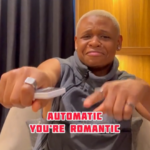
    Despite getting curved by “Folake”, Boy Spyce still made a song titled after his crush to express his feelings to her. The song takes a turn when he starts to flatter the babe. Instead of calling her his dream babe, Boy Spyce goes “Automatic, aromatic, acrobatic, diplomatic, cinematic” We may have a new son of Afrobeats won our hand, and its name shall be Afro-Grammar. 

    Anendlessocean

    Anendlessocean’s love for words is as endless as the ocean in his name. Every album, the good brother let us know he’s a word freak without saying he’s a word freak. Even when he says seemingly simple things like “Infinity ” and a “ten-side polygon”, he uses a plethora of wonderful words to express them. E.g “Apeirogon” and “Decagon”. 

    M.I Abaga

    Let’s put concept albums aside, nothing screams “I hired ChatGPT for my album, look at my titles now” than M.I’s “A Study On Self Worth: Yxng Dxnzl”. The song titles also read like daily motivational messages. E.g “I Believe In You, You Too, Should Believe In You.”

    Vector

    I love VEC, but when he starts getting “deep” on songs, the listener can get lost in the sauce. Exhibit A: “If I fail because you fail to see / Then it’s very clear that one of us failed, it’s you or me”?

    He said if we don’t understand, that’s our problem.

    Wizkid

    If Wizkid and ChatGPT have one thing in common, it’s repetition. Wiz has said “She tell me say” on songs multiple times that, I’m wondering when GPTZero —  the AI writing detector — will finally have his time and say “song already exists.”

    These Are the Greatest Afrobeats Albums According to ChatGPT

  • When Nigerian artists, especially rappers, get older, an uncommunicated hiatus or retirement lurks around — impacts of personal decisions and the fickle nature of an industry that lives in the moment.

    But should whatever new music they make remain in the vault indefinitely because they’re no longer the rave of the moment? Will anyone give them any time of the day if they release new music?

    Let’s look at these issues, using Nigerian Hip-Hop artists as case studies, in this piece.

    In-between the general banter and check-in between Vector tha Viper, Sinzu and Ikechukwu in a recent 11-minute long screen-recorded IG live video, the three rap veterans discussed their status as older artists and renewed focus to make more music. The core of their conversation bench-presses on this year’s Nigerian unofficial watchword: “No gree for anybody”, which can be colloquially interpreted as “to stand on business.”

    Evidently, these three rappers are standing on business: Sinzu is posting new music snippets, Ikechukwu released a new album, “O.G.Unkle.Killz” on March 15, and Vector, who hasn’t stopped releasing music in the last six years, is ready to go harder.

    During the IG live, Sinzu mentioned that Gen Zs act like they don’t know him, which is almost true. Sinzu (FKA Sauce Kid) hasn’t been in the spotlight in almost a decade, not since his 2017 run-in with the law in the U.S. His last EP went by without a noise in 2021. On the other hand, another colleague put out a project without much care for Gen Z’s acceptance. Breeze, a song on Ikechukwu‘s new album has been labelled a fresh breath of air since its release.

    But I think that instead of being hyper-focused on Gen-Z, OGs should direct their energy to their dedicated fans. They’re familiar with the brand and will listen to the music as long as it’s great. While life, family and other things may take priority, if a released music resonates, new fans will pick it on the way. In November 2023, Reminisce released “Alaye Toh Se Gogo”, seven years after his last album. Fans’ demand inspired the project and the reception he’s since received has surpassed his expectation. Four years after “ILLY CHAPO X”, rapper Illbliss put out a new album, “Sideh Kai” in February 2024. Modenine is still active and catering to the fans who enjoy his art.

    The “small” matters of finance and profitability can’t be ruled out, though. Nigeria is a poor country and has no industry structure and funds for OGs to stand on. Here, people make money when they are on top. Diminished star power and fanbase and intangible streaming revenues aren’t enough fallback options either.  In markets like the U.S., artists can do 500-1000-capacity halls because investment in infrastructure supports them — Older international acts like Sisqo can still go on tour simply because there’s a structure to cater for him. The opposite is the reality that plagues the elderly class of contemporary Nigerian music.

    There’s no need for OGs to force or recreate what they were widely known for anymore. Identity crisis, fear of ageism and criticism should go out the window. No one will be on top forever. But the grace is always there. The veterans may not be popping like they used to but their core fans — their community — will always listen.

    The realisation and acceptance of everything above comes with an openness to tell new stories in tune to their current reality. This has played out in the case of Reminisce who’s embraced fatherhood since “Baba Hafusa” till “Alaye Toh Se Gogo,” which talks about getting older, navigating relevance and putting on the next generation of artists.

    Illbliss’ “Sideh Kai” is a testament to giving back to his fans and importantly, being a family man and a dad. Vector and M.I have also been on self-discovery yet triumphant journeys— it’s clear in the content of their new music. This openness pushes their art to more impact and opens them to more interpretations. This is the only way they’ll possibly make music that gets finer with their age.

    The beauty of making music at an old(er) age is rooted in the purpose and passion of the artist. So, instead of worrying about investing in streaming farms to push albums like Ikechukwu jestingly said on the IG live, he should double down on the newly found purpose that’s fuelling his passion.

    As we go deeper into the year, more veteran artists should quit watching on the sidelines and get back into the game. Not to prove a point or dump stashes of stale music on us, but to find love in what they do again. People are still cheering.

    We Wondered Where These Nigerian Artists Are, So We Went Digging

  • We came into 2024 demanding for new sounds, a breakaway from Amapiano for good. And last week, a rising singer named taves went viral with his pop-alt singles Folake and Bodija, which people called a breath of fresh air in the Nigerian music space.

    The clamour for more unconventional music set us into action to bring you some of the other new artists that aren’t on your radar.

    Wapo

    Wapo’s music sounds like a big, shiny disco ball in a large ballroom. One can clearly hear his experimentation with African rhythms, ‘80s pop and R&B on songs like No White Tees, Bleed and Walk on Water. Wapo’s music is similar to Runtown’s recent album, “Signs”. His latest, “Afraid of the Dark”, is heavy on synth and fearful emotions like he’s running through the dark woods. His music is an interesting and comfortable deviation from the formulaic logdrums the Afrobeats industry is plagued with.

    Odenose

    Are you looking for a genre mixologist? Odenose (formally OD) is the answer. From jazz to hip-hop to spoken word, neo-soul and afrobeats, the Abuja-based musician is capable of blending genres into a refreshing African music cocktail. Let her recent album “MissChief” lead you into endless flavours of Afro-fusion and live instruments.

    Seanmichael Ike

    It’s time to discard the family situation that turned the lights on Seanmichael Ike and shift the focus on his artistry. He’s a singer-songwriter making the chill Afropop of a shy and hopeless romantic with enough rizz to steal people’s babes. While we wait for his 2024 releases, his songs, Shy Shy and Stargirl, are good places to start.

    Bagetti

    Entering into 2024, Jonzing introduced its latest signee, Bagetti, with Hard Girl, and it’s now a viral TikTok jam. On March 12, she followed up with Dawn, the last single before her debut EP drops on March 15. Bagetti explores familiar territories like dancehall and Afropop, but her confident and non-conforming delivery make the difference.

    Tega Ethan

    Tega Ethan is an Ibadan-based singer-songwriter and guitarist making records about love, longing, hope and other fleeting emotions. If you’re looking for some delicious poetry and soundtracks that say a lot without saying too much, Tega’s music is where it’s at.

    Modim

    Modim has found a way to synthesise Afrobeats, African folklore and alternative rock into one electrifying performance. Complex guitar riffs, evocative vocals, thoughtful lyrics interspersed with local stories, and catchy hooks make his music wholesome. Songs like Eko Meji, Eni Aráyé and Emini Nii will light up any stage if given a moment.

    Ayo Maff

    Street-pop music constantly breaks the stereotype that its artists have to be rogues and good-for-nothings. Ayo Maff’s take on it goes far beyond the penchant for street upbringing and hustle life; he poignantly sings about his background, dreams, fears, deceased loved ones and the lives of ordinary men. Ayo Maff isn’t political, but he sounds very much like the “voice of the people”.