Picture this: your space, reimagined. Cool, quiet, efficient. A home that doesn’t just work — it works beautifully. Now imagine this powered by a brand with nearly a century of innovation, arriving with a promise to elevate the Nigerian lifestyle. Admiral is here. And it’s not just a launch — it’s a lifestyle shift.
The Legacy, Now Local
Founded over 90 years ago in the United States, Admiral has earned its place in the global electronics hall of fame — known for reliability, refined engineering, and energy-smart design. Today, that legacy touches down in Nigeria, promising a new standard for home living.
Through an exclusive distribution partnership with DeeKay Group, Admiral is introducing a full line of home essentials — including high-performance washing machines, stylish freezers, smart televisions, powerful fans, gas cookers, refrigerators. More product innovations are on the horizon.
And yes — they’re already in leading retail stores nationwide.
What Sets Admiral Apart?
In a market filled with choices, Admiral stands out by asking the right question: What do Nigerians actually need in their homes today?
The answer: Power-saving products that last, function effortlessly, and fit right into your design-conscious lifestyle. Every appliance is built to global standards — engineered in the U.S., refined for Nigerian realities.
Voices Behind the Vision
“Admiral isn’t just a new brand on the shelf — it’s a global brand with substance, tailored for the Nigerian experience,” says V. V. S. Prasad, Managing Director of DeeKay Group. “We’re confident it will change how Nigerians shop for home electronics.”
“Nigeria represents a bold, modern consumer base,” adds Vishal Saxena, Chief Executive Officer – Admiral Appliances and Electronics Middle East, CIS Africa & South Asia. “Admiral’s entry here is more than business — it’s a commitment to quality living, delivered with care and confidence.”
For the Modern Nigerian Home
Whether you’re furnishing your first apartment, redesigning your family house, or upgrading your rental property, Admiral offers the kind of thoughtful design that matches today’s energy-conscious, tech-savvy lifestyle.
Sleek lines. Silent motors. Smarter cooling. All without compromising durability.
It’s a performance, wrapped in style.
Connect and Discover
Admiral is also building a strong digital presence, with product inspiration, customer stories, and design tips tailored for the Nigerian audience.
The Verdict: This Is the Home Upgrade You Didn’t Know You Needed
In 2025, we’re not just buying appliances. We’re investing in comfort, efficiency, and style. With Admiral, you’re not only choosing a product — you’re choosing a better way to live.
And it’s only just begun.
Sometimes, life puts you in messy situations where you’re not sure if you’re doing the right thing or not. That’s what Na Me F— Up? is about — real Nigerians sharing the choices they’ve made, while you decide if they fucked up or not.
Maliq*, 24, moved in with his longtime friend and soon discovered a reckless lifestyle that tested his patience. One moment of frustration led to an impulsive call that changed both their lives. Now, he’s left questioning whether his good intentions can ever justify the betrayal.
This is Maliq’s dilemma, as shared with Mofiyinfoluwa
I’ve been friends with Amin* since university. We lived in the same hostel and stayed close even after our graduation in 2022. His life looked perfect online — endless parties, designer clothes, and constant fun. His US-based dad sent him money regularly, so even though Amin never had a job, he lived comfortably and never worried about anything.
Late last year, I got an average-paying job in Abuja and couldn’t afford my own place. Thankfully, Amin offered me a room in his dad’s duplex. There was free food, Wi-Fi, and a house cleaner — everything paid for by his dad. At first, it felt like a blessing, but living with him made me see how reckless his life was.
He told everyone he was bettering himself by taking tech courses online, but all he did was sleep all day, party all night, and spend beyond his means. Despite getting over ₦300K monthly allowance from his dad and extra cash from his party gigs, he still borrowed money from me.
I couldn’t complain because I stayed in his house rent-free, but it annoyed me. Why did I have to give him my hard-earned money when he had more than enough? He kept borrowing small sums from me, and though he always paid back, I hated how he spent on things I didn’t even have the luxury to buy for myself.
A while ago, he borrowed ₦50k again. This time, I asked for the money earlier than we agreed because I knew it was going into another wasteful purchase. Amin got defensive and called me broke. I lost my temper and called him a spoiled brat who would never amount to anything. He said I was jealous and paid the debt. Then, he said he no longer felt comfortable accommodating me and asked me to leave by the weekend. He knew I had nowhere else to go, but he didn’t care.
Get More Zikoko Goodness in Your Mail
Subscribe to our newsletters and never miss any of the action
I called his dad and told him everything. I exposed how Amin skipped his courses, wasted money on drinks and parties, and did nothing meaningful with his life. I thought I was showing concern and that his dad would handle the situation calmly, even letting me stay in the house.
Instead, things quickly got out of hand. His father cut off his allowance, cancelled his plans to bring Amin to the US, and even sent people to lock up the house. Then he insisted that Amin move to Minna to stay with his uncle.
When Amin found out I was the one who told his dad, he blocked me everywhere. He called me a betrayer, who was pretending to be a saint when I had also taken part in his lifestyle. Our mutual friends took his side. They said I’d destroyed his career as a party organizer and forced him to move to a small town out of jealousy and bitterness. I believe I did it because I cared. It’s not my fault that he had to face the consequences of his actions. But now, I can’t tell if my actions backfired and I’ve completely ruined his life instead.
This article is part of Had I Known, Zikoko’s theme for September 2025, where we explore Nigerian stories of regret and the lessons learnt. Read more Had I Known stories here.
No one wants to look like they’re struggling, even when their account balance is crying for help. The pressure to perform success and show people you’ve “arrived” is very real, and it manifests in multiple ways, whether it’s borrowing money for aso-ebi, planning an Instagram-worthy vacation you can’t afford, or throwing a wedding just to compete with your cousin’s.
We spoke to six Nigerians who learned (the hard way) that keeping up appearances can cost more than just money; it can cost your peace, your savings, and sometimes your sanity.
“I moved into a neighbourhood I couldn’t afford because I wanted to live like my coworkers” — Kunle*, 40
When I got a promotion at work in 2018, I decided I needed to move neighbourhoods. My office was in Lekki, and I’d lived in Bariga for the three years I’d spent at the job. I thought it was time for an upgrade.
My house in Bariga was comfortable. In fact, I spent almost nothing on transportation because my office provided a staff bus that took me to work and brought me back home.
However, Bariga no longer felt worthy of my “status”. I’d been promoted to senior manager, and most of the other managers lived on the Island. How would I open my mouth to tell people I lived in “Bariga”? I didn’t stop to consider that these other managers were single, and some even lived with friends, with whom they likely shared rent expenses.
The promotion increased my salary from ₦400k to ₦650k, and I thought I was a big man. That’s how I carried my wife and child and left our ₦800k/year two-bedroom apartment in Bariga for a ₦1.8m three-bedroom apartment in Ajah. To me, it was a reasonable move. I could pay rent with three months’ salary, and most importantly, I’d be able to network with other upwardly mobile professionals on the Island. The move felt like the next reasonable step for success.
Then the bills came. In addition to my rent, I had to pay a ₦500k annual service charge plus other estate dues and security. My electricity bill also doubled, and the worst of all, school fees. I can’t remember the exact amount, but my child’s school fees must’ve increased by at least five times. Food on the Island was also terribly expensive. My wife still worked on the mainland, so we spent a fortune fueling her car every week. I also strongly believe the Ajah traffic cut short our life expectancy by about five years. I used to think the third mainland bridge traffic was crazy in the mornings, but Ajah traffic was worse.
Within a year, I started to regret my decision, but somehow, the desire for the prestige that came with saying, “I live around Lekki-Ajah”, kept me in that hell for five more years. My wife eventually talked sense into me, and we moved to Surulere in 2023.
I regret not leaving sooner. If I’d saved my money instead of chasing status, I’d probably have my own property today.
Get More Zikoko Goodness in Your Mail
Subscribe to our newsletters and never miss any of the action

“My wedding budget broke me” — Niyi*, 36
I work in entertainment, and everyone expects you to show up and show out. All the weddings around me were grand: multiple photoshoots, outfit changes, a dedicated social media content creation team, an A-list photography and videography team, big food spreads, after parties, and the whole drama.
When it was time for my own wedding in 2023, I told myself I had to come correct. Plus, I’m Yoruba, and we have a reputation for throwing the biggest parties. I had to come correct.
Our wedding planner gave my wife and me a ₦16m budget, but we only had about ₦5m between us. We figured we’d get cash gifts from friends as the wedding date approached, so we went all in. I booked an expensive hall and spent a fortune on decor, outfits, and photoshoots. I think we even went over the budget.
Unfortunately, money didn’t come in as much as I hoped, and I eventually had to borrow about ₦6m to make up the expenses. It took me a year to finish paying that debt, and I had to adjust my living standard to survive that period. It’s been almost two years, and I don’t think my finances have fully recovered.
That wedding broke me, and I regret spending so much money on it. I would’ve definitely still had a memorable wedding without breaking the bank trying to trend and impress people.
“I spent over ₦2m on a vacation for the gram” — Amaka*, 26
I used to be chronically online, and whenever I saw ladies posting their travel pictures on Instagram, I felt like I needed that too. It felt like the baddie rite of passage.
So, I started actively planning for a vacation. I don’t even like to travel like that; I just wanted to take really cool pictures and get the bragging rights associated with leaving Nigeria.
I saved about ₦700k and borrowed ₦600k from a friend to meet up with the time frame for a package group tour I saw on Instagram.
The destination was two African countries, and it wasn’t the most comfortable group tour. The photos looked good, but the hotel was terrible. I still paid for extra tourist activities, WiFi, and food because the package didn’t cover many things. I must’ve spent over ₦2m in total on that trip.
I returned home with fire pictures but with debt on my neck. I wish I’d just used my money to buy a phone. At least I’d still be using the phone today.
“I lent money I couldn’t lose because being a ‘respected figure’ meant spending big” — Safiya*, 34
When I started working and earning money, I believed generosity equalled love and respect. I’m the firstborn child and grandchild to both grandparents, and I thought I always had to give money to “defend” my status as olori-ebi.
So, I was there if someone needed something — for a party, gift, loan, or wedding. I gave big gifts and paid the biggest share in family events.
One time, my cousin asked for a ₦500k loan for a professional exam, and I felt good that she came to me. I loaned her the money, but she never paid it back. I also couldn’t ask because I was “olori-ebi”. That money was a huge chunk of my savings, and losing it affected my finances for a while. Coincidentally, my phone developed issues at the same time, and I couldn’t fix it because I had no money. I think that’s when it dawned on me that I was doing too much. No one sent me to become a Mother Theresa and fix everybody’s problems.
Now, I’m learning to form healthy boundaries and avoid giving the impression that they can always come to me for support. I’m also looking for support.
“I looked fashionable on the outside, but was soaking garri almost every day” — Chika*, 28
My first corporate job was at an oil and gas company, and when I first started, I allowed the pressure of wanting to look good to get to my head.
I was comparing myself with people who’d worked there for years and hardly repeated clothes. I wanted to look good and feel among. Plus, I felt like people around me should be able to tell I worked in oil and gas. People equate “oil and gas” with money, so I had to look the part.
So, I’d spend almost 60% of my ₦700k monthly salary on clothes and shoes. People always complimented my dressing, and I loved it. A year later, an issue at work delayed my salary for a week.
That incident opened my eyes to the fact that I was living from hand to mouth. I constantly spent all my money before the end of the month and relied entirely on salary day. When there was a small shift in the schedule, I found myself completely broke. I soaked garri every day until my salary entered that month. It was so crazy. I was looking fashionable outside but soaking garri inside.
I won’t say I made a complete 180 and started making better financial decisions immediately, but I’ve made some progress. I realised I was just overspending to look the part, so now I try to question the purpose of an item before I purchase it.
“I let the Lagos lifestyle syndrome get to me” — Anita*, 27
I made some questionable friendship choices when I first moved to Lagos in 2021. I’d moved for work and wanted to blend in quickly, so I attended events and made friends with the most outgoing people I could find. I thought the more I went out with them, the better my social life would be.
There was somewhere to go every weekend: rooftop bars, clubs, and new restaurants. I always wanted to say yes. Sometimes I couldn’t afford it, but I’d dip into my savings or borrow, so I wouldn’t seem “boring” or “poor.”
There were times I couldn’t afford to save, postponed repairs in my house, ate once or twice a day, but popped up on WhatsApp status with cocktails. It caught up: burnout, anxiety, little sleep, and massive financial stress.
One time, I fell sick for two weeks, and none of my so-called friends reached out to me. I realised I wasn’t building the connection I wanted. I was just turning up, and it was taking too much out of me. So, I slowly cut off those friends and the urge to live a certain “Lagos lifestyle”. My life is more boring now, but I’m not pushing myself trying to keep up with anyone.
It’s January AKA the month when more 9-5ers than usual quit their jobs because they’re ringing in the new year with a new branch of capitalism job.
This affects you as a co-worker because you’re stuck doing their work till your employer finds a replacement, if they ever do. Plan ahead by recognising these signs.
They’re unnecessarily hyper for January
TBH, the only way someone can be excited about returning to work after the holidays is if they have something exciting to look forward to. In this case, a better job. Look at that overly excited colleague with new eyes today.
They complain less
Suddenly, they no longer join you to gossip about your annoying boss and work wahala. It means they’re already one leg out. Be alert.
You start seeing them on social media
Everyone and their grandmother knows one of the first rules of the co-worker code is to block your co-workers on social media so you can rant about them in peace. Once you start seeing them on social media, it means they no longer see you as a threat AKA you’re no longer a co-worker.
Their social media posts are sus
They start dropping posts like, “Excited about what the next few months hold”. Do you really need another clue?
They ask about payslips
Who cares about tax deductions and all that math if it’s not that some other HR officer is asking for it so they can decide their benefits?
They miss meetings
Why would they care about meetings when the only thing on their mind is how to start orientation at their new company?
They go on leave or suddenly become sick
They want to enjoy as much time off as possible before resuming at their new job. If you doubt me, ask yourself how many people resign immediately after returning from leave, and you have your answer.
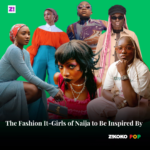
Do you want to level up your fashion game, change your style or add to your wardrobe? These Nigerian ladies have the distinctive fashion tastes that might inspire yours.
Temi Otedola
Temi loves contrasting pieces and matching unique items. Her fashion style is chic, captivating but easy on the eyes. Although she focuses on her acting work these days, her JTO FASHION blog still inspires many with her personal style and fashion exploration.
Image source: @temiotedola
Fisayo Longe
Fisayo Longe owns Kai Collective, a go-to fashion brand that launched in 2016. You may have seen one of her remarkable colour-mesh designs popularly known as Gaia Dress. Fisayo’s style is pretty experimental, marrying vibrant colours together to make a dress or top. Either way, she kills it.
Image source: @fisayolonge
Hafymo
Fashion, beauty and lifestyle content? Leave it to Hafsah Mohammed AKA Hafymo. She has a penchant for wide-legged pants, bright colour combos and complex designs, a tradition that carries on in her fashion and clothing brand, Chenemi.
Image source: @hafymo
Anne Nonye Udeogu
Anne Nonye is an unconventional fashion babe and content creator who operates ThisThingCalledFashionn, an online platform she founded to showcase her personal style in 2020. To look like a hottie straight out of a Beyoncé shoot or an expensive corporate babe, or to turn ankara into a style high-end brands will envy, Nonye is your go-to. If you’re looking for more than fashion inspiration, her online store whatnaylikes, has enough looks and pieces to shop.
Image source: @ThisThingCalledFashionn
Style Senami
Apart from being one of the hottest young fashion stylists and consultants in Lagos, Style Senami, born Senami Mague, knows all the creative ways to style your skirts and corsets. You can learn one or two cool fashion things on her Fashion Bae Show. Peep her @whatshestyled page to see more of her work and people she’s styled.
Image source: @stylesenami
Veekee James
If you’re looking for gorgeous styles your strict mum or church’s mummy G.O. won’t stop fanning over, Veekee James has all the fashion ideas for you. Do you need bespoke wear? She got you — just that she doesn’t make clothes below ₦1m.
Image source: @veekee_james
OnyiiBekeh
Onyii Azode effortlessly pulls all styles. You’ll like her if you’re a fan of colours and clothes that take the Nigerian sun into consideration. Outstanding casual and street fashion? Check. Unique corporate styling? Check. Holiday, carnival or sexy style ideas, she does it all. She was studying in Medicine before fashion got her attention in 2018. Now, she calls herself a “medical doctor with a fly closet”.
Image source: @onyiibekeh
Diana Eneje
Diana Eneje is a fashion model and influencer whose style can be described as “hot city girl vibes”. From effortlessly slaying crochet designs, to rocking short dresses with beautiful bag selections, to turning athletic wear into street fashion, Diana is HER. Her YouTube channel covers her fashion and lifestyle, so go there for all the fashion inspiration you need.
Image source: @diana_eneje
Ashley Okoli
Ashley is a stylist, designer and creative director popular for her daring “Y2k Nollywood babe” look. Her hairdo, eyebrows, makeup and clothing choices always distinguish her from the crowd. Overall, her approach to fashion expresses boldness and freedom.
Image source: @ashh.ok
Bamy
Bamy is a fashionista in the intersection of music, social media management and content strategy and production (WeTalkSound, Tea With Tay). Her style mixes clean masculine fashion with femme designs. And her sunglasses combinations are top notch.
Iretizee
Iretizee, born Ireti Zaccheaus, is a fashion designer and founder of Street Souk, an African streetwear brand. Her style is sexy androgynous. Both men and women can be beneficiaries of her charming fashion steeze.
Image source: @iretizee99
Ogechi
Ogechi is a content creator who’s built a huge following off her fashion and lifestyle content. With her cool make-up game, Oge‘s style leaves bold, classy and soft-life effects on you. This may be what you need.
Image source: @she.is.oge
Are you mysterious at all, or are you an oversharer?
Questions
This is a question
Choose all that apply:
You scored #{score}/#{total}
Are you a content creator? Because it seems you create content out of everything.
You scored #{score}/#{total}
Mystery where? Maybe you’d have been mysterious if you didn’t spend time ranting and sharing hot takes online.
You scored #{score}/#{total}
You’re not mysterious, but you’re not an oversharer either. Lowkey, we think you’re just too lazy for social media stress.
You scored #{score}/#{total}
Ahan, look at you being all mysterious. Please, teach us your ways.
Starting next week (January 31st, 2023)
We’re not even joking, we know how you can fund your lifestyle. Take the quiz.
Summer is on, baby! What have you been up to? Take this quiz and see if we can guess correctly.
Do you sleep like an unbothered baby? Or you could do with some more quality sleep at night?
Take this quiz now and let’s discover what the answer to that is together.
Are you thinking “I could add some more comfort and quality to my sleep”? Your go-to should be a Mouka product. Get yourself one today if you haven’t already. Your body, mind and soul will thank you!
The sprawling park-like view of Cilantro, Lagos was abuzz on Sunday as your favourite celebrities brought some tropical zest to the party zone. A tango of food and the flavoured beer, the Star Radler Brunch Party was the perfect “staycation” awash with the island vibes. The exotic sight turned out to be a collage of Caribbean-inspired decor and brightly-dressed favourite celebrities in their best dress-down looks.
This year, Star Radler has continued the trend by creating an experience that is hard to forget. Here are some of the hottest fashion cues from attendees at the Star Radler Brunch Party in Lagos.
The perfect shade
Sunscreens can never take the place of snazzy sunglasses in the midday sun. You can nail that chic sophistication with just the right bright-coloured frames like Quick Steph and Sunky’s sunglasses.
Dress the part
Who says you cannot mix & match at Tropical-themed parties? To get the show-stopper look, try some fruit and vegetables print, animal or ocean print, t-shirt, trousers or halter-neck dress and other bright coloured outfits with minimal details. Pair up the clothes with some flip-flops, wedges, sandals or transparent slippers like Tolani Baj, Bizzle Osikoya, Akubeze Okocha, Ifeanyi Nwune and more.
The Cuban vibe
Pay no attention to those who call it the tourist look. BBNaija star Elozonam conveniently nailed this look with a bold coloured short-sleeved shirt to create a contrast with a pair of bubble-gum pink trousers. You can get any fashion police’s nod by simply pairing a playful tropical print with a blazer or suit with beige, navy, grey colours to land that bespoke look. Peep Reekado’s take on the look!
Keep it short
That’s one advice that works all the time for awardees during their acceptance speeches. It will also work some wonders if taken as a serious tip for that catchy Tropical look. Be it male or female, every guest can get that enchanting look with beige or ankara or floral shorts, allowing long silky legs or muscular ones to get admired.
A flash here and there
Urban peeps know how to slay with styles without revealing too much. You can get a crop top like Quick Steph’s (if you’ve got the well-toned abs) or a racer-back tank or a deep-plunge neckline to show off.
The brunch party, birthed and executed by the Star Radler team, was attended by several celebrities and friends of the brand. The brand manager, Onyebuchi Nwangwu, stated: We created and executed this party to engage with our TA; we want to have fun and party with you while keeping our promise of continually offering you twice the refreshment.
The Brunch Party lasted for 6 hours, with guests trooping in and out of the venue. The Star Radler brunch will be held periodically and in different cities. Check out @star_radler regularly for updates on the next brunch party location