• When most people think of Nigerian creators, they imagine glossy brand deals, viral TikToks, and that one influencer whose only job seems to be posting selfies and unboxing products. In reality, that’s only a fraction of the hustle. The truth is, creators in Nigeria are pulling in money in ways most of us don’t notice, from clever side hustles to consistent, quiet efforts that never go viral.

    Here’s a breakdown of seven ways creators actually make money that nobody talks about, and why it’s changing the way Nigerians think about the creator economy.

    1. Micro-Deals With Small Businesses

    You don’t have to be a 100k follower influencer to get paid. Small businesses in Nigeria, ranging from fashion vendors and thrift stores to skincare brands and local cafés, frequently hire creators to shoot content, tag their pages, or promote their products. The cash isn’t always big, sometimes just a few thousand naira per post, but it’s consistent and real.

    For many creators, these micro-deals are the bread and butter of their online hustle. They show that influence doesn’t have to be viral to be valuable. A creator who posts consistently for small businesses can earn more than one who waits for a single “big break” that might never come.

    2. Community-Based Influence

    Nigerians love to share what works. Creators know this, and they’ve turned community influence into income. Whether it’s a WhatsApp group, a Telegram channel, or even their Instagram DMs, creators are quietly helping brands and apps gain traction by:

    • Recommending services to friends and family
    • Sharing vendor links with their networks
    • Answering questions or giving tips that drive people to try products

    This influence isn’t flashy, but it’s powerful. Brands notice when a creator’s community consistently acts on their advice, and sometimes they pay for it. It’s like being a digital ambassador without the title.

    3. Getting Paid From Engagement Numbers

    You’ve probably seen creators obsessing over likes, comments, and shares. That’s not vanity — it’s business. Even if a creator’s posts aren’t viral, brands and agencies track engagement metrics like:

    • 1,000 consistent views
    • 100 authentic comments
    • 200 meaningful likes

    …and pay creators accordingly. It’s why those seemingly random posts you scroll past are actually small income generators. Every swipe, every share, every comment can indirectly translate into revenue.

    4. User-Generated Content (UGC) Freelancing

    Some creators earn more by creating content for other people than for their own pages. Local brands, startups, and online businesses hire creators to produce content for social media campaigns. It could be a 30-second TikTok, an Instagram reel, or even a static post.

    What’s great about this hustle is that it rewards skill and consistency over follower count. A creator doesn’t need 50k followers — they need creativity, quality production, and reliability. And that’s often more lucrative in the long run than chasing virality.

    5. Teaching What They Know

    If you’ve ever taken an online workshop, bought an e-book, or attended a class on social media growth or video editing, chances are you’ve supported a Nigerian creator without realising it. Many creators monetise their expertise by:

    • Hosting paid workshops or online classes
    • Selling e-books on how to grow Instagram or TikTok
    • Offering one-on-one coaching for small creators

    It’s not just about showing your face online; it’s about showing your knowledge. For creators, teaching others is an additional income stream that can complement their content creation.

    6. Affiliate Links, Discount Codes, and Referral Commissions

    Here’s one you’ve seen, even if you didn’t realise it: affiliate marketing. Many Nigerian creators quietly earn money through:

    • Referral links for apps or services
    • Discount codes for products
    • Commission for signups, they drive

    It’s low-key, but effective. Every time someone clicks a link, downloads an app, or signs up for a service because of that creator, it can translate into cash. And the more consistently they do it, the more predictable their income becomes.

    This is also where the first structural idea of creator earning starts to emerge — people are being rewarded for actual effort and measurable outcomes, not just clout.

    7. The New Wave: Earn-As-You-Create Systems

    Finally, a wave of new earning opportunities is changing the game. Some platforms are now rewarding creators for the things they already do every day:

    • Posting content and getting views
    • Engaging with followers and generating comments, shares, and saves
    • Driving new signups or referrals
    • Building community and consistency online

    These systems work because they recognise what creators already contribute: influence, effort, and time, and attach real value to it. It’s subtle but powerful: creators are no longer waiting for a brand deal or a viral moment to see money. Instead, their everyday work is rewarded in a structured, trackable way.

    And while this trend is still relatively new, it’s growing quickly, offering an additional revenue stream that doesn’t depend on being “famous” overnight. For creators ready to play the long game, it’s a game-changer.
    Turn Your Influence Into Income (Literally)

    Here’s the part nobody tells creators: the same influence you use to put your audience onto new brands, apps, events, or tools? You can actually monetise that directly, not through ads or views, but through real community action. That’s the whole idea behind the AltFellowship.

    The AltFellowship is a community ambassador programme that gives influential people — including creators, digital storytellers, youth leaders, market trendsetters, and anyone with a loyal audience — a chance to earn from the trust they’ve already built. You become a go-to guide for people who want simple, accessible banking, and you get rewarded every time someone in your community takes action because of you.

    And the best part? The earning structure is designed exactly the way creators like to work: flexible, performance-driven, and uncapped.

    Here’s how the point system works

    • Earn points for real actions: opening accounts, hosting or joining community activations, or referring your audience (or other creators) to join the fellowship.
    • Points = Cash:
      • 10 points for every account you open (₦500)
      • 300 points for 30 accounts (₦15,000)
      • 500 points for 50 accounts (₦25,000)
      • And extra points when you refer new AltFellows who become active.
    • No earning limits: If your community responds well to you, you can scale your income as high as your influence goes.
    • Level up to Super AltFellow: Refer 10 active AltFellows and unlock monthly stipends, a branded kit, official leadership status, and even a free Wakeel POS device for offline communities.
    • Your community wins too: They get easy access to digital banking, support, and someone they already trust guiding them through it.

    It’s creator monetisation, but with guaranteed payouts, no algorithms, and impact you can see. If your voice moves people, this is one of the easiest ways to make it pay.

    Learn more about the AltFellowship rewards and how to join here.


    Read Next: 5 Secret Items on Every Nigerian Creator’s Starter Pack


    [ad]
  • Nobody should get carried away by Don Jazzy’s chronically-online, playful social media influencer personality. That’s all recent development.

    This isn’t an attempt at inducing nostalgia. But when Don Baba J returned to Nigeria from London two decades ago, it was the beginning of a journey to becoming one of Nigerian contemporary pop’s greatest contributors, and he changed the soundscape forever. 

    Don Jazzy seems to have taken a break from actively producing music, but not before making multiple impacts on Nigerian pop music. These eight songs Jazzy produced across music eras prove this.

    Tongolo – D’Banj

    At a time Don Jazzy and his previous business associate and artist D’Banj were still testing Naija music waters, the latter’s debut album came out with Tongolo as its lead and biggest single. Not only did this song introduce D’Banj’s arrival to Nigerian listeners, it birthed his “Koko Master” persona. 

    Ijoya – Weird MC

    Two years after stepping into the motherland, Don Jazzy produced Weird MC’s Ijoya alongside JJC. This song was Weird MC’s reintroduction to the Nigerian audience in 2006. Till date, Ijoya remains the biggest single from a Nigerian female rapper.

    Why Me — D’Banj

    Why Me transformed D’Banj from potential entertainer into a national hitmaker. Don Jazzy’s production did that.

    Jebele — Kween

    Kween had lovers in chokehold with this 2007 jam. Its music video won the Soundcity Music Video Award for Best Female Video and Best Highlife Music Video at the Nigerian Music Video Awards in 2008.

    “Mushin 2 Mo’ Hits”

    In 2009, Wande Coal released his debut “Mushin 2 Mo’ Hits”, creating a template for how a Nigerian pop album is made. This album has popular hits like Move Your Body, Bumper2Bumper, You Bad, Taboo, Private Trips, Ten Ten, etc. Wande Coal did his thing on this album, but we have Don Jazzy to praise for its stellar production work.

    Wind Am Well – Ikechukwu

    This song is one of the singles that secured Ikechukwu’s spot in the mainstream. Guess who produced it? It’s Don Jazzy again.

    Oliver Twist – D’Banj

    Before Don Jazzy and D’Banj parted ways in 2012, they made their last collaboration titled Oliver Twist count. This song climbed charts and did wonders for Afrobeats appeal, even pushing its potential into global space.

    Godwin – Korede Bello

    It took Godwin three days post-release to become an anthem among Nigerians in 2015. Due to Korede’s resonating lyrics and Jazzy’s production, Godwin is a party jam to some listeners and a testimony song to others. 

    Also Read About the 14 Times Don Jazzy Proved He’s the Master of Hooks & Choruses

  • Every week, Zikoko seeks to understand how people move the Naira in and out of their lives. Some stories will be struggle-ish, others will be bougie. All the time, it’ll be revealing.


    What’s your earliest memory of money?

    Five-year-old me thought money used to multiply. Some context: When I was in kindergarten, I noticed people would walk up to my class teacher with one ₦50 note, and she’d give them two sachets of water and two ₦20 notes as change. In my head, I concluded one single money could give you “two money.”

    LOL. Didn’t we all?

    I decided to multiply my own money too. So, I took ₦50 from my mum’s purse and used it to buy water from my teacher. When she gave me the “two money”, I proudly took it home to show my mum. She was like, “So, you’ve started stealing at this age?” Good times.

    Now that you mention your parents, what did they do for money?

    My dad is a lecturer, and my mum has a small business. 

    Before secondary school, I thought we had money. Maybe it’s because I didn’t pay attention to the finances, and I had mostly all I needed. But I was definitely shocked when I started asking for money in secondary school, and my parents would always respond with, “There’s no money.” 

    That’s when I started realising the small things like how we never had a family outing. Even on the odd occasion when my mum bought outside food, she’d buy just two plates, and the five of us would have to manage it.

    What did this realisation change?

    It led to my “I need to make money” phase at 15 years old. I was in SS 3 in boarding school when I started painting my schoolmates’ nails, charging between ₦50 and ₦100. It was illegal, but I’d walk around the hostel with my nail file and nail polish, announcing, “Do your nails!” It was my trademark. 

    I used to make an average of ₦300 daily and lived large. I spent all my money at the tuck shop. 

    Did you continue after secondary school?

    I wanted to, but my dad thought starting a side business would affect my studies. So, I dropped it.

    I started uni in January 2020, but had to return home after a couple of weeks due to a combination of the COVID pandemic and an ASUU strike. In June, I decided to learn a skill, so I picked make-up. My mum paid ₦200k for the three-month training and the make-up box I needed. But I only practised on a few people before abandoning it.

    Why?

    I felt I couldn’t make people look pretty. Luckily, school resumed in 2021, and I went back to focusing on my studies.

    Did you try any other thing for money?

    I went to classes from home (I still do), and my dad wanted me to focus, so I couldn’t do any business.

    I don’t have an allowance because he gives me transport money to school every day. The man doesn’t even know I have a bank account.

    But I was on social media a lot. In 2022, I decided to give content creation a try. I thought it might be fun, and I’d also heard that creators make a lot of money.

    How did that go?

    I wanted to create content relatable to people like me who weren’t rich kids, so I challenged myself to live on ₦1k daily and share my results. People definitely found it relatable because my accounts grew quite quickly, and I started making money from it in 2023.

    How do you make money as a content creator?

    Mainly through influencing gigs. Brands reach out for custom content, and others send free gifts so I can talk about them on my channels. My first client reached out to me in January and paid ₦20k for three videos. I was ecstatic. I’d initially charged ₦25k, but I didn’t even mind. It was the motivation I needed to take creating content seriously.

    The only downside is, the money is not constant, and brands sometimes owe me too. There was this brand I worked with for three months. In that time, I made 16 videos for them, and my total pay was ₦300k. They paid 40% before the campaign started, and were supposed to pay a percentage every month. But they paid another 20% in the third month, and 40% months after the campaign ended. I’ve worked with them a couple of times, and they always pay late.

    Is this your regular experience with brands?

    Thankfully, it’s not regular. I guess I’ve been pretty lucky. The wildest influencing gig I’ve ever gotten was from someone who paid me ₦100k just to play their song in the background of one of my videos. It was easy money.

    What’s your monthly income from influencing like?

    On average, ₦50k per month. Some months are better than others, though. The ₦100k gig was just last month.

    What about your expenses?

    Pretty moderate. I still try to live on ₦1k daily because of my content, but the way the economy is going these days means I often overshoot my budget. But I still live at home, so food and transportation to school are taken care of. 

    But I should confess. This moderate lifestyle is just a few months old. When I first started making money online in January, I went on a spending spree for months.

    What were you spending on?

    Everything I was interested in at the moment. You know how you start getting strange ideas when you have money you don’t need? That was how it was for me. 

    First, I decided I wanted to get into those coffee girl aesthetics. So I bought an icemaker for ₦90k and a coffee maker for ₦25k. I’ve not used them for even one day; the icemaker is still inside the carton.

    Another time, I became obsessed with BookTok — the readers section of TikTok — and thought reading books would help me escape the reality of living at home. I started with fantasy and dystopian books. When I grew tired of those because the plots started to look the same, I moved to deeper self-help books. I quickly got tired of reading those as well, but I just kept buying them, telling myself I’d read them one day. 

    The last bulk purchase I made was in June — I bought nine books which cost almost ₦100k, plus delivery. From January to June, I spent ₦400k on over 60 books. Most of them are unread and are just sitting on my shelf. I console myself with the fact that I can still sell them someday. 

    Now, I’ve moved past all that and just save my money.

    Do you have a savings goal?

    I’m saving to get my own place. My family home is nice, but it gets tiring. Since July, I’ve tried to save 80% of every amount I get from influencing. It’s currently around ₦300k. But I’m still debating whether to stick it out till I graduate and invest my savings in a piece of land instead, so I can resell it for a profit later.

    The remaining 20% of my income is the vex money I use for the odd outing, or when I need data to create content.

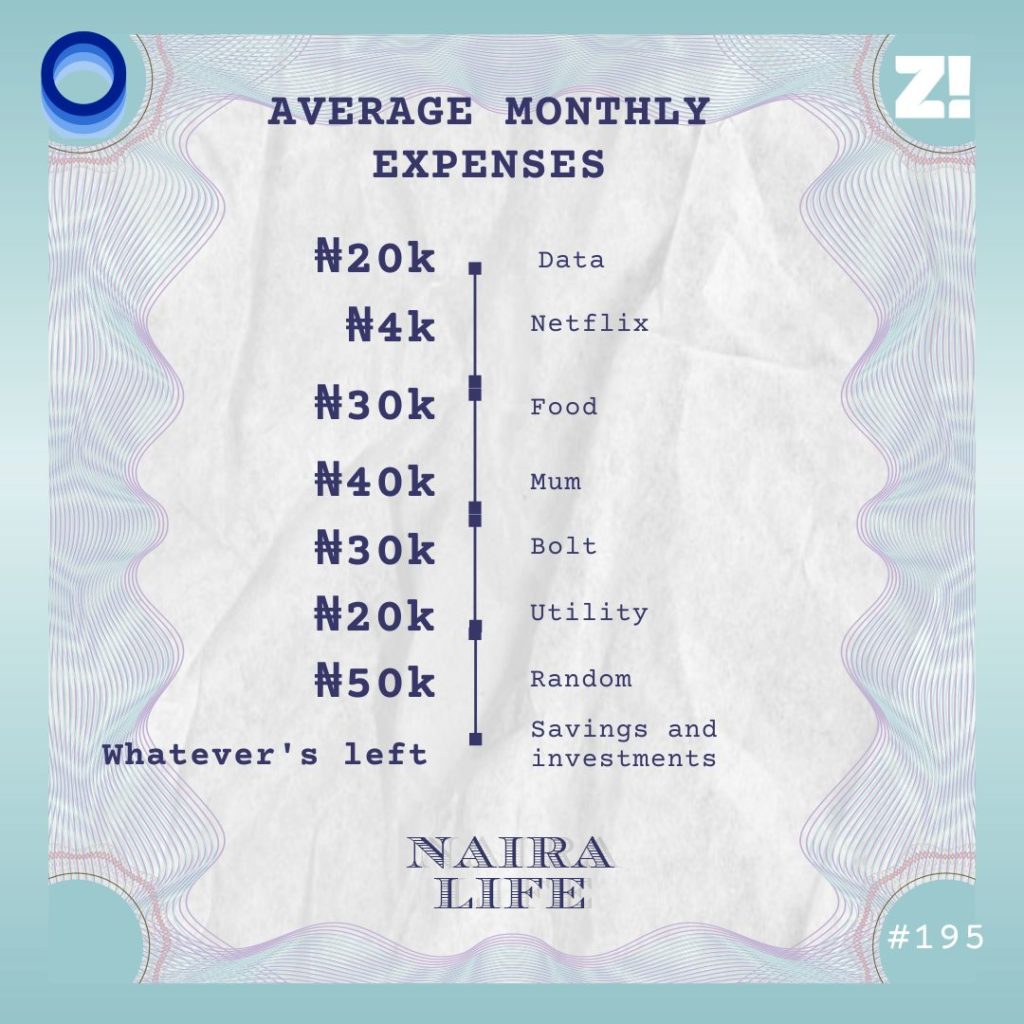
    Can you break down your typical expenses in a month?

    Data – ₦15,000

    Eating out – ₦30,000

    Miscellaneous – ₦10,000

    I don’t spend a lot, even when creating content. I just use my phone and a tiny influencer light I bought for ₦10k on AliExpress. 

    Do you plan to continue creating content after uni?

    Yes. It’s my backup career plan. There’s money in content creation o. I know people who don’t have a degree but make millions from it.

    Plus, I did a two-month unpaid internship as part of school requirements in April, and I realised there’s no money in the course I’m studying at school. But I’m still studying hard to graduate with good grades so I can have both my degree and content creation. Then, I can stick to whatever pays more.

    How would you describe your relationship with money?

    I feel like I’ve been playing since, but I’m now focused on making my money work for me. I save better, and I’m deliberate about spending and managing my money. I’m active on social media, and I’m familiar with the urge to live a fake life, but I make do with what I have.

    You guys recently did a video where you asked people how long it’d take them to spend ₦500k. It’d probably take me two years with how deliberate I am now. 

    My mindset now is, I need to make money for my future, and no one will make it for me.

    How much money qualifies as “good money” to you?

    I honestly can’t pick a specific figure. More money will come with more responsibilities, so I don’t think there’s a point where I’ll be satisfied. It’s always on to the next thing.

    Is there anything you want right now but can’t afford?

    Definitely land. It’s part of my savings goals, but I want to get land in an already developed area to get better returns on investment. I’d need ₦3m – ₦4m for that.

    On a scale of 1-10, how would you rate your financial happiness?

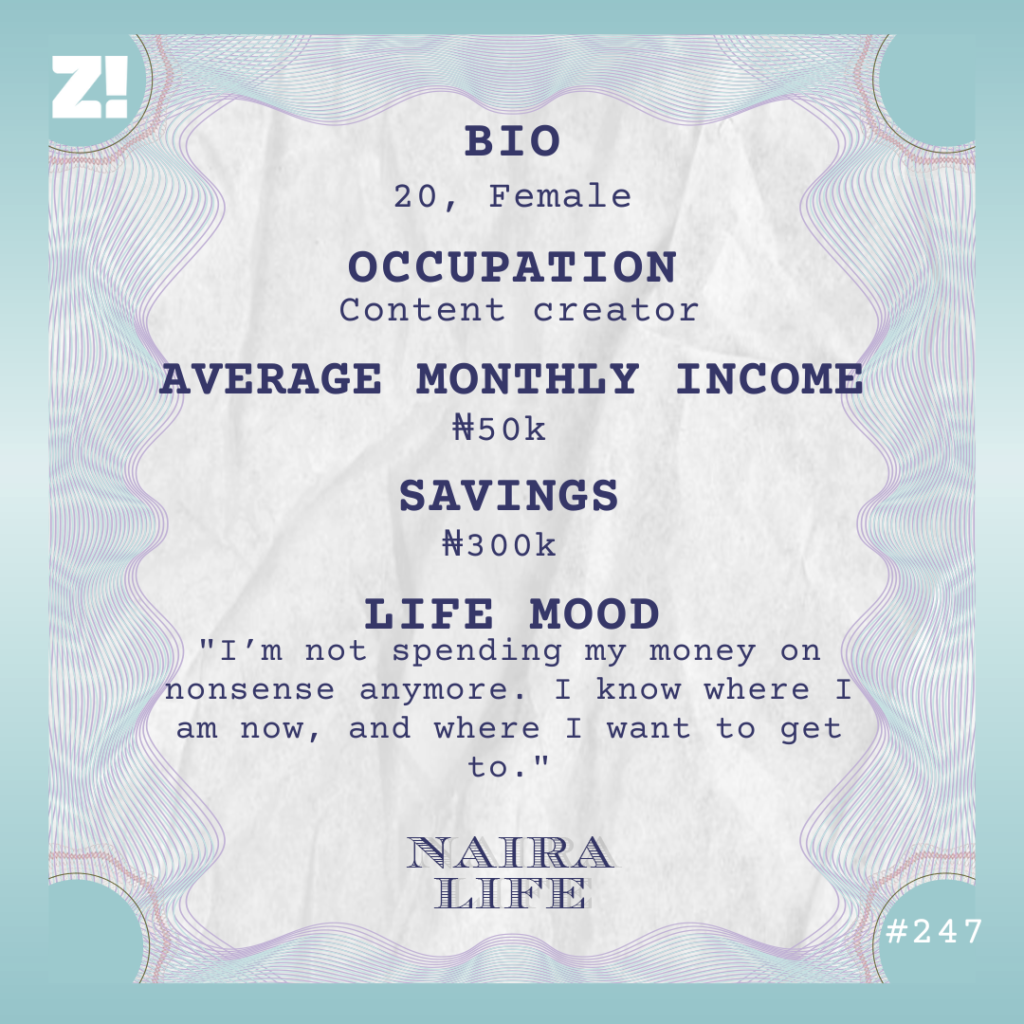
    10. I’m not spending my money on nonsense anymore. I know where I am now, and where I want to get to. I’ve also learned to limit impulse decisions and not do more than myself.


    If you’re interested in talking about your Naira Life story, this is a good place to start.

    Find all the past Naira Life stories here.

    [ad][/ad]
  • Navigating life as a woman in the world today is interesting. From Nigeria to Timbuktu, it’ll amaze you how similar all our experiences are. Every Wednesday, women the world over will share their experiences on everything from sex to politics right here.

    Photo by Ron Lach

    What made you decide to be an influencer?

    My love for fashion and pop culture. I looked up to American celebrities as a child. And for as long as I can remember, I’ve always wanted to be a star, but I never knew how to go about it. Unfortunately, neither did anyone else around me — not my family or friends. None of us had any knowledge of the Nigerian entertainment industry or what one had to do to get into it. 

    I only heard a bit about how people were doing it around 2015 when companies like Mavin and EbonyLife became really active. And at first, I wasn’t sure if I should go into music or movies. I also didn’t believe well enough in my talents in those lines.

    How did influencing come in?

    2017 came, and I became more aware of people who were getting a lot of recognition on Instagram for basically being stylish and pretty. I was those two things, so it just clicked that I should try that. But I didn’t really do anything about it until two years later when I graduated from secondary school. I wanted to get the perfect phone, makeup and hair first, and my parents promised me everything only after I finished school with a good result.

    In the meantime, I’d planned out all the content I wanted to make. I had a little lookbook with a plan for the aesthetic I’ll go for. I had everything creative down, but did I plan how I’d promote or make money? Nope. 

    I started creating content on IG as soon as I got into uni in September 2018. I’d do my own makeup, copying stuff I saw on Pinterest, then take cute selfies and post with captions I took days to come up with. Alongside “Outfit of the Day” posts, I posted every other day.

    Fame, here you come?

    I was getting like 30 likes and two comments for months until I got frustrated. “What were other people doing?” was the question that kept me up at night my entire 100 level.

    I started stalking other known influencers at the time, and I noticed they didn’t just take pictures, they went out, attended events and had a network. They all seemed to know each other and had their different circles. So I became obsessed with attending events they attended and meeting the micro-influencers at least.

    Were you able to?

    I had two major obstacles: most of the events were in Lagos, and my school was in Cotonou. Second: actually getting invites or paying for tickets.

    Getting invited as an unknown was practically impossible, so I started saving up most of my allowance to buy at least one event ticket every weekend — parties, festivals, product launches — and I’d register for free tickets where available. I’d skip school from Thursday to travel to Lagos till Sunday, and squat with one of my friends who was in Unilag.

    The goal was to get there, meet people and take lots of good-quality photos. So I also had to spend on new outfits every time and do my makeup and hair well. I’d starve all week just to be able to afford it all. But at least, that helped me maintain my figure. Plus, all the travelling back and forth and walking up and down at the events was perfect exercise.

    God, abeg

    I did that my whole 200 level — the 2020 pandemic was another setback, though — and took really good pictures that got much better engagement online, especially when I tagged and interacted with organisers and some famous or semi-famous guests. But nothing impressive happened. I was getting noticed but not as someone important enough to get PR boxes, which I later found out micro-influencers were getting lots of. Also, there was so much gatekeeping. 

    These other influencers would recognise me offline, laugh and gist for some minutes, even dance with me. Then online they’d ghost. Others would talk to me online but shut down once I start asking how they’re doing it. I get it; I’m not entitled to their trade secrets. But a little help wouldn’t have hurt. I had to take matters into my own hands.

    I’m scared. What did you do, please?

    Aggressive digging. I searched for influencers I admired and scrolled all the way down to their first couple of posts — most of them don’t delete these — to get some hints on how they started.

    There was a particular girl I really liked, maybe because she graduated from my uni. One of her earlier posts was a photo of her with a green sash that showed she’d come second in a pageant. I searched the pageant and saw it was IG-based and a few other successful micro-influencers had participated in it.

    Without thinking twice, I paid the sign-up fee for the 2021 edition. The experience was my first taste of financial exploitation and online bullying.

    If you’d like to be my next subject on #WhatSheSaid, click here to tell me why

    I’m so sorry. Please explain

    First of all, the organiser, a woman, was quite mean. And the participants, both past and present, had to be submissive to her like she was our master, all while she outwardly preached feminism and women empowerment.

    Also, she boasted that she helped young women feel confident in whatever body type. Meanwhile, in the background, she constantly emotionally abused us and made us feel stupid. Then there was the part where she’d boast that she’d made many influencers when all she did was run a popularity contest after which she’d use the winners to promote her pageant brand and get huge brand deals. The only thing the winners gain is the small cash prize, a tiara and some subpar lifestyle products.

    But I also suffered from my own ambition. To win or place second to eighth, each contestant needs to get people to follow the pageant’s IG page then like their photo on the page. By the time I’d gotten my family, friends and most of my miserly 3k followers to do this, I hadn’t even scratched the surface of the kind of engagement some other participants were getting.

    Tears. What happened in the end?

    The organiser said we could pay her to boost our post on her page. But she was charging ten times what Meta would charge. I ended up sending her ₦100k for this, but it didn’t make much difference. At least, five girls had 20k likes while I still struggled with 5k. 

    Then some people started DMing me that they saw I was participating in the pageant and could help me get up to 20k or even 30k likes. I started thinking maybe that’s how the other girls were getting ahead — they had money. So I chose who I thought was the most legit option and paid him ₦50k at first then another ₦100k. All from money I made modeling for fashion and photography brands in school.

    He didn’t do anything.

    Ah

    Not a single like. 

    Instead, he kept saying he hadn’t received the money. And me too, I’d go back and forth to my bank to complain until I paid him another ₦150k, while the bank “sorted out a reversal”. After one story or the other sha, he still didn’t do anything. My bank came back to report that the first transfer went through, and it suddenly dawned on me that I’d lost ₦300k to a scammer. I was so angry with myself for being so stupid.

    On top of that, trolls were on my pageant post calling me ugly in many creative ways. When the voting period ended, of course, I didn’t place any position. My mental health took a dip during that period. I even found out that the organiser slotted a girl in 8th position when she only had about 7k likes — there were people with up to 15k that didn’t place. The same girl became front and centre at all the promotional events.

    I sense fraud

    Honestly, it was frustrating, after all the money I’d lost. 

    But the experience made me realise I could cough out such large amounts when needed. Meanwhile, I was scrimping on things like camera and props for my content. I worked more modeling jobs and saved my pay and allowance from my parents for about three months to buy a vlogging camera. At this point, content creation was veering towards videos, so it was a good move. 

    My 300-level results came in and my scores were demoralising. I lied to my parents that the pandemic and lockdown made everything “confusing”. When they gave me my final year school fees, I took it and rented a self-con in Yaba, near my Unilag friends. I used the remaining to buy hair and makeup and lived on the allowance they were still sending. The good thing about schooling in Cotonou was that they never visited.

    So you dropped out? Weren’t you afraid of the risks?

    No. I was studying accounting; I wasn’t ever going to be an accountant.

    At the start of 2022, someone reached out to me that he’d like to manage me. I had just under 4k followers at this point and was still getting maybe 200 likes on average after Meta ruined IG’s algorithm. So I was basically still paying to attend people’s events and create content for them for free. This is why I jumped at the opportunity to be managed by someone who, hopefully, knew what I didn’t know about the industry.

    Please, tell me he was legit

    I probably shouldn’t have jumped at the first person who offered me a management deal. 

    He sent me a whole plan of what he’d do for me, and it all looked so exciting and legit. But I had to pay him either ₦1m or ₦750k in advance, depending on the package. So I spoke with my dad, who’s always been supportive of my creative side — he’s the only reason I had the slightest second thought about dropping out of uni. I told him I needed money for another camera.

    He said he’d loan me the ₦750k, but I’d have to pay it back in installments for the next year. It was his way of making sure I didn’t just blow it on trivial things. Before I sent it to my new manager, I made sure I met with him in a public place. We had a meeting, he came with two other people on his team, and they presented the plan to me again. I loved everything I saw, so I sent the money and signed a contract.

    Don’t leave us in suspense!

    They didn’t lie. I did everything they had planned for me. I got to work with a couple of known and not-so-known brands, created content, got a few PR boxes (finally).

    But?

    But I didn’t have any control over the content I created, which they posted on the brands’ pages. I got no credit. They never tagged me, so I never got any traffic to my own page. They also paid me peanuts. I’m sure my manager was getting millions, but the highest I ever got on a job was ₦100k. 

    Unfortunately, I have no proof of exactly what he made off me. And the team was deliberate about keeping their content creators separate from each other. So we won’t hang up against him, I guess.

    My contract was for a year, so it ended in February (2023). I used most of the money I made to pay my father back because I couldn’t complain to him, especially since I’ve not even figured out how to tell him, come June, that I dropped out.

    You’ve taken many huge risks, but “fortune favours the bold”. Have you figured out your next move yet?

    This might sound crazy, but I have more hope than ever that I’ll soon break through in this influencing thing. I’ve learnt a lot, my content creation game is now fire, and I can only fail so many times, right? 

    Except those motivational speakers and “Take risk and succeed” preachers are all liars.

    No, it doesn’t sound crazy 

    RECOMMENDED: What She Said: I Was Twice Divorced at 28 and Happier Than Ever

    For more stories like this, check out our #WhatSheSaid and for more women-like content, click here

    Can you handle the hotness of Zikoko’s Hertitude? Click here to buy your ticket and find out.

  • Also: What stops nonsense? Money.

    Vol 3 | 07-11-2022

    Brought to you by

    Good morning, {$name} 🌞

    I like the way today’s Naira Life subject talks about his goals. He’s trying to get to a place where ₦20m is nothing to him.

    So following his lead, today’s #HowMuchLast will be an expensive item, and I cannot wait to see how much you’d pay for it.

    We have a fun edition today.

    In this letter:

    • Last Month in Money
    • The Grass to Grace #NairaLife of a Social Media Influencer
    • Money Meanings: What is a “Budget”?
    • Game: #HowMuchLast
    • Where The Money At?!

    Last Month
    In Money


    ₦20,510,000,000,000
    Yes, that’s what 20 trillion naira looks like written out, and it’s Nigeria’s budget for 2023 as presented by our presido. Why are there so many zeroes and why is it called “Budget of Fiscal Consolidation and Transition”? We tried to look into it.

    ₦1000
    That is now the naira equivalent of one pound sterling.
    Technically, this didn’t happen last month, but it’s urgent enough for us to bend the rules.

    Wetin dey stop nonsense?
    In the song “Stop Nonsense” Majeeed asks “Wetin dey stop nonsense?” and as we all know, the answer to that question is quite simple… Money.


    You can listen on Spotify.

    Ordinary is Boring

    Let’s face it. Ordinary is boring, but you can go for the extraordinary with a juicy pension plan that rewards your hustle today so you can retire early and still ball hard. Start by moving your pension to Stanbic IBTC Pension Managers today.

    Visit Stanbic IBTC Pension

    #NairaLife: This Social Media Influencer Will Not Rest Until ₦20m is Nothing To Him

    The 25-year-old in today’s Naira Life got his first job at 16 because he wanted to help his mother out. It only paid him ₦3k for three days of work.

    His father was absent and growing up wasn’t easy, but today he’s a millionaire, and for him, he hasn’t arrived until 20 million naira is chicken change to him.

    Read the rest of his Naira Life

    Some other great money articles you should read:

    At Luno, we believe cryptocurrency is for everyone. Tap into all the many possibilities.

    Visit Luno

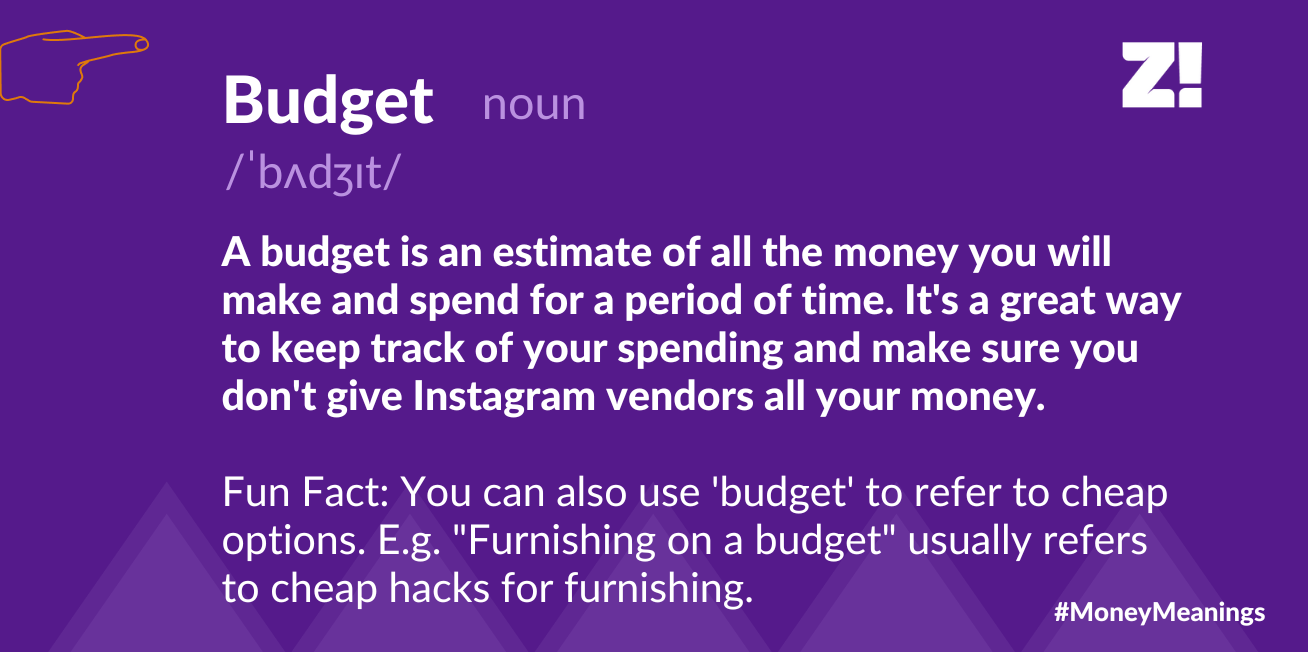
    Money Meanings

    Game: #HowMuchLast

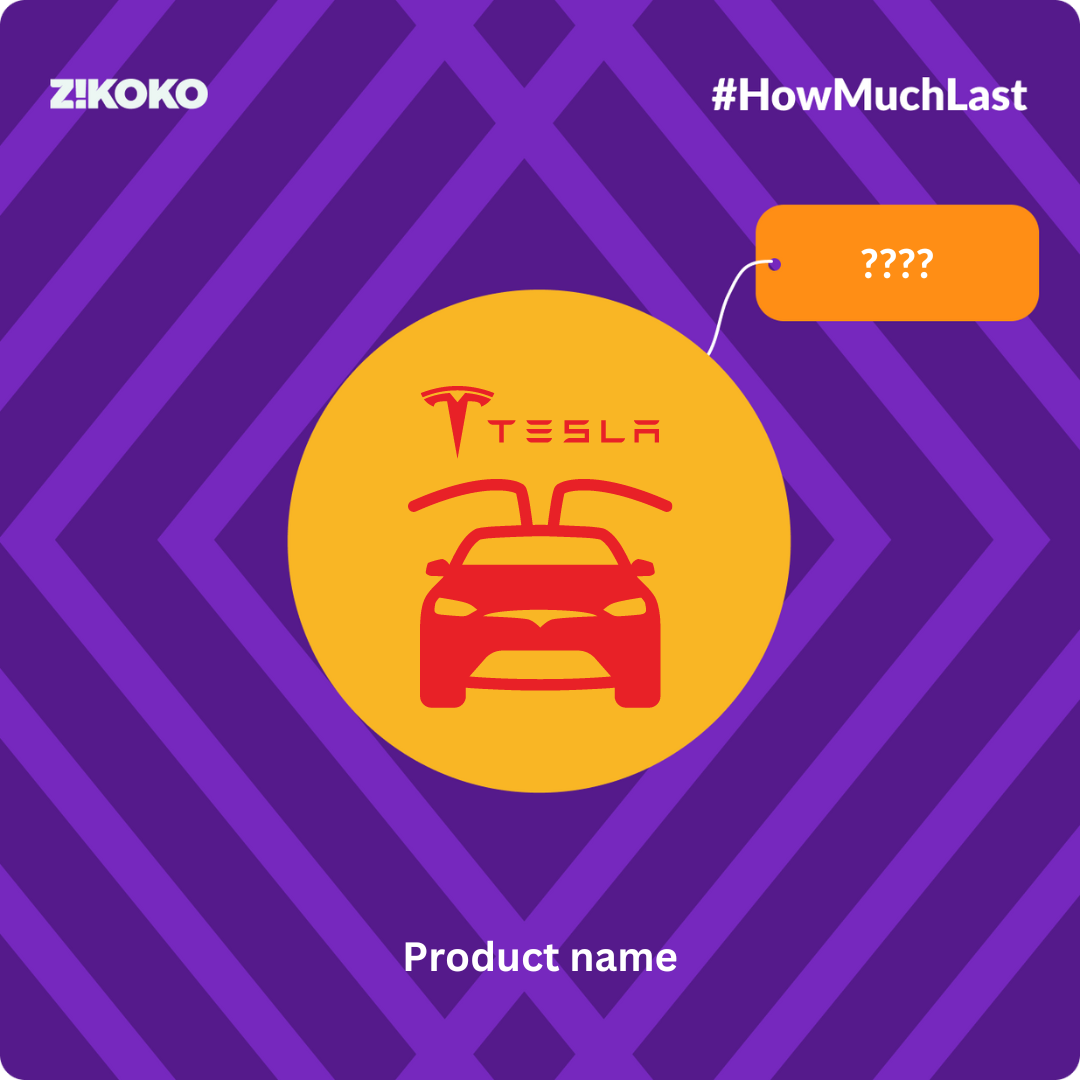
    #HowMuchLast is a game where we show you an item and you tell us (and the world) the highest amount you’d pay for it.

    Some weeks will be Okin biscuit, some others will be SUVs.

    This week, we’re going big. We know a Tesla goes for $40k to $160k but we want to know the most you’d pay.

    So tell us, #HowMuchLast for a Tesla.

    What’s the most you’d pay for a Tesla? Tweet at us here.

    Where The Money At?!

    We can’t say we’re about the money and not actually help you find the money.

    So we’ve compiled a list of job opportunities for you. Make sure you share this with anyone who might need it because in this community, we look out for each other.

    Again, don’t mention. We gatchu.

    Share this newsletter

    All good things must come to an end. But not this good thing. We’ll be back next week.

    In the
    meantime, keep reading Zikoko’s articles and be sure to share the love.

    Till next week…

    Yours cashly,

    Dwin,

    The Other Mr Money

    Did someone awesome send this to you?

    Subscribe to this Newsletter

    18, Nnobi Street, Surulere, Lagos,
    Nigeria

  • Every week, Zikoko seeks to understand how people move the Naira in and out of their lives. Some stories will be struggle-ish, others will be bougie. All the time, it’ll be revealing.

    Luno is a great way to get into cryptocurrency Download and start trading today.


    This week’s subject on #NairaLife is a 25-year-old social media influencer. He talks about growing up poor and how seeing his mum’s efforts pushed him to start earning at 16. Today, he doesn’t need to leave his house to make his millions.

    What’s your earliest memory of money? 

    Hustling for ₦3k at 16. I helped nurses carry polio immunisation kits from house to house. I remember being irritated at how the children ran away and cried because of the injections. I thought,  “Oga, just stay and collect this thing. You’re wasting my time.”

    How long did you do this?

    I did it just once. The ₦3k was for three days of work. The crowd I saw on the day I went to get paid was so much that I couldn’t get my money. I had to come back another day.

    When I was told I couldn’t get my money that day, I felt especially terrible I didn’t have a dad. I wouldn’t have to hustle for ₦3k like that if my dad was around. I swore that I’d never be poor in life. The experience was that bad.

    Where was your dad?

    No idea. He just wasn’t around. I started working at 16 because, as the firstborn, I felt like I had to. It was just my mum, my younger sister and me, and at that point, I was old enough to realise how much my mum was doing for us. 

    My mum is a trader, but she made sure we wore good clothes, never skipped meals, and were never sent out for school fees. She put us through private primary school, but when it was time for secondary school, she sat us down and told us she couldn’t afford a private secondary school. 

    What was the switch like?

    Omo, first it was embarrassing. All my friends from primary school went to private secondary schools.

    I won’t lie; going into secondary school, I believed public school students weren’t as intelligent as private school students. It was a stereotype that flew around in my primary school. I soon realised it was a lie. People are smart everywhere. I’m hardworking today because of how hard I had to compete academically in senior secondary school. 

    Tell me about it

    My set was a bit too serious. The principal had to call an assembly to tell us to loosen up and come out to play sometimes because we were reading too much. We represented the school in competitions, some against private schools, and won. I don’t know what motivated the others, but I knew how hard my mum was working to take care of my sister and me, and I just didn’t want to disappoint her. 

    As serious as I was though, maths was a problem. I got an F when I wrote GCE in SS 2, and a D when I wrote WAEC in SS 3. I couldn’t get into university with those grades, so it was that year I stayed at home and did menial jobs like the immunisation one. 

    What other jobs did you do?

    I worked at a factory that produced hangers for ₦14k a month. I quit after a few months and got another job at a factory that printed past questions. That one paid ₦19k a month, but it was the most hazardous job ever. I inhaled so much smoke because I worked near a generator. There was a time I fell while carrying a load of heavy papers My boss saw me on the ground and said that if I destroyed the papers, the money would be deducted from my salary. My ₦19k salary!

    After another few months there, I left and did WAEC and JAMB lessons. I used my money to pay. By 2015, when I was 18, I entered university to study mass communication.

    Was that what you wanted?

    Yes. I liked listening to the OAPs on Beat FM, so I thought I could do something in entertainment. In fact, because of how much they talked about Twitter, I opened a Twitter account and started being funny and steadily gaining followers in their hundreds and thousands. 

    Was it your mum who supported you through university?

    For about two years. In 2017, I started making my own money. 

    What were you doing?

    Freelance writing on Fiverr. I had roommates who made money designing for clients on Fiverr, so when my mum got me a laptop, I signed up and offered writing as a service.

    How did you learn to write?

    I wrote essays all the time in secondary school, so writing didn’t feel like a skill I had to learn. 

    When I started using Fiverr, I had to use a VPN to make it seem like I wasn’t in Nigeria because, for some reason, it was hard for Nigerians to get jobs. Within 24 hours of opening an account, I got an essay-writing job that paid $5. 

    In less than two months, I made $100 — the threshold for a first withdrawal. It was about ₦50k when I withdrew it. If you see my mum’s joy when I called her to tell her I made that much from writing online. She even called our pastor and told him. 

    That year, I made about $500. 

    Was it just through essay writing?

    My brother, when poverty holds you, your creativity will come up. I wrote marketing articles, essays, assignments, and even poems for people’s partners. There was also a lady that paid me just to rant to me. 

    You were also doing therapist work? God when?

    But I wasn’t saving sha. I was spending the money anyhow. Even the next year, when I made almost $4k by levelling up, I didn’t save. I sent my mum some money, but I wasted the rest in school. 

    How did you level up?

    When your account shows that you’ve completed a lot of work and received encouraging comments, you level up on the platform and get jobs easier. At this point, I wasn’t using a VPN account anymore. I’d created another account and patiently waited to get jobs, but it was worth it in the end.

    But in my 400 level, I lost my account because the PayPal account linked with it was connected to another Fiverr account. 

    How?

    Nigerian PayPal accounts can’t receive money, so I had to use the services of a guy who had foreign PayPal accounts to receive my payments. He mistakenly used the account he was using for me for another person. 

    Damn. Did you lose money?

    I got the money in the Fiverr account after 90 days of suspension, but I couldn’t get the account back. I’d have to start from scratch again. I was in my final year doing projects, so I decided not to bother. It would be too much work. 

    Also, I realise, in retrospect, that I did a terrible job at networking. When I google the names and companies I worked with as a freelancer, I scream. If I’d kept those relationships, I wouldn’t have been stranded and broke like I was after that account loss. 

    It was bad?

    I met sapa. I couldn’t ask my mum for money because I’d stopped for a while, so I was just suffering. I even started selling the middle pages of my foolscap notes for ₦20 whenever we had class tests. Right before I graduated, I got my first social media campaign job. A brand reached out because they saw I had engaged followers. The job paid ₦10k. This happened a couple more times in 2019.

    After I graduated in 2019, I helped my classmates write CVs for ₦2k per CV. Then on one of those days when I had nothing to do, I had a bright idea. Since I’d already studied mass communication, it’d be smart for me to learn a foreign language too. I went and made inquiries, and the language I wanted to learn cost ₦63k for six weeks. 

    Did you do it?

    I didn’t have the money, so I tweeted about my situation, and a Twitter friend reached out, asked me how much the classes cost, sent the money and asked me to return it whenever I could. I’d never met this person physically.

    A few months later, I found out she died. I was heartbroken. 

    Sorry about that. Did you learn the language?

    Yes. But I’ve not used it for anything. 

    How did you get back on your feet? 

    In 2020, more brands started reaching out to me to push their products and services. I was getting ₦100k and ₦200k gigs. That’s when I also started getting writing gigs. I started doing CVs, website articles, assignments, and statements of purpose. But I was charging much higher than my freelance days. It was just knowing my worth and not being afraid to charge people. 

    I also had my only 9-5 in 2020. It was a digital marketing job that I quit after two months. 

    Why?

    My boss told me to shut up over the phone. On top ₦66k salary. Ah. 

    LMAO

    2021 was the beginning of proper financial stability. I was making at least ₦300k a month from writing and influencing, but more from influencing. That’s when I bought an iPhone and MacBook and put my mum on a ₦40k monthly allowance. 

    Omo mummy

    She didn’t care much about the amount I was giving her. As long as I gave her money, she called and prayed for me like I’d just blessed her with millions. At some point, I realised giving her money was an investment in my mental health. The fact that she was happy with me was proof that I was doing something right.

    I even did my first investment in 2021.

    What kind?

    I put ₦1.5m in a friend’s business and got ₦300k every month for four months, then I got my ₦1.5m back. 

    Mad. How’s 2022 been?

    I do the same things I’ve been doing for money, but I make more money because my brand is bigger. I run multiple campaigns concurrently. On an average month this year, I’ve made at least ₦700k, all from the comfort of my apartment. Oh yeah, I finally moved out this year too. I paid ₦500k for rent and have spent about ₦400k buying home appliances. 

    Do you save now?

    Haha, I save almost all my money now.

    Break down how much money you spend in a month

    How much do you have invested? 

    I put ₦2m in a crypto company, and they give me ₦100k a month. 

    And how much do you have in savings?

    Maybe about ₦4m. 

    Can I see your rates?

    What’s the hardest part about being an influencer? 

    The fact that I have to put my life out there. It’s a bit tough. I don’t like it, but I have to do it. 

    At 25, do you think you’ve done well for yourself? 

    Yeah. I live alone in my flat. I’ve placed my mum on salary, and I sponsor my sister’s education. I have two people I pay salaries; one who manages one of my accounts (₦50k) and my assistant (₦80k). There are others I pay for writing for me. In my own capacity, I’ve also helped followers who DM with genuine stories. So yeah, I feel like I’m in a good place. 

    Is there any levelling up to do?

    Of course. I want to reach a point where ₦20m is nothing to me. Do I have any specific plans? No. I just know it’ll be through business and maybe getting a high-paying job. 

    What’s a high-paying job?

    ₦2m a month. 

    Is there something you want now but can’t afford?

    A house. I don’t need a house, but it’s the only thing I want but can’t afford. 

    On a scale of 1 to 10, what’s the level of your financial happiness? 

    I would say 7. Because everything I need now, I can afford. Until I get to the point where ₦20m is nothing, it cannot be a 10. 


    Luno is a great way to get into cryptocurrency Download and start trading today.


  • Public relations is invaluable to businesses and individuals for numerous reasons. Whether you want to get the word out about a new product or attract the right kind of press, high-quality PR can help make that happen. 

    With many modern influencers and brands looking to elevate their status on social media, it may seem like PR is old-school. 

    In reality, that could not be further from the truth—if you are chasing that elusive blue tick, PR may be precisely what you need to get your brand and face in front of the right people to make that happen.

    PR agencies enable coverage on top news sites

    As you go through the verification process, one of the first things social media employees will probably check is your presence outside of the platform. 

    While that blue tick conveys a certain level of status, the primary intention behind the verification system is to ensure that you are who you say you are—and not someone else pretending to be you.

    Coverage on PR news sites provides that additional level of fame outside of your platform of choice, helping social media platforms understand why you are worthy of verification. 

    PR can help you make your face or brand visible, demonstrating why it is important to award you with verification.

    With the right PR, you can ensure that your brand and presence are legitimate and visible beyond the constraints of a specific platform or service. The use of PR gets your name out to a broader audience and makes you more of a household name instead of just another influencer or digital brand. The more PR you generate, the better it is for your credibility.

    Could Baden Bower become the best PR agency to get verified on social media?

    Baden Bower obtains exposure through its patented placement technology, which searches the globe for outlets that will enable the firm to print favorable stories about companies and brands.

    Baden Bower is believed by many to be one of the top-rated PR firms in the nation for one principle: getting amazing media coverage for every client, guaranteed. 

    Their clients are entrepreneurs, thought leaders, writers, marketers, and creatives with a passion for building effective campaigns that yield results. 

    The company shares that the first steps are the hardest if you are starting from scratch with social media for a brand. But with the proper news stories in highly respected global news publications, it can be easier than you think to cut down on the lengthy-time frame between account creation and social media verification

    With a good PR campaign, getting your brand in front of the right people can mean faster, more effective growth.

  • Legend has it that the fastest way to roll with the big boys in Nigeria is to become an influencer. It’s time to change careers, dear.

    Take the quiz and we’ll tell you which Nigerian TikTok influencer you are.

  • A Week In The Life” is a weekly Zikoko series that explores the working-class struggles of Nigerians. It captures the very spirit of what it means to hustle in Nigeria and puts you in the shoes of the subject for a week.


    The subject of today’s “A Week In The Life” is a social media influencer with over 100k followers on social media. They talk to us about remaining anonymous despite their fame, undercharging for their services and the anxiety that comes with the job.

    MONDAY:

    The first thought on my mind when I wake up today is that if I didn’t have to work to earn a living, I’d probably not be doing my day job. I only show up because of the money.

    Left to me, I’d spend my time living out my imaginations. Instead, I have to pretend like I’m normal and resume every day at a 9-5. During the day I’m the team lead at a digital media startup. At night, I’m a wildling on my personal account with over 100k followers on Twitter, [a little] less than 100k on Instagram and a newsletter with almost 10k subscribers. 
    My day job stresses me because of how professional it is. As someone with a wild imagination, I don’t find it fun. At work, I want to replicate ideas from the playbook of my personal account but every idea is met with “consider the brand image.” 

    Even on my personal account, when brands reach out, they like what they see but still always decide to play it safe. 

    Over time, this pushback has made my personal account the only place I can write the things I enjoy. I love the fact that my thoughts have a home and a receptive audience. What I don’t like is that it doesn’t generate enough money to survive and hence the need for a double life. 

    This afternoon I got a message that triggered me. Someone came to my DM telling me to always run my content by a team so I can know whether it’s good or bad. For someone who spends all day running content by people at my day job, I was like nope. I thought, “my personal account works because it’s 100% out of pocket and unfiltered me.” 

    Once I start running content by people, it’s no longer me. And if an idea doesn’t work, I’m going to blame myself for running it by another person. However, as a solo creator, I’m free to experiment as I like. 

    One of my biggest fears is getting to the point where I no longer recognize my work. With that resolve, I replied to the message: “thank you very much for the advice. I’ll look into it.”

    TUESDAY:

    No one knows what I look like. At least not the bulk of my followers; my day ones have seen my face. Initially, I decided to be anonymous because the more content I put out, the bigger my personal account got. And I was tired of people saying my face didn’t match my writing whenever they landed on my page, so I removed all my photos. However, over time, anonymity became a necessity for me. 

    At first, I realised I was insecure about my looks so I decided to grow into them without external influence. I didn’t want to post a picture and have people validate my looks. Next, I thought it was cool to be in the shadows on social media where everyone is constantly putting their face or business out there.

    The upside? On good days, like today, I have at least 20 people in my DM begging to know what I look like. People pleading and swearing, earnestly, on their parents’ lives that they won’t share my photos. My answer? “No, I’m not sending.” Although, listening to people beg is like doing drugs because of how intoxicating and powerful it feels. It also helps that I’m aware of the power I hold so I tease and draw out people’s curiosity as much as I can. Some days I’ll post a picture of just my hand or my legs. Other days, I’ll post a full photo of me but covered with a smiley or with my face blurred out. It’s so much fun! 

    The only downside of enjoying anonymity is that I don’t cash out. If someone with my level of influence who shows their face goes out, they’d receive favours I wouldn’t receive, mostly because they’re famous. But no one knows me. Even if I told them I was the person behind my account, they wouldn’t believe it. Therefore, I’d beg for things I ordinarily wouldn’t have to beg for if I showed my face. 

    However, the peace of mind from being anonymous is sufficient for me. There’s no pressure for me to keep up appearances or put on a show — and I love that for me. 

    WEDNESDAY:

    Today makes it three days since I last posted on my Twitter account. My mental health is shit, my anxiety is at an all-time high and my self-esteem is at the lowest. Yay. 

    As a creator with a large following, sooner or later the pressure gets to you. You’re always thinking about numbers: how many retweets did this post get, how many likes, how many quotes? Who shared it? Was it reposted on Instagram and WhatsApp statuses? This obsession puts pressure on you to create fun stuff for the audience so you rush your process. Then it doesn’t bang. Now the numbers are bad and you feel like shit because low numbers are bad for your brand’s business. It’s twice as bad because you can see how other creator’s content are banging in real-time. After a while, doubt starts to creep in. 

    But when your content bangs —my God! You feel unstoppable. God now help you that you’re on a roll. The type where you tweet the most random thing and it bangs. You quote a tweet and you get 4k retweets. Your reply to a tweet gets 2k likes. That kind of constant real-time validation and gratification is a drug you become addicted to. 

    As someone who has recently come down from that high,  the lows are dealing with me. I’m thinking about how my retweets gradually started reducing from 4,000 to 2,000 to 1,000 and then 500 on a good day. I think reality fully hit me when I got to 500. At that point, it was as if I was relocating from Banana Island to Ikorodu and that affected me badly.

    It has taken some affirmations to slowly climb out of it. Every day I remind myself that my worth as a human being is not tied to whether or not my tweets bang. Regardless of what happens, I’m still the same person. I’m still that talented person with room for growth. 

    In the long term,  I know this will pull me out of my mental and emotional chokehold. However, short term, my strategy is to keep avoiding my stressors — most especially Twitter. 

    THURSDAY:

    People always ask me if being an influencer is profitable. The answer is both yes and no. If you’re like me that charged two thousand naira for my first advert, you’re already doing it wrong. Mind you, I had 5,000 followers then. When I got to almost 10k followers I increased my rate to ₦10,000 for adverts. 

    Every time someone paid me I’d promise to deliver the best work of their life. Looking back, I realise that at every follower milestone I’d increase my rates but still did not make bank.

    It wasn’t until today that I realised the reason for my weird relationship with money. The pay at the first company I worked for was shitty so I thought I deserved shit. I was being paid around ₦50,000 to make 90 content items in a month. In my head, ₦10,000 per content item promotion was a good deal for me. And this is how I approached my rates as my follower count grew. 

    With money, I’m just reaching a point where I can charge the least I deserve, especially for someone at my level of influence. It has taken me months of talking with many people to see that I don’t deserve to earn shit.

    Later today, I’ll test out my new resolution on a client I’m talking to. I’m going to multiply my current rate by two. If I die, I die, but I’m no longer accepting rubbish. Thank you very much! 

    Influencing can be mad profitable if you maximise the opportunities you get. But it’s also short-lived. If you don’t reinvent yourself, another person will come up, do what you’re doing and take your spot. 

     FRIDAY:

    I finally posted on Twitter today. It wasn’t my best work but I’ll take it like that. I’m trying to show up regardless of how I feel. The more work I put out, the more I increase the probability of something clicking. 

    It’s just difficult shaking off the feeling that it’s been a while since my content surprised people and that’s messing with me. This weekend, I plan to explore new content formats, think up possible collaborations with fellow creatives, and maybe even consider publishing a book. 

    I hate how creativity can be so hard yet so simple, but I won’t give up. I’ll cry when I need to cry and laugh when it comes.

    I know that there’s potential in the business and I’m going to tap into it. One thing I know is that the first step to blowing is knowing your worth. A lot of people think I have money but I don’t because it has taken so long to realise my worth. If you see yourself as trash, this industry is not kind and will treat you accordingly. 

    Thankfully, things are changing for me. My goal right now is to earn enough from influencing gigs so I can quit my day job. If I play my cards right that day could come sooner than expected. Until then, my plan for today is to open Slack and dance to the tunes of my capitalist employer. 

    I can’t wait for today to end. 


    Check back every Tuesday by 9 am for more “A Week In The Life ” goodness, and if you would like to be featured or you know anyone who fits the profile, fill this form.

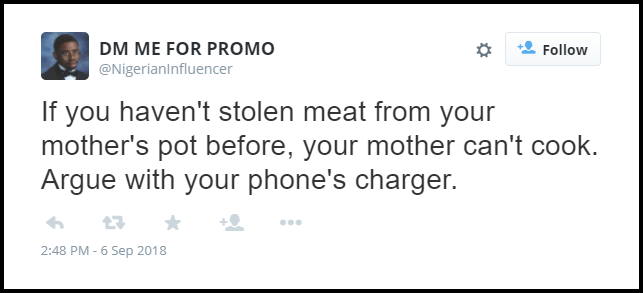
  • While their foreign counterparts do the work by building loyal fan bases, doing research, and driving meaningful conversations around the brands they’re paid to promote, Nigerian Twitter influencers do the bare minimum. With that in mind, here’s a detailed guide on how to become a Nigerian Twitter influencer.

    1) Start with super terrible jokes.

    Just be sure to make it relatable and end it with an Odunlade meme or a picture of a malnourished black child laughing that has nothing to do with the joke itself.

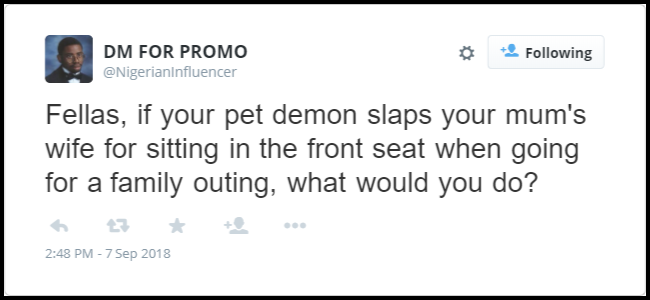
    2) Think up stupid scenarios for the timeline to drive engagement.

    Some people will call you out on your bullshit but you will ignore them. That sweet-sweet engagement is all you need.

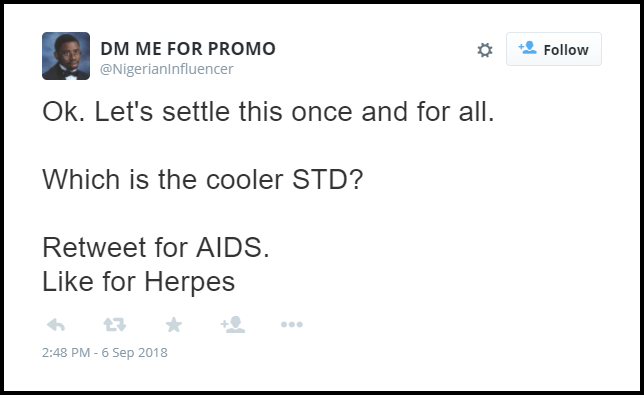
    3) Do pointless comparison shit like this.

    You have the option of making it a Twitter poll but don’t because then the post wouldn’t reek of desperation. Start with the line “Let’s settle this once and for all” and then follow it with a comparison between two things NO ONE IN THE HISTORY OF EVER has thought were in competition. Someone has to ask the hard questions and that person is you.

    4) Have an opinion about everything being discussed on the timeline. Especially things you know nothing about.

    No matter the topic, make sure you show up out of nowhere to give your hot take absolutely no one asked for. Politics? Mental health? Witchcraft? Be there for all of it.

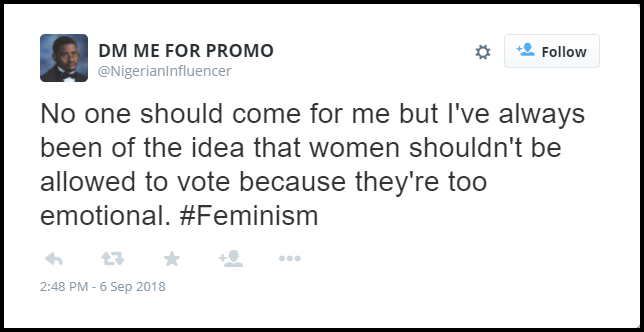
    5) Constantly offend marginalized groups to gain clout.

    Sure, you’ll get dragged all over the timeline but all that exposure will be worth it in the end. Plus, the faction of Twitter that secretly agrees with your offensive views will retweet, follow, and then write in the replies, “They’re coming for you oh. lol” Whoever said there’s no such thing as bad publicity wasn’t wrong.

    6) Start games that seem like harmless fun but also look suspiciously like ways to mine for people’s private information.

    Someone once said these “influencers” are slowly gathering all our info to do something shady with it and I honestly won’t be shocked if that happens.

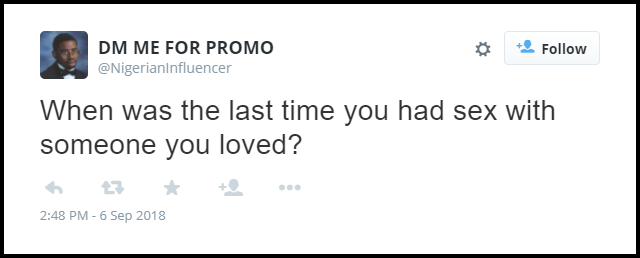
    7) Ask weirdly personal and destabilizing questions from time to time.

    I was scrolling through the timeline last week when I came across an influencer’s tweet that said: “What are you doing with your life?” and I was suddenly thrown head-first into an existential crisis. Feelings like this are the kind you want to elicit.

    What’s up, Zikoko Fam? It would mean the world to us if you spared a few minutes to fill this Reader Survey. It’s so we can bring you the content you really want!