• Nigeria’s history is full of stories that deserve their place on the big screen. From the dramatic and heartbreaking to the disturbing and sometimes completely unbelievable, our past reads like a script that’s begging to be adapted for the purpose of entertainment and/or education.

    An example is Hijack 93, a movie that chronicles one of Nigeria’s most infamous events. Whether you think it nailed or missed the mark, the interest in it showed that there’s a hunger for such stories to be told.

    It’s that same hunger that has driven me to write this list of eight events in Nigeria’s history that are begging for movie adaptations.

    The Arrest of Hushpuppi (2020)
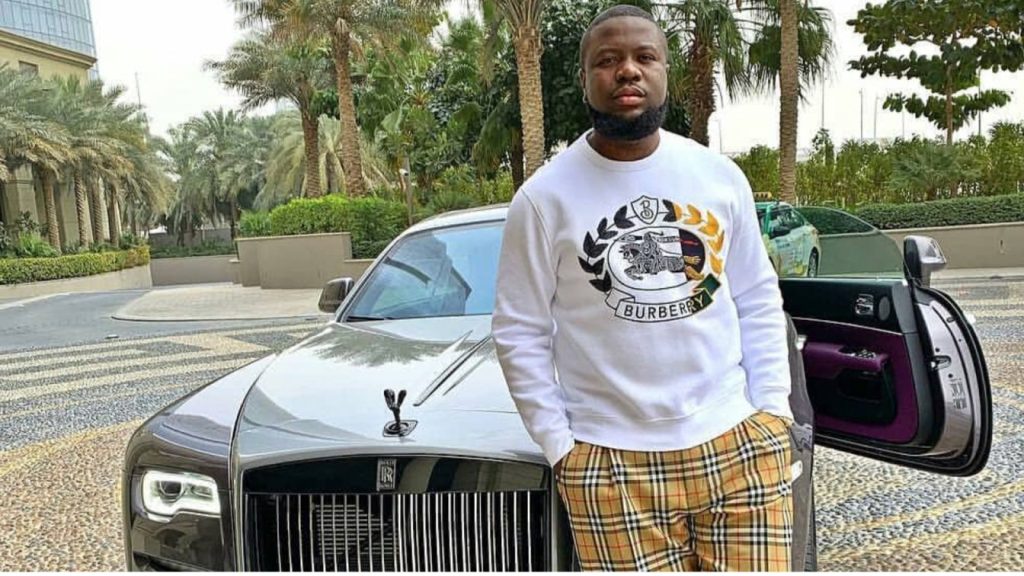
    Ramon Abbas, AKA Hushpuppi, went from flaunting luxury cars and private jets on Instagram to foolishly drawing attention to him and being arrested in Dubai on June 10, 2020, for a global cyber fraud scheme that ran into millions of dollars. His story is a modern-day thriller that showcases the allure of social media fame, international crime networks, and an eventual high-profile takedown. In November 2022, Hushpuppi was sentenced to over 11 years in a federal prison in the U.S, and scheduled for release in August 2029.

    This narrative of its adaptation would work best with suspense, commentary, and drama about the life of cybercrime in Nigeria. It’ll make for intriguing storytelling if made from the POV of the government agents trying to take Hushpuppi down.

    The Assassination of Dele Giwa (1986)
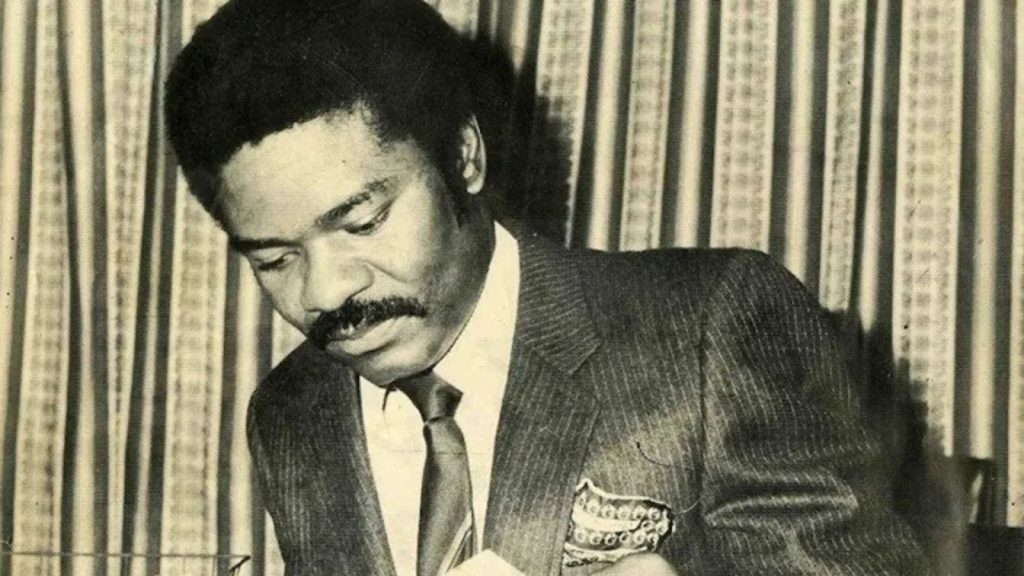
    Dele Giwa, the editor-in-chief and co-founder of Newswatch Magazine, was killed on October 19, 1986, by a letter bomb at his home in Lagos. His death shocked Nigeria and remains one of the country’s most notorious unsolved murders. His death came two days after he was interviewed by the State Security Service (SSS) over a cover story that threatened to expose the government of General Ibrahim Babangida (IBB).

    Giwa’s assassination ties politics, (investigative) journalism and courage, making it a compelling thriller. This could be a social-realist movie that follows the tension of press freedom, government surveillance and the risks faced by truth-tellers in the volatile military era.


    Subscribe to Zikoko Pop newsletter, The Feed, for the most important pop culture news


    The Death of Abacha (1998)
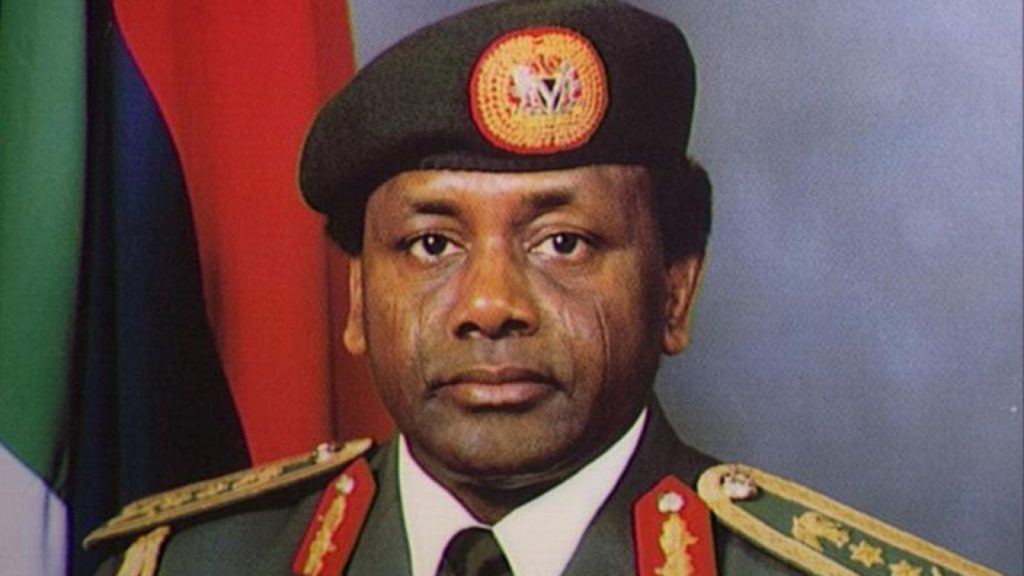
    On June 8, 1998, Nigeria awoke to the shocking news that General Sani Abacha, the country’s military ruler known for his iron-fisted regime, had died suddenly of a heart attack. As a dictator who wasn’t loved, Abacha had enemies who wanted him dead and tried everything they could.

    The sudden collapse of a dictatorship led to a shift from fear to cautious optimism. This adaptation would be a history and thrilling drama, that’d make it a ripe story for cinematic experience.

    The #EndSARS Lekki Tollgate Shooting (2020)
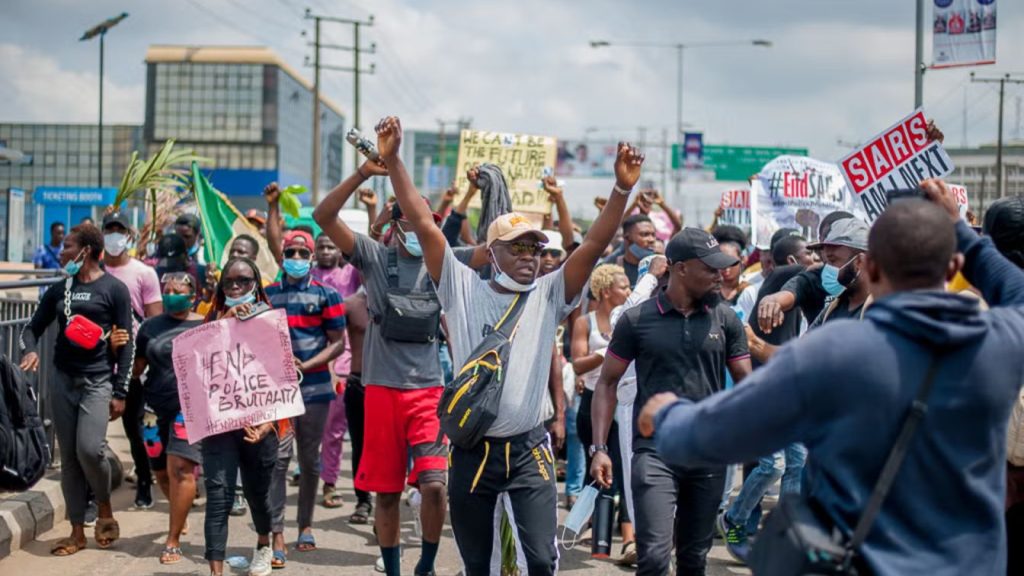
    On the night of October 20, 2020, thousands of peaceful protesters, mostly youth, gathered at the Lekki Toll Gate in Lagos. Their reason is calling for an end to police brutality and demanding accountability from the now-disbanded Special Anti‑Robbery Squad (SARS). What began as a hopeful protest turned tragic when soldiers opened fire, in one of the most shocking incidents in recent Nigerian history.

    According to investigations, tens of unarmed protesters were killed, with many more wounded, even as CCTV cameras were allegedly disabled, lights cut and ambulances denied access. The Lekki shooting tragic event remains a dark moment in Nigerian history and it deserves a movie for its demand for justice and collective struggle that caught global attention.


    READ NEXT: 7 Nigerian Books that Need Movie Adaptations ASAP


    The Kalakuta Raid (1977)
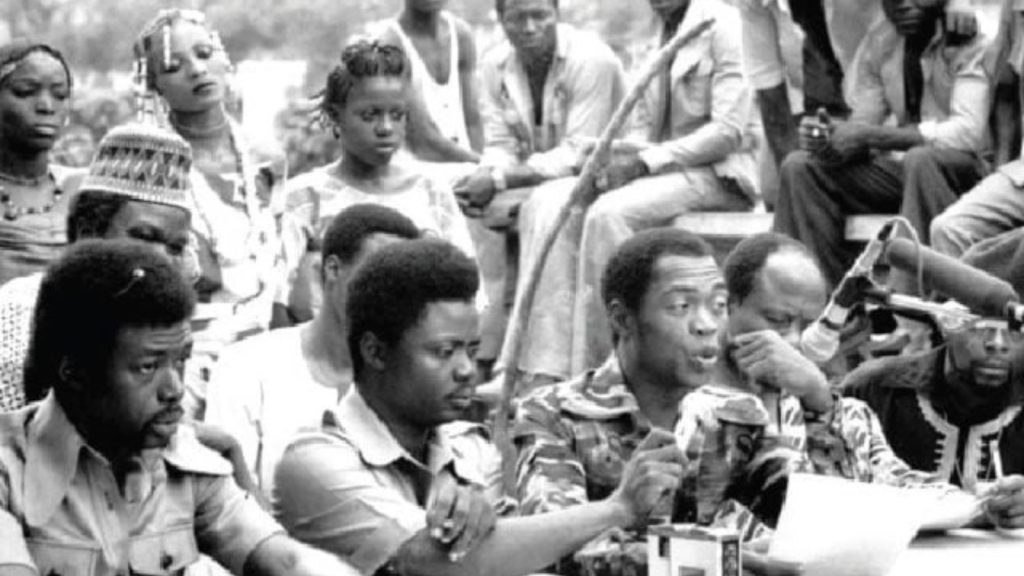
    Fela Anikulapo-Kuti was a regular when it came to police and military brutality. However, a spectacular incident occurred on February 18, 1977. Fela Kuti’s Kalakuta Republic, a communal compound and recording studio, was raided by soldiers on orders from the military government. Fela was beaten, his mother Funmilayo Ransome-Kuti was thrown from a window, and the compound was destroyed.

    This violent suppression of Fela’s artistic expression, activism and resistance sums up the struggle against oppression in Nigeria. Although there are already stage dramas, documentaries, and books about the Afrobeat legend, an up-close movie adaptation of this incident will properly showcase Fela’s lifestyle, music, philosophy, defiance, resilience, community, and politics. A political thriller, biography, and cultural spectacle about Fela will be a great time at the cinema or on streaming services.

    The MKO Abiola’s June 12 Election (1993)

    The June 12, 1993, presidential election is widely believed to have been won by Chief Moshood Kashimawo Olawale (MKO) Abiola. It’s also considered to have been annulled by the military regime of General Ibrahim Babangida (IBB). The annulment sparked protests, political unrest and a decades-long struggle for democracy in Nigeria.

    This is one of Nigeria’s most critical moments in its democratic history. A well-done cinematic adaptation could capture the military governance, political intrigue, tension, betrayal and stakes of a nation on the brink.


    Get More Zikoko Goodness in Your Mail

    Subscribe to our newsletters and never miss any of the action


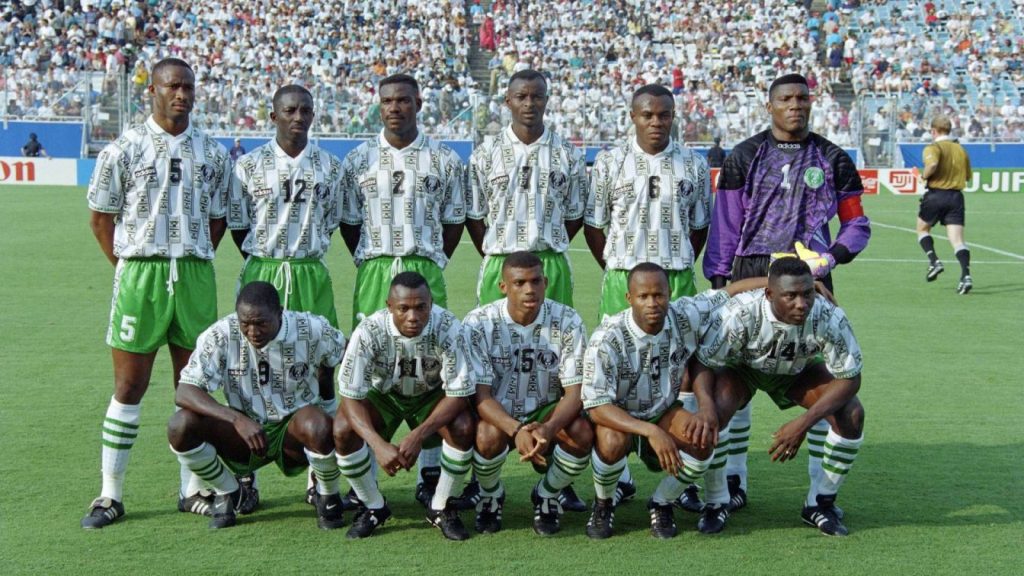
    The Super Eagles AFCON Win (1994)

    The year was 1994 when Nigeria’s Super Eagles made history by winning the Africa Cup of Nations in Tunisia, beating Zambia 2 – 1 in the final. It came after years of political and social unrest, and marked a moment for national jubilation, pride and unity. The team was led by the star players Rashidi Yekini, Sunday Oliseh and Emmanuel Amuneke.

    That same year, the Super Eagles made its debut at the FIFA World Cup in the U.S.A., beating European teams like Greece and Bulgaria. 1994 is widely remembered and revered as the golden era of Nigerian football. This adaptation is needed not just because of the sports drama and ambitions, but also because it’s a tale of national pride, teamwork under pressure, victory against odds and a closer look at the Super Eagles.

    The Umaru Dikko Affair (1984)
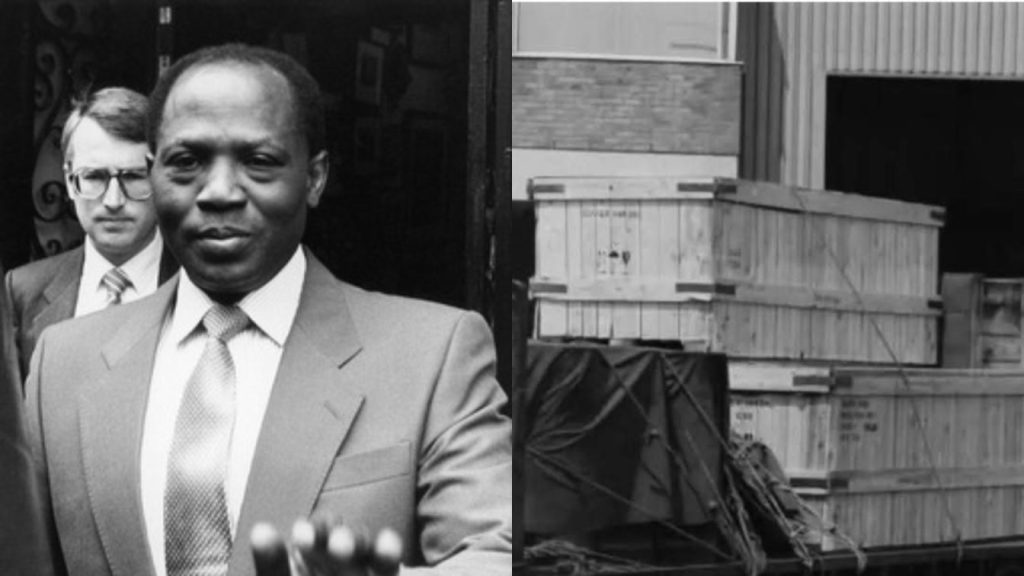
    In 1984, Nigeria became embroiled in a bizarre international scandal. Former minister Umaru Dikko was drugged, packed into a crate and nearly flown from London to Nigeria in a kidnapping attempt orchestrated by the Nigerian military government. The plot was foiled by British customs and made headlines worldwide.

    This Umaru Dikko affair has everything a spy-thriller movie needs, from political tension to international espionage and dramatic moments that also feel cinematically impossible. This is a real-life plot of power and the lengths people will go to silence their opponents.


    ALSO READ: 10 Nollywood Period Dramas Ranked by How Much They Make You Want To Time Travel


    [ad][/ad]
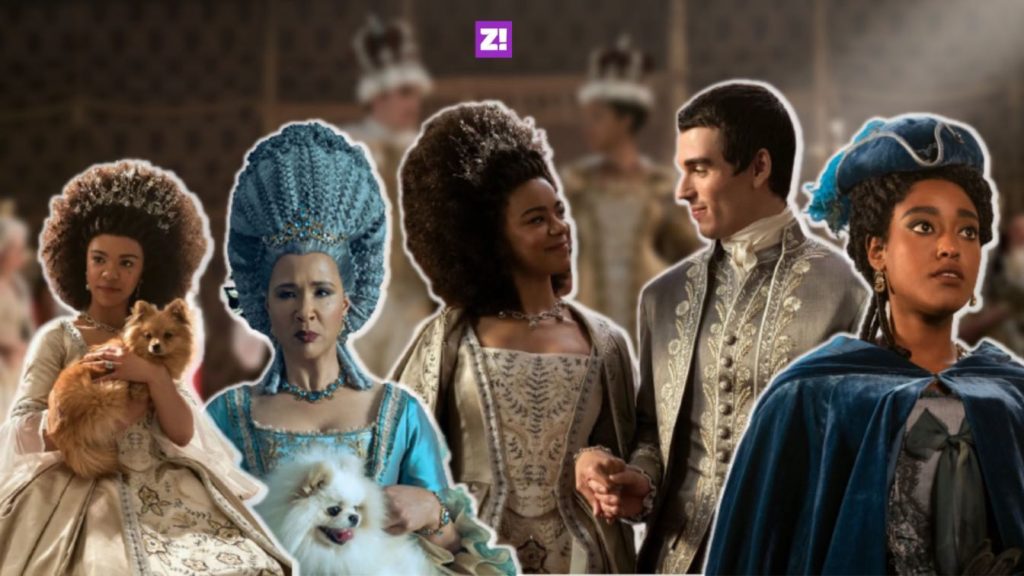
  • After giving us the epic line, “I burn for you”, Netflix’s Bridgerton is back with another interracial couple (Shonda Rhimes, I know what you are) for us to root for.

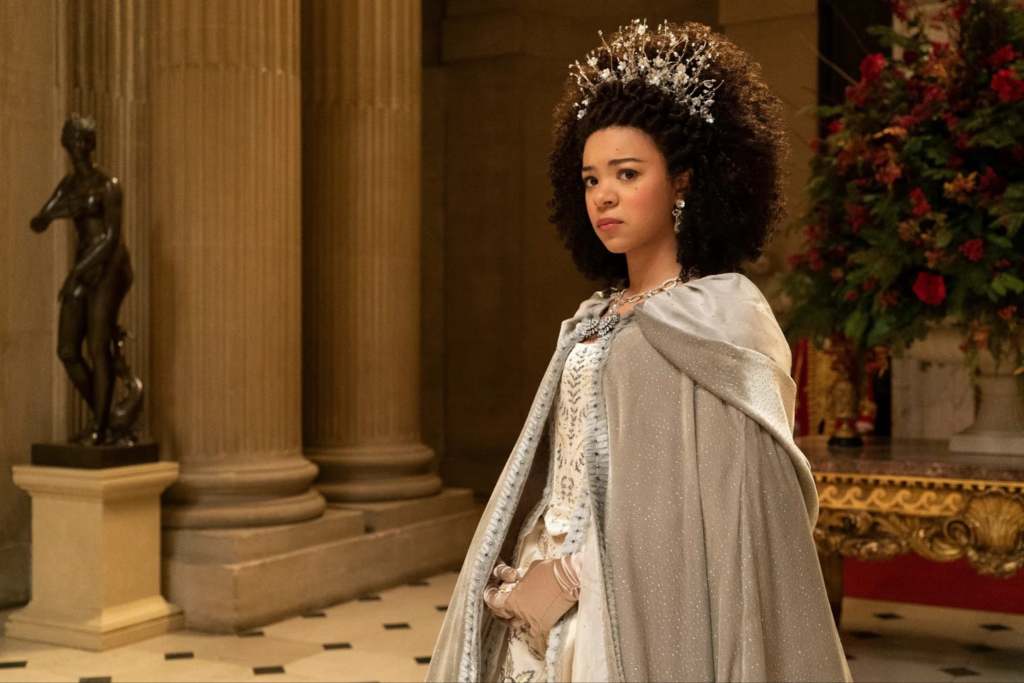
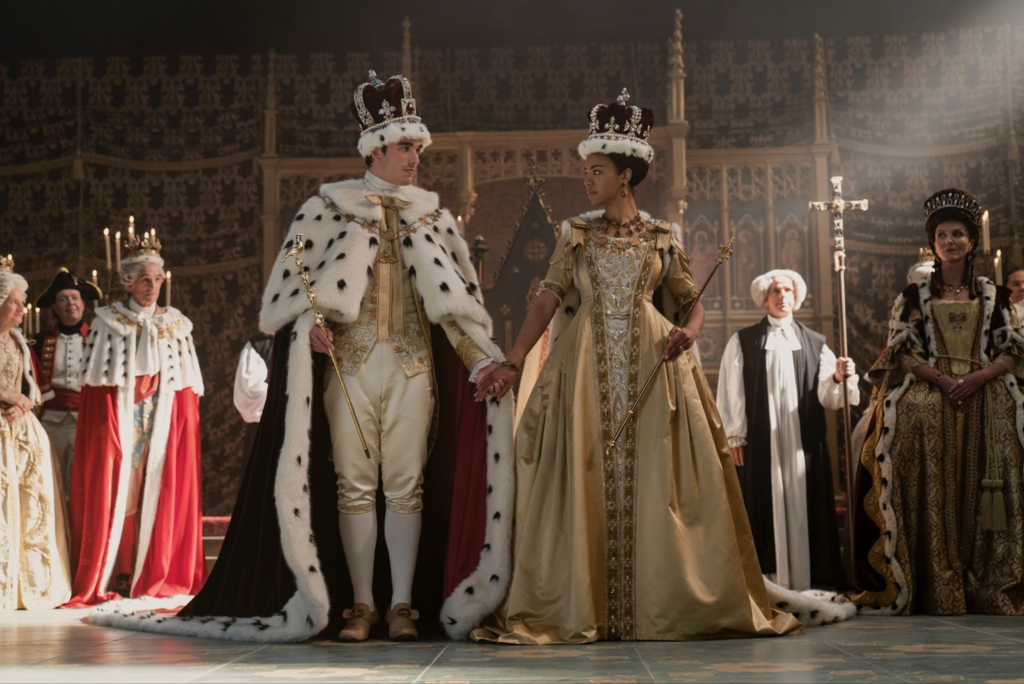
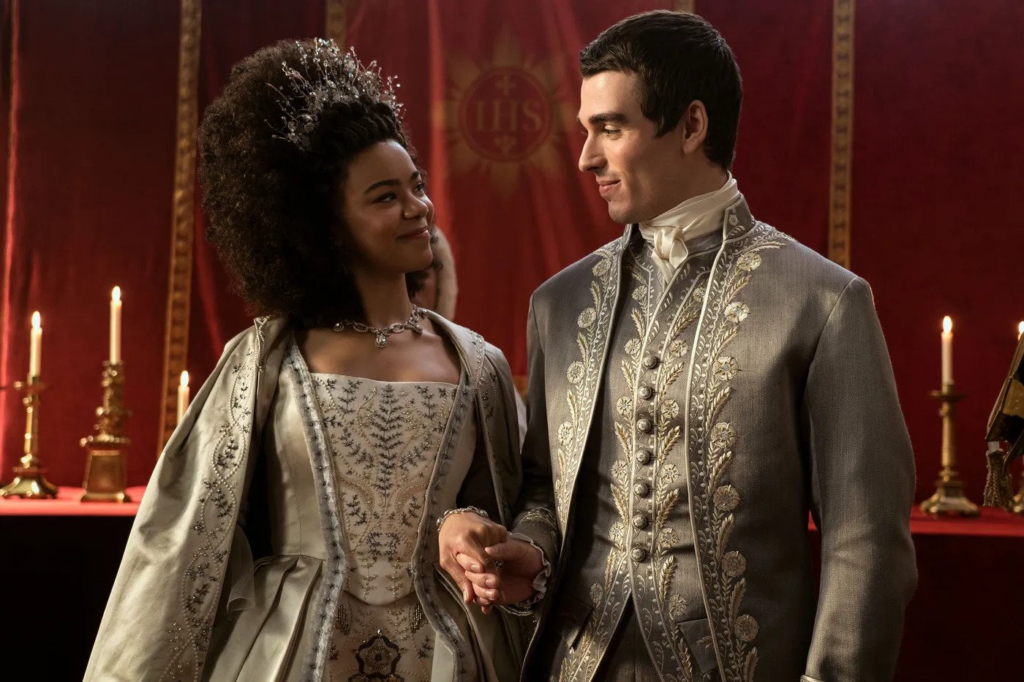
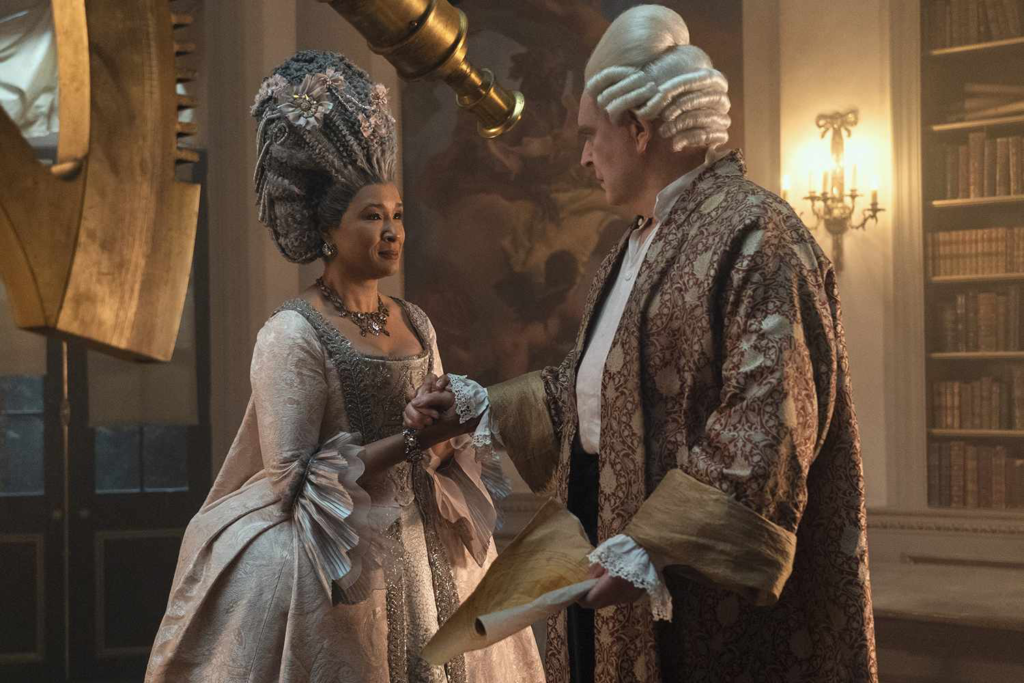
    Taking us back in time, Queen Charlotte: A Bridgerton Story sheds some light on the love story between King George III and Queen Charlotte, who were side characters in the first and second seasons of Bridgerton. The show opens with a message that it’s not entirely factual, so we couldn’t help but do some digging to find out where exactly the writers added Maggi and salt. Here’s what we found out. 

    Was Queen Charlotte biracial? 

    Source: Netflix

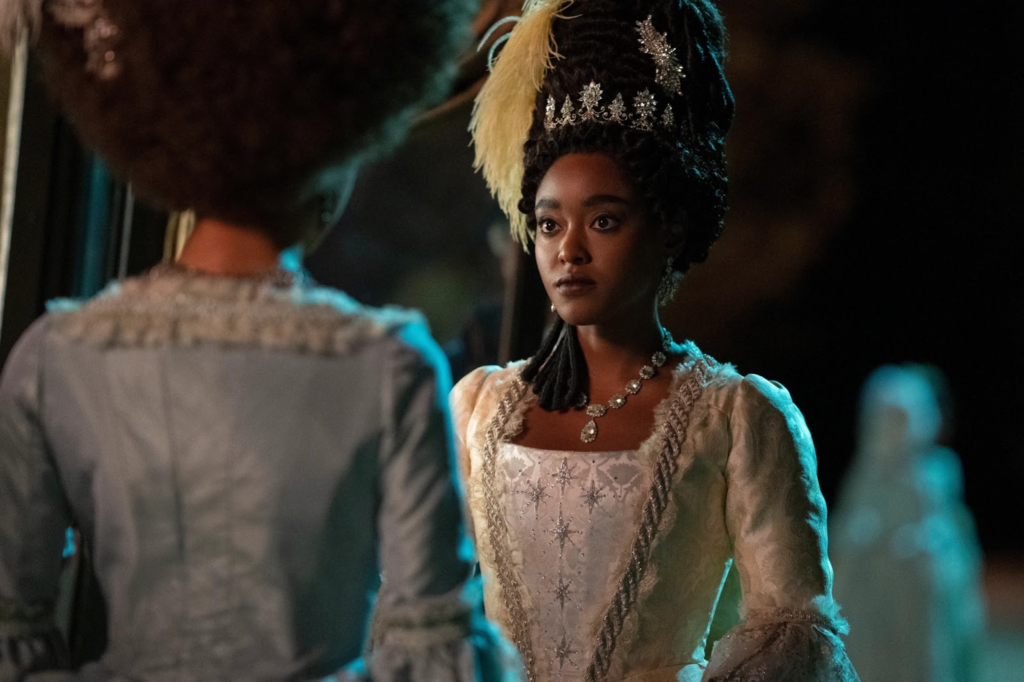
    On the show, Charlotte’s arrival into British court is groundbreaking, bringing about the Great Experiment, which saw her mother-in-law, Princess Augusta, introduce other black people into court. While this storyline is a big slay for black people, no historical evidence supports the gist that Queen Charlotte was black or biracial. 

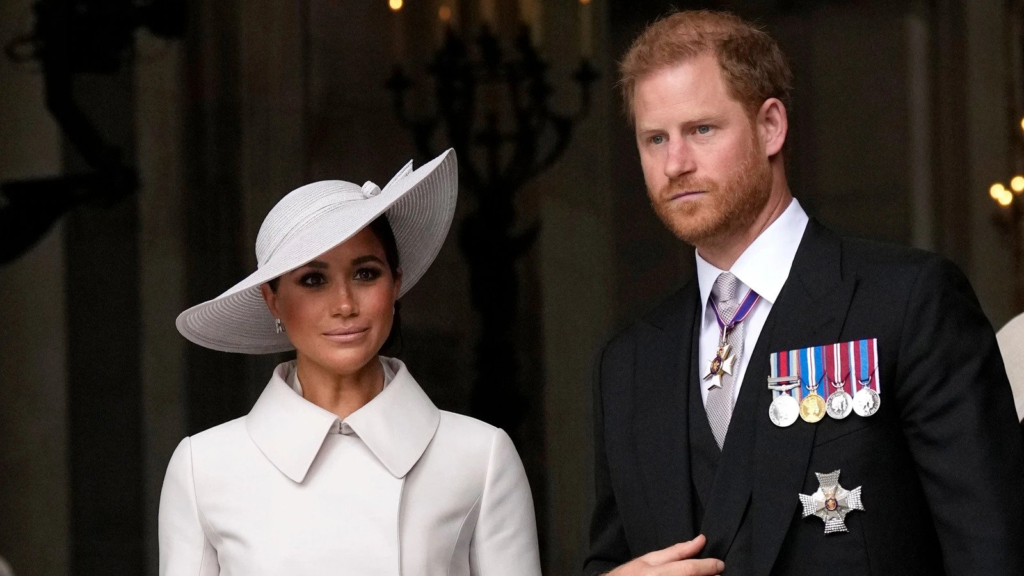
    That being said, art historian, Mario De Valdes y Cocom, who started studying portraits of the late Queen in 1967, believed she was indeed biracial and of Portuguese descent. If this is true, it means our good sis, Meghan, wasn’t the first melanated royal to step foot in Buckingham Palace. 

    How did Charlotte arrive from Germany speaking English with a British accent?

    Source: Zikoko Memes

    Last I checked, German was the official language in Germany, so how did a German princess show up in England spitting in Adele’s accent? The show obviously took creative liberties as the real Queen Charlotte had to learn English and the customs of her new country. 

    Why did King George marry Queen Charlotte? 

    Source: Netflix

    On the show, we hear the young Charlotte ask her brother why the King of England would want to marry an unknown princess like her.

    The truth is King George didn’t have plenty of fish in his marriage sea. The King had to marry a princess, and there were none in England then. He also had to marry a Protestant, which meant choosing from Germany or Scandinavia. The King himself is also of German descent, with his great-grandfather being German. So, sis, this man was just marrying from his village. That’s all. 

    Did the King and Queen marry immediately? 

    Source: Netflix

    Yes, King George and Queen Charlotte married just six hours after meeting for the first time on September 8, 1761. But it wasn’t because of love-at-first-sight. Their families had already signed off on the marriage ahead of their meeting. The future Queen was 17 (She should’ve been writing JAMB, to be honest), while King George was 22.

    RECOMMENDED: Ranking Nollywood Bridgerton Looks from “God, Abeg” to “I Burn For You”

    Are the Danburys real? 

    Source: Netflix

    We’ve already established that the Great Experiment was created to entertain us messy bitches who live for drama. Unfortunately for Lady Danbury stans, her story is as accurate as Father Christmas’s. However, England did have a relationship with Lady Danbury’s country, Sierra Leone, and it has to do with slavery. 

    Who really brought Pormenarians to the palace? 

    Source: Netflix

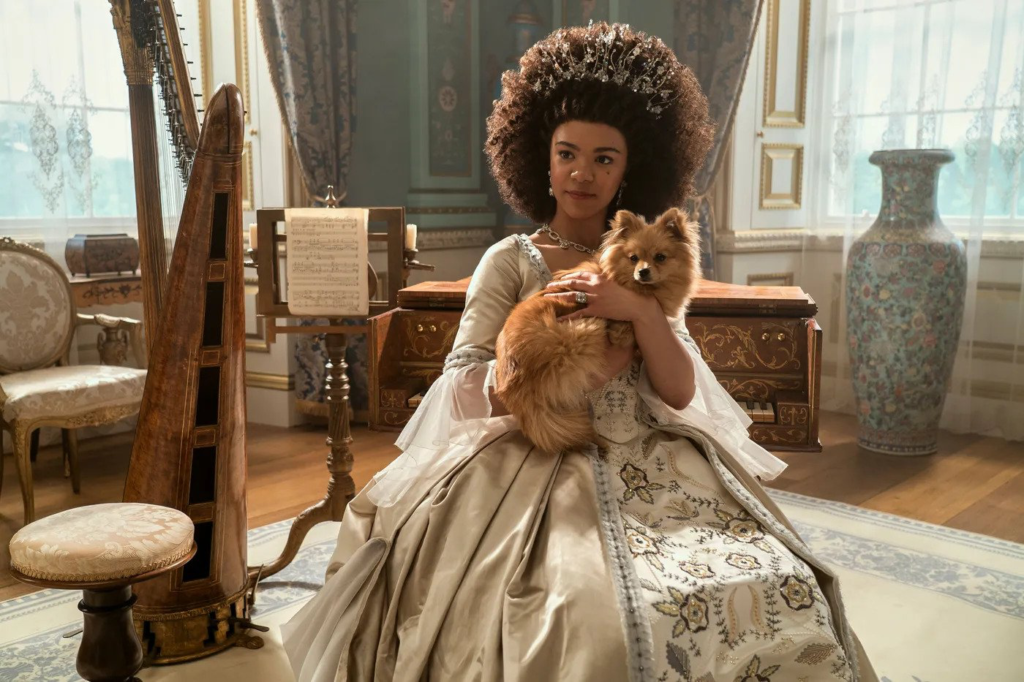
    On the show, King George kickstarted Queen Charlotte’s obsession with Pormenarians when he gifts her one — teddy bears weren’t a toasting technique back then, so people handed out animals or palaces. But in real life, the Queen pulled up from Germany with her little pets in hand. Pomeranians are actually German, from the Pomerania region in north-west Poland and north-east Germany.

    Cute story, though. 

    Did King George really have a mental illness? 

    Source: Netflix

    One of the saddest plotlines of Queen Charlotte happens to be true. Historians say King George battled with an unnamed mental illness throughout his reign, from 1788 to 1789 and again in 1801. It was so bad, he was nicknamed the Mad King. King George was eventually declared unfit to rule in 1810, allowing his eldest son, George IV, to act as Prince Regent from 1811. 

    Wait, so Queen Charlotte actually had 15 children? 

    Source: Zikoko Memes

    Queen Charlotte had not one, not two, but 15 children. She had nine sons and six daughters, but their two youngest sons died at ages one and four. Despite having all these children, the King and Queen struggled for heirs. Two of their daughters never got married, while most of their sons focused on scoring away matches, making the King and Queen’s grandchildren unfit for the throne. This changed when their son, Prince Edward, and his wife, Princess Victoria, welcomed their daughter, Alexandrina Victoria, or simply Queen Victoria

    An interesting connection between King George and Queen Charlotte and Harry and Meghan

    Source: The Times

    As shown in the series, King George III bought Buckingham House, which later became the famous Buckingham Palace, as a gift for his wife in 1762. While living in the palace, the couple commissioned the construction of Frogmore Cottage for quick summer getaways (their own private Ilashe without the ocean). Guess who rented the cottage while living in the UK? Yes, the Duke and Duchess of Sussex. If you look at it, King George and Queen Charlotte were Harry and Meghan’s original landlord and landlady

    ALSO READ: TV Shows You Shouldn’t Watch with Your Parents

    Can you handle the hotness of Zikoko’s Hertitude? Click here to buy your ticket and find out. 

  • If you get a perfect score on this quiz, quit your job today and start a travel blog.

    Take this quiz and show us.

  • We know your search history is a nightmare, but take this quiz to find out how bad it really is.


    You’ll definitely like this: QUIZ: How Dirty Is Your Mind?

  • Were you paying attention in social studies class or should we mind our business? Take this quiz and defend your school fees.

    Could not load quiz ID #278819

  • After spending almost 12 hours of my life watching Netflix’s new documentary, Afrobeats: The Backstory, I feel like a walking history textbook and no one can tell me otherwise. Looking to share my wealth of knowledge, here’s some of the hot gist you should know about Afrobeats and the major players behind its success. 

    Boy bands are the foundation of Afrobeats 

    Three gbosa for Nigerian boy bands! A major takeaway from Afrobeats: The Backstory is how instrumental early boy bands were in creating the sound we know as Afrobeats today. Bands like The Remedies (Eedris Abdulkareem, Eddy Remedy and Tony Tetuila), Plantashun Boiz (Tuface, Blackface and Faze) and The Trybesmen (Eldee, Kaboom and Freestyle). 

    Banky W’s Ebute Metta was inspired by 50 Cent, not Rihanna 

    Even though Banky’s Ebute Metta was sung over the beat of Rihanna’s 2007 song, Umbrella, Mr Etomi revealed it was 50 Cent who actually inspired the song. Taking a page from the American rapper known for using popular beats to hype his upcoming projects, Banky made a lot of songs that way to hype his Mr. Capable album. But Ebute Metta blew up so much, he shelved the rest. 

    Da Trybe’s Oya was the first Nigerian music video to be banned… here’s why

    In 2001, ten rappers decided to hop on a track, spitting bars for 30 seconds each. This track ended up being Da Trybe’s hit song, Oya, with verses from Eldee, Sasha, Kaboom, Freestyle, Dr Sid etc. Even though the music video was a game-changer (the first to be shot with a crane), it was banned because the backup dancers were twerking

    The people who banned it would probably have a heart attack watching music videos today. 

    RECOMMENDED: Gen Zs, Here are the Biggest Nigerian Songs From the Year You Were Born

    KC’s Limpopo was initially supposed to feature these American artistes

    2012 was the year we couldn’t escape Limpopo no matter how much we tried. Although the song marked a significant turning point in KC’s career, he explained in the documentary that he originally created it with a Chris Brown or Trey Songz feature in mind. I’m so glad that didn’t happen. 

    What do Dr Sid and Kaffy have in common?

    Before giving us Over the Moon, Pop Champagne and Surulere, Dr Sid was a part of Da Trybe (an upgraded version of The Trybesmen). And before that, he was Da Trybe’s official choreographer and backup dancer. 

    He’s not the only one who switched, though. Dj Jimmy Jatt was originally a rapper, and Daddy Showkey used to be a, wait for it, military officer. 

    Banky helped Wizkid blow, but he didn’t discover him 

    There’s no denying Banky W’s role in creating the star we’ve come to know as Wizkid, or Big Wiz, if you’re nasty. But the late OJB Jezreel was the one Wizkid’s mum handed the young singer to for mentorship. Check out this hilarious story of Wizkid being a good boy, as told by OJB’s wife. 

    D1 and Keke Ogungbe were influencers before your IG faves

    Before your favourite Instagram influencers started influencing fashion, Dayo “D1” Adeneye and Kenny “Keke” Ogungbe were helping brands like Phat Farm and FUBU sell out their baggy clothes just by wearing them on their show, AIT Jamz. All of this was before they even set up Kennis Music which kicked off the careers of Tony Tetuila, 2face and Eedris Abdulkareem. That’s some boss shit right there. 

    Fela himself cleared Weird MC’s Allen Avenue 

    While most people today know Weird MC for 2006’s Ijoya, her first album, Simply Weird, came out in 1997. The album’s lead single, Allen Avenue, was inspired by Fela Kuti, whose song, Look and Laugh is sampled on the rap track. The song was ahead of its time, but Fela saw the vision when he cleared her to use his song. How many people can say Fela approved of their music? 

    The real OGs of Yoruba and Igbo rap are not who you think they are

    For the longest time, Dagrin has been credited as the first Yoruba rap artist who passed on the baton to Olamide. The same thing can be said of Big Lo handing over to Ill Bliss and Phyno. But the documentary shows that before Dagrin, there was Lord of Ajasa, and before Big Lo, Nigga Raw was killing things with Obodo. This is what we should be learning in History class. 

    The UK scene greatly influenced today’s Afrobeats 

    If there’s one thing Afrobeats: The Backstory showed us, it’s the influence of IJGBs on music culture in Nigeria. While Nigeria-based artists created the sounds, Nigerians returning from the diaspora helped organise and package it. Some of these Nigerians include Obi Asika of Storm Records, Keke and D1 of Kennis Music and even the documentary’s creator/director, Ayo Shonaiya, who managed artists like The Trybesmen and Kwam1. 

    Burna Boy rarely refers to his music as “Afrobeats”

    Burna Boy’s Ye opened new doors for Afrobeats — all facts, no cap. However, it’s interesting to know that Odogwu calls his music Afro-Fusion, not Afrobeats. Why? According to A&R legend Bizzle Osikoya, Burna Boy believes anything Afrobeat (with or without the “s”) is for the Kuti family. While Fela Kuti is considered the grandfather of Afrobeats, Burna wants to start a legacy of his own with Afro-Fusion.

    Shizzi was Wizkid’s producer before he created magic with Davido 

    We were introduced to Shizzi when Davido shouted his name on Dami Duro. While they both went on to create an iconic producer-artist relationship with songs like Ekuro, Overseas, Gobe and Skelewu, Davido met Shizzi when he was working on Wizkid’s debut album, Superstar. If you didn’t know, Shizzi is also the brilliant mind behind Wizkid’s show-stopping, Love My Baby

    ALSO READ: Shakespeare Has Nothing on Davido and We Have Receipts to Prove It

  • How well do you know Nigeria? Take this quiz to find out:

  • It’s a packed hall of about a thousand people, and an M.C. is speaking in an accent that he probably acquired off binging American shows. One side of the Hall is a streak of turquoise blue Gele and caps, the other end is Burgundy.

    The MC’s jokes aren’t as funny as they were 30 minutes ago, and it’s not because he’s run out of good ones.

    It’s the guests who have run out of patience.

    An aroma is sifting through the hall, but no waiters come bearing good news. People are putting their hand fans to work, even though the air-conditioning is doing a decent job.

    And in a seemingly random moment when the MC hands over what is left of the audience’s attention to the live band, the waiters start rolling in.

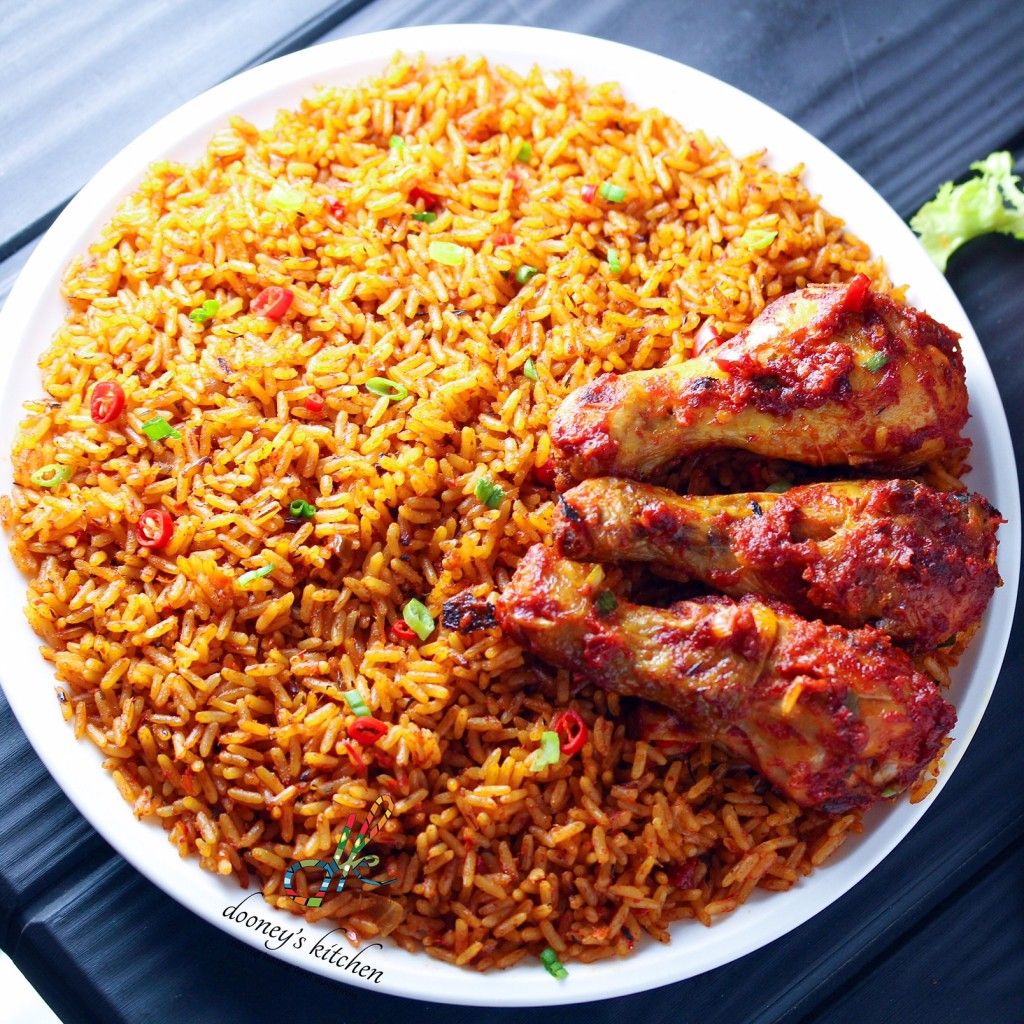
    Huge trays holding fistfuls of beef, coleslaw, and mede-mede. All of them, sitting pretty on small heaps of Jollof Rice in plates.

    The party has now began proper, the music will sound better, guests will aww more, because Jollof Rice is libation to Enjoyment.

    But this is not where the Jollof Story begins—you’d have to travel westward, out of Nigeria, to a small Island off the Coast of Senegal, St. Louis.

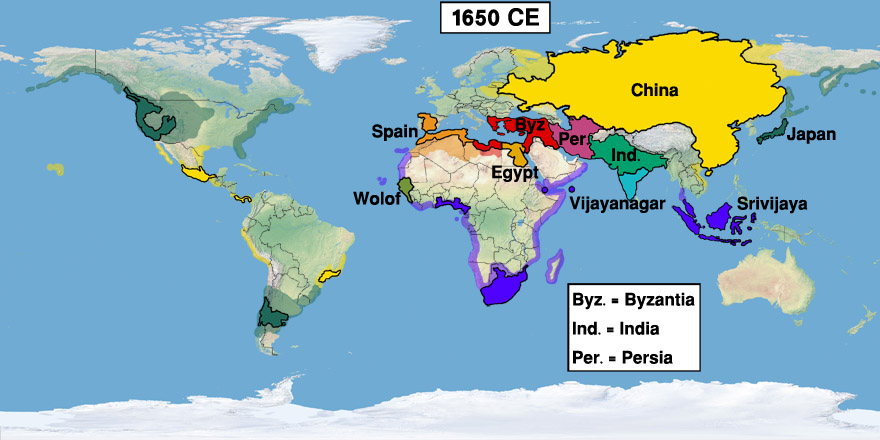
    Djolof a.k.a. Wolof Empire

    West Africans disagree on many things about Jollof—especially on who has the best—but on the origin of Jollof Rice, there is no debate.

    The Wolof Empire was a West African State that ruled over Senegal and Gambia sometime between the 1350s and 1540s. A 1549 Battle of Danki—which had nothing to do with rice—led the four vassal states of the Wolof Empire to become mostly independent.

    And so, Djolof—which used to be the old metropolitan capital of the Empire—became a kingdom by itself.

    “Give me a pot and I’ll cook up a storm.” – Penda Mbaye (Not exactly her words, but they’ll suffice.)

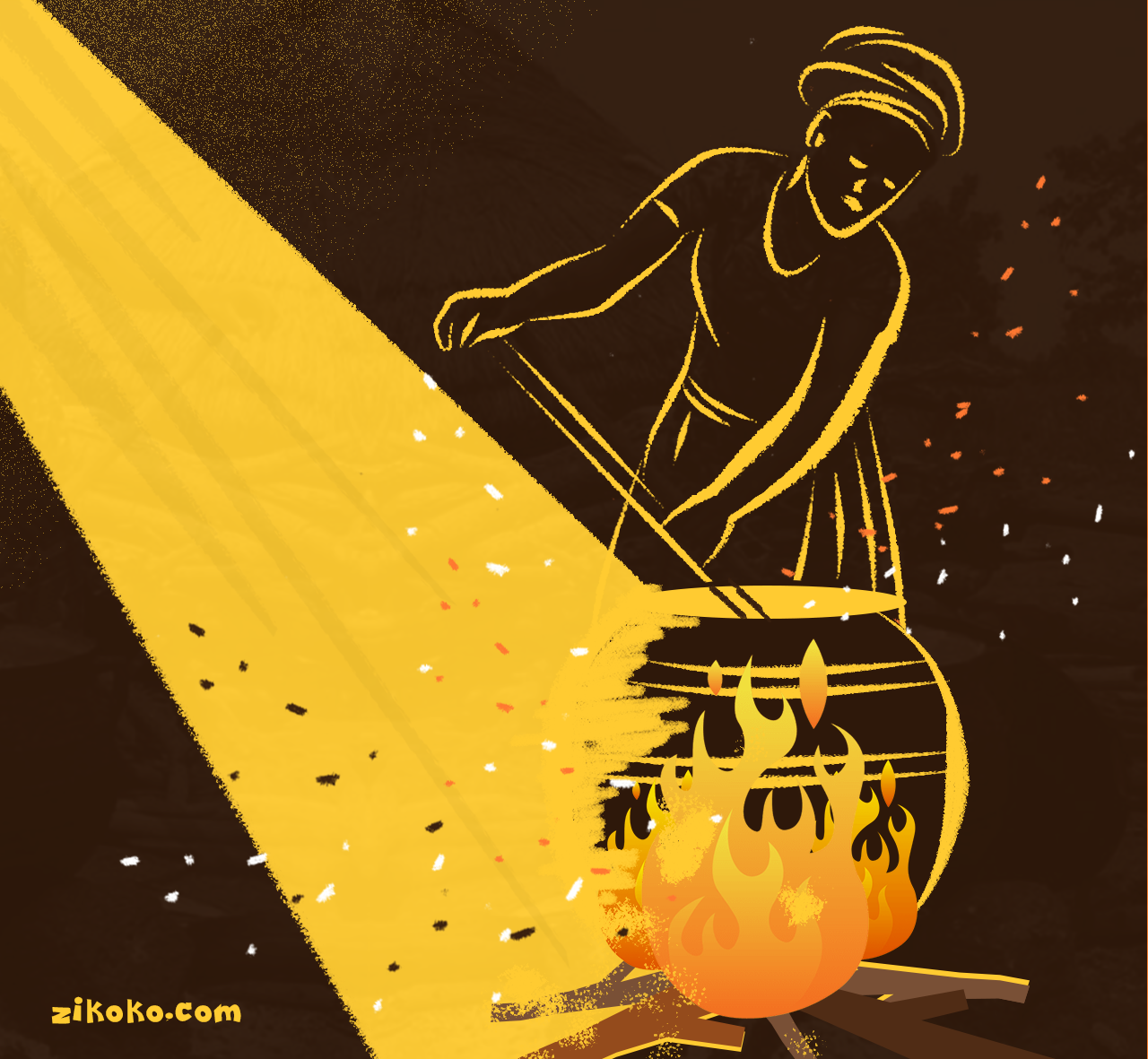
    Fast forward to the 1800s, there lived a chef, cooking meals at ceremonies, experimenting as she went. Penda Mbaye wasn’t exactly a Jollof woman. In fact, she’s believed to have come from Walo, another one of the four vassal states from the old Wolof Empire. As White People came into West Africa with their colonialism, they also brought a wide variety of food from their travels, mainly from South America. They came with food like cassava, pineapples, and even tomatoes.

    For Penda Mbaye, fresh food meant fresh opportunities to experiment. One recipe led to another and Penda landed a job as Chef at the Colonial Governor’s Residence in St. Louis.

    One meal had a reputation in the governor’s residence; it was a one-pot combo of barley, fish and vegetables cooked together.

    A barley shortage came around the time that Asian rice was landing on Senegal’s shores, and in typical Penda fashion, she substituted rice for barley. The magic is created, Penda called it Thiéboudienne (Cheb-oo-jen).

    And so, Jollof Rice as we know it was born. It went on to become Senegal’s pride.

    Senegal to West Africa

    There’s another theory about Jollof’s origins. According to Mamadou Diouf, a Professor of African History at Columbia University, Jollof Rice is military.

    Look at it this way. You’re a Colonial Officer, how do you feed a large Senegalese Colonial Army? You get rice, tomatoes, fish or meat, and throw all of it into a big pot.

    According to this theory, it’s probably how Jollof travelled across West Africa, militarily, as colonial forces found effective ways to feed their soldiers, especially around the World Wars.

    What is certain of course, is that Jollof Rice diffused across West Africa, just like everything else diffused; fashion like the Senegal fabric or music. It could also have been the Djula people, a tribe of merchants who travelled across West Africa, selling goods, and leaving bits of their culture everywhere they went.

    There are few accounts of its footprint in Nigeria, the oldest that we know of being in the Kudeti Book Of Yoruba Cookery, first published in 1934.

    “I suspect the original recipe for Jollof was in there,” Ozoz ‘Kitchen Butterfly’ Sokoh says. Ozoz is a culinary wizard and food enthusiast and she has a 1947 “The Ibo Cookery Book” to back this original recipe theory up. In fact, the recipe from this book included “Cabbage or Spinach (tete)” as an ingredient. It also used to be spelt ‘Jolloff’.

    “It references the Kudeti The Kudeti Book of Yoruba Cookery in its forward,” she says. “I don’t have that (1934) edition, but I do have a 2002 repackaged edition that can still be purchased at the CMS Bookstore.

    Jollof Rice evokes a different nostalgia for the generation at the heels of this book. Take Maimuna Atta-Ahmed, who was a teenager at the dawn of an Independent Nigeria.

    “When I lived in Kano, there used to be canned Jollof Rice,” the septuagenarian says. “And it was made in Kano. In the 60s, Kano had everything you can imagine. There were the groundnut pyramids, there were textile and hide industries. The canned Jollof Rice was popular.”

    But even as Jollof Rice had a reputation, it wasn’t exactly a party choice.

    “Jollof Rice wasn’t at parties when I was young,” Sherifat Hassan, a 51-year old caterer in Abuja says. “What was common was Pounded Yam, Amala and all that.”

    Imagine this;

    You’re planning a wedding party in the 60s. It’s not a big ceremony, so you’re expecting 200-300 people. “Let’s cook rice,” someone suggests. You think about it for a moment and know it’s never going to happen. Not rice.

    The problem that stood in the way of people and their Party Jollof was stones.

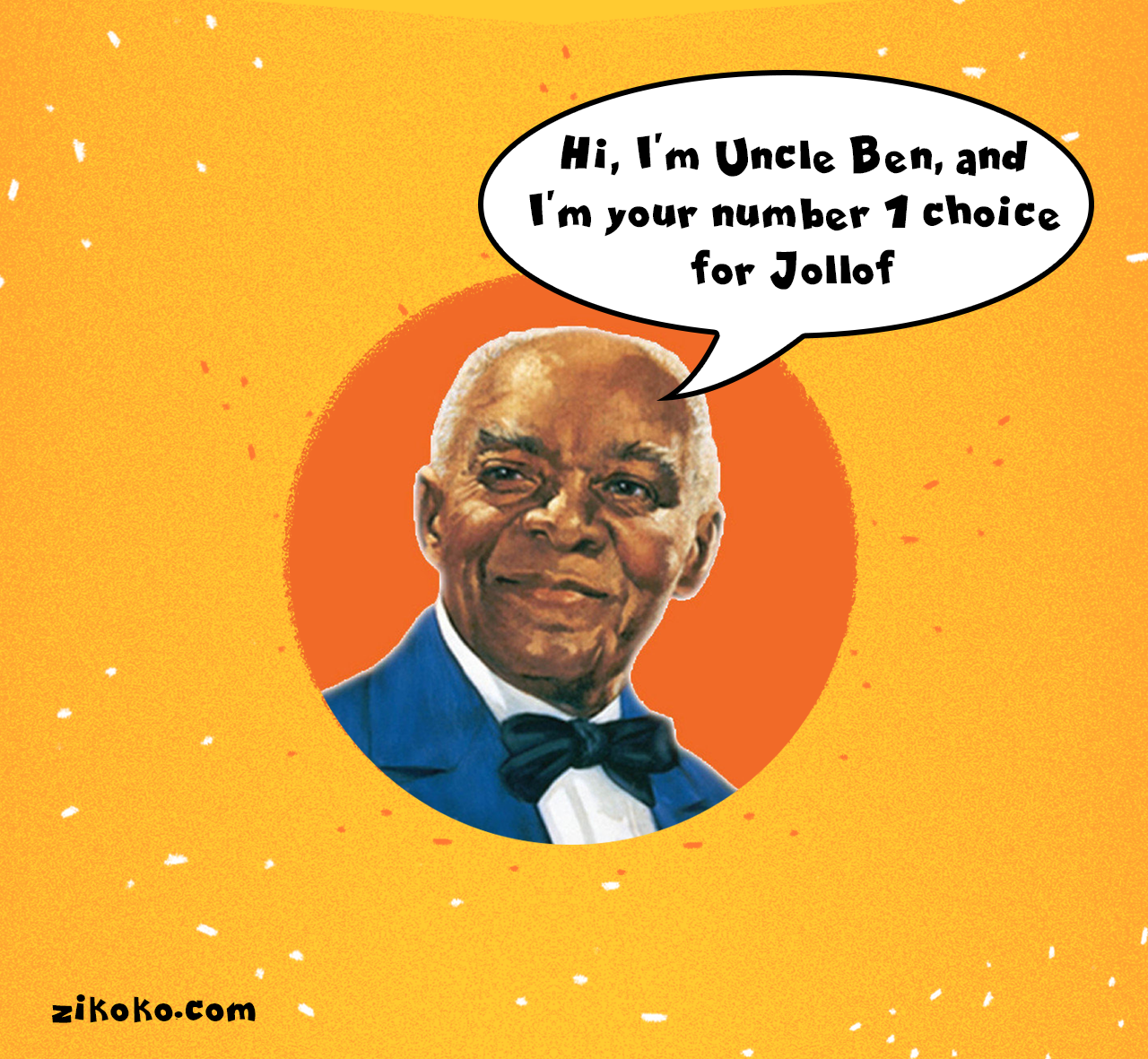
    “In those days,” Sherifat explains, “the rice had stones. Even some local rice these days still have stones. The only rice that didn’t have stones were Uncle Ben’s and Aunt Caroline Rice.” But the price of Uncle Ben’s mostly kept Jollof Rice in family kitchens, and on special events like Sunday afternoons and festival menus.

    By the late 60s and early 70s, oil had become more attractive for the Nigerian government, and agriculture was taking a backseat. One consequence of this, besides the disappearance of the industries and groundnut pyramids, was higher importation. In fact, the share of rice in the Nigerian diet went from 1% in 1960 to 7% in 1980, and that rise is mostly because we imported more.

    The Asian Flood

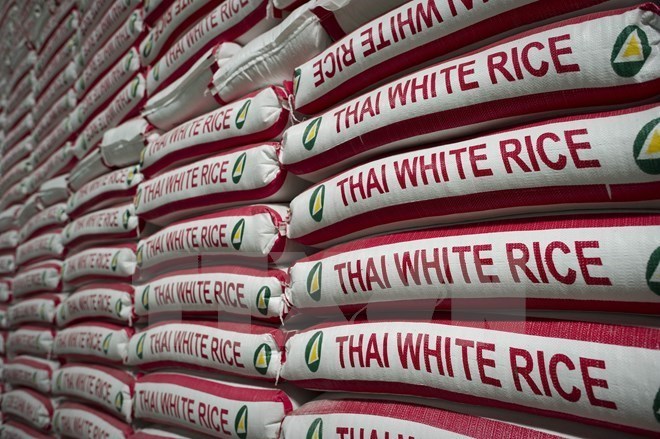
    Uncle Ben’s was a luxury choice and especially sold in retail quantities. Asian rice, on the other hand was cheaper, especially since there was a drop in imported rice tariffs in the mid-70s.

    And with cheaper and stoneless rice, came Party Jollof.

    Since Asian rice came into our lives, it has never left. As long as it powered our Jollof Rice, we chose it above all else, even at the expense of local rice.

    Soft Jollof. Soft Power.

    You’re a Nigerian or Ghanaian, living or studying in the West, most likely the U.S. or U.K. You have a small get-together with your friends, some of them are White. You offer them Jollof Rice.

    They try the first spoon, and their mouths are on fire. The heat is nothing like they’ve ever tasted, and by the time they’ve gotten used to it, they love it. This is most likely how modern Westerners first experienced Jollof Rice, although their ancestors already tried it from the ones their slaves made.

    The world might be a harsh and cold place, but it still deserves good things, and so Jollof Rice has been gifted to the world, just as West Africa has gifted it Afrobeat.

    Jollof Rice on Twenty-twos

    When something is a big deal, you pick a date and throw a party for it every year. But how did the 22nd of August every year become the date?

    “In 2015, I woke up to see the date set on social media,” Ozoz says. “I had no idea who created it. We just stuck with it.”

    It turns out there was an origin, and Ozoz found it. Or them.

    In 2015, Queen “AsoebiAfrica” thought it’d be a great idea to pick the 3rd Saturday of August as a good day to celebrate Jollof Rice. That day was the 22nd.

    Her friend WestAfrikanman loved the idea, and so it stuck.

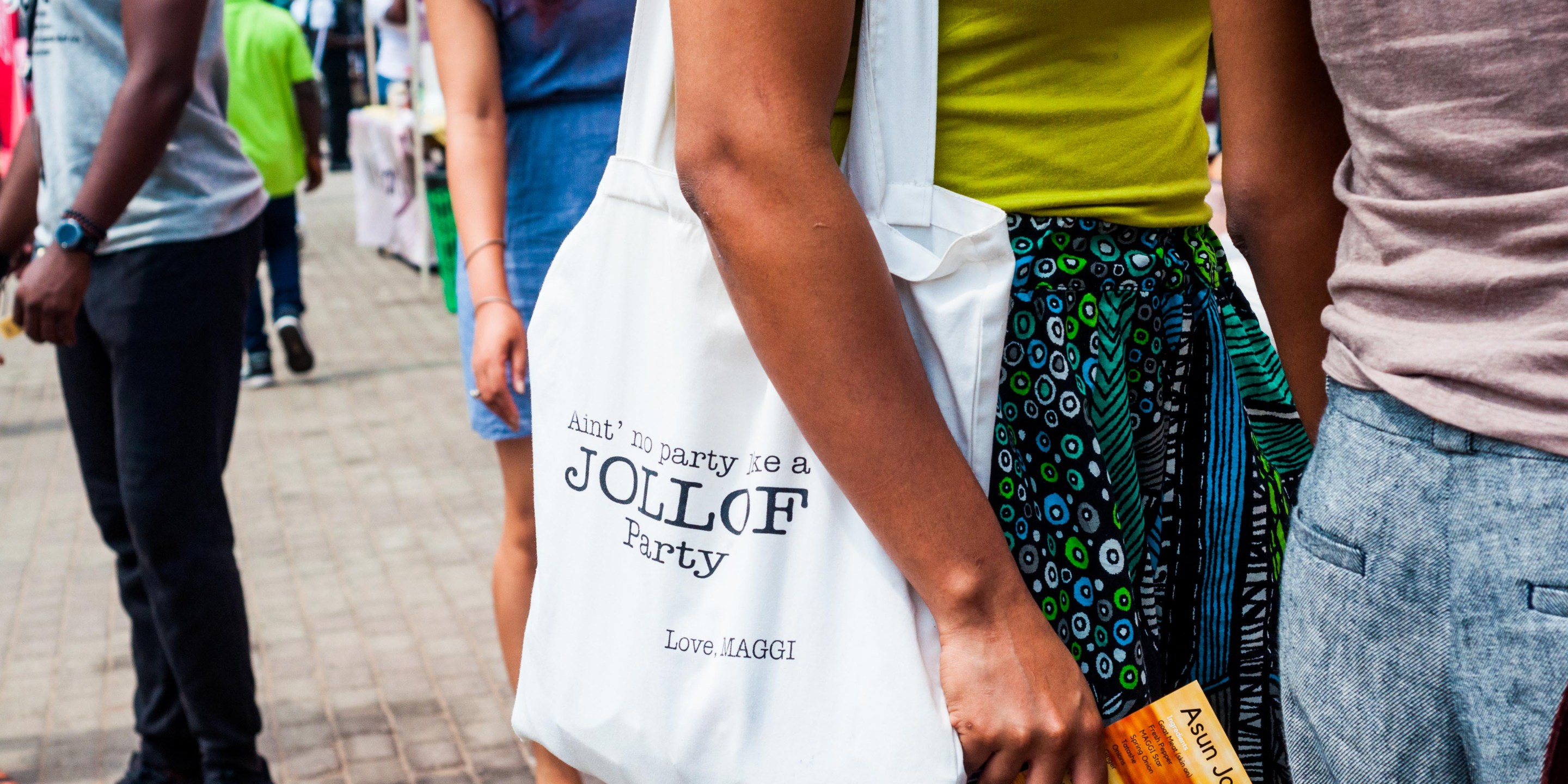
    And even though they didn’t have a permanent date in mind, brands like Etisalat and Maggi jumping on it made August 22 stick.

    Despite how removed Queen felt from the date being the permanent choice at first, she says;

    “I’m so glad I was able to create a special day for my darling Jollof!”

    And so August 22 has become the day we gather around the pot and celebrate Jollof.

    Nigeria’s culinary map is diverse, with Tuwo as Warden in the North, Starch making its strongest mark in the South-south, Akpu in the Southeast, and Amala the rockstar of the Southwest. But when we gather round to sit at a table as one people, it will be Jollof Rice making the rounds. Because Jollof Rice is libation to Enjoyment.

    Jollof is forever.

  • I pledge to you, that after you read this, you’d have a lot of reasons to get your PVC.

    I know, I’ve started again. But just in case, this is how to get it.

    I discovered some strange facts about Nigeria and it’s people and I couldn’t keep them all to myself.

    Because where’s the fun in that?

    I have to tell you that everything you’re about to read is 100% true.

    fight no atheism
    I’m saying it with my chest.

    Have you ever wondered if greatness could sometimes be a family thing?

    Like you can just be great because your family has symptoms of greatness ?

    So it turns out Fela Anikulapo Kuti and Professor Wole Soyinka were cousins. Two of Nigeria’s Greatest men.

    Yup, Fela’s father and Wole Soyinka’s mother were siblings.

    Ladies, according to the Nigerian “Breach of Contract to Marry”, if a man proposes to you, and suddenly calls off the marriage…

    …you can sue his sorry ass.

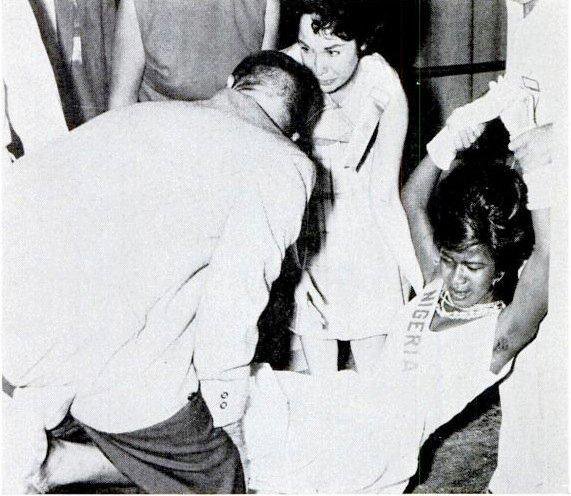
    In 1964, Edna Park who was Nigeria’s representative at Miss Universe fainted when her name wasn’t called as a finalist.

    The judges audacity.

    Should we talk about football for a minute?

    Ohh yeahhh

    In 1964, the Nigerian civil war had to be stopped for 2 days, because Nigerians wanted to watch Pelé play.

    You guys, Pelé is the god of Football. Argue with Maradona.

    Also, Nigeria’s first world cup goal was in 1994 and they finished Bulgaria with a sweet 3-0. The late Rashidi Yekini scored our first goal ever.

    See, sometime’s I just wish I could rewind time small.

    Let me tell you about Nigeria in the 70’s.

    You’re not ready for this, trust me.

    In the 70’s, Nigeria had one of the strongest currencies in the world.

    60kobo = $1

    In the 70’s, there was actually constant power supply in the entire country.

    I mean NEPA almost never took light. Believe it or not.

    During that same period, there were literally excess jobs in Nigeria.

    See why I said I wish we could go back in time a bit?

    Finland even used to say Nigeria was “A future world power”

    And Yakubu Gowon said our only problem is how we spend money.

    Fast forward to 2018, It was announced on the 25th of June that Nigeria has become the country with the highest number of poor people in the world. We beat India to it.

    I truly do not know what to say.

    Anyway, moving on to some weird stuff. In 2009, a goat was arrested by the Nigerian police.

    I don’t mean goat like a legend. I mean goat like goat. Animal.

    So, a man tells the police someone tries to steal his car but was caught and tried to run away. The man believed the thief turned into a goat because well, the thief disappeared.

    What’s the logical thing to do? Obviously, arrest the goat.

    While goat’s are going to jail, humans are barking to death. Okay so, In 1953, the Alaafin of Oyo visited Bode Thomas who was a Lawyer and Chairman, Oyo divisional council.

    Political brothers supporting each other.

    Things went south quickly when Bode Thomas insulted the Alaafin for standing to greet him. I mean, Sho mo age mi ni?

    As soon as the Alaafin left, Mr Bode starts barking like a dog, non stop. while he was still barking, He died the next morning.

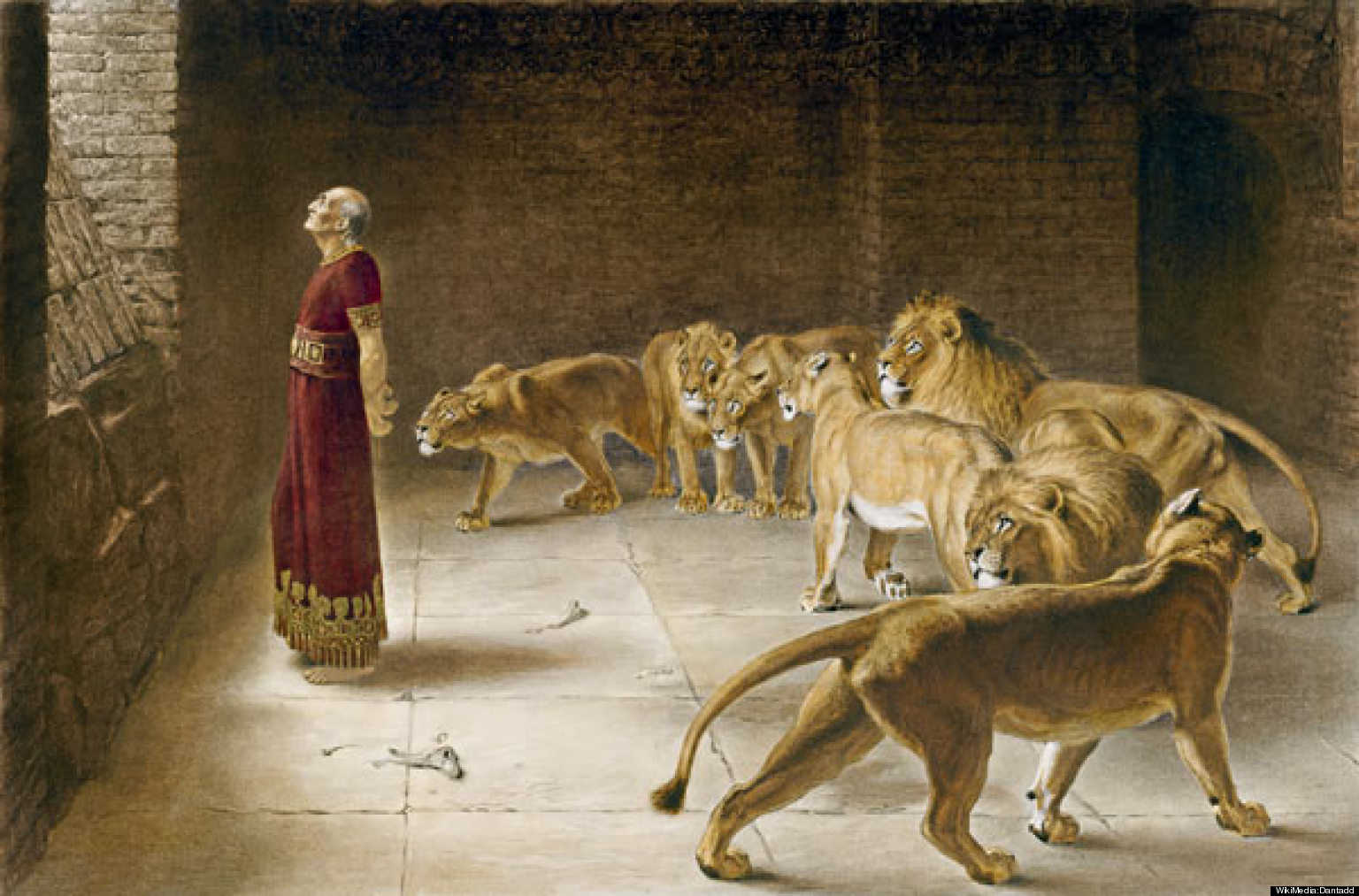
    I’m going to end with this story most of us have probably heard before. If you’ve never heard about Daniel in the Bible.

    Let me give you a vague summary, He was a man who stayed with lions, interacted with them and came out alive.

    Daniel Abodunrin, who was a Nigerian prophet tried to recreate the story above by entering the Lions den in a zoo in Ibadan.

    They ate him up. It’s not funny.

    “Wait wait wait, Nigeria is somehow o, what’s that thing you were saying about PVC?”

    Don’t worry I got you. Just click here.
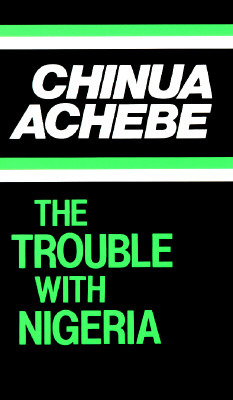
  • 1. The Trouble With Nigeria by Chinua Achebe

    Published in 1984, Chinua Achebe addressed the problems of Nigeria as a country and the challenges that are keeping the country from being as great as it can be. The book, though only 68 pages long, provides a clear analysis of why Nigeria is the shit show it is now. The following passage will explain better:

    ‘The trouble with Nigeria is simply and squarely a failure of leadership. There is nothing basically wrong with the Nigerian character. There is nothing wrong with the Nigerian land or climate or water or air or anything else. The Nigerian problem is the unwillingness or inability of its leaders to rise to the responsibility, to the challenge of personal example which are the hallmarks of true leadership.’

    That is all from page 1.

    With the chapter titles, Achebe lists out all the other problems that he had identified: Corruption, Social Injustice, Tribalism, False Image, Indiscipline etc.

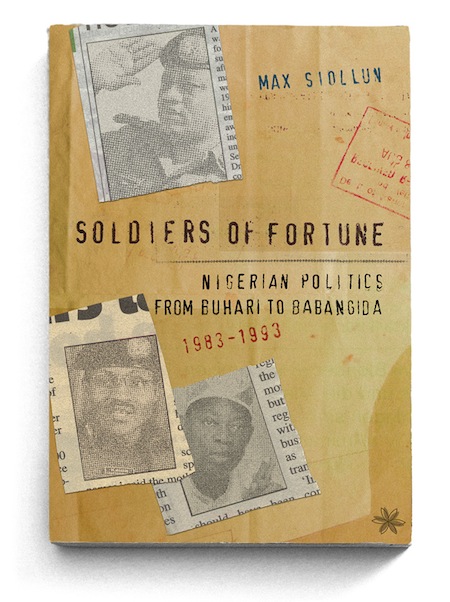
    2. Soldiers of Fortune by Max Siolllun

    Published in 2013, this book tells the story of Nigeria’s political journey between the 1st of January 1984 and the 27th of August 1993.

    The book is an objective analysis of the major events of the Buhari and Babangida era, revealing the true stories behind controversies like the annulment of the June 12 elections, the assassination of Dele Giwa, the execution of Mamman Vatsa and the failed kidnapping of Umaru Dikko.

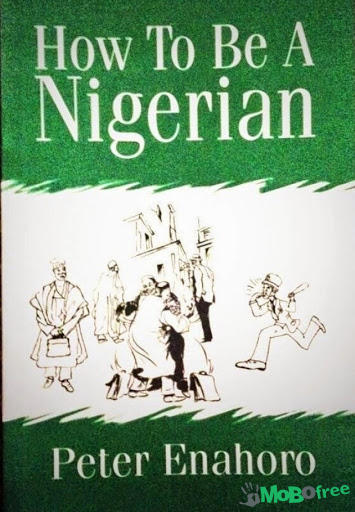
    3. How To Be A Nigerian by Anthony Enahoro

    Published in 1996, this book is described as a guide for both Nigerians and foreigners on the conduct, demeanor, carriage, actions and misbehavior of the average Nigerian adult male and female. The author does this by turning a funny eye on the people around him and makes the whole thing even more hilarious by adding anecdotes and cartoons.

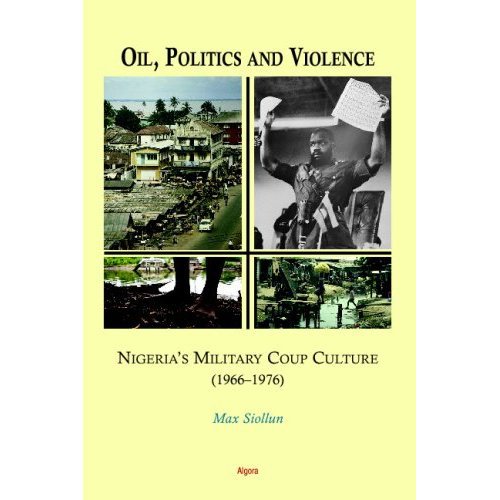
    4. Oil, Politics and Violence by Max Siolllun

    Published in 2009, the author traces the details of hopes and ambition gone wrong in Nigeria. It tells the story of how the hopes of Nigeria becoming Africa’s super power were dashed after gaining it’s independence from Britain by a succession of military authoritarian governments and military coups which went on from 1966 to 1999. It also shows how the different factions of the military were able to hold on to power and resist international pressure by exploiting the country’s oil wealth and ethnic divisions to its advantage.

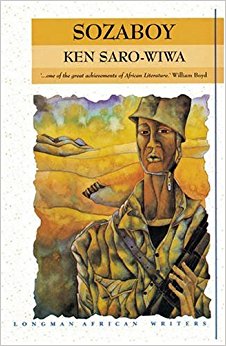
    5. Sozaboy by Ken Saro Wiwa

    Published in 1985, this book tells the story of a young and naive boy, Mene, who joins the military during the Civil War for every foolish reasons. He believes it will make him an adult, get him the girl of his dreams (Agnes) and also earn him the respect of everyone back home in his village.

    Not long after he joins, he realizes that he couldn’t have been more wrong.

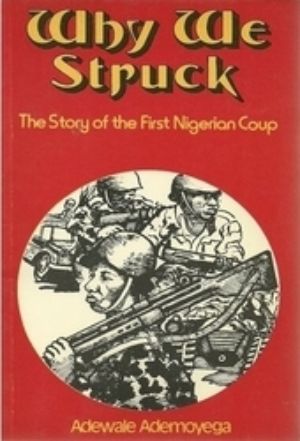
    6. Why We Struck by Adewale Ademoyega

    Published in 1986, this book tells the story of the first military intervention in Nigerian politics in the form of the coup that took place on the 15th of January 1966.

    This book is a captivating account of the most historical events in Nigeria because it is was written by the the last surviving member of the trio that planned and executed the coup, Major Ademoyega.

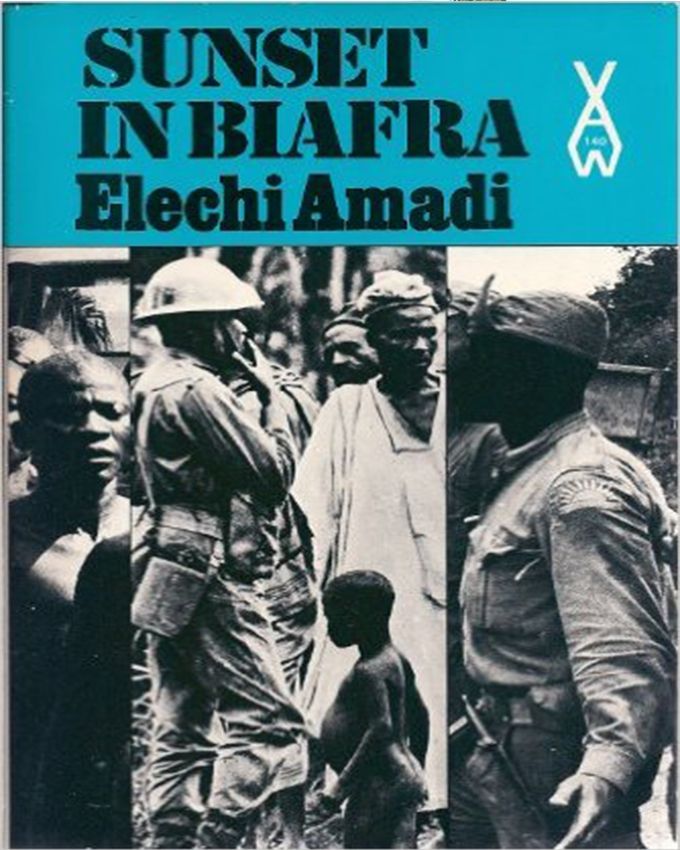
    7. Sunset In Biafra by Elechi Amadi

    Published in 1973, the author, Elechi Amadi, tells the story of how he resigned from the Nigerian army before the civil war began because he opposed the Biafran cause but still ended up getting caught in the cross fire.

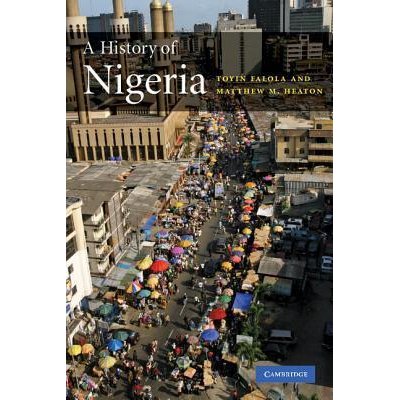
    8. A History Of Nigeria by Toyin Falola and Matthew Heaton

    Published in 2008, this book offers a unique portrayal of Nigerians as a resilient people living in a country with great but untapped potential. It explains Nigeria’s recent troubles by exploration of its colonial and pre-colonial past and also, its journey from Independence to statehood.

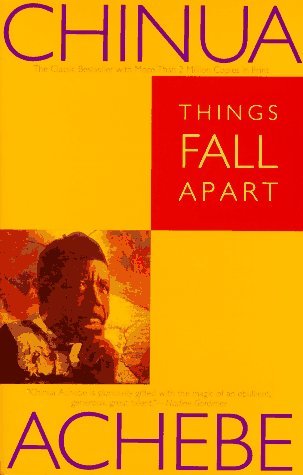
    9. Things Fall Apart by Chinua Achebe

    Published in 1958, the book follows the life and times of Okonkwo, an Igbo leader and local wrestling champion in the fictional Nigerian village of Umuofia. It also chronicles the effects of British colonialism and Christian missionaries on the Igbo community.

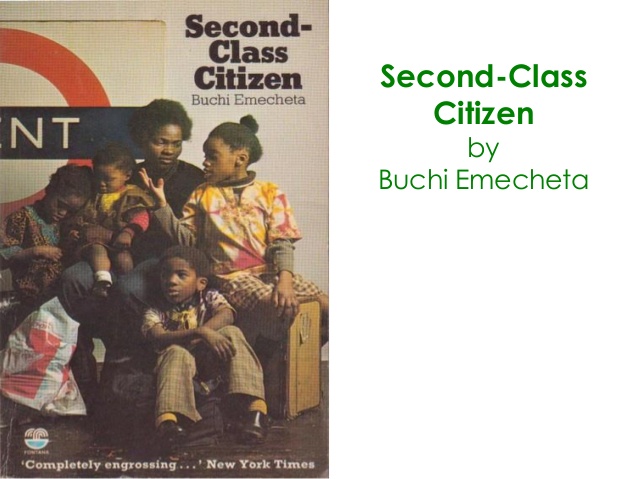
    10. Second Class Citizen by Buchi Emecheta

    Published in 1983, this novel tells the story Adah, a strong independent woman who struggles to overcome the strict tribal domination of women at the time and moves her family to London. Seeking a new and easy life for herself and her children, she encounters brutal racism and the harsh truths that come with being a new citizen in a foreign country.

    More Zikoko!

    10 Frustrating Things That Happen To Muslims During Ramadan