Having a job that pays your bills doesn’t always guarantee financial security. You might still be trying to save for a big move, support your family or make sure you can leave a job or relationship without worrying about how you’ll survive. The failing economy, coupled with the rising costs of everyday living in Nigeria, has made having a side hustle a necessity for survival.
We asked 10 Nigerian women why having more than one source of income feels necessary. They spoke about the expenses one income can’t cover, the experiences that shaped their relationship with money and whether they’d give up the extra work if one income could cover everything they need.
1. “I Didn’t Know Where My Next Meal Would Come From” — Vivian, 30, Ibadan
I earn 400k a month as a social media associate. My salary pays my bills and covers black tax. I also own a flower shop that brings in an extra 300-500k monthly. I’ve had times when I didn’t know where my next meal would come from. Having another source of income makes me feel more financially secure.
Even if my salary comfortably covered all my expenses, I’d still want the extra income. I enjoy testing my skills and trying new things. I also enjoy making money and having enough to spend.
2. “A Second Income Gives Me An Exit Plan” — Ijeoma*, 30, Lagos
I work in sales and earn close to 700k a month, with commissions in some months. My salary covers basics like food, skincare and beauty maintenance. I also run a baking business. It’s more of a hobby, so I don’t take it too seriously, but it made about 1million last year.
Having another income gives me an exit plan. I can decide to quit my 9-to-5 and have something to fall back on. As a woman, being able to afford what I want or need feels essential to my survival. Even if my salary comfortably covered all my expenses, I’d still want another source of income.
3. “I Want Something To Rely On If My Main Job Falls Through” — Iqmat, 32, Lagos
I earn around $4,000 a month as a content strategist and editor. It covers my rent, groceries, bills, black tax and spending on my partner. I can save and invest too. I don’t have a side hustle at the moment, but I still want one. Before getting my current job, I worked two jobs for a few years. I also took on freelance gigs and ran a plants-and-home-decor business. My last side hustle paid me 700k in one month.
I started my business because the company I worked for between 2020 and 2022 was shutting down. I also realised I was helping other people build their dreams while putting mine off. Having a business gave me a sense of ownership, and the extra money made me feel more secure.
The business is on hiatus because our model doesn’t work in a country where most people don’t have disposable income. I’d like to start something else, even though my salary covers my needs. If I leave or lose my job, I want something to fall back on. This time, I’d prefer something that makes money without needing my daily input or too much of my time.
4. “It Helps Me Care For My Mom” — Gail, 31, Lagos
I’m a freelancer earning around ₦250,000 a month. I live with my mum, so I don’t pay rent, but I cover electricity, cooking gas, her health expenses and other household bills. I also sometimes help my sister and two cousins. What’s left goes towards food, gifts for friends and, when I can, savings.
I bake and make resin art on the side, although the income varies each month. The extra money helps me make my mum’s life easier. It’s also about my independence. I believe someone who feeds you can also starve you, and I don’t want anyone to have that kind of power over me.
Even if my main income covered everything, I’d still want a side hustle, especially if it means I get to do something I love. I love the access and freedom money gives me.
Get More Zikoko Goodness in Your Mail
Subscribe to our newsletters and never miss any of the action
I earn 200k a month as a social media manager and content creator. My income mostly goes towards savings, data and transport. My parents make sure I don’t have to contribute too much to household expenses.
I’m saving to leave the country, and my salary alone can’t reach that goal. I help people write proficiency exams on the side. I also run a jewellery business. Each exam gig pays around 500k, so doing four in a month brings in about 2m. It can be more or less, depending on how many gigs I get. The jewellery business brings in an extra 15-20k weekly.
I put 70% of everything I earn into savings to reach my goal by next year. Beyond that, I think everyone should have another source of income, even if their salary covers their expenses. Life is unpredictable, and it helps to have a safety net.
6. “I Wouldn’t Have To Borrow Before The End Of The Month” — Christine*, 30, Ibadan
I work as a social media manager and a product manager, earning 100k from each job. Most of that money goes towards food, caring for my three dogs and supporting my mum. I also try to save towards my 400k rent, but sometimes I run out of money before the end of the month and have to borrow from friends.
I have four years’ experience as a social media manager, yet I’m still being offered jobs that pay 100k or less. I’ve also been meaning to get a new laptop, but I can’t afford to save for it.
I’m starting a tigernut business because my current income barely covers my bills. I want to stop borrowing and start saving for emergencies. Even if my salary eventually covered everything, I’d still want another source of income. You can lose a 9-to-5 without notice, and I’d want something to fall back on.
7. “I Earn An Extra 500k Monthly” — Esther*, 28, Lagos
I was broke and jobless after NYSC, so I had to move in with a guy I was dating at the time. He provided the basics, but he treated me badly and was verbally abusive. He also refused to help me start a business even though he could afford to, then stole my idea and executed it poorly.
That experience shaped how I feel about money. I have a crippling fear of not being able to afford what I want. Having more than one source of income makes me feel safe.
My main income now comes from an export business I run with my current partner. My salary is about 800k a month. I also write scripts, manage social media for brands and earn from two farms, which brings an extra 500k. The money pays my bills, makes black tax more bearable and allows me to contribute to the savings my partner and I are putting towards our marriage.
Even if my main income covered everything, I’d still want other sources. This is Nigeria, and anything can happen. Knowing I have something to fall back on gives me peace of mind.
8. “My Main Job Does Not Sustain My Lifestyle” — Seyi*, 30, Lagos
I work in business development and earn about $3,000 a month. It covers food, transport, data and household bills. I save towards rent and other things I need as well.
I also have a contract role that pays $2,000 a month. I realised I needed more than one source of income because many Nigerian companies don’t pay enough to sustain your lifestyle and set money aside for other things.
While the extra money has helped me feel more grounded, I want another source of income. Working two jobs is draining, but I need to save more.
9. “I’m Chronically Ill, and My Meds Are Expensive” — Onome*, 32, Lagos
I’m a writer and editor earning 350k a month. I’m also chronically ill. I spend 50k on medication monthly and can spend up to 150k when I need to see a doctor or run routine tests. My HMO barely covers these costs.
My salary also goes towards food, data and black tax, so it doesn’t always stretch far enough for me to save. I take on tutoring, exam invigilation, writing, editing and ushering gigs, which bring in an extra 100-150k on average. That money helps me save and pay my rent.
Having extra income feels necessary to me because my healthcare expenses are too high. If my salary comfortably covered all my needs, I wouldn’t take on extra work. It’s stressful, and stress makes my symptoms worse.
10. “Adult Toys Bring Extra Income” — Tee, 30, Lagos
I work as a test centre administrator and earn 250k a month. My salary doesn’t cover much beyond basic groceries and saving towards rent. With how hard things are in the economy, having extra income feels necessary.
I sell adult toys on the side and make about 50k monthly. It’s just enough to cover miscellaneous expenses. I don’t feel more financially secure, but it’s better than nothing. I’m also an enthusiast of self-pleasure, so I’m killing two birds with one stone. Even if my salary comfortably covered all my expenses, I’d keep selling adult toys because I’m a huge advocate for sexual satisfaction.
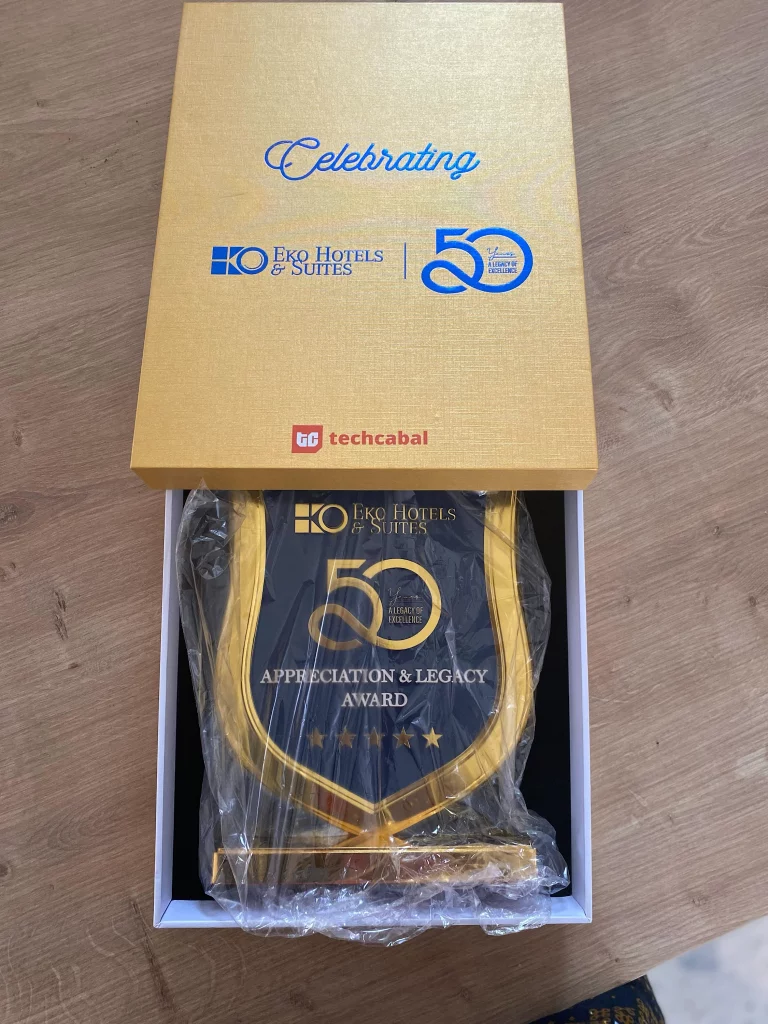
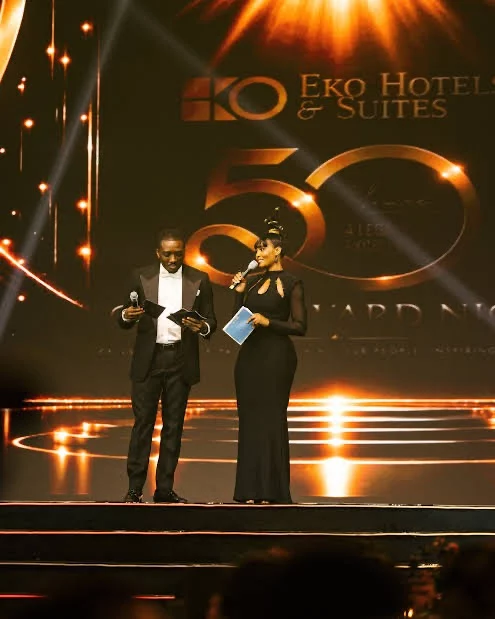
TechCabal, Zikoko’s sister publication, has received an Appreciation and Legacy Award from Eko Hotels & Suites. The honour was presented at “Eko Hotels @ 50: Celebrating 50 Years of a Legacy of Excellence,” marking the hospitality institution’s golden jubilee.
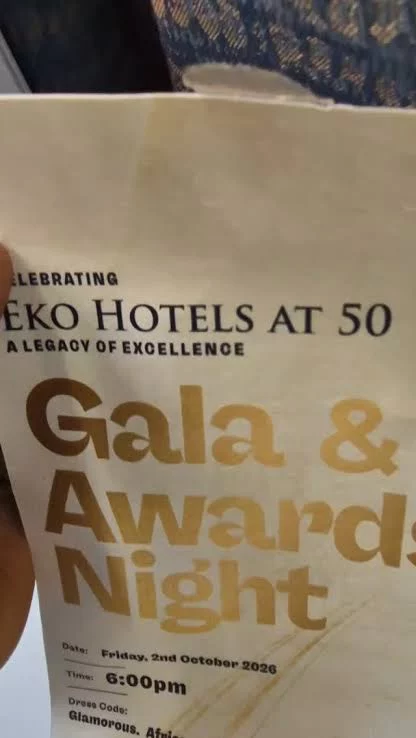
It happened at a glamorous gala on Friday, October 2, 2026, with comedian Bovi and actor Osas Ighodaro steering the evening. Against a black-and-gold backdrop befitting a golden jubilee, Eko Hotels celebrated five decades of hospitality and the people and organisations who have shared in its journey.
For a place that has spent 50 years hosting other people’s big moments, it was a well-earned turn in the spotlight. And our family had the pleasure of leaving with a gold-trimmed souvenir.
Yes, our parent company went to a birthday celebration and came home with an award. We approve of this arrangement. But to understand why the recognition means something to us, we have to talk about the celebrant.
In Lagos, some addresses require a landmark, a voice note and a final phone call to someone standing outside. Eko Hotels has the advantage of being the landmark. Even if you have never checked into a room, there is a fair chance it has entered your life through a bus stop call, the cause of road traffic, an invitation, a concert ticket, a wedding photograph or an awards-show red carpet you had strong opinions about.
Eko Hotels opened in 1977 on Victoria Island, Lagos, as the Èkó Holiday Inn, one of four major venues (including the entire Festac Town and the National Theatre) that exist today because of FESTAC ’77. Today, the “inn” has over 820 to 825 rooms across four distinct properties.
For five decades, it has provided a setting for the things Nigerians like to gather for. Essentially, love, music, business, achievement and the opportunity to dress as though someone might be presenting them with a lifetime achievement award. Eko Hotels has become part of how Lagos celebrates itself.
That is a considerable legacy in a city with an enthusiastic appetite for the next big thing.
Keeping a place in people’s lives for 50 years requires successive generations to find their own reasons to return. The wedding guests become wedding hosts, new performers take the stage, new businesses arrive with ideas that would have been difficult to explain to the people attending conferences there decades earlier. Somewhere along the way, our own family became part of that story.
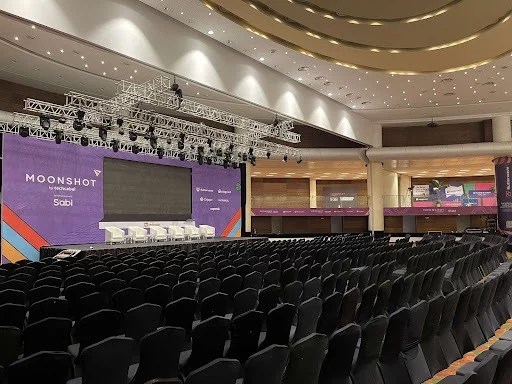
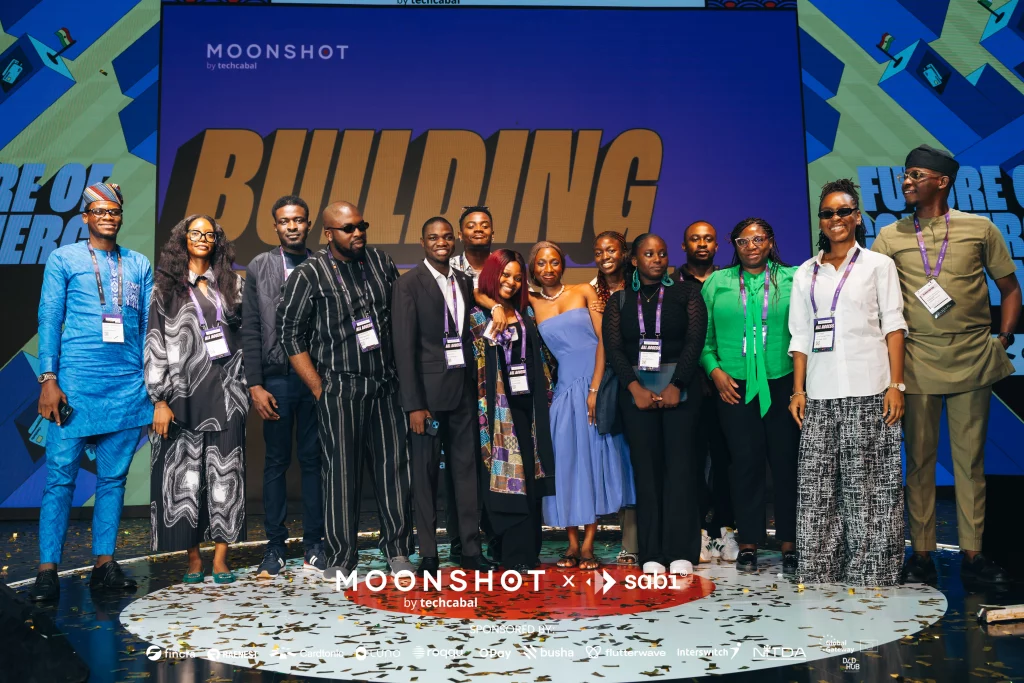
Through Moonshot by TechCabal, TechCabal has brought founders, investors, policymakers, creatives and technology professionals together at the Eko Convention Centre to discuss what Africa is building and what it will take to move it forward. It is a gathering built around the ambitious proposition that the people working on the continent’s future should have opportunities to meet, question one another, exchange ideas and make useful connections.
Naturally, this also involves lanyards. Quite a lot of lanyards.
For Zikoko readers, the connection might seem less obvious at first. Your favourite Love Life instalment and a room full of startup founders do not necessarily look like close relatives. But they belong to the same curious family. At Zikoko, we are interested in how Nigerians live and everyday absurdities that make a life. At TechCabal, the focus turns to the technology and businesses changing the conditions in which those lives unfold.
Both require paying attention to people and depend on audiences who keep showing up because they expect to find something worth their time.
That makes this recognition a welcome moment for the people doing the work across pubs. From the journalists and editors (us!) to the creative and commercial teams, and the people organising the gatherings that bring our communities into the same room.
It also gives us an excuse to thank you.
Every story you read, share, argue with or send to a friend with “this is literally you” helps this work travel. You give our stories an audience and, very often, a second life in the group chat. We know better than to underestimate that institution.
As Eko Hotels celebrates its golden jubilee, we are pleased to have a place in this chapter of its story. We congratulate the team on five decades of welcoming people to Lagos and giving the city somewhere to gather. And we thank them for the Appreciation and Legacy Award presented to our sis, TechCabal.
Fifty years is a lot of history to host. Being invited into the anniversary album? We’ll happily take that.
TechCabal is bringing 7,000 founders, investors, operators, creators, and talent from across Africa and beyond to Moonshot 2026 at the National Theatre in Lagos on October 28 & 29. This is the best opportunity to join the convergence of Africa’s best builders. If you are seeking investors, enterprise partners, cofounders, or your next employer, while hearing directly from some of the continent’s boldest builders. Moonshot is the perfect place to be.
Nigeria’s 2027 general elections are still months away, but the Independent National Electoral Commission (INEC) is already facing questions about who gets to run some of its most sensitive departments. One name at the centre of the latest controversy is Oluyemi Titilayo Adeyemi-Showunmi, an INEC official whose reported redeployment has attracted attention because of her husband’s political activities.
Before we get to why these concerns are valid, let’s start with who Oluyemi Titilayo Adeyemi-Showunmi is.
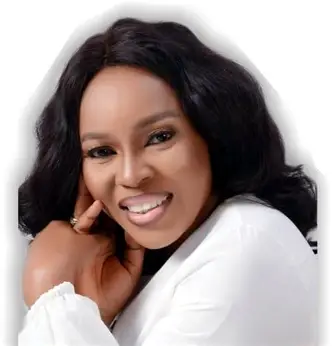
Photo: Citypeopleonline
Who Is Oluyemi Adeyemi-Showunmi?
Oluyemi Titilayo Adeyemi-Showunmi was born on March 23, 1971, in Ibadan, Oyo State, to Samuel Adetuyi Ogunfowora, a clergyman, and his wife. Her family later moved to Abeokuta, Ogun State, where she attended St Bernadette Nursery and Primary School and Abeokuta Girls’ Grammar School.
She studied English Language at Ogun State University, now Olabisi Onabanjo University, Ago-Iwoye, and later obtained a master’s degree in Communication and Language Arts from the University of Ibadan in 2003.
Her career in election administration began during her National Youth Service Corps (NYSC) year in Maiduguri, Borno State, where she served with the then National Electoral Commission. She subsequently joined the commission as an Administrative Officer II and rose through the ranks.
By March 2021, Adeyemi-Showunmi was a deputy director at INEC’s Lagos State office, working in Field Services and Administration. She later served as the Lagos office’s Administrative Secretary.
However, by October 13 2026, reports said she had been redeployed to head INEC’s Electoral Operations Department at its headquarters in Abuja, placing her in a senior role as the commission prepares for the 2027 general elections.
In March 2022, Otunba Showunmi declared his intention to contest for the Ogun State governorship seat in 2023 under the PDP but didn’t clinch the ticket. And then, on April 18 2026, he declared his intention to contest the 2027 governorship election in the state.
Then he decided to follow the path of Nyesom Wike, the Minister of the Federal Capital Territory (FCT). On October 1 2026, he was in the news cycle after publicly expressing support for President Bola Tinubu’s 2027 re-election.
Less than two weeks after his public declaration of support for President Tinubu, the PDP chieftain was included in the media and strategic communication directorate of President Tinubu’s Presidential Campaign Council, ahead of the 2027 general elections.
These political connections of her husband have brought Adeyemi-Showunmi’s new assignment into the spotlight. The debate has centred on whether her husband’s political activities should raise concerns about her role at INEC, and what safeguards the commission has in place to protect its impartiality.
What does her new role involve?
The Electoral Operations Department has a central role in preparing and organising elections. According to reporting on INEC’s election operations, its responsibilities include coordinating the distribution of electoral materials, arranging polling activities, recruiting and training ad hoc election personnel, and supporting the work of collation and returning officers.
The department’s director does not decide election results. Still, the role carries significant responsibility for the logistics and administration that make elections happen across the country.
Adeyemi-Showunmi’s reported redeployment also comes alongside other personnel changes at INEC. Isah Magaji Gummi, who previously headed Electoral Operations, was reportedly moved to the Voter Registry Department, while Dr Lawrence Bayode was identified as head of the commission’s Information and Communication Technology Department.
On October 11, former Vice-President Atiku Abubakar called on INEC to explain the criteria used for the appointments and redeployments. The Human Rights Writers Association of Nigeria (HURIWA) has also asked the commission’s chairman, Professor Joash Amupitan, to clarify the changes and explain the safeguards against political interference.
These concerns have not established that Adeyemi-Showunmi has acted improperly. They have, however, put the commission under pressure to explain how it selected officials for departments that will play important roles in the 2027 elections.
The Big Daily is your weekday shortcut to the biggest news shaping Nigeria. We cut through the noise, connect the dots, and explain why the news actually matters, all in one quick read.
Can her husband’s political activities disqualify her?
The short answer is that marriage to a politically active person does not, by itself, automatically disqualify an INEC official under the provisions of the Electoral Act 2026.
Section 27 of the Act restricts the appointment of a person who belongs to a political party or has openly expressed support for a candidate to perform specified duties connected with an election or voter registration. Section 26 also requires election personnel to swear or affirm that they will discharge their duties impartially, without fear or favour.
These provisions focus on the conduct and political status of the official. They do not expressly say that an official must be disqualified because their spouse belongs to a political party or supports a candidate.
That does not mean concerns about conflicts of interest should be ignored. INEC still has a responsibility to maintain public confidence in its independence and to ensure that its officials follow the rules governing their work. The relevant evidence would include Adeyemi-Showunmi’s own conduct, the criteria for her appointment and the safeguards that apply to decisions made by her department.
Has INEC faced similar controversies before?
INEC has previously faced controversies involving the conduct of its officials during elections. One prominent example occurred in April 2023, when Hudu Yunusa-Ari, then the Resident Electoral Commissioner in Adamawa State, announced Aisha Dahiru Binani of APC as the winner of the state governorship election while collation was still ongoing.
INEC declared the announcement invalid and ordered Yunusa-Ari to stay away from the commission’s office. The commission later filed a six-count charge against him over his conduct during the election.
The Adamawa incident involved an official’s actions during an election, rather than questions about a spouse’s political affiliations. It nevertheless shows how INEC has responded when it considered an official’s conduct a breach of electoral procedure.
The current controversy surrounding Adeyemi-Showunmi has not produced comparable public evidence of misconduct. The focus so far has been on the reported redeployment, her husband’s political activities and the need for INEC to explain its decisions.
What has INEC said?
As of October 20, there is no substantive public explanation from INEC for Adeyemi-Showunmi’s redeployment or the criteria used to select her. HURIWA has called for clarification, while a coalition of civil society organisations has cautioned against treating allegations of political interference or ethnic favouritism as facts without independent evidence.
The commission’s response would help establish whether the changes followed its administrative procedures and what safeguards govern the Electoral Operations Department. It would also give the public a clearer basis for assessing the appointment, rather than relying on speculation about a staff member’s marriage.
As preparations for the 2027 elections continue, INEC will face scrutiny over its personnel, technology, electoral materials and procedures. Explaining how it makes important administrative decisions is one way to show voters that the institution takes its independence seriously.
But until the commission does the needful, we have a couple whose interests are two parallel lines that cannot meet: the husband supports a political party while the wife conducts the elections.
Get More Zikoko Goodness in Your Mail
Subscribe to our newsletters and never miss any of the action
When Arinola’s (36) husband died of lung cancer, just two weeks after she gave birth to their son, she expected his family to support her as she grieved. Instead, they accused her of witchcraft, claimed her son wasn’t her husband’s child, and stripped their home of everything they owned.
This is Arinola’s Story As Told To Sofiyah
My husband, Olu*, was an orphan, and because he was the first son and grandchild in both parents’ families, he had to take on a lot of familial responsibilities before he even turned eighteen. Because of this, everyone began to feel entitled to him, his money, and his time, and I guess that was one of the reasons they began to detest me even before I married him.
As Olu’s girlfriend, I faced a lot of blink-and-you-miss-it passive aggressiveness from his family, especially his siblings. Right from the moment he introduced me to them, I could feel the coldness radiating from them. They acted like I was dirt under their shoes; they would often mispronounce my name and occasionally make snide jokes about me being a mere HnD holder. Around Olu, they were respectful, but when he was out of sight, they would make subtle mockery until I was near tears.
I felt like I couldn’t tell Olu about it because he loved his siblings very much. When I told my mum, she said that was how my father’s siblings had acted towards her before, but now they like her, and she advised me to give them time to get used to me. I listened to her advice and, even in the face of all the meanness, did my best to be nice to his family. That’s something I regret even to this day.
The day after Olu proposed to me, I remember my eldest sister, Lola*, sitting me down in our shared room to tell me to at least get acclimatised to the ways of his household for at least a year before deciding to get pregnant, because I might never know what might happen. Honestly, I should have listened to her instead of getting pregnant three months into our marriage. If I had, maybe Olu’s sudden cancer diagnosis wouldn’t have completely changed my life as it did.
It was lung cancer. Olu had been experiencing some worrying symptoms, like his blood-streaked coughs, and, concerned, I told him to go to the hospital because I thought it was going to be something curable, but he came home and informed me that he had been diagnosed with second-stage lung cancer. I remember being six months along in my pregnancy and going mute for an hour after he told me about his diagnosis. I didn’t want to cry because he was crying, and even though it seemed selfish of me, all I could think about was the fate of our child and me. I’d believed that getting married to Olu would make his family’s hearts soften towards me, but it didn’t work like that. They still hated me, and a part of me already predicted the amount of shege I would endure if Olu’s condition got worse.
From the day we found out about his diagnosis, my perfectly normal life capsized. Suddenly, I was drowning. Before I knew it, his condition got worse, and he had to be at the hospital all the time. All our savings and any little money we had went into his treatments. I became someone who had to beg people for money because Olu’s family, who should have been there for him, kept lying to me, saying they didn’t have any money to give me. They were completely useless and barely visited the hospital. Thank God for people at Olu’s workplace and my family, who kept giving me the money that the hospital requested or else I would have been completely helpless. It’s a shame that all that money we put into ensuring Olu would survive was useless, though, because just two weeks after giving birth to our son, Olu died, and my journey into hell started.
Get More Zikoko Goodness in Your Mail
Subscribe to our newsletters and never miss any of the action
It was like Olu’s family was waiting for their son to die so they could finally express their hatred toward me. My husband’s body was not even cold in the ground; I was still in post-birth pains and grieving the love of my life, who could barely even hold his child before he died. I thought I would be allowed at least two months before family wahala entered the mix, but they didn’t even give me the grace.
After Olu’s burial, his family started accusing me of the most ridiculous things. At first, it was killing my husband, saying that he was completely healthy before I stepped into his life, and how did his condition worsen so quickly? Somehow, they accused me of witchcraft. I was in the throes of Post-Partum Depression, and yet I had to face all those accusations. At the time, my siblings, who would have faced my in-laws head-on, had already relocated abroad, and my parents were honestly just concerned with keeping my child and me alive.
Every day I woke up, there was always someone from Olu’s family in the house. I didn’t even know they had somehow found a way to duplicate our house keys so they could enter whenever they wanted. They expected me, in my state, to cater to them, and when my mum gently reminded them that I’m a new mother who just lost her husband, they would make it about them and ask us if they also didn’t lose someone.
Their mistreatment got worse, and the rumours went from me killing my husband with witchcraft to my son not being Olu’s child because, in their words, he didn’t look like him. They called family meetings on my head and kept telling me to confess to it. I don’t remember a lot of what happened in the months after my husband’s death because I was completely numb to everything. I could barely give my son the attention he deserved in those months, so when they called family meetings, I would just keep quiet and let my mum lead. Every day, it was always a new thing with them, but my mum and I knew they were trying to find something to pin me with because they wanted to take Olu’s properties. I know they were particularly resentful that Olu and I had a large amount of money saved for our son’s upkeep, and that I was the only one who could access it. The thing is, I understand that some families get cruel and greedy after the death of a family member, but the fact that they couldn’t hide it at all? It felt like they were waiting for him to die so they could take all his things and deny my son and me.
The witch hunt continued, and as everything became overwhelming, I decided to visit my aunt, who lived two states away. That was the first time since my husband died that I had anything close to peace, and it was only when I experienced that peace that I allowed myself to mourn my husband. It was genuinely so cathartic, and after crying all the tears I could, I reached a strange sense of acceptance. Maybe that was why, when I got back home a week later to find out that Olu’s family had raided the entire house in my absence, I wasn’t too surprised or angry. They took everything down to the generator, and the only things left in the house were me and my child’s belongings.
I’d already made peace with the fact that they were horrible human beings, and I decided in that moment that people who were capable of causing me more pain when I was already in a dark place do not deserve any attention in my mind. I moved back to my parents’ house, and it was there that I finally had the time to care for my son the way he deserved. I deleted all my in-laws’ contact numbers and focused on healing and finding a job that would sustain me and my child.
A year into living with my parents, my brother, who had already settled down in the United Kingdom, suggested that my son and I come live with him, and he even offered to cover all the bills. I agreed immediately because, frankly, being in Nigeria just constantly reminded me of all the what-could-have-beens with Olu. I needed a fresh start, so I agreed to join him, and in four or five months, my son and I said goodbye to Nigeria.
It has been about eight years since I left the country, and around my fourth year in the UK, my in-laws somehow found my contact number and have been harassing me. They either call to beg for money (which is ridiculous because what money did they put in my hands?) or tell me that they want to see their brother’s son. When I blocked them, they began to harass my parents and even my siblings. It was really pathetic to see them do that, and I was just glad I was no longer in the country, because I know they’re capable of finding me at my house. To me, my in-laws belong to my past, and even though they still occasionally find a way to reach me, I am determined to forget them and the pain they caused me.
Every week, Zikoko spotlights the unfiltered stories of women navigating life, love, identity and everything in between.
What She Said will give women the mic to speak freely, honestly and openly, without shame, about sex, politics, family, survival, and everything else life throws our way.
The subject of today’s #WhatSheSaid is Imoteda Aladekomo, a 40-year-old Lagos-based entrepreneur. She talks about choosing single motherhood at 20, getting kicked out of home for stopping church, reinventing herself from makeup artist to chef, and creating a life around the work, people and pleasures she loves.
Can you tell me about yourself?
I’m Chef Imoteda, a Le Cordon Bleu-trained chef, culinary consultant, and restaurateur, among other things.
My parents named me Adetomi, but it was too damn common a name. One day in secondary school, I flipped it and realised “Imoteda” also means something in Yoruba: “Knowledge of mankind/the people.” It sounded deep to young me, so I started telling everyone that was my name.
You’ve made quite a name for yourself in the culinary world. How do you feel about it all?
When I woke up on the morning of my 40th birthday through to my birthday lunch this year, I kept thinking, “This is comfortable. I feel very at peace, very at ease.” And I was very happy about that. I’ve built a life I’m comfortable in.
What does “comfortable” look like for you?
Being able to get up and do what I want. I’m not a huge travel or designer-buying person. I’m not an adventure junkie, so my life may seem boring, but it’s being able to have a life that’s boring in my way.
I can afford everything I need on a day-to-day basis. I have a great group of friends, a decent number of people I can call on if I ever need anything. I wake up every day and can say, “What do I want to do today?” Then, I do exactly what I want to do that day. It’s a little bit insane to have that much control over my life.
Do you ever think your life could have turned out differently?
Oh, my life could have gone in a million different directions.
I was supposed to get married quite young. Thank God that didn’t happen. I would have had a very miserable life if it had.
Oh, please tell me about that
It’s the usual. I got pregnant early. At exactly 20 years old, actually. I was going to marry the father of my child. He turned out to be abusive, so I didn’t do that. I chose to be a single mum over marrying him; best decision of my life.
He’s six months younger than I am. So, we were both young and dumb. My mum said, “You’re already pregnant. The worst has already happened. Don’t compound it by making it even worse.” Before I decided not to marry him, I wondered why she was saying this. Afterwards, I was like, “You know what? Shout-out to you, Mum. You knew what you were talking about.”
When did you realise he was abusive?
While I was pregnant. I actually remember the day I started planning my exit. I’d fallen, and I remember thinking, “Yeah, I gotta go. This cannot be my life for the rest of my life.”
During pregnancy, when you’re ill, once a woman is vulnerable, the chances of domestic abuse ramp up. Because you’re somewhat dependent on someone for your well-being, you start to really see the cracks. We would argue a lot. Before I got pregnant, we were fine, but after, things started happening.
What was the first thing you remember happening?
I remember we were talking about teaching our baby French versus Spanish.
I’ve never liked French. Even though everybody says it’s the language of love, to me it’s very guttural. I’d said I wanted our child to learn Spanish because I love Spanish. And he went on about how I’m so stupid, why would I want her to speak Spanish as opposed to French, when French is a more universal language.
I remember sitting there like, “I know this guy didn’t just call me stupid because I said I prefer Spanish to French. From where to where?” I was like, “Hmm, okay. I’m going to put a pin in that and think about it later.”
And then, it became a constant in our conversations. I’d have an opinion on something, and he’d immediately want to call it stupid or silly or frivolous. I was like, “Okay, yeah, all right. Pack it up. Pack it up. Pack it up. This can’t be my life.”
What was life like after leaving him?
My parents really supported my daughter and me so we could live a decent life. They had plenty of say in the way she was raised. But there were a lot of decisions I made that disappointed my dad.
I pulled my daughter out of the school he wanted her to attend because I didn’t like the way they treated her, and he got really upset about that.
I can imagine
Another thing that disappointed him was when I stopped going to church.
We got into a fight, and he kicked me out of the house for that. I was in my late 20s by then. I’m completely irreligious now, but my mum’s a reverend, so I do go to church occasionally to support her. She’s a chaplain of a Methodist church, and I’m very proud of her. I like calling her “Reverend”.
My dad is very involved in the church, too. He’s quite religious.
Did the church treat you differently because you were a young single mum?
I feel like there’s always supposed to be a dramatic reason somebody deviates from the church, but there really wasn’t one for me. Church was actually fine. When I got pregnant, my dad gave a testimony. When the father of a child comes up in front of the entire church and says, “Thank God for my child’s pregnancy,” you’re not coming to tell the child nonsense.
And my dad isn’t someone people generally want to mess with. When he did that, it let everybody know, “This thing has happened o, but don’t get it twisted. This is still my child.”
Even though he did later kick you out for this same church… that was so cool!
Haha. I love that he did that.
My parents covered me a lot with friends and family, too. One of my uncles called me on the phone one time and was like, “You know, if your parents won’t tell you that they’re ashamed of you, I’ll tell you for them.”
I told my mum, and she was so upset. She said, “First of all, what’s his business? Secondly, does he think I don’t have a mouth? Who is he to tell you that we’re ashamed of you?”
I’ll forever be thankful to my parents because they set the tone for how people should treat me within the family. It didn’t really translate to outside the family, but at least within, I was covered.
What was it like outside the family?
Nigerians treat becoming a single mum like the worst thing in the world. It’s unfortunate, very cliché, but very true.
There was a lot of “You’ve ruined your life”. Even my friends said it when I was pregnant. I remember one ex of mine really wanted me to get an abortion. And I was just like, “You’re not even the father of the child. Why is it doing you?”
What would surprise that Imoteda most about her life now, at 40?
I’d be surprised that I wasn’t still a makeup artist. That would shock 20-year-old me!
I used to be a proper makeup artist. I had big plans of opening my own studio, makeup line and all these other things. I used to do film, television, blood and guts, all that kind of stuff. It’s kind of crazy that I no longer do that at all. I rarely even wear makeup nowadays.
Why did you stop?
I just fell in love with cooking a little bit more.
I think one of the greatest pleasures of growing older is you see so many versions of your life come and go. Even as recently as last year, I was working at a restaurant I really loved and thought I’d be at for a long time. Then all of that scattered, and I was super heartbroken.
What did you do?
I opened my own restaurant.
I was already in the process of building Fired and Iced when I had to leave the restaurant I worked at. The plan had always been to manage Fired and Iced alongside the other restaurant. Suddenly, Fired and Iced went from this thing I was building in my spare time, that I could take my time with, to something that needed to be up and running right away because I had nothing else going on at the time.
Obviously, that put a lot of pressure on me to make it work very quickly.
What was the hardest part?
The major hit I took was financial. I lived on location at the other restaurant, and my daughter had a room in my brother’s house, so I didn’t have to pay rent. Which was great because who wants to pay rent in Lagos? I also had a salary, which was great because, you know, a little money in my pocket.
I went from having a regular income to not having any money. And I’ve never been a savings babe, so I was waiting for this thing I was building to come up and make me money.
I also had to find a place to live in three weeks, which, if you know Lagos, is almost impossible. But I found a lovely affordable four-bedroom by sheer luck, and moved in with my daughter right in time to be evicted from the restaurant.
After all that financial uncertainty, when did you finally start feeling secure again?
I’ve felt the most financially independent on my 40th birthday.
I put together two birthday parties. I paid for everything on my own. Nobody from my family gave me money. I didn’t ask anybody for money. I wasn’t really carrying anyone but my sister along with me on the plans. I just told everybody else, “Be here at this time. Be here at that time.”
And it was big.
Jesus, parties are expensive! You do not want to know how much I spent. I was going to do a reel where I broke down the cost, and then I said, “If I put this thing online, people will come and rob me.” In fact, as we’re on this call, I just paid off the balance to somebody who did some printing.
Must’ve felt bittersweet
Well…
I bloomed a little later in life. I know people my age who’ve been paying their siblings’ school fees for years and all that kind of stuff. But even when I was on my own, my family still supported me for a long time. If we’re having a family dinner and I mention, “Oh, I have to pay rent,” my dad would send me some money, or my brothers would help. My sister and I basically share a bank account.
But when my daughter recently started college, people contributed what they could, but I paid the tuition and rent. I took care of almost everything. I was very happy that I could do that, that I had the finances to. More and more lately, I’ve felt in control of my life and finances in a way that, God forbid, if anything happened to everybody around me, I know I could still stand on my own.
You’ve made a living doing things you genuinely enjoy. Have people always taken that seriously?
Not always. People assumed that because I was a makeup artist, I was probably this uneducated, down-on-her-luck babe who couldn’t do anything else. I still get that as a chef.
But choices don’t exist in isolation, and you can’t constantly make them based on how you’ll be perceived. Let them drag me on X, but my feminism is about having the choice to do the things I want to do when I want to do them. It’s not about fulfilling a particular role. I’m not a girlboss or a mother or anything but whatever I want to be that day when I wake up.
What does that freedom to choose look like in real life?
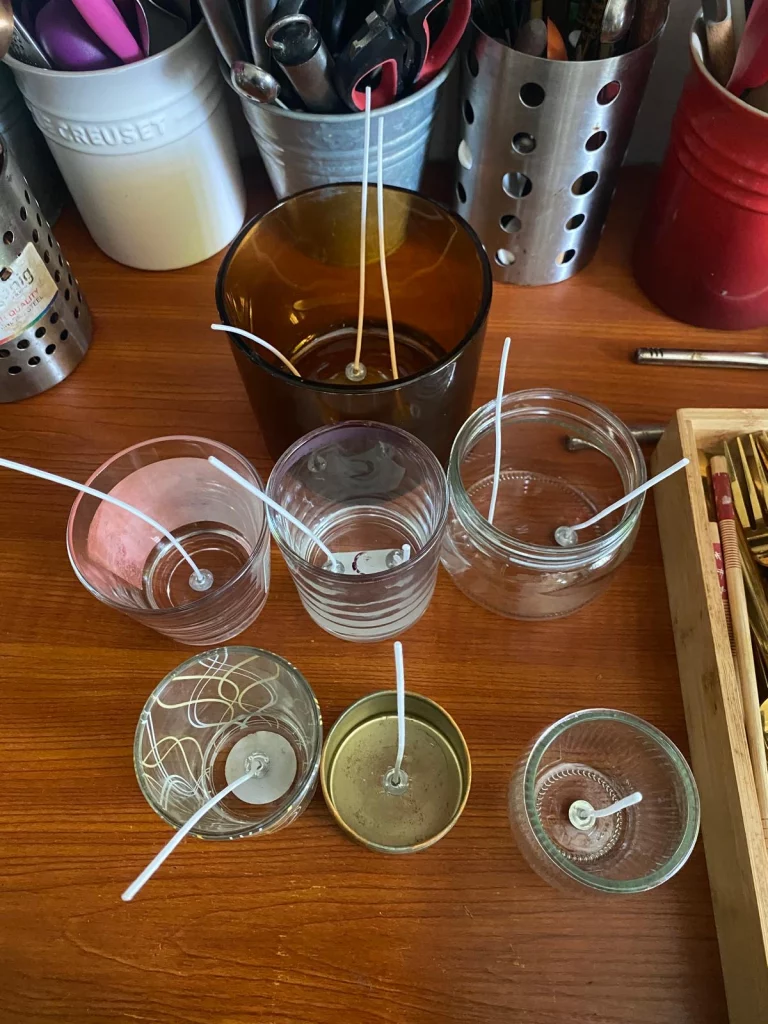
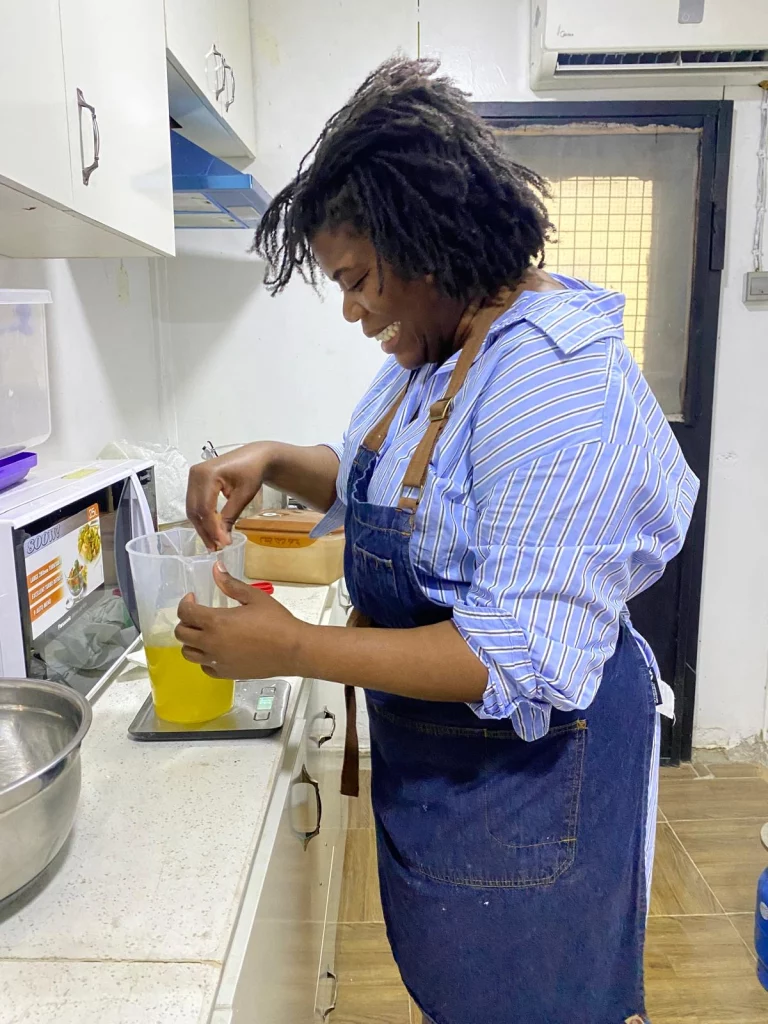
I’ve always loved working with my hands, so I always knew that the things I’d do in life would involve that. During the COVID-19 lockdown. I could no longer buy fancy imported candles, and I wanted fancy imported candles. So I started making candles for myself at home and eventually gifting some to friends who were like, “Oh, we would pay good money for this.”
Then I started selling them.
Just like that?
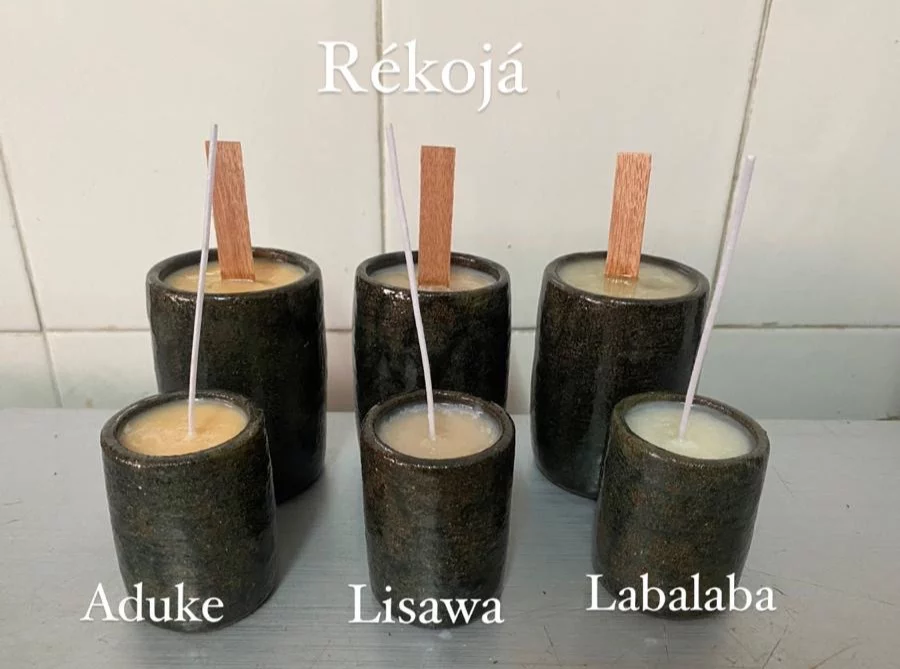
Yes. And that has turned into Rekoja, my home fragrance brand. It’s the one thing that’s a bit surprising to me.
Another example: I regularly host my circle for house dinners. I don’t do this because I’m a woman. I host because I love having a house full of people. I love cooking for them, even though I know I’ll be stressed and cranky for the first 20 minutes until I get all my drinks in me and become normal again.
When I get tired of hosting, I simply stop.
And your people respect that
Sometimes, I’ll have friends over and, at some point, just announce, “I’m in my room. Bye.” I’m not kicking anybody out of my house, but I want to be in bed, so I’m going to bed.
One day, I messaged my friend group and said, “I want a meat night. I just want us to be eating meat.” So I made sausages, lamb chops and duck breasts, everybody brought something, and we had this table full of meat. While I was cooking, one of my friends stood at the kitchen door because she knows I hate having people in my space when I cook but she likes watching me cook. I said, “As long as you’re not in my space, that’s cool.”
Boundaries
That’s why building community is important. When you’re surrounded by people who aren’t forcing expectations on you, you don’t have to worry about being perceived as just a homemaker. Your people learn you.
And if it’s people outside your community judging you, why do you care? I don’t care what an X user has to say about my life.
Has living life on your own terms always been important to you?
When I die, the one thing I want people to say is that I happened aggressively to life. Life did not happen to me. I happened to life.
It’s so important to me that I’m not just accepting the things life throws at me. I have to be fully, actively in charge of my life and making decisions. Otherwise, why do I have a brain? How am I alive? I think that’s one of the things I struggle with when it comes to religion; the idea that I’m not in charge of my life. But I kind of am. I must be. Who else could be in charge of my life if not me?
I remember one of my exes saying, “You just cannot go with the flow.” And I said, “No. Where are we flowing to? What direction is the river moving? I need to know.” I can ride and die with you, but I want to know why we have to ride and why we have to die. Let me understand.
Speaking of relationships, you almost got married at 20. At 40, is marriage something you still want for yourself?
No.
First, I want to preface this by saying I’m a grown woman, so I do be having companions.
I’m constantly surrounded by people I love and who love me in return. I go on dates, meet people and have had long-term lovers. I have a very full life in every direction. If I don’t want to be alone tonight, I have somebody I can call. If I want to be alone, I can go to my room, close the door and not answer my phone.
Options
Having a full friend group helps even more. My sister is my best friend. My sister and I are one. We constantly have things we’re doing together.
I’m very close to my family. I spent an entire Sunday with them recently when I’d only planned to visit for two hours. Next thing, we’d eaten breakfast, eaten lunch and were ordering dinner. I was like, “Come on, guys. I was just here to visit!” But it was fantastic because I love spending time with them.
But what about love?
Listen, I love love. You can ask my sister. You will not find anybody willing to be stupider for love than me. I love romance and everything that comes with it, but I also know that I wouldn’t die without it. Would I love to never find somebody to spend the rest of my life with? No. But I’m okay with that possibility.
How do you reconcile wanting love with being unwilling to marry?
I’ve been in situations where I’ve had to ask myself, “Am I willing to do this for this person?” And the answer has always been, “No. I love you, but no.” I still care about you deeply, but that’s never going to be a choice for me.
My financial independence makes it easier. I can look at somebody and say, “You’re not fulfilling my emotional needs, so I’m going to leave,” instead of having to think about him before I can buy menstrual pads or food. But there’s another side to it that I don’t think a lot of men appreciate. If you’re in my space, it’s because I want you in my space.
That’s true
A lover recently told me I act like I don’t even care if he’s around or not. I said, “You’re currently in my house. How many people have my address?”
I don’t invite just anybody into my home. The people I allow into my space are people I love deeply. I don’t need you to pay my bills or spoil me. I’m not particularly interested in designer things, so you’re not buying me Prada, Gucci or Louis Vuitton. And because I’m not looking for marriage, there’s no pressure of, “Oh, I’m 40 years old, I must marry now.”
I think more men should be flattered by that.
Your life is already full of family, work and community. What could a romantic partner add to it?
Those can never replace romantic love. There’s an intimacy you get from it that you don’t get from friendships. The casual physicality of being with somebody, the little brushes when you pass each other in the kitchen, lying down together and cuddling. I love cuddling.
I’m not somebody who generally likes people touching me, so I don’t want to replicate that with my friends. It’s a very specific kind of intimacy that comes with being romantically in love with someone.
And orgasms, please.
Orgasms are very important!
And I’m not particularly a self-pleasure person. I like sex with people.
I also like the conversations you have with a romantic partner, the whispering of sweet nothings, lying in bed and just looking at each other with love. I love that stuff.
If marriage isn’t your goal, do you still enter relationships hoping they’ll last forever?
Yes, and I’m very honest about marriage. I have that conversation early.
I’ve had a relationship I genuinely wanted to last forever, but he couldn’t accept that marriage wasn’t something I wanted. It wasn’t a relationship he felt he could take home to his parents, so that ended. Generally, when I’m dating somebody, I ask myself, “If this is the person I’m with forever, would I be happy?” If the answer is yes, fantastic. Let’s go.
When was the last time you had an ordinary moment when you were proud of the life you’ve built?
This is a great question because I actually have a moment.
One Sunday, I had something work-related to attend, and afterwards, I was rushing to a birthday party. I got dressed in a hurry, didn’t even do my makeup, and was taking out my hair in the car because I thought I was late. The party was supposed to start at 7:30 p.m. I got there around 8:10, and nobody was there. Nobody! I was like, “Oh God, Lagos has fooled me again. I’m early.”
African time!
I turned around, went back home, took off my clothes and sat on my bed for a little bit. Then I realised, “Wait, I’m early. I don’t have to rush.”
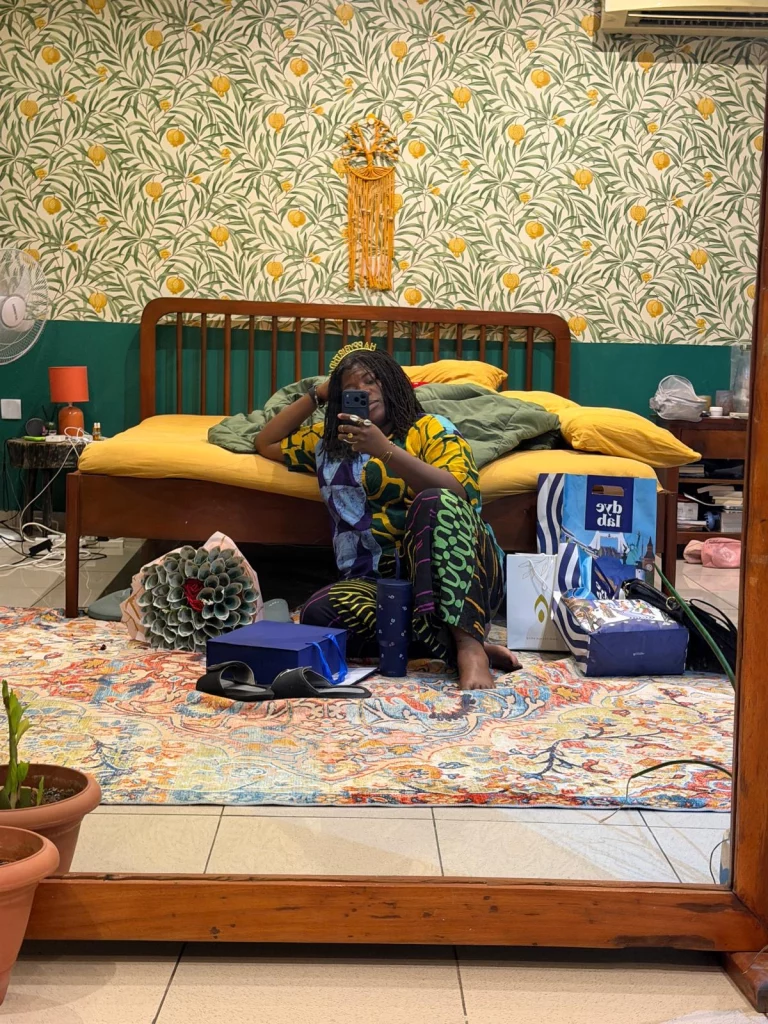
I lay down and started looking around my room. You know when you spend so much time in a space that you never really look at it? I looked at my wallpaper, my bedside lamp, my curtains, my flowers, even the mess on my floor. And I was like, “Oh my God, this is such a nice room.”
I picked everything myself. I picked my bed and had it made. I chose the mirror, the wallpaper, everything. My room is loud. But it’s a space I’ve created for myself, and it looks like me. You walk in and you’re like, “Yep, this is exactly the kind of room I’d expect you to have.” It looks like me, it feels like me, and it’s as cold as I want it to be.
And I just lay there thinking, “Look at you, Imoteda. You’ve built a life that’s perfect. Your room is perfect.”
Sometimes, I look at myself and think I behave like I’m rich when I’m not, especially with the amount of electricity credit I keep buying. But at that moment, I was just so happy. I realised that in a few minutes, I was going to get up, put my clothes back on, do my makeup and go party all night with my friends on a Sunday, a school night, simply because I could.
Who was going to tell me to go to bed?
It’s the small things
The party wasn’t even the point. I was just lying in my room, looking at this space I’d made for myself, and thinking, “This is my life, and my life is good. This is a great life.”
I’m actually happy thinking about it again because I was so happy at that moment. It made me realise that I’d built this life brick by brick. Of course, I have my loving family, but this wasn’t about them. This was about me.
Why is having a space that’s entirely yours so important?
It’s interesting because my mum actually had a room of her own when we were younger. My parents shared a bedroom, but she also had another room that was supposed to be just for her. Somewhere she could keep her knick-knacks, sew or do whatever she wanted.
Somehow, that room ended up becoming a store. There was a bed in it and everything, but it still became a space for the family. Even the room that was supposed to be hers ended up not being for her.
I think having a room of your own as a woman is actually super important.
And what would you say to someone who thinks choosing yourself is selfish?
I only ever have one answer: I’m in my house. Come and beat me.
You think I’m selfish? Come and beat me in my house. You think I’m making the wrong choices? I’m in my house, and you can’t beat me. Even if it is selfish, I’ve made my choice.
I’m in my house. Come and beat me.
Someone you know has left or is planning to leave. 1,000 Ways to Japa speaks to real people and explores the endless reasons and paths they take to japa.
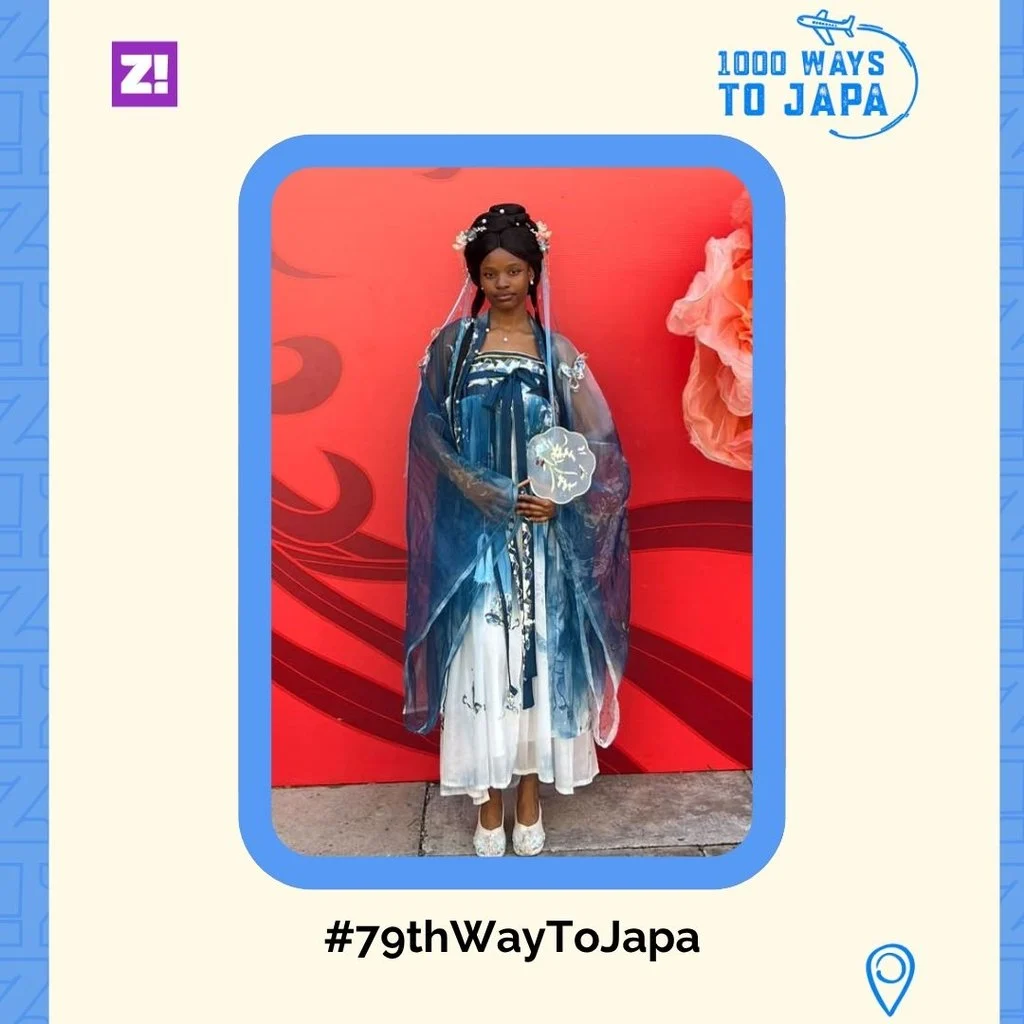
Gift Ujunwa is a computer science student in China who left Nigeria in September 2024, after a visa rejection nearly made her give up on studying abroad. In this interview, she explains how a YouTube video led her to China, how her scholarship works, what she spent it on, the documents she used, and what life is really like there.
Where are you based now, and when did you leave Nigeria?
I left Nigeria in September 2024, and I currently live in Taizhou City, China.
Have you always wanted to study abroad?
Always. Since primary school! I come from an average home, so I felt like people who travel abroad needed a whole lot of money, and it felt impossible. But I knew God was going to do it, even though you still have to work towards it. Even when everything wasn’t working out, my mom just knew I wasn’t meant to go to a Nigerian university, so she told me to keep focusing on what I’d wanted from when I was small.
Okay, so what were you doing before you left?
I graduated from secondary school in 2020. Like many people, I wanted the US, the UK or Canada, because that’s where most of my friends were going. I completed a diploma course in public relations and took the IELTS, TOEFL, and SAT. I applied to schools in the US, the UK, and Canada and was admitted to different schools. Then one of the countries rejected my visa.
Want to share your japa story? Please reach out to me here.
Wait, did you ever try Nigerian universities?
I did. I wrote JAMB twice. The first time, I was admitted to the University of Nigeria, Nsukka (UNN) for mechatronics engineering, but I forfeited it because I already had admissions to those three countries, and my agent assured me the visa would work out. It backfired, and by the time I realised, the post-UTME writing window had passed. The second time, I wrote JAMB while preparing for SAT and TOEFL again; I passed and applied to the University of Lagos (Unilag) because it was closer to home. But right before my post-UTME, the plan to travel abroad got the green light again, so I dropped it and focused entirely on that. It didn’t work out again, and I was actually planning to write JAMB a third time when the idea of going to China came up.
Oof! How did China even come into the picture?
I think it was Canada that rejected my visa, and most of my money wasn’t refunded. You know how much we spend trying to travel out. I was shattered, and honestly, I had given up. Then I was scrolling through YouTube and saw a lady studying in China talking about how easy it is to get in. I got interested.
My mom had actually suggested Asia before that, but my mind was totally on the US, UK and Canada, so I didn’t buy it. I’d never thought about Asia at all. If someone had asked me whether I wanted to study in China, I’d have asked, “Do they even study there? Do international students go there?” I just thought it was a business country. But I started doing my research, then messaged the lady from the video to tell her what I was going through and how I got rejected. She told me China has many admission opportunities and scholarships. I’m not someone who jumps into things without research. I always want at least 70% knowledge, even if I’m going to use an agent.
How did your parents react?
My mom said Asia wasn’t a bad idea, but when I told her it was China, she began to worry in the usual way that African parents do; She asked “How well can we trust this person you saw to guide you?” But for me, this was my last result. If it didn’t work out, I wasn’t going to try again.
My dad didn’t know. After the whole European thing fell through, he took the travel talk off the table.
During my research, I also found out that international students aren’t legally allowed to work in China, which would have been a red flag for him. So I couldn’t even tell him China was an option. I focused on my mom, and she assisted and encouraged me throughout the whole process.
Love that for you! So how did you choose your course and school?
I wasn’t even picky about the course. At that point, it was anything to take me out of Nigeria. But I wanted something easy, because studying in Asia is already difficult due to the food and the language; even though my course is taught in English, the teachers’ accents are hard to follow. I didn’t want a difficult course on top of all that. I’m a science student, so computer science was cool.
I told my agent the courses I was open to, including computer science, and she applied to computer science at about three schools. I got pre-admission letters, narrowed it down to two, and picked the one with a full freshman scholarship and the chance to apply for a continuous scholarship from my second year. Then I paid a deposit to the school and secured my admission. I’d rather not share the name of the school, though. It’s not like they pay me for adverts.
What made China beat the US and UK for you?
The scholarships in the other countries weren’t very good. Here, my tuition and accommodation would be free, and from my second year, if my academic performance was okay, I could apply for a continuous scholarship and even get paid monthly like other students. The exchange rate also helped. If my mom is sending me ₦100,000 for the US, UK or Canada, it’s not even up to $100. China’s rate was ₦208, so what my parents send from home still sustains me for a long time.
Okay, let’s talk money. What did you actually pay to apply?
I worked with an agent, and everything was in one package: her service charge, the application fee, documents I didn’t have, and the whole visa process. You pay 50% upfront before she starts anything, and then the remaining 50% after you get your pre-admission letter and you’re okay with it. I won’t call out her price because it changes with time. The application fee is usually around 400-800 RMB, depending on the school and its location.
After receiving the pre-admission letter, I paid the following deposits at the school: medical insurance, residence permit (visa extension), and room deposit. Those four things cost me about 3,000 RMB. After that, I got my admission letter.
Wow, which documents did you submit, and how long did it take?
Everything was online. I submitted my passport, medical report, police character certificate, admission letter, JW201 (the visa application form), birth certificates, and a few other things.
Some of the documents needed authentication and legalisation by the embassy in Nigeria. For example, the Ministry of Education authenticates your WAEC results, and your police character certificate has to be legalised. It’s not impossible, and it’s actually very easy.
I didn’t have to do an interview at all, which was unlike my experience in Canada, the US, and the UK. I used an agent, but I did a lot of the work too because I like following up on whatever someone is doing for me.
The Big Daily is your weekday shortcut to the biggest news shaping Nigeria. We cut through the noise, connect the dots, and explain why the news actually matters, all in one quick read.
Yes, she was! Shout-out to her. She’s been in this for the longest time and was very professional, so there were no mistakes on my end or hers.
Do you really need an agent to apply to Chinese universities?
If you’re coming to Asia, yes. It’s very stressful to apply on your own. A lot of these schools don’t put all their information, or even their scholarship opportunities, on their website, and most of them give scholarship slots to agents. It’s easier to get in through an agent, and the websites can be in Chinese, so you’d need a translator to navigate them.
Okay, tell me everything about this scholarship. How does it work?
I can only speak for my school, because every school’s scholarship is different. China has the CSC scholarship, which is awarded by the government. It’s very competitive, and you need some level of Chinese to get it. Mine is a university merit-based scholarship.
You come in with a freshman scholarship that covers your tuition and accommodation. In your second year, they evaluate your first-year performance: your CGPA, your certificates, competitions you’ve won, your contribution to the school and your attendance rate. You must have about 96% attendance, because China takes attendance really seriously, and it affects your visa extension, since we renew our visas every year. You also must not have received a punishment letter or violated any rule or law in China.
If you qualify, you pay about 8,000 RMB to apply for the continuous scholarship, which has four categories. Type A goes to about 5% of the class; you get free tuition, free accommodation and a stipend of 10000 RMB for the entire year, and your 8,000 RMB gets refunded to you.
Type B receives free tuition, free accommodation, and a stipend of about 2,800 RMB per year, with 4,000 RMB refunded to you.
Type C gets free tuition and accommodation, and they refund 2,000 of the 8,000 you paid. Type D gets no refund of the 8,000.
That’s so helpful. What did you pack for China?
I’d been watching packing videos since I was preparing to move to the US, the UK, and Canada. For China, many people say not to bring clothes because you can buy them there. Bring food, your traditional foodstuffs, because it’s an entirely different continent. It’s not like Europe, where things are similar. The food and culture are totally different. So I mostly packed foodstuffs. I also made a video about it on my YouTube channel.
Okay, first week in China. What shocked you?
The first thing was how coordinated and safe everything was. I landed in Beijing very late, left my boxes outside the train station at midnight, went in to buy a ticket, and came back to find them untouched. In Nigeria, someone would have carried that box. You can leave your phone outside and come back to find it.
Second was the black celebrity lifestyle. People were fascinated by my hairstyle and my skin colour and wanted to take pictures with me, with or without permission. Some are curious about your culture, and some are trying to mock you for your complexion, so you have to learn to tell the difference. I didn’t know that at first, so I thought everybody loved me and gave that energy back!
Then the food. I couldn’t find anything edible in my first week. Thankfully, I had my agent in China, so I ate at her place for the first few days. There’s also the spitting culture. Chinese people spit everywhere and anywhere, and I find that disgusting. Also, pit toilets are almost everywhere, so you have to get used to them.
Get More Zikoko Goodness in Your Mail
Subscribe to our newsletters and never miss any of the action
Did you have to learn Chinese?
No, that’s the one thing many people ask me. I tried learning a few basic greetings on Duolingo, but they weren’t very useful when I came. There’s a translation app, and people who work in places where you might need help also have one because they’re expecting foreigners. It’s not compulsory to learn Chinese to apply or to study here.
Aww, did you find a community there?
Easily. People think there aren’t lots of Africans in China, but there are plenty. There’s nowhere you go that you won’t meet Nigerians. Sometimes it feels like home! The only thing you don’t have is your country’s food.
What do you not love about living there?
Honestly, I don’t have many things I hate. But the visa renewal every year is one. In the US, you get your visa for the four years of your study, but here we renew every year, so what if I mess up academically next year? It affects my visa, and any little mistake can get you sent back.
I also don’t like that students can’t work, even on a scholarship. You submit a bank statement showing you can fund yourself, but you still just assume that studying abroad means you can work, like in the US.
There’s some racism here. I haven’t experienced much of it firsthand, but I have friends who have, and we can’t really speak about it because our voices are monitored.
Is it expensive? How are you funding life there?
My city is not very big, so it’s not as expensive as Shanghai or Beijing. If you’re coming to study in China, have a sponsor or a financial backbone back home, because you cannot work here. You can only do things like run a business, import and export, or work as a study agent. That’s why they ask for proof of funds, even if you’re on scholarship.
I’m an overseas communication officer for my school, so sometimes I attend government events and get paid. It doesn’t happen every time. I also work as an agent helping students come to China, and I create content.
Oh wow, can you stay in China after you graduate?
That’s another downside. There’s no permanent residence and no green card, even if you marry a Chinese person. You have to keep renewing your visa every year, and you need a reason to be here: studying or working. For a work permit, you need a company that’s willing to hire you, or you register your own business, and then you keep renewing. Registering a business costs about 20,000 RMB.
If your visa expires, you have to leave or extend it before it does, because you’ll be fined about 500 RMB per day for an illegal stay. So when I finish, I’m either furthering my education, staying to have something that keeps me here, or going back home.
Do you miss Nigeria?
Of course. I’m Nigerian! I miss the food, the culture, my family, and travelling home for Christmas because I’m an Igbo girl. I don’t have many friends in Nigeria, but I miss the few I have.
I also miss the lifestyle, even entering public transport and hearing the conductors. If I could come back for two days, not even a week, I’d eat, see my family, pack enough food and return to China. Nigeria isn’t safe, and from what I’m seeing on social media, it’s even scarier to want to go back.
If someone wanted to follow your exact route, what would you tell them?
China has changed some of its education system since I came. For undergraduates, scholarships are now harder to get because you need to write an exam called the China Scholastic Competency Assessment (CSCA). If you don’t want to write it, you can go through a foundation program, which is always paid and has no scholarships. You pay for a one-year foundation program that teaches you what you need for the exam, and then you write it here before you can apply. Master’s students don’t need to write this exam.
Schools are also getting stricter with how many students they admit and who gets scholarships. My school no longer gives the kind of scholarship it gave in my time, because they realised many students were unserious, and the school is held responsible for whatever happens to an international student, including being fined if one fails a course. So I’d advise a very good O-level result, and for a master’s, a bachelor’s degree with a very good result.
My one piece of advice is to have money and someone you can rely on for financial help. Aside from that, you’re welcome to come, because it’s a very good place to study. Not everything is about the US, UK, and Canada. I realised that when I came here.
Now the good stuff. What do you love most about living in China?
Safety, number one. I’ve never felt this safe in Nigeria. You can go out at any time. I also love the academic system because it makes students serious, especially with the attendance rule. It’s made me learn to study on my own, because most of the time I don’t understand what I’m taught in class.
China is also very clean, and your conscience won’t let you throw things on the floor as I would in Nigeria. The technology is great, and we can order almost anything online, including fresh food and appliances, and it comes to your location without anyone taking your property.
The dorm is standard and very conducive to learning, compared to the one I stayed in at my best friend’s school in Nigeria. And the teachers are nice, although some of them might be a little bit racist, but they don’t let it affect your studies.
Okay, final question. On a scale of one to ten, how would you rate your life in China right now?
Eight. Maybe 8.5! A solid 8.5. I’m not stressed like I’d be in Nigeria, panicking about meeting up with a lecturer who doesn’t like me. The lifestyle is smooth, and there’s no peer pressure. You could wear one shoe for a whole month, and nobody would ask. You don’t need a car, or even a bicycle, because there are public bikes you can scan, pay a little, and ride. The cost of living isn’t high, and if I got the chance to come back after my studies, I would. And if I had more money than I do now, it would be an 11 out of 10. So, have money, and you’ll enjoy your life.
GridLocked is a daily pop culture guessing game built for Nigerians. Every weekday by 9am, you’ll get six clues, sixty seconds, and an answer only a Nigerian would know.
Today’s GridLocked is a book.
How many clues do you need to get it right? 👀
Share your result when done, but don’t spoil the answer for others. (Missed the last GridLocked? Play it here.)
22 OCTOBER 2026
Guess The Book01:00
Title
Guesses: 0
00:00
How To Play
The Goal: Guess the answer for the day before time runs out. (The answer could be a person, place, song, movie, or even slang.)
The Lock: You cannot type a guess until you have revealed at least one tile.
The Reveal: Tap any tile to reveal a clue. Every clue on the grid describes the answer for the day.
The Clock: You have 60 seconds to guess right. The timer starts the moment you flip your first tile. (You get multiple guesses.)
The Score: ⬜ (White) = A tile you flipped 🟪 (Purple) = A tile you kept hidden.
Best Result = ⬜🟪🟪🟪🟪🟪 | Guesses: 1 (Only needed one clue and one guess to get it right)
Come back every weekday by 9am for a new grid or subscribe to Z Daily, Zikoko’s daily newsletter, to get new GridLocked puzzles, real Nigerian stories and other fun content in your inbox.
How to Play GridLocked
The Goal: Guess the answer for the day before time runs out. (The answer could be a Nigerian person, place, song, movie, or even slang.)
The Lock: You cannot type a guess until you have revealed at least one tile (clue).
The Reveal: Tap any tile to reveal a clue. Every clue describes the answer for the day. The fewer tiles you flip, the better.
The Clock: You have 60 seconds to guess right. The timer starts the moment you flip your first tile. (You get multiple guesses.)
The GridLocked Squares: What Do They Mean?
When the game ends, you see your guess count, total time spent, and the number of tiles flipped. The tiles are shown as white and purple squares.
⬜ (White) = A tile you flipped
🟪 (Purple) = A tile you left closed
The fewer white tiles you have, the better your result.
Best Result = ⬜🟪🟪🟪🟪🟪 | Guesses: 1 (Only needed oneclue and oneguess to get it right)
There’s only so much you can learn about someone just by hanging out with them. Sometimes, stepping into their home reveals things they’d never think to tell you.
We asked Nigerians to share the strangest things they’ve encountered while visiting other people’s homes, and their stories will have you exhausting your “God abeg” subscription bundle.
“They almost brought me into their cult” — Mosope* 23
My late dad’s distant cousin had been asking me to visit for a while, so my mum finally agreed to let me stay over during my mid-term break. Everything seemed normal until dinner, when all five of them closed their eyes and started humming in unison instead of praying.
I was confused so the father later explained that this was how they connected with God in their religion. He also told me how his “spiritual eye” had revealed that he’d been a wealthy European in a past life. I was so creeped out that I counted down the days until I could return to school. Once I got back, I told my mum everything. She made sure I never had to sleep over at their house again.
“His grandmother walked around naked” — Samuel*, 28
I once visited a friend’s family, and everything seemed fine until his grandmother walked into the parlour topless, wearing only a loose wrapper around her waist. I was shocked because I’d never seen anything like that. I expected my friend to notice my discomfort, but he greeted his grandmother as if it were completely normal. His mum even brought me food, and everyone carried on as usual.
When I eventually brought it up with my friend, he explained that his grandmother sometimes refused to wear clothes and threw tantrums whenever they tried to dress her. They’d learnt to manage her that way. I understood, but it was still odd to let strangers witness it.
“They kept a chicken as a pet” — Esther*, 29
I once visited a colleague’s house and found her toddler chasing a chicken around the house. I initially thought it was some special breed of chicken, but my colleague explained that it was just a regular chicken her daughter had grown attached to. She would cry until they let it into the house, so they eventually gave in.
I had so many questions. Did the chicken sleep in the room? How did they manage the mess? It kept littering the floor while I was there, and I couldn’t imagine sharing a house with it. I found the arrangement funny but also odd; there’s really nothing Gen-Z parents won’t do. Sadly, my colleague told me the chicken died of pneumonia some weeks later.
Get More Zikoko Goodness in Your Mail
Subscribe to our newsletters and never miss any of the action
“His dad had a statue of himself”— Patrick*, 24
A friend from uni once invited me to his house during the holidays. He had always joked that nobody loved himself more than his dad, and I understood why as soon as I arrived. The living room had pillows printed with his dad’s face, pictures of him everywhere and figurines modelled after him. The one family portrait sat tucked away in a corner.
Then I stumbled on a human-shaped figure upstairs and nearly jumped out of my skin. On closer inspection, I realised it was another statue of his dad. I’d like to believe it was a gift because the thought of someone being that self-obsessed creeps me out.
“They didn’t let children on the dining table” — Caro*, 26
One Christmas, I visited a friend’s family home, where several generations had gathered. I noticed that the children were eating on the floor, right beside an empty dining table. It seemed rather odd, so I asked one of them why.
She explained that only adults could eat at the dining table and that she wouldn’t be allowed to sit there until she got into university. I was uncomfortable, but I kept quiet because I didn’t want to upset my friend. I felt bad and thought about it for days.
“A cow head helped them pray to God” — Faidat* 26
I was in SS2 when I visited a friend and went to use the outdoor toilet at the back of the house. On my way there, I stumbled on what looked like a cow’s or ram’s head mounted on a stand. It was smeared with what looked like palm oil or blood. The sight was so black and scary that I couldn’t even bring myself to look at it properly. I sprinted back inside and made an excuse to leave.
When I saw my friend at school later, I stylishly asked what the object was for. She told me her family prayed to it because it helped guide their prayers to God. It was a shocking discovery to say the least.
“They fed me snake meat” — Shehu*, 49
A few years ago, I visited an old friend in Niger State. He had always invited me over and promised to take good care of me, and he lived up to that promise. The food was delicious, especially the fish he served me when I arrived. I enjoyed it so much that when he served it again the next day, I asked how they prepared it. It was unusually soft and succulent.
That was when he revealed it was snake meat. I immediately started retching. I’m Muslim, so eating snake is haram, and he knew this. I was also surprised because I wasn’t familiar with people eating snakes in that part of the North. After that experience, I became much more intentional about what I put in my mouth. I always ask questions when in doubt.
“Her dad had a special chair” — Chinanza*, 21
I’ll never forget an awkward encounter I had while visiting a friend years ago. We were watching a movie when I sat on a chair that looked really comfortable. My friend immediately froze, but when I asked what was wrong, she said nothing. Later, her dad came out of his room and shouted at me for sitting on the chair. Apparently, it was his personal chair, and my friend had been too scared to tell me.
She looked visibly shaken, and I felt so awkward that I moved to another chair. I’d never seen someone react so strongly to another person sitting on a chair in their own home.
“They lived in a mess” — Wale* 25
Last year, I travelled to a city and planned to stay with a cousin. I was excited because he often flaunted pictures of his apartment online. It looked like one of those Lekki Airbnbs you’d never want to leave.
But nothing prepared me for what was on the inside. The entire house was a mess, and the kitchen smelled rotten. I tried to overlook it until I opened the cupboard in the room we’d be sharing and found a dirty, water-soaked towel sitting among his clean clothes. I was disgusted.
He also had a cat that littered everywhere. There were even droppings on the bed I was supposed to sleep on. The worst part was watching him sink into the bed like it was completely normal. I barely survived the night. The next day, I found another relative to stay with.
“They treated their dog like family”— Angela*, 29
I have a family friend who treats their dog like one of their children. It has its own chair in the living room and eats the same meals as the rest of the family. I think it’s cute, but I still can’t get used to it.
“Her grandparents showed PDA” — Johnson*, 32
I once visited a friend and walked in on her grandparents being very affectionate with each other. Her grandmother was sitting on her grandfather’s lap, and they were French kissing. Her grandfather looked to be in his 70s. While I thought the display was cute, I was also a little horrified. I couldn’t stop thinking about how openly intimate they were.
What made it even funnier was how unbothered my friend was. She acted like it was completely normal, and I guess that’s where her own touchy-feely personality comes from.
Read Next:
Temitope “Tope” Olowoniyan is an actress, television host, filmmaker, producer, executive producer and the founder of Bayla Productions. For more than a decade, she has built a career in front of the camera, appearing in King of Boys: The Return of the King, Sista, Dwindle, L.I.F.E., The Order of Things, Set Up 2 and The Men’s Club: Next Gen, and on shows like Wake Up Nigeria. Her continuing television career includes hosting Kellogg’s Superstars Quiz Show. But somewhere between moving from Zaria to Lagos and becoming a familiar face on screen, she began to want more say in the stories she helped bring to life.
That desire led her to found Bayla Productions, a growing production company with a body of original work that includes Her Next Chapter, Love Notes, Lights, Camera, It’s My Turn and The Father’s Path. It also led her to build Tope Olowoniyan TV, one of the platforms where those stories reach audiences. On September 10, 2026, she released A Summer for Fountain on Tope Olowoniyan TV, her debut original feature under Bayla Productions, which she acted in, produced and solely executive produced. The film has now crossed 3.6 million views on YouTube.
Tope talks about the grandparents who raised her in Zaria, the craft she built on stage and screen, the years of training and work that taught her to think like a producer, and the home she is building for African stories.
This Is Tope Olowoniyan’s Story As Told To Zia
I grew up with my grandparents in Zaria, and I think that’s where everything started. My granddad and I had a ritual. I would watch the news, write down everything the newscaster said on a full scap sheet of paper, then read it back to him like I was the one on television. Eugenia Abu was my role model. I was going to be a broadcaster, simple.
His best friend was a professor of English, and by the time I was in senior secondary school, he was already training me. I even wrote the foreword for his book. I was invested in everything that would make me a fantastic broadcaster. I didn’t know it then, but I was already learning how stories get told.
The Zaria I grew up in was communal. Everybody knew everybody. I trekked to school with my neighbours, and some of them are still my friends today. It was peaceful, even though I experienced some of the riots and the bomb blasts. My church was attacked. I lost two friends. There was chaos, but there was still peace. It was not always the way the media portrayed it. I am very cultured and very homely because of where I grew up, and the North has a strong role to play in my sense of self and in the way I relate to people.
Acting was never the plan. I studied English and Theatre Arts at ABU, but theatre was just how I filled my electives. I’m heavily introverted, always the quiet one at the back, but every time I stepped on a stage in drama village, I became somebody else. By my third year, my head of department (HOD) noticed and suggested I take the theatre courses seriously, just in case I ever wanted to act. I laughed. I used to say I could never be an actress. Look at me now.
When I moved to Lagos, the culture shock was crazy. People kept saying, “You don’t look Yoruba.” I didn’t know Yoruba people had a look. Where I’m from, nobody asked what you were. Everybody was just a human being. Lagos taught me to read between the lines, to hear what people say and what they’re not saying. But I made sure I never lost my sense of self. Who I am should not be guided by who people are.
I completed NYSC between 2014 and 2015, and in 2015 I travelled to the United Kingdom for professional broadcast training. When I returned to Nigeria in 2016, I looked for a job in broadcasting. It took a while, but eventually I was called to audition for Linda Ikeji TV. I joined in December 2016 and worked there until September 2018 as a producer and presenter. I created shows for the platform and hosted them too. From 2019 to 2021, I was a live show host on Wake Up Nigeria at TVC. At the same time, I was building my acting career. I’d finish my day shift and head straight to film sets, juggling live television with the acting roles that were beginning to come my way.
Those years gave me practical experience developing programmes, creating content and understanding production beyond being in front of the camera. Television was my first producing school, even if I didn’t call it that at the time. After my time at TVC, I focused more on acting while continuing to explore hosting opportunities. My screen work has included King of Boys: The Return of the King, Sista, Dwindle, L.I.F.E., The Order of Things, Set Up 2 and The Men’s Club: Next Gen.
But before film, there was stage. I did shows for the Lagos Theatre Festival and in Abuja, and I performed for five days at a world theatre festival in Germany. My theatre training carried me. I’ve always wanted my talent, preparation and performance to speak for me. I approached my King of Boys audition with a spirit of excellence, because if you’re going to experience me through my work, I want you to experience the best version of my creativity. These days I’m also particular about the stories I join. If I read a script and think my parents, or my little cousins who look up to me, would learn nothing valuable from it, I walk away, respectfully.
My years of auditioning taught me the importance of preparation, consistency and showing up ready. Every opportunity was a chance to grow, whether or not I got the role. If an audition was at 8 a.m., I’d arrive by 5 a.m. to be among the first five names on the audition list, sometimes chatting with the security men while we waited to be let into the building. My parents would have preferred that I explored opportunities in the UK, but I was convinced I could build a career as a talk show host in Nigeria. I knew that if I was going to make it here, I had to be ready to put in the work.
I’m grateful for the growth I’ve experienced in this industry, and now I’m carving my own path. Sometimes, you have to bring your own table. My journey has been about process, consistency, discipline, building and evolving. I’m an actor, and I’ve evolved into actively producing films as well. That journey didn’t happen overnight. It was built on years of training, practical experience, relationships and preparation. I went for broadcast training without knowing exactly where it would lead. Here I am, years later, still acting and also producing my own films through my production company.
“Now I’m carving my own path. Sometimes, you have to bring your own table.”
Bayla Productions was born from a question. When I first came to Lagos, someone I looked up to asked me, “What’s your ten-year projection?” At 22, I had dreams and ambitions, but I hadn’t learned to structure them into a long-term plan. That conversation taught me to become more intentional about my goals, not just professionally, but financially and personally. Work goals, financial goals, travel goals, enjoyment goals, all of it.
When I said I wanted to shoot my own films, he asked if I had a company. I didn’t. He said the name had to be something authentic to me. I already had a name saved for the daughter I hope to have one day. I want her to grow up hearing her name everywhere. I want her to know that before she was born, mummy was already thinking of her, and that I built something entirely hers. That’s how Bayla was born. The company carries her name. Tope Olowoniyan TV, the platform, carries mine.
“I want her to know that before she was born, mummy was already thinking of her, and that I built something entirely hers.”
Bayla isn’t a one-film company. Before A Summer for Fountain, I had already developed Her Next Chapter, Love Notes, Lights, Camera, It’s My Turn and The Father’s Path. They are different stories in different formats, from talk shows and personal conversations to entertainment, and Fountain is the next stage of something I’ve been building for years.
Moving from being the talent to the production side taught me a lot about the business of film. For one, you don’t sleep. It cost me time with friends, but it didn’t cost me my relationships. I’m a very involved producer. I’m not someone who will hire you and just let you go and do it. You carry me along. I want to know everything. I want to be sure that you understand my vision. I also had to learn how to lead people. I’m a very straightforward person, but I’ve learned that managing people requires understanding their personalities. Some people respond better to encouragement, others to direct communication.
Leadership has taught me to be more patient, empathetic and intentional about how I work with people. I also believe in paying people for their work. At the same time, I’m grateful for the generosity I’ve received from people I built relationships with over the years, and the discounts I got were heartwarming. My director, Jide “JBlaze” Oyegbile, and I auditioned for King of Boys together. We brainstormed how we wanted to approach it, and we won together. My art director was once a set design assistant. My makeup artist was an SFX assistant. We were all building at the same time, and now we’re all leading teams.
Building is like farming. I know, because I grew up around a farm in Zaria. We planted beans, rice and maize, and I went to the farm a lot. You plant the seed, it goes into the ground and looks dead, and you water it even though you’re seeing absolutely nothing. Then one day, after the roots have gone deep into the ground, something comes back up.
My first talk shows didn’t make money. But women who had dealt with postpartum depression were in my comments, saying Her Next Chapter helped them find themselves again. Women stop me at the gym to say the same thing. That is what money cannot buy. And I remind myself: you may not make all the money on your first project, but it is your intellectual property. Nobody can take that away from you.
People ask why YouTube. It’s simple. Where are people watching things now? I’m not there because everybody is there. I’m there because that’s where I can sell my story and get a large audience, and when you see me, you’ll define me by the quality of my work. I wasn’t making a film for YouTube. I was making a film, and YouTube is just the outlet.
Which brings me to A Summer for Fountain, my debut original feature under Bayla Productions. I acted in it, and I also produced it and solely executive produced it. I had co-executive produced a film that went to cinemas before, but this is the first film I have executive produced entirely on my own. It premiered on September 10, 2026 on Tope Olowoniyan TV, and it has now crossed 3.6 million views on YouTube. I didn’t write the script; a friend of mine did, but I knew exactly what I wanted it to do. I told my writer I wanted a film that teaches people to stay connected to their family.
Death is an inevitable part of life, and that’s why I believe we should be intentional about the time we have with the people we love. We shouldn’t wait until someone is gone before wishing we had spent more time with them. I miss my grandparents every day, but I have no regrets. From the moment I started making money, I was present. Every weekend trip I could make, I made. In this money-driven craze, people are becoming increasingly disconnected from family. I wanted to stir chords in us that remind us of our humanity.
My grandmother was very ambitious. She had a cooking show, worked with UNICEF, and was among the first people in Northern Nigeria to educate women in rural communities about polio. I was closer to my granddad, but I am very much like her. She chased every dream she had.
That’s also why Fountain’s story matters to me. The film is about more than grief and family. It also explores love, compatibility, emotional fulfilment and the choices people make when choosing a life partner. Fountain is in a relationship that looks right on paper, and her journey is about asking whether it gives her the emotional connection and fulfilment she truly wants. I’ve built my life on the belief that everything you want is on the other side of your fear.
I’ve also learned to speak confidently about the value of my work. Earlier in my career, I would practise discussing my rates in front of a mirror. Over time, I’ve become more comfortable having those conversations with confidence and clarity.
What I want now is to keep telling our stories the way I want to tell them. One thing that matters deeply to me is creating stories that allow people to recognise themselves in the characters they watch. I want audiences, especially women, to see reflections of their experiences, struggles, decisions and growth in my work. Storytelling should go beyond entertainment. It should start conversations, encourage reflection and sometimes help people see their circumstances from a different perspective.
Bayla Productions is the creative company through which I want to develop, produce and build a catalogue of original intellectual property. Tope Olowoniyan TV is one of the platforms through which those stories can reach audiences, a home for original African films, talk shows, conversations and entertainment.
My long-term ambition is to create high-quality African stories that can travel beyond geographical boundaries and connect with audiences around the world. I still pray to take my films to festivals, to travel the world and share my stories my way. The past 11 years didn’t just go into acting. They went into understanding production, from the business side to the creative side. I want people to recognise my work for its storytelling, production quality and performances, regardless of the platform they find it on. Anybody, anywhere, should watch my film and see that she made a good film. That’s what I want.
And if you take one thing from A Summer for Fountain, let it be this: your loved ones are not here forever. No matter how much you’re chasing that bag, you may get the whole bag and have only yourself to enjoy it with. If you’re lucky enough to still have your grandmother, spend more time with her. Tomorrow is not promised.
That’s the legacy I want to build: stories that matter, told well, that leave people more present with the people they love. I’m still growing, still learning, still building, and I’m committed to telling stories that matter.
In October 2020, young Nigerians took to the streets to demand an end to police brutality and the rogue Special Anti-Robbery Squad (SARS).
On Tuesday, October 20, after an abrupt 24-hour curfew was declared in Lagos, security forces arrived at the Lekki Tollgate where unarmed protesters were sitting on the ground, waving Nigerian flags and singing the national anthem in the dark. Soldiers opened fire on the crowd.
The horrifying scene was streamed live to thousands of people around the world, shattering the illusion of safety for a whole generation. October 20 2020, became a generational turning point. For many Nigerians, that night was the exact moment their relationship with the country became irreparable.
Six years later, we asked Nigerians both at home and abroad where they were on the night of the Lekki Tollgate shooting, and what that moment changed for them.
We thought it was bangers until the hostel masters made us hit the floor — Tobi*, 22
We were just hanging out in the hostel when we heard gunshots; we had ignored it at first, thinking people were already throwing bangers ahead of Christmas.
Then we heard it again, this time faster and heavier; we got scared and jumped out of our beds. I looked out the window and saw a man with blood gushing from his shoulder being rushed to a hospital on an Okada (motorcycle). In little or no time, the hostel masters rushed in, yelling at everyone to drop flat on the floor
A few minutes later, they rounded us up and moved us to a block of classrooms right in the centre of the school compound. They kept us locked in those classrooms for about six straight hours; we didn’t fully know what was going on, but sitting in that room with my classmates was the first time I realised how quickly our reality could turn upside down.
I sat on the floor of my kitchen pantry, listening to gunshots outside my window — Funke*, 40
I didn’t go to work that day because of the sudden curfew, so I was at home with my son and daughter. Around evening, we started hearing distant gunshots, followed by people yelling and running outside in the streets.
My kids were scared, but before I could even process what was happening, they had gone to hide themselves in the kitchen pantry, begging me to come and stay with them.
I was so anxious, and I didn’t know what to do. I turned on the news, but I wasn’t even able to make sense of what was happening yet. I sat there in the pantry frozen in fear, holding my chest, unable to answer my children when they asked what was going on. The complete helplessness of that evening never left me till today.
Get More Zikoko Goodness in Your Mail
Subscribe to our newsletters and never miss any of the action
I watched DJ Switch’s live stream from my dark living room — Dami*, 27
I had been at the protests in Ikeja all week, but the midday curfew forced me back to my apartment. By 7 PM, Twitter (X) was reporting that the billboard and streetlights at Lekki Tollgate had gone dark. Then DJ Switch went live.
I sat in my living room staring at my phone screen in disbelief. Hearing young people sing the national anthem while rapid gunfire echoed through the stream made my stomach knot up. I stayed up until my battery died at 3 AM. That was the night my faith in Nigeria completely disappeared, and I made sure to leave the country the following year.
I was studying in the UK and was deathly scared for my brother; I thought he had died — Ada*, 29
I had recently moved to the UK for school, but my mind was completely back home on this particular day. On the evening of the 20th, my phone blew up with messages from my friends to check Switch’s live stream.
I remember my younger brother telling me he was going to be out protesting on the Island that afternoon. I spent four hours redialing his number, but he wouldn’t pick up. I was in the library, completely numb and crying profusely; a friend of mine had come to pick me up, and I went to stay at her apartment for the night. At around 1 AM, he finally texted to say he was safe. I called him, and we both burst into tears. I felt like I had betrayed my brother by leaving him in Nigeria.
My mum and I started crying and praying in those moments — Kunle*, 31
I had been at the Tollgate almost daily from October 12th, helping to distribute food and water. On the 20th, when the afternoon curfew was declared, my mum called me crying, begging me to leave. I packed my bag around 4:30 PM. People around me encouraged me to stay back.
Leaving felt like betrayal at the time, so I stayed till 5 PM because my mom had been calling me endlessly. When I got home, I heard about DJ Switch’s live video, and what I saw broke my heart. My mum and I started crying and praying in those moments. It was so sad. Six months later, I submitted my Canada Express Entry application. I didn’t want to stay in a country that could kill its citizens.
October 20, 2020, remains an open wound in modern Nigerian history. For those who survived it, those who lost loved ones, and those who watched from afar, the memories are just as vivid today as they were six years ago.