• If there is one thing you should know about the alté babes, it’s that they don’t play when it comes to their wardrobe. From clothing to accessories, everything was intentionally put in place to express who they are without having to explain themselves. 

    Curious about the items they reach for most, we spoke to 10 of our faves about the pieces they simply can’t live without. 

    1. Cheetah print shorts and bag  — Omoloto 

    My go-to item is anything cheetah-print in my wardrobe, including my shorts and bags. I really love them because they make me feel and look good. 

    Styling tips: Pair both with a sleeveless, cropped top and thigh-high boots of your choice.

    Price Range: ₦5,000-20,000

    Where to Buy: Yaba Thrift Market  

    2. Black Tourmaline Crystal Necklace Set — Bumai 

    I find myself reaching for my black tourmaline crystal necklace set a lot. It’s not only for the crystal’s protective qualities; I also love how the necklaces can serve as statement pieces but also blend with an outfit. 

    Style Tips: You can wear them as a set, individually, or layered with other necklaces. 

    Price Range: ₦8,000-20,000

    Where to Buy: CharmedbyChidi on Instagram 

    3. Black and White Keffiyeh — Z 

    I gravitate to my keffiyeh a lot because of what it represents. It’s a symbol of Palestinian resistance and resistance against oppression in general. I also love how much it complements most of my fits. 

    Styling Tips: It’s versatile enough to pair with most of your outfits.  

    Price Range: 20$ 

    Where to Buy: Vela 

    4.  Arm Cuffs — Teal

    My favourite accessory is the arm cuff. While it is considered basic jewellery for earthy girls, I love that it’s not rigid and it comes with a variety of designs. You can also get them in either gold or silver to match your look for the day. 

    Style Tip: It’s always best to pair arm cuffs with any sleeveless outfit. Whether it’s a sleeveless top or dress, an arm cuff is sure to go well with it. 

    Price Range: ₦400-1,500 if you get them at a thrift market like Katangua, but 2,000-5,000 for new ones. 

    Where to Buy: OKIRKS

    5. Leather Jackets — K

    I gravitate towards my growing collection of leather jackets because they are versatile pieces that you can style up or down. My favourite ones, in particular, are the brown and black leather jackets. I reach for my black jacket because not only is it black, but it’s a trench, so it works in a classy or grunge way. My brown leather jacket works because it’s a neutral colour that you can style anything with. It also has a 90s-rock feel. 

    My leather jackets instantly elevate any outfit I pair them with. They make me feel confident in my skin, and they garner lots of compliments. 

    Style Tip: Pair it with a mini skirt, a form-fitting spaghetti strap dress and thigh-high boots, or a simple pair of jeans.

    Price Range: ₦5,000 on thrift. 

    Where to Buy: Yaba Market, or Katangua Market 

    Get More Zikoko Goodness in Your Mail

    Subscribe to our newsletters and never miss any of the action

    Next Read: From Korean Skincare to IV Vitamins: How Nigerian Women Are Leveling Up Their Beauty Game


    6. Evil Eye Necklace — Kemi

    I love the fact that it’s very niche, and I also like it when people ask me what it means. It is an accessory I wear every single day because I believe that it can protect me from evil eyes.

    Style Tip: Its versatility lets you pair it with every outfit in your wardrobe, but it pairs spectacularly well with sweetheart-neckline outfits. 

    Price Range: ₦2,000-4,000

    Where to Buy: Shein

    7. Punk Silver Necklaces — Agatha

    I cannot do without the punk silver necklaces because no matter what outfit I put on, they always elevate the look. When they mention accessories that help complete the outfit, silver punk necklaces should definitely be involved. 

    Pro-tip: Do not buy it if it’s not stainless steel because one wear, and it will immediately get rusty. 

    Style Tip: Layering is where the magic is at. Why wear one necklace when you can wear five to better complement your outfit? 

    Price Range: ₦1,500-5,000

    Where to Buy: Ruby the Chargie or Temu

    8. Beaded Bracelets — Ade

    I love reaching for my beaded bracelets every day. Even when they don’t necessarily complement the outfit, I always find a way to make it work. I usually wear a stack on one hand or both hands, and I always ensure it comes in different colours and patterns. 

    Styling Tip: It’s better to pair your stack with a short-sleeved outfit so that they can draw the right attention. It’s also essential to choose the right colours that can complement your outfit of the day. This will help prevent colour clashes. 

    Price Range: ₦200-500 per piece 

    Where to Buy:  OKIRKS

    9. Acrylic Bangles — Kamsi 

    My go-to accessories are the acrylic bangles. Not only are they earthy, but they are also aesthetically pleasing accessories that do a great job at highlighting my skin and hair. 

    Styling Tips: Pair it with a sleeveless top and a boho skirt. 

    Price Range: ₦6,000 per piece 

    Where to Buy: @Isiomaniaa 

    9.  Flare Jeans — Chiamaka

    I adore my flare jeans because of their ability to cover my insecurities (my large calves) and accentuate two of my biggest assets (my waist and hips). They come in dark blue, a colour I prefer in jeans, which instantly gives them a Y2K feel when I wear them. They are literally the best things to happen to my wardrobe since I started elevating my style. 

    Styling Tips: Pair with a crop top and sandals, or a baggy shirt with boots, and bayonetta glasses. 

    Price Range: ₦8,000-10,000

    Where to Buy: Yaba Market 


    You’ll love: “I’ve Seen People Lose Their Jobs and No One Supports Them” – Surviving Black Tax as a Nigerian Woman

    [ad]

  • If you’ve spent any time on Nigerian Twitter, you know the men who treat women’s misfortune as entertainment. They don’t organise. They don’t have meetings. They don’t wear matching jerseys. But somehow, they always move like a team. Over the years, people started calling them “banger boys, not because they’re clever or insightful, but because they’ve realised that tweeting incendiary things about women is the fastest way to go viral. They treat harassment like a hobby, misogyny like a personality trait, and violence like an engagement strategy.

    Every few months, like clockwork, a woman’s name trends for the wrong reasons. Trace the threats, the sexualized rumours, the photoshopped screenshots, the dogpiling, and it almost always leads back to the same type of men. 

    Earlier this month was no different. 

    When decade-old tweets by Ezra Olubi resurfaced, we saw something predictable happen. The tweets, posted between 2009 and 2013, contained sexually explicit comments about colleagues, references to minors, and other disturbing content. Paystack immediately suspended him, barring an investigation, and this week, fully terminated his contract. The conversation should have been about accountability.

    Instead, a familiar group of men immediately shifted their focus to the feminist women around him. Kiki Mordi. Ozzy Etomi. Uloma. Women who didn’t write those tweets. Women who condemned them. Women who, in some cases, had distanced themselves from him years ago. None of that mattered.

    All these men needed was an opening, and they rushed in. Suddenly, these women became the villains in a story that wasn’t theirs. Screenshots, real or manufactured, resurfaced. Threads full of half-facts and full confidence circulated.

    The goal wasn’t accountability. It was retaliation. A man was accused of harm, and their first instinct was to harm the women standing near him.

    If anyone needs convincing that this is a pattern, the receipts are right there:

    The Omoloto Harassment

    Men fabricated a story about Omoloto being pregnant for a “banger boy,” added lies about abortions, and circulated it until it became “truth.” The goal? Humiliate her into silence. It worked. She disappeared from the timeline for months.

    The Asherikine Date Girl Doxxing

    A harmless date video went viral. Within hours, these men turned an ordinary interaction into a scandal, dug up the woman’s identity, attacked her body, her family, and her hometown. 

    The Faree Harassment Campaigns

    During a disagreement between two male influencers, they somehow moved the conversation and laser-focused on Faree. Called her slurs. Circulated rumours. Used misogynistic tropes, “industry babe,” “runs girl,” “clout chaser”, until it escalated into doxxing and actual threats.

    Get More Zikoko Goodness in Your Mail

    Subscribe to our newsletters and never miss any of the action

    Also Read: “I Woke Up to Something Poking Between My Legs”- 6 Women on Being Violated By People They Least Expected


    Ayra Starr’s Harassment

    Even women who aren’t in the spotlight for activism or feminism aren’t safe. Take Ayra, for example. Banger boys repeatedly spread rumours about her, telling everyone her breath “stinks,” attacking her appearance, and turning personal traits into public ridicule. This harassment wasn’t random; it was organized, repetitive, and designed to humiliate.

    This month, the abuse escalated. Trolls didn’t just insult her body; they digitally stripped it using AI, creating a fake nude image from one of her photos and circulating it widely. The image-based assault sparked another coordinated smear campaign, reviving claims about her “bad breath” and supposed hygiene issues. The account responsible was eventually suspended, but the damage was already done: the smear became content, the fake image travelled faster than any correction, and her dignity was publicly violated. What started as “banter” became a full-fledged digital attack.

    Any Woman With a Voice Becomes a Target

    The attacks aren’t reserved for card-carrying feminists. They’re for any woman, period, but more specifically for those who dare to be visible, successful, or opinionated. If you’re a woman online, your existence is up for debate, your choices are ammunition, and your achievements are suspicious.

    Celebrities making personal choices: When Temi Otedola took her husband’s surname after marrying Mr Eazi in 2025, it should have been unremarkable. Instead, men turned it into a weapon. They didn’t just celebrate her choice; they weaponised it against other women. Suddenly, she became the “good wife” in their manufactured morality play, proof that feminists were “doing it wrong.” These Banger Boys used one woman’s personal decision to shame every woman who chose differently. It was never about Temi. It was about creating a standard they could beat other women with.

    Women in entertainment: Female musicians, actresses, Nollywood stars, and content creators, the moment they achieve visibility, the questions start. Who is she dating? How did she afford that? She must have “helped” someone important. Body commentary. Outfit policing. Accusations of “sleeping their way to the top.” The more successful the woman, the more convinced these men are that she couldn’t have earned it.

    Professional women: Female tech founders. Women in executive positions. Creative directors. Entrepreneurs. A woman builds something, and instead of acknowledging her work, they start asking questions: Whose idea was it really? Who funded her? Which man is behind her success? What did she really do to get there? They can’t fathom that competence might be the answer, so they invent stories that centre on men and sex.

    Women with opinions: You don’t even need to be famous. A woman tweets something that goes viral, maybe it’s funny, insightful, controversial, and the banger boys descend. If they can’t attack the argument, they attack her appearance, her relationship status, her follower count, her past tweets. They’ll find a photo, a screenshot, an old post. They’ll make her regret being smart in public.

    Feminist activists: And then there are the women who actually name the problem. The ones who call out misogyny directly, who organise, who refuse to be quiet. They get the full treatment: ashawo, hypocrite, fake activist, bad mother, bitter, “no husband energy,” “you just need good dick.” It’s a script so tired you can predict the insults before they type them. But they never get tired of performing it.

    The underlying message: Stay small. Stay quiet. Don’t achieve too much. Don’t have opinions. Don’t make choices they don’t approve of. And definitely don’t call them out. Be a good “traditional” woman.

    Even then, you’re not safe. Because the truth is, there’s no “right” way to be a woman online that protects you from their violence. Traditional or modern, married or single, successful or struggling, feminist or apolitical, they will find a reason. The target isn’t feminism. The target is women. Feminism is just the most convenient excuse.

    Here’s the thing about the banger boy playbook: It hasn’t changed in a decade.

    • Sexualize the woman.
    • Question her morality.
    • Manufacture evidence if you have to.
    • Doxx her.
    • Attack her family.
    • Call it “bants.”
    • Repeat.

    Nothing about this moment is new. What is new is the speed and precision with which they rewrite the narrative every time. A woman becomes a trending topic, and within hours, a full ecosystem of men reorganises the internet around her humiliation. They don’t need a reason; they only need an opportunity. Whether it’s a resurfaced scandal, a viral tweet, a celebrity’s wedding, a feminist critique, or a woman simply existing too loudly, they activate the same machinery with the same intention: shut her up.

    In Banger Boys’ hands, the internet becomes a weapon, and women become the battleground, our names dragged, bodies dissected, histories distorted, successes questioned, safety compromised. And they do it with the confidence of men who believe there are no consequences, because most times, there aren’t.

    What gets framed as “banter” is actually gender-based digital violence. It is coordinated, strategic, and deeply misogynistic. It follows women across platforms, across years, even offline. It ruins reputations, threatens safety, actively harms mental health, and pushes countless women into silence.

    The names change. The hashtags rotate. The victims shift. But the cruelty, the entitlement, the misogyny, the weaponisation of visibility stay exactly the same.

    The real story is not the trending topic or the latest scandal. It is the ecosystem that allows coordinated harassment to thrive unchecked. Platforms, bystanders, and users cannot stay silent. Women deserve safety online. Misogyny should not be normalised as “banter.” And until those in power enforce consequences, these men will continue to find new victims, while the rest of us watch.


    You’ll Also Love: Temi Otedola is Now Temi Ajibade — Why is Everyone Calling it Anti-Feminist?

    [ad]

  • Pregnancy is full of beautiful and challenging moments, but the days and weeks after delivery can be some of the most physically and emotionally demanding times in a woman’s life. For many new mothers, a supportive partner can make all the difference, from running errands and cooking to simply holding their hand through late-night feedings. 

    In this story, five Nigerian women share how their husbands showed up for them after childbirth.

    “He was my support when we were alone in the UK” — Bemi*, 29

    Bemi’s pregnancy journey was smooth, but childbirth tested her strength. Her husband became the pillar of support she needed to make it through the first months of motherhood.

    “My husband was my pillar of strength and support after we had our baby girl. We were in the UK and neither of our relatives could come, so we only had each other to lean on.

    Thankfully, we had our baby in December, so he got two weeks of paternity leave along with the Christmas holidays. During the one month he was around, I could rest and let someone else take over from me when I was exhausted. It was great. He’d already taken over cooking during my pregnancy, so I always had enough to eat without stressing. 

    After I delivered, he helped massage my tummy and body with hot water. I also had a nasty tear the doctors couldn’t stitch because of its awkward position, so I had to sit in hot water and dettol every day. Each time I went through the hot water treatment, he stayed beside me and encouraged me.

    Get More Zikoko Goodness in Your Mail

    Subscribe to our newsletters and never miss any of the action

    He did everything he could to make my life easier. When I struggled to lactate, he researched ways to help me produce more milk. He even bathed the baby for weeks because I was afraid of dropping her. All I had to do was dress her. I truly felt loved and cared for during that period. I deeply appreciate him.”

    “My husband supported us with money but not much else” — Dupe*, 58

    When Dupe had her first female child, her husband wasn’t in town to help. But his attitude changed when they welcomed a boy.

    “My husband supported us with money, but didn’t do anything else. He was out of town when our first child, a girl, was born. He really wanted a boy, so once he heard we were fine, he didn’t return until a day before her naming ceremony.

    He gave us enough money for everything: baby clothes, food and maids — since both our mothers were late. But he barely looked at the baby. He took some photos with her at the naming ceremony, then travelled again for months. He was a bit warmer when he returned, but he made it clear we had to try for a boy as soon as I was ready.

    Three years later, we had a son, and that changed everything. He was present for the delivery and fed me after I delivered. He even learned to bathe and feed the baby for the first year. His support really helped because I could focus on night feedings and caring for our first child. 

    I try not to think of what would have happened if our second child had been another girl, but God knew what He was doing when He gave us a boy.”

    “He would sleep on the floor just to be close to me and the baby” — Tumininu*, 24

    Tumininu shares how her husband’s support helped her through the ups and downs of the postpartum phase.

    “There was nothing my husband didn’t do to support me after I put to bed. He cooked for me and my mum, so we wouldn’t stress. He woke up in the middle of the night to care for the baby, so I could sleep comfortably. He also slept on the floor beside my bed for the first few nights. There was a bed in another room, but he wanted to be close to us.

    He handled all our laundry, including our first child’s, and made spicy noodles for me whenever I wanted it. He also never made me feel odd about the changes my body went through. He even loves playing with my fupa, I still don’t understand it.

    Now that I’m away for school with the baby, I miss him so much that I cry sometimes. But he texts every hour, no matter how busy he is, and calls when I’m offline. He makes such an effort to be present in our lives that it feels like he’s right beside me sometimes. 

    He has a beautiful relationship with our first daughter and cares for her so lovingly that I’m not worried about her now that I’m not around for the school session. He has been my rock since we started this journey together, and I love him for it.”


    Don’t want to miss the best of ZikokoShips every week? Sign up to our newsletter here.


    “My husband would wake up with me to feed and burp the baby” — Damilola*, 31

    From the moment she found out she was pregnant until after the baby was born, Damilola felt her husband’s support every step of the way.

    “I definitely felt supported. It was my first pregnancy, so I threw up a lot, but my husband cleaned up after me without a single complaint. Before I got pregnant, he already helped with chores, but he took on all of them so I didn’t have to stress. 

    We attended every antenatal and postnatal appointment together. When we needed to find a suitable hospital for the delivery, he spent days searching for the best options.

    At some point, I had to resign from my job, and he took on one more job to cover our bills. I was at the hospital for four days because I had a long labour, and he was with me the entire time, even though we were in the middle of moving apartments. After delivery, I had a sulcus tear (vaginal wall tear), and he’s been very patient with me when it comes to having sex. 

    Our baby doesn’t take formula, so I had to breastfeed every night. He always woke up with me, burped the baby afterwards and made sure I got enough rest in the morning. He also does our grocery shopping and the baby’s laundry, and generally just takes care of us.

    Our baby is almost 6 months old, and I’m just now planning to get another job. But he’s assured me that I can take all the time I need to get better. 

    I doubt I can remember everything, but I feel very supported by my partner.”

    [ad][/ad]

    “He encouraged me a lot, but I think he was scared of touching the baby” — Simi*, 50

    Simi’s husband didn’t help with the baby physically, but she appreciated his constant encouragement.

    “I think my husband was scared of our first child when I had him. He’d look at him in his cot, but only carry him for short periods before giving him back to me or my mum.

    My sister and a maid came to help me after I came home from the hospital, so he didn’t have much to do anyway. However, he helped a lot during the naming ceremony. He coordinated the cooks and servers, but barely touched the baby. Any chance he got, he would come to our room and greet me, “well done”. He could do it fifty times a day. 

    He got better when our child started walking. He would carry and bathe him occasionally.  I felt supported because he paid for everything. He did as much as I expected a man to do when a baby arrives.”


    ALSO READ: Sunken Ships: He Left Me For Another Girl And Saw Shege


  • Between what we expect from love and the reality of building a life with someone, marriage can be full of surprises. To see what marriage really looks like beyond the wedding vows, we asked Nigerian wives if they would choose their husbands a second time. 

    “God used him to teach me some lessons” — Sarah*, 55

    If you had asked me this question a few years ago, my answer would have been different. Back then, I would’ve said no. But today, my answer is yes. My perspective has changed with time and with spiritual growth. I’ve come to see that God doesn’t make mistakes, and everything I’ve gone through has shaped me into who I am.

    When we got married in 1999, the younger me wanted a husband who had money, a stable job, and could care for my parents. Instead, I married a full-time pastor with no income, who openly said he didn’t feel obligated to provide financially. In the early years, I saw that as neglect and selfishness. I hated his ministry and felt like he married his church. I had to pay school fees, support my parents, and even buy his clothes. That wasn’t how I envisioned my marriage.

    One of my most painful memories was around 2008, when I used to hawk diapers. With his permission, I worked overtime that evening, since I wanted to gather enough money for our son’s fees. Because it rained heavily, I had to trek home. I got back around 10 p.m., soaking wet, but when I knocked on our gate, he refused to open it. He left me outside in the rain, and I ended up sleeping at a widow’s house nearby. 

    Till this day, he hasn’t apologised. Even now, the memory brings tears to my eyes. The only consolation is that my son graduated and is now a medical doctor, so my suffering was not in vain.

    For 26 years of our marriage, my husband also never visited my parents and spoke harshly to them. His grievance is that they never approved of his pastoral calling and always pressured him to provide. 

    Still, he’s changing for the better. His ministry is finally growing, and people he prayed for have begun to bless him financially. Last month, for the very first time in 26 years, he sent ₦20,000 to my parents. As little as it is, it’s progress.

    Today, I have no regrets. I believe everything happened for a reason. God has trained me through all the pain, and I trust the future will be brighter. If I had chosen differently, maybe I wouldn’t have learned these lessons. 

    “I stayed back to care for him” — Vic*, 44

    My husband died in 2023, but based on our 10 years of marriage, I wouldn’t marry him again.

    We met after I had an accident in 2013. One day, while dressing my wounds at the hospital, he approached me. He love-bombed me, and within four months, we were married.  The first issue was that he controlled me financially. A few months into our marriage, he said he wasn’t comfortable with me working, so I dropped my event planning business. I had to ask him for every kobo, and found it hard to adjust since I’d been independent before I met him.

    A few years in, I realised he was flirtatious with other women. He worked on the Island while we lived on the mainland and often came home late or claimed he had to sleep over. I never suspected anything until a neighbour told me she had seen him with a woman nearby. After digging further, I discovered he had been lying about his long hours and spending time with other women. I was planning to walk away when he was diagnosed with blood cancer in 2020.

    For the next three years, I stayed to take care of him — sleeping on cold hospital floors and selling off properties to fund his treatment. He died before we could afford advanced treatment abroad. Before he passed, he apologised and admitted he hadn’t treated me well. I forgave him, but if I had the choice again, I wouldn’t put myself through all of that.

    “He’s my silver lining after a difficult life” — Hafsa*, 61

    If I had to marry again, I would choose my husband without hesitation. He’s my silver lining in a life filled with dark clouds. My parents died when I was young, and I was raised by relatives who only cared that I got a degree and trained as a secretary. They never showed me love, so when I left, I wanted a place to call home.

    I ended up in an abusive relationship, which lasted about six years.  My ex would beat and threaten me whenever I tried to leave. I had no family or friends to run to. Eventually, he threw me out of his house in 1995. I was homeless and hopeless. I moved around with my CV, desperately looking for work.

    That was how I met my husband. He ran a small firm and had advertised a vacancy. When I approached him, he told me the position had already been filled. But he kept checking on me, offering help where he could. A few months after we met, he gave me money to start a business so I wouldn’t remain stranded. By 1997, we were married. I expected him to change and become like my ex, but he never did. 

    Even when his business grew and he became more successful, he never made me feel out of place. He always carried me along, taking me to conferences and events, and he’s never been ashamed to introduce me as his wife. 

    One incident really proved his pure heart to me. Around 2007, my ex’s sister and wife tracked me down. They told me my ex was very ill. He kept slipping in and out of consciousness, and wouldn’t stop calling my name. The doctors said my presence might help him recover. 

    At first, I refused. I didn’t want to reopen old wounds or for my husband to get suspicious. But he overheard our conversation. Instead of being angry, he told me to go and help, even driving me there himself. Throughout the period, he never showed jealousy. He’d ask about my ex’s health, and sometimes sent money to his family. That level of understanding and generosity still amazes me.

    Eventually, my ex recovered, and my visits stopped. But through it all, my husband showed me that after everything I’ve been through, marrying him remains the best decision of my life.

    “26 years later, he’s still resentful” — Fathia*, 57

    I wouldn’t marry my husband again. It is a decision I regret every day.

    I met him in 1996 while working at Mr Biggs. I was 29, unmarried, and vulnerable. Most of my past relationships had failed, often because they preferred women with stronger educational standing. At that time, once you approached 30 as a woman, the pressure to settle was immense. He was tall, handsome, and from my church youth fellowship, so when he showed interest, I felt lucky.

    I ignored the red flags. On our first date, he made me pay for everything, including transport, promising to refund me, but he never did. He played football for Bendel Insurance, so his only income came whenever they gave him a contract. I believed it was enough and thought I could support our family during the off-season. Our wedding was in 1999, funded entirely from my savings.

    Marriage opened my eyes. His football dreams dried up, and he struggled to hold down the jobs I found for him. I had to be the sole provider. He became jealous and violent, accusing me of sleeping with other men for money. He beat me repeatedly, and each time I tried to leave, he threatened to take the children away.

    As he got older, the beatings stopped, but he never stepped up. I trained all our children through school and started my own business, but he remained resentful. Recently, when I wanted to start another business, he blocked me, insisting I give him the funds instead. I’ve held back; I know giving him that financial control would only make things worse. If I could turn back time, I wouldn’t pick him.

    “I’ve learnt not to base my happiness on him” — Maryam*, 33

    It’s a tricky question, but I would. 

    I’ve been married for four years; I met my husband while working as a sales rep in a restaurant. He’s much older; there’s a 20-year age gap between us. I chose him because I trusted him, and he’s proven to be mature and responsible. 

    But living with someone day in and day out exposes you to their true character. I’ve always known him as a social butterfly, but shortly after I had my son in 2023, I suspected he was giving other women attention. Eventually, I found out he was having a serious affair with one woman and even told me he planned to marry her. He comes from a polygamous home, so it wasn’t surprising, but it went against our agreement.

    The affair affected my mental health, especially since I was a housewife fully dependent on him. I began to sink into depression until I decided to focus on myself. I started looking for jobs, going out more, and eventually got into a business that he even supported financially out of guilt. I realised I shouldn’t put all my happiness on a man. He’s a partner, not my God.

    Thankfully, his family supported me from the start, and my mother has been my backbone. Without a good family system, marriage can feel unbearable. Despite everything, he’s been responsible. I know what’s out there, and I know what I have. For me, the good outweighs the bad.

    “My life would’ve been harder as a single mum” — Olanna*, 22

    Yes, I would. But only because of my child.

    I met my husband through a mutual friend just before I finished secondary school. We dated for six years before I fell pregnant last year, and since I did not want an abortion, my family insisted on marriage. He stepped up, and because he is older and mature, I agreed.

    He’s selfless and puts others before himself, which is good, but it has affected my relationship with his family. After I gave birth, I struggled with postpartum depression, and his mum came to stay with us. Instead of helping, she focused on just holding the baby while I cooked, cleaned, and ran errands for everyone. Sometimes, I wished she hadn’t come at all.

    His siblings and mum can be overbearing, often imposing their own methods of childcare because I am younger. For instance, I didn’t want my baby to have formula until she was older, but my mother-in-law insisted on starting at three months. My husband sided with his mum, and at that point, I regretted my decision.

    Eventually, things got better. Looking back, I know my life would have been much harder as a single mum at such a young age. My marriage is still new, but one lesson I’ve learnt is that when you marry, you don’t just marry the man. You marry his family, too.

    Get More Zikoko Goodness in Your Mail

    Subscribe to our newsletters and never miss any of the action
    “He stood by me when I was chronically ill” — Ayo*, 39

    I’ve been married for 16 years, and if I could go back, I’d still choose my husband again. 

    Marriage is beautiful when you know you are not doing life alone, and when you have someone who truly loves you.

    We dated all through my university years, and I got married at just 23. But even then, I could see he was a kind and selfless man. That kindness has never changed. I’m a lawyer and career woman, often more ambitious than he is, yet he’s always given me the freedom and support to grow without making me feel small. What has carried us through is friendship. Many people don’t realise you also have to be friends with your partner.

    Of course, there have been challenges. Last year, I faced serious health struggles that left me bedridden. During that period, he stepped in completely. He didn’t mind bathing me, taking me to the toilet, and managing our home. I battled emotionally with the state of my body, but I remember him telling me, “I didn’t just marry your body, I married your heart.” Those words gave me hope and helped me see myself as beautiful even when I didn’t feel like it. He helped me through that dark time, and I’ll never forget that.

    “After all these years, he still feels like a stranger”  — Edith*, 46

    It’s a complicated question. I’m not sure of my answer. 

    We met in church, and although I had a crush on him, I couldn’t approach him. A friend spoke to him on my behalf, and we got together. We didn’t date for up to a year before getting married in 2009. He’s a good person, but one trait I’ve struggled with is his secrecy. We’ve been married 16 years, and I still don’t know how much he earns or all his sources of income. 

    In our seventh year, he bought land and built a house without telling me. I only found out when we were ready to move in. Meanwhile, I had been struggling to save for rent, not knowing he had already made such plans. I was very hurt. I’ve come to accept that he is guarded, probably because he grew up in a polygamous home filled with strife. That probably shaped his trust issues.

    My doubts about our compatibility grew recently, when my teenage daughter told me we relate more like business partners than lovers. He has been a good father to our kids, but we’ve never truly opened up to each other. Even after all these years, we still relate like strangers. I’m not unhappy, but I’ve realised this isn’t the norm. I often wish I’d waited longer and courted more.

    “Caring for him isn’t a burden” — Jane*, 52

    I’d choose my husband again. He’s been good to me.

    I got married later in life, at 44. He was a widower in his mid-50s when we met. We were introduced in church, and from there we built our own connection.

    When we were newly married, his sister lived with us. She was never kind to me. His late wife’s passing had left her in charge of his business, and when I came in, she felt I was there to take her place. 

    She said terrible things about me, and it created a lot of tension. But he never listened to her, eventually putting me in the business. When her behaviour became unbearable, he asked her to move out. His maturity and decisiveness meant a lot to me.

    The bigger challenge came from the pressure to have children. I was already 44 when we got married, and his family members constantly reminded me that he didn’t have children from his previous marriage. We tried IVF a few times, but it never worked. One day, we had a conversation where he asked if adoption would make me happy. When I chose to adopt one of my nieces, and his family stood against it, he ignored them.

    We’ve now been married for 8 years, and he has never given me cause to regret my choice. I’m financially stable, and my family is doing well. Now, although my husband is ill and I have to care for him, I don’t see it as a burden. He has always been kind and thoughtful, putting measures in place to secure my future. Marrying him was one of the best decisions of my life, and I would do it again without hesitation.

    “He refused to let his family mistreat me” — Khadijat, 49

    Yes. Without a doubt, I’d marry my husband again. 

    He is a good man who has always put his family first. He loves his children deeply and would give anything for them. He’s also a gentleman at heart.

    We met while I was in school during a hard period in my life. In 2003, I had a sexual assault case with one of my lecturers, and my husband, who was my neighbour at the time, stepped in to help me. He did everything possible to ensure I got justice, and that experience drew us close. We became friends first, and over time, I fell in love with him.

    What confirmed he was the right man was how he stood by me when his family opposed our relationship. I come from a Muslim background, while he’s from a strong Christian family. His mother didn’t approve, but he stood his ground and refused to let anyone talk down to me. Eventually, his father supported us, and over time, his mother warmed up to me. 

    Looking back on our 17 years of marriage with all the family, growth, and love we’ve built, I’d do it all over again.


    Read Next: My Dress Made My Mother-in-Law Skip Her Only Son’s Wedding

    [ad]

  • In Nigeria, curvy women don’t just deal with body image; they deal with being sexualised even before they understand what that means. From lingering stares on the streets to whispers in public spaces, they’re constantly made to feel like their bodies are public property. 

    These five Nigerian women have been through it all. They share what life looks like as curvy women, how they navigate safety and how they manage to show up with their heads held up high.

    “I always got unwanted attention from men, even if I wore the same thing as everyone else” — Tomisin* (26)

    Tomisin shares how, once her body started developing, adults began singling her out for lectures on “decency”.

    “I’ve always gotten unwanted attention from men, both young and old, because of my body. It didn’t matter if I wore the same clothes as everyone else; I was always pulled aside for a lecture on “decency” and how I needed to watch myself. It still happens even now that I’m an adult.

    I remember being 13, just hitting puberty;  my hips were getting wider, and I was growing bigger. One day, my aunt just started shouting at me and accusing me of having sex because of how my body looked. It didn’t make any sense, I was literally just a child.

    She also hated seeing me in trousers and eventually banned them. She replaced them with long, ugly skirts I absolutely hated.

    It’s so crazy to me that even the people who were supposed to be my safe space made me feel so bad about my body.”

    Get More Zikoko Goodness in Your Mail

    Subscribe to our newsletters and never miss any of the action

    “I always felt like I was being punished for being curvier” — Khefee* (25)

    Khefee shares the shock of her rapidly growing body and experiencing unwanted and inappropriate attention.

    “I’ve always had a big bum, but my breasts didn’t come in until I was 15. And when they did, it was crazy.

    I still remember an incident from when I was 19. I went to pick up my cousins from  secondary school in a long maxi skirt and tank top with a jacket. The boys started shouting and running out of their classrooms to look at me. It got so bad, security had to escort me out. That experience, amongst others, made me feel conscious of my body.

    I always felt I was being punished for being curvier. Men pretended not to know I was a teenager, even when I wore my school uniform. If another girl and I wore the same thing, I’d be the one accused of ‘enticing’ men or leading people astray. Meanwhile, I just wanted to mind my business.

    I don’t really “deal” with it, I just space out. I see the way people ogle me when I walk on the road or wear what I like, and I no longer care. I’m sexy and it’s not my fault. ”

    “It’s like men are only  interested in trying to sleep with me” — Esther* (29)

    When Esther’s body changed in JSS3, the way people related to her changed too.. She shares how she doesn’t trust men’s intentions anymore.

    “Life was different for me before second term in JSS3. I didn’t have curves, and everything felt normal. But once my hips and waist started developing, people started treating me differently, especially the men. 

    I stopped trusting them because I realised they only wanted to have sex. They obsessed over my large hips and small waist. I still have fresh memories of an incident from 2019. I’d just finished my NYSC clearance at Alausa and was waiting at the bus stop. I was all decked out in my khaki, which naturally drew attention from people. Whilst trying to catch a bus, I spotted a black car parked nearby. I got a nudge to peek into the car and was utterly gutted by what I saw—a full-grown man, masturbating and staring intensely at me.

    He smiled when he noticed I’d seen him, and I started walking far away until I reached a bus stop closer to my house. That image stayed with me for a long time.

    Now, I ignore the harassment as much as I can. I don’t respond to strangers who catcall or try to stop me for a chat on the street. Does it make dating somewhat difficult? Yes. But my peace of mind is more important than meeting new potential partners. ”

    “I can’t wear fitted clothes” — Elizabeth*, (27)

    Elizabeth shares how she’s had to change the way she dresses to avoid attention, but it barely helps.

    “I got my first bra in primary four, which should tell you everything. My mum insisted as a form of protection against the unnecessary stares and comments.

    Over time, it’s gotten hard to tell who genuinely wants to be with me, or if they only want sex. I’m so tired of it. Even women want to sleep with me. Just a few weeks ago, someone I thought was a friend kept inviting me to her hotel room. It was weird. I get sexualised everywhere I go, even at work. It’s exhausting.  These days, I don’t feel comfortable wearing fitted clothes that show my curves. I go for big, oversized options, but they barely help. The stares come, and then I get asked at work if my dad is a pastor because of how I dress. My hips keep getting bigger, and I just want it to stop. I have enough eyes on me as it is.

    The only ways I try to deal with the constant attention are by ignoring it or sticking to modest clothes. It doesn’t reduce the attention, but at least it feels like I’m doing something on my part to stop the stares and advances.”

    [ad][/ad]

    “I love my body, but I hate being sexualised” — Wemimo*, (24)

    Wemimo shares how relentless harassment forced her out of a class she enjoyed in secondary school.

    “Growing up curvy was a nightmare. Even  on days that I wore baggy outfits that covered everything, it didn’t matter., I was still sexualised. Not even my tomboy phase drove the piercing stares and attention away from my body.

    In SS1, I had to leave science class because I was getting molested and harassed by my male classmates. One day, I was waiting in the lab like everyone else, but I was blamed for being there. Pockets of incidents like this happened, but the authorities never acted on my complaints. I always got the shorter end of the stick. 

    Throughout university, I wore baggy T-shirts and trousers to blend into the background, but that didn’t work either.

    Eventually, I gave up trying to hide and started dressing how I wanted. I realised men will sexualise you no matter what you wear.

    It’s not any different with romantic relationships. Men get insecure because they know that so many others want me. I’m still learning how to deal with it properly. Ignoring worked at some point, but I know it’s not the perfect solution.

    Through it all, I love my body even though it draws attention I don’t appreciate. I hope someday I’m seen for who I am, not how I look.”

    See what people are saying about this article on Instagram


    Here’s your next read: My Son Won’t Give Me A Dime, But Showers His Step-Mums With Gifts


  • In a society where womanhood is often tied to motherhood, choosing to be child-free as a Nigerian woman is a radical choice. Everyone from family members to strangers on the street suddenly becomes an expert on your womb and your interests. For some women, simply saying “I don’t want kids.” opens the floodgates to unsolicited advice and hilarious attempts at emotional manipulation.

    We spoke to five Nigerian women who have chosen to live child-free and they share the funniest responses and comments they have heard for their choice.

    “Some people immediately question my sexuality because of this” — Sharon*, (28)

    For Sharon, the funny reactions she gets for wanting to remain childfree are no longer surprising. Here are the more memorable comments she has received.

    “I’ve gotten some really funny responses when I share that I don’t want kids. Sometimes people say, “Something must be wrong with you!” Some people immediately question my sexuality because of this and ask, “Are you a lesbian?”

    I think the funniest responses I’ve gotten are still, “How will your mum feel?” or “Will your husband be okay with it?” First what’s my mum’s own? Also, why would I marry someone who doesn’t want the same things I want? People are just funny.”

    Get More Zikoko Goodness in Your Mail

    Subscribe to our newsletters and never miss any of the action

    “Someone once told me I’m ‘just wasting space’” — Biola*, (25)

    Biola laughed at the idea she’ll regret her decision when she’s older, but that’s not the only weird comment she’s gotten for choosing not to have kids.

    “I have heard so many, I’m not sure what the wildest response is. But if I had to choose, it would definitely be “You’re just wasting space”. I’ve also been told that I’ll regret my decision in my old age. Another one is “What if your husband wants children?” That last one is rather funny, because would he really be my husband if he wanted children?”

    “My mum said I should be mindful of the power of the tongue” — Tolani*, (28)

    Tolani’s mum is hoping that the fewer times she mentions it, the higher the chance of her changing her mind and having kids.

    “I thought I’d hear the wildest things from romantic partners because of my choice but no one has gagged me like my mum. The funniest response she’s given me when the topic came up was, “Don’t say that. There is power in the tongue.” I thought it was hilarious, what does the power of the tongue have to do with me not wanting kids?”

    “People assume that the only emotion for you to experience if you don’t have children is loneliness ” — Chinasa*, (24)

    Chinasa plans to live her life to the fullest and enjoy every moment of it but people think she can’t do that if she doesn’t have children.

    “The wildest response I’ve heard came from one of my closest friends. It hurt me deeply when they said, “You won’t find anyone to marry you because the average man wants children. This means you’ll most likely become lonely when you are in your 40s or 50s. Hopefully, you don’t wake up one day feeling depressed, full of regret.” 

    I felt so unseen. I don’t understand why people assume that the only emotions left for you to experience if you don’t have children are loneliness or depression. I plan to live a very happy and fulfilled life.”

    [ad][/ad]

    “Why not? Children are your crowning glory.” — Tofunmi*, (29)

    Tofunmi’s mum doesn’t understand why she doesn’t want kids but Tofunmi just wants to be free of obligations that could hold her back.

    “When I told my mum I didn’t want to have kids, she looked at me like I sprouted a second head. She said, “Why not? Children are your crowning glory.” I just thought about our dysfunctional family dynamic with my badly behaved brothers, and I wonder why she would think that’s the kind of crowning glory I’m looking for. Me? I don’t want to be held down by any obligations I can avoid.”

    See what people are saying about this article on Instagram

    Don’t miss the first-ever Naira Life Conference happening on August 8. Click here to save your seat and be part of the money conversation.


    READ NEXT: 5 Nigerians on Dating Partners With Kids and Navigating Parenting Boundaries


  • Right before her wedding, the older women in a woman’s life will gather round to offer advice and send her off with prayers to her husband’s house. Most of the advice is predictable; be patient with your husband, take care of him, be prayerful, e.t.c. 

    But there is one piece of advice that doesn’t make it to the wedding sermon or the groom’s ears: have a building or two somewhere that your husband doesn’t know about.  

    On the last episode of Nigerians Talk, four Nigerians debated whether or not this is good advice.

    Owning Property is a Fundamental Human Right — Miami

    For people who do not know, the Nigerian constitution gives every woman the right to own property once she turns 21, whether she’s married or not. Owning property is not a privilege that comes with marriage. A woman does not need anybody’s consent to buy real estate. Seeking a husband’s consent before buying property is an outdated custom. 

    There’s a Difference Between Telling Your Partner and Asking for Permission — Edwina

    A woman old enough to get married and buy land is an adult, not a child in need of approval before taking any action.  Knowledge should be about communication, not control. In Edwina’s view, informing your husband that you’re purchasing property is a courtesy, not an invitation to give or withhold permission. She believes there should be no problem with telling your husband that you want to buy property, except, of course, you’ve married your worst enemy or the weapon fashioned against you.

    There’s a Problem with the Relationship When There’s a Need to Buy Property in Secret — Ovie

    Marriage is a partnership, not a dictatorship. Big decisions such as buying land shouldn’t be made in secret. This is a rule that applies to both partners. When a person finds out that their spouse bought property behind their back, it dents trust in the relationship. 

    Ovie believes a woman buying property in secret may give her husband the impression that she is preparing for a divorce or that someone else,like a sugar daddy,funded the purchase. In a scenario where a wife is buying property in secret, the wife who is hiding and the husband that the purchase is being hidden from need to do some serious soul-searching because something is wrong with the marriage.

    Having Assets is Synonymous with Security and Autonomy — Miami

    Both partners should be able to buy properties in their own name. A man shouldn’t feel threatened by his wife’s economic power, but we can’t deny that it happens often in our society. Property owned in a woman’s name outside the marriage’s assets provides security for her future. Any man who has a problem with his wife having assets needs to check himself. 

    Ego Won’t Pay Rent — Edwina

    Yes, your partner’s feelings matter, but putting a person’s ego before your financial stability is not very smart. If the tables were turned, most people would not see a problem with a man owning assets that are independent of his marriage. But a woman doing the same will often be judged, especially if she earns more. Still, it is better to be judged as a financially independent woman than as a woman who brings nothing to the table. 


    Next Read: Why Your Man’s Will Might Ghost You

    Get More Zikoko Goodness in Your Mail

    Subscribe to our newsletters and never miss any of the action
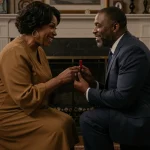
  • The textbook definition of feminism describes  it as “a socio-political movement and ideology that advocates for the political, economic, and social equality of the sexes.” In other words, feminists believe women deserve equal rights and that restrictions should not be placed on their lives simply because they are women. 

    Now, where does religion and spirituality come in? 

    A lot of feminists have argued about the intersection between feminism, spirituality, and religion. Some believe that religion is harmful to the feminist movement and that to truly be a feminist, one must divest from and denounce religious practices. Others, however, believe their religion and spirituality should not, and do not, affect their feminism. 

    We sat down with a few women, some of whom identify as feminists and some who do not, and listened to what they had to say about feminism, religion, and spirituality. 

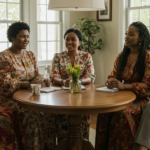
    women of different religions sitting at a table to discuss feminism and religion

    “Religion never felt real to me” – Anjola*, 20

    I started questioning religion when I was 15, and it’s been downhill ever since.  

    Every time I tried to be religious, it felt like a performance that everyone else seemed good at except me. The speaking in tongues, the long hours of prayer, etc. I could never get into it. Religion never felt real to me. It didn’t help that most of the  Christians I knew were hypocrites. 

    Realising I was queer also played a role. I couldn’t rationalise homophobia, and it didn’t feel right to participate in a religion that stood against who I was. The same thing happened with feminism. There was so much casual misogyny in the Bible. Lots of “Men are the head” conversations while women suffered and were treated as afterthoughts. I don’t think I can fully participate in religion with a clean heart while being queer and a feminist. 

    READ ALSO: I Dated a Man of God. It Was the Closest Thing to Hell

    “I think a huge part of my hesitancy to accept feminism is a result of my religion” – Christiana*, 23

    I believe women should have equal rights with men, but not in every aspect. The Bible and my religion make that very clear. I have never called myself a feminist because I don’t see myself as one. Feminism encourages women to be the head of the family and to not be submissive. But submission in itself isn’t bad; it’s just a sign of respect to your husband. Sure, you can be a feminist and a Christian, but I think my hesitancy to accept feminism is a result of my religion. If I wasn’t a Christian, I don’t think I’d care so much about what the Bible says about submission, but I am, so I do. 

    “I am not blinded by faith to look the other way when something is misogynistic” – Blessing*, 18

    I’m religious because I don’t believe human beings just spawned; I believe we were created with purpose and that there is a God. I’ve had certain experiences in my life that I don’t believe were just coincidences. I believe in something beyond myself. However, I am not blinded by faith to ignore misogyny, even if it’s in the Bible. I know it sounds contradictory, but that’s how I make it work. People will call it cherry-picking, but I focus on Jesus and His teachings, not what any other man in the Bible says. I am aware that even though a lot of the men mentioned in the Bible were influential figures in the church, they still had their biases. 

    Get More Zikoko Goodness in Your Mail

    Subscribe to our newsletters and never miss any of the action

    “What does Christianity have to do with equality?” – Ose, 66

    Feminism is why  I was able to go to school when I did. It is why  I can read, write, own property, and save money. I was born in a time when people said things like, “Why will I send a girl to school?” and “How person go just born girl, wetin you go use am do?” and other demeaning things, and no one batted an eye. Sure, some of those things are still being said today, but at least now people can publicly stand  up for girls being denied education. 

    I’ve been Catholic all my life, and that is not going to change. I believe in God the Father, the Trinity, and the Holy Catholic Church. I also believe God ordained different roles for us. A man being ordained to lead a home should have nothing to do with whether a woman can become the General Manager of a company or be paid equally. What does Christianity have to do with equality? 

    “When people tell me they’re religious and feminist, it feels like a joke” – Elizabeth, 19

    I wasn’t always irreligious, but to be fair, I never really felt the connection to religion like others did. Church and prayer always felt like a chore. I didn’t peg that I was an atheist at first, but I called myself a feminist from secondary school. Still, I used to excuse a lot of bad behaviour with, “Oh, the Bible says,” even when it felt wrong. Ever since I left religion completely, it felt like the scales fell from my eyes. There’s no longer any bias or excuse for misogyny. 

    When people say they’re both religious and feminist, it feels like a joke to me. Something would suffer for it.  But I don’t t say it out loud because I know people have different relationships with religion, and they hold on for whatever reasons. 

    “If I  ever had  to pick between identifying as a Muslim or a feminist, I’d pick feminist” – Aisha, 32

    Most days, I think I’m Muslim because there’s nothing else for me to be. My father, his father, and all the fathers before them were  Alhajis, Imams, and clerics. To be anything else feels like disobedience to an entire generation. Does that mean I always agree with what the clerics teach or what the Qur’an says? No. Do I agree that a lot of men used Islam as a means to control and subjugate women? Yes, I do. Do I also think that some women have found solace and peace in the religion? Yes, there’s that as well.

    Still, I saw how  Islam was used to punish my grandmother. I also saw how my mother and sisters fought for me to have peace and comfort. If I ever had to choose between Islam and feminism, I’d pick feminism. I know what my grandma endured at the hands of my grandfather, and I know it was feminism that saved her. If I ever find myself in her position, feminism will save me, too. It would be an insult to the women who risked their lives for me to deny that. 

    READ ALSO: 10 Nigerian Women Share What It’s Like Being a Hijabi

    “I am tired of people assuming I’m a feminist because I say I don’t believe in the existence of any god” – Fola, 28

    Whenever I tell people I am an atheist, they automatically assume I’m a feminist or that I support the LGBTQ+ community. While I don’t care what a gay person does with their time or body, I’m tired of people assuming  I’m a feminist because I say I don’t believe in the existence of any god. 

    Sure, I think women should go to school and have rights, but I don’t believe we can ever be equal. Based on biological and social factors, men are just better suited to leading society, and honestly, let them. I don’t want to have to worry about money or a 9-to-5 job. I want to marry a good man who’ll take care of me, so I can focus on raising our children and building a home. That’s what I believe women were biologically made to do, and it’s the life I want. 

    “If some women need to hold on to religion to keep living and they can square off the contradictions, then by all means, they should go for it” –  Amaka*, 24

    I think I’ve always been a feminist, I just didn’t have the word for it. I was raised by a single mother, and while it wasn’t easy, it was obvious to me from really early on that a woman can do anything a man can do. Sure, there was a lot of internalised misogyny I had to unlearn. Phrases like “A woman is the neck and a man is the head,” stuck because my mum said them when my sisters got married. Plus, it sounded catchy, so it stuck. But it wasn’t until I started my journey of discovery that I started unlearning all of those things. 

    I grew up Christian, but I remember a friend who lost his sister and father within a few years. I tried to comfort him the way I knew how, with the typical “God knows best,” but when he sat in the hospital crying and praying, he concluded that if he lost yet another person after everything, it was either God was callous or didn’t exist. That was the beginning of my journey into spirituality. I just stopped caring. I thought the worst thing that could happen would be I’d die and go to Christian hell, and I was okay with that.  If I died and God was real, I’d make Him answer for the convoluted and messy system he created before I went down to hell. 

    Now, I’ve gotten to a point in my life where I can say boldly that I am spiritual. There’s so much about being a human being that we can never understand. I think we live in a largely disinterested universe, and but I also believe in things only the spiritual can touch: love, kindness, music, connection, art. 

    At the end of the day, religion has morphed depending on what the times look like. If some women need to hold on to religion to keep living, and they can square off the contradictions, then by all means, they should go for it. Who am I to take that away from them?

    READ ALSO: I Called Off My Engagement Because of a Joke

  • Bimbo* (44) always thought she would marry just once in her life, but after her first husband and childhood best friend passed, she found herself remarrying again, and again, and again. Thereby bringing her total marriages to four.

    This is Bimbo’s story as told to Itohan 

    My first marriage was to a man I still consider the love of my life. We were childhood friends, and people always joked that we would one day get married. Then, when I was 21 and he was 23, we eloped. When we returned, our parents were upset because we’d denied them the opportunity to have a huge wedding, but we were happy, and that’s all that mattered.

    The two years I had with him were the best of my life, but they were cut short by his death. He was so young and full of life, but God had other plans. I was distraught when I heard the news and even more disappointed by the ways people tried to console me. I was told I was lucky to still be young and without children, so I could easily remarry. Why that was something people felt comfortable saying to my face was beyond me, but it happened regardless. 

    After his death, I withdrew into myself. He had left everything he owned to me, and I suddenly had more money than a young woman my age should. My dad warned that it would make me a target for young men looking to take advantage, so he arranged for me to marry one of the young men he mentored. I was 25; he was 34. My dad felt the man had a good head on his shoulders. He was not wrong, but I’m a woman who values her freedom and the ability to have fun. I’m a passionate person, and it was the most passionless marriage I’d ever been in. Our sex life was horrible. He used to schedule sex for 8 p.m. twice a week, and it lasted all of 15-20 minutes on a good day. No foreplay, no passion, no pleasure. Just thrusting and ejaculating. 

    Get More Zikoko Goodness in Your Mail

    Subscribe to our newsletters and never miss any of the action

    I remember once asking my dad if he could reduce my husband’s workload so he might have more time for me. That’s when I found out it was my husband constantly picking up extra work and handling business. My dad told me. I realised my father had done it on purpose. He’d always said I was a bit of a wild child, so this marriage was his way to calm me down. Once I realised that, I filed for a divorce. We’d been married for three years, but I knew I couldn’t spend another second in that marriage. One thing my father did get right was the prenuptial agreement. So all I lost was time, and a bit of my sanity. My money remained intact. 

    I met my third husband at a friend’s 30th birthday party. He was 32 and I was 29, and we hit it off almost immediately. The sexual chemistry was electric, and although I wasn’t looking for anything serious, I enjoyed his company. We travelled to several countries together, tried new cuisines and had fun. For the first time in years, I felt like I had something great going for me. I felt young again. We started dating a few months later, and when I got pregnant, we got married. It was a nice ceremony and I felt absolutely beautiful. It truly felt like one of the happiest moments of my life. My parents, friends and I thought this would be the one that stuck. We were so wrong. 

    My pregnancy was difficult. I was pregnant with twins, and they stressed me from the beginning to the end. I couldn’t enjoy many of the things I used to. Morning sickness, swollen feet, heartburn, body pains, etc. At one point in my second trimester, I was rushed to the hospital because I was bleeding. Thankfully, the babies and I were fine, but the whole experience took a toll on me physically and mentally. After I gave birth, I thought things would get better, but I was wrong.

    The babies were born through a caesarean section and my body did not snap back as fast as I thought it would. I was stuck at home breastfeeding and cleaning up the babies I was miserable. I was battling postpartum depression, I thought about killing myself and my babies so many times, just so it could end. There was a time I found myself screaming at them as they cried. Our nanny found me on the floor, screaming at them my lungs out while the babies lay in their bassinet. In all of this pain and suffering, where was my husband? He was out. Suddenly, he became much busier than ever. I was left alone with the children and the nanny for days. I needed his help and support, but he was nowhere to be found. He wouldn’t pick up my calls or respond to messages. I was deeply hurt. 


    ALSO READ: What She Said: I Didn’t Know I Was Almost Six Months Pregnant


    A year and a few months after I had the twins, I was slowly getting myself back, but I still wasn’t as active or interested in sex and the partying lifestyle I enjoyed. One night, while getting the twins ready for bed, I received a video from a friend. It was of my darling husband in a club, kissing and touching a woman who looked like she was still in university. That was the first time in a long time I thought of ending my life again. I was disappointed. When he came home a week later, I confronted him with the video. He blamed me for no longer being “fun” and said he had needs that had to be met. That night, I packed a few things, took the twins, and left. 

    The following week, I called my lawyer and filed for a divorce. It was the hardest marriage to dissolve because of the children and how long it had lasted, but with evidence of adultery, the court allowed me to end it. Custody was granted to me, with visitation rights for him, and he paid monthly for our upkeep. 

    By the time the twins turned seven, I filed for custody to be transferred to their father. I’d gotten a job that required constant international travel, and I didn’t feel I was providing a stable environment for children. Plus, my ex-husband had remarried and they had another child. I believed it was better for the twins to be with them. Luckily for me, the court agreed. At 38, I felt freer than I had in a decade. I decided to start living for myself and enjoying life. I saw my children when work allowed and sometimes took them on trips. Life was good. I was happy, but a bit lonely. 

    At 39, I decided to get a “sugar baby”. I was rich, I could afford it, and I wanted regular sex. I had always dated older men, I wanted something different. My friend introduced me to someone she knew. He was 30, smart, and the sex was great, and I was enjoying myself. A year or so later, he said he wanted to be in an actual relationship. I agreed. A year after that, he asked me to marry him. And so, at  41, I was getting married again. It was a small courthouse ceremony with a few friends as witnesses. My parents didn’t  attend, and honestly, I don’t blame them. 

    After we got married, he became a househusband. He worked, but I was the breadwinner. He managed the staff and took care of the home. My children liked him, and it was nice to hand over “wife” duties, I’ve never been that type anyway. I was happy and content. That is, until I came home early from one of my trips and found him in the bed with another man. I dropped my bag from my hands, and that’s when they realised I was there. 

    My “husband” explained that he was a bisexual and the man he was having sex with was his boyfriend of over five years. Apparently, he only got into a relationship with me for money. He and his boyfriend were planning to relocate and start a new life together, but they couldn’t afford it on their own. After listening, I wish I could say I was angry, but I wasn’t.

    I understood why they did it, I was just irritated he hadn’t told me from the start. I would have gone along with it from the very beginning. All the sneaking around was unnecessary and disrespectful. He said their end goal was marriage and a new life together. I called my lawyer and asked her to help them with the process. I also donated some money towards it, called it their wedding gift. Then we began the process of ending our marriage. 

    I’m 44 now, and I’ve officially been married four times. I have another sugar baby, but I’m not interested in having another husband. After reflecting on the life I have lived, I think marriage isn’t for me. Being single isn’t so bad. I love my children and get to spend time with some of my friends in their 40s. Life is good, and I’m content.


    ALSO READ: I Called Off My Engagement Because of a Joke

    Participate in our riddle callout for a chance to win ₦25k. This campaign is open only to Zikoko Daily newsletter subscribers and ends May 10, 2025!

    [ad]

  • Some women enjoy watching cartoons, some enjoy makeup, and there are those who love music. But the women in this article find peace and joy in watching anime. However, how does misogyny affect their viewing experience? 

    “I avoid the ecchi genre completely” – Anita*, 24

    I enjoy watching light-hearted, funny anime in the comfort of my home. My current favourite is “Attack on Titan”, mostly because I enjoy fight scenes just as much. Honestly, I’ll watch any anime as long as it is interesting, but I avoid the ecchi genre completely. Not only have I heard really bad things about the fanatics of the genre, I can’t bring myself to sit through the way the Japanese writers depict women. It is very weird and predatory. Why are you and your fans sexualising children? 

    “I love talking about anime with women” – Comfort*, 23

    I love watching anime with complex characters, but the moment I notice even the slightest hint of misogyny or a female character being objectified, I drop it. That’s why I stopped watching “Seven Deadly Sins”. There was just too much going on. When I first got into watching anime and started tweeting about it, men kept questioning my interest and insinuating that I wouldn’t enjoy it simply because I am a woman. I get so engrossed in conversations about anime that I really enjoy that I don’t always catch the issues in the moment, but once  I do, I address them then and there. They’ll often backpedal and say it’s not what I think it is, but I know and understand these microaggressions when I see them.  

    That said, I still tweet and talk about whatever anime I like. I don’t engage much with the wider community, but I love talking about anime with women. They understand the tropes that often go over the male viewers’ heads. 

    “I wish they’d stopped sexualising cosplayers” – Fatima*, 20

    I like watching dark psychological anime with plot twists and animation that leave me thinking for days. But it’s rare to find anime that doesn’t objectify women. It’s almost a theme for them to portray women as naive and helpless. When I decide to watch anyway, I do my best to focus just on the plot. That’s why I like “Attack on Titan”. The plot is tight, everyone’s a badass, and no one’s being objectified for sexual relief. 

    I hate the objectification of women so much. As someone who cosplays for a living, it is something I have had to deal with continuously. Men I’ve never met send me explicit messages, telling me what they’d like to do with me in cosplay. I found out that as a goth girl and cosplayer, I’m a fantasy to them. They don’t see us as human beings but as experiences. I just wish they’d stop sexualising cosplayers. 

    “I don’t want to deal with people questioning things I enjoy” – Jane*, 23 

    I really like shonen anime. The whole idea of the protagonist with a grand goal, facing enemies, growing stronger, and the power of friendship? Inject it directly into my veins. Unfortunately, with some shonen, you’re deep into a show, and the next thing they’ll drop is a bit or a gag that was intentionally added to please male fans. It adds nothing to the plot, just random sexualisation or nudity. There’s this anime called “Fire Force”, it has a character whose clothes are always “accidentally” falling or ripping. Why? Who asked for that? Honestly, I don’t expect morality from the media we consume, so there are some things I just roll my eyes and overlook, but it gets to a point. 

    I try not to interact with the community online. I prefer staying in my bubble. The few times I’ve tried, I’ve had men quiz me on what anime I’ve watched. Why? I don’t want to deal with people questioning the things I like. And the random mansplaining that follows? No, thanks. I’d rather talk anime with close friends. I have an anime-themed pouch, and men often come up to ask about it. But my first reaction is scepticism. The conversation always leads to a lecture or an impromptu quiz. 

    Get More Zikoko Goodness in Your Mail

    Subscribe to our newsletters and never miss any of the action
    “You have to filter the rubbish in your search” – Fola*, 25

    I try hard to avoid misogynistic themes and tropes, but a lot of anime is geared towards the male audience, and they love pandering unnecessary sexual things like showing panties or huge bulbous breasts jiggling forever, or even little girl characters in revealing clothes. Once I see a show has any of these things, I log out. Despite the prevalence of this, however, there are shows that are animated amazingly and don’t rely on the rubbish. You just have to find them, and finding them is also not that difficult. You have to filter the rubbish in your search. There are articles, forums, and lists where people ask and give similar recommendations. Sometimes, you can even tell from the poster whether a show will be full of nonsense. 

    I wish there were more women I could talk to about anime. Because with men? It’s like they’re vetting you or competing with you. “Oh, you’re a babe, that’s why you’re saying that,” “You can’t really like anime, which ones have you watched?”  And then they proceed to name the most basic anime in all of existence. Or, they start asking you to list all the anime you’ve watched so they can tell you how it is “basic, entry-level anime.” Sometimes, I hit back by listing anime even their dads have never heard of, not to prove anything, but to shut them up. Then I’ll go, “Oh, you don’t know it? Wow, I thought you said you watched a lot of anime.” The look on their faces gives me joy. 

    “Him being male and misogynistic means we wouldn’t see certain anime the same way” – Winifred*, 20

    I wasn’t always a feminist, but I’ve always had common sense. Even then, some anime spooked me. Since becoming  “woke,” I can’t tolerate misogynistic anime anymore. In fact, I just dropped “Fire Force” because of this.

    I love anime a lot and was once very active in an anime community. And not to toot my own horn, but an educational post I made went viral and helped them gain over 100 new members. But one of the moderators turned out to be misogynistic. I blocked him, which meant I was automatically removed from the community. That’s when it hit me: him being male and misogynistic means we’d never see certain anime the same way. His view will always be clouded by his bias. 

    “Personal messages get very sexual quickly most times because of the characters I cosplay” – Halima*, 20

    I  cosplay a lot of big-breasted characters. Most of the time, people are respectful at cons and in the comment section of my posts. But in my DMs?  Different story. Personal messages get very sexual quickly.  Once, a guy offered me a million naira to have sex with him in one of my cosplays. He was a scammer, obviously, but omo. It would be nice to meet other female anime fans. Maybe then, my DMs would rest. 

    “I’ve never tried to impress a man in my life” – Yinka*, 23

    I love anime because there is something for everyone. If you’re in the mood for romance or to watch small children beat up grown men, there’s something for you to watch and immerse yourself in. What I don’t like is when I talk about my love for anime, and there’s a man in my comment section asking, “What’s his name?” Why are you insinuating that I am dedicating hours of my day, every day, to impress a man? I have never tried to impress a man in my life. Why would  I want to start now? And why would  I spend almost a whole year watching over a thousand episodes of “One Piece” just to do that? Am I unemployed? 

    READ ALSO: I Fell in Love With an Otaku and Now I Watch Anime