Former vice-president Atiku Abubakar and President Tinubu are in a toxic throuple. If you’re wondering who the third person in the trio is, it’s you because you’re about to find out all their dirty business.
In case you didn’t know Atiku and Tinubu were competitors during the 2023 presidential election but you already know how that story ends. Ever since then, Atiku has been vocal about Tinubu’s shortcomings. Some say he’s a sore loser, and others say he’s a concerned Nigerian. I say he’s a little bit of both.
Recently, Atiku presented a constitutional idea that you might like but Tinubu will definitely hate and he’s sent it to the National Assembly to make things legal.
What is Atiku’s bright idea?
Atiku is suggesting that presidents and governors should now be allowed to serve for only one term and that term should last for six years. For extra context, Nigerian leaders are currently allowed to serve for two terms with each term lasting for four years.
Before you go “Hope Atiku is not mad?”, you should know that what the Tinubu-led administration is proposing is worse. Lawmakers are currently trying to extend each term to six years and retain the constitutional right for a president to serve for two terms, making 12 years in total. You should also know that the bill has already passed its first reading. So as far as poisons are concerned, Atiku’s poison wins this round.
And there’s more
Another thing Atiku is proposing is that the role of the president is constitutionally rotated periodically between the six geopolitical zones in Nigeria so we’ll never have to worry about a presidential candidate demanding votes like it’s a birthright.
He also suggested that candidates should start submitting their educational certificates to the Independent National Electoral Commission (INEC). If they’ve lost their certificates, they can submit an affidavit explaining their qualifications, when they got them, and where they studied.
This lowkey feels like a direct attack on Tinubu whose university certificate submitted to INEC could not be confirmed or disclaimed by the university he “attended”. But that didn’t matter because, under the Nigerian constitution, a presidential candidate is only required to have at least a school leaving certificate.
The part where it gets messy is that President Tinubu didn’t submit that either. His entire education record is very controversial – from claims of gender swaps to inconsistencies in his date of birth. According to the court, he’s educated but with small touch of false information that are being referred to as “clerical error”.
Why should you care?
Just this year alone, the news of constitutional amendments to extend the term of leadership to six years has surfaced twice. In Nigeria, we’ve done more with less. This is the same country where the national anthem was changed overnight. So don’t be surprised if you wake up one day to find out that they’ve successfully amended the constitution.
You should care because this can either catch you by surprise or you can be an active participant in the decision by making sure that young people are not left out of these conversations. And if you’re not sure how young Nigerians fit into constitutional conversations, read this.
Lawmakers in the House of Representatives are talking about a cool bill that will pave the way for young people in Nigeria to finally get a chance to run the country. It is called the Bill for Independent Candidacy and has just scaled its first reading on Thursday, September 26.
Goodbye to political parties, hi to equal opportunity
Unless you want to, you literally would not need to be a registered member of a party to contest for any political office of your choice if this bill becomes law. What this means is that political party membership would become an option instead of a necessity.
It also means that “most vulnerable populations such as women, youths, and persons with disability are given a level playing field, to explore opportunities within the political and electoral system,” Ibijoke Faborode, Executive Director of ElectHer, a Non-governmental Organization (NGO) says.
Hundred million Naira form, who?
Unfortunately, We were unable to purchase APC Presidential nomination form😭, there is no single youth that was able to purchase the APC presidential nomination form because it was too expensive!
But no matter the obstacles, We'll continue to strive for a better Nigeria✊. https://t.co/lA3JsYCIOX
— Aliyu Abdulkadir Danhauwa (@aliyudanhauwa) May 10, 2022
During the 2023 general elections, young Nigerians watched in disappointment as political parties put their nomination forms at prices that were unrealistic for them to afford.
If you wanted to stand a chance at being the candidate of the All Progressive Congress (APC) at the last election, you needed to pay the following:
Presidential form- ₦100 Million
Governorship form- ₦50 Million
Senate form- ₦20 Million
House of Representatives- ₦10 Million
State House Of Assembly form- ₦2 Million
“The price of the nomination forms is set so high that it automatically excludes virtually all young persons and anybody that gets their money from honest sweat and endeavour.” As the political parties sell forms, I had said this in the article below 👇🏽 https://t.co/K4zsjABY8K
But if the bill for Independent Candidacy is passed, more young people who have been discouraged by these prices would be able to contest because they wouldn’t need to buy nomination forms anymore.
Here’s all you’ll need
In place of nomination forms that you can’t afford, the drama, and the ugliness that usually comes with political parties, you would mostly need signatures to secure that position that you want.
If for instance, you are looking to contest for the Presidency, you need to get signatures of at least 10 percent of registered voters from two-thirds majority of all 36 States to be able to contest without joining a political party.
Suppose you are interested in being the Chairman of your Local Government Area (LGA). In that case, you need at least 10 percent of registered voters from a two-thirds majority of all electoral wards in your LGA to be able to contest without joining a political party. It’s the same for all posts; 10 percent of registered voters from a two-thirds majority of wherever you are running for office.
“The signatures of such voters are expected to be verified by the Independent National Electoral Commission (INEC) or the State Independent Electoral Commission in the case of local government elections, while no voter is allowed to write the name of another person.” Also, INEC will “prescribe a security deposit to be paid” by Independent candidates.
What are the odds of this bill becoming law?
If it succeeds, this bill might get Nigeria out of the trenches by giving equal opportunity to the younger generation, and more qualified people to take part in politics. Will it make it? Probably not, and this is because its brief history has proven it might not be given the time of day. An explanation:
The bill for Independent Candidacy has been around before. In 2018, former President, Muhammadu Buhari signed it into law as part of the Not Too Young to Run Bill but it’s unclear why it was never enacted.
In 2020, The House of Reps proposed the bill and In 2022, it was finally passed and given to former President Muhammadu Buhari for approval but again, nobody really heard much after that. In fact, in 2023, two NGOs sued the Nigerian governemnt at the ECOWAS court for delaying the passage of the bill. They also asked the court to “direct the Nigerian government to immediately implement” it for all future elections,” but the case was dismissed partly because Nigeria did not “file its statement of defense within the stipulated time,” and mainly because the ECOWAS said it doesn’t really have the authority to make Nigeria implement the bill.
Can you do anything about the bill?
Depends really. If Citizens like or dislike the idea of a bill enough, they can take some or all of these steps to influence its passage into law:
Start a social media campaign to talk about it
Call their reps to speak their minds about the bill
Participate in public hearings organised by the National Assembly
The off-cycle election campaign in Edo State is upsetting for several reasons, but top of the list is the open display of Godfatherism. If you are wondering, political godfathers are known or unknown figures who help politicians get into power in exchange for different gains.
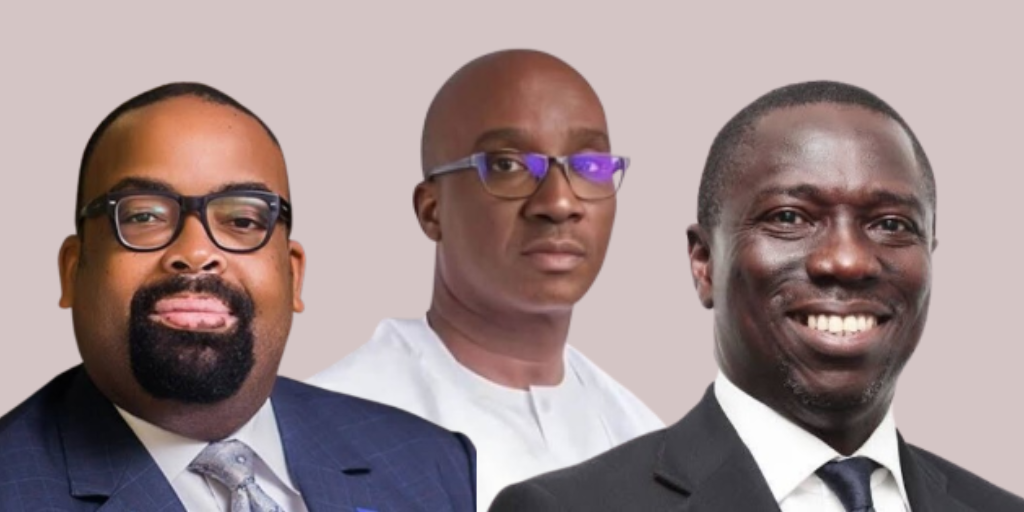
Of the 17 gubernatorial candidates listed with the Independent Electoral Commission (INEC), three major contenders have emerged: Monday Okpebholo of the All Progressive Congress (APC), Asue Ighodalo of the People’s Democratic Party (PDP), and Olumide Akpata of the Labour Party (LP). If the conduct of the politicians is anything to go by, there are actually only two strong contenders — former governor of Edo State, Adams Oshiomohle, and current governor Godwin Obaseki. From all indications, it would seem that Obaseki is the PDP candidate’s godfather and Oshiomole is the APC candidate’s godfather.
Even though both men won’t be on the ballot on Saturday, they’ve been in the news Almost as much as the candidates due to their unofficial role as godfathers.
“It is no longer strange and surprising that the Edo governorship election scheduled for September 21 has become a battle between former allies, Comrade Adam Oshiomhole, and his successor, Governor Godwin Obaseki,” says a Punch analysis.
This is worrisome.
To get a sense of why this matters, let’s take a look at previous cases of political godfatherism and its dangers in Nigeria’s history.
Times Nigerians have been the victims of political godfatherism
No matter the nature of the agreement between a godfather and his godson, it all comes down to two things: power sharing and resource control. Whatever the case the Nigerian populace always suffers severe consequences.
Nyesom Wike vs Sim Fubara
The most recent example was the power struggle between the FCT Minister, Nyesom Wike, and his political godson (and governor of Rivers State), Sim Fubara. Their fight led to talks of impeachments, a “coincidental” burning of the State House of Assembly, the bulldozing of the complex by the governor, and the subsequent allocation of ₦19.6 billion in taxpayers’ money for its reconstruction.
This is why politics of godfatherism must be stopped.
Just look at what is happening in Rivers State. The disagreement between the father and son is costing the state a lot.
Meanwhile, in Abia State, Alex Otti is moving like a one man squad without any fear of godfather.
But others walked so Wike and the new generation of godfathers and godsons could run.
Rashidi Ladoja vs Lamidi Adedibu
Former governor of Oyo State (2003-2007), Rashidi Ladoja’s feud with his godfather, Lamidi Adedibu, saw citizens stabbed and shot in the cross-fire, with state properties being destroyed as father and son jostled for control.
In a later interview, Ladoja told Human Rights Watch (HRW) that the fight began when he refused Adedibu’s order to “turn over 25 percent of the government’s security vote—or roughly ₦15 million ($115,000) per month—directly to him.”
This was in addition to Adedibu deciding the commissioners in his cabinet. Ladoja’s godfather booted him out of office for a while, before Ladoja found eventual victory at the Supreme Court, putting Oyo state through a leadership crisis.
Chris Ngige vs Chris Uba
The most fitting illustration of how dangerous godfatherism is to Nigerian politics, economy, and democracy is the feud between the former governor of Anambra State and his godfather, Chris Uba.
In 2003, Uba bragged about being the first individual to “single-handedly put in position every politician in a state” and also having “the power to remove any of them who do not perform up to my expectations anytime I like,”
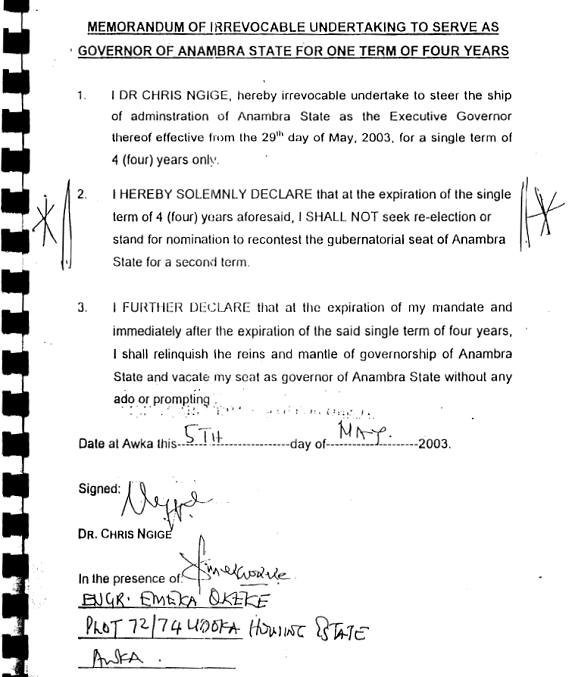
Uba had the former governor sign an agreement binding him to be loyal at all times and allowing him to run the government too. We found archived copies of four of such agreements.
We found archived copies of agreements between Ngige and his godfather. This image only shows one of them
Their fight began when Ubah’s demand to “nominate all political appointees, take the largest share of state allocations,” and be paid “the sum of ₦2.5 billion” as the cost of helping Ngige, clashed with the governor’s need to use the state’s money in doing actual work for the people.
To teach the governor a lesson, Ubah used his thugs (and the police) to kidnap him, then publicly confessed to helping him rig the elections, which ultimately led to the invalidation of his office and his removal by the Court of Appeal.
Other examples of godfather-godfather relationships gone sour (with citizens caught in the middle) include:
Akinwumi Ambode of Lagos State vs President Tinubu
Chimaroke Nnamani of Enugu State vs Jim Nwobodo
Gboyega Oyetola of Osun State, vs godfather, Rauf Aregbesola.
Alhaji Mohammed Lawal of Kwara State vs Olu Saraki.
Mode Ali Sheriff of Borno vs Achalla, and many more.
Why is the Edo situation triggering?
If you haven’t made the connection yet, the common factor in every fight between political godfathers and godsons is the money belonging to the citizens. Godfathers always come like the Grim Reaper to collect what they feel is owed them, and their godsons (who happen to be in political offices) end up doing next to nothing for the people.
Another prime example of this phenomenon is the former governor of Anambra State, Chinwoke Mbadinuju,and his godfather, Emeka Offor. A 2013 study from the International Journal of Research in Arts and Social Sciences says the fight between them “got so pronounced that it crippled the machinery of governance in Anambra State, and the repercussion was a gross deficit of democratic dividends.”
In the buildup to the elections happening on Saturday, September 21, Obaseki and Oshiomohle of Edo State appeared to have been at each other’s necks, hustling to secure a win for their anointed candidates; are there expected rewards and loyalties? Will they be ‘duly’ paid? What will it cost the people?
History has proven that sons of political godfathers eventually resist their outrageous demands (which then starts a fight between them); While this is good news for the commonwealth of the people, history has also shown that in a majority of cases, not much gets done while they fight. Some young Nigerians on X have also expressed their fears
Obaseki his godfather is an example of english doesn’t really https://t.co/AQua03UwvD not against his grammer, my concern is that he has been with Obaseki nd Oshiomhole over the years,Edo happens to be the worst in infrastructure and security.
Expressing similar concerns for Edo, Channels TV asked Obaseki’s anointed candidate, PDP’s Asue Ighodalo how he intends to navigate the possibility of a controlling godfather and he said he will be serving the people of the state, not a godfather.
“Definitely, I will be a man of my own. Truly, I have been a man of my own since I was 18 years old. I was brought up by my parents to make my decisions by myself and I have gone through life having done several things,” he answered.
Young people stand to lose if godfatherism continues
We are not going on a limb to say this. In 2023, YIAGA Africa, a nonprofit organisation promoting democratic governance and civic engagement published research naming the “domineering influence of godfathers” as one of the major things keeping young people away from politics.
The research carried out in the Sokoto State to determine the level of youth political participation says over 72% of young people in the state have never contested for political office and among the reasons listed, there were three pulling the weight:
Education was on top of the list at 31%, finance at 28% and godfatherism followed at 19%.
“Of course, godfathers are a threat to youth political participation. I told you earlier that I wanted to contest but was told to wait for my turn,” Umar Aminu, an interviewee told Yiaga.
“The problem associated with youth participation in politics is being associated with godfatherism because even if you have the money as a youth those elites will not allow you to cross the line of becoming a party candidate for an election,” Naziru Ibrahim, another participant said during a focus group discussion.
In its conclusion, the study suggests “breaking the stronghold of godfathers of the political space and political parties” through steady reforms of the political ecosystem.
The Nigerian National Awards are a series of ceremonial awards given to outstanding individuals for their exemplary service and contributions to the country. These honours are divided into different ranks and categories, showing their hierarchy and significance.
The National Awards were established by the National Honours Act No. 5 of 1964 and have been conferred yearly to deserving individuals since October 1963.
The National Honours Awards Committee, the body in charge of nominations and award presentation, selects nominees according to different criteria, including efforts in nation-building, community development, service to humanity, professional excellence and the upholding of national integrity.
Here is a list of the National Awards in descending order:
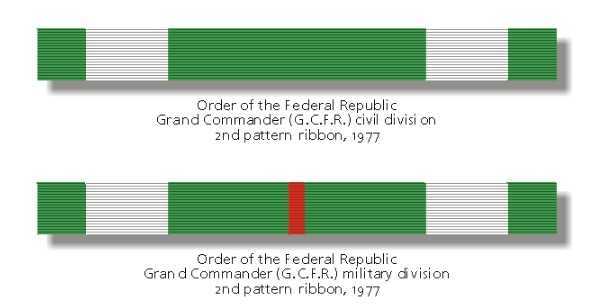
Grand Commander of the Order of the Federal Republic (GCFR)
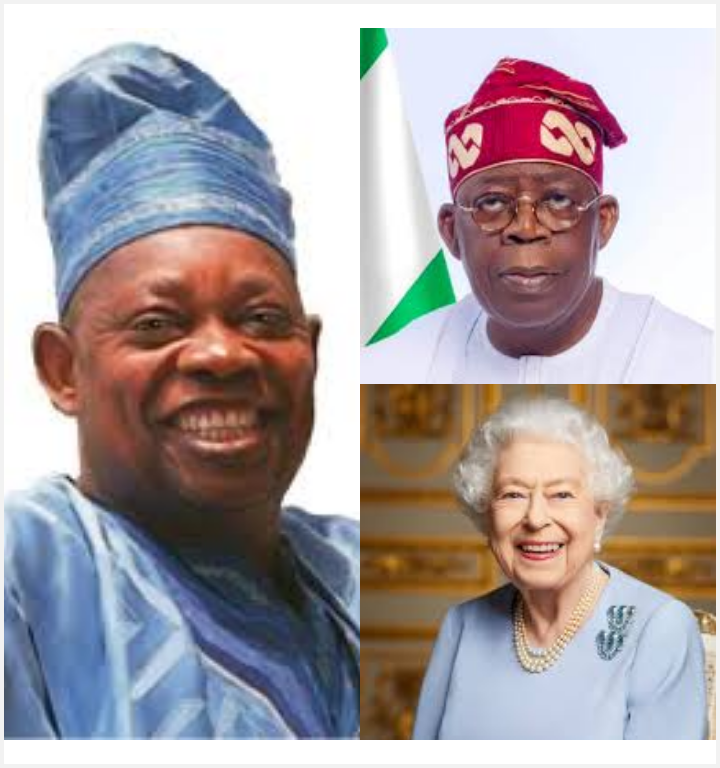
This is the highest award that can be conferred to civilians. The award is mostly held by presidents and past presidents, with the last individual to attain it being the current President, Bola Ahmed Tinubu. Notable non-presidential holders of the award are Queen Elizabeth II, Chief Obafemi Awolowo and Moshood Kashimawo Abiola (MKO) for their contributions to nation-building.
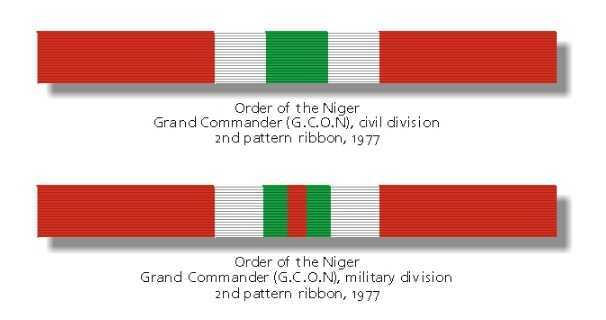
Grand Commander of the Order of the Niger (GCON)
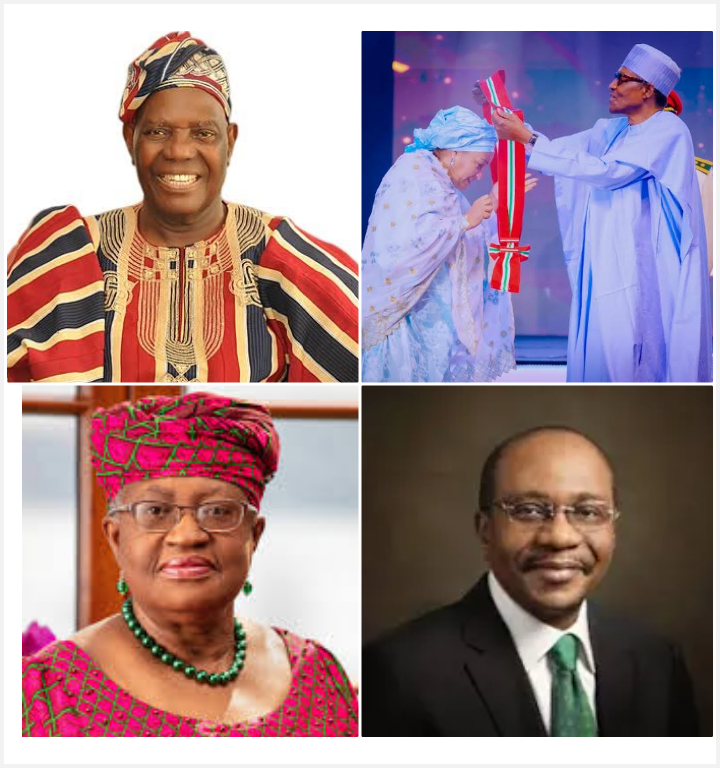
This is the second-highest award on this list. Its holders are usually vice presidents, chief justices, senate presidents, and monarchs in Nigeria. However, there have been exceptions to this rule, and they include Ngozi Okonjo Iweala, Godwin Emefiele, Chief Bisi Akande, and Amina Jane Muhammed who were awarded for their work internationally and as nation-builders.
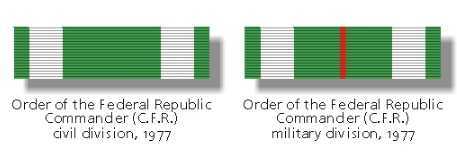
Commander of the Order of the Federal Republic (CFR)
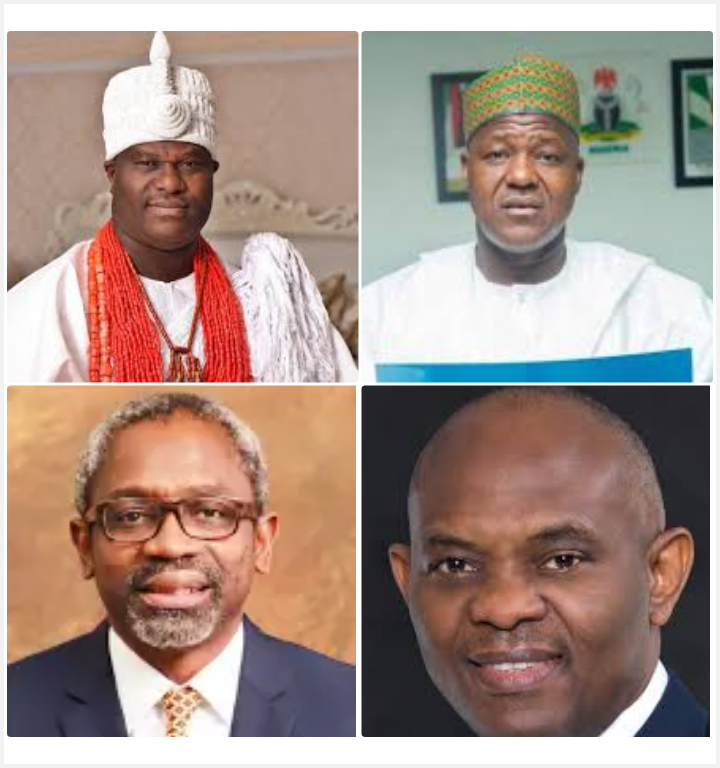
This award is given to present or past speakers in the House of Representatives or top cabinet Members in the Executive Council, police chiefs, significant traditional rulers, and distinguished military generals. It is also esteemed to individuals esteemed to have contributed immensely to politics, philanthropy in the society and community development. Past awardees include Tony Elumelu, Rt. Hon. Yakubu Dogara, Rt. Hon. Femi Gbajabiamila, and HRM Oba Adeyeye Enitan Ogunwusi Ojaja II.
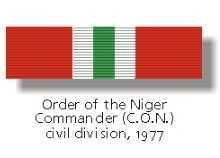
Commander of the Order of the Niger (CON)
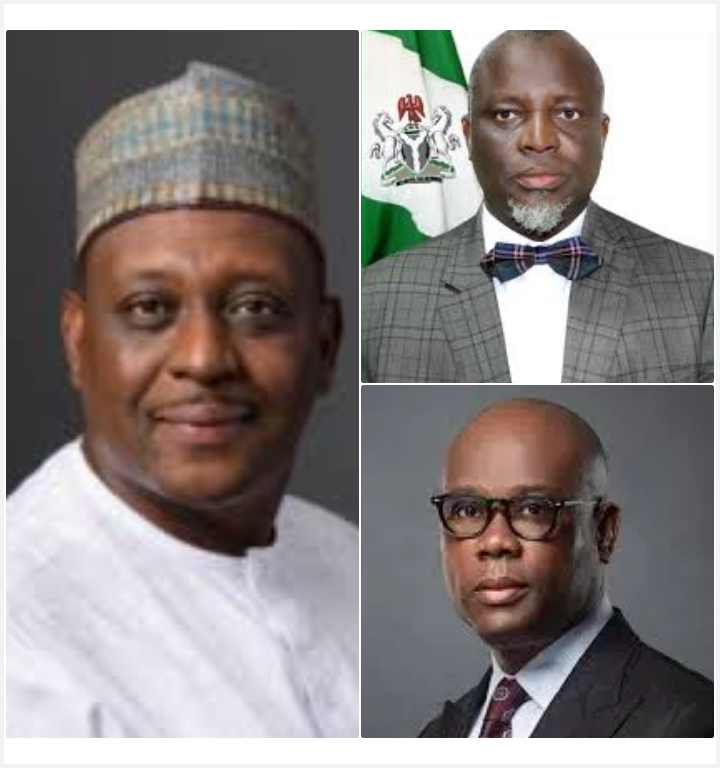
This national honour is often presented to state governors, exceptional members of the legislature, cabinet members of the executive council and any other individuals who have contributed immensely to society as deemed fit by the President and award board. Past awardees include Sen. Abubakar Kyari, Prof Ishaq Oloyede, Prof Ali Pate, and Dr Herbert Wigwe.
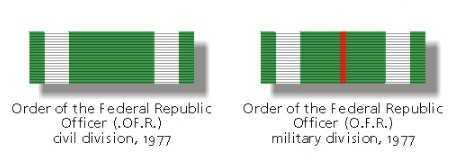
Office of the Order of the Federal Republic (OFR)
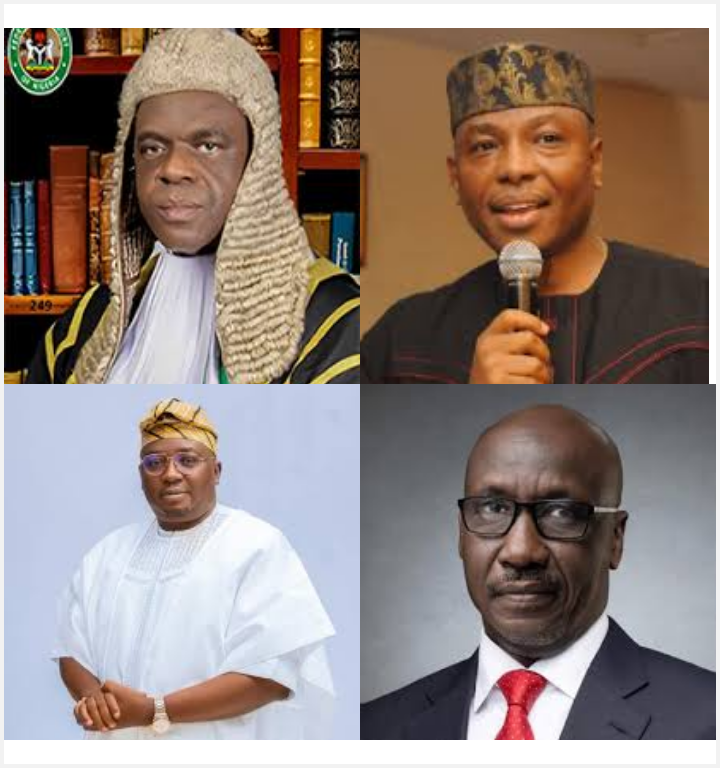
This is one of the highest civilian national award in the country. It is awarded to individuals who have shown great leadership and have recorded achievements in the country. This list of awardees ranges from individuals in the business, education and industry to legislature members. Past awardees include Tony Ezenna, Hon. Adebayo Adelabu and Sam Ohuabunwa.
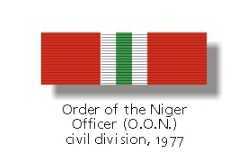
Office of The Order of The Niger (OON)
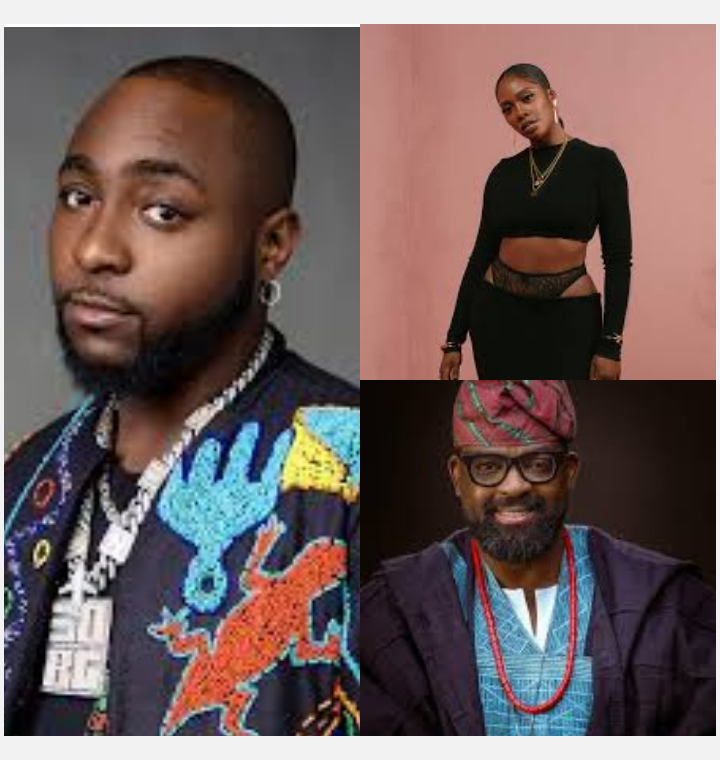
The Order of the Niger is the second-highest civilian honour in Nigeria, and it’s awarded to individuals who have made immense strides in sectors such as Agriculture, Business, Arts and Culture. Notable past recipients include David Adeleke aka Davido, Kunle Afolayan, and Tiwatope Savage.
Member of the Order of the Federal Republic (MFR)
The award is for individuals who have shown significant commitment and support to the country and its ideals. The award is presented to public servants, community leaders, and worthy individuals in the society.
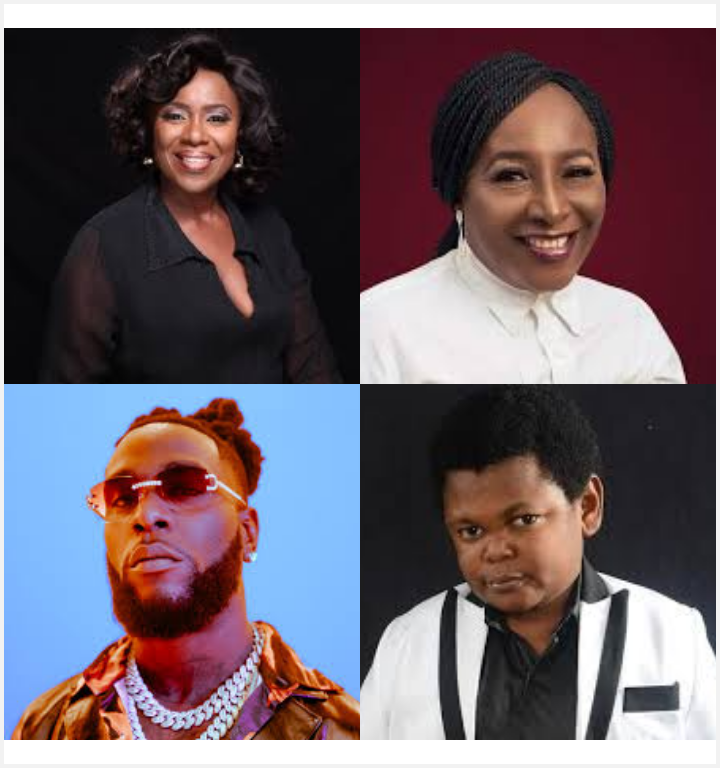
A notable recipient of this award is musician Damini Ogulu aka Burna Boy. Other recipients in the entertainment industry include Omotola Jalade-Ekeinde, Joke Silva, Kanayo. O. Kanayo, Osita Iheme, Genevieve Nnaji, Patience Ozokwor.
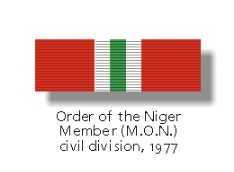
Member of The Order of the Niger (MON)
This award is conferred on individuals who have made admirable contributions to the country in their respective fields. The MON has in the past been awarded to professionals in sports, entertainment, journalism, social or legal advocacy, etc.
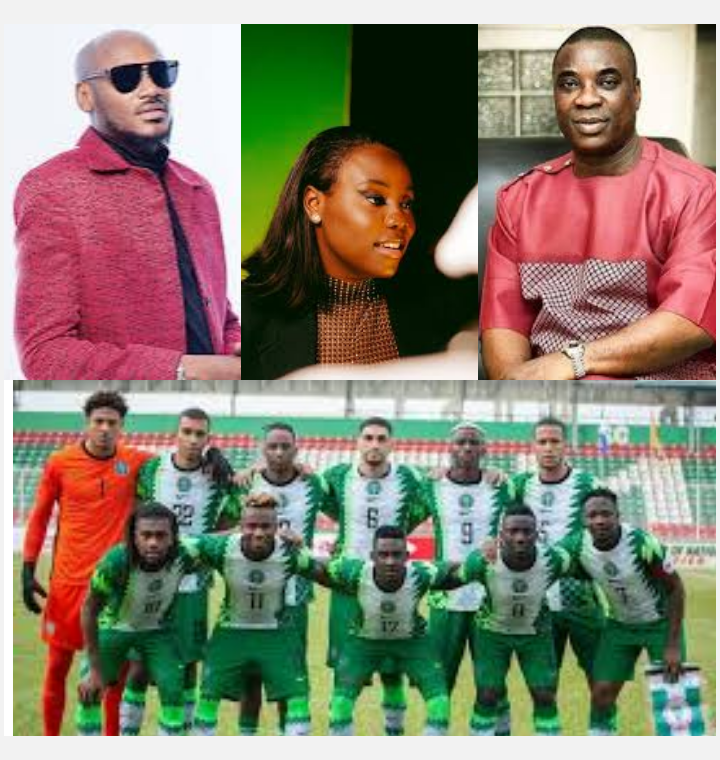
The most recent recipients of this award are the officials and players in the National team after their impressive performance in the 2023 African Cup of Nations (AFCON), as well as musicians: Innocent Idibia, K1 De Ultimate, and Teniola Apata.
When Derin* married her campus fellowship friend-turned-love interest, politics was the last thing she saw in their future. She talks about why she decided to follow his lead, fearing for her children’s safety and other challenges when you’re in the public eye.
When we met, Debo* was a mild-mannered church boy. We became close friends, and soon realised we had similar dreams, We were simple people who just wanted to do business and serve God with our finances.
He proposed marriage to me soon after I graduated from Lagos State University in 2011. We’d actually met there, in the campus fellowship I joined in my second year. He was in his finals.
We got married in 2012, and had two kids in succession. We didn’t lack anything. His real estate business was growing steadily, and I was into retailing female fashion items. We’re both quite entrepreneurial, so the long-term goal was to build a business empire. We’d own multiple businesses and support the church financially. And we were on track, until politics entered the picture.
I should mention that all through our years of friendship and brief courtship before marriage, politics was never in the picture. No reaction to national issues or conversations gave the tiniest idea that he’d someday be interested in politics. Business and church had always been his priorities. We were — and still are — very religious, so we just focused on God guiding us through the way and blessing the works of our hands.
Then in 2016 — four years into our marriage — people started coming to him to talk about politics. He had become quite successful in real estate, which meant he had access to an impressive network of people. They told him how much real impact he’d make if he were part of the people making decisions that affected the nation and even the business sector. He relayed their suggestions to me, and I wasn’t in support.
Everyone knows politics is a dirty and often violent game. I didn’t even think he was seriously considering it till he woke up one day and said he would become a card-carrying member of one of the popular parties. I kicked against it. This was a party known for thuggery and corruption, but he assured me he wasn’t actually running for office, he was only joining. According to him, there was no way to make light take the place of the darkness in our society if the light decided to cower away. I had to agree.
He eventually became fairly active. He’d attend their meetings and conventions, which seemed to triple in frequency as election season drew closer. His weekends became filled with party activities. I hated it, but I could do nothing except pray for him and hope his interest would end with becoming a member. It didn’t. He came home one day in late 2018 and said he felt God was leading him to contest in the 2019 elections for a federal representative seat in his hometown.
This was a big shock for two primary reasons. One, we weren’t in the habit of making significant decisions without agreeing as a family and seeking God’s approval together. Two, when did running for office enter the picture? We had extensive talks about it, and again, I agreed though I wasn’t so sure about it. He’s my husband, I have to follow his lead. Apart from the somehow-ness of politics, I’m also not a big fan of begging people to “Please, vote for me”. There’s this desperation attached to it that doesn’t sit well with me.
He picked the form and started campaigning in earnest. The first hurdle to cross was the party primary elections. I think two people from his party were also seeking the party’s ticket. The campaigns meant he had to leave our home in Lagos a lot to oversee things in his hometown. I also tried to attend some of the campaign efforts.
I wasn’t as involved in the campaigns as he was because it really wasn’t my thing, and less attention was placed on the spouses since it was still just the primaries.
We had to start moving with armed police officers though, because joining politics automatically opens you up to more eyes. We also had to take down pictures of our children from social media just to be safe. Our finances really took a hit during this period because most of the campaign efforts were out of pocket. Most of which involved providing relief packages for his constituency, refurbishing a water distribution system, and all those small small monies here and there to community heads to boost popularity.
These tactics seemed to work because he became something like a household name. According to his team on the ground, his campaign materials were everywhere and the people knew his name. He was like the people’s favourite to win the primaries.
Then one day, the party leaders called him aside and suggested he entered into some sort of covenant with them so they’d be assured of his loyalty if he eventually got the party’s ticket and won the House of Representatives elections. It already sounded diabolical, and my husband refused. He assured them he had the party’s interests at heart and that they could take his word for it. They obviously weren’t pleased with that response because after he won the first primary election, they cancelled it due to some “irregularities” they noticed and slated a date for a re-run.
On the eve of the re-run, they came out to say they didn’t want an election again, stating that the party stakeholders had appointed someone to represent the party instead. That’s how my husband’s ambitions ended.
I’m somewhat relieved, but it feels like it’s just the start of his political career. He didn’t run in the 2023 elections, but we’re already in the public eye. It means I can’t tweet anything I like or even go to the cinema alone for a late-night movie, and I’m still concerned for his and our children’s safety once in a while.
I know 2019 won’t be the last time he’ll try to run for office, because I sense how uneasy he feels about the state of the nation. His favourite line now is, “We need godly people in government.” He may not run now, but definitely when the political landscape changes for the better. For me, I’m just prepping myself to pray for and support him when the time comes.
*Names have been changed for the sake of anonymity.
Nigerian politics might be your true calling, but there’s only one way to know. Take this quiz and we’ll tell you.
Here’s your chance to have a piece of the national cake. Come and govern Nigeria on this quiz and we’ll give you a political post.
The game of politics has changed. Good luck winning anything if you want to start a political party in Nigeria and you’re not doing these things.
Get a dead name, then a catchy slogan
Your name needs to show that you’re not really here to do anything new. You’re just here for the national cake. Because what kind of name is People’s Alliance for National Redemption? Your name needs to spark zero joy and curiosity when they see it. But you want to be popular so you need to find a catchy slogan. Something that means nothing but gets the people going. Try “awa lo kan” and watch the party blowhttps://inecnigeria.org/political-parties/ up.
Find the worst graphic designer available
Your logo needs to look like the wickedness you’re going to show Nigerians when your party comes to power. That’s why you need to find the worst graphic designer around and make them create their shittiest work for you. Works wonders every time.
Then make sure you hire a badass photographer because your pictures must slap
As I said, the game has changed. Your campaign has left the TV screens and is now happening on social media. Your photographer needs to get all your angles right as you walk to your plane like the Abuja big boy that you are.
Make Aso Ebi with the logo
You need a subtle way of reminding people that you’re now in business. So the next thing to do is to make some clothes with your party logo on it. Give them out to a party loyalists and people in need of new clothes, so they serve as free public relations (PR) for your party.
You need members. So gather a bunch of old men
You want to make sure you’re ignoring all these women when you’re accepting members. Who wants women to be leaders when you can pick a bunch of old men with questionable morals and zero shame?
Have plenty of money and be shameless yourself
After you’ve formed your party, you only need two things: money and shamelessness. Once you have these, the sky is your limit.
Throw shades at the current government
It doesn’t matter that the men you’ve gathered in your party are mostly from the government you’re throwing shades at. You know everyone will just unlook the hypocrisy and focus on the people you’re pointing fingers at.
Win something and become exactly like them
You need to win something big. You don’t want to win an LGA chairman election or State House of Assembly. Nobody remembers those ones. Nigerians like monarchy vibes so you really only have three options: presidency, governorship, and the senate. Once you get to power, turn around and become like the exact kind of people you once pointed fingers at. Congratulations, your work is done.
Are you the minister of enjoyment or minister of chopping breakfast? Take this quiz to find out.
Very soon, Nigerian politicians are going to start telling us sweet stories of how they’re bringing us heaven if they get elected. Before you fall our hand and start taking their word for it, take this quiz about basic Nigerian politics.