• Another weekend to take a break (yinmu) from the dictates of capitalism and let your hair down while listening to some smooth music — you deserve it.

    Kicking off today, once every week (till talent pools run dry, which is impossible), we’ll introduce you to a new R&B artist emerging across Africa.

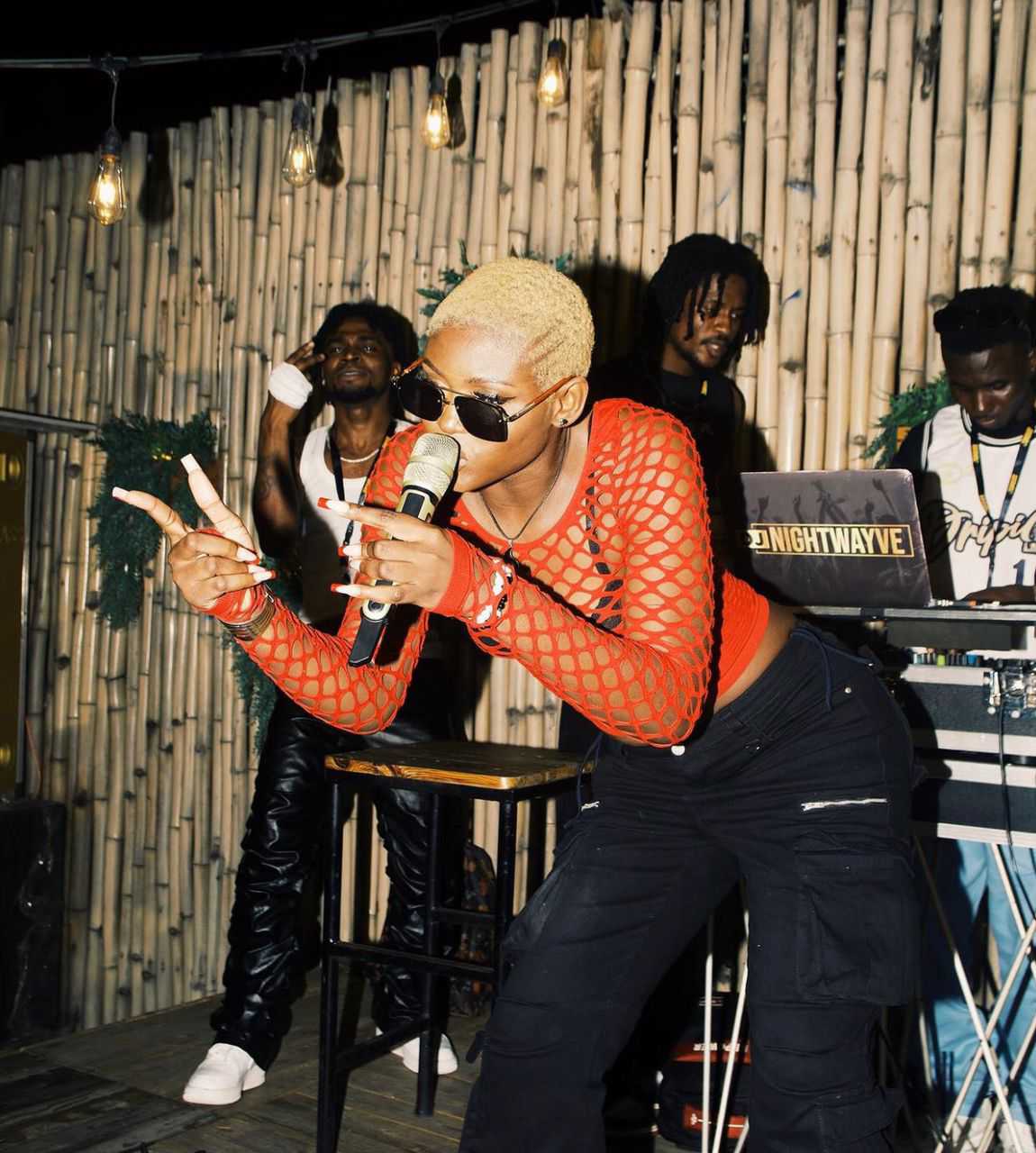
    We present to you Enaky from Bayelsa State, Nigeria.

    As more people clamour for more women’s participation in music, rising star Enaye Igoniwari, better known as Enaky, is set to put her native Bayelsa state on the global map as she presents Family, her debut in Nigeria’s music scene. 

    Looking back on how far she’s come, Enaky traces her evolution in music, taciturn childhood, the inspiration behind her single, getting signed to a record label, new responsibility and what’s next for her career.

    First off, congrats on inking your first record deal. Can we get a peep into your background?

    I was born and raised in Ogbia local government in Yenagoa, Bayelsa State. I had typical Bayelsan parents, and they were strict. So I was at home all the time, spending time with myself, watching TV or pressing my phone. I just wanted to learn as much as I could. It was during this learning phase I found myself exploring music.

    That was very recreational for me. When I began taking my singing very serious, it wasn’t as easy, but I always felt like I could ride on till the end. Practice turned into a daily thing for me. I covered songs and did a lot of freestyles, many of them didn’t even make it to my socials. Throughout my uni days, it was me and YouTube beats.

    How long have you been pushing independently before the record deal came along?

    It’s funny, but my first studio recording was only two years ago.

    No other experiences before that time?

    I had been making freestyles and covers in my room, but didn’t get a chance to record an official studio track until 2021. That said, my involvement with music started since I was a kid. When I was 11, I joined the choir, even though I had stage fright. Then, I started writing poems in primary school and became serious with it when I entered junior secondary school.

    I didn’t know I’d be doing music at the time; creative writing has helped me.
    Fair. Let’s discuss Family, your first official single, under NSB Entertainment. How did it come together?

    The song is about my personal experiences with people. A few years ago, my tolerance and trust were broken: I’ll share the full story when I’m ready, but this song came together from my craving for honesty and peace.

    Family is the fastest song I have written so far. It was easy to pour out my pain points based on my experiences with people.

    Yeah, it sounds a bit personal. It’s brilliant songwriting

    Yeah. I have been a writer since my secondary school days.

    Also, growing up, we didn’t stay in one place for long. I never spent more than a year in any secondary school except in university. So that also gave me some variety when I approach music.


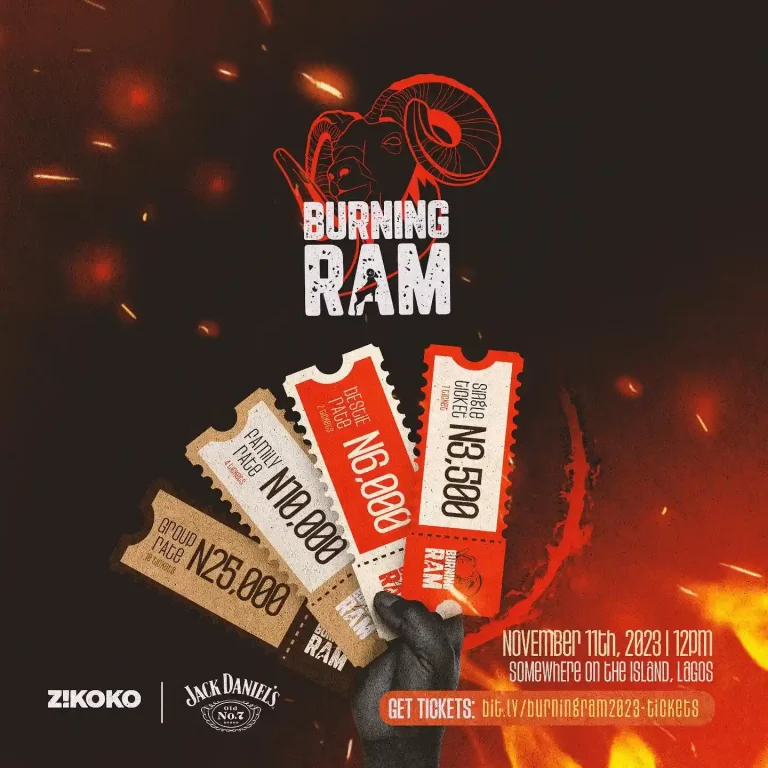
    Hey. Have you heard that the Burning Ram Meat Festival is happening in Lagos two weeks from now? Precisely on the 11th of November. Tickets are selling out. Get yours now.


    What has changed since you got signed?

    Everything has changed.

    My daily activity has changed. Before, it was me in my room, singing something to lift my spirit. Now it’s all pro. It’s more practice, studio sessions, meetings and soaking up games from the smart people around me. Even the messages I received then and the ones I get now are different. People used to text me and be like, “Hey, I saw your freestyle video and liked it. You’re amazing. Keep it up.” Now it’s more stuff like, “Wow, omo, you don blow o.”

    That shows me that people now see the effort of the team and I — the professionalism and the whole packaging are becoming glaring, and people are noticing.

    Also, the idea of a musician I had in my head is entirely different from what it is now. I thought musicians write music, record, eat and, rest. I never thought about the responsibilities until I got to this phase. But now I understand it demands dedication, self-control, discipline, focus and drive — my craft is being invested in and it’s business more than ever. I have to be consistent with good music, my posts and my interactions. Even on days I feel down, I’m learning to pull myself back up. I have to keep getting better. Whether I like it or not, there are expectations I have to deliver on, and I cannot fuck up.

    But I’m very aware I’m not an unsigned artist in my room anymore — a group of people share my visions and are ready to accomplish them with me, and I must make that easy for them.

    What’s next for Enaky?

    Growth, growth, growth. I want to keep creating music that stands the test of time. I want to make catalogues of emotive songs that people can always lean on. I always keep it honest and straight from the heart. Also, my first music project should be out in November — I’m very excited to share when it’s time.
  • A record label’s place and role in music can never be kicked to the curb. Especially in these times when you need a good platform to succeed, record labels that nurtured the Afrobeats movement deserve recognition.

    At the dawn of Afrobeats in 1991, before anybody with a heavy purse (whether they know the business or not) could set up an office and say their record label was open, it was just a few heads running the operational side of the music around here. Before the indigenous labels that focused on contemporary pop music in Naija, Western labels held tight to the helm of the business throughout the 20th century. Independent labels were nonexistent until, at least, 1990.

    A few music labels ran the Nigerian music scene from the ’60s till the tail end of the 1980s. One of them is Premier Records, which provided space for music journalist, Dean Disi to occupy leadership positions. Disi’s time as general manager ushered in Segun Arinze, Ras Kimono, Evi-Edna, Charly Boy, Edmund Spice, Junior & Pretty and more, into the Nigerian entertainment scene.

    When Junior & Pretty emerged from Ajegunle with their funny style of Pidgin English rap, it was just young people making hip music in the most expressive way they could. The music wasn’t called “Afrobeats” yet. It was simply “Nigerian music”.

    In 1991 Junior and Pretty was signed to kickstart Storm Records. After Obi Asika, its founder and chief executive officer, had gathered some expertise in DJing, radio programmes and events promotion, with valuable music business experience from his days at the University of Warwick, his move into the Nigerian music scene was inevitable.

    Under him, Junior & Pretty made the Fufu Flavour album which included their popular hits Monica and Bolanle, years before Afrobeats became official. 

    If there’s an unpopular yet essential consensus we have to come to, Junior & Pretty is the very first Afrobeats act.

    Storm Records, on the one hand, didn’t get a breakthrough until around 1998, when it evolved from just a clique movement into an actual music label, now known as Storm 360. 

    Lanre “eLDee” Dabiri’s Trybe Records arrived in 1998 too. It kicked off as Trybesmen, a movement of three rappers named eLDee, Freestyle tha Shogun and Kaboom. They met in Lagos in 1994 and put out their first album, L.A.G. Style, in 1999. Then they had hits like Trybal Marks and Shake Bodi. Primarily hip-hop in style and fashion, their approach blended smoothly with Afrobeats.

    After the Trybesmen broke up in 2004, eLDee kept his label running while releasing solo projects. Trybe Records housed 23 artists between 1998 and 2011, including 2Shotz, Dr. Sid (pre-Mo’Hits Records), Niyola, Lequse, Sheyman, K9, Aramide, Eva Alordiah, Sojay, Sarz and Sasha P, who later signed to Storm Records. 

    The music Trybe Records put out laid the foundation for what we now recognise as the Afro Hip-Hop sound in Nigeria, making its mark in the development of Afrobeats before it was acquired by Iman Entertainment in 2011.

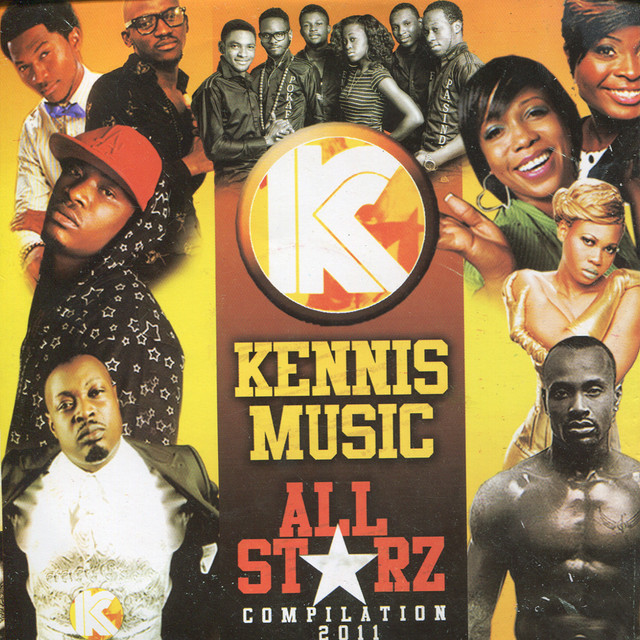
    But back in 1998, Kehinde Ogungbe (Keke) and Dayo Adeneye (D1) returned from Hollywood to open Kennis Music, after hosting “AIT Jamz” on African Independent Television for some time. They signed The Remedies a year after — a trio of Eedris Abdulkareem, Eddy Montana and Tony Tetuila. Their 1999 debut hit single, Shakomo, is evergreen — a simple party single recorded on the instrumental of MC Lyte’s Keep On Keeping On

    Nigerian contemporary music was now called “Naija Music”.

    One day in 2000, Tony Tetuila left the group, and the three men had a beef that dragged into 2002. They exchanged diss tracks like Tetuila’s Omode Meta N Sere, which became a hit and introduced us to Tuface. The two-man Remedies responded with Jealousy, featuring Pasuma. The beef later became focused on Tony and Eedris. 

    Tony went after Eedris in his monster hit, My Car. Not one to swallow insults and jabs, Eedris fired back with a smash hit, Oko Omoge, that had us screaming the line, “One leg up, one leg up”, a subtle diss at Tony, who limps while walking. All this happened while they were still signed to Kennis Music, who benefited from one of the most significant controversies in Nigerian music. 

    In 1999, a fellow label signee, Paul Play, released his first and second albums, Dairo Music Foundation Project 1 and Paul I.K. Dairo Project 2 before he left Kennis Music. The label’s roster boasted Blackface, Marvelous Benji, Rasqie, Azadus, Olu Maintain, Kelly Handsome and Joel Amadi, who put out the last album from Kennis Music in 2015.

    Kennis Music remains the Nigerian music label with the most albums — 75.

    An account of the labels that platformed Afrobeats in its early stage isn’t complete without Nelson Brown’s Dove Records, home to Plantashun Boiz and their debut album, Body and Soul, in 2000. The body of work gave us hits like You and I, Don’t You Know, Knoff Off and Ememma. 30+ people will see these song titles and jump for joy with hearty remembrance. Sold Out was the second album they put out before their first breakup in 2004. 2Face signed to Kennis and released his debut and sophomore albums. Three years later, a Plantashun Boiz reunion happened, and they released Plan B under Plantashun Entertainment Limited Management.

    During Storm 360’s run, Darey Art-Alade made his classic ballad, Not the Girl, in 2009, and R&B music was pushed to the forefront. The radios regularly played songs by Storm artists like G.T. the Guitar Man, Ms Jaie, Tosin Martin and Jazzman Olofin (Mr. Funky). The label also created space for hybrid artists like 2Shotz, Sasha P, General Pype, Ikechukwu and LOS. Banky W too, before he moved on to start his own imprint.

    Then there was Question Mark, operated by Kevin Luciano-Gabriel (ex-MTV staff) alongside Gbenga Shokefun (former manager of girl group, Kush). The record label launched in 2005 with Nnenna and Modenine, who had the classic cult song Cry together. Question Mark had Cobhams Asuquo as its in-house producer from 2005 to 2006. Asa was signed, released Eye Abada and left without giving them an album. 

    Q. Mark’s artist lineup also consisted of Street Monk, Silver Saddih, Harry Songz and Safarie. When the label put out the music video for its all-star anthem, Street Life, it was on the MTV Chart and set the standard for Nigerian music videos with great set, camera and overall production quality.

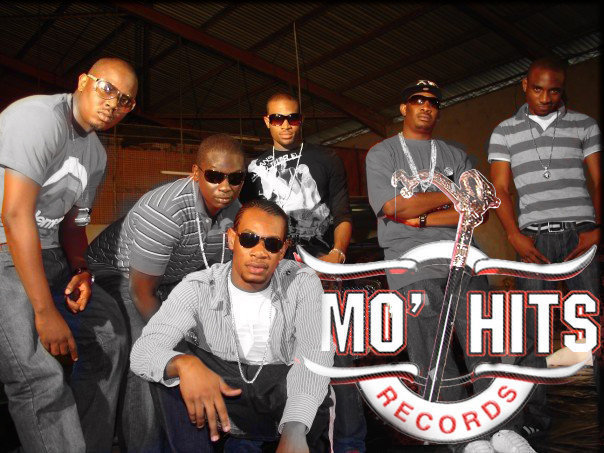
    Mo’Hits Records was the rave of the moment from when it launched in 2005 till it crashed in 2012. After leaving JJC’s 419 Squad in the U.K., music duo Don Jazzy (producer) and D’Banj (singer), returned to Nigeria and founded Mo’Hits with funds from D’Banj’s mum. They released the No Long Thing album in 2005, and D’banj was named The Most Promising Male Act at the Kora Awards and given a Channel O Music Video Award for Tongolo. In 2006, he followed up with RunDown Funk U Up and the monster hit, Why Me.

    As the label grew, signings surged, and in came Wande Coal, who changed Nigerian pop music forever with his hit-stacked Mushin 2 Mo’Hits debut album. Dr. SID joined them officially in 2007 and had hits like Something About You, Winchi Winchi and Over the Moon. D’Prince dropped a handful of popular songs like Omoba, Goodybag and Banana. And K-Switch brought the “Ajebutter that knows the street” sound.

    From 2010 to 2013, guys like Wizkid, Ice Prince, Davido, Burna Boy and Yemi Alade were new hot kids on the block from record labels like Empire Mates Entertainment, Chocolate City, HKN Music, Aristokrat Records and Effizy Entertainment.

    Around the end chapter of Mo’Hits, what used to be known as Naija music had become Afrobeats and gained global popularity. The label would soon morph into Mavin Records, currently one of the biggest in Nigeria. Mavin presented us with Tiwa Savage and a back-to-back line up of breakout stars — from Di’Ja, Reekado Banks and Korede Bello to Rema, Ayra Starr and most recently, Lifesize Teddy.

    Since the 90s, Afrobeats has transcended into international music collaborations, foreign shows and awards, global festival stages, stadium performances and cultural diversity. We owe these laudable feats to the groundwork of the early pushers of Afrobeats, who built business models and laid down the structure for the sustenance and monetisation of Nigeria’s musical talents. 


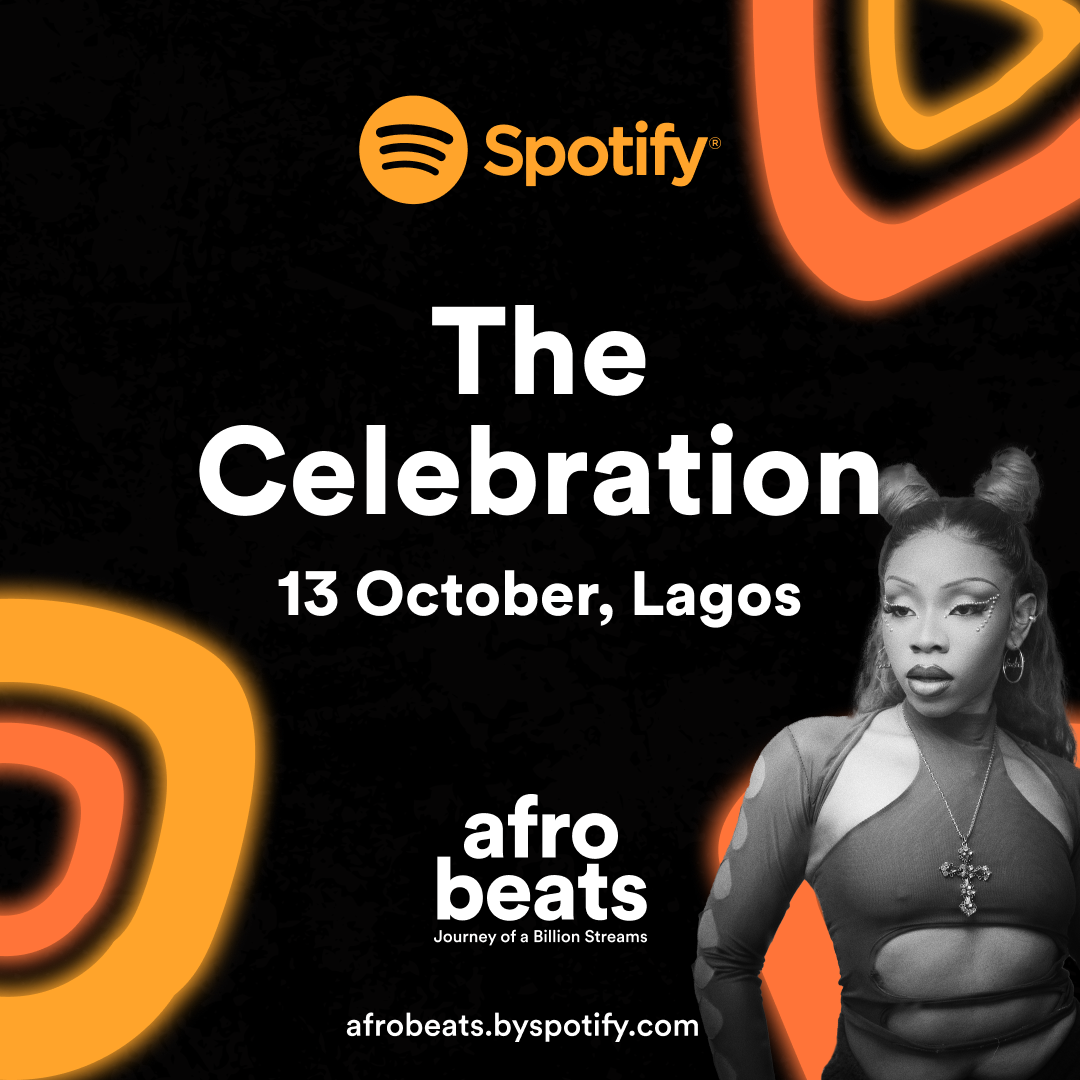
    To celebrate this great legacy, Spotify Africa is throwing the hottest Afrobeats party in Lagos on October 13, 2023. And Zikoko will give away tickets at the end of the week!

  • Our favourite artists have distinctive voices but we recognise them just as easily by their styling. We look at those who’ve set themselves apart through their unique approaches to dressing up.

    Topless Wiz

    Burna Boy sang “Shirts off like I ain’t got no clothes / ’cause where I’m from, there ain’t no snow”, but Wizkid is the guy living it. If he can’t go somewhere topless with dangling chains and baggy trousers, it’s not for Wiz. Don’t forget the signature bend-to-the-side too.

    Twitter

    New Kcee

    Ojapiano shot Kcee back to limelight, and we’ve seen him stomp everywhere branded in balaclava — full-face cover — in different designs and colours to match different outfits. You need to see his stage performances this year, it’s like masquerades playing “boju-boju” in high fashion.

    PulseNg

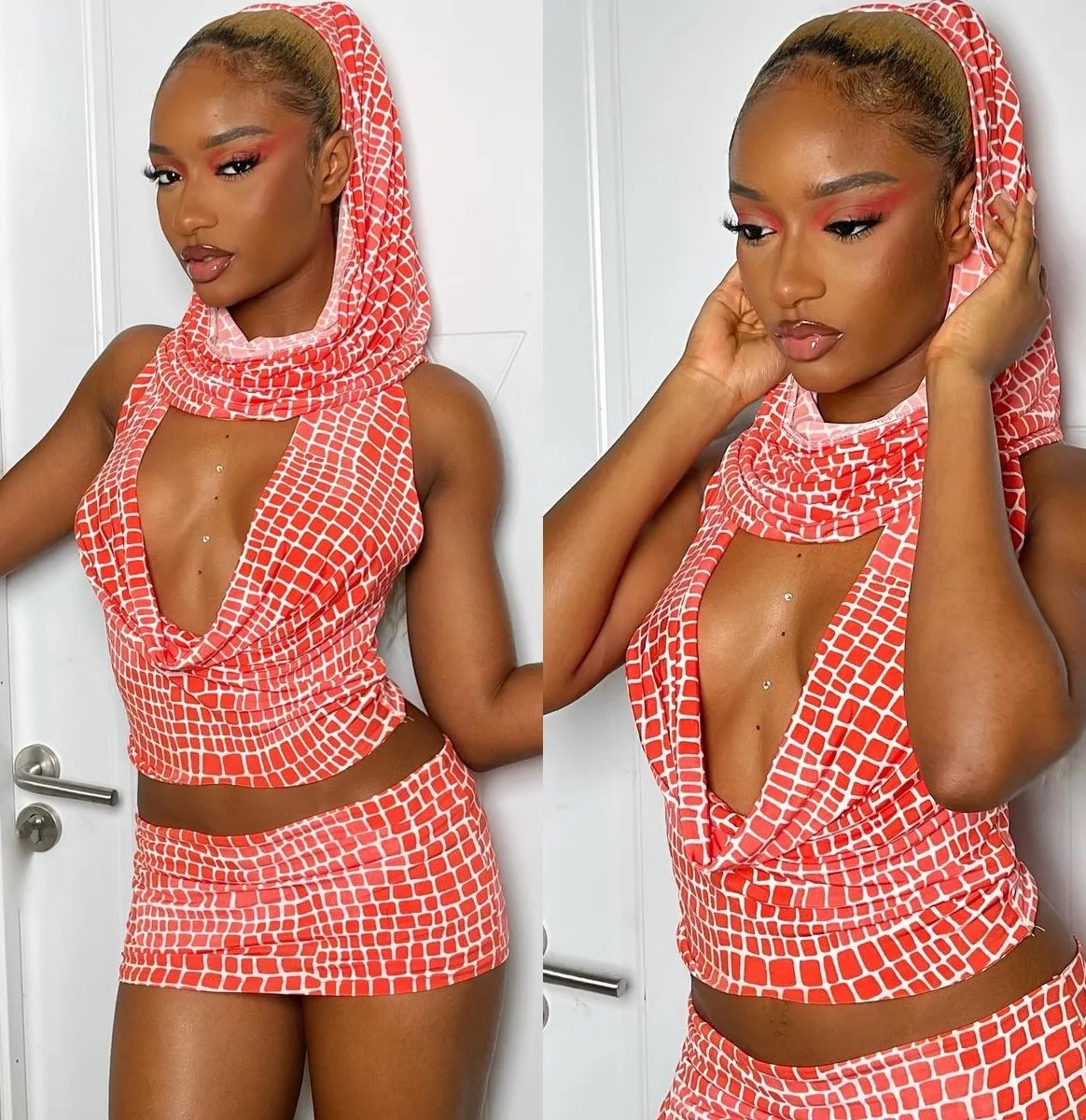
    Ayra’s belt

    It’s highly likely Ayra Starr grew up on old Nollywood films and 90s music groups because it’s hard to unsee the massive influence these styles have had on her wardrobe. From crop-tops to thigh-high boots and her iconic belt-skirts, our Sabi Girl’s fashion is as distinct as ever in Nigeria today. But who’s surprised she eats these looks when she walked runways as a model since 16.

    Pulse Ng

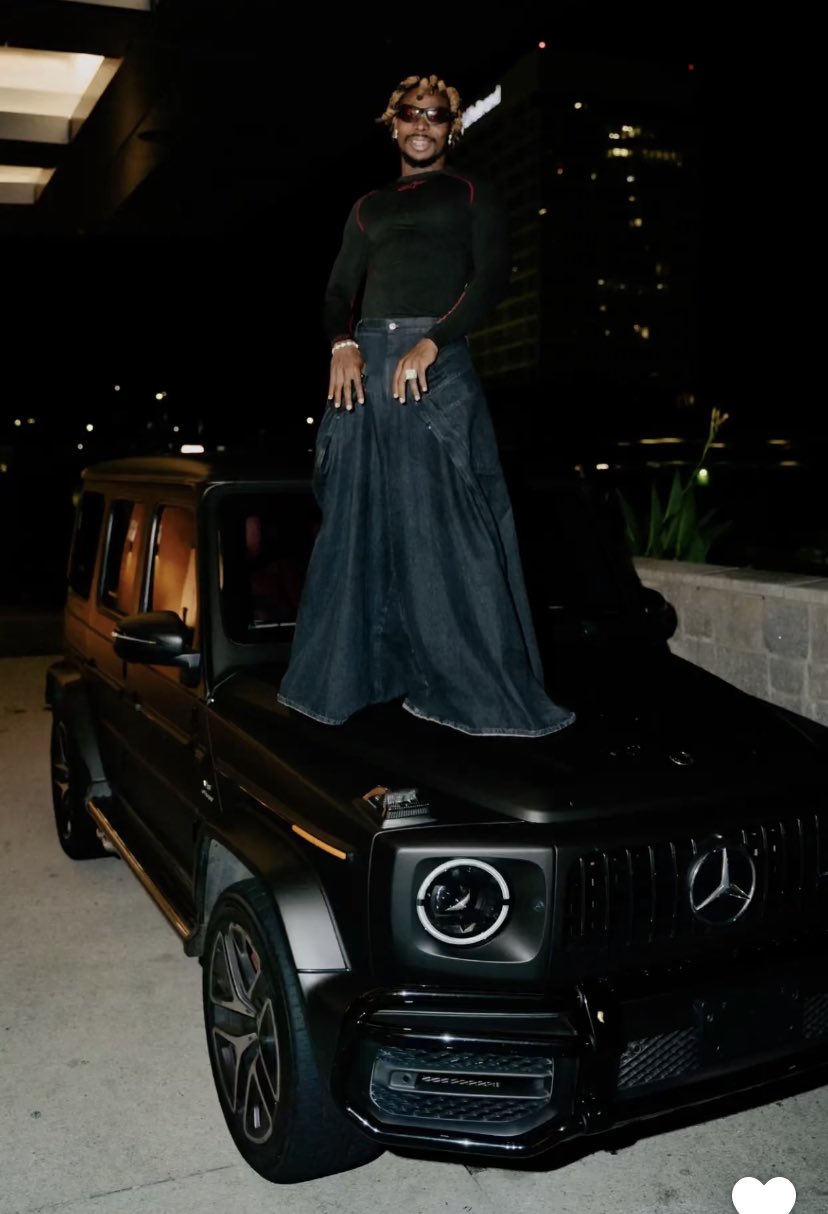
    Asake 2-in-1

    Asake is a lover of many fashion brands, but he never deviates from body-tight tops and large flared trousers. No one in our current music space rocks the style as hard as him. Recreate it, but don’t chase danfo in those pants, please.

    Twitter

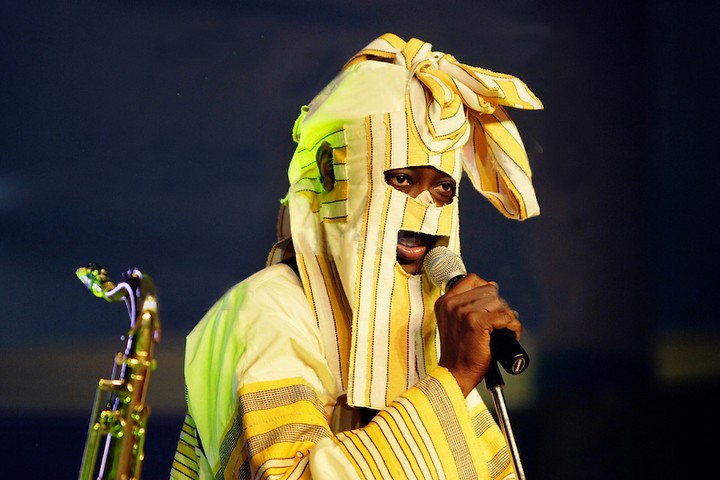
    Lagbaja da mask

    Lagbaja has always worn aso-ofi masks that match his clothes. On some days, he’d complete the style with “dejá” sandals made from car or truck tires. Since the 90s, no one’s ever tried to recreate Lagbaja’s look. A mystic artist like MF DOOM and billy woods, whether we know what Lagbaja looks like or not, the musician’s elusiveness is part of what makes him special.

    TheBoss Newspaper

    ALSO READ: The Afrobeats Stars with The Coolest Cars

    Pirate Ruger

    Just in case you didn’t know, Ruger isn’t blind in one eye. According to him, his eyepatch is a symbol of his hard guy personality and a ratchet complement to his pink-dyed hair. Some 90s kids see Ruger and quickly get nostalgic about Baba Fryo. But it’s Ruger’s time now.

    Google

    Odumodu cap

    Since I started listening to OdumoduBlvck back in 2018, he’s rarely seen without his white, black and red woven Okpu Agu AKA leopard hat. It’s a traditional Igbo cap that represents bravery — the exact energy he reveals on his tracks.

    Wikipedia 

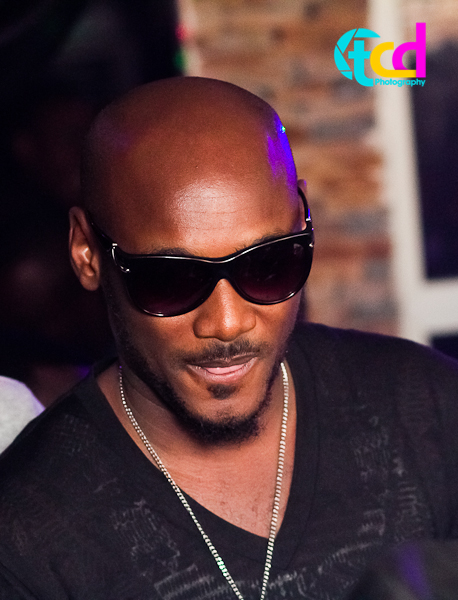
    2Gorimapa

    No hairstyling, stresses or shenanigans to protect any hairline (because there’s none).  One can say 2Baba is a simple man whose simplicity can be found in his music. Even fellow artist, Joel Amadi, couldn’t escape the accusations that he jacked 2Baba’s looks.

    Bella Naija

    Did you know we’re throwing the biggest meat festival in style on November 11th? Cop your Burning Ram tix here.

  • When Afrobeats is playing, and people ask what’s in our stew, these are ingredients and condiments.


    Beats

    An easy way to distinguish Afrobeats is through its heavy percussion, which consists of a drum set and all types of local drums. The top streamed Afrobeats songs of all time on Spotify, like Burna Boy’s On the Low and Arya Starr’s Rush, are fantastic examples.
    There’s no definite time signature and speed for afrobeats. Although it usually applies a 3-2 or 2-3 rhythm known as clave or bpm of 80 to 100 — the tempo can get slower or faster, like Libianca’s People or Terry G’s Free Madness.


    Themes

    Afrobeats themes are about everyday experiences — celebratory music for joy, love, money, hustle and even grief.

    On CKay’s Love Nwantiti (Ah Ah Ah), which is now one of the most streamed Afrobeats songs of all time, the artist persuades a love interest to give her heart to him. Tiwa Savage hasn’t run out of enjoyment narratives and sex positivity while in the same breath reiterating she’s the number-one baddest babe in Africa. Burna Boy’s Last Last mourns the end of his relationship while craving booze and weed as an escape. An artist like Asake often celebrates escaping poverty and his newly-found wealth and success, while someone like Wizkid wants to live a stress-free life with gorgeous women around him. These Afrobeats artists  have vital storytelling skills that make the music unique.


    Language

    From Lagos to Accra to London to New York or wherever afrobeats blasts out the speakers, the music blends local slang dialects with pidgin and accented English. This delivery is what listeners resonate with.


    Samples

    A now-prominent afrobeats element is sampling. Sampling is the reuse of a portion of a sound recording in another one. Like Rema sampled Jay-Z’s Dead Presidents on Alien in 2020 or Asake did Jason Heerah’s Mo Capitaine on Yoga. Even one of Spotify’s top exported Afrobeats songs, Last Last, by Burna Boy sampled Toni Braxton’s He Wasn’t Man Enough

    A well-infused sample adds freshness and a bit of fun to the music.

    Fusion

    Sampling shouldn’t be mistaken for genre fusion, another form that makes afrobeats unique. Afrobeats seamlessly infuses local sounds like juju, fuji, and apala and foreign genres like pop, hip-hop, highlife, RnB, reggae and dancehall. Though Burna may disagree, these elements form his self-created Afro-fusion genre.


    You can come enjoy the best Afrobeats music with Spotify on 13 October 2023. Fave, Ruger and Bloody Civilian are some of the headliners. To win tickets, visit the Spotify Afrobeats website and learn some afrobeats trivia.

  • It didn’t take long for the music industry to join the girl math vs boy math trend. As women and men were opening up about the excessive and embarrassing things they do, the Naija music industry was giving its own accurate references.

    We’ve compiled some of the most relatable music industry math” takes we saw on the X (formerly Twitter) app.

    This isn’t Christlike

    Throw yourself a party and act surprised

    Na artist dey do artist

    This bro needs to learn the music biz

    *On colos, on colos

    We’re not impressed

    It’s all business

    Banger boy or hater?

    Lmaooo

    https://twitter.com/flying360_/status/1707005772360503577?t=gNlSKN3GqWXz0Qhbx5arXA&s=19

    ALSO READ: 30 of the Dumbest Things Nigerians Did As Kids

    Hmm.. sounds familiar

    Laughs in high art

    Tomato tomato

    If we start calling names…

    No one ever said this, but agenda must *agend

    Allow

    Where will you be when the biggest meat festival is going down at Burning Ram? Do your quick math now and sign up here to know when tickets drop.

  • The artists owning the “afro-trenches” space of Nigerian street-pop music have created a template that’s uniquely theirs. In their native tongues, street lingo and code, they lay their personal experiences, frustrations and vices, religious affinities and narratives from their environment, cautionary or not, on their songs.

    On today’s edition of #BumpThis, we present to you seven fire songs from seven lyricists evangelising the gospel of the trenches.

    Believe — Dapop

    With moody chords that slowly build into a solemn vibe, drawing out an uncanny level of honesty out of the artist, Dapop starts the song with the chorus and first verse. He reveals how he was a G-boy but has nothing to show for it. The second verse has the featured artist, Billirano, rapping about his dad’s unlawful imprisonment and the struggles his absence brought on the family. All in all, Believe expresses a yearning for breakthroughs to escape multi-dimensional, generational poverty.

    Olisa — Zyno

    One thing that’s very prominent on this drill jam is the gospel music samples, from church hymns beaming with organ-piano to Mercy Chinwo’s Excess Love. As Zyno and fellow South-Eastern artist, Jeriq the Hustler, seek God’s face for goodness and mercy, this song could easily pass for a special number in church.

    Big Dreams — Billirano

    The message is clear. Billiarano has big dreams, but his humble background won’t let things go smoothly for him, even though he’s steadily making moves in music. If he was born with a silver spoon, he’d be partying every day of the week. Big Dreams is a motivational song produced by LarryLanes.

    G B H S — T DOLLAR

    G B H S stands for Guided by Holy Spirit. In this song, the thick kick drum afro-pop production guides T DOLLAR’s vocals as he sings about shutting up haters when he begins to shine. Religious doctrine is ingrained in T DOLLAR. His lifestyle may be streets because he comes from it, but his faith always shines through.

    Time (Remix) — Damo K

    Damo K understands the concept of waiting one’s turn as he sings “Everything on God, yeah / ’cause my time no be your time / Make you buckle up, make you shine.” Bella Shmurda is a guest artist on the remix, and he sonorously preaches that “Hustle no dey kill person / hustle to the top / hustle no dey wait person / me I no dey rush.” Whether you’re waiting for your turn or your turn has finally come, just remember that time is still an essence.

    Problem — Heli Kush

    The lyrics to this song read like a soliloquy, conversation between young hustlers motivating themselves or a street motivational sermon. Problem is the typical “Cut your coat according to your size” song, but the production leaves the ultimate impression. Trumpets blow to African percussion as guitar chords drag with it – giving lush palmwine sound.

    LA — SAMGARD

    This jam is about destiny — people are put on earth for different purposes, so it’s needless to envy others. “À ní mo ma là,” SAMGARD sings with the confidence that his success is inevitable; “LA” here means to break through. He and Diamond Jimma deliver the message in eloquent Yoruba and pidgin, through simple proverbs and idioms.

    Listen to them here:

  • Every week, Zikoko will share the hustle stories of Nigerians making it big in and out of the country. With each story, we’ll ask one crucial question in several ways: “How you do am?”


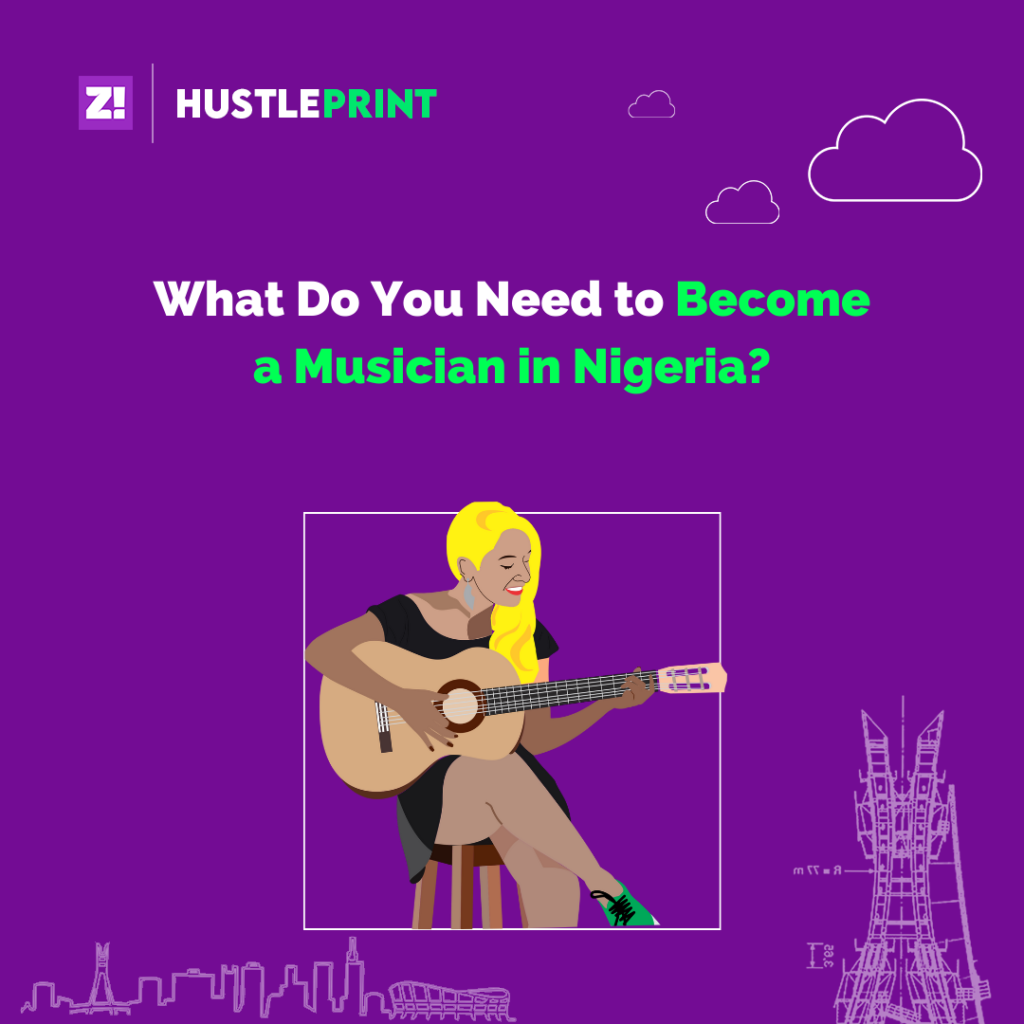
    Mo’Believe’s hustle story took us through how he built a music career and launched two albums as an independent artist. Now we know how he did it. If you also want to make a career out of your musical talent, this guide is for you.

    Firstly, know your sound

    You’re probably considering a music career because you have a knack for singing or songwriting. That’s great, but to make a career out of it, it’s important to figure out what music genre you excel at. Is it rap, alté or afrobeats?

    This may involve a lot of trial and error, but it’s a crucial step in discovering your sound and building a brand as a musician.

    Hone your skills

    You know how people who have a natural talent for, say, art or solving mathematical problems still go to school to learn better techniques and turn their talent into marketable skills? That’s how it is for musicians too.

    Perfecting your craft requires consistent practice and an open approach to constructive criticism. You can do this through regular voice training, writing songs as your creative spirit directs, and getting people to listen to your work and share their thoughts. Apart from external validation, perfecting your craft will boost your confidence in your skills as a musician, and that confidence is key for the next step.

    Put yourself out there

    The music industry in Nigeria is already saturated with artists hoping to blow, but you’re trying to enter the same industry and get people to know your name. How do you put yourself out there?

    • The choice of a producer is an important one: You can’t really call yourself a musician if you haven’t released a track, and that’s where music production comes in. Like Mo’Believe noted, music is made up of two important parts: songwriting and production. The production needs to convey the talent you already possess in a way that thrills the audience. The Nigerian audience tends to gravitate towards danceable music, but there’s still an audience for meaningful lyric-powerful music if that’s more your speed.
    • Brand and market yourself: If you don’t do it, who will? Social media is an advantage because everyone is already there. Share your work on social media, and interact with your fans/anyone who shows appreciation for your work. You could even have a mailing list where you share updates with your audience so they feel invested in your journey.
    • Don’t be shy to perform for free: Remember, the goal is putting yourself out there. New musicians aren’t always able to command as much performance fees as their well-known counterparts, but performance gives visibility. And visibility eventually leads to profitability.

    You’ll need funds

    Music is a career that’ll hold onto your resources like superglue. You’ll need money to record songs, network with others in the music industry, and promote your songs from time to time. So, for a musician just starting out in the industry, having a side gig or glucose guardian will be beneficial, something else that funds your music career before it becomes profitable.

    So, how do you make money?

    Musicians in Nigeria make money in a number of ways:

    • Music performances: This is pretty straightforward. Individuals or organisations may approach you to perform at their events for a fee. Upcoming musicians may also send proposals offering to perform at certain events for visibility or a small fee. Payment is usually determined by how much influence the musician wields.
    • Revenue from streaming music: While payments from streaming services like Spotify, Apple Music or Deezer are quite small, it tends to build up based on how many streams are accumulated on your song. For example, Spotify pays between $0.003 to $0.005 per stream.
    • Music shows or tours: Once you’ve gathered a reasonable fanbase, you can organise shows or tours and sell tickets.
    • Partnerships and endorsements: This is usually an option for the more well-known ones, but musicians also make money from brand deals and endorsement payments.
    • Record labels: Getting signed to a record label may be the goal for many young musicians, but you should take care to avoid falling into dubious record deals that leave the artist with little to no earnings. Before joining a record label, it’s best to do your research, preferably with a good entertainment lawyer.

    The takeaway

    Building a music career requires a lot of effort, passion and consistency. There’s no one way to “blow”, but consistency is definitely one of the ways.


    NEXT READ: Fancy a Career in Social Media Influencing? Here’s What You Should Know

  • These last three weeks on social media, we’ve seen an interesting back-and-forth between Nigerian street-pop musicians, Seyi Vibez and Portable, with Zinoleesky somewhere in the mix. 

    In these episodes, they get into a dick-measuring contest about who has the better music, biggest cars, most money and street credibility. You know, the usual beef topics; but do you know how it all started?

    What started the fight?

    2023 started hard, and it wasn’t hard to tell people were too frustrated for drama. But not for Portable, who anytime he turns his camera to himself, chooses “chaos”. On January 30, 2023, he posted some video on his IG page where he subtly called Seyi Vibez a beta version of Asake.

    https://www.instagram.com/p/CoElbOjtGCG/?igshid=MzRlODBiNWFlZA==

    Using Seyi’s Chance music video as a point of comparison, Portable pointed out that it was an obvious play on Asake’s style. He didn’t stop there. He went ahead and accused the video director, TG Omori (director of most Asake MVs) of working with a copycat, then warned artists to leave music alone if they can’t be authentic.

    In the aftermath, fans began to air their views about Seyi Vibez, supporting Portable, and even started a “who is better (Seyi vs Asake)?” poll.

    Fans were still expecting a response from Seyi when Portable went to fix fake grills just to clown him.

    https://www.instagram.com/p/CrQR32aNoUW/?igshid=MzRlODBiNWFlZA==

    Wahala x2.

    Drama inside drama

    While Seyi Vibez was giving Portablebaby the silent treatment, he was getting into a battle of words with Zinoleesky. How did that start? In December 2022, Zino posted his new house and two cars on IG. In May 2023, Seyi posted his own new crib and two rides too, sparking a debate among their fans, about who’s the better and richer musician. Before we knew it, the two artists were throwing subs.

    Zino went off first:

    Seyi Vibez called Zino a chained Django. This is Seyi’s way of saying he’s independent and has all his creative control unlike Zino who’s under a contract has to get his boss’ approval first before releasing a song.

    And even reminded Zino that he doesn’t have chart-topping projects like his debut album, Billion Dollar Baby, its deluxe version and EP, Memory Card.

    Then it turned into a snippet war.

    https://twitter.com/whatsonshuffle/status/1663977944132337664?s=20

    Portable:

    Instagram

    Zino said he’ll never have a number one record — then Seyi Vibez got his number one record with his single, Hat-trick, surpassing Young John’s Aquafina, Asake and Olamide’s Amapiano, and particularly, Zinoleesky’s A1.

    Zinoleesky said, hold my loud and let me show you what this slavery money can get. He got a Ferrari.

    Seyi Vibez after seeing the Ferrari:

    Portable gleefully subbing the new car owners.

    These guys have a kink for unrest

    Seyi Vibez, quiet but…

    Then, he dropped his first album of 2023: Vibez Till Thy Kingdom Come.

    Two weeks after, Seyi Vibez released his second album of the year, Thy Kingdom Come.

    On Flakky, the eighth track off the second album, he opened by talking about an artist’s car being pushed on the street just three days after purchase:

    “G-Wagon, Brabus B 

    Ojo keta ni won pada ti Brabus B”

    You know who has a Brabus B (even though he calls it a G-Wagon)?

    “Your whole career is a debt,” Portable fired back.

    Then went ahead to preview a Seyi Vibez diss track while promoting Brabus B.

    https://www.instagram.com/reel/CuUhDvOtbyb/?igshid=MzRlODBiNWFlZA==

    Seyi Vibez:

    After letting things cool for a few days:

    On June 8, 2023, a few hours before his homecoming show in Ikorodu, Seyi went to his former hood to share money.

    Portable clowned him again.

    https://www.instagram.com/reel/CufD2-5LR32/?igshid=MzRlODBiNWFlZA==

    At his homecoming show at Ikorodu on Sunday, Seyi Vibez sent jabs at Portable and Zinoleesky.

    Portable threatened to polish Seyi’s teeth with three or four punches.

    https://www.instagram.com/reel/Cug8JpNxarG/?igshid=MzRlODBiNWFlZA==

    Seyi Vibez, AKA Para Boy, fired back:

    When will an end come to this cinematic drama?

  • 2023 feels like it started two weeks ago, it’s been racing so fast like it can’t wait to complete its 52 week-cycle and be done with us.

    Thankfully, music has accompanied us; from highly anticipated big-time projects to impressive debuts, this year has given us fire releases back-to-back.

    Gangster Romantic — Lojay

    After the success of his 2021 joint EP, LV N ATTN (Love and Attention), with producer Sarz, Lojay took his time to brew new music, then kicked off 2023 with sophomore solo project, Gangster Romantic. Its first track YAHWEH is far from being praise and worship. On songs like LEADER! and MOTO, Lojay sounds like he has gone through some character development induced by heartbreak. Although he won’t let himself get hurt, he still wears his heart on his sleeve.

    Body & Soul — Joeboy

    Joeboy has been on a smooth and interesting musical ride, with the well-curated rollout of his viral single, Sip (Alcohol) which became a TikTok fave; to the controversial Contour that swung veteran Asa into legal action; to his recently released album, Body & Soul. With strong productions from Tempoe, Big Fish, Kemena, and features from BNXN, Ludacris, Oxlade; Joeboy has made a very enjoyable album.

    Top Boy — DJ Spinall

    Spinall remains one of the most relevant DJs in Nigeria by serving us ridiculously good songs and collaborations. He delivered again on his latest album titled Top Boy. While packing features with the big guns like Olamide, Phyno, BNXN, and Summer Walker, he also has space for new names like Minz, Azanti, Tamera, and Kemuel to coexist. DJ Spinall never fails to keep a party hot.

    Heaven Has Come — TY Bello

    TY Bello’s music has always been all about praise and worship and in 2023 I can’t say no to it, especially with the events happening in Nigeria in the last six months. The singer-songwriter/photographer/philanthropist makes a comeback with Heaven Has Come, an album that’s sonically different from her 2022’s We Are Fire. With Heaven Has Come, the tempo is upbeat rather than taking a more solemn direction. Songs like He Fights For Me, That’s My Name, Ire and Torrents will make you do legwork anywhere because they always hit.

    READ: Halfway Into 2022 and These Are the Best Nigerian Albums We’ve Heard

    Timeless — Davido

    Davido’s return to social-media and the entertainment space with a brand new album, after months of silence, is definitely one of the biggest moments in the Nigerian entertainment scene in 2023. After giving us A Good Time and A Better Time, he completes the trilogy with his latest Timeless. Aside from big-hit features like Skepta, Angelique Kidjo, and Asake, Davido reintroduces his revamped DMW music label with two new artists, Morravey and Logos Olori who also appear on the album.

    West African Goat — PayBac iBoro

    Listening to PayBac iBoro feels like you’re watching a Tunde Kelani meets CJ “Fiery” Obasi movie. He puts his soul into his music, it feels like you could almost touch him just from his album covers. On West African Goat, PayBac talks about his defiance over depression on Sacrifice and Bury Me For Gold, the country’s corrupt system on Land of The Tiff and Monkey See Monkey Do, and his hunger for success on Oloun and Spirit. This album is a pure body of work because the listener can feel the raw emotions the artist put into it.

    Anger Management — Bloody Civilian

    Bloody Civilian started getting mainstream attention after her contribution to the new Black Panther album. This year, she released her debut body of work, Anger Management which she wrote, produced, mixed and mastered by herself. Bloody Civilian explores themes of relationships, girl power and a corrupt government. With her DIY method, unique voice, great songs and stage name, you might as well get familiar with the Bloody Civilian.

    Work of Art — Asake

    If you think Ololade Asake would be sleeping in his oasis after making the greatest debut in Nigerian music, you’re wrong. He’s back with Work of Art, barely a year after his debut album Mr. Money With the Vibes. Asake said no  slowing down. With only one feature from his label boss Olamide, Asake proves again that he can go platinum without features.

    Submit your contribution here.

  • Remixes come and go — and some go off point — but these ones prove there’s always something more to explore in any song.

    King Kong — Vector ft. Reminisce, Phyno, ClassiQ, Uzi

    A wazobia remix — Vector tha Viper brought Reminisce to spit in Yoruba, Phyno to rap in Igbo, ClassiQ in Hausa and Uzi with a blend of English, pidgin and Igbo — delivered with finesse.

    We Are Africans  — JJC ft. Femi Kuti, Dagrin, DJ Zeez, eLDee, Kel, Ay.com, Moe Money & Ragga Remi

    In 2010, Nigerian veteran musician JJC made a remix of his song We Are Africans with the reigning champions of that period, giving it a native pride. We Are Africans remains an evergreen identity expression for Africans.

    123 — DJ Neptune ft. Dagrin, Naeto C & M.I Abaga

    When possé cuts were a popular thing in the music industry, DJ Neptune teamed up with the biggest rappers at that time to represent Nigerian Hip-Hop. This remix is a display of sharp lyricism ingrained in the industry’s timeline.

    Girlie O — Patoranking ft. Tiwa Savage

    This remix is a great improvement compared to the original version performed alone by Patoranking. Our “Number One African Bad Gyal” jumped on the first verse and ate this track without leaving crumbs. Dancehall hasn’t been this good in a while.

    Oyi — Flavour ft. Tiwa Savage

    This remix feels like a love confession of two inter-tribal lovers. Flavour serenades Tiwa Savage as she sings back. This is a contender for one of the most romantic Afrobeats songs of all time.

    Rainbow — 2Face Idibia ft. T-Pain

    In 2013, 2Face Idibia released the remix, an international collaboration, to his heart touching single, Rainbow.  Featuring T-Pain, the harmonization of both voices will give you goosebumps. Send this song to your ex-lover and you might get them back.

    Champion — General Pype ft. Dagrin, Vector, Naeto C, Sasha & GT the Guitarman

    This remix makes the original song feel lacklustre. Dagrin opened up with smooth indigenous bars, Vector laid all speculation that said he sounded like Jay-Z to rest. Naeto C brought his fresh-boy effect to it. Sasha was on her abinibi steez and GT finished it with a beautiful R&B delivery. It’s forever an indisputable motivational record.

    Soweto — Victony ft. Don Toliver, Rema & Tempoe

    Don Toliver, unmistakable by his signature voice and style, rocks the first verse uniquely before Victony takes the sweet chorus and Rema brings it home.