• After My Parents Died, My Uncles Came for Everything

    After My Parents Died, My Uncles Came for Everything

    *Amaka, (26) was content with her role as first daughter to her parents and big sister to her three younger siblings. But after losing both of her parents within a year, she had to learn how to become the head of the house while also protecting her siblings from leeching family members. 

    This is Amaka’s story, as told to Itohan

    When people ask what I define as couple goals, I always think of my parents. They didn’t just love and care for each other, they genuinely liked each other. You could see it in the way they planned our family life.

    After they had me, they waited six years before having  my younger sister. Four years later, they had my second sister, and by the time I was 15, they had my brother, the last born. I remember asking them why they spaced us out so much, and my mum said it was because they wanted to make sure they had enough money, time, and attention to offer each child. When they felt they could handle another child, they went for it. Growing up, they never made decisions alone. You couldn’t get my mum to agree to something if dad had already said no. They were a team in all the ways that mattered. That’s why when my mother fell ill, I knew my dad wouldn’t last long without her. 

    She was diagnosed with ovarian cancer in February of 2022. She had been complaining about stomach pain, and my dad and I kept begging her to go to the hospital. Ever since I was a little girl, my mum had always avoided hospitals; bitter leaf and bitter kola were her go-to remedies for everything. When she eventually decided to get tested, I knew it was really bad. 

    It took several tests before they discovered it was cancer, and by then, it was already advanced. My siblings were so young, and I had to be the one to tell them. My d ad could not mention her name without breaking down. I had to be strong for everyone in the house, including my dad. I had just finished NYSC and was transitioning between careers, all while splitting hospital shifts with my dad. Sometimes, I’d shower in her hospital room because I was heading straight to work. I was stressed, but there was nothing I could do. I was the first child, and I loved my mum. I wished I had someone to talk to. My dad  became a shadow of himself. My younger sister was 18 and in university, the third was still in secondary school, and the last born was in primary school. I felt alone, and that  feeling lasted throughout her hospital admission. 

    She  passed on  a weekend in April of 2023. We were all in the hospital with her. My dad was singing her  favourite hymn, she liked it but was unresponsive as usual. However, as the hymn ended, she whispered, “I love you all,” and passed. It was the first thing she’d said in days. I like to believe she wanted us to hear  how she felt about us and say goodbye. 

    That was the day the spark left my dad’s eyes. Leading up to her burial, he did not speak to anyone. He spent most of his time alone in his room, in tears. I had to console my siblings and plan the funeral because he  was too heartbroken. When he passed in August, I was not surprised. He was not sick, he was not in the hospital, he just went to bed and didn’t wake up. I found him lying next to a picture of my mum. My siblings screamed and cried endlessly, but me? I didn’t shed a tear. I think I had already done most of my grieving while watching my mum die, and deep down, I think I was preparing for my dad’s death too. I had just turned 25 in June, and suddenly, I was an orphan responsible for three children.

    Planning his funeral felt a bit funny because I had used the same vendors  from  my mum’s  burial, so they  gave me  a lot of discounts. I could tell they pitied me, and honestly, I pitied myself too, but I just  kept repeating, “Get through this, then you  can  move on with your life.” Maybe, finally afford myself the grace to breakdown and cry like I know my body and soul needed, but I was so wrong. After the burial, new problems surfaced. 

    Get More Zikoko Goodness in Your Mail

    Subscribe to our newsletters and never miss any of the action

    My parents had done well financially. They could afford to send us to private universities, and they had a couple landed properties scattered around the country. Plus, from the brief meeting I had with my dad’s  lawyer, I knew he had kept some money aside for schooling for my siblings for a few years. Unfortunately, I was not the only one concerned with the finances of my parents. 

    A few weeks after the burial, some of his “brothers” came to our house one day and demanded to see me. They said they would be moving into the house so they could oversee certain things because the only man of the house was less than ten years old. They started pointing at things they planned to sell and asked me to bring out property documents my dad had. I don’t know if they thought I would hand it over to them willingly. Clearly, they didn’t know I’m my mother’s stubborn daughter. I told them to sit and make themselves comfortable while I searched for the documents. Then I called a friend whose dad is in the military. When I told her what was happening, she called her father, and he agreed to send some of his men to the house. I also called my dad’s lawyer, who had said he was on the way with some documents he needed me to sign. I told him not to bring any documents until the situation was under control. 

    When the military men arrived, they first cleared out the truck outside that was meant to move my parents’ belongings, then entered the house. I wish I could record the look on my uncles’ faces. It was a mix of disbelief and shock. When the soldiers asked what I wanted them to do, I said, “If they’re not gone in the next minute, take them to the barracks and teach them a lesson.” At first, my uncles didn’t move, but when the soldiers started counting, they ran out of the house shouting that they’d “be back.” 

    After that incident, I didn’t see them again until January of 2024. My younger brother had fallen incredibly ill at the time and was on admission in the hospital, so I was barely at home because I had to keep an eye on him while one sister was in school and the other was home for the holidays. One day, while I was at the hospital, my sister called crying that there were some people at the gate of the house shouting and demanding to be let in. I had to leave my brother and rush home, but not before calling for backup. On getting home, I met my family members there once again, but this time they were more than the last time. They were shouting that it was an abomination for me to have used soldiers to threaten my elders. “This is what happens when a woman tried to be head of the house,” they said. Honestly, I was not in the mood for it. I was tired, my sister sounded distressed when she called me, and I needed to go back to see my brother. When I tried to push past them to enter the house, someone dragged me by my hair, and I fell to the ground. They were insulting me and telling me I had no right to stay in their brother’s house without their permission. The same house I’d lived in for years? A house my parents built together? 

    Luckily for me, as I was on the floor, the police I had called showed up with my mum’s younger brother. He saw me on the floor and told the officers to bundle all the people present. That’s how the police arrested about 5 of my uncles. He went with them to the station, and I went into the house to make sure my sister was okay. When she saw how I looked, she offered to be the one to stay with my brother that night. I usually wouldn’t allow it, because she was just a child, but I was too tired to say otherwise. That night, I got so many calls from my dad’s relatives calling me a shame, a disgrace, and other things. These people who watched my uncles try to bully me without interfering suddenly remembered that family should not treat each other badly. I wanted to switch off my phone so bad, but I couldn’t. I needed to be reachable in case of emergencies with my siblings. 

    After I showered, I went to lie down in my parents’ room. And for the first time since all of this began, I cried. I woke up with red, swollen eyes and a sore throat. My body was weak, and I was in so much pain, but I needed to be strong for my siblings. My brother was  discharged a few  days later. And then,  I was the one on the hospital bed. The doctors said I was stressed, dehydrated, had high blood pressure among many other illnesses. I was ready to leave the next day, but my siblings made me stay, just for about three days. My mum’s  younger brother stayed with them in the house so I could rest. And honestly? I liked being in the hospital. It was the first time in almost two years that I felt taken care for. 

    It’s been almost three years since we  lost our parents, and almost two years since all of the drama with my uncles happened. No one has come to disturb us again. Maybe sleeping in police custody for a couple of days was what they really needed to straighten up. My siblings are doing well in school, and my younger sister is about to graduate from university. I miss my parents every day. I open my eyes and honestly, all of this has been tough and stressful, but my siblings are amazing. We help each other however we can. 

    We’re all we have, and somehow, we’re making it work.

    READ ALSO: What She Said: I Don’t Feel Safe at Home Anymore

  • Everything We Know About Mahmuda, the New Terrorist Group in Nigeria

    Everything We Know About Mahmuda, the New Terrorist Group in Nigeria
    Image showing an armed individual. Photo: BBC via Getty Images

    If you’re a Nigerian who has recently asked yourself if the situation in the country could get any worse, you might be disappointed by this latest update. On top of already existing terror groups in the country— Boko Haram, Ansaru (an offshoot of Boko Haram), the Islamic State West Africa Province (ISWAP), and Lakurawa— a new terrorist group named Mahmuda has just emerged in Nigeria.

    What’s going on?

    For some time now, rural communities in Niger and Kwara States have reportedly suffered  brutal attacks from the terror group, which have led to several deaths, kidnappings, and ransome demands. The latest incident which happened on Sunday, April 20, at Ilesha Baruba and Kemaanji, Baruten and Kaiama Local Government Areas (LGAs) of Kwara State, led to the deaths of about six people. They had also carried out a separate attack within the same week in Kemaanji on Wednesday, April 16, which led to the deaths of 15 vigilantes and villagers.

    Since these two incidents, residents of the attacked communities have spoken to different media outlets, sharing their ordeals and calling on the government to come to their rescue. The Emir of Yashikira, Alhaji Umaru Seriki, is among the local voices that have spoken up. On Tuesday, April 22, he told Daily Trust that his subjects are terrified by the activities of the Mahmuda terrorist group.

    [newsletter type=z-daily]

    What is the Mahmuda group about?

    Although their motives are still not entirely clear, reports from  locals in the communities where they operate suggest that the Mahmuda terror group, or Mallam Group (named after their leader) are a faith-based terrorist group which broke away from Boko Haram, but with a more moderate ideology. They are also believed to be linked to some other groups in two other countries– Benin and Niger.

    Where exactly do they operate?

    The group operates around the Kainji Lake National Park (KLNP), which includes parts of Kwara and Niger States. Both states are located in the North Central region of Nigeria, also currently battling with banditry.

    When did they emerge?

    You may be hearing about them for the first time but the Mahmuda group is said to have occupied the KLNP axis for about five years now. 

    In 2022, the Senate acknowledged the insecurity in the area and asked the Nigerian Military to handle it. A motion titled “worsening insecurity in Kainji Lake National Park and existential threat to communities in Kaima, Baruten and Borgu Local Government in Kwara and Niger States” sponsored by the lawmaker representing Kwara North Senatorial District, Senator Sadiq Umar, and co-sponsored by the lawmaker representing Niger North,  Senator Aliyu Abdullahi led to the Senate’s action.

    The group, according to reports (and the Senators’ 2022 remarks) attacked the park, overpowered and drove away the Range Guards meant to protect the park.

    What are the authorities saying and doing?

    This situation is a bit tricky because even though the locals are complaining about their ordeals at the hand of this terrorist group, the authorities have not made a conclusive statement yet.

    Unlike the reassuring statement released by the Defence Headquarters about the emergence of the Lakurawa terrorists group in November 2024, there’s been no collective acknowledgement or statement made about the Mahmuda group– On one hand, the Police in  Niger State acknowledges the presence and activity of the group in the KLNP axis while the Kwara State Police continues to deny their presence, even in the face of picture and video evidence provided by communities that have been affected by them.

    Confirming the presence of the group to FIJ on Friday, April 18, the spokesperson of the Niger State Police Command, Wasiu Abiodun said “The Police Command is working in collaboration with the military to dislodge this group. A series of clearance operations have been carried out within the National Park; the operation is a continuous exercise and shall be sustained to ensure that the area is cleared of banditry.”

    Answering the same question, the Public Relations Officer of the Kwara State Police, Adetoun Ejire-Adeyemi, described the reports as false, saying  “no breach of internal security has been reported or observed in the aforementioned communities. Furthermore, our community engagement structures, including vigilante commanders and district heads, have not relayed any such incidents, which confirms this publication to be misleading and inciting.”

    We’re not sure why the Police in Kwara has been unable to confirm the activities of Mahmuda in the state, because the National Counter-Terrorism Centre (NTCC) in the Office of the National Security Adviser has confirmed this.

    Speaking to Punch Newspapers in an exclusive interview on Friday, April 18, Major General Adamu Laka, after saying “we are aware of that group,” also said that security forces have begun conducting operations against them and recently carried out an attack at their camps some weeks back.

    [ad]
  • 6 Things That Can Scatter Your Year, and How to Protect Yourself for Free

    6 Things That Can Scatter Your Year, and How to Protect Yourself for Free

    In Nigeria, it takes one random moment to scatter your year. One wrong step, one loud bang, one medical diagnosis, and your life spirals into chaos. 

    We call it “life happening.” And when it hits, it doesn’t just drain your account; it tests your stability, plans, and sanity.

    Here’s how it comes at you fast, and how to bounce back without spending a kobo. 

    1. The danfo heist trick that costs you your phone and your dignity

    You’re squeezing into the front seat of a danfo after a long day at work. The conductor shouts: “Oga, police dey front! Abeg use seatbelt!”

    You don’t notice the person beside you as you fumble with the broken strap. Their fingers are light and professional. By the time the driver announces, “We no dey go again,” and forces everyone out, it hits you: your phone has been lifted.

    Now, you’re trying to find your way home, clutching an emergency ₦18,000-button phone that can barely send texts for the next 10 months.

    How to protect yourself: Accidents and stolen gadgets hurt. Having insurance coverage for your phone or emergency medicals means this doesn’t have to be the end of your year.

    2. You enter a “One Chance” ride and lose everything

    It’s late, you’re tired from work, and the drivers on ride-hailing apps keep cancelling. When a clean private car pulls up and offers a ride your way, exhaustion decides for you.

    Within minutes, the atmosphere shifts. The doors lock. They beat you, collect your valuables, and dump you on the roadside. You wake up in the hospital with bruises and bills you didn’t budget for.

    How to protect yourself: One chance is traumatic enough, and accident insurance won’t erase the trauma, but it can help you start again without going into debt.

    3. Your car breaks down in Lagos traffic. Then Lagos finishes the Job

    You’re on the Third Mainland Bridge when your car engine breaks down. After calling five mechanics (none of whom were available), you find a spot to park overnight.

    When you return in the morning, your side mirrors, wipers, wheel caps, and battery have vanished. What started as one problem has evolved into five emergencies with different invoices.

    Now you’re paying for repairs you didn’t plan for, on top of mechanic and towing fees. 

    How to protect yourself: A little car damage insurance can help you manage the cost of repairs from vandalism or minor accidents, and if you can get that coverage for free, even better.

    4. The keke accident that leaves you limping and stressed

    You’re crossing the road on a typical morning. You have the right of way, but the keke driver is moving fast and furious and doesn’t brake in time. 

    The impact isn’t dramatic, just a sickening thud, a moment of shock, and pain shooting up your leg.

    At the hospital, the doctor says nothing is broken, but you’ll need a leg brace, pain medication, and follow-up visits. The bill? ₦30,000 you don’t have right now.

    How to protect yourself: Accident insurance can cover emergency care and hospital bills, so your bank account doesn’t bleed while you heal.

    Get More Zikoko Goodness in Your Mail

    Subscribe to our newsletters and never miss any of the action

    5. When your office HMO sends “thoughts and prayers”

    For months, you’ve ignored the headaches and fatigue. But when you finally drag yourself to the hospital, the diagnosis requires immediate attention, and a ₦250,000 treatment plan.

    No problem, you think. We have company insurance.

    You confidently approach HR, only to hear: “Sorry, that particular condition isn’t covered in our basic plan.”

    How to protect yourself: Don’t just rely on your company’s HMO policy. Get a backup insurance plan so surprises like this don’t mess with your health or finances.

    6. Your phone’s beachside funeral

    It was supposed to be your day off. No alarms, no deadlines, just you, someone special, and the soothing sound of waves at Tarkwa Bay Beach.

    The sun is setting. You’re taking that perfect silhouette picture when your phone slips from your sand-covered fingers. It happens quickly: the splash into the seawater, your frantic grab, and the momentary relief when it seems fine.

    But on the drive home, it slips again. This time, it hits the concrete. The screen shatters, and the water damage finishes the job. Suddenly, your digital life is frozen behind a dead black screen.

     Then you’re hit with an unexpected ₦150,000+ expense. 

    How to protect yourself: With gadget protection, you can either repair or replace it without spending rent money or asking your vendor friend for a payment plan.

    So, What’s the Fix?

    What if we told you there’s a way to get protected, completely free of charge?

    The Alternative Bank (AltBank), a CBN-licensed digital bank built on non-interest, ethical banking, is offering new users free Takaful insurance.  

    All you have to do is open an AltBank account and complete simple tasks on the app, like paying bills, referring friends, or making transactions, and you unlock real insurance benefits:

    • ₦75,000 for car damage due to fire, accidents, or attempted theft.
    • ₦30,000 for cracked screens, water spills, or malicious gadget damage.
    • ₦150,000 in the event of permanent disability or death.
    • ₦20,000 to cover sudden medical bills.

    How It Works

    You earn points every time you complete a simple activity, like signing up, using USSD, getting a debit card, paying bills, or referring friends. 

    Every 10 points equals one month of free coverage. You can enjoy this protection bundle for up to 12 months by completing 12 easy tasks on the AltBank app.

    Earn points simply by doing banking activities you’d do anyway:

    • Open an account and complete onboarding on the AltBank app.

    • Enrol for USSD banking.

    • Get your AltBank debit card.

    • Maintain a monthly turnover of ₦50,000 or more.
    • Make at least 10 transactions monthly.

    • Pay bills or top up airtime/data 5 times (₦5,000+ each)

    • Refer three friends to AltBank.

    • Each friend opens an account and funds it (₦5,000+)

    • Each referred friend completes 2+ transactions.

    • Each referred friend pays bills/ top-ups 5 times (₦5,000+ each)

    • Take any AltBank loan or credit product.

    One unexpected disaster shouldn’t be the reason you enter survival mode or put your plans on hold for months.

    Download the AltBank app today and get free protection. Because in Nigeria, life happens fast, but recovery doesn’t have to be slow.


    Also Read: I Tried to Survive on Nigeria’s ₦70k Minimum Wage for a Month. I Only Lasted 14 days.


    [ad]

  • All the “Album of the Year” Winners at The Headies, Ranked

    All the “Album of the Year” Winners at The Headies, Ranked

    The Headies Award—Nigeria’s most significant music award—has been dishing out trophies since 2006, and the Album of the Year category has been a battleground of fantastic musical bodies of work. From Afrobeat bangers to soulful ballads, this award has recognised the best albums that have topped charts and shaped the Nigerian music landscape.

    With the 17th edition happening this Sunday in Lagos, we’re looking back and ranking every album that’s ever taken home the coveted prize.

    Here are the best Albums of the Year winners in the history of The Headies, ranked:

    16. The Invasion – P-Square (2011)

    Award-winning year: 2012

    Genres: R&B, Afrobeats

    By 2011, P-Square had already cemented their place as Afropop royalty. The Invasion was proof they were still hungry—at least before the infamous split.

    The album mixes everything from R&B and reggae to highlife and hip-hop, and while it gave us hits like “Bunieya Enu,” “Chop My Money,” and “Beautiful Onyinye,” it remains one of their more forgettable projects.

    If you like your pop loud, flashy, and uncomplicated, The Invasion delivers. But compared to their other albums, it doesn’t quite hit the same.

    Headies fact: P-Square became the first act to win Album of the Year twice. Their first was in 2006 with Get Squared.

    15. Street OT – Olamide (2014)

    Award-winning year: 2015

    Genres: HipHop, Afrobeats

    Off the back of two strong albums—YBNL and Baddest Guy Ever Liveth—Olamide dropped Street OT, a project that doubled down on his Lagos street king persona.

    Packed with energetic beats and heavy lingo, Street OT leans into Olamide’s signature mix of grit and mass appeal. While it attempts to throw a bone to the rap heads, the album is dominated by radio-friendly bangers like “Shakitibobo,” “Story for the Gods,” and “Lagos Boys.”

    It’s a fun ride, but not his sharpest project.

    Headies fact: This win made Olamide the first artist to win Album of the Year three times in a row.

    14. Get Square – P-Square (2005)

    Award-winning year: 2006

    Genre: Contemporary Pop

    P-Square’s sophomore album—and their breakout moment. Get Squared, released under their family-run Square Records, launched the duo into mainstream fame with hits like “Get Squared,” “Temptation,” and the ever-iconic “Bizzy Body.”

    With its blend of love songs, dancefloor anthems, and early-2000s swagger, this album defined an era of Nigerian pop. It’s youthful, fun, and forever tied to Nigerian party culture.

    Headies fact: Get Squared won Album of the Year at the very first Headies (then called the Hip-Hop World Awards) and bagged four other trophies that night.

    13. YBNL – Olamide (2012)

    Award-winning year: 2013

    Genres: HipHop, Afrobeats

    YBNL (short for Yahoo Boy No Laptop) was a cultural reset. With this album, Olamide solidified his place as a street king with crossover appeal—balancing raw street-hop with catchy hooks and radio-ready production.

    This was also the project that launched YBNL Nation, his now-iconic record label. Bangers like “First of All,” “Voice of the Street,” and “Omo To Shan” made it a defining album for a generation of Lagos youth.

    You can’t name top five Olamide albums and leave YBNL out. Full stop.

    Headies fact: This was the first in Olamide’s three-year sweep of the Album of the Year category.

    12. The Unstoppable International Edition – 2Baba (2010)

    Award-winning year: 2011

    Genre: R&B

    This reissue of 2Face’s 2008 The Unstoppable gave the album a second life—and a much bigger impact. With tracks like “Implication” and “Only Me,” 2Baba delivered a mature, globally-minded sound while still keeping his signature Afro-R&B style intact.

    The project marked a turning point in his career, cementing him as not just a local legend, but an international contender.

    Headies fact: This edition of The Unstoppable won both Album of the Year and Best R&B/Pop Album at the 2011 Headies.

    11. Moral Instruction – Falz (2018)

    Award-winning year: 2019

    Genres: Hip-Hop, Afrobeats

    With Moral Instruction, Falz traded party anthems for powerful protest. The album blends Hip-Hop and Afrobeats to deliver biting social commentary on corruption, injustice, and Nigeria’s broken systems.

    Songs like “This Is Nigeria,” “Talk,” and “Hypocrite” didn’t just make noise—they demanded change. It’s a bold, unflinching project that showed Falz isn’t afraid to use his voice for more than entertainment.

    Headies fact: In 2019, Moral Instruction won Album of the Year, Best Rap Album, and Best Rap Single—a clean sweep for Falz.

    10. Apollo – Fireboy DML (2020)

    Award-winning year: 2018

    Genres: Afrobeats

    Following the success of Laughter, Tears & Goosebumps, Fireboy DML returned with Apollo—a more expansive and confident project. Songs like “New York City Girl,” “Eli,” and “Tattoo” showcased his ability to fuse emotion with melody, cementing his place as a leading voice in Afrobeats.

    With Apollo, Fireboy proved his debut wasn’t a fluke and sparked conversations about a musical trifecta in the making.

    Headies fact: Apollo earned Fireboy five awards in one night, making it his most successful run at The Headies so far.

    9. Hitsville – Paul Play (2007)

    Award-winning year: 2007

    Genre: R&B

    Hitsville is a masterclass in heartfelt songwriting and smooth R&B. With just nine tracks, Paul Play delivers timeless love songs like “Angel of My Life,” “Crying in the Rain,” and “Forever.” The album blends romantic melodies with subtle nods to traditional Nigerian sounds, showcasing his versatility as both a singer and producer.

    This project cemented Paul Play Dairo’s status as a pioneer of modern Nigerian R&B.

    Headies fact: Hitsville was the only R&B album nominated for Album of the Year at the 2007 Headies, standing out among hip-hop and pop-heavy contenders like Freestyle’s Free At Last and Weird MC’s After Da Storm.

    8. Simisola – Simi (2017)

    Award-winning year: 2018

    Genres: Afrobeats

    Simisola is a warm, heartfelt album that highlights Simi’s signature fusion of Afrobeats, R&B, and soul. With rich storytelling and relatable lyrics about love, identity, and growth, she effortlessly draws listeners into her world. The album includes standout tracks like “Joromi,” “Smile for Me,” and “Love Don’t Care.”

    Arguably her best body of work to date, Simisola delivers that chill, girl-next-door charm with real emotional depth.

    Headies fact: In addition to Album of the Year, Simi also won Best R&B Single and Best Recording of the Year at the 2018 Headies.

    7. New Era – Kizz Daniel (2015)

    Award-winning year: 2016

    Genres: Afrobeats

    With New Era, Kizz Daniel introduced his unique blend of smooth melodies and catchy hooks, mixing Afrobeats with elements of highlife and pop. From the infectious “Woju” to the laid-back vibe of “Laye,” the album established Kizz Daniel as a rising star in Nigerian music. It marked his official entry into the mainstream, filled with tracks that quickly became fan favorites.

    If you’re looking to study a debut album that’s packed with hit after hit, New Era is a perfect example.

    Headies fact: At just 22, Kizz Daniel became the youngest artist to win The Headies’ Album of the Year.

    6. Baddest Guy Ever Liveth – Olamide (2013)

    Award-winning year: 2014

    Genres: HipHop, Afrobeats

    Following the success of YBNL, Olamide solidified his position as one of Nigeria’s most influential hip-hop artists with Baddest Guy Ever Liveth. This album expanded his sound by blending Afrobeat, street-hop, rap, and a touch of Lagos swagger. Tracks like “Durosoke,” “Eni Duro,” and “Turn Up” became anthems, showcasing Olamide’s ability to transcend street music and make mainstream hits.

    This album remains one of his best works and a defining moment in Nigerian music. Olamide proves he is a force to reckon with, both in the streets and on the charts.

    Headies fact: Olamide won Best Rap Album and Album of the Year in the same year this year.

    5. Made In Lagos (Deluxe Edition) – Wizkid (2021)

    Award-winning year: 2022

    Genres: Afrobeats, R&B

    Made In Lagos initially dropped in 2020, propelling Wizkid to global stardom. Blending Afrobeat with R&B, reggae, and pop, the album captured Wizkid’s versatility and cemented his place as an international icon. In 2021, the Deluxe Edition took things even further, adding fresh tracks and collaborations that highlighted his continued growth as an artist.

    With hit songs like “Essence,” “Ginger,” and “Smile,” the Deluxe Edition introduced new bangers like “Steady” and “Bad to Me,” while featuring collaborations with Burna Boy, Skepta, and Justin Bieber. This version elevated Made In Lagos into one of Wizkid’s most successful projects.

    Headies fact: With this win, Wizkid became the most decorated artist in The Headies’ history, claiming twenty Headies awards in total.

    4. Mr. Money With the Vibe – Asake (2022)

    Award-winning year: 2023

    Genres: Afrobeats, Amapiano

    Released in 2022, Mr. Money With the Vibe by Asake made a massive impact on Nigerian music. Following his breakout with hits like “Omo Ope” and “Sungba,” Asake’s debut album showcased his unique blend of Afrobeat, Amapiano, and street vibes, all set to infectious melodies and choruses that quickly became fan favorites. Tracks like “Organise,” “Terminator,” and “Peace Be Unto You” had listeners hooked from the very first listen.

    This album is regarded as the biggest debut in Nigerian music history.

    Headies fact: Asake also won The Headies’ Next Rated award in the same year.

    3. Gongo Aso – 9ice (2008)

    Award-winning year: 2009

    Genre: Afrobeats

    With Gongo Aso, his second album released in 2008, 9ice created one of his best works. This album wasn’t just a collection of songs—it delivered timeless records. The title track, “Gongo Aso,” became an instant anthem, and alongside it came hits like “Street Credibility,” “Party Rider,” “Wedding Day,” and “Photocopy.”

    Gongo Aso is considered a benchmark in Nigerian music, especially for artists making songs in their native languages.

    Headies fact: Gongo Aso is the first Album of the Year winner at The Headies with a main music producer—ID Cabasa.

    2. ASA (Asha) – Asa (2007)

    Award-winning year: 2008

    Genre: Contemporary Pop

    Remember Asa’s iconic tracks like “Bibanke,” “Jailer,” “Fire On the Mountain,” and “So Beautiful”? All these songs come from her debut album, ASA (pronounced “Asha”), which won Album of the Year at The Headies in 2008. What made ASA so special was its unique blend of universally appealing yet distinctly Nigerian sounds.

    This album wasn’t just about entertainment; it was about connection and reflection. ASA is the type of music that lingers long after you’ve stopped listening—emotionally resonant and deeply reflective.

    Headies fact: ASA is the first debut album to win the Album of the Year category at The Headies.

    1. Mushin 2 Mo’Hits – Wande Coal (2009)

    Award-winning year: 2010

    Genre: Afrobeats

    Wande Coal’s debut album, Mushin 2 Mo’Hits, produced by Don Jazzy and released under Mo’Hits Records in 2009, became a defining moment in Nigerian music. With hits like “Bumper to Bumper,” “You Bad,” “Who Born the Maga,” and “Ololufe,” Wande Coal brought both finesse and soul to the Mo’Hits label, showcasing his incredible vocal range.

    What makes Mushin 2 Mo’Hits stand out is Wande’s ability to blend catchy hooks with deeply meaningful lyrics, making it the go-to album for both club anthems and personal moments. This album isn’t just a collection of tracks; it’s a template for an entire generation of Afrobeats artists.

    Headies fact: Wande Coal also won Artist of the Year and Revelation of the Year awards the same night he took home Album of the Year.


    [ad][/ad]

  • I Thought She Was the Love of My Life. But She Left Me For a Woman

    I Thought She Was the Love of My Life. But She Left Me For a Woman

    *Folarin, 20, thought he’d found his person in someone who felt like home — soft, grounded, and good for his restless mind. But what started as a sweet, slow-building love story ended with trust issues, emotional distance, and a quiet breakup he’s still trying to recover from.

    In this story, he shares how a regret note changed everything, why he couldn’t ignore her growing closeness to a new queer friend, and the haunting fear that he might never connect that deeply with anyone again.

    This is Folarin’s story, as told to Adeyinka 

    Erica and I started as friends with benefits; it wasn’t planned. I met her at one of our school’s restaurants, and we just clicked. Our conversations flowed easily, and we bonded quickly. Still, at the time, I had no interest in being in a relationship. We were in our first year, and I was focused on school and building a tech career. I didn’t think much about love.

    So when things turned physical between us, it was just what it was — two people enjoying each other. I wasn’t ready to be anyone’s boyfriend.

    But as time passed, we grew closer. Our conversations deepened, the emotional bond got stronger, and I stopped seeing Erica as just someone I was hooking up with. She started pulling back from the party lifestyle, too, which I’d come to notice during the early days of knowing her. And even though I hadn’t planned to date her, I couldn’t imagine not having her around. So I decided to take that step. We made it official.

    Get More Zikoko Goodness in Your Mail

    Subscribe to our newsletters and never miss any of the action

    It was good. Peaceful. We were best friends, always talking, watching each other grow, sharing plans and fears. For someone like me, who tends to overthink everything, she was the one person who could make the noise in my head go quiet. Just being around her made life feel less heavy.

    Then, something shifted.

    About seven months into the relationship, we resumed school after a break. I was genuinely excited to see my babe. Sadly, that feeling didn’t last long. One day while we were together, I went through her phone — not to look for anything, just casually. However, I opened her Notes app and saw something that looked like a “regret” journal. I was confused and asked her about it.

    When I did, she hesitated, then eventually told me what happened. A week before I asked her out, she went to a party with friends, got drunk, and had a threesome with her friend and a random guy. She said she barely remembered the details. But I didn’t need more. I already knew it had happened, and it was even crazier to me because it involved some random guy.

    What shattered me wasn’t just that it happened. It was the timing. We weren’t official yet, but that period deeply connected us. I trusted her blindly. I genuinely thought I was the only one. And I’d built this picture of her in my mind — someone different. That note ruined the picture.

    Still, I tried to forgive her. I pushed it aside, and we reconnected in no time. We really liked each other, and I tend to forget the bad times when things feel good again. She also put in the effort. And for a while, it seemed to work.

    [ad]

    Then, about a week after the regret note incident, she told me she was going to another party. I didn’t say anything, but in my mind, I was like “Another party again?” I think that was when the trust between us shattered entirely, and I started checking out of the relationship for my mental health.

    Her lifestyle was just one I couldn’t handle. She had friends who partied a lot, stayed over at apartments, and loved that whole scene. I wasn’t comfortable with it, and I told her. But every time I complained, she’d wave my concerns off, saying it was just harmless fun with friends. 

    In the middle of all this chaos between us, she made a new friend — a girl who drank, smoked, and partied even more. What made it worse for me was that the girl was queer. And my girlfriend had once admitted she had same-sex attraction, even though she said she was suppressing it. So I knew — under the right conditions, something could happen. I could feel it.

    I raised my concerns with her again, and she dismissed them. She said I was just being insecure.

    That was the second time I checked out of the relationship. It happened about a month after the first. At that point, I just felt stupid, like I was the only one taking this seriously.


    ALSO READ: I’m Tired of Being the Girl Old Men Fantasise About


    When I finally told her I wanted to break up, she didn’t take it lightly. She tried hard to make me stay. She promised to change and said I was overthinking things. But at that point, I had already started losing my mind trying to hold it all together. I had to walk away.

    At first, I felt free and lighter. But that peace didn’t last.

    Very quickly, I realised how much stability she’d brought into my life. I’m naturally restless — I worry a lot about my future, about everything. But being around Erica brought ease. We were best friends. She made life feel a little less chaotic. And suddenly, that was gone.

    Even now, four months later, I still think about her every day. I’ve tried moving on. I’ve landed a tech job, met new people, but nothing seems to stick. I lose interest quickly. It’s like my heart checks out before I even get to know anyone. And then the questions creep in — what if I never find someone like her again? What if that was the deepest connection I’ll ever feel?

    I’ve had the urge to reach out. So many times. But I don’t. I stalk her socials sometimes. I see the same patterns — partying, getting drunk, staying over at apartments, still hanging out with that queer friend. And I know she’ll say she’s just “distracting herself,” but I know that’s just who she is now.

    She reached out once, not to talk, but to ask for her friend’s hoodie. I knew what that was. She doesn’t need the hoodie. She just wanted a reason to talk.

    Sometimes I think, if I hadn’t seen that note… if she hadn’t picked up the lifestyle she called “fun”… maybe we’d still be together.

    But maybe that’s the thing. You don’t always lose people because you stop loving them; sometimes, they lose you. Sometimes, you lose them because loving them makes you lose yourself.

    And that’s the part I’m still trying to recover from.


    READ THIS TOO: My Husband Married Me Because God Promised Him A Virgin

  • I Spent Nearly ₦3 million at the Nigerian Law School. Here’s How It Went.

    I Spent Nearly ₦3 million at the Nigerian Law School. Here’s How It Went.

    A Bachelor of Laws degree isn’t enough to become a practising lawyer in Nigeria. After five gruelling years in university, graduates must attend the Nigerian Law School (NLS) for a year before being called to the bar.

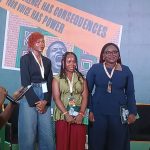
    For 24-year-old Aishat Omotolani Jimoh, who recently passed her bar finals in the top 17% of her class, law school wasn’t just another academic milestone; It was the most transformational year of her life, and it cost nearly ₦3 million.

    Here’s how it went.

    The beginning: Why I Chose Law. 

    I graduated from the University of Ilorin in 2023 with a Second-Class Upper in Law. Like many art students, I chose law because it was considered the most prestigious field of study. 

    But it also went beyond that for me. I was curious about how society worked, especially in the context of politics, justice, and power. Government was my favourite subject, and law would help me understand the system better.

    Getting into Law School

    Admission into the Nigerian Law School isn’t automatic. Every Nigerian university has a quota; only 150 students from the University of Ilorin can attend each year. The system is based on academic performance and seniority, so many graduates, especially those from previous years, are often in the backlog.

    After my convocation in October 2023, I wasn’t sure if I would be able to get in immediately, and I didn’t want to be delayed for an extra year. So I signed up for NYSC, went to camp in November, and just decided to go with whatever came first. In January 2024, while en route to resume at my Place of Primary Assignment (PPA) in Lagos, I received the admission news.

    I was posted to the Port Harcourt Law School campus, but upon arrival, I discovered I had been reposted to the Abuja campus. I flew to Abuja, and my law school journey began in January 2024. 

    I had to defer my NYSC to focus fully on my studies. It’s illegal to do both simultaneously. NYSC requires physical presence, and Law school states that you must not work while in school.

    The Real Cost of Law School? Almost ₦3 Million

    The Nigerian Law School’s financial requirements are quite structured. Everything was foreseen, so there were no surprises. 

    The first bill I paid was ₦506,000, comprising ₦476,000 in tuition and ₦30,000 in application and other fees. But that was just the beginning.

    Over the next 11 months, I would spend close to ₦3 million. This includes feeding, books, flights, clothing, transportation, medical expenses, and more. It doesn’t include Call to Bar expenses because registration hasn’t started yet.

    Here’s a rough breakdown:

    • Tuition and application: ₦506,00
    • Textbooks: ₦100,000
    • Flights (about five trips): ₦500,000
    • Clothes and footwear: ₦100,000
    • Feeding: ₦100,000 every 3 weeks for 6 months (~₦800,000)
    • Snacks and stationery: ₦120,000
    • Transporting belongings via cabs& co.: ₦130,000
    • Medical tests before resumption: ₦30,000

    My parents covered the full costs. It wasn’t easy, but they did their best to support me.
    Cooking wasn’t allowed, so feeding costs were inevitable. On most days, I managed two decent meals. Breakfast often wasn’t possible because classes started as early as 9 a.m. and finished at 1:30 p.m. every day. 

    Some days, I spent ₦5k or even ₦8k on two square meals. On other days, I spent much less. Sometimes, I skipped proper meals entirely and just had snacks. Occasionally, I managed three full meals. Aside from food, there were other small but constant expenses like toiletries, personal care, and general upkeep.

    I couldn’t even save. Law school took all my money. Anytime I went over budget, I dipped into my personal savings. It was insane. I was averaging about ₦100,000 every three weeks. Sometimes, I spent more, sometimes less, but I managed my spending well enough to keep it somewhat consistent.

    Get More Zikoko Goodness in Your Mail

    Subscribe to our newsletters and never miss any of the action
    The Academic Pressure Was Unreal

    People say law school is tough, and they’re right. But it wasn’t just about external pressure; I was the one pushing myself. From the moment I received the admission, I started mentally preparing.

    I watched interviews of past first-class students on YouTube. I followed and took advice from lawyers I admired on Twitter. I started reading from the very first day of lectures.

    Studying for six hours straight was a warm-up. I could do 11 or 12 hours straight without breaks. I saw both sunrise and sunset from my reading desk. I didn’t complain about the stress because I had prepared my mind. My goal was to finish with a First Class.

    Externship, Assessments and Bar Finals

    In May 2024, we began our externship, which consisted of five weeks at a court and five weeks in a law firm, with short breaks in between. It was our practical phase, where we applied all that we had learned in school. When we returned in September, we did portfolio assessments, during which we had to defend our experience before a panel. The work wasn’t graded, but it was necessary to prove we were “fit and proper” to be called to the bar.

    Then came Bar Finals in November 2024; six days of intense exams:

    • One day for multiple-choice questions (20 per course in 60 minutes)
    • Five days of essay papers, one course per day

    We were examined in:

    • Criminal Litigation
    • Civil Litigation
    • Corporate Law
    • Property Law
    • Professional Ethics

    I revised like my life depended on it. I had a hectic timetable and surrounded myself with wall-to-wall notes, printed materials, and draft sheets scattered across my bed. I taped everything I could on my walls. It was chaotic, but it worked.

    Beyond my regular lecture notes, I was studying an intense external material called Agbata. These are simplified lecture notes and slides from past NLS students, usually shared for free with new intakes. I also drilled myself with past questions from as far back as 10–12 years. I even added resit past questions and pre-bar papers from other campuses.

    My peers and I would have discussions and quiz each other, and that helped a lot.

    My Results Came With a Bittersweet Taste

    The results dropped in April 2025. I didn’t even have the courage to check. I asked my friend to do it while I listened on the phone.

    He said, “Second Class Upper.”

    I whispered, “Subhanallah…(Glory be to Allah)” and then, “So I didn’t get a First Class?”

    He replied, “Alhamdulillah (Praise be to Allah). Congratulations.”

    I felt numb and indifferent. I had visualised a First Class so many times that I didn’t know how to process anything else. I had cried about it for a week back in January, before the results were even out. But by April, I had made peace.

    I reminded myself that growth happened in the process, not just the outcome. Law School stretched me. But it also sharpened me. And for that, I am grateful.

    Who Got Me Through It

    My family showed up in every way, emotionally, mentally, and financially. My friends were the real MVPs; they constantly encouraged me, checked in, and prayed. My roommate was another blessing: peaceful, optimistic, and always rooting for me. 

    I tend to be slow at making friends, but the few I made during law school inspired me. 

    And more than anyone, me.

    I was my own loudest supporter and cheerleader. I rewarded myself for every small progress. I read motivational quotes daily. I relied on God entirely and prayed like never before. Law School deepened my faith. 

    I gave everything I had to go through this process.

    I deprioritised everything for Law School. I’m not even the most outgoing person, but whatever social life I had took a backseat. I gave up my entire 2024 for this one goal, because Law School was a one-time shot, and I wanted to do it once and do it well.

    I sacrificed time, rest, and everything else. My family and I grew closer during that period, but our friendships were more laid-back. My focus was singular: pass the Bar Finals and make it count.

    So, Was It Worth It?

    Absolutely. I may not have graduated with a First Class, but I walked away with something even more valuable: proof that I can do hard things. And that’s priceless.

    I’m proud to be graduating in the top 17% of a class of over 7,000 students. Law School is one of those experiences you can’t fully grasp through someone else’s words; you have to live it to feel its weight truly.

    I sacrificed an entire year of my life for this. I gave it my all. And even though the outcome wasn’t exactly what I imagined, I stretched myself, pushed past my limits, and showed up for myself every single day, and that alone makes it worth it. 

    Once I’m remobilised for NYSC, I plan to pursue a career in Corporate and Commercial Law. That’s where my interests lie, and that’s precisely where I’m headed.

    Join 1,000+ Nigerians, finance experts and industry leaders at The Naira Life Conference by Zikoko for a day of real, raw conversations about money and financial freedom. Click here to buy a ticket and secure your spot at the money event of the year, where you’ll get the practical tools to 10x your income, network with the biggest players in your industry, and level up in your career and business.


    Also Read: #Match2025: The Cost of Chasing a US Medical Residency from Nigeria


    [ad]

  • 100 Deaths and Counting: Everything We Know About the Violent Attacks in Nigeria Since April

    100 Deaths and Counting: Everything We Know About the Violent Attacks in Nigeria Since April
    Photo image of a tricycle burnt during an attack on a Plateau community. Photo: Amnesty International

    If you said Nigeria is in hot soup now, you’d be absolutely correct. From Boko Haram’s not-so-subtle comeback in Borno, the disturbing attacks in Plateau State, and the recent attacks in Benue, it’s been a hell of a month for Nigerians. If you didn’t already know what was going on, this article is your opportunity to catch up.

    Unexplained bloodshed in Plateau

    If you were anywhere near X (formerly known as Twitter)  at the start of April, you’d agree that the month sort of started well for Plateau State— its capital city, Jos, was getting lots of love and organic PR on the TL and it had people bookmarking a shit ton of tweets and adding visits to Jos on their bucketlist.

    The renewed excitement for the city’s beauty didn’t last long, though, because almost immediately these posts made rounds on X, news of bloodshed trickled in and took over. The thing is, we started hearing about them a little longer after they happened.

    The attacks first resurfaced on March 28, as the month closed out. If we were counting for the current month, we’d begin with April 2, when armed men brutally attacked communities in the Bokkos Local Government Area (LGA) of Plateau State and reportedly killed about 52 people, injuring many others. On that same date, there was also an attack on the Dundu community in Bassa LGA, which left three farmers dead.

    Photo image of Plateau residents fleeing their community after an attack in 2023. Photo:AFP

    After that first attack of the month, it pretty much went downhill from there. On April 7, Hurra village in Kimapka District was thrown into mourning after an attack left three farmers dead.

    The attackers, whether they were the same group or not, were not taking any breaks because on April 8, they struck again, three separate times on communities in Kwall District and Miango District, both in Bassa LGA, leaving two farmers dead. 

    April 9 saw a herder killed, many cows poisoned, and others stolen in Keweke, Zoronvic,  and Ariri communities, both in Bassa LGA.

    April 12 came with the news of an attack on Zogu village (in Bassa LGA), which left two farmers, both father and son, dead.

    One of many damages caused by the April x attack on the Zike community. Photo: Premium Times

    At midnight, on April 14, gunmen unleashed violence on the  Zike community in the Kwall district of Bassa LGA, killing over 51 people, leaving many injured, and properties destroyed.

    “It’s ethnic cleansing”-Plateau Governor

    Plateau State Governor, Caleb Muftwang, speaks during an event. Photo: DailyPost Nigeria

    Since the attacks on Plateau State resurfaced, Nigerians have asked to know the attackers and their motive; the governor of the State, Caleb Muftwang, on the one hand, has told anyone who cares to listen that they’re not ordinary, but are measured and carried out by “known groups” to eliminate indegenous ethnic communities.

    “As I am talking to you, there are not less than 64 communities that have been taken over by bandits on the Plateau between Bokkos, Barkin Ladi, and Riyom local governments,” Muftwang said to Channels TV during a recent interview. “They have been taken over, renamed, and people are living there conveniently on lands they pushed people away to occupy.”

    The former governor of the state, Jonah Jang, made a not-so-different comment. In a statement released on Tuesday, April 15, he said that describing President Tinubu’s use of ‘communal conflict’ in describing the attacks as inaccurate.

    “The attacks in Plateau State are not merely communal disputes; they are perpetrated by a known group with a specific agenda,” he said.

    While Muftwang and Jang suggest the attacks are ethnically motivated and carried out by known groups, they have not mentioned the people responsible.

    President Tinubu, on his own end, has, as usual, promised an end to these killings, but Amnesty International has called BS.

    “Issuing bland statements condemning these horrific attacks is not enough,” Amnesty International said in a statement released on April 15.

    Boko Haram’s come back to the Northeast 

    While unknown armed men wreaked havoc in Plateau State, Boko Haram also staged a not-so-subtle comeback in Northeast Nigeria.

    For some time now, it seemed as though the region which was ravaged by terrorism was catching a bit of a break, but they might be coming back again. The alarm was first raised on April 8 by the governor of Borno State, Babagana Zulum.

    So far, the attacks recorded by the media this month include an April 12 landmine attack along the Damboa-Maiguguri highway, which left eight people dead and over 17 injured.

    Photo image of the destroyed Mandafuma bridge. Photo: Daily Post Nigeria

    On Tuesday, April 15, terrorists suspected to be members of the Islamic State West Africa Province (ISWAP) destroyed the Mandafuma bridge in Maiduguri after they detonated an Improvised Explosive Device (IED) on it. 

    Barely two days later, on Thursday, April 17, the terrorists used an IED to destroy another bridge. This time around, it was a bridge in Yobe (another Northeastern state) linking Ngirbuwa and Gonori communities in Gujba LGA. These attacks, according to experts, are attempts to prevent military reinforcement and logistics supply to some areas.

    On April 18, suspected Boko Haram terrorists attacked Yamtakke, a resettled community in Gwoza LGA of the state. The attack led to the death of two soldiers and some civilians.

    The day after, they attacked a community in Hong LGA of Adamawa State (also in the Northeast), burning houses and properties, and then hoisting their flag to signify they’ve conquered the place. Meanwhile, three days earlier, terrorists destroyed a Police patrol van from Garaha with a bomb.

    [newsletter type=z-daily]

    All of these attacks on Borno, Adamawa, and Yobe (also known as the BAY states) are resurrecting fears of a return to Boko Haram and ISWAP’s reign of violence in the Northeast region, especially because some of the recently attacked areas like Hong (in Adamawa) and Gwoza (in Borno) were areas which severally suffered lots of attacks in the thick of the insurgency.

    Benue under attack

    It’s not just raining violence in Northern Nigeria, it’s pouring. While Nigerians still tried to grapple with the attacks simultaneously going on in Plateau and parts of the Northeast, violence broke out in Benue too.

    On April 17, the Ugondo community (located in Logo LGA) and Tyuluv and Gbagir communities in Ukum LGA were attacked by suspected herders. The governor of the state, Hyacinth Alia, says he violence took over 56 lives, while the Police said the death toll was at 17.

    The cause of the brutality is not clear yet, but Alia suggests it was specifically carried out at the start of the planting season to prevent the communities from farming.

    Bandits attack in Kwara as Police deny

    The chaos in one part of Kwara State may have been drowned out by the violence in other parts of Nigeria but they too have been going through it.

    Locals in Baruten LGA told Channels TV they were attacked by bandits during Easter weekend. They said the bandits who attacked them came from Northwest and Northeast Nigeria, where they were chased away.

    The situation in Baruten is quite strange because even though residents of the LGA continue to complain and back up their claims with photos and video evidence, the  Police in the state have continued to deny that the attacks happened. In fact, a local told Channels TV that the Northern part of the LGA has been occupied by bandits after they chased residents away.

    It’s time to call out the government

    One thing the Tinubu administration has done pretty well is to claim it is on the path to solving Nigeria’s insecurity issues. The President said it during his Independent day speech in 2024, most recently in February, and a couple of other times.

    If these claims were believable before, the recent attacks, which have claimed over 100 lives in the 22 days of April, are saying otherwise in the loudest way possible.

    This is even more concerning because the government dedicated a whopping ₦6.11 trillion (88 per cent increase from the previous year) of the 2025 budget to tackling insecurity. How is the money being disbursed towards improving security? How long before the violent attacks which is brewing in Northern Nigeria spread to the rest of the country? Now is the best time to demand answers.

    [ad]
  • “For the longest time, I’ve dreamed of creating something like #WithChude Live!” – Chude Jideonwo shares vision talk concert at press conference

    “For the longest time, I’ve dreamed of creating something like #WithChude Live!” – Chude Jideonwo shares vision talk concert at press conference

    The anticipation for WithChude Live! reached new heights today as members of the press and key stakeholders gathered for a powerful and inspiring press conference hosted April 17th, 2025, at the headquarters of RED | for Africa in  Lagos. Hosted ahead of the first-ever live edition of the beloved WithChude interview series, the press event was graced by prominent news platforms and media houses, setting the stage for what promises to be one of the most emotionally resonant and thought-provoking experiences of the year.

    On the panel were Chude Jideonwo, celebrated media entrepreneur, CEO of Joy Inc., and co founder, RED | for Africa, Jennifer Mairo, Chief Operating Officer of Joy Inc., Alhaja Detoro, founder of The Stacked Company, and Brukeme Dickson, Chief Operating Officer of Red Media Africa. Each speaker shared moving reflections on the purpose behind With Chude Live! and engaged meaningfully with questions from the media.

    [ad]

    “#WithChude is not just another event, it is an emotional, full-circle moment for me. For the longest time, I have dreamed of creating something like this—a space where the power of truth, vulnerability, and story can come alive in real-time” said Chude Jideonwo. “WithChude Live is an answer to that, a beautiful day for the mind, heart and spirit, where people can feel seen, heard, and deeply moved. This is the moment I’ve been waiting for, and I’m honoured to be able to finally share it with the world.”

    The upcoming #WithChude Live! show, set for Sunday, April 27, 2025, at the Palms Mall, Oniru, is poised to deliver a groundbreaking blend of emotional storytelling and soul-stirring insight. Attendees can expect a stellar lineup of some of Nigeria’s most celebrated figures, including literary icon Chimamanda Ngozi Adichie, award-winning actress and filmmaker Funke Akindele, spiritual leader Pastor Jerry Eze, music activist and rapper Folarin Falana (Falz), and comedian Abovi Ugboma (Bovi).

    Adding to the experience will be a powerful live panel session featuring Ebuka Obi-Uchendu, Veekee James, Hauwa Lawal, entertainer Kiekie, Moses Bliss and Taaooma. Together, they will explore timely themes through the lens of personal stories, courage, and authenticity. Tickets for the main event are available now via event.withchude.com.

  • “I Let My Husband Take Over My Business” — 7 Nigerians on the Money Mistakes That Cost Them Everything

    “I Let My Husband Take Over My Business” — 7 Nigerians on the Money Mistakes That Cost Them Everything

    Money can be a soft pillow or a sharp knife; it all depends on how you handle it. These seven Nigerians have danced with both ends of the spectrum. From losing millions to betting and spending ₦45k on kilishi, here’s how they fumbled the bag and what they learnt along the way.

    “I let my husband take over my business, now I have to beg him for money” — Bisi, 41

    I used to run a big shoe store in Balogun. On good days, we made ₦200k. My husband was a contractor, and I allowed him to manage my business temporarily when a major project fell through.

    He was working with another contractor who mismanaged funds and disappeared. To cover the shortfall, he dipped into his personal savings. The loss hit him hard: emotionally and financially, and before I knew it, he had thrown himself into helping me run the store.

    At first, it made sense. He’d invested money in the business and wanted to help. It was good for us.

    But slowly, I lost control. He didn’t want me at the store as frequently anymore. He said I should rest, stay home, and care for our four kids.

    Now, I only “assist” sometimes. It doesn’t feel like mine anymore. The worst part is having to ask him for money to buy things.

    That used to be my business. I built it from scratch. Now, I’m just the woman who used to own it.

    If I could go back, I’d never give up full control. Support is one thing, but as a woman with a business, you should always keep your name and power on the door.

    “I moved abroad and regretted it” — Dare, 27

    In Nigeria, I earned $2k-$3500 per month from US freelance jobs. I lived large, took care of my family, and never worried about bills.

    Then, in 2023, I left for a Master’s degree in the US, thinking I would level up. But reality slapped hard. Between paying monthly rent, taxes, and bills, I can’t afford to be a big spender anymore. I miss Nigeria and the comfort of having more than enough.

    I contemplated moving back and even visited last year to see if I could settle again, but I just can’t see myself living in Nigeria anymore.

    Now, I’m learning to be more disciplined with money: how to budget properly, cut back when necessary, and still leave room for small enjoyment. It hasn’t been easy, but I’m adjusting.

    “I let fear cost me a million” — Ire, 23

    It was sometime in April 2019. Ethereum was still a baby coin, and 1 ETH was worth about $162. I didn’t know much, but I had a friend who did. So I sent him money to help me buy one unit.

    However, his bank had issues when he tried to convert my naira to crypto. The money got stuck, and I panicked.

    “Just send my money back,” I told him.

    He did.

    On April 16, 2025, Ethereum was worth over $1,500.

    That moment haunts me often. I could’ve made at least ₦1.8 million from that one move. That’s how one small fear turned into a missed opportunity.

    Get More Zikoko Goodness in Your Mail

    Subscribe to our newsletters and never miss any of the action

    “I spent ₦45k on kilishi, then almost went broke” — Funmi, 24

    Two weeks ago, I travelled to Abuja for a work retreat and suddenly developed an intense craving for kilishi. I booked a ride to Area 1, spent ₦15k on the trip and ₦30k on kilishi. That same day, I also sent ₦35k to family for black tax and had a ₦50k monthly savings obligation, all out of my ₦200k salary.

    I have ₦70k left to survive the rest of the month. From that, I still have to buy fuel, data, and everything else. I kept thinking, Why did I do that?

    I used to think impulse spending wasn’t a big deal. But when you’re trying to stretch ₦70k over two weeks, reality slaps hard.

    “I lost ₦30 million to gambling” — Quadri, 27

    In 2018, I placed my first-ever sports bet and lost ₦800k in one week. I was 20 and had just started university. 

    As a student, I’d just started making good money from running ads on my WhatsApp TV, and as an early crypto adopter, I was also pulling in steady profits. Then a friend showed me how gambling works, and I got pulled in.

    That crazy loss was followed by an even crazier win. The next week, I tried my luck again and won ₦1.2 million on a ₦200k bid. That’s where the madness started.

    For three years, I was addicted. Day by day, ₦50k here, ₦300k there, until I’d lost nearly ₦30 million — money I worked hard for. It cost me more than cash. My academics, my mental health, even my relationships, everything took a hit.

    One day, I just snapped. I stopped chasing losses, unfollowed every punter on social media, and activated self-exclusion on all the betting apps. I had to be real with myself, betting would never make me rich. It was only making me poorer, mentally and financially. Choosing to stop was the first real win I had in years.

    Now, I tell every student I meet: betting won’t take you out of poverty. It’ll keep you there.

    “I thought the money would never stop coming” — Akin, 25

    One day in 2021, I checked my Upwork dashboard and saw I’d made over $5,000 in my earnings history, but had spent it all. I thought, “Did someone help me spend this money without telling me?”

    I had been working as a content writer on Upwork for about 2–3 years, gradually growing my account. But I was terrible at saving. I didn’t know how to say no, and I’d give people money for no real reason. I didn’t even cook. I just kept buying food and spending anyhow, thinking more money would always come.

    It’s not as if I lost the money to a scam or a bad investment. I just spent it all, mindlessly.

    Then work started slowing down. As AI crept into the content writing space, there were fewer clients, and I didn’t even have anything to fall back on. I’d already spent all my money. That’s when it hit me that you can make money, but if you don’t manage it well, you’ll just be stuck when things slow down.

    “I trusted the wrong mentor” — Larin, 24

    My biggest financial mistake was the trade that wiped out all the savings and profits I’ve been gathering since 2024. Everything was gone in less than a day.

    I’ve been into forex trading for a while. In February, my mentor dropped a signal and told us to buy a particular trade. Without thinking twice, I went all in and emptied my account. The trade backfired badly. I lost $650 just like that. 

    What’s worse, I saw the signs. My gut told me not to enter the trade, but I ignored it because I trusted the person who gave the signal. Looking back, I shouldn’t have followed that mentor at all.

    Since then, it’s been rough trying to get back on my feet. I had to start again from scratch, back at the ground level, with no funds, backup, or anything. But I learnt the hard way: always manage your risk, never trust anyone blindly, and never, ever put all your eggs in one trade.

    Join 1,000+ Nigerians, finance experts and industry leaders at The Naira Life Conference by Zikoko for a day of real, raw conversations about money and financial freedom. Click here to buy a ticket and secure your spot at the money event of the year, where you’ll get the practical tools to 10x your income, network with the biggest players in your industry, and level up in your career and business.


    Also Read: 6 Nigerians Share Their Real Money-Saving Hacks for Surviving Inflation


    [ad]

  • I Tried to Survive on Nigeria’s ₦70k Minimum Wage for a Month. I Only Lasted 14 days

    I Tried to Survive on Nigeria’s ₦70k Minimum Wage for a Month. I Only Lasted 14 days

    Since the Nigerian government announced the new ₦70,000 minimum wage, I’ve been curious: can anyone actually live on that amount for a full month in this economy? 

    I earn ₦250k monthly as an IT support specialist, and while it might sound okay on paper, it runs out faster than fuel during a subsidy rumour.

    Typically, I spend 60% of my salary and stash the remaining 40%  — ₦150k goes out most months, but sometimes my spending hits 70%. This April, I want to try something different: I’m limiting myself to spending just ₦70,000 for the entire month. Basically, I’m trying to live like someone earning minimum wage.

    Can I make it through the month if I stick to a plan? That’s the question.

    Day 1

    It’s April 1st,  and it’s the Eid-el-Fitr public holiday, so I’m not working. I stay at home to avoid spending unnecessarily. Then reality sets in — my new laptop is en route from Ibadan, and I need to pay the delivery driver.

    I top up ₦1,500 for airtime, call the driver, and track my parcel. After confirming he’s close, I head to a POS near the bus park to get some cash. That’s another unexpected cost. The POS attendant tells me they charge ₦100 for every ₦5,000. I roll my eyes and hand over my card.

    I withdraw ₦5,000 first, then later go back for another ₦3,000 to keep. That’s  ₦8,200  gone in total and ₦200 of it is just for POS charges. 

    I pay the bus driver ₦5,000 to sort the waybill.

    Day 2 

    I work remotely and only have to visit the office once a month, so I plan my days to avoid unnecessary spending.  I rarely ever step out. 

    I keep my fridge stocked, line up my calls back-to-back so I’m not tempted to leave the house, and stay glued to the internet. It’s a simple formula: the less I step out, the less I spend. 

    After work, I withdraw ₦3,100 from a POS nearby for a bike ride to a supermarket, where I spend ₦10,500 on skincare essentials — Nivea body cream and Dove soap.

    By 8:30, Barça is playing Madrid. They score, and Cowrywise yanks ₦1,000 from my account. It’s part of their “goal-based savings challenge” — an automated feature that deducts money every time my team scores. I signed up for it, and it stings, but it’s a disciplined kind of pain. They also take another ₦1,000 for my regular weekly savings plan.

    The money is locked until January, so I can’t touch it. Since I never know how many goals Barça will score, I never really know how much I’ll end up saving. But so far, it’s worked.

    Day 3

    I didn’t spend a single kobo today. 

    There’s food in the kitchen, and I’m not going anywhere. I have a router set up, so data isn’t a problem either. I just sit at my desk, work, eat, and mind my business — a peaceful, no-spend kind of day.

    Day 4

    Same as yesterday — indoors, no spending. I’m starting to feel proud of myself.

    Day 5

    No movement again. No money spent. This might work.

    Get More Zikoko Goodness in Your Mail

    Subscribe to our newsletters and never miss any of the action
    Day 6

    It’s Saturday, and I figure a quick haircut and a snack won’t break the bank — it should cost me ₦6,000 or less.

    I recharge ₦500 airtime, withdraw ₦2,100 for transport, and head to the barbershop. A clean cut costs me ₦1,500, and I treat myself to two meat pies for ₦2,000.

    I spend ₦6,100. The three-day no-spending streak is over.

    Day 7

    No movement = no spending. Simple math.

    Day 8

    I’m tired of home food. I order pounded yam with ogbono and fish. It slaps, but it also costs ₦7,250.

    Day 9

    Barça strikes again: four goals, and that’s ₦4,000 straight into my savings wallet. My regular weekly ₦1,000 savings hits too.

    I know I’m not making it to the end of the month on ₦70k.

    Day 10

    It’s time for my monthly in-office appearance. 

    I book a business class train from Abeokuta to Lagos for ₦4,720. I also load ₦2,500 data for my MiFi and withdraw ₦5,000 cash to hold me.

    I order a cab from Mobolaji Johnson Station in Yaba to my hotel in Surulere. It costs ₦3,000.

    Luckily, my company covers food and accommodation for the next few days.

    Day 11

    I take another cab to work in Surulere for ₦2,200. I find out I could have trekked the distance. SMH.

    I buy shawarma for ₦7,000 in the evening and recharge ₦1,000 airtime.

    Day 12

    No spending.

    I stay in the office all day and enjoy free breakfast, lunch, and dinner. But I know I’m not on track anymore. I’ve already burnt through most of the ₦70k. At this point, I’m just trying to delay the inevitable.

    Day 13

    Sunday: the beginning of the end.

    I miss my 4 p.m. train back to Ogun. I take a bus back to the hotel, which costs me ₦2,500. I also pay ₦48,000 to extend my stay for the night, and this isn’t covered by the company.  

    After I settled in, I book another train ticket for ₦4,720.

    Barça scores again, which means another ₦1,000 deduction. Then, I renew my ₦2,500 weekly MiFi plan.

    Day 14

    I hail a cab to the station — it costs me ₦3,200. I catch the morning train this time, and once onboard, hunger kicks in. I spend ₦1,800 on meat pie and sausage rolls. 

    By 9:49 a.m., I arrive in Ogun and hop on a bike for the last stretch home. That’s another ₦500 gone.

    Bottom Line

    It’s just the 14th day of the month, and I’ve already blown way past the ₦70k minimum wage — and more than half my salary, too. If I were commuting to the office daily, I’d have spent much more.

    I thought I could survive the month on Nigeria’s new minimum wage if I planned well enough. But in reality, even someone who earns ₦250k monthly can barely stretch that far.

    Living in Nigeria right now isn’t just hard; it’s a full-time survival game.

    Join 1,000+ Nigerians, finance experts and industry leaders at The Naira Life Conference by Zikoko for a day of real, raw conversations about money and financial freedom. Click here to buy a ticket and secure your spot at the money event of the year, where you’ll get the practical tools to 10x your income, network with the biggest players in your industry, and level up in your career and business.


    I Tried to Spend ₦50k for a Month. It Lasted Only 15 Days


    [ad]