• Nigeria welcomes approximately 800 new births every hour, and it’s easy to understand why. Having (multiple) kids is strongly tied to our societal and religious beliefs. Plus, the idea of having a cute mini version of yourself doesn’t sound half bad.

    But beyond the cute smiles and precious moments, parenting can also involve endless worries and significant financial burdens. We spoke to five Nigerian parents, and they shared how having children has impacted their cost of living, financial stability and even income opportunities.

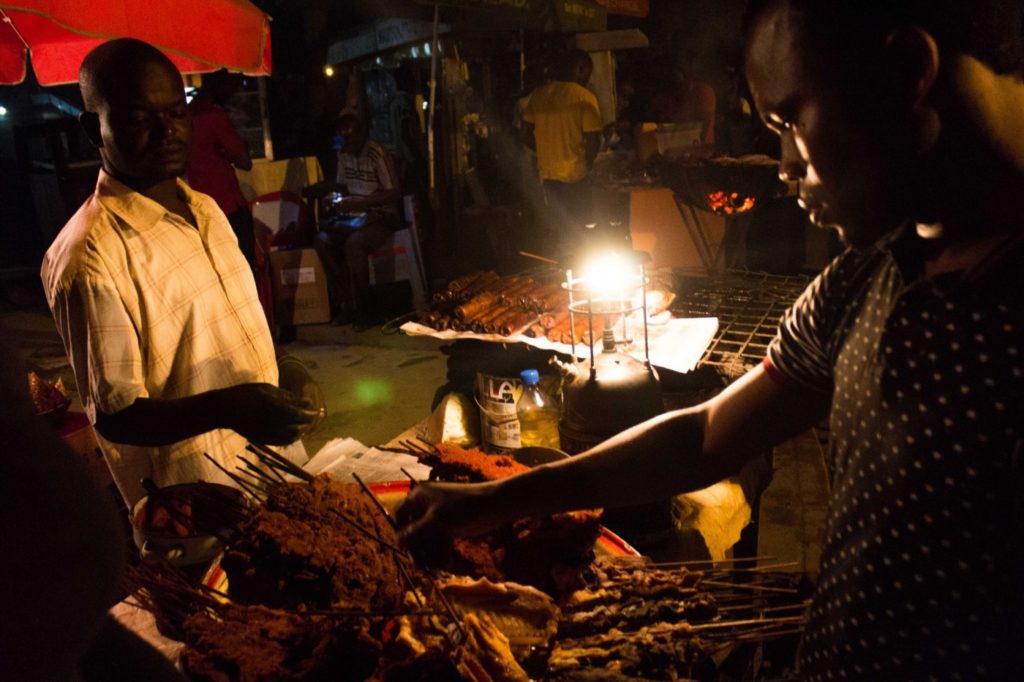
    Image source: Zikoko. Models are not affiliated with the story.

    “I went from earning ₦500k/month to ₦100k”

    Oyin, 35, single mother of one

    I knew I’d be a single parent while still pregnant with my son, so I mentally prepared for it. My partner and I planned to get married, but I caught him cheating when I was five months pregnant. The cheating incident revealed a history of lies I couldn’t overlook, so I left him and had my son alone in 2023. 

    I thought I was ready to raise a child, but nothing prepared me for the reality that motherhood would also affect my income source. Before my son, I had a job and a side hustle selling perfumes and thrift, bringing my monthly income to ₦500k on average. I still managed to juggle both while pregnant, but it became a different story after I gave birth.

    I quit my job and thought I could rely on my business, but that didn’t work. I couldn’t go to the market regularly anymore because I had no one to keep my son with. The few times I managed to go, I begged my neighbour to watch him. That stopped when I came home one day and saw she had left my six-month-old crying alone on a mat on her balcony. 

    When my son was eight months old, I decided to risk taking him along with me to the market. I saw shege that day. The heat made him very irritable, and he cried throughout the day. I also almost fainted from the stress of carrying him on my back and dragging heavy bags of clothes. Safe to say I didn’t try it again.

    Over time, I’ve had to scale my business down because there’s only so much I can do alone. I only sell perfumes now because they’re less stressful, and my customers come from social media — no time to go office to office hustling for customers. Right now, I make an average of ₦100k in profits monthly. It’s even more than I used to make between 2023 and 2024, when my son was still a baby and I had less free time.

    From that ₦100k, at least ₦80k goes to our feeding and my son’s needs. I manage the remaining ₦20k for utility bills, internet and emergencies. I had ₦800k in my savings when I got pregnant, but I’ve been pinching out of that to survive and pay rent. Only ₦60k is in my savings now. My son’s father sends ₦30k every three months to “support”, but it doesn’t go anywhere. Plus, the money only comes after I’ve called to shout at him several times. 

    I literally live hand-to-mouth every day, and it’s a sharp difference from who I was before. I don’t buy things for myself anymore, and I dread when my son will have to resume school because the expenses will only increase. But I try to console myself with the fact that school will mean extra time for me to try keeping a job. So, there’s hope. 

    “I’m tied to my job because of constant loans”

    Dabiri, 38, married father of three

    My wife got pregnant one month after our wedding in 2014, and we suddenly moved from newlyweds to new parents. As if that wasn’t shocking enough, we gave birth to twins. 

    I was initially scared — my wife was unemployed and I earned ₦80k/month — but I figured we could make it work. Fortunately, our family came through for us with monetary gifts, and my mother-in-law helped us with the babies while my mum often sent us food stuff. Those first few years were great, and I didn’t feel too much financial pressure. But to be safe, my wife and I agreed to leave it at two kids. She’d be a stay-at-home mum and we’d manage with my salary. 

    Fast forward to 2021, we found out we were expecting again — my wife’s IUD contraceptive failed. Our situation was much tougher this time. Our mothers had passed away, and the COVID lockdown had taken my job. I was still wondering how I’d provide for my family with no salary when we found out about the pregnancy. I begged my wife to have an abortion, but she refused. 

    The whole thing almost separated us. I was angry that she wasn’t being realistic, and I moved out of the house. I was honestly scared of the expenses. It took our family’s intervention for the issue to die down. A family friend also helped me get my current job at a microfinance bank that pays me ₦200k/month. 

    I have a salary now, but it really doesn’t feel like it. After paying for food and school fees, there’s nothing left. My twins had to change to a government school for their secondary education because I don’t have ₦500k to pay for both per term in a private school. 

    But the expenses aren’t my biggest challenge. It’s that I can’t change my job. I’m tied to my workplace because I’m constantly taking loans from my employer to cover household expenses. Currently, I owe ₦800k, and they’re removing ₦40k from my salary for a 20-month period. I’m very sure I’ll borrow more money before I finish paying this one. 

    Since I can’t get a new job and receive a salary immediately to pay my debts, I have to stay here until I can gather (or borrow) enough money to pay them off. It feels very limiting.


    Join 1,000+ Nigerians, finance experts and industry leaders at The Naira Life Conference by Zikoko for a day of real, raw conversations about money and financial freedom. Click here to buy a ticket and secure your spot at the money event of the year, where you’ll get the practical tools to 10x your income, network with the biggest players in your industry, and level up in your career and business.


    “It feels like the expenses are never-ending”

    Bukola, 44, widowed mother of three

    I didn’t fully realise how expensive raising children was until my husband died in 2022 and left me to provide for three teenagers alone.

    Suddenly, I had to bring out money from my unstable income as a fabrics trader for food, school fees, birthday gifts, and even barbing appointments. I sometimes get support from my late husband’s sister, but it feels like the expenses are never-ending.

    Two of my children are in uni and they’re constantly calling for money. If they don’t need a laptop for assignments, it’s that their ₦30k/month pocket money has finished. I laugh when I remember complaining about handling the feeding expenses when my husband was alive. Now that I’m paying for everything, I wish to return to the time when I only worried about food. 

    I’ve turned to an accountant by force, constantly drawing budgets and calculating how to save more money. In one way, it has made me better with money. I save more and avoid unnecessary expenses. I even started a ₦60k monthly ajo contribution for my house and shop rent. 

    I would’ve liked to become more intentional about money under different circumstances, but this is my situation, and I have to try my best. 

    “I’m slowly accepting that I can’t have it all”

    Esther, 27, married mother of one

    When I got married in 2023, I had a clear plan: Relocate with my husband to the US for my master’s degree, find a job, make money, and then start thinking about children.

    But like they say, man proposes, God disposes. I already had a uni admission offer, but the whole wahala with Trump led to the school pausing my scholarship. I dusted myself off and applied to UK schools instead. While the offers came, scholarships didn’t follow.

    Then, in August 2024, I fell sick and the hospital discovered I was five months pregnant. Even I didn’t know. I missed my period once during the five months, but my home pregnancy tests were negative. The periods even returned, so I’m still confused how I turned up with a whole five-month fetus.

    The baby put all my plans on hold. I quit my job after getting the US scholarship and am still unemployed. I can’t even look for a job properly because I have a baby to worry about. My husband provides all my needs, but it’s somehow not having anything to my name.

    I’m still half-heartedly applying for scholarships, but slowly accepting that I can’t have it all. Even if I get the scholarship, will I study with a baby? My husband won’t come with me because he has a really good job now. We can’t risk relocating to a new country as two unemployed people with a child.

    My financial prospects don’t look great right now. I just hope things start to make sense when my child gets older.


    RELATED: Having Kids Took Me From Middle-Class to Poor


    “I’m glad I invested before having children”

    Daniel, 36, married father of two

    I earn reasonably well at ₦800k/month, but I also have two growing boys who seem like they were born to chop my money. 

    Before we had our children, my wife and I could spend only ₦80k on food monthly. But now, it’s ₦250k and above. My children will eat breakfast at 8 a.m. and start shouting, “I’m hungry” by 10 a.m. I still have to worry about clothes, toys and school fees. 

    I’m just glad I wisely invested in a plot of land before getting married. Now, I just try to save 100k monthly and put it towards my building fund. I should have 3m by the end of the year, and I’ll use it to start building something. 

    If I hadn’t gotten land before having children, I doubt I’d be able to do it now, especially with the economy. I mean, it took me almost four years to save just ₦3m. This is me who saved ₦2m in a year for my wedding in 2018. But saving is a luxury now. I’m just glad I can still afford to put some money away.


    *Names have been changed for the sake of anonymity.


    NEXT READ: I Stopped Paying My Family’s Bills, and They Started Disrespecting Me

    Get More Zikoko Goodness in Your Mail

    Subscribe to our newsletters and never miss any of the action

    [ad]

  • Financial comfort in Lagos, a city known for its high cost of living and fast-paced lifestyle, is influenced by multiple factors. 

    While ₦100k might be a fairly comfortable figure for a single NYSC member who lives and works in Ikorodu, it might barely scratch the surface for a family of three in Ikeja or the 9-5er who lives on the mainland and braves the daily Mainland-Island commute for work.

    So, what’s the magic number? What salary can actually make life in Lagos feel comfortable? In this article, we’ll dive into the numbers and explore what it takes to live your best life in Nigeria’s bustling economic hub.

    But first, what does it mean to be financially “comfortable”?

    Defining “Comfortable”

    While a comfortable salary is subjective and primarily based on individual needs and lifestyle, a salary can be generally considered comfortable if it allows for a good quality of life without significant financial stress. 

    The level of comfort obtainable, however, differs across income categories, lifestyle and household size. Finance analyst Onome Ohwovoriole explains this below:

    • Borderline Poor/Basic Comfort: This category earns within the ₦70k – ₦100k/month range. While they can afford the essentials like rent or food, they are not without financial stress. The most affordable single room in Lagos costs an estimated rent of ₦200k – ₦300k/year, which is about ₦16k – ₦23k of the individual’s monthly income going to rent alone. This leaves them with around ₦50k – ₦70k left to figure out food, transportation and the bare utilities.
    • Lower Middle Class Comfort: This category earns within the ₦150k – ₦300k/month range. They can afford essentials like rent and food, but often have to supplement their income with tips or loans.
    • Upper Middle Class and Entry Level Rich or Affluent Comfort: These two categories earn above the ₦500k/month mark (usually within the ₦10m – ₦100m per annum range) and are lumped together because they can afford to go beyond essential expenses to consider travel, prioritise a better quality of life and other expensive lifestyle choices.  

    How Lifestyle Choices Impact Comfort

    According to Onome, spending habits also vary across the income categories, and these lifestyle choices play a huge role in the comfort levels of the individuals in these categories. Single people tend to have a higher propensity to spend compared to families. However, some families have a bigger pool to spend from, especially dual-income households

    For the average Lagos household, the bulk of expenses are food and transportation, with between 50% and 70% of the salary going to both categories jointly. The split between both buckets varies depending on household size and lifestyle choices.

    Food quality also differs from one household to another and across comfort levels. With food inflation constantly increasing, it means more people are limited to the food options they can afford, regardless of whether their nutritional needs are met. So, while a growing child needs protein like chicken and eggs for brain development, he might have to settle for crayfish if his family can’t afford ₦8k for a crate of eggs or ₦5k for a kilo of chicken. 

    Beyond food, transportation and rent, priorities start to change depending on demography. Households with young kids spend a chunk of money on tuition. For these households, comfort might mean letting go of expensive housing to afford better schooling options for the children. 

    The upper middle class can afford travel, but depending on priorities, they can consider cheaper alternatives, like local destinations, to overseas travel. So, there is comfort, but it is subject to multiple factors.

    Get More Zikoko Goodness in Your Mail

    Subscribe to our newsletters and never miss any of the action

    5 Lagos Residents on What Salary Feels Comfortable

    33-year-old male civil servant living in Badagry

    Salary: ₦95k/month

    What’s your current living situation? I live in a rented ₦200k/year one-bedroom apartment with my wife and toddler. My workplace isn’t far from where I live, so I walk 15 minutes to and from work. 

    I have the option to take a ₦200 keke in the morning (it sometimes increases to ₦250 in the evenings), but it feels like a waste of money. That’s almost ₦10k on transportation at the end of the month. I can’t afford that.

    Can you break down your typical monthly expenses? I give my wife ₦10k weekly for food, so that’s like ₦40k/month. She often complains that it’s not enough, but she makes it work. 

    Then, I contribute ₦20k/month to my ajo group to save for rent. Last year, I took a loan from work to support my brother in buying an okada, so I repay ₦15k every month and will finish all payments in August. I use the remaining money to buy snacks at work or toys for my toddler. 

    Most of the time, I’m broke by the middle of the month, and I have to borrow money from my wife, who’s a teacher. I don’t usually pay her back, but she does the same to me, so it’s fine.

    Do you feel financially comfortable? No, I’m far from comfortable. After repaying this loan, I plan to take another one to buy a keke so I can use it for business. If I make an additional ₦100k monthly, I should be okay.


    RELATED: 6 Nigerians Earning Between ₦30k and ₦4m Open Up About the Lives They Can Afford


    27-year-old female teacher living in Ikotun

    Salary: ₦70k/month. Online tutorials bring this to ₦120k/month

    What’s your current living situation? I live with my husband and his sister in a two-bedroom apartment that we rent at ₦600k/year. I teach at a school an hour from my house and often use public transportation. Other times, I hitch a ride with my colleague who lives a bus stop from my house and walk the rest of the way home. 

    Since I’m married, I don’t have to worry about rent, utility bills, or a significant chunk of food expenses. My sister-in-law is in secondary school, and I often assist my husband with her tuition and day-to-day needs like toiletries. But most of my income comes back to me. 

    Can you break down your typical monthly expenses? Transportation comes to ₦30k/month, and I spend ₦15k monthly on data. Then, about ₦30k on personal expenses like skin care and hair.

    I give my sister-in-law a ₦1k stipend for school transport and lunch every weekday, so that’s like ₦20k. Her tuition is ₦80k, but that’s every three months and sometimes my husband pays. Another ₦25k/month goes into supporting food expenses, usually when my husband is broke.

    I try to save ₦20k with a savings app, but I’m not consistent with that because by the time I remember to save, money has finished. 

    Do you feel financially comfortable? Not at all. I’m only surviving because my husband pays my bills. If not, I’d probably be living hand to mouth. I can’t even afford to put my parents on a consistent allowance. I only send them money when they ask. I need to earn like ₦400k to feel reasonably comfortable.


    26-year-old female banker living in Ikorodu

    Salary: ₦600k/month

    What’s your current living situation? I live with my elder sister in her apartment. Neither of us drives, so we use public transport. We hardly ever cook; we just order in. It’s not cost-effective, but no one has the strength to do anything after a long day at work.

    I earn more than most people I know, but I don’t know if I’m financially responsible for just myself, because the black tax is crazy. The billing from my parents is quite significant.

    Can you break down your typical monthly expenses? 10% goes to my tithe. Then, I send at least ₦60k monthly to my parents. I spend ₦210k on transport and feeding. Sometimes, emergencies come up, and those take up quite a bit.

    I save what I can with Piggyvest and Cowrywise. I recently depleted my savings by using them to finance my Master’s program and fund my dad’s business. However, my saving grace is my Cowrywise Duo Savings plan with my boyfriend. It’s comforting to know that I have some money somewhere. 

    I intend to explore investment opportunities this year and raise my savings up to ₦1m.

    Do you feel financially comfortable? I wouldn’t say I’m financially comfortable. I want to be able to save more. The more you earn, the more you tend to spend, so I can’t give an estimated amount that would put me at ease.


    23-year-old male architect living in Ikoyi

    Salary: ₦200k/month. Extra income from his side hustles at an interior design firm and architectural design studio brings his income to ₦1.5m

    What’s your current living situation? My family owns my house, so I don’t pay rent. Also, I live alone. My architecture work is fully remote, so I barely leave my house. I sometimes have to use ride-hailing services to supervise sites on the mainland and align with the builders and engineers to ensure they are working accurately.

    I’m not financially responsible for anyone. I get black tax, but it’s not consistent. I prefer to cook at home, but time is never on my side, so I order in mostly. As a result, my feeding expenses are usually on the high side. 

    Can you break down your typical monthly expenses? To be honest, I haven’t tried to track it before. But I know I spend about ₦200k on transport and ₦200k on feeding every month.

    I travel from Lagos to Abuja during festive periods twice a year, and a round trip costs close to ₦190k. I also subscribe to many entertainment platforms. I pay for Twitter, Netflix, Prime, Spotify, YouTube Music, Crunchyroll, and other entertainment platforms. I don’t keep tabs, but it should be over ₦100k/month. Internet data subscription also costs me ₦50k monthly.

    I don’t deliberately save or invest; I just keep whatever I have in my account. I don’t use any savings platform, but I have some crypto holdings.

    Do you feel financially comfortable? I’m financially comfortable, but if I can earn ₦20m monthly, I will be totally at ease.


    41-year-old male engineer living in Lekki

    Salary: ₦900k/month. 

    What’s your current living situation? I live in a rented ₦5m/year three-bedroom apartment with my wife and two kids. The only reason I live in such an expensive place is because of the proximity to my wife’s workplace. Plus, her annual bonus at work pays 60% of the rent, so the balance isn’t that crazy.

    Even though we’re a dual-income household, it still feels like we’re drowning in financial responsibilities. I have to pay a ₦2m/year service charge, handle school fees and whatever extra charges the school conjures up, and feeding. There’s still black tax because everyone thinks living in Lekki means I’m wealthy. 

    Can you break down your typical monthly expenses? I spend every single kobo of my salary every month, and it’s honestly not great. At least ₦400k goes to food, and another ₦100k goes to the live-in help and occasional dry cleaning. My car takes ₦56k for fuel every week, so that’s over ₦200k monthly. 

    Then, my parents, siblings and in-laws call for money occasionally, and I have to drop something. This doesn’t include the expenses my wife takes care of, like our children’s day-to-day expenses, medication, clothing, internet and other miscellaneous expenses. 

    I have no savings, but I have two plots of land, so that’s an investment.

    Do you feel financially comfortable? I don’t. I earn more than some of my friends, but I’m just one emergency away from abject poverty, and that’s concerning. I might feel comfortable if I earned ₦10m/month.

    The Bottomline

    While a salary plays a primary role in providing financial comfort, factors like location, household size and lifestyle are just as important.

    For single people living in more affordable areas of the Lagos mainland like Ikotun and Badagry, ₦150k – ₦300k can be a comfortable salary. For families, however, ₦500k – ₦900k might be more realistic for comfort, even more if they live in high-brow areas like Lekki.

    With inflation rising year-on-year, today’s comfortable salary may not be enough to afford the same quality of life next year. It’s essential to plan for continued financial comfort by exploring side hustles and passive income options, saving and investing for emergencies and income growth and generally taking financial management seriously. 


    ALSO READ: 5 Nigerians Open Up on How Relocation Has Shifted Their Financial Realities

    Join 1,000+ Nigerians, finance experts and industry leaders at The Naira Life Conference by Zikoko for a day of real, raw conversations about money and financial freedom. Click here to buy a ticket and secure your spot at the money event of the year, where you’ll get the practical tools to 10x your income, network with the biggest players in your industry, and level up in your career and business.

    [ad]

  • In 2024, rising inflation and the struggling economy pushed 14 million more Nigerians below the international poverty line of $2.15 per day. 

    More than one-third of the population earns below ₦100k, and even more earn below the government-approved ₦70k/month minimum wage. With food and overall inflation reaching all-time highs, Nigerian low-income earners struggle to afford basic necessities like food. 

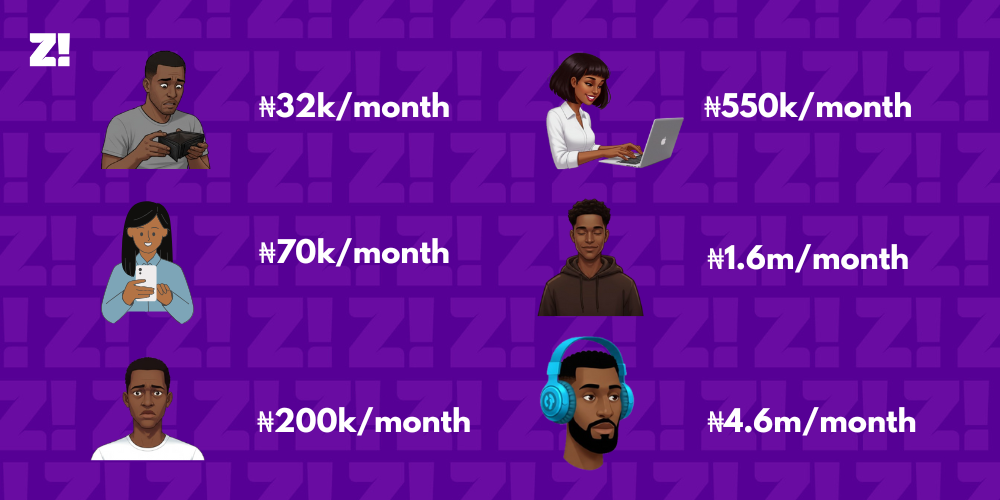
    So, what kind of life can the average Nigerian afford? We asked six Nigerians, each with a different income, to tell us what they can (or can’t) do with their income.

    Joseph, 24

    Income: ₦22k/month + ₦10k from extra lessons

    Occupation: Teacher

    Location: Abeokuta

    What can you afford on your salary? Mostly data and [public] transportation. Then,  personal needs like haircuts and toiletries. It costs ₦300 to take a keke from my house to school. If, during the rainy season or for whatever reason, keke becomes scarce and the drivers increase the fare to ₦500 for a week, it’d throw off my entire budget for the month.

    Sometimes, I buy lunch in school. But most times, I toughen it out till I return home. Fortunately, I still live with my parents, so I don’t pay for accommodation or feeding. If not, maybe it’s only garri I’d be able to afford on my salary. Still, I often ask my parents to bail me out because I’m broke by the third week. Some of that is my fault, though. I gamble a little because I believe my luck can shine one day, and I’ll blow. ₦200 here, ₦500 there, and before you know it, I’ve spent like ₦5k.

    Do you ever worry about money? Almost every day. I worry every time I look at my account balance. I’m nowhere near where I want to be financially, and I fear that I’ll live all my life in Abeokuta. 

    I console myself with the fact that I’m job hunting and a good job can come soon, but my mood drops when I remember I only have an HND certificate. People with BSc degrees are still earning ₦90k. Is it my own that will be different? I honestly don’t know, but let me just keep hope alive.

    What safety nets have you built? Zero. I try to save like ₦5k/month because people say it’s good to have something for emergencies, but I always eat my savings  when my account hits zero. It’s someone who has eaten belleful that will have extra to save.

    Do you think you’re earning enough for your level and the state of the economy right now? Not at all. A young single person like me should be earning at least ₦100k/month. At least with that, I can afford to handle most of my expenses and occasionally relax with friends. But I don’t know many of my mates who earn up to ₦100k.

    Are you in debt? I don’t owe the bank or loan company money, but I owe my parents. I don’t even know how much. But they won’t ask me to pay back.

    How much money would you need to live the life you want in Nigeria? Any amount? Maybe ₦2m/month. I’m not too young to buy a car or own a house. Once these two are sorted, I can enjoy my life and party every weekend. And maybe consider investments that will bring me passive income for the rest of my life so I don’t have to work so hard.

    At what age would you like to retire? Maybe 50 or 60. But I don’t think retirement really works in Nigeria. Every old person I know either owns a shop or poultry business for extra money. That’s why I need to make big money so I can actually rest when I’m old.


    Faith, 22

    Income: ₦70k/month 

    Occupation: Social media manager

    Location: Lagos

    What can you afford on your salary? My salary covers my feeding expenses — I cook a lot, so usually around ₦35k – 40k, and ₦10k for data. I also save ₦10k/month to meet my ₦120k half of the rent for the apartment I share with a friend. Sometimes I save up to ₦15k/month.

    I actually live a pretty comfortable life. I work from home, so I hardly go out or spend on bus fare.  To be fair, I’m basically a hermit. 

    Also, I rarely buy clothes or hair. My boyfriend is my fashion’s saving grace; he randomly buys me clothes and accessories.

    Do you ever worry about money? I worry that I’m not taking advantage of available income opportunities. My boyfriend says I always yap about learning a tech skill but never follow through. He’s right. 

    I worry that I’m too comfortable with my finances and should upskill to earn more, but I never gather the strength to do anything. I hope to be more intentional this year. I just got my NYSC call-up letter a few days ago. I plan to buy some product design courses and give myself the service year to figure my shit out.
    What safety nets have you built? Besides saving for my rent, absolutely nothing. I hope to keep my job during my service year so I can save my allawee. I’ll probably keep it in a fintech app to earn interest.

    Do you think you’re earning enough for your level and the state of the economy right now? For my level, yes. I’m still an entry-level professional. But based on the economy? ₦200k is a fair amount. People should be able to live off their salaries; anything less than defeats the purpose. If I were living alone, I wouldn’t be able to afford to keep a decent roof over my head or feed myself. ₦70k is not a livable income.   

    Are you in debt? No. I keep my expenses within my income level.

    How much money would you need to live the life you want in Nigeria? Right now, ₦400k would be enough for me to live comfortably and build a considerable safety net.

    At what age would you like to retire? 30. By then, I hope to be married to a man who handles all the bills, so I focus on being a stay-at-home mum. That sounds like retirement to me.


    ALSO READ: 10 Nigerian Millionaires on the One Money Rule They Live By


    Jeremiah, 41

    Income: ₦200k/month 

    Occupation: Admin manager

    Location: Abuja

    What can you afford on your salary? I’m married with three kids, so not a lot. I give my wife ₦80k for the month’s feeding and child-related expenses, but she comes back before the month’s end to say the money has finished. It’s either the children’s Capri Sonne has finished, or they need something at school. Realistically, I think I spend ₦120k/month on food and the kids.

    Then, there are transportation and utility bills. I don’t have a full picture of how much goes to what, but I’m always broke long before salary enters. My wife supports me with half of our ₦800k/year apartment rent — she has an online store and saves most of her income to help with rent — but the rest of the load is on me. I’m struggling at best.

    Do you ever worry about money? All the time. No day goes by that I don’t lament about how the price of an item has doubled. I have health insurance courtesy of my job, but my wife and kids don’t. I’m in soup if they ever fall ill. 

    What safety nets have you built? My entire safety net is the ₦20k I hid in a savings app. I don’t even know if that can save me from anything. It’s just so I can also say I have savings. My salary barely feeds my family, so I can’t save or invest. 

    My wife and I have been talking about buying a car for ages, but we can’t even save. How will the car happen? To make things worse, car prices climb up daily. In 2023, you could get a decent Tokunbo car for ₦4m. Now, you need to hold ₦7m for a Nigerian-used or ₦15m for Tokunbo. It’s crazy.

    Do you think you’re earning enough for your level and the state of the economy right now? No. I have 10 years of professional experience, and I should be earning at least double my current income. But the economy is bad, and there are no jobs, so I have to hold the one I have very tight.

    Are you in debt? Yes. I owe four different loan apps about ₦300k in total. I turn to these apps when it’s time to pay rent, and I have nothing. I also turn to them when my mum asks for money, or I need to buy her medicine. I’m the first child, so I can’t tell her no. My wife often helps me repay these loans. Sometimes, I give my wife the money back. Most times, I don’t.

    How much money would you need to live the life you want in Nigeria? Over 95% of my problems would be solved with a job or business that pays me ₦4m/month. I could buy a car with just two months’ salary. I’d also be debt-free and be able to afford health insurance for my entire family. I could even build my own house.

    At what age would you like to retire? When I was younger, I thought I’d retire at 50 and enjoy my free time. But now that I’m just a few years shy of  50, I know that’s impossible. I can only hope to earn enough money to be comfortable when I’m 50 and maybe stop working at 70. 


    Veronica, 28

    Income: ₦550k/month 

    Occupation: Content Marketer

    Location: Lagos

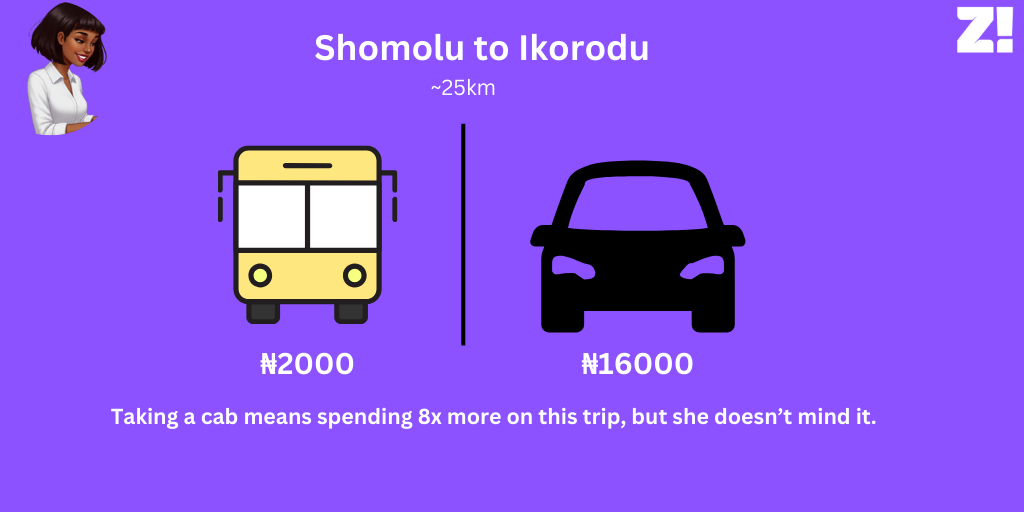
    What can you afford on your salary? I can afford a certain degree of comfort. For instance, I could spend about ₦2k jumping danfo and a BRT bus from my place in Shomolu to visit my parents in Ikorodu, but I prefer to take a ₦16k cab ride. I don’t want to struggle in BRT queues or jump inside moving buses. I can’t always do that, but I can prioritise my comfort twice or thrice a month.

    Do you ever worry about money? Yes, mostly because I might soon be unable to afford the new taste for comfort my salary used to give me. I started earning ₦400k in 2023, and I could afford things that made my life easier, like buying a generator and running it for most of the day, registering at a gym and taking cabs. 

    Now, I earn more, but I have to cut back. Fuel prices have forced me to run my generator for only two hours at a time. My gym recently increased their rates from ₦35k/month to ₦62k, and I remembered I could exercise at home. I feel like I have to keep earning more just to keep my quality of life and match inflation.

    What safety nets have you built? I try to save at least ₦50k every month. Right now, I have ₦600k. It’d have been more if I didn’t have to pay ₦700k for a new apartment in mid-2024 — I have roommates, that’s why it’s so cheap. 

    I want to try investments this year or next, but I want to grow my savings to ₦1m first so I can have ₦500k locked up in investments and ₦500k in liquid cash for emergencies.

    Do you think you’re earning enough for your level and the state of the economy right now? No. ₦550k should be middle-class income, but the cost of basic comfort increases every day. I feel like a low-income earner who has some wiggle room. I believe I have the potential to earn up to ₦1m/month, based on my skill set and expertise. So, I still have a long way to go.

    Are you in debt? Yes. I took an ₦800k loan from my bank to buy an iPhone 13 last year, and I’m repaying ₦60k+ every month. I think it was a wise decision because the phone price would have likely gone up if I waited until I had all the money. I have about ₦200k left to pay.

    How much money would you need to live the life you want in Nigeria? Maybe ₦2m/month and ₦50m in savings and investments. With that, I can decide not to work for a few months and not worry about going broke.

    At what age would you like to retire? I’ve never thought about that. I guess whatever age I am when I amass up to ₦50m in savings and investments is a good time to rest.


    Dare, 30

    Income: $1k/month. With the current exchange rate, that’s ₦1.6m 

    Occupation: Software developer

    Location: Ibadan

    What can you afford on your salary? An apartment in an area with good electricity. I got my current job in 2023, and I thought keeping my ₦200k/year mini flat was a great way to prevent lifestyle creep. But the power supply was terrible and I realised I was spending close to my rent on fuel monthly. 

    So, I took a spur-of-the-moment decision in 2024 and moved into a new mini flat in a better area. The rent is ₦850k/year, and the total package was a little over ₦1m. I could make a major decision like that because of my salary. 

    Also, I can afford a savings culture. After spending on necessities like food, data and the occasional hangouts with friends, I save around ₦150k/month.

    Do you ever worry about money? I worry that something can happen, and I’d lose my job and be unable to afford my lifestyle. I’ve been laid off once in 2022, and I know how much I suffered. I feel like I should have more money stashed away in case something like that happens again. Right now, if I don’t get a salary for two months straight, I’d be in serious trouble.

    Also, I plan to get married in a few months, and I predict my salary won’t be enough to raise a family comfortably. I mean, I spend about ₦300k feeding only myself monthly. That would likely double if I wanted to maintain my standard of living after marriage. 

    What safety nets have you built? I have ₦500k in naira savings and $1k in dollar savings. I’ve also been toying with the idea of buying land, but that will likely gulp all my savings. 

    Do you think you’re earning enough for your level and the state of the economy right now? Is there a bigger word than no? Because it’s a big no. Three years ago, I imagined earning ₦1m meant I’d have two cars and a house somewhere. But the reality is, I’d have to save my entire salary for a whole year to buy a used car, not even a new one. 

    When I think of my monthly expenses, I often wonder if I’m making wise financial decisions. But I take a closer look and realise I’m not even doing too much. I’m spending on things like transportation, caring for my parents, data and going out a few times. Surely, that shouldn’t be too much for someone earning ₦1m. But here we are.

    Are you in debt? No. I used to be super against owing money, but I read something about how loans protect you from inflation because you’re repaying a fixed interest that is unaffected by how much the naira falls. So, I might consider taking a loan for a big project like a piece of land or a car soon.

    How much money would you need to live the life you want in Nigeria? Hmm, I don’t want to stay in this country much longer. But if I have to, maybe ₦10m/month. I’m sure that the income category has its challenges too, but let me get there first.

    At what age would you like to retire? 60 feels like a good age. I don’t know if there’s a specific amount of money I’ll need as my retirement safety net, but I should have houses, at least. 


    Tunde, 31

    Income: $2900/month. With the current exchange rate, that’s about ₦4.6m

    Occupation: IT freelancer

    Location: Lagos

    What can you afford on your salary? I’m a single man with zero dependents, so I can afford a pretty good life. After Lagos takes 19% tax, I save and invest 60%, leaving me with 20% to spend. I comfortably meet all my needs with this 20% and rarely have to touch my savings.

    Food is my biggest expense, as I don’t like to skimp in this area. That’s about ₦240k/month. I mostly meal prep, but I treat myself on weekends. 

    I’m a minimalist, so my rent only comes up to ₦2.5m/year. I live in a serviced self-con in a highbrow area in Lagos — I don’t need a big space. 

    I also like to save for my subscriptions and service bills (around ₦145k) for the coming month, just so that I am always ahead of bills by one month. Then, I can get my protein powder and use whatever remains of my salary to go out and do whatever I can afford.

    Do you ever worry about money? All the time. I have no family members I can depend on financially, and I live in Nigeria where, as a man, nobody is coming to save you. It’s just me. That’s a consciousness I have all the time.

    What safety nets have you built? Crypto, the US stock market, and dollar funds are my preferred investment channels. Right now, my net worth is around $17,000.

    I’m building this for my future and for possible emergencies. Most importantly, I’m doing this so I never have to ask anybody for financial help. I grew up during the 2008 economic crisis, and let’s just say the effects of that make you see realities of life at a very young age.

    Do you think you’re earning enough for your level and the state of the economy right now? I feel like I could be earning a bit more, but that is on me. I should be earning around $50k per annum and above, but I’ve not put in the work, so I can’t really make that demand.

    Are you in debt? I’m so glad you asked this. This time last year, I was living paycheck to paycheck due to some poor choices. I also owed three different banks about ₦2m and was stuck in a loan cycle. Basically, I was spreading myself too thin for family members and a woman. I kept saying yes to unreasonable requests and couldn’t keep up even though I earned the same amount of money I earn now.

    Thankfully, I cut these people off, and I’ve been debt-free since June 2024. That’s when I started actively building my savings and investment portfolio.

    How much money would you need to live the life you want in Nigeria? Right now, I comfortably meet all my needs, and I can say I’m living the life I want. 

    However, if I were in a relationship, I wouldn’t mind an extra $300 a month. My ideal family setup is one wife and one child. I should be making around $4500/month for that to happen. 

    At what age would you like to retire? Late 50s. I don’t want to work past the age of 60. I strongly believe if I maintain living way below my means and get favourable returns from making dollar investments in the long term, I’ll be able to reach my retirement goals.


    Names have been changed for anonymity.

    NEXT READ: I’m 22, and This Is How I Grew My Money by 29% in 2024

    [ad]

  • Talk About Income

    Why is personal income such a taboo topic to Nigerians? Is it due to classism or feelings of inadequacy? Or have we been conditioned to think talking about money is boastful or tacky?

    We asked seven Nigerians why they don’t talk about money, and here’s what they said:

    Precious, 27

    Shame, dear. How do you tell your friends and classmates who expect big things from you that you’re earning ₦30k a month? Thankfully sha, Jesus died and took my shame away. Now, I can freely talk about it while searching for a better job.

    Victor*, 28

    People suddenly turn to personal accountants, calculating your salary and how much you should be able to give them. One time I was talking with a classmate about needing to get to sabo that evening and change money. He asked, “You get paid in dollars?” I said yes. He asked, “How much?” and without thinking, I mentioned it. After five minutes of whyning me, we switched topics, and I thought that was the end of it. 

    He later called to ask if I could help him with ₦30k. I explained why I couldn’t give him. I had been robbed and was trying to replace my gadgets and pay outstanding bills. Then the dude went, “If you give me 30k, you will have so and so left. You can buy a laptop for this amount, use this to do this and that and still have so and so left. I just hung up.

    Oluchi*, 24

    Once people realise how much they earn, it affects how we relate. On the one hand, I feel entitled to their wealth if I know they earn a lot. I have tech bro friends who I occasionally try to bill because they make a lot of money — sometimes I have to check myself from going overboard. On the other hand, for people who don’t earn much, I find myself excusing them from responsibility or overcompensating by being overly pitiful. In my experience, no decent person likes to be pitied as it makes them feel small. 

    Arit*, 35

    Many people believe in jazz. I don’t know that I do, but I’m nervous about discussing my salary because you never know who is who. Just to be on the same side, I don’t talk about my salary. Village people are active o and me I don’t want to jinx anything. It’s also a similar reason why people don’t talk about their japa plans until they have settled in the abroad.

    Muyiwa*, 20

    I’m a software engineer employed at an abroad company, and I’m yet to graduate from university. Initially, I didn’t have problems disclosing my salary. However, I noticed that relatives thought it was too much money for a “small boy”. According to them — especially the boomers — I had no responsibilities. Someone even wanted my mother to be keeping money for me as if I’m ten years old. At some point, I stopped spending my own money because I didn’t want to hurt other people’s feelings. Funny enough, I don’t think it’s a lot, and I hope to 3X my salary this year.

    Femi, 23

    While I’m not particularly secretive about my earnings, I don’t go into the details. Instead of disclosing figures, I keep my income vague because people do usually ment. I’d hate to wake up to texts from people precisely breaking down my earnings and trying to show me how my giving them a part of it won’t bother my life. 

    Farida*, 32

    I don’t want people to rate my lifestyle based on how they think I spend. Somebody can start judging you for things you buy or don’t buy because they think you’re living above your means. Also, sometimes it’s to keep families from inviting unnecessary wahala. So I’d rather remain silent.

    But many people get underpaid because they don’t discuss how much they earn. It’s crazy.

  • Every week, Zikoko seeks to understand how people move the Naira in and out of their lives. Some stories will be struggle-ish, others will be bougie. All the time, it’ll be revealing.

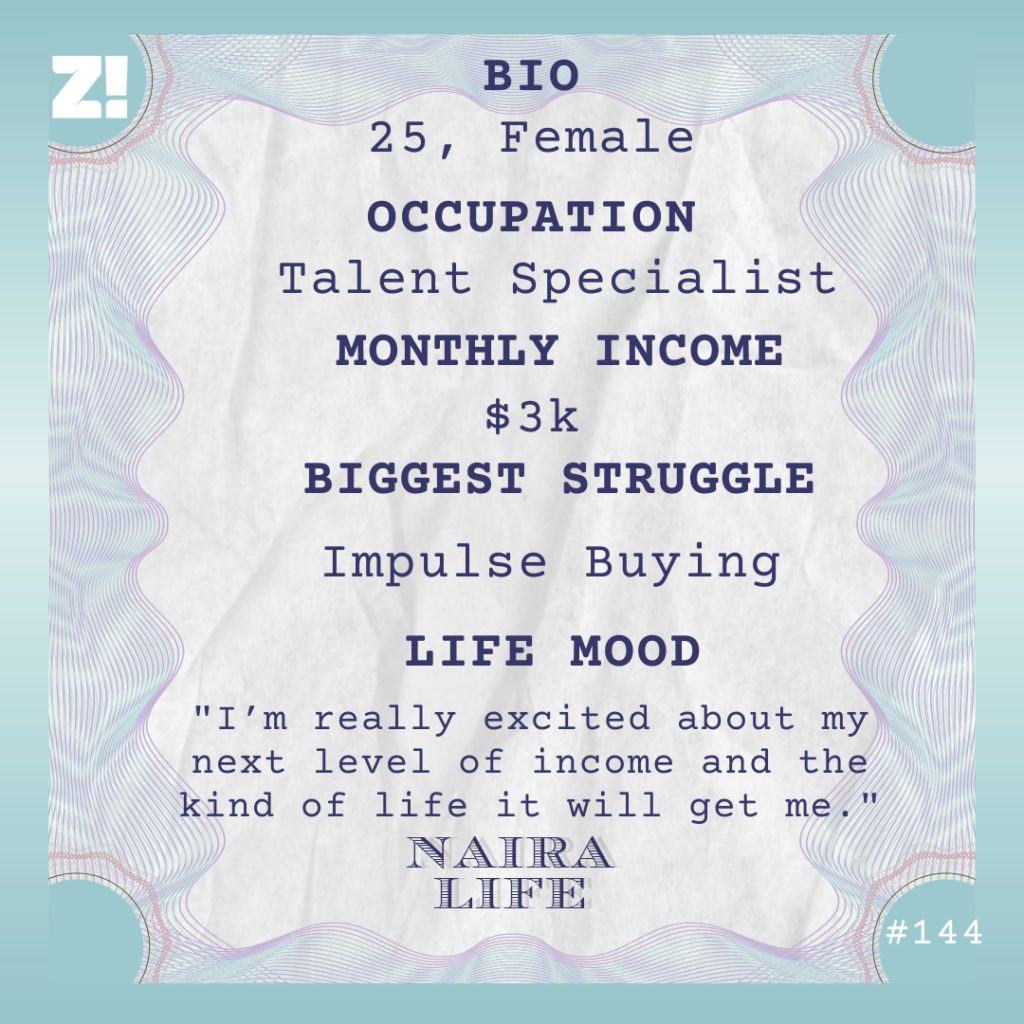
    There are some things to note about the 25-year-old in this #NairaLife: she’s the breadwinner and was in about ₦2m debt. Three months ago she got a big break and her life changed — possibly forever. 

    What’s your oldest memory of money?

    I was in primary school and living with my grandparents because my mum was in university. My parents would visit every two weeks and they’d give me between ₦300 and ₦500. This was in the early 2000s, so it meant a lot to me. 

    What could the money do for you?

    I could ball a lot in school. I loved to spend the money on myself and my friends. I’m not sure if I was trying to show off or if I just liked to buy things for people. However, gifting got a little tiring when I was about 10 because books started to interest me. From that time, I started to spend more on books. 

    By 2005, I was in JSS 1 and my mum was done with the university so I returned to my parents’. 

    Ah,  sweet. 

    Things were good. We weren’t rich-rich, but we were very comfortable. My dad sold cars and business wasn’t bad. He travelled to Germany a lot and even took me on some of the trips. 

    My mum was a stay at home mum. It didn’t matter because what my father made was enough for the family. It’s funny because at the time I didn’t even think we were comfortable, even though everyone thought we were. 

    Why didn’t you think you were comfortable?

    I was very sheltered. I suspect that I may have taken everything — including the trips — for granted because my parents didn’t have conversations about money with me. But in 2008, I realised how comfortable we were. 

    What happened?

    My dad died. 

    I’m sorry about that.

    Thank you. It was challenging because my parents had four kids after me. Now, my mum had to worry about all five of us and she didn’t have a job. 

    Oof. 

    The good thing was that we have good extended family members on both sides. After we buried my dad, one of my aunts living in Ghana spoke with my mum and offered her two options: she could allow me to live with them in Ghana until after I finished university or I could remain in Nigeria and they would sponsor my education until university. 

    When my mum spoke to me about it, I decided to go live with my aunt and her family. I figured that my mum would still have to bear some of the cost of raising me if I stayed in Nigeria but if I lived with my aunt, my mum wouldn’t have to worry about me. 

    That’s how I moved in with my aunt at 14. 

    What happened in Ghana?

    I was in a boarding school and my monthly allowance was GH₵100 until I finished. 

    When I got into university in 2013, my aunt and her husband were going through a tough time financially, so it was a bit of a struggle raising me with their five kids. 

    Regardless, they committed to seeing me through university but my allowance was reduced to about GH₵20 per month. 

    The four years in university were a little tough, but I survived and graduated in May 2017. I was broke as hell though.

    Whew. What happened next?

    I picked up my first job. Although, I should add that I did a couple of odd jobs here and there in uni to raise extra money for myself. 

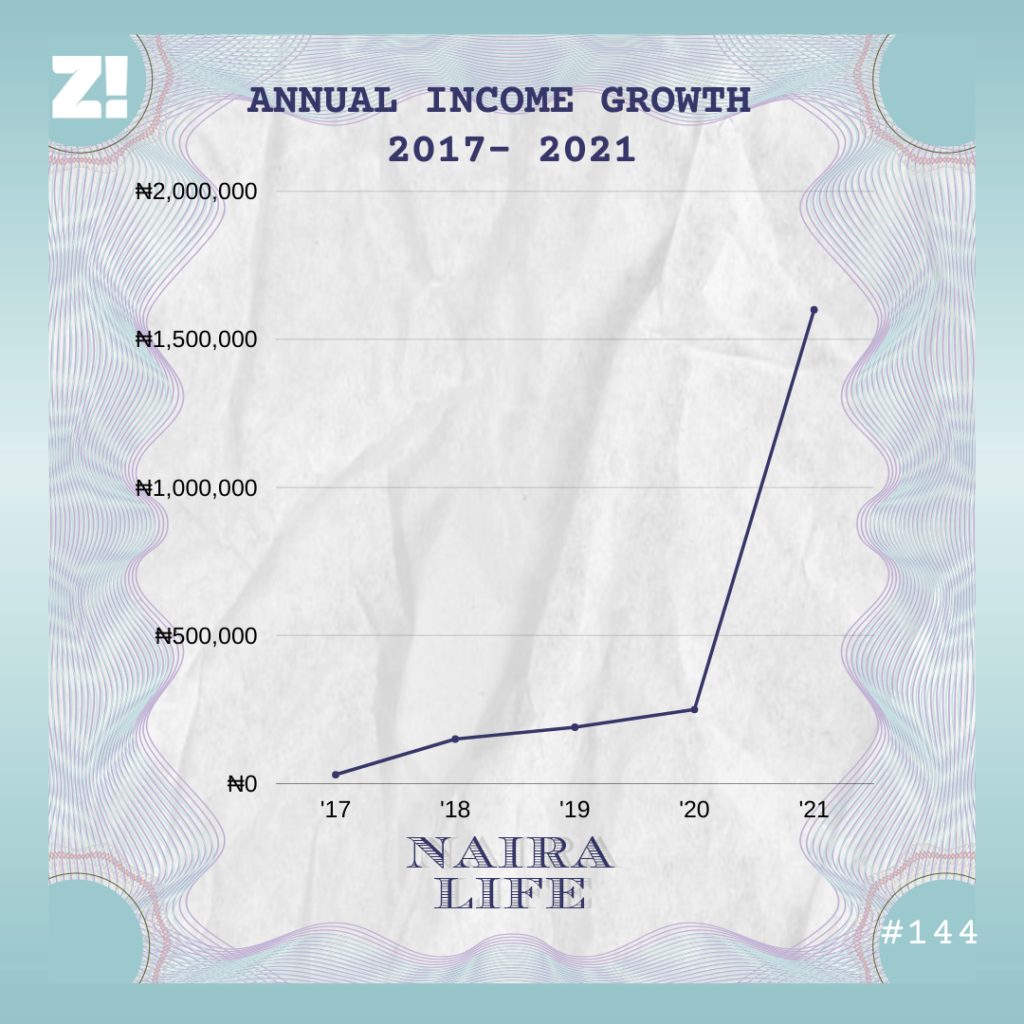
    I returned to Nigeria in October and registered for NYSC immediately. I was posted to work at a university in Ogun State. I studied Human Resources in school, so I worked in their HR department and my salary was ₦10k. The federal government was also paying me ₦19800, so that brought my monthly earnings to ₦29800. 

    How were you moving money?

    I lived in a 3-bedroom apartment with three other girls, and the total rent was ₦200k. One of my family members was paying my cut of the rent. My housemates and I also split household expenses amongst ourselves. However, I was the closest thing to a breadwinner my family had and I tried to send ₦10k home to my mum and my siblings. I also tried to save ₦5k every month but at the end of my service year, I had only ₦10k in savings. 

    How?

    It was because of my money management skills. I was still an impulsive buyer and dipped a lot into my savings to buy things I didn’t need. Thankfully, I had started applying for jobs months before the end of my service year and got an offer two weeks after NYSC ended. 

    Tell me about it. 

    I got into the graduate trainee program at one of the Big Four consulting firms and my salary was ₦150k. This was 2018. 

    That’s a significant income jump. 

    It was. Moving from ₦29k to ₦150k in the space of a year was huge. I splurged on a lot of things that caught my eye in the first two months. I relaxed after that and started thinking about saving when I wanted an expensive new phone. I realised that I would be broke for months if I splurged on it at once. A better alternative would be to save the money for as long as it is required. I also had four siblings to worry about. I started to save ₦20k per month for the phone and another ₦10k in an emergency fund. About ₦40k went to my family. I lived on what remained. But it was hardly ever enough and I always ended up dipping into my emergency savings. I was pretty much living from paycheck to paycheck. 

    Omo. How long did you spend at the job?

    Close to three years. I left in 2021. 

    How did your salary evolve during your time there?

    I got my first promotion in October 2019 and my salary increased to ₦190k. My standard of living rose with it and I started spending more on some of the things I used to think of as luxuries. I ditched buses for Uber and hopped from one restaurant to another. Also, I increased my monthly support for my family from ₦40k to ₦50k. But there were other sacrifices I had to make for my family. Remember that money I was saving up for a phone in 2018? Towards the end of 2019, I had about ₦180k but my brother needed money because he was leaving for school, so I gave the money to him. I eventually opted for a lower-end phone. 

    You were something close to a breadwinner for your family too. What was it like navigating that?

    For the longest time, I thought it wasn’t fair that I was working but didn’t have much to show for it because I had to think about my family first. But I’d also hate myself if we had to depend on members of our extended family before we could meet the most basic needs. That said, I learned to prioritise myself too and spend as much money on my most pressing needs as soon as I got my salary. The way I saw it, if I left the money in my account, I would end up spending it on something my mum or siblings needed. 

    Fair enough. When did you get the next raise at work?

    October 2020. My salary went up to about ₦250k. However, I was already deep in debt. 

    Oh? Could you talk more about it?

    In 2019, I took a  ₦650k  bank loan because our house rent was due. A few months later, my sister was about to resume university and because I wanted to send her off with something,  I took another ₦200k loan from the bank. Later in 2020, my mum needed help restocking her shop but I didn’t have enough money. As a result, I applied for a ₦500k loan at the bank and got it.

    You were at least ₦1.3m in debt and your salary was ₦250k. How were you paying back?

    First, a chunk of my salary was going into loan repayments and this brought my take-home down to about ₦190k – ₦200k every month. Then I did something I probably shouldn’t have done: I stopped paying them off. Immediately after I got my salary, I cleared all the money in my account and transferred it into another bank account. Not the best move because the interest kept piling up. 

    My quality of life took a hit because I knew the debt was still there. I had also lost interest in my job in June 2020 but I couldn’t quit because I didn’t have a lot of options. But I started learning about frontend development. For some reason, I thought my next money move would be to transition into tech. 

    I was floating through 2020. In November, I went on a work trip and was there for close to a month. When I returned in December, I found out that I had Covid. 

    Damn. That’s rough. 

    It was. But it gave me a much-needed break from work and I dedicated the time I spent in quarantine to my software engineering courses. Nothing much happened until February 2021 when I had Covid again.

    Ah.

    It came back in full force and my body forgot how to work. I was bedridden for more than a month. Unfortunately, my HMO didn’t cover costs for my treatment, so I had to dip into the small savings I had. It wasn’t enough. As a last resort, I took another loan from the bank. ₦200k this time. 

    Whew. 

    It was so crazy. I was sick and still had to worry about money. When I recovered fully in March, I realised that I wasn’t earning enough, and I would probably need to take loans every time I needed money. The only thing on my mind was how to increase my income. 

    Was there a plan?

    First, I needed to quit my job and find a tech role. I had an interest in it already, but my job was standing in the way of me learning the things I needed to make a full transition. I started to apply for HR roles in Nigerian tech companies and got interviews with a few, nothing came out of it. 

    Then I started attending online conferences, hoping to network my way into the ecosystem. In May, I attended a random conference where I met a white lady. We kept in touch after that. During one of our conversations, I mentioned that I was looking for a role in the industry. It turned out that her company — a freelance platform — had an open role and she promised to refer me. 

    I see where this is going. 

    Haha. In June, I got an email from her people. They were looking for a talent specialist and wanted to know if I was still interested. Of course, I was. I wrote a couple of tests and sent them in. One week later, I got another email from them. 

    It was an offer letter. I almost let out a scream when I saw how much they were offering. 

    I’m listening.

    $3k, and that’s just the basic pay. There are also profit and performance bonuses. 

    Wow. That’s something. 

    I knew my life was about to do a full 180. I thought about what this meant for me and my family, and all the things I could now afford to buy. 

    In the same vein,  I feared that they would rescind the offer, so I was scared to resign from where I was working.

    LMAO. That didn’t happen, did it?

    Haha, no. I started the job in July. 

    Congratulations. How did it feel when the first salary landed in your account?

    Funny story. I was at the send forth party my former workplace organised for me when I got my first salary. If I had any doubts about my decision to leave the place, the credit alert erased all of it. I just started grinning at everyone. 

    Haha. 

    One of the first things I did was to get a group of my friends’ gift cards, and each one cost $80. They were always there for me. It felt nice to do something for them for a change. 

    Then I sat down and drew a plan to pay off my loans, which had accumulated to about ₦2m because I had defaulted on payments. I cleared everything in less than three months and am now completely debt-free. 

    Love that for you. So what’s eating your money these days?

    Sweet. What do your savings and investments look like at the moment though?

    Core savings — $750

    Crypto investment — $500

    Stocks — $250

    I’d have put more money aside but we recently moved apartments because of some issues with the old landlord. The new apartment cost ₦1.3m.

    Also, the initial excitement of getting a huge increase in income is phasing out. I’ve bought most of the things I couldn’t get this time last year, so I’m beginning to think about how to be more intentional about how I spend my money. 

    It feels like I’ve just started my financial journey, to be honest. And I’m hoping to have a better relationship with money going forward. 

    Great. How have all of your experiences shaped your perspective about money?

    I’ve realised that spending money makes me happy, and that’s not a bad thing. The only thing on my mind now is to figure out how to consistently make more. The more I can manage to do that, the more I can increase my standards of living. I’m excited about my next level of income and the kind of life it will get me. 

    What do you imagine will get you there?

    I currently work where I can focus on my job and have enough time I could dedicate to my software engineering courses. The plan is to upskill and fully transition into a tech role.  It’s already happening actually.

    I’m listening. 

    I’m currently in talks with the engineering team in the company I work at about the possibility of interning with them. We’re still ironing out the details, but it’s a paid role. It’s a win-win: I get to work on software engineering projects and learn on the job while also earning from it. I’ll start the new role this month. 

    Rooting for you. Is there something you want right now but can’t afford though? 

    Travelling to Dubai and the Maldives are high up on my list. But I don’t have the money for that now. If I save a few months, I might be able to do that, so fingers crossed. 

    Fingers crossed. What was the last thing you bought that improved the quality of your life?

    My MacBook. It cost about ₦570k, but my company refunded the money. It was stressful to code on my old Dell laptop, but the new Mac has made it more fun. 

    What part of your finances do you think you could be better at?

    Impulsive buying decisions. I bought a new phone in September, which isn’t a bad thing. But I didn’t plan for it. I saw the phone online a day after I got my salary and I placed an order for it even though it cost $500. 

    I also need to think more about investing. My mood used to be “What’s the point? What if I die soon?” Now it’s “ What if I live long and end up being broke because I didn’t plan well when I was younger?”

    That said, I think the mindset shift is a reflection of my current earnings. I’m earning a lot more money now and have enough left to play with after settling my basic expenses. 

    I hear you there. On a scale of 1-10, financial happiness?

    7. I’m in a good place right now and I know that I will be in a position to earn more soon. It’s amazing how much one job can change your life.


  • “I wanna be a billionaire, billionaire.”

    This is a line from Teni’s hit song titled Billionaire. This describes my mood every day. Every month I ask myself “How can I make more money?” “What must I do to eventually blow?” “Am I destined to forever be broke?”

    There’s a quote that goes:

    “There is a time to be born, to die, to plant, to harvest, to find money in the unexpected of places.” If you can tell, I added the last part to make a point. The point is that sometimes you find things, especially where you are not looking.

    So, I decided to share some of the things I have found. What have I discovered exactly?

    Brokeness is a great lesson teacher.

    I graduated from university in 2016. I got a job some months after graduation that required me to have a camera or a phone with a good camera. My biggest dilemma was that I was broke as I had been cut off allowance some months prior. So, I could not afford one even though my new job which was going to make me stop being broke required it.

    There are times in life where you are ranting and someone casually mentions the solution to your problem. This was one of them. After narrating my dilemma to a friend, he raised up the option of selling off old laptops for a small fee to raise money.

    He then linked me with his plug who arranged for a meeting the next day. I found the biggest bag available in the house and hauled as many old laptops as I could in a single trip.

    For me, this was an eye-opening moment as I never realized you could get cash from selling practically dead devices. Needless to say, there are no dead computers lying around my house any longer.

    Old Yoruba women see and know things.

    It’s easy to write off the old woman that comes around the house every day asking for empty bottles that once contained water. Month in and out you hand it over diligently until one day you ask (in Yoruba): “What do you do with these empty containers?” when she breaks down the maths behind it and how much she earns per full bag, you understand how it makes her life a whole lot easier.

    Sprinkle some “Yaya Aiki” when buying suya and you just might get a business deal.

    So, here I am. After a long day of fighting Lagos traffic, flexing my small Hausa in hopes of getting extra suya. Just because a sweet boy deserves sweet things. The suya man beams up, impressed by my effort. Adds extra pieces of meat.

    I return another time. He beams “customer”. It becomes our routine. He speaks his small English, I speak my abysmal Hausa – communication ensues. At least supported by gesticulations.

    One random conversation touches upon the fact that he has been struggling to get newspapers and he is worried. I tell him (with my bad Hausa and gesticulations) that my father has a tonne of newspaper stored away with no use for it. He beams up and goes “customer.”

    He offers me some money as payment, I refuse. After much deliberation, we settle upon regular extra pieces of meat as payment. I eat happily ever after.

    I am man of steel.

    One Sunday afternoon as idle as a painted ship on a painted sea, someone convinces my dad to sell off the old run-down generators at home. My dad not interested puts me in charge. The guy then brings along a guy who values the items and hands me more money than I was hoping to get. At least for run-down generators older than me.

    Ever since that experience, no single piece of unused steel in the house has been safe from me. From worn-down appliances to old televisions to curtain rods, I collect them all. This is to be resold.

    In case of financial emergency, sell off rods.

    Not all heroes wear capes. Obviously.

    Don’t judge a book by the cover…unless you plan to resell.

    If you have a rare book, signed, and in good health, it’s surprising how much people are willing to pay for it. I have had a couple of people offer to pay me a large amount of money for my books. Also, I found a site that offers to buy lovingly used professional textbooks for a small fee.

    The lesson I have learned in all of this is that if there are many undiscovered sources of passive income. I think the trick is to keep an open mind and obviously not be broke like me but that’s by the way.

    These days, you can find me always on the lookout for how to increase my money.

    If you have any idea, as you can see from my post that I am very open-minded, holla at me. As long as it legal.