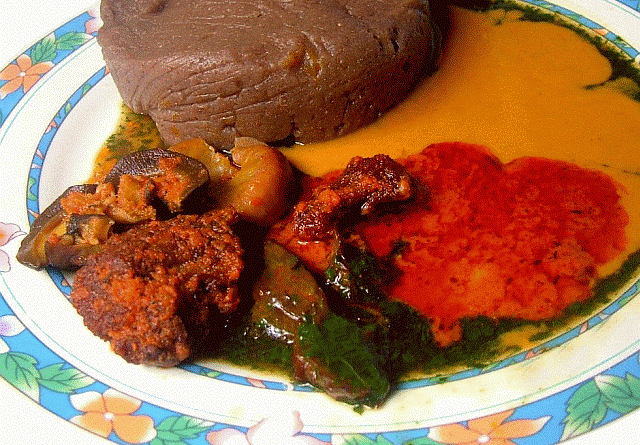
• Eating the same rice, bread and yam every week can get boring. This is why we compiled a list of other things you can eat. 

    Water 

    Getting tired of everyday Nigerian food means you’ve had enough and need a break. Imagine drinking water for lunch and dinner, your skin would be glowing by the time you’re done.

    Bonus point: You also get to save money.

    RELATED: Interview With Water 

    Music

    They don’t call it food for the soul for nothing. After jamming to all the latest afrobeats releases, you’d be too full to even think about any other food.

    Your partner’s work

    Enjoyment for you, enjoyment for your partner. Is this how we end world starvation?

    Beating

    Chop one slap here, one knock there. A good beating is all the food you need when you think about it.
    If physical beating is too much, just get someone to beat you at a game and watch yourself lose appetite for all these regular foods. You’re welcome.

    Your annoying sibling

    Let’s face it, siblings are great, but they could also be a handful—stealing your clothes, borrowing your money, dragging your parent’s affection with you, and since they also seem to like eating your food all the time, how about you just eat them?

    YOU SHOULD KNOW: Which Type Of Sibling Are You?  

    Scriptures

    You should not live by bread alone, but by what?

    Latest news 

    Have you ever wondered why people get a news and instantly have running stomach? If you’re in Nigeria, this one shouldn’t be hard because by the time you finish consuming all the latest news in the country, you’d be full.

    We’re not saying it’s good food but at least it’s not rice.

    ALSO READ: 5 Nigerian Foods That Are Extremely Overrated

  • I have a love-hate relationship with intermittent fasting (IF). I love it because it helped me lose weight. I hate it because I have to deprive myself of food at certain hours of the day. Okay, hold up. Before I jump into my rant, let me explain what intermittent fasting is, for those who don’t know. 

    What is intermittent fasting, and how does it work?

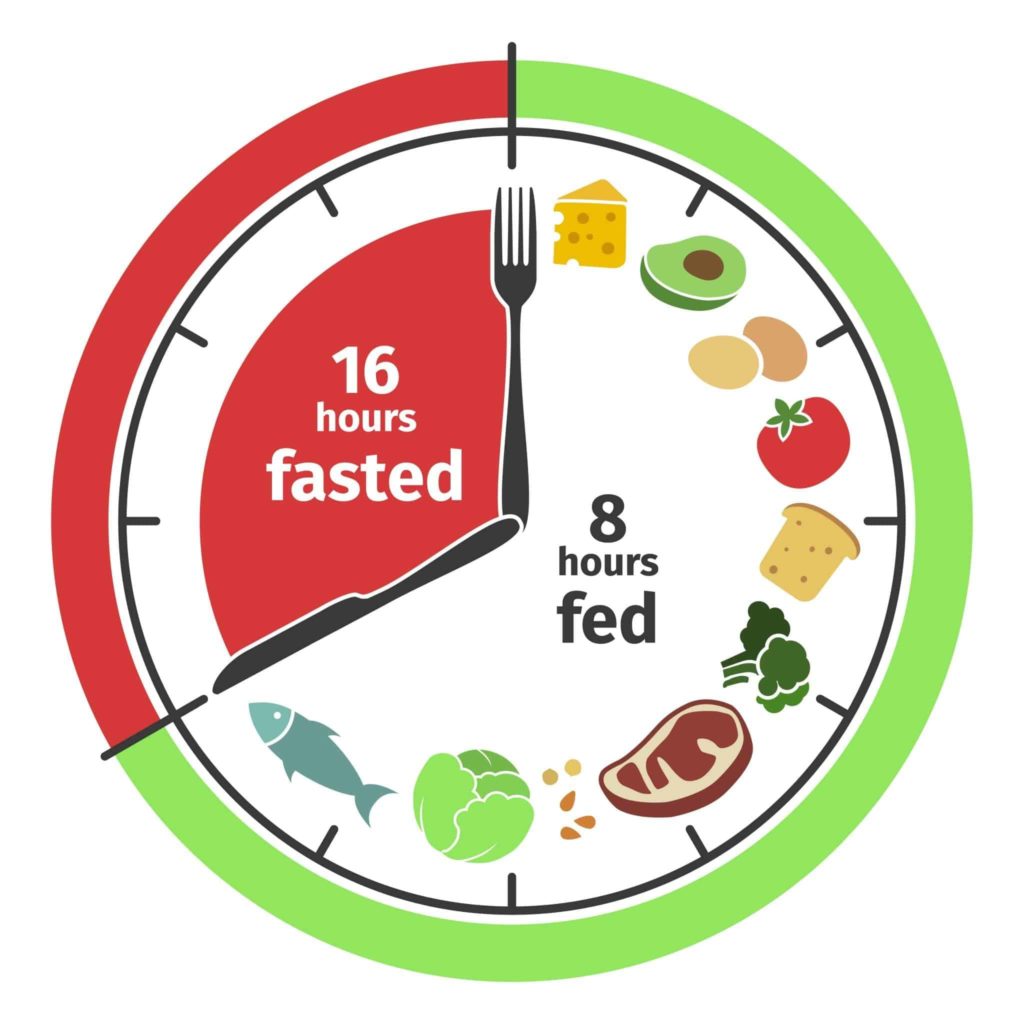
    Intermittent fasting is one of the most popular weight-loss trends out there. According to Healthline.com, it is “an eating pattern that cycles between periods of fasting and eating. It doesn’t specify which foods you should eat, but rather when you should eat them.” You eat during certain hours of the day and fast for the remaining. The period when you choose to eat is called your “eating window,” and it can vary from person to person. You may fast for 18 hours and have an eating window of six hours (18:6), or fast for 16 hours and have an eating window of eight hours (16:8), and there’s the 5:2 ratio which involves eating one 500-600 calorie meal, twice a week. You get to choose what works best for you.

    So just fasting? That’s it?

    You’ll be surprised how many people think, just because they’re intermittent fasting, they can eat anything they want. Sadly, that’s not how it works. The world is an unfair place, so if you pack your feeding time with junk food, you’re most likely not going to lose weight. You don’t have to be on a restrictive diet, but you do need to eat clean. When I first started my weight loss journey doing IF, I was eating small portions of regular food and staying off junk, and that worked for me. Also, I worked out like my life depended on it. That’s another way for intermittent fasting to work effectively. The fasting period has to be paired with physical exercise or activity so that your metabolism can switch to breaking down the stored fat and glucose in your body.

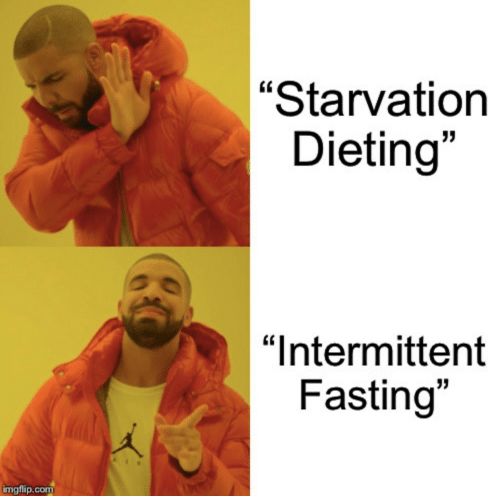
    A meme about intermittent fasting

    RELATED: I Tried Intermittent Fasting For A Week

    The Pros and Cons

    Every “good” thing in this life has its bad side. I say this as someone who has experienced both the good and bad of weight loss and dieting. Let’s explore the pros and cons of intermittent fasting for a minute.

    Pro: Aids weight loss 

    For those who are trying to lose weight, IF is quite effective. When you’re fasting, you eat less. Hence, weight loss is expected. Fasting enables you to burn through all your stored glucose and dig into your fat reserves for energy, so you begin to lose body fat.

    Con: It’s not sustainable

    There’s nothing you can tell me. There’s no one who can do any form of intermittent fasting every day of their lives. You have to go without food for a particular amount of time, eating a set quantity of calories during your eating window. Low energy, cravings, and the sheer discipline required, will make it very difficult for you to stick to your fasting period.

    A meme about intermittent fasting

    Pro: Boosts brain function

    Intermittent fasting may assist in boosting memory and mental performance as well as support brain health and function. Keep in mind that it’s not simply the act of intermittent fasting that brings these potential benefits. It’s what happens during IF; decreased inflammation, body fat reduction and healthier blood sugar levels. 

    Con: Causes reduced energy levels

    Long periods of fasting, especially when paired with exercise, may reduce your energy to a dangerously low level, lowering your blood sugar levels and leaving you feeling lightheaded, dizzy and tired. You may also suffer headaches and nausea. 

    Pro: It’s easy to follow 

    Most diet plans will have you eating certain food while restricting or avoiding others. This can be hard to do and maintain. It’s even more stressful having to cook complicated recipes. With IF, the major requirement is, do not eat for a certain period of time.

    Con: May cause weight gain

    With the hunger that comes after not eating for such a long time, you may feel inclined to overeat. At these moments, vegetables and healthy food don’t taste so good. It’s fried and other high-calorie food that will enter your eye. And this is where the weight gain begins. 

    RELATED: This Is What Eating Healthy Means To Nigerians

    Intermittent fasting as an eating disorder 

    Intermittent fasting can easily become an eating disorder. How? I’ll explain. Wikipedia defines an eating disorder as “a mental disorder defined by abnormal eating behaviours that negatively affect a person’s physical or mental health.” IF can relate to this since it can cause irritability, moodiness, tiredness and sleep impairment, which affect your physical and mental health.

    Now, let’s compare intermittent fasting to a popular eating disorder — anorexia.

    People with anorexia often restrict the number of calories and types of food they eat, ignoring their bodies’ hunger cues, according to the National Eating Disorders Association. They’re frequently obsessed with concerns such as weight, calories and dieting. Anorexia is also marked by a negative body image and a desire to avoid social events that involve food. Intermittent fasting has many of these features.

    Take a look at the 5:2 method, for example. I doubt that there’s any certified health professional who’ll agree that eating only 500-600 calories a day is in any way healthy. If you do this for a while, you won’t function properly, either physically or mentally. That’s how it becomes an eating disorder. 

    A meme about intermittent fasting

    Summary

    I think we can all agree intermittent fasting has its benefits. From personal experience, I can say that it works great for those who are trying to lose weight. However, if your goal is to build and maintain a fitness lifestyle, IF is not it. It’s just not sustainable. When I first started my weight loss journey in 2021, my eating window was between 11 and 4 p.m. After that, no food for me till the next day. I was doing this consistently for months until the Detty December break. Since then, I haven’t been able to get back into it. I now get hungry more frequently because my metabolism increased once I lost fat and gained muscle. If you want to practice intermittent fasting, you need to be very careful. As I stated above, it can easily become an eating disorder, so I would advise that you speak with a doctor and do thorough research before making up your mind about it.

    ALSO READ: Breast Cancer and Diet: Advice From a Dietician

  • I recently wrote an article on certain Nigerian foods that are stopping people from reaching their diet goals, and you people said my own was too much, talmabout, “What’s left to eat?” Now I come in peace, with a list of things you can eat and still not gain weight. 

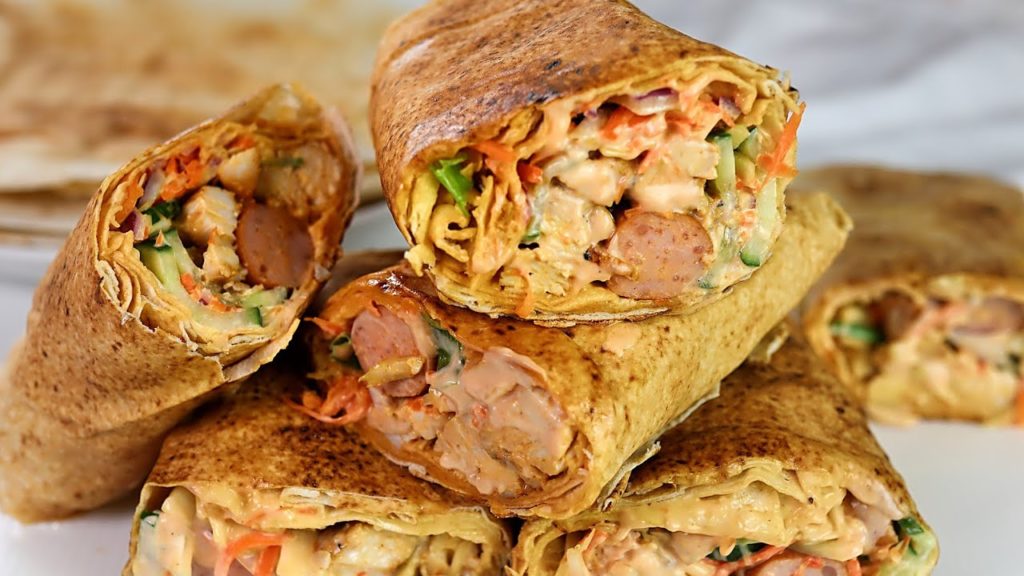
    Shawarma 

    Shawarma is basically a vegetable and chicken wrap, so you can eat it and not gain weight. Forget the mayonnaise inside, pay attention to the vegetables.

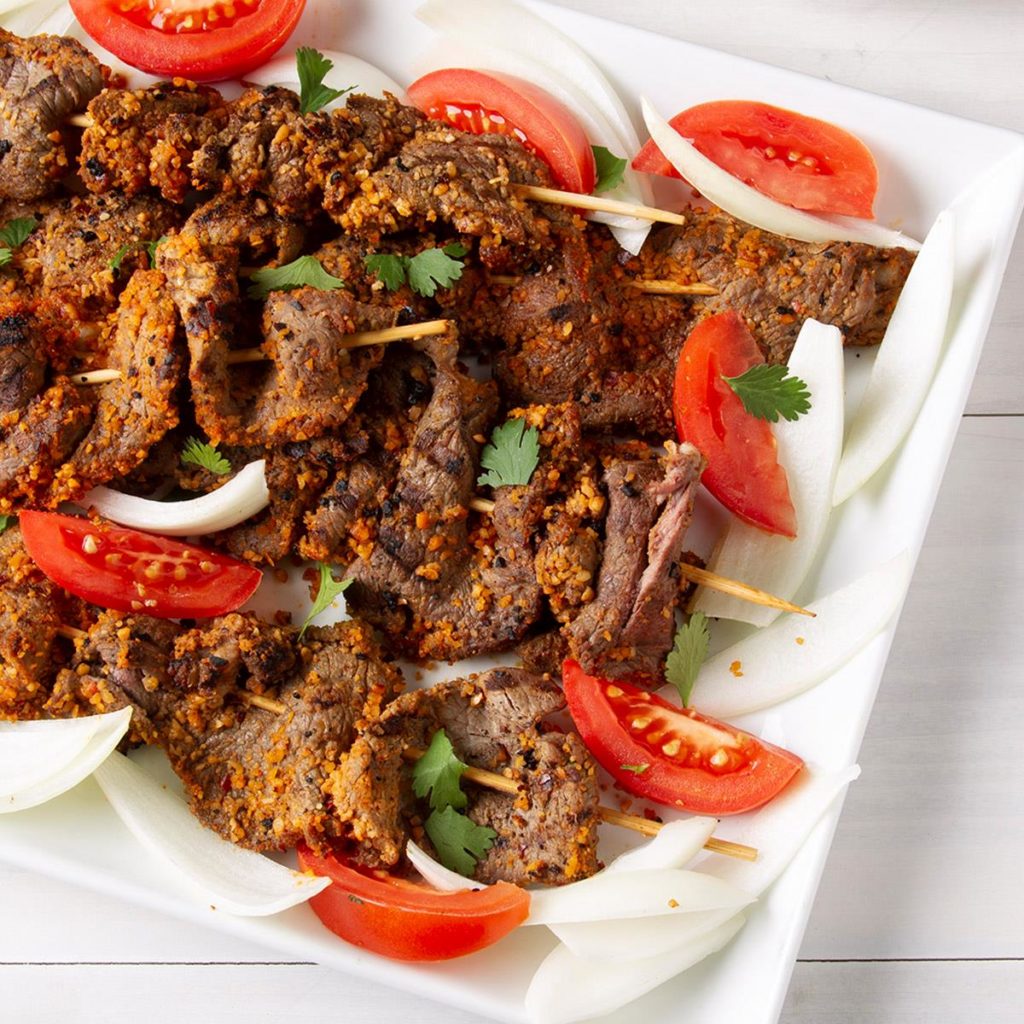
    Suya

    Suya is protein and protein is healthy. Simple logic. 

    Amala ewewdu and gbegiri

    Amala is the lightest swallow of them all, unlike eba and fufu, which will have you dragging your feet the next day. Don’t worry, Abula is healthy too. It’s made of gbegiri and ewedu, which basically kinda sort means you’re eating beans and vegetables. How do you want to gain weight with this type of balanced diet? 

    RELATED: 6 Things Only Amala Lovers Will Relate To

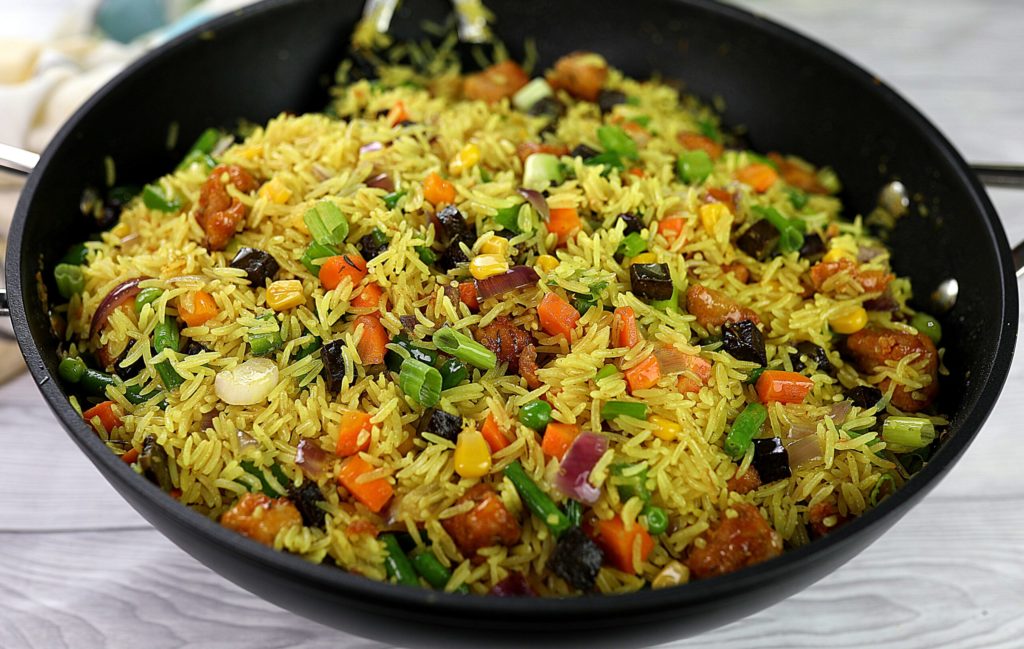
    Fried rice 

    Fried rice is the healthiest type of rice in Nigeria. Can’t you see all  the plenty-plenty vegetables inside? You’re barely eating the rice sef. 

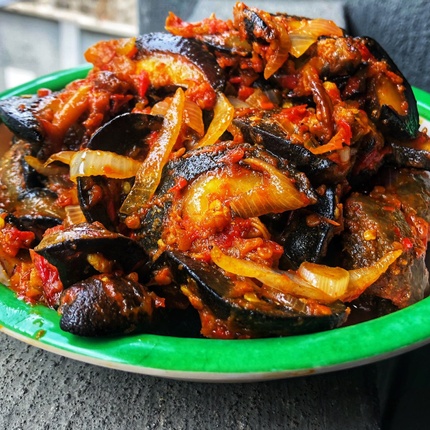
    Peppered snail

    Don’t worry, the pepper in the snail will burn off all the calories. 

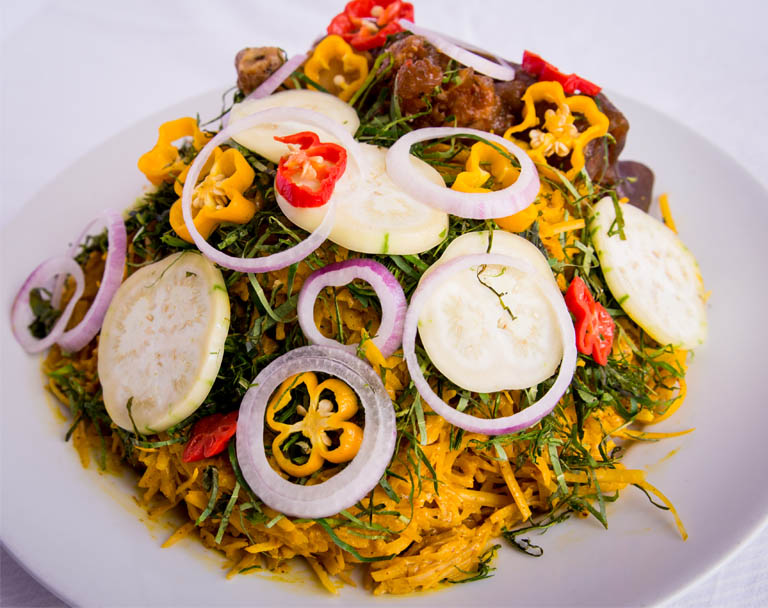
    Abacha 

    The nickname for this food is “African Salad”. Do I really need to say more? 

    CONTINUE READING: If You Don’t Like Any of These 10 Foods, You’re Bad Vibes

  • Gaining weight can be a really difficult process for some people, and an easy process for others. Being slender can be very healthy and being underweight can also be a health concern. It is advisable for underweight people to see a doctor or dietician for diet plans and evaluations. In the meantime, you can follow these easy steps on how to gain weight.

    1. Eat more often than before.

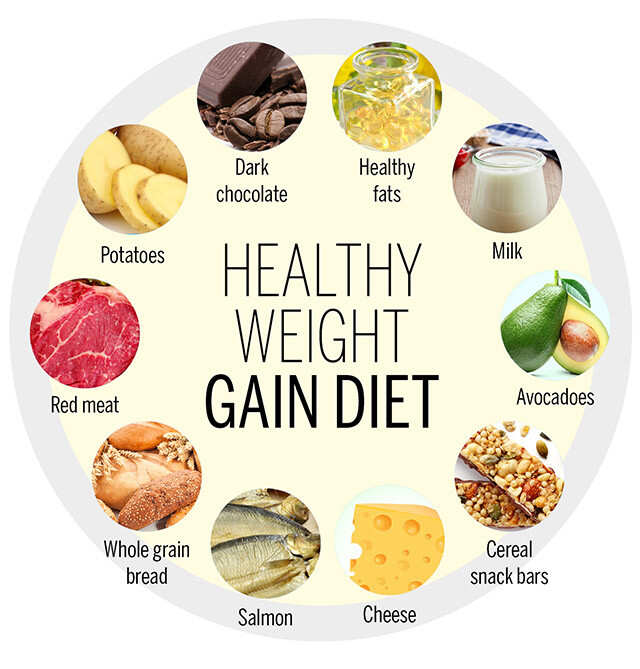
    A Healthy Weight Gain Diet | Femina.in how to gain weight

    Underweight people tend to get filled up faster. Eat more meals during the day, preferably smaller portions, about 5 to 6 times a day. It is better to eat smaller portions more often than a big meal once or twice in the day.

    2. Increase the amount of calories you eat.

    calories how to gain weight

    You can monitor your calorie intake with a calorie calculator. One of the most important things for people who want to gain weight is to eat more calories than their body burns. Eat 300 – 500 calories more than your daily intake if you are aiming for a slow and steady weight gain process – try to eat 700 – 1000 calories more than your daily intake for a quicker weight gain process.

    3. Eat a lot of protein.

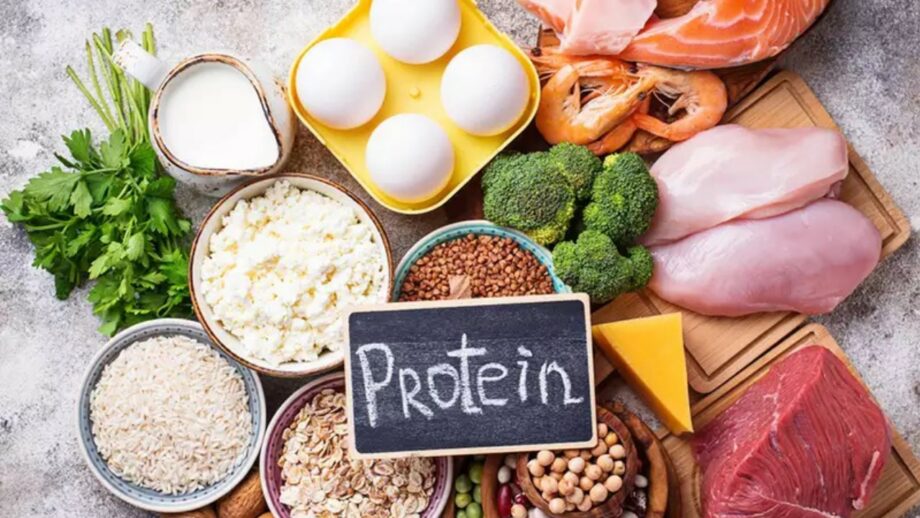
    how to gain weight

    Protein is the most important nutrient for gaining a healthy weight. If you’re trying to gain weight, aim for 0.7–1 grams of protein per pound of body weight (1.5–2.2 grams of protein per kilogram). You can even go above that if your calorie intake is very high. You can get daily protein supply from meals like fish, meat, eggs, milk and other dairy products.

    4. Eat plenty of high carbs and high fat meals.

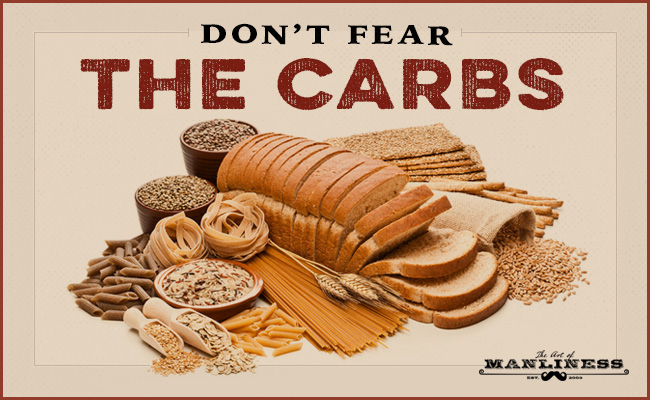
    Do Carbs Make You Fat? | The Art of Manliness how to gain weight

    In order to gain weight, it is important to eat more meals with high carbs, high fat and protein. Restriction of carbs in meals should only be done by people trying to lose weight. Also, avoid intermittent fasting. Eat nothing less than 3 meals a day.

    5. Excercise more.

    Exercises at Home to Build Muscle: 18 Moves with and Without Weights

    It is important to go to the gym and lift weights. It helps calories store as muscle, instead of getting stored only as fat cells. Lifting weights at the gym also helps with strength training. Avoid doing cardio when trying to gain weight.

    6. Do not drink before meals.

    WHY YOU SHOULDN'T DRINK WATER IMMEDIATELY BEFORE AND AFTER MEALS ~ The  Wisdom Awakened

    Watch what you drink before meals. Liquids can be filling and in turn, reduce the amount of food you are supposed to eat. The aim is to be able to eat more and not less. Drinking whole milk to quench thirst is a simple way to get in more high-quality protein and calories.

  • October is breast cancer awareness month, and in order to do our part to raise awareness on breast cancer, we spoke to Temitope Alao-Sanni, a registered dietician and nutritionist at Diet Tech Africa, on how diet affects terminal illnesses such as cancer, and health tips people can follow.

    How does food affect cancer doc?  

    There are some foods that are classified as pro-inflammatory. Diets that consist of a lot of these foods could increase the risk of breast cancer, while diets that encourage anti-inflammatory foods will reduce the risk of developing breast cancer, according to several research and clinical trials. 

    What are pro-inflammatory foods? 

    It basically means food that supports inflammation, and inflammation can play a significant role in developing cancer or tumors

    So, examples of such food include?

    Sugar, fried foods, processed meat, alcohol, fatty fast food.

    *Puts down cookies and ice cream* Excuse me? 

    Well, sugar, for example, needs about five minutes to travel into the bloodstream and cause an increase in blood sugar levels. Taking a lot of sugary foods at a sitting may lead to an excess amount of sugar and glucose in the bloodstream. 

    Omo, what about fried foods and processed meat?

    Cooking foods using frying and other methods that require very high temperature can result in having compounds called Advanced Glycation End-products (AGEs) in your food. AGEs are pro-inflammatory. Also, reheating oils to fry foods can increase the trans fat. 

    Trans fat is bad? 

    Yes. Trans fat is harmful and women who eat foods high in trans fat have high levels of inflammation. Processed meat however, usually refers to red meat that has undergone curing, or some sort of processing to lengthen its shelf life or improve playability. Due to the methods involved in processing meat, it contains high amounts of inflammatory compounds.

    Is there anything that can combat these? Because this is tew much?

    Although these foods are considered pro-inflammatory, it is good to note that low to moderate consumption can be tolerable, and no single food is capable of causing a disease by itself. 

    There are anti-inflammatory foods that fight against inflammation in the body and prevent increased rate of cell division. Foods like tomatoes, fruits, vegetables, nuts and seeds, fatty fish e.g titus, salmon sardines,olive oil, herbs and spices. 

    For more HER content, click here. Also, if you have not subscribed to our HER newsletter, what are you waiting for? Oya, click here. Please.


    Hi, wonderful person. If you like the work Zikoko is doing and would love to support us, you can donate money to us. Even if you do not like us, you can send us money. Thank you!

    [donation]

  • People fast intermittently for different reasons e.g. religion, health, aesthetics etc. What ever your reason, it’s easy to go into intermittent fasting thinking that all you have to do is load yourself with enough food to keep you full till when you can eat again.

    Doing that can have terrible repercussions.

    Don’t do that.

    Here are five diet tips you need to know before you start fasting.

    When you do eat during a fast, make sure to include fluid-rich foods.

    Even though your kidneys do their best to retain water during fasting, your body still loses a lot of fluids (as it would on a normal day) through sweating and urinating. To ensure that you’re properly hydrated until you can eat again, it’s best to eat fluid-rich foods e.g. soups, fruits, etc.

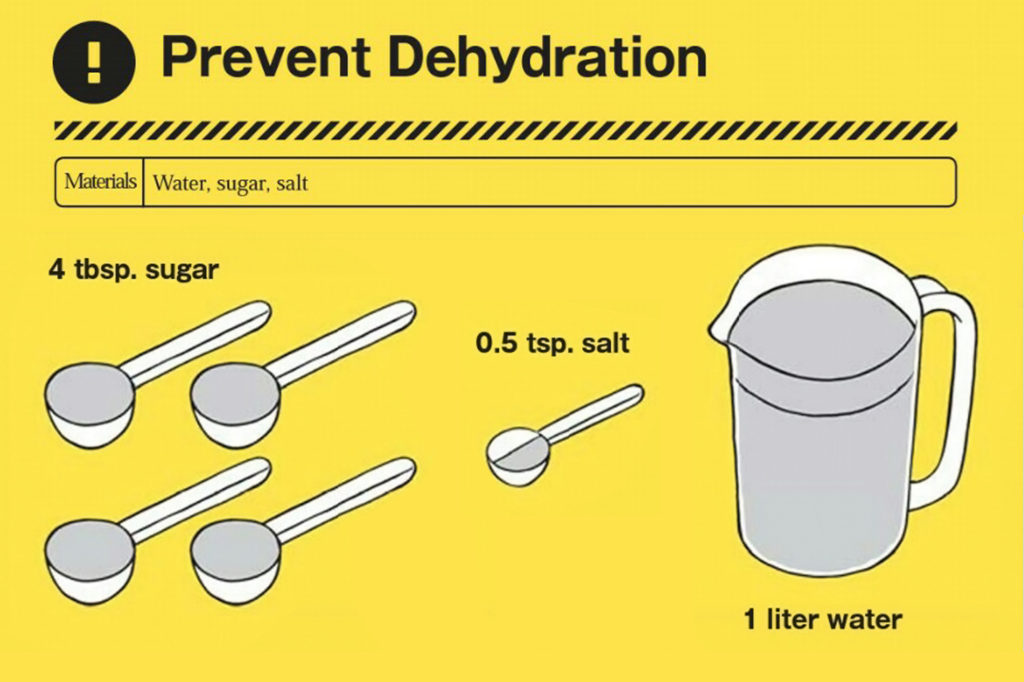
    If you don’t have access to fluid-rich foods, rehydrate with a homemade oral rehydration solution comprising of sugar, salt, and boiled (then cooled) water.

    Unless you’re going to experience headaches, dizziness, and extreme fatigue during your fast. You might even faint.

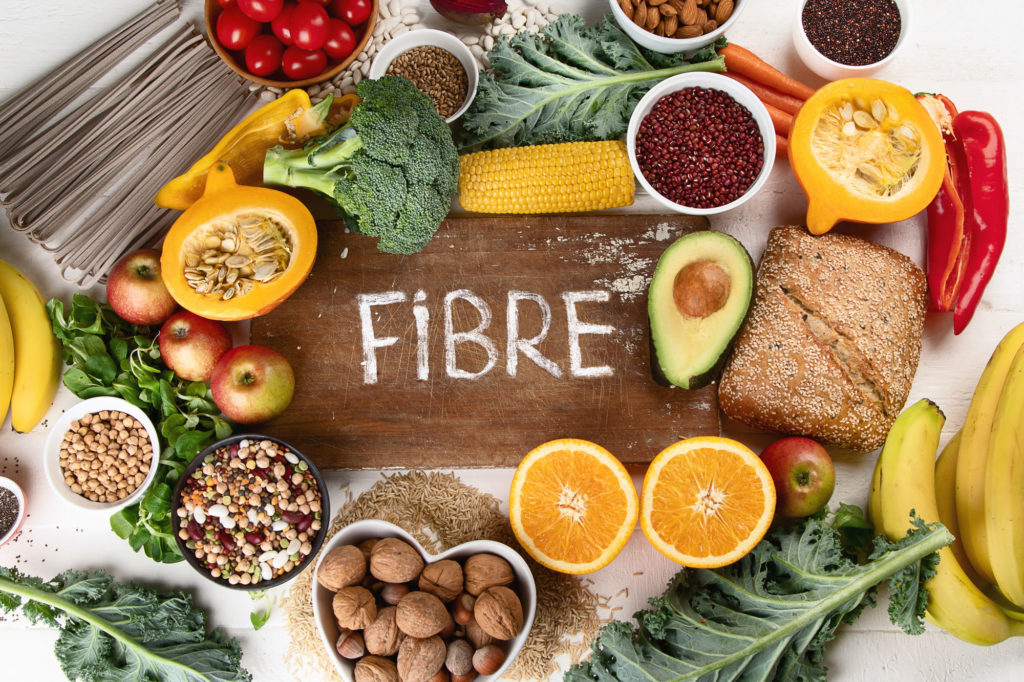
    Eat foods whole grain foods high in fibre content.

    Because they keep you fuller for longer and aid in digestion, which is a thing you want if you don’t want to be constipated.

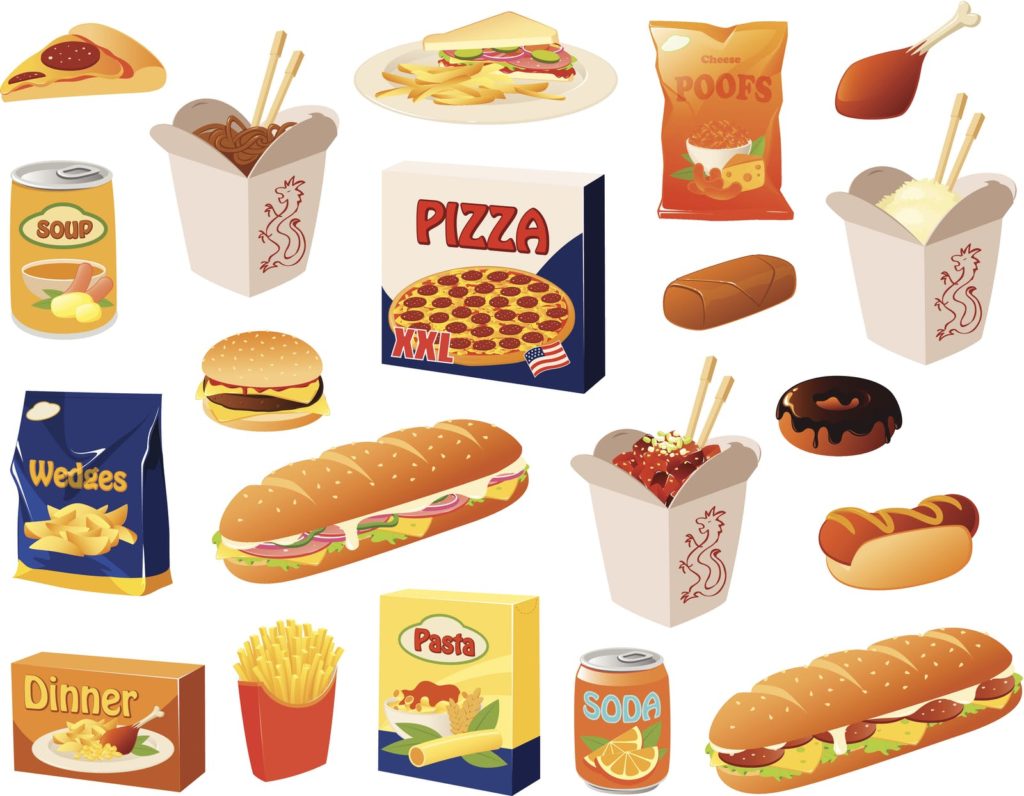
    Stay away from processed foods.

    Super difficult because they look really good but avoid them at all costs. Processed foods will leave you feeling bloated, lethargic, moody, and craving even more processed food. Which is terrible because then you’ll find yourself fighting hunger pangs way before it’s time to break your fast.

    When breaking a long fast, it’s best to take things slow.

    When breaking your fast, the temptation will be there to scarf down a whole bowl of eba but you have to chill. Your gut is less active during a fast and at the time of breaking the fast, it might lack the proper digestive enzymes necessary to break down food. Which is why you have to start slow with things like soups or fruits. Failure to do so can lead to inflammation and gastrointestinal stress.