• Over the years, Nollywood has produced unforgettable stories, and women have contributed immensely to this. From emotionally wrenching breakdowns to fiery monologues, Nollywood actresses have delivered performances that go far beyond the screen. 

    Whether it’s a comedic standout or a harrowing dramatic turn, these performances have helped define these actresses and reminded us just how much power rests in the hands of a woman who owns her role.

    From Genevieve Nnaji’s raw elegance in Lionheart to Sola Sobowale’s villainous rule in King of Boys, this list celebrates the star power, range, depth, and impact of actresses in Nollywood.

    Here are the 20 best performances by an actress in a Nollywood film, ranked.

    20. Gbubemi Ejeye in Farmer’s Bride (2024)

    Running time: 1h 52m

    Directors: Jack’enneth Opukeme and Adebayo Tijani

    Genre: Drama

    Gbubemi Ejeye plays Funmi, a  girl married to an older, wealthy farmer in a village. Unsatisfied with her union with an older man, she begins an affair with his young nephew. Ejeye’s AMVCA-nominated performance in this film powerfully captures the raw vulnerability, resistance, and eventual emotional complexity of a girl thrust into a world she didn’t choose. She subtly channels rage, innocence, and resilience, making Farmer’s Bride an intimate story of survival, the dangers of patriarchy, and the price of sacrifice.

    Farmer’s Bride isn’t currently available for streaming.

    19. Ini Edo in World Apart (2004)

    Running time: 1h 23m

    Director: Tchidi Chikere

    Genre: Drama

    In this classic Nollywood flick, Ini Edo plays Ulli, a sharp-tongued, village girl who, by a twist of fate, becomes the romantic interest of a wealthy prince from a polished, upper-class family. However, their relationship is frowned upon due to class differences. 

    Her performance as Ulli is full of spunk. She’s defiant but endearing, rough around the edges but charismatic. She doesn’t just play a girl in love; she plays a girl who refuses to shrink herself just to fit into a “refined” world.

    Though Ini Edo had already been in Nollywood before this film, her performance in Worlds Apart cemented her as a Nollywood screen star. 

    Watch World Apart on YouTube.

    18. Bimbo Ademoye in Anikulapo (2022)

    Running time: 2h 22m

    Director: Kunle Afolayan

    Genre: Epic, Mystery

    Bimbo Ademoye plays Arolake, a royal queen who sacrifices everything for a man who eventually betrays her. With this role, Ademoye breaks away from the love interest she has played in multiple movies, for a layered and textured performance of a wife in a polygamous royal family in a pre-colonial Yoruba town. 

    Her delivery is sharp, which makes the character the  anchor of a story steeped in Yoruba mysticism, politics, and fate. If epic movies catch your fancy, you should watch Anikulapo.

    Watch Anikulapo on Netflix.

    17. Adesua Etomi-Wellington in Falling (2015)

    Running time: 1h 33m

    Director: Niyi Akinmolayan

    Genre: Drama, Romance

    In Falling, Adesua Etomi-Wellington delivers the kind of performance that marks the arrival of a true screen star. She plays Muna, a young wife whose husband falls into a coma after a tragic accident. Muna’s world is shattered instantly, and we watch her unravel and rebuild. She battles with grief, financial strain, loneliness, and the unbearable uncertainty of whether her husband will ever wake up.

     Etomi-Wellington plays all this role with breathtaking honesty; her silence speaks just as loudly as her tears. What makes her performance in Falling so special is how grounded it is.

    Etomi-Wellington finds the delicate balance between emotional intensity and quiet restraint, making Muna very familiar. If you’re looking for a Nollywood love story that explores grief and faith in intimate and universal ways, you’ve found one.

    Falling is streaming on Netflix but unavailable in Nigeria.

    16. Dakore Egbuson-Akande in Isoken (2017)

    Running: 1h 40m

    Director: Jadesola Osiberu

    Genre: Romcom

    Dakore Egbuson-Akande steps into the shoes of Isoken, a 34-year-old smart, successful, and single woman. But her being single has her Nigerian family on high alert. Butterflies do not come alive in her belly, not even in Osaze (Joseph Benjamin), whom her mother introduced to her. But when Kevin (Marc Rhys), a white man, enters the picture, she falls madly in love.

    This romantic comedy explores the experiences of the modern Nigerian woman and how she continues to confront society’s expectations even when she seems to be in a space of independence. What makes Egbuson-Akande’s performance in the film particularly stunning is the seriousness with which she portrays a love-struck woman. If this is your cup of tea, add Isoken to your watchlist.

    Watch Isoken on Netflix.


    Get More Zikoko Goodness in Your Mail

    Subscribe to our newsletters and never miss any of the action

    ALSO READ: 10 of the Best Programs Currently Airing on Free-to-Air Nigerian TV


    15. Zainab Balogun in God Calling (2018)

    Running time: 2h

    Director: BB Sasore

    Genre: Drama, Faith

    Zainab Balogun plays Sade, a grieving mother spiraling after the tragic loss of her daughter. With a raw honesty that feels too intimate, she navigates the dark corners of despair, from addiction to anger. But her vulnerability isn’t just the strongest thing in the movie.

    When Sade begins to experience supernatural encounters that suggest God is literally calling her, Balogun shifts the energy of her performance from rage to surrender, disbelief to redemption. 

    It’s a delicate, spiritual arc that could have easily felt preachy, but Balogun grounds it with sincerity and restraint. God Calling is, at its heart, a redemption story, but it lives or dies on whether the lead can make you believe such transformation is possible. Zainab Balogun does that and more.

    Watch God Calling on YouTube.

    14. Toyin Abraham in Elevator Baby (2019)

    Running time: 1h 23m

    Director: Akay Mason

    Genre: Drama, Thriller

    Toyin Abraham’s performance in Elevator Baby proves she’s more than just a comedic star. She plays Abigail, a heavily pregnant domestic worker stuck in an elevator with Dare (Timini Egbuson), a spoiled, self-centred rich kid. Her encounter with him changes their lives. Abraham balances humour with tension and transforms a simple premise into an exploration of privilege, class, and compassion.

    Her character’s pain, fear, and strength unfold in real time, and Abraham holds viewers’ attention in every scene. 

    Elevator Baby is a one-location drama, but it never feels small, thanks to the emotional weight she brings.

    Watch Elevator Baby on Netflix.

    13. Omotola Jalade-Ekeinde in Ije (2010)

    Running time: 1h 47m

    Director: Chinese Anyaene

    Genre: Drama

    In Ije, Omotola Jalade-Ekeinde plays Anya, a Nigerian woman on trial for murder in the United States, and at the centre of a storm of secrets, betrayal and immigration politics..

    As the mystery unfolds, Ije becomes more than a legal drama. It’s a story about sisterhood, trauma, cultural dislocation, and the fight to be heard. At the centre of it all is  Jalade-Ekeinde, who gives one of the most layered performances of her career. She doesn’t play Anya to win sympathy; she plays her to reveal the truth.

    Ije isn’t streaming anywhere at the moment.

    12. Nse Ikpe-Etim in Mr. and Mrs. (2012)

    Running time: 1h 40m

    Director: Ikechukwu Onyeka

    Genre: Drama, Romance

    In Mr. and Mrs., Nse Ikpe-Etim gives an explosive performance. She plays Susan, a woman whose once-loving marriage has eroded into condescension and emotional neglect. What begins as a domestic drama slowly blooms into a story of rediscovery, and Ikpe-Etim carries every moment with poise and precision. Her delivery is fresh, but the emotions underneath are molten.

    You feel every word when she finally begins to fight back and assert her value. The role demands subtlety, but when she eventually breaks free, it’s unforgettable. You should watch Mr. and Mrs., not just for the plot, but to witness a woman crawl out of silence and revive herself.

    Watch Mr. & Mrs. on YouTube.

    11. Ijeoma Grace Agu in Swallow (2021)

    Running time: 2h 8m

    Director: Kunle Afolayan

    Genre: Drama, Thriller

    In Swallow, Ijeoma Grace Agu plays Tolani, a young woman working in 1980s Lagos, grappling with economic hardship and mounting pressure to enter the risky world of drug trafficking. Her acting is understated yet emotionally dense. Agu never plays Tolani as a victim but as a woman constantly calculating risk and survival.

    Her silences speak volumes, and her body language is a living diary of struggle, uncertainty and fear. Swallow is about how poverty shapes choices, but it’s also about dignity, and Ijeoma Grace Agu embodies that tension with grace. You should watch this thrilling drama.

    Watch Swallow on Netflix.

    10. Tina Mba in For Maria: Ebun Pataki (2020)

    Running time: 1h 15m

    Director: Damilola Orimogunje

    Genre: Drama

    As the heartbroken mother in For Maria: Ebun Pataki, Tina Mba delivers a performance that cuts deep. She plays a woman trying to care for her daughter-in-law, Derin (Meg Otanwa), who is silently unravelling under postpartum depression. Mba’s character is equal parts tough love and cultural conditioning.

    But the nuances in her gaze, the concern hidden behind her sharp tongue, make this portrayal so human. She becomes the film’s quiet moral compass, both a mirror and an obstacle to Derin’s healing. You’ll enjoy this movie if you’re interested in motherhood struggles like postpartum depression.

    For Maria: Ebun Pataki is streaming on Netflix but it’s unavailable in Nigeria.

    9. Bimbo Akintola in 93 Days (2016)

    Running time: 1h 58m

    Director: Steve Gukas

    Genre: Drama, Thriller

    Bimbo Akintola plays Dr. Ameyo Adadevoh in 93 Days, an impressive biopic about the late doctor who helped contain Nigeria’s Ebola outbreak in 2014. She’s just a woman doing her job while the world around her spins into chaos.

    Akintola plays Adadevoh with reverence but also with emotional restraint that makes the character even more human. 93 Days is a tense medical drama, but Akintola’s portrayal imbues it with real-world courage. If you’re looking for biopics that hit close to home, this is what you should watch.

    93 Days is streaming on Netflix but unavailable in Nigeria.

    8. Stella Damasus in Real Love (Part 1 & 2) (2003)

    Running time: 3h 59m

    Director: Charles Novia

    Genre: Romance

    In this old Nollywood movie, Stella Damascus plays Anna, a blind young lady from a modest family who falls for a man from a wealthier background. Together they navigate class divides, family opposition and the painful cost of living in a world that measures worth in status. What makes Damascus shine in this role is how genuinely she wears her character’s emotions. You believe in her love, hurt, and hope, and root for her. Not only because the story demands it, but because she’s earned it.

    This is a simple plot by today’s standards, but her performance makes it unforgettable. Her role isn’t just strong; it captures the charm of old Nollywood.

    Watch Real Love on YouTube.

    7. Chioma Akpotha in Gangs of Lagos (2023)

    Running time: 2h 4m

    Director: Jadesola Osiberu

    Genre: Crime, Thriller

    In Gangs of Lagos, a gritty exploration of power, violence, and survival on the streets of Isale Eko, Chioma Akpotha delivers a hauntingly grounded performance as Mama Ify, a mother caught in the crushing gears of a corrupt system. While the film focuses on the lives of young men entangled in gang rivalries and political exploitation, Akpotha’s role anchors the story emotionally.

    Her portrayal of a woman trying to protect her child from being swallowed by the streets is deeply captivating. It’s filled with fear, strength, and the kind of expressive restraint that makes you feel every unspoken thought. It’s a brief role, but one that lingers.

    Watch Gangs of Lagos on Prime Video.


    READ NEXT: The 10 Best Nollywood Movies To Watch On Netflix (July 2025)


    6. Genevieve Nnaji in Lionheart (2018)

    Running time: 1h 35m

    Director: Genevieve Nnaji

    Genre: Comedy, Drama

    In Lionheart, Genevieve Nnaji plays Adaeze Obiagu, a calm, capable executive who navigates the chaos of running her family’s transport business after her father falls ill. Adaeze isn’t loud or aggressive; she doesn’t need to be. Nnaji plays her with quiet steel: collected in crisis, sharp in strategy, and deeply human in her moments of vulnerability.

    As she faces family drama, industry sexism, and financial disaster, her performance spotlights her perseverance. It shows that she’s a woman leading with grace in a world built for men and trying to prove she can carry a legacy without losing herself. You should watch Lionheart not just for what it represents in terms of family, tradition, and quiet ambition, but also because you want to see a woman in Nollywood who is not preoccupied with looking for men to save her.

    Watch Lionheart on Netflix.

    5. Kate Henshaw in A Million Tears (2006)

    Running time: 2h 8m

    Director: Tchidi Chikere

    Genre: Drama, Romance

    In A Million Tears, Kate Henshaw plays Lola, a reserved university student who slowly catches the attention, and eventually the love, of campus bad boy Uche (Emeka Ike). This movie is set up with familiar Nollywood tropes, but Henshaw’s performance transforms the predictability into something deeply emotional. Henshaw’s character isn’t fragile by definition; she’s principled, soft-spoken, and grounded in her values.

    When Uche and his friends mock and misjudge her, she responds not with fury but with steady grace. As the story unfolds and Lola’s tragedy is revealed, Henshaw subtly shifts from composure to emotional fragility. A Million Tears is beyond the tear-jerking romance we’ve come to love the classic for; it showcases Kate Henshaw’s gift for embodying vulnerability.

    A Million Tears isn’t streaming anywhere currently.

    4. Rita Dominic in The Meeting (2012)

    Running time: 2h 12m

    Director: Mildred Okwo

    Genre: Romcom

    Rita Dominic transforms into the unforgettable Clara Ikemba, a fierce, over-the-top civil servant who is wickedly funny. She isn’t the lead of The Meeting, but she’s the storm in the room whenever she appears. While the film follows a corporate executive’s frustrating trip to Abuja to secure government approval, Clara becomes his biggest obstacle — a bureaucratic wall in pink lipstick and an attitude to match.

    As the intimidating receptionist who holds the keys to a powerful minister’s office, Dominic embodies a local government worker with delicious precision, from her accent to the exaggerated mannerisms and the sense of power she wields with her side-eye and fake nails.

    It could’ve been a flat comic role, but Dominic elevates it into something iconic. She plays Clara with hilarity, making you laugh even while you pray you never meet her.

    The Meeting is currently not streaming anywhere.

    3. Funke Akindele in Maami (2011)

    Running time: 1h 33m

    Director: Tunde Kelani

    Genre: Drama

    Funke Akindele plays Maami, a struggling single mother raising her son under the weight of poverty and an absent father. Her performance is a masterful balance of resilience and tenderness. She’s spirited, animated, and at times comical. But beneath her feisty exterior lies a deep, unspoken sorrow. You see it in the stolen silences, how her eyes linger on her son when he’s not looking.

    She plays a woman carrying heavy burdens, yet determined to protect her child’s innocence at all costs. She’s not just playing any mother she embodies the emotional architecture of a woman holding an entire world together with sheer willpower and love. If you’ve only known her for her comedic genius, Maami will show you just how profound her dramatic range truly is.

    Watch Maami on YouTube.

    2. Sola Sobowale in King of Boys (2018)

    Running time: 2m 49m

    Director: Kemi Adetiba

    Genre: Crime, Thriller

    Sola Sobowale plays Eniola Salami, an influential businesswoman with deep roots in Lagos’ criminal underworld and even deeper political ambitions. But the forces around her, from corrupt politicians, bloodthirsty rivals, to even former allies, are determined to see her fall. And it’s in this chaos that Sobowale finds gold.

    She plays Eniola with a rawness rarely seen in Nollywood: a political juggernaut, criminal matriarch, and mother. The entire story orbits her, and she never lets it slip through her hands. In a role that could have easily leaned into caricature, she builds a complex, commanding woman who doesn’t just survive the system, she impacts it.

    The way she balances the extremes of Salami’s life is exceptional. One moment, she collapses in grief over the loss of her child; the next, she commands a war room of criminals with a glance. Her voice alone carries decades of pain, power, and survival. Her every movement, the way she sits in silence and screams when wronged, feels lived-in and undeniable.

    Watch King of Boys on Netflix.

    1. Kehinde Bankole in Sistà

    Running time: 1h 34m

    Director: Biodun Stephen

    Genre: Drama

    In Sista, Kehinde Bankole is a single mother fighting against everything the world throws at her, from poverty to shame to judgment and the burden of raising children alone. She faces her worst nightmare when the father of her children returns accidentally into their lives and completely steals their attention all for himself, whilst trying to make amends for past sins.

    With Sista, Bankole yet again finds the perfect role for her acting range. Her portrayal of the single mother is passionate but she doesn’t lose herself to her emotions. Bankole’s performance is focused on the message of the story and less on the dramatisation of what happens in the film. At times, the weight of the story is almost visible in her performance.

    Watch Sistà on Prime Video.


    ALSO READ: The 10 Highest-Grossing Nollywood Movies of All Time


    See what others are saying about this story on Instagram.

    [ad][/ad]

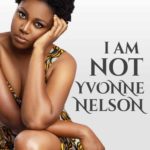
  • The internet is on fire, and Ghanaian actress Yvonne Nelson seems to have lit the flame. The actress and producer famous for her roles in films like House of Gold, If Tomorrow Never Comes, Princess Tyra and Playboy recently released her latest project, the memoir, I Am Not Yvonne Nelson

    Source: Amazon

    The book, which details her professional and personal journey, has become a hot topic online, so we decided to get into some of the most interesting revelations it contains. 

    Source: I Am Not Yvonne Nelson

    Confirmation of her relationship with Sarkodie and the baby they never had

    Source: MyNewsGH

    Rumours have gone on for years about Yvonne Nelson’s alleged relationship with Ghanaian rapper Sarkodie. 

    Source: I Am Not Yvonne Nelson

    Finally confirming the gist that’s been drifting around for over a decade, Yvonne details her relationship with Sarkodie, which ended in 2010 after she had an abortion. The book goes into graphic details about the process, Sarkodie’s decision to abandon her at her lowest point and the trauma that followed her choice back then. 

    The story of her break up with Iyanya and Tonto Dikeh’s alleged role in everything 

    Source: The Daily Post Nigeria

    Remember when Iyanya sang “Yvonne Nelson, I have your medicine” in Your Waist in 2012 and ended up dating and tattooing Yvonne Nelson’s name on his body?  Good old days. 

    Almost a decade after their relationship ended in 2013, which Yvonne briefly discussed on The Juice with Toolz, the actress and producer details the events leading up to their break up. She claims that Iyanya not only cheated on her but did it with multiple women, including Tonto Dikeh. While we wait for Tonto to break the internet with a response, Iyanya has taken the book as an opportunity to promote his latest EP, ironically titled Love & Trust, which slaps, by the way. 

    She accused Nollywood of being an industry of pimps

    Source: All Africa

    Pulling her own Caroline from Real Housewives of Lagos card, Yvonne goes into alleged cases of actresses and actors being pimped out to Nigeria’s financial and political elites. While she doesn’t mention names, she goes on about her experience and how she avoided following the same pattern during her time in Nollywood.

    RECOMMENDED: 8 of the Coolest New School Artistes to Help You Get Into Ghana’s Music Scene

    Genevieve Nnaji makes an appearance 

    Source: Yvonne’s Instagram

    If, like me, you were gagging after seeing  “Genevieve Nnaji and the Rest” as the title of the book’s 14th chapter, then I’m sorry to disappoint you. It’s not like I was expecting something scandalous about my unproblematic queen, but not everyone in this book has been mentioned for good, so there were some mild heart palpitations. 

    The 14th chapter of the book talks about her time working with Ms Nnaji on the set of the 2008 Ikechukwu Onyeka-directed film, To Love And To Cherish, which also starred Chidi Mokeme. In the book, Yvonne talks about how great it was to work with Genevieve, and that was it. 

    Source: IMDB

    Yvonne Nelson would’ve been a politician if not for John Dumelo 

    Source: GH Page 

    Another takeaway from Yvonne’s memoir is her brief stint in politics and how it ended because of her loyalty to John Dumelo. 

    In the book, Yvonne talks about how she was approached in 2020 by a few politicians to run for a seat in Ghana’s parliament. The actress explains that she turned down the opportunity because her friend and fellow actor, John Dumelo, was contesting in the same elections. John, who lost the election but plans to run again in 2024, confirmed this in a now-deleted tweet. 

    Source: Twitter

    The identity crisis that followed a shocking discovery about her “dad”

    Source: MyJoyOnline

    While a lot of the drama trailing Yvonne Nelson’s memoir has focused on her romantic relationships, the book’s main focus and inspiration behind its title comes from her relationship with her parents. 

    In the book, Yvonne reveals a shocking fact about her family. Her mum had claimed a certain Oko Nelson was Yvonne’s father all her life despite the man’s counterclaim that she wasn’t his daughter. For years, Yvonne and her alleged father were estranged over the belief that he didn’t claim her. It wasn’t until Mr Nelson was fatally ill  that her mum finally revealed that he wasn’t her dad. 

    Source: Daily Advent

    Yvonne details the regret and pain that followed this revelation and how Mr Nelson’s death further compounded it. This confusion about her paternity informed the book’s title, I Am Not Yvonne Nelson, after finding out that  the man whose name she’s carried over the years wasn’t her real dad. 

    You can find Yvonne’s memoir here


    ALSO READ: Stanley Okorie Sang “Billionaire” But His First Salary Was a Bottle of Sprite

  • Do you deserve a quiet, stress-free mum like Joke Silva or a funny, cool mum like Funke Akindele?

  • Creator Spotlight is a weekly series celebrating young Nigerians in the creative industry doing unique things. Everyone has a story, and Zikoko wants to tell it.


    Hi, I’m Jeiel, a singer, songwriter and actor. I played Olive in the YouTube drama Best Friends in the World. I used to be into sports but haven’t had time for it between work and school. I’m obsessed with fashion. Right now, I’m working on music; it’s my first solo thing. Writing and reading are therapeutic for me. I write songs and wrote a book in 2020. I’m working on a second one. 

    How old were you when you wrote your first book?

    I was 17. It was during the pandemic period, and I was bored. I’d written many short stories before but never completed them. One day, I just went on my Instagram and was like, “Hey guys, my new book is coming out in three days”. I hadn’t written anything, so that literally forced me to write since people were now expecting a book. But I’m never doing that again. That was horrible.

    Wait, you wrote a book in three days?

    I wrote the first seven chapters in three days, then posted the remaining chapters on Wattpad every week. So I had time to catch up and finish it. It’s called “Honey Eyes”.

    After you, na you. How do you get into so many things? 

    I grew up in a family that encouraged me to be multifaceted regarding things we wanted to do. It didn’t matter how big or small our interest was. My parents would always push us towards them. I’ve always had a wide range of interests in the entertainment industry. As soon as I could speak, I was making music with my sisters. We called ourselves Triple J Plus. We’re still a band, but right now, we’re focused on film. We released an album called Story, and it was kind of Christian-oriented but infused with pop elements. That kickstarted my love for music. 

    What about acting? 

    In 2018, when I was 15, my sisters had just finished film school. They came back to Nigeria and wanted to work on their first project. I wasn’t even interested in acting at the time. I wanted to be the next Ted Baker or Versace. But while prepping for their short film New Girl, the main actress playing Olive, and her understudy, didn’t appear on the first day of the shoot. I was supposed to be an extra with a five-second screen time just to support my sisters. I wanted to be behind the scenes helping the actors learn their lines or whatever department needed help. 

    We went home disappointed, and my mum was like, “Are you guys even thinking? You need a 15-year-old girl. Your sister is 15”. It didn’t help that while I was helping the actors with their lines, I pretty much learnt everything. So they asked me to take the uniform and do whatever I wanted. The next day, I ended up playing Olive, and that’s how my journey as an actress began. 

    It doesn’t seem like you were happy about it

    It was so embarrassing because it wasn’t my best work, and I felt like I could do better. I told myself I would die of embarrassment if 100 people saw it. A week after, it was at 200k views. I was excited, but I also wanted them to take it down. Soon it was 500k and then 1m. This was during the lockdown in 2020.Soon it was 500k and then 1m. This was during the lockdown in 2020.  At some point, we stopped checking because it was just scary. This was our pet project. We didn’t expect this many people to see it. 

    The fact that so many people were invested in the story when it wasn’t the best we could put out was mind-blowing. All the comments were like, “Oh my God, the actors are so good. You guys should make it a series”. It wasn’t the plan, but my sisters were down. 

    Halfway through the first season, I realised it was something I’d want to do for the rest of my life. It felt right. I liked stepping into another character and being someone else. When I was younger, I wanted to be so many things; this was my chance to be all the things I wanted to be through acting. From there, I started doing my research and taking classes to learn how to act, and it grew on me.

    You took acting classes? Nollywood, when?

    They weren’t professional classes. I watched YouTube videos and lots of high-school movies. The number one for me was Hannah Montana. I binge-watched season one to the end right before we started shooting. I watched a lot of  Netflix teen shows too. An old movie called The Breakfast Club taught me so much about passionate acting. I read scripts from movies I’d watched and tried to act them out exactly. I focused more on sitcoms because of the comedy delivery. Best Friends in the World is more of a sitcom than a drama.

    I wanted to put in the work even though I’d already got the role. I didn’t want anyone to think it was just because my sisters produced it. But even after all my hard work, people still left comments about me getting the role because of my sisters.

    How much of Olive’s character is you? 

    When I first met her character in the first season, I’d always ask my sister, “Why is Olive doing this? She’s so annoying. If it was me, I would slap her”. My sister would say, ”This isn’t supposed to be you. Be Olive”. 

    Olive always wants to help people even if they don’t like her. Sometimes, I strive to be like that. We didn’t have a lot of similarities, but it would’ve been harder to be authentic if we did. s I got to know her, I began to empathise with her, and she became my best friend and sister. We have more similarities now, like how she loves her friends as fiercely as I do. She’s definitely taught me a lot of things over the past five years that I would’ve never learnt on my own or as quickly. For example, she’s terrible at communicating when she needs help. Yet once you offer, she’ll accept it. I’m not great at accepting help. She trusts and loves her mum, and that really strengthened my relationship with mine even though we were close before. I also became very attentive because Olive always paid attention to people. She’s very opinionated and strong-willed. In this world, people have opinions and want you to have those same opinions. I’m working on finding my voice and being more confident in who I am. And I learnt that from her character.

    Oh wow, and that actually works?

    It’s a work in progress because some days are harder than others. You need to have a certain level of confidence in yourself and your skills. In the beginning, my confidence was shaky 90 per cent of the time. I was always second-guessing myself, always asking questions like I didn’t know what I was doing. During the second season, senior year, I started to say things like, “Oh, she would definitely do this. She wouldn’t do it like that”, and it started to translate on screen, better than in the first season. Hopefully, people saw the growth in me as an actor. 

    You were 15. How did you juggle work and school?

    It was exhausting but also rewarding, which is why I keep doing it. I didn’t want to do the first season, go to school for two or three years and be forgotten. So I chose an online school, which has a really flexible schedule. You could do all your homework for the month in a day. You can also take time off. I remember when we were shooting, I took two months off school because it was too much for me. My sisters would also give me time off from shooting to focus on school or just relax. Nothing suffered. Thank God for that.

    How does it feel to be God’s favourite?

    I always complain that they’ve spoiled me because I know it won’t be like this when I’m working for other people. It’s made me really grateful. As much as it’s easier here for us, I think I’m also mentally prepared to work with other production companies. There were times when my co-stars had busy schedules, and we had to shoot multiple episodes in a week or few days. I didn’t have the luxury to space out my schedule. Still, it was the best of both worlds, working hard sometimes and chilling.

    Are you working on other productions now?

    For now, I want to keep working with my sisters. They’re great at what they do. Jesi has figured out where Nollywood should stop and Hollywood takes over and is great at blending both standards. I’m not saying I don’t want to work with any Nigerian writers or producers. But there’s a gap because there are no actors my age or younger. They give those roles to older people. I’m still waiting for a big teen film where I’d see actors my age. 

    Maybe teenagers are hard to work with? Did your team have those sorts of problems on set? 

    If I’m being honest, I’m Gen Z, and I think I’m difficult sometimes. But you’ll find millennials who are hard to work with and baby boomers who are easier. People just need to be willing to give teenagers a chance. I’ve met so many talented people on our sets. If I could make 20 different films and cast all of them, I would. But I can’t. We just need to be given a chance to show we’re capable and aren’t as difficult as people assume we are. 

    Your sisters are doing a great job of platforming them. I keep seeing fresh faces

    Yes, they are. Fun fact: the guy’s who played Adam and Roberts are my best friends. Some of the other actors are my friends from school. A lot of them had strong acting backgrounds, like Esther, who graduated from the University of Uyo with a theatre arts degree. They realised they wanted to act, and it’s something they’re good at, all because someone gave them a chance.  

    That sounds so soft. Who influences you as an actress? 

    I look up to actors who are versatile and embody their characters. I’m obsessed with Viola Davis, Natalie Portman, Octavia Spencer, Lupita is my queen and Timothée Chalamet. I like Robert Pattinson; after his Twilight era, he returned better. Nicole Kidman inspires me to act in more versatile roles. Olive is pretty much a teenager, but I want to do more weird characters set in fantasy worlds.

    What about your music? 

    I’m kind of leaning towards alternative indie music. My music is influenced by the stuff I listen to, and I didn’t start listening to Nigerian music until 2018. I’m still new to it, so it hasn’t had the time to influence what I write. I listen to more American singers like Billie Eilish before she became famous, Sabrina Carpenter, Sasha Sloan, Julia Michael and Bea Miller. They’re honest with their music. 

    So no Nigerian makes the list of inspirations?

    There’s Victony and Young John, Omah Lay, Joeboy, Fireboy, Asake, Burna Boy and Reekado Banks. Ayra Starr — I can’t decide whether I love her or am jealous of her because she’s so good and she’s my age. Like, God, I don’t want to be a mechanic; I want to be a baller

    Please, you’re not a mechanic. But what do you plan to do differently with your music to get people’s attention? 

    For me, music is a means of communicating because I’m a terrible communicator in real life. I’ll have a mountain of problems, and I won’t tell anyone. I want to be an honest artist who talks about relatable things — music that makes you feel  understood and less alone. I want to write songs to make people feel like the world isn’t such a big, bad place, especially in Nigeria, where our instinct is to suppress our feelings and invalidate our emotions. 

    Whew. Between acting and music, do you rest? 

    I make TikToks, but it still feels like work. I always have to plan the perfect outfit, learn the dance and ensure it comes out great. When I’m not doing that, I hang out with my family, and if I want to be alone, I just listen to music and think. There’s never a time when I’m not working or thinking about work. But they don’t feel like work. They’re hobbies I’ll eventually make money from.

    Wait, you’re not making any money yet? 

    The streams are good, but on YouTube, you’re only paid for the ads people watch. Everyone skips ads, so it doesn’t count. We get like five cents, ten cents, a dollar, if the ad is like 30 minutes. And there’s a 30 per cent tax on YouTube revenue for Nigerian creators. We’re making next to nothing, and it all goes back to production. We have to feed, transport and pay for locations. We’re also paying off debt because we borrowed money from our parents. We’ll probably do that for the rest of our lives.

    How do you pay the actors, though?

    When we wrote our contract for the show, we made it clear we wouldn’t be able to pay anyone. But at the end of this last season, we did a little gratuity thing to thank them for the past five years. It wasn’t a lot, and Lord knows they deserve so much more. We’re just thinking of it as an investment into our future because we know for sure our next few projects will have sponsors. It’ll be worth it. 

    What’s your favourite thing about what you do?

    Every time we upload an episode, I love seeing how the fans react to my work and the project as a whole. All I do is read comments. It makes me so happy. That’s my payment. Even the mean comments, I read them because there’s a bit of truth sometimes. I’ve even accepted Olive as my new name and stopped correcting people.

    Want to leave a message for your fans? 

    I just want to thank them. Without them, our production wouldn’t be where we are right now. I’m really grateful for all the love. Some people randomly start over from season one. I haven’t felt that kind of devotion before. Nigerians definitely know how to support their own. Even non-Nigerians support us. We’re working on a new project, and I’m really excited for them to see it. It’ll be bigger and better.

    What do you plan to do in the next couple of years?

    A lot of music and other projects. Even if it doesn’t give me as much income, I’m more of a quality-over-quantity kind of person. I model when I’m not acting and get paid well enough. In the far future, I want to open a cafe and invest in different things. I also want to start my own fashion line. I’m definitely not putting my eggs in one basket. My dad taught me better.

    Finally, Would you have done things differently? Like just enjoyed being a teenager? 

    Those five years on set were pretty much my formative years. Sometimes, I wish I could’ve taken the normal route. There’s also the fact that my dad is a famous preacher. I used to wish I was a farmer’s daughter in some village. But I couldn’t have asked for better. It was a really wholesome set, very family and friends-oriented. We had premiere parties at the camp where we shot the series, or at home, whenever an episode was released. We’d dance, eat and sing. It was peaceful, and as much as I felt lost sometimes, I started to see the world more maturely.


  • The subject of today’s What She Said is a 22-year-old woman who became an orphan at the age of 11. She talks about being raised by her strict grandmother, leaving her first school because of cultists, going to film school instead of studying medicine, having rich friends and pursuing a life of luxury and fame.

    What’s a childhood memory you can’t forget

    When I was younger, my dad beat me till I almost fainted because I did not wear slippers downstairs. I actually think he did it because he was drunk. 

    He was usually drunk and whenever he got that way, he would beat me a lot. When he died, I didn’t like the fact that he was dead but because of the beatings, I wasn’t particularly sad either. 

    Apart from the beatings, he was a very cool dad. When he came home from work, he would buy gifts not just for me, but for the other children in the compound. So, all the children loved him, but I didn’t  — because of the beatings. 

    What about your mum, where was she in all this? 

    Well, I never grew up with my mum. She dropped me with my father when I was just 4 months old. It’s not like I didn’t know who my mum was, she was just never an active part of my life. She later remarried and had other children, but my dad’s mum never allowed me to interact with any of them.

    Technically, I don’t think I would have wanted to stay with her. The environment she lived in was not one I wanted to surround myself with. She was suffering. So, I stayed with my grandma who raised me. My mum passed away when I was 11. 

    I am so sorry. Being an orphan must be tough. 

    Well, technically none of them raised me. I didn’t really know them. The only parental figure I had was my grandma. She worked in NNPC at the time and lived in a large and nice compound. It was a comfortable upbringing. She was very strict. 

    What’s the biggest thing you got in trouble for? 

    It was when I stole  ₦1,000 from her wallet. She’d counted the money before she kept it in her purse, and I didn’t know. Also, when I took the money, I didn’t arrange it properly and so parts of it were sticking out from the purse. 

    I stole it because I had a college mother when I was in JS1 who my grandma would give  ₦5,000 to keep for me. My college mother was not giving me enough money, so I stole the  ₦1,000 so I could flex for one week. There were a lot of rich students in my class. In fact, there was one girl that used to lie that she was dating Wizkid. So there were those people, and then me that was eating jam pie and pure water. 

    One day, because I was tired of their bragging, I told them I was a mermaid and if they poured water on me, I’d start shaking and grow a tail. They believed me. 

    LMAO. That is fucking wild. 

    Another time I got in serious trouble was when I got home really late. By the time I got home, she had pepper and water solution waiting for me. Luckily for me, she did not use it. 

    I was in SS2 and my friends and I went to some kind of bar. That was the first day I smoked shisha. We were making videos and unfortunately, one of the videos got to my pastor who then sent it to my grandma. 

    A lot of things are different now. She’s retired and is receiving a pension. A lot of times, I have had to fend for myself. The first time I had to fend for myself was when I was 19 and in a polytechnic in Delta state. 

    How was life at the polytechnic?

    Well, I had to run away because I had issues with cult boys. The leader of a cult wanted to date me and the first time he approached me, I was very rude to him. That day he was catcalling me and I gave him an attitude. I had a boyfriend then who was taking care of me, so I was really not interested in talking to him.

    His guys found my house and came to threaten me. It was after they showed up twice that I left the polytechnic. 

    How did your grandma take it? 

    I wish I hadn’t told her. Well technically, I’d told my boyfriend at the time and he and my grandma were close so he told her. When my grandma found out, she told my Bishop and he told me I had to leave the school. They all came to that conclusion on my behalf. 

    After I left the polytechnic, I used the time I stayed at home to learn how to sew. Then after a year, I went to a different university in a different state to write Joint Universities Preliminary Exam Board (JUPEB). Unfortunately, I failed. I don’t like book. 

    If you don’t like book, what do you like? 

    I like acting. I am currently in film school. I want to be an actress. I tried to get into a film school for two years, but my grandma wanted me to be a medical doctor. It was hard for me to tell her that medicine was not my dream. She was the one who raised me so it felt like the only thing I could do was just be a doctor, but I couldn’t. 

    Whenever the conversation came up with my grandma, there’d be a lot of yelling and she’d say “you will never go to that school.” After failing JUPEB, I iced my grandma out for a bit because we were still clashing over my decision not to study medicine.

    The day I bought my form for film school, I called my grandma and explained what I wanted to do with my life. She was calmer, and she shared with me that she was just scared. She didn’t want me to fail. 

    Film school is currently the best part of my life. Although it’s still school and a lot of work, it feels right. Like this is what I am meant to be doing with my life. 

    You mentioned fending for yourself, how did you do it? 

    Well, at first my boyfriend used to take care of me while I was still in Delta state. He would pay my school fees and send me money for feeding. He also used to pay for my luxury lifestyle because I’m a luxury babe. Unfortunately, we broke up. 

    Why? 

    Well, he got married. I went for a reality TV show competition at the time because I was really pursuing entertainment. Before I left, he told me he would get married, but I just played it off as a joke. One Sunday morning, during the show, my grandma called me  to say he had gotten married on Friday. I cried so much. That day was the party night, so I drank a lot of alcohol. I was in so much pain. 

    So, how did you continue living your luxury lifestyle? 

    I have rich friends. 

    Rich friends as in how? 

    I just have rich friends. I go out a lot to parties and clubs and I tend to meet rich people. I am a fine girl and very sensual, so people tend to be drawn to me. 

    My friends randomly send me money and honestly, I’m gathering all the money they send to me so I can open my own fashion line. I can’t have rich friends forever, and at some point, I too would like to be a rich friend. 

    Like how much do you think your rich friends send to you? Let me start looking for my own

    Well, it depends. Sometimes, I can get as much as  ₦600,000 a month. It’s not constant but I’d say that I make more than two to three million naira every year just from having rich friends. 

    Sometimes, my friends have tried to sleep with me, but if I am not interested, they can’t force me. 

    What do you spend the money on? 

    Flexing. I spend the money going out, buying Hennessy and champagne and just living my best life. Sometimes when I’m out, I meet new [rich] friends who pay for the drinks, so I also spend the money on clothes, shoes, bags, and hair. Anything that makes me happy. 

    What would you say is the most expensive thing you own? 

    Well, it used to be my iPhone 11.  It cost over ₦300,000  but it was stolen, so I bought an iPhone XS Max which cost over ₦250,000. Apart from gadgets, you could say my  ₦210,000 wig. It’s a beautiful ginger bone straight wig. 

    I have been meaning to buy a Macbook, but I really don’t feel like using my own money to pay for it. Talking about it now made me realise that there are a couple of friends I could call and tell I want the Macbook and they would buy it for me. Maybe I am just focused on the clothing brand I am trying to build now. That’s very important to me. 

    I thought you wanted to be an actress?

    I still do, but then I want a Rihanna type situation. I want to act but still have my clothing factory. A situation where I can win my awards and still have money coming in from the side. 

    What’s your ideal life?

    I want to be a star and live a luxurious life. For me, luxury is being able to afford whatever I want, whenever I want it. 

    I want to be able to travel on a whim and buy whatever designer bag catches my eyes. I deserve a luxurious life, and that is what I am aiming for. The freedom to just do whatever I want. Currently, I feel like I haven’t started enjoying life. When I start making the kind of money I need, I’ll travel a lot and finally start enjoying the life of luxury I deserve. 

    For more stories like this, check out our #WhatSheSaid and for more women like content, click here


    [donation]

  • Every week, Zikoko seeks to understand how people move the Naira in and out of their lives. Some stories will be struggle-ish, others will be bougie. All the time, it’ll be revealing.

    The actress in this #NairaLife has 99 problems. The biggest one? Not knowing her next payday and figuring out how best to manage this situation.

    What’s your oldest memory of money?

    It was walking in on my mum and her salesgirl counting money when I was 11. Out of curiosity, I asked my mum what bank she was keeping her money in. And she was like: “This is everything I have. I don’t have money in the bank.”

    I looked at her and the wads of cash on the floor, wondering how that was all the money she had. For context, I have four siblings and that money didn’t look like it was enough to take care of all of us. I was in so much shock. Ask me what I did the following day.

    What did you do the following day?

    I went to look for a job. 

    Wait, but you were 11. 

    I felt the onus was on me to help my mum get more money to take care of me and my siblings. So, I got into a bus and went to the busiest part of town. I entered the first shop I saw and told them I’d like to work for them. The boss liked me the moment she saw me and offered me a job as a salesgirl. The pay was ₦3,000 per month. But I only spent a few hours there. 

    What happened?

    My parents had been looking for me the whole day. The next thing was that a car parked in front of the shop and my mum and a neighbour came out. They bundled me into the car. As we were leaving, the boss was like, “Aww, you would have made a good salesgirl.” She gave me ₦2,500 for my troubles. My mum was livid. I don’t remember if I got a beating, but I probably did. 

    This is an interesting first work experience. Did you have any idea your parents were, maybe, struggling before this event?

    Not really. I knew my dad had fallen on tough times, but my mum took over as the breadwinner. We went to private schools, although I was on a scholarship. We never ran out of food. Our Christmas clothes came in August or September. In my head, there was no way the money I saw on the floor could be everything we had. But my mum doesn’t lie. 

    I began to understand the toll carrying the weight of the family must be having  on her, so I tried not to be a burden. It developed into a lingering desire to help her save money. 

    Is there a memory of this that particularly stuck?

    My plan was to go to uni in the US, and I actually got a partially-funded scholarship. When I realised how much I would still have to pay, I decided that I wasn’t going to put her through it. So, I opted for a Nigerian university. 

    Oof.

    Another time, I had run out of my allowance — ₦10,000 per semester — and food in school. But it didn’t cross my mind to call my mum. I was like, “Who knows if she even has money? I should be able to bear this drought.” I was hungry for a week, and it culminated into a stomach ulcer I’m still treating today. 

    Eish. I’m sorry. But how far did ₦10,000 take you per semester?

    Well, not far. But I was making money on the side. In my second year, I saved up and bought a computer for ₦20,000 or ₦30,000. I started typing projects and assignments for students in my school at ₦30 to ₦50 per page. I made an extra ₦10,000 – ₦15,000 per month from this.

    Lit.

    I was also writing movie scripts. I loved watching movies when I was a kid. My plan was to study Theatre Arts, but my folks wanted me in science.

    Marketers held sway in Nollywood at the time, so I would get their numbers from movie jackets and pitch a script to them. Then I would travel to Lagos to give them a copy of the script and get my money. I got ₦16,000 from the first script I sold. I only sold a couple more because of the stress and risks involved. The last one I wrote in school sold for ₦60,000, but I don’t remember if I received full payment. 

    Nigerians, man. What did you do after?

    A few weeks after I wrote my final exams in 2007, I travelled to Lagos to audition for a movie role. Unfortunately, I got the wrong info and the audition had been done days before I showed up. But the producer liked how I spoke and asked if I would be interested in coming on another show as a resource person of sorts — to do some of the heavy weightlifting behind the scenes. I was supposed to be paid ₦15,000 every month, but I wasn’t paid a dime during the four months I spent with them. 

    Ah!

    A week after I quit, they sent me an offer letter stating that they would pay me what they owed and increase my salary to ₦30,000 in addition to some other benefits if I came back. I was done with them. I didn’t go back. 

    Energy!

    They had no respect for the value I brought to them, so I kept it moving. I auditioned for a couple more roles until I landed a part in a TV show. This one was ₦6,000 per episode, and I appeared in six episodes. They didn’t want to pay either until I went back to fight them. 

    LMAO. Run me my coins. 

    Right? Oh, between the first job and the TV show, I did two stage plays in quick succession. Both were ₦50,000 gigs. I was paid in full for one and got half payment for the other. 

    I did theatre for three years after that. The show paid me ₦3,000 per week when I started. It increased to ₦5,000, then ₦15,000 by the time I left. But also, I was working 6 days a week and there were tons of rehearsals. 

    When did you leave the theatre company?

    2010 or thereabout. In 2011, I applied to a film school in the US but pulled out at the last minute. You’re going to ask me why, aren’t you?

    I am.

    I couldn’t raise the money I needed on time. About ₦1.5m. By the time I had the money, the school had resumed for like a week or two. I applied for an express interview at the embassy. The woman who interviewed me was like, “I can approve this thing. But I promise you, the immigration officers at the airport will wonder why you’re coming two weeks after school has resumed. And they won’t let you in because they won’t believe that’s what you came for.”

    Omo, I looked at the risks and was like “Nah.” I worked hard for that money. I wasn’t going to lose it. 

    Fair enough

    I went back to vigorously auditioning for roles. A movie here. A TV show there. Each job was between ₦30,000 and ₦50,000. Later in 2012, I did this stage play for a month and got ₦70,000 from it. A week after it wrapped up, I got a call from someone high up in the industry. They had seen my performance and liked it. They  were in the organising committee of a festival in the UK and wanted to know if I would be interested in being one of the entertainers representing the country. 

    That sounds huge.

    It was. It was a big festival. I could hardly contain my excitement. I got the contract and found out that I was going to be paid ₦750,000 to travel out of the country. That wasn’t all.

    Oh?

    I also won a £3000 grant to fund a project I was working on. This was an entirely different thing. It just happened at the same time. Also, I made extra cash in the UK. 

    How?

    I travelled with some food supplies. Fortunately, I found a Nigerian lady near our hotel who allowed me to cook at her house. When the Nigerians I travelled with saw what I was doing, they were interested and everyone started paying me £3- £5 to cook for them. I made an extra £5000 from that alone. I returned to Nigeria with about ₦2.5m in my account. 

    Mad oh. I wonder how this income affected your relationship with money?

    It didn’t. You have to know that earning is not a constant in this line of work, so you need to plan around whatever you get. I came back from the UK, and two weeks later, I was doing a ₦15,000 job. 

    Brutal.

    Also, most of the ₦2.5m went into funding projects and paying black tax. And then, I was back to regular programming. By the time I got married later in 2012, I’d done a few more projects — indie films, stage plays, TV shows. Our first child came in 2015. 

    Did anything change?

    My husband is a filmmaker. I’m an actress. Both of us don’t have a regular stream of income. I was better with money, so I started taking care of our finances. 

    We also started working together, building our production company. But the thing was, with a child in the mix, I had to become stricter with how money moved in our relationship and work, and it was tricky. As a filmmaker, he would think about the creative bits of work. I was the producer, so I always thought about how to squeeze out more money from whatever we were working on. We had lots of clashes.

    Phew. You were still acting in other projects, right?

    Yes, but those gigs had become even more irregular. Because of my husband and our company, people thought I was sorted. Whatever came in had to be planned in a way that it would last until something else came up.

    Intense. Tell me, how do you build a production company in Nollywood?

    You have to be creative, which is more difficult than it sounds. You need funds to actualise whatever you’re creating. So I’m constantly sourcing for funds. 

    In 2015, we thought of this big project and started working on it. I made calls to a couple of friends I made at film festivals I attended over the years. I got one of them to co-produce the movie with us. The budget was ₦15m, and each company brought 50%. The movie went to the cinema and was well-received. It did more than ₦20M at the box office.

    How does money move in that space?

    The producer gets a distributor to take the film to the cinemas. When a cinema accepts the film, you get date and time slots. The cinema takes 50% of whatever the film makes in the first week. But as it stays longer, the more percentage the people involved in the production and distribution get. At the end, the producers get 1/3 of what remains after tax and after everyone involved has taken their cuts. With that film, we got ₦7.5m. 

    This is only the box office, though. When the movie leaves the cinema, you sell to channels, flight, and other avenues. Over the years, it’s turned in a profit.

    Interesting. What’s happened since that time? 

    We’ve done about three cinema films. We made a loss of about ₦7m on one because there was no money for ads.

    My thought process shifted after that. I had to decide if I wanted to keep funding films that may likely not make money or become a content producer for TV stations. I got the first TV commission in 2016, and they gave us ₦4m to produce a show for them.

    Sweet. And your earnings, how has it changed between 2015 and now?

    Let’s say I make between ₦500k and ₦1m in a month where everything works. But it’s still irregular. What has been consistent is the inconsistency of my income. And what hasn’t changed is the way I budget. 

    Tell me about that.

    When our second child came in 2018, I realised that things had become more real. I started making a two-month budget instead of a one-month budget. We try to limit our expenses to ₦800k within a two-month period. But it’s not set in stone.

    There’s a separate plan for rent. We pay about ₦8m in rent for the house and other properties we run business in. I find out that by the second quarter of each year, I’ve saved up rent for the following year. 

    This is actually refreshing. Do you know how much you have in savings?

    About ₦8-₦9m. I know it won’t be liquid for long; we’re always putting money into funding projects. 

    Ah, I see. What about investments?

    We bought some real estate two years ago. 5 plots of land, and each one cost ₦1.2m. There is a sixth plot that we got for ₦2.5m. We’ve always heavily invested in our work. We’re also in the money markets, but we don’t have a lot in it — about $5000 in stocks. Then there’s one ₦700k in mutual funds. 

    Most of our investment is tied to work, and that’s not very helpful if I really want to work around our irregular income. It sounds better to invest in something outside the scope of work. 

    What’s stopping you from doing that?

    Finding someone to trust or understanding the business I’m going into. With the film business, no one can bullshit me. It’s smarter to invest in what I know.

    Fair enough. How would you say that your experiences have shaped your perspective about money?  

    I have a lot of respect for money. And I have a lot of anxiety about it. I’m always planning stuff around money and making budgets even when I don’t have to. One of my goals this year is to work on the anxiety bit. I just want to relax.

    How much do you think you’d need to earn to get rid of the anxiety?

    The thing is, it’s not about the amount. It’s about how often they come. If the income is as regular as I’d like, then I won’t have to worry so much about money. 

    I’m curious, do you have a retirement plan?

    It’s funny, I don’t. I should definitely start working on that this year. 

    What’s something you want right now but can’t afford?

    A holiday. I will have to go with my family, and it will run into a couple of millions, which I don’t have right now.

    What about something you bought recently that kinda improved the quality of your life?

    I was going to say the new production office we opened, but it didn’t really improve the quality of my lifet. It just gave me more things to worry about. Apart from that, nothing. Such a shame. 

    Lmao. That’s all right. On a scale of 1-10, how would you rate your financial happiness?

    5. It’s neither here nor there. Income is still not regular even after all the years in the industry — I probably won’t hack this. But if I get this major gig I’m expecting soon, this number can move to a 7 or an 8.

  • When it comes to old Nollywood realness, we all know that the women were the ones who came on the scene and served hard. We’ve decided to honour legendary actresses who still impact the movie industry decades after their debut.

    Today, we honour the elegant Stephanie Okereke Linus.

    Nollywood actress Stephanie Okereke Linus in yellow fashion jacket

    Stephanie Okereke Linus has been in the movie industry for over two decades. She was a teenager when she appeared in two Nollywood movies, Compromise 2 and Waterloo in 1997.

    Born on the 2nd of October 1982 in Ngor Okpala, Imo state, Stephanie’s dream was to become an actress. While she was still in secondary school, was actively involved in the drama community and after graduating, she went on to study English and Literary Studies in the University of Calabar. It was in the university that she began to attend auditions and eventually snagged her roles in Compromise 2 and Waterloo which earned her an award for Most Promising Actress in Nigeria and another for the Best New Actress to Watch Out For at the African Movie Academy Awards and the Africa Magic Viewers Choice Awards.

    Stephanie Okereke Linus as brand ambassador

    Stephanie also has repute as a model. In 2002, she emerged second place in the Most Beautiful Girl in Nigeria beauty pageant.

    Stephanie okereke model photos

    In 2007, Stephanie released her first movie Through the Looking Glass in which she worked as director, scriptwriter, producer, and actress. The movie was nominated for Best Screenplay in the African Academy Awards in 2009.

    In 2011, Stephanie was honoured by the Nigerian government with a National Honour (Member of the Order of the Federal Republic, MFR) which is an award given to a celebrity in Nigeria who has contributed immensely to the economic growth of the country through entertainment.

    Nollywood actress Stephanie Linus Okereke

    In 2014, Stephanie released another movie, Dry, which she wrote, directed, produced and acted in. The movie won many awards including the 12th Africa Movie Academy Awards and 2016 Africa Magic Viewers Choice Awards’ best movie overall movie with the prize of a brand new car. 

    Nollywood actress Stephanie Okereke and husband Linus Idahosa

    In April 2012 Stephanie got married to Linus Idahosa in Paris, France, at a private wedding ceremony. The couple have a son, Maxwell Enosata Linus, born in 2015.

    Nollywood actress Stephanie Linus Okereke

    Stephanie is our Woman Crush Forever!

    Want more posts about legendary Queens Of Nollywood? Then you should check out our Queens Of Nollywood archive.

  • An elegant queen.

    She was born on the 3rd of May 1979 in Mbaise, Imo State as the fourth of eight children. Along with being an actor, she’s also a producer, director, entrepreneur, and former model. She attended Methodist Girls School and the University of Lagos, graduating with a bachelor’s degree in creative arts

    Nnaji began her career as a child actor in the 1987 television soap opera, Ripples. She was just 8 years old at the time. During her time in university, she began auditioning for acting jobs. Her first major movie role was in the 1998 movie, Most Wanted. She went on to star in other movies like Camouflage (1999), Love Boat (1999), Sharon Stone (2001), Blood Sister (2002), Battle Line (2002), etc.

    In 2004, Nnaji signed a recording contract with EKB Records, a Ghanaian record label, and released her debut album, One Logologo Line.[12] It is a mix of R&B, Hip-Hop, and Urban music. The album spawned the single “No More” which was widely ridiculed by Nigerians due to how terrible a song it was. However, it was later praised for being a lowkey feminist anthem that was way ahead of its time.

    She produced her first movie in 2015 titled Road To Yesterday, and it went on to win the best movie at the 2016 Africa Magic Viewers Choice Awards. Her directorial debut, titled Lion Heart, was released in 2018 and was immediately acquired by Netflix (making it the first Netflix original film from Nigeria). In the same year, she also starred in the movie Farming, the directorial debut of American based Nigerian actor, Adewale Akinnuoye-Agbaje. She appeared alongside Kate Beckinsale, Damson Idris, and Gugu Mbatha-Raw.

    She has featured in many commercials. In 2004, she was the face of Lux beauty soap, appeared in ads for Omo detergent and Pronto beverage. In 2008, she launched the clothing line, St Genevieve.

    All hail a queen!

  • When it comes to old Nollywood realness, we all know that the women were the ones who came on the scene and served hard. We’ve decided to take a week to honour seven legendary actresses who still impact the movie industry decades after their debut.

    Today, we honour the magnificent Omotola Jalade Ekeinde.

    Born on the 7th of February 1978, Omosexy (a nickname she was given by fans for obvious reasons) is a Nigerian actress, singer, philanthropist, and former model. She wasborn into a family of five and attended Chrisland School and Command Secondary School for her secondary education. She started her tertiary school education at Obafemi Awolowo University and completed it at Yaba College of Technology where she studied Estate Management.

    Omotola’s original ambition was to work in Business Management. While waiting for her results after university, she began modelling to earn a living. During this time, she accompanied a friend to the auditions for the 1995 movie, Venom of Justice. She somehow ended up getting the lead role in the movie and caught the acting bug. Her role in the 1996 movie Mortal Inheritance gained her critical acclaim and mainstream recognition, shooting her into the list of A-list actors in Nollywood. She went on to star in such movies as Scores to Settle (1998), Lost Kingdom (1999), Blood Sisters (2003), Games Women Play (2005) etc.

    After over 300 straight-to-video releases, Omotola starred in her first cinematic release in 2010. The movie, named Ije: The Journey, reunited Omotola with her Blood Sisters co-star, Genevieve Nnaji and was shot in parts of Nigeria and the United States. It became the highest-grossing movie at the time (until it dethroned by 2012’s Phone Swap).

    In 2005, Omotola launched a music career with the release of her debut album titled, Gba. The album produced the singles Naija Lowa and the less commercially successful The Things You Do To Me. The singles Feel Alright and Through the Fire were released to promote her sophomore album. The album, though recorded, was never released for unknown reasons.

    She married Captain Matthew Ekeinde in 1996 and had a white ceremony in 2001 that took place onboard a Dash 7 aircraft flying from Lagos to Benin. Together, they have four children.

    Here’s to many more years of Omosexy gracing us with her many talents.

  • When it comes to old Nollywood realness, we all know that the women were the ones who came on the scene and served hard. We’ve decided to take a week to honour seven legendary actresses who still impact the movie industry decades after their debut.

    Today, we honour the resplendent Clarion Chukwura.

    Clarion Chukwura (real name: Clara Nneka Oluwatoyin Folashade Chukwurah) is a Nigerian actress and humanitarian. She was born on the 24th of July, 1964 and comes from Anambra state.

    She had her nursery school education in Lagos and then attended Queen of the Rosary College, Onitsha for secondary education. Knowing that she wanted a career in acting, she proceeded to study Acting and Speech in the Department of Dramatic Arts at the Obafemi Awolowo University.

    She began her acting career in 1980 and got her first movie role in 1982’s Money Power, a film by veteran Nigerian filmmaker, Ola Balogun. She gained more recognition when she landed a role on the popular 1984 television soap opera, Mirror in the Sun. She was the first Nigerian to win the Best Actress award at the 1982 FESPASCO film festival in Burkina Faso.

    Chukwura is known for playing rich, wealthy, and flamboyant characters. Since her Nollywood debut in 1984, she has starred in the following movies: Fiery Force, Money Power, Farewell to Babylon, Igbotic Love (LMAO), Forbidden Choice etc.

    Chukwurah with her son, Clarence Peters.

    Chukwurah has been married three times and is the mother of popular music video director, Clarence Peters whose father is musician, Shina Peters. She met him while they were both filming Money Power. She is the recipient of many acting awards and has been recognised as a peace ambassador by the United Nations for her charity work across Africa.

    Here’s to many more years of this legend living her best life.