‘Japa’, the pattern of young Nigerians leaving home, has become a part of our collective condition and culture as Nigerians. In 2021, the year after the EndSARS protests shook the country, Nigeria recorded its highest net migration figure in recent history, nearly five times what it had been the year before. Before that, the number of Nigerians living outside Nigeria almost tripled between 1990 and 2020, from 447,411 to over 1.6 million. The statistics can, however, never capture what comes after the flight lands: the grief of building a life from scratch, and opening the door of a perfectly decorated apartment every evening and still feeling nothing. These raw emotions are what this anthology is about. In Here and There, six writers share what leaving really costs in joy and community, and what it sometimes unexpectedly gives back.
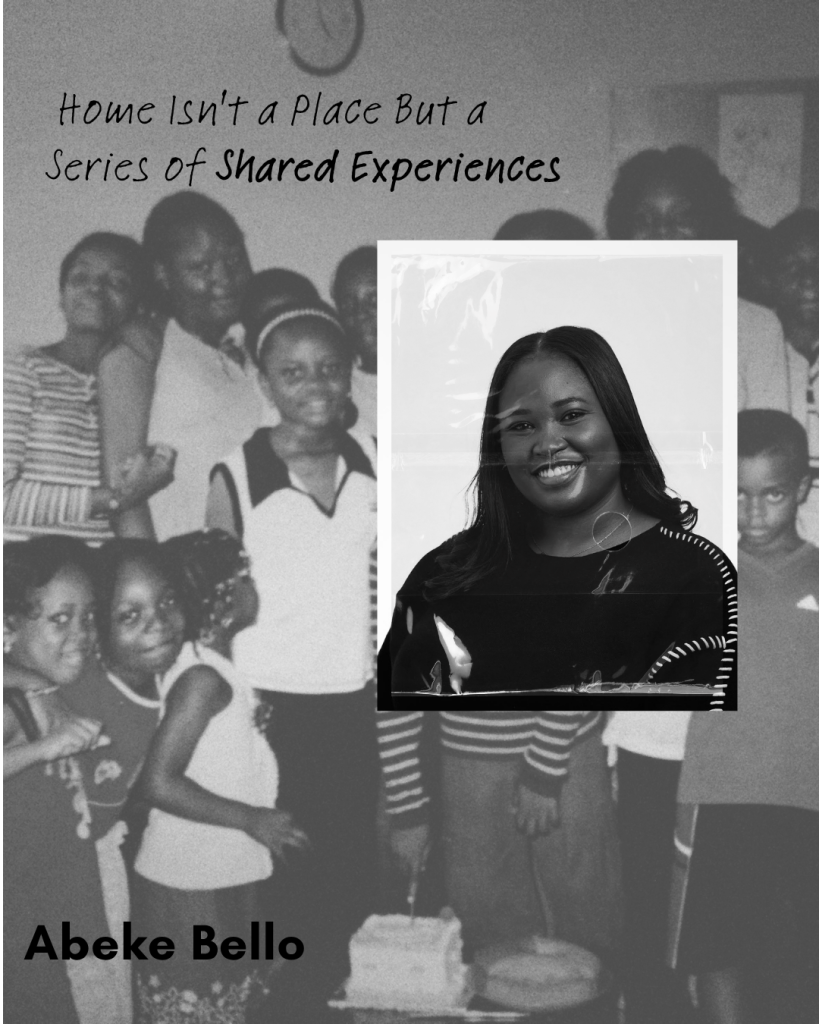
The first thing leaving takes is your community. Nigerian lawyer-turned-editor, Abeke Bello, writes about how she watched her family of seventeen disappear, until childhood weekends became occasional Instagram likes. She arrived in London and discovered that the community she had always taken for granted had never been a given at all. ‘I’m not sure when next all seventeen of us will be gathered in the same place again,’ she writes. Most people who leave never are. When she does find the joy of rebuilding her community, she recognises the intentionality and work that goes into it. Read Abeke Bello’s story.
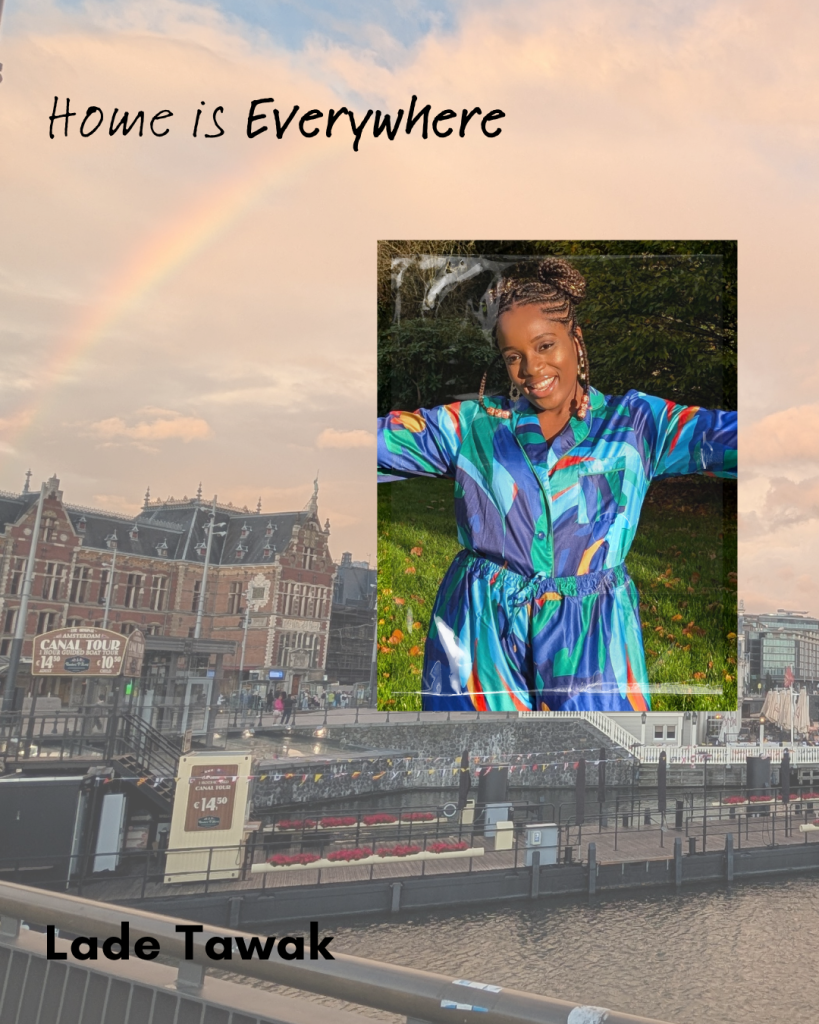
Abeke was not alone in rebuilding. For Lade, it was more about getting a full grasp of what home has become. Her experience showed home was everywhere: in what and who she has and what and who she’s left behind. It’s where you’re from and where you’re going. Read Lade Tawak’s story.
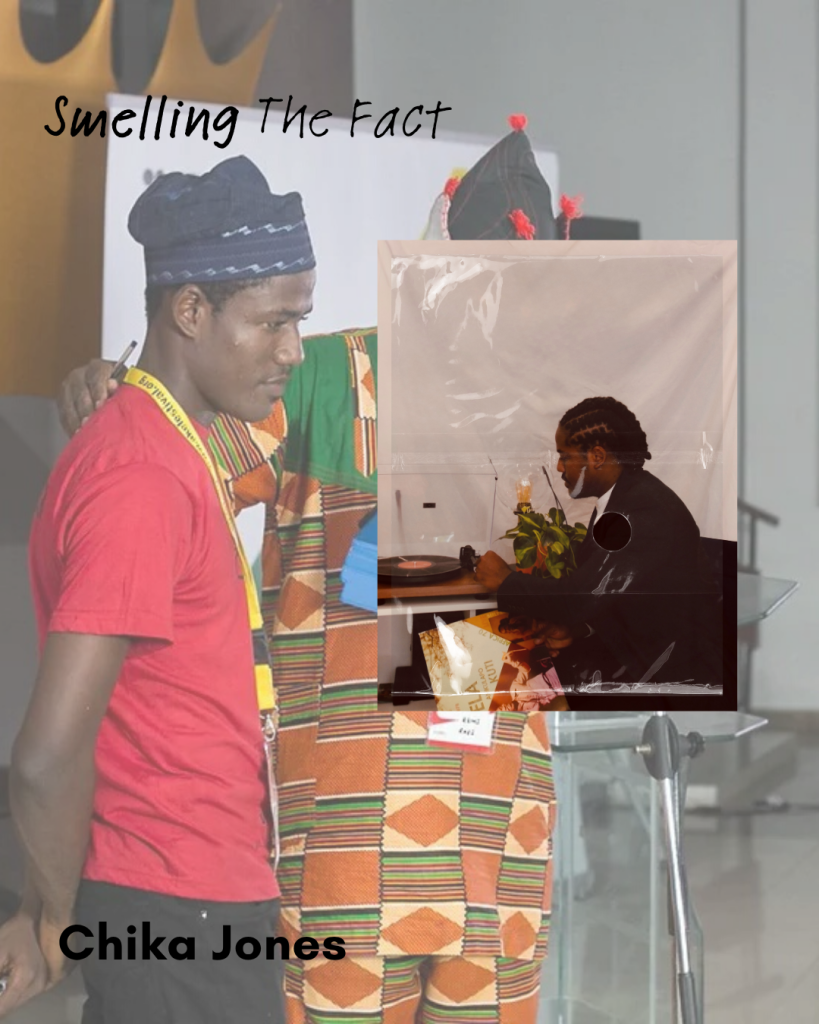
Survival also emerged as a key theme in these stories. For Chika, leaving Nigeria only changed what danger looked like. In 2021, he and his wife left Nigeria after the EndSARS protests when it dawned on them that they were not getting justice for lives lost during the brutality. What they did not realise was that on the other side, another kind of violence waited. ‘We are building a home in an English country,’ he writes, ‘or we are disappearing.’ He is still figuring it out. Read Chika Jones’ story.
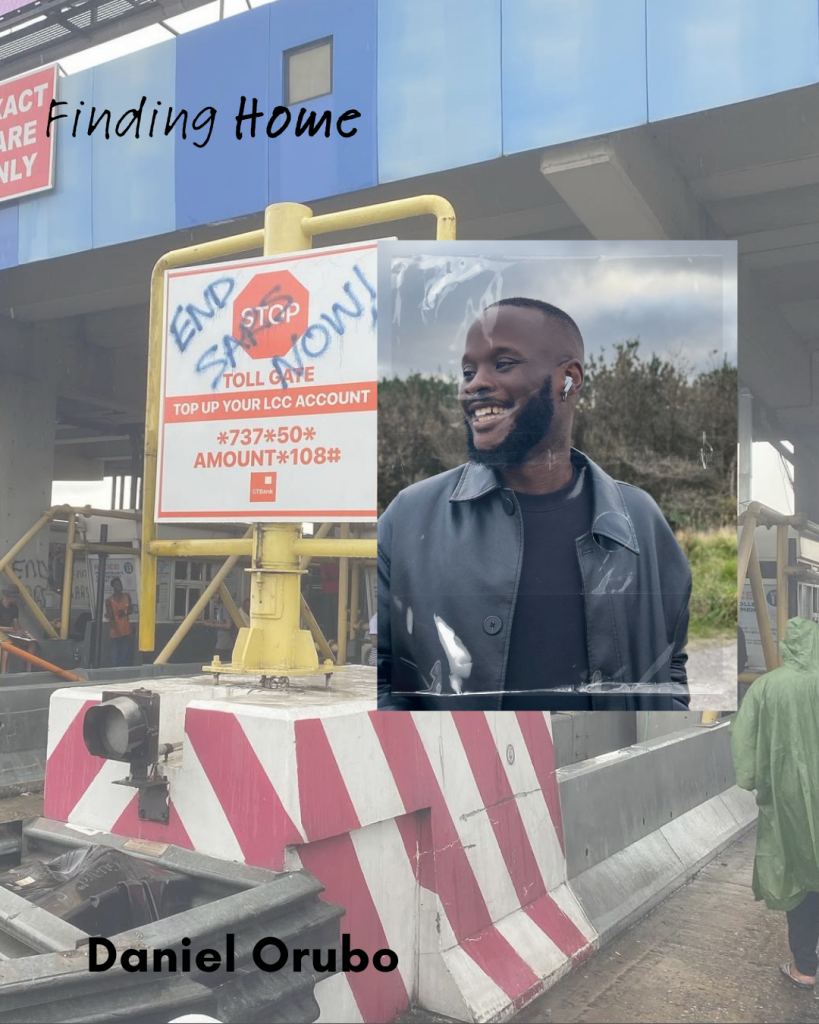
Daniel, similarly, after leaving due to EndSARs, spent months in London shrinking himself, hesitant about taking up space in his new world. It was only through a shared moment of grief with a friend that he realised home was about the people who hold the door open for you. Read Daniel Orubo’s story.
Leaving can also help you to rebuild your identity and take root somewhere. Adenike always had a feeling of rootlessness and had spent years learning how to make a space feel like hers in Lagos. London was quiet in a way Lagos never prepared her for. Grounded in faith, she began a new life by taking up hobbies like baking bread, riding a bike and reading. Read Adenike Sheriff’s story.

Ona, meanwhile, writes about the frustration of not feeling at home in her new apartment in a new country. She had the perfect Houston apartment, decorated to her taste, but it didn’t feel like hers until she addressed her own internal unrest. She just had to feel at home in herself first. ‘I am learning that home starts with me and everything else follows,’ she writes. Read Ona Akinde’s story.

Here and There sits with six people, as with candour, they try to find out what joy, home and community have become to them.