• Every week, Zikoko seeks to understand how people move the Naira in and out of their lives. Some stories will be struggle-ish, others will be bougie. All the time, it’ll be revealing.


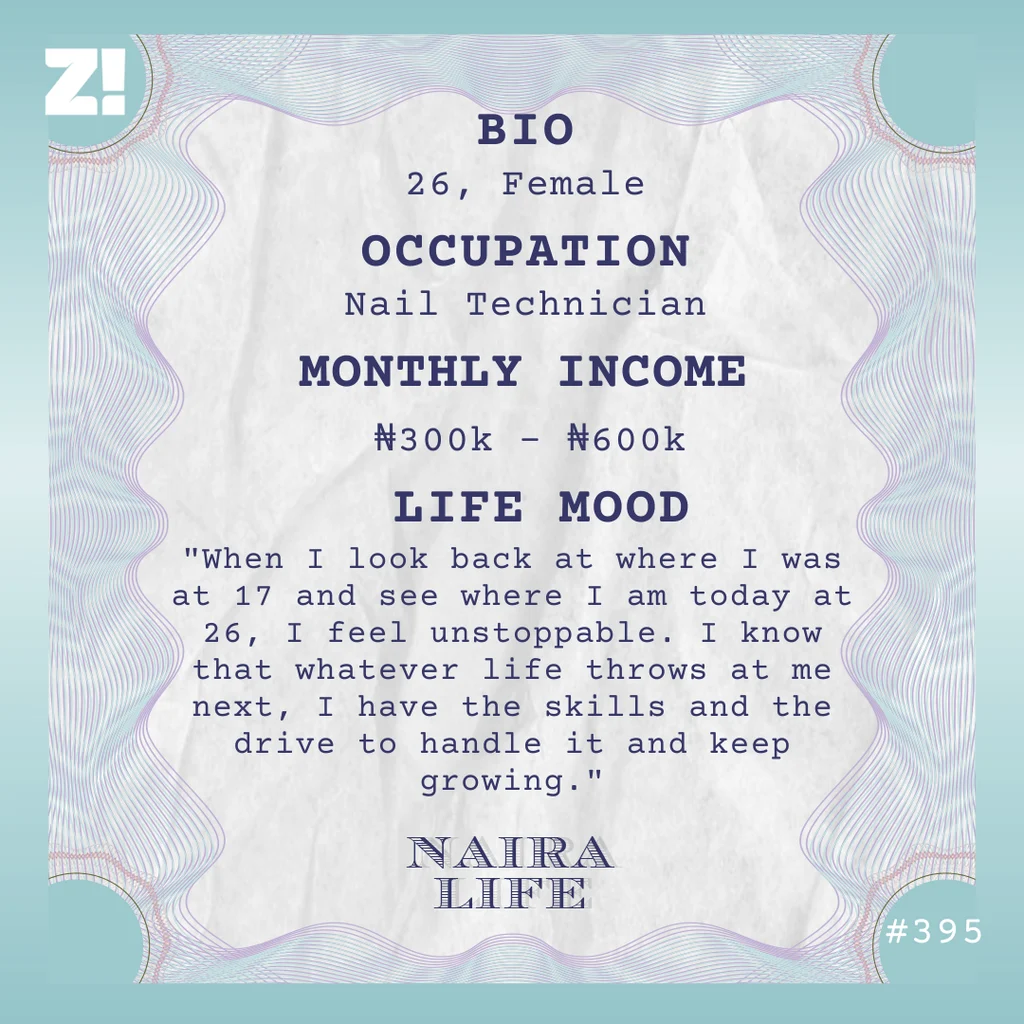
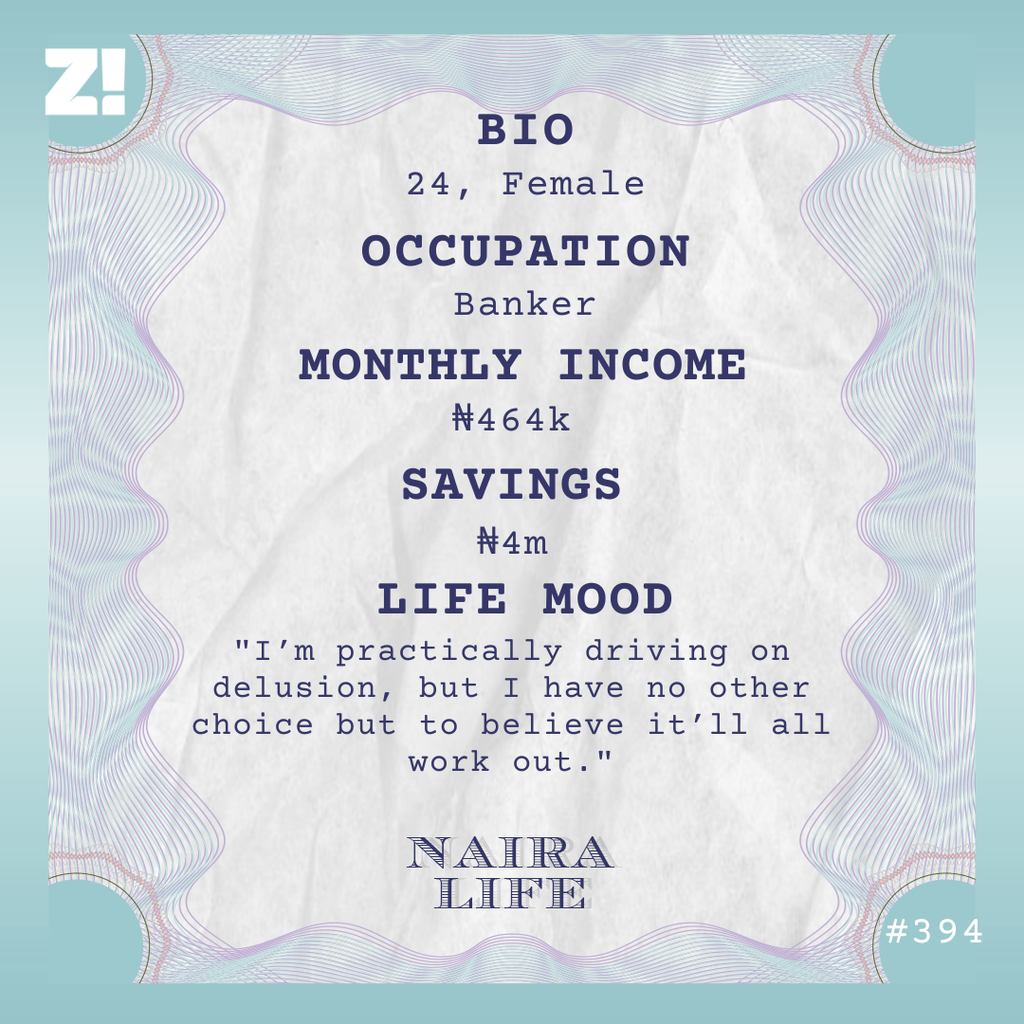
    Nairalife #370

    What’s your earliest memory of money?

    It goes back to the late 90s/early 2000s, during my childhood days. Whenever we visited my maternal grandfather, he’d pull out ₦500 notes for my siblings and me. ₦500 was a fortune to a child, and we’d go wild buying biscuits and sweets. It was one of my first realisations of what money could do.

    What was growing up like financially?

    It was a rollercoaster. My parents were both bankers at Savannah Bank; they met and got married there. But around the time I was 6 or 7, the bank was liquidated, and they both lost their jobs. We went from “grace to grass.” 

    Phew. Just how bad did things get?

    First off, we had to move from Bariga to some unknown place in Ikorodu to reduce expenses and survive. My siblings and I also moved from private schools to more affordable ones. 

    There’s a traditional Easter food called Frejon that we ate all the time. But after my parents lost their jobs, it became a once-a-year luxury. It got so bad that I’d follow my dad to pluck pawpaws, pineapples and pupuru tubers from people’s compounds just to have something to eat. 

    My parents eventually resorted to teaching. Despite the hardship, they were dutiful. They made sure all four of us kids focused on school without feeling like we had to look for money. It was only after secondary school that I started considering making money.

    What did you do?

    After graduating in 2011, I started offering home lessons for a neighbour’s kids three times a week for ₦4,000 a month. I did that for close to a year. 

    Then my parents separated, and I moved to join my mum in another part of Lagos. I noticed my mum was fending for herself without any support, so to reduce the burden on her, I got a teaching job at a local primary school. They paid me ₦4,500/month. 

    I worked there for four months, and the one thing I remember buying with my pay was a Nokia phone. I gave the rest of what I earned to my mum.

    I did a few other teaching stints and some catering gigs in 2012, but my focus was JAMB, which I actually failed the first time. I finally got into university in 2014.

    Did you try to make money at uni?

    Oh yes. University was a mix of hustle and a massive miracle. My dad was carrying the financial weight alone because we lost my mum shortly before I gained admission. So, my pocket money wasn’t regular, and it was usually between ₦5k – ₦10k.

    To survive, I did a few hustles. During a long strike in 2016, when I was in 200 level,  I taught primary school students for ₦10k a month to save up for my ₦40k/year off-campus lodge. I also did some home tutoring around this period.

    Then, in my third year, I got a scholarship from a telecoms company. They were paying me ₦200k every year as long as I kept my CGPA up. That money made my life soft, and I moved from a one-room lodge to a flat. I didn’t need to hustle as much from that point up until graduation because the money covered my needs. I just needed to focus on maintaining my grades. 

    Love it for you. When did you graduate from uni?

    2019. But I missed something: I interned at a tech firm in Ikoyi for my six-month IT in 2018, earning a ₦25k/month stipend. That job introduced me to tech. I got to learn about programming languages like Java, and honestly, it was so hard I almost gave up. In fact, I didn’t return to it after school resumed. 

    However, after I graduated and did a stint in acting, I realised tech was the sure way to actually make money. So, during the 2020 lockdown, I sat down and used online resources to teach myself HTML, JavaScript and digital marketing.

    Wait. Let’s not breeze over the stint in acting. How did that enter the picture?

    I’ve always been a drama kid and was part of drama and music groups in church as a child. In 2019, I had the opportunity to train at a film academy for free, and I grabbed it. I acted in stage plays and a few films, and met renowned Nollywood stars. I even did comedy skits on Instagram. 

    I didn’t get paid for all of this, though. The compensation was mostly refreshments, which, sadly, is how the industry works. The exposure, on the other hand, was huge. It just wasn’t bringing in money. 

    I was living with my dad and surviving on what I made from tutorial lessons. Acting and filmmaking were passion projects. I had to follow the money, so I picked up my laptop and returned to programming.  


    The Naira Life Conference is returning in June 2026! Expect honest conversations and insightful sessions on building wealth, scaling businesses, as well as practical strategies to manage your money. Join the waitlist to be the first to know when tickets start selling.


    Now we’re back to the tech chapter. Was it easier to learn this time around?

    Somewhat. It helped that I was posted to a software company in Lagos for my NYSC. My role was “software developer,” and I basically learned on the job. They taught me languages like Angular, React, Typescript and a host of others. My salary was ₦50k/month, and I also got the ₦33k/month stipend from NYSC.

    Right after NYSC in 2022, I landed a contract front-end developer role at a bank, earning ₦250k/month. In 2024, they made me a full-time staff member, and my salary jumped to about ₦557k. 

    That’s a big jump

    It was. The increase even allowed me to move from a ₦250k/year self-contained to a ₦600k/year two-bedroom flat. However, in May 2024, mere months after my confirmation as a full-time staff member, I left the bank.

    Oh. Why?

    Convenience. I felt like a servant to the system, working from Monday to Friday. It wasn’t the kind of life I wanted to live. Also, I’d applied to a film academy to learn directing and film production, and there was no way I could do that while working at the bank. The whole 9-5 left just felt too restrictive. I wanted to live freely, so I resigned. 

    My training at the film academy lasted four months, and I paid about ₦250k for the course. I also got the opportunity to work as a production assistant for a major Netflix project.

    How were you surviving during this period without an income?

    After resigning, I focused on finding remote gigs. That was the only mode of work that would allow me to explore my other interests. 

    Thankfully, I found one almost immediately as a front-end developer at a fintech that paid ₦350k/month. In the mornings, I’d attend scrum meetings, then take my laptop to the film set and work from there.

    I still work at the fintech, and my pay is now ₦420k/month. I’ve also worked for different companies since 2024, sometimes for only a few months and often juggling multiple roles at once. Even now, I earn the bulk of my income from short-term freelance gigs on Discord, LinkedIn, Indeed and wherever I see money. I’m also currently building my own startup.

    Nice. Tell me about that

    It’s a startup focused on pioneering STEAM (Science, Technology, Engineering, Arts, and Mathematics) solutions in Africa. Our first product is a marketplace that connects skilled service providers with recruiters and clients. 

    I got the idea for the startup in 2024 and got the business incorporated in 2025. We also recently entered into a service-level payment agreement with Paystack for payment processing on our platform. We plan to go live on the App Store and Play Store this month. So, a lot of resources will need to go into marketing and all that stuff.

    What have been the financial implications of founding a startup?

    I bootstrap everything. There was a time when I was juggling three jobs and using almost all my income to pay a UI/UX designer to build the web application. That cost me about ₦600k (including the necessary registrations with the CAC and NDPC).

    Right now, I have close to 10 people on my team: two front-end developers, two back-end developers, two quality assurance people, and then UI/UX designers and marketers. Most of them are contract staff since it’s not a full-fledged company yet, and we haven’t made any money. 

    However, since October 2025, I’ve been paying at least ₦500k/month in staff salaries out of pocket. To afford this, I juggle my main remote job with the freelance gigs I mentioned earlier. 

    What does your average monthly income look like with those gigs?

    The freelance gigs pay in dollars, so it varies. Some months, I’m doing short-term contracts in the $1k-$2k range. On average, I bring in between ₦1.1m and ₦1.7m monthly, in addition to my ₦420k salary. 

    I still dabble in filmmaking, and I’m currently working on a couple of short films. I just don’t make an income from it yet. I plan to establish my own production company in the future, but that’s after the money from my startup starts pumping in.

    Do you have a timeline in mind for this “pumping in”?

    We’ll start earning revenue from the day we get our first user, since they need to pay an annual activation fee. Of course, it’ll probably take some time before user numbers enter millions and the big money starts to flow in. 

    But you know how they say, “you have to spend money to make money”? We plan to go really big on marketing and put ourselves out there. To make that happen, I plan to start searching for angel investors when we go live.


    Zikoko is building an income report: a single, honest reference point for how Nigerians living in the country make money.

    Please help us out by filling out this short, completely anonymous survey. It’ll only take a few minutes. Take the survey here.


    Rooting for you. Let’s talk about your relationship with money 

    I believe money is a spirit. For someone to make money, they have to “feel it” first. If a poor person thinks that he’s wealthy, he’ll begin to attract wealthy people and ideas that, once implemented, can put him on the path to creating wealth.

    Right now, I’m focused on spending as prudently as possible so I can get my startup up and running, then see how to get to the wealth-building part. Immediately I get paid from my gigs, I pay my staff salaries first, give my fiancée something, and then keep savings aside.

    What’s your approach to savings?

    I save between 10% and 20% in a savings app and another ₦20k to ₦50k in crypto. I’m using crypto as a fixed deposit. Every month, depending on the vibe, I buy a few coins and just leave them in my crypto wallet to appreciate over time. 

    Currently, I have about ₦1m in my savings app and $700 in crypto.

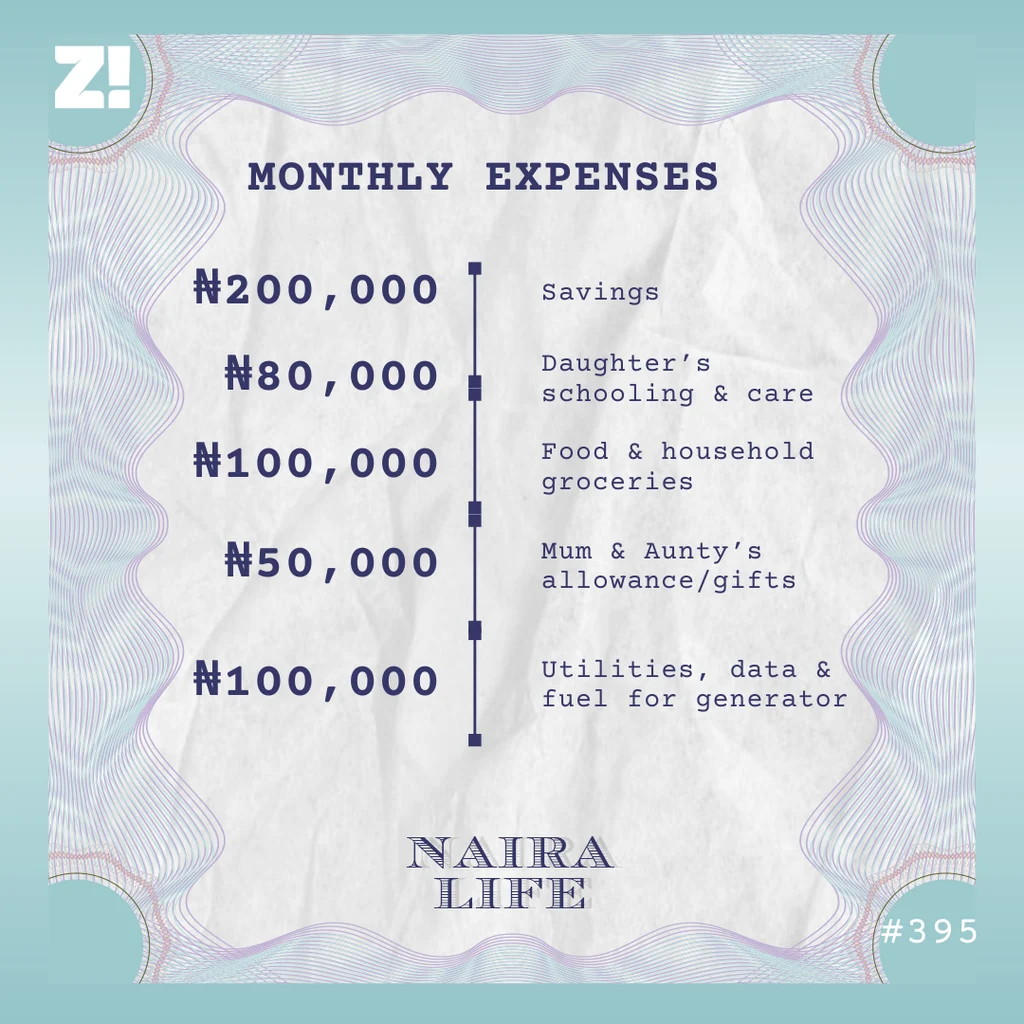
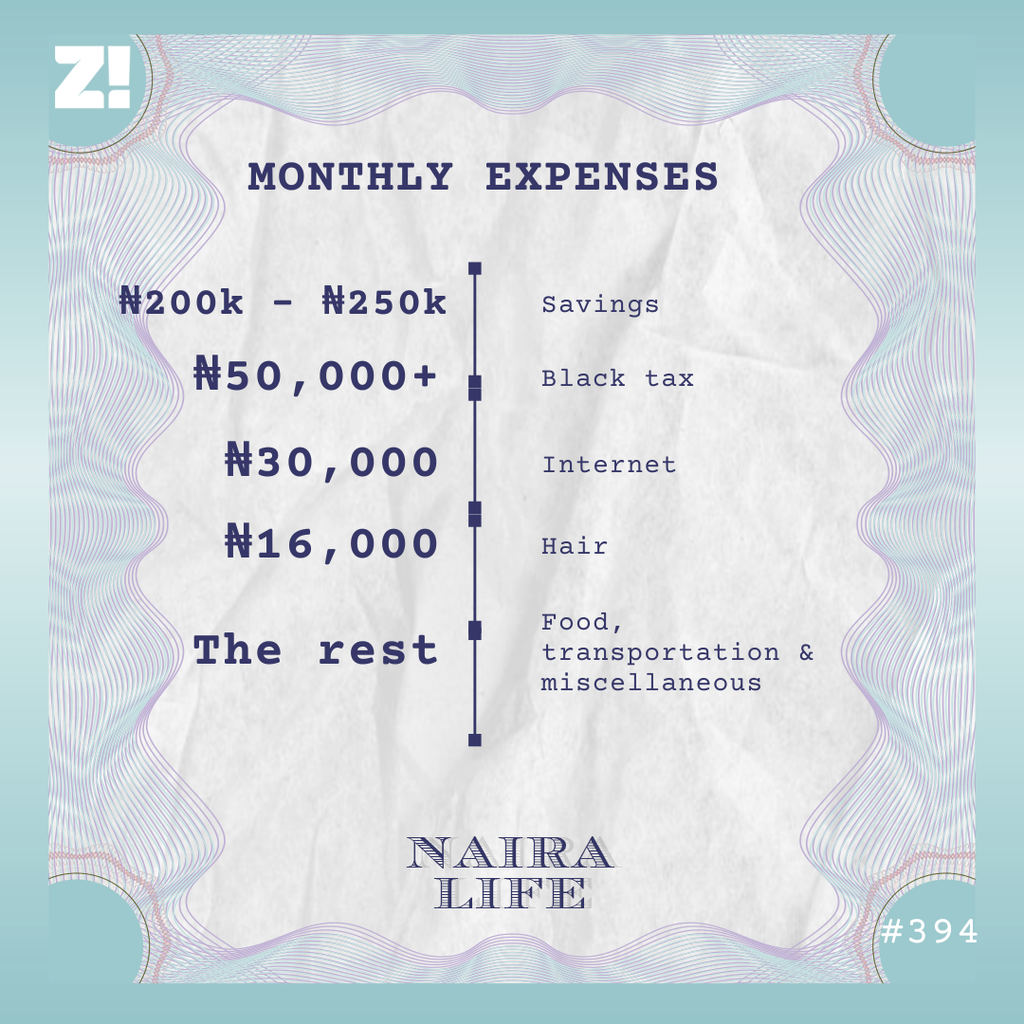
    Let’s break down your typical monthly expenses

    Nairalife #370 expenses

    Is there an ideal amount you think you should be earning monthly?

    I don’t have an ideal figure. I just want my startup to grow; there’s no cap on that one. I can make up to ₦100 billion in the near future. The goal is transcontinental impact; travelling across the world and taking our solutions everywhere.

    Out of curiosity, do you intend to keep juggling multiple gigs once your startup goes live?

    I’ll have to, at least for the next one to two years. I’m still bootstrapping, after all. So, the first few years will be to monitor the trend before focusing solely on the startup.

    What’s something you want right now but can’t afford?

    A car. I have a Ford Edge or Explorer in mind, and I’ll need about ₦15m – ₦20m for a Tokunbo.

    How would you rate your financial happiness on a scale of 1-10?

    5. I’m still juggling between survival and stability, and I haven’t even reached success yet. To hit a 10, it’ll mean I’m finally able to travel the world without ever having to check the ticket price. Until then, the hustle continues.


    If you’re interested in talking about your Naira Life story, this is a good place to start.

    Find all the past Naira Life stories here.

    Subscribe to the newsletter here.

    Get More Zikoko Goodness in Your Mail

    Subscribe to our newsletters and never miss any of the action

  • The Nigerian experience is physical, emotional, and sometimes international. No one knows it better than our features on #TheAbroadLife, a series where we detail and explore Nigerian experiences while living abroad. 


    Beatrice* (30) moved to Canada in 2023 after losing hope in a future in Nigeria. In this story, she shares her experiences, from getting a job to meeting her fiancé, and how her near-obsessive level of intentionality got her Permanent Residency in Canada in less than three years of living there.

    Where do you live now, and when did you leave Nigeria?

    I live in Ontario, Canada. I left Nigeria in 2023.

    What inspired you to leave Nigeria?

    I looked at Nigeria’s economic situation and saw no clear path to success. The government was doing nothing to support the youth. In contrast, I saw how other countries set up programmes for young people and how much easier it was to succeed there.

    After serving in the mandatory National Youth Service Corps (NYSC), I took up some side hustles, like sewing, and then applied for a postgraduate programme in Canada.

    Why Canada?

    Canada was the first and only country I applied to. I chose Canada because my brother had been there for years and was already established. The college I got into ended up being close to his house, so I stayed with him, which made everything easy for me.

    That sounds convenient. What was it like when you first arrived?

    I had the softest landing you could ever imagine. My brother picked me up from the airport and took me home. He prepared everything for my arrival to the point of even making my bed. I had everything I needed to start up. He reassured me that all I needed to do was focus on my studies, and that’s what I did. I focused on school and graduated with honours.

    I also ensured that while living with my brother, I respected his space. I didn’t disrespect the common areas; I cooked his favourite meals, kept the house clean, and always sought his permission before inviting friends over. He’s my brother, but I didn’t want to cross a line because disrespecting someone’s space can make them feel a certain way. Living with him meant getting a job wasn’t an immediate priority until I graduated. I  got a job just a few months after finishing school.

    How was your social life at first?

    I had some Nigerians in my class, and we would go out once in a while and host each other at our places. I arrived during the spring, which is short, so summer came quickly with many activities.

    To integrate, I gathered all the information I could. I asked a lot of questions. I also followed many Canadian-based creatives on social media who shared their struggles and how they navigated the system. Following them helped me stay informed because they broke things down in an easy-to-understand way.

    What is your situation like now?

    Financially, I’m doing well, I have a good job, I’m engaged and planning for my wedding. So, it is going well so far.

    I think a mistake many people make when they come to a new country is bringing the old mindset from wherever they are coming from. I acknowledged from the onset that this was a new environment. I learned how to talk to people, what to talk about and what to avoid. At work right now, there are certain things I wouldn’t mention or ask because I understand the culture is different.

    Also, I was very intentional about many things, including the relationships I kept and the quality of the people I surrounded myself with. Everything I have now in terms of a social life is because of that intentionality. I have a very strong friend group that supports each other. I actually met my fiancé through a friend of a friend.

    Nice. You mentioned knowing what topics to avoid in the workplace. Could you give some examples?

    It’s best to avoid talking about politics here. People aren’t going to declare who they’re voting for like we might do in Nigeria. On the other hand, in Nigeria, people are usually secretive about certain things, like pregnancy, for instance. But here, people talk about pregnancy very openly. You can ask a colleague about their due date, and they will tell you.

    It’s also best to avoid sharing too many details about your personal life, especially with white colleagues. For example, if you’re constantly telling them during check-ins that your weekends are “stressful” or you have too much going on at home, they start to notice trends.  If you start to flop at work, they might use that as a reason to lay you off, saying they want you to go “take care of yourself.” You have to be smart and not give them a pattern they can use to put you in a box.

    Get More Zikoko Goodness in Your Mail

    Subscribe to our newsletters and never miss any of the action

    Sounds like smart advice. You said you were intentional about relationships. What were you looking for in a partner?

    I wanted a kind person. Kindness lies at the foundation of everything else. A kind person will care for you, support you, and won’t want to see you suffer. My fiancé had that quality, so it triggered our conversations.

    Is your partner Nigerian?

    Yes, he is Nigerian.

    Have you been back to Nigeria since you left?

    No, I haven’t. We will go home soon for our wedding. I wanted to get my permanent residency (PR) before travelling, which I have now.

    Oh. That was quick.

    Yes. That’s something else I was very intentional about. Some people have been here longer than I have and aren’t permanent residents yet because they didn’t do proper research into the system. I got my permanent residency in less than three years, and that even includes my study year.

    How did you get your PR so quickly?

    Before I even entered the pool, I used the Comprehensive Ranking System (CRS) website to check my score. I researched current trends and accepted scores. Then I used the website to see what I needed to improve my score to ensure I had enough points. I realised I needed a very high English test score, so I prepared hard and got a score of 11 out of 12.

    When I was unemployed, I was very vocal about it. I talked to everyone I knew to get advice, which helped me shape my resume. Also, I made sure to get a job in a field that would give me extra points for PR. Some people work for a long time only to realise later that the job they’ve been doing doesn’t count towards their PR score. I made sure to research all of these things from the beginning, and it influenced the job I chose. I also got extra points because my brother is a resident here.
    Do you see yourself returning to Nigeria permanently?

    With the state of things right now, no. It doesn’t look like the government is working for the people or prioritising their needs. I don’t live there, so I am not in the know of everything, but I see what is in the media and have conversations with my parents who are still there. In Canada, I see the government’s efforts to make life easier, more affordable, and of higher quality for people. I don’t see that same effort in Nigeria.

    What culture shocks have you experienced in Canada?

    The first was politeness. People are polite, but I wouldn’t say they are “nice.” They will smile as they say something you don’t want to hear. You might go for a job interview, and they will smile and chat, making you think you’re getting the job for sure. Then they’ll turn you down with that same smile. In Nigeria, if someone doesn’t like you, it’s easy to know even from a distance. Here, a smile doesn’t mean friendship, and you shouldn’t cross lines just because someone is smiling at you.

    Another shocker was the tax. When you buy something, the price on the shelf is not the final price because taxes aren’t embedded. You go to check out, and the price changes. Everything is taxed—water, candy, and services like getting your hair done. That is separate from the tax taken from your paycheck.

    Then, the weather, there is no getting used to it. The weather is brutal; you just have to embrace it every year. You have to layer up and stay warm, or you will get sick. My body is still trying to adjust. Sometimes I just think to myself, “It doesn’t make sense for a place inhabited by humans to be this cold.”

    What has been your worst experience in Canada?

    I don’t think I’ve had a significantly bad experience.  But job hunting was a humbling time. Having people look impressed in an interview only to ghost me afterwards was hard, but luckily, I didn’t have to deal with that for too long.

    What has been your best experience?

    Meeting my circle of friends. I am so grateful for the people I have. We are always there for each other—visiting, celebrating, and supporting one another. Knowing I have people who care for me outside my family makes life easier. Meeting my fiancé is also one of the biggest highlights.

    What are your favourite and least favourite things about Canada?

    My favourite thing is that no one cares about your status. No one cares about your bank account or what car you drive. There is no pressure to perform or fake your life. I have colleagues who earn much more than I do but take the train to work; being normal is normal here.

    The public facilities are also great. I take the train, and I can nap, work, or watch a movie in it because it’s comfortable and safe. During the summer, even if you are broke, there are so many free third spaces and activities—lakes, parks, and gardens. It doesn’t cost much to live a decent life here.

    My least favourite thing is the taxes. I understand they make public services good, but it feels like too much. I probably feel this way because I don’t have kids yet and am not enjoying the full benefits, like free education or healthcare.

    Have you ever experienced racism?

    Not directly. And honestly, I don’t think I’d care if I did. I have high self-esteem. If you’re being racist to me, I might not even notice it at first because my mind doesn’t go there. I know the value of my life, and you don’t define me. If you think I’m different because of my skin colour, it tells me your mind is shallow, so why should I care what you think?

    What are your long-term plans?

    I want to be financially stable, own a home, and own a business. I see Canada as home, and I am not looking to migrate anywhere else.
    On a scale of one to ten, how happy are you in Canada?

    Ten. I know certain things worked in my favour, but a lot of what I have was also due to my intentionality. I have what I need: a job and a system that supports me. Why wouldn’t I be happy?

    Do you want to share your Abroad Life story? Please reach out to me here. For new episodes of Abroad Life, check in every Friday at 12 PM (WAT).

    Click here to see what other people are saying about this article on Instagram.

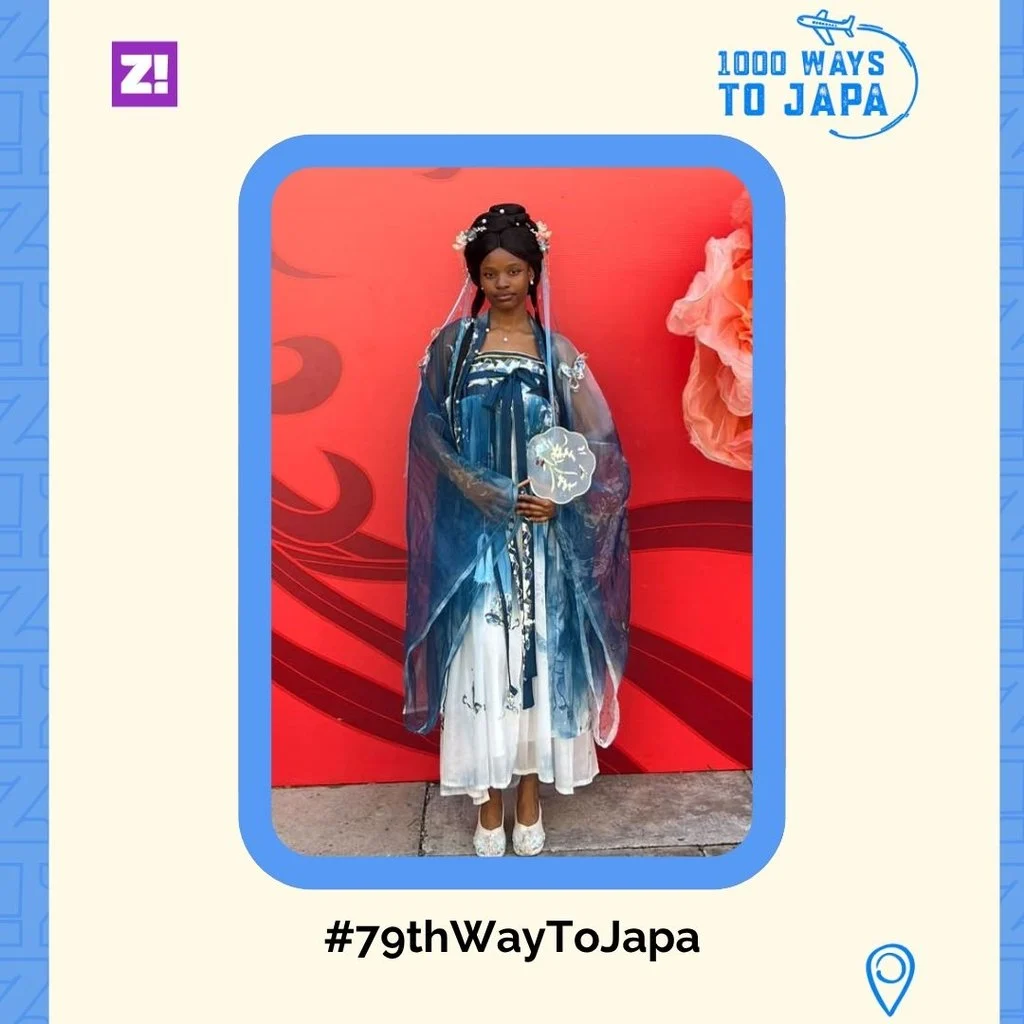
  • Someone you know has left or is planning to leave. 1,000 Ways to Japa speaks to real people and explores the endless reasons and paths they take to japa.


    Since 2020, Dinma (28) has lived in every country she set her mind to. But she didn’t achieve that by wishing for it. In this story, she shares how she was able to leave Nigeria for Rwanda, Germany, and most recently, the UK.

    Where do you currently live, and when did you leave Nigeria?

    I currently live in the United Kingdom (UK). I left Nigeria in March 2020, but I didn’t directly go to the UK. I first lived in Rwanda and Germany before coming here.

    Nice. I’d like to know more about your journey away from Nigeria

    Sure. Happy to share.

    What were you doing in Nigeria before you left?

    I was a Product Designer in Nigeria, and I still am. 

    What inspired your decision to move to Rwanda?

    I left Nigeria for Rwanda because I got a job with an international company that has an office in Rwanda and Lagos.

    Immediately after I graduated from university, I got an internship in Lagos, so I moved from Enugu to Lagos alone. After my internship, I got another job and worked there while waiting for my call-up letter from the National Youth Service Corps (NYSC). After I finished the NYSC camp, and it was time for the Primary Place of Assignment (PPA) routine, the company I was working for became my PPA

    Towards the end of my service, I got a new job with a Nigerian company that had an office in Rwanda, so I started working there. After NYSC, I moved to their Rwandan office. After 1 year and seven months in Rwanda, I moved to Germany.

    How did you get the job that took you to Rwanda?

    A friend recommended me for it.

    Can you walk me through the visa process for your move to Rwanda?

    It was pretty easy. I was required to present a payslip from the company I  was going to work for. Other things I had to present were the basic requirements for applying for a visa.

    That sounds easy

    Yes.

    You stayed in Rwanda for nearly two years. What did you like about it?

    My favourite thing about Rwanda was how clean and safe it was. Once, someone stole my money, and I got it back after I reported it to the Police. I didn’t have to pay them a dime to do their job. I really appreciated that. 

    What was your least favourite thing?

    Things were quite slow in Rwanda, and I didn’t like that very much, especially coming from Nigeria, where everything is super fast. In Nigeria, you can walk into a restaurant and instantly get whatever food you want, but in Rwanda, you’ll wait an excruciating amount of time. They do love to take their time.

    Why did you leave Rwanda for Germany?

    I stayed in Rwanda for about two years. But I saw that the opportunity for growth in the country was limited, so I applied for jobs in some European countries; I got one in Germany, and off I went again.

    How did you get the job?

    I found it on LinkedIn. That’s where I found a majority of the jobs I’ve done.

    Get More Zikoko Goodness in Your Mail

    Subscribe to our newsletters and never miss any of the action

    What was the visa process like?

    Since I was going to the country under sponsorship from a company, I was asked to provide an employment letter, a payslip, and a physical copy of my contract, which the company had to send down. Germans are really strict when it comes to visa applications. 

    I also needed to submit my birth certificate, proof of my address at the time, the basic documents you need for a visa application and others, which I can’t recall now. The company helped, too.

    How so?

    They provided me with some things from their end to help with the application. They also had their relocation agent help me prepare my documents for the visa.

    A few weeks after I submitted my application, the visa came out. I picked up my passport, booked my flight, and left Rwanda for Germany.

    I assume the company covered your travel expenses as well

    No, they only covered my visa fees. But that’s not because it’s the norm; is because I didn’t know any better. I didn’t know I could negotiate my relocation package, so I didn’t ask for it. I was just excited to leave. I covered my travel expenses and accommodation in Germany.

    Back then, people weren’t really open about how they got their jobs. But things are different now; you can find information about these things online.

    I advise anyone looking to move from Nigeria to other countries through the job route to do their research and consider all factors when negotiating their salaries and relocation packages. I, for instance, did not consider what my salary would be after taxes and other deductions; I was just excited about what my take-home pay would look like.

    What other things should people pay more attention to?

    Let’s go back to the relocation package. Some of them cover travel expenses and an accommodation stipend for 1-3 months, depending on the company. So, people should do a thorough job of finding out what their company offers so they can utilise it and ease things for themselves.

    Another thing people should negotiate is their salaries. First, consider if the job is remote or on-site, consider the cost of transportation in the city you’d be living in, then negotiate your salary in consideration of the information you’ve gathered. This does not mean you should outrightly tell them you want a certain amount due to the cost of the city where the job is located; it’s just something to have at the back of your mind.

    You should also find out if the company has perks like lifestyle spending. There might be things that they give out on a monthly or yearly basis; different companies have different names for it, just find out if the one you’re applying for has them.

    Also, find out if your learning budget, stock options, and Restricted stock units (RSUs) are negotiable.  The negotiation shouldn’t end at your basic salary. It’s easy to fall into the trap of initial awe after converting your base salary to Naira, but things like cost of living will readily humble you.

    What was it like living in Germany?

    The first thing that comes to mind is my first day in Germany, which I can never forget. It was in the middle of winter, and my friend had told me to come with something cosy. In my head, I wondered how cold it could possibly be, seeing as I was coming from Rwanda, which was considerably colder when compared to Nigeria. I went to the airport wearing only a hoodie, and I got the shock of my life.

    When we landed in Berlin, it was so cold that I had frostbite on my hands. When I got into my apartment, I didn’t come out till the day I resumed work. All my clothes were summer clothes, so I had to rush to Primark to buy a jacket. People were looking at me crazily in my summer clothes because Berlin gets really cold.

    I’m sorry you experienced that

    Thank you.

    Favourite thing about Germany?

    My favourite thing about living in Germany was having a blue card. The blue card is like a visa you get when you live in a European country. It allows you to travel to nearby European cities.

    Another thing I absolutely loved about living in Germany was their Christmas markets. Winter in Berlin was usually cold and grey, and everyone was inside, but those Christmas markets made winter really enjoyable. We would go there, have some hot mulled wine, get on a ride, or do anything at all.

    What else did you experience?

    The language barrier. I had a good life in Germany, and I made a few friends, but in the long run, I realised I wasn’t open to learning the language, and I struggled with it. It was quite stressful; once, I got a letter that gave me a jumpscare, and it was all because it was written in German. I saw €6,000 somewhere in the letter and immediately assumed I was being asked to pay that. But when I translated it, it turned out they were merely informing me that my company would pay a certain fee they were supposed to pay. That was one of the things that made me conclude that I had to leave.

    I get that. So, how did you leave?

    The company I was working for had a London office, so I applied for an internal switch to the UK. I got it, but unfortunately, a week after it was approved, there was a massive layoff in the company, and I was affected. I immediately started panicking about my visa, so I had to think fast about an alternative.

    A month before that, I had applied for the Tech Nation visa but was rejected. In the feedback I was given, they said I seemed like a hard worker but not much of a leader. I knew that wasn’t true and that they only saw it that way because I had presented myself solely as a hard worker. I used that feedback to apply again, and I got it two weeks later. After that, I applied for my visa, got it and moved to the UK, where I got another job.

    That’s such a happy ending

    Thank you.

    So now you’re in the UK, do you still plan to move?

    I don’t think so. I’ve moved a lot. I’d like to stay put for a while. I also love it here, so that helps. 

    I currently work as a Senior Product Designer for a UK company, and I enjoy what I do here. I have a few friends here, and I’ve built a community, so it feels like home. 

    I really enjoy working and living in London. I’m so grateful I moved here.

    That’s beautiful. You’ve lived in three countries so far; how would you rate them on a scale of one to ten?

    I’d rate Rwanda a seven. This is not because Rwanda was bad; it was a good place, but I just couldn’t strive for more there. The opportunity for growth was limited, and I couldn’t see myself living there long-term.

    I would rate Germany an eight. Everything about Germany was good, but I couldn’t find my way around the language barrier.

    Even when I managed to get by, I couldn’t really make friends because there aren’t a lot of black people and a lot of Nigerians in Germany. That is not to say I wanted only those groups, I just know it’d have been easier to make friends with people I already have things in common with.

    There also weren’t enough places to get Nigerian food, so that was an issue as well.

    Finally, the UK, specifically London, is an 8.5. London is super expensive, and Berlin is cheaper in comparison, but I’ll always choose London. I have a community here, and it feels like home.


    Want to share your japa story? Please reach out to me here.


    Click here to see what other people are saying about this article on Instagram 

  • The fact that you searched “prayer for my husband” already says a lot about how much you care. Sometimes, prayer is the most meaningful way to support the man you love, especially when you want to do more than just say the right words.

    In this collection of over 200 prayers for your husband, you’ll find thoughtful words for different moments and needs. Whether you’re praying quietly for him or sending him a message, these prayers help you express your good intentions.

    Simple and Short Prayer for My Husband

    Love is often shown in the little things, and a simple prayer can go a long way. A short yet thoughtful prayer for your husband can be a great way to show your care and affection. 

    • I pray God keeps you safe today and gives you peace in everything you do, my husband.
    • May God bless the work of your hands and reward your efforts with good results, my love.
    • I pray your steps are guided today. You will only hear good news.
    • May God strengthen you in every challenge and give you wisdom for every decision you make.
    • I pray this day brings you favour and plenty of reasons to smile, my husband.
    • May God protect you wherever you go and bring you back home in peace.
    • I pray your efforts are not wasted and that everything you do today works in your favour.
    • May God give you strength when you feel tired and peace when life feels heavy.
    • I pray your path is clear and your plans begin to fall into place, my love.
    • May God bless you with good health, a sound mind, and joy in your heart.
    • I pray today opens new doors for you and brings opportunities that move you forward.
    • May God cover you with grace and guide you through every task ahead.
    • My love, I pray God gives you rest of mind today.
    • As you go out today, may God grant you success in your work. 
    • I pray you never lack what you need and always have strength for the day.
    • May God surround you with favour and keep you away from trouble.
    • I pray your hard work brings you progress and growth, my husband.
    • May God give you patience, wisdom, and confidence in all you do today.
    • I pray happiness fills your heart and peace fills our home, my love.
    • May God continue to bless, protect, and uplift you every single day.

    ALSO READ: 100+ Heartfelt Long Good Morning Messages for Her 


    Good Morning Prayer for My Husband

    Starting the day with blessings can set the tone for everything ahead. Sending a good morning ‘prayer for my husband’ is perfect for wishing him productivity as he begins his morning.

    • Good morning, my husband. May God bless your day with peace and favour in everything you do.
    • As you begin this morning, I pray Allah guides your steps, protects you, and grants you success in your efforts today.
    • Good morning, my love. I pray today begins with a calm mind for every decision.
    • May God open doors for you today, bless the work of your hands, and return you home safely. Good morning, husband.
    • Good morning, my dear. May Allah ease every burden on your heart and make your path smooth today.
    • I pray this morning gives you fresh energy and patience for every challenge. May we have reasons to smile before the day ends, my love.
    • Good morning, husband. May God cover you with grace and place you in the right spaces today.
    • As you step out today, I pray Allah grants you favour and protection in all your movements. Good morning, my love.
    • Good morning, my husband. I pray your day feels lighter, your work goes well, and your mind stays at peace.
    • May God strengthen you for every responsibility today and reward your efforts with good results. Good morning, love.
    • Good morning, my dear husband. May Allah bless your hustle and let your labour bring visible progress today.
    • I pray this morning brings good news. May you have a productive day. Good morning, my love.
    • Good morning, husband. May God shield you from harm and fill your heart with joy today. Your going and coming is blessed.
    • As the day begins, I pray Allah grants you wisdom, discipline, and success in everything ahead of you. Good morning, my dear.
    • Good morning, my love. I pray today brings you favour in places that matter and ease in areas that felt stressful.
    • May God give you strength when work gets heavy and peace when your mind feels tired. Good morning, husband.
    • Good morning, my husband. May Allah keep you safe, provide for you, and bring you home in peace.
    • I pray today rewards your effort, brings helpful people your way, and ends on a good note. Good morning, my love.
    • Good morning, husband. May God guide your words, your actions, and every step you take today.
    • As you rise this morning, I pray Allah fills your day with barakah, calm, and quiet victories. Good morning, my dear.

    Get More Zikoko Goodness in Your Mail

    Subscribe to our newsletters and never miss any of the action

    Good Night Prayer for My Husband

    The end of the day is a beautiful time to speak peace over the man you love. A good night ‘prayer for my husband’ will help him rest well and wake up feeling considered. 

    • Good night, my husband. May God grant you peaceful sleep that will renew your strength and wake you refreshed for a new day.
    • As you rest tonight, I pray Allah surrounds you with peace, protects you through the night, and gives you sweet rest. Good night, my love.
    • Good night, my dear. I pray you have a refreshing sleep that relaxes your body and eases stress from today.
    • May God calm every worry in your heart and give you deep, healing sleep tonight. Good night, husband.
    • Good night, my love. May Allah ease your burdens, comfort your heart, and let you wake with fresh energy tomorrow.
    • I pray tonight brings you rest that truly restores you after all the effort you gave today. Good night, my husband.
    • Good night, husband. May God watch over you as you sleep and keep our home covered in peace.
    • As you close your eyes tonight, I pray Allah fills your heart with calm and your body with strength for tomorrow. Good night, my love.
    • Good night, my dear husband. I pray every tension leaves your body and your sleep is deep and undisturbed.
    • May God reward your efforts today and give you a restful night free from worry. Good night, my love.
    • Good night, husband. May Allah protect you from harm, grant you comfort, and wake you with renewed hope.
    • I pray tonight gives you peace of mind and the kind of rest that makes tomorrow easier. Good night, my dear.
    • Good night, my husband. May God heal every hidden stress and refresh your spirit as you sleep.
    • As the night settles, I pray Allah grants you barakah in your rest and peace in your heart. Good night, my love.
    • Good night, dear husband. I pray your dreams are peaceful and your heart feels lighter by morning.
    • May God bless you with calm sleep, renewed energy, and joy when the new day begins. Good night, my love.
    • Good night, my husband. May Allah keep watch over you and bring ease to everything waiting for you tomorrow.
    • I pray tonight restores your body, clears your thoughts, and prepares you for a better day ahead. Good night, my dear.
    • Good night, husband. May God fill our home with peace and let your sleep be sweet and refreshing.
    • As you rest tonight, I pray Allah gives you comfort, protection, and strength for all that lies ahead. Good night, my love.

    ALSO READ: 250+ Deep, Romantic Love Messages That Will Melt Her Heart


    Love and Relationship Prayer for My Husband

    Marriage grows stronger when love is nurtured with prayers. Saying a love and relationship ‘prayer for my husband’ will deepen your connection and give you lasting peace in your relationship.

    • My love, I pray God keeps the bond between us strong and teaches us to love each other with patience and understanding every day.
    • Darling, may Allah place mercy and peace in our marriage, soften our hearts towards each other, and keep us united through every season.
    • Sweetheart, I pray our relationship keeps growing deeper, where we communicate better, forgive quicker, and choose each other daily.
    • My king, may God protect what we share and keep outside pressure, misunderstanding, and negativity far from our home.
    • Babe, I pray Allah blesses our love with barakah and makes our marriage a place of comfort, joy, and support for both of us.
    • My dear, I pray we never lose the friendship inside our marriage. May laughter, honesty, and peace always live between us.
    • Handsome, may God help us love each other well, especially on difficult days when patience matters most.
    • My heart, I pray Allah strengthens the trust between us and keeps our intentions towards each other pure and sincere.
    • Love, I pray our relationship remains a safe place where we both feel seen, valued, and respected.
    • My darling, may God renew our love often and never let routine steal the joy we have in each other.
    • Sunshine, I pray Allah gives us wisdom to solve problems together and never let pride come between us.
    • My person, I pray our marriage keeps maturing beautifully, with deeper understanding and stronger partnership each year.
    • Babe, may God guard your heart and mine, and help us always choose peace over unnecessary conflict.
    • My treasure, I pray Allah keeps affection alive between us and fills our home with warmth and tenderness.
    • Sweet love, I pray we continue to grow together instead of apart, supporting each other’s dreams and burdens.
    • My king, may God teach us to speak gently to one another and keep bitterness far from our words.
    • Darling, I pray Allah grants us patience when life gets stressful and helps us remain soft with each other.
    • My love, I pray our relationship becomes stronger through every challenge and sweeter through every blessing.
    • Handsome, may God keep faithfulness, peace, and genuine friendship at the centre of our marriage always.
    • My dear heart, I pray Allah blesses our union with lasting love, calm moments, shared joy, and many beautiful years ahead.

    ALSO READ: 100+ Heartwarming Long Good Night Messages for Her


    Prayer for My Husband’s Protection

    When someone means everything to you, their safety is always on your mind. Saying a protection ‘prayer for my husband’ is a heartfelt way to ask for God’s covering over him, whether he’s travelling or simply going about his day. 

    • My love, I pray God watches over you wherever you go today and keeps you safe from every harm seen and unseen.
    • Darling, may Allah protect you in all your movements, guide your steps, and return you home safely each day.
    • Sweetheart, I pray you are covered wherever life takes you, and that peace follows you in every place you enter.
    • My king, may God place His hand over you, shielding you from accidents, danger, and anything meant to trouble you.
    • Babe, I pray Allah surrounds you with protection and keeps away every plan that is not for your good.
    • Handsome, I pray your journeys are safe, your path is clear, and your mind stays calm through the day.
    • My dear, may God protect your body, your mind, and your heart from anything that would weaken or burden you.
    • Love, I pray Allah keeps you under His mercy and guards you from harm in ways you may never even see.
    • My heart, I pray you are protected at work, on the road, and in every environment you step into today.
    • Darling, may God keep trouble far from you and let favour meet you wherever your name is mentioned.
    • My person, I pray Allah grants you safe travels, wise decisions, and peaceful returns every day.
    • Sweet love, may God cover you through the night and through the day, giving you rest without fear.
    • Babe, I pray no weapon formed against you prospers and no negative plan comes near your life.
    • My king, may Allah protect your health, strengthen your body, and keep sickness far from you.
    • Handsome, I pray every place you go becomes safe for you, and every road leads you back home in peace.
    • My love, may God send His angels before you, beside you, and behind you in all you do.
    • Darling, I pray Allah keeps your mind steady, your spirit calm, and your life secure from hidden danger.
    • My dear heart, may God preserve you through stressful seasons and protect you from things beyond your control.
    • Sweetheart, I pray Allah guards our home through you and guards you for the sake of all who love you.
    • My treasure, may God keep you safe, bless your coming and going, and let peace always find you.

    ALSO READ: 200+ Heartwarming Love and Trust Messages for Her


    Powerful Prayer for My Husband’s Success

    Wanting the best for your partner includes praying for his growth and achievements. You can pick a prayer for your husband’s success on this list that focuses on his favour and financial progress.

    • My love, I pray God blesses the work of your hands and turns your efforts into visible success.
    • Darling, may Allah grant you success in your plans, ease in your work, and progress in all you pursue.
    • Sweetheart, I pray this season rewards your consistency and opens doors that move your life forward.
    • My king, may God place you in the right rooms, among the right people, at the right time.
    • Babe, I pray Allah gives you wisdom to make smart decisions and courage to take the right opportunities.
    • Handsome, I pray your hard work begins to speak for you and brings results you can be proud of.
    • My dear, may God increase your influence, expand your opportunities, and establish your name for good.
    • Love, I pray Allah blesses your hustle and places barakah in every income and opportunity that comes to you.
    • My heart, I pray your ideas become profitable and your efforts lead to steady growth.
    • Darling, may God remove delays from your path and let progress come with speed and peace.
    • My person, I pray Allah grants you favour where decisions are being made and honour where your name is mentioned.
    • Sweet love, I pray your gifts create room for you and place you where your value is recognised.
    • Babe, may God strengthen you when work feels heavy and reward your perseverance with success.
    • My king, I pray Allah aligns you with opportunities that match your talent and long-term goals.
    • Handsome, I pray this year brings career growth, financial stability, and wins that truly matter.
    • My love, may God establish your plans and let everything you build stand firm.
    • Darling, I pray Allah grants you clarity, discipline, and consistency so your success is lasting.
    • My treasure, I pray your labour is never wasted and every season of effort produces fruit.
    • Sweetheart, may God make your path fruitful, your mind sharp, and your results undeniable.
    • My dear heart, I pray Allah lifts you higher, blesses your name, and gives you success with peace of mind. 

    ALSO READ: 250+ Romantic Texts That Will Melt Her Heart (and Make Her Want You)


    Prayer for My Husband’s Health

    When you love someone deeply, their wellbeing matters just as much as your own. A prayer for your husband’s health speaks over his body, mind, and overall well-being.

    • My love, I pray God keeps your body strong, your mind at peace, and your strength renewed each day. May you wake up feeling well and go through your days with energy and ease.
    • Darling, may Allah protect your health, remove every hidden sickness, and grant you long life in strength and peace. May your body respond with healing and balance always.
    • Sweetheart, I pray you enjoy good health in every season of life. May stress not wear you down, and may your body receive the rest it needs.
    • My king, may God strengthen you physically, mentally, and emotionally. I pray that nothing weakens your spirit or steals the joy from your days.
    • Babe, I pray Allah grants you healing wherever your body feels tired and peace wherever your mind feels burdened. May you be restored fully.
    • Handsome, I pray your health remains steady and strong. May you have the energy to work, laugh, love, and enjoy life without limitation.
    • My dear, may God protect you from illness and keep your body functioning well in every way. I pray for strength in your bones and calm in your mind.
    • Love, I pray Allah covers you with mercy and grants you wellness that allows you to move through life with comfort and confidence.
    • My heart, I pray your body finds rest after long days and your mind finds calm after stressful moments. May each day leave you stronger than before.
    • Darling, may God heal every pain you do not speak about and restore every area where you feel drained. I pray for renewed strength over your life.
    • My person, I pray Allah blesses you with restful sleep, steady energy, and protection from anything that threatens your health.
    • Sweet love, I pray you listen to your body and honour your need for rest. May your health flourish and your days feel lighter.
    • Babe, may God keep sickness far from you and give you a sound mind, steady heart, and peaceful spirit through every season.
    • My king, I pray Allah grants you healing in areas no one else can see and strength in places where you feel weak. May ease replace discomfort.
    • Handsome, I pray your body remains resilient and your mind remains clear. May you not be overwhelmed by pressure or fatigue.
    • My love, may God renew your strength when work becomes heavy and refresh your spirit when life feels demanding.
    • Darling, I pray Allah grants you barakah in your health, protects you from sudden illness, and keeps you active for many years to come.
    • My treasure, I pray your mind stays healthy, your emotions stay balanced, and your body stays strong enough to carry your dreams.
    • Sweetheart, may God give you peace that supports your health and joy that lightens your heart. I pray wellness surrounds your everyday life.
    • My dear heart, I pray Allah blesses you with complete well-being, body, mind, and soul. May you enjoy long life, strength, and many healthy years ahead.

    ALSO READ: 150+ Love and Trust Messages for the One You Love


    Birthday Prayer for My Husband

    A birthday is more than a celebration, it is a chance to speak blessings into a new year of life. Saying a ‘birthday prayer for my husband’ is a meaningful way to pray for his well being in the year ahead.

    • Happy birthday, my love. I pray God blesses you with many more years of good health, clear direction, and peace of mind. May this new age bring you joy and progress in every area of your life.
    • Happy birthday, darling. May Allah make this new year of your life better than the last, filled with barakah, protection, and success in all you do. May your heart always find peace.
    • Happy birthday, sweetheart. I pray this new age brings you opportunities that match your effort and blessings that exceed your expectations. May life be kinder to you this year.
    • Happy birthday, my king. May God strengthen you for every responsibility ahead and reward your hard work with visible results. I pray you never lack what you need.
    • Happy birthday, babe. I pray Allah grants you long life in health, wisdom in every decision, and ease in everything that concerns you.
    • Happy birthday, handsome. I pray this year fills your life with calm moments, meaningful progress, and genuine happiness that stays.
    • Happy birthday, my dear. May God protect you wherever you go and keep you safe through every season of this new age. May peace follow you daily.
    • Happy birthday, love. I pray Allah opens doors for you that no one can shut and places you in rooms meant for your growth.
    • Happy birthday, my heart. I pray this new year brings healing from old stress, freedom from worry, and fresh energy for the days ahead.
    • Happy birthday, darling husband. May God bless the work of your hands and let everything you build stand firm and prosper.
    • Happy birthday, my person. I pray Allah surrounds you with good people, sincere love, and support that makes life easier.
    • Happy birthday, sweet love. I pray this year gives you clarity in your plans and courage to pursue the things placed on your heart.
    • Happy birthday, my king. May God grant you favour where decisions are being made and honour where your name is mentioned.
    • Happy birthday, babe. I pray Allah keeps your mind calm, your body strong, and your spirit hopeful through every challenge.
    • Happy birthday, my treasure. I pray this year brings financial ease, stability in our home, and wins that truly matter to you.
    • Happy birthday, handsome. May God renew your strength when life gets heavy and fill your heart with joy when days feel long.
    • Happy birthday, darling. I pray Allah blesses your time, increases your peace, and lets this year unfold beautifully for you.
    • Happy birthday, my love. I pray your dreams move closer to reality this year and your efforts bring results you can celebrate.
    • Happy birthday, sweet husband. May God preserve your health, deepen your wisdom, and give you many reasons to smile in this new age.
    • Happy birthday, my dear heart. I pray Allah makes this year a turning point for good in your life, with ease after difficulty, growth after waiting, and joy after stress.

    ALSO READ: Good Night Message To My Love (300+ Options)


    New Month Prayer for My Husband

    A new month often feels like a fresh start and another chance for good things to happen. A ‘happy new month prayer for my husband’ is perfect for speaking favour over the weeks to come.

    • Happy new month, my love. I pray God goes before you this month, clears every obstacle from your path, and fills your days with peace, favour, and steady progress.
    • Darling, may Allah make this new month a month of barakah for you. May your work be fruitful, your mind be calm, and your heart be at rest.
    • Happy new month, sweetheart. I pray this month brings you good news, fresh opportunities, and the kind of progress that lifts your spirit.
    • My king, may God strengthen you for every responsibility this month and reward your efforts with visible results. May you never labour in vain.
    • Happy new month, babe. I pray Allah grants you ease in every matter that has been stressful and replaces delay with movement.
    • Handsome, I pray this month feels lighter for you. May your burdens reduce, your confidence grow, and your days be filled with quiet wins.
    • Happy new month, my dear. May God protect you in all your movements, keep you safe from harm, and return you home in peace each day.
    • Love, I pray Allah opens doors for you this month that no one can shut and aligns you with people who mean you well.
    • Happy new month, my heart. I pray this month brings healing to every area where you feel tired, pressured, or discouraged.
    • Darling, may God bless the work of your hands this month and let everything you build stand firm and prosper.
    • Happy new month, my person. I pray Allah gives you wisdom for every decision, patience for every challenge, and success in every honest effort.
    • Sweet love, I pray this month gives you clarity in your plans and courage to take the right opportunities when they come.
    • Happy new month, my king. May God surround you with favour where decisions are made and let your name be remembered for good.
    • Babe, I pray Allah grants you restful sleep, renewed strength, and peace of mind throughout this month.
    • Happy new month, my treasure. I pray this month brings financial ease, stability in our home, and enough joy to enjoy what we have.
    • Handsome, may God renew your strength whenever you feel drained and keep your heart hopeful through every demanding day this month.
    • Happy new month, darling. I pray Allah blesses your time, multiplies your efforts, and lets this month unfold beautifully for you.
    • My love, I pray this month moves you closer to your goals and gives you results that reflect how hard you’ve been trying.
    • Happy new month, sweet husband. May God preserve your health, guide your steps, and keep your spirit steady through every season of this month.
    • Happy new month, my dear heart. I pray Allah makes this month a turning point for good in your life, bringing ease after stress, answers after waiting, and joy after heavy days.

    ALSO READ: The 10-Second Text That Will Make Him Smile For Hours (200+ Options)


    New Week Prayer for My Husband

    Mondays can come with pressure and a long list of things to do. That’s why a ‘new week prayer for my husband’ can mean so much, helping him start his week right.

    • Happy new week, my love. I pray God goes before you this week, removes every obstacle from your path, and fills your days with peace, favour, and steady progress.
    • Darling, may Allah make this new week full of barakah for you. May your efforts be fruitful, your heart stay calm, and your mind remain clear.
    • Happy new week, sweetheart. I pray this week brings you good news, productive days, and the kind of progress that lifts your spirit.
    • My king, may God strengthen you for every responsibility this week and reward your hard work with visible results. May you never labour in vain.
    • Happy new week, babe. I pray Allah grants you ease in every matter that has been stressful and turns delay into movement.
    • Handsome, I pray this week feels lighter for you. May pressure reduce, confidence increase, and your days carry quiet wins.
    • Happy new week, my dear. May God protect you in all your movements, keep you safe from harm, and bring you home in peace each day.
    • Love, I pray Allah opens doors for you this week that no one can shut and connects you with people who truly mean you well.
    • Happy new week, my heart. I pray this week brings healing to every area where you feel tired, burdened, or discouraged.
    • Darling, may God bless the work of your hands this week and let everything you touch bring good results.
    • Happy new week, my person. I pray Allah gives you wisdom for every decision, patience for every challenge, and success in every honest effort.
    • Sweet love, I pray this week gives you clarity in your plans and courage to take the right opportunities when they appear.
    • Happy new week, my king. May God surround you with favour where decisions are made and let your name be mentioned for good.
    • Babe, I pray Allah grants you restful nights, renewed strength, and peace of mind throughout this week.
    • Happy new week, my treasure. I pray this week brings financial ease, stability in our home, and enough joy to enjoy the little things.
    • Handsome, may God renew your strength whenever you feel drained and keep your heart hopeful through every demanding day this week.
    • Happy new week, darling. I pray Allah blesses your time, multiplies your efforts, and lets this week unfold beautifully for you.
    • My love, I pray this week moves you closer to your goals and gives you results that reflect how hard you’ve been trying.
    • Happy new week, sweet husband. May God preserve your health, guide your steps, and keep your spirit steady through every day ahead.
    • Happy new week, my dear heart. I pray Allah makes this week a turning point for good in your life, bringing ease after stress, answers after waiting, and joy after heavy days.

    ALSO READ: 150+ Romantic Good Night Messages For The One You Love


  • Lagos, Nigeria – April 27th, 2026 – Burger King Nigeria brought one of the country’s most beloved food traditions to the streets of Lagos with the launch of BK Small Chopzzz,a  value-driven meal offering that taps into and interprets Nigeria’s deeply rooted small chops culture for everyday city life. Over 500 commuters were treated to freshly prepared tastings of the product at Lagos’ buzzling district, Obalende.

    A key highlight saw skaters and Burger King’s teams working from a branded BK truck in sync with drones delivering piping hot small chops treats to commuters in “real time”. 

    Over the past four years, Burger King Nigeria has grown its presence and built a stronger understanding of the local market, learning not just how Nigerians eat, but how they live, celebrate, and connect. With BK Small Chopzzz, the brand brings together its global heritage with a local expression. 

    Rushdi Ibrahim, MD/CEO, Burger King Nigeria, said: “Nigeria is one of the most dynamic markets we operate in, and over time we’ve focused on understanding what matters to people here. With BK Small Chopzzz, we’re bringing our global standards together with a familiar favourite in a way that feels natural. Small chops have long been part of Nigerian celebrations, from weddings and birthdays to naming ceremonies and everyday gatherings. With BK Small Chopzzz, Burger King is making this familiar favourite more accessible for everyday moments.

    Now available at an accessible price of ₦1,800, with a ₦2,500 combo option paired with a chilled bottle of Fanta, BK Small Chopzzz can be enjoyed across all Burger King Nigeria stores, via the Burger King Nigeria App, and on WhatsApp (0700 033 4477).

    Speaking on the thinking behind the launch, Lerato Makume, Marketing Director, Burger King Nigeria, added: “Small chops are part of how Nigerians celebrate, it’s familiar and brings people together. What we’ve done is make that experience more accessible for everyday moments, without compromising on quality. That’s what ‘Have it the Naija Way’ means to us.”

    BK Small Chopzzz is now available across all Burger King outlets in Lagos, with a nationwide rollout set to begin from April 27th, 2026.

    Have it the Naija Way.

    About Burger King Nigeria

    Burger King is one of the world’s leading quick-service restaurant brands, known for its flame-grilled burgers and commitment to quality ingredients. In Nigeria, the brand continues to evolve its offerings to reflect local tastes, culture, and consumer behaviour, delivering globally recognised standards with a distinctly Nigerian expression. Burger King Nigeria operates alongside Kinglace, a complementary brand within its ecosystem, supporting the delivery of quality-driven and accessible food experiences for Nigerian consumers. Together, these entities support Burger King Nigeria’s continued growth and localisation strategy, combining global expertise with deep market understanding to create relevant, everyday food experiences.

    About Allied Foods and Confectionery Services Limited

    Allied Foods and Confectionery Services Limited is a Nigerian food and beverage company and the authorised franchise operator of Burger King in Nigeria. The company is responsible for the management, development, and expansion of the Burger King brand across the country. With a focus on operational excellence and market relevance, Allied Foods and Confectionery Services Limited oversees the local execution of global brand standards while adapting products, services, and consumer experiences to reflect Nigerian tastes, culture, and lifestyle.Through its quick-service restaurant operations, the company continues to strengthen Burger King’s footprint in Nigeria, delivering accessible, quality-driven food experiences designed for the modern Nigerian consumer.

  • ‘If you study X course, you can work anywhere’ is a familiar phrase in Nigeria. Students hear it in their final years of secondary school, on career day, right before filling a JAMB slip. Sometimes it comes as consolation from a tired lecturer who knows that at least half the class would rather study a different course. After graduation, many students realise that this statement is more theoretical than practical.

    Data analysis is one of the few exceptions. It remains one of Tech Twitter’s most popular and in-demand fields. From NGOs to telecommunications and even healthcare, data analysts are needed everywhere.  

    With such a high-value skill, it’s only natural to want to get in on the action, but where do you start? 

    In a recent conversation with Zikoko, expert data professionals Tina Okonkwo and Odun Aliyu share honest insights into data analysis as a career, the mistakes they made early in their careers, and seven things every beginner should know.

    1. It’s Not As Hard As It Sounds

    A lot of people think about data analytics and imagine sweating in front of a computer while looking at complex numbers. But half of a data analyst’s job is decision-making. Every person is a living database, and there is an infinite amount of data flying around. According to Odun, not using data to make informed decisions is the same thing as having money in your bank account and choosing to starve. To put it simply, a data analyst’s job is to use data to provide solutions to business problems. As long as there are people who need to make decisions without doing guesswork, there will always be a need to analyse data. 

    2. Learn How to Use Excel Before Attempting to Code

    Both experts admitted to making the same mistake early in their careers.  Before pivoting into data analysis, Odun had been told that it was best to learn the hard skills first. So, she decided to learn Python, a programming language. When the class instructor began to teach back-end programming, Odun realised that she had spent too much time learning the wrong skill.

    According to her, a data analyst’s primary job isn’t to write complex formulas; it is to solve problems. Any skill you want to learn should be a tool that directly connects you to your problem-solving goal. She recommends starting by learning how to use Excel before moving to SQL, Visualisation tools like PowerBI and finally, programming languages or Cloud knowledge.

    3. Online Courses Won’t Always Work

    The fact that everyone is taking an online course does not mean that it is the best way to learn. Each person’s learning pace is different.  Some people would rather be in tech academies, while others would rather watch videos or have someone teach them.  Some prefer being self-taught. Any beginner can find free tools on Coursera, Udemy, YouTube, DataCamp, and Microsoft Learning

    4. Make Your Progress Visible

    Most of a data analyst’s work happens behind the scenes. Because of this, no one is going to know what you’re doing if you’re not vocal about it. Using herself as an example, Tina mentioned that she started data analysis by watching YouTube videos on her phone. Since she had no laptop, she borrowed one to practice every night. Regardless, she was consistent with posting her achievements and learning projects on her Twitter page. When a project she built went viral, Tina received three offers for a laptop. What we’re saying is, you need visibility to get the assistance and opportunities necessary for growth.

    5. You Need People Just As Much As You Need Numbers

    ‘Communication is key’ is a cliché phrase for a reason. Unlike many tech fields, data analysts can’t hide behind computers and let their work speak for them. People pay you because they don’t understand the graphs on the screen. It’s your job to tell them what it means and the solutions they represent. You also need business understanding because to solve a problem, you first have to find it. To do that, you need to be able to ask the right questions. 

    Storytelling is another underrated skill in data analysis. Using data to tell a story transforms it from a set of numbers into a real solution. While practising or building a dashboard, think about the audience you’re building for and the solution they need from you. That way, it is easier to present your findings. Soft skills are just as important as technical skills. 

    Get More Zikoko Goodness in Your Mail

    Subscribe to our newsletters and never miss any of the action

    6. Stop Collecting Certificates

     Yes, Certifications are important to build credibility, but no one is hiring certificates. Instead, employers will hire you based on what you can do. Chasing certificates also encourages overlearning. Learning every skill you can find makes you a Jack of all trades and a master of none. It’s important to build on a particular skill before moving to the next. Working on as many projects as you can and practising helps you build skills faster than just collecting certificates. After learning, stop waiting until you feel ready before you apply for jobs. According to Tina, as long as you understand 70% of a job requirement, you’re good enough to do the job.

    7. Your Social Media is Your CV

    When you start building projects, reach out to your friends, church members and businesses around you to ask for datasets. Potential employers need to see that you are providing solutions to real problems. You can also base your projects on trending world issues. Doing that makes it easier to catch the attention of potential clients.

    Another important tip for growth is to join a community. A lot of job vacancies in the data community are filled through recommendations and referrals. Attending events, meet-ups, and building relationships will give you access to the right set of people. 


    NEXT READ: Women Share the Most Ridiculous Rules Placed on Them By Universities

  • GridLocked is a daily pop culture guessing game built for Nigerians. Every weekday by 9am, you’ll get six clues, sixty seconds, and an answer only a Nigerian would know.


    Today’s GridLocked is a TV show.

    How many clues do you need to get it right? 👀

    Share your result when done, but don’t spoil the answer for others. (Missed the last GridLocked? Play it here .)

    28 April 2026

    Come back every weekday by 9am for a new grid or subscribe to Z Daily, Zikoko’s daily newsletter, to get new GridLocked puzzles, real Nigerian stories and other fun content in your inbox.


    How to Play GridLocked

    • The Goal: Guess the answer for the day before time runs out. (The answer could be a Nigerian person, place, song, movie, or even slang.)
    • The Lock: You cannot type a guess until you have revealed at least one tile (clue).
    • The Reveal: Tap any tile to reveal a clue. Every clue describes the answer for the day. The fewer tiles you flip, the better.
    • The Clock: You have 60 seconds to guess right. The timer starts the moment you flip your first tile. (You get multiple guesses.)

    The GridLocked Squares: What Do They Mean?

    When the game ends, you see your guess count, total time spent, and the number of tiles flipped. The tiles are shown as white and purple squares.

    • ⬜ (White) = A tile you flipped
    • 🟪 (Purple) = A tile you left closed

    The fewer white tiles you have, the better your result.

    • Best Result = ⬜🟪🟪🟪🟪🟪 | Guesses: 1 (Only needed one clue and one guess to get it right)
  • While the infectious sounds of Afrobeats are often the first thing to catch a listener’s ear, the soul of the music lies in its vocal diversity. From Styl-Plus’ boyband flair to Wande Coal’s smooth melodies and Tay Iwar’s ethereal vocals, these unmistakable male voices remind us that the real magic is in how something is sung, not just how it sounds. In this article, I dive into the most remarkable male vocalists in the game.

    To draw up this list, I used a scoring framework across ten metrics: vocal ability, cultural impact, commercial success, consistency and longevity, live performance ability, songwriting and artistry, awards and recognition, international reach, peer and critical acclaim, and fan base and engagement. Every artist was scored according to this metric, and the weighted total determined the final ranking.

    10. Tay Iwar

    Tay Iwar is one of the best gifts of the Alté scene. He released his first project, Passport, at 16, and it was critically acclaimed and loved. Not many artists can say that. Aside from his early brilliance in music, he is incredibly great at bringing emotion with every line he sings. By the time he released his official debut album Gemini in 2019, his voice had become one of a kind: airy and more controlled. Tay also writes everything and produces much of his own material.

    “UTERO”, a track from the album, earned him a Headies nomination for Best Vocal Performance (Male). He has gone from that to writing and featuring on Wizkid’s “True Love” to releasing four other projects. He has always stayed true to his direction, and the right people always find him to elevate their music.

    9. Banky W

    Banky W built EME, launched careers, and composed the first Etisalat Nigeria theme song, but reducing him to what he built for others would be a mistake. The credibility he has today in both music and business stems from the hits he has belted out with his distinctive voice. Banky W won the John Lennon Songwriting Award for the R&B category in 2006 for “My Regret,” won Best Male Vocal Performance at the 2009 Hip Hop World Awards for “Don’t Break My Heart”, and claimed Best R&B Singer (Male) at the 2010 City People Entertainment Awards.

    Songs like “Ebute Metta”, “Strong Thing” and “Yes/No” show a voice that understands R&B and Afropop music as a complete discipline. Nigeria’s King of R&B isn’t a nickname someone assigned him. Nothing about his music contradicts how he’s been described. His voice never reaches for what it can’t hold.


    Subscribe to Zikoko Pop newsletter, The Feed, for the most important pop culture news


    8. Ric Hassani

    Ric Hassani joined his sisters’ Anglican church choir at eight years old, he has admitted, mostly for the meat pies. But he also stayed for the music. That was his first platform and introduction to music. His debut album, The African Gentleman, came out in 2017. It has two standout songs titled “Gentleman” and “Only You”, which are some of the 2010s Afropop’s tightest love jams.

    What makes Ric Hassani vocally distinct is his delivery, which doesn’t hurry. His arrangements can be acoustic-forward and deliberately minimalist. He is one of the purest Nigerian pop singers of his generation; clear in timbre, consistent across projects and completely impossible to confuse with anyone else.

    7. Timi Dakolo

    Timi Dakolo’s voice sits in a baritone-soul lane. He entered Idols West Africa in 2007, and in every week of the final three rounds, he had the most public votes. His eventual win earned him a deal with Sony BMG Africa, and he didn’t coast. He released “Great Nation”, a nationalist anthem. The popularity of “Iyawo Mi” makes it one of the top theme songs of Nigerian weddings. “Wish Me Well” won both Best Vocal Performance (Male) and Best Recording of the Year at The Headies 2015.

    In 2019, he released Merry Christmas, Darling, which features a collaboration with British singer Emeli Sandé. His 2024 album, The Chorus Leader, which further showed his flex as a vocalist, received praise for its rich vocal arrangements. That specificity makes him unique and rewards listeners with a great listening experience.

    6. Praiz

    Praiz competed in the first season of Project Fame West Africa in 2008 and finished as second runner-up behind Iyanya. That placement was the launchpad. His 2012 single “Rich and Famous” was a hit. His double album of the same title, Rich & Famous, netted six Headies nominations in 2015, including Album of the Year, Best Vocal Performance (Male), and Best Collaboration for “Sisi” featuring Wizkid.

    The John Legend comparison has followed him throughout his career, and it’s warranted. Both men sing with a rich, warm tone, and both can pivot between soulful restraint and dramatic high notes. What the comparison sometimes obscures is that Praiz is also a multi-instrumentalist and self-producing artist, with his music production is as deliberate as his vocals. He’s one of the most technically equipped vocalists in Nigerian music, even if the mainstream never fully gave him his flowers.


    READ NEXT: 10 of the Best Female Vocalists in Afrobeats


    5. WurlD

    WurlD relocated to Atlanta as a teenager and spent years writing songs for other artists before he became one. His clients included artists working with Timbaland, as well as B.o.B, Trinidad James, Akon, and Mario. His 2016 single “Show You Off”, produced with Shizzi and Major Lazer’s Walshy Fire, is a huge Afrobeats song.

    His 2019 collaborative album I Love Girls With Trobul with producer Sarz, and his 2020 solo project AfroSoul, confirmed what the singles already suggested: Wurld is a songwriter first, and that makes him a more interesting singer than most. He’s a captivating vocalist whose music catalogue deserves more credit.

    4. Chike

    Some people know Chike from the TV screen. Some from MTN Project Fame. Some from The Voice Nigeria Season 1. And others from his debut album Boo of the Booless, released in 2020, hit Number 1 on both Apple Music Nigeria and Deezer Nigeria, earned four Headies nominations, including Album of the Year, and accumulated over 200 million streams.

    What makes Chike’s voice remarkable is its reliability. It’s the same quality in the studio as it is live. He doesn’t strain to reach what he can already hold with ease.

    3. c

    Darey is the son of Art Alade, a Nigerian jazz musician and TV pioneer. He also studied Music at the University of Lagos, then went on to study music theory, voice and classical piano at the Music Society of Nigeria (MUSON). He sang with the National Troupe of Nigeria Choir and was performing in clubs across Lagos and Ibadan by the age of 15. He came third in Project Fame West Africa in 2004, signed with Sony BMG Africa, and built one of the most disciplined catalogues in Nigerian R&B, spanning five studio albums.

    His 2009 single “Not the Girl” was one of the biggest songs in Nigeria that year. He’s so good, he took the stage with his 15-piece Soul Band and delivered a 50-song medley to celebrate Nigerian Independence Day in 2010. He was the winning coach on The Voice Nigeria Season 3. Darey’s classical training is an added advantage to his craft and position as one of Afrobeats’ best vocalists.


    Get More Zikoko Goodness in Your Mail

    Subscribe to our newsletters and never miss any of the action


    2. Styl-Plus

    Styl-Plus turned to secular music by 2001, and in late 2003 released two singles that landed on the radio with such force that the CDs and audiotapes sold out instantly. “Olufunmi” and “Runaway” were the most-requested love songs on Nigerian R&B radio for 2004 and 2005, respectively. Their group’s voice and style are distinctive.

    Their songs “Imagine That” and “Four Years” are among their best works, too. They were called the African Boyz II Men, a flattering yet solid assessment. The way they layered harmonies, switched between English and Yoruba and made heartache sound like something worth sitting with was a one-of-one. One of Nigeria’s greatest boy bands.

    1. Wande Coal

    Wande Coal’s voice is so captivating; he was discovered the day Don Jazzy attended a campus show at the University of Lagos in 2006. He heard Wande Coal, contacted him the next day, and signed him to Mo’ Hits Records. Since then, Wande Coal has released hits such as “Ololufe,” his debut single from the Mo’ Hits Allstars compilation Curriculum Vitae, which is still widely regarded as the greatest love song written by a Nigerian. His debut album Mushin 2 Mo’ Hits won him five awards at the 2010 Hip Hop World Awards — the most of any artist at that edition — including Artiste of the Year and Revelation of the Year.

    His voice is one of the most distinctive in Afrobeats history. From party bangers to aching ballads, he’s incredible. From “Bumper 2 Bumper” to “Iskaba” to Legend or No Legend and “DEARLY”, there has been no version of Wande Coal that isn’t excellent.


    ALSO READ: Afrobeats Has a Violence Problem


  • On the Streets is a Zikoko weekly series about the chaos of modern dating: from situationships and endless talking stages,  to heartbreak and everything it means to be single in today’s world.


    After years of almost-relationships, Ginika* (28) decided to take a chance on love when she fell for a co-worker. But it soon unravelled, costing her both the relationship and her peace of mind at work.

    In this episode, she opens up about her dating history and the workplace romance that led to her most difficult heartbreak yet.

    What’s your current relationship status, and how do you feel about it?

    I’m single and haven’t had much luck with love. I’ll keep trying, but it feels like a long, slightly hopeless road.

    How did you get here? Could you walk me through your dating history?

    I’ve always found it hard to get into relationships. I meet people, something goes wrong before things get serious, and the cycle continues. So I’ve had a string of almost-relationships.

    When I got into university in 2014, I really wanted to explore. That’s when I met Chima*. We met during first semester exams at a night class, and he was very friendly. After running into each other a few times, we exchanged contacts and started talking. It was right before the Christmas holiday, so most of our early interactions were online.

    When we returned to school, we spent more time together. He was very nice and big on planning activities, so we went on a lot of dates. We agreed to take things slowly instead of rushing into a relationship, but while we were still in that talking stage, he got an opportunity to move to the US. He prioritised that and left in March 2015.

    Did you try long distance?

    We did for a while. We kept talking for a few months, but the connection wasn’t strong enough to survive the distance. The time difference didn’t help. We eventually agreed it wasn’t working until things fizzled out.

    I see. Did you meet anyone after that?

    Ryan* came along during my third year in school. I met him through a friend when we went to pick him up after football. I was mesmerised from the moment I saw him. He was good-looking and charismatic, so we clicked immediately.

    We exchanged numbers and started talking. I was excited when our conversations turned flirty, and we hooked up within two weeks of meeting. I thought it might naturally lead to a relationship since we spent so much time together and talked about liking each other.

    But he never actually said he wanted a relationship. About a month in, our mutual friend told me that he had just come out of a complicated situation with his ex.

    Get More Zikoko Goodness in Your Mail

    Subscribe to our newsletters and never miss any of the action

    Oh. Did you ask him about that situation?

    Not really. I only pulled back emotionally. I didn’t want to pressure him or feel like a second option.

    There were signs he wasn’t over her. At one point, I heard he almost had a panic attack after seeing her with someone else. That told me everything. Still, I convinced myself the situation was fine since we were both getting something out of it.

    I also realised he wasn’t even the kind of person I wanted to date.

    He was superficial, while I’m more introspective. I wrote him a poem for his birthday once, and he laughed it off. That really put me off.

    Combined with the situation with his ex, I knew we wouldn’t work. But I still stayed for over a year because I didn’t want multiple sex partners. We eventually ended things in 2019, during my final year, when he graduated.

    How did you feel afterwards?

    Like I had done myself a disservice by staying in a situationship, and that made me overcorrect. 

    For the next few years, I became extremely selective. Once I sensed a red flag, I’d ghost. Before I knew it, I hadn’t dated anyone for almost five years.

    It started to bother me when I realised I was in my mid 20s with no relationship prospects. I began craving a relationship and even considered joining dating apps. That’s when I considered Paul*.

    Let’s talk about him.

    We worked together at a real estate company I joined in 2023. My first impression of him wasn’t great. He was quiet and came off a bit rude. 

    On my first day, I had a challenge with something on my laptop, and he just took it, fixed it and handed it back without saying anything. I found that odd and slightly embarrassing.

    But towards the end of the year, we got closer after a work party. We realised we had attended the same secondary school at different times, and spent the rest of the party chatting about it. I felt a strong connection, and he confirmed it wasn’t one-sided by texting me the next day.

    Soon, we slipped into a talking stage and eventually started flirting. In March 2024, he asked me out.

    Sweet. Curious, did you have reservations about dating a co-worker?

    Definitely. I initially told myself I wouldn’t do it. But Paul was intentional, so I decided to give it a chance. Our company didn’t have rules against dating colleagues, and I didn’t want fear to keep me single again.

    Right. How did the relationship go?

    At first, it was really good. He was attentive and emotionally open. We spent a lot of time together, so conflicts didn’t linger.

    In November 2024, I got promoted to a role that required me to supervise him. Even though he tried to act like it was fine, I could tell it bothered him. He had been at the company longer and probably expected the role.

    That promotion changed everything. He became distant and less enthusiastic. Whenever we hung out, he’d make comments about my salary and joke that I pick up the bills. It bothered me, but I ignored it because I didn’t want to make him feel insecure.

     At some point, I started to feel awkward assigning him tasks because I knew he didn’t like taking instructions from me. Sometimes, I took on extra work just to avoid tension.

    He also became less motivated, saying there was favouritism and that his efforts wouldn’t matter. He never admitted it outright, but I knew he believed I was promoted because one of the bosses was friendly with me.

    Around the same time, I started hearing that people on my team were complaining about my leadership style. HR even informed me that some team members felt I was favouring “certain people”. She didn’t escalate it but warned me to be careful.

    That shook me because I’d only told two people about my relationship with Paul, and I had no idea who reported me. It created distrust between my team and me.

    I’m guessing it also affected things with Paul?

    Yes. Our major fight happened when he checked my phone in June 2025.

    I’d received a call from one of my friendly bosses while I was with Paul, and it affected his mood. Later, I found out he had gone through my phone. When I confronted him, he admitted and implied that I was up to something with my boss.

    That felt like a slap. It showed how little he trusted me and how insecure he had become. We had a huge argument and didn’t speak for nearly two weeks, even though we saw each other at work every day. It was very painful.

    We eventually talked, and I thought we had moved past it, but he quit his job the following month without telling me.

    What? 

    I only found out when he was handing in his resignation. That was the final straw. I felt like I had risked so much for him, and he didn’t even think it was worth telling me.

    Soon after he left, he sent a text saying we were no longer compatible and that he was ending things.

    How did you handle the breakup? 

    Surprisingly, we got back together briefly, but he wasn’t putting in any effort. He went from the very chatty Paul to barely replying to my texts.

    I tried to stay enthusiastic by asking about his new job, but it felt like I was forcing things. I eventually realised it wasn’t working and walked away in August. He didn’t even fight to hold on.

    Moving on was difficult. I didn’t trust anyone at work because of the HR situation, and I didn’t tell people we had broken up.

    Combined with my trust issues, everything reminded me of him, which made healing harder. I eventually left the company earlier this year and took a remote role with lower pay just to get out of that environment. I’m in a much better headspace now and less bitter about how things ended.

    I’m sorry you went through all that. How have these experiences shaped your view of love and relationships?

    My biggest takeaway is to never mix business with pleasure. I also learnt not to lower my standards out of fear of being alone. I probably wouldn’t have dated a co-worker under normal circumstances, but I didn’t want to keep being single. Look where it ended. 

    Finally, how are the streets treating you these days? Rate it on a scale of 1 to 10.

    I’d say 5/10. I miss companionship, but I also enjoy my peace. I think I’m in between, I still want love, but I’m scared of going through hurt again.


    Read Next: I Trusted My Boyfriend with my Inheritance. Then He Disappeared

  • Korede Azeez, director and filmmaker, took a break from her 9-5 between 2020 and 2024. She didn’t plan for two of her films to get featured on global streaming platforms, but somehow, her dedication and hard work paid off. Our conversation with Korede was insightful and inspiring. At the core of her work, she is eager to build a platform for underrepresented groups and promote agency for women.

    In this interview, Korede Azeez expands on the work she’s done, how her experiences inspire her output, and what she thinks creatives need to do more of.

    I Know You Have a Degree in Mass Communication, But How Did You Get Into Filmmaking?

    I have always been fascinated by stories and started reading at about five years old. When I was 8 or 9 years old, I wrote my first story. Then, growing up, I was in the drama club. So, my film career actually started with acting. I was a teenager in a series show, and it was such an exciting experience. I was really fascinated by the entire process and the prospect of Nollywood. Unfortunately, the show never made it on air cause the producer died. Then camera phones came out, and my siblings and I started acting and recording ourselves.

    So, your interest in films has been there from a young age?

    Exactly. Then it was time to go to university, and I remember being fascinated only by theatre arts. But then I did mass comm, and throughout my time in university, I was part of the radio drama. I used to listen to the BBC radio drama Story Story,” and thought about reproducing what they did. Then I used to follow Tomi Adesina’s blog ‘Dear Future Husband’, and I asked her if I could turn it into a radio drama, and she said yes. That was my first time writing a script.

    How did that translate into a career?

    After university, my curiosity kept pushing me to think about what’s next, and then I ended up doing TV. Journalism wasn’t really for me, so I moved to the next best thing, which was film. I started reading about film, studying on my own. Then, during NYSC, I got a job at BBC Radio. While I was working, I met a friend who wanted to start a film collective, and we did, and that was how I made my first short film.

    What’s it like being a full-time filmmaker?

    First off, I’m not a full-time filmmaker.

    Oh, interesting! What do you do?

    I’ve worked in operations full-time, and always worked full-time. The only time I didn’t work full-time was during COVID, from about 2020 to early 2024. Interestingly, it was during that period that my career blossomed. That was when I made my first feature film, “Blooms in June,” and when I got my Netflix deal that brought “Halima’s Choice to the world. Then, “With Difficulty Comes Easewith Prime Video.

    Seems like a lot was going on at the time.

    Yes, a lot was going on at the time. I was also pregnant during that period. And I think this is important because creatives always have the question of how to make things work. How to keep money coming and do it full-time.

    Exactly.

    Keeping money coming is important, but knowing how to do that is even more important. A lot of my experience with film, especially the things that went right, came from working in corporate spaces. So, I decided it was something I was going to do. Get corporate experience, do sales, marketing, and operations. I’m very excited to put everything I’ve learnt into practice when I’m ready to dive into filmmaking full-time. I always tell young creatives to get a job. But it won’t be the same path for everybody.

    Some people have family money and a trust fund; if you’re one of them, then by all means. But if you know taking it on full-time will put a strain on your family, please get a job. Sometimes I think getting a job can give a better perspective and will help you write about certain things. Like if you worked in a hospital, the way you would write a hospital drama would be different from someone who doesn’t. The corporate world gives an insight into structure, and I think that’s something missing in the creative world and film space.

    So it’s like you learn the language of the world or the genre you’re writing about?

    Yes.

    How instrumental would you say language is in shifting our perspectives?

    Very instrumental. This was something I learned during my time with BBC Radio. Some dramas were in Hausa and Pidgin. The pidgin thing is interesting because, as much as we’re diverse, pidgin is like a universal language for Nigerians. Those of us who speak proper English are few. Nigerians are mostly uneducated or undereducated.

    I mean, naturally, translation won’t be 100%, as things can get lost in translation. Living in the north has also helped me gain perspective, as I see the importance of knowing the language for where you are. There’s just something about seeing someone who understands you and speaks your language. And that’s the thing, if we’re trying to make an impact, we need to address the language issue. These films that we’re making are they reaching the people they ought to meet?


    Also Read: Uzoamaka Power Made Call of My Life for Everyone Who Has Ever Loved Too Much

    Do you think we haven’t been able to reach the people we need to because there’s an issue with our approach in films?

    Sometimes it feels like a lot of the films and media products we come up with are for optics and just to say that yes, we’ve done something. Some people do the work and have an impact. But generally speaking, I think about how you can grow an ecosystem off the back of one product. Let’s assume you are doing something advocacy-related. There is nothing wrong with taking some of the revenue and creating a road show with a strong message, or spinning it into a play in a different language.

    The cinema culture that we keep trying to push, not everyone can relate to or engage with. We need to understand the different methods that can be used and which ones speak best to a particular group of people. I think we’re also very greedy. People don’t want to put their money into things unless they’re sure it’ll pay off, but no one wants to start a pilot project or even do research and development.

    Is it possible to communicate any sort of message in a country as diverse as Nigeria?

    Yes. But you have to be clear on what you’re doing and who exactly you’re trying to reach. It’s like going back to the issue of structure. You can’t do what you want to do without doing the right amount of research. You need a strategy and a plan to execute things.

    What themes do you use to pass across your message in the films you make?

    If there’s anything I try to portray in my films, it’s agency for women. Everyone should have a problem with the patriarchy, but I particularly have a problem with how it makes women seem small and insignificant. Certain deals that they say like a girl is under her father until she’s under her husband, and how it robs her of her individuality. I want to build a world where women are not an afterthought.

    Balance is an important aspect of this to me. I’ve seen where we push feminism very heavily, and it doesn’t land well in some spaces, especially with women who don’t realise that they have become agents of the patriarchy and make life even more difficult for women. Sometimes donor agencies want to give to projects, and they say things like, they don’t want stories where men are absent. I get the rationale, but it doesn’t provide a complete picture. Yes, you show men that men are present, but women won’t always feel represented in some of these things.

    I believe in extending a lot of grace towards women.

    So do I. That’s why Zainab’s character was so important to me. For people to see that making choices as a woman is not so easy.

    Let’s talk deeper about your experiences. How exactly did that impact your storytelling and films?

    I think it’s given me a unique perspective. I’m hardly ever black or white. I’m always on the grey side of things. Like being in the East, people didn’t really know a lot about Muslims. It’s not even just about Muslims, but underrepresented people in general. I like to use the example of the gay community because there was a time when mentioning the word was taboo. But things are different now.

    I guess that’s how it’s always been for me. Just being underrepresented and seeing the need for that representation. There were times in university when people would see me wearing a hijab and conclude that I don’t speak English or call me boko haram.

    Them Calling you Boko-Haram is Crazy Work

    I agree. But I like to think that they were like that because they didn’t know.

    Studying mass communication made me see how important the media is in conditioning people, and I kind of see that as a mission or purpose for me now. To put these stories out to recondition people. Sometimes I think we are comfortable in our ignorance and are too reluctant to be open-minded. If people were a bit more open-minded, the world would be a better place.

    Do you remember your first experience with people being ignorant?

    Once in secondary school, my friends and I said we should bring Christian and Muslim materials and talk about them. And I remember reading everything and listening to them, and then when it was my time to talk, they didn’t listen. And I’m not even saying we need to convert each other, but I just want us to know and understand each other.

    Get More Zikoko Goodness in Your Mail

    Subscribe to our newsletters and never miss any of the action

    Sometimes these are the kind of things Nollywood should showcase.

    That brings me to another point. Creatives need to get to the point where they are controlling the money so we can market and push the things we’re creating.

    What do you think the effect of limiting information in the lives of women is in making choices for economic power and sexual and reproductive health?

    When you limit women’s access to information on things, especially SRH, it can very well lead to the destructive consequences you were trying to avoid. When it’s not standardised, and people have to go look for information themselves and hide that they’re looking. Sometimes, the damage can cause permanent health issues. It will come to a point where women will be forced to find things on their own, and the ways they try may not be good, so why not just give them the information they need? Halima, for example, had to find her way; she didn’t know what she would see, but she left.

    Regarding economic power, I think it’s the same thing. I’m very big on economic power because money is power. And men have controlled women for so long because they’re the ones who have had access to this power. If you’re able to have something of your own, no matter how little, there’s a sort of psychological safety that comes with it. You can do whatever you want now; there are remote jobs and options. There’s more access to knowledge and choice. I think a lot of the older generation don’t know how to address these issues with us, and I think it’s probably a culture of shame.

    Do you think our folklore has the same impact?

    Absolutely. Every story has to give a moral lesson, and it’s a very big part of our culture. I don’t think we’re getting away from that anytime soon.

    Is it possible for women to have it all? How does the concept of choice feminism impact these things?

    Having a family and choosing to build a home will always set a woman back. And that can be okay. Sometimes, younger people come to ask me questions about what will happen to their careers if they get married. And I tell them to be clear on what is non-negotiable for them. Women need to learn to plan their lives in seasons; you can have it all, but not at the same time. Before you decide to get married, have something for yourself. A source of income or a skill that you can continue growing.

    Be ready as well for the possibility of your partner changing, and even yourself. Things won’t always be as amazing as they were in the dating phase. You don’t want to put the burden of your happiness on another person. That’s something my mum always tries to convey to me. My children should never be an obstacle to my success. At the worst, I’ll drop them off at Grandma’s. Women need to consider support and the support systems they have around them.

    How do you think Nollywood pushes stereotypes in films, and how can it shift the story?

    There was a film I watched that had a female character who really wanted to pursue a career in banking. But her husband wasn’t having it. She ended up doing what she wanted, but the end scene showed her sad in her office, and her husband was happy with his new wife. These sorts of films are being repeated, women are watching them, and relatives are echoing these things as well. Women are still just pushing out babies because they want sons, even though they have seven girls.

    I also sort of blame traditional leaders because they keep preaching about being fruitful and multiplying and telling women not to kill their babies. Even in the north, there is still so much censorship. I remember this filmmaker was locked up in the north because a lot of themes in his film didn’t agree with the censorship board. So, there’s also that part of films that filmmakers have to look out for. This is why cinema in the north is more backward than in other parts of the country.

    Would you say the media and films in particular are an important part of our goal of #ShiftingTheStory?

    We underestimate just how important these films are. I remember getting a message from someone who had just watched with difficulty comes ease, and how Zainab’s choice of her fashion career gave her the courage to continue hers. These films can have a really powerful effect.

  • You are saving. You are budgeting to the best of your ability. You are doing everything the financial side of the internet tells you to do, and somehow, you are still having problems getting ahead. The truth is, the problem is not you. The problem is that most financial advice was written for a life that doesn’t look like yours.

    A linear financial plan assumes a linear life. A woman’s life is rarely that.

    1. Your Money? It’s Not Actually Yours (Sorry) 

    Most financial advice is wrapped around individual goals. Your rent, savings, future and the likes. But in the real world (Nigeria), your income actually goes beyond that. Sometimes, you have to cover your sibling’s tuition fees. Other times, you have to foot your father’s ridiculously expensive hospital bills. None of this makes it into the countless budgeting advice you’ve read and watched, but all of it somehow finds a way to your monthly expenses. Generic financial plans do not account for the fact that many Nigerian women are quietly running a welfare system on a single salary.

    The fix is to stop treating these responsibilities as random hiccups. It’s important to plan for them and possibly set aside a portion of your income for family support so it doesn’t take over your life. 

    2. The Man the Advice Was Written for? You’ll Probably Live Longer Than Him 

    Statistically, it has been proven that women outlive men. In Nigeria, the gap is several years at best. That means your retirement savings actually need to last longer, and your emergency fund needs to stretch further. But most advice does not usually factor in longevity. They’re so quick to tell you to save without telling you how much, for how long, or for what kind of future.

    A high-yield account like Carbon’s Cash Vault is not just a savings product. The earlier you lock money in at strong interest rates, the more barriers you are constructing between yourself and a future that might be longer, and more expensive, than you planned.

    3. Your Peak Earning Years Being Short is Really Not Your Fault

    Career breaks can be caused by factors that range from burnout to marriage and motherhood. Unfortunately, there are times when work will have to take a back seat to other responsibilities, which can affect how much you earn and save. 

    The window between 25 and 35 is not just early adulthood. For some Nigerian women, it is the most financially stable stretch they will have before life starts pulling them in every direction wily-nily. Using that window to build a serious savings habit, not just a savings account, changes the entire trajectory of your life. Trust us. 

    4. Why Save to Survive When You Should be Saving to Own Something? 

    There is a difference between saving so you do not go broke and saving so that money serves you. Most Nigerian women are stuck in the former, not because they don’t know what to do with money, but because every time their savings grow, something comes up. An unplanned school hiccup, a family emergency or a medical bill that could make or break. 

    The transition from survival saving to wealth building just needs one thing: money that is harder to touch. Not frozen per se. Just structured. Carbon’s Cash Vault lets you set terms and earn meaningful interest while you do. The goal is to stop your savings from being the first casualty every time life happens.

    5. Dipping Into Your Business Capital to Handle a Family Emergency? That Can’t Work. 

    You have done it. Taken from the business account to handle something apparently urgent, you assured yourself you would replace it, and then watched the business absorb the loss quietly. It feels resourceful at the moment. Over time, it is one of the most expensive financial habits a woman can have.

    It’s exactly this reason why Carbon Loan actually exists. One wouldn’t call it a last resort. It is just a smarter route, really. Fast access to credit means your long-term capital stays intact, and you stay solvent without the shame spiral that comes from borrowing from family or Ajo.

    The point is not to save more. It is to save smarter.

    Generic advice will keep telling you ridiculous things that don’t work for you. Carbon was built to revolve perfectly around your financial life. Download the app and start with the savings or loans product that fits where you are right now.

  • In 2018, before she knew about Final Draft, a screenplay writing software, Uzoamaka Power sat down and wrote three pages of a screenplay about her experience as a call centre agent. She wrote it on Microsoft Word, closed the document and walked away from it.

    Eight years later, Uzoamaka Power literally brings Call of My Life back to life for the world to see.

    “I got tired of it, and I stopped,” she says. Call of My Life is a romantic comedy about a woman named Soluchi, a call-centre agent still nursing old heartbreak when a single phone call pulls her toward something new. The film is set to hit Nigerian cinemas on May 15th and stars Uzoamaka herself as one of the main characters. The story of how it went from three abandoned pages on a Word document to a full feature film is just as mind-blowing as the trailer.

    The Three-paged Story from Eight Years Ago

    It was Blessing Uzzi, the producer of Call of My Life, who forced the resurrection. She knew Uzoamaka had old writing hidden away. The sort of early drafts writers typically shy away from. Blessing had a hunch and convinced Uzoamaka to start looking.

    “She called me, and she was like, ‘Even if you wrote them when you were two years old, they mean something. And when you’re able to look at them critically, revisit them and do better.’”

    So Uzoamaka sent Blessing the existing pages of Call of My Life, and Blessing loved the premise of the story. Just like that, Call of My Life was back in the world. The thing about revisiting something you wrote eight years ago, though, is that you’re not the same person who wrote it. You’ve lived more, felt more, gotten more honest with yourself about what you actually want to say.

    “In 2018, I wanted to write about my experience at the call centre,” Uzoamaka says. “But fast forward to 2026, and I’m asking different questions. What is the story I want to tell? Is the call centre the centre of this story? Am I telling a love story about this person? Can I remove this person from this job and have them live life outside their work?”

    Those are not the questions of someone who just wants to document what happened to them. Those are the questions of a person ready to create something beautiful and different from their personal experience.

    What Actually Makes a Story Worth Telling?

    There’s something Uzoamaka says in conversation that sounds almost like a joke but isn’t. When she was building Soluchi, the character at the centre of the film, she had to make peace with an uncomfortable truth.

    “Sometimes, your life is not that interesting,” she says. “But it’s given you a foundation to begin something.”

    In real life, the phone call Uzoamaka received while working at that call centre didn’t change anything. It didn’t redirect her path. It was just a funny call, and then it was over. But in the film, a similar call becomes the thing that changes Soluchi’s life.

    “In writing the screenplay, I could have decided that the phone call was funny or annoying, or made decisions outside of the real thing that happened,” she explains.

    This is actually the most freeing thing about the way she talks about writing. Uzoamaka doesn’t treat her experience as sacred. It’s raw material. You take what happened, ask what it could mean if something different had followed, and then you follow the character wherever she goes. “The more open-minded you are, the more questions you ask, the more the character tells you where they’re going,” she says. “At some point, it’s out of your hands. You’re serving the story now.”

    Get More Zikoko Goodness in Your Mail

    Subscribe to our newsletters and never miss any of the action

    A Lover That Yearns

    The thing Soluchi does that makes people regard her as relatable is simple. She does too much. Soluchi loves too much. She gives too much. She cares too much. In the film’s trailer, someone says this to her face disapprovingly, like it’s a problem.

    Uzoamaka has feelings about this.

    “I don’t believe that there’s any love where you should have to pretend,” she says. “You have to perform wickedness so that somebody can love you? If you’re going to perform nonchalance in love, what is the point? Just get out of it.”

    Uzoamaka is not describing a character flaw when she talks about Soluchi being a lover girl. She’s describing a superpower. “The person who loves wins. Even in heartbreak, even in hurt, even in pain. You loved, you won.”

    The dominant romantic playbook right now is all about withholding. Wait ten minutes before texting back. Don’t call twice. Make yourself seem unbothered. Soluchi does none of these things, and she gets hurt for it, But Uzoamaka’s argument is that she still won.

    “We see her mother saying, you will not be too much for someone who truly loves you,” Uzoamaka notes. “And I hope that Soluchi collects herself and loves even more fiercely again. Because what are we doing in this world? If we stop loving, we’re dead.”

    The Woman Who Shows Up for Her Own Work

    Concerning her love and excitement for Call of My Life, Uzoamaka is not performing humility. She says she’s very happy with the work. “I’m very happy with the story that I wrote,” she says. The award-winning writer and actress says that she has plans to go to the cinema every day once Call of My Life is released. Every day, in as many cinemas as she can get to in Lagos.

    When the idea of shrinking her excitement comes up, she says, “I’m not doing that. When I was shouting for The Weekend, I was shouting because I loved the film. Now, I’m shouting for Call of My Life, and that’s because I love the film from the depths of my heart.”

    Uzoamaka wrote this screenplay and stars as the lead actress. She watched it come together across Lagos, Abuja and Enugu, because that’s what the story needed. Blessing Uzzi took her writing seriously enough to make her work on it. Now she’s standing on the other side of it, refusing to be modest about what she made.

    It matters, the way she says it, because there’s a specific kind of pressure on women in creative industries to qualify every good thing they’ve done with a disclaimer. Uzoamaka doesn’t.

    Call of My Life will be out in cinemas from May 15th. Uzoamaka will be there watching. Probably every day.


    Next Read: Earning Money Gave My Mother the Confidence to Hit Her Husband Back

  • GridLocked is a daily pop culture guessing game built for Nigerians. Every weekday by 9am, you’ll get six clues, sixty seconds, and an answer only a Nigerian would know.


    Today’s GridLocked is an actor.

    How many clues do you need to get it right? 👀

    Share your result when done, but don’t spoil the answer for others. (Missed the last GridLocked? Play it here .)

    27 April 2026

    PLAY NEXT GRID: Can You Guess The TV Show? (28 April 2026)

    Come back every weekday by 9am for a new grid or subscribe to Z Daily, Zikoko’s daily newsletter, to get new GridLocked puzzles, real Nigerian stories and other fun content in your inbox.


    How to Play GridLocked

    • The Goal: Guess the answer for the day before time runs out. (The answer could be a Nigerian person, place, song, movie, or even slang.)
    • The Lock: You cannot type a guess until you have revealed at least one tile (clue).
    • The Reveal: Tap any tile to reveal a clue. Every clue describes the answer for the day. The fewer tiles you flip, the better.
    • The Clock: You have 60 seconds to guess right. The timer starts the moment you flip your first tile. (You get multiple guesses.)

    The GridLocked Squares: What Do They Mean?

    When the game ends, you see your guess count, total time spent, and the number of tiles flipped. The tiles are shown as white and purple squares.

    • ⬜ (White) = A tile you flipped
    • 🟪 (Purple) = A tile you left closed

    The fewer white tiles you have, the better your result.

    • Best Result = ⬜🟪🟪🟪🟪🟪 | Guesses: 1 (Only needed one clue and one guess to get it right)