In 2018, before she knew about Final Draft, a screenplay writing software, Uzoamaka Power sat down and wrote three pages of a screenplay about her experience as a call centre agent. She wrote it on Microsoft Word, closed the document and walked away from it.
Eight years later, Uzoamaka Power literally brings Call of My Life back to life for the world to see.
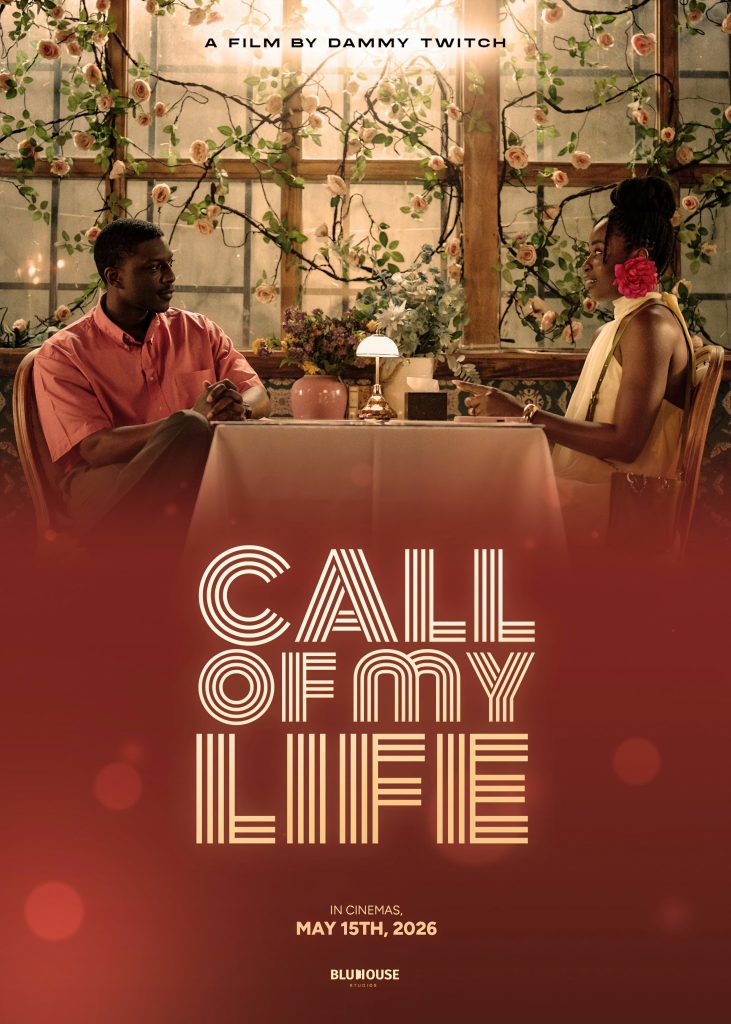
“I got tired of it, and I stopped,” she says. Call of My Life is a romantic comedy about a woman named Soluchi, a call-centre agent still nursing old heartbreak when a single phone call pulls her toward something new. The film is set to hit Nigerian cinemas on May 15th and stars Uzoamaka herself as one of the main characters. The story of how it went from three abandoned pages on a Word document to a full feature film is just as mind-blowing as the trailer.
The Three-paged Story from Eight Years Ago
It was Blessing Uzzi, the producer of Call of My Life, who forced the resurrection. She knew Uzoamaka had old writing hidden away. The sort of early drafts writers typically shy away from. Blessing had a hunch and convinced Uzoamaka to start looking.
“She called me, and she was like, ‘Even if you wrote them when you were two years old, they mean something. And when you’re able to look at them critically, revisit them and do better.’”
So Uzoamaka sent Blessing the existing pages of Call of My Life, and Blessing loved the premise of the story. Just like that, Call of My Life was back in the world. The thing about revisiting something you wrote eight years ago, though, is that you’re not the same person who wrote it. You’ve lived more, felt more, gotten more honest with yourself about what you actually want to say.
“In 2018, I wanted to write about my experience at the call centre,” Uzoamaka says. “But fast forward to 2026, and I’m asking different questions. What is the story I want to tell? Is the call centre the centre of this story? Am I telling a love story about this person? Can I remove this person from this job and have them live life outside their work?”
Those are not the questions of someone who just wants to document what happened to them. Those are the questions of a person ready to create something beautiful and different from their personal experience.
What Actually Makes a Story Worth Telling?
There’s something Uzoamaka says in conversation that sounds almost like a joke but isn’t. When she was building Soluchi, the character at the centre of the film, she had to make peace with an uncomfortable truth.
“Sometimes, your life is not that interesting,” she says. “But it’s given you a foundation to begin something.”
In real life, the phone call Uzoamaka received while working at that call centre didn’t change anything. It didn’t redirect her path. It was just a funny call, and then it was over. But in the film, a similar call becomes the thing that changes Soluchi’s life.
“In writing the screenplay, I could have decided that the phone call was funny or annoying, or made decisions outside of the real thing that happened,” she explains.
This is actually the most freeing thing about the way she talks about writing. Uzoamaka doesn’t treat her experience as sacred. It’s raw material. You take what happened, ask what it could mean if something different had followed, and then you follow the character wherever she goes. “The more open-minded you are, the more questions you ask, the more the character tells you where they’re going,” she says. “At some point, it’s out of your hands. You’re serving the story now.”
A Lover That Yearns
The thing Soluchi does that makes people regard her as relatable is simple. She does too much. Soluchi loves too much. She gives too much. She cares too much. In the film’s trailer, someone says this to her face disapprovingly, like it’s a problem.
Uzoamaka has feelings about this.
“I don’t believe that there’s any love where you should have to pretend,” she says. “You have to perform wickedness so that somebody can love you? If you’re going to perform nonchalance in love, what is the point? Just get out of it.”
Uzoamaka is not describing a character flaw when she talks about Soluchi being a lover girl. She’s describing a superpower. “The person who loves wins. Even in heartbreak, even in hurt, even in pain. You loved, you won.”
The dominant romantic playbook right now is all about withholding. Wait ten minutes before texting back. Don’t call twice. Make yourself seem unbothered. Soluchi does none of these things, and she gets hurt for it, But Uzoamaka’s argument is that she still won.
“We see her mother saying, you will not be too much for someone who truly loves you,” Uzoamaka notes. “And I hope that Soluchi collects herself and loves even more fiercely again. Because what are we doing in this world? If we stop loving, we’re dead.”
The Woman Who Shows Up for Her Own Work
Concerning her love and excitement for Call of My Life, Uzoamaka is not performing humility. She says she’s very happy with the work. “I’m very happy with the story that I wrote,” she says. The award-winning writer and actress says that she has plans to go to the cinema every day once Call of My Life is released. Every day, in as many cinemas as she can get to in Lagos.
When the idea of shrinking her excitement comes up, she says, “I’m not doing that. When I was shouting for The Weekend, I was shouting because I loved the film. Now, I’m shouting for Call of My Life, and that’s because I love the film from the depths of my heart.”
Uzoamaka wrote this screenplay and stars as the lead actress. She watched it come together across Lagos, Abuja and Enugu, because that’s what the story needed. Blessing Uzzi took her writing seriously enough to make her work on it. Now she’s standing on the other side of it, refusing to be modest about what she made.
It matters, the way she says it, because there’s a specific kind of pressure on women in creative industries to qualify every good thing they’ve done with a disclaimer. Uzoamaka doesn’t.
Call of My Life will be out in cinemas from May 15th. Uzoamaka will be there watching. Probably every day.
Next Read: Earning Money Gave My Mother the Confidence to Hit Her Husband Back