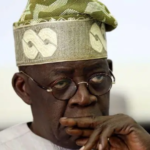
• President Bola Tinubu has found himself in hot water over statements made by his legal team at the ongoing Presidential Election Petition Tribunal (PEPT). 

    In case you’ve been living under a rock, Tinubu has been fighting on multiple fronts since he assumed office. Following his declaration as president by the Independent and National Electoral Commission (INEC), his opponents have dragged him and INEC to court over controversies and irregularities surrounding the February 25 presidential election. 

    His adversaries in the boxing ring are the PDP’s Atiku Abubakar and the Labour Party’s (LP) Peter Obi. Tinubu had 8,794,726 votes, with Abubakar and Obi getting 6,984,520 votes and 6,101,533 votes, respectively.

    They’re contesting that Tinubu shouldn’t have been declared the winner, having failed to meet electoral requirements. In an earlier article, we did an explainer highlighting the suits brought against Tinubu’s presidency. The one which has stirred reaction the most is the 25% criterion in the Federal Capital Territory (FCT). Only the LP met this threshold. 

    Tinubu’s legal team is led by Wole Olanipekun (SAN). The team filed a final written address dated July 14. This was in response to the petitions brought against them by the LP and the PDP. 

    What was in Tinubu’s lawyers’ final address?

    According to ThisDay, Tinubu’s lawyers argued that nullifying the election results because Tinubu failed to meet 25% in the FCT could “lead to absurdity, chaos, anarchy and alteration of the very intention of the legislature.” 

    The address noted: “May we draw the attention of the court to the fact that there is no punctuation (comma) in the entire section 134(2)(b) of the Constitution, particularly immediately after the ‘States’ and the succeeding ‘and’ connecting the Federal Capital Territory with the States. In essence, the reading of the subsection has to be conjunctive and not disjunctive, as the Constitution clearly makes it so. 

    Pressed further by this constitutional imperative, the Federal Capital Territory, Abuja, is taken ‘as if’ it is the 37th State, under and by virtue of section 299 of the Constitution. 

    With much respect, any other interpretation different from this will lead to absurdity, chaos, anarchy and alteration of the very intention of the legislature.”

    Tinubu’s team also wants the court to bar Obi from contesting should the election be nullified. According to The Cable, Olanipekun argued that Obi’s claim lacked merit. They say he wasn’t on the LP’s membership register when he contested the presidency. He added:

    “Obi is constitutionally barred from participating in any election, in the very unlikely event that the election of 25th February 2023 is voided, as the only candidates constitutionally prescribed to contest any subsequent election shall be Tinubu and the candidate of the PDP, Atiku Abubakar who came second, by scoring the next majority of votes in the highest number of States (19 States), to the 1st petitioner’s 16 States, and also coming second by plurality of votes, having scored 6,984,520, far and above 1st petitioner’s 6,101,533 votes.”

    Download the Citizen Election Report: Navigating Nigeria’s Political Journey

    What have the reactions been like?

    The Chief Spokesperson of the Labour Party Presidential Campaign Council, Yunusa Tanko, described the statement as “threatening the whole country”.

    Demola Rewaju, a Special Assistant on Digital Media Strategy to Atiku Abubakar, tweeted: “As long as the Constitution swore in Bola Tinubu, he can be removed by the Constitution. It’s as simple as that. The resort to blackmail and threats of anarchy will amount to nothing once a judgement is delivered.”

    However, Dada Olusegun, the Special Assistant to the President on Digital Communications, has described the reports as “fake”. He tweeted, “President Bola Ahmed Tinubu’s counsel didn’t argue nullifying the election would lead to anarchy. They argued that Abuja is the 37th state for electoral purposes, and any other interpretation would lead to anarchy. But as usual, the fake news machines are desperate to twist it.”

    IPC Justice, which investigates corruption in politics and the judiciary, issued a statement to security agencies. It urged them to “resist any directive that undermines the fundamental rights guaranteed under our shared social contract.”

    What else should you know?

    It’s not clear when a ruling will be made on this matter by the PEPT. Regardless, it’s expected that whatever judgement the tribunal passes will be contested all the way to the Supreme Court. This could be several months away. We will keep you up to date with any updates as the case progresses.

  • If you closely followed the 2023 Nigerian election, you may have noticed Uju Ken-Ohanenye, the only female presidential aspirant from the All Progressives Congress (APC). Despite ultimately stepping down for Bola Ahmed Tinubu at the party’s primary election convention, Ken-Ohanenye’s campaign centred around a compelling message: Nigeria needs a mother to lead the nation. 

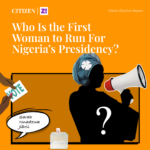
    Nigeria’s political scene has witnessed numerous significant milestones throughout its history. One such landmark moment was the emergence of Sarah Nnadzwa Jibril as the first woman to run for the presidency of Nigeria in 1992. Her courageous foray into the male-dominated political arena marked a crucial step towards gender inclusivity. It paved the way for future generations of women like Ken-Ohanneye in Nigerian politics. 

    Sarah Nnadzwa Jibril’s exceptional accomplishments shed light on an overlooked aspect of Nigeria’s political history and landscape, underscoring the need for improved discourse around our historical narratives.

    To gain a comprehensive understanding of Nigeria’s really cool and interesting political journey like this, every citizen should explore the Citizen Election Report.

    Sarah Nnadzwa Jibril’s Trailblazing Candidature

    Sarah Nnadzwa Jibril, a formidable force in Nigerian politics, etched her name in history by becoming the first woman to contest the Nigerian presidency. Her political journey began in 1992, when she ran as a candidate for the Social Democratic Party (SDP). With her vision, determination, and passion for social justice, she captured the attention of the Nigerian electorate and inspired women across the nation. Despite the challenges and gender biases she encountered, Jibril fearlessly pressed forward, determined to break down barriers and create opportunities for women in Nigerian politics.

    In 1998, Jibril again joined the People’s Democratic Party (PDP) and vied for the presidency. Her candidature is one visible way women have challenged societal norms and expectations. While she may not have secured the presidency, her groundbreaking campaign left an indelible mark on Nigeria’s political landscape. 

    Jibril’s trailblazing efforts have paved the way for subsequent generations of women who have attempted to become the country’s president. 

    Hopefully, Nigeria’s highest political officeholder will be a woman one day.

    Exploring Nigeria’s Political Journey

    To gain a comprehensive understanding of Nigeria’s political history and the strides made towards a more inclusive democracy, the Citizen Election Report is an essential resource. This comprehensive guide provides a thorough analysis of Nigeria’s political scene from 1999 to the present, delving into key events, electoral reforms, and the evolving political landscape. By reading this report, citizens can gain valuable insights into the challenges faced, the progress made, and the vision for Nigeria’s political future.

    Download the Citizen Election Report: Navigating Nigeria’s Political Journey

    By understanding Nigeria’s political journey and the contributions of trailblazers like Sarah Nnadzwa Jibril, citizens can actively participate in shaping the country’s democratic landscape. The Citizen Election Report is a vital tool for empowering citizens, especially young Nigerians, to engage in informed discussions and make well-informed decisions regarding Nigeria’s political scene.

  • One of the strongest pillars of democracy is the freedom of the press. A free and impartial press ensures citizens can make informed decisions and hold elected representatives accountable for their actions. But the All Progressives Congress (APC) government of the past seven and a half years has shown the Nigerian press enough shege to last a lifetime.

    Tinubu presidency media 2023 Nigerian

    For example, soldiers invaded the offices of the Daily Trust Newspaper in Abuja and Maiduguri in January 2019. The solders arrested a regional editor and destroyed many devices  because the organisation allegedly published sensitive military information. The National Broadcasting Commission (NBC) has also been trigger-happy and fined many media organisations that poked the government.

    With the 2023 general elections fast closing in, APC has again put forward a presidential candidate who’s cultivating a cold relationship with the media. Given our wealth of experience regarding the APC’s engagement with the media, we can already predict some things that may happen if Bola Ahmed Tinubu wins in 2023.

    Tough times are ahead for the news media

    On December 12, 2022, ThisDay newspaper and Arise News TV released a joint statement to call out the actions of two high-ranking APC campaign officials. These officials had repeatedly accused them of bias and called for the dismissal of two employees. They accused the APC of issuing a veiled threat to grant the request and get “reprieve in a future Tinubu presidency”. 

    It’s almost like they already have plans to oppress and bully media organisations that fail to share the same views as them if they emerge victorious.

    Tinubu presidency media 2023 Nigerian

    Another social media ban

    During his campaigns, Buhari put a lot of efforts into convincing Nigerians that he had rebranded himself from a military dictator to a democrat. But all that went inside the dustbin when the federal government banned Twitter operations in Nigeria in June 2021.

    Tinubu presidency media 2023 Nigerian

    Although the APC administration said Buhari ordered the ban  to control the spread of hate speech and misinformation, everyone knows this was only partly true. And seeing how Tinubu has been the target of millions of social media jokes, the possibility of another social media ban isn’t far-fetched.

    Local media will be further ignored

    One thing we’ve learnt about President Buhari is he doesn’t like talking as much as he loves travelling. Tinubu is already following that blueprint and failed to show up for many campaign events not organised by his own team. If he gets away with it and becomes president, you can expect him to not feel accountable to the local media.

    Unfortunately, we can’t glimpse into the future to see how the 2023 elections end, so we can only hope and pray the next administration respects the role of the media in enabling a functioning democracy. 

  • We all have that unforgettable, once-in-a-lifetime experience we prefer to never relive — like getting booed in class for telling a dry joke, or losing your school fees playing Baba Ijebu.

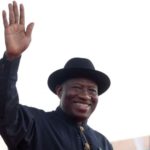
    Goodluck Jonathan’s once-in-a-lifetime experience was becoming president of Nigeria through a series of improbable circumstances. But since Buhari dumped him out of Aso Rock Villa in 2015, the rumour mill has refused to rest about Jonathan’s second coming as president. 

    What the rumour-mongers failed to do was ask the man himself if he’s interested in a fairytale return to Nigeria’s highest seat of power. Because we’re now hearing something different. Let’s walk you through the gist.

    The book launch

    While we were all dissecting the content of that rare Tinubu interview, there was a book launch in Abuja. The book, written by Nathaniel Bivan, is titled “My Time As Chaplain In Aso Rockand contains firsthand accounts of former Aso Rock chaplain, Obioma Onwuzurumba. As you’ve probably guessed, he was the chaplain during Jonathan’s administration.

    What’s in the book?

    Besides an account of Onwuzurumba’s tenure as chaplain, the book also contains an interesting interview with Jonathan. Seven years after he left office, he seemed eager to revisit some key issues and questions surrounding him. 

    What did Jonathan say?

    On running again for president, Jonathan basically said he’s now too big for that.

    “If you wake up tomorrow and see that I’m president again, that means there may have been circumstances beyond my control. But not to go and pick one form and go and start lobbying people and running for campaigns, be it PDP power or APC broom and moving across Nigeria. I can’t do that again; if I do that, I’ll diminish myself.”

    Jonathan also noted he was amused when a coalition of northern groups bought him a nomination form in May. 

    “I was enjoying the drama. At least they’re not insulting me. After all, I was pursued out of the office, that I wasn’t good enough. So, if now, Nigerians are saying, “Oh, this man should come,” that means they’re cleaning me up. So, let me enjoy the drama.

    “I wasn’t disturbed. I know I cannot go and start struggling to be president again. It wasn’t only Nigerians who were asking me such questions, even most of the top ambassadors — the American ambassador, the UK High Commissioner, France, and all of them. They came to ask me whether I would contest. I don’t think I would contest any election.”

    What else did he address?

    Jonathan spoke on his current responsibilities as a mediator in stabilising democracy in African countries experiencing conflict.

    “Assuming there’s some confusion — and sometimes things like that happen in countries — they tell me to come and play a role in stabilising things. A stable democracy where one leader hands over to another is what we all want.

    “Let’s go through that process and not interrupt the democratic processes. We pray such things shouldn’t happen. Otherwise, to go and say I’m contesting on the platform of any party at all. No!”

    He also found time to speak on the Muslim-Muslim ticket currently run by the All Progressives’ Congress (APC). He spoke lightly on it, perhaps so that the APC won’t stain his white.

    “When I took over as the vice president, the tradition then was that if the president was a Christian, the vice would be a Muslim and vice versa. We have religious festivals in Nigeria and, of course, National Day, where there will be Jummah prayers and Christian prayers.

    “Nigerians are religious people, this is why I get worried about the issues of Muslim-Muslim or Christian-Christian ticket. Yes, Muslim-Muslim or Christian-Christian can run the state. But I always ask, “Who will represent this other bloc whenever we come to the national days that we celebrate?”

    Surely, a national day of celebration is not the big issue with the Muslim-Muslim ticket here, but then again the man has clearly left politics for peacemaking. So maybe he’s asking Nigerians to extend him the same favour and give him some peace.

  • Yesterday, Premium Times Nigeria published a report from the Center for Democracy and Development (CDC). The report was about President Muhammadu Buhari (whereabouts unknown)

    In the report, 4,097 Nigerians from 111 Local Government Areas were asked to rate the performance of the traveling president

    giphy.gif

    …and the results are out. Apparently 57% of Nigerians generally ‘approved’ his performance.

    giphy.gif

    But here’s where it gets interesting. According to this report, the majority of people who APPROVE of the president are in the North

    The North-West (85 per cent) and North-East (66 per cent) regions constitute the majority of those who approve of his job performance.Premium Times

    …and the majority of people who disapprove come from the South

    …respondents from the South-East (72 per cent) and South-South (60 per cent) regions make up those who do not approve his performancePremium Times

    Esselent.

    giphy.gif You can have a look at the full report here, by the way.

    More Zikoko politics? Lookie here:

    https://zikoko.com/list/10-top-quotes-from-osinbajos-democracyday-speech/
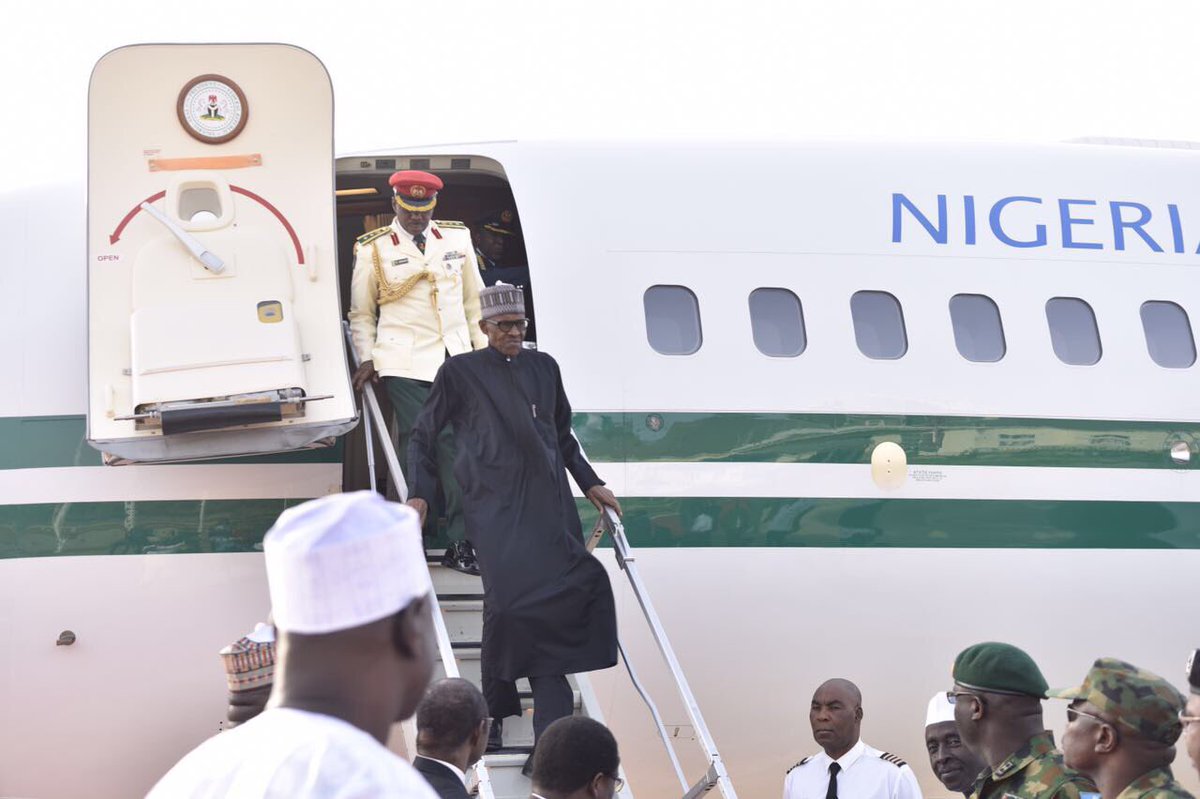
  • After almost 50 days in the wilderness (yes, we know he travelled to London), President Buhari is back.

    He landed this morning in Kaduna, and then took a helicopter to Abuja.

    Fellow Nigerians, rejoice! for your able leader has returned!

    The first lady, Aisha Buhari shared this picture (we can’t lie, it’s quite cute) on her twitter page.

    https://twitter.com/aishambuhari/status/840127111356542976

    Presidential love is sweet oh!

    However, according to some early reports, it seems like Vice President Osinbajo is still in charge while President Buhari continues to rest.

    After more than 40 days, more resting? And you will collect full salary and keep your job? All those who want to be President say I!

    This is us, wondering what exactly is going on in this country.

    This is also us, hoping Daddy Bubu brought back chocolate and original charger for us.

    Anyway, now that he’s back we hope the welfare of Nigeria is placed front and centre because there is so much work to be done.

    So guys, what are your feelings on the President’s return? Are you happy? Excited? Nonchalant? Let us know!
  • 1. This is you, about to travel and leave your company inside deep debt and wahala.

    2. All your employees are like:

    3. Then you extend your holiday and the whole office is like:

    4. Everyone tries to get in contact with you, but you’re like:

    5. Now, the company Managing Director is running around trying to keep things together.

    6. One day, one meeting, like:

    7. Meanwhile, you are busy sharing pictures of all your different visitors while on holiday!

    8. Even people that are meant to be in the office come and do “solidarity visit”.

    9. Meanwhile you’ve not called the office oh!

    10. Even ordinary text, nothing!

    11. Anyway, please come back oh, and stop behaving anyhow!