

Biting into a sweet agbalumo is an indescribable feeling, but the chances of getting one that actually lives up to expectations are pretty low. So, we’ve gathered 12 tweets you’ll relate to if the struggle of finding the perfect agbalumo has given you trust issues.
-
-
Running for over a decade, Who Wants To Be A Millionaire remains one of the most beloved shows in Nigerian history, with many of us fantasizing about appearing on it and winning the grand prize of ₦10 million. Well, we gathered 15 real questions from the show to test how you would have done.
Go ahead to find out:
-
The road from Mile 12 all the way to Oshodi is currently being fixed. You might look at this and think that it’s great that the government is finally doing something about bad roads in the country but it’s a lie. They’re only working on the ones you can see. Let me tell you about what happens when it comes to fixing hidden roads that have practically become craters.
1) With cement bags full of sand:
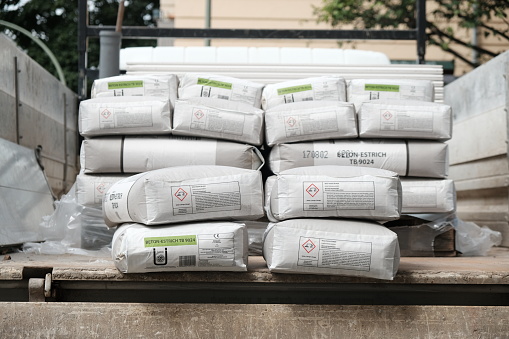
You’ll see workers gather at the “crater site” like actual work is about to be done, and for a moment, you’ll feel relief. Then you’ll see the cement bags full of sand being delivered and it dawns on you that history is about to repeat itself. They’re about to stack cement bags until the pothole is covered-ish. After being driven over for a few weeks, the bags will scatter and the road will be back to how it was in no time.
2) With just sand:

Person 1: What the hell are they doing?
Person 2 (straight-faced): Fixing the road.
Workers: *Shoveling insane levels of sand everywhere like they’re the cast of Pretty Little Liars in every episode getting rid of yet another body.*
FOUR HOURS LATER AFTER A 5 MINUTE RAINFALL
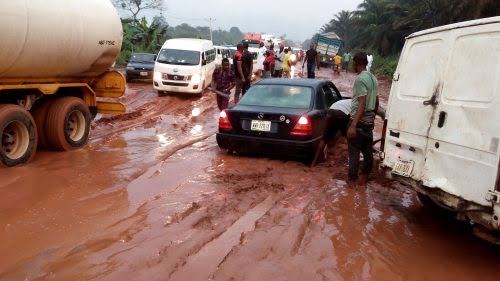
The End
3) With gravel:

Oh, you read that right. Fucking gravel. There’s a road that goes from Iyana Itire to Isolo market that’s so damaged now that it’s actually just one giant crater. The people who live there (and those of us who have to pass the road daily) cried out for years for that road to be fixed. Last year, the douche who was contesting for local government chairman promised to fix it if he was re-elected. When he was re-elected, this idiot poured gravel everywhere, ensuring that the tyres of any vehicle that passes that road daily would require regular checkups/changing.
I just…can’t even anymore. 😒
-
1) The quiet ones:
They mind their business and the only time you interact with them is from bargaining fare to eventual payment. 5 stars, Okada edition.
2) Chatterboxes:
Sir, I can’t hear you over the sound of my heart beating fast because I am holding on for dear life. Stop talking sir.

3) Daredevils:
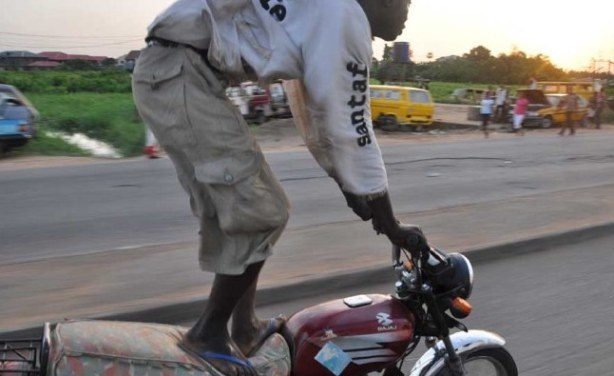
Swerve between tankers, fight trucks for the right of way, speed at 200km/h – Check, check, check. Their motto is usually “no fear”. I am afraid sir. Very. Emabinu.
4) Greeters:
Nothing worse than a bike man that the whole street knows. Turn right, hailings. You’ll now hear a name like scorpion baba. That’s when you will start praying to God to deliver you safely to your destination.
5) Clueless:
They have no idea where you are going to. Their favorite word is “you no sabi the place?” But sir you said you know the place. They are the worst set.
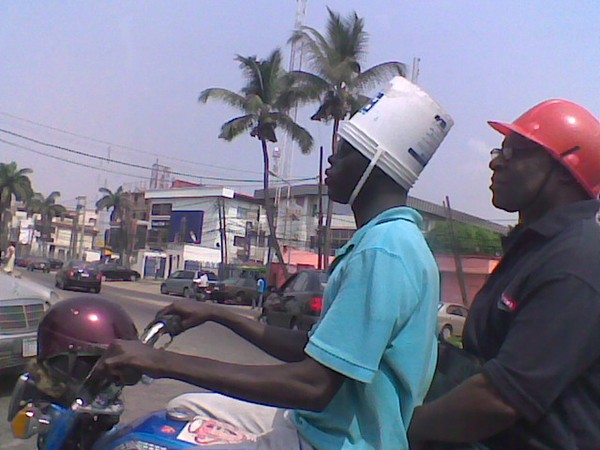
A way to spot them is that they wear this kind of “helmet”.
6) Music lovers:
It’s 5 pm after a stressful Lagos day, the sun is dipping at the right angle, the road is free. The air is suspiciously clean and life seems good. Mid reverie, you hear “oteselebo yahoo ni babalawo”, your bike man has disturbed your perfect escape with his loud music. These set of bikemen are probably failed DJ’s because they keep skipping from track to track with no direction.

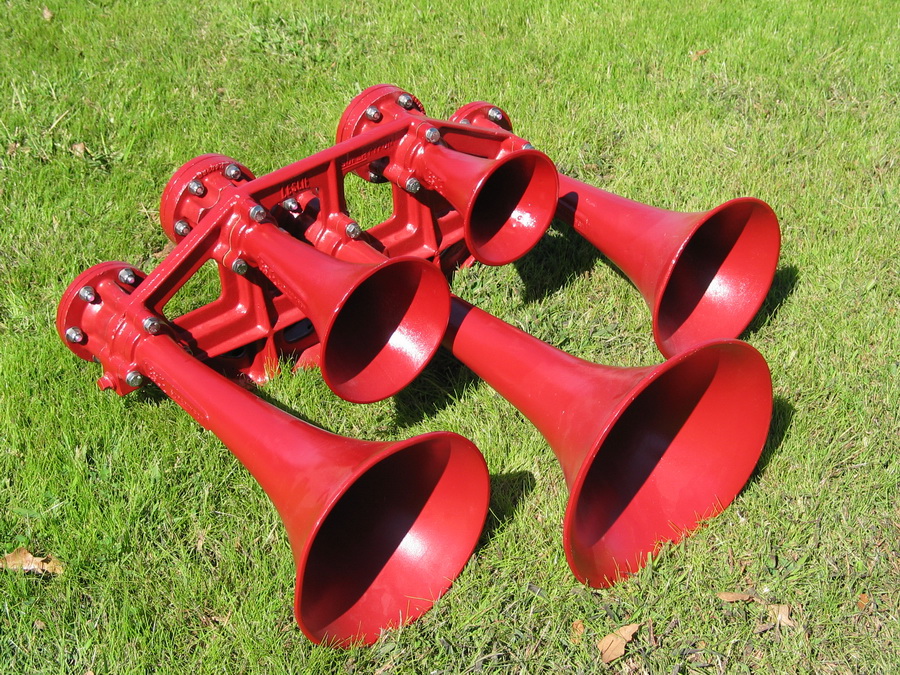
The instrument of peace disturbance.
7) Pressers of horn:
You just know they didn’t have toys as children. At the slightest provocation, they are horn trigger happy. It’s like a siren that brings attention to you as you are trying to safely get to your destination.
8) The ones trying to avoid police:
Once the bike man asks if you have change or for you to pay up before you reach the destination, you know they are running from the police.
9) The ones trying to avoid touts:
As soon as you hear “I no go reach the bus stop ohhh” you know they are running from the insane tax collectors called the area boys.
10) Fighters:
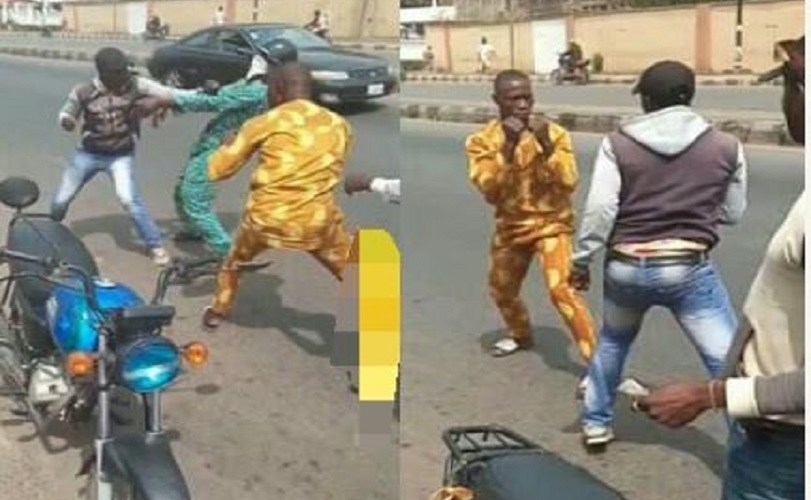
They alternate between either trying to beat you or beat another road user. There is no in-between for this set of people. They are ready to pick a fight for the smallest of offenses. Beware, if you scream too loudly, they just may beat you too. Just pray till you arrive at your destination.
11) The pleasant ones:
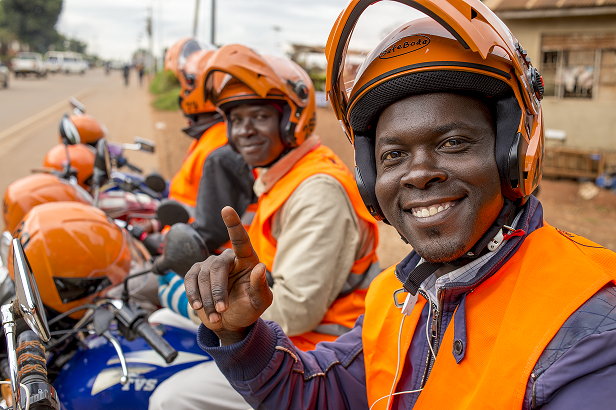
Some of these riders are so lovely that after the ride you start to ask if you possibly imagined it. They are so courteous, have change, are helpful, and they even seal it off with a small prayer for your day. These ones make a heavy day lighter.
12) Advisors:
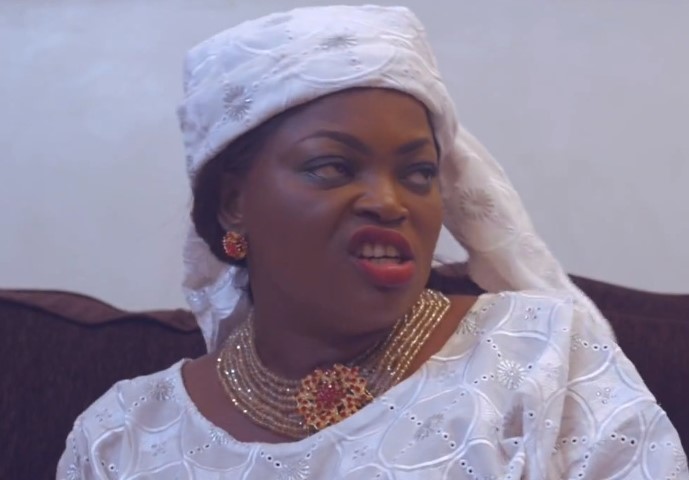
Once they see something on the road they don’t agree with, they start to advise you. Talking about “Sir, you look respectful, don’t be like these ones on the road.” Sir, I am like them too, is it because I am wearing a starched shirt?
-
2019 gave us a bunch of exciting new stars, including Joeboy, Fireboy DML and Rema. So, as we all settle into 2020, we’ve decided to highlight 10 rising stars that we believe will dominate the music scene this year, based on their past work and unmistakable potential.
Tems
With the undeniable impact of “Try Me”, Tems announced herself as a star on the rise. “Mr Rebel” and “Looku Looku” — the two fantastic singles that preceded that smash hit — also prove the exceptional singer is capable of so much more, and we can’t wait to see her deliver on all that promise.
Gigi Atlantis
Last year, Gigi Atlantis dropped “Wahala On The Rocks” — one of 2019’s best and most underrated gems. Now that she’s dropped a music video, we’re hoping the song catches on, but regardless, if whatever she drops next is even half as good, then 2020 will be her year.
Crayon
While Rema ended up being the bigger star, he wasn’t the only afropop upstart Mavin Records introduced the world to last year. They also gave us Crayon, who quickly revealed his gifts on his astonishing Cray Cray EP. He is more than ready for his own moment in the spotlight.
Terri
Since he landed his big break on 2018’s biggest song, “Soco”, Terri has been releasing solid singles that hint at his potential. With the announcement of his debut project, Afro Series, it’s clear that the Starboy signee is finally ready to make a grand statement.
Oxlade
More than any other artist on this list, it’s clear that Oxlade is right on the cusp of becoming one of Nigeria’s biggest stars. With every new song and feature, it becomes harder to imagine a future without Oxalde at the forefront of the afropop revolution.
BUJU
With the success of his Zlatan-assisted hit, “Spiritual”, BUJU shot to the top of the list of ‘stars to watch’. Since then, he’s dropped other singles that show just how skilled he is at crafting earworms — a gift that will surely help make his 2020 domination a veritable cakewalk.
Tolani
At the start of 2019, Tolani teamed up with Reekado Banks for her biggest song yet, “Ba Mi Lo”. She then followed it up with two equally refreshing singles, “Liar” and “Maybe Baby”. A breath of fresh air in our overcrowded afropop landscape, the r&b star deserves superstardom.
Oladapo
While JoeBoy became emPawa’s breakout star, he wasn’t the only gifted artist that got the Mr Eazi seal of approval. Oladopo was one of the initiative’s most exciting picks, dropping the underrated “Gbe Bodi”. If he maintains that quality, he will become a household name in no time
Lyta
2019 was a really great year for Lyta. He scored a smash hit, “Monalisa” and landed one of Davido’s strongest features. With all that momentum, the afropop star should be able to make a real name for himself this year, as long as he continues to drop infectious hits.
MOJO
The charismatic MOJO broke out with one of 2019’s most essential anthems, “Chop Life Crew”. He then followed that up with the party-starting banger, “Shawarma”. Both songs not only showcase his range, but they also make a great case for his mainstream dominance.
-
Every Monday morning brings along with it drama leftover from the weekend. In Nigerian offices, there are various personalities. The best time to observe this difference in behavior is on a Monday morning. Here are the various types of Nigerian co-workers you will observe at the start of a new week.
The can it be weekend again gang:
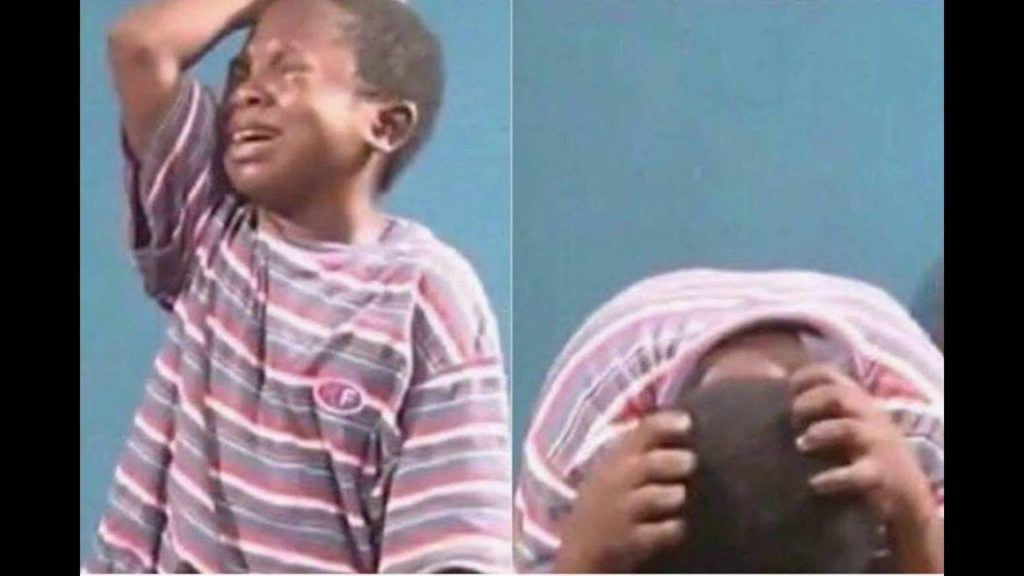
These set of people always want it to be Friday. All they do is grumble from Monday to Thursday, their happiest days are Fridays. Their sad days are from Monday to Thursday.
I had a lit weekend gang:
They always get up to the wildest things outside of work. It’s either they went for some party, wrestled exotic animals, or watched their landlord pick money from the ground and start to bark. Every Monday morning comes with a different interesting story about their rest days. They make the work more bearable for everyone.
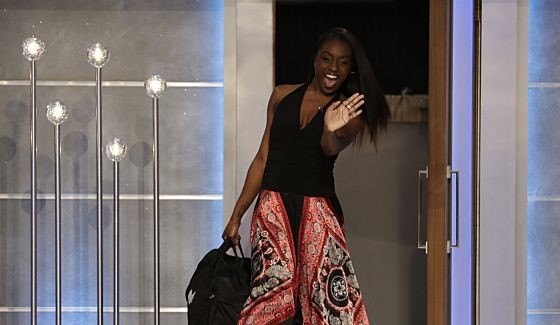
The sleepy gang:
Their motto is “I had a long weekend”, “This weekend ehn”. They always need to sleep for only 15 minutes every Monday morning according to them. It is usually 15 minutes in ten places though.

Late to work with excuse gang:
Buhari was visiting Lagos that’s why I came late. My dog started speaking and hence I had to come late. Deep down, we all know they have ready-made excuses. They probably overslept after all the parte after parte they had over the weekend.
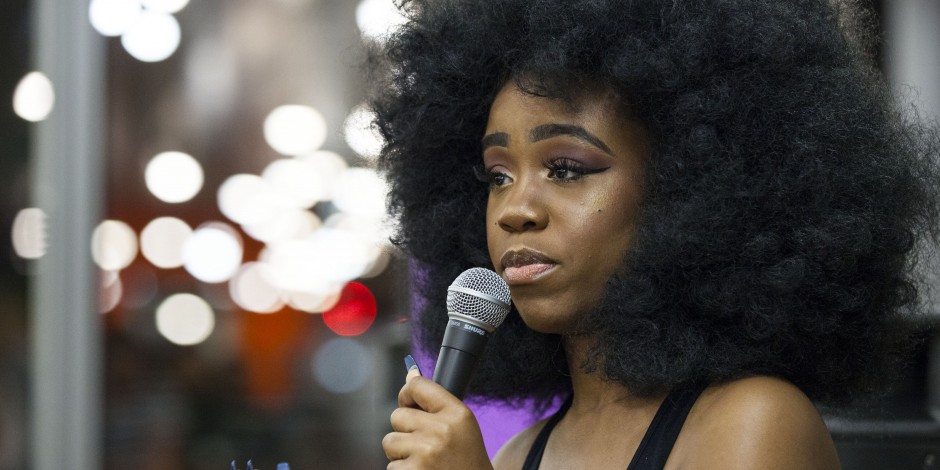
Let’s get to work gang:
You see them running from table to table, office to office screaming new week, new goals. Let’s take over the world. Pls dear, I don’t have ambition like that. Most times they are usually your boss or a superior. That’s why they have over ginger.
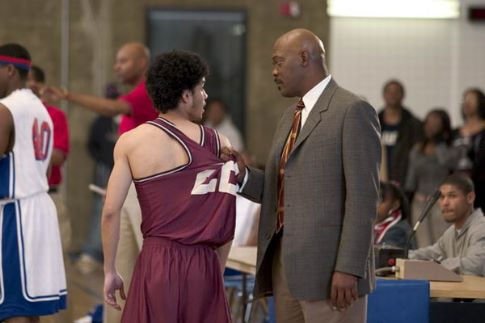
When is the next public holiday gang:
They will be doing their work and after small frustration, you’ll hear them ask loudly: “ahan, when is the next public holiday self?” A public holiday is the only time you see them smile.
The happy to be back at work gang:
You just know they don’t have friends outside of work. They most likely worked over the weekend and are just glad to see other people come to
sufferwork with them. Anytime you see them you keep asking “who is actually happy on a Monday morning?”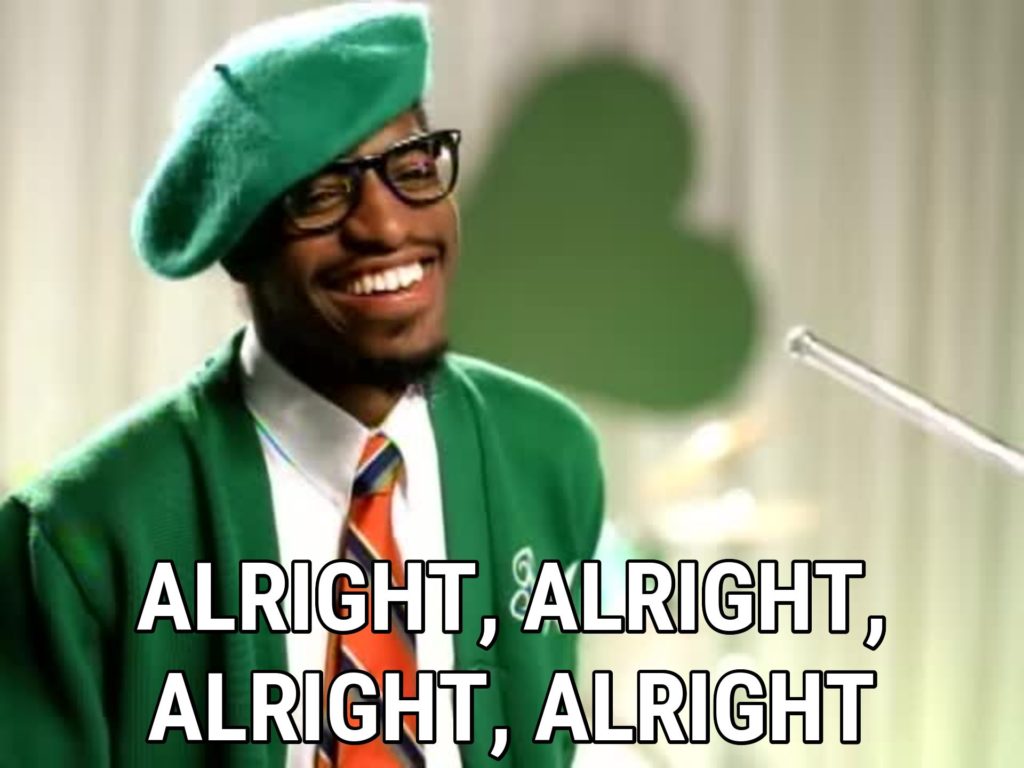
The indifferent gang:
They show no emotions. Public holiday, judgment day, bring your children to the office day. They are indifferent. You can’t even tell whether they hate or love the work.
I want to go home gang:
All they shout as they come into the office is that they can’t wait to go home. Their best friend is their bed and their favourite past time is sleep.
If you enjoyed reading this, you’ll enjoy this.
-
First impressions are very important, especially since you only get one chance to make a good one. So, we’ve created a quiz that lets you know what people think of you when they meet you for the very first time.
Take it to find out:
-
If being a good Nigerian child was a best selling book, odds are the title would be “do not provoke your parents for any reason.” Nigerian parents swing between praise and punishment depending on whether you listen to their advice or not. While most of their advice can be good, others have good intentions but the execution is mostly somehow. The greatest mortal sin you can commit as a child is having a mind of your own and this is where the bulk of offenses fall under. In light of that, we present all the things that Nigerian parents consider as their kids being wayward.
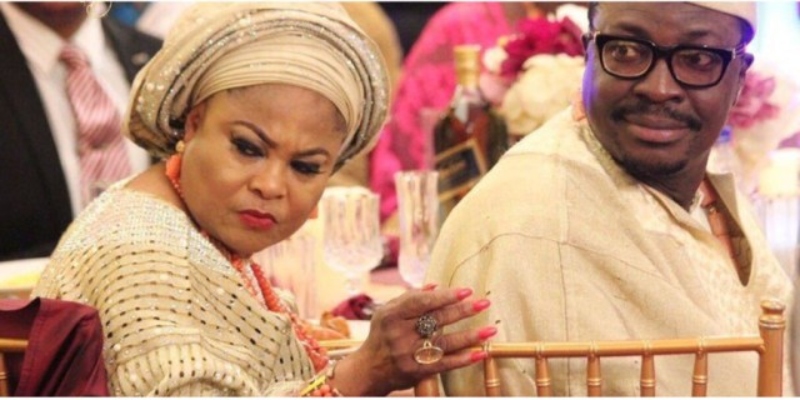
Decide not to throw a wedding party.
I can’t decide which is worse – telling your parents you want to do a quiet wedding or deciding not to get married at all. Many people have been disowned for trying to plan their own wedding because the ceremony is more for the parents than for the couple.
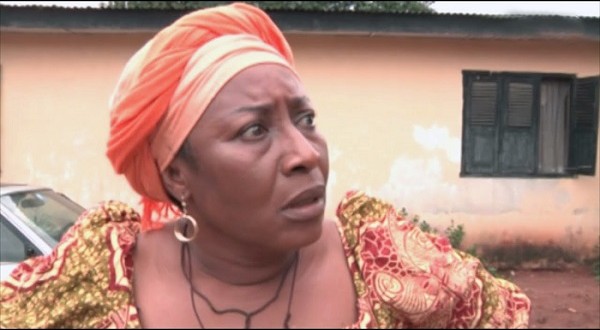
Stop eating at home.
If for some reason you eat out more than you do at home, your parents will call a family meeting. This is to ask if they are trying to poison you and why you decided to stop eating their food. You had better not be unemployed or they may accuse you of stealing to get by. Even if you are employed, they may add that you think you are now bigger than homemade food. You just can’t win.
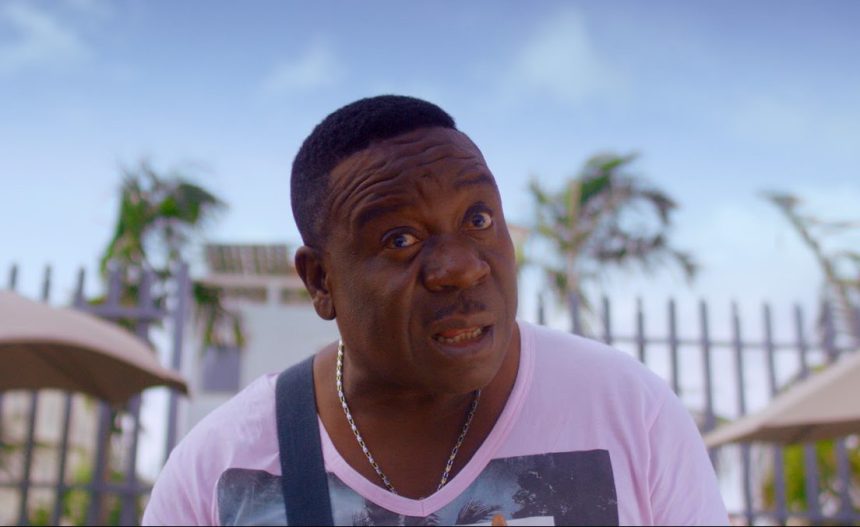
Try to set boundaries.
Kids don’t try this at home. Telling the people that gave birth to you that you can’t run an errand because of work will get you in more trouble than you bargained for. Good luck with telling them to knock before entering your room in their house or respecting your time.
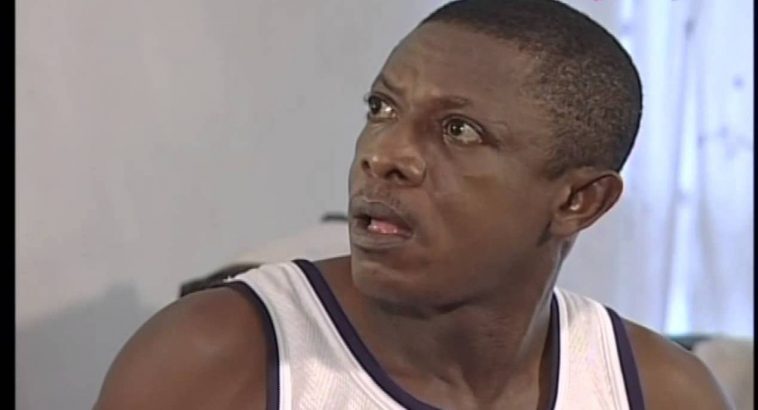
Try to correct your parents.
As long as you live under their roof, they are always right. End of story. Don’t argue.
Attempt to change your place of worship.
If you no longer want to attend the family church you have been going to since you were in the womb, you had better prepare a two thousand word thesis on why their church is no longer good for you. This will be defended at the next family meeting or whenever you run into any of their friends they have reported to you. Also, prepare for deliverance because the devil is working in you.
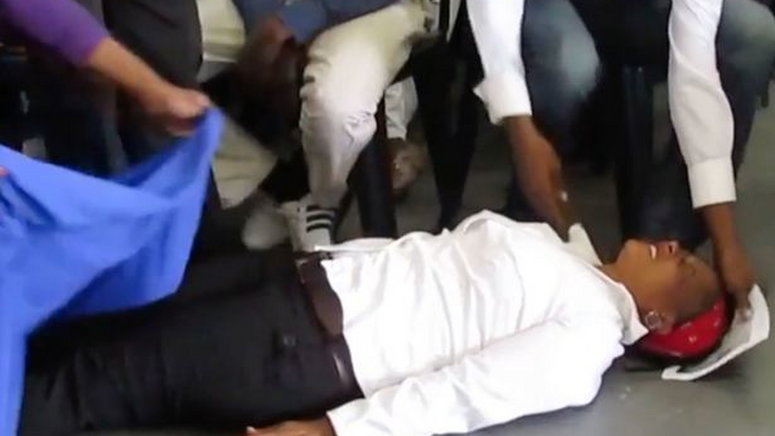
Have educated/liberal views.
Will you keep quiet? Who paid for your school fees all through primary to secondary school? So, you now have big ideas and you are blowing English. Best of luck!
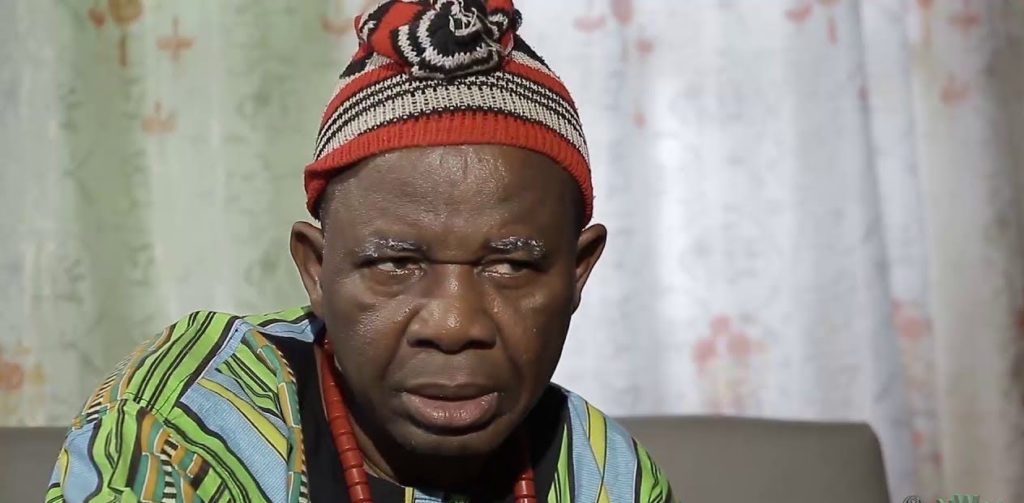
Decide not to practice what you studied in school.
Don’t do it. After they have been called mummy engineer, daddy doctor, you now decided you are not going to do what? stop it.
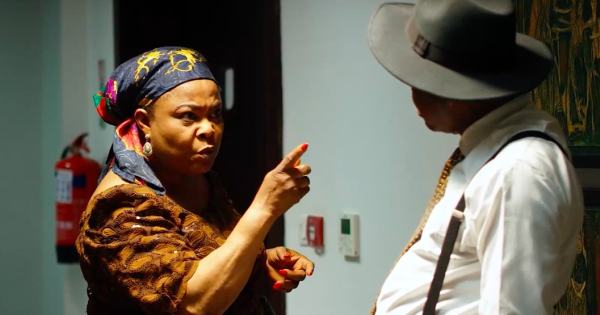
Don’t drop money for grandma’s burial.
Okay, are you the first person to save or are you the only one that has plans for money? There’s no excuse for not dropping money as long as you are gainfully employed.
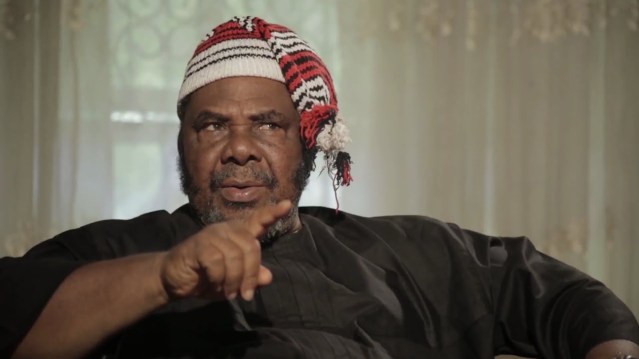
Get home 1 minute later than your curfew.
Just go and rent your own house since you are now an adult.
If you enjoyed this, you’ll definitely enjoy this.
-
1. How people with cars look at you when you say you don’t have one:
Please, save your pity.
2. What your phone looks like:

The unholy trinity.
3. You, calculating how much you spend on ride-hailing apps:
No wonder I’m broke.
4. When the drivers start using you to do shakara.
From “Cash or card?” to “I’m not going that way”.
5. That one friend who unofficially becomes your personal driver:

Everyone needs a side hustle after all.
6. You, wondering how to leave your house when it rains:
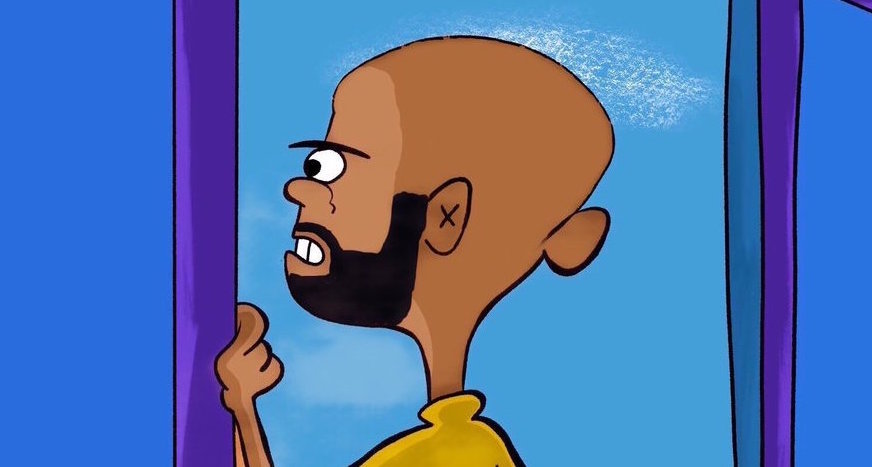
Hay God. What is this struggle?
7. You, watching people react to news of fuel scarcity:
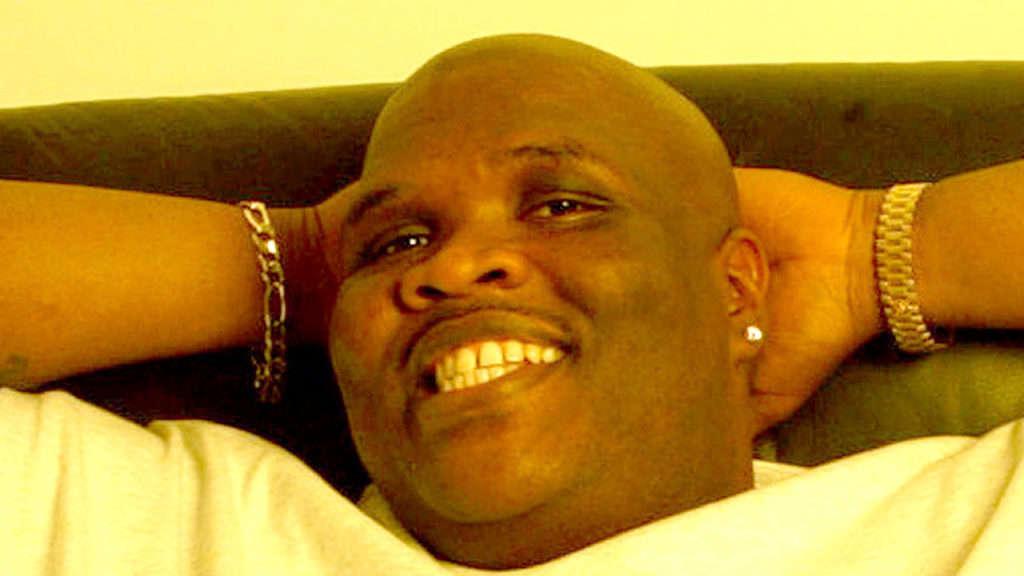
Pele oh.
8.When someone sends you their address without including the bus route.
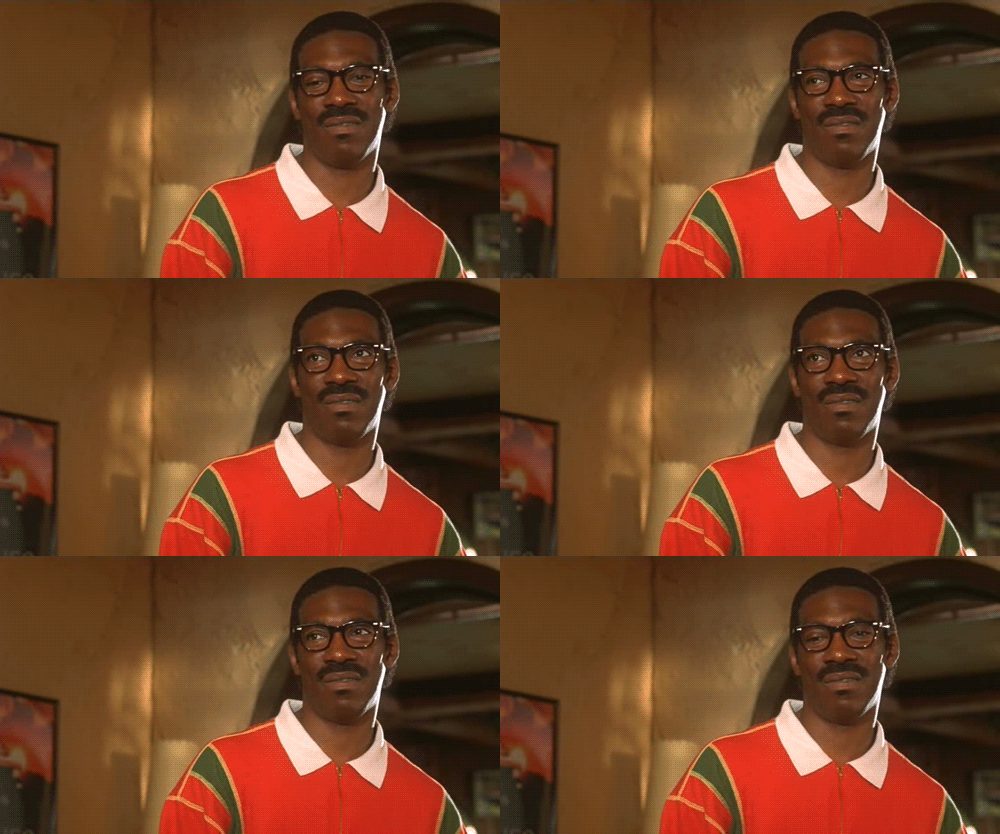
It’s like you’re not ready.
9. You, watching people with cars fight road safety officials:

Couldn’t be me.
10. When your friends tell you how much they spend on mechanics.
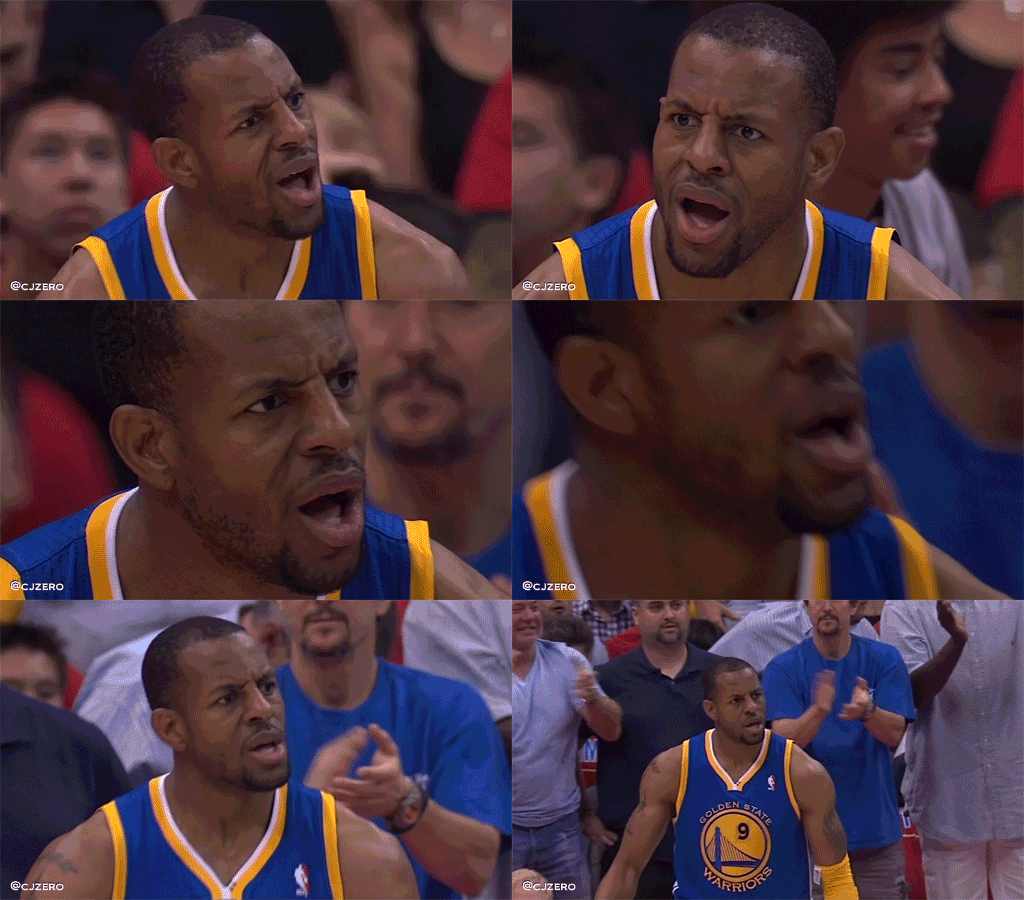
What. The. Fuck?
11. When you go somewhere without having to worry about a parking spot.
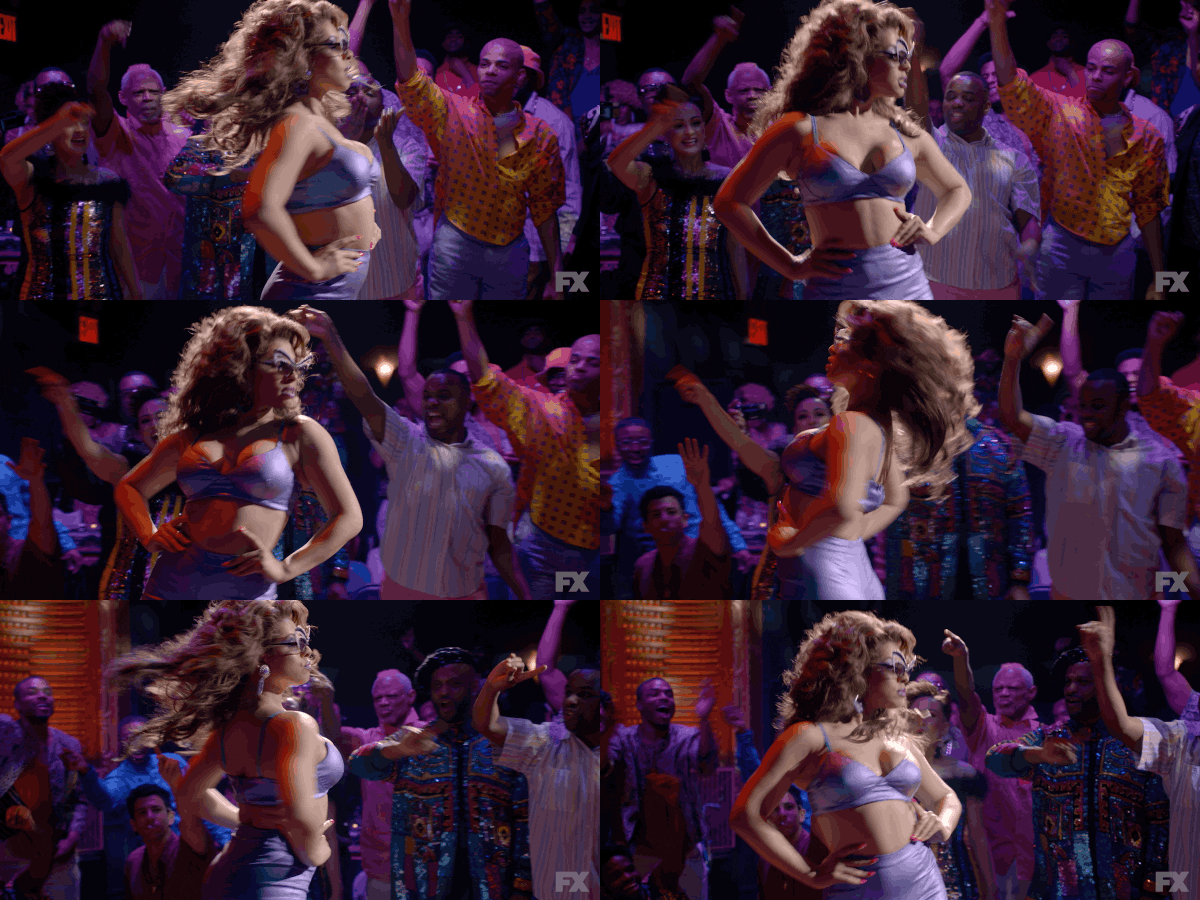
Yes to no stress.
12. You, watching people with cars struggle to leave an event once it’s over:
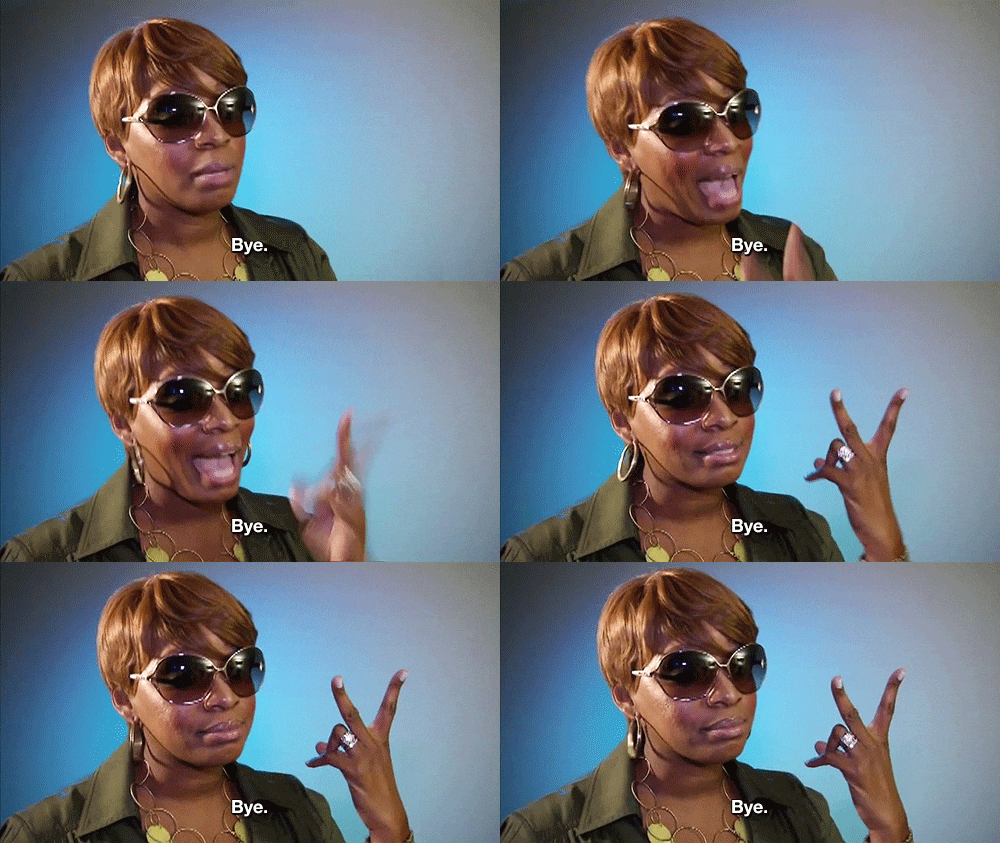
Peace out.
13. You, when the okada you’re on starts manoeuvering traffic:
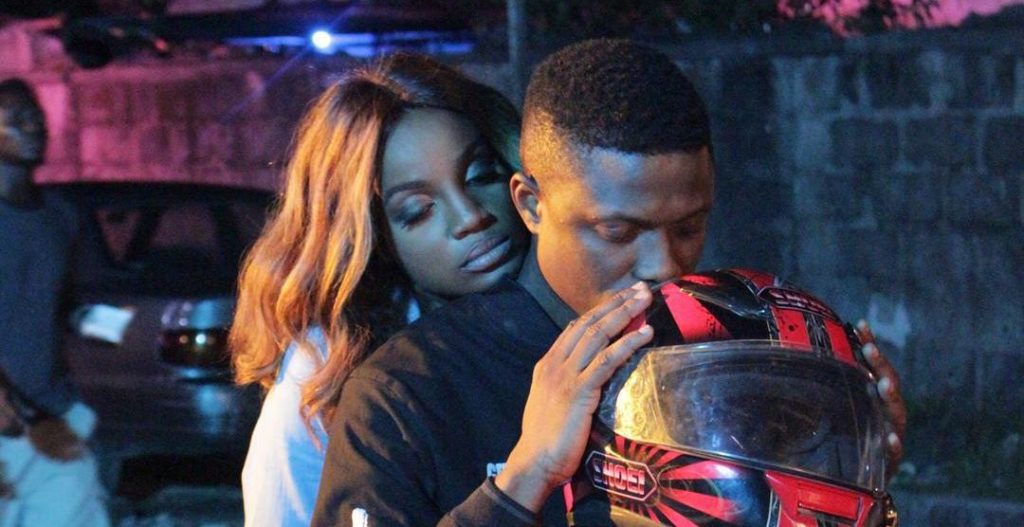
I think I’m in love.
-
If you grew up in Nigeria and aren’t Igbo, chances are that you probably heard about the Nigerian civil war in detail at a later part of your life. This is because shockingly, an important part of our history is left out of the school curriculum. Seeing as we are entering the decade of intense adulting – marriage, and other serious responsibilities are going to spring up. It is important that we don’t let down the next generation as we have been let down. Therefore, it is necessary we all know what happened so that we may tell the people coming after us. To better understand what transpired and to make sure it never repeats itself, here are some books to guide you on that journey.
1) The Making of an African Legend – The Biafra Story.
This an excerpt from the book:
” This book is not a detached account; it seeks to explain what Biafra is, why its people decided to separate themselves from Nigeria, how they have reacted to what has been inflicted on them. I may be accused of presenting the Biafran case; this would not be without justification. It is the Biafra story, and it is told from the Biafran standpoint. Nevertheless, wherever possible I have sought to find corroborative evidence from other sources, notably those foreigners (largely British) who were in Biafra at the start of the war.”
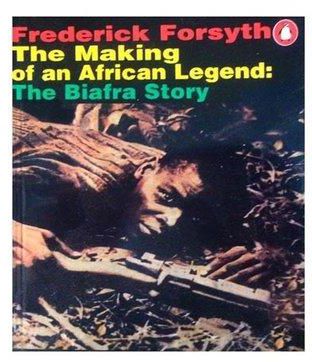
This book paints the transition from independence to the coup that led to the war. It also paints a total picture from where the country started, where it was headed, and how it veered off track. It is told from the perspective of a seasoned war journalist.
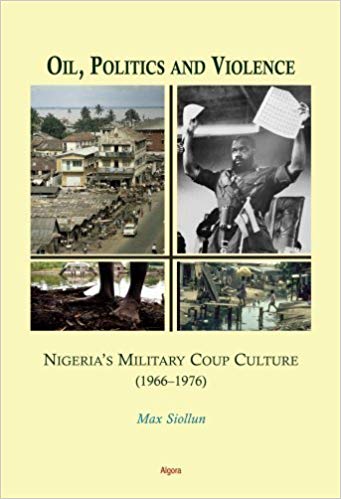
2) Oil, Politics, and Violence – Max Siollun.
A gripping excerpt:
“Underestimating the win-at-all-costs mentality of the Nigerian National Alliance (NNA), the UPGA unwisely decided to boycott the elections on the ground that the NNA was planning to rig it… Due to the widespread electoral malpractices, President Azikiwe refused to call Balewa to form a new government following the elections. For several days, Nigeria teetered on the edge of an abyss as the President and the Prime Minister tried to scheme each other out of power”.
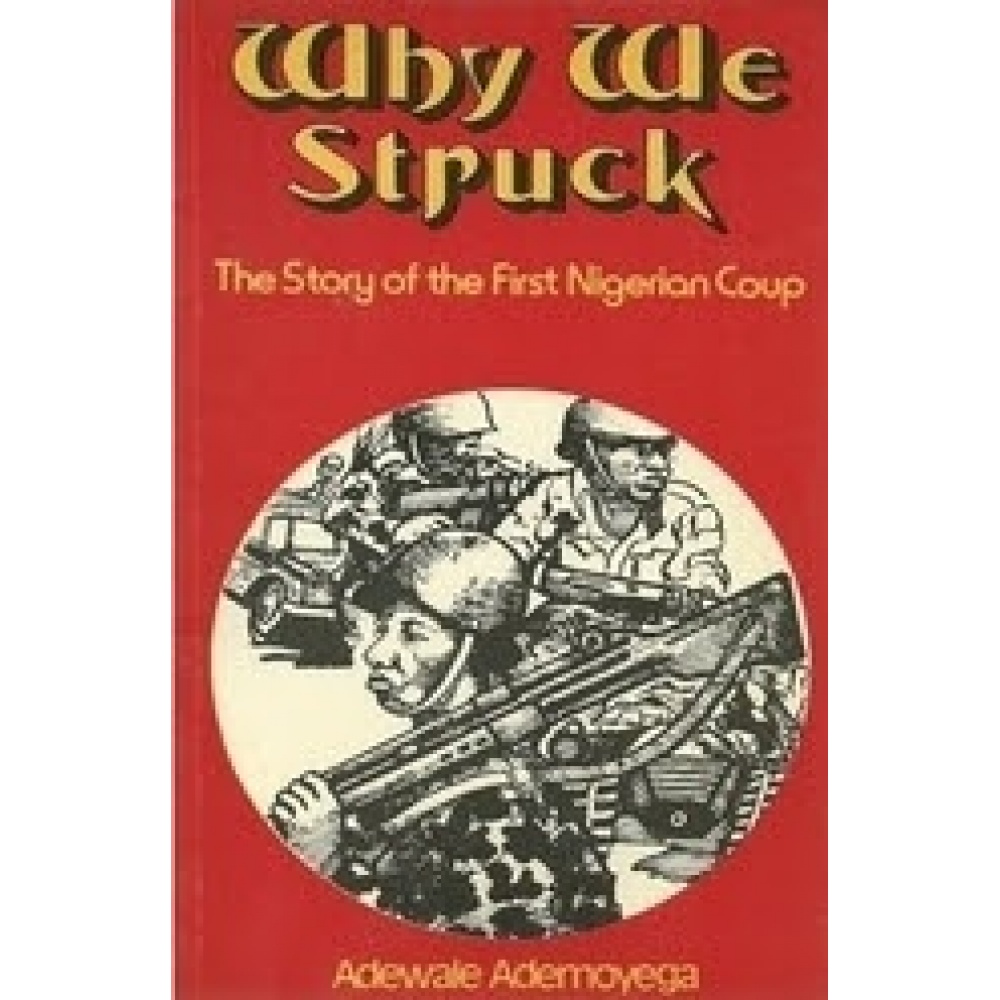
3) Why We Struck – Adewale Ademoyega.
Told from the perspective of one of the main coup plotters of 1966, this is an excerpt to show you how gripping the writing style is:“It was the dramatic end of the regime of deceit, bad faith, ambivalence, misdirection, and misrulership. Ironsi’s regime was a colossal failure”
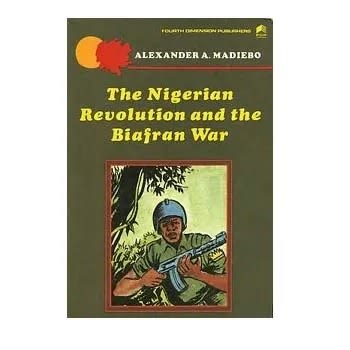
4) The Nigerian Revolution and The Biafran War – Alexander Madiebo.
The book starts with this excerpt:
“This book is not intended to serve as political propaganda material for the benefit of any section or group of individuals. It is rather a genuine attempt to render a dispassionate account of the Nigerian revolution and the civil war which took place from January 1966 to January 1970.”
5) The Tragedy Of Victory – Godwin Alabi-Isama.
Excerpt:
“My attraction to the army was rather unusual because there was nothing military about it. It was not borne out of the usual big talk of love for the fatherland to fight to save the country in the face of external aggression, or against centrifugal forces aiming at getting the country disintegrated. I was 19 years old in 1959 when I first saw the army march past at Oke Bola in front of Ibadan Boys’ High School (IBHS). I neither knew nor even suspected any potential threat to our country’s socio-political stability. But with the benefit of hindsight today, I can say that some important people might have known that real challenges confronted the nation and so did some senior military officers at that time.”
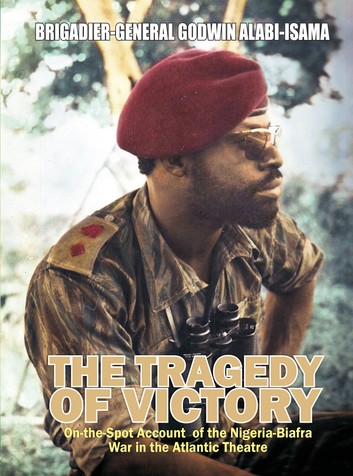
The best part of this book is the use of pictures to tell stories and the way the author takes you in the transition from peace to war using his life to map timelines. You also go from boyhood to manhood and from peace to war.
6) Surviving Biafra: A Nigerwife’s Story by Elizabeth Bird and Rosina Umelo.
The book draws you in with this introduction:
“One cold morning in 1950s London, Rosina (‘Rose’) Martin struck up a conversation with a young Nigerian on a station platform—Royal Oak, she recalls. The two were worlds apart; John Umelo, born in Eastern Nigeria, had come to London in the waning days of colonialism, ‘thinking the streets were paved with gold’. Rose was born and raised in Frodsham, Cheshire, a small market town of barely 5,000, about sixteen miles south of Liverpool. Over the next days and weeks, their relationship grew; defying social norms, they first lived together, had a son, and then married in 1961.”
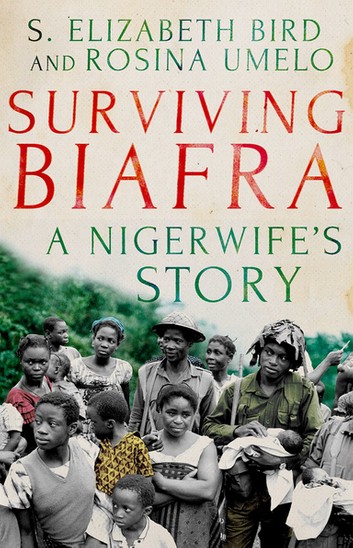
This book is important because it tells the story from a civilian point of view and it is therefore apolitical, unlike many stories that are told by participants of the war. It is also from the perspective of one of the few women who have written about the war. It narrates what it feels like to be caught up in the war as an ordinary person.
Did we miss any book that paints an objective view? Let us know in the comments section.