• If you thought Halloween in Lagos would be calm, Smirnoff Ice said, “Hold my bottle.” This year, they rolled out the Haunted-Chill Party Bus, and let’s just say, the streets of Lekki, VI and Ikoyi are still trying to process what they witnessed. 

    If you missed it, gather here. Let’s give you the full gist before FOMO finishes you.

    1. The Party Started Before the Bus Even Moved 

    Only Lagos people will enter a bus and start turning it into Quilox on wheels. Music was loud, people were already dancing, and Smirnoff Ice was flowing like holy communion. We hadn’t even left the parking lot. 

    2. Costumes That Deserve National Awards

    Some people came with Hollywood-standard Halloween costumes. Others? Let’s just say they tried, and God sees their effort. 

    But one thing is sure: nobody came to be a background character. Main character energy only.

    3. Lagos Became the Set of a Music Video 

    As the bus cruised through the city, Lagosians were looking like, “What in the MTV Base is going on here?” 

    Phones out. Flash on. Free PR everywhere. The city turned into a movie set and the bus was the star.

    4. Strangers Turned to Besties by Third Traffic Light 

    There’s something about Smirnoff Ice + loud music + Lagos nightlife that turns strangers into day-one hypemen. 

    By the time we hit VI, people were exchanging Instagram handles, recording hype videos, and planning their next link-up.

    5. South Social Was the First Stop of Madness 

    Once the bus arrived, vibes scattered everywhere. 

    Dance circles, loud “Yessss queen!” moments, people taking 56 pictures just to post one on IG, everything you’d expect from a Lagos Halloween link-up. Smirnoff Ice kept confidence levels on 100%.

    6. Monochroma Was the Final Boss Stage 

    If South Social was the warm-up, Monochroma was the final level of the video game. Lights. Fashion. Vibes. Chaos. 

    People were giving “last bus stop, let’s finish everything we started” energy. And they did.

    7. Smirnoff Ice Was the Official Fuel of the Night

    Forget diesel. Forget petrol. Smirnoff Ice powered this entire journey. 

    If anyone was looking fresh, hyped, bold, or suddenly brave enough to dance on a bus seat… just know what was in their cup.

    Bonus: Social Media was on Fire the Next Morning 

    If you logged on November 1st, your timeline was full of videos from the bus. People were still posting 48 hours later. 

    At this point, if you weren’t there, just say you were inside traffic.

    Final Verdict? 

    Smirnoff didn’t just host a Halloween event; they invented a new Lagos tradition. A party on wheels? We support innovation. 

    If this is how they’re starting, we fear (and desire) what the sequel will look like.

  • The rainy season in Nigeria runs from April to October. But for people living in Lagos, a low-lying coastal city surrounded by water, it often means flooding. Poor drainage and decades of neglected infrastructure have turned places like Lekki and other high-end island areas into flood zones.

    Despite the high cost of housing, basic systems still fail. For residents like Cynthia (26) who live in these flood-prone areas, one night of heavy rain can mean losing their homes, belongings, and the uneasy hope that next time, the water won’t find its way back in.

    In this story, she recounts what it was like to live through one of Lagos’s most severe floods in 2025.

    As told to Aisha Bello

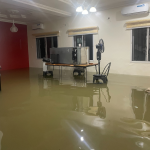
    It had been raining since Sunday night; a slow, endless downpour that blurred day into night. By Tuesday, the whole estate was submerged. The road outside had turned to a river, but that was normal for Lekki. Flooding belongs out there, but not inside our homes.

    That morning, I stayed upstairs, curled up in my duvet, half-asleep to the sound of rain drumming steadily on the roof. I didn’t realise it was the sound of the estate drowning.

    The cold was comforting, the kind that wraps around you and lulls you into deeper sleep. Around noon, I finally decided to go downstairs.

    The moment my foot touched the last step, I froze. The living room was already covered in murky brown water, spreading quickly across the floor.

    I’d only been asleep a few hours. How could my home have turned into a floodplain in that time?

    Moving In and Early Warnings

    I live in an estate in Lekki. It’s supposed to be one of those places where you can breathe a little easier — less chaos, some sense of order. The terrain is marshy, but it’s never a problem until it rains and the water starts to rise.

    I moved in on May 10, and it hasn’t even been six months yet. My housemate and I live in a four-bedroom two-storey home. We turned one of the rooms into our studio and kept another as a guest room.

    We’re both artists. I make rugs: tufting and mat-making with wool and yarn. My housemate also works in the creative space. The plan was to build a “craft house,” a kind of open studio where people could come, create, and connect. We chose this place because of the location. Lekki is central, secure, and easy for people to reach. It felt like the right foundation for what we were trying to build.

    But almost from the start, the rain became our biggest obstacle. Since we moved in, the estate has flooded so frequently that it has disrupted practically every aspect of our lives. There’s the flooding outside the estate, the one right at the entrance, and then the one that creeps into the estate itself. It’s like three layers of water closing in, each one worse than the last.

    Because of this, we’ve had to pause many of our plans. I host rug tufting classes from home, and we’ve had to reschedule at least three times because of the weather. Even simple things, like hosting dinner for our community, get cancelled once the rain starts.

    The estate flooding happens almost every time it rains heavily. The water just sits there, stagnant, for days. Then there’s the house flooding — the one that keeps me anxious. Before the big flood in September, we’d had one where water seeped in gently, rising through the pipes and trickling past the front door. It wasn’t bad then, just a thin film on the floor in the guest room and kitchen. But it was enough to scare us.

    We didn’t know that was just a warning of what was to come.

    The Worst Flood: September 23

    That Tuesday afternoon, I was still trying to make sense of the water when I heard movement near the kitchen. Our guest, my housemate’s friend, was frantically lifting things.

    “What’s going on?” I asked, still half in shock.

    “There’s water everywhere!” he said, splashing past me.

    We didn’t have time to think. We carried everything we could upstairs: electronics, furniture, kitchen appliances, even the fridge. The guest room bed went up too; the water had already submerged the bed frame. 

    By the time we finished, the water had risen to my knees, and at 5’2, that felt like a lot.

    At one point, I almost panicked, but our guest said, “This isn’t the time.” He left shortly after, but I stayed. I couldn’t leave my cat.

    By evening, I was wading through water trying to feed him. The flooded roads delayed my cat’s food delivery, so I had to pay extra for the dispatcher to slog through the estate. The water was at his chest when he reached my gate.

    By the next day, exhaustion had set in. I was anxious and a little depressed. I didn’t want to move. My friends eventually came to drag me out, literally. They waited at my estate’s junction and hired someone to carry me across the water because walking through it myself wasn’t safe.

    I’d tried to walk out on my own, but halfway down the street, I stopped. The water had risen so high that I knew it would reach my neck if I took one more step. It wasn’t worth the risk or the possible infection. So I swallowed my pride and climbed onto a stranger’s back.

    When I returned days later, the water had drained, but the house reeked of rot. The stench clung to the air: thick, sour and unbearable. 

    A thick line on the walls marked how high the flood had climbed. Maggots wriggled in the fridge. We’d only just stocked up that week. Everything, from meat to fruit, stew, and leftovers, was rotten. We threw it all away.

    We’d saved the electronics but not the peace of mind. I had to completely reshuffle my budget — including food, repairs, and unexpected expenses that weren’t part of the original plan for the month.

    The Aftermath: Cleaning, Living with Anxiety, and Adjusting

    It’s been two weeks since the flood, and everything is still in disarray. Time, space, and even safety have been thrown off balance. When we first got back, the house reeked of rot and dampness. 

    In a moment of disbelief, I shared the flood aftermath on social media. That’s when a Lagos-based cleaning company, Shaaré, reached out to offer a deep clean, free of charge.

    It was such a kind gesture, and honestly, we desperately needed it to get past the overwhelm.

    They came in, scrubbed, and disinfected every corner. They practically brought the house back to life. Even then, my housemate couldn’t bring herself to stay. The anxiety was too much. So, for almost a week, I was the only one sleeping here, moving through the silence and trying to adjust to how different everything felt. Everyone finally returned a few days ago, but the house still doesn’t feel the same.

    I’m still anxious; I can’t shake the feeling that a terrible downpour might happen again.

    Most of our things are still out of place. We only just put the fridge back downstairs, and even that felt like a risk. The kitchen items are still upstairs, just in case. None of us can bring ourselves to fully unpack. The fear of another flood lingers.

    Every rainfall now feels like a warning. When it rained again earlier this week, I woke up panicking, half-expecting to find water rising at the door. Thankfully, it wasn’t that bad this time. Our houseguest had already moved things out of harm’s way before I even got out of bed.

    Still, the anxiety hovers. We’ve started planning for floods the way other people plan their routines. It’s unsettling how normal it’s become: keeping valuables upstairs, checking the weather, moving through the house like we’re waiting for something to collapse.

    Decision to Leave — and What Flooding Says About the Lagos System

    What angers me the most is that it happened at all. Before moving here, I lived in Ajah for almost two years and never once saw water enter my house. So, to be paying nearly three times my old rent and still find myself trapped in knee-deep water feels insane. It shouldn’t be happening. Not here. Not anywhere.

    Flooding in Lagos highlights the inadequacies of our systems and infrastructures. The drainage is blocked, the city is overbuilt, and no one seems to care. The solutions are basic: proper drainage, stricter building laws, and some actual enforcement. But instead, people build over drainage paths, government officials look away, and we all make jokes about “Lagos flooding season” like it’s harmattan. 

    It’s not funny. It’s loud, deliberate neglect, and somehow, everyone has accepted it as “normal.” Because that’s what happens here: nothing changes for so long that people stop expecting it to. 

    We have already decided to leave when our rent expires. There’s no point staying in a house you can’t trust to stand when it rains. But even when I move, I’ll still remember the smell of rot in my kitchen, the sight of a delivery man chest-deep in water, the anxiety that lingered and the quiet understanding that Lagos will always test how much discomfort you can normalise, until you finally reach your limit.


    Read Next: Here’s How You Can Save Your Area From Flooding This Year


    Get More Zikoko Goodness in Your Mail

    Subscribe to our newsletters and never miss any of the action

    [ad]

  • If there’s one constant thing about Lagos, it would be its drama. From the snail-sped traffic, the annoying landlords and agents, to the dating scene, Lagos isn’t just a city, it’s a full-time reality show. No one captures that madness better than Nigerian funny skit creators.

    In recent years, skit makers have become the unofficial historians of Lagos, documenting its chaos with sharp humour and accuracy. They turn everyday struggles into funny videos that keep us cracking up.

    Whether you’re a born-and-bred Lagosian or just someone who’s survived one weekend visit, these 10 comedy skits will make you laugh and nod in agreement.

    10. Lagos Agents Will Make You Cry

    Skit maker: Brain Jotter
    Running time: 5m 30s

    This skit showcases the pocket-draining world of Lagos estate agents, those stylish hustlers pretending to help you find a home while draining your bank account.

    It’s called “Lagos Agents Will Make You Cry” for a reason: by the end, you don’t know whether to laugh, cry, or curse the Nigerian real estate industry.

    Watch “Lagos Agent Will Make You Cry” on YouTube.

    9. Lagos Men and Women

    Skit maker: Mr Macaroni

    Running time: 4m 22s

    A randy man spots a young, curvy babe and immediately switches into “single and searching” mode. He claims bachelor status and gets ready to toast her.

    But the plot twist is the lady is running a prank. The skit is funny because it’s Lagos men fronting with fake stories and women flipping the script. This skit is a funny and sharp reminder that Lagos streets will humble you.

    Watch “Lagos Men and Women” on YouTube.


    Get More Zikoko Goodness in Your Mail

    Subscribe to our newsletters and never miss any of the action


    8. Everyone In Lagos Is Mad

    Skit maker: Broda Shaggi

    Running time: 1m

    Broda Shaggi hops into his signature area boy mode as a korope driver, convinced that the suited-up passenger (Nasty Blaq) he just picked is an easy mugu. But Lagos has a way of humbling people fast. The moment Shaggi tries to out-smart him, the “gentleman” switches gears and unleashes his own brand of madness.

    Watch “Everyone In Lagos Is Mad” on YouTube.

    7. Lagos Conductors Are Mathematicians

    Skit maker: Brain Jotter

    Running time: 4m 26s

    This Brain Jotter skit humorously portrays Lagos bus conductors as mathematicians, AKA masters of manipulating bus fare calculations in real time. With his slow-talking signature and spot-on comedic delivery, he captures the hectic, ingenious flair of conductors who somehow turn money exchange with passengers into complicated arithmetics.

    Watch “Lagos Conductors Are Mathematicians” on YouTube.


    READ NEXT: 10 Nollywood Series That Hooked Us From the Very First Episode


    6. Lagos Love Hunt

    Skit maker: Lasisi Elenu

    Running time: 5m 10s

    Lasisi Elenu starts out criticising his guy for always chasing women who only collect and never contribute. But karma is petty. The next thing you know, Lasisi is on a date with a Lagos big girl (Tacha) who shows up with a full squad of friends to run through the menu like a buffet.

    The skit hilariously shows Lagos dating as an extreme sport, where romance often comes with side orders of “billed to stupor” and “transactional love.”

    Watch “Lagos Love Hunt” on YouTube.

    5. POV: Agberos VS Public Transport in Lagos

    Skit maker: Gilmore

    Running time: 55s

    This skit is basically a crash course on why Lagos Danfo drivers deserve their own reality show. The bus is packed, the traffic is crawling, suddenly an agbero comes out of nowhere, chasing after them for tax, and the conductor and agberos are screaming numbers at themselves.

    It’s noisy, rowdy and accurate. From the wild hailings and chants to the road taxes, Gilmore nails the exact madness every Lagos commuter knows that once agberos enter the chat, peace has left the group.

    Watch “POV: Agberos VS Public Transport in Lagos” on YouTube.

    4. For This Lagos

    Skit maker: Nasboi

    Running time: 1m 20s

    Nasboi plays the ultimate streetwise beggar and OG of the hustle. When a fresh-faced newbie tries to run game on him, Nasboi clocks the format instantly and calls it out with the calm of someone who’s seen every scam in the book.

    Watch “For This Lagos” on YouTube.

    3. The In-law

    Skit maker: Kiekie

    Running time: 6m 19s

    Kiekie shows up at her in-laws’ house ready to play the “good wife” card, until the classic bomb drops: “Do you cook for my son?” The in-laws watch Kiekie go from polite smiles to a full-blown Lagos TED Talk.

    Her argument is simple: between her 9–5 grind, hours in traffic and Lagos stress, who still has the energy to be the “Chef Wife of the Year”?

    Watch “The In-law” on YouTube.

    2. New Takers That Just Entered Lekki

    Skit maker: Gilmore

    Running time: 1m

    Gilmore plays a “new taker,” AKA a person with new money. He just moved to Lekki and is suddenly living the Island’s glamorous lifestyle. He’s barely unpacked but already taking pictures at luxurious boutiques, striking Instagram-ready poses, and serving over-the-top swag that screams, “I’ve arrived!” It’s the perfect comic of how quickly Lagos upgrades can get to people’s heads.

    Watch “New Takers That Just Entered Lekki” on YouTube.

    1. Lagos Agent

    Skit maker: Taooma

    Running time: 22m 33s

    In this skit, Awilo (Bro Bouche) is a kind of sweet-tongue Lagos house agent renting face-me-I-face-you rooms in Mushin. He storms into Uncle Laolu’s (Taaooma) office to beg for a ₦3 million loan. His grand plan? To squeeze 45 housing units onto half a plot in Lekki.

    Watch “Lagos Agent” on YouTube.


    ALSO READ: We Imagined What A Nigerian “Love Island” Would Look Like 


    [ad][/ad]

  • Lagos isn’t just a city; it’s a character. Loud, fast, unpredictable, and heavily layered, it exists in a permanent state of motion, where survival is a full-time job and even love feels like a hustle. From the crowded danfo buses to gated estates, roadside bukas and boardrooms buzzing with silent politics, there is so much to Lagos.

    And the best Nollywood movies reflect this. They don’t just set their stories in Lagos; they let the city shape the story, dictate the energy and leave its fingerprints on every plot twist.

    This list celebrates the Nollywood films that truly get Lagos: its people, pressures and pulse.

    10. Confusion Na Wa (2013)

    Running time: 1h 45m

    Director: Kenneth Gyang

    Genre: Comedy, Crime

    In this biting dark comedy, a misplaced phone becomes the thread that weaves the lives of strangers together, in ways none of them can imagine. The story begins with two small-time hustlers, Charles (OC Ukeje) and Chichi (Gold Ikponmwosa), stealing a phone in traffic. What seems like a petty crime spirals into blackmail when they discover incriminating messages revealing an affair between a wealthy businessman, Emeka (Ramsey Nouah), and another man’s wife.

    In this movie, Lagos is a city where any random Tuesday can explode into a disaster. Confusion Na Wa mirrors Lagos’ unpredictability, messy relationship pool, and dynamics.

    Confusion Na Wa is streaming on Netflix but unavailable in Nigeria.

    9. Kasala! (2018)

    Running time: 1h 24m

    Director: Ema Edosio

    Genre: Comedy, Drama

    This coming-of-age comedy captures the chaos and charm of youthful life in Lagos. When four teenage boys (Emeka Nwagbaraocha, Tomiwa Tegbe, Chimezie Imo, and Mike Folarin) take an uncle’s car for a joyride and accidentally wreck it, they’re thrown into a desperate scramble across town to fix the damage before he returns.

    What follows is a fast-paced, tension-filled adventure through bustling neighbourhoods, brushes with street touts, and hilarious run-ins with shady mechanics. Kasala! thrives on its energy and humour, offering a vivid snapshot of Lagos street life and the unbreakable bonds of friendship. It’s gritty, funny, and full of that restless, scheming spirit that defines growing up in the city.

    Kasala! is streaming on Netflix but unavailable in Nigeria.

    8. The Ghost and the House of Truth (2019)

    Running time: 1h 7m

    Director: Akin Omotoso

    Genre: Psychological Drama

    This gripping psychological drama follows Bola Ogun (Susan Wokoma), a counsellor dedicated to helping ex-convicts reintegrate into society—until her own daughter (Darasimi Nadi) goes missing. What starts as a personal crisis quickly turns into a haunting descent into Lagos’s darker corners.

    The film leads us through a city where police stations are cluttered with forgotten case files, mothers light candles and whisper prayers, and vigilante justice often feels more effective than the formal systems meant to protect. This isn’t the glossy, commercial Lagos; it’s the underbelly, the version of the city that lives in fear, pain, and quiet resilience. The Ghost and the House of Truth is a sobering portrait of institutional failure, yet it still manages to hold space for the possibility of healing and hope.

    Watch Ghost and the House of Truth on Shomax.

    7. Oga Bolaji (2018)

    Running time: 1h 31m

    Director: Kayode Kasum

    Genre: Drama

    Oga Bolaji follows the easygoing life of Bolaji (Gold Ikponmwosa), a washed-up, middle-aged musician coasting through life with cheap beer, small gigs, and few ambitions. But when he crosses paths with Ajua (Jasmine Fakunle), a young girl who shakes up his world, Bolaji is forced to reconsider what it means to be present, responsible, and alive.

    This is not the Lagos of speed and spectacle. It’s the city seen through slow walks on dusty streets, banter at roadside joints, and the quiet poetry of ordinary people surviving the everyday. Oga Bolaji captures a Lagos rarely shown on screen—the one hiding between the noise. It’s a love letter to life on the margins, and to the quiet men who carry the city’s heartbeat without ever making a fuss.

    Watch Oga Bolaji on MUBI.


    Get More Zikoko Goodness in Your Mail

    Subscribe to our newsletters and never miss any of the action


    6. Taxi Driver: Oko Ashewo (2015)

    Running time: 1h 50m

    Director: Daniel Oriahi

    Genre: Comedy, Thriller

    When Adigun (Femi Jacobs) moves to Lagos to take over his late father’s taxi business, he gets more than he bargained for—dragged into a wild underworld of sex workers, gangsters, and nocturnal hustlers. The film follows him through the city’s red-light districts, back-alley clubs, and shadowy police checkpoints, where the real Lagos comes out after dark.

    This isn’t the Lagos of tourist brochures. It’s the chaotic, gritty city of unpaid bills, pepper soup joints, broken streetlights, and Agbero fights. Through Adigun’s wide-eyed confusion, we get a hilarious and unsettling glimpse into how Lagos—messy and maddening—still manages to function. It’s an ode to the beautiful disorder of the city at night.

    Watch Taxi Driver: Oko Ashewo on YouTube.

    5. 2 Weeks in Lagos (2019)

    Running time: 1h 57m

    Director: Kathryn Fasegha

    Genre: Drama, Romance

    When Ejikeme (Mawuli Gavor), an investment banker back from the US, falls for Lola (Beverly Naya), his best friend’s sister, love isn’t the only thing on the table—so are arranged marriages, business alliances, and unspoken cultural codes.

    This film captures the Lagos of brunches in Victoria Island, boardroom negotiations in glass towers, and weddings where the aso-ebi alone could bankrupt you. But behind the glitz lies a web of tribal expectations, class divides, and family politics. Even among the elite, love in Lagos is never just about two people—it’s about status, legacy, and who your father knows.

    Watch Two Weeks in Lagos on Netflix.

    4. Gangs of Lagos (2023)

    Running time: 2h 4m

    Director: Jadesola Osiberu

    Genre: Crime, Drama

    Set in the gritty underbelly of Isale Eko, this crime thriller follows three childhood friends as they navigate the treacherous waters of gang life and political puppeteering. Gangs of Lagos doesn’t flinch—it dives headfirst into the brutal realities of inner-city survival: child recruits, blood-soaked loyalty, and the blurred lines between thuggery and governance.

    From the chaotic alleys of Obalende to campaign rallies that double as battlegrounds, the film paints Lagos in shades of grit and gunfire. It’s a city where survival is not just a hustle—it’s a war. One week, politicians hand out bags of rice; the next, they orchestrate hits.

    Yet beneath the violence lies a raw humanity: quiet moments of friendship, fragile dreams, and the kind of decisions no one should ever have to make. Gangs of Lagos shows us the Lagos that swallows innocence, rewards ruthlessness, and forges a special kind of resilience—the Lagos not found on postcards, but etched into the lives of too many.

    Watch Gangs of Lagos on Prime Video.

    3. Lagos Chairman (2022)

    Running time: 2h 4m

    Director: Jade Osiberu

    Genre: Drama, Romance

    Christmas in Lagos explores love, friendship, and self-discovery against a backdrop of opulence and Lagosian flair. The film follows Fiyin (Teniola Aladese), a young woman grappling with unrequited love for her best friend Elo (Shalom C. Obiago), who has returned from the U.S. to propose to his girlfriend, Yagazie (Angel Anosike). In her pursuit of Elo’s affection, Fiyin tests their friendship and the very foundation of Elo and Yagazie’s relationship. Meanwhile, a parallel romantic subplot unfolds as Toye (Wale Ojo) and Chief Dozie (Richard Mofe-Damijo) vie for Gbemi’s (Shaffy Bello) hand in marriage.

    Christmas in Lagos engages deeply with themes of love, agency, and emotional authenticity. Jade Osiberu masterfully balances the fantasy with hard-hitting questions about human connections in a society obsessed with wealth and appearances.

    Watch Christmas in Lagos on Prime Video.

    2. A Lagos Love Story (2025)

    Running time: 1h 44m

    Director: Chinazam Onuzo

    Genre: Romance

    Promise Quest (Jemima Osunde) is a responsible young woman juggling three lives: a demanding events job, a chaotic home, and the emotional labour of shielding her teenage sister’s dreams. When she’s tasked with managing Afrobeats superstar King Kator (Mike Afolarin) for a major culture festival, their worlds collide in the most Lagos way possible.

    As the story unfolds, the film captures something deeply familiar—how Lagos slowly wears everyone down. Between traffic that turns hours into whole lifetimes, last-minute clients, indifferent landlords, and borrowed wigs for that all-important “serious meeting,” A Lagos Love Story shows what modern love looks like when it’s filtered through Lagos stress.

    It’s funny without being silly, romantic without the fairytale gloss, and intimately aware of how this city forces people to multitask heartbreak, hustle, and hope. This is not a love story in spite of Lagos, but because of it.

    Watch A Lagos Love Story on Netflix.

    1. Diary of a Lagos Girl (2016)

    Running time: 

    Director: Jumoke Olatunde

    Genre: Romcom

    This romcom follows Abimbola (Dolapo Oni), a single, materialistic Lagos woman on a quest for the ultimate man—rich, funny, God-fearing, stylish, influential, and of course, tall. Her search takes her through a minefield of Instagram posers, fake accent merchants, and matchmaking disasters that feel all too familiar to anyone who’s dated in Lagos.

    Beneath the laughs is a sharp commentary on how Lagos society pressures women to have it all—be soft but assertive, sexy but not “too much,” ambitious yet still marriageable. Diary of a Lagos Girl pokes fun at these contradictions, blending glossy aesthetics with real talk about love, standards, and survival in the city’s unforgiving dating scene.

    Watch Diary of A Lagos Girl on EbonylifeTV.


    See what others are saying about it on Instagram.


    READ NEXT: The 20 Best Performances By An Actress In A Nollywood Movie, Ranked

    [ad][/ad]

  • Whether you’ve lived in Lagos before or not, the city’s reputation as one of the most expensive places to live in Nigeria precedes it, and you’re likely familiar with how crazy it gets. 

    From rent prices that feel like daylight robbery to transport costs that leave you actually feeling robbed, the cost of living in Lagos can be overwhelming. For some people, it’s a worthy price to pay to live in the “centre of excellence”. For others, the figures just stopped matching up.

    We spoke to four young Nigerians who left Lagos for cheaper Nigerian cities about changes in their living expenses and overall financial well-being since their move.

    Yemi*, 33, moved to Jos in 2024

    Can you describe your quality of life in Lagos? I lived in Ikorodu and worked at a real estate company in Victoria Island. For those who don’t know these places in Lagos, Ikorodu and VI are two very separate, far-flung locations. 

    The commute was crazy. I woke up at 4 a.m. every day to avoid the Ikorodu traffic. Also, my salary was only ₦150k, and I was spending almost ₦100k on transportation. I tried the Ikorodu to VI ferry a few times, but after the boat stopped in the middle of the sea on two separate occasions, I ran for my life. 

    I considered moving out of Ikorodu to reduce my transport costs, but rent in the central parts of Lagos was even crazier. I saw a one-bedroom apartment in Ketu that cost ₦900k/year. In fact, every place I saw in different locations was at least ₦500k. 

    It didn’t make sense to me; I wasn’t moving to the island, so transport costs and commute stress wouldn’t disappear. It wasn’t worth leaving my family’s house in Ikorodu to go and suffer even more.

    In 2024, a friend referred me to a job opportunity with an NGO in Jos. At that point, I’d already been toying with leaving Lagos. I have friends in other states and knew they lived far better than I did. I couldn’t progress or even consider marriage if I kept living like I did in Lagos — something needed to change. So, when the job opportunity came, I jumped on it. 

    What money-related change surprised you the most when you moved? Things are much cheaper in Jos. I expected things to be cheap, but the difference was startling. Some people still sell pepper for ₦50 here. Where will I see that in Lagos? Rent is also far more reasonable. I live alone in a spacious room and parlour apartment and pay only ₦300k. 

    What’s the most significant way moving has impacted your financial well-being? For the first time in a long time, I can consider buying things after receiving my salary. I’m not struggling to repay one loan and keep money aside for transport fare. 

    My ₦250k salary isn’t that much different from what I earned in Lagos, but I feel like I can now plan for my life. I only spend ₦30k/month on transportation, and ₦150k covers food and the rest of my living expenses. Don’t get me wrong; Nigeria is still hard, but at least I’m not spending all my money and my life on the road fighting with agberos.


    Rayo, 27, moved to Ado-Ekiti in 2023

    Can you describe your quality of life in Lagos? I’d lived in Lagos all my life, and just before I left in 2023, I got my first job as an HR assistant at a travel centre in Ikeja. 

    My salary was ₦80k/month, which was only enough to cover my basics: transport fare, data, and lunch at work. I lived with a family member, so rent was sorted. 

    I had no financial responsibilities and was pretty comfortable. It bothered me that I didn’t have any money left over at the end of the month to save, but I figured it was because I didn’t earn a lot. 

    I moved to Ado-Ekiti because my aunt fell terminally ill, and my mum wanted family around her. My aunt passed away in 2024, but I stayed back in Ado because I’ve grown to love the city. Nothing ever happens here, and it’s slow, almost to the point of boring, but it’s peaceful. 

    What money-related change surprised you the most when you moved? People aren’t in a terrible hurry to make money here. In Lagos, everyone moves fast, and most people are looking for someone to cheat. But I don’t get that vibe here. You can even carry your bag on the side of the road without worrying that someone is about to snatch it. 

    However, Ado-Ekiti is not the best place to find a great job. When I arrived, I thought I’d easily find a company to work for while I cared for my aunt, but jobs are very scarce here. Most people work in the universities and polytechnics. 

    Fortunately, my uncle helped me find a job at a bank last year. I earn ₦115k and save ₦50k every month because there’s nothing to spend money on besides eateries.

    What’s the most significant way moving has impacted your financial well-being? I went from zero savings to ₦500k within two years. It’s a big deal for me. I feel grown, like I can now start considering investment options and thinking about serious things like wealth building.


    Feranmi*, 31, moved to Ibadan in 2021

    Can you describe your quality of life in Lagos? I was the music director of a church and earned ₦85k/month. I got married during the COVID lockdown, and most months were just me trying to stretch the salary to cover our food and utility bills, while still trying to save ₦20k/month for rent. The rent for my room and parlour apartment was ₦400k, and my wife often covered most of it since she earned ₦180k/month.

    I tried to supplement my income by offering keyboard piano lessons at ₦15k/month, but clients weren’t regular. Sometimes, I’d have two clients in a month, and other times, I wouldn’t get a client for three months. 

    I couldn’t get an actual 9-5 job because my responsibilities at the church took up so much time, so my wife and I just managed as much as possible. 

    In 2021, the church transferred me to our new branch in Ibadan, and we’ve been here ever since.

    Get More Zikoko Goodness in Your Mail

    Subscribe to our newsletters and never miss any of the action

    What money-related change surprised you the most when you moved? I’m unsure why I expected Ibadan to be a village, but I did. So, I was surprised when I came and saw that things weren’t much cheaper than in Lagos. Sure, rent is more affordable, but that’s the only significant difference. I thought ₦85k would have me living like a king in Ibadan, but I was wrong. 

    Thankfully, I live in a church-provided apartment, so at least rent is out of our expenses. 

    What’s the most significant way moving has impacted your financial well-being? My financial anxiety levels have slightly reduced, mainly because I don’t have to worry about rent. The church increased my salary to ₦100k last year, so even if we have to rent our own apartment someday, I’m not very worried about being unable to afford it. 

    My wife also got a better job and now earns ₦250k. With both our salaries, we can afford to live a fairly comfortable life with our child. I don’t think that would be the case if we were still in Lagos.


    Nike*, 26, moved to Makurdi in 2024

    Can you describe your quality of life in Lagos? It was hectic. I was a secondary school teacher with a thrift business side hustle, making an average of ₦100k/month; ₦25k of which was the salary from my 9-5.

    I’d work all week, then enter the market on weekends to struggle with other thrift sellers to share bales of clothing for my business. Then, I’d iron the clothes, wear them for videos, post on Instagram, and fight with customers and delivery riders. 

    Even with all that stress, I didn’t see the impact of the money on my life. I was always broke and living from hand to mouth. The only thing I can point to using money for was paying my ₦350k/year rent. Sometimes, I even took loans when rent was due. I’m not sure how my money was going, because I hardly bought anything for myself. 

    I got married in 2024 and moved to Makurdi to join my husband. He’s a missionary and has lived here for the past three years.

    What money-related change surprised you the most when you moved? This is funny, but it’s how Makurdi makes you know exactly how you spend your money. I live in a quiet area of Makurdi, and there’s almost nothing to take your money here. 

    When you only buy food and fuel, there’s no room to wonder where all your money went — you can see it. Maybe I just find this interesting because it felt like my money had wings when I was in Lagos. 

    Since I moved here, I’ve not had an income, but my husband gives me ₦50k/month for the home’s expenses. I can budget ₦30k for food and spend exactly that—nothing more. Maybe it also helps that neighbours constantly give us free food from their farms. But it’s nice to plan my money and stick to a budget.

    What’s the most significant way moving has impacted your financial well-being? I just feel more relaxed. I’m still looking for ways to earn money, but I don’t feel this intense rush to hustle till I drop. In Lagos, I thought I’d end up under the bridge if I stopped moving and hustling for a second. It’s nice to be away from all that pressure.

    *Names have been changed for anonymity.


    NEXT READ: 5 Nigerians Open Up on How Relocation Has Shifted Their Financial Realities

    Join 1,000+ Nigerians, finance experts and industry leaders at The Naira Life Conference by Zikoko for a day of real, raw conversations about money and financial freedom. Click here to buy a ticket and secure your spot at the money event of the year, where you’ll get the practical tools to 10x your income, network with the biggest players in your industry, and level up in your career and business.

    [ad]

  • Financial comfort in Lagos, a city known for its high cost of living and fast-paced lifestyle, is influenced by multiple factors. 

    While ₦100k might be a fairly comfortable figure for a single NYSC member who lives and works in Ikorodu, it might barely scratch the surface for a family of three in Ikeja or the 9-5er who lives on the mainland and braves the daily Mainland-Island commute for work.

    So, what’s the magic number? What salary can actually make life in Lagos feel comfortable? In this article, we’ll dive into the numbers and explore what it takes to live your best life in Nigeria’s bustling economic hub.

    But first, what does it mean to be financially “comfortable”?

    Defining “Comfortable”

    While a comfortable salary is subjective and primarily based on individual needs and lifestyle, a salary can be generally considered comfortable if it allows for a good quality of life without significant financial stress. 

    The level of comfort obtainable, however, differs across income categories, lifestyle and household size. Finance analyst Onome Ohwovoriole explains this below:

    • Borderline Poor/Basic Comfort: This category earns within the ₦70k – ₦100k/month range. While they can afford the essentials like rent or food, they are not without financial stress. The most affordable single room in Lagos costs an estimated rent of ₦200k – ₦300k/year, which is about ₦16k – ₦23k of the individual’s monthly income going to rent alone. This leaves them with around ₦50k – ₦70k left to figure out food, transportation and the bare utilities.
    • Lower Middle Class Comfort: This category earns within the ₦150k – ₦300k/month range. They can afford essentials like rent and food, but often have to supplement their income with tips or loans.
    • Upper Middle Class and Entry Level Rich or Affluent Comfort: These two categories earn above the ₦500k/month mark (usually within the ₦10m – ₦100m per annum range) and are lumped together because they can afford to go beyond essential expenses to consider travel, prioritise a better quality of life and other expensive lifestyle choices.  

    How Lifestyle Choices Impact Comfort

    According to Onome, spending habits also vary across the income categories, and these lifestyle choices play a huge role in the comfort levels of the individuals in these categories. Single people tend to have a higher propensity to spend compared to families. However, some families have a bigger pool to spend from, especially dual-income households

    For the average Lagos household, the bulk of expenses are food and transportation, with between 50% and 70% of the salary going to both categories jointly. The split between both buckets varies depending on household size and lifestyle choices.

    Food quality also differs from one household to another and across comfort levels. With food inflation constantly increasing, it means more people are limited to the food options they can afford, regardless of whether their nutritional needs are met. So, while a growing child needs protein like chicken and eggs for brain development, he might have to settle for crayfish if his family can’t afford ₦8k for a crate of eggs or ₦5k for a kilo of chicken. 

    Beyond food, transportation and rent, priorities start to change depending on demography. Households with young kids spend a chunk of money on tuition. For these households, comfort might mean letting go of expensive housing to afford better schooling options for the children. 

    The upper middle class can afford travel, but depending on priorities, they can consider cheaper alternatives, like local destinations, to overseas travel. So, there is comfort, but it is subject to multiple factors.

    Get More Zikoko Goodness in Your Mail

    Subscribe to our newsletters and never miss any of the action

    5 Lagos Residents on What Salary Feels Comfortable

    33-year-old male civil servant living in Badagry

    Salary: ₦95k/month

    What’s your current living situation? I live in a rented ₦200k/year one-bedroom apartment with my wife and toddler. My workplace isn’t far from where I live, so I walk 15 minutes to and from work. 

    I have the option to take a ₦200 keke in the morning (it sometimes increases to ₦250 in the evenings), but it feels like a waste of money. That’s almost ₦10k on transportation at the end of the month. I can’t afford that.

    Can you break down your typical monthly expenses? I give my wife ₦10k weekly for food, so that’s like ₦40k/month. She often complains that it’s not enough, but she makes it work. 

    Then, I contribute ₦20k/month to my ajo group to save for rent. Last year, I took a loan from work to support my brother in buying an okada, so I repay ₦15k every month and will finish all payments in August. I use the remaining money to buy snacks at work or toys for my toddler. 

    Most of the time, I’m broke by the middle of the month, and I have to borrow money from my wife, who’s a teacher. I don’t usually pay her back, but she does the same to me, so it’s fine.

    Do you feel financially comfortable? No, I’m far from comfortable. After repaying this loan, I plan to take another one to buy a keke so I can use it for business. If I make an additional ₦100k monthly, I should be okay.


    RELATED: 6 Nigerians Earning Between ₦30k and ₦4m Open Up About the Lives They Can Afford


    27-year-old female teacher living in Ikotun

    Salary: ₦70k/month. Online tutorials bring this to ₦120k/month

    What’s your current living situation? I live with my husband and his sister in a two-bedroom apartment that we rent at ₦600k/year. I teach at a school an hour from my house and often use public transportation. Other times, I hitch a ride with my colleague who lives a bus stop from my house and walk the rest of the way home. 

    Since I’m married, I don’t have to worry about rent, utility bills, or a significant chunk of food expenses. My sister-in-law is in secondary school, and I often assist my husband with her tuition and day-to-day needs like toiletries. But most of my income comes back to me. 

    Can you break down your typical monthly expenses? Transportation comes to ₦30k/month, and I spend ₦15k monthly on data. Then, about ₦30k on personal expenses like skin care and hair.

    I give my sister-in-law a ₦1k stipend for school transport and lunch every weekday, so that’s like ₦20k. Her tuition is ₦80k, but that’s every three months and sometimes my husband pays. Another ₦25k/month goes into supporting food expenses, usually when my husband is broke.

    I try to save ₦20k with a savings app, but I’m not consistent with that because by the time I remember to save, money has finished. 

    Do you feel financially comfortable? Not at all. I’m only surviving because my husband pays my bills. If not, I’d probably be living hand to mouth. I can’t even afford to put my parents on a consistent allowance. I only send them money when they ask. I need to earn like ₦400k to feel reasonably comfortable.


    26-year-old female banker living in Ikorodu

    Salary: ₦600k/month

    What’s your current living situation? I live with my elder sister in her apartment. Neither of us drives, so we use public transport. We hardly ever cook; we just order in. It’s not cost-effective, but no one has the strength to do anything after a long day at work.

    I earn more than most people I know, but I don’t know if I’m financially responsible for just myself, because the black tax is crazy. The billing from my parents is quite significant.

    Can you break down your typical monthly expenses? 10% goes to my tithe. Then, I send at least ₦60k monthly to my parents. I spend ₦210k on transport and feeding. Sometimes, emergencies come up, and those take up quite a bit.

    I save what I can with Piggyvest and Cowrywise. I recently depleted my savings by using them to finance my Master’s program and fund my dad’s business. However, my saving grace is my Cowrywise Duo Savings plan with my boyfriend. It’s comforting to know that I have some money somewhere. 

    I intend to explore investment opportunities this year and raise my savings up to ₦1m.

    Do you feel financially comfortable? I wouldn’t say I’m financially comfortable. I want to be able to save more. The more you earn, the more you tend to spend, so I can’t give an estimated amount that would put me at ease.


    23-year-old male architect living in Ikoyi

    Salary: ₦200k/month. Extra income from his side hustles at an interior design firm and architectural design studio brings his income to ₦1.5m

    What’s your current living situation? My family owns my house, so I don’t pay rent. Also, I live alone. My architecture work is fully remote, so I barely leave my house. I sometimes have to use ride-hailing services to supervise sites on the mainland and align with the builders and engineers to ensure they are working accurately.

    I’m not financially responsible for anyone. I get black tax, but it’s not consistent. I prefer to cook at home, but time is never on my side, so I order in mostly. As a result, my feeding expenses are usually on the high side. 

    Can you break down your typical monthly expenses? To be honest, I haven’t tried to track it before. But I know I spend about ₦200k on transport and ₦200k on feeding every month.

    I travel from Lagos to Abuja during festive periods twice a year, and a round trip costs close to ₦190k. I also subscribe to many entertainment platforms. I pay for Twitter, Netflix, Prime, Spotify, YouTube Music, Crunchyroll, and other entertainment platforms. I don’t keep tabs, but it should be over ₦100k/month. Internet data subscription also costs me ₦50k monthly.

    I don’t deliberately save or invest; I just keep whatever I have in my account. I don’t use any savings platform, but I have some crypto holdings.

    Do you feel financially comfortable? I’m financially comfortable, but if I can earn ₦20m monthly, I will be totally at ease.


    41-year-old male engineer living in Lekki

    Salary: ₦900k/month. 

    What’s your current living situation? I live in a rented ₦5m/year three-bedroom apartment with my wife and two kids. The only reason I live in such an expensive place is because of the proximity to my wife’s workplace. Plus, her annual bonus at work pays 60% of the rent, so the balance isn’t that crazy.

    Even though we’re a dual-income household, it still feels like we’re drowning in financial responsibilities. I have to pay a ₦2m/year service charge, handle school fees and whatever extra charges the school conjures up, and feeding. There’s still black tax because everyone thinks living in Lekki means I’m wealthy. 

    Can you break down your typical monthly expenses? I spend every single kobo of my salary every month, and it’s honestly not great. At least ₦400k goes to food, and another ₦100k goes to the live-in help and occasional dry cleaning. My car takes ₦56k for fuel every week, so that’s over ₦200k monthly. 

    Then, my parents, siblings and in-laws call for money occasionally, and I have to drop something. This doesn’t include the expenses my wife takes care of, like our children’s day-to-day expenses, medication, clothing, internet and other miscellaneous expenses. 

    I have no savings, but I have two plots of land, so that’s an investment.

    Do you feel financially comfortable? I don’t. I earn more than some of my friends, but I’m just one emergency away from abject poverty, and that’s concerning. I might feel comfortable if I earned ₦10m/month.

    The Bottomline

    While a salary plays a primary role in providing financial comfort, factors like location, household size and lifestyle are just as important.

    For single people living in more affordable areas of the Lagos mainland like Ikotun and Badagry, ₦150k – ₦300k can be a comfortable salary. For families, however, ₦500k – ₦900k might be more realistic for comfort, even more if they live in high-brow areas like Lekki.

    With inflation rising year-on-year, today’s comfortable salary may not be enough to afford the same quality of life next year. It’s essential to plan for continued financial comfort by exploring side hustles and passive income options, saving and investing for emergencies and income growth and generally taking financial management seriously. 


    ALSO READ: 5 Nigerians Open Up on How Relocation Has Shifted Their Financial Realities

    Join 1,000+ Nigerians, finance experts and industry leaders at The Naira Life Conference by Zikoko for a day of real, raw conversations about money and financial freedom. Click here to buy a ticket and secure your spot at the money event of the year, where you’ll get the practical tools to 10x your income, network with the biggest players in your industry, and level up in your career and business.

    [ad]

  • If you’ve ever sat at a restaurant in Lagos and felt like your bill was somehow flexing higher than the prices on the menu, congrats, you’ve met the tax squad: VAT, Consumption Tax, and Service Charge.

    Since 2009, Lagos State has charged a 5% consumption tax on meals at restaurants, hotels, bars, and basically anywhere you’re having too much fun. On top of that, since February 2020, the Federal Government has also added a 7.5% Value Added Tax (VAT) on all goods and services. 

    This means you have to pay a total 12.5% tax on every spoonful of Jollof you order at a Lagos restaurant. Some restaurants might not display these charges, and no, it’s not because they don’t feel like taxing you — they’ve just folded the cost into their pricing. 

    Tax isn’t the only thing driving up your bill. Some restaurants also slap on a service charge, ranging from a chill 5% to an audacious 20%.

    We looked at 10 Lagos restaurants to see just how much extra you’re paying on top of your actual food. Let’s just say the bill for your small “starter meal” isn’t so small when the tax shows up.

    1. Zen Garden – 20% extra charges for a Chinese dining experience

    You may think that ₦17k egg fried rice on the menu is just ₦17k. You might even convince yourself it’s worth the price because the plating is cute, the waiter is extra nice, and they handed you a steaming hot towel to soothe your hands before feasting. In reality, you’re enjoying premium service because your wallet is about to get hit with premium charges. 

    These are the extra fees you should expect:

    • Service Charge: 10%
    • VAT: 5%
    • Consumption Tax: 5%
    • Total extra fee: 20%
    • Location: Ikeja GRA.
    • Price per person: ₦20,000+ (you still need to do the tax maths before your bill humbles you).

    Zen Garden takes you on a culinary journey and a math test. If the menu says ₦30k, just know that with 20% tax and service charge, you’re paying ₦36,000. That’s ₦6k extra to enjoy the restaurant’s ambience and the sizzling Chinese experience. 

    You can try their vermicelli noodles with Chinese pickles soup, but just be ready for those triple-decker charges.

    2. Cilantro – A smooth 17.5% extra for a taste of Indian cuisine

    Cilantro is the restaurant that’ll remind you that you live in a capitalist society. First, you make a reservation and book a table at least 24 hours before. Then, you pay a 5% service charge, 7.5% VAT, and 5% consumption tax. It’s not too bad if you’re in the mood to splurge. 

    • Service Charge: 5%
    • VAT: 7.5%
    • Consumption Tax: 5%
    • Total extra fee: 17.5%
    • Location: Ikeja GRA.
    • Price per person: ₦20,000+ 

    You’re basically paying for the ambience, the vibe, and your waiter’s smile. But don’t say we didn’t warn you: they charge for the experience. 

    3. Afefeyeye – The “I’m Not That Taxed” Option

    For when you want the food without the financial gymnastics, Afefeyeye keeps it simple with a 7% total tax

    • Total tax: 7%
    • Location: Ikeja.
    • Price per person:  With ₦20,000, you can have a decent meal — the portions are great. 

    They keep it cultural and neat, with no surprise service charge or double-threat tax combo lurking. You can try their Eko Lawa starter, Abula Special, Babami Penne Pasta or Babami Seafood Carrot Rice. And if you’re in the mood to go big, the Faaji Kelele platter is also an option — all without worrying about ballooning extra charges.

    4. Sycamore by One Basket – Only 12.5% extra

    Sycamore keeps it simple with the standard Lagos restaurant charges: 5% consumption tax and 7.5% VAT. There’s no extra service charge, and you’re not paying just to sit down and eat.

    • Consumption Tax: 5%
    • VAT: 7.5%
    • Location: Magodo Phase 2.
    • Price per person: You can enjoy unlimited cocktails from ₦10,500, and on Wednesdays, unlimited wings go for ₦12,500.

    When you’re here, the only thing you’re focusing on is whether the food’s worth it — not whether some extra charges are secretly ganging up on you.

    5. The Orchid Bistro – Up to 20% extra charges, depending on your squad

    The Orchid Bistro said, “What’s fine dining without a little extra service charge drama?” You pay a 15% service charge for a table of one to four and 20% for a table of five or more. 

    • VAT: 7.5%
    • Consumption Tax: 5%
    • Service Charge: 15% (table of 1–4), 20% (table of 5+).
    • Location: Ikeja.
    • Price per person:  ₦20,000+
       

    Basically, the more friends you have, the more you pay. Friendship is expensive.

    Get More Zikoko Goodness in Your Mail

    Subscribe to our newsletters and never miss any of the action

    6. Hua Han – 22.5% extra for the full Seoul experience

    Hua Han really lures you in with the whole Korean grill drama — the kind where someone grills your meat while you sip soju and pretend you’re in a K-drama. But the real drama? It’s in the bill. With 10% service charge, 7.5% VAT, and 5% consumption tax, your total extra charge is a jaw-dropping 22.5%. That’s nearly a quarter of your bill vanishing into the tax abyss.

    • Total Tax: 12.5%
    • Service charge: 10%
    • Location: Ikeja.

    Just know: when you order that bulgogi, you’re also paying for the full Seoul experience — plus tax. You’ll probably forget the service charge once the Korean BBQ hits your taste buds, but your account balance won’t.

    7. Encanto – A classic 17.5% combo

    Encanto’s tax game is like that one friend who knows how to have fun but still makes it home before 10 p.m. Not too much, not too little. With a 5% service charge, 7.5% VAT, and 5% consumption tax, you’re looking at a 17.5% add-on to your bill. It’s not bad for a fine dining experience. 

    • Service Charge: 5%
    • VAT: 7.5%
    • Consumption Tax: 5%
    • Total Tax: 17.5%
    • Location: Victoria Island.

    If you’re splitting the bill with friends, prepare for calculator drama.

    8. Ile Iyan – Taxes for your swallow

    Ile Iyan keeps things semi-transparent: you’ll definitely pay 12.5% in taxes (7.5% VAT + 5% consumption tax), and a service charge might be added “for your convenience.” 

    Heads up, it’s not a tip for your waiter, so don’t skip the gratitude if the service was actually good.

    • VAT: 7.5%
    • Consumption Tax: 5%
    • Service Charge: This may be added to your bill.
    • Total extra fees: 12.5% + possible service charge.
    • Location:  Lekki.

    Even pounded yam is not exempt from the Lagos tax hustle.

    9. Sketch Cafe & Restaurant – The “no surprises here” spot

    This review highlights that Sketch has no sneaky extra charges. What you see on the menu is what you pay. Your total bill is exactly that — your total bill. Simple.
    But word: It’s probably factored into the price somewhere.

    • Total Tax: 12.5% (standard tax)
    • Service Charge: Not specified.
    • Location: Victoria Island.

    For a place that looks like a comic book, the prices feel very real.

    10. Yellow Chilli – 12.5% extra for the seafood feast

    Yellow Chilli is pretty open about taxes: you’ll be paying 7.5% VAT and 5% consumption tax, for a total of 12.5%. They don’t specify any service charge, though, so keep an eye on your bill! 

    • VAT: 7.5%
    • Consumption Tax: 5%
    • Total Tax: 12.5%
    • Location: Ikeja GRA.

    But hey, it’s worth it for their famous seafood platter. You may go for their eba and seafood okra, but best believe the taxes are coming too.

    Bottom Line

    When you’re dining out in Lagos, it’s not just about the prices on the menu; it’s what’s on the final bill. These extra charges can turn a ₦20,000 brunch into a ₦25,000 event real quick. So the next time your date orders that extra cocktail, just know the government might be sipping, too.

    Join 1,000+ Nigerians, finance experts and industry leaders at The Naira Life Conference by Zikoko for a day of real, raw conversations about money and financial freedom. Click here to buy a ticket and secure your spot at the money event of the year, where you’ll get the practical tools to 10x your income, network with the biggest players in your industry, and level up in your career and business.


    Also Read: The Cost of Exclusivity: What It Takes to Join Lagos’ Elite Clubs


    Zikoko readers are currently giving feedback about us this year. Join your voice to theirs by taking this 10-minute survey.

    [ad]

  • Lagos faces serious environmental challenges—but YOU have the creativity to spark real change! Whether you’re an innovator, a sustainability entrepreneur, an eco-conscious creative, or just starting out, your talent could transform Lagos and win you up to N5 million!

    Here’s how you can take action and enter:

    1️. Showcase Your Innovation & Solutions

    Are you developing a tech solution, a product, or business idea that can tackle Lagos’ biggest climate challenges—air pollution, flooding, plastic waste, or renewable energy? Whether it’s an eco-friendly invention, a waste-reduction initiative, or a smart environmental project, your innovation could be the game-changer Lagos needs!

    🎥 Submit a video showcasing your idea and its impact.

    2️. Sustainable Enterprises & Green Businesses 

    From upcycled fashion to eco-conscious beauty and lifestyle products, is your business making Lagos greener? Show us how you’re reducing waste, promoting ethical production, or creating sustainable alternatives.
    💡 Your business could be the next big sustainability success story!

    3️. Eco-Creative Expressions

    Are you using art, design, or craftsmanship to highlight climate issues? Whether through visual art, fashion, photography, or installations, your creativity can shift mindsets and inspire climate action!
    🎭 Make sustainability an artistic masterpiece!

    4️. Community Impact & Advocacy

    If you are leading a grassroots initiative that promotes sustainability, then you should be a part of the Lagos Has Talent showcase. Whether it’s a tree-planting project, a waste-reduction drive, or an environmental education initiative, we want to hear how you are empowering communities and inspiring real change!

    🌱 Tell us your story and showcase your impact!

    5️. Performance for the Planet

    Using your voice, movement, or storytelling to raise awareness? Whether through spoken word, singing, skits, or other creative performances, let your talent move audiences and drive action.

    🎤 Your performance is a force for change—use it to inspire sustainability! 

    Ready to Win Big and Save Lagos?

    📍 Submit your entry at www.lagoshastalent.com
    📅 Entries open April 7 – April 29, 2025
    📢 Use #LHTClimateEdition & #LagosHasTalent2025 to spread the word!

    Your talent. Your impact. A greener Lagos. Let’s make it happen! 

    [ad]

  • Lagos is home to some of the most prestigious clubs, offering access to powerful networks, world-class facilities, and a lifestyle reserved for Lagos’ elite. For the ambitious and well-connected, membership isn’t just about leisure; it’s a strategic move to influence, form partnerships, and elevate social standing. 

    But what does it really cost to be part of these exclusive communities? Here’s a look at the most sought-after clubs in Lagos and what it takes to join them.

    1. Lagos Country Club (LCC)

    Located in Ikeja, the Lagos Country Club offers an inviting atmosphere for families, athletes, and socialites alike. Founded in 1949, the club is commonly regarded as one of the top sporting clubs in Nigeria. But it doesn’t just offer sporting activities; membership provides a chance to connect with some of Lagos’s most influential figures in a laid-back, exclusive environment.

    • Exclusivity: You need two existing members to vouch for you to join.
    • Good for: Family-friendly activities, sports, and a relaxed elite social scene.
    • Who Gets In: From high-ranking military officers to seasoned professionals and business owners, this club demands success. Minimum age: 25 years.

    2. Ikoyi Club 1938

    A true legacy of Lagos, Ikoyi Club 1938 was born from the merger of two iconic clubs: the European and Lagos Golf Club. Located in Ikoyi, the club attracts some of the city’s most accomplished individuals, from senior government officials to senior managers in multinational companies. It’s about exclusivity, connections, and the privilege of spending your downtime around like-minded high achievers.

    • Exclusivity: Requires two recommendations from existing members.
    • Good for: Swimming, lawn tennis, squash, golf, and other sports.
    • Who Gets In: Professionals with 10+ years experience, military colonels, senior managers in major banks or oil companies, and other high-net-worth individuals.
    • How to Join: Begin by filling out two forms — a white form (₦50,000) and a green form (₦100,000). Interested applicants can only obtain forms through an existing member who has been with the club for at least two years.

    3. Lagos Polo Club

    If polo is your thing, Lagos Polo Club is where you belong. This exclusive club offers a thrilling sporting experience and the chance to mingle with the crème de la crème of Lagos society. With a membership of about 400 people and a waitlist of eager applicants, getting in is no easy feat. It’s the place to be if you enjoy the elegance of polo and the perks of a truly elite network.

    • Exclusivity: Only 5% of members are women, and with a 70-person waitlist, entry is competitive.
    • Good for: Polo enthusiasts and networking.
    • Who Gets In: Polo players, high-ranking business leaders, and those looking to rub elbows with Lagos’s elite.
    • How to Join: The club’s application process is competitive. You’ll need to be nominated by existing members. It’s essential to know someone with significant connections within the club.

    4. Capital Club

    Capital Club is located in Victoria Island’s business district and is designed for the city’s most influential executives. It’s more than just a social club; it’s where deals, connections and partnerships are formed. It offers everything from fine dining to global networking opportunities. Members have access to over 250 international clubs, allowing them to build a global network.

    • Membership Fees: Ranges from $4,000 to $15,000 annually, with a lifetime membership at $44,000 (payable in naira).
    • Exclusivity: The fees are high, but that’s to ensure only the most influential people are invited to join. It’s the networking spot for those looking to elevate their business game.
    • Good for: Global networking, exclusive events, and exceptional dining experiences.
    • Who Gets In: C-suite executives and senior professionals in high-powered industries, ready to network at the highest level.
    • How to Join: Applications are typically by invitation. However, you can apply directly through the club’s website and provide a professional biography that demonstrates your business influence.

    5. Lakowe Lakes Golf and Country Estate

    For those seeking both a golf lover’s paradise and a peaceful, upscale retreat, Lakowe Lakes Golf and Country Estate provides a unique experience. The estate is a blend of serene living, sports, and luxury. Whether you’re hitting the greens, relaxing by the lakes, or connecting with other high-net-worth individuals, this estate provides a unique balance of leisure and networking.

    • Good For: Golf enthusiasts and those seeking a luxurious, serene lifestyle.
    • Who Gets In: Golf lovers who enjoy the exclusivity of a residential estate that combines sport and tranquillity.
    • Exclusivity: Affluent individuals, golf enthusiasts, and those seeking a luxurious, tranquil lifestyle away from Lagos’s hustle and bustle.
    • How to Join: You can apply directly through the club’s website. The process includes submitting your application and paying the necessary fees for either individual, family, or corporate memberships.

    6. Mìlíkì

    Miliki isn’t just a social club; it’s a sanctuary for Lagos’ creatives, intellectuals, and anyone in search of a quiet, cool retreat from the city’s chaos. It’s a low-key yet exclusive space where artists, musicians, and thinkers come together to relax, share ideas, and connect. With events ranging from music nights to art exhibitions, it’s perfect for anyone who values art, culture, and intellectual conversation as much as business.

    • Exclusivity: A carefully curated membership base, largely composed of creatives, artists, and cultural leaders in their 30s and 40s.
    • Good for: Quiet, intellectual gatherings and cultural events.
    • Who Gets In: This club thrives on word of mouth, attracting those who are deeply embedded in Lagos’s cultural and creative scenes.
    • How to Join: Membership is generally by invitation, and the club relies on word-of-mouth recommendations. The best way to join is to connect with current members who can refer you.

    Get More Zikoko Goodness in Your Mail

    Subscribe to our newsletters and never miss any of the action

    7. Gaia Africa

    Gaia Africa is Lagos’ first and only women-only members’ club, focusing on empowering female professionals in the city. If you’re a woman at the top of your field, Gaia offers an exclusive space to network, learn, and grow professionally. It’s more than just a social club; it’s a platform for women to thrive in the world of business.

    • Membership Fees: Emerald members pay $2,000 for registration and then $1,000 annually. Ruby members pay $1,000 for registration and $650 per year subsequently (payable in naira).
    • Good For: High-level networking among women in leadership positions.
    • Exclusivity: Focused on women’s empowerment, Gaia Africa connects the most powerful women in Lagos’s business, finance, and social sectors.
    • Who Gets In: Senior executives and professionals at the top of their careers, focused on professional growth and empowerment.
    • How to Join: The process involves filling out an application form and being recommended by existing members.

    Bottom Line

    Joining exclusive Lagos clubs may be more about financial and professional investments than leisure. From Polo and golf to intellectual retreats and women’s networks, each club offers a unique blend of benefits, networking opportunities, and a ticket to the inner circle of Lagos’s elite. 

    Whether you’re looking to expand your business network, unwind, or enjoy a luxurious lifestyle, these clubs provide access to a world of possibilities. But exclusivity comes at a price, and only a select few can afford the cost of entry.

    Join 1,000+ Nigerians, finance experts and industry leaders at The Naira Life Conference by Zikoko for a day of real, raw conversations about money and financial freedom. Click here to buy a ticket and secure your spot at the money event of the year, where you’ll get the practical tools to 10x your income, network with the biggest players in your industry, and level up in your career and business.


    Also Read: 13 of the Cheapest Visa-Free Countries Nigerians Can Explore in 2025


    Zikoko readers are currently giving feedback about us this year. Join your voice to theirs by taking this 10-minute survey.

    [ad]

  • I can never forget the day I entered a one-chance ride.

    It was the first Sunday in December, and it was a Thanksgiving service in church. I felt so lazy that morning, dragging my feet and debating whether or not to attend the service. I battled guilt like I was a sinner who had committed some grave offense. 

    To be fair, it wasn’t the first time I’d skipped church, but this time felt different —like a weight was pressing on my conscience. My mum called to remind me to attend, and I said, “Okay.” Deep down, I knew I wasn’t going. But the guilt lingered, making me restless.

    On top of that, I had another decision to make: take a bus or order a ride-hailing service to get to the mainland later in the day? My new job was on the mainland, but I lived on the island. Since I hadn’t found a place to stay (shoutout to the madness of house hunting in Lagos), I was temporarily staying with my mum’s friend on the mainland. My usual routine was to leave the Island on Sunday, crash at their place for two nights, and return to the Island on Tuesday.

    I decided to take a bus because I feared my mum’s friend would guilt-trip me if I used a ride-hailing service. Then came another decision: which bag should I carry? I finally settled on a school bag and a tote bag that didn’t even have a zip.

    Something about that Sunday morning felt off. I was restless, disturbed, unhappy, and disoriented. 

    At the bus stop, I waited patiently until I found a bus heading towards CMS. The conductor asked where I was going, I said Obalende, and he agreed to drop me off there. We haggled briefly over the fare, I hopped into the front seat, and we went off. It was a smooth ride, but 40 minutes into the ride, the conductor said they wouldn’t be going to Obalende anymore, and I could look for  another bus at  the next stop. I was annoyed, but I  figured arguing with a Lagos conductor was a waste of time especially if you aren’t fluent in Yoruba. 

    At the next stop (this was after Bonny Camp), a big white bus drove past me, and I told the conductor I was going to Obalende. The bus wasn’t empty—it had the driver, a passenger in the front, another passenger at the back seat, and the conductor hanging by the door. 

    I decided to sit in the front seat close to the door because, you know, Lagos wisdom says sitting in the middle of two people in the back is an easy way to get robbed. As the bus moved, I couldn’t help noticing how filthy the passenger’s oversized bag was or how unnervingly fat they seemed, especially the guy beside me. 

    As we drove off, the driver asked me to place my school bag on the dashboard because it blocked the view of his side mirror. I had my school bag (with my work laptop and clothes) on my lap and my tote bag (with my phone, purse, Apple Watch, and other items) by my right side. I drew the school bag close to my chest (thinking about it now, they probably would have taken that bag). 

    Next, the conductor said there was a road safety officer or police checkpoint ahead and began adjusting the seatbelt on my side. He opened the door while the bus was moving. He kept slamming the door and tugging at the belt, saying something about how it wasn’t working. I was irritated and confused, so I told him to leave it—I’d hold the seatbelt myself.

    Then, the conductor said I should come down, and move to the backseat since the seat belt wasn’t functional. I agreed and got down to switch seats, but as soon as I stepped out, the conductor said they weren’t going to my stop anymore. I laughed and said, “Ah, Lagos conductors have shown me pepper.” 

    Again, I didn’t have the strength to argue. Then they sped off. Everything happened so fast.

    It wasn’t until I reached into my bag for my phone that I realised it was gone. Yeeee, they’ve taken my phoneI just got robbed by one-chance. I was in shock. I didn’t know where I was, and I couldn’t use Google Maps or order a ride because my phone was gone.

    For the first time in my life, I understood what shock felt like. I stood there, trembling and disoriented, not knowing where I was. My phone was my lifeline—it was how I navigated Lagos, stayed connected, and even made money. I hadn’t even thought to check if anything else was missing. My mind was fixated on my phone.

    I walked a little further and saw two men sitting under a tree with a child. The presence of the child gave me a sense of safety, so I approached them, begging to borrow their phone. But in my panic, I couldn’t remember my parents’ numbers. I kept typing my number instead. After a moment, I pulled myself together, managed to dial my mum, and explained what had happened.

    Thankfully, my purse—with all my cash, ATM cards, and even my Apple Watch—was still intact. The thieves had only taken my phone. They’d quickly disconnected my watch from the phone, but I could still access some of my contacts.

    When I got home, I couldn’t help but feel like God was punishing me for missing the church service. But at the same time, I was grateful they hadn’t taken my purse, which held my house rent savings, or harmed me physically.

    I called my bank immediately, locked my accounts, and blocked the phone. Through my work laptop (thank God they didn’t take that), I messaged friends and colleagues, letting them know that I entered a one-chance ride and got robbed.

    That night, I couldn’t cry. I couldn’t sleep. I didn’t feel safe. I blamed myself—why hadn’t I been more careful? Why did God let this happen? Just weeks earlier, I’d been thanking Him for protecting me from accidents and theft in Lagos. And now this?

    This experience messed me up. Until now, I haven’t been able to enter a public bus for long trips. I use ride-hailing services, even though they’re expensive. The stolen phone is still at a location in Ladipo, according to its tracker, but reporting to the police? That’s another headache—and expense—I’m not ready for.

    I checked X (fka Twitter) to read other experiences entering a one-chance ride. So many sad stories.

    These days, I tell myself I’m paying for peace of mind. But Lagos taught me a hard lesson that day, and it’s one I’ll never forget. I won’t be using a public bus anytime soon.

    [ad]