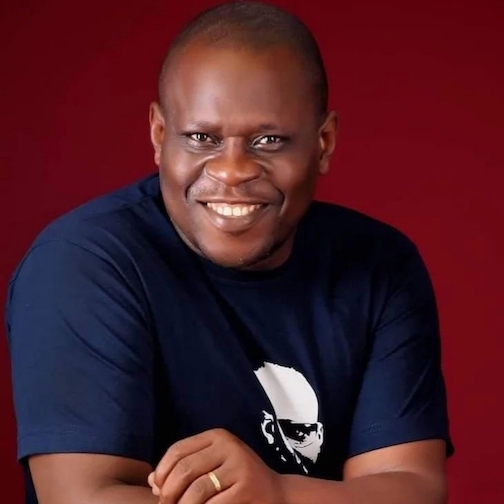
• Okeoghene (32) knows how difficult it is to rebuild after losing everything.

    He shares how he found a rewarding career in art and graphic design despite his parents’ disapproval, becoming successful, and hitting a creative wall after losing ₦17m. Now, he’s trying to start over.

    As told to Boluwatife
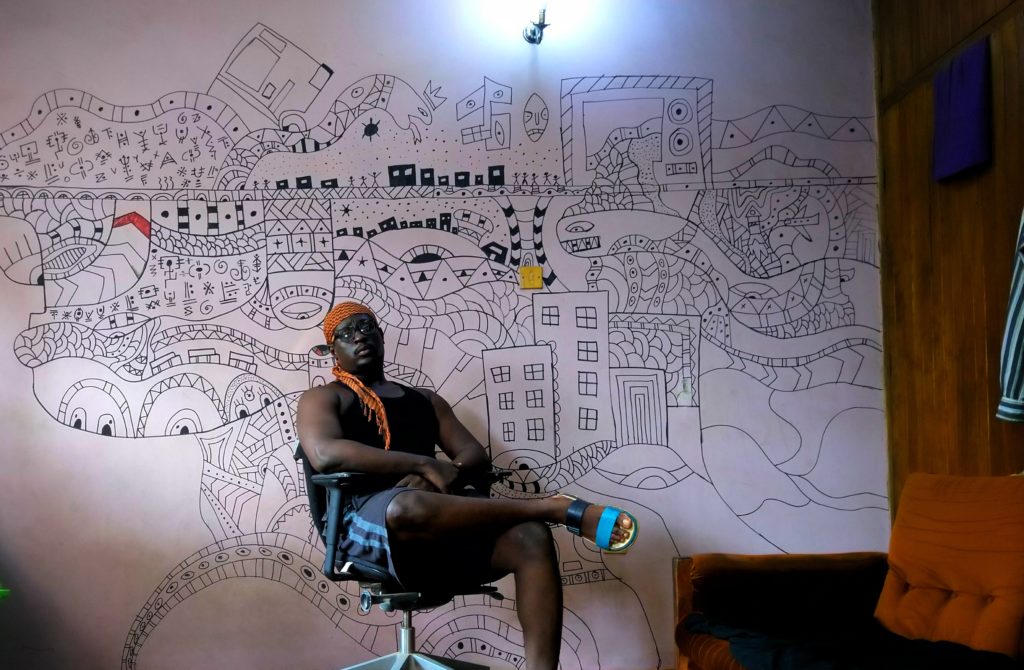
    Image: Okeoghene Efeludu

    I loved cartoons as a child. The late 90s and early 2000s Cartoon Network raised me, and I loved recreating the characters I loved — Samurai Jack, Dexter’s Lab and Courage the Cowardly Dog. 

    My drawings were just a fun hobby. But I stopped drawing when my dad saw a Justice League-inspired comic I drew in JSS 2 and tore it up. For him, drawing had become a distraction and prevented me from improving my studies. 

    I didn’t draw again for a long time. Instead, I focused on doing what my parents expected of me.

    First, it was sports. I ran track and played basketball in secondary school. I was on the path to getting a basketball scholarship to a university in the US when a drunk driver hit me and broke both legs. I was 16, and that was the end of any dreams of a sporting career.

    Since I couldn’t pursue a US university admission anymore — my barely middle-class family couldn’t afford it without financial aid — I focused on getting into a Nigerian university. That took three years of trying out different things my parents wanted.

    Between 2009 and 2012, I was admitted into three different universities to study courses ranging from computer engineering to even almost getting recruited into the Nigerian Defence Academy. I wasn’t interested in them. 

    I wanted to study archaeology, but like typical Nigerian parents, my parents weren’t having it.

    I eventually studied computer engineering, networking, and cybersecurity at NIIT, a talent development institution. By 2015, I was working in tech support, fixing laptops, and working on telecommunication masts.

    In the same year, I had a wake-up call. I asked myself, “What do I really want to do?” I’d spent all these years doing different things, but when would I eventually do something for myself?

    At that time, I was a fan of the Hip-hop culture, and graphic T-shirts were a big part of it. However, the 2015 graphic T-shirts had phrases like “Ama Kip Kip” and “My money grows like grass.” I hated those shirts, and I wanted to create something better.

    There was a problem: I’d stopped drawing for so long that I wasn’t sure how to start. My cousin, Precious, was an artist, so I called him. We agreed that I’d describe what I wanted to draw, and he’d make it happen.

    But there was another problem: How would I convert these drawings on paper to something digital I could print on shirts? 

    I knew a graphic designer at a cyber cafe I frequented, and when I asked how much it’d cost to turn the drawings into digital designs, I decided I was going to learn graphic design.

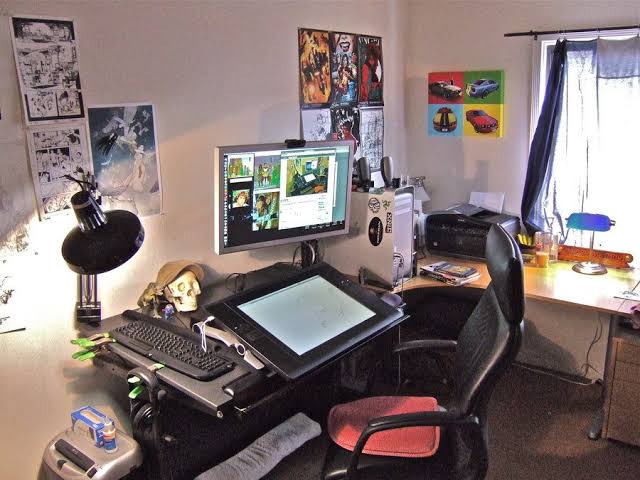
    I bought Corel Draw tutorial CDs and began teaching myself. It looked like sorcery at first, but I soon got the hang of it. My sister’s boyfriend gave me my first gig, paying me ₦2k to design a small flyer. 

    My parents were pissed when they realised I was spending all my time with graphic design. It took an uncle’s intervention for them to tolerate the fact that I’d abandoned everything to pursue a career in graphic design.

    I also got my first graphic design job in 2015, making ₦10k/month at a printing press. Asides making me a better designer, that job taught me a lot about the T-shirt business.

    After a few months, I left the job and began designing my own T-shirts. I borrowed ₦20k from my sister and printed my first samples; then, I got a gig to supply T-shirts for a street jam party. It didn’t take long before people knew me as the “T-shirt guy.”

    In 2016, I started posting my graphic designs on social media and got a few freelance gigs here and there. Of course, I made some of the obligatory rookie mistakes most new freelancers make. 

    I remember not negotiating for a branding gig because I got it through a friend. After I completed the gig, they asked for my fee, and I said ₦20k. They laughed and sent me ₦5k. Another client told me they got someone else for the job after I’d already gone halfway through the project. 

    These experiences taught me to treat design as a business. So, I learned to draw up guidelines and collect part payments before working on any project.

    Things took off from there. I got regular jobs, and with them came the confidence boost that came with being really good at what you did. I even went viral in 2018 for doing a photo manipulation with King Kong and the UBA building at Marina, Lagos. It was just a random design, but UBA reposted it, and I got tons of followers and even more gigs.

    Digital art gave me my first big break in 2018. Someone contacted me on Instagram and requested a canvas print for her boyfriend. I randomly charged ₦300k, and she negotiated to ₦280k. I honestly thought the most I’d get was ₦50k. 

    After I completed the job and got paid, I used about ₦120k to go on a mini vacation to Ghana. It was my way of coming to terms with the fact that I could live a good life and make good money from design.

    And I did make good money between 2019 and 2021. 

    My designs caught attention online because I had a thing for mixing Afrocentric and urban designs with pop culture. I got a job with a US creative firm that paid six figures and collaborated with several national and international brands.
    Image: Okeoghene Efeludu

    I was on a financial high, and while I initially just spent money as it came, I decided to become serious with my finances and began consistently saving in 2020. That turned out to be helpful because 2020 was a slow year due to the pandemic and some health issues. I quit my 9-5 and went fully freelance.

    However, things picked back up in 2021. I secured a collaboration with an international drink brand and was on retainer for about five other brands. I even formed a small company and got a few young designers to work on the projects I couldn’t take on because of time constraints. I was a proper creative director.

    Then, 2022 came, and that’s when my problems started. 

    I invested some of my money in a friend’s delivery business. One day in February, one of our bikes developed a fault, and the rider got into an issue with area boys. I was close by, so I decided to go there to sort it out. However, rather than de-escalating the issue, a fight broke out when I arrived, and my phone got stolen in the scuffle.

    I wasn’t bothered by the theft at first. I called my network provider and asked them to block my line. The bank account linked to the line was my main savings account, so I also called my bank and deactivated my ATM card — basically everything I was supposed to do after losing my phone.

    I couldn’t retrieve my SIM for about two months because of the NIN wahala. I eventually retrieved it without going to my network provider’s office. It turned out you could just meet a regular person on the street, and they’d link your line to a new SIM card. I was shocked that was possible, but I guess it explains how the people who got my stolen SIM were able to impersonate me.

    When I put the new SIM card into my phone, I started receiving strange debit alerts. Almost immediately, random people began calling and accusing me of defaulting on loans. I didn’t know what was happening.

    I found out that blocking my SIM card didn’t prevent it from receiving text messages. The thieves could still use USSD codes on the SIM, and they cleared my entire ₦17m savings. I didn’t realise earlier because I never touched the money in that account — I had a separate account for everyday use.

    They also used USSD to find my BVN and collected loans—about ₦300k in total. I thought the loan companies disturbing me was the worst part until the Economic Financial Crime Commission (EFCC) flagged my bank account and summoned me.

    Apparently, the thieves had sold my SIM card to a 419 syndicate, and those ones used my details to open different accounts. The next few months involved multiple police station and court visits to sign statements and swear affidavits that I’d actually lost my phone and SIM card. I also had to secure a court cease and desist order and involved the FCCPC to get the loan companies off my back.

    When I eventually sorted that out, I had to face the reality that I’d lost everything. I was in a very wild state of mind. I was suicidal, mentally unavailable and couldn’t work. I couldn’t do anything from June to November except sleep and wake up.

    In 2023, I decided to throw myself into work and try to make all the money I’d lost. It worked out for a bit — I got several gigs, averaging ₦400k – ₦500k monthly. I even got another 9-5 in October.

    But I gradually realised I hadn’t properly processed all that had happened in 2022. I was spending so much because I was scared of saving and losing my money again. I’d also taken that job because I was trying to make money quickly again, but I was mentally drained due to the toxic environment. I was losing my creativity and starting to hate design.  

    I quit my job about two months ago and spoke to a therapist to process everything that’s happened. It doesn’t help that I’m trying to rebuild my life and finances at a time when the country isn’t even balanced. Inflation is literally making it impossible for me to build a safety net again.

    It’s extra difficult because money plays an important role in my creativity. For instance, I like doing passion projects — murals, visual art pieces, and art recreations on the side. Those cost a lot of money, but they help me explore my creativity and create art I love. Sometimes, I sell these pieces, but it’s difficult to take that risk now because I don’t know where the money will come from.

    I’m now focusing on rediscovering myself as a creative person and figuring out how to love design without relying on a financial safety net. It hasn’t been spectacular, but I’m in a better place mentally, and I’ve learned to separate the money from the art. 

    I’m reminding myself that I don’t make art because of the money I want to make from it or what I hope to get. I create and design because I love it. It’s my life, and it shouldn’t stop because I lost everything.


    NEXT READ: I Failed Out of Medical School After 5 Years, but I Don’t Regret It

    [ad]
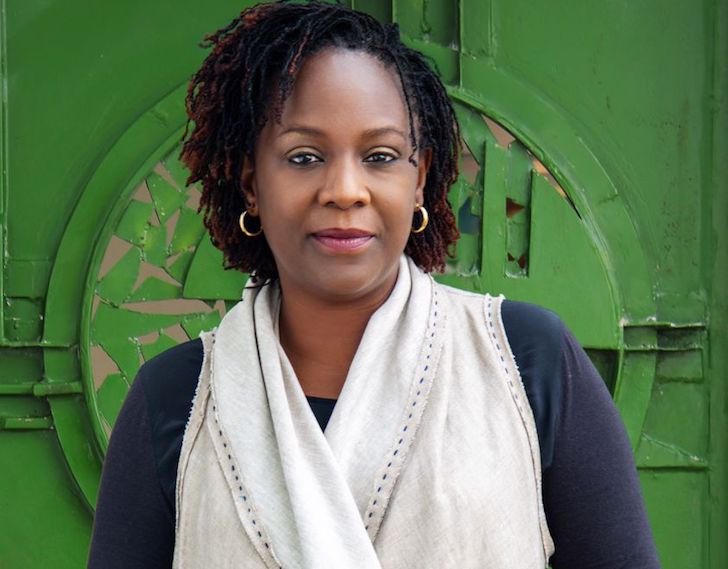
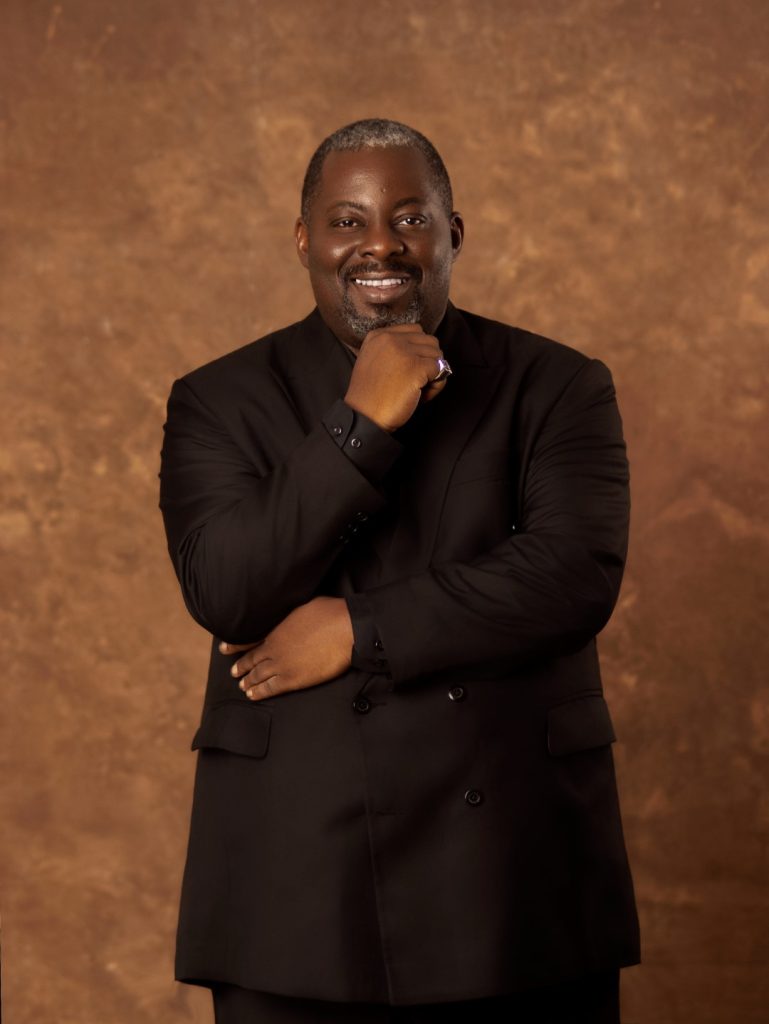
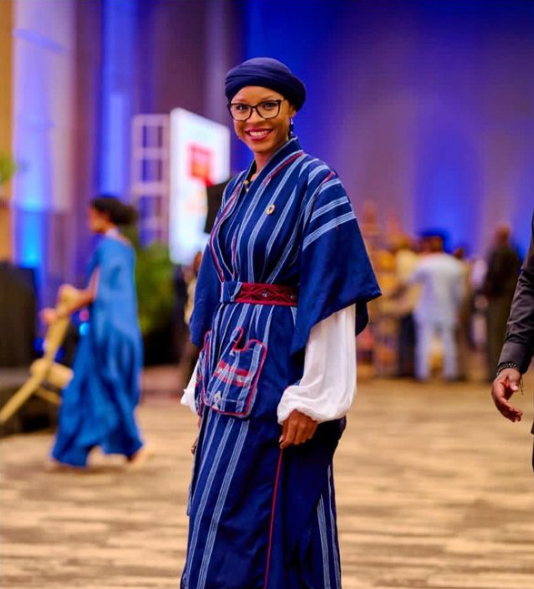
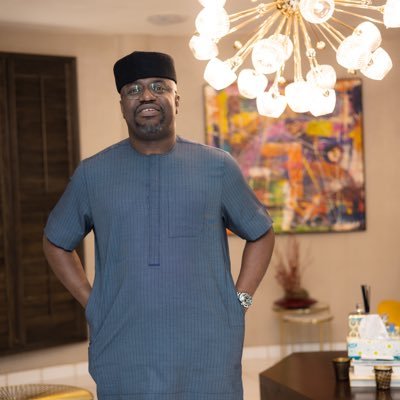
  • On January 12, 2023, Ajuri Ngalale, Tinubu’s Special Adviser on Media and Publicity, announced the appointment of 11 new directors for the Federal Ministry of Art, Culture and the Creative Economy (FMACCE). These are their names and new roles.

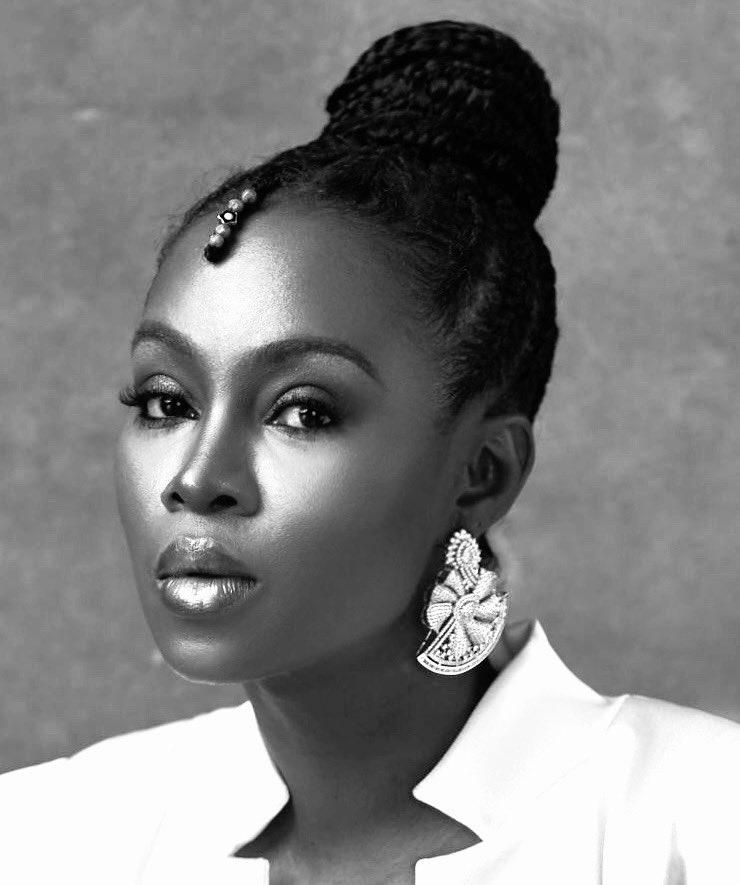
    Tola Akerele — Director-General, National Theatre

    Tola Akerele has built successful businesses that have contributed to contemporary African art. She founded Bogobiri House, an Afrocentric and artistic hotel with an art gallery, restaurant and bar. Alongside being the curator at Soto Gallery, Tola also owns an interior design studio called iDesign by Tola Akelere. With a solid resume in arts, culture and creativity, it’s not hard to see why the direction of the national theatre has been entrusted with her.

    Image source: Businessday NG

    Husseini Shaibu — Director-General, National Films and Censors Board

    The new director of the National Films and Censors Board is Husseini Shaibu, the deputy national director of the National Troupe of Nigeria, an editor at The Guardian newspaper and a film critic. He’s also been a member of the jury board of the Africa Movie Academy Awards (AMAA) and the Nigerian Oscar Selection Committee. 

    Image source: Starconnect Media

    Obi Asika — Director-General, National Council for Arts and Culture

    Anyone who’s familiar with the Nigerian music industry must know Obi Asika is a major contributor to the sector. Not only did his Storm Records platform OG Afrobeats artists like Sasha P, Naeto C, Jazzman Olofin and Yung 6ix, becoming one of Nigeria’s biggest labels to date, but Obi’s ten-episode Afrobeats documentary, Journey of the Beats (2022) on Showmax, also visualised the genre’s history and global movement. He served as a Senior Special Assistant to former President Goodluck Jonathan and was once part of the African Advisory Committee of the Smithsonian’s National Museum of African Art in the U.S.

    Image source: TheWill Downtown

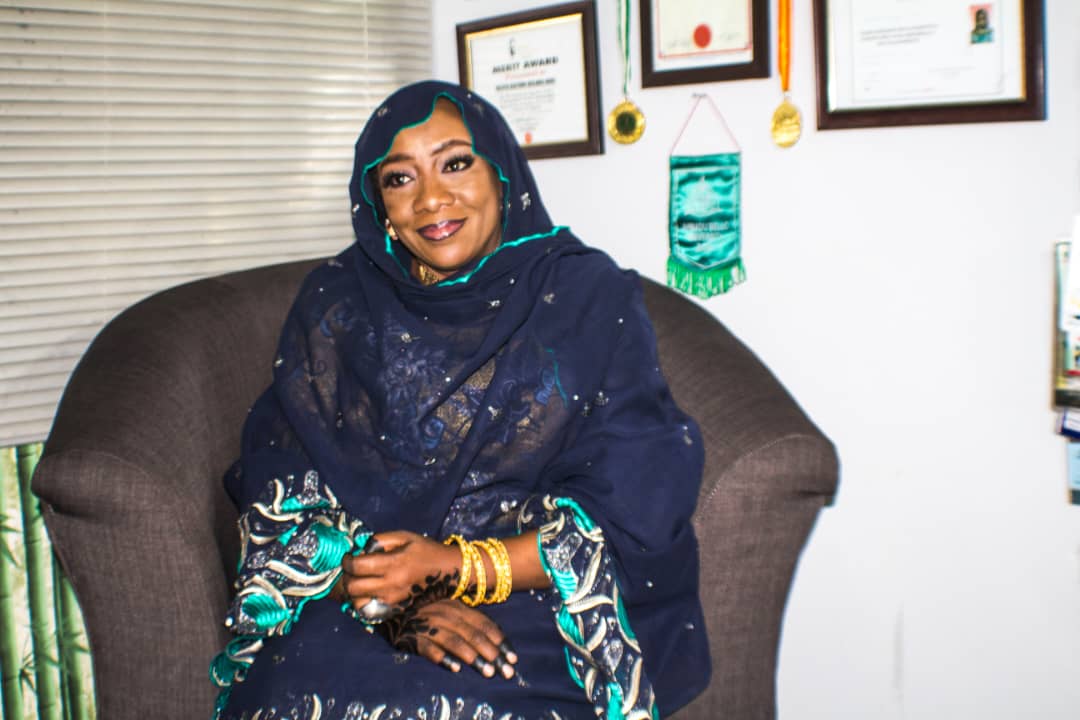
    Aisha Adamu Augie — Director-General, Centre for Black and African Arts and Culture

    Aisha Adamu Augie is an Abuja-based award-winning photographer, filmmaker and mixed media artist. She won the Sisterhood Award for Photographer of the Year and the British Council’s “Through My Eyes” competition in 2014. The same year, Aisha hosted “Alternative Evil”, her first solo photography exhibition. When she’s not hosting the podcast, “I Love Your Work with Aisha Augie”, she’s performing governmental roles. She was a Special Adviser to Zainab Shamsuna Ahmed, the former Minister of Finance, Budget and National Planning, from 2019 to 2023. 

    Instagram: @aishaak49

    Ekpolador-Ebi Koinyan — Chief Conservator, National War Museum

    The National War Museum is the only museum that showcases military history in West Africa, and Ekpolador-Ebi Koinyan is its new chief conservator. Before his appointment, he headed the Bayelsa State Government’s e-Governance Project, and he’s a senior partner at Smart Alliance Consulting, examining the operations of professional service firms in emerging markets.

    X.com: @ekpolador_ebi

    Ahmed Sodangi — Director-General, National Gallery of Art

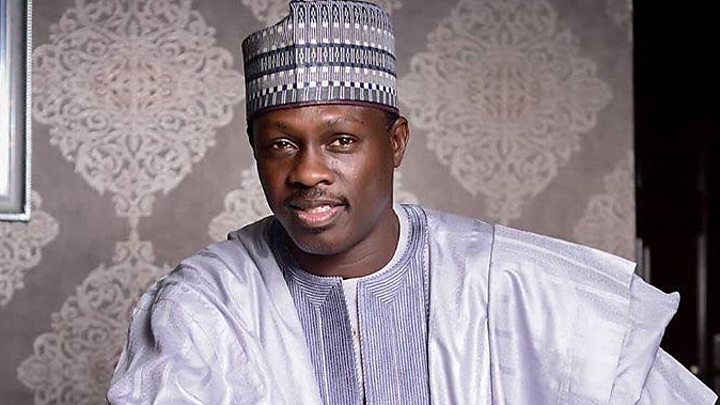
    Ahmed Sodangi is an experienced expert in the import and export industry, and a project officer at the Bank of Industry Ltd. Although he’s an unfamiliar name, we’re investing a little faith in this president’s appointee.

    Image source: LinkedIn

    Chaliya Shagaya — Director-General, National Institute of Archeology and Museum Studies

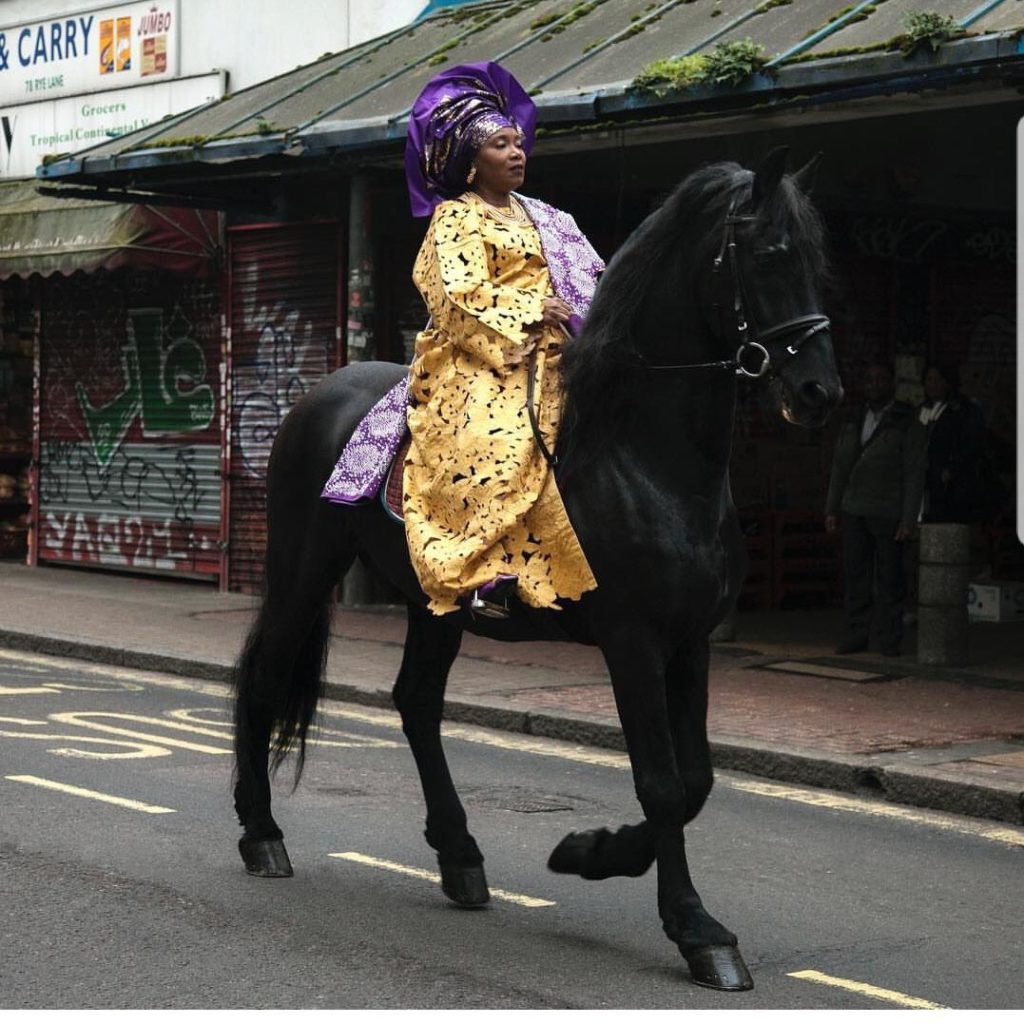
    Chaliya Shagaya is an entrepreneur, fashion consultant and ex-mode who’s consulted for respected designers like Deola Sagoe and Korto Momolu. Ms Shayaga served as the former head of new media at Nigerian Maritime Administration and Safety Agency (NIMASA) and head of government relations at the Nigerian Exchange Ltd. (NGX). We look forward to her contribution to preserving our artefacts and museums — and possibly, giving us our Afrobeats Museum?

    Image source: THISDAYLIVE

    Khaltume Bulama Gana — Artistic Director, National Troupe of Nigeria

    Kaltume Bulama Gana is the curator of the National Gallery of Art, an artist who’s showcased her work at more than 45 group and solo exhibitions. She was an assistant director in the History and Culture Bureau in 1987, and before that, she was a TV presenter at Kano State Television from 1985 to 1986. She runs Herwa Heart of Art Initiative, an NGO focused on educating children, including young girls and women affected by Boko Haram’s insurgency. We hope she excels in her new role.

    Image source: OpenBU

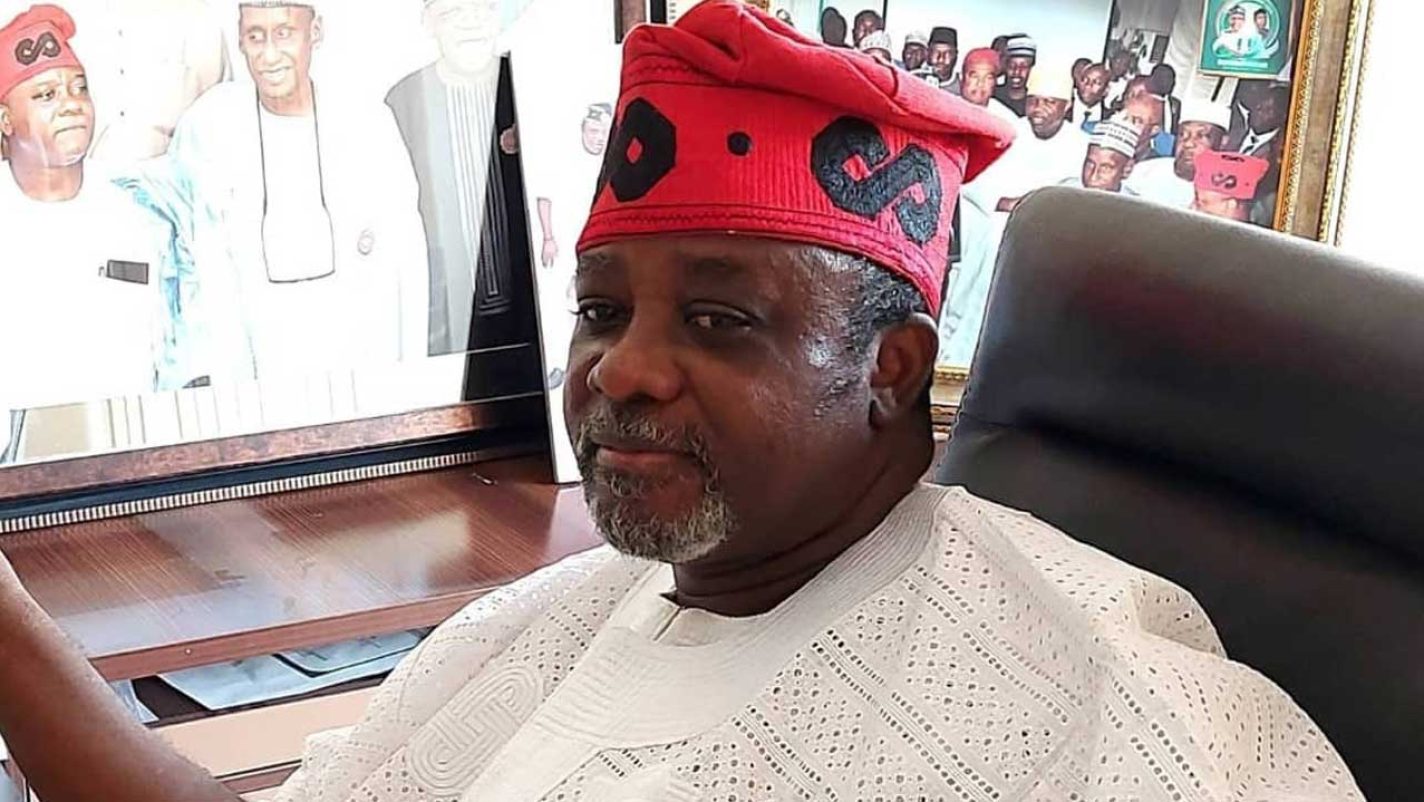
    Biodun Ajiboye — Director-General, National Institute for Cultural Orientation

    Biodun Ajiboye has worked in media, publicity and campaigns for the All Progressive Congress (APC) political party and in the Nigerian telecommunication industry. He owned the now defunct Nigerian Telecoms News and the Nigerian Telecoms Awards. 

    Image source: The Guardian Nigeria

    Ali Nuhu — Managing Director, Nigerian Film Corporation

    Ali Nuhu is among the most decorated actors in the Hausa film industry. With over 22 years in the film industry, he’s not a new face to lovers of Kannywood and Nollywood. If you want a problem solved, call on those with firsthand experience in it. We guess that’s what President Tinubu did with this appointment. 

    Image source: Daily Trust

    Ramatu Abonbo Mohammed — Director-General, National Commission for Museums and Monuments

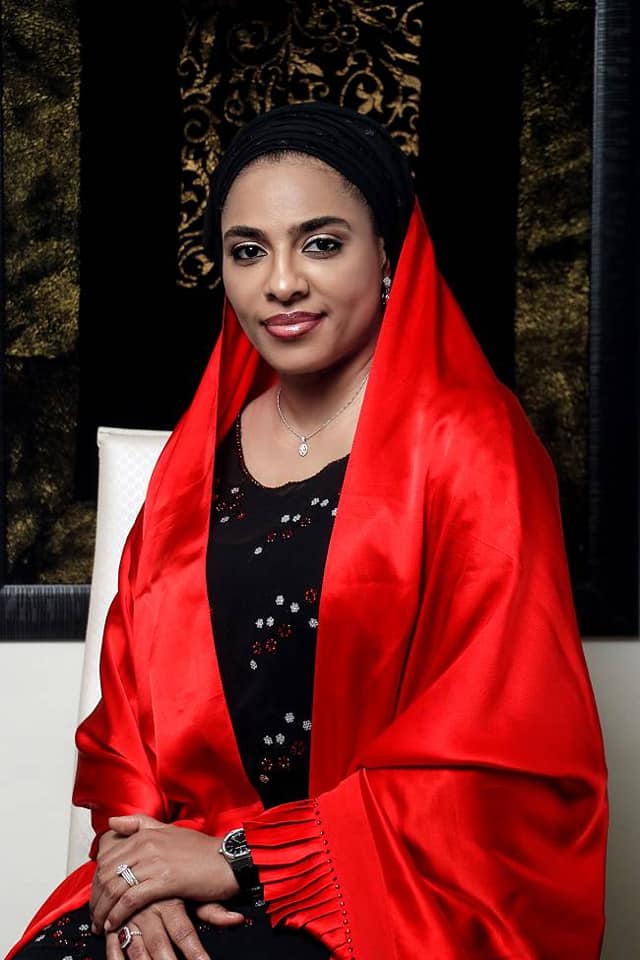
    Ramatu Mohammed Abonbo was Niger State’s former commissioner of commerce, industry and investment. Before her involvement in politics, Ramatu was Chief Marketing Executive at MicroAccess Ltd., a pioneer information and communication firm through which Nigeria’s first national website and the National Hospital’s first website were built. She was also the director of Hamble Group, London. Although her CV isn’t related, we look forward to see how her past successes in executive leadership transfers to her new role.

    Facebook: Haj. Rahmatu Mohammed Yar’adua

    UP NEXT: Dear Minister, Nigeria Already Has Theme Songs to Choose From

  • I fell in love with Editi Effiong’s Up North for many reasons, but what stood out the most was the visuals served on screen. It was mostly shot in Bauchi and would reshape some of the conservative views I held of northern Nigeria and its creative sector.

    Fast forward to 2018, I met Fareeda, a Kaduna-state indigene who’d just completed NYSC in Lagos and was passing the time as a fashion designer till she got a 9-5. If Editi’s Up North changed my perception of the north, Fareeda gave me a complete reschooling. I was one of those Nigerians who mentally limited Nigeria’s art and fashion to places like Lagos and Abuja. Through her, I heard about the popping art and fashion scene in Kaduna that only seemed to evade mainstream.

    It was the need to platform the young minds powering the northern region’s creative scene that inspired Ganiyah Sanni, a Kwara-born art curator and exhibition producer resident in Kaduna, to launch KAFART in 2019.

    So, what’s KAFART about?

    During a chat with Ganiyah, she told Zikoko how she created KAFART after noticing the creative atmosphere in the region, how young, talented artists creating amazing work got little to no recognition. 

    “There were a lot of young and emerging, professional and self-taught artists and fashion designers doing amazing work. One thing felt missing. There wasn’t a major platform that could bring these people together to showcase under one roof. I felt like there would be more impact if these people came together for greater publicity.”

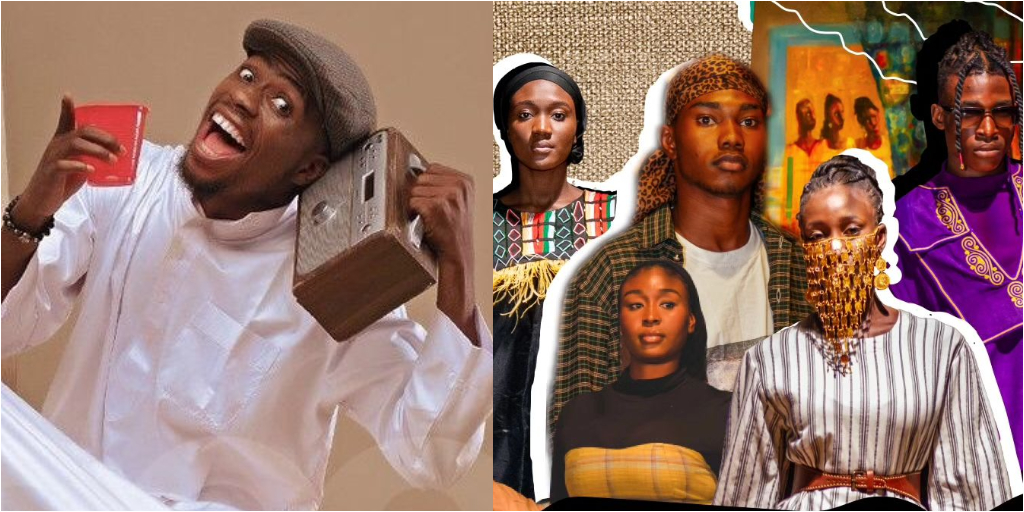
    Essentially, KAFART is the centre stage for creative minds in northern Nigeria to show up, show off and get their deserved recognition. Previous editions have featured exhibitors from as far North as Senegal, Mali, Gambia and Côte D’Ivoire.

    The fourth edition, themed “Into the Art of Making”, seeks to “celebrate and highlight traditional African craftsmanship as it intersects contemporary art and fashion,” Sanni said.

    There’ll be fashion

    The Fashion and Art Scene in Kaduna You Should Know About

    It’s the best place to witness the hottest fashion up north? Many young designers debut on the KAFART runway every year.

    Two documentaries screenings

    Kofar Mata Dye Pit by Niyi Olagunju explores the history of the Kano dye pits said to be the oldest in Africa and the last of their kind. Bogolan Textile by Madame Mariko explores the making of Mali’s handmade cotton textile.

    Nok Terracotta artefacts in augmented reality

    The Fashion and Art Scene in Kaduna You Should Know About

    Source: Think Africa

    This is your chance to learn more about the Nok terracotta sculptures popular for being some of the oldest artworks in the world and stolen by the British. 

    An exhibition from the Kaduna Museum

    If you’re interested in learning more about Nigerian history, particularly Kaduna’s, the Kaduna Museum will showcase works and artefacts with rich stories behind them.

    Panel discussions

    According to convener, Ganiyah, “There’ll be panel discussions that will focus on thought-provoking topics.”

     [ad]
    And workshops too

    The Fashion and Art Scene in Kaduna You Should Know About

    Considering the theme, KAFART will come through with a bunch of on-site classes. Pottery and tie-dye, beading techniques and blacksmithing are just some of the sought-after skills attendees will learn about.

  • Navigating life as a woman in the world today is interesting. From Nigeria to Timbuktu, it’ll amaze you how similar all our experiences are. Every Wednesday, women the world over will share their experiences on everything from sex to politics right here. This is Zikoko’s What She Said.

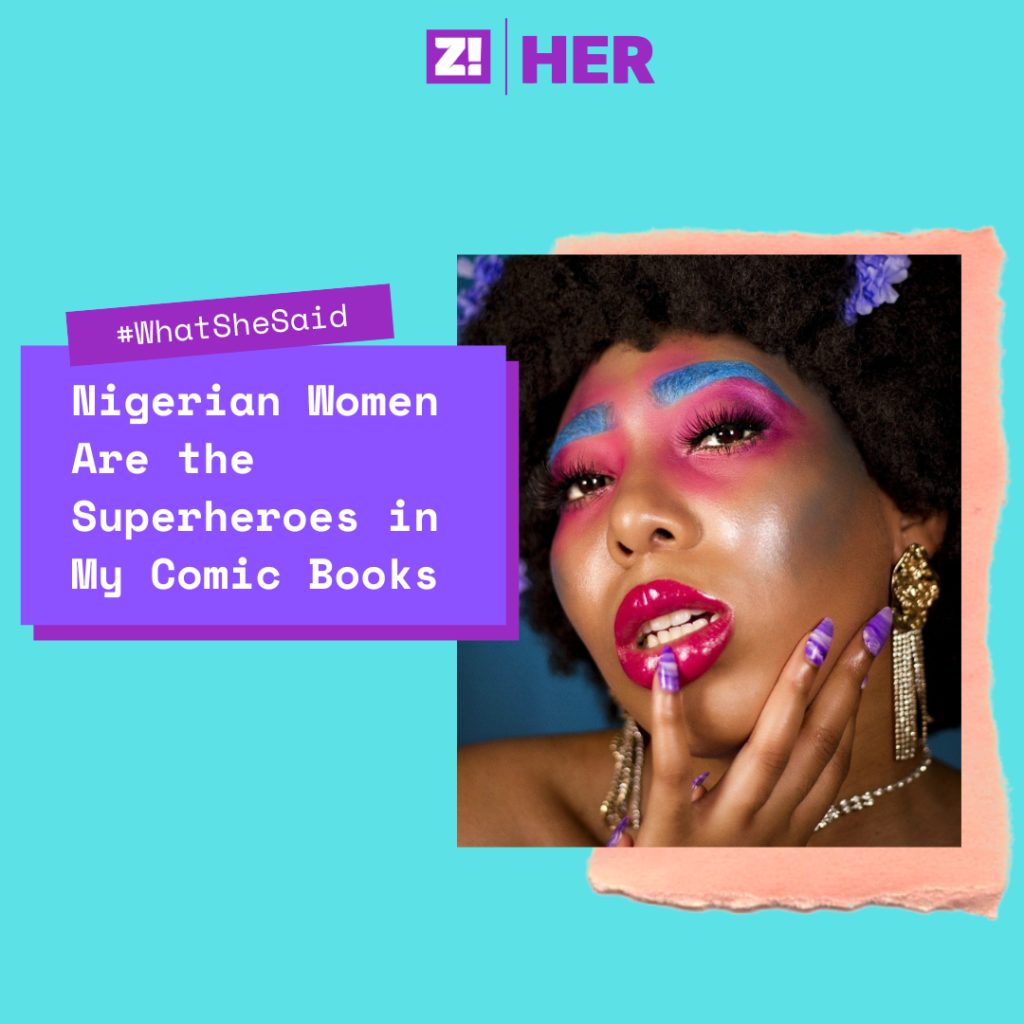
    This week’s #ZikokoWhatSheSaid subject is Nanya Alily, a 25-year-old Nigerian woman. She talks about working with her family to tell African stories through comic books, becoming more conscious of being Nigerian after moving to South Africa and how it has influenced her art and music. 

    You have so many things going for you at 25. What’s that like?

    I see myself as a multimedia creative. That’s the easiest English term to explain how I’m a music artist, comic book illustrator and social entrepreneur all at the same time. And those are just the three highlights of my life amongst the million other things I do like content creation, commercial modelling and poetry. 

    How did drawing comic books start?

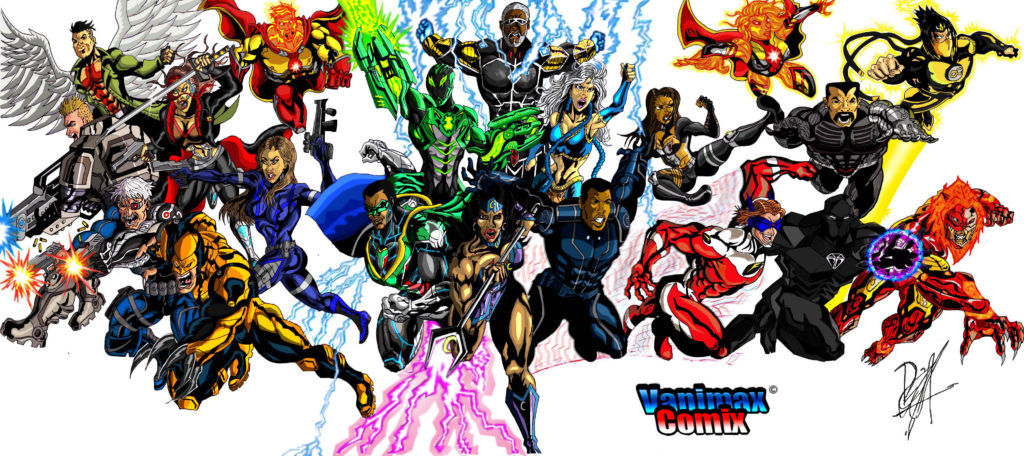
    My family has a passion for drawing, so when I was very young, my parents put that into Vanimax Comix, where we illustrate stories about powerful African characters. My dad, brother, sister and I draw. So everyone except my mum — the mumager overseeing everything.

    So, a family business?

    Yeah, I became a part of it at 16. But my dad had been working on comics before I was born. Macmillan actually published his first comic, Mark of the Cobra, in 1981. My mum was always aware of his talent. So when she saw her kids had the same interest, she nudged my dad to put the company together in 2010.

    Wow

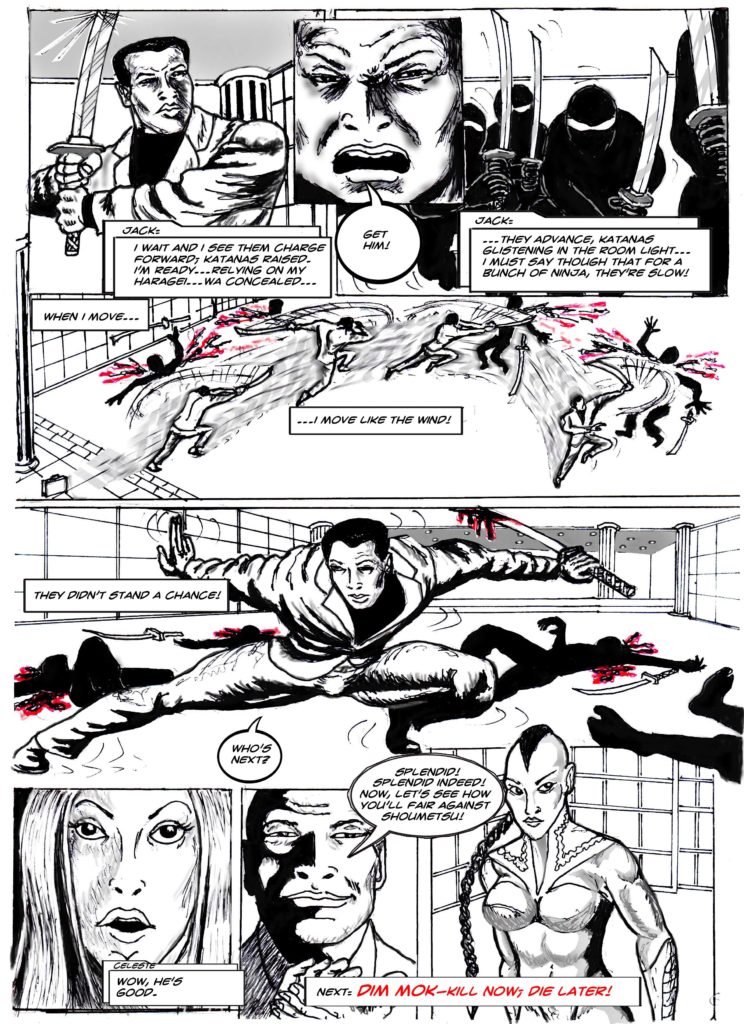
    Yeah. And every character tells a story that reflects who we are as individuals. We have Jack Ebony, a Nigerian super spy (created and illustrated by my Father); Super South Africa, Africa’s finest hero (created and illustrated by my brother); Moonlight (created and illustrated by my sister). 

    That sounds so cool. What’s your story?

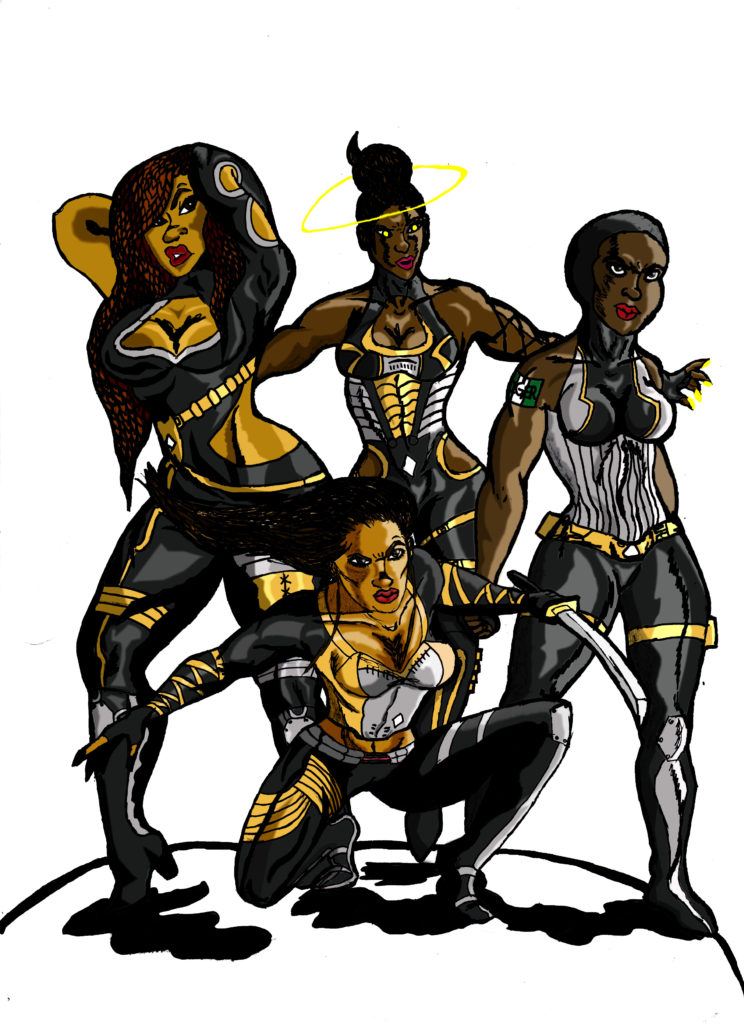
    The Amina Angels. They’re four Nigerian female superheroes from different tribes; Ifeoma Anyawu who’s Igbo, Nsse Henshaw from Calabar, Yewande Ajayi who’s Yoruba and Halima Danjuma who’s Hausa. I know there are a lot more tribes, but I was interested in bringing these four together for a start.

    What influenced the creation of these characters?

    My background. Growing up, it didn’t seem cool to be African. I couldn’t relate to some of the characters I watched in cartoons because none of them looked like me. And when I drew, my own characters were always people who didn’t look like me. The consciousness didn’t happen until I was 16.

    What changed?

    We moved to South Africa, and my dad started to share stories about his life with my siblings and me; our Igbo heritage, experiencing the civil war as a young boy — essentially, what it meant to be Nigerian. And I felt disconnected from it because the media I consumed never showed it. Becoming aware of this through my dad made me want to tell those stories. 

    Your dad opening up about his life was really sweet

    It was. Those conversations made me think about the Amina Angels, which I started illustrating at 15. It changed the way I drew features, like the characters’ hair. And the questions I got in high school also piqued my interest in culture. A lot of my classmates asked about my Nigerian language and background. I had few answers, but they could tell me more about what it meant to be Zulu or Xhosa. Thankfully, my Dad shared his stories.

    Since you didn’t entirely understand the culture, how did you tell your stories?

    My family travelled a lot because my dad did. I was born in Lagos. We moved to Ghana and back to Lagos before we settled in Owerri, where both my parents are originally from. At some point, we moved to Benin before finally relocating to South Africa when I was 13. 

    All before 13? That’s pretty cool

    Yeah. Although I spent most of my pre-teen years in Nigeria, travelling made it difficult to learn my culture and be rooted in it. But I don’t regret the experience. I got to see the diversity in Nigeria and Africa, and that’s what inspires my stories. 

    So how did you progress into music?

    That’s the thing. Everything kind of happened simultaneously. I’d been singing since I was six and started rapping in Grade 10. In Nigeria, I’d follow my friends from class to a community music centre, and we’d write and record songs. Then, I got into quality music production when I joined my local church’s choir. That was the trajectory to becoming an independent artist.

    You don’t make music with your family?

    Not exactly. It’s the one thing I do alone, but my family still has some influence. My dad is my biggest fan and invests in my music. 

    When did you release your first song?

    My official releases were in 2018 and 2019. Before then, I only uploaded my songs on Soundcloud. I felt ready to put some money behind marketing Flex (2018) and I Sabi Who I Be (2019) because I wanted people other than my family to enjoy my music. I also wanted to move on from the amateurish phase of being a musician. Now, I’ve just finished recording my first EP, Isimbu, which means “the first one” in Igbo. 

    What’s it like being a Nigerian artist in South Africa?

    I think my music is well received in South Africa because it’s different from what they’re used to. My sound isn’t tagged to any particular group of people. Nobody fixates on it being Nigerian music even with the mix of pidgin or Igbo. It’s just good music.

    So you’re an illustrator and musician, and a social entrepreneur, at 25? What’s going to happen at 50, please?

    LOL. I have no idea. But I started the initiative (The Queen’s Goals) for girls when I was 20. It started out as talking to girls at a local high school in Johannesburg. I didn’t want it to be a one-off thing, so I got my sister, friends and a few women from the church involved, and we’ve kept up with it since 2017. 

    If you had to pick one version of your life to stick to, what would you choose?

    I don’t think I can choose. Discovering new facets of my talent is what makes my life interesting. It feels like there’s no cap. I wake up one day, inspired to put a vision together and I do it. 

    Well, since you can’t pick one, what has been the highlight for you?

    In a creative family, it’s harder to find your voice, so finding my own voice and identity is something I’ve loved, and translating all of that into art and music has been amazing.

    How does it feel to share that with your family practically all the time? 

    We have our collective love for drawing, writing and telling stories. But everyone has their own baby they personally nurture. For me, that’s music. My sister wants to be a model, my brother loves animation and my dad is focused on writing and publishing. My mum is the “let’s go get the bag” woman; she’s a professional motivator and truly inspires us all. 

    LOL. She knows what’s up 

    LOL. And I guess what we have is a blessing. It works well for the business and our personal lives. Everything I get to do is a reflection of my background as a Nigerian Igbo woman. I want other women to see themselves represented in my work.

    If you’d like to be my next subject on #WhatSheSaid, click here to tell me why

  • What does it mean to be a man? Surely, it’s not one thing. It’s a series of little moments that add up. Man Like is a weekly Zikoko series documenting these moments to see how it adds up. It’s a series for men by men, talking about men’s issues. We try to understand what it means to “be a man” from the perspective of the subject of the week.

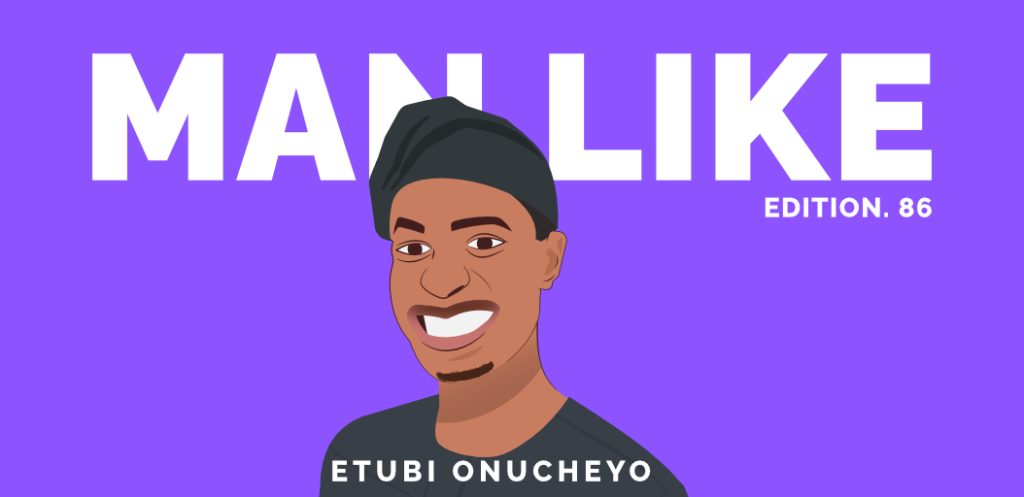
    While you may not recognise Etubi Onucheyo‘s name or face, you’ve probably seen his visual art at some point. The reclusive artist is behind some the cover of our favourite albums, from Show Dem Camp’s “Clone Wars Vol. 5: The Algorhythm” to The Cavemen’s “Love and Highlife”. With a portfolio like this, I’m surprised when Etubi tells me there was a time he didn’t rate himself as an artist. So what changed? 

    In this episode of Man Like, he talks about what his dad did that forced him to move out, how SAPA made him man up, the one time he questioned his masculinity and how he’s turned his imposter syndrome into “conman syndrome”. 

    Let’s talk about your tattoos. Which one is your favourite, and why? 

    The most significant tattoo I have has to be a compilation of icons down my spine. These tattoos represent who I am. There’s a paper plane because I’m a dreamer, an upside-down crown showing that I’m a misunderstood king, a straw hat and robot monkey from my favourite Anime, One Piece. The last tattoo on my spine is a Latin phrase from another anime fave, Little Witch Academia, which says, “You get what you work for, not what you dream of”.

    I was trying to be deep. 

    I’m dead. So with all these tattoos, who is Etubi? 

    A misunderstood dreamer trying to create dope art and do something great with his life. 

    How did your upbringing influence who you are today? 

    My childhood was complicated for a lot of reasons. My mum had been married a couple of times before, so I had a lot of half-siblings. Because of the age difference between my half brothers and me, I remember my dad did his best to shield me from them. I think he didn’t want them to influence me negatively, but it didn’t work. We didn’t care that we had different dads; we all loved each other. My siblings supported me over the years and came through for me when I least expected it. Having that kind of love in such a complicated mix has deeply impacted my life and work. 

    What’s the deal with your dad? 

    Right now, my dad and I are trying to rebuild a relationship that had deteriorated over the years. I hadn’t spoken to him in a long time, but then, this year, a friend of mine gingered me to reach out, so I did. My dad and I used to have a lot of back-and-forth arguments because he wanted me to be someone I wasn’t. He wanted me to be a teacher at some point, but it wasn’t for me. 

    Another thing that got to me was how he spoke about women, my mum in particular after they separated. He spent a lot of time talking about how evil women were, refusing to acknowledge that for their relationship not to have worked, he must’ve played a part in it, no matter how small. He was hurt, and instead of addressing his pain, he took it out on the people around him. 

    By 2017, I’d had enough, so I moved out. 

    Wait, what happened? 

    My dad lost his mum, and my immediate elder brother moved out of the country, leaving him with me at home. In retrospect, maybe I should’ve tried to see things from his point of view since we were going through all these things simultaneously. But all I felt at the time was this man was trying to frustrate and oppress me. 

    The final argument that eventually made me move out was the day he went into my room in my absence, and threw some of my things out. 

    Ah. Why? 

    My dad is big on going to church, and he expected me to always go with him for the first service by 7 a.m. no less. The church thing was a lot for me, so I’d go to my friend’s place on Fridays and come back home on Monday evenings to avoid church. One time, because there was a public holiday, I left my house on Thursday and didn’t return until the following Wednesday. 

    He didn’t say anything when I returned, but I noticed later that most of my beaded bracelets were missing. I asked him about them, and he admitted that he’d thrown them out, but not before asking if I was a cultist. Then, he started to drag my mum into the conversation. That’s when I realised maybe I wasn’t the son he wanted and I needed to give him space. 

    I moved out that month. My dad and I weren’t really speaking and he saw when I was leaving with my big ass box and knew it was because of the fight. I’m sure he thought I’d eventually come back. But I never did. 

    Even though my dad and I are back on speaking terms, we haven’t seen each other since I moved out or had an actual conversation to unpack what happened between us. It will happen in time, but I can imagine my dad’s face when he sees all my tattoos. He might have a mini-stroke. He’ll be fine las las sha. 

    How did your siblings react to you moving out? 

    Everybody kind of knew my dad and I had a rocky relationship, so it wasn’t that much of a surprise. They asked if it was what I wanted and reminded me to be safe. My brothers and sister actually asked me to come live with them. They’d always been supportive, but as a man, I wanted to try things out on my own.

    What was life like after you left? 

    Omo, bills! But luckily for me, I moved in with a friend, so I wasn’t shouldering rent and other bills alone. I also had a small stream of income from the art I was making, so I wasn’t dying. One thing I learnt about moving out of my dad’s house though was that I enjoy my personal space. 

    Because I lived in a central area in Abuja, it was easy for everyone to visit me. The visits became so much that people would stop by my place to wait out traffic after work. These were my friends, but I needed time to myself and to not have unexpected visitors all the time. It eventually piled up in my mind until I lashed out at a friend who visited me unexpectedly. It affected that friendship, and I regret it. But now, I’m better at saying things as I feel them, so it doesn’t pile up in my mind.

    In all of this, I’m curious about when you got your “I’m a man now” moment 

    My first Christmas out of my dad’s house, when I was so broke I couldn’t even afford to kill a chicken for the holidays, mehn. 

    Scrim 

    At that time, I made comics, and I’d done two graphic novels that year. I worked Mondays to Sundays. Despite all of that, I was still broke. I had to confront my imposter syndrome to realise that I’d been undervaluing myself and my work. I was working hard, but I was suffering because I wasn’t charging good money. I didn’t think I was good enough or “there” yet. Deciding to change this notion and value myself as a person, a man and creative, was a turning point for me. 

    My friends also helped me realise I didn’t appreciate my work. They were making big moves and working with the best brands, but they still took the time to tell me my work was good. I just had to believe it too. They saw me as an equal, and I knew I couldn’t let them down. I didn’t want to be left behind. 

    Why do you think you struggled with imposter syndrome? 

    I didn’t feel like my work was where it needed to be. I was also hungry and broke at the time, so I was taking whatever I was offered and overworking myself. We’re in Nigeria, and life is crazy, so walking away from projects because I wasn’t offered good money felt like such a huge risk. Now that I know I’m the shit, I even get to increase my rates every three months. 

    I’ve moved from having imposter syndrome to what I call the “conman syndrome”. So instead of thinking I’m an imposter, I tell myself I’m a conman and everybody believes I’m this great artist who deserves a ton of money. So until they catch me, this 419 will continue. 

    Etubi, abeg. How did you even get into making art? 

    Surprisingly, it was through my dad. I had plans to study economics, but he gave me the gist that economics was like maths, with a lot of “find x” and “differentiate y”, so I changed my mind sharply. He was the one who suggested art and promised to support me. I remember many of my classmates who studied fine arts, getting cut off by their parents because it was against their wishes, but my dad supported me. It’s ironic that he wanted me to have a 9-to-5 life later on. LOL. 

    Considering all your experiences, I’d like to know your definition of being a man 

    Standing on my own two feet and being free. Society is constantly telling us who we should be as men, but omo, I just want to do my own thing. Also, we’re learning new things about how men can be dustbins sometimes, so I think being a man should just mean being a good human to other people. 

    Has anything ever threatened your masculinity? 

    I remember once, I went to this party, and because I’m a playful person, some girls there started tickling me. This was in 2019, and I noticed a group of guys kept looking at me and trying to allude that I was gay. I started acting strange because I was also conscious of that label, but thinking about it now, I don’t care. Bro, it’s just tickling. We need to free ourselves from all these rules. Why would anyone be so uptight about a man getting tickled by a woman? Don’t you want a woman to tickle you? LOL. 

    Fair enough. So what would you say are the necessary things to lead a happy life? 

    Accepting that you’re not perfect. Everybody get the thing wey dey do them. It’s been great accepting my madness and knowing it’s okay. I’m not that different from everyone else. 

    ALSO READ: I Was Labelled Gay Before I Even Understood What It Meant — Man Like Richard Akuson

  • What does it mean to be a man? Surely, it’s not one thing. It’s a series of little moments that add up. Man Like is a weekly Zikoko series documenting these moments to see how it adds up. It’s a series for men by men, talking about men’s issues. We try to understand what it means to “be a man” from the perspective of the subject of the week.

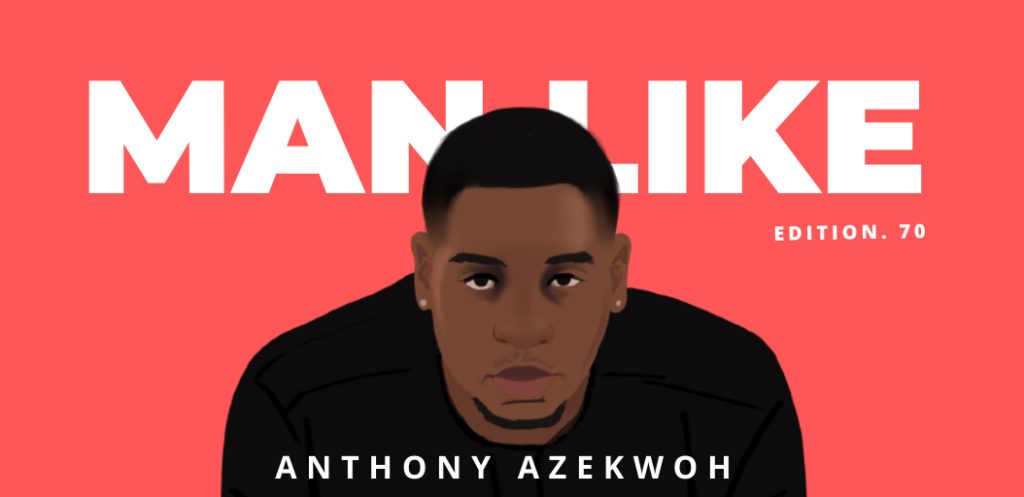
    In 2020, Anthony Azekwoh’s life changed forever when his painting, The Red Man, became a viral sensation taking over social media and capturing the attention of the global art community. At 21 years old, Anthony has established himself as one of the biggest digital artists on the continent, selling out copies of his work worldwide and leading the conversation surrounding African art on the global NFT space. But with this success comes a lot of pressure, doubt and fear of being a “one-hit wonder”. 

    Get More Zikoko Goodness in Your Mail

    Subscribe to our newsletters and never miss any of the action

    In this episode of Man Like, he talks about dropping out of university despite his parents’ disapproval, surviving his first heartbreak, and how he tried but failed to recreate the magic of his most popular painting, The Red Man.

    Tell me about what it was like growing up? 

    I’d say I had a very quiet and uneventful childhood. I’m the eldest of three kids, we lived in Surulere, my school was on the same street as my house and we had a lot of family living around. It was a contained experience. 

    The only highlight I can think of was the time I got hit by a motorcycle when I was eight. 

    Omo, what happened? 

    So, there are two versions of this story. My version is that I was coming back from school with my mum and younger sister, and then this motorcycle came out of nowhere and hit me. The second version is from an uncle who lived on our street. He claims I ran towards the motorcycle, which I believe may have been possible, but I don’t want to believe it. LOL. I was rushed to the hospital, and they patched me up. After that, life continued and I’m here today. 

    I’m sorry, man. You talk about your university experiences on your blog. How did your time in Covenant University influence you?

    CU was hell. That place tested my physical and mental health. The rules were endless. From simple things like banning phones and jeans to using chapel attendance as a substitute for class attendance, they deliberately made life difficult when it didn’t need to be so.  The hardest part was knowing all they were putting us through was unnecessary and not being able to do anything about it. 

    Going there, I realised the only person I could trust with my life choices is me. I shouldn’t have attended the school or studied the course I did. Parents and authority figures are great, but they can be wrong sometimes. You need to stand up for yourself when necessary; Nigerian elders should be checked once in a while. 

    I’m dead. Have you ever had to stand up to an older person? 

    I do that all the time — I did it with my school. I wrote and published essays about my experience, and they didn’t take it lightly. They ended up suspending me twice. I did the same with my parents. I sat them down to have an important talk about letting me live my life. It was scary, but necessary.

    This question is for millenials: tell us how this conversation with your parents went. 

    They were hellbent on me becoming a chemical engineer, but I had been struggling with the course for five years and was over it. They didn’t listen. This same course had given me high blood pressure. I couldn’t eat or sleep, and I had tremors in both of my hands. I finally sat them down and  told them I was leaving for my sanity. 

    How did they react? 

    Mehn. I ended up running away and staying with a friend for a while until my mum came to pick me up for a meeting with my dad. They still maintained their stance, so I moved again. This time, I stayed in a hotel for about five weeks. 

    That time was hectic. I had other family members roasting me left, right and centre. Then I had to deal with a heartbreak and plan an exhibition around the same time as well. It was a tough time I won’t lie, but it was necessary for me and my family so we could eventually find a way to evolve our relationship. 

    We later got to the point where we all just calmed down, and my parents were like, “Okay, we don’t understand what you’re doing, but if this is what it has to be, then fine.” I think we just had to finally communicate effectively to move forward. 

    Whew! So you mentioned a heartbreak situation earlier, what was that about? 

    Well…

    I can sense the drama. 

    Over the years, I’d always said I couldn’t afford love or relationships because of work, school and just being busy. But the truth is, I was scared of being vulnerable. Anyway, I made the mistake of falling in love with someone I was in a situationship with. 

    Oh no. 

    Very big oh no. There are some things I never want to hear again, especially lines like, “Let’s see where it goes”. 

    It didn’t end the way I wanted because I don’t think they were on the same page as me. I also didn’t see the situation as clearly as I should have because I was deep in love. 

    Aww. How did this heartbreak affect your outlook on love and relationships? 

    My eyes opened and I became anti-everything love. With everything I was going through, the heartbreak took the longest, and I’ll say it hurt the most. It felt like someone punched me. I could’ve sworn it would be both of us to the end. Funny thing is, Omah Lay’s Understand became my jam because that was my life. I didn’t know I could care that much. To get over it, I spent time with my friends and by myself. It was important to reevaluate my self-worth.

    But now, I know it’s part of life. Sometimes, things don’t work out, but I can’t let that stop me. Waking up every day is a risk, yet we do it. Accepting heartbreak doesn’t mean I failed at love or a relationship. For the future of my romantic relationships, I’m letting life take the wheel. 

    Love that. In Nigeria, education is how people measure chance for success. Did you have doubts or fears about dropping out? 

    I weighed my options. The fear of living a miserable life doing a job I hated in a field I hated was bigger than any other fear. I know how easy it is to let the years pass because I had done that in university, and I didn’t want to make the same mistake again. To be fair, I had started to slowly establish myself as an artist and was making some money at the time. A part of me felt like If I didn’t take that step, I wouldn’t even have a future to begin with. I had to bet on myself and make it work. 

    Talking about things that worked out, your work, The Red Man, became this viral moment in 2020, how did that happen? 

    It’s crazy because I was just fucking around with this art thing and then one day I became an artist. The Red Man was one of those rare moments where I decided to work on something for myself, away from all the works that influenced me. I wasn’t trying to be like any of my art idols; it was something fun for me. I posted it online the next day, and the pain became this huge thing. 

    I wasn’t even looking at art as a career path. I had done smaller commissioned work and album covers, but I didn’t look at it as a potential primary source of income. 

    Mad. How did the love for The Red Man move from verbal appreciation to people wanting to buy copies? 

    It happened the same week. I was very blessed because most times people appreciate your work on Twitter and that’s it. But this time, I had people asking me for print copies. I fucked around, made some, and they sold out over and over. I then had to make my website and make everything a serious business.

    Mad. This NFT thing you’re doing, tell us about it. 

    The NFT thing also happened at the end of 2020. I remember this white man DMed me on Instagram asking if I was interested in exploring NFTs, and I was a bit hesitant because I felt something shady was about to happen. 

    I was wrong. He worked with an NFT platform and talked to me about crypto and NFTs. As I said, this was 2020, so in my head, I was like, “Omo, I don’t have money for crypto”. But I went with it and ended up planning my first NFT drop for 2021. 

    I had no idea what I was doing, but I just went with the flow. I didn’t want to waste an opportunity placed in front of me. Ten minutes into the NFT drop, someone messaged me on Twitter saying, “Congrats for selling out”. My first thought was maybe he was referring to print copies of my art, but apparently, we had sold out our NFTs. Everything worked out. 

    Funds! I’m curious to know, what does it feel like to have accomplished so much at 21? 

    I’d be lying if I said it was fun. A lot has happened and it’s all been back to back. Imagine you wake up in 2020 and you have all these papers to sign and shipments to coordinate and you just turned 20. Then 2021 came with its headaches. I dropped out of university and had to organise three events. As a human being, it’s a lot to go through at once. People look at me and expect that after all of this, my life would be solid and so I find it difficult to admit that it’s stressful. It’s just… there’s always something. 

    That sounds so tough. I hope it gets better. How are your parents reacting to all of this?

    This came out of the blues for me and I was the one it happened to, so you can imagine how confused they must be right now. In 2020 they saw me bringing all these paintings and then watched everything blow up. They both came for my exhibition, and I know it’s been interesting for them to watch in real-time. 

    What was the first thing you bought when you hammered?  

    Bro, I went to the supermarket and bought barbeque sauce and some groceries. LOL. In my house, my mum is the community manager, and we can’t just take or use anything anyhow, so for me, it was mad just getting to buy my own groceries. I look at my siblings like, “You guys have to use the family barbeque sauce? Eyah”. 

    I’ve always wondered if you’ve ever felt pressure to top or recreate The Red Man

    Do you know the deathless collection? 

    No. I don’t think so. 

    Exactly. LOL. I tried to get it back and trace my steps, but the more I tried, the more I failed. It’s like making art from a place of pride or trying to please everyone else; you just end up failing. I kept failing, and then one day I removed everyone from my mental workspace. I said fuck everyone! I needed to do something for myself and so I decided to paint a guy from a story I had read about: the African Samurai, Yasuke. When it dropped,it  went viral again. 

    Step 1 to success: Fuck everyone. Got it 

    LOL. It felt good to know I wasn’t a one painting wonder, but after that, I started thinking: “Maybe these are the only two paintings that would blow.” 

    My life is a constant circle of good things happening and me wondering if it’d be the last time.

    This question is for the fans: why do your paintings always look upset?

    I honestly don’t know. Maybe I’m upset. LOL. But these are questions I’m going to have to ask my therapist in the future. I think people look interesting when they’re not smiling. I won’t say they’re upset; I’ll just say they’re in-between emotions. They could be happy or distraught, who knows? But now that you’ve pointed it out, I’ll have to look into it. 

    This question is for fellow creatives: the whole hobby becoming a work thing, how does it work for you? 

    I’m trying to get back to a place where I did this for fun, but the deeper you go into this business, the harder it gets. My mum is the best cook I know, and I remember asking why she didn’t consider opening a restaurant and she said, “When money and work gets involved, it complicates everything.” I didn’t get it when I was younger, but now that it’s happened to me, I understand what she was saying. Something I did for the love of it has become the thing that provides food on my table.I’m constantly thinking about how to brand ideas and profitably communicate them. 

    I feel you. Looking forward to anything this 2022?

    I have a couple of work projects lined up, but the most important thing for me this year is to take a break. I do this thing where I say I’m taking a break, then somehow I get dragged back in. This time, I’m going to walk away from everything for a substantial amount of time. I have said and done enough, and it’s time to relax before I burnout. 

    I’m rooting for you.

  • There are few things that compare to our beloved Jollof rice in this life, and one of them is being a digital artist. *Pauses to inhale the scent of artistry* Before you try to argue, go through the 5 reasons we’ve listed out below. займ безработным

    1. More room for self-expression

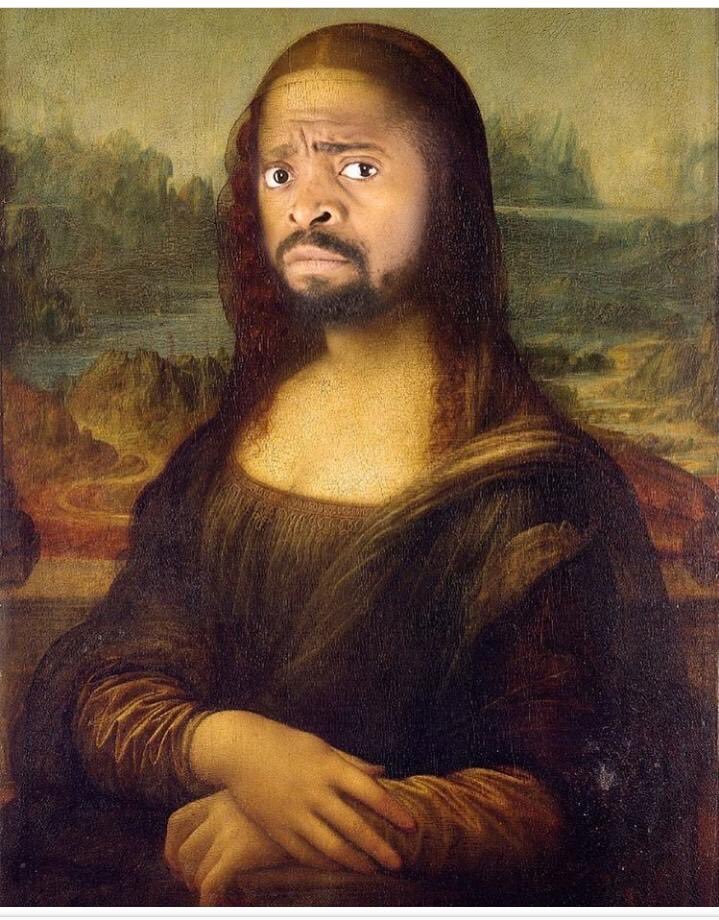
    With digital art, there’s ample room for you to fully express your creativity without being overly cautious of irrevocable mistakes. Unless the mistake looks like this sha.

    2. Wider reach, which can attract more clients…

    …and more clients equals more coins. It’s possible for millions of people to come across amazing art on the streets of Twitter, Dribble, Pinterest, or Behance while seated in their rooms compared to a physical showroom (except you’re Da Vinci). Yay technology.

    money
    Portrait happy man exults pumping fists ecstatic celebrates success screaming under money rain falling down dollar bills banknotes isolated gray background with copy space. Financial freedom concept

    3. Cool tools and softwares

    Unlike traditional art where physical paint and brushes are like bread and butter, digital artists have a wide variety of digital tools to aid their creative process. Little wonder their art turns out fabulous.

    4. Saves money

    Gadgets can be bought once, but you see paint, brushes and canvas? You will keep buying till Jesus comes. Wahala for who no be digital artist o.

    5. A means to drive social change

    Creating art is more than an action, it can also spark a movement for the good of all. Digital artists are no strangers to this fact.

    For the love of art!

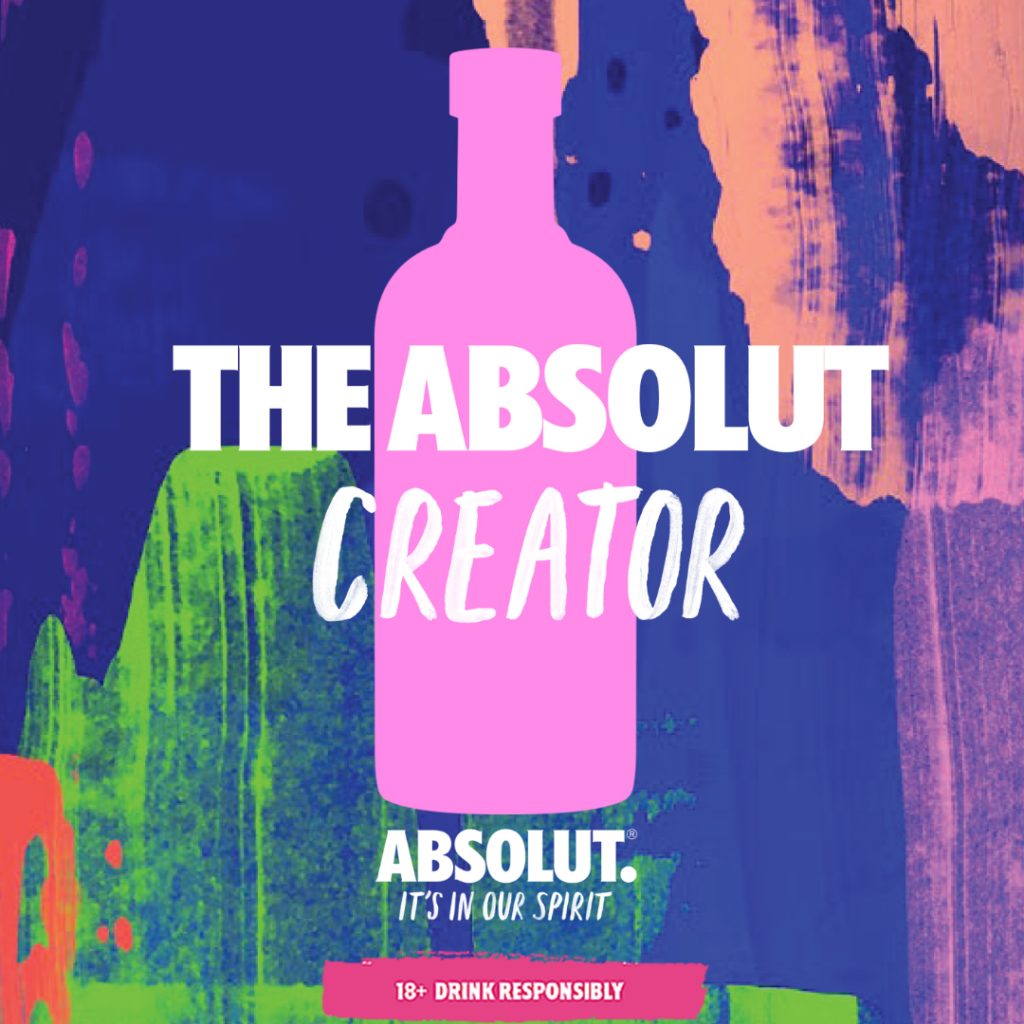
    If you are a digital artist between ages 18 – 30 who loves good vibes and seeks to drive positive social change through art, then The Absolut Creator Competition will interest you. It’s a perfect opportunity to share your aspirations for a better Nigeria through your digital art works.

    Follow these steps to participate:

    1. Find the Absolut bottle outline and brand logo tagline here and incorporate them in your design.
    2. Create your vision of a better Nigeria using Absolut Nigeria’s theme: “Everyone should be free to express themselves” and incorporate the Absolut bottle outline.
    3. Visit the www.absolutcreator.ng to sign up and submit your artwork.
    4. Enter your name, email address and relevant social media handles in the submission box.
    5. Finally – Upload your design or artwork and click on ‘submit’.

    To improve your chances of winning, follow these guidelines:

    1. Artwork should be based on stated theme only.
    2. Artwork must include the Absolut Bottle outline from top to bottom.
    3. Artwork must include the brand logo and campaign tagline at the bottom.
    4. Artwork must be developed in portrait format – not dimension specific.
    5. Avoid multiple silhouettes within your artwork.
    6. Artworks must embody the theme in a Nigerian context.

    Stand a chance of winning the following prizes if you make it to the finals:

    • A MacBook Pro Laptop
    • One-year premium subscription of Adobe Creative Cloud
    • The Absolut Creator merch
    • One-year internship with a creative agency

    Good luck and happy creating!

  • Do you think you’re smarter than a Primary school student? This quiz knows this answer:

    QUIZ: 11 Fun Trivia Quizzes For The Efikos Among Us

    Are you a smarty pants or not? Take this quiz.

    [donation]

  • Get at least 7 questions right on this art quiz to prove you’re smarter than a primary school student.

  • The area now known as Nigeria is home to over 350 different tribes. Many of these tribes, some of which date back several centuries before colonization, boasted of several artefacts and monument. Sadly, colonization meant the loss of many of these artefacts, which were flung all over the world. For example, the British conquest of the Benin kingdom led to the looting of over 4000 artefacts.

    Here are a few of these artefacts currently being held abroad, despite being established to have been stolen duringconquests.

    1. Benin Mask (Queen Mother)

    The Queen Mother mask is one of Nigeria’s most popular artefacts. You’ve probably seen it somewhere before. It is miniature sculptural portrait in ivory, depicting the powerful Queen Mother Idia, who lived in the 16th Century Benin Empire.

    The mask is currently in the British Museum after it was pillaged during the British Benin Expedition of 1897. Other at the Metropolitan Museum of Art in New York City and the Linden Museum in Germany were also looted during the expedition.

    .

    2. The Nok Terracottas

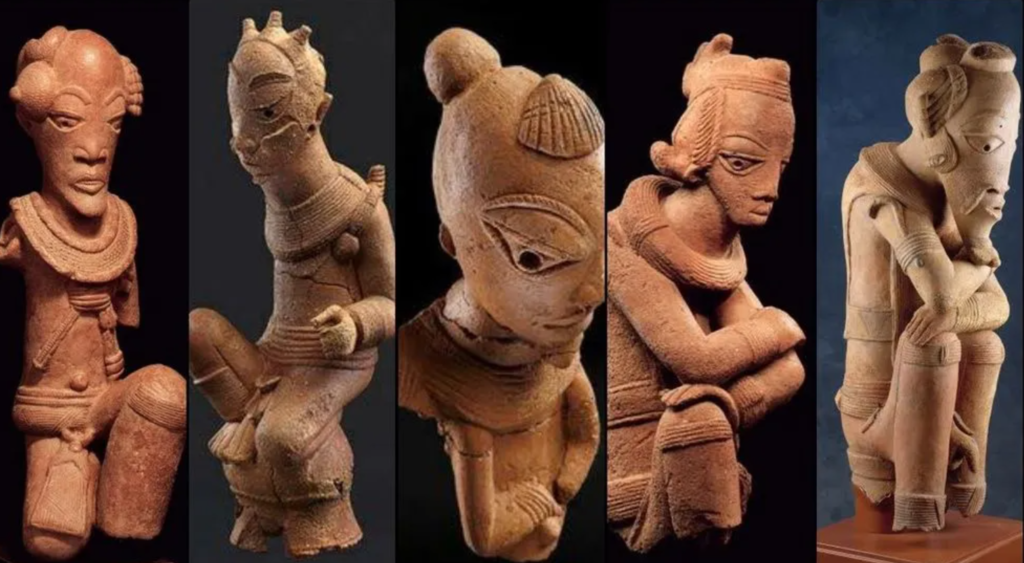
    The Nok Terracottas were looted from the Bauchi plateau, where the Nok people are said to have occupied from 1000BC to 500AD. The Noks were iron smelters and is best know for its Nok Terracota which depicts humans and animals with jewellery and elaborate hair. The Nok Terracottas are presently in the Louvre Museum in Paris.

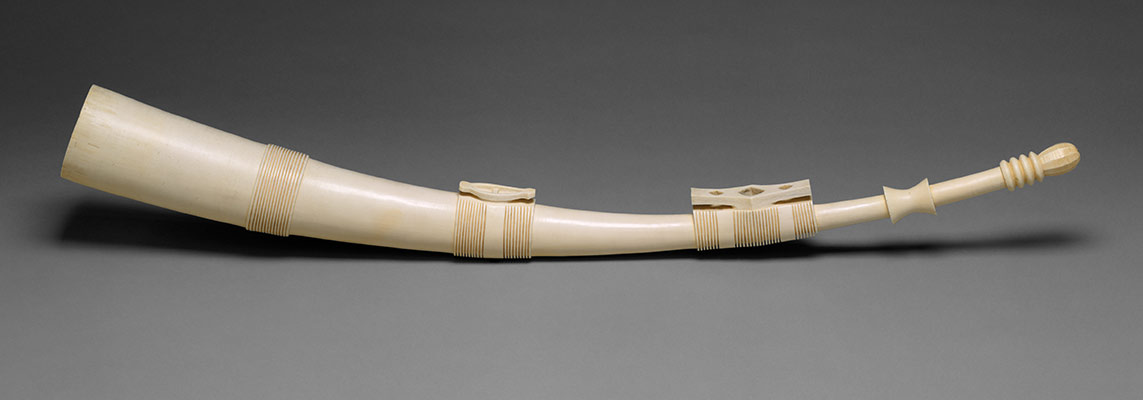
    3. The Sideblown horn of Congo

    This Sideblow Horn of Congo was looted from the Mangbetu people of today’s Democratic Republic of Congo. The Ivory trumpet symbolises royal power, carved for use by the royal house. They are often decorated with skins and intricate carvings.

    Side-blown Trumpet | Mangbetu | The Metropolitan Museum of Art

    4. The Congolese Chokwe mask

    The Chokwe masks originated the Congo are scared masks used during crowning stories and sacrifices to the ancestors. The piece currently sits in the National Museum of African Art, Washington.