• A few days ago, social media was filled with conversations about deadbeat mothers — how their existence is often overlooked in favour of deadbeat dads. It made me wonder what it really means to have a mother who chooses not to be in your life. That’s how I found *Bolarinwa.

    In this story, the 31-year-old mother of one shares what it was like being raised without her mum, how she discovered the truth about her mother’s absence, and the heartbreaking rejection that followed when she tried to reconnect.

    As told to Adeyinka

    I grew up knowing I had a mother but never really had one.

    My earliest memories of her are hazy, fleeting moments of warmth that disappeared as quickly as they came. A hug here, a soft smile there. But the memories don’t last long enough to form anything concrete. I can’t recall the sound of her voice, how she smelled, or even what it felt like to have her around for more than a few hours.

    Instead, I had my grandmother. She was the one who raised me, who made sure I had food to eat, clothes to wear, and a roof over my head. She was the one who came to school for visiting days, who held my hand when I was sick, who braided my hair in front of the house on warm Sunday evenings. I lacked nothing; at least, that’s what she told me.

    But I knew better. No matter how much love my grandmother gave me, there was always a missing piece. The absence of a mother isn’t something you can just ignore, even when you’re told that everything is fine because it’s not fine. Not when you see other children run to their mothers after school or hear your classmates complain about their mums being “too strict” or “too protective”— things you would give anything to experience for yourself.

    And then there were the questions. I remember being in primary school when a classmate asked why my mum was “so old.” It caught me off guard, and I didn’t even know what to say for a few seconds. My grandmother had picked me up that day like she always did, and while I had never been ashamed of her, I suddenly felt self-conscious. I mumbled something about her being my grandma, and the conversation moved on, but it stuck with me.

    Another time, during a class project about our families, we were asked to bring a photo of our parents. I had no recent picture of my mother, and bringing a photo of my grandmother felt too complicated to explain. So, I “forgot” to submit anything and spent the entire day dodging questions about why I didn’t have a picture.

    I learned early on that people expected certain things regarding family, and my reality didn’t fit. So, I avoided the topic when I could, giving vague answers when people asked. But inside, I wished I had a simpler story to tell.

    When I was younger, I asked where she was. I don’t remember my grandmother’s exact words, but I remember the sentiment: She’s not here, but she loves you. That answer was enough for a while. I built stories in my head. Maybe she was far away, working hard to make life better for us. Maybe she was sick and needed to get better before she could return. Maybe she was waiting for the right moment.

    Then, one day, when I was around 11, I heard one of my uncles say something that shattered all my hopeful theories: She was in a mental institution.

    Get More Zikoko Goodness in Your Mail

    Subscribe to our newsletters and never miss any of the action

    I didn’t understand the full weight of those words then, but they stuck with me. And as I grew older, they started shaping how I saw her absence. She was sick, and that meant she had no choice. Maybe she wanted to be with me but couldn’t. Maybe she was fighting to get better, and she would come back one day.

    I held onto that belief for years.

    By the time I got to secondary school, my mother had become more of an idea than a real person. She was a name, a shadow in my life, someone I could talk about but not truly know. When my classmates spoke about their mothers, I stayed silent. When they asked about mine, I said she was away. That was easier than explaining what I didn’t even understand myself.

    It wasn’t until I got to university that I started to question things more.

    I had grown up hearing whispers and little comments from relatives that didn’t add up. And I wondered why no one ever took me to see her. If she was in a mental institution, why did it feel like she had vanished entirely? It didn’t make sense.

    So I asked. This time, I didn’t just ask to satisfy my curiosity. I demanded the truth. I told my grandmother I wouldn’t stop asking until someone took me to her. And that’s when I learned the real story. My mother wasn’t sick. She had never been in a hospital. She was in a church.

    The revelation made no sense to me. What did they mean she was in a church? For years, I had been told she was unwell. I had spent my childhood feeling sorry for a woman who wasn’t fighting for her life but had chosen a different one that didn’t include me.

    I insisted on seeing her. My grandmother hesitated, but after years of hiding the truth, she had no choice but to tell me where to find her. The church was on the outskirts of town, a large compound with high walls and a strict entrance policy. I had to wait outside for hours before someone agreed to call her.

    When she finally came out, she barely looked at me.

    [ad]

    I had imagined this moment so many times, how she would see me and burst into tears, how she would hold me and apologise for everything, how she would tell me she loved me and had missed me every single day. But none of that happened.

    She stood in front of me, eyes empty, mouth set in a firm line. She looked at me like I was a stranger. And when I tried to speak, she cut me off.

    “I have nothing to say to you.”

    I didn’t understand. I had waited my whole life for this moment. I thought seeing me would change something in her. But she didn’t even flinch.

    Still, I refused to give up. I went back again and again. Each time, she was colder than before, barely acknowledging me, treating me like a stranger who had wandered into her life uninvited. But there was one visit that almost felt different. 

    It was a Sunday afternoon, and I had waited outside the church for hours before she finally agreed to speak with me. For the first time, she didn’t immediately dismiss me or walk away. My heart raced with hope. Maybe this was it. Maybe she was finally ready to be my mother.

    Then she said, “If you’re serious about wanting a relationship with me, you need to leave Islam and join the church.” I thought she was joking. I waited for a smile, some sign that she didn’t mean it. But she was serious. In her mind, the only way I could matter to her was if I erased the life I had always known.

    I felt like a fool. Even after all the rejections, some part of me still believed she just needed time. That if I showed up enough and proved myself enough, she would remember I was her daughter.

    The last time I saw her, I finally asked the questions that had haunted me my entire life. “Why did you abandon me? Why do you refuse to acknowledge me?”

    Her response was simple and final. “I don’t owe you anything.” That was when I knew. My mother had made her choice a long time ago. And I was never a part of it.


    TAKE THE QUIZ: What Kind of Parent Will You Be?


    I don’t remember how I got home that day. I don’t remember if I cried or just sat in silence, trying to process the weight of those words, but I remember feeling empty.

    Years passed, and I tried to move on. I convinced myself that I didn’t need her. That I had grown up fine without her, and I would be fine in the future, too. But when I got married five years ago, the wound reopened.

    Despite everything, I wanted her there. I told myself that this time, she would show up. That no matter what had happened in the past, she would at least want to be there for this. I sent word through the church, through relatives. And her response was the same as before: she didn’t care to be there. So I walked down the aisle with my grandmother by my side, the only mother I had ever known.

    Now, I have a daughter of my own. And every day, I look at her and wonder how my mother ever left me. I don’t understand how you carry a child, birth them, and then pretend they don’t exist. Motherhood has been the most terrifying, beautiful, overwhelming experience of my life. I can’t imagine choosing anything over my child.

    Sometimes, I wonder if she ever thinks about me. If she regrets anything. If she ever wonders what kind of woman I became. But I can’t waste my life thinking about someone who never thought about me.

    All I can do is be the mother I never had. My daughter will never have to question if she is loved. She will never feel my absence the way I felt my mother’s. I grew up without a mother, and I survived. But my daughter? She will never know what that feels like. She will always have me.


    READ THIS NEXT: My Mum Has Everything, But She’s Still The Greediest Person I’ve Ever Known

  • I’ve pictured a thousand and one ways I’d have scolded my parents if I caught them embarrassing me on social media. And let me tell you something, I’ve failed a thousand and one times.

    You may be tempted to believe that I’m not the right person to dish out tips on dealing with your parents, but please, perish that thought. You know how older folks say it’s easier to discipline a stranger’s child than it is your own? Exactly. The same principle applies here. 

    Now that we’ve gotten that out of the way, let us explore the different ways to send your parents into shocked mute if they misbehave on Obasanjo’s internet. 

    Deactivate your social media

    What to Do When Your Parents Join a Social Media Challenge

    This is the first step in making sure you don’t die of embarrassment. And you must do this ASAP. This way, no one will be able to trace them to you when they ask “Whose mother or father is this?”

    Activate your burner

    What to Do When Your Parents Join a Social Media Challenge

    You have only one job when you do this. Troll their ungodly video entry for whatever challenge they’re participating in. When they come running to you, give them the most parent friendly advice ever: “Mummy, daddy, delete the video.”

    Tell them to “stood down”

    Your parent’s willingness to join a social media challenge might be their undoing.  Just tell them that this punishment that showed you shege as a kid is the new way to keep fit and exercise. They’ll hit the ground quicker than they can press “post” on Instagram. Take this as your way of disciplining them. But please, temper justice with mercy.

    Report them to their Olubawi

    What to Do When Your Parents Join a Social Media Challenge

    Especially if it’s a social media challenge with extreme sexual undertones. You’ll have to call big daddy, big mummy, Iya agba, Baba agba or whoever they hold in high regard to keep their relatives in check. 

    Or just call a family meeting

    When everyone has gathered, play the embarrassing video on the big screen. Your parents will see for themselves why it’s not a good idea to document their peak foolery for the internet to see.

    [ad]

    Clean up their socials

    How will they see a challenge to participate in it if you’ve curated their page to only show Godly content? Block every known celebrity and gossip pages on their social media, including the ones they haven’t followed yet. This way, you can rest assured knowing they only see things that please God. Repeat this clean up monthly. 

    Have a heart to heart conversation

    What to Do When Your Parents Join a Social Media Challenge

    How the roles have changed, right? Anyway, use the opportunity to educate them about the dangers of oversharing on social media. Tell them sharing embarrassing content like that is like setting a table in front of their enemies.

    Join them

    If you notice the challenge is just a way for them to do something fun and stay happy, join them. Good thing is, you get to control what they put out and suggest social media challenges that glorify the name of the Lord.

    READ THIS NEXT: How To Train Your Parents to Start Seeing You As Adult

  • Life is good. Life has its perks sometimes, despite all its (very many) bumps. However, you might, for any reason, decide that you’re tired of life and living. Especially if you’re living with Nigerian parents. Do any of these and you’re assured of a speedy dispatch to the afterlife. You’re welcome.

    1. Put it on your mother’s head

    You know how your mother says “put it on my head” when you ask where to put something? Try putting it on her head, for once. Let us know how it goes.

    40+ Best Nigerian Quotes images | nigerian quotes, african memes, african  jokes

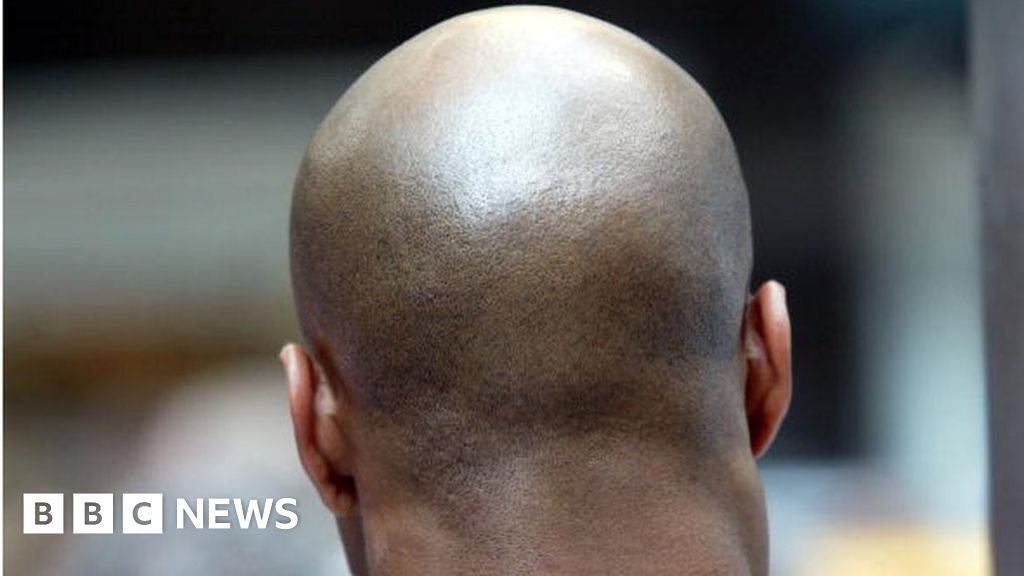
    2. Rub your father’s bald head

    You know how they say rubbing a bald head brings good luck? You can decide to rub your popsy’s shiny head. You can add a light tap, if you’re feeling extra. Do let us know which hospital you end up in.

    Mozambique police warn bald men after ritual attack - BBC News

    3. Tell your father you hate him and walk out 

    Just like in American movies. You think you can pull it off? Go for it.

    Mad Walking Out GIF by The Maury Show

    4. Don’t bring out the soup from the freezer

    How to care for your refrigerator | The Guardian Nigeria News - Nigeria and  World NewsSaturday Magazine — The Guardian Nigeria News – Nigeria and World  News

    Just know you’re finished.

    5. Defend yourself from beating

    African Parents Are Lazy Disciplinarians – Believe. Aspire. Experience.

    “So you want to beat your mother abi?”

    One year ago, we left Nigeria for an 80-day adventure across West Africa. Something is coming. Unshared stories. New perspectives. Limited series. 10 episodes. Jollofroad.com

  • When a lot of people recall childhood beatings, it’s often with a hint of wry humour and I’m usually just blown, like

    Excuse me, what about getting beaten is funny? Your dad or mom had you hospitalized and left a permanent scar on you and you’re laughing almost fondly? What in the Stockholm Syndrome is this? I often find that the longer people tell these stories, the humour fades and their true feelings of the events are exposed – whatever they may be. Admittedly, if I were asked to recount such tales, I’d probably laugh in the process of telling it as well. Well, that just might be because I’m damaged. Who knows?
    Corporal punishments or what we call beating, is tightly woven into the average Nigerian or African’s correctional culture. It starts at home with parents, aunts or uncles and older siblings, and extends to school and sometimes even religious institutions. In fact, it’s not the strangest thing to see a man or woman “discipline” a complete stranger’s child for some wrongdoing or other. They say it takes a village to raise a child and this village believes in the supposed effectiveness of beatings. However, with all the beatings and supposed discipline, crime and immorality are still rife in the society.
    https://www.instagram.com/p/Bhpos-XFs_a/?hl=en&tagged=stopbeatingchildren
    A lot of people will argue that beatings didn’t leave any lasting mental scars, that they’re actually better for it. These same people look forward to beating their children for not much other reason than ‘well, it was done to me and I turned out well’. That might be true, but you could definitely have turned out a whole lot better. In an environment that often disregards mental health, it would be hard for you to even tell the signs. Damaged people damage people.

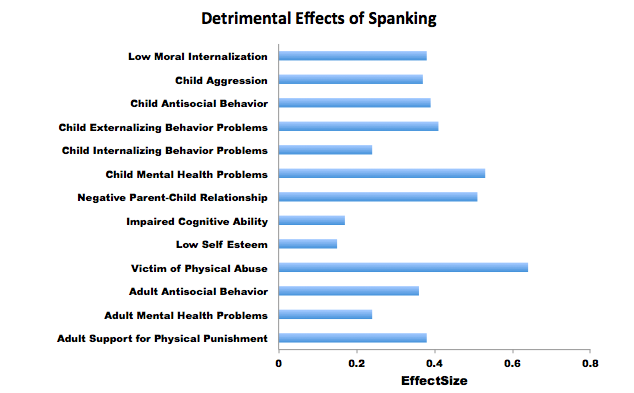
    There are many detrimental effects of corporal punishment.

    If you were beaten as a child, it’s okay to admit that you are damaged. It makes it easier to notice the signs and break the cycle. Unless you have the very spawn of the devil as a child (which is very unlikely) there’s no way he/she won’t be able to discern right from wrong, especially if broken down and properly communicated to them. It doesn’t have to be etched on their bodies through beatings. In contrast to what parents are trying to achieve, the child most often only learns to fear punishment, rather than understand why he should follow rules. They become sneaky and learn to hide bad behaviour well, because of the fear of punishment. AKA “wrong is what gets you punished; right is what gets you praise or avoids punishment.” Morally upright, indeed. See this.
    https://www.instagram.com/p/BhrmwzCFy0p/?hl=en&tagged=stopbeatingchildren
    Beatings don’t teach your child to behave properly. A child who gets beaten for fighting a sibling won’t magically learn how to get along better in future. Parents are in fact just sending a confusing message by doing exactly what they’re trying to get the children to not do. Children do what parents do, more than what they say. Effective discipline should always teach new skills, and parents are responsible for the child they raised. Parents often lose it and react, and in the process don’t teach anything other than that their child should be afraid of them. Parents who use corporal punishment often react out of desperation before they really consider the underlying reason. The child just gets beaten without fully understanding what they did wrong, simply learning that their parents don’t like it and not to do it again… and get caught.

    Parents who employ corporal punishment as a discipline tool are simply training their kids to resent them.

    https://www.instagram.com/p/BhsCuv0lLQl/?hl=en&tagged=stopbeatingchildren

    Beatings damage your child’s self-esteem, their ability to interact properly with others, their view of the world and their view of how they deserve to be treated!

    https://www.instagram.com/p/Bhrrb1KlKIw/?hl=en&tagged=stopbeatingchildren

    Beatings push your children away from you, and they become vulnerable to picking up vices from strangers. They also perfect bad habits such as lying. Why make your child grow up traumatised?

    https://www.instagram.com/p/Bhr7jS8lrOh/?hl=en&tagged=stopbeatingchildren

    Punishment isn’t the only facet of discipline! In fact, if your discipline consists of just negative consequences, it isn’t very effective.

    Some parents, when asked why they beat their children, will say out of frustration “I don’t know what else to do.” How would you feel if you were meted out that same punishment by a spouse or loved one with the excuse of them not knowing how else to let you know you’d made a mistake? That would be termed ‘Emotional Pain and Suffering’ for an adult, so why do we believe children don’t have the same feelings that adults do? The screaming that comes from a young child being beaten is not so much the result of physical trauma as it is emotional trauma. They experience the overwhelming emotional pain of rejection, worthlessness, and the betrayal is usually much worse than any physical pain.

    So, is #StopBeatingChildren a relevant movement in the Nigerian society? Yes.

    https://www.instagram.com/p/Bh0Eclulye6/?hl=en&tagged=stopbeatingchildren
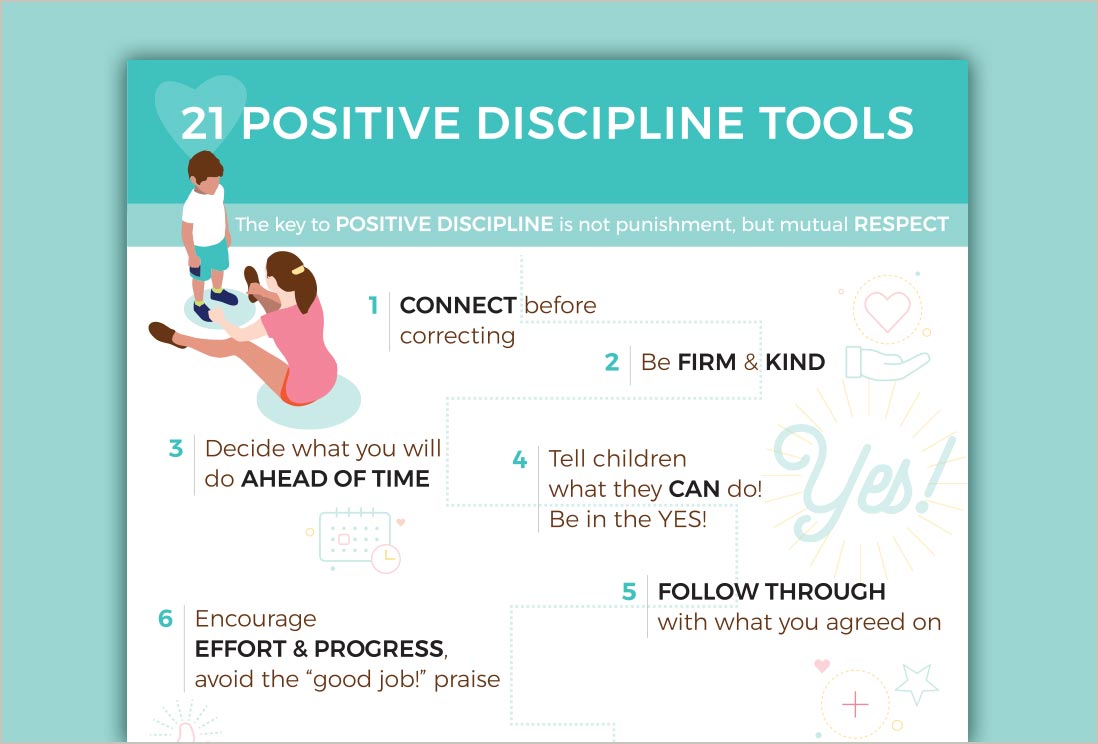
    We need to recognize beatings for what they are – abuse. We need to break the cycle of abusing our children because we were abused. There are other equally effective methods of disciplining a child without physical (or verbal) abuse. Parents can try, for one, actually talking to the kids like they’re human beings with brains. They should also try educating them as patiently as possible about the dangers or implications of their bad behaviour. Ignore them, ground them, take away something they love, clearly express your disapproval and lecture them if need be, just do anything but abuse them. The mental scars you inflict on them will last longer than any lesson you’d like them to learn.

    What are your thoughts on using corporal punishment as a discipline tool?

  • If you have Nigerian parents like mine, asking for money was most likely a grueling and almost terrifying task. You try to prepare and brace yourself ahead of time, but the where, when, why and how combo will always leave you stunned. Here’s a few of their excuses!

    As you’re there shivering, they’ll just be looking at you like…

    You think I have money growing in the backyard?

    Ah ahn, mummy. Only sometimes, now…

    What happened to the money I just gave you?

    When you’re hit with this question, confusion just sets in! Even if it has been three months since and they ask you, just pull out a pen and get ready to do some accounting. You’ve entered it.

    Eh ehn… With your grades?

    “Is it with D- in mathematics that you want to collect money? You can calculate money but not ordinary simple algebra??? My friend clear off!”

    “When you’re always pressing phone.”

    “Why won’t you need money when you are always pressing your phone?” Everything bad in life is because of the phone they bought for you, anyway.

    Haven’t you been eating in this house?

    But when did I start paying for food nah??? Even when asking for your own money, you have to be careful if you want to keep eating. Issa scam.

    What are you even using money for?

    Na wah o… Where do I even start?

    Go and meet your mother/father.

    Even when they know the other person isn’t around. Ugh!

    Why didn’t you tell me since?

    “And I just finished spending all the money I had o. Sorry.” Chei! But why?

    Come and sell me/turn me to money.

    Caution! Do not proceed!! Retreat!!!

    I don’t have.

    Cheee! This is the answer you meet at the final level. The painful boss. No chance to beg further, no progress, no explanation, just… no. You cannot argue with this, even if you see them with tons of money. Just accept your fate and go away. Slap is real.

    But last last sha, all is for home training and in good faith, because they struggle too. Shout out to our amazing folks!

  • We all know Nigerian parents are hard to impress especially when it comes to approving of the kind of friends you have.

    All your friends are bad gang and nobody is good enough to be friends with you except these 10 people.

    The ones that have two heads and used to come first in class when you were coming second.

    Your own friends were coming third and fourth and you wonder why you didn’t reach  JAMB cut off for Medicine.

    The ones that will join you to do housework when they come and visit.

    Not the ones without home training that’ll just cross leg in front of the T.V.

    The one whose future ambition was either to be a doctor, lawyer, engineer or pastor.

    Dazzal the ones who chose any other professions were destined to end up as failures and your parents didn’t want you to associate with failures.

    The one whose two knees touched the ground or who laid flat on the ground when they were greeting them.

    Ehen omo dada.

    The church worker that’s also in the choir and is a youth leader and teaches Sunday school too.

    The only thing that’s remaining is for them to open their own church.

    The one that only comes over when you people have assignment to do together.

    Unlike the ones that’ll come and be using you are your destiny to play video games.

    The friends that barbed skin, used to write names of noise makers and wore their trousers like this.

    They were always class captain.

    That friend that has never had sex, doesn’t know the meaning of sex and never plans on having sex.

    In fact they don’t even know what alcohol is.

    The friend that works in Shell, Mobil or Chevron and has already built a house for their parents.

    While you, you are still there going home every weekend to beg your mummy for stew.

    The ones that graduated at 21 with a first class and immediately got married and had three children.

    You are there denying your parents of the chance to hold their grand children already.

    And finally the one with responsible parents like themselves.

    Because it’s only responsible parents that can have responsible children.
  • 1. Only petty people will understand this.

    2. Our parents didn’t like clearing their own plates.

    3. This was just the worst thing ever.

    4. Dating was an abomination.

    5. When the visitor refuses to go back to their house.

    6. The African weekend starter pack

    7. This tweet about visitors and gifts.

    https://twitter.com/thetruesherif/status/780413314409127936

    8. How African parents put their children to sleep.

    https://twitter.com/underdxgt/status/780412219469262848

    9. The only dishwasher our parents know and trust:

    https://twitter.com/iGitz_/status/780411991198470144

    10. When your parents keep the good things of life for the visitors:

    https://twitter.com/iGitz_/status/780397543989600257

    11. The one about the remote.

    https://twitter.com/Sthee_Gee/status/780391985484075008

    12. When they start doing bad things in the film you’re watching with your parents:

    13. The fastest way to meet Jesus in heaven:

    https://twitter.com/gloria_imodia/status/780423426314014721
  • WARNING: PLEASE, DO NOT TRY THESE AT HOME!

    1. When your father compares you to your age mates.

    https://twitter.com/officialdaddymo/status/760407704011767808

    2. When your mother is disturbing you during morning devotion.

    3. When your mother wants to leave you in charge of your siblings.

    4. When your aunty reports you for not greeting her well.

    https://twitter.com/sleeky__jnr/status/760296262373564416

    5. When your mother complains about you “pressing phone”.

    https://twitter.com/degostee/status/760281586130644992

    6. When your mother forces you to talk to one of your relatives.

    7. When your father tells you to go and wash his car.

    https://twitter.com/tonyvodka/status/760220293499682816

    8. When you don’t greet your parents visitor:

    9. When you give your mother something with your left hand.

    https://twitter.com/tolu_19/status/760202666324754432

    10. When your mother tries to remind you that she gave birth to you.

    11. When your parents start talking about how they came first in school.

    12. When your mother asks you where something is.

    13. When your mother wants to “help you keep” your money.

    https://twitter.com/afolabiige/status/760190794359767041

    14. When your mother says she doesn’t want to hear “PIM”.

    15. When your mother tells you to defrost the chicken.

    https://twitter.com/subdeliveryman/status/760187398307192836
  • 1. When they insult you at home but defend you in public.

    So strange.

    2. When they say “we are only beating you because we love you.”

    I don’t understand this love oh.

    3. When they call you to come and eat right after beating you.

    They have already forgiven you.

    4. When they allow you to go and take extra meat.

    THE BEST!

    5. When they still give you offering money even as an adult.

    You are still a child to them.

    6. When they always find a way to bring home food from owambes for you.

    You must eat what they ate.

    7. When your relatives try to report you to your parents and they give them:

    Just once in a while, but it’s so sweet.

    8. When they spend an eternity praying for you whenever you’re about to travel.

    They must pray for journey mercies first.

    9. When they buy you a phone that is more expensive than their own.

    They got you smartphone and they are still using 3310.

    10. When your sibling chooks mouth when they are scolding you and they turn and face them.

    They are lowkey defending you.

    11. When they start trying to play with you right after punishing you.

    I don’t like this play.

    12. When they make you stay home in the name of keeping you safe.

    The worst.

    13. When you misbehave but your mother doesn’t report you to your father.

    The biggest act of kindness.

    14. When you call your father to ‘greet him’ and he just asks:

    Daddy, you sabi abeg.
  • 1. When your mum is calling your sibling and you try to help.

    https://twitter.com/ms_hanie/status/712009407496916992

    2. When your father sees you doing anything that doesn’t relate to your education.

    https://twitter.com/sirDaccoh/status/681629451445243904

    3. When your mum takes everything literally.

    https://twitter.com/Khordeleah/status/679978719281319936

    4. When you bring one nonsense result home to your father.

    5. When your mother gives you that death stare.

    https://twitter.com/malik_pinmouth/status/629016278972370944

    6. When you try to be cool with your father,

    7. When your mother tells you to clean the house and you do rubbish,

    8. When you want to misbehave and your mother reminds you where you came from.

    https://twitter.com/SemilooreAkoni/status/698252563561447426

    9. When your mother expects you to be able to read her mind.

    10. When your mother jumps form 0 to 100 just like that.

    https://twitter.com/Oj_Philz/status/639551201130999808

    11. When your mother starts making you consider money ritual.

    12. When you don’t get the best score humanly possible.

    https://twitter.com/ochman101/status/656143509087457280

    13. When you tell your mother you can’t find something.

    https://twitter.com/chuuzzy/status/576654410719318016

    14. When you ask your father for money.

    15. When you hear this song and you know it’s a fresh round of prayers.