Dr. Temidayo Oniosun didn’t start out as a millionaire. He just wanted to solve a problem no one else noticed. What started during an ASUU strike became a bold bet on Africa’s future in space.
Here’s how he turned curiosity into a million-dollar company, reshaping space policy across the continent.
As told to Aisha Bello
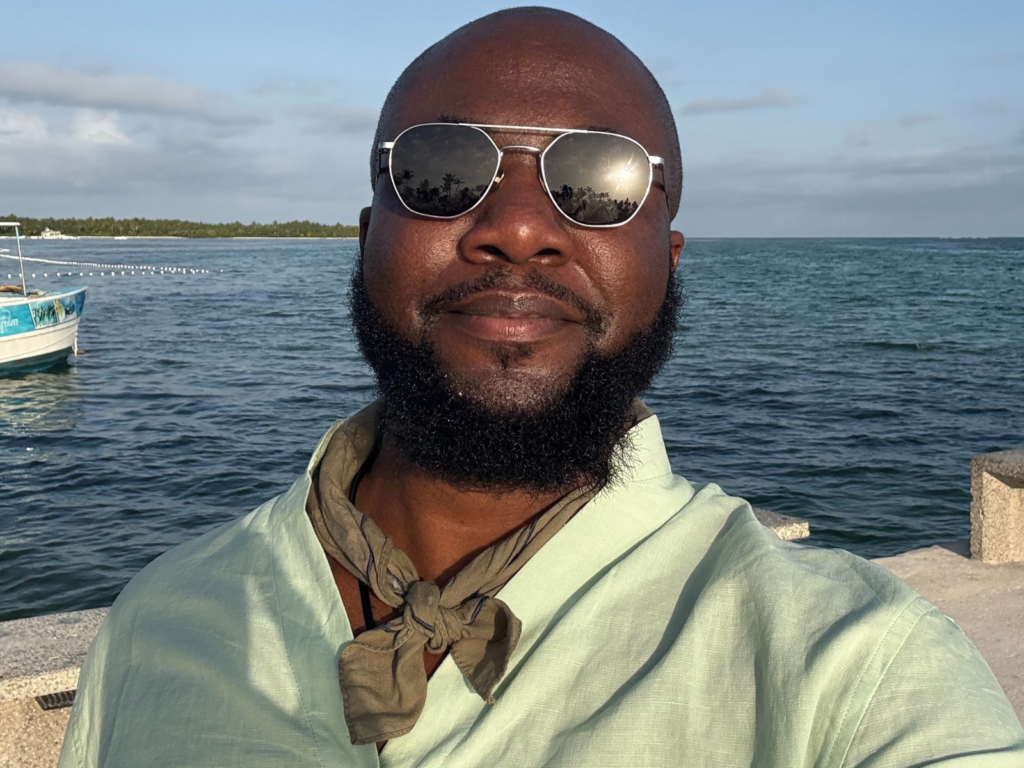
I run a market intelligence and consulting firm called Space in Africa. We help African governments design policies and strategies for their national space programs and work with commercial aerospace companies exploring or expanding into Africa’s satellite and space industry.
I wear other hats: research affiliate at MIT Media Lab, non-resident senior fellow at the Atlantic Council, and founder of a few early-stage companies currently in stealth mode.
I’m 30 now. But this version of my life — the big clients, the global networks, the financial success started from one unexpected detour: an ASUU strike.
The Strike That Shifted Everything
In 2011, I was in my second year studying meteorology at the Federal University of Technology, Akure (FUTA). ASUU went on strike that December, and I returned home with no plan.
One week turned into months. I needed something to fill the time, so I visited a friend from secondary school who was studying computer science, but was also home due to the strike. I watched him code, got curious, and asked him to teach me. That week, he walked me through the basics of HTML and CSS, and just like that, I was hooked.
I wasn’t a natural, but I quickly realised people were willing to pay for websites, and I could figure out the business along the way. I created a business name — Solutions Oriented — and started pitching myself as a web developer, even though I was still learning.
At first, I worked with churches and student fellowships, then small businesses in Akure. Once I discovered WordPress, I ditched heavy coding and built faster. I wasn’t the best developer, but I was resourceful.
First ₦1 Million
By my final year in 2016, I was juggling school and client work. That year, I landed my biggest gig: setting up a website and online infrastructure for a private polytechnic in Akure.
But it wasn’t until NYSC in 2017 that I earned my first ₦1 million. I was 23.
It happened in decent streaks. Each project brought in between ₦100k and ₦300k, and eventually, I crossed seven figures for the first time. I’d never seen that kind of money in my account.
Even then, I knew I didn’t want to build websites forever. I wanted more.
I Didn’t Find Space — It Found Me
My interest in the skies, stars and everything above us started long before university. I grew up fascinated by space. But meteorology — the study of the atmosphere, weather, and climate — was the closest thing to space science that FUTA offered. Still, I leaned into it.
In 2015, I led my school’s space club to launch a balloon into near space. A year later, I won the International Astronautical Federation’s Emerging Space Leadership Award. It’s a global recognition awarded to just 30 outstanding young professionals each year for their impact and leadership in the Space Industry.
During my NYSC year in 2017, I began phasing out my software company and brainstorming ideas for something bigger.
Luckily, I got a $2,000 grant to attend the Space Symposium in Colorado Springs. It’s the largest annual aerospace conference in the world, and the grant covered my registration fees, accommodation, and travel expenses.
That trip changed everything. For the first time, I saw how global the space ecosystem was and how underreported Africa’s role in it had been. I returned to Nigeria with one idea: build a company, the go-to source for data, reporting, and analysis in Africa’s emerging space sector.
From Side Hustle to Strategy
After NYSC in 2018, I moved to Lagos to pursue the idea. But I had no significant funding, just a concept and some savings from my software gigs. So, I took a web development job at a gaming company for ₦185k/month to cover bills and build industry contacts. I stayed six months, then left to go all in.
I launched Space in Africa as a niche media company, publishing news and analysis about satellite launches, space tech, government policy — the things no one else on the continent covered with depth or consistency.
People kept commending our work; by 2019, we had built a solid reputation. But it became clear we hadn’t figured out how to turn the momentum into real revenue. We earned some money from in-house reports and premium subscriptions, but it wasn’t sustainable. I started burning through my savings. In some months, I wasn’t sure we’d survive. The pandemic hit, and things became even more uncertain.
Breakthrough: We Hit $1 Million in Revenue
The real turning point came in 2021, when we doubled down on consulting. We’d been tracking the African space industry for years; we had data no one else had, and that’s what became valuable. We had deep insight into the ecosystem: the players, the gaps, and where the money was. We built a chain of services that allowed us to move fast and smart.
Most of our clients in the space sector were American and European companies. Virgin Orbit, Richard Branson’s company, was a long-term customer before it shut down. We operated on a typical B2B sales model.
That year, we crossed $100,000 in revenue for the first time since launch— a signal that we were onto something real. I was just 27.
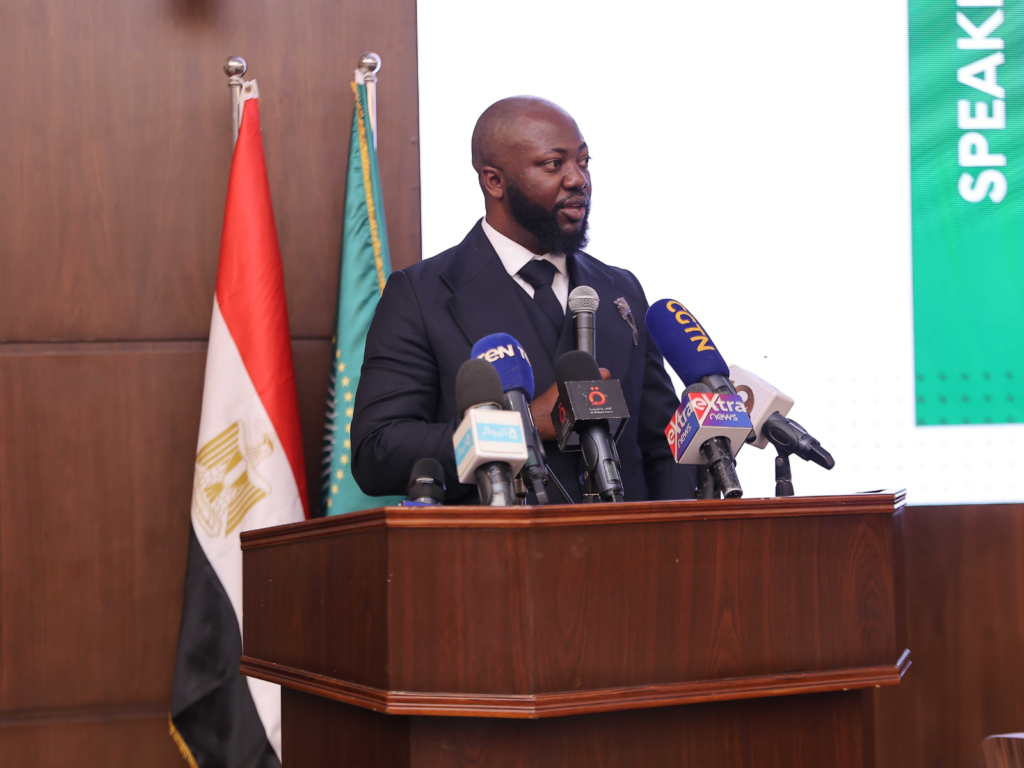
Subsequently, we helped governments design their national space strategies, supported private companies trying to enter African markets, and began hosting closed-door events that brought stakeholders together. One of our major projects was conducting the baseline study for establishing and operationalising the African Space Agency for the African Union Commission.
One year later, we crossed the $1 million revenue mark. I had set up another business vertical focused on technical consulting — building, testing, and procuring systems for clients in the space industry. That became our most significant revenue stream with low overhead costs.
Personally, I made my first $1 million in 2023, at age 29, after accounting for salaries and operations.
Now in 2025, we’ve grown far beyond those early days. Our largest singular consulting contract this year is valued at $3 million. One of our flagship space industry events pulled in over ₦1 billion in revenue alone.
I’m Still Learning How to Spend Money
When I first made serious money, I did what many young Nigerians do — I invested in early-stage startups. Some bets paid off, and most didn’t, but I was buying an education.
Now I’m more deliberate. I’ve learned that making money is just one part of the journey. The real challenge is figuring out how to keep it, grow it, and put it to good use.
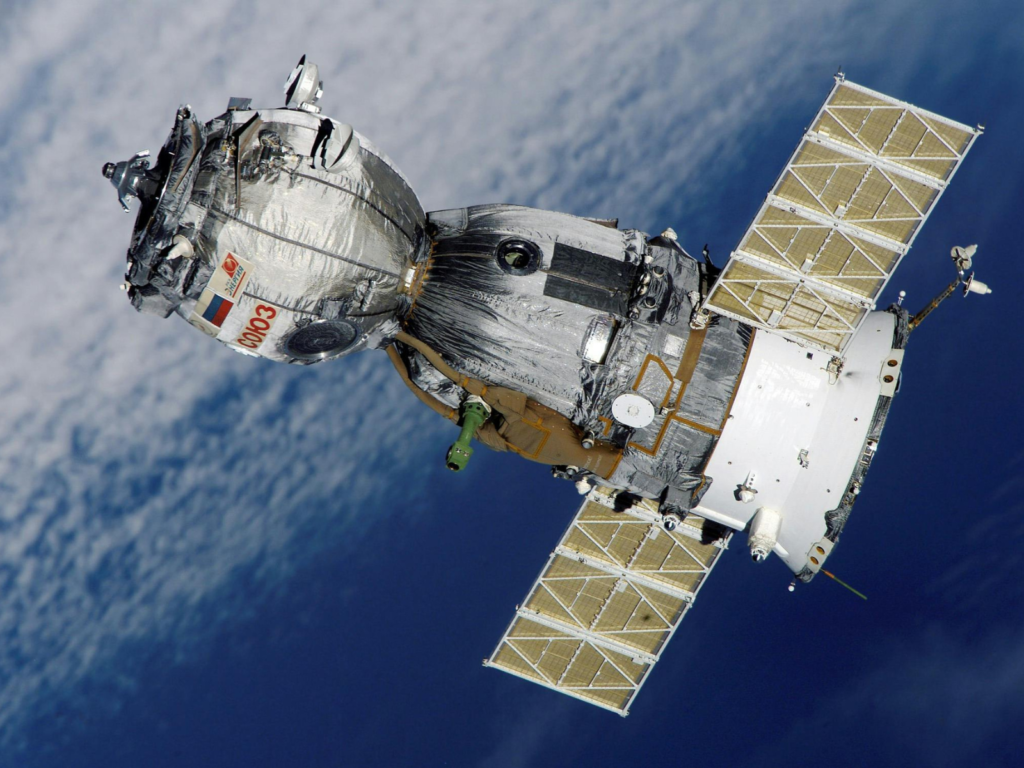
I’m currently developing a new hardware product for climate tech companies on the continent — it’s still in stealth mode. It builds on my work at Trappist Labs, the hardware subsidiary of Space in Africa.
I’m also investing in real estate as a long-term play. I’ve never been drawn to passive money markets or places where money grows on its own; I prefer to invest in ventures that create real value, or in people I trust to build.
There’s No Typical Day
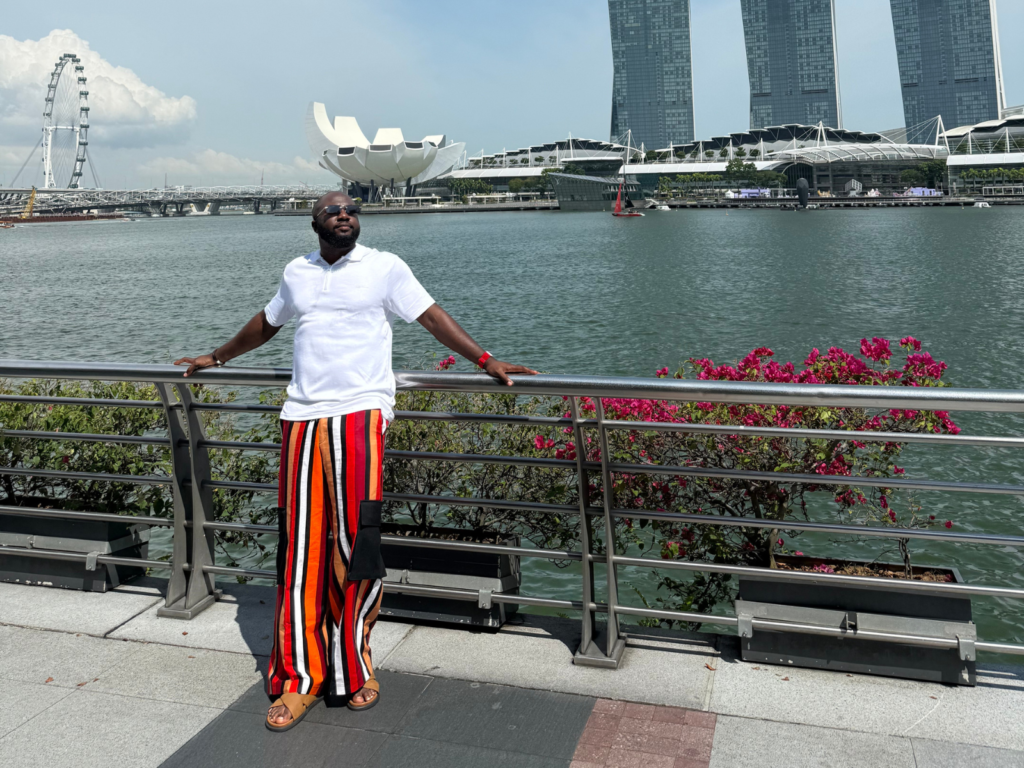
Most weeks, I’m on the move — Nairobi, Cairo, Miami, Lagos. Some days I’m in client meetings. Others, I’m mentoring new founders, hosting events, or just taking time to rest. I now have a strong team of 17, which allows me to focus on the bigger picture. When I’m not travelling, I spend time with my family or on vacation with my wife.
One thing hasn’t changed: my drive to build. That’s always been the throughline, from weather charts in school to web development during strikes to space policy today.
What Made The Difference
Looking back, what helped me most was my willingness to bet on the road less travelled. I could have stayed comfortable as a freelance developer. The money was decent, and the path predictable. But I wanted to build real impact while unlocking wealth that most people only dream about.
Everyone around me was chasing software. I chose space because it was uncharted territory in Africa. I wanted to do the complex and rare thing no one else was thinking about. I wanted to stand out.
That decision to go where few others had gone is definitely what made me the most money and the most impact.
Don’t copy the market if you want to build something truly valuable and become wealthy. Study, understand, then spot what’s missing and build around that gap. You’ll get the same results if you follow the same path as everyone else. Extraordinary outcomes require standing out.
Next Read: I Retired at 53 With Over ₦1 Billion in Assets — Here’s How I Did It
Join 1,000+ Nigerians, finance experts and industry leaders at The Naira Life Conference by Zikoko for a day of real, raw conversations about money and financial freedom. Click here to buy a ticket and secure your spot at the money event of the year, where you’ll get the practical tools to 10x your income, network with the biggest players in your industry, and level up in your career and business.