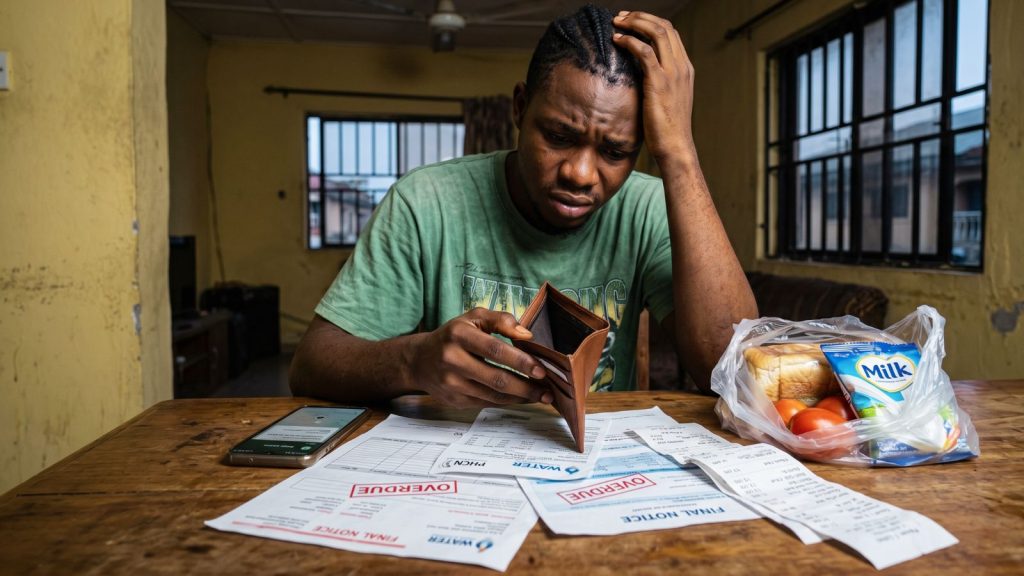
Let’s be completely honest for a second. For many Nigerians, everything feels incredibly difficult right now. If you are feeling completely overwhelmed by just existing, we want you to know something important: It is not just you.
Many of us are trapped in the same mental loop. The statistics are alarming. The World Health Organisation (WHO) estimates that one in eight Nigerians suffers from mental disorders. Depression, anxiety, post-traumatic stress disorder (PTSD), bipolar disorder and schizophrenia are the most common around here.
Mental health issues have deeply complicated, deeply personal causes. But your brain does not exist in a vacuum. It reacts to your environment. According to the WHO, material conditions like poverty, violence, disability, and inequality increase the risk of developing a mental health condition.
That’s why we’re here to tell you that Nigeria is actively messing with your head. Here’s how.
Tinubunomics — No Money, More Problems
Let’s look at the most consistent source of your daily headaches: your empty wallet, and the fact that you can comfortably count the digits in your bank account on one hand.
The World Bank reports that the population of Nigerians living below the poverty line has climbed from 56% in 2023 to a staggering 63% in 2025, trapping over 140 million people in absolute economic survival mode.
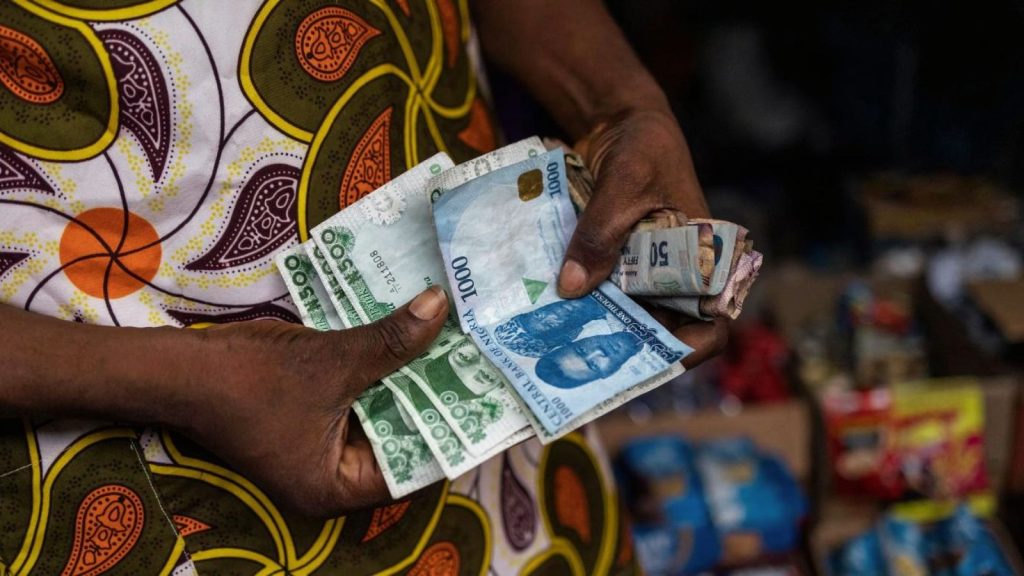
We all know the catalysts by heart now:
- The sudden end of fuel subsidies without any structural social protections to cushion the blow
- Runaway inflation that hit 34.80% in December 2024, the highest it’s been in 28 years.
- A brutal devaluation of the Naira that left it worth a fraction of its pre-Tinubu value.
- A ₦70,000 monthly minimum wage, which is practically impossible to survive on.
You are trapped in an exhausting loop where you are working harder than ever, getting paid less in real value, and unable to afford basic necessities because everything is so damn expensive.
Tinubunomics is kicking our collective behinds, and it’s actively knocking you upside the head. All that desperate, daily stressing about money keeps your body’s cortisol levels permanently spiked. When your system is flooded with prolonged, elevated cortisol, it alters your brain chemistry, causing anxiety and depression.
Every single time a new bill arrives, you go into emergency fight-or-flight mode, and that constant trauma response is quietly wrecking your mind.
Violence: I See Dead People… On My Timeline
Nigeria is one of the most dangerous places to live, and we’re not even exaggerating. The country ranks fourth in the Global Terrorism Index, sitting behind only Pakistan, Burkina Faso and Niger.

It is completely expected that direct victims of this violence will suffer from Post-Traumatic Stress Disorder. Millions of people have been affected already, and the constant cycle of terrorism, banditry and kidnapping is minting new victims every single day.
But what about those who aren’t directly affected? Like you, reading this right now.
Well, you are still a witness to the madness. Reports of these violent incidents are a daily occurrence, and you cannot escape them on the news or your social media timelines. For instance, many Nigerians had to start the week watching a video of a teacher getting beheaded after a bandit attack on schools in Oyo State.
The sheer volume of violence we consume might make us feel desensitised, but none of this is normal. Even if it starts to feel like regular everyday life, your body and your mind are not actually getting used to it.
Researchers at the New Jersey Gun Violence Research Centre have found that media exposure to real-world violence heavily adds to the mental health burden, even “for those not personally involved in an incident.” According to their study, people who are regularly exposed to violent reports are 21% more likely to suffer from depression.
Infrastructure — Nothing Works
Do you have light? Is your water running? How’s your internet connection? If you try making a quick mobile bank transfer, are you sure it will work, or is there a risk the payment won’t go through because of “network failure?”
In Nigeria, basic things that should require zero cognitive effort act as constant tiny stressors, making even the most mundane parts of life a struggle. Once again, it’s not normal to always be on edge the way Nigeria forces you to.
Nigeria is a country with bad and broken infrastructure. The World Bank estimates Nigeria’s total infrastructure stock as amounting to 30% of gross domestic product (GDP). This is miles away from the recommended 70% benchmark. The Bank also estimates that Nigeria will need to invest around $3 trillion in infrastructure to reduce the current deficit.
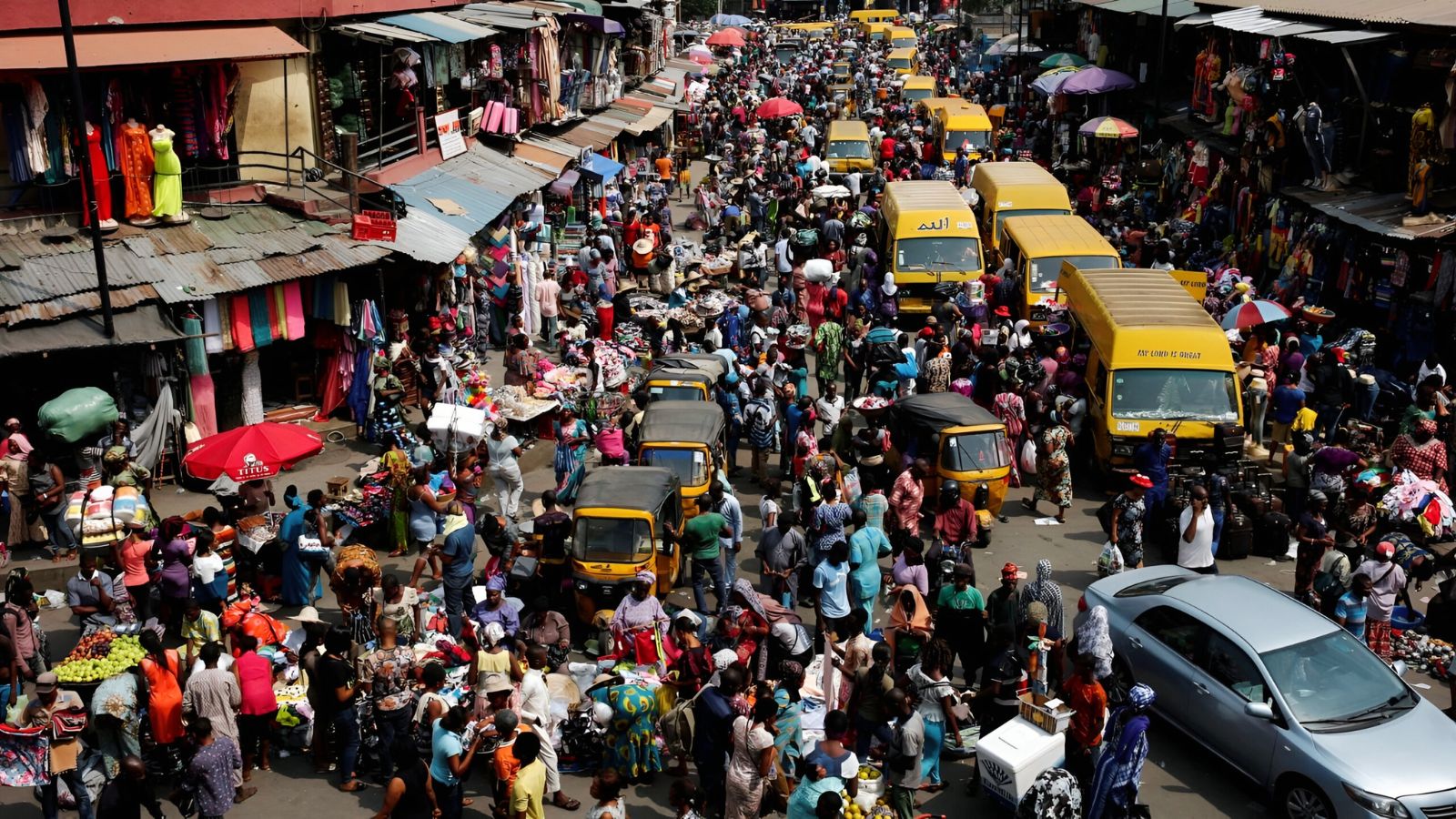
The result is that nothing works. Trying to get around? Bad roads. Gridlocked traffic. Waiting hours for BRT buses. You dared to get sick? Terrible healthcare system. No medical equipment. One doctor for every ten thousand patients.
At home? You need to provide your own running water. Get a generator or solar setup to generate your own electricity. Collect Internet Service Providers like Thanos gathering infinity stones, and still lose your mind when they all somehow experience simultaneous downtimes.
You’re constantly thinking about and negotiating broken systems just to get through the day. You don’t lack mental fortitude. Nigeria is designed to exhaust you mentally. It’s a miracle if you haven’t broken already.
Politics: Expect More…?
Your timeline is full of all kinds of political discourse. Campaign flyers, reports of defections, coalitions, party primaries and consensus debates. But you look at the names, and you’ve heard all of them before.
The stagnation in our political space creates intense feelings of despair and apathy. How can you get excited about the future of Nigeria when it doesn’t look like anything is going to change? The same old men, with their old ideas, are wasting the lives and youth of your generation. It feels completely hopeless.
That lack of excitement and hope is exactly where the damage is done. In psychology, this is called anticipatory anhedonia—the inability to experience excitement or pleasure for future events—and it is one of the core symptoms of major depressive disorder (MDD). When your brain literally cannot picture a positive future, it completely shuts down your motivation and leaves you feeling deeply pessimistic and ultimately depressed.
Only If You Let It
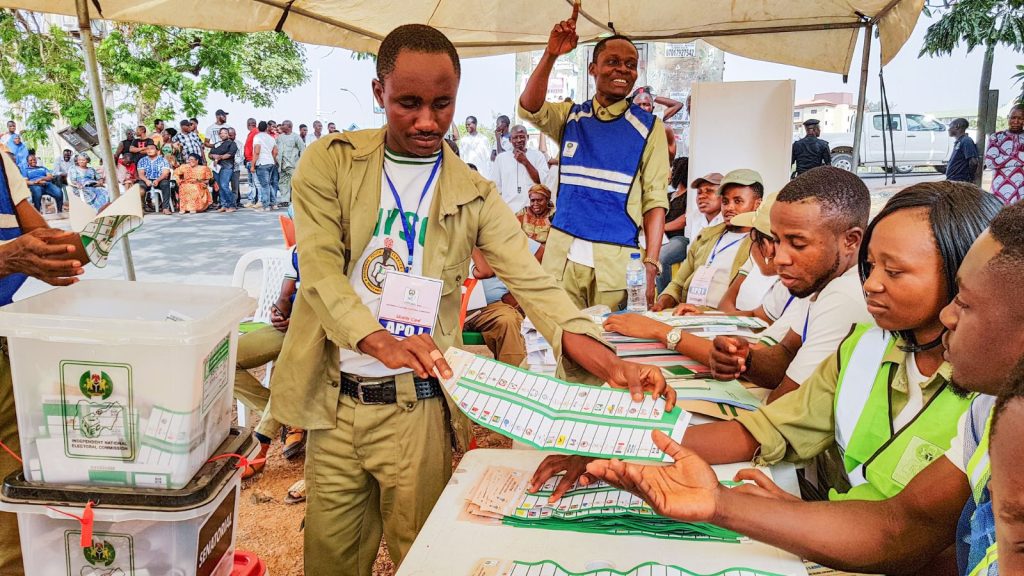
This particular fact is where we have the shiniest silver lining. You can actually do something about this because you still have agency here. It starts with getting your Permanent Voters Card (PVC). The current phase of the Continuous Voter Registration exercise closes on July 10, 2026. You can go to cvr.inecnigeria.org right now to pre-register before visiting an INEC office for your biometrics.
Be an active citizen and an active member of the electorate. Research political parties and candidates. If you are tired of the old guard, find fresh faces and voices that are saying what you actually want to hear and back them. Then, on election day, show up and vote. Take back your country and your mental health, because currently, the government isn’t doing enough to get you the help you need.
Mental Healthcare: Cycles of Madness
So, Nigeria is actively destroying your mental health in many different ways. This entire structural pressure cooker leads to the ultimate elephant in the room: What happens when you finally break?
The current medical landscape is terrifying.
Three years after the National Mental Health Act was signed into law in January 2023, key provisions like the creation of a dedicated Mental Health Department within the Ministry of Health have still not materialised.
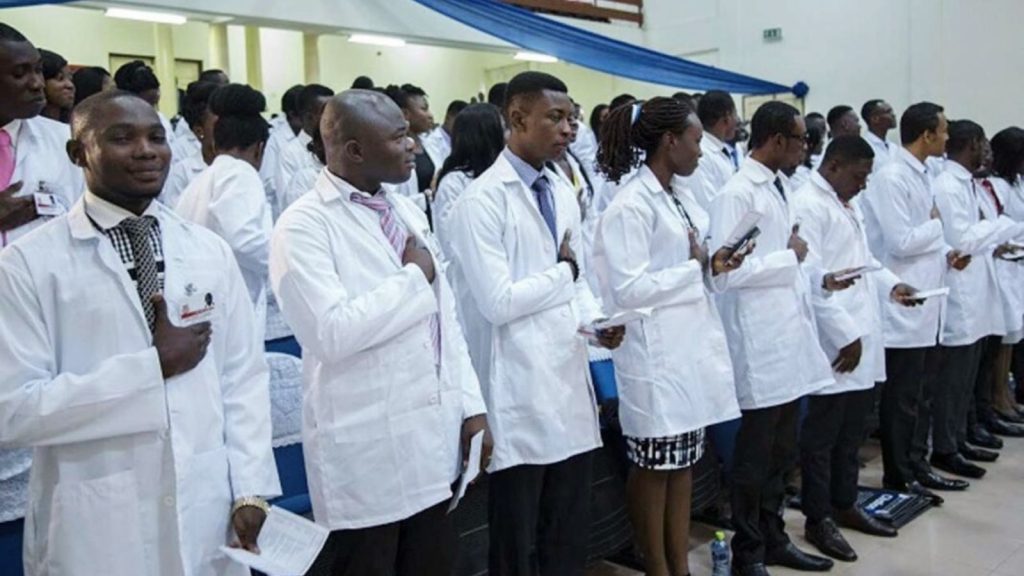
In 2024, the Association of Psychiatrists in Nigeria said it had fewer than 250 psychiatrists serving the entire country. That is roughly one psychiatrist to about 960,000 patients.
The available therapists are way too expensive for most of the population, who also cannot afford the prescription medication needed to manage their mental health conditions. To make matters worse, the National Health Insurance Authority does not explicitly cover mental health treatments in its standard benefits package.
When it comes to mental health issues, Nigerians are completely on their own. We need better mental healthcare, and that means we need a better government.
In the meantime, please ask for support when needed for yourself and those you know to be struggling. Your mental health is just as important as any other health need. Don’t wait until you break.
If you need support, someone to talk to, or immediate help, these Nigerian mental health resources may help.
Mentally Aware Nigeria Initiative (MANI) — Youth-focused mental health support
mentallyaware.org | Crisis support: +234 916 841 7413
She Writes Woman — Free teletherapy & crisis helpline
shewriteswoman.org | +234 800 800 2000
SURPIN — Suicide prevention & crisis intervention
surpinng.com | 080 0078 7746
Asido Foundation — Emotional wellness assessments & 24/7 Helpline
asidofoundation.com | +234 902 808 0416
National Emergency Helpline: 112
We want to hear about your personal experiences that reflect how politics or public systems affect daily life in Nigeria. Share your story with us here—we’d love to hear from you!
Click here to see what other people are saying about this article on Instagram