
On Friday, April 24, 2026, a video of a woman’s cry for help made the rounds on social media. In the video, a woman who described herself as a mother of two young children said she was being harassed for calling out inappropriate content in her child’s school textbook.
A passage described an owner using hot metal to burn his dog as punishment. She felt this violence could negatively influence young minds and made a video about it.
The young mother says she deleted that video after a representative of the publishers reached out, but she alleges threats to her life and harassment of people close to her followed. She also claimed the police invited her for questioning, which she sees as a cover for arrest. “I don’t have money for lawyers,” she said tearfully.
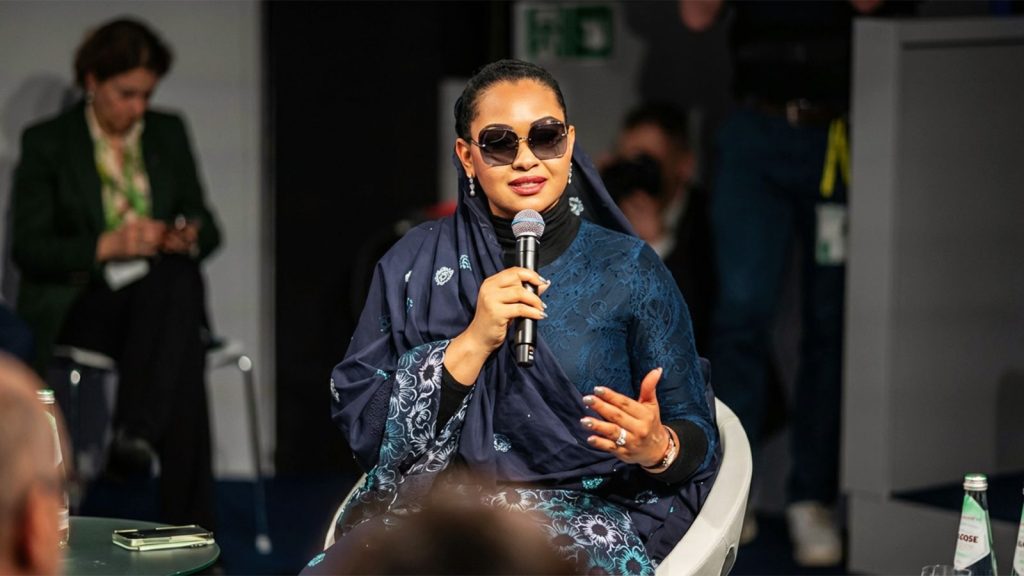
On Sunday, April 26, 2026, Senator Natasha Akpoti-Uduaghan posted a statement on Facebook supporting the woman. Akpoti-Uduaghan said: “Parents have every right to question and vet the materials their children are exposed to. Likewise, publishers and business owners must remain open to feedback, while the Ministry of Education and its agencies must be proactive in ensuring that all educational materials meet appropriate standards. Threats or intimidation over such concerns are unacceptable.” She then said she was looking to get in contact with the distressed mother to make sure “this matter can be properly addressed.”
The customer is always right a suspect
In Nigeria, these cases are far too common. Businesses use aggressive tactics to silence public criticism. Just last week, we covered the ₦50 million defamation lawsuit filed against Love Dooshima by Bon Bread, after she questioned the suspiciously long shelf life of some bread brands. Dooshima did not name Bon Bread or show its logo, yet she was arrested and detained overnight.
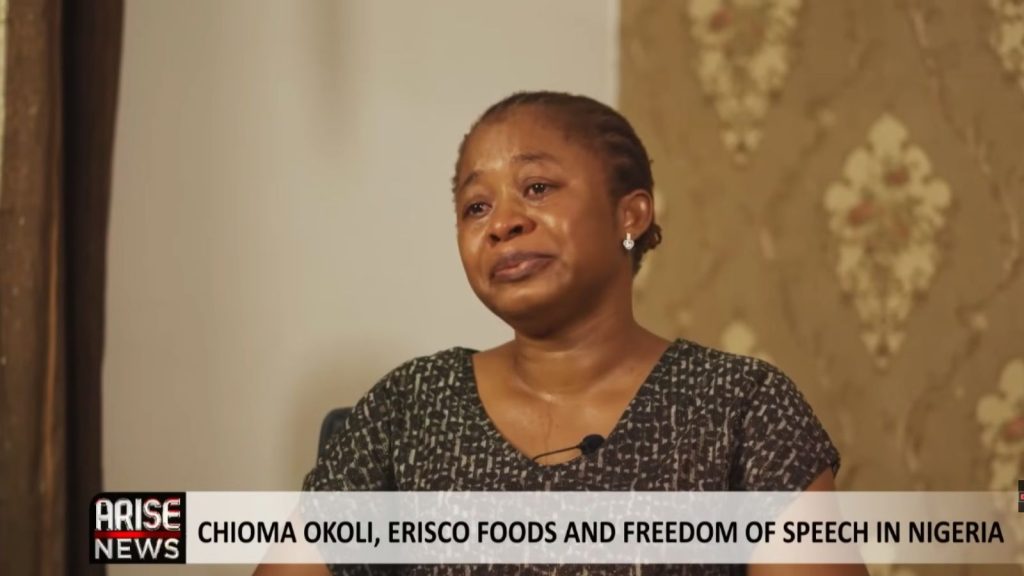
In September 2023, Erisco Foods had Chioma Okoli arrested for her review of its product, Nagiko Tomato Mix, on Facebook. Okoli lost a pregnancy during the case, which has now dragged on for over two years.
But how are these brands able to do this and get the police to help them?
Words hurt, you know
We spoke to Ifeanyi Ewuziem, a lawyer and researcher at Juritrust Centre for Socio-legal Research and Documentation. He said the law does protect the rights of consumers to complain. “Yes. There are laws that protect the right of consumers to complain about products and services. The general framework is governed by the Federal Competition and Consumer Protection Act, 2018,” he said.
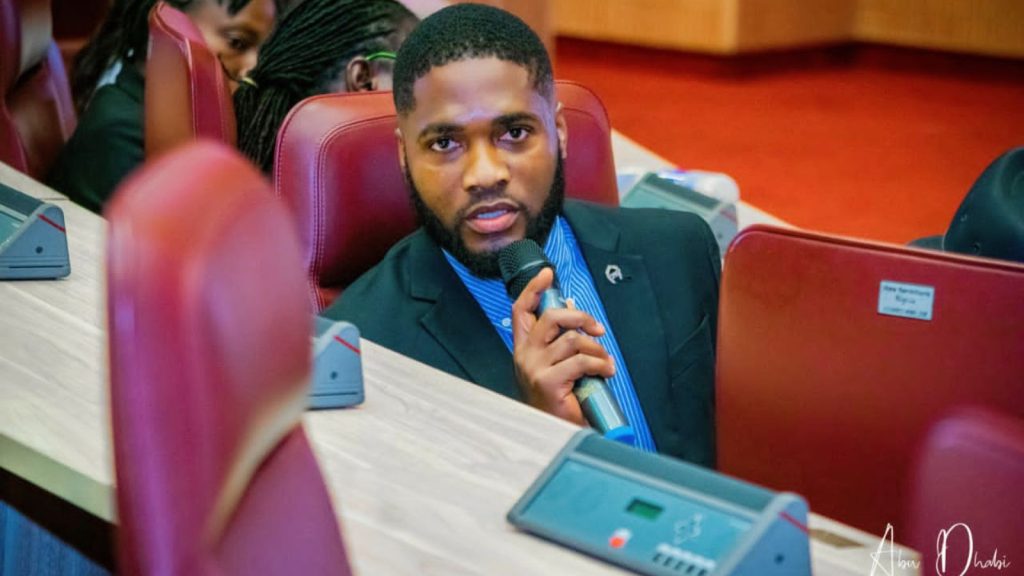
But he added that businesses also have a right to protect themselves from criticism they believe will damage their reputation. “We must acknowledge the right of consumers to complain. We must also acknowledge the right of businesses to protect their reputation,” Ewuziem said.
The tension between where consumer rights end and business rights begin is the source of these issues. The reason businesses can go after customers with the full force of the police is that, in Nigeria, the law allows them to.
The law says “watch your mouth”
Defamation is included in the Criminal Code Act, where it is defined as injuring someone’s reputation by exposing them to “hatred, contempt, or ridicule.” It can carry a prison sentence of up to two years.
There’s also the Cybercrimes (Prohibition, Prevention, etc) Act 2015, which defined Cyberstalking as knowingly sending a message by computer or network that causes: annoyance, inconvenience, danger, obstruction, insult, injury, criminal intimidation, enmity, hatred, ill will, or needless anxiety.
Some of the items on that list seem reasonable enough, but “annoyance?” Really? Can we be arrested just for annoying someone? It is a miracle we haven’t all been locked up. The punishment is a fine of up to ₦7 million and three years in prison. Cyberstalking was the charge brought against Chioma Okoli.
After intense public pressure, section 24 was tweaked in 2024 in the Cybercrimes (Prohibition, Prevention, etc) (Amendment) Act 2024, which limited the cyberstalking definition to material that is either pornographic or capable of “causing a breakdown of law and order” or “posing a threat to life.” This already shows the impact our voices can have on changing laws that make our lives difficult. More on that later.
Freedom of (after?) speech
Now, the obvious defence for Nigerians targeted by tyrannical brands is the freedom of speech guaranteed by the constitution. Section 39 states that all Nigerians are entitled to freedom of opinion and expression, to receive and share ideas without interference. It also says that we are entitled to use any medium for the dissemination of those ideas and opinions. That includes the computer systems mentioned in the Cybercrimes Act. But even that is not all black or white.
“There are limitations; freedom of speech isn’t absolute,” Ewuziem said. In each case, it is up to the courts to decide if a critic has violated the rights of the business. Ewuziem explained that the courts of law are in the best position to balance the right to freedom of speech of the consumer against the right to protect businesses against unfounded claims.
The problem here is that having defamation under criminal law turns matters of opinion into criminal trials. Defamation is a real thing, but ultimately it is a civil matter and should be settled in civil court.
As usual, we’re behind the rest of the world
Ewuziem agrees that defamation should be a civil matter. “Comparative law already indicates that defamation has been decriminalised in many countries,” he said. “Justice Helen Ogunwumiju JSC in the case of Aviomoh v COP (2022) actually called on lawmakers to remove defamation as a crime.”
Making defamation a criminal matter justifies the involvement of the police, whom these businesses use like personal thugs. Ewuziem said it should be a civil matter only and should not be included in the Criminal Code Act.
When these cases get to court, even if the judge upholds constitutional freedom, the damage is already done. For some businesses, getting a conviction isn’t the point; humiliation and revenge are.
“This concept is called Strategic Lawsuits Against Public Participation (SLAPP),” Ewuziem explained. “This is when companies know that they can’t actually win a particular case, but they use the legal system to intimidate and frustrate critics.”
Corporate terrorism
When we think about Chioma Okoli losing her pregnancy, or a mother crying because she has no money for lawyers, the damage is done long before a judgment arrives. Legal fees and psychological costs are paid during these ordeals. These businesses can afford years of court cases and can get critics detained. It is a test of financial and physical stamina where the odds are stacked against the individual.
Ewuziem shared that there are ongoing calls to tackle this trend with several legal and human rights organisations working on it. “I’m using this opportunity to call on policymakers to consider the formulation of anti-SLAPP laws in Nigeria,” he said.
As businesses exhaust and silence visible critics, their tactic also helps them silence potential ones. You see a substandard product, but you remember these cases and decide to swallow your dissatisfaction. These brands are engaging in a war against our right to complain and demand accountability. It is obscene and has to stop. We must all lend our voices to the cause.
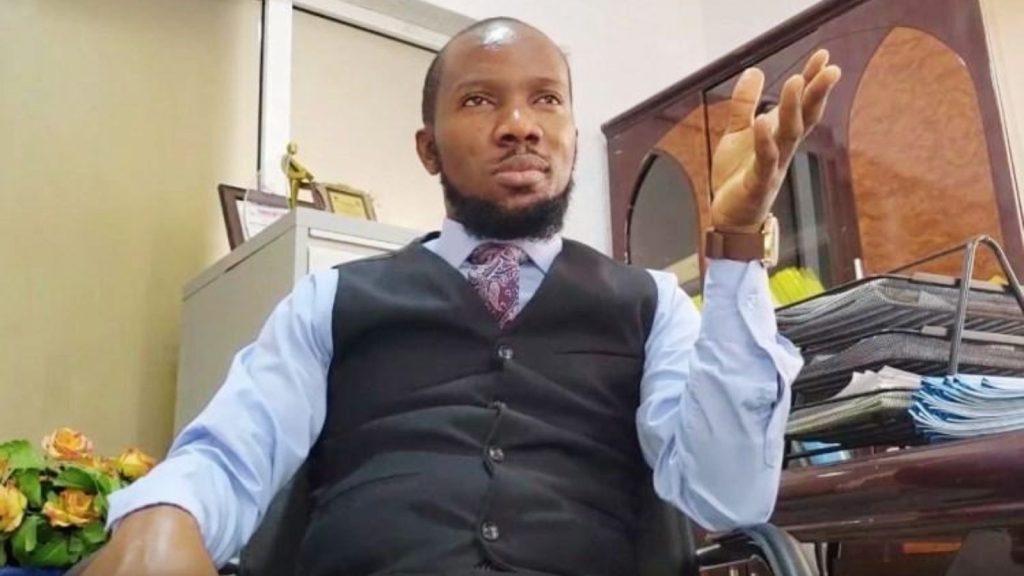
Human rights lawyer Inibehe Effiong, who is defending Chioma Okoli in her legal battle with Erisco Foods, ran to the rescue of Love Dooshima when Bon Bread had her detained. And now, it appears Senator Akpoti-Uduaghan might take up this mother’s case. Their actions are noble, but Effiong cannot defend the whole of Nigeria, and we cannot keep relying on the luck of a viral video appealing to the mercy of a top government official.
Individual interventions will not save us from a systemic problem. We need root-deep solutions.
We don’t need heroes… we need better laws
First, the National Assembly must decriminalise defamation. It should be a civil matter only; the police have no business pacifying hurt feelings. At the very least, the law must clearly exclude product reviews and whistleblowing from the definition.
Second, we need consequences for bullies. Businesses currently weaponise the police with zero risk. We need a law mandating companies to pay sizeable damages to consumers they wrongfully arrest. If a brand uses the police as private enforcers, they should pay for the human rights violations they trigger.
Third, the Police must stop acting as reputation managers. The Inspector General of the force, Tunji Disu, must issue a directive: any product review is a civil matter for the Federal Competition and Consumer Protection Commission (FCCPC), not a criminal matter for the station.
How we save ourselves
All of these solutions won’t magically happen. We have to make them a reality. That means contacting your representatives in the National Assembly and letting them know you are unhappy with the laws used to gag you.
While we wait for the laws to catch up, we need to know what tools are available to us. According to Ewuziem, it is best to follow lawful procedures for making complaints to avoid exposing yourself to legal troubles.
“The law asks the consumer to first approach the business with their complaints,” Ewuziem said. “If satisfactory steps aren’t taken, the consumer can escalate the matter to regulators.”
Consumers can file official complaints with regulators like the Federal Competition and Consumer Protection Commission (FCCPC), the National Agency for Food and Drug Administration and Control (NAFDAC), or the Standards Organisation of Nigeria (SON).
Ewuziem added that the consumer also has the right to approach the court with their complaints. When possible, he encourages consumers to get legal advice before posting product reviews.
Who are we?
A healthy economy with high quality products is built on a conversation, not a monologue. When a brand can harass a mother for worrying about her child’s education, or a shop owner for raising concerns about food safety, it is not protecting its reputation; it is admitting its product cannot survive scrutiny.
Nigeria must decide: are we a modern nation of discerning citizens, or a corporate fiefdom where the customer is always wrong and treated as a criminal? If we don’t stop this trend, the next person crying “I don’t have money for lawyers” could be you. It is time for collective accountability. It is the only way forward.
Disclaimer: All of views expressed by Ifeanyi Ewuziem are his and are not to be attributed to the Juritrust Centre for Socio-legal Research and Documentation.
We want to hear about your personal experiences that reflect how politics or public systems affect daily life in Nigeria. Share your story with us here—we’d love to hear from you!
Click here to see what other people are saying about this article on Instagram