Image Credit: Pinterest
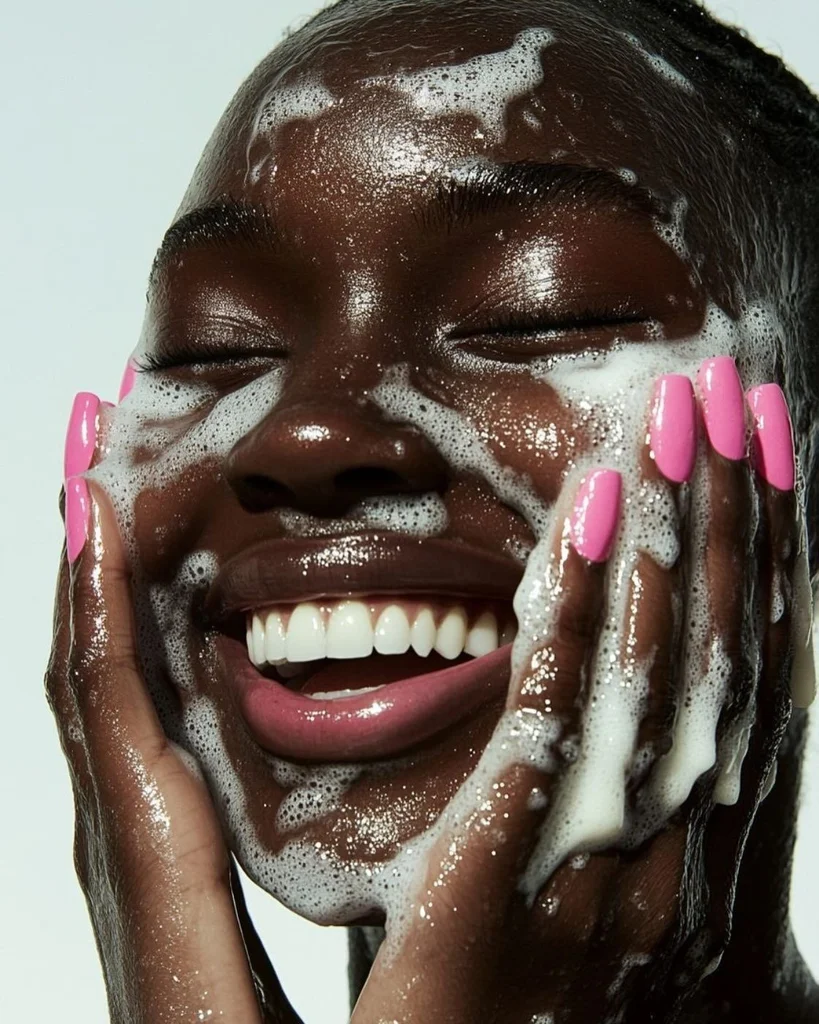
Alt: “Choosing the right soap for acne-prone skin”
If you’ve dealt with breakouts for years, chances are somebody has told you it’s because your skin isn’t clean enough. Well thanks to this article, you can go back and tell them that is untrue. Acne isn’t a hygiene problem, and no amount of scrubbing will fix what’s happening under your skin. What you actually need is the best soap for acne-prone skin, paired with a routine that protects your skin barrier instead of attacking it. Once you understand what causes acne in the first place, choosing the right soap gets a lot easier.
What Acne Actually Is
Acne is not about how often you wash your face. What causes acne is a mix of blocked pores, too much oil production, dead skin cells that don’t shed the way they should, and inflammation. Bacteria plays a part too, but it’s not the main driver; hormones and genetics do most of the damage. Once that clicks, it’s easier to stop blaming yourself and start treating your skin the right way. This one shift in thinking is often the difference between people who stick with a routine and people who give up on it after two weeks.
Why Washing More Often Makes It Worse
When a new pimple shows up, the first instinct for most people is to wash more, scrub harder, or reach for hot water. This is exactly the wrong move. Stripping your skin’s natural oils only tells it to produce more oil to compensate, and that leads to more irritation and more breakouts, not fewer. If you’ve ever wondered why my acne gets worse when I wash more, this is your answer: your skin barrier is under attack, and it’s fighting back the only way it knows how. Twice a day, with a gentle cleanser and lukewarm water, is really all your skin needs.
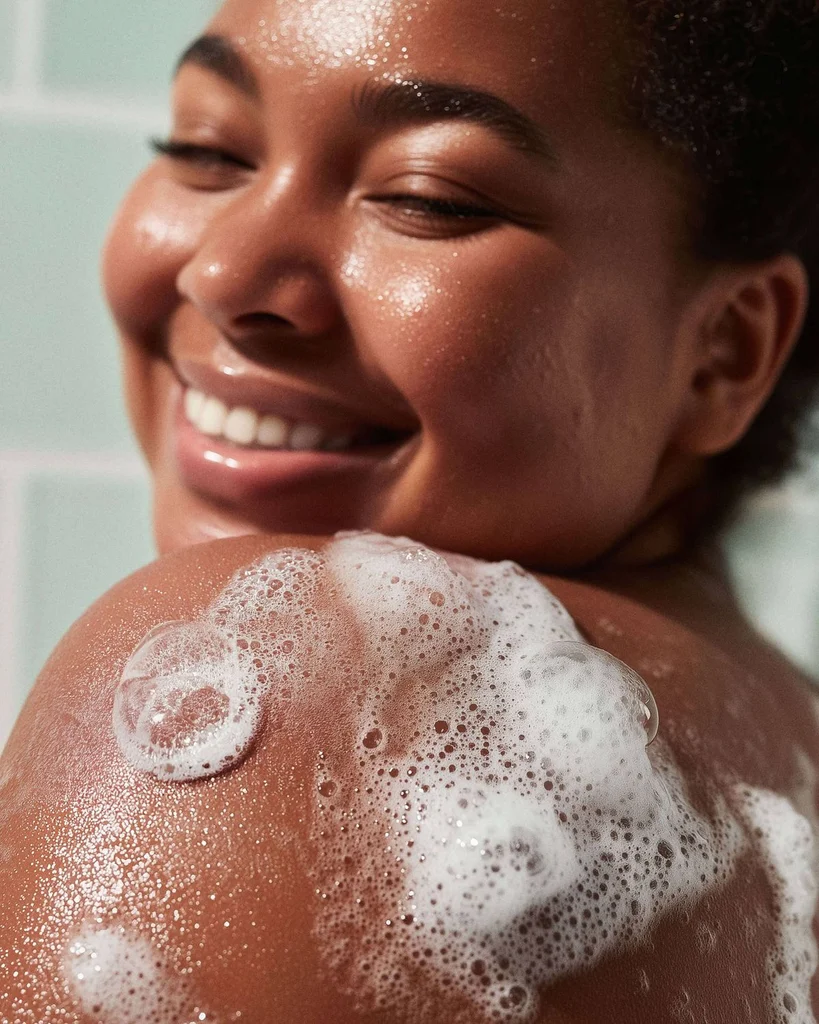
Image Credit: Pinterest
Alt: “How washing too often affects acne-prone skin”
What a Soap Can and Cannot Do
So does soap help acne? Yes and no. A cleanser can lift off sweat, oil, and dirt sitting on your skin, and that matters because it clears the way for other products to actually work. What it cannot do is unclog a pore that’s already blocked deep down. Soap also spends less than a minute on your skin before it’s rinsed away, which is why it can never do as much as a leave-on treatment. If you’re serious about tackling breakouts, ingredients like benzoyl peroxide, retinoids, and salicylic acid for acne are the ones with real evidence behind them. No soap on the shelf, antibacterial bars included, contains these at treatment strength, but knowing this keeps your expectations where they should be.
Where an Antibacterial Bar Fits
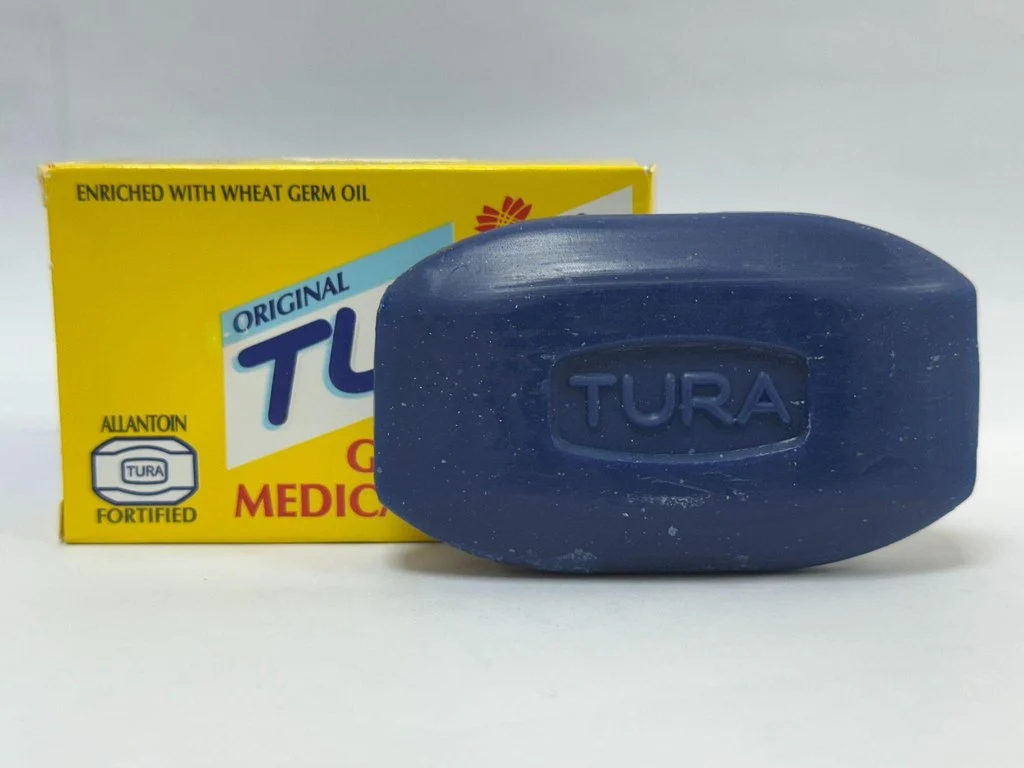
An antibacterial soap has its place, just not everywhere. It works well for oily skin that needs a proper deep clean, and it holds up on tougher, spot-prone areas like the back, chest, and shoulders. It’s not built to be a facial acne treatment, especially if your skin leans dry or sensitive. If you do use one on your face or body, follow it up with a light moisturiser so your skin doesn’t dry out after. Tura Medicated Soap from The Diva Shop Nigeria is a good example of this kind of soap, built for oily and spot-prone skin, not marketed as a miracle cure.
Body Acne Is a Different Problem
Body acne treatment isn’t the same conversation as facial acne. Sweat trapped under tight clothes, gym wear left on too long after a workout, and hair products running down your back are common triggers most people never think about. Your back and chest skin can also take a stronger cleanser than your face, so you have more room to work with. Shower as soon as you can after sweating, wash your gym clothes and bedding regularly, and let your soap sit briefly on the affected area before rinsing off. This is where something like Tura Medicated Soap earns its keep, helping deal with the oil and sweat that keep body breakouts coming back.

Image Credit: Pinterest
Alt: “Washing for body acne on the back and chest”
How to Wash When You Have Acne
Knowing how to wash your face with acne properly makes a bigger difference than people expect. Stick to lukewarm water, not hot. Use your fingertips in soft, circular motions instead of a washcloth or scrub brush that can tear at your skin. Pat dry with a clean towel rather than rubbing. Do this morning and night, consistently, and give it time to work before you decide it isn’t. If you’re looking for a soap built with this kind of gentle routine in mind, you can check out the antibacterial range here and see what suits your skin.
FAQs
Can soap alone clear acne?
Soap alone cannot clear acne because it only deals with the surface of your skin. A good cleanser removes oil and sweat, but acne comes from things happening underneath: hormones, clogged pores, dead skin buildup, and these need proper active ingredients or medical treatment to fully clear.
What soap is good for back acne?
Body skin is thicker than facial skin and can handle a stronger cleanser built for oil control. An antibacterial bar, used with a short lather-and-leave approach, can help manage sweat and oil across the back, chest, and shoulders.
When should I see a dermatologist about acne?
See a dermatologist if you’re dealing with painful cystic bumps, visible scarring, or acne that hasn’t improved after weeks of gentle, consistent care. This isn’t extreme; it’s a normal step for anyone whose skin needs more than over-the-counter products can give.
Conclusion
Clearing your skin takes patience and the right approach, not harsh scrubbing or expensive miracle products. Once you accept that your breakouts were never your fault, it gets easier to stick to a gentle, consistent routine. Focus on the basics, protect your skin barrier, and don’t be afraid to see a dermatologist if your skin needs more help than soap alone can give.