Someone you know needs mental health assistance, maybe that someone is you. You know they (or you) should talk to someone. But you didn’t say it because you already knew the next question would be “Talk to whom and with what money?”

Despite the laws that have been passed, growing public interest in taking mental health seriously, and renewed government attention, mental healthcare is still mostly inaccessible to the average citizen in 2026.
In this piece, we’ll probe why that is and what it means for the average Nigerian.
Mental health in Nigeria
20 to 30% of Nigerians are living with some form of mental illness. That is roughly one in four people. Depression and anxiety are among the most common, but the spectrum runs wider than most people acknowledge, from burnout to stress psychosis and PTSD.
The burden falls unevenly across gender lines. Depression and anxiety disorders occur at twice the rate in women as in men. Postpartum depression is common but wildly underdiagnosed, particularly compared to conditions that more visibly affect men. Sexual violence, which is prevalent in Nigeria and disproportionately targets women, frequently leads to PTSD; women are twice as likely as men to develop the condition. Yet because many of these experiences go unreported and the healthcare system offers little support, many people are left suffering in silence.
Substance use is another dimension of the crisis that rarely gets named alongside mental health conversations, even though the two are deeply connected. Many Nigerians turn to substances as coping mechanisms when emotional support is unavailable, unaffordable, or stigmatised. Burnout, driven by economic pressure and unstable infrastructure, seems to have become a permanent condition.
Do something with these laws
In January 2023, President Muhammadu Buhari signed the National Mental Health Act of 2021 into law, marking a historic moment that replaced the 1916 Lunacy Act that governed mental health policy in Nigeria for over a century. The new law was established to protect the rights of people with mental health conditions, prioritise voluntary treatment, and signal a shift toward a modern, humane approach to mental healthcare.
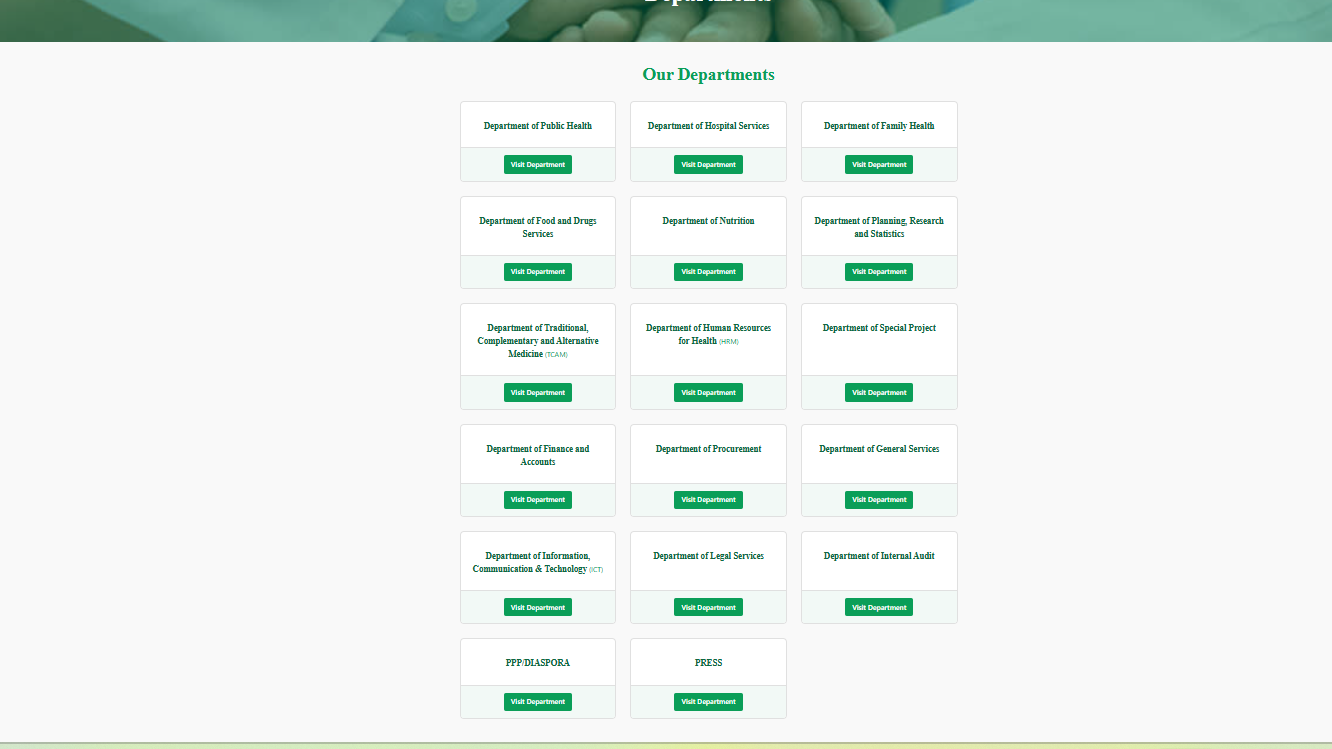
As is common with the implementation and adoption of laws in Nigeria, only two states, Lagos and Ekiti, have adopted the act as of May 2026, but key provisions, like the establishment of a dedicated Mental Health Department, remain unimplemented. The Federal Ministry of Health (FMoH) has also not provided any updates on when this department will be created, and there is no mention of it on its website.
One doctor to one million patients
According to the Association of Psychiatrists in Nigeria (APN), as of 2024, Nigeria had fewer than 250 psychiatrists serving a population of over 200 million. The approved psychiatrist-to-patient ratio is 1 psychiatrist per 10,000 patients. Yet, with Nigeria’s estimated population at 240 million, the ratio currently stands at 1 psychiatrist to 960,000 patients.
This shortage is a result of decades of underfunding medical education and a near-total absence of strong mental health infrastructure in both urban and rural areas of the country. Public mental health facilities like the Yaba Psychiatric Hospital in Lagos, Aro Neuropsychiatric Hospital in Abeokuta, and the Federal Neuropsychiatric Hospital in Kaduna, are designed to handle the most severe cases, and the numbers show they are already overwhelmed.
If you find a therapist, can you afford them?
Private therapy sessions in cities like Lagos and Abuja cost ₦15,000 to ₦50,000 per session, with each lasting about 45 to 60 minutes. Online therapy services offer more competitive pricing, typically ranging from ₦8,000 to ₦25,000 per session, and some offer subscription tiers.
Nigeria’s minimum wage is ₦70,000 per month, and a single therapy session could consume half of that. For most Nigerians, particularly those outside Lagos and Abuja, or those in the informal economy, consistent quality therapy is simply not a financial possibility.
Health insurance does not close the gap. The National Health Insurance Authority does not explicitly cover mental health treatments in its standard benefits package. Mental healthcare is almost entirely an out-of-pocket expense for Nigerians who can afford it.
All talk but no workings
There are signs that the federal government understands the scale of the problem and its importance, even if action has been slow.
The Chairman of the NHIA, Senator Ibrahim Yahaya Oloriegbe, advocated for a dedicated ₦4 billion mental health fund in Nigeria’s 2026 budget, specifically to improve access for vulnerable groups amid rising rates of substance abuse and suicide.
But attempted suicide is still a crime in Nigeria. A person who survives a suicide attempt can, by law, be imprisoned for up to one year.
The federal government indicated in September 2025 that it intends to decriminalise attempted suicide via amendments to the Mental Health Act, which, when approved, will be set for presentation as an Executive Bill. That process was supposed to be completed by December 2025, but it has not been.
“They will say I’m possessed”
Policy gaps and funding shortfalls are measurable, but you see stigma and social conditioning? Those are harder to quantify, but still very much real.
A 2020 study conducted by professors at Northwestern University, Chicago, on mental health stigma among university healthcare students in Nigeria, suggests that stigma and label avoidance are significant barriers to mental healthcare in Nigeria. Seeking therapy is still widely read, in many Nigerian communities, as an admission that something is fundamentally broken about you.
Nigeria, being a deeply religious country, also contributes to this floating stigma. Religious frameworks frequently interpret mental illnesses through a spiritual lens, labelling them as demonic attacks, curses, or punishment for sin, which in turn leads to a prioritisation of prayer and deliverance over medical care.
The same Northwestern study corroborates this claim. Among the respondents, 92.68% stated they would pray sometimes when feeling depressed or anxious. Nearly a quarter (24.69%) of respondents say mental illness is sometimes caused by sin, and 21.95% believe evil spirits sometimes cause mental illness.
Perhaps this tells what happens when a healthcare system fails so thoroughly that spiritual intervention becomes the only, seemingly viable, accessible alternative.
Are you listening?
The ₦4 billion fund, if approved and properly administered, would be meaningful. The decriminalisation of suicide attempts, when it finally happens, will matter. Still, neither of those things will mean much to someone who cannot afford a single session, cannot find a provider in their state, or cannot tell their family they are struggling without risking their reputation.
The conversation about mental health in Nigeria has never been louder. The question for 2026 is whether the government is listening well enough to act and fast enough for the people who cannot afford to wait.