Table of contents
REVIEWED BY: Pharm. John Louis Okoh Amalii (Pharm. D.)
Bitter kola is one of those things many Nigerians grew up seeing but never fully understood. You’ve probably watched an elder chew it during a meeting, at a family gathering, or even in a Nollywood classic. But what are the benefits of bitter kola in the body?
If you’ve ever wondered why people still reach for it despite the bitter taste, or if you’re just hearing about it for the first time, this article breaks it all down. With insights from Pharm. John Louis Okoh Amalii, we’ll explore 12 proven health benefits of bitter kola, how it works in the body, when to use it (and when not to).
Before you chew your next seed or try your first one, let’s take a closer look at what bitter kola really offers.
What Is Bitter Kola and Why Is It So Popular?
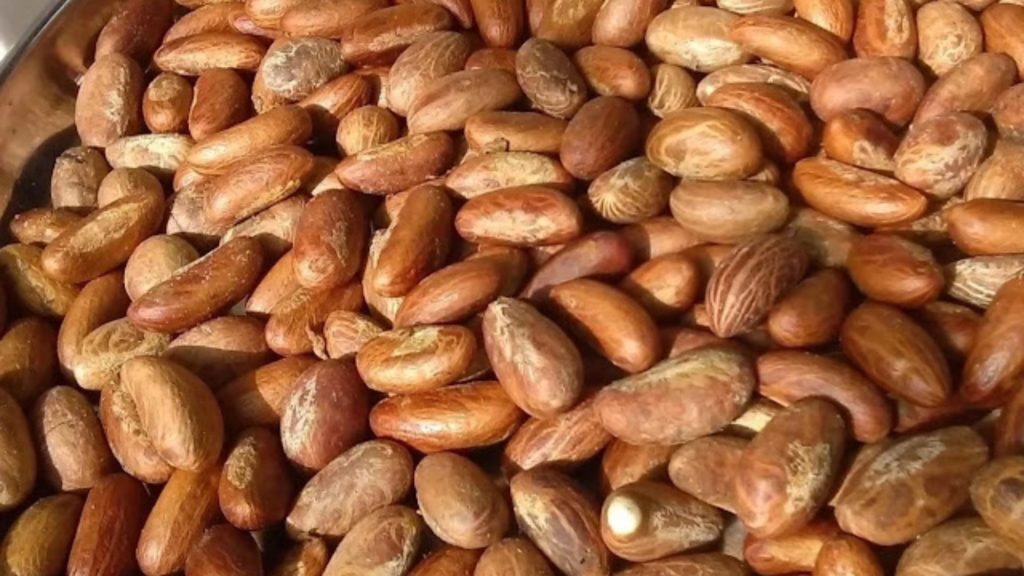
Bitter kola, known scientifically as Garcinia kola, is a small but powerful nut that has held a special place in West African tradition for generations. Found mostly in Nigeria and surrounding countries, it is a symbol of respect, health, and heritage. You’ll often see it offered at weddings, naming ceremonies, and community gatherings, where elders pass it around as a gesture of goodwill. It’s also used in prayers, cultural rites, and traditional medicine.
Today, bitter kola is gaining attention beyond Africa, especially among those looking for natural ways to improve their health. Whether you’re interested in boosting your immune system or managing blood sugar, the benefits of bitter kola in the body are now being explored more deeply than ever.
But before you try it, it’s important to understand the health benefits of bitter kola in the body and what makes it so special.
What Are the Nutrients Per Serving in Bitter Kola?
Bitter kola is packed with active compounds and essential minerals. Each part of the nut plays a role in supporting the body’s health naturally. So, what exactly is in bitter kola?
Here’s a breakdown of the nutrients found in 100g of dried bitter kola:
| Nutrient | Amount |
| Carbohydrates: | 70–82 g |
| Protein | 3.5–12.7 g |
| Fats | 0.6–6.3 g (mostly unsaturated) |
| Crude Fibre | 2–6 g |
| Calcium | 23–238 mg |
| Iron | 3.6–9.4 mg |
| Potassium | 12–26 mg |
| Zinc | 0.13–0.23 mg |
Beyond these, bitter kola composition contains alkaloids, flavonoids, tannins, and saponins: plant-based compounds that act as natural antioxidants and anti-inflammatory agents.
One of the most powerful compounds found in bitter kola is garcinoic acid, which has been shown in lab studies to reduce inflammation and may help protect against chronic diseases.
“The primary constituent of bitter kola is caffeine,” Pharm. John Louis Okoh Amalii adds. “It’s the same compound that gives you alertness when you drink coffee or tea, which explains why people feel more energetic and focused after chewing it.”
These nutrients in bitter kola work together to explain the many benefits of bitter kola in the body.
ALSO READ: Miracle Leaf Benefits: 12 Powerful Ways This Leaf Supports Your Health
12 Health Benefits of Bitter Kola for Your Body and Mind

Bitter kola contains natural compounds that support nearly every system in your body. Backed by both cultural use and growing scientific research, here are 12 proven health benefits of bitter kola:
1. Fights Cold, Flu, and Sore Throat
Bitter kola is well-known for clearing mucus, soothing sore throats, and easing chest congestion. Its antiviral properties help reduce symptoms and speed up recovery.
2. Boosts Immunity
The antioxidants in bitter kola, especially kolaviron and garcinoic acid, help protect cells from damage and strengthen your immune response.
3. Increases Energy and Mental Alertness
Many people chew bitter kola for a quick boost in energy and focus. It contains small amounts of natural caffeine and stimulating compounds.
4. Supports Liver and Kidney Health
Bitter kola helps detox the body. Animal studies have shown that it protects liver tissue and supports kidney function under stress.
5. Anti-inflammatory Properties
Compounds like kolaviron and garcinoic acid reduce inflammation, helping conditions like arthritis, swelling, and internal pain.
6. Improves Brain Function
The antioxidants and alkaloids found in bitter kola may protect brain cells, improve memory, and reduce age-related cognitive decline.
7. Supports Heart Health
A major health benefit of bitter kola is that it helps reduce bad cholesterol (LDL) and improves blood circulation, both of which are essential for a healthy heart.
8. Acts as a Natural Antibiotic
Its strong antibacterial and antiviral properties make it a go-to for fighting infections, especially in traditional medicine.
9. May Help Lower Blood Sugar
Studies suggest that one of the health benefits of bitter kola is its ability to reduce blood glucose levels, making it potentially useful for people managing type 2 diabetes.
10. Supports Weight Management
Its bitter compounds act as appetite suppressants and metabolism boosters, which may help with gradual weight loss when combined with healthy habits.
11. Aids Digestion
Bitter kola stimulates the production of saliva and gastric juices, helping break down food more efficiently and reducing bloating.
12. Supports Oral Health
Its antimicrobial properties may help reduce bad breath, fight oral bacteria, and protect the gums when chewed regularly.
While many people believe bitter kola has an effect on sexual health, Pharm. John Louis Okoh Amalii explains: “Some research suggests bitter kola may improve fertility, but it’s still early. The studies we have are promising, but they aren’t enough to call it a proven treatment yet.”
ALSO READ: How to Have Sex Like a Pro: 10 Expert Nigerian Lovers Share Tips
5 Side Effects of Bitter Kola
While there are many health benefits of bitter kola, it’s not suitable for everyone. Like any powerful plant compound, it can trigger side effects, especially when consumed in excess or alongside certain health conditions.
1. May Raise Blood Pressure in Some People
Although bitter kola is often linked to health benefits, some studies suggest it may increase blood pressure in certain individuals. If you already have hypertension or are taking medication for it, speak with your doctor before adding bitter kola to your routine.
2. Insomnia and Restlessness
Because bitter kola contains small amounts of natural caffeine and other stimulants, consuming it late in the day may affect sleep.
“People with heart problems, anxiety, or insomnia should avoid bitter kola.” Pharm. John Louis Okoh Amalii advises. “The caffeine it contains can overstimulate the heart muscle and make anxiety or restlessness worse. Bitter kola can interfere with certain medications, especially drugs used for the heart such as ephedrine. Combining the two can put extra strain on the heart, so always check with a doctor first.”
3. Not Safe During Pregnancy or Breastfeeding
There is no confirmed data on the safety of bitter kola during pregnancy, and traditional warnings exist in some communities. Due to its stimulant content and hormonal effects, it is not recommended for pregnant or breastfeeding women without medical supervision.
4. Gastrointestinal Upset
Taking large amounts of bitter kola can irritate the stomach lining, leading to nausea, acid reflux, or digestive discomfort, especially if chewed on an empty stomach.
5. May Interact With Medications
Bitter kola can interfere with drug absorption or enhance the effects of medications like stimulants, blood pressure drugs, diabetes meds, or blood thinners. Always talk to a healthcare provider before using it alongside prescribed treatments.
ALSO READ: Moringa Benefits for Women: What It Does and How to Use It
How to Identify Quality Bitter Kola
Fresh, high-quality bitter kola seeds should meet these standards:
- Firm texture: The nut should be solid and not soft or spongy.
- Shiny brown skin: It should have a smooth, slightly glossy exterior: not dry, pale, or wrinkled.
- Clean cut when sliced: The inside should be creamy-white or slightly yellow, with no dark spots or mold.
- Strong bitter aroma: Fresh bitter kola has a distinctive sharp smell, if it smells sour or weak, it’s likely stale.
- Weight: A fresh seed feels heavy for its size. Lightweight seeds may be dried out or hollow.
Avoid bitter kola that shows the following signs:
- Dark, patchy mold on the surface or inner flesh
- Wrinkled or cracked shells (unless it’s a dried variety)
- Discoloration: black or greyish interiors signal spoilage
- Sticky or slimy surface (usually due to poor storage or moisture exposure)
- No bitterness when chewed, fake or stale seeds may taste bland or sour
Tip: Some sellers may soak old kola in water to make it appear fresh. Gently press the skin, if it’s too soft or peels too easily, it may be tampered with.
If you’re thinking of growing your own bitter Kola, this video would be of help:
How to Start Taking Bitter Kola

If you’re trying bitter kola for the first time, start with half a seed once a day, preferably after a meal.
“In my experience, the safe amount of bitter kola to chew is about one to three seeds a day, not more,” says Pharm. John Louis Okoh Amalii. “The caffeine content varies from seed to seed, so moderation is key if you want the benefits without side effects.”
The taste is strong, but you’ll get used to it. Gradually increase to one full seed daily, but don’t overdo it. Chewing more than 2 seeds per day isn’t recommended without medical advice.
If you’re pregnant, breastfeeding, managing a health condition, or taking prescription medications (like blood pressure or diabetes drugs), do not start bitter kola without consulting your doctor or a licensed pharmacist. Natural remedies can still interfere with your body or medication.
ALSO READ: Talk True: Does Zobo Cause Miscarriages?
Final Thoughts
Bitter kola isn’t a miracle cure, but it’s a time-tested natural remedy with real benefits. From boosting immunity to supporting digestion and even enhancing focus, it offers a wide range of wellness perks rooted in both tradition and science.
Bitter kola has earned its place in African homes for good reason. With the right knowledge, moderation, and medical guidance, it can be a safe and powerful addition to your wellness routine.
Lastly: “A lot of the benefits we hear about are encouraging, but more thorough research is still needed. People should use it wisely and not assume it’s a cure for everything.” – Pharm. John Louis Okoh Amalii (Pharm. D.)