When you’re an independent musician in Nigeria, every move can feel like a gamble; whether it’s signing a record deal, collaborating with a big-name producer, or partnering with a popular music distribution company to get your songs on streaming platforms.
Music distributors, often called distros, are third-party companies that help artists upload and manage their music across platforms like Spotify, Apple Music, Boomplay, and others. In theory, they should make it easier for artists to get paid for their streams and maintain control over their catalogue. But for many artists, especially those without industry power, these companies can become a source of stress, confusion, and exploitation.
In this As Told To, a musician Tayo* shares his experience with a well-known Lagos-based distributor. What started as a promising partnership quickly turned into a cautionary tale about what can go wrong when transparency is missing in the music business.
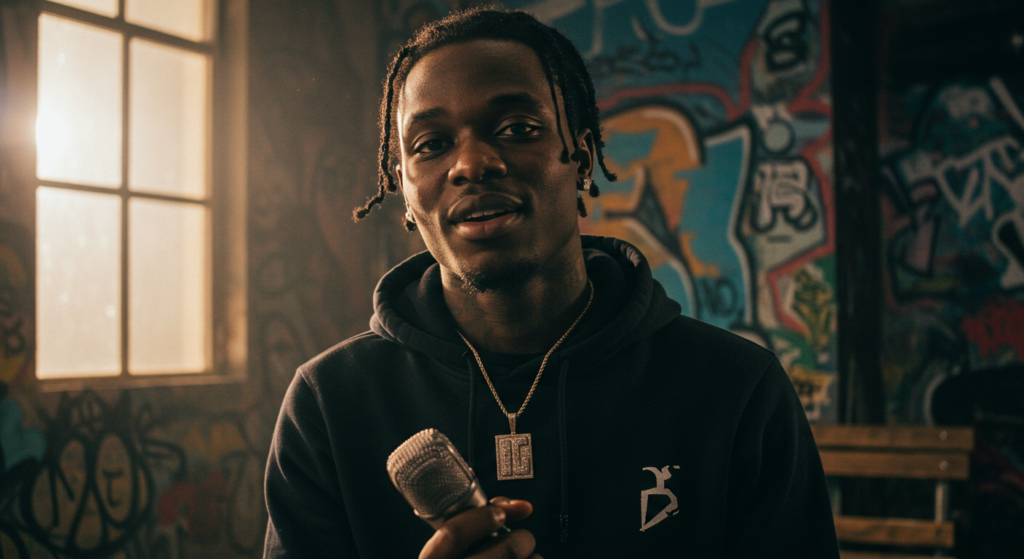
This is Tayo’s story as told to Marv.
In 2021, I was in an experimental phase and eager to start distributing my music. I was searching for the best distribution company that would offer a seamless process and genuinely support me and my music. I didn’t know which platform to trust to get my songs out there, but I knew what I wanted: playlist placements and distribution to all the major Digital Service Providers (DSPs) like Spotify, Apple Music, and others.
One Nigerian distribution company kept popping up, both in my online searches and conversations with people in the industry. The fact that they were based in Lagos gave me even more confidence. Having boots on the ground made it feel like they truly understood how to get Nigerian artists onto DSPs and playlists.
Still, I was cautious. I didn’t want to end up like the many musicians who’ve had to call out their distributors on social media for withholding or mismanaging royalties. When I reached out to them, they told me their focus was on young, independent artists. They also mentioned a 70:30 revenue split: I’d keep 70% while they took 30%. That didn’t feel entirely fair—I wasn’t convinced a distro should take that much from my royalties. But almost every musician I knew personally was using them. One of my friends had just signed on with them, and things seemed to be going well. So I decided to give it a shot.
ALSO READ: 10 of the Best Programs Currently Airing on Free-to-Air Nigerian TV
I also brought on a talent manager who had worked with my friend through the same distributor. We released two singles, and everything went smoothly. The manager went above and beyond, securing top playlist placements for my songs. I was genuinely impressed.
But then, things started to change.
They stopped taking me seriously and began doing the barest minimum. When I asked them to support my music, even with a simple repost on social media, they made it seem like I was asking for too much.
Then, I requested access to my backend to view my streaming numbers and revenue across platforms, but they ignored me. All my efforts to try to reach them were in vain.
Things got worse. Scheduling a music release became a hassle. I’d have to chase them for nearly a month to align with my release calendar. And even then, they’d upload my music with mistakes: misspelt names (mine and the featured artists’), wrong metadata, and missing details. I’d have to demand a takedown and wait another week or two for a corrected reupload. This unprofessionalism robbed me and my listeners of consistency and the experience of enjoying my music without unnecessary delays.
When I finally tried to withdraw the small royalties my music had earned, I reached out again. But they sent me a report that didn’t match what I saw on my Spotify for Artists and Apple Music dashboards.
I’m aware that streams from Nigeria and abroad generate different revenues. I had experience with other distributors before them, so I knew how these backends and reports should look. But the report they showed me made no sense. They didn’t grant me direct access to see for myself. I had to wait for filtered, incomplete updates via email or WhatsApp.
It began to feel deeply unfair. We were supposed to be partners. They were taking 30% of the revenue, yet offering zero transparency.
When I demanded that they withdraw all my songs from the platforms, they cited a clause in our agreement: no withdrawals until I hit $100 in revenue. I’d need hundreds of thousands of streams just to reach that point. So I forgot about it.
In 2023, I co-founded a music company with a friend. We help musicians release their songs and provide marketing support. I looked around for distribution partners but found no takers. So reluctantly, I returned to the same distro, but only for distribution. My company handled everything else.
They ended up distributing music for over 30 artists on our roster. We created individual contracts for each artist, but the distro mishandled the paperwork again. When I asked for the reports, they said all artist data had been lumped under my profile. There was no way to view individual artist earnings or even know how many streams each artist had.
READ NEXT: My Girlfriend Almost Killed Me With Billing Because I Hang Out With Celebrities
The final straw came when one of my artists pulled in over 200,000 Spotify streams—mostly from outside Nigeria—and the report said the music only earned $60. That made no sense. There were over ten artists actively streaming under my company that year. How could the combined earnings be so low? I asked for a breakdown, but they didn’t provide any.
It was beyond frustrating.
They eventually apologised for the lack of transparency and flawed reporting, but that was it. No action. No corrections. My numbers and those of the artists I managed remained tangled together with no clarity or accountability.
By mid-2024, I decided to cut ties. I asked them to shut down my catalogue and pay me what was owed. What followed was a long, silent drama. For over six months, they ignored me. Eventually, I had to call them out publicly on X. Other artists who had similar experiences joined the conversation, amplifying my complaint until it reached the founder and CEO.
He privately messaged me to apologise on behalf of his staff and promised to fix it. Later, he asked for my account details to process the payment, but the amount he sent didn’t reflect what I was owed. Some artists were still unaccounted for, and the breakdown they provided remained vague.
To this day, the distributor hasn’t fully closed my company’s catalogue. Some songs have been removed, others are still live—streaming and earning revenue linked to their system.
Editor’s Note: We decided to withhold the name of the musician so he could speak publicly on a sensitive matter.
See what others are saying about this story on Instagram.
ALSO READ: In Her New EP, Goodgirl LA Sells Desire to Nigerian Women Ready to Indulge