• It started with a tweet:  

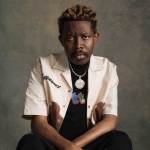
    Over the course of a single weekend, TG Omori’s tweet sparked a wave of reactions online. What some people have brushed off as “just a personal opinion” ended up inspiring others to repeat harmful language about queer people. When someone with a large platform, such as 2.3 million followers on X, shares a view, even casually, it can influence how others behave. The entire debacle reveals a bigger issue in the Nigerian entertainment space, where homophobic comments often turn into moments of clout, engagement, and culture-shaping conversations.


    Subscribe to Zikoko Pop newsletter, The Feed, for the most important pop culture news


    Behind the barrage of replies and quote tweets, there was something more insidious than moralising hate: a product promotion. As the public uproar grew, TG Omori was simultaneously promoting a new line of glasses.

    In the attention economy, outrage often equals profit. For celebrities, controversy can drive engagement, and engagement can be converted into sales.

    This isn’t an isolated event. Whether it’s subtle hints in lyrics or outright harmful comments in interviews, TG Omori’s tweet falls into a long pattern of homophobic messaging from some Nigerian entertainers. When queerness is described as “evil,” it sends a signal that discrimination is acceptable, making it easier for people to use hate as content and as a way to stay relevant. 

    TG Omori’s dangerous provocation

    TG Omori calling same-gender sex “evil” isn’t just a careless insult. Framing it as a moral opinion gives his words a kind of false legitimacy, making the harm easier to excuse. As a public figure, TG’s influence amplifies his statement. As a creative and entrepreneur, the resulting outrage fuels his brand. And all the while, queer Nigerians are left exposed to the ensuing blowback, both online and in real life.


    READ NEXT: The Nigerian Government is Enabling the Murder of Queer People 


    A pattern: Homophobia in Nigerian Pop music

    TG’s tweet may have brought the issue into the spotlight, but he’s far from the first person in Nigerian entertainment to weaponise anti-queer sentiment.

    The weekend’s viral moment also highlights the double standard embedded in Nigerian pop culture. Nigerian pop culture borrows heavily from queer aesthetics, with androgynous styling, flamboyant fashion, and gender-bending choreography frequently appearing in music videos, performances, and album visuals. Yet it cannot exist safely in the bodies of the people who are actually queer. When it comes to queer people living in Nigeria, the same artists often condemn, dehumanise or ridicule them.

    These incidents underscore a troubling pattern of mainstream artists profiting from queer people’s talents to further their careers but distancing themselves from them when it comes to moral or social acceptance. This trend reflects a broader cultural hypocrisy.

    TG’s tweet is a stark example of this duality: someone who has helped shape a visually expressive creative culture weaponising homophobia when it serves his interests. TG Omori’s weekend provocation illustrates a culture where exploitation, stigmatisation and condemnation coexist.


    Get More Zikoko Goodness in Your Mail

    Subscribe to our newsletters and never miss any of the action


    This is common in Nigeria, where moral grandstanding carries enormous weight in social and political life. But it’s also a dangerous one. Many queer Nigerians are themselves religious, and using faith as a weapon erases their identities while giving societal sanction to their discrimination. When a powerful creator with a voice uses his platform to spew hate, it’s not just stirring conversation. He’s creating permission for hatred.

    Each public condemnation of queerness from an influencer or musician sends a signal that it’s socially acceptable to dehumanise queer people. That signal enables real-life harassment, violence and stigma.

    In a country where same-sex relationships are criminalised under the Same-Sex Marriage Prohibition Act, words are not harmless. They have real-world consequences. By cloaking commercial ambition in moral outrage, TG Omori’s weekend provocation did more than offend; it put a target on the backs of queer Nigerians and tossed them into a sick marketing cycle.

    Queer people in Nigeria are left navigating an ecosystem where visibility can equal vulnerability, and artistic influence can be deployed as a tool of harm. The fact that a marketing ploy about glasses became a vehicle for moral condemnation and public shaming illustrates the stakes.

    This TG Omori episode is another cautionary tale about the discrimination and power dynamics embedded in Nigeria’s entertainment and creative industry. When homophobic statements are spewed loosely, the people paying the price aren’t really the influencers or artists, but the marginalised communities whose lives, safety, and dignity are reduced to collateral damage.

    Words are not innocent. Especially when wielded by the famous. They amplify prejudice, inspire harassment, and leave lasting scars.

    Editor’s Note: This article was updated on November 18, 2025, to provide a more balanced and objective framing of the events described. Edits were made for clarity, additional context, and fairness to all parties involved.


    ALSO READ: 9 Nigerians Talk About Being Queer And Religious


    [ad][/ad]

  • Lagos, Nigeria – July 19th, 2024 – Chivas Regal, the world’s leading Scotch whisky brand, proudly announces the launch of its transformative “I Rise, We Rise” campaign, celebrating the power of collaboration and creativity. This campaign underscores Chivas Regal’s commitment to championing the journey of talents and positioning itself as the brand for those who embody the spirit of collective success.

    At the heart of this groundbreaking initiative is Nigerian artist BNXN, formerly known as Buju, whose distinctive voice and energetic performances epitomize resilience and the spirit of rising above challenges. BNXN’s journey from emerging talent to global sensation resonates deeply with Chivas Regal’s philosophy of shared success.

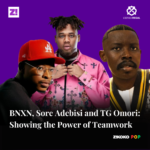
    Joining BNXN in this visionary endeavor are his longstanding collaborators, TG Omori and Sore Adebisi. TG Omori, celebrated as one of Nigeria’s leading music video directors, brings his insight and journey to the campaign. His groundbreaking visual storytelling has set new standards in the industry, capturing the essence of BNXN’s music and amplifying its impact.

    Sore Adebisi, Creative Director, Creative Entrepreneur, and Co-founder of @headsbybnxn, has been instrumental in shaping BNXN’s distinctive brand and visual narrative. His creative direction adds depth and authenticity to the campaign, highlighting the transformative impact of mentorship within the creative industry.

    The “I Rise, We Rise” campaign is a testament to the collective journey of creativity, emphasizing community, mentorship, and the shared determination to overcome obstacles. As part of the campaign, BNXN will lead a series of insightful discussions alongside TG Omori and Sore Adebisi, exploring the challenges and opportunities facing the next generation of creatives. These three episodes will delve into their collaborative process, offering invaluable insights and inspiration for aspiring talents. Additionally, they will discuss the future of the creative industry, highlighting emerging trends and innovations that will shape the next wave of artistic expression.

    Michael Ehindero, Managing Director for Pernod Ricard Nigeria, expressed enthusiasm for the campaign, stating: “At Chivas Regal, we believe in the power of collaboration and mutual support in achieving greatness. The ‘I Rise, We Rise’ campaign celebrates the spirit of creativity and resilience, exemplified by BNXN, TG Omori, and Sore Adebisi. Their collaboration embodies our brand’s commitment to nurturing talent and fostering a community where every individual can thrive.”

    The campaign will also feature interactive events, workshops, and digital initiatives designed to inspire and empower aspiring creatives. These efforts underscore Chivas Regal’s dedication to cultivating the next generation of artistic visionaries and fostering a global network of support and inspiration.

    The “I Rise, We Rise” campaign will be showcased across various platforms, including digital and social media channels, ensuring its message of empowerment and collaboration reaches a diverse global audience. Through this initiative, Chivas Regal reaffirms its role as a catalyst for creative excellence and a champion of collective success.

    For more information on the “I Rise, We Rise” campaign, please visit Chivas Regal’s official website or follow us on social media @ChivasRegal.

  • Creatives find strength in collaborations. A wise saying even goes: Don’t go alone if you want to go far. This is, perhaps, the most popular advice the Nigerian creative industry takes for itself. The promise is simple: If you work with those who align with your style and vision, you’ll share synergy, build bridges, expand audiences, and secure more bags.

    Collaboration is as old as time. But it works when the parties put collective effort above individual glory. Everyone needs others to succeed. The eye-catching movement of BNXN comes to mind here. Before he became a multi-million-stream Afrofusion artist, he was a buzzing internet sensation circa 2018. However, he needed a career scale-up from Zlatan, the hottest artist at the time. Spiritual (2019) came out of that process, pushing BNXN’s music to a broader audience. Riding on the clout that collaboration gathered, BNXN put out L’enu, a single which further elevated his career status. 

    L’enu, a self-assurance song, took off, landed a remix with Burna Boy and a befitting TG-Omori-directed music video in April 2020. By 2021, BNXN had started donning collaborations himself. His features with Timaya, Rexxie, Ladipoe, and Wizkid were in the bag. Veteran comedian and music executive producer Basketmouth also grabbed BNXN for a single titled Your Body

    This collaboration built a new relationship with another creative.

    Earlier in 2021, BNXN reconnected with  childhood friend Sore Adebisi. They grew up together as kids in Gbagada, Lagos, but lost touch in their formative years. They didn’t cross paths for many years until one random day in a Lagos shopping mall. It was right there Sore pitched himself to BNXN as a graphic designer and illustrator.

    BNXN promised to give a call, and he did on a  random day to commission Sore to make the official artwork for Basketmouth’s Your Body. BNXN was a satisfied client. Sore became BNXN’s creative director, solidifying their creative partnership. Since then, they’ve collaborated on over six BNXN’s artworks, including his “Sincerely, Benson” album. They went further and created a metaverse and Web3 project called “headsbybnxn” together.

    Their relationship lends credence to the concept of “I rise, we rise”. In a short time, Sore’s work with BNXN started to open him to collaboration deals with other artists and brands. Sore made Kizz Daniel’s “10 Years On Stage” concert design. Popular liquor company Chivas Regal sponsored Sore’s art exhibition. 

    Interestingly, this same brand made BNXN its new Regal, including video director TG Omori. In an appraisal of their deals with Chivas Regal, it’s important to note the drink brand’s intentionality in associating itself with Nigerian top creatives that embrace collaboration.

    TG Omori has also come a long way from Wale Adenuga Productions, equipping his jetpack by the way of PEFTI before he took off. TG’s break into the mainstream came in 2019 with YCee’s My Side music video. The same year, his CV scored ID Cabasa’s Totori, which features Wizkid and Olamide. Since then, TG Omori’s collaborations have moved from Olamide to Diamond Platnumz, Kizz Daniel, Asake and BNXN, for whom he shot his breakout song video (L’enu Remix). TG and BNXN have also collaborated on other videos like Outside and PRAY. The latter, which is their favourite, has over 10 million YouTube views.

    BNXN and TG Omori’s linkup happened naturally. TG received PRAY at a time he could deeply relate to the message and felt the need to tell an authentic and poignant story. BNXN, too, was inspired to make a short film out of the song. From there, they synced, and everything fell into place.

    Fast-forward to 2024, BNXN, Sore and TG Omori are recognised as top collaborative talents. BNXN continues to stretch its collaborative streak. In 2024, he put out “RnB”, a joint album with Ruger, and assisted on UK’s Stefflon Don and Headie One’s new albums. Sore is illustrating some of the hardest artworks in Afrobeats; from Davido to Timaya to Mayorkun, Mayorkun, Taves and Kizz Daniel. TG Omori continues to stun with videos like Asake’s Only Me, Kizz Daniel’s Twe Twe, Fireboy DML’s Everyday, and Young Jonn’s Go Hard. He has become one of the most sought-after music video directors, and his price point attracts $50,000.

    Looking at their creative journeys, they’ve achieved significantly in a short time. However, these successes aren’t just a result of their passions and talents; their openness to collaborations also played a part. Bringing ideas and minds together elevates creativity from ordinary to grand and special. BNXN, TG Omori and Sore can teach us that.