• Photo image of a tricycle burnt during an attack on a Plateau community. Photo: Amnesty International

    If you said Nigeria is in hot soup now, you’d be absolutely correct. From Boko Haram’s not-so-subtle comeback in Borno, the disturbing attacks in Plateau State, and the recent attacks in Benue, it’s been a hell of a month for Nigerians. If you didn’t already know what was going on, this article is your opportunity to catch up.

    Unexplained bloodshed in Plateau

    If you were anywhere near X (formerly known as Twitter)  at the start of April, you’d agree that the month sort of started well for Plateau State— its capital city, Jos, was getting lots of love and organic PR on the TL and it had people bookmarking a shit ton of tweets and adding visits to Jos on their bucketlist.

    The renewed excitement for the city’s beauty didn’t last long, though, because almost immediately these posts made rounds on X, news of bloodshed trickled in and took over. The thing is, we started hearing about them a little longer after they happened.

    The attacks first resurfaced on March 28, as the month closed out. If we were counting for the current month, we’d begin with April 2, when armed men brutally attacked communities in the Bokkos Local Government Area (LGA) of Plateau State and reportedly killed about 52 people, injuring many others. On that same date, there was also an attack on the Dundu community in Bassa LGA, which left three farmers dead.

    Photo image of Plateau residents fleeing their community after an attack in 2023. Photo:AFP

    After that first attack of the month, it pretty much went downhill from there. On April 7, Hurra village in Kimapka District was thrown into mourning after an attack left three farmers dead.

    The attackers, whether they were the same group or not, were not taking any breaks because on April 8, they struck again, three separate times on communities in Kwall District and Miango District, both in Bassa LGA, leaving two farmers dead. 

    April 9 saw a herder killed, many cows poisoned, and others stolen in Keweke, Zoronvic,  and Ariri communities, both in Bassa LGA.

    April 12 came with the news of an attack on Zogu village (in Bassa LGA), which left two farmers, both father and son, dead.

    One of many damages caused by the April x attack on the Zike community. Photo: Premium Times

    At midnight, on April 14, gunmen unleashed violence on the  Zike community in the Kwall district of Bassa LGA, killing over 51 people, leaving many injured, and properties destroyed.

    “It’s ethnic cleansing”-Plateau Governor

    Plateau State Governor, Caleb Muftwang, speaks during an event. Photo: DailyPost Nigeria

    Since the attacks on Plateau State resurfaced, Nigerians have asked to know the attackers and their motive; the governor of the State, Caleb Muftwang, on the one hand, has told anyone who cares to listen that they’re not ordinary, but are measured and carried out by “known groups” to eliminate indegenous ethnic communities.

    “As I am talking to you, there are not less than 64 communities that have been taken over by bandits on the Plateau between Bokkos, Barkin Ladi, and Riyom local governments,” Muftwang said to Channels TV during a recent interview. “They have been taken over, renamed, and people are living there conveniently on lands they pushed people away to occupy.”

    The former governor of the state, Jonah Jang, made a not-so-different comment. In a statement released on Tuesday, April 15, he said that describing President Tinubu’s use of ‘communal conflict’ in describing the attacks as inaccurate.

    “The attacks in Plateau State are not merely communal disputes; they are perpetrated by a known group with a specific agenda,” he said.

    While Muftwang and Jang suggest the attacks are ethnically motivated and carried out by known groups, they have not mentioned the people responsible.

    President Tinubu, on his own end, has, as usual, promised an end to these killings, but Amnesty International has called BS.

    “Issuing bland statements condemning these horrific attacks is not enough,” Amnesty International said in a statement released on April 15.

    Boko Haram’s come back to the Northeast 

    While unknown armed men wreaked havoc in Plateau State, Boko Haram also staged a not-so-subtle comeback in Northeast Nigeria.

    For some time now, it seemed as though the region which was ravaged by terrorism was catching a bit of a break, but they might be coming back again. The alarm was first raised on April 8 by the governor of Borno State, Babagana Zulum.

    So far, the attacks recorded by the media this month include an April 12 landmine attack along the Damboa-Maiguguri highway, which left eight people dead and over 17 injured.

    Photo image of the destroyed Mandafuma bridge. Photo: Daily Post Nigeria

    On Tuesday, April 15, terrorists suspected to be members of the Islamic State West Africa Province (ISWAP) destroyed the Mandafuma bridge in Maiduguri after they detonated an Improvised Explosive Device (IED) on it. 

    Barely two days later, on Thursday, April 17, the terrorists used an IED to destroy another bridge. This time around, it was a bridge in Yobe (another Northeastern state) linking Ngirbuwa and Gonori communities in Gujba LGA. These attacks, according to experts, are attempts to prevent military reinforcement and logistics supply to some areas.

    On April 18, suspected Boko Haram terrorists attacked Yamtakke, a resettled community in Gwoza LGA of the state. The attack led to the death of two soldiers and some civilians.

    The day after, they attacked a community in Hong LGA of Adamawa State (also in the Northeast), burning houses and properties, and then hoisting their flag to signify they’ve conquered the place. Meanwhile, three days earlier, terrorists destroyed a Police patrol van from Garaha with a bomb.

    [newsletter type=z-daily]

    All of these attacks on Borno, Adamawa, and Yobe (also known as the BAY states) are resurrecting fears of a return to Boko Haram and ISWAP’s reign of violence in the Northeast region, especially because some of the recently attacked areas like Hong (in Adamawa) and Gwoza (in Borno) were areas which severally suffered lots of attacks in the thick of the insurgency.

    Benue under attack

    It’s not just raining violence in Northern Nigeria, it’s pouring. While Nigerians still tried to grapple with the attacks simultaneously going on in Plateau and parts of the Northeast, violence broke out in Benue too.

    On April 17, the Ugondo community (located in Logo LGA) and Tyuluv and Gbagir communities in Ukum LGA were attacked by suspected herders. The governor of the state, Hyacinth Alia, says he violence took over 56 lives, while the Police said the death toll was at 17.

    The cause of the brutality is not clear yet, but Alia suggests it was specifically carried out at the start of the planting season to prevent the communities from farming.

    Bandits attack in Kwara as Police deny

    The chaos in one part of Kwara State may have been drowned out by the violence in other parts of Nigeria but they too have been going through it.

    Locals in Baruten LGA told Channels TV they were attacked by bandits during Easter weekend. They said the bandits who attacked them came from Northwest and Northeast Nigeria, where they were chased away.

    The situation in Baruten is quite strange because even though residents of the LGA continue to complain and back up their claims with photos and video evidence, the  Police in the state have continued to deny that the attacks happened. In fact, a local told Channels TV that the Northern part of the LGA has been occupied by bandits after they chased residents away.

    It’s time to call out the government

    One thing the Tinubu administration has done pretty well is to claim it is on the path to solving Nigeria’s insecurity issues. The President said it during his Independent day speech in 2024, most recently in February, and a couple of other times.

    If these claims were believable before, the recent attacks, which have claimed over 100 lives in the 22 days of April, are saying otherwise in the loudest way possible.

    This is even more concerning because the government dedicated a whopping ₦6.11 trillion (88 per cent increase from the previous year) of the 2025 budget to tackling insecurity. How is the money being disbursed towards improving security? How long before the violent attacks which is brewing in Northern Nigeria spread to the rest of the country? Now is the best time to demand answers.

    [ad]
  • What happened?

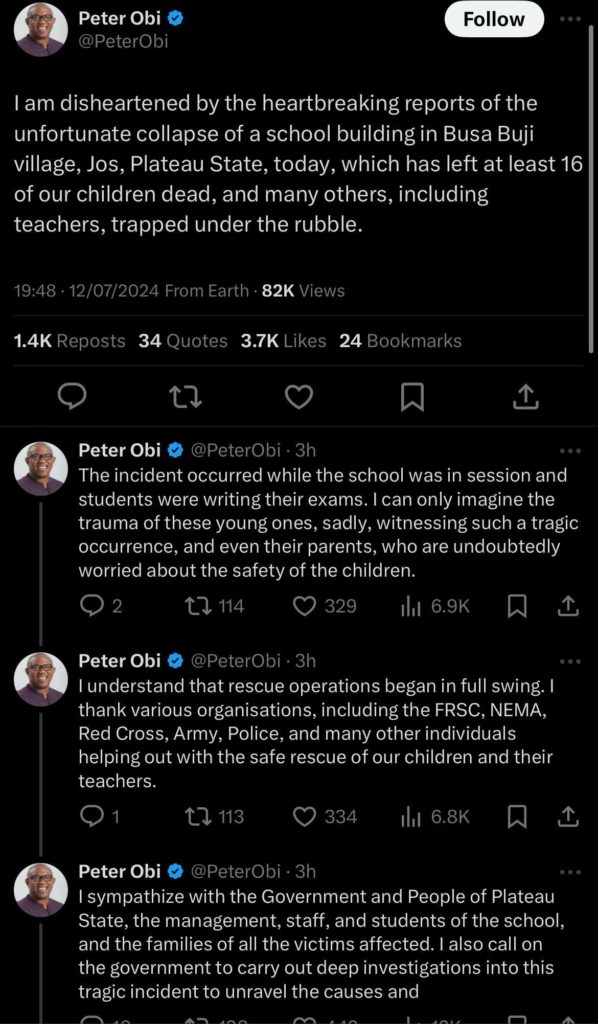
    Jos School Building Collapse: Everything We Know As Death Toll Hits 22

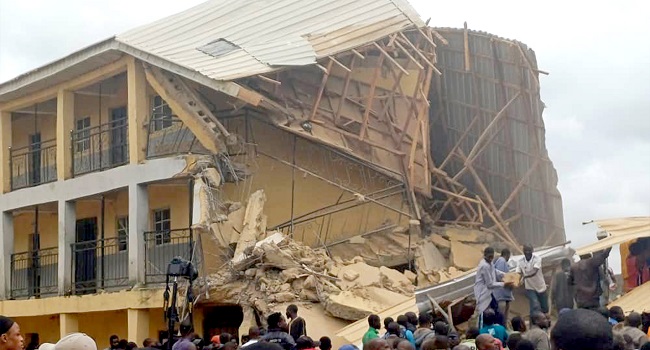
    Around 8:30 am on Friday, July 12, activities at Saints Academy, Jos North, were disrupted after the school’s two-storey building caved in on students and teachers during class hours.

    Plateau’s commissioner for information, Musa Ashoms, confirmed the building collapse and said 120 people were trapped under the rubble.

    “The Plateau State Government has expressed deep sadness over the tragic incident at Saint Academy Jos, where a building collapsed resulting in casualties and injured students and teachers still being evacuated to different hospitals within Jos.”

    Multiple videos and photos also surfaced on social media showing scenes from the crash site.

    What caused the collapse?

    The Plateau government cited the school’s weak structure and close proximity to a riverbank as possible causes of its collapse.

    Commissioner for Information Musa Ashoms stressed the need for schools in the state to adhere to safety standards and Executive Order 003, which the state governor signed in March 2024.

    “The government emphasises the importance of adhering to safety standards, making Executive Order 003 sacrosanct. Schools with similar issues are urged to close down, enabling the Jos Metropolitan Development Board to prevent future incidents.”

    The executive order regulates the construction of buildings in the state. It mandates that all building projects obtain necessary permits and comply with building codes and regulations.

    Are there casualties?

    According to the Plateau state government, 22 persons died from the collapse, while 132 persons were injured.

    State Commissioner for Information, Musa Ashoms, disclosed this in a statement while giving an update about the incident on Friday evening.

    “As of 6:00 pm, 154 people have been rescued from the debris. Sadly, 22 individuals have been confirmed deceased.”

    Has there been any rescue operations?

    In a post shared on Friday evening, the National Emergency Management Agency (NEMA) said that a search and rescue operation had commenced at the building collapse site. NEMA said over 40 persons trapped in the rubble were rescued and taken to the hospital, adding that two of the admitted individuals are in intensive care. The agency also confirmed the death of some students.

    “Unfortunately, some students lost their lives, but the exact number of deaths is still being confirmed.”

    NEMA added that it had concluded the operation and secured the crash site.

    Governor Muftwang, President Tinubu Offer Condolences

    Meanwhile, Plateau state governor, Caleb Manasseh Muftwang, sympathised with the families of students and teachers involved in the building collapse.

    In a statement signed by his director of press affairs and public affairs, Gyang Bere, the governor expressed gratitude to the search and rescue team and members of the public who assisted in evacuating some of the surviving staff and students.

    Governor Muftwang also directed NEMA and the Plateau State Emergency Management Agency to provide necessary support to the surviving victims of the building collapse.

    Also sympathising with families of the victims, President Bola Tinubu, in a statement signed by his special adviser on media and publicity, Ajuri Ngelale, described the incident as a “huge loss to the nation”.

    President Tinubu appreciated various emergency responders and citizens who were involved in the search, rescue, and resuscitation efforts.

    “The President assures the people of Plateau State of his fervent support at this difficult time.”

    [ad]

    How are Nigerians reacting?

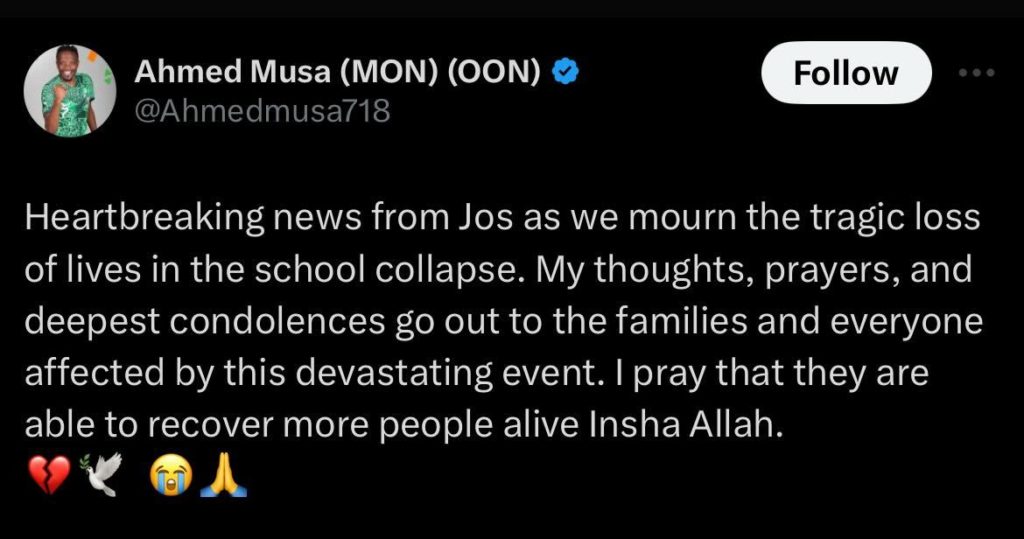
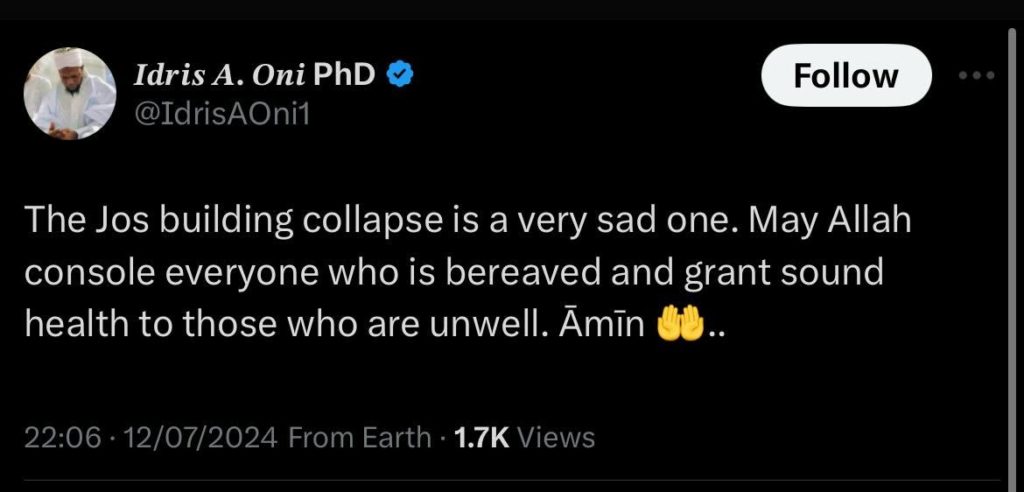
    Nigerians have since taken to social media, commiserating with Plateau residents and calling for prayers.

    What can you do to help?

    While the state government is actively providing care for victims, you can lend a helping hand to support medical centres that have been overwhelmed.

    There are calls for blood donors at the Bingham University Teaching Hospital and O.L.A Hospital.

    This is a developing story.

  • In Nigeria, fruits and vegetables like oranges, carrots, mangoes, tangerines, etc., are commonplace. Many people, including Nigerians, don’t know that besides these staples, the country grows other uncommon fruits and vegetables that are often thought to be imported. Now that you know we have certain uncommon fruits and vegetables in Nigeria, here are some of them

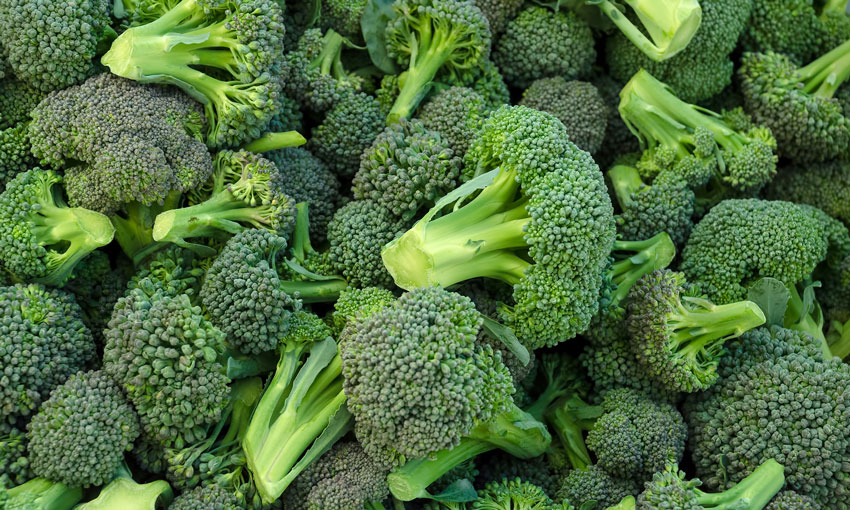
    1. Broccoli

    Queensland broccoli set to soar in Singapore | The DCN

    One can actually argue that Broccoli is grown exclusively in Plateau state and not in any other Nigerian state. The fruit market in Jos is all the more richer and diverse because of this and other exotic vegetables and fruits.

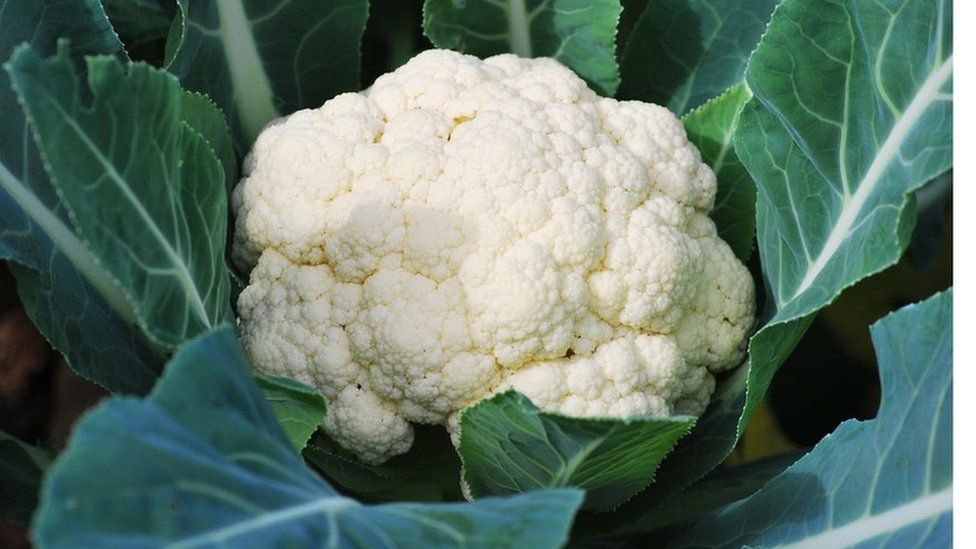
    2. Cauliflower

    Cauliflower shortages as extreme weather kills crops - BBC News

    Cauliflower is rich in vitamins and minerals, also very essential in detoxification, proper digestion, and helps fight cancer, inflammation and other heart conditions.

    3. Beetroots.

    Product from Agricbase

    Beetroot was first cultivated by the Romans. Today, the leading commercial producers include the USA, Russia, France, Poland and Germany. It can be roasted, blended into a soup, boiled, or consumed raw in salads. Studies claim that beetroot juice improves athletic performance, reduce blood pressure, and increase blood flow.

    4. Strawberries

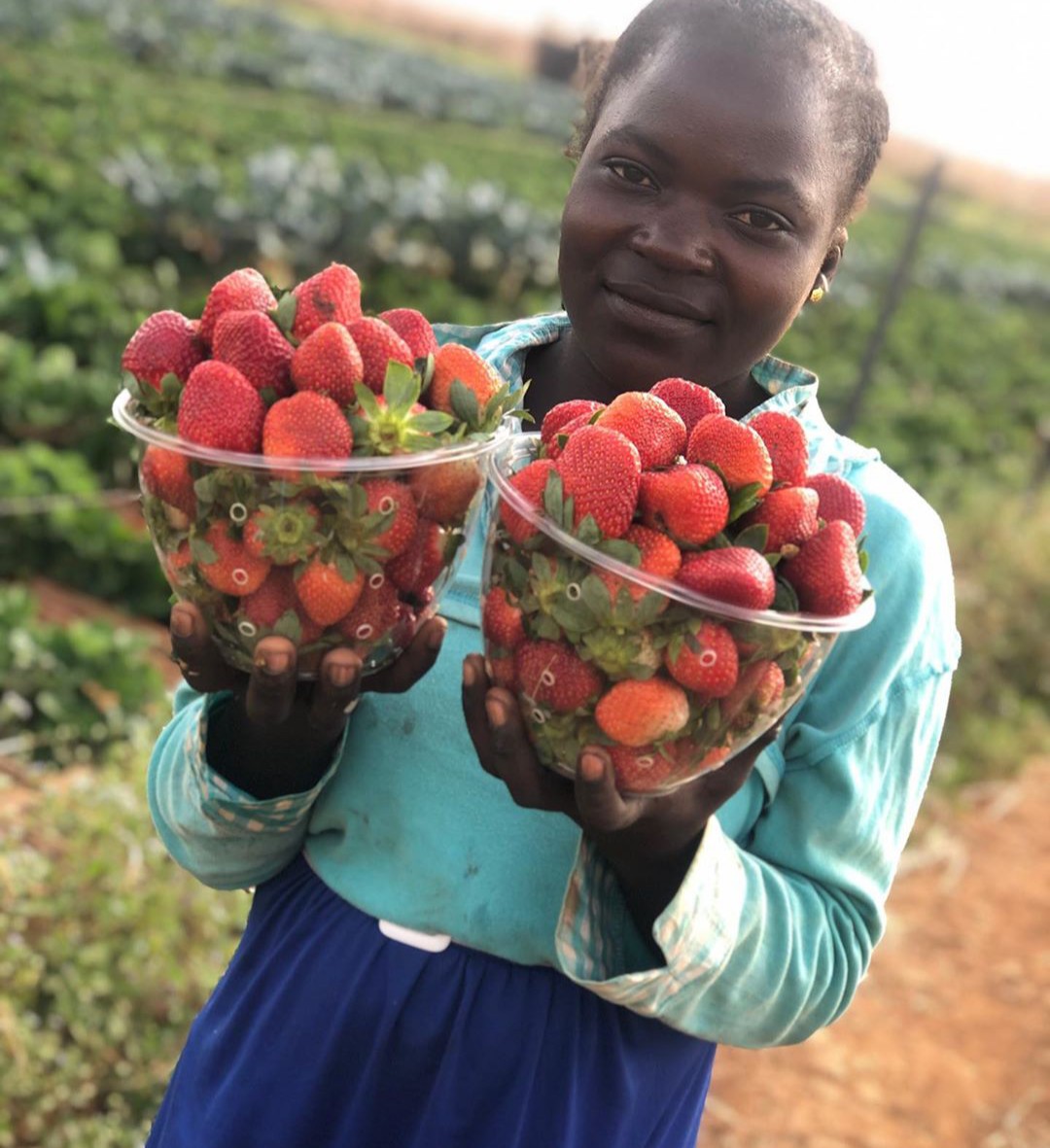
    Strawberry is grown in large quantities in Jos and other areas of Plateau state. For anyone who has ever travelled from Abuja to Jos, the women hawking strawberry and other uncommon fruits and vegetables around Riyom local government area are not hard to miss.

    https://twitter.com/SimShagaya/status/1307336999322488833
    Image
    Photo Credit: @iamfirstearl

    5. Pomegranates.

    Pomegranate - Wikipedia

     Pomegranates are a great source of vitamin C, fibre, and vitamin B6.

    6. Raspberries.

    Raspberries- Medicine In Your Own Garden - FreshMAGAZINE

    Raspberries are highly rich in antioxidants, potassium, fiber, and other nutrients that are essential to the body system.

    7. Apples.

    Photo credit: Badtman

    This is a picture of apples grown in Nigeria.

    8. Blueberries.

    Blueberry industry launches Blueberry Method campaign | 2020-04-30 |  Supermarket Perimeter

    Blueberries are low in calories but high in nutrients. Also used in fruit juices.

    9. Tomatoes.

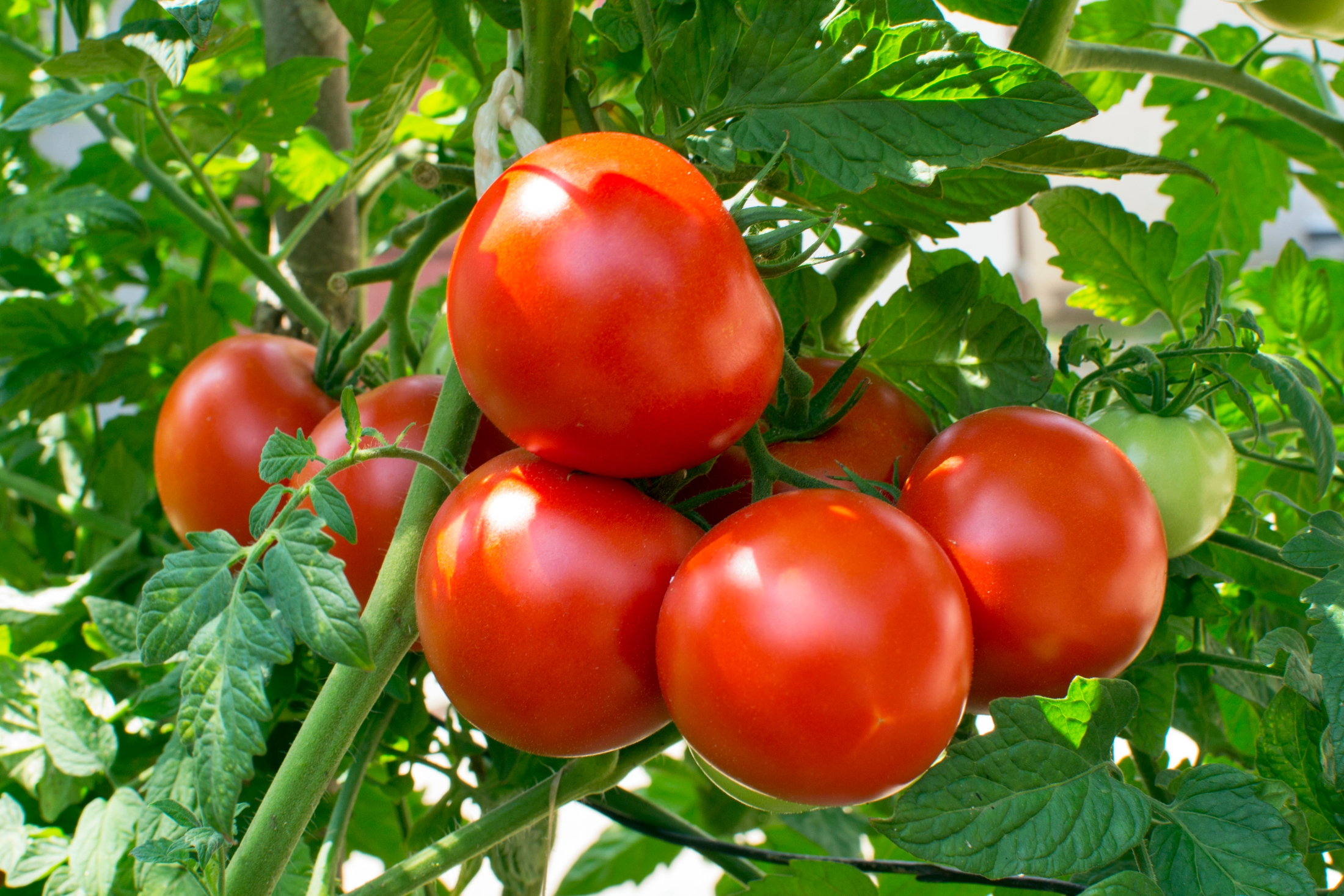
    Growing Tomatoes: From Planting to Harvest | The Old Farmer's Almanac

    Of course, tomatoes are grown in many states across Nigeria. But the tomatoes in some states stand out for their excellent quality and flavour. That’s why the praise name “Tomato Jos” for example, is a thing.

    10. Celery.

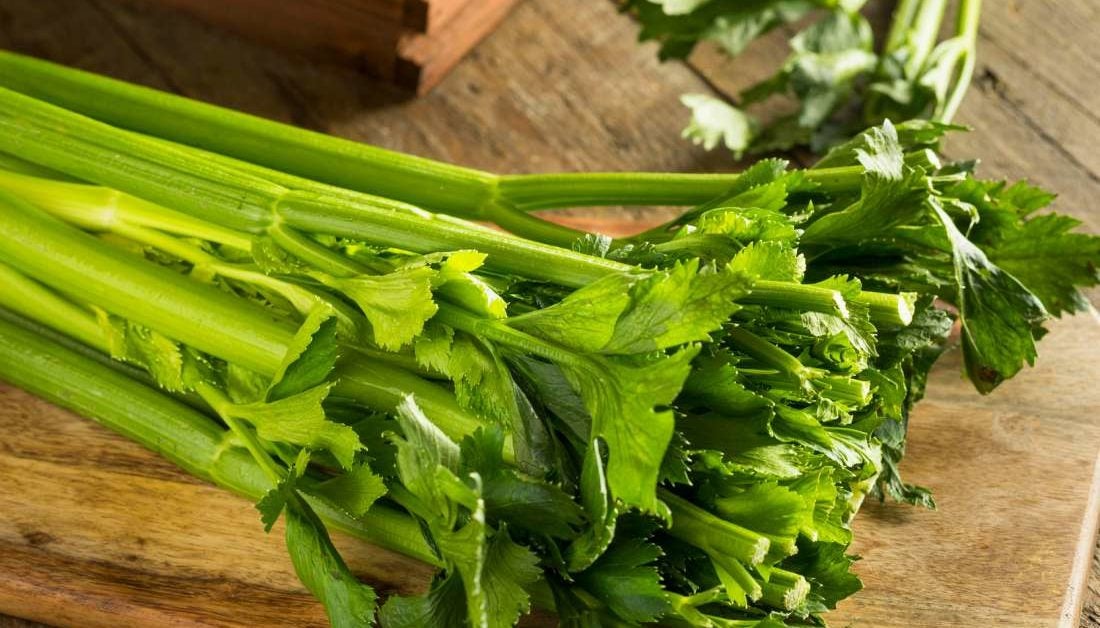
    Celery: Health benefits, nutrition, diet, and risks

    This contains important antioxidants; it reduces inflammation, supports digestion, and is rich in vitamins and minerals.

    11. Eggplants.

    Eggplant: Health benefits and nutritional information

    Eggplants are a source of vitamins and minerals. It helps in digestion, reduces the amount of cholesterol that the body absorbs and thus improves heart conditions. It also helps bones become stronger and increase bone density.

    12. Radish

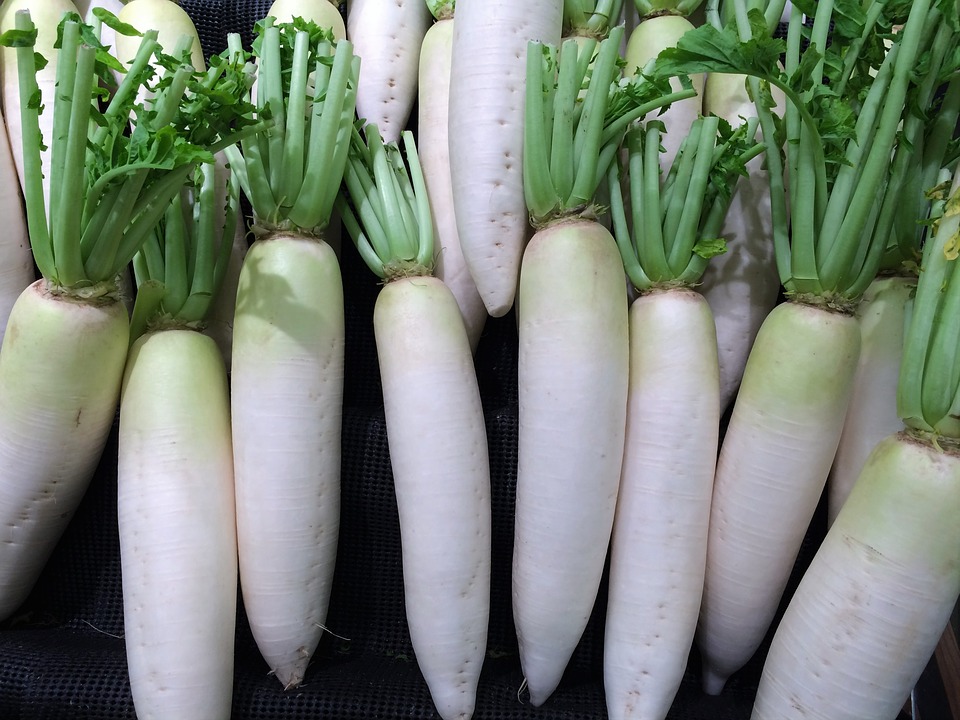
    J Town Explore: 10 Fruits and Vegetables you can find in Plateau state  which you may not find anywhere else in Nigeria

    Radishes can be red, white, or purple. It has been said to aid digestion, fight fungus, prevent diabetes and improve skin condition.

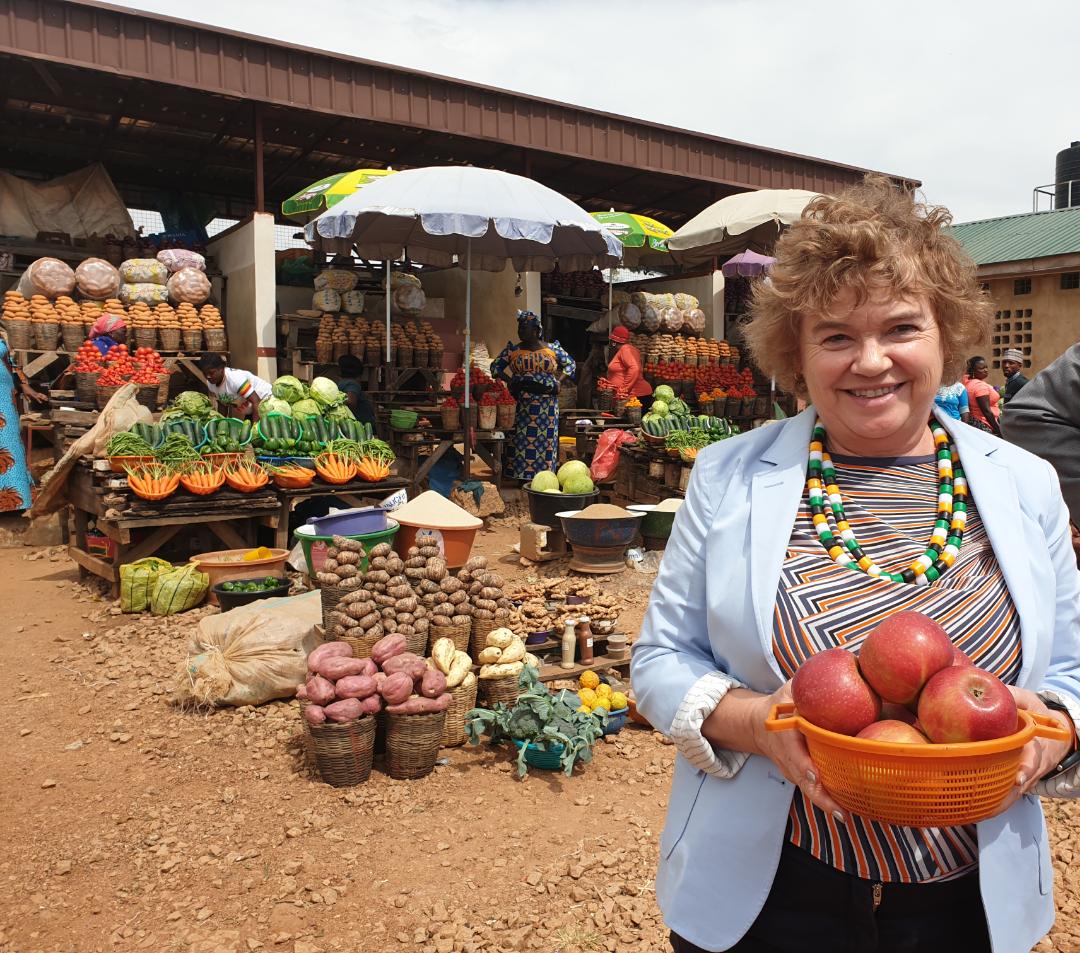
    Here’s a picture of the British commissioner to Nigeria, Catriona Laing, shopping for fruits at the farmers market in Plateau.

    Image

    Planning a holiday trip to Jos? Then you should read this:

    7 Of The Best Things We Have Heard About Living In Jos

    And if you’re for Ibadan, here’s something for you:

    7 Things Ibadan People Enjoy That Lagosians Don’t

  • Nigerians are famed around the world for our determination and ability to spot an opportunity, and for good reason. 

    We can sell bibles to the Pope, and we’ll even rent your own property to you at a small discount. One Nigerian by way of the United States is trying to be the Thanos of taking chances as they come.

    When one door closes, open the window.

    Vitalis Lanshima

    Nigerians go to the polls to elect new leaders in February 2019, as we do every four years.

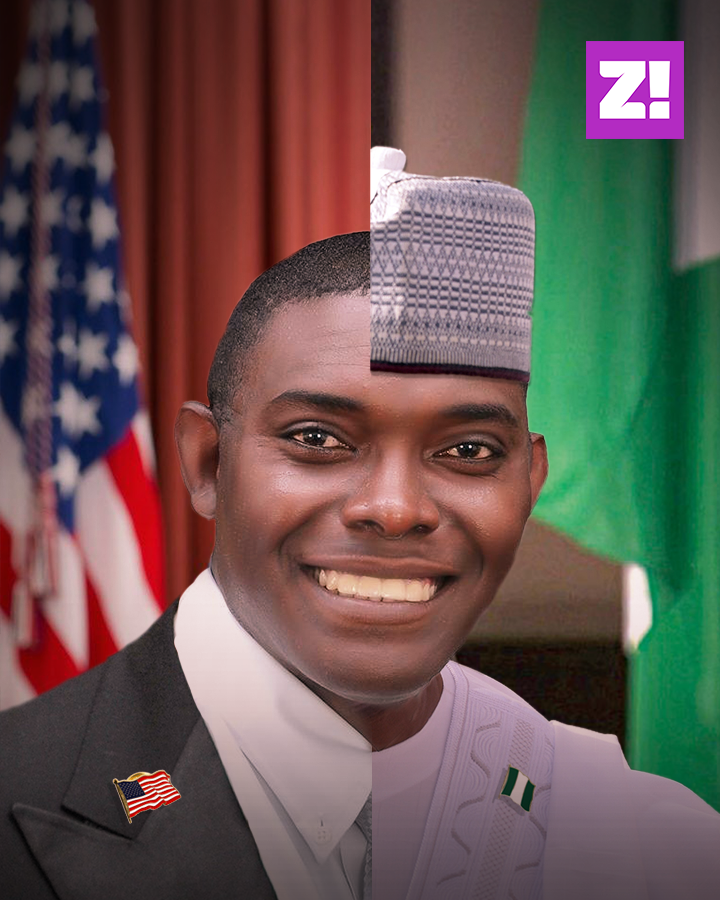
    Jos-born Vitalis Lanshima is running for the Federal House of Representatives as a member of the All Progressives Congress. 

    The only problem is that this living legend is also a member of the city council in Louisville, a city in the US state of Kentucky.


    Lanshima has a quite inspiring story

    He lost his arms in a freak accident before moving to the US and qualifying for the 2012 Paralympics as a US athlete. He’s lived in the US since then.

    But things have not been perfect of late – since he turned his focus to Nigeria, lawmakers in Kentucky have been calling for Lanshima to resign immediately. 

    Lanshima lost council elections and has to vacate his seat in November anyway but apparently, the future is too far for these people.

    “You don’t have to be obsessed with me”

    Mariah Carey - Obsessed
    Like the icon that he is, the man says he has no intention of taking that route.

    In his own words, “there are many things for us to worry about… we do not have to be obsessed with me. Please stop being obsessed with me”, he told a Kentucky newspaper.

    Lanshima is already campaigning at home.

    Like all serious candidates, he’s appeared on AIT. His campaign website says “I believe in Nigeria, and the immense potential that permeates our country, as well as the tenacity and ingenuity of our citizens,”

    See what I was saying?

    During that period, Lanshima has been paid 40,000 dollars of American taxpayers’ money. Can someone say ‘Awoof?’

    It’s not clear if he’ll be the APC’s chosen candidate in his constituency but we stan an icon with follow-come work experience and multiple streams of income.