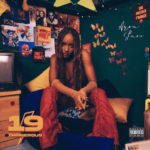
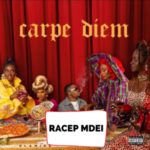
• 2025 was a year of reckoning for Nigerian music. Not because it lacked enduring and crossover hits, but because artists were forced to slow down and go back to the drawing board. Some artists took risks, some raced for dominance, while others made deliberate statements in a series of releases. Additionally, the underground movement made its mark with fresh and innovative sounds.

    Across genres, albums arrived with clearer intentions, deeper emotional stakes and an impressive commitment to craft. This list highlights the projects that did more than carry us through 2025 with bold sonic experiments, catchy anthems, and intimate reflections.

    20. No Sign of Weakness — Burna Boy

    In No Sign of Weakness, Burna Boy returns to familiar territory. The one that comes with snarling defiance, bravado and self-protection. But the armour now feels worn. The African Giant persona, once driven by underdog hunger, has hardened into a defensive shell. The album cycles through battle cries, ego massages and echoes of paranoia, with Burna Boy sometimes sounding more intent on guarding his legacy than expanding it.

    His trademark fusion of reggae, dancehall, afropop and r&b melodies remains. The lyricism asserts dominance, responds to detractors and reflects his own human nature. Weariness may be lurking, but Burna Boy’s prolific work rate is undeniable.

    Listen: Apple Music | Spotify

    19. 5IVE — Davido

    Davido’s 5IVE arrives as a confident and drama-free statement from an artist firmly in his element. It had a rollout that was a masterclass in modern afrobeats marketing and set up expectations for a new chapter in his sound. Musically, the album leans into afrobeats (of course!), amapiano and r&b-influenced production. Throughout 5IVE, Davido’s worldview feels triumphant and assured, echoing biblical metaphors tied to his name and celebrating resilience in both his personal and career journey.

    However, while the production value is high and features are mostly impressive, the writing often feels surface-level, especially in its treatment of love and relationships. The lyrics favour catchy phrasings over deeper, emotive songwriting. Songs like “10 Kilo” nod to an older cultural moment, while tracks like “Holy Water” and “With You” keep the momentum going. In all, 5IVE may not be Davido’s best work, but it’s a solid and memorable release that reflects his current state.

    Listen: Apple Music | Spotify

    18. CATHOLIC BOYS — Latino Perrico

    When Latino Perrico isn’t in an art studio painting on canvases, he’s writing rap verses and spitting bars that reflect his personal life, professional drive, and Igbo heritage. On his latest, Perrico’s Catholic upbringing is at the intersection of rap music. He thoughtfully examines faith, tradition and patriarchy. It’s definitely not religious, but CATHOLIC BOYS is perhaps the closest secular equivalent of what “Behold Among Men” or “Ami Nyekom Obong” is to a Catholic faithful.

    It gets more special with a verse from the legendary Modenine, and a tight-knit roster of relatable rappers like Jeriq, Shewrotee, Mxna and Quincy Raph — all from the same ethnic background and sharing the same walk of faith. This is a special homage to his Catholic upbringing. If you find priests, acolytes or altar servers looking for enjoyable rap music, send this to them.

    Listen: Apple Music | Spotify

    17. Healers Chapel — Wizard Chan

    It’s been five years since the release of Halo Halo, and Wizard Chan has stayed busy building a chapel of his own. As a contemporary voice driving the Gyration style of music from the South-South, he flourishes on creativity and universal worldviews.

    In tracks like “By the River”, “In My Defence” and “Sober,” he takes a minimal but deeply introspective route, and amps up the mood on songs like “Amen (God My Dealer)” and “Oh My Home”, reflecting the joy of communal gyration. The rest of the album taps into faith and emotive musings. Healers Chapel moves between traditional and hip-hop production, evoking a sense of familiarity, relief and wonder.

    Listen: Apple Music | Spotify

    16. SUNZ ON PEGASUS — Mxps Rellington and Igho Mike

    It’s been an exciting year for Nigerian hip-hop, especially outside the label-powered mishmashes made to hustle the charts. On the other side of the radio, SUNZ ON PEGASUS grooves on soul-drenched and hazy drumless loops and body-gearing boombap. It’s refreshing, contemporary, and minimalist, yet dark and shiny enough to inspire breathtaking, street tales in precise rap verses. With experience and lessons from the trenches, Mxps Rellington and Igho Mike bring heartfelt stories that feel like a noir thriller movie.

    Listen: Apple Music | Spotify


    Subscribe to Zikoko Pop newsletter, The Feed, for the most important pop culture news


    15. AFRIKA MAGIK — Show Dem Camp

    AFRIKA MAGIK comes at a time when the world (read: Nigerian fans of Show Dem Camp) itches for, or perhaps needs, another Clone Wars-type music project. The economy is still weakened, and the standard of living is still kissing the dust. In fact, all the ills, issues and epigenetics of Nigeria that have been presented in the Clone Wars series are still prevalent today. But this isn’t that. This is contemporary Nigerian, particularly Lagos stories in a groovy, afro-centric hip-hop way.

    It’s in this realisation that one finds the beauty of this album: free-form, loose in concept and alive with vibrant features and production. In not carrying the weight of the world on their heads and shoulders, they have time to be mundane, to be like everyone else, to find their own little joys and chase inspirations and side quests.

    Listen: Apple Music | Spotify

    14. The Feast — Falz

    Since his early days as a comic content creator and rapper with several viral moments, Falz the Bahdguy has grabbed listeners’ attention with humorous, relatable pop references ranging from Nollywood’s Toyin Tomato to Skiibii’s fake death. Don’t forget Falz has catchy and killer hooks too, whether he’s dedicating an album to a personal situation or the socio-political state of the nation.

    On his sixth solo album, the qualities that brought him into the limelight remain intact, but they are now shaped by maturity rather than whimsy alone. The extremely goofy edge of his “Wazzup Guy” era has faded, replaced by a more reflective and conscious artist who turns onward to examine himself and society with greater clarity and intent. The focus and title of the album are inspired by the need to feed his fans with substantial music after a brief break. Throughout the album, he explores his place in Nigerian music, romance, body positivity, lit turn-ups, and personal history.

    Listen: Apple Music | Spotify

    13. I Dream In Colors — Magixx

    The journey of life overflows with deep waters. Magixx recounts on his debut album, I Dream In Colors, all the times he almost drowned and how he keeps his head above water. He finds resilience in his openness to let vulnerability run at the core of his debut. Magixx slows down the flow to a controlled tempo, with moody production as the album shifts from afropop and Igbo gyration to r&b, busted-and-blue chords and tungba-tinged soundscapes.

    His lyricism is honest, stark, sensual, and sometimes shallow or saccharine. But he impressively balances them with reflections on personal burdens, vices, love and relationships, loss and heartbreak, and lingering doubt and triumphs. Even while navigating struggles, I Dream In Colors carries a hope that the past may linger, today may hurt, but there will be better days

    Listen: Apple Music | Spotify

    12. Cavy In the City — The Cavemen.

    Since their early appearances on tracks with the likes of Femi Leye and Lady Donli, the musical sibling duo have ingrained themselves in the fabric of contemporary Nigerian music. From playing at the BBC Proms and the Love Supreme Jazz Festival to serving as musical directors of Wizkid’s historic More Love, Less Ego concert at Tottenham Hotspur Stadium, the Okorie brothers continue to actively negotiate tradition and show younger generations that highlife still lives and breathes.

    On Cavy in the City, The Cavemen. step out of the nostalgic shadows of their debut and into a more consciously crafted, modern sound. Their music is no longer about paying homage to the music that raised them, but about expressing themselves in the present day. ROOTS and Love and Highlife are raw and rooted in imagined highlife music of the 1960s. At the same time, Cavy in the City incorporates contemporary elements without compromising the rhythmic strengths of the genre.

    Listen: Apple Music | Spotify


    READ NEXT: The 10 Best Nollywood Movies Of 2025


    11. Olamidé — Olamide

    This is Olamide’s twelfth album and a peek into who he is, what he likes, and how he thinks at the moment. His bursts of singing explore romance, sex and the thirst for a good time. Olamide lays it bare on the opening track, “Prelude”, echoing the efforts of finding and realising purpose.

    As the music moves from rowdy keys to bouncy afropop and dancehall pockets, Olamide keeps the groove sparkling. Tracks like “99” and “Kai” have once again shown his relevance and how he reinvents himself. The songs trended across TikTok and the charts, turning his songs into instant hits with replay value. Over a decade and a half in the game, Olamide is still consistent, relevant, churning out hits; it’s this rare mix among his peers that makes Olamidé one of 2025’s standout albums.

    Listen: Apple Music | Spotify

    10. XOXO — Lojay

    XOXO is a snapshot of Lojay’s catchy melodies, sharp songwriting, dance-ready jams, soul-rendering pop ballads and emotional complexities. All these elements that established him as a generational talent on EPs like LV N ATTN (with Sarz), GANGSTER ROMANTIC and Loveless (with JAE5) aren’t missing on his debut album.

    “Memory” recollects a heartbreak story, “Somebody Like You” throws him into a state of longing, and songs like “Mwah!”, “Shiver”, and “Miss Mariana” are sensual yearnings that are as effective as any pickup line. Lojay’s long-awaited album is here, warmly giving or demanding hugs and kisses, depending on how you see it.

    Listen: Apple Music | Spotify

    9. GE3 (The Beginning) — A-Q

    Two decades into the game, A-Q makes his best album. GE3 (The Beginning), the last of his God’s Engineering trilogy, is filled with the knowledge he has gained. He begins with his humble beginnings in Surulere, Lagos, then segues into braggadocio and the state of Nigerian hip-hop, the music business, industry politics, national history, and online validation. Despite the dense and overflowing rap verses on this album, A-Q adds colour by featuring artists such as Qing Madi, Ajebo Hustlers, Terry Apala, and Dwin, the Stoic.

    He is in his big homie phase, dropping life lessons in songs and including talents such as Blaqbonez and Bkay, which he helped push to wider audiences. A-Q raps blazingly hot, but he sounds sobering. If a curious mind asks who’s really rapping in 2025 and consistently in the last decade, the unbiased answer to the question is A-Q.

    Listen: Apple Music | Spotify

    8. This One Is Personal — Tiwa Savage

    Interview clips and excerpts that went viral during the media run of Tiwa Savage’s latest and fifth studio album might have overshadowed the music. But This One Is Personal, which she once called her last body of work, is a damn good album. It interestingly feels like a cinematic scene of a woman letting her hair down. African Number One Bad Girl relaxes the persona to let Tiwa Savage dominate.

    Just like the artwork, which sees Tiwa atop a huge pile-up of mattresses, the music is a heap of parallels. It is the crush of heartbreaks and the flames of new love, the weight of celebrity and unseen private battles, undying ambition and unseen fatigue, the emotional and psychological tolls of tabloids and trolls, self-scrutiny and grace. Above all, this is Tiwa Savage at her best, in her r&b bag.

    Listen: Apple Music | Spotify

    7. Virtuoso — Rybeena

    Rybeena is likely to end as one of the best voices of Nigerian street-pop. His songwriting equally probes existentialism (from angles of the three major religions in this part of the world) as much as it lusts for luxury and mundane experiences. When he sings, his baritone blasts out like a 5 a.m. call-to-prayer if possessed by an Ajiwere born in the digital era. The mastery and interpretation of combined multiple Yoruba music styles and modern genres into a refreshing personalised delivery is a successful attempt on Virtuoso, his debut album.

    “New Taker” is a Fuji-tinged song that reminds new money that riches come and go; when/while you (still) have, invest in what will save you on rainy days. “Ivory Coast” borrows from Makkosa. The patterns of Ebenezer Obey’s juju, as well as Simi’s alternative pop, show up in “Despasito.” The highlight is “Agba Singing”, a life-na-jeje and aspirational song that drags the crowd to an amapiano party.

    Listen: Apple Music | Spotify

    6. Fuji — Adekunle Gold

    The title of Adekunle Gold’s acclaimed yet divisive album is more a personal narrative than a special nod to Fuji music.

    The main goal of Fuji, which is also an acronym for “Finding Uncharted Journey Inside,” is that Adekunle Gold spent the past decade exploring diverse music styles, and it’s time to cross genre lines again and establish an elderly statesman, or perhaps Don Corleone status, while at it. He has earned an OG status anyway.

    Since his debut in 2014, he has remained relevant, releasing an album almost every two years, marrying a famous singer, becoming a father, collaborating globally, and appearing at several international music and fashion shows. Adekunle Gold returns with a more cultural move. He’s commanding attention like never before. Take the door-breaking album opener “Big Fish.” Adekunle’s very opening lines on the song go: “You know I came into the game since 24 / Ogo wey dem never see before / Make or break and I made my decision / Ni mo gbe were wole, new dispensation.” It only gets bolder from here.

    Listen: Apple Music | Spotify


    Get More Zikoko Goodness in Your Mail

    Subscribe to our newsletters and never miss any of the action


    5. Sweet Songs 4 You — TML Vibez and Lasmid

    Nigeria’s TML Vibez and Ghana’s Lasmid, two artists whose music usually favours the street, are at their best love-struck, heavy with emotions they can only untangle in songs. Surprisingly, Sweet Songs 4 You offers an intimate window into their lover sides.

    Set against lush production, they move with personal styles and zero constraints. Anchored by their songwriting, TML Vibez and Lasmid lay bare vivid reflections on longing for lasting love, romantic getaways, canal desires and sweet promises. Throughout the album, they find refreshing ways to sing about matters of the heart, and they do it with ease.

    TML Vibez is one of the most versatile street-pop artists right now. He displays how effortless it is for him to shift from hustle mode to make tracks like “ghana jollof” or “ololufe” that sound like he has been in the most romantic relationship all year and not writing about his previous grimy life in his street kid’s diary. Lasmid excels at maintaining creative and consistent melodies. Musically, the two of them level up here.

    Listen: Apple Music | Spotify

    4. SPIRAL — Tim Lyre

    Tim Lyre has an innate ability to tap into personal experiences. Whether it’s love, death of ego, existentialism, sonder or socio-politics, he knows how to reimagine them into a tight-knit artistic production.

    SPIRAL captures Tim Lyre at a crossroads. He’s reflecting on his past, charting his present and examining his environment. In the two-and-a-half years that it took to create this 16-track double-sided album, Tim Lyre had been in an accident, been stolen from — all these experiences transform into the narratives about loss, relationships and motivation. “Miles”, featuring Moelogo, is grounded in hope. “Economy” with Show Dem Camp explores the state of the country and the financial situation of the masses. The album closes out perfectly with “WAY/2/ME,” which mirrors Tim Lyre’s journey and his current phase of rediscovery.

    Since his SoundCloud days in the late 2010s, Tim Lyre has always expressed himself through his music. And with SPIRAL, he writes the most plainspoken and absorbing parts of that narrative so far.

    Listen: Apple Music | Spotify

    3. Chapter 1: Where Does Happiness Come From? — Made Kuti

    Four years past For(e)ward (2021), Made Kuti marches into a new adventure to find where happiness comes from. In an exhilarating 55-minute performance that’s a revolution, revival and racing respiration packed into a rave, he steep deeply into temperate admonition. Like every Afrobeat musician, Made balances political and social commentary with musical depth, confronting societal excess and violence through songs like “Life As We Know It.”

    But there’s a bigger purpose here. Chapter 1: Where Does Happiness Come From? highlights the need for genuine connection in a digitised world. It calls for a new kind of change that starts from within. It reaffirms that authentic happiness stems from individual and collective responsibility, rather than external factors.

    Listen: Apple Music | Spotify

    2. SABALI — Peruzzi

    Rebirth takes patience. Peruzzi’s new album SABALI proves that. It took him approximately 1,700 days after the release of the unappreciated two-sided Rum & Boogie album (2021). Rum & Boogie laid the foundation for his new album, showcasing an entirely new facet of Peruzzi’s artistry and songwriting, something different from the recognisable melodies of hit songs that credit him as writer and composer. On SABALI, Peruzzi makes his pen bleed, hitting on the undeserved ignore his music gets. While not making that his central theme, or necessarily presenting it as a validation dependency, he’s reproving the acknowledged fact that he’s a brilliant artist who fits in any musical pocket he finds himself in.

    He goes from the fiery drill of “El Sucio Guapo” to sensual reggae on “Legalize” and “Ecstasy” and fusions of highlife on “Cooking Pot” and “Mad Oh” with The Cavemen.

    In mainstream afrobeats, taking four to five years to release a project, while stabilising an identity, is usually a risky artistic route, especially if you aren’t a Big 3. These days albums with more than 15 tracks are struggle-listens, but SABALI’s 52-minute runtime is an easy listen and barely grating. Titled SABALI for a reason, the album fully rewards patience.

    Listen: Apple Music | Spotify

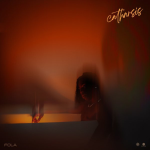
    1. catharsis — FOLA

    As often seen in music around the world, first albums are mostly either trailblazers and propellers or disasters. FOLA’s first EP, what a feeling, and the public’s reception made it apparent that the 24-year-old singer-songwriter is ready to deliver a major killer debut project, rather than a first-time guillotine that takes him to slaughter. And not only is catharsis the best album of 2025, but as a music project that’s two minutes short of what the traditional industry term ‘album’ implies, it reiterates that artists are the deciders of what is conventional or not, norm or not, hot or not.

    FOLA has had a great year: he’s the biggest breakout act of the year, released a widely-acclaimed and longest-running No. 1 album of the year, top-charting songs, threw his first sold-out (and overcrowded) headlining show, and is the top-lover boy in afrobeats this year. Thanks to a personal and emotionally-driven music that brings his romance and self-reflection to the forefront of his songwriting. Across catharsis, FOLA fully embraces his pop-star, though the pressures of rising stardom are inescapable.

    afrobeats-infused r&b drives the grooves of most of the tracks, which move between romantic complexity and ambition. When there’s a break in mood on “disco” featuring Young Jonn, the album shifts from introspective tension to a lighter performance.

    What’s next for FOLA after such a fruitful year is consistency, quality and breaking into a new artistic peak that keeps him above streams and popularity.

    Listen: Apple Music | Spotify

    Honourable mentions:

    Detox — Sewà

    Journey Through Life — Femi Kuti

    Viva La Vida — Joeboy

    Omoboy — PayBac iBoro

    Greatly Exaggerated — Damon Grass

    Dream Man — Oyedele

    Files ‘26 — cosamote

    Vice Versa — President Zik and Hotyce

    No Excuses — Blaqbonez

    ALSO READ: The 10 Best Nollywood Movies Of 2025

  • The 2025 Grammys is happening on Sunday, and all eyes are on Nigerian artists making global moves. The contenders for the Best African Music Performance this year are Burna Boy, Yemi Alade, Asake & Wizkid, Tems, and Chris Brown featuring Davido and Lojay.

    In celebration of Nigerian music’s growing global recognition, we’re highlighting the best Nigerian albums that have earned a Grammy nomination. From the older musicians to the new generation of Nigerian artists making waves worldwide, this article presents the top 10 Nigerian albums that have been recognized by the Recording Academy.

    These albums not only put Nigeria on the Grammy map but also showcase the country’s rich musical heritage and increasingly prominent place in the global music industry.

    See below our top 10 Nigerian albums that have been nominated for a Grammy ranked:

    10. Born in the Wild — Tems

    By the time Tems dropped her debut album, Born In the Wild, in 2024, she was already a global star. The album, a deeply personal R&B project infused with Afrobeats influences, showcases her range—from the soulful “Burning” (which earned her a Grammy nomination for Best R&B Song) to the nostalgic “Love Me Jeje” (nominated for Best African Music Performance). While Born in the Wild feels like a project Tems made for herself, it still resonates with millions worldwide. It peaked at number three on Nigeria’s TurnTable Albums chart, number five on the Top R&B Albums chart, on the Billboard 200, making it the highest-charting album by a Nigerian female artist.

    Tems has remained a dominant presence in the global music scene, especially in the U.S. She’s consistently been part of Grammy-nominated records, from her feature and sample on Future and Drake’s “WAIT 4 U” to contributions on Beyoncé’s “MOVE” and Rihanna’s “Lift Me Up.” With her Grammy nod for Born in the Wild, she further cements her ability to blend genres effortlessly while evolving in the global market. Well-deserved.

    9. Odù — King Sunny Ade

    King Sunny Adé’s 1999 album Odù breathes new life into ancient Yoruba songs, refining traditional melodies into a fresh, captivating experience. The album’s title itself is a nod to Odù Ifá, the sacred Yorùbá divination system, reflecting KSA’s deep reverence for African culture and heritage.

    When it comes to music made for pure enjoyment—fondly called Ariya music by Juju lovers—King Sunny Adé is in a league of his own. Odù boasts pristine production that elevates its traditional roots while seamlessly fitting into the musical landscape of its time. But its impact wasn’t just limited to dance floors. The album earned King Sunny Adé his second Grammy nomination in the Best World Music Album category, further solidifying his legacy as a pioneer of Nigerian music on the global stage.

    8. Timeless — Davido

    As one of the leaders of African music and the Afrobeats movement, Davido has always had a knack for making global hits. But with Timeless—his fourth studio album and first Grammy-nominated project—he took things to another level. Released in March 2024 after a long break from social media, the album marked a triumphant return for the ever-outside Davido. It came with an unmissable rollout, blending introspection with his signature hit-making formula, familiar yet refreshing production, and lyrics that resonated deeply with fans.

    On Timeless, Davido delivers some of his most confident and refined work yet, balancing reinvention with the infectious energy his audience loves. The impact was immediate—Timeless became the most streamed African album in a single day on Apple Music and had the biggest album debut week of 2024, racking up over 50 million on-demand streams in its first week. And he didn’t stop there. Throughout the year, Davido kept the momentum going with international radio tours, a North American tour, viral visuals, and major brand collaborations, making sure Timeless remained in the conversation.

    In 2024, Timeless earned a nomination for Best Global Music Album at the Grammys, while his smash hit “UNAVAILABLE” received a nod for Best Global Music Performance and “Feel” for Best Global Music Performance. A well-deserved recognition for an artist who has spent over a decade shaping the sound of modern Afrobeats.

    7. Made In Lagos — Wizkid

    Wizkid’s fourth studio album, Made In Lagos, is almost as famous for its multiple postponements as it is for its undeniable greatness. When it finally dropped in October 2020, the reception was nothing short of legendary. Critics praised it, fans treated it like a national treasure, and Wizkid himself fully embraced a new era—one defined by effortless cool, silky vocals, and a laid-back, singlet-wearing, sometimes-shirtless energy.

    A love letter to his city, Made In Lagos indulges in all the things that make Lagos iconic—hedonism, hustle, women, and weather. Sonically, it’s Wizkid at his smoothest: a slow-burning, sensual, and irresistibly relaxing album packed with confidence and style. The guest list alone is proof of its global ambition, featuring Burna Boy, Tems, Damian Marley, H.E.R., Skepta, and Justin Bieber.

    Anchored by hits like “Smile” and the 4× RIAA platinum-certified “Essence,” Made In Lagos became a record-breaking force. It spent over 130 weeks on the Billboard World Albums chart, making it the longest-charting African album in history. It also became the first African album to be certified Gold in the U.S.

    It’s also the first African album that’s certified Gold in the US. Simply put, Made In Lagos isn’t just a great album—it’s a cultural reset.

    6. HEIS — Rema

    Most critics and listeners would agree that the release of HEIS has brought or perhaps started a sonic reset in Afrobeats. With its hyper-fast production, Afrobeats-EDM-Mara-House fusion, and a Gothic aesthetic drenched in local Edo references and innuendos, Rema crafted something uniquely chaotic yet masterfully executed. Since its 2024 release, it’s been impossible to attend a lit rave without hearing at least one track from the album.

    From the stompyard anthems “OZEBA,” “HEHEHE,” and “MARCH AM” to the stadium-sized energy of its sound, HEIS has turned Rema into a movement. He’s packed out arenas in Abuja and Lagos, leading a new wave of Afrobeats that feels both futuristic and deeply rooted in his heritage.

    At the 67th Grammy Awards, HEIS earned a nomination for Best Global Music Album, marking Rema’s first career Grammy nod—just five years into his mainstream journey. The boy dey march am, indeed.

    5. Love Drum Talk — Babatunde Olatunji

    It’s not every day you hear a 70-year-old sing with the effortless vibrance of Babatunde Olatunji. While Love Drum Talk is backed by vocalists, guitarists, and percussionists, Olatunji remains the undeniable star of the show. His sharp voice and witty Yorùbá storytelling weave through themes of love, commitment, family, and heritage—like on “Spell Mónisola,” where he sings about his granddaughter returning to Nigeria to study in her grandmother’s school in Ibadan.

    Released as his thirteenth album, Love Drum Talk became his first solo project to earn a Grammy nomination, a remarkable feat for an artist who had spent decades championing African rhythms on the global stage. The album is a sonic time capsule—a love letter wrapped in the deep resonance of West African drums, blended with Afrobeat, Highlife, and Jazz. More than just music, it feels like a gift to himself on his 70th birthday, a culmination of a lifelong dedication to African percussion.

    Olatunji’s journey started in Ajido, Badagry, Lagos, where he honed his drumming skills before moving to the U.S. in 1950. Over the decades, he became a pioneer of African drumming, influencing generations of musicians and reshaping how African music was perceived globally. Love Drum Talk was his final commercial album, but his legacy—both as a musician and cultural ambassador—lives on.

    4. Legacy + — Femi Kuti & Made Kuti

    There’s something deeply powerful about two generations—father and son—coming together to create music that transcends time. Legacy + isn’t just an album; it’s a rite of passage, a bridge between past, present, and future, woven together by the unmistakable rhythms of Afrobeat.

    Clocking in at just under an hour and a half, the album is more than a collaboration between Femi and Made Kuti—it’s a living testament to a bloodline of musical revolutionaries. It carries the legacy of Josiah Jesse Ransome-Kuti, Made’s great-great-grandfather and Nigeria’s first recorded musician. It upholds the spirit of Fela Kuti, the pioneer of Afrobeat and a global icon. It cements Femi Kuti’s decades-long contribution to the genre. And it marks Made Kuti’s own emergence as the next torchbearer.

    With Legacy +, the Kuti family doesn’t just honour its past—it extends its influence into the future. A Grammy-nominated masterpiece, this album is more than music; it’s history in motion.

    3. Synchro System — King Sunny Ade

    Not taking a breather after the release of his successful 1982 Juju Music (his first out of three albums for Island Records), King Sunny Ade wasted no time in crafting Synchro System, released in 1983 as the second of his three albums under Island Records. It’s the type of feel-good music that makes lovers of life forget their worries and dance without a care—while Adé himself, with a white handkerchief in hand, serenades with his soulful melodies.

    Performing tracks from Synchro System at the 1983 Montreux Jazz Festival, King Sunny Adé captivated the audience, cementing his status as the reigning champion of African music in that era. The album’s success soon led to a Grammy nomination for Best Ethnic or Traditional Folk Recording, marking a pivotal moment as he broke into the global mainstream with his authentic African sound.

    While Juju Music leaned heavily on steel guitar and traditional instrumentation, Synchro System introduced riff guitars and embraced more Western production influences. Yet, its core remained unapologetically African—a celebration of life, rhythm, and culture. This is African party music at its finest, a timeless groove that continues to resonate decades later.

    2. Black Times — Seun Kuti

    From the bold opening of “Last Revolutionary” to the closing notes of “Theory of Yam and Goat,” Black Times is a sonic rebellion—a fiery blend of drums, brass, sax, and snares, all blasting out in the funkiest groove. Backed by the legendary Egypt 80 band (inherited from his father, Fela Kuti), Seun Kuti delivers an album that’s as irresistibly danceable as it is politically charged.

    Black Times is more than music—it’s a call to action. It invokes the spirit of Black consciousness, drawing inspiration from revolutionaries like Marcus Garvey, Patrice Lumumba, Thomas Sankara, and Shaka Zulu. Every track speaks the language of the people—unfiltered, urgent, and defiant. This is the sound of black liberation, a rallying cry wrapped in hypnotic rhythms, demanding both introspection and movement.

    From start to finish, Black Times is riveting, offering not just a message but an experience—one where freedom, resistance, and joy collide.

    1. African Giant — Burna Boy

    When Burna Boy declared, “I am an AFRICAN GIANT and will not be reduced to whatever that tiny writing means” on Instagram in 2018, he wasn’t just fighting for a bigger font on the Coachella billing—he was staking his claim on the global stage. That declaration was his way of saying, “Stop sidestepping Africa and me!” The world was forced to listen, and Burna Boy backed it up with African Giant, an album that made sure to document the rise of his hype.

    African Giant weaves through a range of musical styles, bringing together African pop with global influences to showcase contemporary African music through the lens of modern times. Burna Boy delivers a mix of self-praise, optimistic anthems, love musings, and gritty hustler tracks. He fires up listeners with high-energy gyrations, while also offering street-smart wisdom and a sharp critique of societal ills. The predator mentality—a mark of Burna Boy’s resilience—permeates every track, driving him forward like a force of nature.

    He doesn’t stop there. Burna Boy dons his pan-Africanist mantle, unapologetically throwing middle fingers at governments and colonial powers, making bold political statements on songs like “Anybody” and “Collateral Damage.” While some may argue his political stance is more spectacle than true activism, there’s no denying his musical genius. African Giant is an album that not only celebrates African pride, but also introduces the world to a revolutionary sound.

    Though it didn’t win the 2019 Grammy, African Giant marked Burna Boy’s undeniable arrival on the global scene—and by extension, Afrobeats’ triumphant transcendence across the globe.

    ALSO READ: Nigerians Who Have Won or Been Nominated for Grammys: A Complete List

    [ad][/ad]

  • Take the quiz:

  • 2023 feels like it started two weeks ago, it’s been racing so fast like it can’t wait to complete its 52 week-cycle and be done with us.

    Thankfully, music has accompanied us; from highly anticipated big-time projects to impressive debuts, this year has given us fire releases back-to-back.

    Gangster Romantic — Lojay

    After the success of his 2021 joint EP, LV N ATTN (Love and Attention), with producer Sarz, Lojay took his time to brew new music, then kicked off 2023 with sophomore solo project, Gangster Romantic. Its first track YAHWEH is far from being praise and worship. On songs like LEADER! and MOTO, Lojay sounds like he has gone through some character development induced by heartbreak. Although he won’t let himself get hurt, he still wears his heart on his sleeve.

    Body & Soul — Joeboy

    Joeboy has been on a smooth and interesting musical ride, with the well-curated rollout of his viral single, Sip (Alcohol) which became a TikTok fave; to the controversial Contour that swung veteran Asa into legal action; to his recently released album, Body & Soul. With strong productions from Tempoe, Big Fish, Kemena, and features from BNXN, Ludacris, Oxlade; Joeboy has made a very enjoyable album.

    Top Boy — DJ Spinall

    Spinall remains one of the most relevant DJs in Nigeria by serving us ridiculously good songs and collaborations. He delivered again on his latest album titled Top Boy. While packing features with the big guns like Olamide, Phyno, BNXN, and Summer Walker, he also has space for new names like Minz, Azanti, Tamera, and Kemuel to coexist. DJ Spinall never fails to keep a party hot.

    Heaven Has Come — TY Bello

    TY Bello’s music has always been all about praise and worship and in 2023 I can’t say no to it, especially with the events happening in Nigeria in the last six months. The singer-songwriter/photographer/philanthropist makes a comeback with Heaven Has Come, an album that’s sonically different from her 2022’s We Are Fire. With Heaven Has Come, the tempo is upbeat rather than taking a more solemn direction. Songs like He Fights For Me, That’s My Name, Ire and Torrents will make you do legwork anywhere because they always hit.

    READ: Halfway Into 2022 and These Are the Best Nigerian Albums We’ve Heard

    Timeless — Davido

    Davido’s return to social-media and the entertainment space with a brand new album, after months of silence, is definitely one of the biggest moments in the Nigerian entertainment scene in 2023. After giving us A Good Time and A Better Time, he completes the trilogy with his latest Timeless. Aside from big-hit features like Skepta, Angelique Kidjo, and Asake, Davido reintroduces his revamped DMW music label with two new artists, Morravey and Logos Olori who also appear on the album.

    West African Goat — PayBac iBoro

    Listening to PayBac iBoro feels like you’re watching a Tunde Kelani meets CJ “Fiery” Obasi movie. He puts his soul into his music, it feels like you could almost touch him just from his album covers. On West African Goat, PayBac talks about his defiance over depression on Sacrifice and Bury Me For Gold, the country’s corrupt system on Land of The Tiff and Monkey See Monkey Do, and his hunger for success on Oloun and Spirit. This album is a pure body of work because the listener can feel the raw emotions the artist put into it.

    Anger Management — Bloody Civilian

    Bloody Civilian started getting mainstream attention after her contribution to the new Black Panther album. This year, she released her debut body of work, Anger Management which she wrote, produced, mixed and mastered by herself. Bloody Civilian explores themes of relationships, girl power and a corrupt government. With her DIY method, unique voice, great songs and stage name, you might as well get familiar with the Bloody Civilian.

    Work of Art — Asake

    If you think Ololade Asake would be sleeping in his oasis after making the greatest debut in Nigerian music, you’re wrong. He’s back with Work of Art, barely a year after his debut album Mr. Money With the Vibes. Asake said no  slowing down. With only one feature from his label boss Olamide, Asake proves again that he can go platinum without features.

    Submit your contribution here.

  • Before he became known as “Black Diamond”, or gave us hits like So Mi So, Iskaba and the TikTok-resuscitated, Gentility, Wande Coal was WC, Mo’Hit’s not-so-secret weapon and the name behind one of the best Afropop albums of all time, 2009’s Mushin 2 Mo’Hits

    At the time Mushin 2 Mo’Hits dropped, Don Jazzy was the most in-demand Nigerian producer — and back-up singer, if he liked you — with Wande Coal coming in as the label’s latest addition poised to continue its growing legacy of back-to-back hits. The duo ended up being infectious, and every time we heard, “It’s WC. Na who do the beat o? Don Baba J”, we knew it was going to be a banger. 

    We’d all heard albums about love and romance before, but most of them were shy about sex. Sure, we’d also gotten songs about sex, shoutout to P-Square for Do Me, but on Mushin 2 Mo’Hits, Wande Coal masterfully conveyed the sexual awakening that came with falling in love. His idea of love wasn’t PG, but it wasn’t R18, either. It comfortably sat in a seductive space between “I’m in love with you” and “You make me horny.” And as a young teen going through the motions of puberty, this album was perfect for me. 

    Now, 13 years after making it into Discmans and iPod playlists, Wande Coal’s magnum opus is finally available on streaming apps. Since I’ve been begging for the album at odd hours of the morning: 

    It’s only fitting to revisit it for myself and the culture. 

    RECOMMENDED: Davido’s “OBO: The Genesis” Doesn’t Slap 10 Years Later, But It’s Okay

    The Breakdown

    Wande Coal kicks things off by exploring his inner Christian Grey with the album opener, I Know You Like It, and its follow-up, You Bad. Singing about making you beg for it while you scream his name, we’re introduced to an artist who can seduce you with a masterful mix of Yoruba, pidgin and unmatched vocals. These two tracks lay the groundwork for a sexy album, proving Wande was a Yoruba demon before we even knew what the term meant. 

    For the compulsory song about social justice and Nigerian wahala, Wande Coal’s synth-heavy, Se Na Like This? is as poignant now as it was in 2009, especially when you realise $1 was going for ₦148. I love this song, but it’s a cruel reminder that we’re no longer knee-deep in the trenches. At this point, we’ve been submerged by it. 

    We all lost our shit this year [2022] because of how much Wande Coal sounded like Michael Jackson in his collab with Olamide, Hate Me

    But listening to his badass falsettos on Kiss Your Hands with Ikechukwu, especially around the 2:29 mark where he belts out MJ’s signature “He-he”, I feel stupid for being shocked by Hate Me. Wande Jackson has always been a thing. 

    Confused, another banger on the album, finds Wande Coal ignoring all the red flags to be with the person he loves. He even goes as far as singing, “Wo l’ashewo ni e, but emi o boda,” and honestly, I can’t help but stan a king who supports sex work. 

    Every Nigerian artist has that one random gospel song on their album to appease their mothers and choir instructors. Wande doesn’t disappoint, giving us two: Se Ope, which reminds me of the suffer-head “some have food” song from boarding house, and Jehovah, a song that talks about his literal journey from Mushin to Mo’Hits.

    Bumper to Bumper is Wande Coal announcing he’s deep in his bag and no one can stop him. It was the first single off the album and a song that still reminds me of secondary school birthday parties, bootcut jeans and Axe body spray. Good times.

    Two features that work are Bananas with Dr Sid and Who Born The Maga with Kayswitch. Bananas is the more romantic older brother of D’Prince’s Take Banana (a banger, by the way), while Who Born The Maga finds Wande confident in something more than his sex game, his talent. Random thought, but when did we decide to stop using the word, “Maga”? I don’t get it. 

    It’s impossible to do a top 10 of the most iconic Nigerian love songs of all time and not mention Wande Coal’s Ololufe. While his other songs talk about love in their own way, Ololufe reveals a more vulnerable Wande Coal as he tries to reassure his lover that their love is real. It’s equal parts joyful and heartbreaking, which I now appreciate as an adult who finally understands the complexities of navigating love. 

    Now It’s All Gone, which features label mate D’Prince, is the first underwhelming song on the album. It sounds a lot like Omarion’s IceBox, and not in a good way. Other forgettable tracks include That’s Wats Up and My Grind. They’re not bad songs. It’s just, they fail to hold their own when compared to the others. 

    My best song on Mushin 2 Mo’Hits has to be Taboo. The production of this song is insane. But my favourite part is the casual switch from the mellow “Even if dem say na taboo” to the crowd call and response, “Ki le leyi? Ileke”. It sounds so simple, yet incredibly well thought out, making Taboo one of the best Afropop songs of all time. 

    Final thoughts 

    People say “way ahead of its time” loosely, but it’s like the perfect way to describe Mushin 2 Mo’Hits. From the synth-heavy production to sexy lyrics and melodies, this album has influenced everything from Wizkid’s 2011 Superstar to Fireboy DML’s 2021 hit, Peru — I’m not the only one who thought Wande was the one singing the second verse. 

    Wande Coal and Don Jazzy created something special with Mushin 2 Mo’Hits. Revisiting it all these years later makes it an even more profound body of work. Wande has been and will always be the GOAT. Period. 

    ALSO READ: Do We Love Burna Boy’s “Love, Damini”?

  • We have one question for time: Sis, where are you running to? One minute we’re asking people for their BBM pin, and the next thing, we’re out on the streets wearing nose masks and dancing on TikTok. While we all, unfortunately, remember 2012 as the year of Ama Kip Kip and My Money Grows Like Grass t-shirts, these were some of the albums that truly defined that year. 

    OBO (Omo Baba Olowo): The Genesis — Davido 

    From the early days of “On the beat is Davido” to major worldwide tours, Davido has come a long way since his debut in 2012. OBO (Omo Baba Olowo): The Genesis was responsible for songs like Back When with Naeto C and the smash hit, Dami Duro. Davido took over with his carrot jeans, and Afrobeats has never remained the same. 

    YBNL — Olamide 

    Ten years and with over ten albums to his name now, Olamide has refused to drop the ball. YBNL gave us the azonto-heavy, First of All, as well as Voice of the Streets, Ilefo Illuminati and the seriously underrated International Local with Tiwa Savage. 

    Solar Plexus — Mavin 

    We were all shook when Don Jazzy confirmed that Mo’Hits Records had separated in 2012. But the shock reached a new level when Don Jazzy announced a new record label, Mavin Records, and dropped a surprise album, Solar Plexus drop later that year. Mo’Hits’ blood was still fresh on the streets when we started singing, “Take banana till you go yo.” Yes, D’Prince had the best song on this album. While Mavin has evolved over the years to become the label for stars like Ayra Starr and Ladipoe, those “Mavin activated” days were golden. 

    Blessed — Flavour 

    Flavour came in, took off his shirt, whined his waist furiously, sang about forgetting enjoyment and stole our hearts just like that. Please, fear Igbo men. Blessed is one of his best albums to date. Even today, no wedding is complete without Ada Ada, and no party can close without breaking people’s waists with Shake. I for iconic!

    RECOMMENDED: Do Nigerian Music Albums Need to Be Cohesive?

    Empire Mates State of Mind — EME All Stars 

    In 2012, no record label was complete until it dropped a compilation album. After Don Jazzy pulled up with Solar Plexus, Ebute Metta crooner, Banky W dropped Empire Mates State of Mind for his label, Empire Mates. The album included hits like Baddest Boy, Dance For Me, Roll It and Get Down Tonight. Ah, nostalgia!

    Book of Rap Stories — Reminisce 

    It’s hard not to lose your home training when Kako Bi Chicken comes on, even in 2022. Admit it. No one will judge because we’ve all been there. With Olamide and the late Dagrin blowing up street-influenced rap, Reminisce’s Book of Rap Stories came at the right time and left its mark on the music scene. 

    Above and Beyond — 2Baba Idibia 

    You had to be there. 

    Do we wish one of 2Baba’s best songs from this era, Only Me, was on Above and Beyond? Yes. But he still gave us Ihe Neme, Dancing in the Rain and the pre-Instagram-dama romantic bop, Rainbow. You have to give it to Annie’s man. He was dropping bops up and down. Come through, African king!

    Oga Boss — Ill Bliss 

    https://www.youtube.com/watch?v=1VXKCzYvYpM

    Yes, kids, Ill Bliss from King of Boys is the same person responsible for street anthems like Anamachi Kwanu and Emini Baller with Chidinma. This man killed it with his album Oga Boss in 2012, and now he’s literally killing it on our screens. It’s giving range; Love it. 

    The Year of R ‘n’ B — Capital F.E.M.I 

    What happened to Capital F.EM.I? This man popped up with some Joe and Tyrese early 2000s baby-making R&B vibe and disappeared. Baby, I Got It with Eedris Abdulkareem was inescapable that year, and we thought he’d be around for much longer. Bring back grown R&B!!

    ALSO READ: Want to Feel Old? These Nigerian Songs Are Turning 10 in 2022

  • On the 25th of March, one of Nigeria’s biggest music stars of the moment, Rema, dropped his highly anticipated debut album, Rave and Roses. After three years of back to back EPs and hit singles, everyone was itching to listen to a full album from the Mavin wunderkind. While the album offered hits, some people debated whether it was a cohesive album or just a collection of singles. 

    This had me thinking, “What exactly does it mean for an album to be cohesive?” but most importantly, “Is it even necessary?”. To answer my burning questions, I reached out to three music lovers who also happen to be in the business as well, and this is what they said. 

    Ogagus — Music Executive and A&R 

    What does it mean when people say an album is cohesive? 

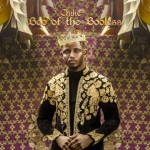
    For an album to be cohesive, it has to be beautiful to listen to from start to finish. Even when it’s a bunch of songs thrown together, there’s still a feeling you get that gives the perception that the artist and their team put a lot of thought into creating a central theme and arranging the songs in a sequence that flows. For instance, when we recorded Chike’s Boo of the Booless, we went in with love being our central theme, so most of the songs were created with that in mind. And then we arranged our final songs so people listening felt like they were listening to a story. Cohesive albums are the best to listen to. 

    But does an album need to be cohesive for it to be successful? 

    Not really. I’ve seen a lot of albums become hits without cohesiveness. But it’s always better when you have both — a cohesive album that’s also commercially successful. 

    What’s a cohesive album that really worked? 

    Mehn the most recent one has to be Boy Spyce’s self-titled EP. It’s supposed to introduce him as an artist, and it does the job well. From the first track Dreams to the last track Destiny, everything tied in perfectly. Then there’s Burna Boy’s Twice as Tall and Ayra Starr’s 19 and Dangerous. They all felt like complete projects. 

    RECOMMENDED: The Song That Made Me Fall in Love With Nigerian Music

    As A&R, you help artists select the songs that make their albums, how does this work? 

    Like I said, some artists record with a theme, while others just record however their emotions lead them. What I do is listen to everything and help them select the songs that can tell an actual story. The songs that work together. Some artists already have a sense of what will work and that makes the process easier. Then there are times when halfway into making an album, the picture gets clearer and we finally have an idea of the sound we want. Then we make sure everything else follows that sound. 

    Do you think the fans notice whether or not an album is cohesive? 

    Artists feel like fans don’t, but trust me, they do. The albums that get award recognition and dominate conversations are albums that are cohesive. It’s a fact. 

    Belema Iyo — Writer and Afrobeats Enthusiast 

    What’s a recent album that you felt was cohesive from start to finish? 

    This one is hard, but an album that worked for me recently was Asa’s V. That album does things to me and it was very well thought out. 

    How about an album that wasn’t cohesive but still worked? 

    I can’t think of a recent album, but I went back to listen to Wizkid’s Superstar and that album does nothing when it comes to having a theme or even mixing and mastering. It’s just an album of jams that introduced us to Wizkid and I think it did that well. 

    But does every album have to follow a theme or be cohesive? 

    I mean it won’t guarantee that your album will be a hit but honestly, isn’t it better to put out good work than something mediocre? If an album is not cohesive, people will move on fast. I always feel like artists should put out projects that will live well past the three singles they put out. Make sure every song has the potential to be that song. 

    ALSO READ: We Listened and These Are the Biggest Songs of 2022 So Far

    Nathan Shaiyen — Artist and Producer

    What goes into recording an album for you? 

    A lot. LOL. I start with conceptualising the whole album by narrowing down the topics I’d like to touch on and the album’s general theme. I do this so I don’t go in blind without a sense of direction. The next stage is figuring out the overall sound of the album. How do I want to move from track to track? Will I put breaks in between? Et cetera. Once this is done, I start writing and I try to stick to the theme I decided on. 

    Do you always know the number of tracks you want to put out? 

    Nope. I record as much as I can, and then I look at my concept and select all the songs that’ll tell the story from start to finish. I tend to have leftover tracks that I later release as singles. 

    So in all of this, is cohesiveness important to you? 

    I’ll say yes, it’s necessary for me. But it depends on what I’m trying to get out of the album as well. For albums that are cohesive, there’s probably a lot of replay value because it’s a story. When it’s not cohesive, fans just tend to pick and choose whatever they like. And I believe artists make projects so fans can listen to it holistically and get something out of it. When it’s not cohesive, I run the risk of people not understanding what I’m going for. 

    So fans notice these things? 

    Speaking as a fan myself, I do. We’re in an era of appreciating artistry a little bit more. We’re more conscious now and tapped into what our artists are putting out. While you may never fully get an artist’s intention, you can tell when everything is connected. And that’s important. 

    ALSO READ: 5 International Afropop Collaborations that Were Totally Meant to Be


  • 2021 was indeed a very eventful year. In the spirit of remembering how this year was, let’s tell you which 2021 Nigerian album you are.

    Take the quiz:

  • What classic Nigerian album from the 2010s are you? Take this quiz to find out!

  • You have 2 minutes to prove your unscrambling skills and also your level of Nigerian album knowledge.

    Let’s go!

    Which 2021 album is this?

    Which Wizkid album is this?

    Which Fireboy album is this?

    “Seize the day”

    Which Tiwa Savage album is this

    This album is a sequel

    “E don tay wey men don dey for here”

    No hint, sorry

    This album was made by two brothers

    This album won a Grammy

    Which DJ Cuppy album is this?

    What happens when a comedian makes an album?

    Perruzi’s latest album