• A Week In The Life” is a weekly Zikoko series that explores the working-class struggles of Nigerians. It captures the very spirit of what it means to hustle in Nigeria and puts you in the shoes of the subject for a week.


    2021 was a long year. I know it and you definitely know it. I wrote my first “A Week In The Life” story of 2021 on the 5th of January. It was about an interstate driver who had a girlfriend in almost every Nigerian state he visited. This awe-inspiring, mind-boggling, larger-than-life, yet commonplace story would set the tone for some of the episodes in the series.

    As the year comes to a close, and with over 36 stories under the “A Week In The Life” flagship, I’ve picked 10 of the most-read stories from the series. These stories were picked based on the number of page views they had, the conversations they sparked and the general audience reaction to them.

    Whether you started reading this series last year, this year, or even last week, here are some stories that our audience definitely enjoyed reading and sharing.

    Dive in:

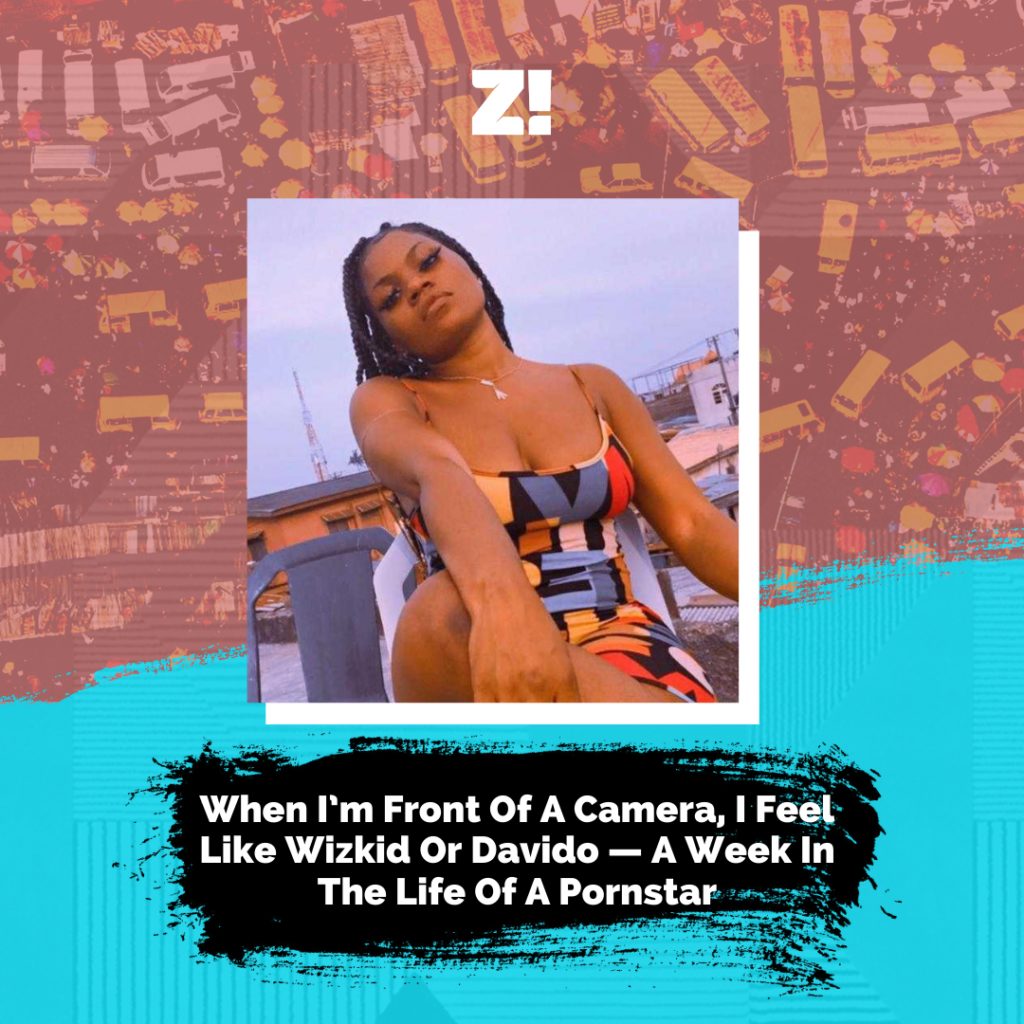
    1) When I’m In Front Of A Camera, I Feel Like Wizkid Or Davido — A Week In The Life Of A Pornstar

    Forget everything you know because this story will challenge it. After failing to get into Nollywood, Juliet, the subject of this story decided to go into acting porn. She talks about the stigma involved in her job, not being ashamed to show her face in her videos and how powerful she feels in front of a camera.

    According to Juliet, “During video shoots, I tell my men that it’s acting we’re acting so they shouldn’t get carried away thinking it’s their girlfriend they’re fucking. I also make it clear that they must not cum in me —  they can cum on my laps, face, tummy but not inside me.”
    Read more here.

    2) Manager By Day, Sugar Baby At Night: A Week In The Life

    The subject of this story has gone from swearing not to sleep with married men to not refusing their advances.

    The result? A lot of gifts and houses. Why did she suddenly change her mind and go down the sugar baby route?
    Manager By Day, Sugar Baby At Night: A Week In The Life | Zikoko!

    Click here to read her origin story.

    3) A Week In The Life Of An Unpaid Full-Time House Wife

    What’s it like being an unpaid full housewife? It’s a lot of thankless hard work, unnecessary suffering and acceptance in the grand scheme of things.
    A Week In The Life Of An Unpaid Full-Time House Wife | Zikoko!

    The heaviness in this story still haunts me today. See why here.

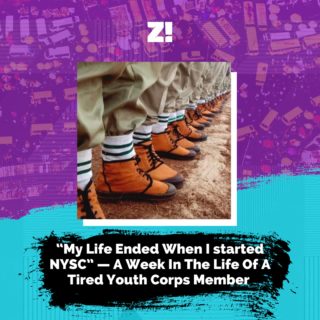
    4) My Life Ended When I started NYSC” — A Week In The Life Of A Tired Youth Corps Member

    If you’ve done NYSC, this story will make you angry, sad, and confused. Why? Because the suffering is relatable and pointless. For this episode, a youth corps member without a place of primary assignment talks about the bleakness of her days, being frustrated by the NYSC scheme and the ways she sparks joy in her life.
    A Week In The Life | Zikoko!

    Continue here.

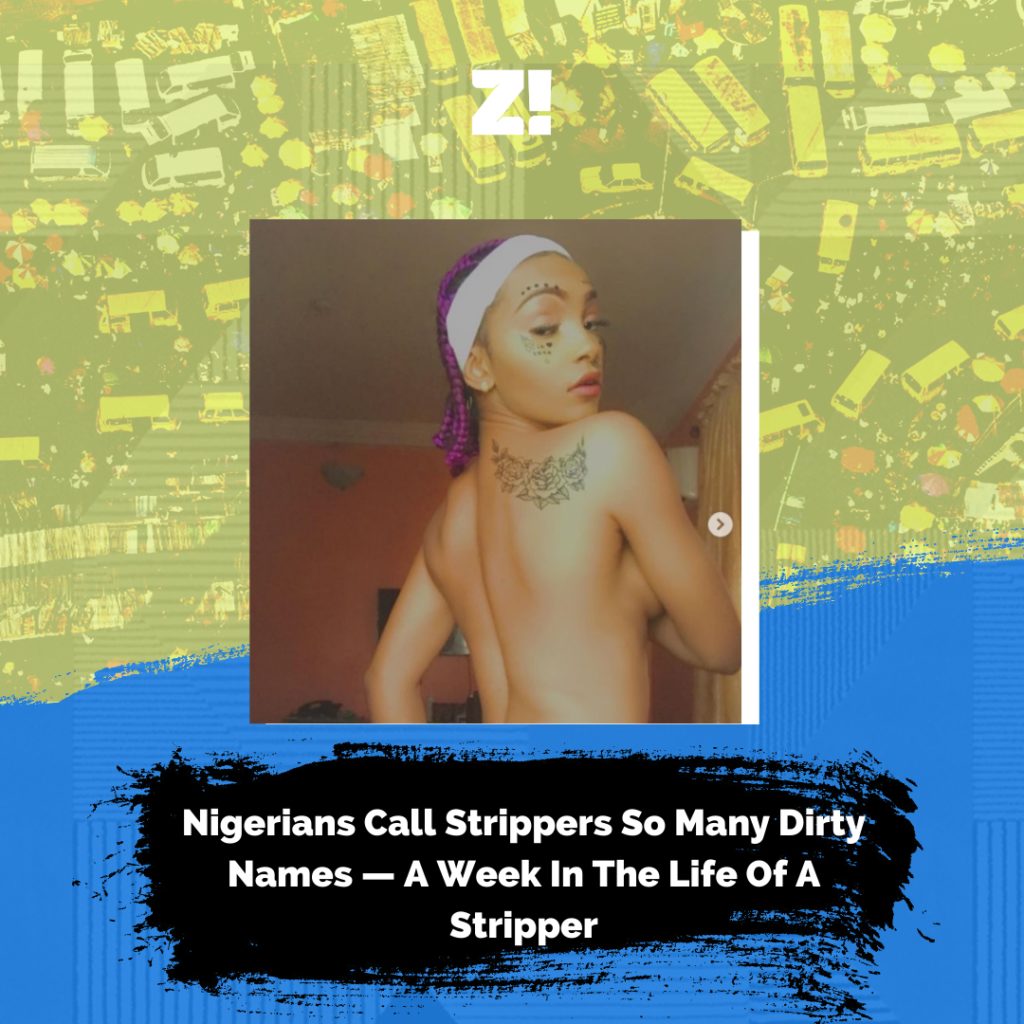
    5) Nigerians Call Strippers So Many Dirty Names — A Week In The Life Of A Stripper

    The subject of today’s “A Week In The Life” is Debbie, a stripper. She tells us about how stripping changed her life, why she wants the Nigerian police to do better, and how she plans to fund her dreams of living an expensive life. 
    Nigerians Call Strippers So Many Dirty Names — A Week In The Life Of A  Stripper | Zikoko!

    Read here.

    6) I Feel Like I’m Juggling Two Identities — A Week In The Life Of A Dominatrix

    Fair warning: This story has everything from drugs to sex to everything your Nigerian parents warned you about. However, if you want to get lost in a story, you should settle down and read this. Definitely worth your time.

    domme | Zikoko!

    Read more

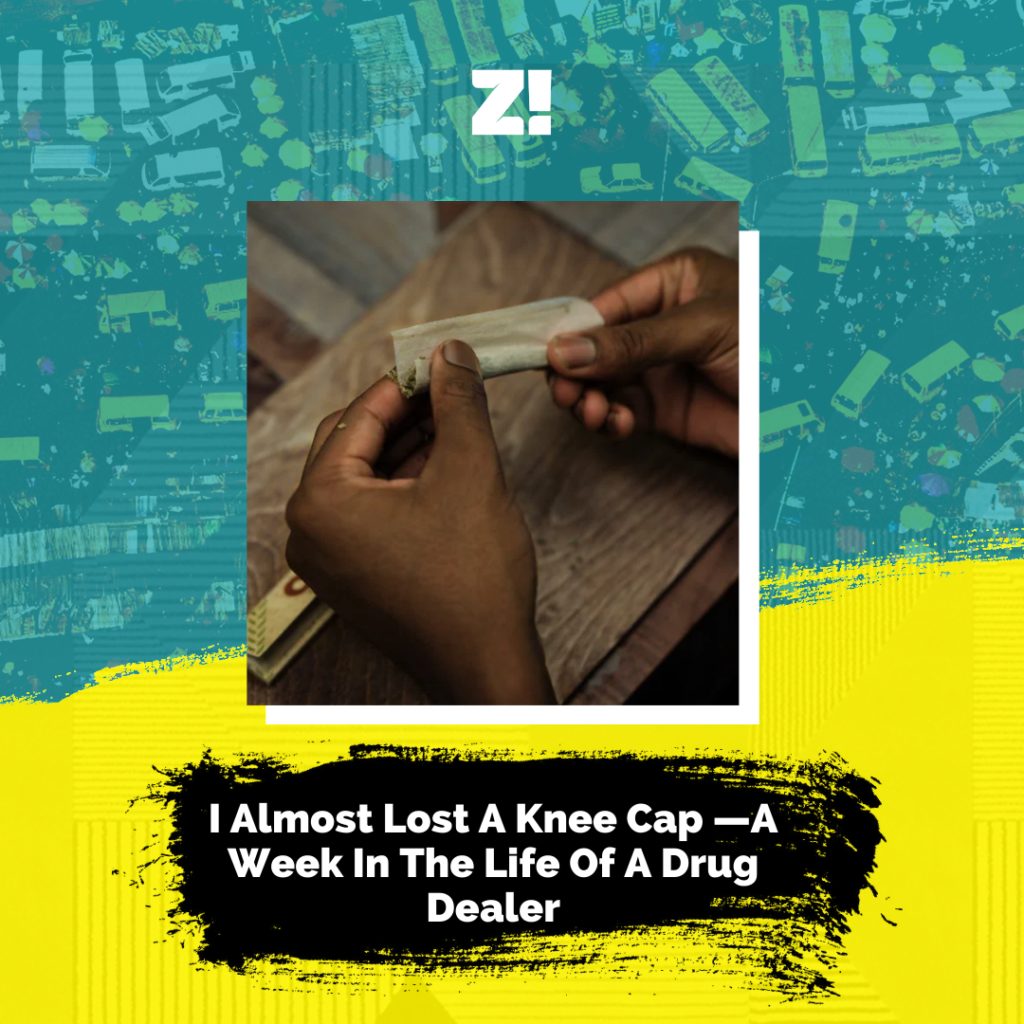
    7) I Almost Lost A Knee Cap — A Week In The Life Of A Drug Dealer

    The subject of today’s “A Week In The Life” is a drug dealer. He talks to us about his process for baking edibles, how he almost lost a knee cap, and his plans to set up a cartel if his japa plans fail. 
    I Almost Lost A Knee Cap — A Week In The Life Of A Drug Dealer | Zikoko!

    Satisfy your curiosity here.

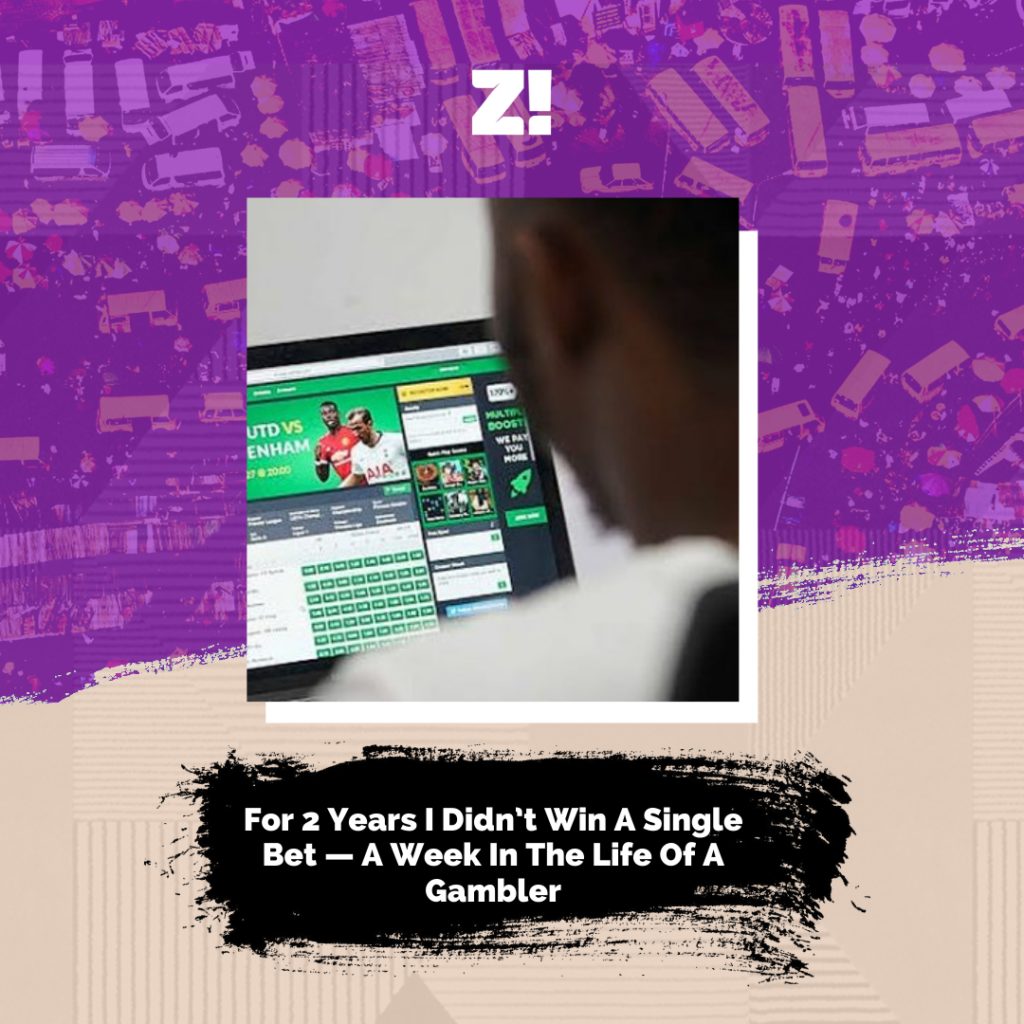
    8) For 2 Years I Didn’t Win A Single Bet — A Week In The Life Of A Gambler

    The subject of today’s “A Week In The Life” is a writer and gambler. He talks about how earning in dollars makes gambling in Naira bearable, selling his properties to offset gambling bills and the adrenaline rush betting gives him. 
    For 2 Years I Didn't Win A Single Bet — A Week In The Life Of A Gambler |  Zikoko!

    Dive in.

    9)  A Week In The Life: The Interstate Driver With Girlfriends In Many States

    To be honest, I’m even changing. I’m not bad like that. If I count my girlfriends, I have only five consistent ones. I’ve removed the inconsistent ones from my list because no time. I’m also thankful that God take libido bless me to be able to keep everyone satisfied. It’s grace. I be pure Igbo guy, I strong die.

    This long-distance driver has gone from having a girlfriend in almost every state in the country to having “just” 5. Why does he do it? What’s his motivation? and is he not scared of the risks involved?
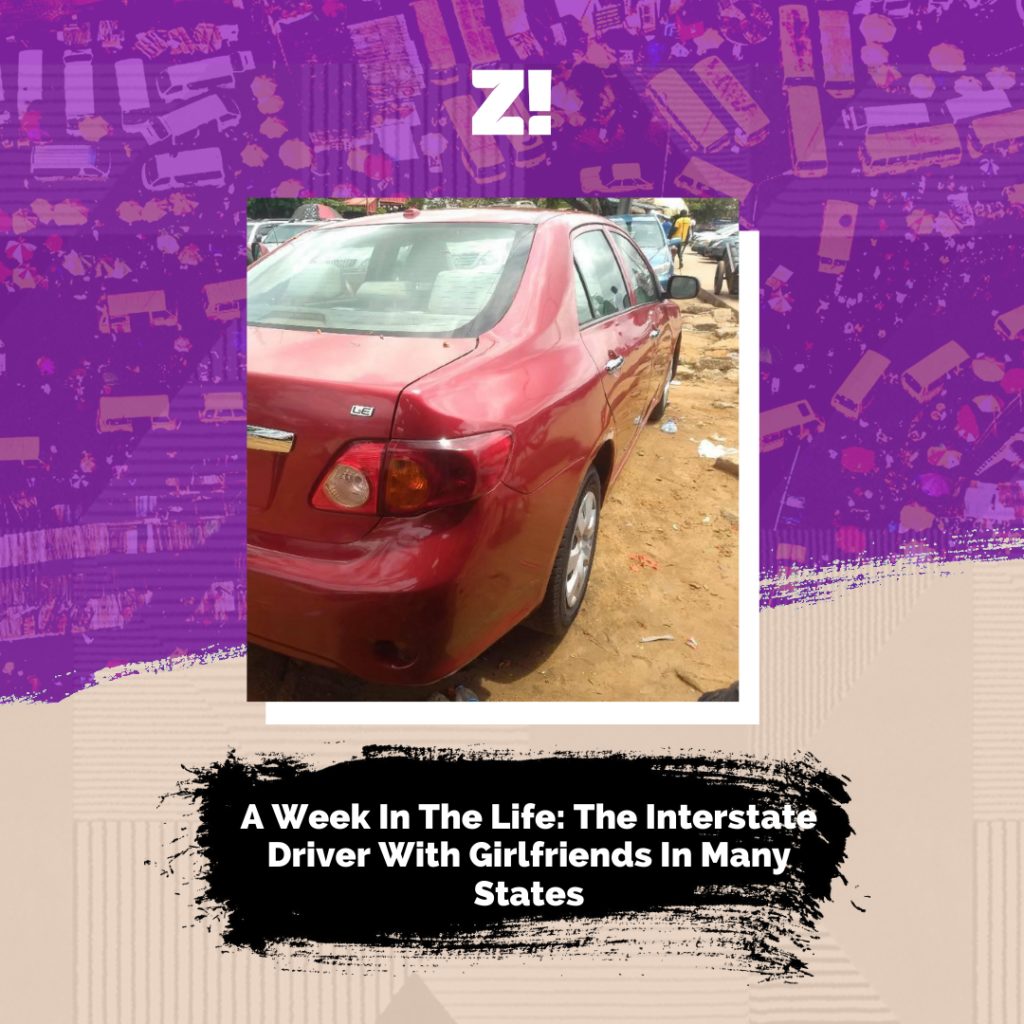
    A Week In The Life: The Interstate Driver With Girlfriends In Many States |  Zikoko!

    Click here to find out.

    10) “Remember You Left Home To Feed Home” — A Week In The Life Of A Bus Driver

    The subject of today’s “A Week In The Life” is Jimoh Adamu, a 27-year-old bus driver. Jimoh tells us about the inspiration behind the famous quotes on his bus, how the Lagos state Keke ban set him back, and his quest for a better life.
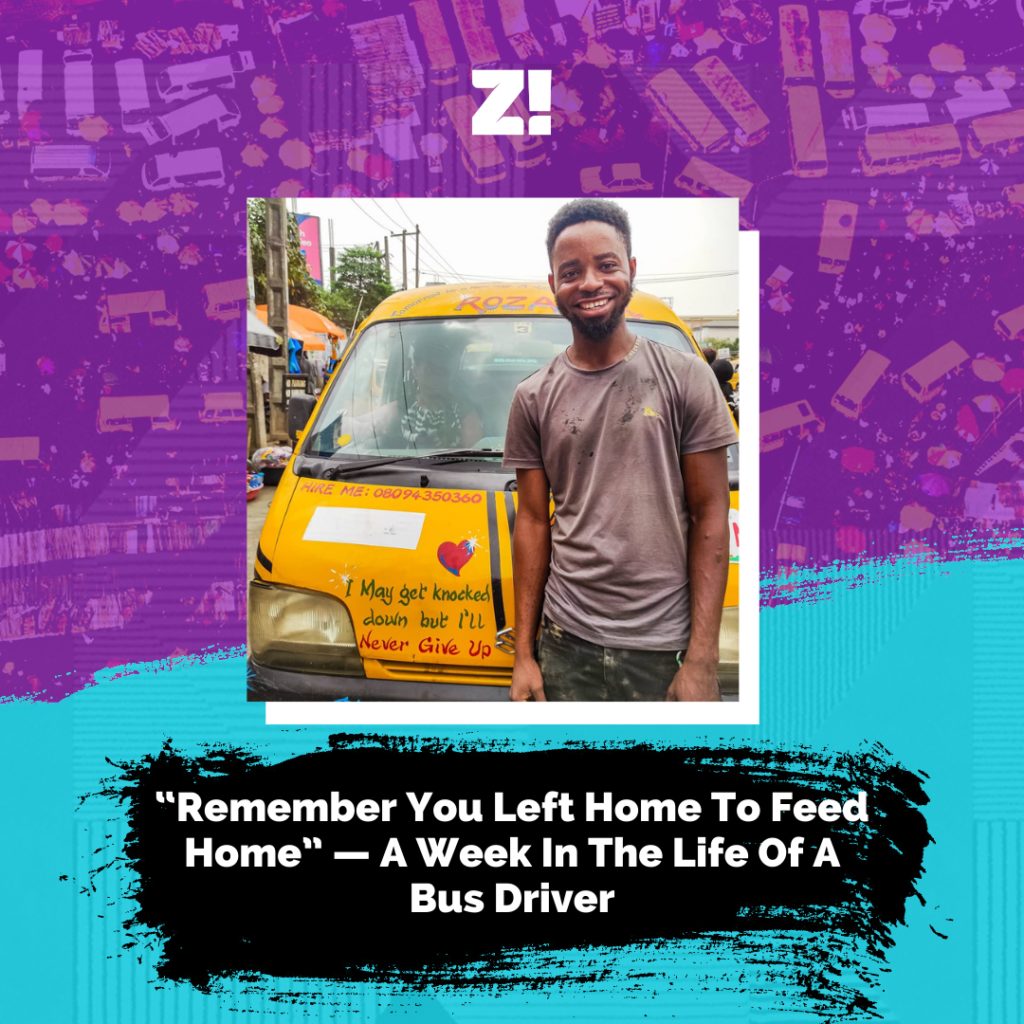
    Remember You Left Home To Feed Home” — A Week In The Life Of A Bus Driver |  Zikoko!

    Finish up here.


    Check back every Tuesday by 9 am for more “A Week In The Life ” goodness, and if you would like to be featured or you know anyone who fits the profile, fill this form.
  • Nigerians have always used music as a means to either escape or reflect the times. As we gear up for the 2023 election year with campaigns kicking off as early as next year, we’ve  pulled out some old songs that captured the reality of Nigerians then (and now). From Fela in 1977 to Wande Coal in 2009, these songs show that in terms of real change, Nigeria still has a long way to go. 

    Get More Zikoko Goodness in Your Mail

    Subscribe to our newsletters and never miss any of the action

    1. Eedris Abdulkareem – Jaga Jaga

    One of the most controversial political drags in Nigerian history, Eedris Abdulkareem’s Jaga Jaga was so powerful that ex-president Olusegun Obasanjo banned it from radios across the country. Released at a time when corruption was becoming the norm, 19 years later, this song still describes the current state of the country. 

    2. 2Face – E Be Like Say 

    An iconic song from 2face’s second album, E Be Like Say gives an accurate description of a typical Nigerian election year. In this song, he sings about being tired of politicians peddling the same lies every four years, just so they can secure votes. It’s an important song to listen to as we step into 2022, which is set to be a tense campaign year leading up to the general elections of 2023. 

    3. Wande Coal – Se Na Like This? 

    On his debut album, Wande Coal asked this very important question. Looking at the current situation of the country, we’re sure Black Diamond has a sense of what the answer looks like. 

    4. Black Face – Hard Life 

    Blackface may be known now as the guy who drags 2face to court now and then, but despite all this drama, his bop, Hard Life, has remained relevant over the years. Life was hard for Nigerians then and unfortunately, not much has changed now. 

    5. African China – Mr President 

    This song is what we’d like to call iconic. Not only does African China throw shade at the justice system for going after poor people while allowing rich criminals to strut in peace, he also demands that all tiers of government sit down and do the job they were hired to do. 

    6. Fela – Sorrow, Tears & Blood

    If there’s one thing 2020 taught us, it is that Nigeria hasn’t changed much since Fela dropped his 1977 hit, Sorrow, Tears & Blood. Continuing in his role as the artistic moral conscience of his time, Fela spoke about the brutality and corruption within the Nigerian security force. Over 40 years later, the same issues continue to plague this generation of Nigerians.  

    7. Sound Sultan – 2010 with M.I 

    Remember in the early 2000s when the Nigerian government kept hammering on 2010 as the year the country would finally get constant electricity? Well, 2010 was 11 years ago. Kindly raise your hands if you have constant power. We’re trying to check for something. 

    8. Asa – Jailer 

    On the opening song of her 2007 classic self-titled album, Asa reminds listeners that while she might be in chains, we (knowingly or unknowingly) are in chains too. A poetic way of telling us that breakfast will reach everybody, this song remains poignant even today. 

    9. PSquare – Oga Police 

    At the height of their stardom, PSquare released this song, chronicling two different encounters with the Nigerian police. Based on true events or false, these stories show scenarios young Nigerians today can relate to, especially when it comes to their interactions with the police.

  • What does it mean to be a man? Surely, it’s not one thing. It’s a series of little moments that add up. Man Like is a weekly Zikoko series documenting these moments to see how it adds up. It’s a series for men by men, talking about men’s issues. We try to understand what it means to “be a man” from the perspective of the subject of the week.

    Today’s Man Like is Lateef Saka, an investment banker and skincare content creator who has created content for brands like Cantu, The Body Shop and Murad. You might also recognise him from this viral video

    In this episode of Man Like, he talks about how he navigates an industry that is predominantly white and female, helping young people find their footing in the UK through his mentorship programme and the difference between Lagos and London men. 

    What was growing up like for you? 

    I grew up between London and Lagos. I was sort of an only child, which made me super independent real quick. 

    Hold up. What do you mean “sort of” an only child?

    I’m my mom’s only child, not my dad’s. I interacted with my step-siblings, but we all lived in different houses, so it wasn’t the same. 

    To be honest, I enjoyed being an only child. Listening to cousins and friends complain about things like: “I couldn’t do X because my sibling wanted to do a different thing” or “Someone took my CapriSonne from the fridge”, made me happy I didn’t have to deal with that stress. 

    LOL.

    Yes. Can you imagine if someone took a drink I kept in the fridge? Everyone in that house will fall. I don’t have time for nonsense. 

    Scrim. Between London and Lagos, where did you spend the bulk of your time as a child? 

    Most of my time was in London and I loved it. I got to meet a diverse group of people and try out things. For example, when I was about six years old, I became interested in sculpting after seeing a sculptor on TV. Though I didn’t end up becoming a sculptor, I was able to take sculpting lessons because I was in London. 

    I’m curious about what else you tried because you were interested… 

    LOL. Off the top of my head, I’ve tried out writing, coding, photography and even ballet. An only child never really has anyone to show them how to test the waters of life. That forced me to be driven and accountable from a young age. I try not to limit myself when it comes to trying new things. 

    I’ve also come to realise that the limitations we put on ourselves are oftentimes linked to our socio-economic backgrounds. Our financial backgrounds sometimes prevent us from exploring other interests to see if there’s something else we might be good at.I’ve seen young people push their hobbies to the side with tunnel vision on academia and the jobs that come with it. They view these jobs as the only way to make money, when some of our hobbies could be profitable as well. Mentoring young black men and women is something I became very passionate about after this discovery.

    How did you get into mentoring? 

    When you live in the UK, you notice the systematic and institutional barriers against young black people — from education and housing to the justice system through the police. We have students who aren’t reaching their potential not because they’re not intelligent but because they’re not fully aware of the system and the opportunities available to them. I want to show them that they have options. 

    I had mentors myself, and it was beneficial to my journey. From big things like helping me network to silly things like choosing what tie to wear to an interview, my mentors were really helpful. People fail to understand the impact mentors could have on your life. 

    Okay, I think I need a mentor ASAP. I’m curious. How you define masculinity. 

    I don’t think there’s one way to be a man. Masculinity is always changing and evolving. Remember when men used to wear wigs and tights like 200 years ago? To me, masculinity is a construct that manifests in different men in different ways. Everyone should respect that. 

    I feel you. How does it manifest in you? 

    Wow. To be honest, I’ve never really sat down to think about it. You caught me with this question. 

    LOL. What are your thoughts on how masculinity is evolving in today’s world? 

    I mentor young men, and they could be quite impressionable. Some have this idea of what masculinity should look like and those who don’t fit into that mold  become easy targets for bullies. Sometimes it’s the minute things like when one of my mentees didn’t like football — frankly, I don’t know when football became the A to Z of masculinity) — or when one of them wore a pink tie to prom, and it became a big deal.

    There are two ways to go about toxic masculinity, have the conversation and try to change things, or uphold the current standard. I try to do the former. I talk to them about these misconceptions. We might not talk about the full breadth of masculinity, but we discuss toxic masculinity.  

    A pink tie? 

    As ridiculous as it might sound, it happens. Masculinity can be different depending on where you are in the world. And sometimes, it changes even within the same country. Now, I have an anecdotal example based on what I’ve seen travelling within Nigeria. In the north, I’ve seen two men walking and holding hands and no one seemed to care. Can two men hold hands in the south? Well, I doubt that. 

    That’s interesting. Any difference between Lagos and London men? 

    One thing I’ve noticed is that Lagos men rarely fight with each other like men in the UK. 

    Are you sure about that? 

    Yes. LOL. But this is a much-nuanced conversation. Men exhibit violence depending on what their immediate society finds appropriate. I look at London and Lagos (Nigeria) through the lens of consequences. Misogyny and homophobia are rampant in Nigeria because there’s little to no consequence attached to them. In the UK, these consequences might not be immediate or obvious, but there’s no denying that they exist. Men in the UK tend to be politically correct just so they don’t tarnish their image or face negative consequences. This in no way absolves or makes them better than Nigeria-based men. Everyone is just trying to tread the appropriate lines. 

    I’d like to know if you’ve ever felt “less” of a man. 

    Not particularly, but when I started creating skincare content, I realised there was this misconception that skincare is strictly for women. It didn’t make me feel a way because I knew it was false, but it was still weird. 

    How did you get into creating content for skincare? 

    For me, the whole skincare content creation thing started because I was on a personal skincare journey myself. When I hit 21, I started getting facial hair and with shaving came awful razor bumps. Now I have always been interested in the science of skincare and had taken courses on my own, so I started looking for solutions to my skin issues. Over time, comments about my skin went from from “You have good skin” to “What do you use?” I got tired of answering the questions individually, so I decided to mass-produce content and share the knowledge I had gained. 

    What was your family’s reaction to Lateef the skincare content creator?

    My mum said “Okay”. She knows I’m very organised, and it wouldn’t affect my regular job, so there was no need to protest. I also know her well enough to understand how best to breach these types of topics. 

    Talking about jobs, how do you juggle all that’s going on in your orbit? 

    My brother, I have like 16 planners. I don’t commit to anything unless I’m 100% percent certain that I can see it through. For example, for the past two months, I haven’t put out anything due to the pressure of work and mentoring. I try to be real with myself with what I can or cannot do. 

    What’s a valuable lesson you’ve learnt now that you wish you knew when you were younger? 

    I’ve learnt that it’s really important to protect your peace. When I was younger, I don’t think I fully understood this because I was  always trying to make everyone happy.  It was the little things like going out with people when in actuality, I just want to stay home. 

    Finally, what would you say are the necessary things needed to live a happy life? 

    Money 

    Lol. Just money? 

    LMAO. What else? God and yeah, that’s it I guess. 

    Lateef, there’s like family and friends o.

    Oh yeah. Money, God, family and friends. Thank you for reminding me because you know sometimes they slip your mind. But money doesn’t slip my mind because there’s always a bill to be paid, and I can’t carry last. 

  • We are so grateful that Shiloh happens every year. A prayer gathering where miracles happen and multiple breakthroughs are recorded? SIGN US UP! But given the state of the country, we have started wondering about this one thing: instead of taking your partner’s picture to Shiloh, why not take these 10 things with you?

    1. Nigeria.

    File:Flag of Nigeria.svg - Wikimedia Commons

    If there’s one thing that needs God’s divine touch, it is Nigeria. When Nigeria receives the divine touch, even the population of single people will reduce.

    2. Your account number.

    Atm Card High Resolution Stock Photography and Images - Alamy

    Don’t you want to receive miracle alerts? Omo, the next Shiloh that happens, you better go there with your account details. Before that service ends, credit alert will be chasing you.

    3. Your CGPA.

    Nigerian Universities | Zikoko!

    If God can raise Lazarus from the dead, what is your CGPA that God cannot pour divine yeast into? Believe and you shall receive.


    4. Picture of your project supervisor.

    9 Things That Can Never Satisfy Nigerian Mothers | Zikoko!

    Final year students, don’t sleep on this! If your project supervisor is moving like your village people, just take the battle to the spiritual realm. By the time you leave Shiloh, your project supervisor will be the one begging you to collect A as your final score.

    5. Picture of your line manager.

    Here are 12 hilarious photos of Mercy Johnson to celebrate her 34th  birthday » Within Nigeria

    Is your boss a pain in the ass? Just take a sick leave and go to Shiloh and raise their picture high to heaven. If that manager refuses to get in line, my saviour will manage them quickly!

    6. A picture of the latest iPhone.

    30k+ Iphone Box Pictures | Download Free Images on Unsplash

    This one requires faith. Just carry the picture with you. And if you can get the carton, carry it too and pray. Before the week ends, you’ll either find a brand new iPhone on the floor or the prices will fall to 2k. Impossibility? It’s not for my father.

    7. A picture of your dream body.

    Why go to the gym when you can go to Shiloh? Flat stomach? Six pack? Bumbum like pillows? Work it out in prayers!

    8. Your edges.

    How Mama Dukes Regrew Hair Edges In 5 Months! - Natural Hair Care and  Natural Hairstyles For Black Women | Strawberr… | Natural hair styles,  Regrow hair, Edges hair

    If there is one thing God can do, it is to reshape all damaged edges? Does yours fall into this category? Just take it to my father.

    9. Your international passport.

    Countries you can travel to with your Nigerian Diplomatic Passport - Swift  Wave Radio

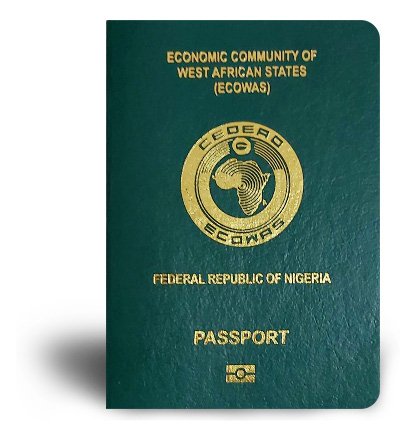
    My father is still in the business of taking people from grass to grace. So, carry your green passport and declare. Japa is greater than finding true love.

    10. Yourself.

    Funke Akindele Almost In Tears As She Visits Her Children's School | Naija  News

    Just pray for Otedola or Dangote to adopt you. There’s no greater encounter than that, believe me.

    [donation]

  • Owning pets means much more than it appears on the surface. Each pet you choose to own says something deep about your personality. If you own a cat, here’s what it says about you. Don’t even try to argue, we never lie.

    1. You like to love people who don’t love you back.

    Oyindamola🙄 on Twitter: "… "

    Think about it: you beg your cat to come for cuddles, you do the most to get your cat to acknowledge you. Now take a good look at your dating history, is this not the same pattern that happens? 

    2. You are a woman learning how to be more wicked.

    The Zikoko Guide To Being A Wicked Nigerian Woman | Zikoko!

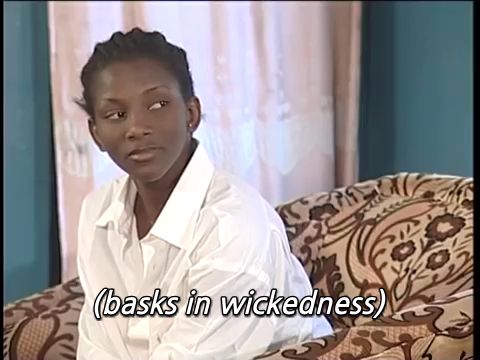
    Cats are the epitome of wickedness. Them no send anybody, even the owner, and nobody can take them for a ride. So, if you own a cat, you are definitely a woman learning how to increase your wickedness so that nobody will take you for a ride. 

    3. You’re a Yoruba man learning how to be more callous.

    13 Ways To Identify A Struggling Nigerian Man | Zikoko!

    Anything the cat does becomes a lesson for you. Keeping your role model as a pet so you can become more effective at heartbreak and demonic activities. We sight you, boss. 

    4. You are a young person who has no plans of having children.

    Fuck Them Kids

    Yes, and you got that cat so that each time you have baby fever, you would think of how the cat never really loves you back, and it’ll serve as a reminder that children will be just as cruel, if not more.

    5. You have money.

    5 Things You'll Relate To If Your Data Plan Finishes Too Quick | Zikoko!

    Because, come to think of it, why would you take on the responsibility of caring for a cat in this economy if it’s not because you have money to spare?

    6. You don’t like people.

    10 Solid Proof That Your Village People Are After You | Zikoko!

    This is probably why you didn’t get a dog. You like your people the same way you like your pets: wanting very little of you, able to survive on their own and not intruding in your personal space. Are we right or are we right?

    7. You like cleanliness.

    All The House Chores You Hated As A Child | Zikoko!

    This is a good trait, let’s be honest. It’s why you chose a cat as your pet. Everything is neat and clean.

    8. You like it rough.

    Cats scratch you when they are angry, when they are trying to steal your food, when they are trying to love up on you. You complain but you don’t cut their nails. You complain, yet you go after them despite all the scratches. Quick question…How do you like it in bed? Rough, yeah? We thought as much.

    13 Ways To Know When Your Pet Has Become Possessed

    13 Ways To Know When Your Pet Has Become Possessed | Zikoko!

    [donation]

  • Spoiler alert: love nwantiti isn’t number one

    CKay

    From having one of the most-watched music videos in the world on YouTube to dominating TikTok and Shazam, CKay has had quite the year. 

    Exploring street-thumping bangers to sultry slow whines, we ranked the five best songs from CKay so far.

    5. Way (feat. Dj Lambo)

    CKay’s released his first EP to a lukewarm reception. However, he began his road to redemption with this dance tune from his sophomore EP. He and Dj Lambo did a madness fusing Beethoven’s 5th harmony with Afrobeats. Nigerian musicians are experimenting with genres, and we’re here for it!

    4. love nwantinti

    TikTok catapulted love nwantinti to global acclaim. However, despite its meteoric success, love nwantinti ranks so low on this list of Ckay’s top 5 songs because all it has going for it is that it’s a cute song. The lyricism of the original song is a tad lax, but the drums will make you dance, and the hook will make you sing along. For a more immersive experience, listen to the remix with Kuami Eugene and Joeboy.

    3. Mezebu (feat. Oxlade & KiDi)

    In Mezebu, Ckay’s honey-soaked voice compliments the boldness of the drums. The song for finished men, it’s like being served breakfast with a delicious treat. You may want to listen this song before you date an Igbo woman. Regarding features, CKay hit the jackpot with Oxlade and KiDi; these men were delightfully down bad!

    https://www.youtube.com/watch?v=bNHXe7PGi74

    Get More Zikoko Goodness in Your Mail

    Subscribe to our newsletters and never miss any of the action

    2. Kiss Me Like You Miss Me

    Kiss Me Like You Miss Me basks in the rush of ecstasy that new love brings. It’s the kind of song two first-year Unilag lovebirds sing when they see each other again after a semester’s break. Retaining elements of soul and R&B, the bass guitar, bold percussion and a burst of free-flowing piano chords meld with Ckay’s falsetto to bring forth a delicious hook. Produced by CKay himself, everything about this song has sappy, chocolatey vibes; you know CKay just entered the studio to have fun.

    And when he said, “Put me for your status,” I felt it!

    1. Felony

    If love has not washed your head before, then we need to question your dating credentials. Felony is the quintessential love song, the song that put the boyfriend in his Boyfriend EP. It’s like listening to Coldplay on an Afropop beat. Again, while CKay’s won’t win any awards for lyricism, his ethereal vocals blend seamlessly with the piano chords, the violin (omg, the violin!), drums, everything!

  • There are two types of places: the good place and the bad place. Then there’s Nigeria. Every Nigerian living in Nigeria knows we are living in an extremely glitched simulation. Nigeria is an error in design, and the people living here know. 

    Here’s proof that Nigeria is indeed not a real place. 

    1. The president is a bad boy. 

    Yes, you read us right. The Nigerian president is a bad boy and he is very proud of it. Anytime you think you’ve seen his worst, he goes on to outdo himself. From banning social media to making his citizens afraid. Bubu, best in bad boy. 

    2. They can steal your private part in public.

    Your private part can either get stolen or switched in private. All it takes is one touch and your private part has been stolen by an unexplainable entity. Penises are the most common stolen private parts in public. 

    3. Politicians travel abroad to use Twitter.

    Again, you read that right. Nigeria is so fake that Twitter doesn’t even work here. Nigerian politicians have to cross the seven7 seas to use Twitter. We are hoping one day Nigeria gets real enough to finally have access to Twitter. 

    4. Police officers or a civilian can jump on the bonnet of your moving vehicle.  

    Tems sang “crazy things are happening” and every new day, there is something new to prove her right. Civilians and policemen are courageous enough to jump on the bonnet of moving vehicles as a way to make a point. 

    5. They sell Zobo and roasted corn inside some government offices.

    We aren’t saying civil servants shouldn’t eat, but the civil servants have switched from their official employment to selling roasted corn and zobo. Anyway, we get it; only a fully fed person can work. 

    6. Overhead bridges are for decoration.

    We get that the country is not real, but are the people also fake and hungry to die like they are in some sort of game? A lot of Nigerians living in Nigeria see pedestrian bridges as mere decoration and choose not to use them. 

    7. Homophobia is normal in Nigeria. 

    Real countries are fighting against homophobia and Nigeria on the other hand is basking in it. 

    8. Owning an iPhone can get you in trouble.

    Owning an iPhone in Nigeria can into trouble. Maybe the country is anti-technology, we don’t know, but simply walking around with an iPhone can make certain people (read as SARS) get upset and land you in trouble with the police. 

    9. Tattoos and dreadlocks can get you in jail.

    Being a beautiful person with tattoos, piercings and dreadlocks can get you thrown in jail. Certain people (again, read as SARS) are anti-beauty and they’ll profile you and harm you for simply being beautiful and expressive. 

    10. Offering a stranger stuff with your left hand can get you slapped.

    Respect culture is so deeply ingrained in Nigeria for a group of people who are in fact, very rude and it all points back to the whole country being fake.

  • Do you think you could recognize these products from just their brand names? Take the quiz:

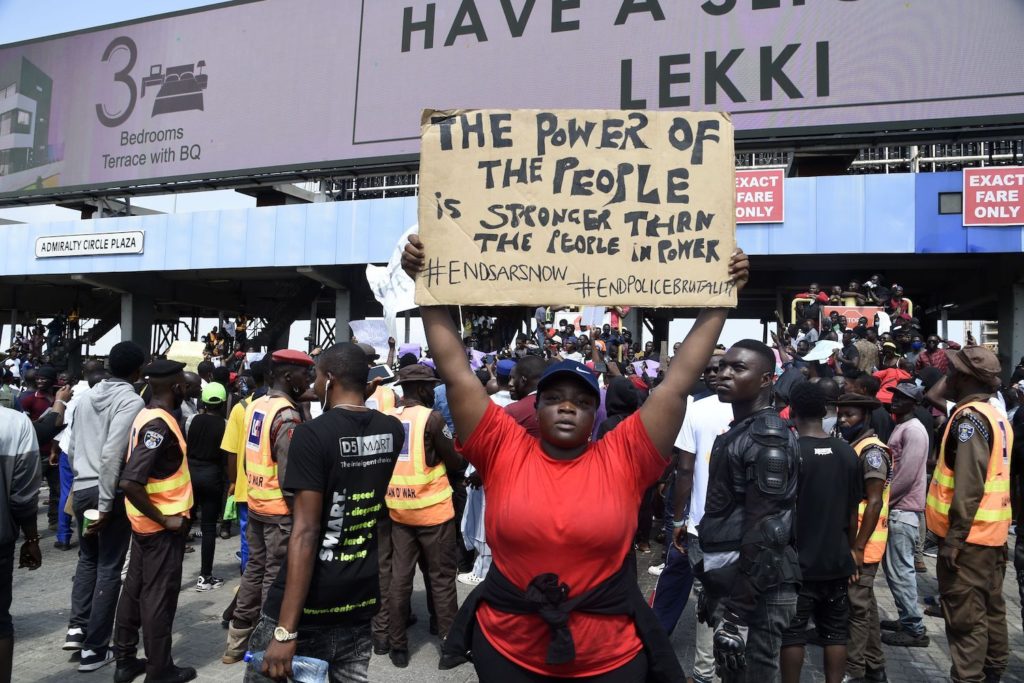
  • More than a year after the Lekki Toll Gate massacre, the Lagos State Judicial Panel on #EndSARS has submitted a report confirming that the Nigerian Army and Police Force were both responsible for the killing of protesters on the night of October 20th, 2020.

    The panel was inaugurated on October 19th, 2020, to quell the ongoing protests by investigating cases of human rights abuses by the Nigerian Police Force, the panel’s role eventually expanded following the night of the massacre.

    “The Nigerian Army was invited for intervention in the State and was deployed to Lekki Toll Gate on the 20th of October 2020. At the Lekki Toll Gate, officers of the Nigerian Army shot, injured, and killed unarmed helpless and defenseless protesters, without provocation or justification, while they were waving the Nigerian Flag and singing the National Anthem and the manner of assault and killing could in context be described as a massacre,” the report read. 

    Here’s everything we know about the report:  

    The Nigerian Army Fired Live Bullets

    After months of going through evidence and listening to eye-witness accounts, the panel concluded that the Nigerian Army actually fired live rounds at the tollgate, killing multiple Nigerians. 

    The panel stated that it had recovered two bullet shells from the scene on October 30th, 2020, when it went for a spot assessment. The shells were duly analyzed by forensic experts who determined that they belonged to the Nigerian Army. 

    Doctors Testified To Multiple Injured People And Over 96 Recorded Deaths

    Presenting its findings, the panel cited the testimonies of three doctors who attended to protesters on that night. In their testimonies, the doctors confirmed that many protesters were critically injured, with over 96 gunshot-related deaths recorded from that night alone (some of the bodies are yet to be identified). 

    The Nigerian Police Also Shot At Protesters 

    The panel’s report also points at another round of shootings from that night, this time by the Nigerian Police Force. According to the report, after the Nigerian Army left the toll gate, officers of the Police Force showed up and shot directly at the remaining protesters who tried to flee the scene. Bodies were reportedly discovered in the shanties and the Lagoon at the Lekki Phase 1 Foreshore, close to the Lekki Toll Gate. 

    The Nigerian Army Blocked Ambulances From Attending To Victims

    Confirming reports made by medics and protesters from that night, the panel found that the Nigerian Army made the situation worse by refusing to allow ambulances to render medical assistance to victims who required it. This eventually led to more deaths that could have easily been prevented if medical aid had been administered at the appropriate time. 

    Lekki Concession Company (LCC) Tried To Stall The Investigation 

    The report also provided more information on the LCC’s role during and after the shootings. According to the panel, the LCC failed to cooperate with the investigation, refusing to hand over vital evidence in its possession. 

    The LCC is also reported to have manipulated the CCTV footage it presented before the panel. 

    A Clean-up Attempt

    Finally, the report also revealed that several government agencies attempted to cover up the incident of October 20th. According to several eyewitness accounts, the Nigerian Army and the Lagos State Environmental Health Monitoring Unit (LASHEMU) allegedly showed up with vans to cart away the bodies of dead protesters. The Lagos Waste Management Authority (LAWMA) was also reported to have arrived at the scene for a quick clean-up immediately after the shootings. Similarly, officers of the Nigerian Army and Police Force were reported to have picked up empty shells from the bullets they used, in a bid to cover up their parts in the shootings.

    Next Steps….

    As part of its report, the panel recommended that the Lekki Toll Plaza be made a memorial site for the protesters who died, renaming it the “ENDSARS TOLLGATE”. Other recommendations included making October 20th of every year a toll-free remembrance day – hinting at plans to reopen the toll gate, a public apology by both the State and Federal Governments, compensation to victims from that night, the establishment of a standing committee to bridge the gap between the society and the police, and the institution of a Human Rights Committee or Tribunal made up of relevant stakeholders. 

    Receiving the report, Governor Babajide Sanwo-Olu promised to set up a 4-man committee led by the Honorable Attorney-General to prepare a White Paper for the purpose of implementing the findings and recommendations expressed in the report. He also promised to send the report to the National Economic Council (NEC) for implementation.

  • Nollywood is in a constant state of evolution. Over the past few years, the industry has found its way out of the ghetto. We bade adieu to bad wigs with no frontals and ghosts that obey traffic signs, and quickly said hello to that one bridge that never misses a project and an array of actors with accents we just can’t trace. All in all, we’ll take what we can get and call it progress. 

    Izu Ojukwu’s Amina is currently showing on Netflix. The film is one of the few Nollywood offerings that take us away from the overly milked Lekki-Ikoyi set “Why can’t I find a man” romcoms that come out every Eke market day. Chronicling the life of Northern icon and the original Khalessi, Queen Amina, the film had us thinking about some other badass (some are just downright bad) Nigerian historical figures that deserve biopics of their own. 

    Welcome to history class. 

    Fela and Funmilayo Ransome-Kuti 

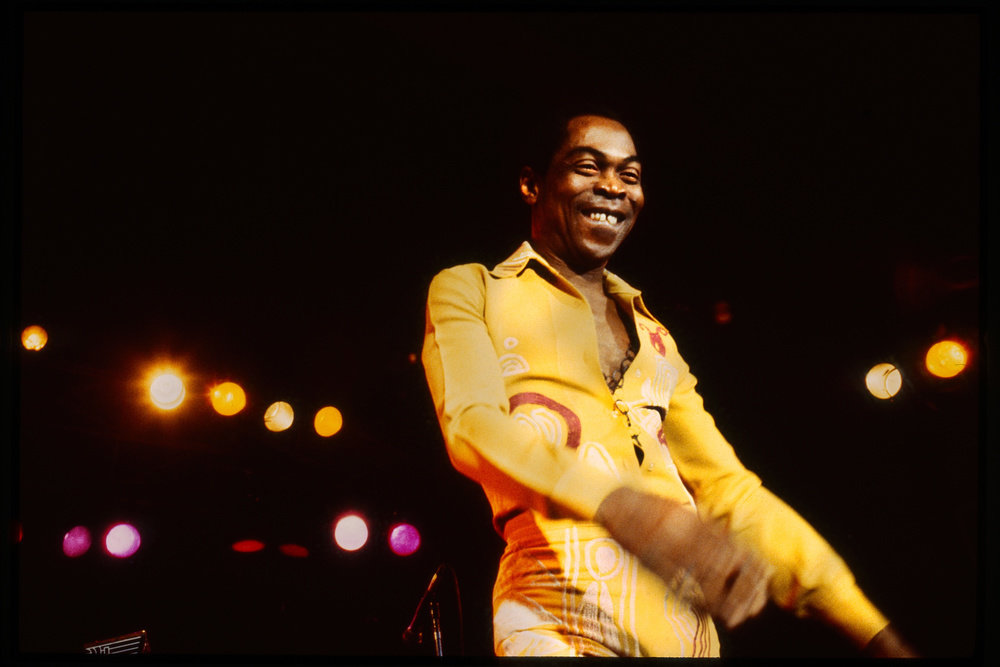
    What better way to kick off our class than with the man Burna Boy so desperately wants to be like. Arguably the most famous Nigerian musician of all time, Fela has been sampled by everyone from Beyonce and Missy Elliot to Skales and Wizkid. While Fela has two plays based on his life with one showing on Broadway, seeing the story of the man who dared military leaders for breakfast on a big screen would slap real hard!

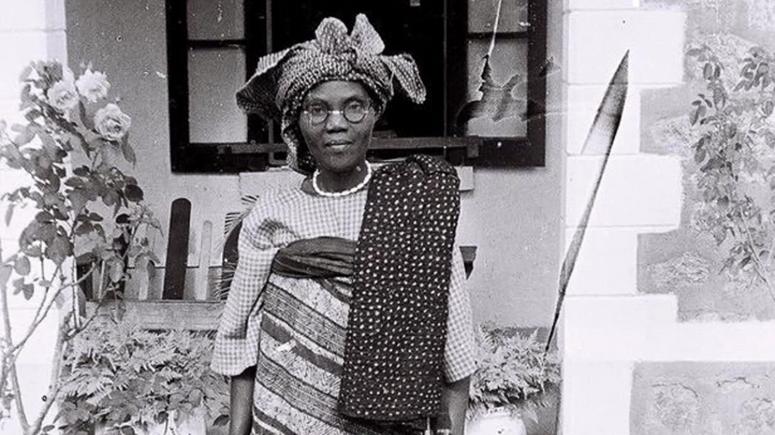
    Funmilayo Ransome-Kuti, a renowned feminist leader, and mother to Fela is another figure who deserves a Nollywood biopic of her own. Before she was thrown out from a second-story window by the military in 1977, the original badass Kuti had her foot on the necks of the British and the Nigerian military. She was known to lead marches, revolting against unfair taxation. She’s also famous for being the first woman to drive, a feat some of us have failed to achieve years later

    General Sani Abacha

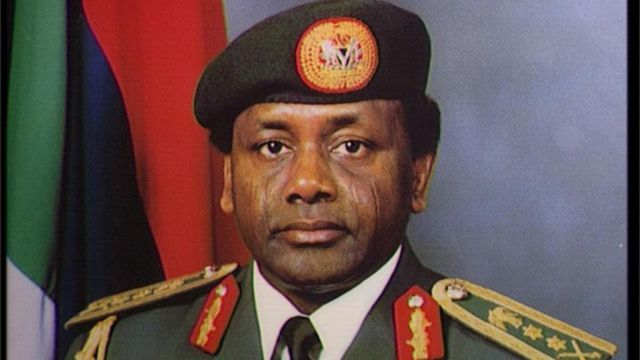
    Uganda has The Last King of Scotland, Britain has all the adaptations of Henry VIII, so it’s only right we get a full feature film about the military dictator who “allegedly” met his death eating a ₦100 green apple. General Sani Abacha who ruled Nigeria like Game of Thrones’ Jeoffery is by far one of the most brutal leaders this country has ever seen. His reign of terror lasted from 1993 – 1998. The man was offing people left, right, and center. However, these days, Abacha randomly gifts Nigerians a couple of millions from all the money he looted during his tenure. Where does this money go? Well, tomorrow is another day. 

    Samuel Ajayi-Crowther

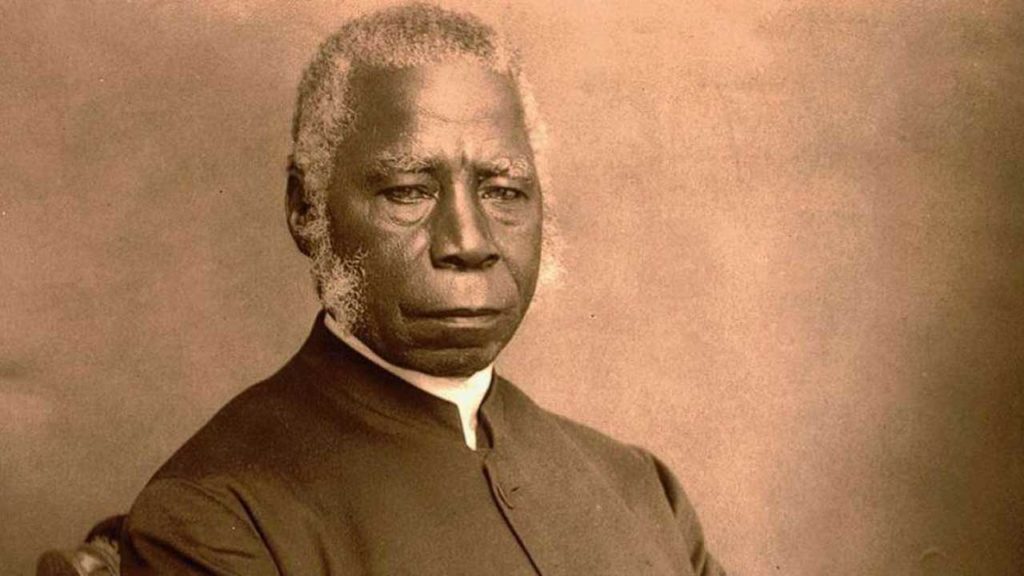
    We all know The Oscars love a good slave story. Well, Samuel Ajayi-Crowther is our shot at the gold naked man. Slave turned linguist, turned the first African Anglican Bishop, Crowther served us some serious range! Our good bishop was praised for his contribution to education and religion in the country. Years later, he was eventually pressured out of his position. Why? well, two European missionaries accused African pastors of fraud, ignorance, and immorality – smells like racism. Imagine a Nollywood biopic about this? The drama! The tea!

    Nnamdi Azikiwe

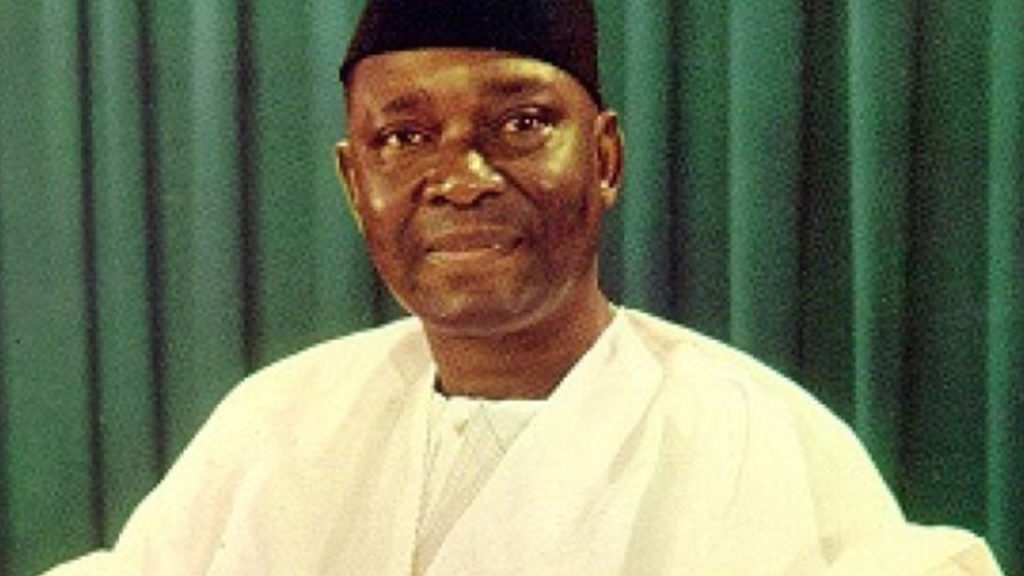
    It’s not easy being the face on ₦500. When you’re big, you’re actually big! Popularly known as Zik, Nnamdi Azikwe was famous for forming a temporary government alongside another iconic figure, Abubakar Tafawa Balewa. He received the largely honorary posts of President of the Senate, Governor-general, and, finally, first President of Nigeria from 1963 – 1966. A controversial figure during the Biafran War, his biopic will be sure to feature long monologues and enough political backstabbing to have us at the edge of our seats. 

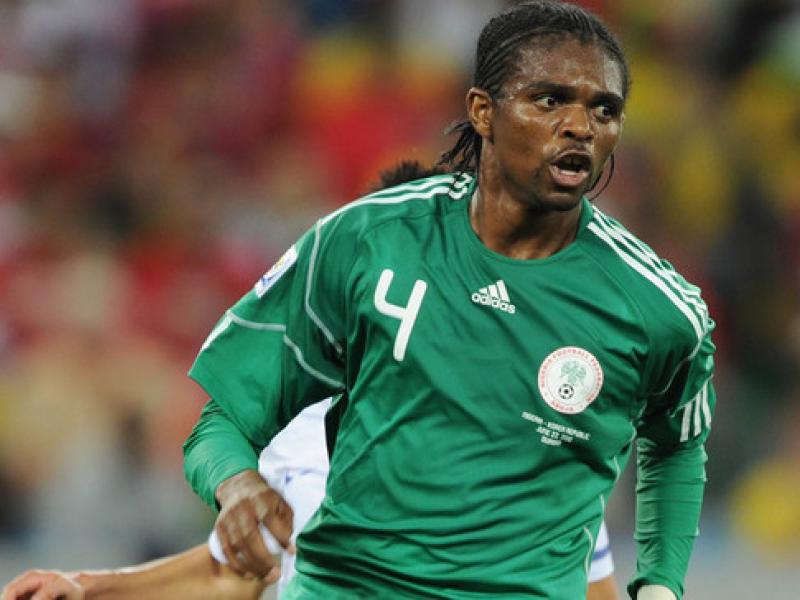
    Kanu Nwankwo

    Kanu Nwankwo, also known as Papilo is one of the most famous Nigerian footballers of all time. Scoring two last-minute goals that saw Nigeria beat Brazil, he led the country to victory at the 1996 Olympics. He is also famous for that one milk ad that we all couldn’t escape growing up. Whether or not we’ve made our parents proud is still up for debate. We are sure that a Nollywood biopic, aptly titled Papilo, will have Nigerian cinemas in a chokehold.