• Every year, the Nigerian music scene pulls off a miracle: it births a new generation of artists who altogether redefine the soundscape, challenge the old guard and give us new songs to obsess over. From Afrobeats to alternative, street-pop, R&B to hip-hop, 2026 is shaping up to be a year of creative and boundary-pushing artists.

    I’ve done the search, sifting through the independent releases, the sleeper hits and the underground gems to identify important voices.

    These are the ten Nigerian artists who should be on your radar: rising stars and underrated talents whose music, style and vision promise to make them impossible to ignore.

    Jamz FR

    What makes Jamz FR exciting is her fusion of styles and her ability to navigate between bangers and introspective tunes. She taps into the essence of Afropop while layering in influences from R&B and reggae‑tinged vocal styles. When artistry is rooted in authentic experiences and a lifelong love of music, you’ll get songs with clarity and heart like “Sober”, “Lose Ya” and her latest “Jamzy Vibe.”

    Reehaa

    Reehaa stands out because she brings a female presence to a space often dominated by male streetpop acts. She has a music style grounded in both tradition and contemporary youth expression. She writes about real experiences and youthful perspectives in ways that feel relatable to her generation, not as an imitation but as an authentic voice of her own. Her songs often blend Yoruba and Pidgin English and lends her music cultural depth and broad appeal.

    Her music carries both upbeat tracks and more introspective ones. Her recent singles, such as “Sati Ramoni” and collaborations with artists like Shallipopi and DJ Neptune, demonstrate her growing confidence, versatility and relevance. She’s increasingly seen not just as a rising woman in music, but as a contender shaping the future of Nigerian Street-Pop.


    Subscribe to Zikoko Pop newsletter, The Feed, for the most important pop culture news


    Musta4a

    The velvety falsetto of Musta4a’s voice distinguishes him from his peers in the Nigerian contemporary music scene. Across Afropop, R&B and those hazy, soul-leaning pockets where emotions reside, he operates with ease. Though he’s a lover at heart, his songwriting stitches reflection and youthful exuberance that feel admiringly dreaming or lived in. Both approaches work for him.

    His latest release, Musty & Yugo Vol. 1, an EP with Yugoszn, is proof of his instincts for forward-thinking collaborations and his ability to create chemistry. He’s growing his catalogue, he’s signed to a major publisher (Sony Music Publishing (West Africa)), and momentum is gathering around him. All these suggest one thing: a fuller evolution is on the horizon, and next year might be when it finally tips.

    Abstraktt

    Abtraktt’s journey from underground releases to broader acclaim shows a creative restlessness that refuses to sit still. His music weaves hip-hop, trap, and afrobeats to convey everyday experiences. Abstraktt’s first EP, The Yellow Tape, marks a turning point and showcases his ability to shift between introspective storytelling and high‑energy tracks that groove just as hard as his lyrical raps. His latest, Uncle Yellow, showcases his approach as rhythm‑forward hip‑hop that favours versatility over genre limits.

    With a growing catalogue that resonates with a broad audience and a knack for memorable hooks, Abstraktt is an artist worth watching as he pushes his Hip‑Hop style into 2026 and beyond.

    Elestee

    From her early appearances opening for Ladipoe to her breakthrough releases, Elestee has demonstrated a range across styles, blending rap with Afropop. Her debut projects, Lifesize Teddy and POISN, showcase her lyrical ability, vocal flexibility and willingness to cross genre lines. Tracks like “Space”, featuring Ajebo Hustlers, have become some of her most-streamed songs, helping establish her presence in the Nigerian music landscape.

    Elestee can deliver tight rap verses, shift into sung choruses and adapt her voice to different moods. She refines her sound with every release. Her recent EP, Mentally I’m Here, marks another step in her journey, showcasing her growth and her determination to seize her moment.


    READ NEXT: The 2025 Nigerian Songs Getting Nigerians Through the Year


    Syntax, The Creator

    Ibadan remains a breeding ground for alternative artists and musicians experimenting with music in a constantly evolving way. Syntax, The Creator is one of those artists and he makes music that takes listeners into spaces of introspection, celebration and creative expansiveness.

    His Room 203 (2024) and Rvivi (2025) EPs express this vividly, with collaborations and features that expand his sound. If experimentation is where your interests lie, this singer-producer is always ready to turn “What if..?” into “What is” with his music.

    Fimi

    Versatility sets Fimi apart. One moment, she’s dropping compelling, braggadocious and sensual rap verses. Next, she has flown into melodic hooks and artsy performances into her visuals, displaying the traits of zeitgeist hip-hop. She’s a new voice contributing to a growing space for authentic female participation in Nigerian Hip-Hop. In 2026, Fimi is an artist to watch.


    Get More Zikoko Goodness in Your Mail

    Subscribe to our newsletters and never miss any of the action


    oSHAMO

    As Afrobeats expands, the most recent releases are fusions that incorporate other styles. oSHAMO is a new artist at the heart of this approach. Born in Lagos and now based in the UK, his music seamlessly mixes Afrobeat, Fuji, Amapiano, and hip-hop with exciting melodies that carry the heart of Nigerian musical heritage into new sonic spaces. His debut EP First of My Kind maps his journey from Agege to London and marks him as a storyteller as much as a performer.

    On his new EP, I D R I S, he gets personal and transitions to both infectious dance-floor moments and introspective narratives. In his own way, he serves as a cultural bridge, threading the soul of Lagos into London’s global soundscape.

    Sewà 

    Sewà grounds her music in Afro-soul, but with the gleams of R&B, jazz and pop. It’s a rich fusion that carries both mainstream and niche circles in its arms, but the speciality of Sewà’s music lies in her stories. She backs it up with her debut album, Detox. Every song is a sincere narrative, whether examining love, loss, reflection or personal growth. 

    With sold-out shows both in Toronto and Nigeria, including stage performances with established artists like Asa and The Cavemen., Sewà is emerging as one of the new, bold voices of alternative music in this part of the world.

    Zaylevelten

    Zaylevelten is one of Nigeria’s most compelling emerging voices in rap and alternative Afro‑fusion. He fuses street energy, trap influence and experimental sound into something distinctly his own. Zaylevelten’s breakout came through a series of strong releases and viral moments, especially a track like “Maye.” This song helped him build a loyal fanbase that connects with his unpolished and laid-back delivery.

    He doesn’t chase trends, he shapes them, with glitchy trap styles, sharp flows and beats that defy easy categorisation. That experimental edge places him at the forefront of a new underground movement in Nigerian music. A key part of what makes Zaylevelten stand out is his work as a producer under the name Tenski. He plays a major role in crafting his own sound, producing much of his material, and ensuring identity, self-sufficiency and that the music reflects his vision from the ground up.

    His recent project, 1t g0t crazy and its deluxe version, showcase his off‑kilter experimentation and street‑aware confidence, with features that also signal his growing influence.


    ALSO READ: 10 Nigerian Music Projects That Deserved More Love in 2025


    [ad][/ad]

  • When an artist steps out of the spotlight due to significant life changes not made known to the public, assumptions inevitably fill the void. For singer-songwriter Temi Oni’s absence, chief among the assumptions that followed is that motherhood means leaving music behind. However, her disappearance was, in fact, an intensive period of rediscovery.

    Instead of allowing the societal expectations placed upon pregnant artists and new mothers to dictate her pause or her return, she used the time to find a new, more centered voice.

    Her latest work, including the EP titled Me Time, is a refusal to shrink.

    This is Temi Oni’s story as told to Marv.

    I don’t think there was ever a moment when I sat down and said, “I’m stepping away from music.” People assume that because I wasn’t releasing music, I wasn’t making any. But music has always been the undercurrent of my life: constant and always running in the background even when the world couldn’t see it.

    Artists like Adele disappear for five years and nobody says, “She stopped making music.”

    So even during COVID, when I got pregnant twice and everything in the world was shut down, I was still writing. I was recording from home. I was thinking, feeling and living. The real question for me wasn’t whether I was still an artist, it was, “What do I have to say now that life has changed so much?” I sat with myself: “Who am I now that I’m a mother?”


    Subscribe to Zikoko Pop newsletter, The Feed, for the most important pop culture news


    After giving birth to my kids, I stepped into a new version of myself. Motherhood changed the story I wanted to tell in my music, reshaping my relationship with both time and myself.

    I’ve always believed that music is storytelling. Before becoming a mom, my music was introspective, soulful, inward-focused.

    Two things guided me. First, I wanted to be mindful. I didn’t want to make music that younger girls, or even my own kids, couldn’t listen to. There’s so much beautiful R&B out there, but a lot of it is explicit in a way that makes it inaccessible to a certain audience.

    With this growth, motherhood has centered me, instead of censoring me.

    Second, I was craving a perspective I wasn’t hearing from anyone else. Where were the R&B women talking about motherhood? Where were the women in their thirties sharing the complexities of marriage, responsibility, shifting friendships, changing identities?

    There’s a whole generation of women: mothers, wives, caregivers, entering a new stage of life, emotionally, mentally, physically, and our experiences weren’t being reflected in the music. I wanted my new EP, Me Time, to be that reflection.

    When I got pregnant with my second daughter, my first daughter was only six months old. At that time, I realised that as a woman, especially a Nigerian one, I’m expected to carry everything with grace. People see me handling a lot, and they assume I’m fine and strong. But I wasn’t always fine and strong. “Something 4 Me”, the first song I wrote for the project, came from being in that headspace. I remember thinking at the time that I give so much time, energy and love, but couldn’t remember when I last did something for myself. I knew every woman, mother or not, would understand that feeling. So that’s how “Something For Me” was born.

    I began to listen more to women’s voices across the world, trying to understand their experiences and struggles. I began to see more of myself in them.

    By listening to others, I’ve become more vocal than ever about my needs, pain, desires, frustrations and dreams. If women everywhere are finding their voices, I want my music to amplify that energy.

    Every track I made around that time is rooted in time, wanting more of it, wanting less of it, wanting to freeze it, or wanting to escape it. Motherhood gave me a new relationship with time. It made me realise I don’t have a second to waste.

    There’s a lot of invisible labour in motherhood, and even with the amazing village I’ve been blessed with,, there are moments that I’m overwhelmed in ways people don’t see.


    READ NEXT: My Ex Dumped Me for My Commitment Issues. Now She’s Someone’s Wife


    The hardest part for me wasn’t the physical work. It was the expectations people placed on me. When I had my children, it felt like everyone around me silently assumed my life should pause. 

    The narrative was always,
    “Calm down and take care of your kids first.”
    “Relax.”
    “Don’t stress yourself.”
    “You can do your dreams later.”

    Meanwhile, men travel. They create, build and chase dreams, with children at home, and nobody blinks.

    I remember when I travelled to China a few months ago for a creative project. My husband had no problem with it. He’s an amazing partner and father. But my extended family? They asked,

    “Who will take care of the children?”
    “As a mother, how can you leave them?”

    No one ever asks men these questions. The cultural double standards are real, and navigating it has been one of my greatest challenges.


    Get More Zikoko Goodness in Your Mail

    Subscribe to our newsletters and never miss any of the action


    Advocating for myself is not new. I’ve always been the unofficial black sheep of my family, always known to speak up. But motherhood made it necessary in a different way. I made sure to ask for support, personally and professionally.

    Professional support, to me, looks like people not treating motherhood like a handicap. Ask me what I can or cannot do. Don’t decide for me. Personal support looks like giving me time that’s actually mine and I can choose freely. Not labour disguised as time.

    I realised that I don’t have time to waste anymore. Literally. Kids, home, life, career, it all requires structure. My days are carefully planned because they have to be.

    I don’t believe in balance. Balance implies equality, everything getting the same amount of attention at the same time. That’s not real life. There’s give and take. There are days I’m more of an artist than a mother. There are days I’m more mother than artist. There are days I’m barely either and just trying to breathe. My life works because I make choices with clarity, not guilt.

    If there’s one thing I wish people understood, it’s that the journey is long. There’s so much work, so much effort, so much sacrifice before the world recognises one. And motherhood adds another layer to that journey. For me, it’s not in a limiting way, but a transformative one. I’m still here, still writing, still becoming. And this version of me, the mother, the artist and the woman, is the most centred I have ever been.


    ALSO READ: The AI Album Breaking Charts and Nigeria’s Copyright Laws


    Everyone talks about love online, but what’s it really like offline? We’re collecting anonymous stories for Zikoko’s biggest relationship survey yet. Share your truth here.

    [ad][/ad]

  • At 14, Wizkid had already started his musical journey: formed a music group, released a 7-track music project under his previous stage name Lil Prinz, and received guidance from legendary music producer, OJB Jeezrel.

    Now history seems to be repeating itself. His firstborn child, Boluwatife Balogun, also 14, is following in his father’s footsteps and stepping into the booth as Champz.

    The arrival of Champz

    On October 20, 2025, a video of Bolu, dressed in black, recording rap lines that reference 50 Cent’s “Many Men (Wish Death)” and Get Rich Or Die Tryin’ album — and perhaps inspired by it — first surfaced online. It received mixed reactions ranging from  “thumbs-ups” to “don’t try this again” to “it can be better.”


    Subscribe to Zikoko Pop newsletter, The Feed, for the most important pop culture news


    Six days later, another clip he shared on Instagram of him making music at the Blackboxx Studio in Lagos went viral. It shows him in the studio with his mom Shola Ogudu, who says, “Let’s give them proper lyrics, innit.” The post, captioned “Champion’s Arrival” — with credits to videographer @dikastudios and music producer @iamhosana — suggests his debut track may be closer than expected.

    What kind of music does Champz make?

    It’s apparent growing up in the U.K has played a major role not just in his enunciation, but his style of music. In his second video, he hops on an afroswing production, rapping about getting money and having enemies, reminiscent of Black-British rappers J Hus and Kojo Funds.

    What people are saying

    Some internet users have expressed that Bolu, AKA Champz, has a better advantage over an average Nigerian singer due to his privileges as Wizkid’s son.


    READ NEXT: We Ranked All of Wizkid’s Albums from ‘Meh’ to Greatest


    Some think peers will downplay his ability and credit his possible success to nepotism.

    Some people, including Nigerian culture journalist Adeayo Adebiyi and veteran music producer ID Cabasa, seemed genuinely impressed by his confidence and the quality of his music.


    Get More Zikoko Goodness in Your Mail

    Subscribe to our newsletters and never miss any of the action


    All some internet users can see is his resemblance to Wizkid and they’re really surprised he’s into music too. After all, the apple doesn’t fall far from the tree.

    Some give Shola Ogudu, Boluwatife’ mom, applause for raising him well.

    The conversation also segued into a subliminal at those fighting stan wars:


    ALSO READ: How “Holla At Your Boy” Started Wizkid’s Superstar Journey


    Everyone talks about love online, but what’s it really like offline? We’re collecting anonymous stories for Zikoko’s biggest relationship survey yet. Share your truth here.

    [ad][/ad]

  • For many young creators, the internet isn’t just a pastime anymore; it’s a stage. It offers visibility, connection, and sometimes, the chance to turn talent into livelihood. From singing covers to dance challenges, the digital space has become the launchpad for a new generation of stars. But what happens when you step online? Everything shifts in ways you never planned.

    In this story, we trace the journey of Agnes Bada, whose playful experiment with content cracked open doors she didn’t even know existed, changing how she saw herself and her future.

    This is Agnes Bada’s story as told to Marv.

    Growing up, music was the air I breathed. My siblings could sing, and we all did in one way or another. But I carried it differently with an intensity and a seriousness that showed it was more than just play.

    By 2018, I had started recording covers and sharing them on Instagram, offering little pieces of myself to the world.

    Comedy, on the other hand, wasn’t something that happened by chance. My brother had dabbled in it before, making Sidney Talker–style skits. Sometimes we’d sit together, tossing ideas back and forth. I didn’t know it then, but that experience left me with a quiet reserve of knowledge, something stored away, waiting for the right moment.

    That moment came in 2020.

    I had fallen sick, too weak to keep up my routine. Normally, I posted covers back-to-back: sometimes daily, sometimes with small breaks when school or other responsibilities got in the way. But during that stretch of illness, two or three weeks slipped by without a single post. The silence unsettled me. I felt restless, as if my relevance was slipping through my fingers.


    Subscribe to Zikoko Pop newsletter, The Feed, for the most important pop culture news


    Still weak but determined, I told myself, “I need to put something out.” Singing the way I usually did wasn’t possible, so I reached for something lighter. I set up my camera, balancing my phone on a stack of books and buckets. And instead of pushing my voice, I got playful with it.

    I didn’t plan it. It was instinct. I leaned into the silliness and hit record. That video became my first comedy-music skit. Nervous about how it would be received, I told myself, “Let me post this where nobody will see it.” Instead of Instagram, I tried TikTok for the first time.

    Within hours, it exploded. Overnight, I gained over 1,000 followers, more than I even had on Instagram at the time. Phone calls and DMs poured in from friends: “Have you seen this? Your video has blown up!” It was overwhelming.

    The comments were filled with encouragement, yet inside, I struggled. Sharing that goofy side of myself with the public didn’t come easily.


    READ NEXT: He Told Me Not to Become an Actress. After I Won an AMVCA, He Apologised


    So I stopped posting. I didn’t want to be seen as a clown. I wanted to be the “fine music babe,” not a comedian. But the video had already escaped me. People were reposting it on Facebook, on Instagram, everywhere. And with each share, more eyes turned toward me. A door had opened, one I hadn’t been planning to step through.

    Until then, I was the girl who sang at events, keeping things low-key and living privately. But TikTok pulled me into the public eye. And even though I resisted, my parents, especially my mum, urged me on: “Keep posting. Don’t stop.”

    So I kept going. The first viral video was followed by another that didn’t do as well, then another that caught fire again. Slowly, I began to post on Instagram too, encouraged by friends who believed in me more than I believed in myself. Their faith gave me the courage to embrace the side of me I had once hidden.

    Of course, not every moment was smooth. When some videos didn’t hit the way the first did, doubt crept in. I felt the pressure of expectation, the fear that people might get tired. I asked myself constantly what was next and what fresh things I could add. In the end, I decided to keep moving, trusting that new ideas would come as they always did.


    Get More Zikoko Goodness in Your Mail

    Subscribe to our newsletters and never miss any of the action

    The consistency paid off. My audience grew to over 300,000 followers. And with that came changes in real life. Strangers began to recognise me at the market or on the street. For someone introverted like me, it was unsettling. Sometimes I just wanted to shop in peace, but people approached with smiles and excitement. Slowly, I learned to accept it, even if deep down I preferred to go by unnoticed.

    By early 2024, the shift became undeniable. Artists began reaching out, asking me to promote their songs. That was when I realised: this wasn’t just content anymore. It was work and a career. My brother stepped in like a manager, handling the business side, while I sought out mentors who taught me how not to be cheated. For the first time, I began to see myself as a brand, to recognise the value of my craft, and to accept just how much people truly loved what I did.

    Then came collaborations. Content creators I had admired from a distance reached out. One of the biggest moments for me was when Josh2Funny got involved. People had been tagging him under my videos, insisting we had to work together. Eventually, he reposted one of my skits and then reached out.

    Meeting him in person was surreal. We recorded together, and he handled everything — logistics, feeding, and accommodation. It was from that experience that I learned that I have value and I could stand in those rooms and belong. Since our first content together, we have made many more.

    In the last year that I started to enjoy a lot of visibility, I have learned a lot about the business. But the one I wish I knew early was that I could be the one to initiate things. I thought you had to wait for people to find you.

    This has been an unplanned journey, but one that I’ve learned to embrace, from my first skit filmed on a sick day with a phone balanced on buckets, to collaborations with creators I grew up admiring, to building a community of hundreds of thousands of followers.

    This is only the beginning and the time to get bullish.


    ALSO READ: I Built a Reputation Trolling People on Twitter. Now, I Can’t Get a Job


    [ad]/ad]

  • Music is a whole community experience. The moment a beat drops, every neighbour reacts in their own special way: from the dancer who turns the street into a stage to the one shouting “reduce that volume!” through the window. This quiz will reveal exactly which type of Nigerian neighbour you are when music starts playing.

    Play the quiz:

    [ad][/ad]

  • This article is part of Had I Known, Zikoko’s theme for September 2025, where we explore Nigerian stories of regret and the lessons learnt. Read more Had I Known stories here.


    Every artist has that one song they wish could be removed from their catalogue — the track that makes them wince whenever fans scream at shows, or the one they recorded just to please a label, a producer, or even their younger self who didn’t know better. 

    Not every gamble pays off in the fast-paced world of Nigerian music, where trends shift as quickly as TikTok sounds. Sometimes, the beat slaps, but the lyrics age poorly. Other times, the song simply doesn’t represent who the artist has grown to become.

    In this list, we revisit 10 Nigerian artists who are brutally honest about the songs they’d delete if they could. 

    “It’s too vulnerable and it shouldn’t have been for public consumption.” — Sewà, singer-songwriter.

    I just released my latest single, “Àsìkò,” and many people loved it. But what they don’t know is that the songwriting’s backstory isn’t sweet.

    My mom’s friend’s daughter got married, which prompted my mom to ask me if I was seeing anyone. I told her I wasn’t and was focusing on only music for now. She said it was no problem, and I should take my time, whenever I’m ready.

    After that conversation, I felt a little down and birthed the chorus: “Asiko n lo, oun lo o / Tell me when do I feel loved?”

    The message has three parts for me. The first is a question of “Do I love myself?” The second is, “How do I love you if I don’t even love myself?” and the third is, “Why do you love people who don’t care about you?”

    It’s too vulnerable and shouldn’t have been for public consumption.

    Even one of my backup singers isn’t comfortable singing a part of the song where I say, “Do I even love myself?” That song should never have seen the light of day. Sitting in my vault, it’s one of those songs that should have been something solely for me.

    “How could I be celebrating a new release when people were fighting for justice and getting shot at?” — Mo’Gunz, rapper and singer.

    I remember the #EndSARS protest in 2020 clearly, but not in the way most people do. While the streets were filled with protesters and youths fighting for their lives, I was at home, celebrating. I had just released a new song titled “Top Boy.” The plan was to do a big social media push, get it everywhere, and celebrate the moment.

    I was so focused on the drop. The song was a banger; it was something I’d worked on for months, and I was so proud of it. We had the artwork ready, the marketing plan, everything. I was on my phone, watching the streams go up, feeling that rush. But then I looked outside: people were marching and chanting. My friends were posting videos from the protests, their voices thick with anger and passion.

    It hit me all at once. My new song was completely out of touch with the reality on ground. How could I be celebrating a new release when people were in the streets, fighting for justice and getting shot at? The moment I realised it, my excitement turned to shame. I pulled back from all the promotion, but it was too late. The song was out there. To this day, it’s a reminder of a bad decision.


    Subscribe to Zikoko Pop newsletter, The Feed, for the most important pop culture news


    “The producer came back again and asked to be added as a primary artist to the release.” — Eniola Havoc, rapper.

    Early in 2023, I was invited to a recording camp by a producer, and I was the only artist there. After transporting myself to the location and back with my money, the day ended quite productive and we made two songs. Not long after the session, the producer sent me an mp3 mixdown of just one of the songs we made together.

    At the time I had a two-year management contract I was running on, but I had the creative freedom to make whatever I wanted. I played that one song I got off the session to my team, and they were confident the song would make a perfect single for the album I was making at the time. Months after that initial recording session, I called the producer to let him know my plans for the record and even offered a 50% split. He agreed to the terms, but insisted I give him an advance payment.

    A year later, I officially released the song, titled “She A 10”, after so much drama and stalling, the producer came back again with a different request and asked to be added as a primary artist to the release. At that point I was already drained after spending over a hundred thousand naira on the post production and the distribution. It didn’t feel like it was worth the stress anymore. So, I didn’t give in to his request.

    The producer took the song down. In less than a month, he came again, trying to get me to put the song back up on DSPs, but I was done and ignored him. The song is still on Audiomack, but that’s it.

    Meanwhile, he didn’t even talk about the second song we made or send me a mixdown like he did with the first one. In fact, I still haven’t heard it since 2023 when we made it.

    “One can tell that it was just a good day in the studio, not a lot of thoughts were put into it.” — Mo’Believe, singer-songwriter.

    I should have thought of a better plan before I released “Perfect (Ebe)” in 2020. My producer and I were on a high when we made that song, just two guys in a room, happy to be making music. You can hear it in the track; it’s pure studio euphoria. No big plan or deep thought, just a good vibe. I listened to it and thought, “What’s the harm in putting this out?” My team loved it, so I figured that was all the sign I needed. I released it without a second thought.

    And then, nothing. The song just existed. It didn’t blow up, but it didn’t flop either. I thought I should’ve had a better plan to push it. But looking back now, maybe why the song just sat there, adding nothing to my career, good or bad, was because one can easily tell that it was just a good day in the studio and there weren’t a lot of thoughts put into it.

    I released the song in the spur of the moment, and now I have a track out there that I wish I shelved for good or took the time to properly finish. Though I’m learning these days that songs are like kids, we give birth to them, but can’t be sure what they’d turn out to be. The best I can do is put out what I won’t hate releasing after some time.


    READ NEXT: Had I Known: 8 Nigerian Actors and the Roles They Regret Turning Down


    “I realised the title itself carried a perception I did not want associated with me.” — Samvsthekids, rapper and singer.

    The year was 2023, and I had just arrived in Enugu for my youth service. The city had an energy I immediately connected with, and I was soaking it all in, meeting people, exploring, and feeling inspired.

    It was around that time I linked up with Jubal (J-V-B-A-L), a talented producer from the University of Nigeria, and Munna, an experimental alternative rapper. We decided to make a track that sampled a trending sound at the time called “On Colos.” Just to be clear, the song was not about glorifying any substance, it was just a vibe, a piece of music we felt people would enjoy. And they did.

    We performed it a few times, and the audience loved it. On Spotify alone, it racked up over 10,000 streams in just a few months. It felt like one of those moments where everything clicks, and you cannot help but smile at the reception.

    Fast forward to 2024, when I finished NYSC and stepped into the professional workforce. A few weeks into my new role, some of my superiors discovered my TikTok, and specifically, that song. I was called into HR. The conversation could have been intimidating, but I did not panic. I just said something along the lines of, “Ma, if you are the one who sings like this, will you not post it online?”

    Was I bold? Definitely. Surprising? Absolutely. But it worked. I left the room calm and unshaken.

    As I continued to grow professionally, I started reflecting on the song. Even though the message was not about the substance, I realised the title itself carried a perception I did not want associated with me professionally. So, I made the tough decision to take the song down, even though it had been one of my most popular tracks.

    “I had to remove a long-time friend from that record just to fit in this artist’s verse.” — Sosa TTW, rapper and producer.

    There was an artist I really wanted to collaborate with in 2022. I reached out, and at first, he acted interested and responded like he was down to do it. But then, out of nowhere, he ghosted me. No replies. Nothing.

    Trying to keep the idea alive, I decided to offer payment for a verse. As soon as money came into the picture, he suddenly showed up again, responsive, cooperative and ready to record. We agreed and he sent in his verse. As the release date approached, his manager started acting very enthusiastic. He even said I should be open and communicate with them about the release. The artist echoed the same sentiment. They both made it seem like we were all on the same page and excited to push the song.

    When the song finally dropped and I reached out to the manager for help with Audiomack support, he hit me with, “Do I work at Audiomack?” That one sentence told me everything I needed to know.

    The artist barely did any promo, but when it came time to talk about royalties, he was quick to ask for his share.

    What makes it worse is that I had to remove a long-time friend from that record just to fit in this artist’s verse. I made that choice thinking it would elevate the track. In hindsight, I regret releasing the song at all and that was eventually pushed me to remove it from all DSPs.


    Get More Zikoko Goodness in Your Mail

    Subscribe to our newsletters and never miss any of the action

    “That shit hurt my motivation, for real.” — T.O.D SZN, rapper.

    So far, in my career, I’ve tried out a bunch of different sounds. I’ve never been scared of new beats and styles. That’s how I keep my creation process natural and unforced.

    I once made a song titled “Fall” in January 2024. It’s a drill song with trap influences, and I delivered a strong vocal performance in both pidgin and English. When I played this song for friends and sent it out to fellow creatives, their heads bopped uncontrollably. They urged me to drop as a matter of urgency, and with the way the drill soundscape was gaining popularity, I felt like that was the best idea. I was feeling myself and thought I had done something special with the song.

    But it didn’t drop on time. I relocated to the U.K and had to get acclimated with my new environment and figure many things out first. This led to a 6-month hiatus. When I got back to music and was ready to release the song, I thought, “Why give them one song, when I can put out an EP and make them understand what’s been going on with me?”

    So, I added three other songs alongside “Fall”. When I eventually did release the tape in August, “Fall” would get the lowest streams across all platforms. Mentally, I couldn’t understand why no one was listening to this one in particular. I thought it was the best.

    What exactly I did wrong with that track, I don’t know. I used to think I should have packaged it as a single, but from the way it was regarded and overlooked, I’d say I’d rather have not dropped and enjoyed that one with my friends.

    “After a deep reflection, I began to see why they thought the line signals tribalism.” — VRSD, rapper.

    In 2020, I released an EP that has a song titled “Hold Your Glass,” a straight up braggadocious display of lyricism. Everyone that jammed it when it dropped loved it. I received great responses. Someone even said, “This is the kind of rap jam one would expect from the OGs.” I felt good about that compliment.

    Then in 2021, I joined a cypher and rap battle competition to win $1,000. I prepared seven fresh verses and added the verses from “Hold My Glass” to it. I made it to the second tier of the competition. When it was my turn to battle again, I went hard, using the verses from “Hold My Glass.” I was confident AF in what I did. 

    When it was time to get the verdict, I was disqualified. Why? A few of the judges didn’t like one of my lines: “I came from where the Civil War hero came from / Benjamin Adekunle, the Black Scorpion.”

    In all honesty that’s a clever line and an homage to someone from my town. The person just happened to participate in the Nigerian Civil War, which in the judges opinion shouldn’t have been lauded..

    I lost that round and any chance of winning the prize money. After a deep reflection, several listens and deciphering of my own lyrics, I began to see why they thought the line signals tribalism, even though it wasn’t my intention. Now, I have a song out that people are likely to call tribalistic streaming.

    I’m not a big fan of the song anymore, but I really regret not realising what those judges did before I put it out.

    “What made me regret putting it out was when my seven-year-old nephew found that particular song.” — TillDayBreak, rapper.

    So, I made a song titled “Spiritual” in 2023 and it’s about sexcapades and smoking weed, but I don’t indulge in those in real life. Over time, I began to feel weird and cringe whenever I heard it play. It isn’t who I am and doesn’t represent me in any way.

    But what caused the regret of putting it out was when my seven-year-old nephew, who is a big fan of my music, picked up his mom’s phone to search for my music and found the track. I felt shame, like I had disappointed the little lad. From thereon, I have kept most of my songs socially conscious and PG-13.

    “I was completely consumed by grief and couldn’t even think about promoting the music.” — Don Mappy, singer-songwriter.

    I had just recovered from a nasty femur fracture that happened in late 2020, when I got back to making music. I poured everything I had into a new EP, a project that was deeply personal to me. I even titled it Ad Meliora, which means “towards better things.” I was ready to move past the injury and the struggle. The first track, “Anytime,” was one of the best records I’d ever created. I felt it was a strong start, a sign of better things to come.

    I dropped the EP on July 7th, 2022. Just five days later, on July 12th, my dad passed away.

    Suddenly, the whole meaning of Ad Meliora felt twisted. It was a cruel irony. I was completely consumed by grief and couldn’t even think about promoting the music. The project just… dropped. All that effort, all that hope, and it landed with no post-release promotion. I struggled with grief and eventually took it down. Looking back, I just wish I hadn’t released it when I did.


    Do you have a story of regret? Share it with us by filling out this form.


    ALSO READ: How Nigerians Become Notorious on the Internet


    [ad][/ad]

  • The music industry is full of horror stories, but nothing prepares you for when the nightmare comes from the very people who once shook your hand as brothers.

    At the heart of this story is Papi Gunzo, an artist and collaborator whose attempt to help spirals into a costly battle.

    What began as an act of friendship and creativity and was supposed to be a rescue mission for a talented friend, an artist trapped in a suffocating management deal, quickly unravelled into a cautionary tale of control, betrayal, and the hidden traps that lie within the music industry’s machinery.

    This is Papi Gunzo’s story as told to Marv.

    I had an artist-friend, someone I worked closely with. She was signed to a big-name management company, the type that handled the top Afrobeats stars. But her career was suffocating. She recorded countless songs, some with me, some with others, yet none ever came out. She cried, begged, fought, pleaded, but nothing. Her label locked her music in a vault, and she was breaking down before our eyes.

    Nothing worked. She came to cry to me and some of our other friends. It worried me and other friends she informed about it. So, instead of watching our friend waste away under a management deal, I came up with a plan. We’d release a joint project under my name, with me providing the production. On paper, the royalties and credit would be hers. My distributor would handle the release, and this way, her music could finally see daylight.

    It was a great plan. We were all happy about it and got to work.


    Subscribe to Zikoko Pop newsletter, The Feed, for the most important pop culture news


    We made magic together — songs, a three-track EP we were incredibly proud of. We got it ready for release and informed her manager of our plans. He was happy to be part of the process. He even signed off on the splitsheet when I sent it, and a few months before the release of the EP, he gave us money to push the project, pledging full support. Everything seemed clear.

    My distributor, after asking if I could vouch for my friend and assure them there wouldn’t be any issue, released the EP. I came through for my friend. I delivered on my word.

    When the EP dropped, though, she wasn’t promoting it. I was concerned and reached out to her to ask why she was holding back. Our conversation ended with her agreeing to make content. And she did. She sent me the content. They were good. I was happy for her. But then I didn’t see them online.

    She said her management took the posts down and stopped her from promoting the EP. She said she reposted the content again, but they pulled it down, saying she needed permission. Still, I told myself it wasn’t really my project and I moved on.


    READ NEXT: My Mother Is a CAC Prophetess. But After My Sister Died From a Spiritual Attack, I Left the Church


    One morning, a year later, I woke up to a nightmare.

    An email from my distributor’s lawyer said I was in breach of contract. Someone had flagged the songs on the EP for copyright infringement, and if I couldn’t counter it within 48 hours, my distribution deal and all the other conversations I had on the table would vanish.

    I was furious, confused. I knew I hadn’t stolen anyone’s work. So, I dug. And what I uncovered stung the most: the person who flagged the EP and filed the takedown was none other than my friend’s manager: the same man who had given us money, arranged studio sessions, signed the splitsheet, and smiled in my face as a brother. 

    It’s messed up, and it really got to me because we have a personal relationship. He was supposed to be a brother to me. We didn’t have any beef or problems. In fact, just a week earlier, before the copyright infringement issue, he had invited me to his house, and we had even hung out together.

    When I confronted her manager, his excuse was that he had “missed” the splitsheet. Out of anger, I stripped away all respect and asked him straight: “What the fuck is going on, man? You’ve invited me cheerfully to your house before. Why couldn’t you use the same energy and just tell me face-to-face that the project wouldn’t work?” 

    He said he was following orders. Then he apologised and had the audacity to give me a condition that if I wanted to keep those three songs (the EP), I should forfeit my production fees and only be paid for some seven other unreleased songs I had made with her. This would cost me about ₦2m, just to salvage three tracks that hadn’t even earned me £1. Imagine that!

    I refused. Then, I swung into action and sent a request to my distributor, in all caps: “TAKE THAT SHIT DOWN.” I wanted the EP permanently taken down. After that, I gave the manager a condition too, that if within three months, they fail to clear the other seven songs she made with me, the management company would lose the rights forever.

    My friend, on the other hand, was just as shocked. She couldn’t help me or pacify anyone on my behalf. She just kept crying and apologising to me. I had to calm her down and console her because it was her manager moving weirdly, not her.


    Get More Zikoko Goodness in Your Mail

    Subscribe to our newsletters and never miss any of the action

    Eventually, I received my payment from the management company. But since that incident, the relationship with my distributor hasn’t been the same. Direct access and strength of promotion haven’t been the same. Before I could call or ask for a meeting on demand. I mail in the morning, and I get a reply a couple of hours later or at most, the next morning. Everything went well until after the issue. The first time I noticed, I sent an email, and for two weeks, there was no response. Later, I got hit with a “Oh, sorry, I didn’t see it. It’s so bad, all the songs that I have released since that incident haven’t got any support from them. Whenever I reach out to ask what’s going on, they’d say they missed my emails, they were on leave or holiday. 

    I still have access to my backend and can release music under them whenever I want, but there won’t be any form of support from them. There’s no point releasing with my distributor anymore if they won’t offer any support and access. 

    I might as well pay DistroKid and keep the 30% that would have gone to them. I have repeatedly tried to explain my story and show that I can be trustworthy and be a reliable business partner, but they aren’t hearing me out. The Head of Distribution just stopped replying altogether. I’m moving on.

    All this, because I tried to help a friend stuck in a bad management deal. Looking back, I regret ever putting that project out.

    I could have been sued for copyright infringement. But the documented splitsheet and the paper trail I kept were my saving grace. It protected me from losing everything. But the damage was done.

    Right now, all I’m focused on is getting bags, finding creative ways to release my music. I have some serious Afrobeats and Hip-Hop bangers lined up — I’m open to a platform that’s ready to distribute them properly.


    ALSO READ: Had I Known: 8 Nigerian Actors and the Roles They Regret Turning Down


    [ad][/ad]

  • Some wounds don’t just bruise, they brand you. For Majesty Lyn, that moment came not in the chaos of criticism, but from a man who should have believed in her. She had just come off stage, her heart still thumping with adrenaline and applause, when he said to her face that she would likely not make it in music.

    In this As Told To, Majesty Lyn tells the story of that night and unpacks what it felt like to be dismissed before she even started, how the man came back into her life and hurt her again. 

    This is Majesty Lyn’s story as told to Marv.

    I still remember the exact words. I had just come off a stage in Port Harcourt, buzzing from the adrenaline of a killer performance. I had rapped. I sang. I had done everything I knew how to do well, and the crowd loved it. A friend introduced me to someone in the crowd, someone they said could potentially be my manager. I thought, “Okay, maybe this is my moment.”

    But the man looked me in the eye and said, “What you did on stage was fire. But I don’t think you’ll sell in Nigeria. Nigerians don’t listen to rap. And you’ll have to pick. Either sing or rap. You can’t do both.”

    I was stunned. I remember thinking, “Wait, isn’t your current artist doing both, too?” I couldn’t tell if he was being dismissive because I was new, or because I was a woman. But either way, his words hit hard. At that moment, I masked my anger, smiled politely, and left the event earlier than I’d planned. My spirit had dropped. Before that moment, I’d been giddy with excitement. After that, I just wanted to get home.

    That night, I did what I always do when I feel something deeply; I wrote music. I didn’t record the rap I wrote. I just left it in the book.. At the time, I was just a girl in 300 Level, studying Mass Communication in university, and going to rap battles, freestyling with instrumentals and turning my poems into bars.


    Get More Zikoko Goodness in Your Mail

    Subscribe to our newsletters and never miss any of the action
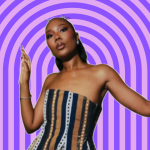

    You see, I started with poetry. My dad had this giant Shakespeare anthology that I used to go to his library to read. I couldn’t even understand half of it at the time, but I loved how it sounded. I loved how words could bend and breathe. My notebooks in school were filled with verses and sketches instead of notes. That was how I knew writing was home for me.

    Rap came later. My mom ran a business that doubled as a restaurant during the day and a bar in the evening, and I’d help out after school. The music we played was those old Naija mixtapes. They were my first taste of Hip-Hop and rap. Then I stumbled on an M.I. project. I can’t remember which, but it had that talk-your-shit energy, and my brain exploded. That was the first time I felt rap deeply.

    I wrote my first song in my uncle’s studio. My younger brother, a producer, had made a beat, and I asked if I could lay something on it. That was my first moment in front of a mic, not just a performer now, but a recording artist. Around that time, I also made a song called “Two Tablespoons of Lemon.” It was never released.

    Years later, after I’d put in more work, more hours, more freestyles and different kinds of songs and rocked different stages, I saw him again—the man who told me I’d never make it by rapping and singing. This time, I had just finished performing at a UBA-sponsored campus event. The crowd had gone wild. I came offstage, and there he was. He looked at me, smiled, and said, “I guess you proved me wrong.”

    He apologised sincerely. We even ended up becoming friends and worked together briefly at a campus radio station. He helped with playlist placements and show curation for my music. But it was a complicated friendship. There are things I still can’t talk about because of an NDA that I signed. But I won’t lie, some wounds don’t just vanish. Sometimes I have to train my mind to pretend it doesn’t sting anymore. And hope that one day, it actually doesn’t.


    READ NEXT: My Girlfriend Almost Killed Me With Billing Because I Hang Out With Celebrities


    I’ve grown. I’m no longer just the girl trying to prove something. These days, I’m focused, grounded. I know my sound as a hybrid of a singer and rapper better. I know who I am. I’m growing and making better music. I just dropped a single “Rover,” and my new EP, Situationship, is on the way. It’s a messy love story, but it’s honest and it’s me—a testament to my evolution as an artist and human being. He told me I couldn’t do both. So I did. And I’m not done.

    I have learned to use the pain of being written off to do something useful. I have learned to use the hurt as a hook, turn it into fuel and use it to make the angry songs. This is what I am now because I know that one day, I’ll be too rooted in my power to care what has been said to me.

    I’m not bitter about the situation anymore, but it may take a long time to forgive it. It’s just like when someone is in a toxic relationship. A lover says something hurtful to you and apologises so there’s peace, but you know what they had said is how they truly feel about you. Despite that, you take it to the chin because you love the person, but their hurtful words or acts cross your mind once in a while, and you still feel them.

    I still remember that situation and statement and it hits hard every time. As long as that persists, it may be hard to let it go. I’m learning that forgiveness is a process, one that time might heal at the end. But there’s still that underlying feeling, and at this moment, I wouldn’t say that I have totally forgiven it when I have not forgotten about it.

    See what others are saying about this story on Instagram.


    ALSO READ: A Popular Nigerian Music Distributor Promised Me Royalties, Then Ghosted Me


    [ad][/ad]

  • For many rising Nigerian artists, a big break is about finally making music that pays the bills. Think: millions of streams, international tours, brand endorsements, maybe even label backing. It’s the moment that can turn passion into a full-time career.

    But until that happens, the hustle is real. From 9- 5s, odd jobs to steady side gigs, these artists are finding ways to fund their dreams while ensuring they can survive daily.

    We spoke to a few of such artists about what the grind looks like; how they’re making money, and what that big break would mean financially, creatively, and personally.

    “Some months I earn ₦150k, other times it’s 10x that. It’s inconsistent but keeps me afloat.” — Boy Nxxt Door, Afroswing artist. 

    I’ve known I could sing since I was 10, but I started taking music seriously during the lockdown. I dropped my first single in October 2024, but it got taken off streaming platforms due to some irregular streaming pattern, which killed my momentum. I was close to giving up until I started finding my spark recently. 

    So far, I’ve only made about ₦50k from a live show. I juggle side hustles like sports blogging, crypto, gadget sales and copywriting, earning about ₦100–150k monthly; some months it’s lower or even 10x that. It’s inconsistent, but it keeps me afloat. I do the work primarily for survival; if my music took off today, I’d drop everything else to fully focus on it. 

    Buying beats used to be the most expensive part of my music grind, but most of my music costs are now covered through the cordial relationships I’ve built with producers. Even when I have to pay for beats, it’s usually at a discounted rate.

    But survival comes first: I need to be in a good headspace to be creative. 

    A big break for me isn’t just streams or a record label deal; it’s stepping on stage, confident that the crowd is there for me, singing my lyrics word for word, and excited to see me perform. That’s the milestone that genuinely matters to me.

    I believe deeply in my craft, and I know that with just a little spotlight, I’d be everywhere. I’m not sure exactly how much money it would take to rely solely on music, but one thing’s for sure: it would have to be a lot.

    “I’ll feel like I’ve made it when I earn about $200k from music. I’ve got a long way to go, but I’m getting there.” — BDMNZZ, Rapper & Music Producer.

    I started writing songs in 2015 but didn’t record my first track until 2019. In 2023, I dropped my first body of work, OJASTERIOUS.

    The feedback has been great. People love the music, and my fan base has been incredibly supportive. I still remember how happy I was walking home from the studio after recording my first song. Since then, I’ve stayed consistent.

    I haven’t started counting music wins in monetary terms yet. Most of the time, the process is give-and-take. I enjoy it enough that I don’t mind being paid with exposure for now. Performing is always exhilarating; it’s something I genuinely look forward to. 

    Music has always been “the dream,” but I’m also a designer.

    I currently earn about $300 a month designing clothes. I wouldn’t call it a side hustle. It’s another branch of my creative life, which is just as important as making music.

    For me, survival means creating music. When money comes in, I design, make clothes, sell them, reinvest the profits into my music, save a portion, then repeat. That’s the cycle.

    Promotion is the most expensive part of the music grind. I have my recording gear, and I’m pretty handy with it, so I don’t spend much on studio time. Production costs vary greatly depending on location, but with the right producer, you can still get a good track done for around ₦100k.

    I’m not in a hurry for a big break. Every time I make music feels like a big break. But if we’re being real, a big break is when your music gets millions of streams and people start respecting your work globally. That recognition adds value, and value brings rewards.

    Getting signed to a record label is cool, but it doesn’t always mean you’ve broken into the scene. 

    But if we are talking numbers, I’ll know I’ve made it when I earn about $200k from music. I’ve got a long way to go, but I’m getting there.

    Join 1,000+ Nigerians, finance experts and industry leaders at The Naira Life Conference by Zikoko for a day of real, raw conversations about money and financial freedom. Click here to buy a ticket and secure your spot at the money event of the year, where you’ll get the practical tools to 10x your income, network with the biggest players in your industry, and level up in your career and business.

    “My biggest payout from music is around ₦1 million, but it hasn’t hit my account yet.” — Tsuni, Artiste & Songwriter.

    I describe my sound as a fusion of many genres, but the sweet spot is the “Nigerianness” it carries. We call it Afrofusion, but we need a more accurate name.

    I’ve been making music for about seven years, but started taking it seriously this April.

    Since I decided to drop everything and go all in, my music has been doing surprisingly well. I’ve gotten more traction online, especially on X, where I post music covers. Streaming hasn’t taken off yet; I haven’t been consistent with releases. But I’ve always known music was my path since I watched Hannah Montana at 8 or 9.

    The most I’ve made so far is ₦100,000, but it was more of a logistics fee for attending a music camp, not music money. My biggest payout is around ₦1 million, but it hasn’t landed in my account yet. Outside of that, earnings have been modest. I once got ₦21,000 from my catalogue on a distribution platform. Music money isn’t consistent, especially at the start, but I’m not stressing. I know it’ll come with time and effort, I just have to keep going.

    Right now, I’m not doing any side hustles or jobs outside of music, so I don’t have a steady income. I gave that up when I left my 9–5 in April. I chose music, and haven’t looked back. To stay afloat, I’m living at my mum’s place and keeping things low-key until I get paid music gigs: usually songwriting work at music camps.

    I’m gearing up for my next release, and it’s the most expensive project I’ve taken on so far. It’s wild because I left the workforce with less than ₦100,000 in my account, and now I’m doing something that costs millions. How? I don’t know, but the song will drop.

    Fortunately, I don’t pay for studio time because I have a basic recording setup: a laptop, a mic, a sound card, and headphones. For visuals and promotion, the funds come from gigs, my management, favours, or pitching to platforms. 

    Still, as an independent artist, producing a track can be daunting. You have to pay for studio time, producers, and engineers. 

    Here are some average figures:

    • Studio time: ₦15,000 per hour
    • Producers: ₦100,000 per song
    • Engineers: ₦100,000 per song (extra revisions may incur added costs)

    I’m winging the music life, but if something needs to be paid for, I find a way to pay. Otherwise, I’m just surviving. I try not to take on more than I can handle financially.

    I don’t have a specific figure for what “making it” looks like, but I have a rough idea. I’d need steady songwriting gigs because relying on streaming income is tricky. Ideally, I’d attend multiple music camps monthly, getting paid hourly and per selected song, enough that I can afford to turn some gigs down. If I charge per hour, ₦100k is a reasonable starting rate. Per song, I’d charge a minimum of ₦500k. That’s when I’ll start to feel comfortable.

    When I catch my first big break, I’m sure it’ll exceed my wildest dreams. For now, I’m staying grounded in the present. 

    A big break, for me, is not about popularity or signing a record deal. Being a breakout act and actually having your big break are two different things. It’s about the music and how bankable it is.

    I’ll know I’ve had mine when I earn at least ₦20 million monthly from streaming alone.

    “I’ve made over ₦2 million from streams and partnerships, but these days, I get by on about ₦300k a month from my media job.” — Dela, Fusion Artist.

    I started taking music seriously in 2022. When life fell apart, music was there, so I taught myself to write again. I make music from every genre: Afrobeats, R&B, dancehall, and even drill, but my voice is the secret sauce that makes every song unmistakably mine.

    When I dropped my single, “Solomon, and high-profile celebrities across the country started posting and showing love, I knew something had shifted. Since then, I’ve performed everywhere I can, and every stage feels like home.

    I’m still an emerging independent artist, but I’ve made over ₦2m from streams and partnerships so far. I once got over ₦400k in one go. The performance fees I charge mainly cover logistics, but fans sometimes gift me money or drinks. It’s surreal.

    Most side gigs are for survival, but I enjoy them. I currently work at a media house, writing music and doing backing vocals, and earn ₦300k on average monthly, but I still feel broke most of the time.

    Studio sessions, visuals, and promos cost a lot, so I pour everything I earn from music back into it. I’m part of a music collective called SINTRAA, and we keep each other going.

    Even if I consistently made ₦500k from music monthly, most of it will go right back in.

    A ‘big break’ for me is being seen. Whether that’s global recognition or a million-dollar cheque, I just want everyone to know Dela. And once that happens, I’ll finally have enough to cover 99% of my bills and still have something left over.

    “Once the music kicks off, I’m dropping the 9–5 and never looking back.” — Muyii, Afrobeats Artist.

    I started taking music seriously in 2021, but things didn’t start moving until I switched from rapping to singing a year later. I’d play my songs at gatherings without saying it was me, just to gauge honest reactions, and the reception blew me away every time. That’s when I knew I was onto something.

    Still, I’m not where I want to be with streams. I haven’t hit the numbers that translate to real income. I’ve performed at shows but haven’t been paid for any yet. So far, I’ve only earned some money from a one-off songwriting gig: ₦50,000. The income is inconsistent, but I enjoy writing songs for others so much that I’d do it for free.

    I’m in my NYSC year, receiving a basic ₦77,000 monthly stipend from the government. My PPA hasn’t started paying yet. I currently serve in the Business Administration department of a cybersecurity firm, hoping to pick up some real-world business knowledge from the corporate world. But I’m leaving the 9–5 grind behind once the music takes off.

    In the meantime, I’m figuring out other ways to earn consistently on the side. I’m never putting all my eggs in one basket.

    For me, the first real break starts when I go viral, and people can finally put a face to the music. From there, I know the real breakthrough will be just around the corner.


    Also Read: The #NairaLife Of An Artist Who’s Waiting For The Big Break


    Get More Zikoko Goodness in Your Mail

    Subscribe to our newsletters and never miss any of the action
    [ad]

  • Nigeria’s music industry is not just rich in talent, it’s also rich in literal cash. From sold-out global tours and multimillion-dollar endorsement deals to real estate, tech startups and fashion lines, these top Nigerian musicians have turned their musical fame into serious wealth. Here’s a breakdown of the top 10 richest musicians in Nigeria in 2025, how they make their money, and the power moves behind their massive fortune.

    1. Davido — Richest Musician in Nigeria with a Net Worth of $40 – 100 Million (₦160 Billion)

    Depending on who you ask, you’ll find out Davido is the richest musician in Nigeria. His net worth is estimated between $40 million and $100 million. That massive gap says one thing: he’s rich-rich.

    How He Became One of the Richest Musicians in Nigeria:

    Davido started his music career in 2011 and exploded with hits like Dami Duro and If. Over the years, he has built his wealth from sold-out concerts, streaming royalties, and high-paying endorsement deals with brands like Pepsi, Infinix, and Martell. But his biggest shift came when he moved from brand endorsements to equity deals, owning part of the brands he promotes. 

    Standout Money Moves:

    In 2022, Davido joined Martell Cognac not just as a brand ambassador, but as a strategic partner: a deal that secured him equity stakes.  In 2024, he revealed earning  $1.3 million from his sold-out concert at the 19,000-capacity Madison Square Garden in New York, the United States. 

    Major Income Streams

    • Music: A hitmaker with billions of streams, global tours, and five monster albums. He reportedly made over $600K per show on his 2023 Timeless Tour.
    • Endorsements: Pepsi, MTN, Infinix, Puma, Martell, and more.
    • Business: Co-owns DMW (Davido Music Worldwide) record label. Also dabbles in crypto, NFTs, and angel investing.
    • Old Money: Let’s not lie. He comes from wealth, which helped him go further and become one of the richest musicians in Nigeria faster.

    2. Wizkid — Estimated Net Worth: $50 Million (₦80 Billion)

    Wizkid sits comfortably at around $50 million, making him one of the richest musicians in Nigeria and the silent billionaire of Afrobeat.

    How He Became One of the Richest Musicians in Nigeria:

    Wizkid became a global star after his 2010 breakout singleHolla at Your Boy.” He gained even more traction with Ojuelegba and the Drake-assisted One Dance. He’s since earned millions from streaming, international tours, and brand partnerships with Tecno, Puma, and UBA.

    Standout Money Moves:

    Wizkid is among the richest musicians in Nigeria, with multiple income streams beyond music. In 2022, Wizkid signed a multi-billion naira deal with Puma to become the face of their Suede Classics campaign. He’s also one of the few African acts to sell out the O2 Arena three times.

    Major Income Streams

    • Music: Multiple albums, Grammy awards, and consistent international streaming.
    • Endorsements: Glo, Pepsi, Dolce & Gabbana, Cîroc.
    • Tours: Made millions from his Made In Lagos tour across Europe and North America.
    • Starboy Inc.: His record label (Starboy Entertainment) and personal brand.

    3. Don Jazzy — Estimated Net Worth: $32 Million (₦51 Billion)

    Don Jazzy’s net worth is $32 million. He became one of Nigeria’s richest musicians without going on tour, earning from music production, Mavin Records, and business deals.

    How He Became One of the Richest Musicians in Nigeria:

    Don Jazzy is the brain behind Mo’Hits and later Mavin Records. While he doesn’t perform like his peers, he became one of the top 10 richest musicians in Nigeria by producing some of Nigeria’s biggest hits, launching top stars like Rema and Ayra Starr, and striking deals with global labels like Universal Music Group. He is also a venture capitalist and has a stake in Flobyt WiFi and other tech startups.

    Standout Money Moves:

    Don Jazzy built Mavin into a talent factory, then in 2019, he signed a multi-million-dollar investment deal with Kupanda Holdings to expand Mavin into a global music powerhouse. 

    Major Income Streams

    • Mavin Records: One of the most profitable and influential labels in Africa.
    • Talent Development: Signed and produced for Rema, Ayra Starr, Johnny Drille, Tiwa Savage, etc.
    • Tech and Business: Investor in multiple tech startups, including crypto and NFTs.
    • Brand Deals: Samsung, Betway, Loya Milk, and more.

    Join 1,000+ Nigerians, finance experts and industry leaders at The Naira Life Conference by Zikoko for a day of real, raw conversations about money and financial freedom. Click here to buy a ticket and secure your spot at the money event of the year, where you’ll get the practical tools to 10x your income, network with the biggest players in your industry, and level up in your career and business.

    4. 2Baba — Estimated Net Worth: $15 – $27 Million (₦43 Billion)

    2Baba is an icon with a net worth between $15M and $27M, depending on how many royalties came in this quarter.

    How He Became One of the Richest Musicians in Nigeria:

    2Baba made his mark with timeless hits like African Queen and has remained relevant for over two decades. He earns from back catalogue royalties, shows, and endorsements with Guinness, Campari, and Airtel. He also runs nightclubs and other businesses, securing his spot as one of the richest musicians in Nigeria.

    Standout Money Moves:

    Long-term licensing deals for his early catalogue continue to generate millions in passive income: regular royalties from global platforms for African Queen and other hits.

    Major Income Streams

    • Music: Evergreen catalogue still performs across Africa.
    • Endorsements: Airtel, Oraimo, Campari, Guinness.
    • Business: Owns the Rumours nightclub franchise, invests in real estate.
    • Speaking & Advocacy: Paid appearances and campaigns.

    Get More Zikoko Goodness in Your Mail

    Subscribe to our newsletters and never miss any of the action
    5. Burna Boy — Estimated Net Worth: $22 Million (₦35 Billion)

    With an estimated net worth of $22 million, Burna Boy is one of the richest musicians in Nigeria. He is living proof that Grammy wins come with global-level money.

    How He Became One of the Richest Musicians in Nigeria:

    Burna Boy’s global rise began with Ye in 2018 and exploded after winning the Grammy for Twice As Tall. He makes money from international shows, royalties, and merch. His deals with brands like Star Lager and Chipper Cash also add to his wealth, securing his spot among the richest musicians in Nigeria.

    Standout Money Moves:

    In 2023, Burna Boy sold out London Stadium (80,000 seats), reportedly earning over $10 million from one show. He earned over $1 million from his sold-out Madison Square Garden concert, becoming the first African artist to headline and sell out Madison Square Garden in 2022.  

     Major Income Streams

    • Music: International tours, streaming millions, and festival headliner fees.
    • Endorsements: Star Lager, Chipper Cash, and Glo.
    • Merch and Fashion: Burna Boy-branded merchandise, limited drops and luxury collabs.
    • Appearance Fees: NBA All-Star Game, UEFA Finals, etc.

    6. Olamide — Estimated Net Worth: $15 – $20 Million (₦32 Billion)

    Between his own hits and the stars he’s groomed, Olamide’s net worth is quietly touching $20 million, placing him among the richest musicians in Nigeria.

    How He Became One of the Richest Musicians in Nigeria:

    Olamide built his empire from the ground up, rapping in Yoruba and connecting deeply with street audiences. He’s earned millions from album sales, concerts, and brand deals with companies like Glo and Ciroc. His label YBNL has also signed and profited from breakout stars like Fireboy DML and Asake.

    Standout Money Moves:

    In 2020, YBNL signed a joint venture deal with EMPIRE, giving Olamide international distribution and millions in backend royalties.

    Major Income Streams

    • Music: 10+ albums, hundreds of local shows, and digital royalties.
    • Label: YBNL Nation (home to Asake, Fireboy, and more).
    • Brand Deals: Goldberg, Cîroc, Etisalat.
    • Streaming & Publishing: Earnings from both his music and artists’.

    ALSO READ: The 40 Greatest Olamide Songs of All Time, Ranked By Fans


    7. D’banj — Estimated Net Worth: $16 Million (₦25 Billion)

    At ~$16 million, D’Banj proves that one viral hit can set you up for life, if you play it right.

    How He Became One of the Richest Musicians in Nigeria:

    D’banj rose to fame with Tongolo and became an international figure with Oliver Twist. After leaving Mo’Hits, he focused on entrepreneurship, including tech (CREAM Platform), agriculture, branding deals with Beats by Dre, Heritage Bank, and more, putting him among the top 10 musicians in Nigeria.

    Standout Money Moves:

    In 2016, D’banj launched his Music-Tech startup for talent discovery, the CREAM platform, which was valued at over $100 million. The startup also secured a partnership with MTN in 2025. In the early 2010s, he landed a G.O.O.D Music deal with Kanye and pioneered celebrity endorsement culture in Nigeria.

    Major Income Streams

    8. Timaya — Estimated Net Worth: $14 Million (₦22 Billion)

    With ~ $14 million to his name, Timaya quietly stays in his lane and in his money.

    How He Became One of the Richest Musicians in Nigeria:

    Timaya built a solid fan base from his early Dem Mama days and became one of Nigeria’s top dancehall acts. He earns from performances, digital sales, and deals with Hennessy and Glo. He also invested early in real estate, positioning him as one of the richest musicians in Nigeria.

    Standout Money Moves:

    Timaya’s early investment in Lekki real estate, now worth several billions, continues to pay off. Rarely releases music now, but still makes bank.

    Major Income Streams

    • Music: One of the most consistent hitmakers of the 2010s.
    • Label: DM Records
    • Live Shows: Remains a big draw in diaspora concerts.
    • Endorsements: Glo, Hennessy.
    • Lifestyle Branding: Custom jewellery, luxury homes.

    9. Mr P (Peter Okoye) — Estimated Net Worth: $11 Million (₦17 Billion)

    Since the P-Square split, Mr P has maintained his position as one of the richest musicians in Nigeria with a ~$11 million net worth.

    How He Became One of the Richest Musicians in Nigeria:

    As one-half of P-Square, Mr P made his initial fortune from the group’s blockbuster tours and album sales. As a solo artist, he now earns from music, fitness business (Zoom Lifestyle), and endorsement deals with Olympic Milk and Kia Motors.

    Standout Money Moves:

    The P-Square reunion tour in 2022 reportedly grossed over $5 million globally.

    Major Income Streams

    • Music: Solo career, royalties from P-Square catalogue.
    • Dance & Fitness: Owns the Zoom Up platform for fitness and dance.
    • Endorsements: Olympic Milk, KIA Motors.
    • YouTube Revenue: P-Square still racks up streams.

    10. Tiwa Savage — Richest Female Musician in Nigeria With a Net Worth of $10 Million (₦16 Billion)

    Tiwa is the only woman on this list with a net worth close to $10 million.

    How She Became One of the Richest Musicians in Nigeria:

    Tiwa Savage is one of Africa’s most influential female pop stars and among the richest musicians in Nigeria. She earns from concerts, streaming revenue, and global deals with brands like Pepsi, Maggi, and Tecno. Her UMG contract also earns her foreign-currency royalties.

    Standout Money Moves:

    In 2019, Tiwa signed a global recording deal with Universal Music Group, giving her access to the international market. In 2023, she played at King Charles’ coronation in London; an Afrobeat diplomatic flex, and owns her masters from many early songs.

    Major Income Streams

    • Music: Strong discography, international features, consistent tours.
    • Endorsements: Pepsi, Maggi, Tecno, Twisco, MTN.
    • Fashion & Film: Brand collabs and a growing Netflix presence.
    • Publishing: One of the few Nigerian women signed to Roc Nation.

    What Nigeria’s Richest Musicians Reveal About Music Money

    The richest Nigerian musicians’ money moves highlight the new rules of building wealth through creativity:

    • Ownership Is Everything: Nearly every artist on this list runs their own record label or entertainment company. In today’s industry, control over rights, royalties, and distribution is the cornerstone of long-term wealth.
    • Global Reach, Local Relevance: The richest musicians have cracked a crucial formula, growing international audiences without losing their Nigerian fan base. It’s not global or local; it’s both.
    • Multiple income streams are non-negotiable: Music money is just the gateway, but real wealth comes from diversifying into other ventures, such as fashion, liquor, tech, etc.
    • Real Estate Reigns: From Lagos to London, property remains a top choice for investment. It reflects cultural values around land ownership and a desire for stable, long-term assets in a volatile economy.
    • Wealth Is Coming Faster: New-generation stars like Burna Boy hit major wealth milestones earlier than their predecessors, suggesting a maturing industry with better structures, contracts, and business practices.

    Bottom Line

    Whether dropping hit songs, touring the world, or cashing out from endorsements and businesses, the top 10 richest musicians in Nigeria have turned fame into a serious fortune. The lesson? Talent is incredible, but knowing how to monetise it makes you rich-rich.

    And these musicians aren’t just making bank, they’re shaping culture, building empires, and rewriting the rules of African wealth. Whether through smart investments, global partnerships, or owning their art, Nigeria’s top musicians are proving that music isn’t just entertainment, it’s serious business.


    Editor’s Note: This article uses multiple sources to estimate wealth figures, recognising that net worth calculations involve some degree of speculation. Figures should be understood as informed estimates rather than definitive statements.


    ALSO READ: Top 10 Richest Men in Nigeria — And What You Can Learn From Their Big Money Moves


    [ad]