• When you think of investments, things like shares, gold, and cryptocurrencies come to mind, but one asset that is often overlooked by Gen Z is land, and it’s easy to understand why: not everyone has extra millions sitting around to buy land.

    The upside of land is that the risk is almost always worth the reward if you do it right. The land you buy for ₦1,000,000 today can easily be worth ten times that amount in five years. Real estate has many benefits. Unlike most forms of investment, it is relatively stable, resilient to inflation, and has potential for high returns. 

    Real estate can be confusing for a first-time buyer, and it is easy to fall victim to scammers if you have no idea what to look for. Buying land in Nigeria can be one of the smartest financial decisions or one of the most expensive mistakes you’ll ever make. We spoke to Barr. Kaosarat Raji, a real estate consultant and property law enthusiast who shared five critical things you should know before you pay that deposit or get excited about a “hot deal.” 

    1. If It Looks Too Good to Be True, It Probably Is

      Nigeria has 923,768 km² of land, but only a small percentage of that is prime, legally secure, and commercially viable real estate. Good land, especially in growing urban areas, has a market value, and that value doesn’t drop randomly. Before buying, always compare the asking price with similar properties in the same location. If a plot is selling far below the average market rate, consider it a red flag, not a bargain. Cheap land is often cheap for a reason: the seller may not be the rightful owner, the land could be under government acquisition, there may be use restrictions (e.g., agricultural-only land), or the area could be flood-prone or environmentally unsafe. Barr Kaosarat mentioned that she has seen buyers celebrate “cheap land” only to discover later that they can’t build, sell, or even access it. Always investigate before you pay.

      2. Diversify if You Can –  Don’t Put All Your Eggs in One Basket

        Creating wealth in real estate isn’t just about how much you own; it’s about how wisely you buy. Just because you can buy ten plots of land somewhere doesn’t mean you should. Like every other investment, real estate performs better with diversification. If you have the financial capacity, spread your investments across residential areas, commercial or business districts, and developing or industrial zones

        Markets change, infrastructure plans shift, and some locations grow faster than others. Diversifying reduces risk and increases your long-term chances of appreciation and steady returns. Smart investors think long-term, not just quantity.

        3. Always Speak to a Lawyer (From the Start)

          One of the most common problems in Nigeria’s land market is unauthorised sales. It’s very common for someone to try to sell family land simply because they belong to the family, but not everyone in a family has the legal right to sell land. Buying land from the wrong person can land you in court cases that last for years, multiple ownership disputes, or a total loss of your investment.

          Yes, you can do a land search yourself at the Land Registry, but at some point, you will need a lawyer. The smartest move is hiring one from the very beginning. A property lawyer will verify the title, confirm that the land is free from government acquisition, check for existing disputes or restrictions, and draft proper documents for ownership transfer. A small legal fee can save you millions and years of stress.

          4. Understand the Type of Title on the Land

            Not all land titles offer the same level of security. Many buyers hear terms like C of O, Gazette, or Deed of Assignment and assume they’re all equal, but they are not. Each title type comes with its own legal strength, risks, and process for perfection. A C of O (certificate of occupancy) is a government-issued document that says the state recognises you as the lawful holder of that land and gives you the legal right to occupy the land for 99 years. A deed of assignment, on the other hand, is a contract typically prepared by a lawyer showing that ownership was transferred from a seller to a buyer. It must be registered at the Land Registry to be recognised as valid proof of ownership. 

            A gazette is an official government publication informing the public that the land has been removed from government acquisition and released to individuals or communities. Understanding what you’re buying and what it takes to fully secure it is crucial. Never rely on verbal assurances that a land is safe to buy; always demand documentary evidence and have it verified.

            5. Location is More Than Just Popularity

              Where a land is situated largely determines its value. This is why land in places like Ikoyi and Wuse costs more than land in lesser-known places like Epe, but location is more than just popularity or trendiness. Good locations have access roads, proximity to schools, markets, and transport, infrastructure plans, government development plans, drainage systems, and no flood history.

              A quiet area today could be the next growth hub, or it could remain stagnant for decades. Research beyond social media hype and estate marketing promises

              Next Read: A Zikoko Girl’s Guide To Dealing With Inflation

              Get More Zikoko Goodness in Your Mail

              Subscribe to our newsletters and never miss any of the action

              [ad]

            1. For many young women, navigating sex comes with an extra layer of worry, the fear that a single slip could lead to an unwanted pregnancy. 

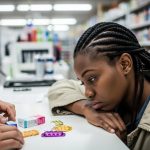
              So they turn to contraceptives, hoping for peace of mind and a little freedom. Between pills, implants, IUDs and injections, there are plenty of options, and modern methods can be incredibly effective when used correctly

               But for some women, that reassurance comes with unexpected and sometimes frightening side effects. We asked five women to share their worst experiences with contraceptives, what went wrong and how it has shaped the way they think about birth control today.

              To make sense of these experiences, we also had a chat with Dr Zeenaht Abdullahi, who shared why reactions differ from woman to woman, what you should know before choosing a contraceptive method, and signs that you should change methods.

              “Emergency Contraceptives Gave me an Ovarian Cyst” – Nkem*, 23

              I don’t have sex very often. To give an estimate, I’d say I indulge once or twice every three months. Each time I have sex, I take the morning-after pill as a contraceptive. 

              Before I had that awful experience, I’d used it three times and felt fine, but on the fourth use, my body reacted to it. I bled very heavily during my next period, and it lasted longer than usual. I had blood in my stool, nausea, and stomach pains. The bleeding was so scary that I went to the hospital. I can’t remember all the medical terminology, but the short version is that the pills had thrown my hormones out of balance, which in turn caused an ovarian cyst to grow. At some point, I thought I was going to have to get surgery because ovarian cysts can grow large, and if the cyst didn’t shrink, they would have needed to cut it off. Thankfully, it shrank in two months. The ironic thing about this experience is that a pill costing under ₦5k racked up a bill of close to ₦60k on consultations and tests.

              I don’t recall the doctor advising me not to use the post-pill again, but I try to avoid it as much as possible. Unfortunately, I’ve used it several times since then because I needed a contraceptive and didn’t have other options. I use private hospitals, and contraceptives like IUDs or implants are very expensive. I don’t have sex often enough to put myself through the stress and expense. The post-pill works fine; I’m more concerned about pregnancies than cysts. 

              “I Had My Period Three Times in One Month” — Fawzziyah *19

              I used the post-pill the first time I had sex because I was paranoid about getting pregnant, and I’d seen on the internet that it’s an effective contraceptive. My partner at the time didn’t use condoms because they made me uncomfortable. After the first use, I just kept using it like a regular contraceptive each time I had sex. 

              At first, I was using it three to four times a month, but after a while of heavy use, my cycle started to go haywire. I was Softcare’s number one customer last year because I was always on my period. I would have cramps that would leave me unable to move, and even though I have a high pain tolerance, at some point, the pain was so intense that I needed injections to knock me out.

               Because of how bad the bleeding was, I told my partner that we couldn’t have sex often. We fought a lot because he didn’t think we were having enough sex in the first place. I eventually caved and went back to taking it frequently.

              I barely go to the hospital because I can’t afford to, so it didn’t occur to me that I should have gotten medical help for the bleeding. Cost is the same reason I’ve also never explored other contraceptives. When I asked around, I discovered that an IUD costs ₦50k at a reputable private hospital.  Where do I want to see that amount of money? Even the post-pill I use has to be paid for by my partner. Contraceptives aren’t accessible to me at such rates.

              “I went up a bra size” – Glory*, 20

              I use the post-pill occasionally when I have sex, and I’ve never had a problem with it.  Then, out of the blue, I had the strangest side effect – my breasts started to swell. They became very sore and so hypersensitive that I couldn’t wear bras or tight clothing. For the next few weeks, I couldn’t sleep on my chest, and I had chest pain that worsened at night. Sleeping in general became very uncomfortable because even sleeping on my side hurt my chest. I had to buy new underwear because I could no longer fit into my old bra cups.

              The pain and soreness lasted until my next period, but my breasts never went back to their normal size. It’s been over a year, and I’ve not used the post-pill since then. I’m a big advocate for contraceptives, but I’m scared of using them myself because I’m a nursing student. I’ve seen people come into the hospital experiencing side effects. I know they aren’t always so severe, and I’d just need to find one compatible with my body, but I’m not willing to take the chance.

              “I Started Seeing My Period Six Times a Year” – Aisha*, 24

              I started using birth control in 2021 because a doctor recommended it to balance my hormones. I had gone to the hospital to complain because I experienced incredibly painful menstrual cramps, and I had heavy blood flow. I wasn’t given a proper diagnosis — now that I think about it. I did an ultrasound, and the results came back normal, but the doctor concluded that I had a hormonal imbalance. He just told me that it was ‘something mild but not PCOS’ and he prescribed birth control pills. The only side effects he informed me of were headache, dizziness, and fever, which is why I was very shocked when the blood from my next period came in black, dry lumps. I went to a different hospital and was told to stop taking those pills because they had clogged my uterus.  They took samples from my vagina and put me on medication. It took weeks before I started to feel normal again. 

              Since then, my body has not gone back to normal. I keep accumulating different issues. I only have my period once in two months, and my cycles last for three days instead of five. Even though I know better, sometimes I think it happened because I was taking birth control without being sexually active. My reproductive system is a mess. I’m also worried that it may have affected my fertility. I’ve gone to the doctor several times since then, and they recommended that I do five tests, but I can’t afford them — one of the tests costs ₦28,000. 

              If I ever decide to become sexually active, the contraceptive use has to come from my partner; wearing condoms or getting a vasectomy isn’t as uncomfortable as this. It’s non-negotiable. Contraceptives can have crazy side effects, so I wouldn’t recommend trying them unless you’re sexually active or you need them for health reasons. If you must use them, don’t let doctors get away with giving you vague answers. Some things can be avoided if you ask the right questions.

              “I Bled for Six Weeks Straight” — Selena*, 26

              I decided to start taking contraceptives because a friend advised me to. She told me it would help with period cramps and reduce my flow. After doing my research, I chose the injectable contraceptive popularly known as family planning. I didn’t want the IUD because I had heard it could shift, and I didn’t want the tablet because I was scared that I could forget to take it consistently. Also, it was very affordable — as of May 2024, it cost ₦2,500

              My friend and I went to a nearby pharmacy to get it administered by a nurse.  The nurse assured me that it would be fine and told me that I could experience bloating, weight gain and irregular periods. Those were things I could make peace with, so I proceeded. What the nurse didn’t tell me was that I would bleed very heavily.

               I didn’t start to get worried about the heavy bleeding until after the first week. I called the nurse to tell her, and she gave me a drug to take for about 3 days, but immediately, I stopped using it, and the bleeding continued. After making a bunch of fruitless calls, I decided to wait it out, but I kept bleeding heavily for the next six weeks. I was lucky I had just gotten a menstrual cup, hence I’d have gone bankrupt from all the pads I would have needed to buy. The only explanation that I got from the nurse was that I was ‘reacting’ to the injection.

              That experience taught me a very big lesson because the friend who recommended it didn’t react to it like that. If you want to take contraceptives, please have a serious talk with an experienced doctor to know what you’re getting into and to reduce your chances of experiencing bad side effects. You also need to be open to finding the one your body will accept. Your body isn’t like your friend’s or your sister’s; you shouldn’t decide what contraceptives to take based on another woman’s recommendations.


              Doctor’s Note

              According to Dr Zeenaht, unfortunately, the side effects from hormonal contraceptives can be incredibly devastating, and there’s no universal one-fits-all approach when it comes to contraceptives. Side effects (especially from hormonal contraceptives) vary from person to person. Before deciding which to use, it is important that you discuss with a trusted healthcare provider and take their recommendations seriously. 

              For intermediate to long-acting contraceptives, the body typically requires an adjustment period of about 3 months for intermediate to long-acting contraceptives. However, if severe side effects are noticed in the first couple of days/weeks,  it’s perfectly fine to take it out and try something else.

              One thing most people don’t know about emergency contraceptive pills (like the post-pill) is that you only need to use them once per cycle. Especially if sex happens during the fertile window (3 days before, and 3 days after for those who have a regular cycle). You don’t have to use the post-pill every time you have sex.

              Regarding affordability,  contraceptives are available in most public health facilities, primary healthcare centres, general hospitals, etc. The protocols involved might be time-consuming, but ultimately, it’s the most cost-effective solution.

              Side effects from contraceptives can be quite devastating, but they can be better managed with the right knowledge.


              Next Read: “I Keep Reminding Myself It’s Temporary” – 5 Women on Experiencing Post-Menstrual Depression and How They Cope

              Get More Zikoko Goodness in Your Mail

              Subscribe to our newsletters and never miss any of the action

              [ad]

            2. One random morning in 2023, we all woke up to discover that bread had gone from ₦400 to ₦700 in the span of a year. Today, that same loaf now costs between ₦1,200 and ₦2,000. The culprit responsible for this uncomfortable change is inflation. 

              Just like bread, the price of almost everything you need to survive has risen sharply in the last two years. In February 2024, Nigeria ranked 13th among countries with the highest inflation rates in the world. Inflation has slowed from 31.7% in 2024 to 16.8% in October 2025, but bread is still ₦1,200, and the price of many essential goods remains impossibly high.

              Nigeria’s economy is very volatile, and finding your feet in this economy can be as difficult as living in Lekki during the rainy season.

              To make your life easier, we’ve put together a list of 7 things you can do to manage inflation better.

              Your Bank Statement Should Not Be a Jumpscare

               It’s easy for your bank statement to confuse you at the end of each month. You see a lot of money leaving and entering your account, but you have no idea where it all went. The last time you checked, you had not made any major purchases; you didn’t buy clothes, a new wig or any gadgets this month, but your transaction history is littered with ₦2k debits, and you have no savings.

              The problem is that you think it’s the big bills that are draining your account, but it isn’t. Small spontaneous ₦500 expenses build up until you’ve somehow spent ₦100k. If you track your expenses, you’ll be surprised at how money you spent on Fanta in a month. 

              Know What You Can Actually Live Without

              As uncomfortable as it sounds, inflation means you have to compromise. Sometimes, it may mean having to stop eating your favourite brand of imported chocolate biscuits or making homemade zobo instead of spending so much money on Sprite at the office. After tracking your spending, look at the items that take the most money out of your pocket and think of ways to cut those costs.

              Take the Market Home With You If You Can

              If you only buy things from your neighbourhood supermarket when you need them, you will end up spending more money in the long run. Buying essentials like deodorant, rice or toothpaste in bulk will allow you to take advantage of wholesale discounts. It can sometimes mean you get items at a cheaper rate, and you don’t have to worry about restocking when prices are high. 

              There’s No Shame in Thrifting

              When you’re in the market, almost everything on the shelf can look necessary, but in this economy, you must differentiate between what you think you need and what you actually need to cut costs. Don’t buy what you don’t need.

               Sometimes, buying the same product from a lesser-known brand is cheaper than buying it from a popular brand. Another way to save money while shopping is to buy thrifted items. Good thrift clothes, household items and electronics are just as good as new items, if you know how to buy them. 

              Save First, Not Last

              In truth, there will always be one thing or another that requires you to spend money. The demand for money is endless, no matter how much you have. If you wait until after spending to save, you’ll never save anything. Rising costs should not be an excuse not to save because when unforeseen circumstances arise, your savings will always come through for you. A general rule of saving is to save 20% of your income before you spend anything, but honestly, just save whatever you can.

              Ask for a Raise

              Let’s face it: the best solution to not having money is more money. More money never hurt anyone. If you’re in a work environment where negotiation is possible, ask for a salary increase. Your employers know that there’s economic hardship. A closed mouth is really a closed destiny. Ask. 

              Start Investing

              When there is inflation, the value of your money decreases, and you lose purchasing power. This means that what you could buy with 100k in 2020 would probably cost 300k to buy today. Hoarding your money in a bank account somewhere means its value will continue to decrease.

              If you must save, save your money in a stable currency, but your best bet would be to take advantage of the inflation, make investments, and watch your money keep growing.


              Next Read: How Financially Savvy Are You?

              Get More Zikoko Goodness in Your Mail

              Subscribe to our newsletters and never miss any of the action

              [ad]

            3. How you handle your finances says a great deal about the kind of adult you are. 

              Whether you’re the type to check your bank balance three times before buying a plate of jollof or you genuinely believe “savings” is just a synonym for “money I haven’t spent yet,” take this quiz to find out. 

            4. Some people assume women make money simply by existing — from random strangers on the internet, fathers, suitors, imaginary boyfriends, and sometimes, married men propositioning them for sex.

              When young women go on social media to flaunt flashy possessions, more often than not, you’ll find a significant number of people speculating that those things were gotten from a rich man. Ironically, society shames women who live off the male figures in their lives. Hustle culture in mainstream media is represented by men doing money laundering, romance scams, or ritual killings to make money. 

              On the other hand, it’s hard to imagine women doing anything other than sex work to make quick money. But women aren’t immune to the get-rich-quick syndrome, and there are a million ways to make easy money aside from sex work.

              In this article, four women open up about the most unhinged things they’ve done to make money.

              1. “I sent nudes for ₦2,500” – Jum’mai*, 21

              Last year, towards the end of my final year project, a few expenses relating to the project came up, and I needed to pay 5k. I had not been paid at work, my parents were broke, and I had too much pride to ask my uncles or friends for the money.

               I was talking to a guy at the time who I had told about my money problems. He said he would give me 10k if I helped him with a problem he had. The problem he was referring to was horniness — he needed me to send nudes he could masturbate to.

              I was one of the top 5 students in my class, and not doing the project would have cost me an extra year in school. Out of desperation, I took the pictures and sent them. The infuriating thing is that after getting them, the madman sent me ₦2,500. 

              I was raised in a very conservative northern family, and that was my very first sexual experience. I sent it as a view once, but sometimes I’m scared that he could have copies of it elsewhere, and if those pictures ever came out, they would ruin me. I’m so glad he has left my city because if I see that man on the road, I may fall into the nearest gutter. 

              What hurts the most about the entire experience is that my elder sister sent me 50k a few hours later. The world is not very kind to hustling women. No one would ask a man for nudes or sex before sending him money. 

              I think about that day a lot, and I just wish I could have swallowed my pride or been a lot more patient.

              2. “I Joined my Boyfriend’s Yahoo Ring” — Steph*, 21

              When I was 17, I started dating a boy in my area who was using the latest phone at the time and could afford whatever it was that we wanted to eat. I later found out that he was into fraud. Anytime I think about it, I’m still pained because it turned out that he was using the money he got from scamming people to cheat on me. 

              At the time, I didn’t have any pressing financial needs, but I wanted financial freedom at all costs. A few months after we started dating, my boyfriend and I got into an argument on whether women could do the things men did better. At the end of the argument, he told me in a very condescending tone that women could do everything men did, but they could not ‘cash out’.  I’d been itching to make money for a while at the time, so I decided I was going to prove him wrong.

              On request, he started teaching me how to do what he did. I signed up for a dating app on his instructions. My first task after that was to find pictures of naked women. I would tease men from overseas over text with what I’d found. My job was basically to convince the target to send money to see more of her.

              Keep in mind that you could find these pictures everywhere online, so they weren’t really paying for any service. When we got to the stage where they’d start to demand more explicit pictures, he would subscribe to the model’s OnlyFans account to get more. To him, it was a matter of making one small investment for bigger returns from the client.

              The crazy thing about this entire ordeal is that I didn’t end up proving him wrong. The anger and expectation I started with soon became fear that we’d be caught and arrested. It didn’t help that I suddenly grew a conscience. I bonded with one of the targets over a movie, and he seemed to have actually fallen in love with me. Plus, I grew tired of seeing dick pictures from random men on the internet, so I quit.

              I’m in a better place financially now, but it took a lot to get here. Most people won’t believe what I’m about to say, but honest work really is worth it. Work that won’t give you peace of mind will only get you in trouble.

              3. “I Got Paid to Impersonate OnlyFans Models” — Bisi*, 22

              I’m a small business owner: I sell lingerie, do makeup, and curate surprise packages for celebrations, among other things. Most of the capital in these businesses came from money I had saved up from my boyfriend at the time.

              A year into our relationship, I took a big leap and decided to add lip gloss to the list of things I sold. After spending close to 200k on raw materials and packaging, we had a big fight, and we broke up. All my money had gone into production, business was very slow, and I had no cushion from the financial setback. It got to a point where I could barely afford three square meals. I had never been that broke in my adult life.

              At that point, a friend told me about OnlyFans chatters. A chatter’s job is to log in to the backend of a model’s account and sext with her subscribers while trying to convince them to pay to watch her videos. I got interested because I didn’t need any capital to start. All I had to have was electricity, data, and Telegram. I joined chatrooms and applied for jobs.

              It wasn’t as easy as my friend made it sound. Most of these jobs were only available at night, and I was working for 6 to 8 hours a day with a pay of $0.05 per hour. Later, I progressed to working 16-hour jobs. Some jobs would offer a 5-10% commission but no hourly pay. Making a decent living off commissions is hard because ten percent commission on a $6 photo is chump change.  

              I started the job when I was at my parents’ house, so I was constantly hiding in odd corners of the house, like the toilets, to work. It wasn’t the kind of work you could do in public because there are so many sexual things on your screen all the time — men in their 40s asking barely legal models for very disturbing things.

              I also had to constantly run my generator because my area did not get electricity at night, and my laptop had a two-hour battery life. At some point, I was spending more than what I was earning on fuel. I spent all my savings and even borrowed money to meet the demand. 

              The bosses on these chatrooms would swear that it was possible to make $500 a week on that space. They’d  promise things like vacations in London, and then block you two days to pay-day. There were a lot of scammers there, and the space was unregulated, so you had no way of knowing which jobs were genuine and which ones weren’t. I was very frustrated and depressed, but I kept going because of the promise of quick wages.

              After a month, I quit, but I’d been scammed of close to $200 worth of wages, and I’d depleted my savings account. If I could go back, I can’t even say I wouldn’t do it again. I would have just been more careful. I used to be a lot more judgmental before I started work in the OnlyFans industry, but I know better now. It’s hard to enjoy doing such work with the kind of audience it attracts.

               4. “I Tried to Sell My Eggs for Money” – Ifunnaya*, 23

              I’ve always been interested in making money for as long as I can remember. What have I not actually done to make money? I’ve washed ponmo at events, sold small chops, started hairdressing, and sold perfumes – to name a few. I’ve been a waiter for a two-day event where I worked from 8 AM to 11 PM to be paid 3k and a bag of jollof rice. Some of these things were barely even legal. For instance, when I got into uni, I started a jewellery business and lied to my customers that I got my goods from Dubai so I could sell them for triple the price.

              But what really took the cake was when I found out I could sell my eggs for money on Facebook. I needed money at the time, and I was not ready to sleep with men for it. The payout was ₦80k, which was a lot of money then. Fortunately, when we went to the clinic, they sent my friend and me away, saying that there was low demand for IVF in my state and that they’d already gotten all the eggs they needed for the year. In hindsight, I’m glad it didn’t work out because my family would’ve killed me if my ovaries didn’t beat me to it. I heard that the process is very painful.

              At the time, I was very sad. I could only think of donating eggs because that’s all I had to give at the moment. I was already learning a skill, but I was broke. It’s really annoying when people say “go learn a skill”  or “go to school” as though you immediately begin to earn a lot of money when you do these things. The entire idea behind this scheme was that I needed money, and I needed it fast.

              What people don’t understand is that women are also allowed to want a shit ton of money, and we can get desperate fast for it. We also want to drive a Benz at 21 without people wondering if we slept with a bunch of men for it.

              My goal is to create an environment where I can give young women opportunities to earn good money. I didn’t want to sleep with men; that’s why I tried to sell my eggs at age nineteen. I understand what it means to be young and money-crazy; I won’t judge any girl for it.


              Next Read: How This 28-Year-Old Nigerian Woman Built a Business That Pays Her to See the World

              Get More Zikoko Goodness in Your Mail

              Subscribe to our newsletters and never miss any of the action

              [ad]

            5.  For the average young Nigerian woman, pregnancy is only funny as an abstract concept. The truth is that an unwanted pregnancy can easily destroy a young woman’s life. 

              A 400g tin of baby formula costs 10-15k while a jumbo pack of diapers costs around 40-50k — not everybody can afford babies, but unwanted pregnancies are more common than you think. 

              Nana*, 24, knows this too well. She was 19, in university, and one pregnancy away from losing her shot at graduating. 

              How did you find out you were pregnant?

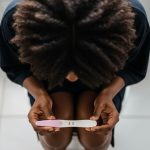
              I was about six weeks along when I found out I was pregnant. My period was a few weeks late, but during sex, I would see small splotches of blood, my breasts were tender, and I was always tired. I did research and found out about implantation bleeding. I had my suspicions, but I put off taking the test for as long as I could, and when I could finally bring myself to pee on those test strips, seeing two lines still left me dumbfounded. 

              What was your first reaction?

              I’ve been having sex since I was 17. I started by using condoms, but I later opted out in university when I had a stable, sneaky link. I realised I like sex better bareback and never looked back.  I’ve had countless pregnancy scares since I started having sex, but somewhere in the back of my mind, I guess I didn’t think pregnancy was something that could happen to me. It also helped that I was on birth control pills and would also use the post–pill anytime I felt particularly paranoid. I forgot to take it just once, and I got pregnant. No matter how heavily you ‘suspect’ that you’re pregnant, nothing will ever prepare you for a positive pregnancy test. 

              Did you talk to anyone about it before deciding what to do?

              No, I made the decision not to keep it almost immediately. It was just a matter of finding who knew where I could remove it. There were simply no other options. I was 19, in my third year of university, and still receiving support from my parents. My sneaky link was in his second year. We could barely afford to feed ourselves; what were we going to do with a baby? 

              I was very depressed, and I was barely eating or sleeping. I was living in a constant state of fear, knowing that a whole human being was growing inside me, and it felt like people could tell that I was pregnant just by looking at me.

              Where did you go for the procedure, and how did you find out about it?

              Abortion is illegal in this country, and people do crazy things to get rid of fetuses. Even legal drugs have countless counterfeits on the market; how could I be sure that black market Misoprostol pills would be safe enough to use?

              I was already in a big mess, and I wasn’t willing to compromise on my health or safety any further, so I opted for a surgical abortion. It took my friend a week to find the clinic and connect me with the doctor. The whole time I spent in the clinic was under two hours. I was sedated and given painkillers while they suctioned the fetus out. I had cramps and heavy periods for a while after, but that was all. My body doesn’t feel any different from it did before the abortion.

              How much did the procedure cost?

              I paid 120k to have it done, minus transport costs, and at the time, this was all my savings. 

              This was a few years back; it’ll easily be twice that amount now. Safe abortions aren’t accessible to more than half of the population.

              Did you go through the procedure alone?

              No matter how supportive the people around you are, some struggles are your own, but my friends were beyond supportive; one of them travelled with me to the clinic in another city so I wouldn’t have to do it alone. She got me home and took care of me after. 

              How did you feel immediately after — relief, sadness, guilt, peace, confusion?

              After a while, I started to feel guilty. I’m a very religious person, so I kept feeling like God was angry with me.  I was also angry with myself for not being careful enough, and then I was angry with the person who got me pregnant. Yes, it was just a sneaky link, and I wasn’t expecting kisses or cuddles, but a little compassion was not too much to ask. I didn’t even ask him for the money to do the procedure; I paid out of my own pocket. He was nonchalant about it and absent for most of it.

              Did you tell anyone later, or have you mostly kept it private?

              At first, I only told two of my closest friends. I told the rest later when it came up in a conversation about my results. I discovered I was pregnant while writing exams. 

              It’s a little hard to care about anything else when it feels like your life is falling apart. I kept zoning out while writing my papers, and because of that, my results that semester were awful. I had failed five of my courses, and I opened up to them about why it happened. 

              Till today, fewer than seven people are aware of what happened (that includes me and the person who got me pregnant). There’s a lot of stigma attached to abortion, and sometimes that stigma gets to me. It’s not something I ever talk about.

              Do you think it changed how you see yourself or your body?

              No, not really. I still have sex without protection, but I don’t have sex as much, and I have become a little obsessive when it comes to contraceptives. Sometimes I’m scared that something went wrong during the process that has damaged my womb. It’s already been over three years, but I’ve been planning on going to the hospital for a check–up just to be sure. I heard a lot about abortions causing infertility growing up, and sometimes that still scares me, even though I know better now.

              If another woman came to you facing the same choice, what would you tell her?

              I’ll tell her that she made a mistake, and that’s okay. It doesn’t mean she’s evil for not wanting to keep the baby or that her life is ruined. I’d tell her not to let anybody guilt-trip her into making a decision that she’s not ready for, especially when she can’t afford it. That baby is only a possibility, but she’s a real person; it’s not worth sacrificing her education and future for. Besides, the world is not very kind to women who have children out of wedlock.


              This story is an honest look at what many young women in Nigeria quietly navigate because of limited access to reproductive health care and reliable contraception. If you’re sexually active, please prioritise safe sex and always use protection.

              If you ever find yourself unsure, afraid, or in need of guidance, speak to a trusted medical professional or visit a certified reproductive health clinic for accurate information and safe options.
               You can also reach out to organisations that provide confidential support and sexual health resources:

              Your health matters, your future matters, and whatever decision you make about your body should be informed, safe, and free from shame.


              Next Read: Group Chat: Do You Have to Tell Your Partner About Past Abortions?

              Get More Zikoko Goodness in Your Mail

              Subscribe to our newsletters and never miss any of the action

              [ad]

            6. Every other day, there’s a new take about sex on Nigeria’s side of X (FKA Twitter).  From stories of group orgies to feet fetishes, with how often sex makes it to the public conversation table, it seems like every young person on this side of the globe is having kinky and exciting sex. 

              In a society where everything is hyper-sexualised, it’s easy to feel like an oddity for not wanting to have sex or not liking the idea of sex. Especially in a society that shames women who appear prudish. Studies have shown that low libido in women is constructed as a problem more often than not, leading women to think that a lack of sexual desire means something is wrong with their bodies. 

              Low libido can sometimes trace back to things like depression or hormones, but often, it’s just how a woman’s body works. 

              In this article, seven women talk about navigating romance with low libidos, feeling pressure to perform and coming to terms with their bodies’ needs. 

              “My partner thought I was saving myself for marriage because I didn’t want to have sex” — Jumai*25

              Growing up, there were two sets of people who talked about sex near me; there were those who talked about it as a thing of shame, and there were those who were very much into it. I floated awkwardly between those two.  I didn’t agree that it was shameful; I could understand how people enjoyed it, but I just don’t feel the same way. 

              As an adult, I like kissing and cuddling, but the most I can do is intense foreplay.  I hate that doing all of this sometimes leads to the expectation of sex. Instead of putting myself in compromising positions, I’ve learnt to just not engage in any of the other forms of intimacy I can actually tolerate. 

              I’ve only become open to it recently because I love my partner. Even at that, I don’t get physical or emotional pleasure from it. We’re both aware that our libidos don’t match, but it’s not a topic we visit often. The first time I tried to explain my ‘sexual situation’, they thought I was trying to come off as decent and to abstain from sex before marriage, but aside from that, we’ve been very accommodating of each other’s sexual needs and are beginning to find our rhythm. 

              “I used to think I was a lesbian because I didn’t like sex” — Amaka*21

              Having sex feels like washing clothes for me. It feels like I’m providing a service to the other person. You’d think I’d have come to that conclusion sooner, considering that I have a body count of two. Sex with men felt like sitting in a wet seat, uncomfortable and messy. I thought the problem was that I do not like guys. I tried sex with other women, but I felt the same disinterest. Since then, I’ve stuck to erotic cuddling. I can participate in sex, but I’ll never initiate, and long-distance relationships work best for me.  I’ve had a partner tell me they didn’t mind it, only to turn around and cheat on me. 

              I’m not a robot, but the only time I feel pleasure is by myself.  I used to have a high libido, but it was heavily influenced by books and pornography.  Trying the act itself felt like eating the forbidden fruit and tasting water. I’ve told a few friends, but I feel like nobody believes me when I say I don’t like sex.

              “My last relationship ended because I didn’t want sex” — Joy* 18

              I have never had sex, and I never want to. The idea of it makes me uncomfortable, but I feel odd because everyone else is crazy about it. I usually pretend to be interested when I’m in the middle of public discussions involving sex.

               I feel pressure to be sexually active anytime I try to date, and because of that, I’ve put dating on hold. The last time I tried dating, my partner broke up with me for not wanting to have sex. He started pressuring me for sex midway through the relationship. I kept putting it off because I was uninterested.  When I told him how I felt, he said I didn’t need to be ready as long as he was. I’ve had men tell me that a woman should be available to have sex as long as the man doesn’t have reservations. I simply cannot deal with things like that. 

              “I was raped and it turned me off sex” – Zara* 21

              I tried sex on my own terms after I was raped the first time, but I didn’t enjoy it. I honestly don’t relate to the hype about sex.  As much as I find intimacy suffocating, I don’t address the topic with my partner. Instead, I pretend to be normal. I don’t usually feel pressured to be ‘normal’, but in my relationships, sex feels like something that is expected of me. I feel like something is wrong with me because I don’t want sex. 

              “I hate sex but I love romance” —- Tobi* 21

              I started to dislike sex when I realised that it’s very transactional, and the feeling just never left. I might hate sex and the idea of it, but I’m not aromantic. I want a deep connection with my partners that goes beyond sex.

              I’m very open about how I feel about sex, and I only date like-minded people. My past relationships have been with people who aren’t sexually active. I’m honest with potential partners about what they are getting into, but there will always be men who don’t take you seriously. I’ve once had someone attempt to travel interstate just to have sex with me, even after I said I wasn’t interested in sex. 

               I’ve never felt like something is wrong with me. I know my boundaries, and I avoid people who try to pressure me into having sex. 

              “I like the idea of sex more than sex itself” – Tinu* 24

              When I first started dating, I liked the idea of having sex with my partner, but when I finally tried it, I didn’t get much satisfaction from it.  My first partner had a high libido and would complain because I was never in the mood to have sex.  The first time I had sex, I told him afterwards that I didn’t feel anything. He kept repeating what I said in confusion. 

              I’m just realising that I have to be in love with a person to even enjoy intimacy with them, and even then, it’s more emotional than physical. Thinking about sex makes me happier than doing the actual act.  I’m someone with an almost non-existent libido, but I wish I could enjoy it as much as other people seem to do. 

              “My first orgasm came when I realised I’m asexual” — Lani *23

              I don’t experience sexual attraction at all. I realised that I’m asexual after I read a Zikoko article on an asexual couple.  The article made me question why I bothered with sex, especially when I didn’t feel aroused by the physical appearance of my sexual partners. 

              Before that, I used to subconsciously feel like sex was the next step after being taken on dates and treated well. It felt like something that was expected of me. I got very good at faking pleasure, and none of my partners ever questioned it. It helped that I wasn’t having a lot of sex and didn’t have to do it often. 

              Ironically enough, my first orgasm came after I’d figured out I was ace. Since then, I’ve dated someone with a higher libido, but it was an open relationship, and it helped that it was long-distance. I tell anyone looking to date me that I’m ace from the start. Those who aren’t fine with it leave before things get too deep.  When I notice someone isn’t taking me seriously or is being weird about it, I just ghost. 

              Realising that I’m asexual has brought me relief. I’m at peace knowing how I’m wired and understanding that I don’t have to perform sexual attraction just to fulfil an ideal. I genuinely don’t care what the norm is, as long as I’m safe and happy. It’s a lot more complex navigating romance for sure, but I’m a very loud feminist. Romance was always going to be complicated anyway.


              Next Read: Your Vagina is Not Supposed to Smell Like Flowers

              Get More Zikoko Goodness in Your Mail

              Subscribe to our newsletters and never miss any of the action

              [ad]

            7. In Nigeria, when you think of OnlyFans, you imagine women behind the camera and men behind the screen. Adult content isn’t made with women in mind, but women watch porn more often than you think. According to Pornhub’s 2017 report, the site saw 28.5 billion visits, and the top searches were ‘Porn for Women’ and  ‘lesbian’.

              For women like 22-year-old Jessica*, the fascination started early.

              “I was seven when I started watching.  By the time I was 11, I had a secret porn folder on my laptop. The first time I felt aroused, I ran to tell my sister that my vagina was leaking water (I thought my period had finally come). Once I got internet access, I found Xvideos and made it a hobby.”

              Others met pornography through darker circumstances. 20-year-old Tianna’s first exposure came from an adult neighbour who used sex videos to groom her.

              “He’d show me porn and ask if I wanted to try what they did. The next time I saw it was on my parents’ phone. By then, I knew what it was.”

              Even with teenagers, Nigerian fathers are more likely to search for flirty texts than porn folders. Few parents ever imagine their daughters could be addicted to explicit content. This was the case with Desire*.

              “When I was 13, my dad caught me watching porn. He checked his browser history and saw that I’d been visiting Pornhub. He scolded me once, and we never spoke about it again. I got my first smartphone shortly after that and learned how to hide it better out of fear,” she tells Zikoko

              Desire’s paranoia turned out to be unnecessary; her father never checked again. Left alone, the obsession grew to a fever pitch in late adolescence. By age 17, she was watching explicit content as often as she could and was masturbating at least twice daily. For religious reasons, she decided to quit right before she turned 18 and only returned to the habit in her early 20s.

              Porn affects women differently. For men, the addiction is often physical; for women, it’s often psychological.

              “Even though I was consuming porn in very concerning amounts, I was not touching myself or doing anything remotely sexual. For me, orgasms are mental rather than physical; the idea of sex just fascinated me.” Jessica says.

              She began to explore darker porn categories because she didn’t enjoy regular man–woman porn. She would later discover that it was because she was not into men.

              “Back then, I’d watch almost anything except LGBTQ+ porn. I think it’s because, deep down, I knew I was gay. I’m lucky that the kind of sex I enjoy is different from what I grew up watching. Otherwise, it would have been disastrous for my sex life.”

              Even though Jessica considered herself “safe” from the disastrous effects of prolonged pornography consumption,  she still found it hard to shake the expectations it had created about sex. With other women, she still gravitated to the role of the ‘passive submissive woman’ that populates most of the adult film industry.

              “My early discovery of sex videos made me interested in darker kinks. Some of them are quite questionable, but I know better than to act them out on real people,” she said.

              When harmless curiosity becomes compulsive use, it can be very damaging to what should otherwise be a healthy sex life off-screen.

               “Sex is very awkward. I started watching porn because I wanted to romanticise it. I didn’t realise that creating a fantasy version of it could ruin the real thing. For most of my life, I’ve pretended to enjoy anal sex and giving blowjobs because the women I saw on screen looked feral for it.” Tianna* tells Zikoko

              She adds that her favourite parts of sex, like aftercare, rarely show up on her screen.

              Her observation is not wrong, as most adult content is made for men. So when women grow up watching male-centred pleasure, they learn to see sex through a lens where female pleasure barely exists.

              In other women, it separates intimacy from pleasure. Many women develop performance anxiety from watching porn and spend their adult sex lives imitating the actresses they grew up watching. Women like 22-year-old Onome have never orgasmed with a partner.

              “I’m so good at faking pleasure during sex that I moan on instinct even when what my partner is doing hurts. My mind can’t help but wander during sex, no matter how talented or attentive my partner is,” she says. 

              “I never finish when I try to use my imagination. Sometimes it takes me up to an hour of scrolling to get myself off.”

              Onome’s complicated relationship with porn also affects how she views partners who watch it. She says it would be almost impossible not to feel like she’s in constant competition with the women on screen. This behaviour is not uncommon, as many women who watch porn have been known to struggle with accepting partners with the same habit.

              “I know it’s hypocritical of me to be so strict when I used to have a porn habit, but this thing is brainrot. It corrupts you. Porn has abusive undertones. It’s an industry that exploits women for profit. There’s no way they won’t bring some of that back to me,” Onome says, explaining her misgivings about the habit in a partner.

              While women like Onome hold this belief, others like Halima* think of it as a harmless hobby that, if used right, would result in a very fulfilling sex life.

              “I didn’t start watching adult videos until I turned 18. I don’t mind my partner watching porn because I do it too. The last person I was with used to send porn to me. ” Halimah* tells Zikoko.

               Although she admits that watching porn made sex hard at first.

              “My partner tries to throw me around sometimes, but changing positions is not as easy as they make it look. It gets so awkward that we end up bumping heads — literally. I also used to find it weird that I could not orgasm from penetrative sex the way the actresses could.”

              According to UNESCO, two out of three girls in many countries lack the knowledge they need as they enter puberty and begin menstruating. Many young girls turn to pornography as an alternative to proper sex education. For these women, pornography is more than just entertainment or a bad habit; it fills a vacuum left open by a lack of sex education and leaves long-term impacts on body image and overall sexual health. 


              Next Read: What Men Still Don’t Understand About Consent, According to a Sex Educator and a Lawyer

              Get More Zikoko Goodness in Your Mail

              Subscribe to our newsletters and never miss any of the action

              [ad]

            8. The first thing most people learn about money management in a typical African household is how to save. But in today’s Nigeria, saving for a rainy day can be hard when it feels like it’s always raining. For many Nigerians, saving is just a means to an end — to buy a new phone, laptop or wig. Sometimes, it’s simply moving money to a Cowrywise account you’ll later spend when your Opay balance hits zero. 

              But good saving habits as a ten-year-old with a piggy bank are not the same as good saving habits as an adult. 

              According to Ramat, an accountant with a diverse investment portfolio, “the worst thing you can do with your money is to save it.” Here’s why:


              There’s a difference between savings and an emergency fund

              Keeping money in a bank account without a clear purpose makes it easier to spend. There will always be an emergency that will justify dipping your hand into your savings; a friend’s emergency, an asoebi for a wedding you ‘must attend’, or your wig sale you can’t resist. Before you know it, you’re constantly withdrawing and replacing the same amount, with no real growth. 


              An emergency fund, on the other hand, is money set aside to keep you afloat when life happens, your laptop screen breaks, you lose your job, or rent is due. Ideally, your emergency fund should cover about three months of expenses. It’s okay to build this gradually by setting a fixed amount aside monthly.

              The worst thing you can do with savings is to leave it dormant

              According to Ramat, the figure you can see in your bank account is just a collection of numbers; the money isn’t present in your bank account. The bank is already investing that money on your behalf. Thanks to inflation, what ₦100,000 can buy today won’t be what it can buy next month. So, while your balance looks the same, it value is quietly shrinking. 

              You can multiply your savings with as low as #1000

              The good news is that you don’t need millions to make your money work for you. Even ₦1,000 can begin your journey toward earning passive income.. Ramat broke this down when she said, “I don’t have up to ₦100,000 in my savings account, but the MTN stocks I bought six months ago made twice the amount I invested when it was time to collect”.  

               Yes, putting your money in a money market, buying real estate or gold are good ways to save money that’ll make more for you in the long run but when you earn 150k and land in Ikoyi is 200m, the 20k you have to spare is better spent buying shares at a real estate company on the rise than saving to buy real estate in the future.   

              Ask a Professional for Advice 

              Still, choosing the right platform to invest your money can be very tricky. If you can afford to, hire a wealth manager to manage your investment portfolio, but if you can’t, with the right knowledge, you can do it yourself. 

              Taking a calculated risk with your savings is different from buying random stocks

              Even with good advice, not every investment is worth your money. Nigerian stocks are volatile. They decrease sometimes without a reasonable explanation. If you can afford to, it’s best to buy stocks in international companies with more stable economies, but many Nigerian companies are currently doing very well. 

              Ramat says before you buy stocks, remember to always check the price of the stock from a reliable source, check the company’s financials, growth rate and economic news that can make their stocks increase or decrease. 

              There are real risks to buying stocks. To illustrate this, Ramat said,  “Some days ago, I wanted to buy Netflix stock because I read that they’ve released their report and are expecting strong earnings. As of yesterday, Netflix’s stock dipped by 80% because of an issue they have in Brazil.”

              Finally, diversify your stocks instead of investing all of your money in one company so that you won’t lose too much if it crashes. 

              Don’t be in a Hurry to Cash Out 

              When your investment yields profit, don’t rush to withdraw it. Reinvesting makes your money grow faster by acquiring compound interest, which simply means earning interest on both your initial money and the profit it’s already made. If you’re using apps like Cowrywise, Bamboo, or Piggyvest to invest, turn on the auto-reinvest option. That way, your interest goes straight back into your investment portfolio instead of your main account, where it’s easy to spend.

              Next Read: The Tech Industry Is Not Just For Coders – Here’s Your Complete Guide to Pivoting

              Get More Zikoko Goodness in Your Mail

              Subscribe to our newsletters and never miss any of the action

              [ad]

            9. Anyone with an internet connection can go online to watch women have sex. Today, the sex industry rivals food, entertainment, and even healthcare in profit. The global sexual wellness market,from condoms to sex toys, was valued at over $25 billion in 2024, and in June 2024 alone, Nigerians visited porn websites more than 91 million times.

              But the depiction of sex we see in mainstream media does not reflect what intimacy looks like for most women, especially those whose bodies don’t fit into the stereotype of the average female body. 

              In this article, three women with long-term health conditions talk about how the public perception of intimacy has affected their sex lives.

              “Sex looks stressful, but I want it anyway” – Halimah* 23

              I have heard a lot about how it is almost impossible for women with sickle cell to have any kind of sex life. When I meet men I could potentially date, I always tell them I have sickle cell, but they never take me seriously until they see the big box of drugs in the corner of my room. 

              Sickle cell painkillers are stronger than the average painkillers.  They are so strong that they leave me feeling like I’ve smoked weed after I use them. My partners are always concerned that I’m dependent on drugs, and it scares them off. 

              When it comes to intimacy, I’ve tried kissing and cuddling, but no more than that. I have a very high libido. Sometimes, I even feel like I’m hornier than the average woman. I like the idea of sex, and I really want to try it, but I’m always tired and my body is always weak and bloated. 

              I feel like sex would be very painful for me, and my body would ache badly afterwards. I think about the logistics of sex a lot because my joints aren’t meant to be in certain positions for a long time. It could even trigger a crisis. My healthcare providers don’t discuss realistic expectations of what sex would look like for me, so I’ve been left to figure things out by myself. 

              From what I’ve seen, men these days like rough sex.  Unfortunately, my partner will have to settle for very gentle sex. Sex will also be something that happens occasionally because, as much as I like the idea of it, the pain and weakness I battle with daily will make it difficult to do it often. 

              You might think I’m crazy for this, but I still want to try it.  I’ll deal with the pain after. 

              “My libido disappeared with PCOS” — Josephine*22

              The first two times I had sex, my partner didn’t use protection. I didn’t take the post-pill either, but I didn’t get pregnant. That’s when I knew something was off. I’ve also noticed that I have next to no sexual desire. For me, sex is very painful, and it feels like a chore. The first man I told I had PCOS thought I had a terminal illness, and he ghosted me. I was so embarrassed that I stopped talking to men for a long time after that. 

              I have a love-hate relationship with my body. I go to the gym four times a week, but I keep gaining weight. Coupled with facial hair, excess belly fat and intense mood swings, PCOS makes it hard for me to feel desirable. 

              When I was much younger, I used to feel pressured to be a ‘normal woman’, and I tried so hard. It took a lot of effort to be able to tolerate intimacy. I had medical consultations, changed my diet, drugs and even started exercising.

              I still have sex with my partner because it makes me feel connected to him, but sometimes I don’t know why I put up with it. I don’t enjoy sex because of the pain, and I always feel horrible when things don’t go as planned. 

              “I tried cuddling and almost had a sickle cell crisis” — Ugochi* 25

              I didn’t realise how much sickle cell would affect my dating and sex life until I entered my first relationship. I did not want to go out on dates, kiss or cuddle because I was scared I’d have a crisis if I tried them. He ended up cheating on me.

               I decided to try intimacy with another guy because I wanted to do the normal things couples do. We decided to try cuddling, and it left me so exhausted that I felt like I was on the verge of a crisis right after. If cuddling with someone for less than an hour is that exhausting, just how bad will sex be? 

              Even though I have sickle cell, I still want the full experience; I want to date, get married, have sex and have a lot of children. When I eventually get to that bridge, my partner will have to be insanely gentle and attentive. My body cannot bend in the ways women do in porn videos. 


              Next Read: Have You Ever Been Ignored by a Doctor? — 8 Women on Medical Misogyny

              Get More Zikoko Goodness in Your Mail

              Subscribe to our newsletters and never miss any of the action

              [ad]