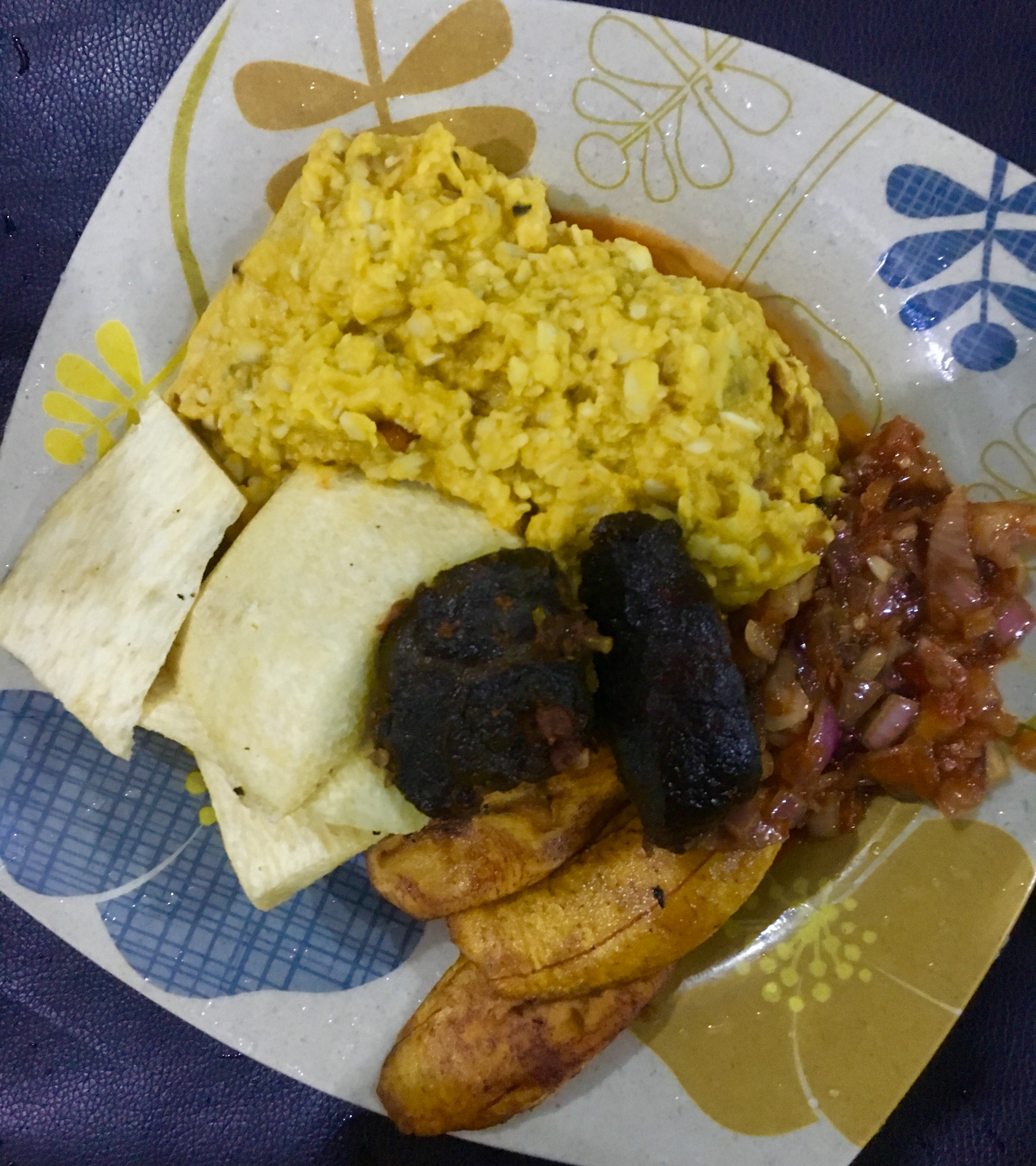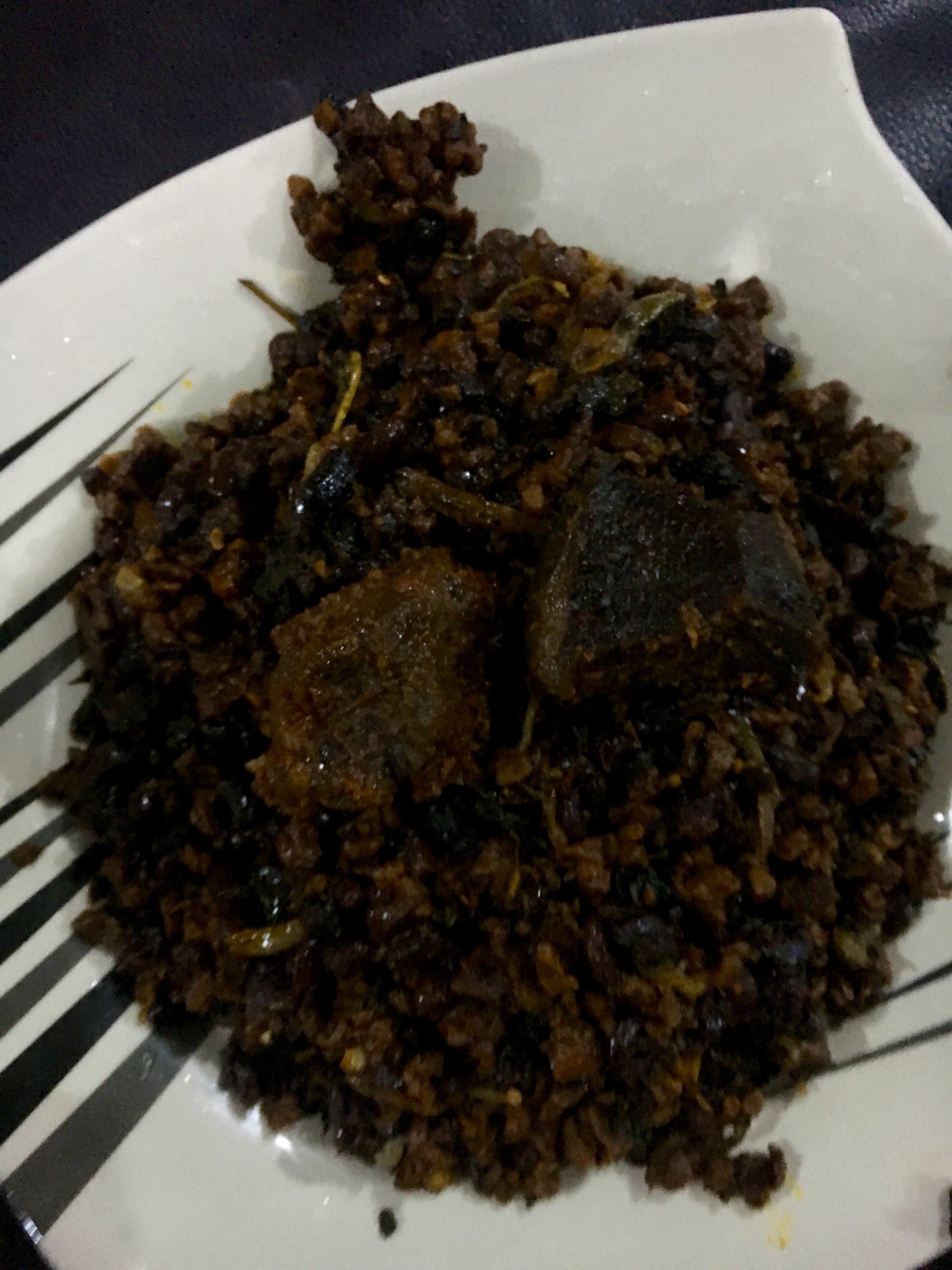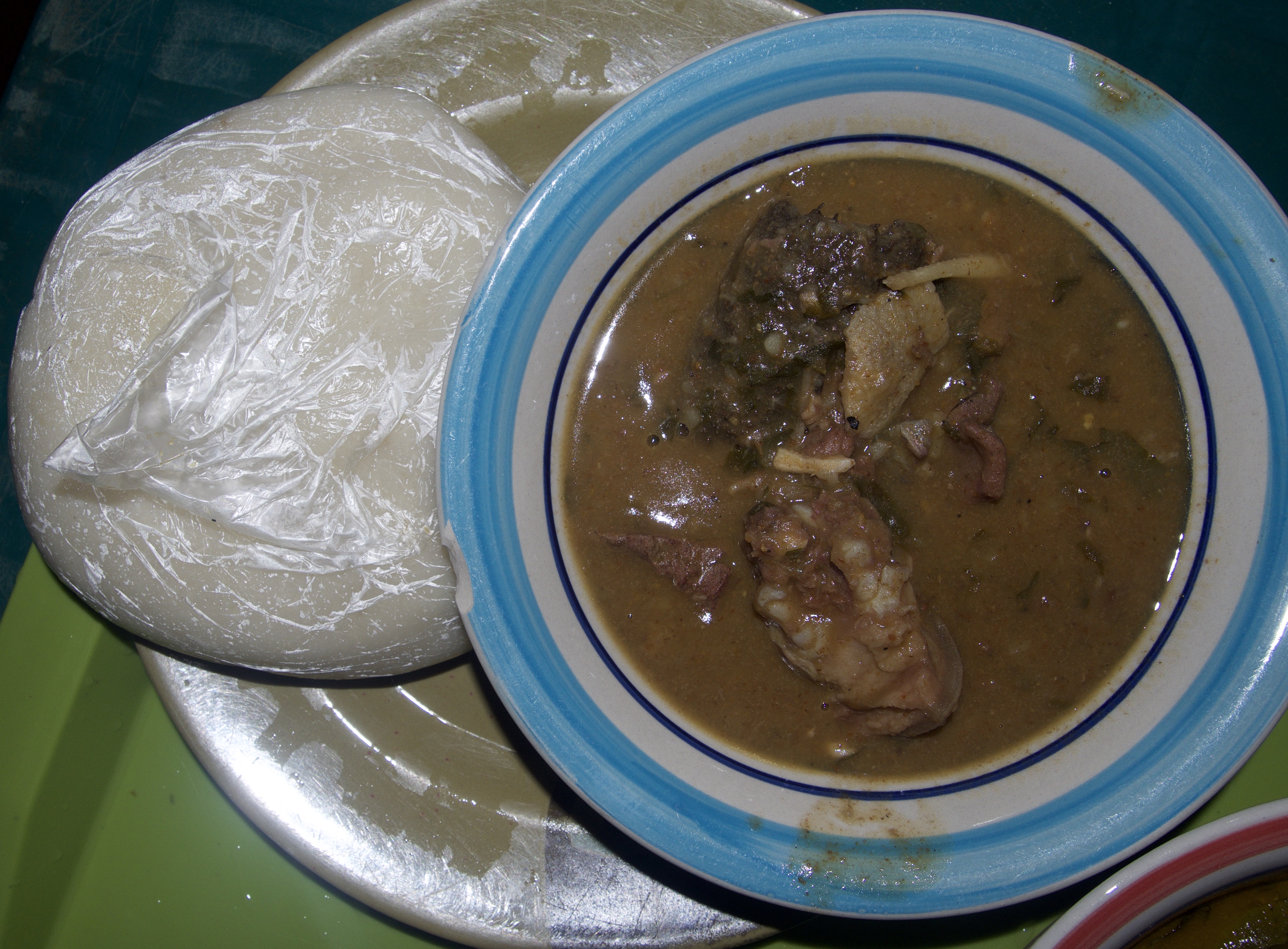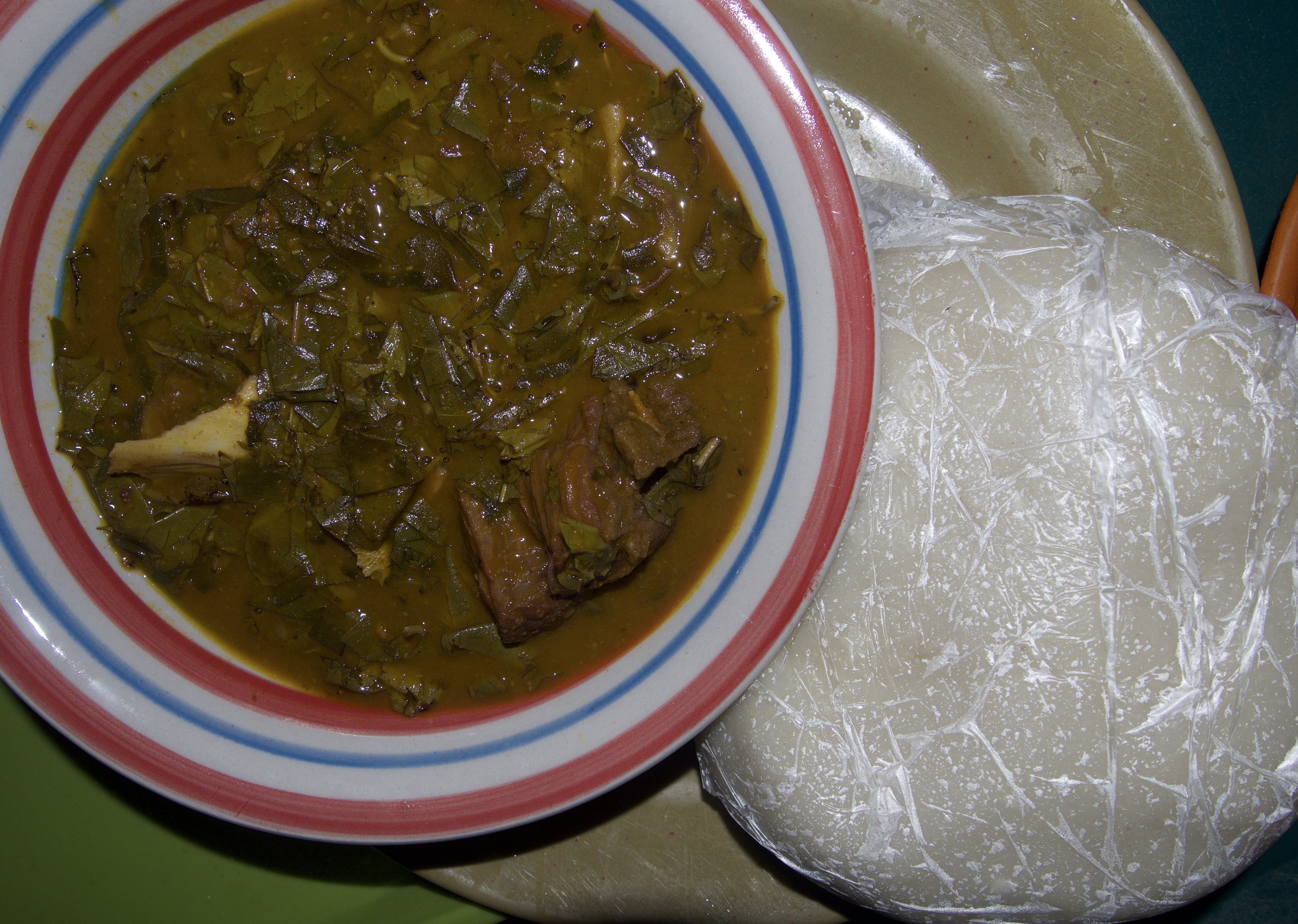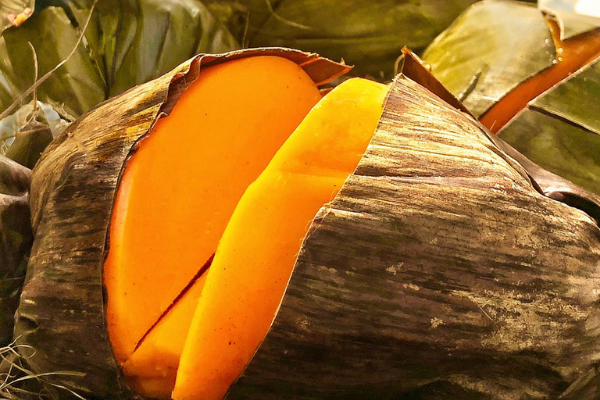
• Image credit: @obisomto on Twitter

    I grew up in Abuja, and okpa was one meal that I saw all the time. There were always women at street corners with basins and okpa stacked into transparent nylon bags. They looked like light-skinned moi-moi and didn’t seem particularly interesting to me. I didn’t think anyone cared for them but my Igbo friends thought otherwise.

    In boarding school, every day, my mates would jump the fence to buy okpa from an uncompleted building close by.  You could see the unbridled joy on their faces as they tore open the okpa nylons. But why was it such a big deal? I still haven’t been adventurous enough to try it, but I’ve never stopped wondering what makes it so special. 

    So today, I asked Oluchi to explain why okpa excites her Igbo blood. She explained her love for okpa, tricks to preparing it and why okpa has remained constant in her life as an adult.

    As told to Steffi O.

    Okpa was part of my childhood

    Okpa is a local dish made from bambara nuts. As someone from Enugu, okpa has always been a part of my life. One way or the other, it was a treat my family found a way to enjoy in Lagos. If anyone was coming from Enugu, they’d make sure to bring it, specifically the ones from Ninth Mile. It’s said to be the best okpa spot in the East. 

     My mum would whip up a mean batch of the flour for me and my brothers to enjoy. It was a meal we constantly looked forward to having, and then it became much more than a great meal.

    Experiencing okpa in Nsukka

    When I was nine, I spent my first three years of secondary school at Nsukka. It was my first time away from Lagos and my family, so the culture shock hit me when the Nsukka dialect was so different. I was the girl that understood Igbo but couldn’t speak it and I had to learn quickly. Yet, being amongst my people was interesting even though I’d lived away from home for so long. In between trying to figure out life away from my family, okpa brought some sense of familiarity. I’d literally buy it every day during break time and each bite reminded me that Enugu was my home. 

    Eventually, I realised that okpa was part of the Igbo tradition. During festivals, a major masquerade that roamed the streets of Nsukka was called Ori Okpa which means “the Okpa eater”. 

    RELATED: A Masquerade Flogged a Youth Corper in Kogi and He’s Really Vexed

    In Nsukka, I spent holidays with an uncle who was a traditional man. On one of my mid-term breaks from school, he’d asked if I could cook, and at that point, I didn’t know how. On one of my longer breaks, he wrote a letter to my mother about why it was important for me to learn how to cook as a woman. She didn’t want it to seem like I was being spoilt and so the cooking lessons began. At ten, I started learning to cook.  

    What exactly is okpa?

    To anyone who hasn’t had okpa before, it’s a weird meal. I like to think of it as eating light-skinned moi-moi because of the palm oil that’s mixed into the okpa mix. 

    Okpa is simple to make, but one wrong move can ruin everything. Ground bambara nuts are the main ingredient. Like beans, the bambara nuts are ground without the back being removed and then milled dry. 

    My mother never adds seasoning cubes or chicken stock to the mix. To us, it’s sacrilege. Bambara nuts have a distinct flavour that needs only salt and pepper. My mother also never grinds or blends her red peppers. Everything is finely cut into the okpa as it’s mixed with palm oil and warm water. And unlike moi-moi, okpa is a watery mix. My mum’s trick to keep the flavour while the okpa steams is shaking the nylon or banana leaf right before dropping it into the pot. 

    RELATED: 12 Beautiful Delicacies From All Over Nigeria

    Having a family that dislikes okpa

    Okpa is something I loved to enjoy with my family — it still is.  But unfortunately for me, I married a Delta man that doesn’t care for okpa. The first time I made it on my own was after our wedding, and I ended up eating the whole thing alone. 

    Our son doesn’t like okpa too. Funny enough, the only time my body has ever rejected okpa was when I was pregnant with him. I ate okpa and threw everything up. Imagine me not being able to stand okpa for nine whole months. There was no point trying to make him eat it when he was born. He’d already given me an answer right from the womb: he disliked it.

    At least I still share my love for okpa with my parents and siblings. My brother and I live 20 minutes away from my mother, and every two weeks, we know there’s a bag of okpa waiting for us at her house. It’s become our own tradition here in Lagos. Okpa will always be a constant part of my life because of family.

    ALSO READ: 9 Nigerian Meals We Love to Eat but Never Cook Ourselves
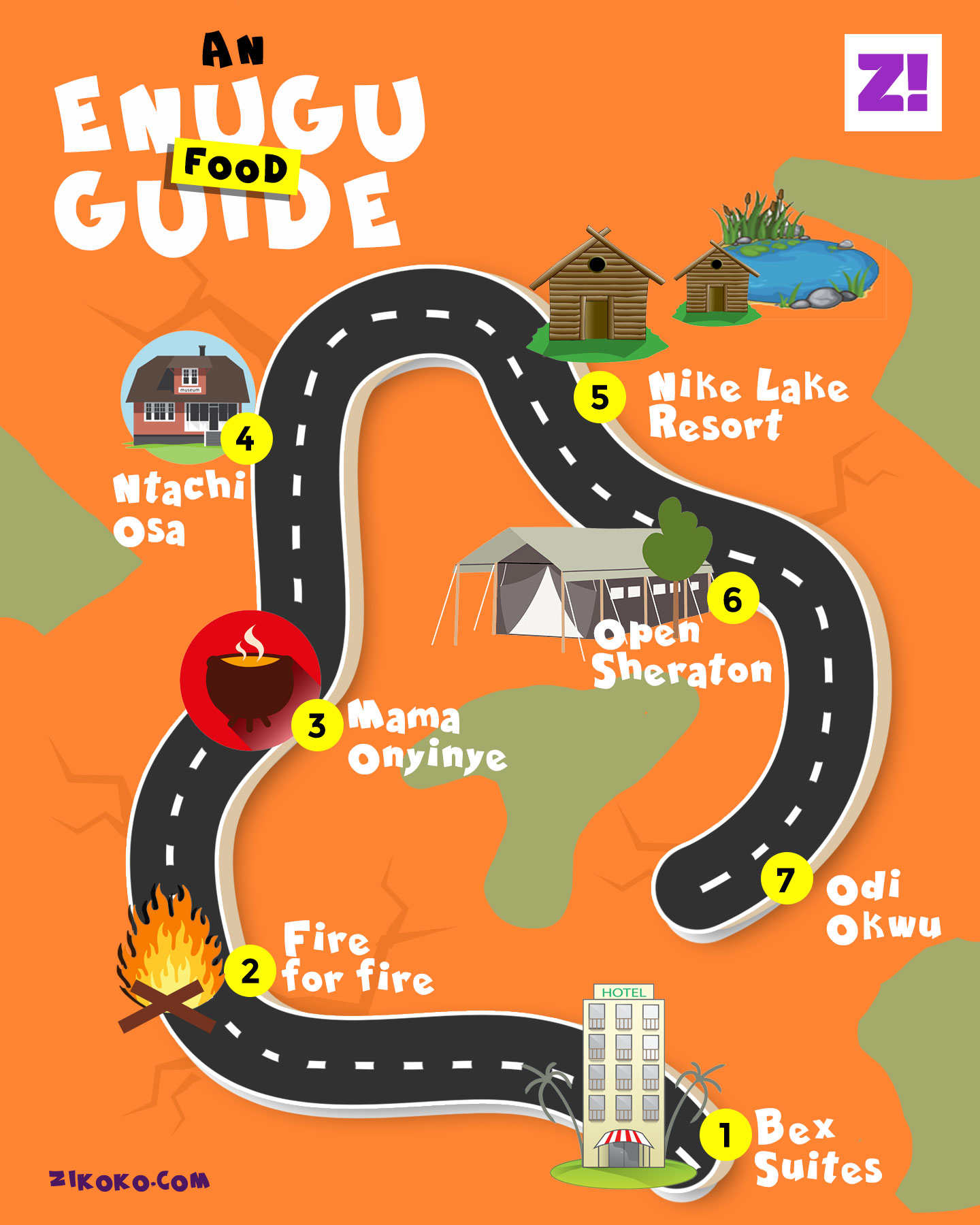
  • It’s impossible to drive through Enugu and not think of food.
    The entire city just says “come and eat” and with two free days to spend in Enugu, I planned to do just that.
    When exploring a new city in Nigeria, guides are great but no one knows the city like a Keke rider, a curator at the museum or the bellhop at your hotel. If you plan on eating your way through a city, ask them. It’s how I got the best and most diverse food in two days, ever.
    I wasn’t going to be doing all of it alone. My friend, Omesham came in from Abuja to join me on this.

    Abacha at Fire For Fire

    My first plug was a Keke driver, who I picked up from the front of my hotel on Independence Layout. His name is Arinze, but everyone calls him Terry G. Keke riding is how he makes a living, but dancing is how he wants to make a life.
    “Where can I get the best local food?”
    “Timber!” he said, excited. “They have the best Abacha in the East.”
    He sounded so sure, you’d know for sure it was his fave.
    My next stop was the National Museum. By the time the guide took me around and I asked her the same question, “where can I get the best local food,” she knew we were new in town.
    She dragged everyone around that she could into the conversations, and the suggestions didn’t stop coming. What to eat, where to go.
    The most recurring place? An Abacha place called Fire For Fire. One museum worker even offered to take us there in his car.
    All of Fire For Fire is one large canopy and two umbrellas, somewhere off Abakaliki road in Enugu G.R.A. It’s a blend of mismatched chairs and tables, with the magic being made at the center of it all.
    Several people were crammed beneath the canopies and spilling out of them. Another constant stream of people continued to come and go. Business is obviously going great for them.
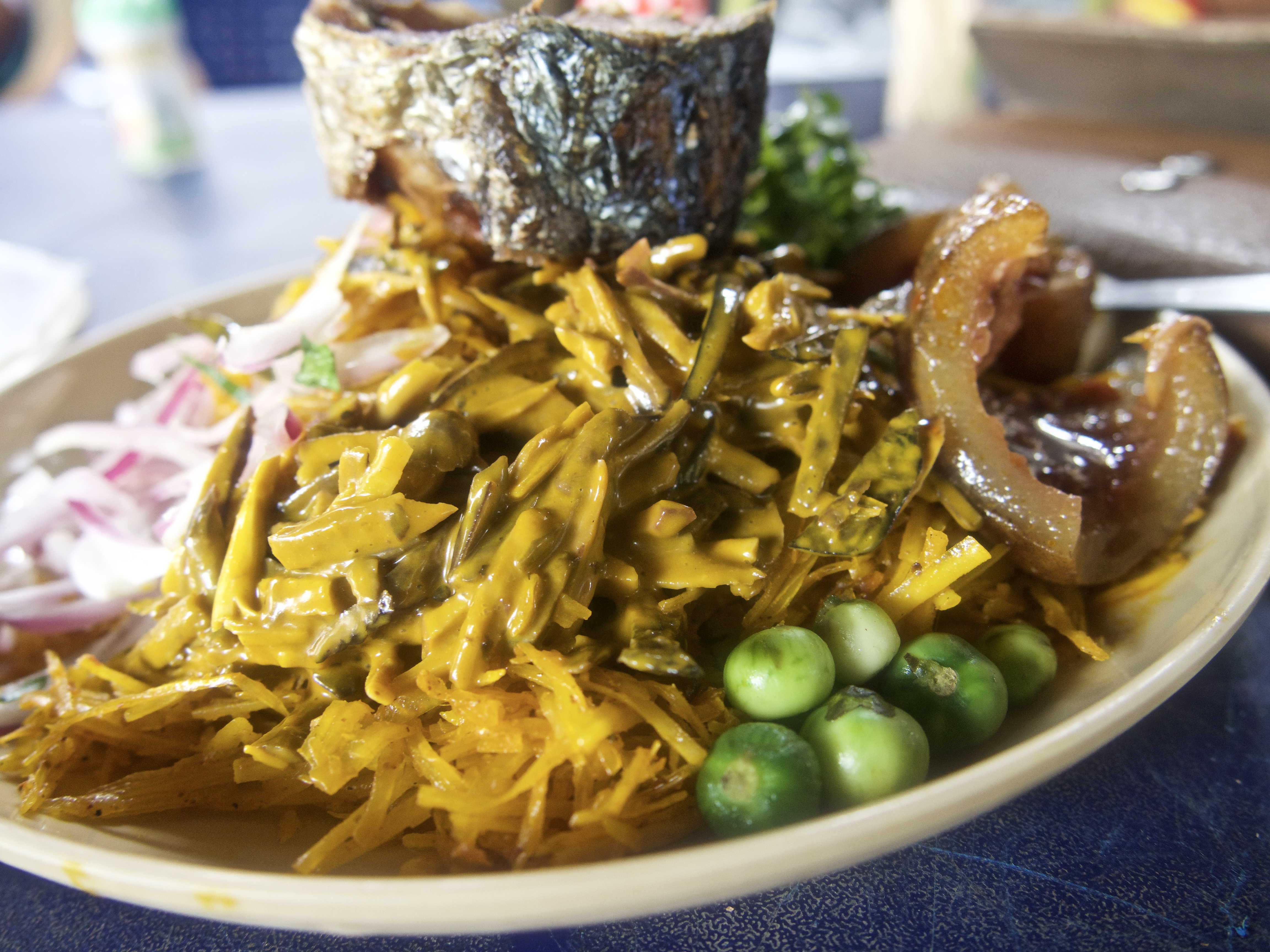
    I’d had Abacha before, but now I know that you haven’t really had Abacha until you’ve had Enugu Abacha. Being born, raised, and currently living in Lagos, all I’ve really had is Lagos Abacha.
    The textures and tastes were different. The Ugba in the Abacha is fresher than any I had ever had, and I’ve had a lot.
    By the time I cleaned up my plate, I knew I’d never again be able to have Abacha in Lagos without longing for ‘Fire for Fire’.

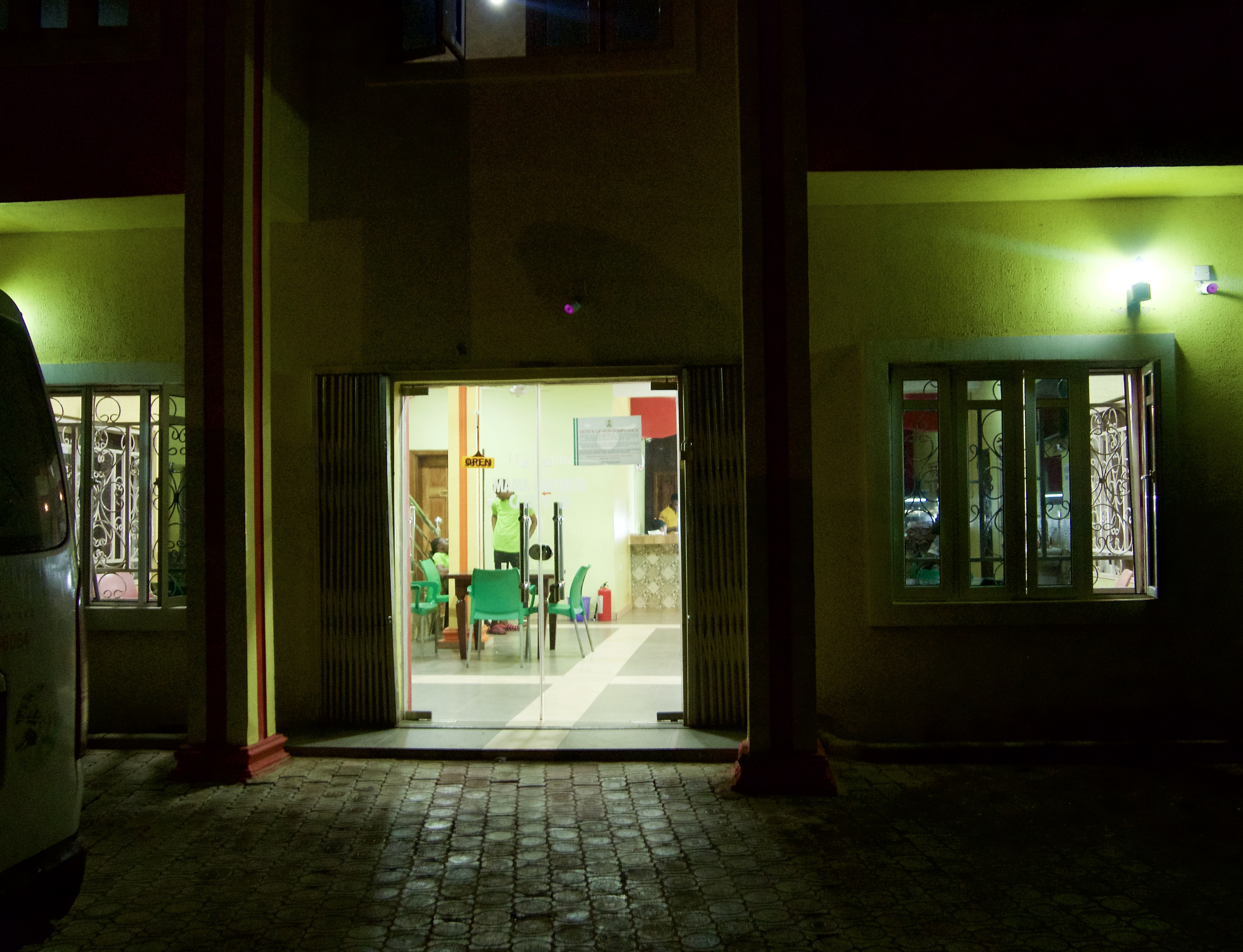
    Ofe Onugbu and Akpu at Mama Onyinye

    If you ask ten Enugu people to recommend a food joint, eight will recommend Mama Onyinye and ten of them will ask you to try out Agbugbu. Agbugbu is a porridge made out of a kind of beans and yam, something Enugu is proud of. I headed to Mama Onyinye wanting to have Agbugbu, but by the time I got there, sold out. Why do bad things happen to good people?
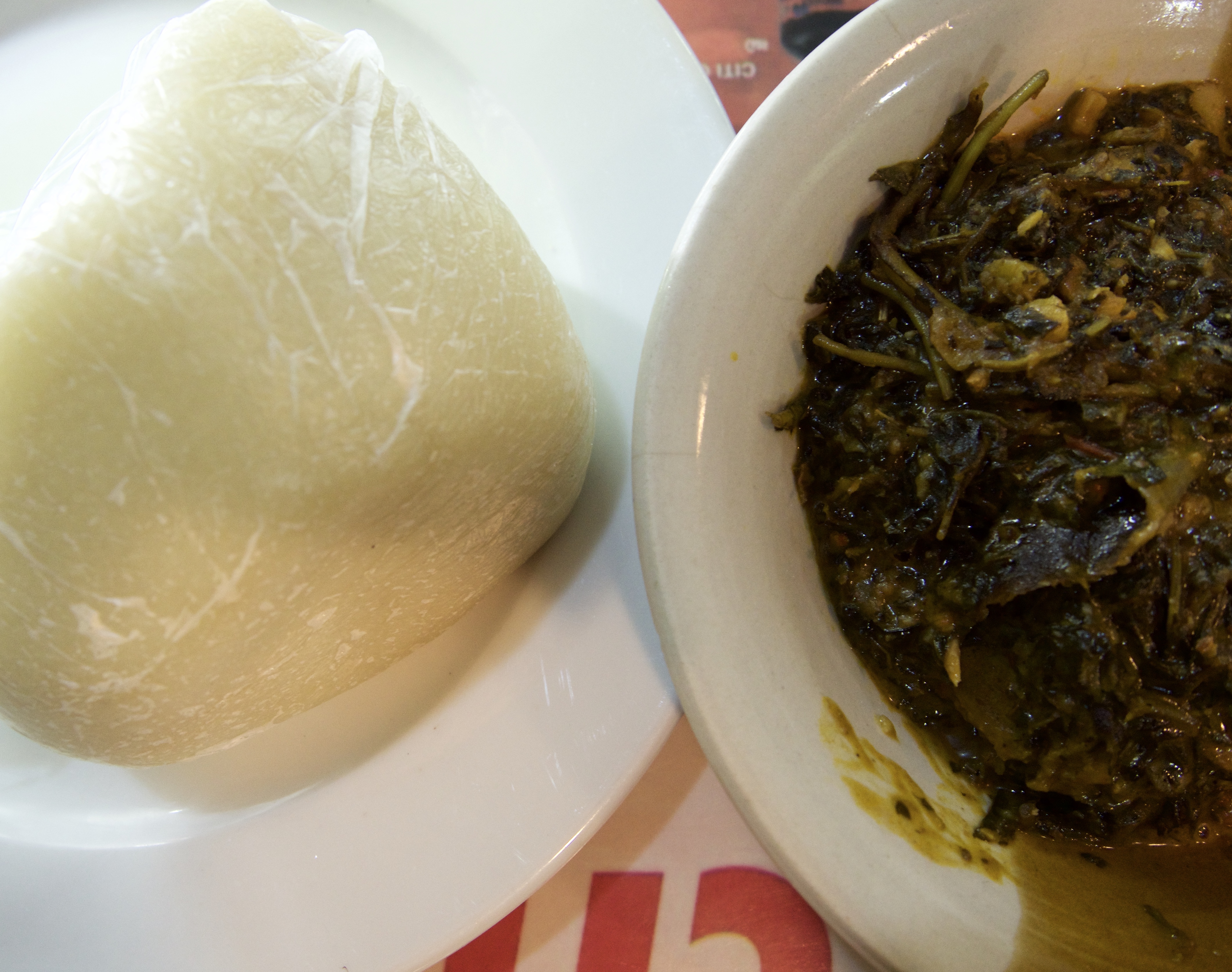
    I settled for Akpu and Ofe Onugbu, mostly because I’d never had it before. I’d always been put off by the strong smell of fermented cassava, so I tried to go with the safer option; Eba.
    “If you want to enjoy Onugbu, you have to use Akpu,” Mama Onyinye insisted.
    Discovering the gloriousness of this Akpu is probably the highlight of my trip. The light, fluffy, and sweet aftertaste will make you keep going until you are done, even if the mound is almost the size of your head. Akpu and Onugbu is like bread and butter, like Jollof Rice and dodo.

    Ofe Aku and White Rice at Ntachi Osa

    Mama Onyinye might be great, but a carousel operator at the mall wasn’t so impressed.
    “Nobody dey cook pass Ntachi Osa,” KC argued. “Go there, buy correct Agbugbu and step down with one Coke”.
    And so I did, first thing the next morning, but unfortunately, the Agbugbu that KC swore will change my life, wasn’t ready. Strike two.  
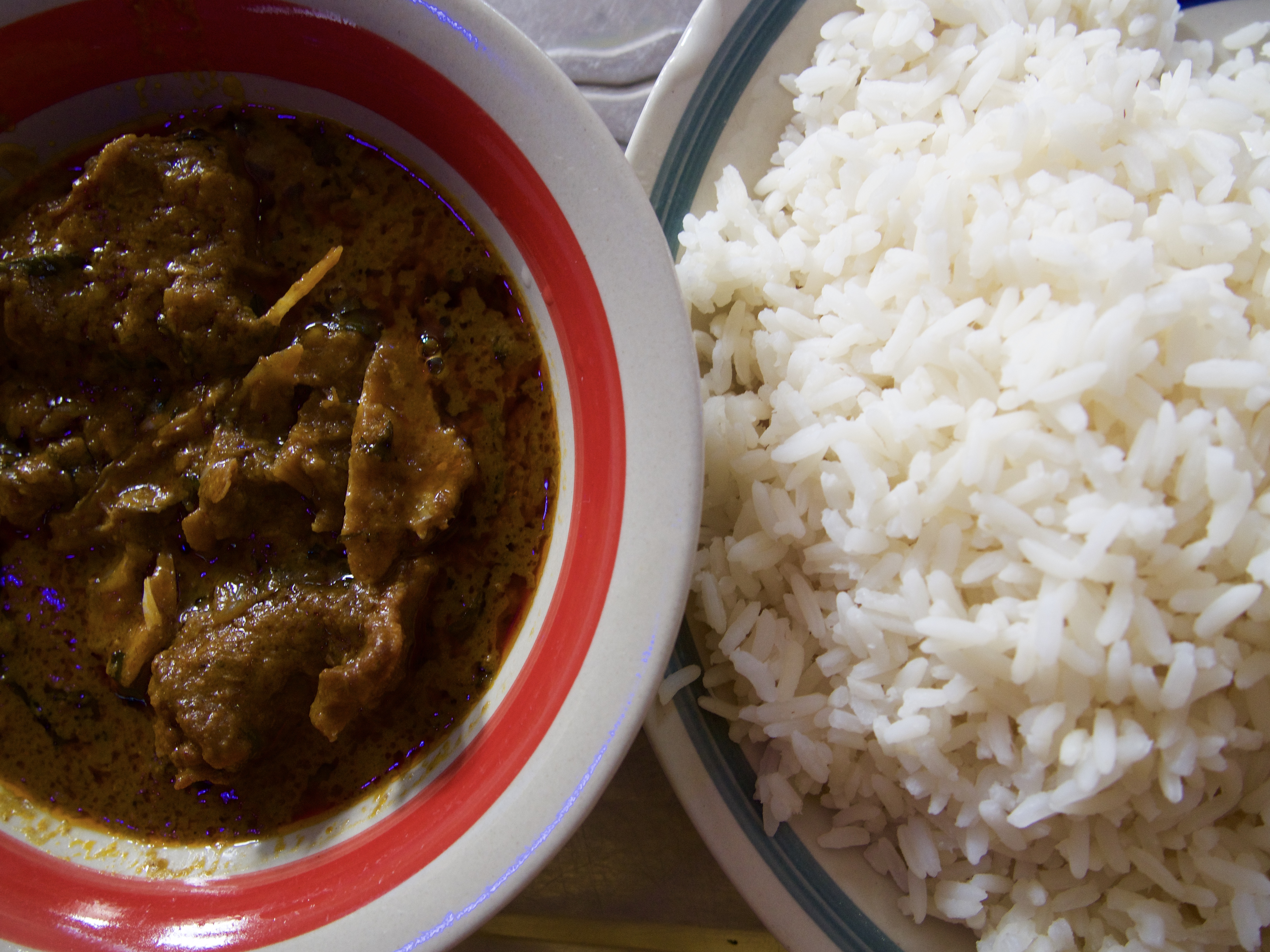
    I settled for Ofe Aku and white rice.
    Ofe Aku is just like Banga soup, but there was a difference in taste that I couldn’t place.
    “Curry”, Omesham said. That was it.
    I could definitely taste a bit of curry and a healthy dose of pepper. I’m Urhobo and very loyal to Banga soup and although Ofe Aku was admittedly tasty I couldn’t get past the extra ingredients which felt off for me. Ofe Aku and White Rice is an interesting twist, but now I know I’m definitely going to try banging Banga with White Rice.

    Ukwa at Open Sheraton

    Before heading to Enugu I had a friend put out an open call on Twitter for people to point me in the direction of the best local food in Enugu. One response I really liked was from Lekan, who pointed me to Open Sheraton. I had Ukwa with a side of dodo and fried yam. I tried my best but I couldn’t get past two forks in.  Although it looked like beans and kind of smelled like beans, turns out Ukwa is actually made out of breadfruit. Only reason I didn’t already know this was because I promised not to Google anything I ate, just so I’d be surprised.
    It’s safe to say I was. I’d never had breadfruit before and I’m not sure what in the name led me to believe it was a sweet and supple fruit, maybe like a peach.

    Akidi at Open Sheraton

    We were already at Open Sheraton and I couldn’t for the life of me manage to stomach the Ukwa. Ukwa is not bad, it’s just not for me.
    So I decided to try something else off my list.
    Akidi was up, and it turned out to be beans, albeit black beans. The irony. I couldn’t place all the ingredients so I asked one of the food sellers. Turns out they add spinach and Ugba. By the time I finished, I knew I wanted to have it again.

    Ofe Nsala and Akpu at Odi Okwu

    Odi Okwu was my last food stop. Even though I was spoilt for choice, I ended up going with it. I took Odi Okwu which literally translates to “it’s fire!” as a good sign. I’d asked for Agbugbu, and it was unavailable, again. I had to ask.
    “It’s hard to make, and many places don’t bother making it,” the manager said. “The places that make it do so early in the morning and it’s usually finished by noon.”  
    I’d heard my Igbo friends rave about Ofe Nsala so I was excited to try it. I paired it with my new love – Akpu.  
    If the smell is why you haven’t had Akpu, you need to get past it and get familiar with the greatness that it is.
    Ofe Nsala had me asking myself why it had taken me so long to explore Igbo food. I could have been having Ofe Nsala all my life, instead I’ve been drawing Ogbono. And Ogbono is great, but it’s just not Ofe Nsala.

    Ofe Oha and Akpu at Odi Okwu

    Omesham had been on the lookout for Oha the whole trip. I had also never had Oha so I dug into her food too. The cook was a little heavy handed with the salt and my taste buds closed shop at the very first taste of the soup.  
    Because I’m Urhobo I had subconsciously keyed into the Nigerian stereotype that culturally I was very similar to an Igbo person in terms of dressing, which is true, but false as regards local food.
    My palette wasn’t prepared for the cultural shock and it’s going to take some adjusting for it to go back to eating rice and stew in Lagos every day, right after a diverse food explosion over in such a short time. Why do all good things come to an end?
    When I go to sleep at night, there’ll be a bittersweet feeling at the back of my throat, because as much as I ate through the old city, canopy restaurants, and gracious Abacha, I didn’t try Agbugbu.
    Now, I’ll have to find someone who’s Enugu enough to make me some Agbugbu.