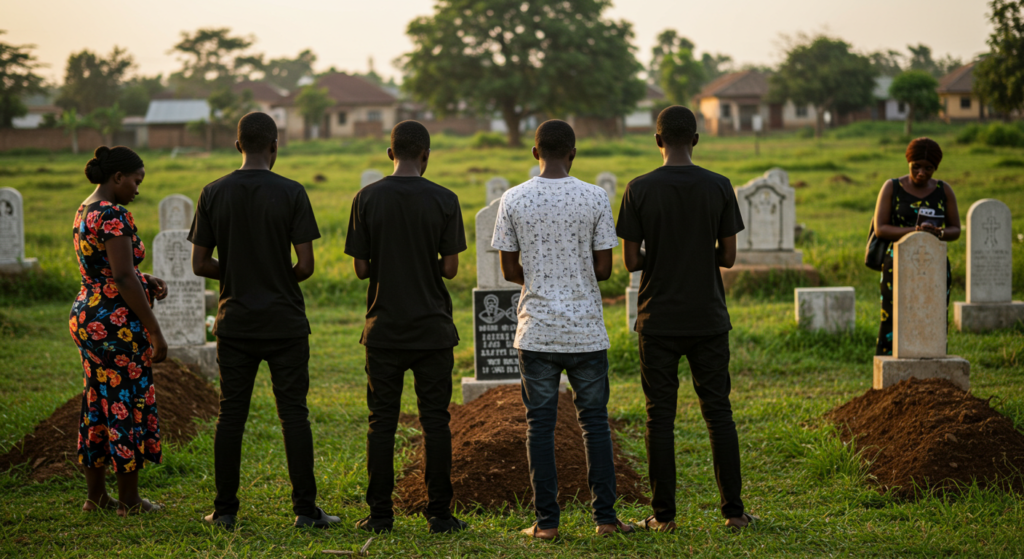
• Francis* (30) spent nearly a decade in a relationship that felt like a forever kind of love until a tragic accident changed everything. In this story, he talks about losing his fiancée, trying and failing to move on, and finally realising the need to manage his grief.
    What’s your current relationship status?

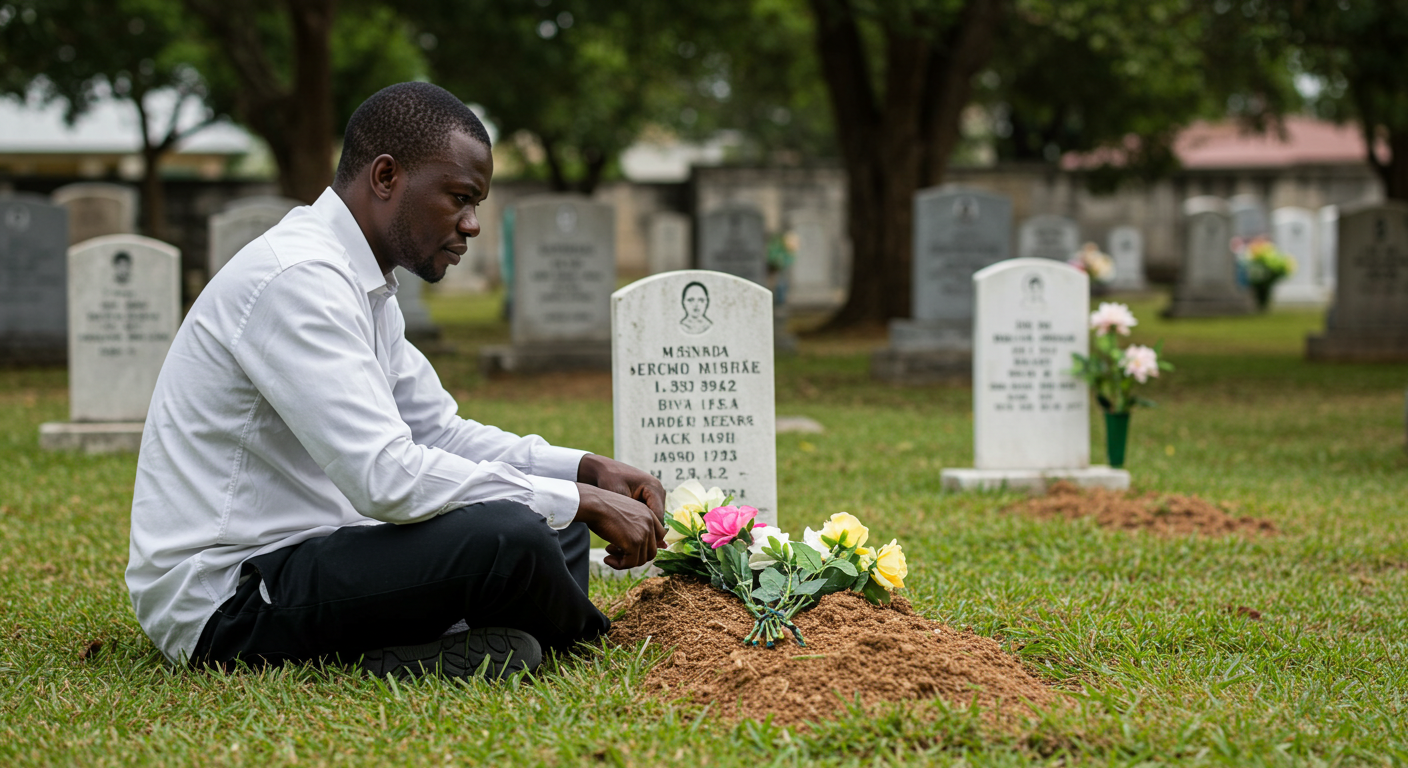
    I’m single. I’ve mostly been on my own since I lost Jane*, my fiancée, in 2021 . We were together for nine years, and her death changed me. I couldn’t move on for a very long time. And when I tried to, I sabotaged every relationship I got into.

    Tell me about Jane. What was it like being with her?

    Jane was my first, I’d never been in a relationship before we started dating. I was that devout Catholic boy who considered becoming a priest. But just before university, I left Jos for Ibadan in 2012 to take remedial courses, and that’s when I met Jane. We were in the same programme and naturally spent lots of time around each other. I fell hard.

    I’m an only child and grew up in a deeply religious household where romantic feelings especially as a teenager were considered sinful distractions. But with Jane, all the feelings I’d suppressed about girls came rushing out. We started dating in 2012, the same year we both got into the University of Ibadan. She studied History, while I studied English.

    The endless ASUU strikes kept us in school for nearly six years. But it didn’t matter. Through it all, I had my first love and first everything in Jane. In our final year, we moved in together off-campus without telling our families. We just couldn’t imagine being apart.

    After we graduated in 2018, we served in Ibadan and tried to settle here. I landed a job with a government agency, and she started teaching. Among our friends, everyone admired us. We did everything together.

    Jane’s mum eventually found out we were living together and didn’t take it lightly. That’s when I realised maybe it was time to start planning for the future. I proposed in June 2021, and she was over the moon. I had no idea things would change so drastically a few months later.

    Get More Zikoko Goodness in Your Mail

    Subscribe to our newsletters and never miss any of the action

    What happened?

    Her school went on break that August. So, she travelled home to Benin to spend time with her family and tell them about our engagement. I dropped her off at the park that morning and hugged her goodbye.

    Later that day, I couldn’t reach her, and messages also stopped delivering. I called her family, and when we contacted the park the next day, they said the bus never got to town. At first, we feared kidnapping. But we later heard there had been a ghastly accident just outside town. None of the passengers survived.

    Her sister called to break the news of her demise. The world just spun around me. I’ll never forget that moment.

    That must’ve been incredibly hard. I’m sorry.

    It became the darkest period of my life. The worst part was not having closure. We buried her casket without a body because they’d been burned to shreds in the car. I couldn’t function for over three months. Thankfully, my co-workers covered for me while I went home.

    My parents tried to be there, but their support didn’t help.  My dad wanted me to “be strong” because I was a man, while my mum made hurtful comments about how Jane wasn’t the best person for me. We fought constantly. I  eventually returned to Ibadan sooner than planned just to escape it all.

    Fair enough. Did you try to date again?

    Not for almost two years. Everyone wanted me to move on, and I succumbed because I’d also gotten tired of feeling stuck in my grief. So, I tried Tinder in 2023.  Most people there just wanted to hook up, which I didn’t want. Then I met Dolapo* on the app. She had great vibes and a similar build to Jane’s. I genuinely liked her.

    But sex with her triggered a sense of guilt like I was cheating on Jane. It felt like Jane’s spirit was always in the room with us, which made me become distant over time. Dolapo noticed, because after a few weeks, she blocked me everywhere. I couldn’t even be mad. I knew I didn’t try hard enough to keep her.

    What happened after that?

    Not long after, a friend introduced me to Ijeoma*. I was drawn to her instantly, partly because her first name was Jane’s middle name. I told myself this time I’d do things differently. I made things official very early. I didn’t want the same thing with Dolapo to happen, so I told her upfront that I preferred celibacy. I also decided to stay celibate this time.  

    But deep down, I knew we couldn’t work because every time she asked about our future, I didn’t have a concrete answer.

    She also hated that I kept a diary where I wrote to Jane anytime something big happened, and didn’t like the framed picture of Jane in my house. She said I was idolising Jane, even though I’d told her everything from the start.

    Ijeoma eventually gave me an ultimatum to get rid of Jane’s things or risk losing her. For me, it was simple. Jane meant more to me. That relationship ended last year,  after a year and two months.


    Read Also: “Find My iPhone Exposed My Babe” — 6 Nigerians on How They Caught Their Partner Cheating


    Did you feel any regret?

    My feelings were more of anger. I felt like she didn’t want to understand me or what I was going through. To me, she was just being selfish. But a mutual friend later helped me see it from her perspective.

    Jane and I dated for almost a decade — of course, moving on is hard. But maybe I didn’t even try enough. Both Dolapo and Ijeoma reminded me of Jane. I kept looking for her in other people, and that wasn’t fair.

    Right. Did you ever consider therapy?

    I tried but it didn’t help because I couldn’t open up, so I stopped after a few sessions.  But I recently joined some grief support groups, and they’ve helped more than I expected.

    Sometimes, I imagine if the roles were reversed. I know I wouldn’t want Jane to live like this. This thought reminds me that healing isn’t just for me; it’s also something she would’ve wanted. I’m still not ready to date, but I’m working on myself every day.

    Is there still hope for dating in the future?

    Eventually, yes. I just turned 30, and there’s pressure from my family to move on and settle down. But first, I want to get to a place where Jane is just a memory I cherish and one that  doesn’t influence how I live my life.

    Curious. Has your time alone changed what you want from love or partnership?

    It’s made me realise I don’t want someone to fill a void. I don’t need a partner to replace Jane; I want to grow a different kind of love.

    Before, I clung to the past and projected it onto other people. Now, I’d like to live in the present. I hope to find someone patient enough to help me through this phase.

    So, how would you say the streets are treating you? Rate it on a scale of 1-10

    A 4 if I’m being honest, or maybe a 5. I’m learning how to be okay on my own. The loneliness sucks sometimes, but it’s better than being with the wrong person for the wrong reasons.


    If you’d like to share your own story, fill out this form.


    Click here to see what others are saying about this article on Instagram

    [ad]
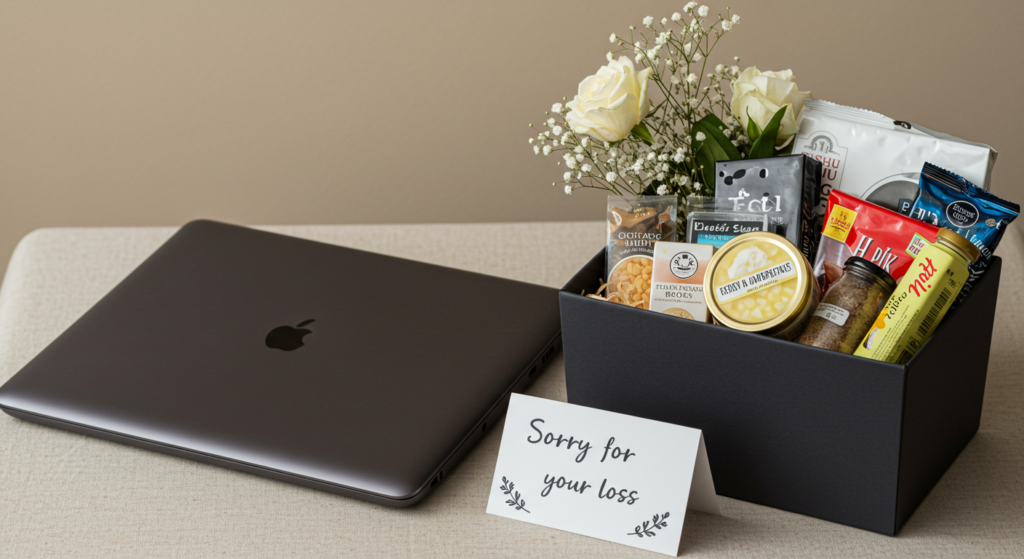
  • Finding the right words to say after someone passes away is never easy. It’s normal to feel unsure, awkward, or even afraid of saying the wrong thing. That’s why we’ve put together a list, where each condolence message will help you express sympathy with care, sincerity, and respect.

    King, 26, tells Zikoko, “When I lost my mother, all I wanted to hear was ‘I’m here for you’. It didn’t have to be deep. I just needed something honest.”

    From simple messages to religious, professional, and touching messages for specific kinds of loss — a parent, partner, friend, child, or even a pet — you’ll find comforting words to support someone who’s grieving, in this list of over 200 condolence messages.

    Simple and Short Condolence Message

    When you’re not sure what to say, a simple and short condolence message can still go a long way. These simple phrases are perfect for texts, notes, or moments when you just want to say something kind and meaningful without overthinking it.

    • Your loss breaks my heart. I hope you know there’s no wrong way to grieve.
    • Sending you positive thoughts and lots of prayers.
    • Thinking of you and your family during this time.
    • I wish you peace and comfort as you grieve.
    • Deepest sympathies. I am so sorry for your loss.
    • My heart goes out to you. I’m sending you strength and love.
    • Please accept my sincere condolences. Holding you close in my heart.
    • I’m so sorry for your loss. Please remember I’m here for you, always.
    • There are no words to convey how terrible this is. You are in my prayers.
    • In this difficult period, I’m sending you all the good vibes I can.
    • Celebrating the life of a good person and mourning their passing with you.
    • May you be comforted by the outpouring of love surrounding you.
    • We hope you know we are by your side during this time of sorrow.
    • Sending you strength today and peace in all the days ahead.
    • May their memory bring you comfort.
    • My deepest sympathy to you and your family.
    • You’re in my thoughts. Let me know if I can help with anything.
    • Wishing you peace and comfort in these difficult days.
    • I’m so sad for your loss. Thinking of you.
    • With love and remembrance, we share in your sorrow.
    • During this tough period, I hope you remember— grief is love with nowhere to go.

    ALSO READ: 200+ Happy New Week Messages to Start the Week Right


    Condolence Message for Loss of a Parent

    Losing a parent is one of life’s deepest heartbreaks. Whether it’s a mother or a father, it’s one of the most profound sorrows. Here, you’ll find the right condolence message for the loss of a parent, offering support, compassion, and warmth for someone mourning the people who raised them.

    • I’m so sorry that you’ve lost someone whom you and your family loved so much.
    • I’m sure you made your parent so proud; I’m sorry their light is gone from your life.
    • I’m so sorry for the loss of your beloved parent.
    • Your parent was a truly special person. I know their love will continue to guide you every day.
    • Sending love as you grieve the loss of your parent. May you find strength in your memories.
    • You’ve experienced such a huge loss in saying goodbye to your parent. When you’re ready, I’d love to hear more about what your times together were like. You can call on me if you’d like to share memories.
    • I didn’t have the pleasure of knowing your parent, but they raised an amazing human being: you. Wishing you peace and comfort during this unimaginable time.
    • Your parent’s amazing personality lives on through you. Sending you love during this difficult time.
    • Their love and wisdom will never be forgotten. May time bring healing and memories bring comfort.
    • What an amazing person and what a remarkable life. I feel so lucky that I got to know them.
    • Your parent was loved so deeply, and so we will grieve deeply too.
    • Your parent touched many people’s lives — mine included. I’m grateful I got the chance to know them.
    • There is no one in this world like your parent. They were special and will always be with you.
    • Your parent will forever remain in our hearts and memories.
    • Your parent was such an inspiration in my life — I’ll never forget the valuable lessons they taught me.
    • Nothing I can say will take away the pain you’re experiencing. Just want you to know that I care about you, and I share in your sadness.
    • May you look back on the precious memories and find peace in knowing that your parent raised an amazing person.
    • I know you feel unmoored and so sad right now; if there’s anything I can do to help you, or your family, please let me know.
    • I can’t believe they’re gone, and I know the shock is even greater for you. I hope memories of the happy times you had together can be of some comfort during this incredibly difficult time.
    • Your parent will be greatly missed; may you be comforted by your many memories together.

    Condolence Message for Loss of a Spouse or Partner

    The loss of a husband, wife, or life partner leaves an irreplaceable void. You can’t heal them, but these condolence messages for someone grieving their spouse will offer quiet support and comfort during one of life’s most painful transitions.

    • Your partner was such a wonderful person. They were an outstanding, and will live in our hearts and memories forever.
    • As you grieve, I hope you know that love never dies. Your spouse’s love for you is everlasting.
    • No words can express how sorry I am for the loss of your partner. I didn’t know them personally, but I know how much you loved them, and I am here for you.
    • I’ll always admire the love shared between you and your partner. You shared a one-of-a-kind bond that can never be broken.
    • I’m deeply sorry for the loss of your beloved partner. You complemented each other like no other couple I know. May your precious memories bring you comfort.
    • No words can ease your pain, but I’m holding space for you.
    • Love like yours is never truly lost. May the bond you shared always comfort you.
    • I’m so sorry for the loss of your beloved partner. Their love for you was always so evident.
    • Thinking of you as you mourn the love of your life. I hope the memories you shared bring you peace.
    • I know your heart is broken and your life has turned inside out. I love you and am praying for you.
    • I have so many happy memories of the two of you; if you ever want to reminisce about the happy times, I’ll come over. 
    • I cannot imagine how much you are hurting right now; I know the road ahead of you is long, and I will walk with you along it as much as I can.
    • You’ve lost your other half, and you feel incomplete and lost. I hate that you have to suffer through this; I love you and will be here for you whenever you need me.
    • Watching you two together heightened my understanding of love, and watching you grieve has deepened my understanding of love as well.
    • I can only imagine your pain, and I’m so sorry. I’ll be here to support you in whatever way you need.
    • Please know you are not alone in your grief. I’m holding your heart in mine.
    • My heart goes out to you and your beautiful family. No words can ease your pain, but I’m holding space for you.
    • Thinking of you as you mourn the love of your life. I hope the memories you shared bring you peace.
    • No words can truly express my sorrow for your loss. I hope you find solace and comfort in the months ahead.
    • Your union was one to admire. You two were the perfect fit and I’m sorry for the loss of your best friend. You have my support during this difficult time.

    Get More Zikoko Goodness in Your Mail

    Subscribe to our newsletters and never miss any of the action

    Condolence Message for Loss of a Sibling

    Siblings share memories, secrets, and years of growing up together. Losing one can feel like losing a part of yourself. These condolence messages for the loss of a sibling are written to gently acknowledge that pain and offer support.

    • I love you, and I know they loved you, too. I’m so sorry that the world has lost such a bright light.
    • I cannot imagine the depth of this loss for you; your family is broken and will never be the same. Please know that I’m thinking of you and hoping for healing wherever it is possible.
    • Your sibling will always be remembered for the amazing person they were. May their memory bring you comfort and peace.
    • Your sibling’s spirit will live on through all the lives they touched. They will be greatly missed.
    • I’m truly sorry for the loss of your sibling. They will always be your forever friend.
    • I hope you find strength in the memories you shared. I’m so sorry you have to go through this.
    • They were such a sweet soul. May your sibling’s spirit stay with you always.
    • Thinking of you as you grieve your sibling. They were taken too soon, and my heart aches for you.
    • They meant so much to all of us, but I know that they meant the most to you. Please let me know if there’s anything I can do for you and your family during this dark time.
    • Your sibling’s memory will always live on through the love they shared with others. May their light continue to shine on through you.
    • I was both shocked and saddened to hear about the loss of your sibling. They were an incredible friend and I know the best sibling anyone could ask for. Please accept my sincerest condolences for your loss.
    • I wish I had the right words, but I just don’t. Just know that I care, and I want to help in any way I can.
    • May the love and cherished memories of your sibling bring you comfort during this difficult time.
    • I don’t know how you feel, and I won’t pretend to. But I do love you, and if there’s anything I can do for you right now, I’m happy to do it.
    • I can only imagine the depth of your sorrow, but I want you to know that I’m here for you, always. Your sibling’s kindness, love, and generosity will never be forgotten, and their legacy will live on in your heart.
    • Losing a sibling is a pain like no other. May the cherished memories of your sibling bring you comfort and strength during these difficult days ahead. May their spirit continue to guide and inspire you.
    • I can’t imagine the sadness you must be feeling from losing your sibling. Remember that you’re loved and not alone.
    • Your sibling was one of a kind. I will miss them more than words can say.
    • Please accept my sincerest condolences on the loss of your sibling. They will forever be in our hearts and memories.
    • Your sibling was loved by many, and I feel privileged to have known them. Their memory will never fade.

    Condolence Message for Loss of a Child

    There are no words strong enough for the pain of losing a child. These tender condolence messages for loss of a child are written with deep compassion for parents experiencing an unimaginable kind of grief — and with the hope that they feel seen, loved, and supported.

    • I have no words that could ever ease your pain, but I want you to know I’m here — grieving with you, holding you in my heart, and sending you love.
    • Your child was a beautiful light in this world. I hope you find peace in knowing their love and spirit will always live on.
    • Your child brought joy and love to so many in such a short time. That legacy will never be forgotten.
    • There’s no pain like this, and there’s no timeline for healing. Be gentle with yourself. I’m here for you.
    • Your grief is a reflection of a deep, endless love. I’m thinking of you and praying for comfort in your heart.
    • No parent should ever have to go through this. My heart aches for you and your family.
    • I know words will never be enough, but I hope you feel the support and love surrounding you now that your baby has angel wings.
    • Your child was a light. It’s okay to cry. It’s okay to fall apart. It’s okay to not be okay. Your loss is real, and you’re allowed to grieve in your own way.
    • Life seems incredibly cruel and arbitrary right now; I cannot find meaning in what has happened. I love you and will be thinking of you and praying for you. If I can do anything more, please let me know how I can help.
    • I cannot imagine how awful and bleak your world looks right now. I’m praying that hope and comfort flood your life during this dark time.
    • I’m so deeply sorry for your loss. Please know that my heart aches for you and your family during this unimaginable time of grief.
    • During this time of grief, may you find solace in the love and memories you shared with your child. Their spirit lives on in the lives they touched.
    • Deep sorrow can feel like drowning. Please know I’m here to be your life raft.
    • No one can prepare for this type of loss. Sending you strength at this time.
    • There are no good words. In your grief, I hope you will be able to reach out to me for help and support. I love you.
    • I can’t express the depth of sorrow I feel for your loss. Your child’s memory will forever remain in our hearts.
    • During this time of profound grief, please know that you are not alone. Your child’s spirit will forever remain in the hearts of all who knew and loved them.
    • I can’t find words to convey how deeply sorry I am for your loss. Your child’s memory will forever be a reminder of the joy they brought to those around.

    Condolence Message for Loss of a Friend

    Friends are the family we choose — losing one can leave a silence that’s hard to fill. These condolence messages for the loss of a friend honour that unique bond and offer comfort to those grieving someone close.

    • I know you loved them very much, and it’s hard to imagine life without them. You must be feeling everything from numbness to anger, from sadness to frustration, and everything in between.
    • A hug from me to you to let you know that today and every day, you are in my heart and thoughts. I’m so sorry for your loss.
    • Grief is such a complex part of life, and everything you’re feeling right now is normal, even though it seems strange and is so difficult to navigate.
    • Losing someone so close is so hard. I will be here to support you at any time and any hour. Sending you so much love.
    • During this tough time in your life, may my friendship, sympathy, and heartfelt condolences bring you comfort.
    • We’ve shared many good times with [Name].  their memory will always live on with us.
    • I was deeply saddened to hear about the passing of your dear friend. May you find the strength you need to navigate this moment.
    • Although [Name] is no longer with us, the memories and laughter you shared will always be with you. You’re in my thoughts and prayers.
    • I’m deeply sorry to hear about the loss of [Name]. May you find strength in the days ahead and cherish the good times you shared with your friend.
    • Wishing you peace, comfort, and courage as you navigate this difficult time without your dear friend.
    • I’m so deeply sorry for the loss of your friend. True friendship leaves behind memories that never fade.
    • They may be gone, but their laughter, kindness, and light will stay with you forever.
    • I know how much your friend meant to you, and I’m here for you in this time of sorrow.
    • Losing someone who truly understood you is never easy. I’m sending you all my love as you grieve.
    • May your memories bring you comfort, and your grief be met with compassion.
    • They were a beautiful soul, full of warmth and love. Their impact will live on in everyone they touched.
    • I know no one can fill the space they left behind, but I hope you feel surrounded by love and support.
    • I hope you find strength in knowing how many people admired and loved your friend.
    • The bond you shared with your friend was rare and special. I’m so sorry you’re going through this.
    • You gave them a loyal and beautiful friendship. That will never be forgotten.

    Condolence Message for Loss of a Pet

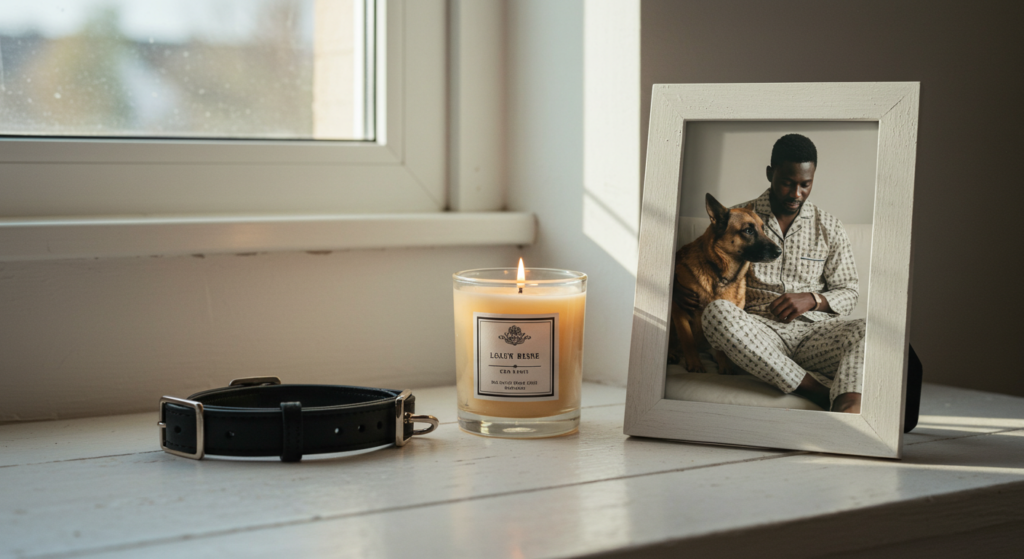
    Pets become family. They give unconditional love, comfort, and joy. These condolence messages for the loss of a pet are written for anyone mourning their animal companion and in need of gentle words of sympathy.

    • I’m so sorry for the loss of your furry friend. They brought so much joy into your life.
    • Your pet was lucky to be so loved, and you were lucky to be loved so fully in return.
    • I know how much your pet  meant to you. Their absence must be so hard.
    • Pets never leave us — they stay in the spaces of our hearts they once filled.
    • I hope you can feel how much love surrounds you as you mourn your companion.
    • The way [pet’s name] lit up your life will never be forgotten.
    • Their tail wags, cuddles, and presence were a gift. I’m holding you in my thoughts.
    • Your grief is valid. The love between a human and their pet is incredibly real.
    • They were part of your daily joy, and it’s okay to feel lost without them.
    • May you find peace in the memories you created and the love you shared.
    • Losing a pet is losing a friend. I’m so sorry for this heartbreak.
    • I know nothing can replace [pet’s name], but I hope your memories give you comfort.
    • You gave them a life full of love, and they gave it back every day.
    • I’m here for you as you grieve — their paw prints are forever on your heart.
    • Rest in peace, [pet’s name]. You were deeply loved and will be dearly missed.
    • I know how much they meant to you. Know that you’re in my thoughts.
    • I can imagine how much it hurts, and I’m wishing you comfort.
    • I’m so sorry you lost your best friend. What a special and gentle soul your pet was.
    • There will be days you won’t be able to catch your breath, but please remember that you gave them the most amazing gift of what it means to be loved.
    • You loved them with everything you had; that’s what all pets want the most.

    Religious Condolence Message

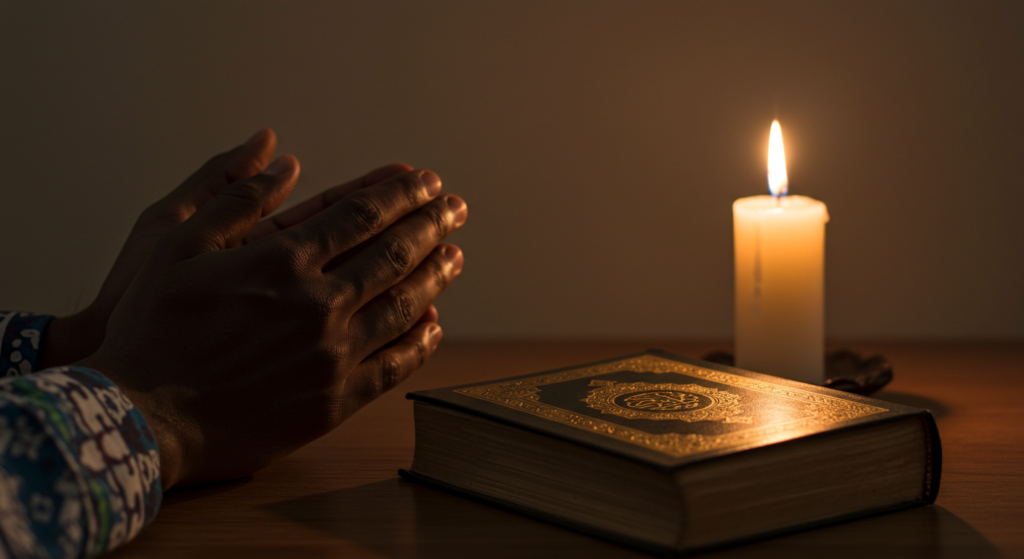
    Faith can be a source of strength in times of loss. These religious condolence messages — including both Christian and Muslim expressions — offer spiritual comfort and prayerful words for those leaning on belief as they grieve.

    • May the God of all comfort surround you with peace that passes understanding during this time of loss.
    • I’m praying that God gives you strength and hope in the days to come.
    • May the Lord hold you in His arms and carry you through this sorrow.
    • Take comfort in knowing that your loved one is now resting in the arms of Jesus.
    • Inna lillahi wa inna ilayhi raji’un — Surely we belong to Allah and to Him we shall return. May Allah grant your loved one Jannah.
    • May Allah (SWT) ease your sorrow, forgive their sins, and grant them peace in the hereafter.
    • I pray that your heart finds healing in God’s promise of eternal life.
    • May God’s love and grace sustain you through your grief.
    • The Lord is close to the brokenhearted and saves those who are crushed in spirit. – Psalm 34:18
    • I pray that Allah surrounds your family with patience and mercy during this difficult time.
    • May the Almighty forgive the departed, bless their soul, and grant you and your family sabr.
    • Your loved one may be gone from this earth, but their soul is safe with the Lord.
    • I pray God gives you peace, strength, and hope in the midst of your pain.
    • May the light of Christ be your guide and comfort as you mourn.
    • May Allah (SWT) elevate their ranks in Jannah and bring comfort to your heart.
    • You are in my heart and prayers during this time of sorrow. May the Lord provide you with peace and healing.
    •  May the love of Jesus surround you and bring comfort for your loss.
    • May Allah give you patience and ease your pain during this difficult time.
    • May Allah envelop you in His infinite mercy and give you the strength to endure this loss.

    Professional or Formal Condolence Message

    In the workplace or formal settings, it’s important to offer sympathy with grace and professionalism. These condolence messages are appropriate for colleagues, clients, or acquaintances — respectful while still being from the heart.

    • Please accept my heartfelt sympathies for the loss that you and your family are experiencing. You are in my thoughts.
    • I was saddened to learn of your loss, and I extend to you my deepest condolences.
    • We are saddened to learn of your loss. Please know that we’re thinking of you and are here for anything you may need.
    • My sincere sympathy to you and your family. May you find solace and tranquillity in the days ahead.
    • On behalf of our entire team, please accept our deepest sympathies. Please, take as much time needed to mourn your loss
    • Please know we are thinking of you during this painful time. As your work family, we are here for you.
    • I am truly sorry to hear about your loss. The office won’t be the same without [Name]. Their memory will not be forgotten.
    • If there wasn’t so much love, it wouldn’t be this hard to say goodbye. Our thoughts are with you.
    • May your happy memories give you peace and comfort during this challenging time.
    • I am sharing in your sadness as you remember your loved one.
    • Praying for you during this difficult time. If you ever want to talk, I’m here.
    • Deepest condolences to you and your family for your loss.
    • Words cannot express how saddened we are to learn of your loss. Please take your time. We are all here for you.
    • We want to let you know that our thoughts are with you and your family.
    • We’re wishing you and your family courage and peace during this time of mourning.
    • It’s never easy, and it’s never fair when we lose someone important to us. Extend my sympathies to your whole family.
    • The loss of [Name] is felt by many. May the memories of their wonderful personality and many contributions be celebrated by all.

    Condolence Message for Social Media

    When grief is shared online, a few kind words can go a long way. These short condolence messages are suited for social media posts, public tributes, or replies — simple, thoughtful, and sensitive enough for any timeline.

    • Sending love and prayers to you and your family during this time.
    • So sorry for your loss. Wishing you strength and healing.
    • Thinking of you. May their memory always be a blessing.
    • Deepest condolences. Holding you close in thought.
    • Rest in peace, [Name]. You will be deeply missed.
    • Praying for peace and comfort for you and your family.
    • Wishing you light during this dark time.
    • May your heart find comfort in the love that surrounds you.
    • Sending my love and condolences — I’m so sorry.
    • May [Name] rest well. Thinking of your family today.
    • A life well-lived and a soul dearly missed.
    • My heart goes out to you. May you find strength in this time.
    • Rest easy, [Name]. We will never forget you.
    • Condolences to you and your family. You are not alone.
    • Holding you in my thoughts and hoping you find peace.
    • May your grief be met with compassion and your memories with peace.
    • Sending heartfelt condolences your way.
    • Wishing you healing and strength in the days to come.
    • This news is so shocking and tragic. My thoughts are with you during this difficult time.
    • Sending you love and support as you navigate this sudden, heartbreaking loss.

    How To Write A Condolence Message

    If you’re struggling to find the right words, you’re not alone. Writing a condolence message doesn’t have to be complicated — it just needs to come from the heart. Here’s a simple guide to help you write something sincere and comforting.

    1. Start simple

    You don’t need a grand opening. A gentle “I’m so sorry for your loss” or “Please, accept my condolences” is more than enough.

    2. Say something kind or personal

    If you knew the person who passed, mention a memory or something you admired about them. If you didn’t, just acknowledge how much they meant to the person grieving.

    3. Offer comfort, not clichés

    Avoid phrases like they’re in a better place unless you’re sure it will resonate. Instead, try “I’m thinking of you” or “I can’t imagine how hard this is, but I’m here.”

    4. Let them know they’re not alone

    If it’s someone close to you, say, “I’m here if you want to talk”, or “You don’t have to go through this alone.”

    5. End with warmth

    Wrap it up with something kind and soft like: “Sending love”, “With sympathy”, or “Wishing you peace and healing.”

    5 Questions about Condolence Messages

    Many people aren’t sure what to say when someone passes away. Whether it’s about timing, tone, or wording, these quick answers to common questions can help you feel more confident when offering sympathy to someone who’s grieving.

    1. When should I send a condolence message?

    As soon as you hear the news. Don’t worry about waiting for the perfect time. A timely message, even if brief, is always appreciated.

    2. Is it okay to send a condolence via text or social media?

    Yes, especially if that’s your usual way of communicating with the person. It can also feel less overwhelming for someone grieving.

    3. What if I didn’t know the person who died well?

    That’s okay. Focus on supporting the person who’s grieving. You can say something like, “I’m so sorry for your loss” or “I’m thinking of you.”

    4. Should I mention the cause of death?

    Only if the person grieving has spoken openly about it. Otherwise, it’s better to avoid bringing up sensitive details.

    5. Is it okay to include religious phrases?

    Yes, but only if you’re sure the person shares those beliefs. If not, keep your message respectful and neutral.


    ALSO READ: 200+ Appreciation Messages To Show Gratitude & Say ‘Thank You’

    [ad]

  • The loss of a parent is a life-changing, earth-shattering event. These Nigerians talk about how losing a parent has shaped them and the life they now live.

    Salem, 50

    I was the original daddy’s girl. My father and I were close; he was my friend, my confidant, and my defender. He died at 78, and I know people think that’s old enough, but it isn’t. My father was agile, and he didn’t look his age. All his life, I never saw him ill.  His first illness took his life.

    When he died, It felt like my life was over. I had never been without him in my entire life, and I didn’t want to be here without him. I’ve felt alone since. I still dial his number when I’m upset so I can vent. I’d go through an emotional event and want my daddy, only to realise that he isn’t here anymore. 

    My life has changed, and I’m not the same person I was before he died. I have tried finding that person, but it seems she’s lost forever. I am a new person, and I am still getting used to her.

    Ona, 24

    I was 14 when my dad died, and I spiraled because of it. I was depressed and did things I’m not proud of; I avoided people for two years. I’ve learned to cope better with it now. Sometimes, it hits extra hard, and I cry, but I’m doing better now. 

    I still miss him though. I don’t know if I’d be the person I am right now if he was here, but I’d still rather have him here. 

    Ani, 20

    My dad and I didn’t have a strong relationship, so when he died, I found it hard to grieve or miss him. There was no emotional connection there, and it was easy to move on from his death. The only time he comes to mind is when we celebrate his remembrance, and people praise the man he was. That’s it.

    Laura, 25

    My dad passed away when I was 2, so I don’t remember much about him. My mum died when I was 16; this one I remember. It was four days to my 17th birthday, and I don’t think I’ve been able to move from that age. I feel like life has been passing me by. 

    It’s been very depressing since she died. When she was here, talking to her fixed everything that was wrong with the world, but now everything’s just shit. My depression has gotten worse, and I still feel like such a sad person, no matter what I do to spark joy. Happy moments are not just happy anymore — they feel bittersweet because she isn’t there to witness any of it: my graduation, getting into my first relationship. I’m second-guessing getting married because she won’t be at the wedding, and I’m scared it’ll be a very underwhelming day.

    Leo*, 28

    My dad died when I was 18. Before he died, I strongly believed that death could never be me or my family’s portion. I never thought it would happen to my parents, but it did, and I cried a lot. I used to live my life with no care in the world. Daddy was there, and everything was going to be fine. His death was the reality check I didn’t think I needed. I’ve had to be more responsible and be accountable for my actions.

    It took a while, but I’m laughing and joking more now. I’ve already seen the worst that life has to offer, so I might as well appreciate every day  and live to the fullest.

     Adekunle, 24

    I lost my mother three years ago. She was the best thing to ever happen to me. I’m her last child, and we were close because we spent a lot of time together. Since she passed, life has been scary. I’ve felt alone and, quite frankly, cheated. She was there to guide my older siblings and help them navigate life after school while I got nothing. 

    Deep down, I know it’s for the best that she left when she did —she was sick and in so much pain, but it’s just hard to reconcile both feelings. 

    Pae, 20

    My dad passed from cancer when I was 13. We were really alike and did a lot of things together. I could sit in complete silence with him and not be discouraged for not going outside to play with my cousins. He understood and loved me just the way I was. 

    I barely remember his funeral or anything from that time. All I remember is seeing him in his coffin before he was lowered to the ground. 

    I don’t think I’ll ever heal from losing him. I feel like I don’t have anyone in my corner anymore. I miss him every day.

    Jerry, 25

    Losing my mum was devastating. She had this habit of going into everyone’s room to pray for them in the middle of the night, and sometimes, she would sleep off. That night, she slept off in my room, and I woke up to my dad crying over her body. 

    I remember being tough on the outside. I didn’t,cry in front of anybody but I cried myself to sleep every night. I didn’t have my mum to shield me from the shitty world outside, and I became depressed and suicidal.

    It’s been 13 years since she passed. I’ve finished primary, secondary, and tertiary education and will maybe go further. I’ve gotten a job, lost a job, and am currently in another. I’ve gotten my heart broken, healed, and built good relationships. I’ve travelled out of the country. I’ve found love. Having her around for all those experiences and life phases would be nice, but it is what it is. I’m in a good place, and it can only get better.

    Abigail, 19

    My dad passed away when I was 12. He was easy to talk to, forgave people, and always provided. I lacked for nothing when he was around because he provided everything for me. His death changed my life. When he was around, there was money and suddenly, there was no money. I switched schools and houses. It all happened so fast and no one wanted to grieve with me because I was a small child. 

    I had to grieve alone and I’m still grieving to this day, not just for my father but for the life I could’ve had if he had been alive.

    [ad]

    Lucky, 28

    I lost my mum when I was 14. When she died I became a shell of myself, numb and disconnected from everything. I couldn’t eat, sleep or read for the first three years. My anchor had gone, and my world had stopped spinning. It was horrible. I was drowning in the loss and I tried desperately to detach from it, but now I’ve accepted that it happened, and there’s nothing I can do about it.

    Alma, 21

    My dad died when I was 17, and Iit left me mostly in shock. The regret began to seep in when I realised I would never get to spend time with him anymore. He worked away from home, and losing him made me realise there was so much about him I would never experience in real-time.

    Losing my dad shaped certain decisions about my life. It motivated me to work for a first class, which I eventually did make. It also strengthened my relationship with my mum. It still hurts knowing that he won’t be there for the important milestones in my life.

    Tunde, 33

    My mum died during my service year. I was 25 and I cried in the car from Zamfara to Lagos. She was my world, and I feel like death took her away too soon. Her death made me realise I had to become independent. I wasn’t a mama’s boy, but I knew I could always count on her for anything, so I never really put my all into making my way. 

    Kay, 27

    I was 11 when my mum passed, and for the longest time after her death, I believed everyone who got sick was going to die. I got seriously ill a year after her death, and I didn’t even bother getting treated. I just accepted that it was my time.

    Since she died, I’ve been closed off. I don’t see the point of letting people in because what if they die too?

  • Between 2020 to 2024, several bills and pleas have reached the Nigerian Senate regarding the use of firearms. The most recent bill came from Senator Ned Nwoko in January 2024.  His bill called for the introduction of a law allowing civilians in Nigeria to own and carry firearms for self-defence stating insecurity as a major reason. 

    The requirements necessary for owning these firearms as proposed by Senator Nwoko included references from medical doctors, endorsement from local government officials, certification from traditional leaders, and confirmation by the Divisional Police Officer to verify the absence of criminal involvement among others. While this bill has passed its first reading and garnered strong support from other prominent figures, recent events paint this bill as a bad idea. 

    On Saturday, March 30 2024, the bodies of three dead and four injured children were recovered after a gunpowder explosion in Taraba state. The  Commissioner of Police, Taraba State Command, CP David Iloyanomon confirmed the incident happened in Didango Geita, a community in Karim Lamido Local Government Area of Taraba State. 

    What’s the full story?

    The seven victims had reportedly gone to help on a rice farm belonging to the grandfather of one of the deceased. Things took a different turn when an explosion was heard at the site. The eyewitness who reported the event,  Mallam Audu Danjuma, said the villagers broke into a panic thinking it was an IED explosion and contacted the police.

     However, CP David Iloyonomon refuted this claim stating it was a gunpowder explosion from a Dane gun triggered by the children. According to him, the anti-bomb unit has carried out a thorough investigation and confirmed this. The Police commissioner further explained that a bombing or dynamite explosion would have blasted the children’s bodies beyond recognition, leaving no survivors. The positioning of the children’s bodies and pellets of gunpowder found at the scene also supports the police’s findings. This paints a clear picture of what happened and takes away the possibility of an IED explosion or an assailant.

    The deceased children, all below the age of 12, were identified as Miracle Danjuma, Liyacheyan Bitrus, and Kefas Bitrus. The injured children, Joseph Danjuma, Leah Aluda, Godbless Hassan, and Christian Hassan, are receiving treatment at the state’s specialist hospital in Jalingo, the state capital.

    This brings to question whether firearms are a solution to Nigeria’s insecurity problems or the beginning of many possible problems with accidents like this being one of them. Can the Senate trust Nigerians to only use guns for self-defence and to keep them far away from children or should we potentially expect more cases like this? 

  • I had no more tears left to cry when I lost my mum four years ago. Prior to her demise, she’d been bedridden for a year and even though I hoped otherwise, I knew the end was near. Those days at the Lagos University Teaching Hospital (LUTH), she lost her speech, and the only way we could connect was through music.

    An Afrobeat Playlist to Help You Navigate Grief

    We had a routine. I’d plug my pods in her ears, select a song and watch her attempt to hum the familiar gospel melodies and trending afrobeats songs. It was both beautiful and sad. 

    She died a month after we started this routine, and I found myself trying to relive the memories we shared during her final moments. Music was the only thing that helped, but not just any music. Gospel was too solemn, foreign music felt, well, foreign to my emotions. 

    And afrobeats was noisy, until I finally found these particular songs that gave me the familiar sensation I wanted.

    “If I Die” by Dagrin

    Dagrin’s “If I Die” easily ranks as one of the most controversial Nigerian songs, and the reason isn’t far-fetched. Who records a track about their own death weeks before dying? With lyrics like “If I die, If I die, make you no cry for me. E jen simi, e jor kejen mi,” I’ve never related more, for someone whose mum was ready to embrace death at the time she left.

    “Olumoranti” by Niyola

    When Niyola released this song in 2020, I was compelled to use it on a compilation of my mum’s photos and videos, even though it wasn’t her death anniversary. The profound lyrics found melodious ways to say things I didn’t know I wanted to say.

    “I pray, I pray, I don’t stop thinking about you. I know you’ll surely wait for me. You’re still here inside my heart”. The very thought of forgetting my mother because of death? No, death shouldn’t have that much power over anyone. And Niyola captures this so perfectly well in “Olumoranti”.

    “Olorun Mi” by Tiwa Savage

    Death was a stranger to me when Tiwa Savage recorded a tribute to fallen stars and heroes in 2013. I knew it was a sad song, I just didn’t know how sad. Six years later, her lyrics “Olorun mi gba adura mi. When you take all the ones we love. We’ll carry on, and it won’t be long. I pray to be strong. Olorun mi gba adura mi oh” became a mantra that made moving on a little easier.

    “Ashes” by M.I Abaga

    Rap was the last thing I wanted to hear while I was grieving, but I discovered M.I’s tribute to the Aluu 4, the Port Harcourt students brutally murdered by the mob in a local community in 2012. The rapper used music as a tool to express hurt and speak against societal ills. Lines like, “The reason I’m gone. Let it be told, let it be known and turned into a song” resonated deeply with me.

    “Legends Can Never Die” by Davido

    “LCND” was a tribute to the singer’s late son, Ifeanyi, and other friends he’s lost over the years. He opens the track with the reflective line, “Make I tell you something, life is not fair,” and goes on to describe his loved ones as legends who are shooting stars in the sky. While the track might have been a bit too much at the early stages of grief, it was a favourite because it came out when I’d fully come to terms with my mum’s passing. It’s the perfect afrobeat song for celebrating the lives of those who’ve passed.

    “Dad’s Song” by Teni

    One of the hardest things about losing a parent at a young age is coming to terms with the fact that they’ll never see you become more. This was Teni’s state of mind when she recorded “Dad’s Song” in 2021. She opens the track with notable career achievements she made in her dad’s absence and how he’d have wished to witness it all. The singer’s pain was all too familiar. Like her, my mum left way too early, missing out on important milestones that were only possible because of how much she sacrificed.

    With lines like “Eru o bami, you’re standing by me.  Eru o bami, you’re always next to me”, this song offers reassurance that our lost ones will always watch over us even though they’re no longer there.

  • The Nigerian experience is physical, emotional, and sometimes international. No one knows it better than our features on #TheAbroadLife, a series where we detail and explore Nigerian experiences while living abroad.


    Today’s subject on Abroad Life is a 32-year-old woman who left Nigeria in 2010 to live with her dad in America. She talks about her dad’s death, moving states, making career choices, getting in $200k debt, and finally becoming financially stable.

    When did you decide that you wanted to move to the US?

    Moving to the US was always going to happen. It was just a matter of time. My dad had a Green Card, so when I was 11, he moved back to the US to file for my brother, my mum and me to join him. He’d gotten a job as a doctor and a lecturer, so he had a good life waiting for him. 

    And so you waited…

    Yes. When I got to SS3, I wrote my SATs and got admitted into two schools, but I had to stay in Nigeria because I couldn’t process my student visa while a permanent visa was already being processed for me. Same thing happened to my brother. I eventually went to a private university in Nigeria. In 2010, my final year of university, my visa got approved. I was 21. 

    How did it feel to wait for that long? 

    It wasn’t terrible. Throughout secondary school and university, my dad sent us new shoes and clothes, so we stood out. Anytime my mum and I fought — which was a lot —  I reported to my dad and he would tell her to stop beating me. I was daddy’s girl. 

    He came back at least twice every year to visit. These visits were not fun. He couldn’t come to terms with the fact that the children he left in Nigeria were getting older, so he treated us like children and gave us a 7 p.m. curfew whenever he was around. Everytime we needed to go out, he objected. When I was in university, he couldn’t come to terms with the fact that I had a boyfriend. As much as I missed him when he wasn’t around, I didn’t enjoy his presence. 

    When he was gone though, we talked on the phone every day. 

    How long did you wait after university before you moved to the US?

    Not as long as I wanted to. I went to a boarding school and a private university, which was like boarding school, so I was excited to get some freedom after school. I spent every waking moment dreaming about NYSC. My friends and I had made plans. I’d just broken up with my university boyfriend and needed some time to blow off some steam and meet new guys in camp. I’d asked my dad for money to get all the things I needed for camp, and he gave me. 

    A few days before graduation, my mum woke me up because she had some news for me — I was moving to the US the day after my graduation. My dad had booked the flight a long time ago and didn’t know how to tell me. He just gave me the NYSC money because he didn’t want me to suspect anything. I flew into a rage and left home. I cried a lot. I didn’t want to leave Nigeria yet. 

    On the day after graduation, I was on a plane to the US.

    Ouch. How did that feel?

    Terrible. I felt cut off from my own life. I missed out on a lot of things my friends were doing and lost a lot of relationships. I thought I was going to keep up with my friends through Blackberry Messenger when I got here, but my dad had a new phone waiting for me. Everything was overwhelming. 

    I had a childhood friend who lived 20 minutes away from my dad. We’d kept in touch when he moved here, so we were still pretty close. He could have been the person that made things easier for me when I got here, but his girlfriend didn’t like us hanging out, so we had to cut that off. My brother, who moved to the US shortly after me, was also not around. He went to see his girlfriend in another state. My dad wasn’t happy about that.

    It didn’t help that things weren’t fun for me when I got here. My dad was a total nerd, so when I got to his house, all I saw were books. He’d gotten books for me too. He wanted me to get a law degree here immediately. I didn’t want to study law. I’d just finished a degree in communications. He got me a car, promised to fill up the tank every week. I had food, shelter and a $200 weekly stipend, and all he wanted was for me to study for my Law School Admission Test (L-SAT).

    Did you?

    The plan for me was to go back to Nigeria after living in the US for six months, do NYSC, spend a few years there and maybe come back to the US. A one year law degree in the US would not do anything to help my situation in that case. 

    So what did you do?

    I secretly got a job at a grocery store, just because I wanted to go out. At least that was fun. My dad got angry when he found out, but I didn’t stop. 

    What happened next?

    I woke up one morning feeling very uneasy. Something wasn’t right. My dad was sitting on the living room couch, and as I stepped out, he told me to hand him his shorts because he might need to go out. Work was a four-minute drive, and immediately I got to work, I started sweating heavily and feeling very nauseous. 

    Then I got a call from my aunt. She’d been banging on the house door and nobody had answered. I told her that it meant nobody was at home. A few moments later, my siblings called to tell me they’d been calling my dad but he didn’t pick. I was pretty sure he was fine, but they insisted I went to the house to check on him.

    When I got home, my dad’s cars were in the garage. That’s when I got scared. I got inside and saw him. He was dead. 

    I called 911, and in 2 minutes, our house was filled with paramedics. Because they didn’t want to break the news to me, they lied that they found a pulse and had to rush him to the hospital but I needed to call all our family to come to the hospital. 

    Wow. 

    I have older siblings in the US that had been in the US long before my brother and I got here — my dad was polygamous, and my step siblings were much older than my brother and I. They lived in the same city as us. I called them, and they got to the hospital as soon as they could. I also had uncles and aunties in that city. They were there too. My brother was on the next flight to our city with his girlfriend and her sister. 

    When they broke the news, my eldest brother cried like a baby. He’s 16 years older than me. His wife said she’d never seen him cry before. 

    I’m really sorry. What caused his death?

    I think it’s his village people. The hospital said he died of “natural causes”. He just died. No heart attack or anything. My dad was very health-conscious and active. 

    Four months before he died, he turned 60, and we threw his first ever birthday party for him. He didn’t expect it, so he cried and prayed for us. I’m glad we could at least do that. I spent only six months with him in the US before he died. 

    How did your mum take it?

    It was hard for her because she was still living in Nigeria when it happened, but she mourned and moved on. She loved my dad, but the reality was that he wasn’t present in her life because he lived in another country.

    What happened next?

    On the morning my dad died, my brother had gotten a good job offer at a bank and sent the offer letter to my dad’s mail. He never got a reply. In one week, we buried my dad and right before my brother left, he asked me if I wanted to move with him or stay in that city alone. I didn’t want to.  So we got in my car and drove for 20 hours across the country, and that’s where everything changed. 

    How?

    I quickly realised that my Nigerian journalism degree wasn’t going to get me anywhere here. At that point, I still didn’t know what to do with my life, so I got a job that paid just a bit better than what I was making at the grocery store. That was when I realised that my dad was trying to make me get a law degree so that I would get a good job here. 

    Shortly after I resumed my job, someone advised me to study nursing. I was reluctant, but I got into a community college and started studying. I had to start from Chemistry 101, because I didn’t have any background in sciences. My education cost $5,000 that year, so I took student loans. In the middle of the school year, I realised I didn’t want to be a nurse. I’d make good money, but I’d be miserable. My dad had once told me, “Don’t be pressured into studying nursing when you come to America. They’ll tell you that you’ll make good money, and it’s true, but I know you. You don’t want to be a nurse. You’d be miserable.” That’s exactly what was happening, so I dropped out. 

    What did you do next?

    My brother’s career was flying. He’d gotten two promotions and been moved to a different branch in another state, so I had to live alone in the cheapest and most ghetto of places. It was when I lived alone I decided I wanted to get a master’s in journalism. 

    My brother decided to do his master’s too and got into the same school as me, so we lived together. He got a full scholarship for his MBA, while I took student loans.

    Master’s was good. I was at the top of my class, got a job that paid $10/hour as a lecturer, was living with my brother and was getting an education. Before my brother finished his MBA, a job that paid him six figures yearly was waiting for him. I didn’t get a job until six months after I graduated, and it paid $35k a year. 

    Is that small?

    I was the official photographer for my brother’s MBA set and I watched 90% of them get six-figure paying jobs before they graduated.

    One day, at a CNN conference, I realised that none of the top people at the major news agencies there had a journalism degree. They all had MBAs. So I was a journalist slaving away for people that didn’t even have journalism degrees. 

    To worsen the situation, I was disadvantaged at my job because I was a black woman. I watched white boys who I trained at their recruitment rise over me year after year. In two years, my income increased by just $3k. 

    That’s terrible.

    During this period, I reconnected with the person that would eventually become my husband. We’d been friends in Nigeria. He had a great job in Lagos and didn’t want to move to the US, so I tried to get a job at the US embassy in Nigeria but couldn’t. At some point, we broke up because he didn’t want to come, but in the end, he came and we got married. 

    For me, the plan was for us to get our MBAs as soon as we could. I told my husband, but he didn’t want to. He wanted to enjoy his life in the US first. After I applied pressure, he agreed and we got into the same school. 

    Student loans too?

    Yes. Between community college and MBA, I had accrued about $200k in student loans. But in my first year getting my MBA, I got an internship that paid $84k a year, free accommodation and free Ubers to and from school every day. 

    Omo. 

    By the second year, my husband and I had gotten six figure jobs waiting for us seven months before we graduated. 

    But then I got pregnant. 

    Ah… So what happened? 

    I got my maternity leave even before I resumed. Fully paid. Now I’m working as a General Manager at my company, living with my husband, and starting a side business. 

    Goals. I’m curious, how’s your brother doing?

    His company decided to spread, and open branches in Africa, and guess who they sent to the Nigerian branch as an expatriate? 

    Your brother?

    Yep. Working as an expatriate in his own country. Goals. 


    Hey there! My name is David and I’m the writer of Abroad Life. If you’re a Nigerian and you live or have lived abroad, I would love to talk to you about what that experience feels like and feature you on Abroad Life. All you need to do is fill out this short form, and I’ll be in contact.

  • Finding your person in today’s world is really hard but there are very few things worse than finding your partner and then losing them to illness, accidents or any thing. To understand this pain, we spoke to four Nigerians on what it is like losing a partner.

    Daniel, 25.
    I met him inside a bus. I was coming home and having snacks and he kept teasing me about having some of my snacks. I thought he was joking so I offered him some and he took it. He seemed like he won’t rest if I didn’t give him my number, so I did. There was no WhatsApp then so he kept texting me all the time and calling me. He was persistent and I liked it and found it very cute. He was an Igbo man so you know that they go all the way out. The day I visited him, it was like Christmas for him. We talked, hooked up, I was getting to like him. Then I moved to school and we kept in touch during the holidays only. Then I tried to reach him one time and he didn’t reply. We hadn’t spoken for a while. It was weird because he always jumped at my calls or texts. Then, I logged in on Facebook and saw he has died like two months before.

    George, 35.
    My partner and I met on a dating app hilarious enough. A few months into the relationship, he had some health issues and went to the doctor and that was how he realized he had a serious heart disease that meant he wouldn’t live long. He immediately became depressed and sad which is very valid but we had to work through it because even the doctor didn’t know how long he had. He lived for a few more years after that but the most important thing I think for me is that he had what seemed to be a blissful last few months alive. He wasn’t depressed, he was happy and content with what he had made out of himself. That makes me happy at least. That said, I don’t see myself ever being with anyone else.

    Chika, 22.
    I met my late boyfriend on Twitter. It was a very straight forward ‘I am shooting my shot’ kind of thing and at first, I wasn’t too keen but he was good looking and very very witty so I was like this could be fun. And it was. We went on dates for like a month before we even discussed being in a proper relationship, we agreed to be in a proper relationship just before I went back to university. We would text, facetime etc several times a day. Then one day, he just didn’t reply to my text. The texts were delivering so at first I thought he was ghosting me. I tried calling and no one picked till it just went blank. I was sad and depressed wondering what had happened then one day when I called someone picked and asked who I was. I explained who I was and they told me he was dead, he had been shot. I don’t think you ever truly recover from things like that, there’s always a part of your soul that’s just marked with that grief.

    Manuel, 32.
    My late wife knew about each other for a decent while before we started talking, you know when you know someone is a friend with a friend of yours but you and that person don’t actually have a friendship, that was it. Then one day, I was at a bank frustrated as hell because they refused to refund money from a failed transaction for me. I was angry and shouting then she came and started diffusing the situation. It’s funny because she was just a customer there but it worked, I got my refund that day. I apologized for my behaviour and tried to make it up for her. She didn’t exactly take me up on that but she gave me her number. It took almost two months from that first meeting for us to go on a date. We ended up getting married a year and eight months after our first date. She died one year later. A car hit her one evening, she just went to buy something at a store down the street and at a sharp turn, a car hit her straight. We went to the hospital but by the time they could even get the blood transfusion set up, the love of my life was dead. I don’t know if ‘pain’ is accurate enough for what I felt. Confusion was the chief emotion, I didn’t understand it. She was alive an hour ago, she was with me an hour ago and now she’s gone forever. I don’t remember much but I had a panic attack at the hospital then I was home. I think my whole life has been blank since the day she died, I don’t know what is happening or why.

    • Names have been changed for the sake of anonymity.
  • Following the trending conversation on breastfeeding earlier this month, I made a call for African women to share their experiences breastfeeding for an article. Cynthia* was one of the women that reached out to me, she told me her baby rejected breast milk and was sick at birth so I asked more questions. Here’s what she told me. 


    I met Osaze* in 2015 at the construction firm in Abuja where I worked as an accountant. We dated off and on until 2018 when we became serious. I introduced him to my parents, and he introduced me to his. Soon after, he proposed, and we started planning a wedding for late 2019. I wanted to take things slow, so when we found out I was pregnant in June 2019, I called off the wedding. I didn’t want to be pressured into it.  In the end, I was grateful I did. 

    The first slap came when I was four months pregnant. We had gone to visit a relative of mine, and when we got home, he started shouting at me, saying my relatives were rude to him. I said, “No” and was trying to have a conversation about why he would think that when he slapped me. I left the room and refused to talk to him for the rest of the day. In the night, I told him I couldn’t be in a relationship with him anymore, and I wanted to get an abortion. He started begging me. I agreed to stay on the condition that he would never hit me again. We continued our relationship as usual after that incident. 

    Lost hope

    When our daughter, Hope*, was born, the doctor diagnosed her with hydrocephalus — her head was slightly bigger than that of a newborn baby. I moved in with him so we could manage our baby’s health together. At two weeks old, she had a shunt operation that allowed the water to flow from her head to her intestines. It worked — the size of her head reduced. We had to do a CT scan every two months to make sure the stunt was still draining the fluid from her head. The whole process cost us about a million naira.

    From day one, my baby girl rejected breast milk. I tried to force her, but she would just refuse to swallow. I tried expressing the breast milk into a bottle for her to suck, but she didn’t like that as well. The only thing she liked was formula. She knew the difference between breast milk and formula in a bottle — she would spit out breast milk immediately. I kept trying until she was six months old and eventually gave up.

    The worst part was that she wasn’t gaining weight even with all the food she was eating. She couldn’t sit or hold her head by herself, so the doctors suggested physical therapy. I don’t remember how much we spent trying to make sure she was okay. 

    Osaze blamed me for everything. He believed I was the cause of our daughter’s health issues. On some nights, I wouldn’t be able to sleep because I would stay up watching our baby. All he did was complain and blame me. When she was about six months old, he hacked into my Facebook account. He saw my chat with a guy I was talking to before we started dating. He also read my messages to my friend where I told her what I was going through with our daughter and my mental health. The next day was a Sunday. After church, I was setting up to bath our baby when he came into the bathroom and confronted me about my messages then asked me to leave his house. I didn’t argue with him because I knew what could happen. I went to the room and packed my stuff along with the baby’s stuff. He started dragging her with me. He told me I couldn’t go with her. I told him he couldn’t take care of her well. Before I finished my sentence, he slapped me. Blows followed — one after the other. I had to leave the baby with him. I ran to the police station close to our house. 

    The police wanted money before they made any moves, and when I told them it was a case of domestic violence, they said they couldn’t interfere in family issues. I ran to my pastor. He set up a meeting where he told us to apologise to each other and move on from the matter. 

    I didn’t want to wait for the third time Osaze would hit me, so I moved out of his house one day when he went to work. I stayed with my mum for a few days before getting my own apartment. He wasn’t surprised I left. He just asked to see the baby, and I never denied him of that. He was always welcome to see her at my house. Sometimes, I dropped her off at his place. 

    We started physiotherapy as the doctors recommended, but it was a slow process. She could only manage a strong grip, and she couldn’t even hold on to her bottle. Her head hurt sometimes, and she wouldn’t let anyone touch it. 

    She had such long, curly hair — the kind that any woman would want. I was grateful for little things like that, or when her diet transitioned into solid food and bread and tea was the only thing she liked to eat. I stopped working because she needed more attention. After weeks of physiotherapy, nothing really changed. We continued our routine visits to the hospital and tried to feed her more at home. About six months later, we went for another CT scan and found out that we needed to do another stunt operation on my daughter. Hope was a year and five months old at the time. 

    We started to raise money for the surgery, asking our families and friends to pitch in if they could. One morning, about two weeks before the surgery, I woke up by 7 a.m. to buy bread for her breakfast because I had forgotten the day before. I didn’t find it in any of my usual spots, so I walked around for a bit. When I found bread, I returned home to feed her, bathe her and coo her to sleep. Since the day was still young, I decided to clean the house and do our laundry. I had my bath when I was done and joined her in the room. On my way in, I banged the door by mistake, and I noticed she didn’t move, which was very unlike her — every sound makes her jump. I rushed to her side and the minute I saw her face, I knew she was gone. I called my neighbour to help me confirm, but he was too scared to touch her. I got dressed and carried her to my mum’s house on a bike. Her body was lifeless. I couldn’t tell my mum anything when I saw her. I just gave her Hope to hold, and she screamed. We called her dad later that evening to tell him. He rushed over immediately. He knew she was struggling to survive, so he didn’t fight it. He buried her himself that night.  

    I didn’t cry until a month after her death. My cousin invited me to Lagos. We got drunk, and I started crying. Everything hurts; I still can’t believe I lost my Hope. It’s been seven months since she died and I have been struggling with my spiritual life — I don’t pray anymore. I know I need help, but nothing makes sense. 

    Subscribe to our HER newsletter for more stories about African women and how they navigate life.

    Subscribe here.

  • As told to Nelson

    Unlike most emotions, say sadness, restlessness or happiness, there is no single language to sufficiently sum up grief. There is also no template that can tell us how to effectively navigate it. Half the time we have no idea what to do with grief, how much or how little of it we should feel, or whether or not we should even allow ourselves to feel it at all. 

    But what is certain, however, is that grief binds us all together in interesting ways. And since we all experience it differently, the most we can do is wonder how the next person is navigating this tough emotional process.

    So on that note, we spoke to 29-year-old Isabelle on how their obsession with dead bodies helps them cope with the grief of losing their mother four years ago. Read their story below.


    Before my mother died, she had been sick for a while. Nobody knew what exactly was wrong with her, but the doctors suspected cancer. One day, she just fell very ill and had to be admitted to the hospital. At first, it was nothing serious. She even called me one morning while she was at the hospital and her voice was clear. So I figured it was just something mild and the admission was precautionary.

    The day she died, my sister was the one who called to tell me. When I saw her call, I just knew the worst had happened. The call was brief. My sister said, “Our mother is dead”. I didn’t say a word. She asked me if I heard what she said. I said “Yes”. Then the call ended.

    The next day, I woke up, bathed and went to work. I still had not processed what had happened. I hadn’t told anybody. The day kept passing listlessly, but towards the end of the workday, my boss asked me what was wrong and why my demeanour seemed off. And that was the first time I told anyone my mother had died. 

    I couldn’t finish what I was saying because I burst into tears. I think saying it out loud pushed me over the edge and made me realize that it had actually happened. 

    Up until that point, nobody close to me had ever died. So I was not quite prepared for grief. And the fact that I didn’t know what killed her made me mad. It still does. How can someone die in a hospital and you can’t tell what killed her?

    I need the closure desperately, but I know deep down I’m never getting it. When you’ve never experienced grief like that and you lose someone close to you, it is indescribably jarring. It leaves a huge mental scar. It has totally changed who I am and how the rest of my life will pan out. Added to the fact that I didn’t get to spend the last moments of her life with her makes it all worse. I was her favorite, and I wasn’t even there when she died. She never got to see me one last time or anything. 

    When I went to see her at the mortuary, she looked like she was sleeping. As though she could wake up if I reached out and touched her. This is when my curiosity about death started to become a coping mechanism. It began with the smell of the chemicals used for embalming corpses. 

    It’s a very foul and inhuman smell. When the smell hits your nose, you just know this is something different from anything you’ve ever perceived. Some weeks later, I went to pick her body up from the mortuary along with other family members. When we got there, we had to transfer her from the body tray to the coffin. When I grabbed my mother by the arm, her body felt stiff. She didn’t feel like a human being. It is simply not something I can describe. 

    We are so used to the warm and soft touch of living people that nothing ever prepares us for how inhuman embalmed corpses feel. Tears came to my eyes all over again. I can’t articulate it very well but there is something cruel about the fact that people die and have all traces of their humanity sapped out. I will never be able to get that feeling out of my mind. 

    After the burial, I started googling stuff. At first, I was curious about why bodies feel stiff after storage and embalming. Then I started reading up on morticians, undertakers, embalming, etc. Things soon escalated. I became obsessed with death and, specifically, dead bodies. Decomposition, burials, autopsies, eviscerations, etc. For the past 4 years, I have consistently dug up and looked up pictures of corpses in various stages of decomposition. Pictures of embalmed people and all of that. I read, in full detail, Kobe Bryant and his daughter’s autopsy. I downloaded the coroner’s reports. I know how their bodies were mangled and torn apart. I looked up Emmet Till, although that one is quite popular. Eva Peron, Abraham Lincoln, some baby who was preserved in Italy, Maradona. I am obsessed with dead bodies. 

    It is a compulsion, I cannot help myself. I don’t know what I am looking for but it has become the only way I can cope with my mum’s death and the fact that the last thing I got from her was that cold and inhuman feeling of death. Maybe seeing these corpses helps me feel better about my mother, I don’t know. 

    Another thing, I still wonder how her body is faring now that she has been buried. I read that embalmed corpses take anywhere from a few months to several decades to skeletonize. Is she like that Italian baby who has barely decomposed? Is she a skeleton now? Is her skin dried? Does she look like a mummy? Is her coffin waterlogged (yes, this is a thing, and it is very common). It’s been a horror show, and I am well aware that I may need therapy to get this out of my head. There is a page on Reddit where people can ask funeral directors questions about dead bodies and stuff. Been on it for a few days now. I read about 3 or 5 posts before I go to sleep. Reading them helps me feel better about my mother’s death. Anytime I try to stay away from reading or looking at pictures, I feel haunted and tormented. But whenever I read, maybe about how someone’s dead body was autopsied or look up the picture of a corpse, I feel better and can get my mum out of my mind for a few hours at least. 

    Looking up death makes me feel better about her death and the factors surrounding it. Knowing all the processes that happen during and after death helps me cope with the fact that I didn’t know what killed my mum. I wonder if this makes sense. The fact that I am at least aware of how she may be doing in the grave right now makes me feel a bit better.


    READ THIS NEXT: My Dad’s Death Revealed a Family Tradition I’m Not Ready to Honour

  • What does it mean to be a man? Surely, it’s not one thing. It’s a series of little moments that add up.

    “Man Like” is a weekly Zikoko series documenting these moments to see how it adds up. It’s a series for men by men, talking about men’s issues. We try to understand what it means to “be a man” from the perspective of the subject of the week.


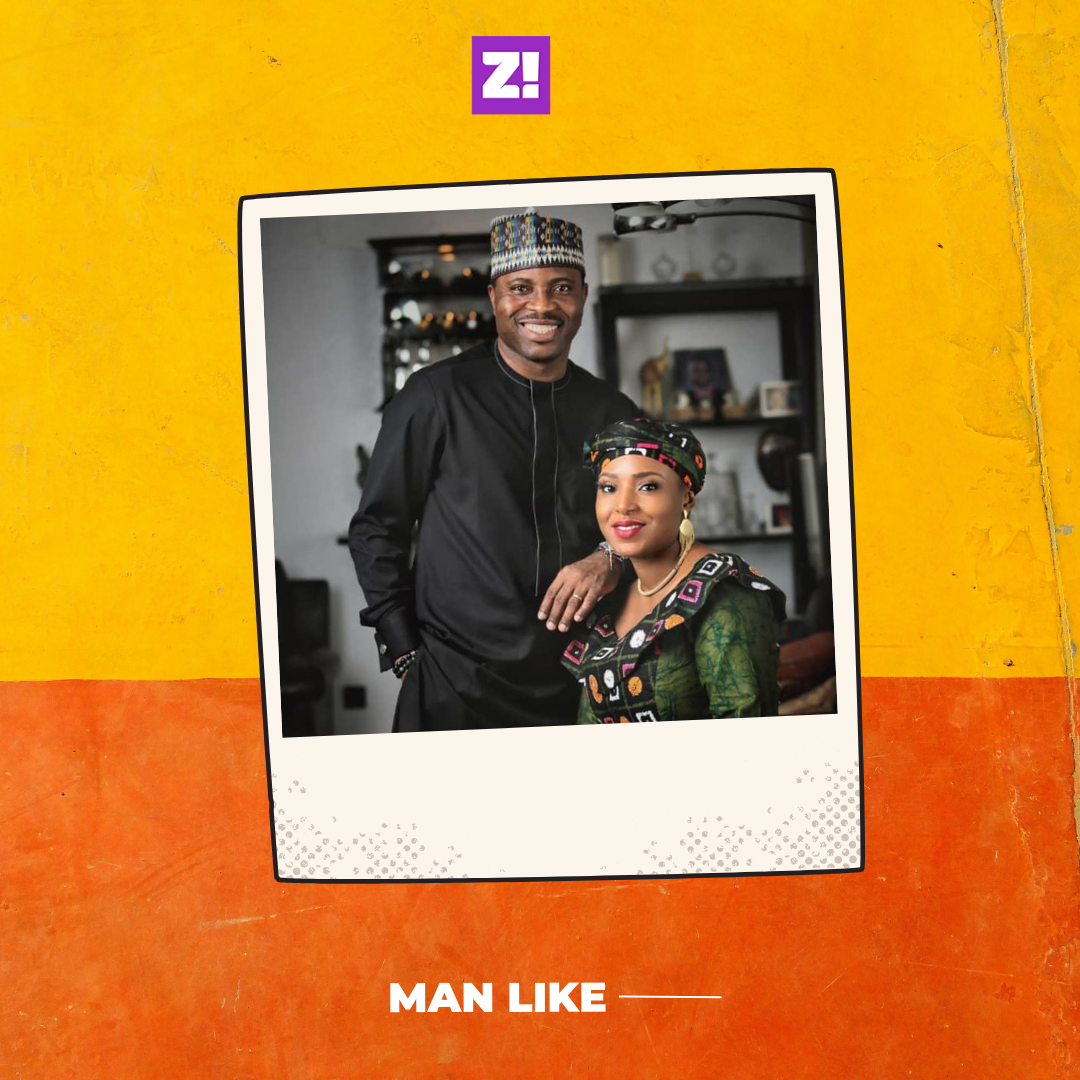
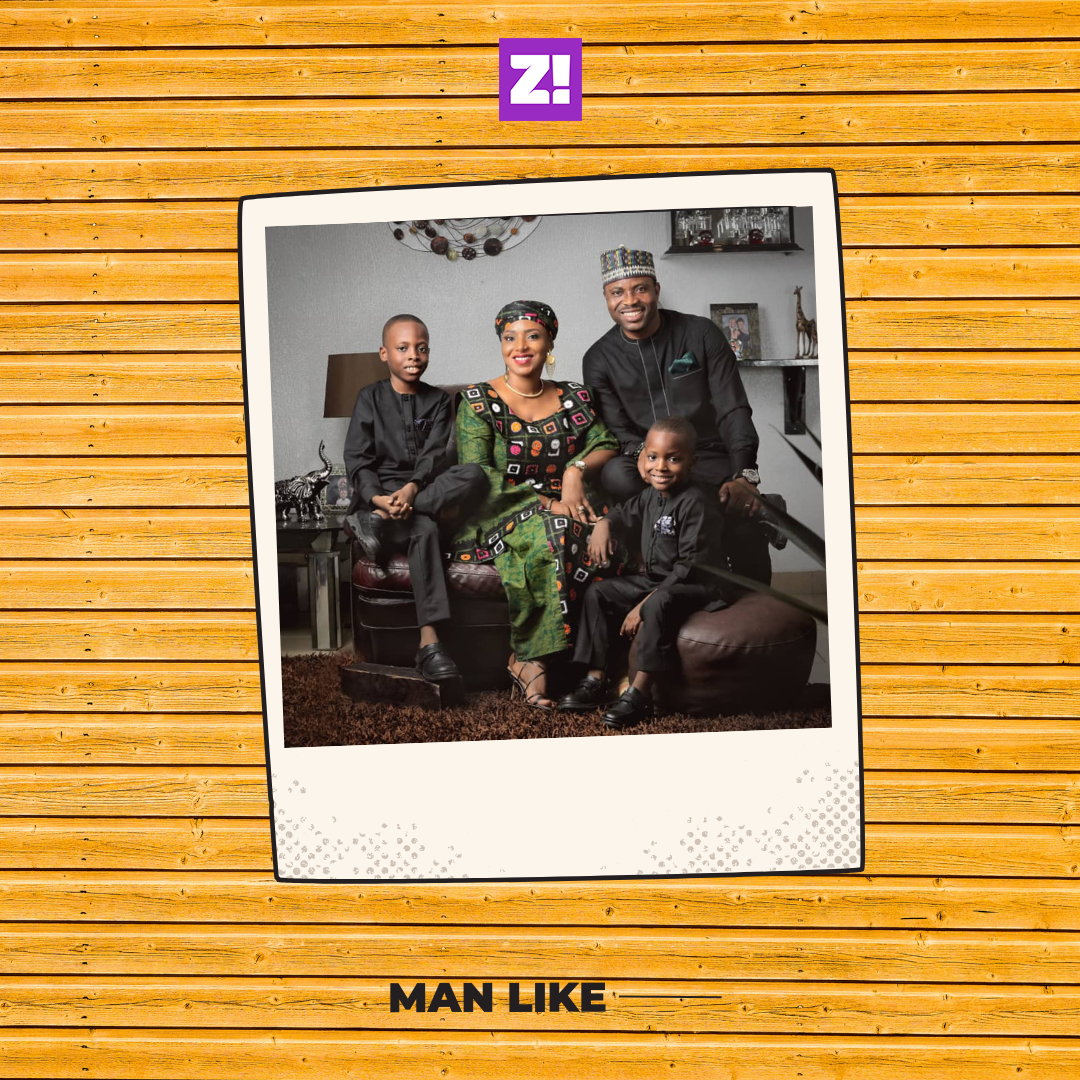
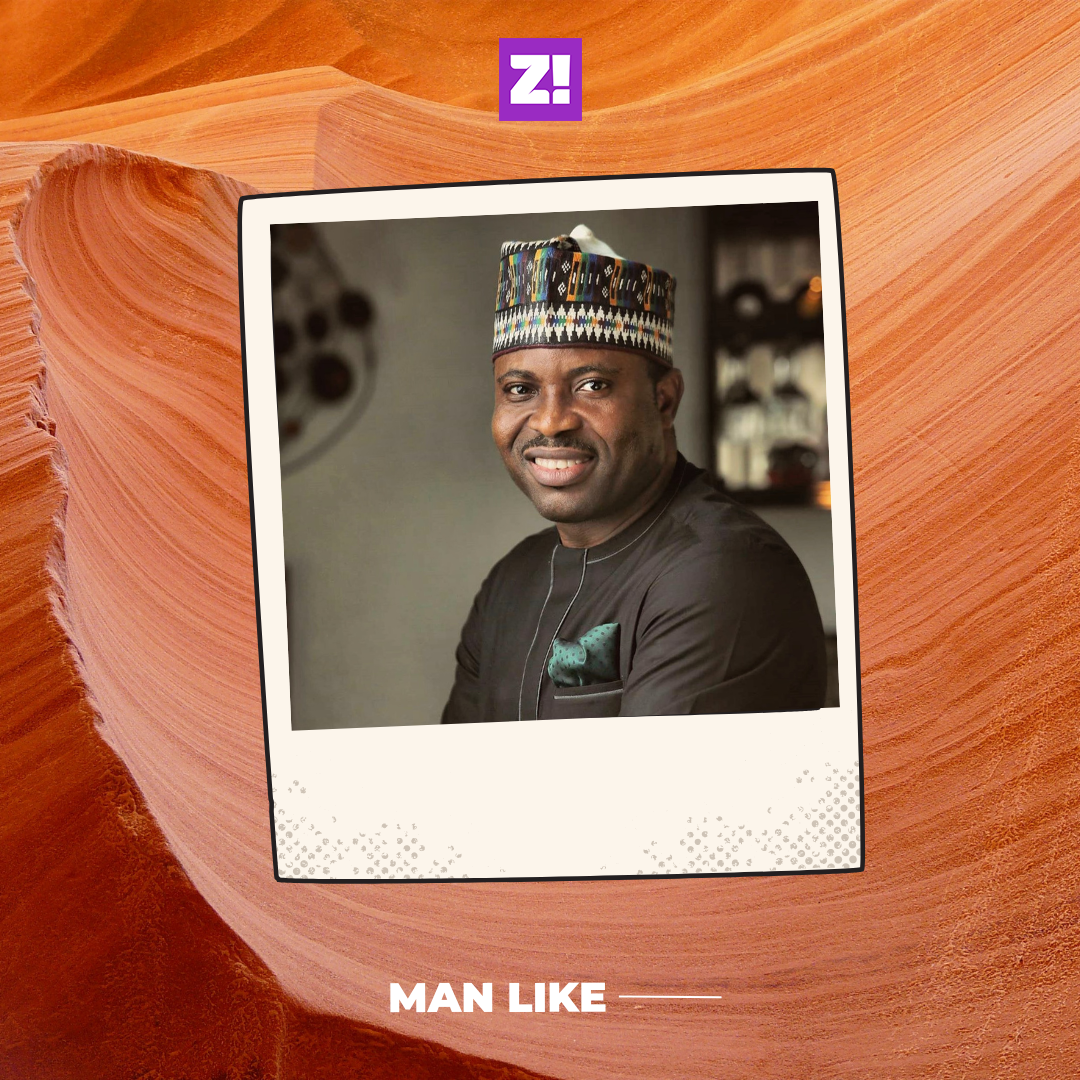
    The subject for today’s “Man Like” is William. He’s a husband, father and entrepreneur. He talks about being scared of old age, the benefits of contentment and why a supportive partner is everything.

    What was it like growing up?

    I had everything on a platter of gold to an extent because Popsi worked in an oil servicing company before he retired. My primary school was okay. In secondary school, I was fine. When I entered university, I was on a Mobil scholarship, so money was never an issue. Even NYSC was smooth. It was post-NYSC, when I got married, that things started to hit me.

    What happened?

    I had my “I’m now a man” moment.

    Haha. I want to hear about it.

    Before marriage, I was a YO man. That’s what you young people call OYO these days — On Your Own. Let me give you context. As a corper, I was being paid ₦21,000 as a pharmacist. I was also earning a ₦7,500 allowee. This was at a time where my mates were earning ₦6,000 monthly. I had scholarship money saved up from university and had also done the mandatory one-year internship for pharmacists, where I made more money. While my mates were taking buses to their NYSC camps, I was catching flights. 

    Ahan. 

    So, I was making money, saving and spending mainly on myself. When I decided to settle down and start a family, it hit me that I had to carefully make major decisions because it was no longer only me. 

    Marriage became the difference between seeing and buying a nice tennis shoe I’d eventually dash out and telling myself to save. When a baby came into the picture, I had to buckle up. 

    It wasn’t easy the first time my wife told me a tin of SMA Gold had finished under two weeks. I was like, we have to buy another one? That was when I knew it was not child’s play. I had to be a man or else I’d run into money issues. Although I was fortunate that my wife was employed; it made the “pressure” easier. But you know how it is na. You don’t want to start sharing responsibilities that early. You don’t want to say you buy this, while I buy other things. You still want to say, “Don’t worry, don’t worry, I’ll handle it.” But that was before oh, now that things have hit hard, omo, we are sharing this thing. I can’t come and kill myself. 

    Scream. 

    How did you decide your wife was “the one”?

    In the past, my criteria used to be physical appearance. I painted an ideal picture growing up — complexion, height, accent, physique. As I got older, I realised that beyond looks, manners are important. 

    I can’t stand bad manners and people who aren’t respectful. I also don’t believe a person will change in marriage. At least, not unless they decide to. For me, I looked at the criteria I wanted and screened people for them. I won’t say because you have a fine face let me go ahead and marry you. It won’t work because it’s for better or for worse. 

    I’m with you. 

    Another thing I looked out for was some measure of financial independence. You see all those people you meet and haven’t dated but they are already telling you about their sick parent or bad phone, I avoid them. I was fortunate to meet someone who fits into what I wanted.

    Single people are shaking.

    [laughs]

    I’ll be honest with you, there’s no 100% person. Not you, not your spouse. What I was looking for was cut down to let’s say 70%  because I wanted someone tall. However, as I grew older, I realised that the only thing that matters is that your partner gives you peace of mind. Every other thing is an addition.

    You can’t see me, but I’m furiously jotting down.

    Lol.

    I was going to ask: what scares you?

    Two things scare me. The first is poverty. Not being able to afford what I want is a major fear for me because I’ve come from a background where I was able to get anything. At least, most things.  

    Recently, I’ve seen myself wanting a few things and checking my balance to say, “No you can’t afford this.”  Some people out there look at me as someone comfortable, but I still look at myself when I want to get something. These days, I’m asking myself questions like, “Is it necessary? Is it a need?”

    I ask myself how will I survive if I don’t have money, to the point where my kids will ask for something and I can’t give it to them or I have to ask people to help me pay school fees for my kids? That scares me. 

    Me too.

    My other fear is old age. I fear that a time will come when I wouldn’t be able to take a step without fidgeting especially when I get up from the bed to urinate.  I’m not even scared of death. I don’t want to be dependent on people.

    I saw my dad go through that. Sometimes Popsi would tell me he’s going to ease himself and before he gets to the restroom, he’d have done it on himself. They used to call my dad baby boy when he was younger because he could jump around and he was the life of the party. All of a sudden, old age made him into something else. Kudos to my mum because I know what she went through. 

    I don’t look forward to it because I don’t want to be a liability. 

    Mahn. What now gives you joy?

    If you consider Nigeria’s wahala, you’ll look for joy and not find oh.

    Lmaoooo.

    On a more serious note, apart from my family, looking inwards gives me joy. My joy is not based on the external. I’ve learned not to place my joy in material things because it’ll break your heart. I’m armed with the knowledge that I have a measure of good health. 

    At least for now. I find joy in my sound health because I know I can leverage on opportunities when they come. A measure of belief and spirituality also gives me joy. Spirituality is a belief, and it’s a major source of joy for a lot of people. Having something you believe in makes tough times easier to handle.

    Interesting. Tell me about a time placing your faith in material things broke your heart.

    After my NYSC year, I didn’t practise as a pharmacist. Instead, I got a job at the bank. Fast forward a couple of years later, I left the job.

    I left with a lot of hope. I was telling myself that in two years, I’d set up a retail pharmacy and blow. I put all of my hope into it. After a year plus, I realised it didn’t give me what I was looking for. Also, I lost a lot of money. 

    I dusted myself and re-invested in another pharmacy business which is currently threading the path of the first one. I also remember at some point in my life, I used to think that once I got something, I’d be made for life. Especially when I wanted my job at the bank. And guess what? After getting some of them, I didn’t stop seeking for more. It left me wanting more and more. All of these are material things. 

    That’s why politicians keep stealing billions. The money doesn’t give them the kind of joy they’re searching for. It plunges them into a further search for joy and happiness. I live every day as it comes. I tell myself today is a beautiful day, and I want to be happy. Joy, happiness, all these things are a personal decision. 

    Has anything threatened your new mantra? 

    Sometimes when life gives you what you don’t expect, it reduces your ego, your masculinity. Men believe what makes them men is their spending power. To comfortably boast and say, “Do you know who I am?” And be able to back it up. But when you watch businesses fail in front of you, it’s easy to feel less of a man. 

    One day, my wife looked at me and said, “You’re feeling moody these days.” I was like, I don’t know what the problem is. She looked at me and said: “You’re thinking about money right?” I just smiled. Unconsciously, even if you want to be tough, these things have a way of getting to you. 

    I’m sorry. How have these things changed you as a person? 

    Life is weird because you never know when it’ll give you that hard knock, especially in Nigeria. What makes you a man is that when you get the knock, you don’t stay down. You have to keep trying and hoping something works. There’s a time for everything and if your “time” doesn’t come, you have to ask yourself: “Are you happy?”

    I want you to answer the question. Are you happy? 

    Yes.

    What are the things that make you happy?

    Contentment. If I have a CRV and it’s taking me to where I want to go, I’m fine with it. This doesn’t mean I’ll not hustle for more. But I’ll ask myself: do I have a car? Yes. Does it do what I want? Yes. Why do I want a better one? — is it because I envy someone driving a better car? 

    While doing my best, I must be content with where I am right now. I must also carry the hope that I’ll be better. Things will be better. For me, this is better than jumping the gun and looking for money at all costs. If I’m content, I’ll be happy. My new definition of masculinity involves learning to be a simple man. 

    Lit. How’s your wife taking all this?

    Remember that time she asked if I was thinking about money? I smiled and didn’t say anything. She told me not to worry, that the current financial situation wasn’t a big deal. Having a partner that tells you not to worry during a tough time is a blessing. When I heard her soothing voice, I was like, it’s all good. We’re in this together. It’ll pass. 


    Check back every Sunday by 12 pm for new stories in the “Man Like” series. If you’d like to be featured or you know anyone that would be perfect for this, kindly send an email.

    [donation]