• When the world first began watching Rodney on TikTok, he was a different person.

    Born in Anambra and raised in Abuja, he was a student and a dancer with dreams of becoming a star. But life, as he quickly learned, isn’t as easy to choreograph. While his passion for dance propelled him to viral fame, it also plunged him into a whirlwind of overnight celebrity, financial exploitation, and hard-earned lessons in trust and resilience.

    This is the story of Rodney’s evolution — from a shy, aspiring student to a digital superstar with over 7.3 million followers — and his fight to keep his voice and credibility intact.
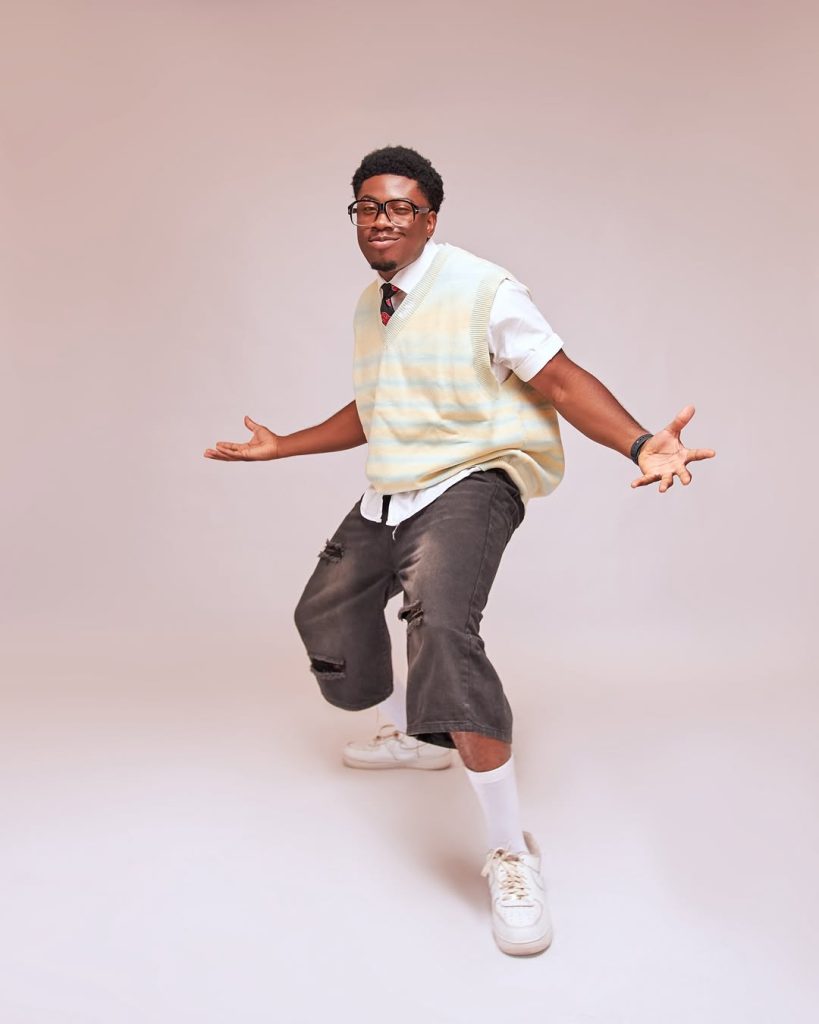
    This is Rodney’s story as told to Marv.

    The first time I realised my life was changing was back in 2021. I was walking through my neighbourhood on my way to buy bread for my family when, out of nowhere, a group of children recognised me. 

    “Rodney! Rodney! Ehh. He’s the one! Rodney!” they shouted. I froze, caught off guard, as their voices echoed down the street.

    I was in old, faded clothes and slippers, completely unprepared for that kind of attention. They wanted pictures, and I had no choice but to pose. That moment, as overwhelming as it was, planted a seed: people were noticing me, not just online, but in real life. It was exhilarating, but it also made me start paying attention to how I looked when going out, even if it was just to school.

    Before TikTok, my life had been… just there. I was studying International Relations, coasting through classes I didn’t fully understand. Dance was mostly a hobby. I started back in secondary school and eventually joined a group called Dark Illusion, which, looking back, is a crazy name, but I thought it was cool at the time.

    My friends always hailed me as a good dancer, and while I didn’t overthink it, I did have this Step Up-inspired fantasy where I’d show up at university, show off my dance skills, and somehow become famous. 

    But when I got to uni, I quickly realised how delusional I’d been. Adulthood hit me hard, and I had to hustle just to survive.

    I kept dancing, but mostly as a way to pay small bills. I’d earn maybe ₦3,000 for a performance at a departmental pageant, a fresher’s party or some faculty event — just enough to cover some basic expenses. 

    I danced through 100 and 200 level, until COVID hit in the second semester of my 200 level, bringing everything to a standstill.

    During the lockdown, I was stuck at my parents’ house on the outskirts of Abuja. With no events or parties happening, my focus shifted. Instead of performing live, I started pouring my energy into social media, posting more dance videos on Instagram and TikTok.


    Subscribe to Zikoko Pop newsletter, The Feed, for the most important pop culture news


    By the time I was returning to school, I already had some online recognition — around 300 thousand followers on Instagram and TikTok, though the latter had the biggest following. Back then, TikTok was still new, creators were few, and having a following made people assume you were a big deal.

    But for me, it still felt small. I was posting out of boredom, mostly repurposing the same dance content I’d been sharing on Instagram. The growth was slow at first. My TikTok views were low compared to my following, and that’s when I realised that being on the app wasn’t enough. I needed to hop on trends and make quality content.

    Then one skit changed everything. It was a funny take on African parents who don’t show romance despite having up to 10 children. It exploded to around 100,000 views. I was shocked and excited.

    Before TikTok, I didn’t see myself as a funny person beyond my friend group. We’d troll and joke about situations, but it was all casual. TikTok gave me the confidence to really try comedy. 

    So, I started mixing in skits with my dance videos, and the audience responded more to the skits. So, I let my dance evolve and mix with comedy. I was still dancing, just in a goofy, funny way that fit my audience and even allowed me to reach more people.


    READ NEXT: My Mother Is a CAC Prophetess. But After My Sister Died From a Spiritual Attack, I Left the Church


    But shooting videos back then was rough for a while. We didn’t have Jamboxes, so the sound came straight from the phone as we recorded. I even had to borrow a friend’s phone just to make content.

    Data was another struggle. I relied on night plans to upload videos and check engagement. Slowly, the effort started to pay off — I was gaining traction, making a bit of money online, and settling bills myself.

    Still, growth was slower than I would have liked, mostly due to my camera quality. It matters more than people think. So, I saved up from the content and brand advertising gigs I got and borrowed a little from friends to get an iPhone 6. 

    The difference was almost immediate.

    The first month using it, one of my videos blew up, hitting a million views in a week. Followers started growing exponentially, sometimes 100k a week, other times 100k in a day. 

    That’s when I knew this was not just fun anymore. This was now a business.

    My popularity in school also exploded. Soon, I couldn’t walk around campus without someone secretly recording me to post on TikTok or freshers going crazy. 

    So, I started showing up only when I had strict lectures or exams. Thankfully, my classmates already knew me, so I could navigate without too much fuss. My friend group remained small and loyal, unaffected by my growing popularity. Others became acquaintances, riding the wave of my fame, but willing to help when needed.

    Despite all that, I started questioning if I still needed school at all. But I had to push through. My parents never allowed me to rest, and that constant pressure, combined with my own determination, meant I couldn’t stop. I didn’t take breaks in the traditional sense, though I wasn’t present for all my lectures, especially in 400 level, where it was mostly project work.

    The thought of quitting school never left my head, but I chose to see it through to the end. I got my degree. 

    Around this time, I began charging more for gigs. I furnished my space, bought better equipment and improved my content quality. My parents, especially my dad, were sceptical at first. But over time, he saw the money coming in, heard people talking about me, and even started watching my videos.

    He eventually gave me his blessing, with one condition: that I chase my dream without compromising my morals. That blessing lit a fire in me. I went harder with my content, posting more, taking on bigger opportunities and getting recognition. 

    That was when I met my supposed manager. At first, he was just a loyal client who brought multiple gigs. Eventually, he positioned himself as someone who could help me grow. 

    When we met for the first time in Lagos in 2021, the only time we ever met, he claimed to have industry connections. At first, he seemed helpful. He secured a couple of gigs, and I thought, maybe this will be my big break.

    But soon, the red flags emerged.

    He was a free agent with no structure, so he started manipulating payments. If a brand paid him ₦2,000 naira for my service, he would tell me I only earned ₦100. And it was from that same ₦100, he would collect his 30% manager fee.

    He was a manipulative gaslighter who pretended to care about my career while exploiting me. He presented himself almost as a big brother, giving me a false sense of security. There was one brand that supposedly hadn’t paid, yet I found out months later that they had. I had to reach out to them directly, only to be shown receipts. Over time, I realised I’d lost tens of millions of naira to his schemes.


    Get More Zikoko Goodness in Your Mail

    Subscribe to our newsletters and never miss any of the action


    During this period, I tried to branch into music. My first song, “Wisdom Drill,” started as a parody video, but fans loved it, so I put it on streaming platforms. In early 2023, I considered releasing another track. My manager convinced me to host a listening party, promising it would boost streams.

    I was hesitant about the cost, but he assured me it would be worth it. I ended up spending nearly ten million naira on the event. People showed up, but the experience exposed how disorganised everything was, and how badly I needed a proper team.

    By first the quarter of 2023, I was broke, struggling to survive on the little I had left. I even had to reach out to brands myself, realising that he had been sabotaging my career. The revelation was devastating, but it pushed me to reclaim control. I confronted him, threatened to call him out publicly, and the next day, he blocked me. When I tried to travel to Lagos to see him, I found out that he had even left the country, leaving me completely on my own. Last time I heard about him, he was in China.

    His actions didn’t just rob me financially, they threatened my credibility. Brands began reaching out with legal threats, and his explanations were vague, often non-existent. I had no choice but to clean up the mess he created. It was exhausting and infuriating. Yet, it also forced me to recognise my value and the importance of taking control of my career.

    Recovering from that betrayal meant starting fresh. I posted online to declare that I was no longer affiliated with him. Transparency became my guiding principle. I joined a new team that was honest, professional, and structured, giving me the support I needed to rebuild. That fresh start helped me regain credibility, attract brands again, and focus on my craft without interference.

    Looking back, the journey taught me resilience. It taught me to trust my instincts, to value my work, and to understand that even in moments of overwhelming visibility, control over your own career is paramount.

    By the time I had my father’s blessing and started creating with confidence, I realised something crucial: the money, the followers, and the fame were just tools. The real victory was taking charge, refusing to be manipulated, and ensuring my creativity and hustle were respected and protected.


    ALSO READ: 10 Nigerian Comedy Skits that Perfectly Describe Lagos Life


    [ad][/ad]
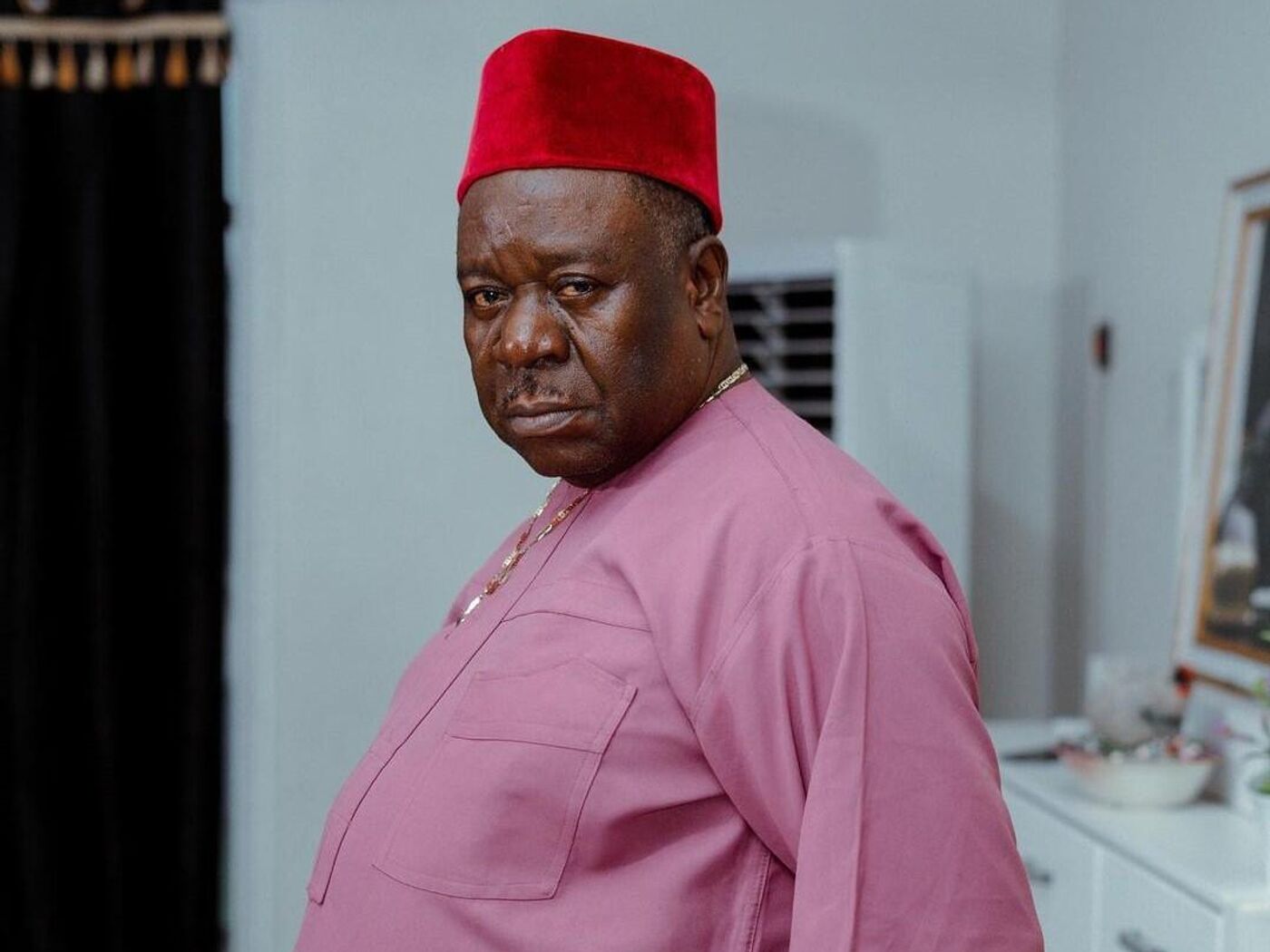
  • Instagram: @realmribu

    My funniest memory of living in a rented room-and-parlour flat growing up was getting scolded for watching films in our neighbour’s house. A new family moved into the flat beside ours in 2002, and they always watched Nollywood home videos — remember those?

    Two years after my neighbours had settled in, I noticed they spent more time in front of the TV than we did. Every time I passed their front door, the sound of their excitement over whatever they were watching made me want to knock on their door and ask for a seat among them.

    At their place, I memorised Austino Milado’s “Super Eagles Carry Go” album and first watched “Mr Ibu and His Son” on their Panasonic screen. Before experiencing this local side of television, I was only familiar with “Blade”, “Zorro” and other Hollywood flicks on my parents’ Orion four-square TV.

    One evening, their mum returned from her shop, and her kids excitedly surrounded her for the goodies she brought home. She waved a video cassette of “Mr Ibu” in their faces and caused an uproar.

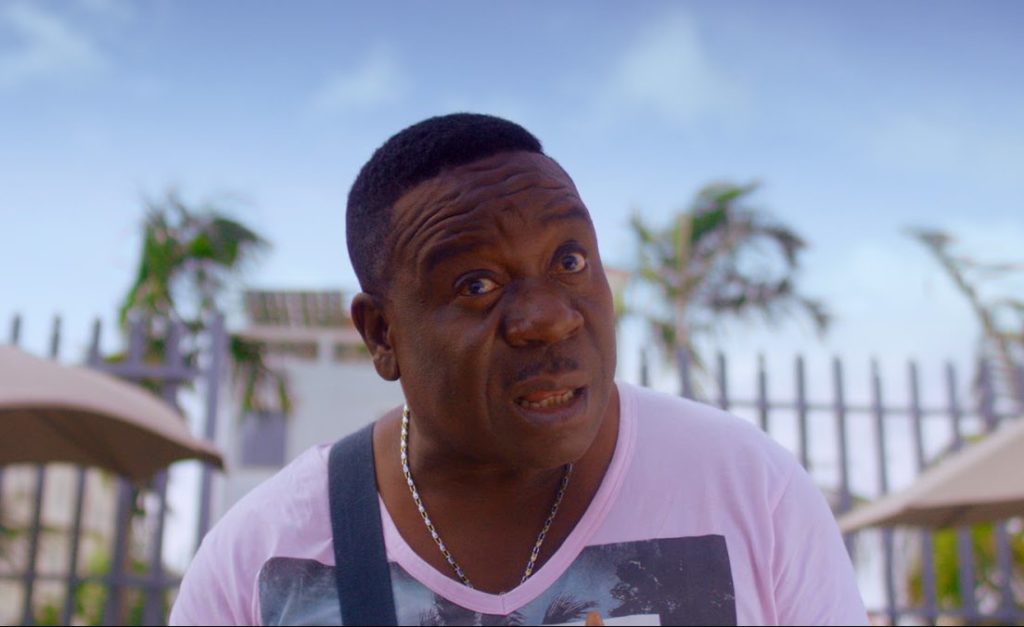
    It’s hard to forget the opening scenes of “Mr Ibu”. The titular character, played by John Okafor, and his son (Osita Iheme) were riding on a bicycle, when someone told them their weight would crush it. Ibu got down but left his son on it and continued their journey. 

    Another person saw them and whined about how Ibu’s son was wicked to ride while his father walked. The ever-conforming Mr Ibu reversed the arrangement. World people saw them again and condemned Ibu for being a heartless parent.

    Eventually, Ibu got down, and they both walked on foot and pushed the bicycle with their hands. Then some other stranger called them foolish for walking while the bicycle rode empty. The act proved that it’s impossible to please the world, like the story and lesson from Ebenezer Obey’s “The Horse, The Man & The Son”.

    His perplexed son asked why people complained about whatever they did and how to stop it from happening. Mr Ibu told him it was the way of the world, and the only way out of it was to die. Ibu’s son responded, “But Papa, you’ll die first so that I’ll bury you.” After a few words, Ibu decided the bicycle was the cause of their weird encounters with people, and it was best to abandon it. 

    I enjoyed the movie until my mum grabbed me from behind as I peeped through our neighbour’s front door which they’d left ajar — Nigeria used to be in those days. She dragged me away by my left ear. My neighbours’ laughter reached me in our parlour as I ran errands for the next few weeks.

    Mr Ibu, as everyone started to call John Okafor, soon became popular in our building. A simple mention of his name came with erupting laughter and amateur takes of his funny scenes. The success of the film brought us “Mr Ibu in London”. And as I grew older, he became even more famous. I watched him in “9 Wives” and “Husband Suppliers” with the same neighbours.

    I didn’t know the names of the other actors, but I knew Mr Ibu.

    Before I fell for the silliness of Mr Bean, Mr Ibu was my go-to funny guy. He was perfect until I started finding faults in Nollywood movies, comparing them to Hollywood. Before Jerry Seinfeld, Dave Chappelle or Trevor Noah, I knew Mr Ibu and narrated scenes from his films with my friends.

    Premium Times Nigeria

    As a young adult, I got detached from Mr Ibu’s brand of comedy, but then, memes and GIFs came around. The funny scenes I grew up watching turned into iconic moments on the internet. Chats with my friends and online users are funnier because his memes come in handy. My funny articles bang harder when I include his face. Mr Ibu is still with me. It’s the same for many other Nigerians.

    So when he posted a video on his IG page on October 18, 2023, the news of his ailment, asking for financial assistance from the public, was devastating to most. Ibu’s sharp mouth that once dished out sarcastic responses became frail before the world’s eyes. From his sick bed, it was easy to see he wanted to stay alive and live longer. People loved him and came to his aid. 

    But the donations only caused discord among his family members; he never got better.

    On March 2, 2024, Mr Ibu’s name hit the news again. The veteran comedian had passed away. My mother died exactly nine years to this day, and there’s nothing I’d love more than to watch “Mr Ibu and His Son” for the first time again. But this time, with her. No one dragging anyone away. We’d laugh and just enjoy it.

    Mr Ibu is a symbol of the classical era of Nollywood comedy. He’s much more than comic relief or viral memes, GIFs and stickers. He’s an icon and was a fantastic actor. His art will remain a memorabilia of his existence. He’ll live on through every film he starred in from age 18 to 62. This is a personal tribute to his legacy.

    If You’re Too Young to Remember Mr Ibu’s Reign, These Are 10 of His Onscreen GOAT Moments

  • Nigerians woke up to the pleasant surprise that Josh2funny debuted on America’s Got Talent (AGT). Just being on that stage wasn’t enough, he also delivered a nine-minute performance that had the audience and judges in stitches.

    If Josh2funny can carry his carry organised madness to the international stage, we know these comic content creators can do it for the culture.

    Josh2Funny Led the Way, We Need These Other Comics on AGT

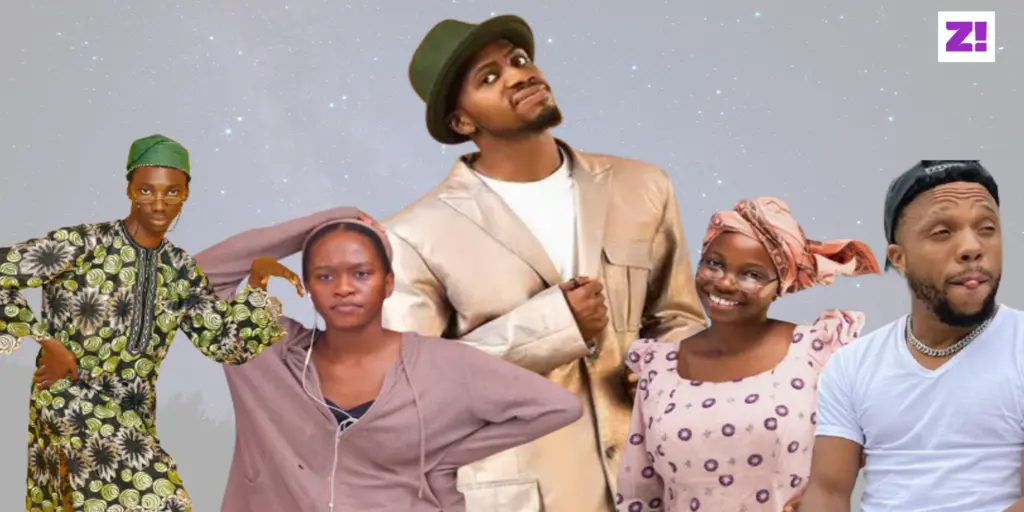
    Sabinus

    Mr Funny wouldn’t even have to do much. He can just show up on the stage and put on his classic ‘confusionist’ expression. We can’t guarantee he’ll get any yeses from the judges sha.

    Layi Wasabi

    Almost every time  Layi Wasabi drops a video, there’re pockets of argument about his content appealing to a certain demographic AKA “deep, intellectual thinkers”. But the real ones know that Layi is global comedy material. He’ll eat up that stage.

    Aderonke

    Some people have been asking for a Layi Wasabi X Omo Oba collab but if it ever happens, it should be on the AGT stage. We’re calling it: these two will get three yeses and maybe even a golden buzzer.

    Maraji

    If there’s one comic creator with the far-reaching range to crack up an American audience and four judges, Maraji’s the one. We just need her to pull one of her “X type of people” kinda content.

    Charles Okocha

    The comic actor has been cosplaying an ‘Americana’ for a while so it’d be a full circle moment if he ever gets to the AGT stage. Okocha knows how to work his charm so maybe there’s a chance of getting a yes or two Sofia Vergara or Heidi Klum.

    Taaooma

    She might struggle to get her three yeses from the judges but not if she pulls a Josh2funny on them and returns as her chaotic miniature character, Teni. Simon Powell will hit that buzzer with smiles on his face.

  • Motivational speakers told us to marry who makes us laugh, so we just thought to do the Lord’s work by pointing you in the right direction.

    Take the quiz:

  • Elsa Majimbo is a 19-year-old old comedian, celebrity and internet sensation who came to the limelight by making very funny and relatable content on her Instagram page. We’ll have typically begged her to cut soap for us, but where’s the fun in that when we can just blow like her. Here’s a list of very easy ways to become more popular than Elsa Majimbo.

    1. Pray to the God of Elsa Majimbo

    When you wake up in the morning, look up and say ‘’God of Elsa, I am here again oo’’. Simply calling him sky daddy isn’t enough anymore. God of Elsa works over time.

    2. Start practicing your pride.

    See ehn, pride is very important. Please don’t get us wrong oo, it is actually real pride, not childish pride.

    3. Tweet for the girls and gays.

    If the God of Elsa doesn’t work for you, the blessings of the girls and gays would be more than enough for you. Sorry to you if you are homophobic sha, you’ll never blow.

    4. Look into the mirror and shout ‘’I will blow’’ three times before you start your day.

    To be very honest, we are not very sure how doing this is going to help you. But if you are serious about blowing like Elsa, then we advise you to try it out.

    5. Learn how to gamble.

    Wait, hear us out first. Elsa already plays chess, and the activity closest to chess is gambling. If you are serious about blowing, you’ll want to play a game that would teach you how to be strategic.

    6. Buy many sunglasses.

    Have you ever seen Elsa without her sunglasses? the answer is NO. She wears them so she won’t see her haters. Buy your own sunglasses in anticipation of your haters.

    7. Steal her soap.

    This one might not be an easy feat, but you have to find a way to do it. If you cannot steal her soap, you have to find the manufacturer, if you cannot find the manufacturer, you’ll have to make the soap by yourself.

    Lastly, we’ll have told you to contact Kunle Ologunro to teach you how to be funny like Elsa, but he also needs this article so he can blow.

  • Our favorite young girl, Emanuella is really going places! The 6-year-old is now one of many Nigerians giving us serious international exposure, and we’re so proud.

    She just won herself the 2016 ‘Princess of Comedy’ and ‘Best New Comedienne’ award at the Afro Australia Movie and Music Awards (AAMMA).

    The award held in Sydney, and was organised by Daniel Okoduwa, a Nigerian based in Australia. His aim is to recognize African talent from home and in the diaspora.

    Emanuella is now the youngest ever to receive both awards. Her uncle, Mark Angel also won an AAAMA award for Leadership and Mentorship.

    Well done girl! For those who are not familiar with this Youtube sensation, let’s sharply drop one of our favorite Emanuella clips for you. Enjoy!!!

  • Africans have been gaining world recognition for quite some time now, and Nigerian comedian, Gandoki, wants to join the league.

    He wants to set a 48-hour record for the ‘Longest Stand-Up Comedy Performance By an Individual’. The show will hold from Thursday, 29th September, to Saturday, Oct 1st, at the Exclusive Mansions Hotel, Lagos.

    Warri born Gandoki, whose real name is Tony Mofe Ereku, started out with top acts like Ali Baba and Ay, and unoficially holds the record for longest performing comedian in Nigeria.

    David Scott, an American, currently holds the Guinness World Record in this category, with his 40 hours, 8 minutes performance back in 2013. But not for long sha.

    If you will be attending the show, please sha keep laughing. Even if it becomes boring, plaster a smile over your face; do it for Nigeria!