• If you’ve ever tried to read a book about money and felt your brain switch off halfway through, you’re not alone. Money books can be boring, preachy, or downright confusing, but some can be worth your time and might even make you laugh while teaching you how to get that bag. 

    We have curated the 10 money books that have been game-changers for Nigerians looking to level up their money game.

    1. The Smart Money Woman – Arese Ugwu

    A relatable Nigerian fictional story about friendship, money struggles, and financial glow-ups.

    This financial chick-lit follows Zuri, a 30-something Nigerian woman who appears to be successful on the outside, but is drowning in debt, bad money habits, and financial ignorance. Her squad ultimately helps her take control of her finances. This book has also been adapted into a show you can stream on YouTube or Netflix.

    What you’ll learn & why you should read it: Learn how to budget, invest, and save without losing your social life or sanity, all with relatable characters you’ll root for. This is perfect if you want money advice that feels like talking with your besties.

    2. The Psychology of Money – Morgan Housel

    Money isn’t math; it’s psychology, and this book shows you why.

    Through 19 short, sharp, and easy-to-digest stories, Housel explores how emotions, luck, and human behaviour influence financial decisions more than logic or knowledge.

    What you’ll learn & why you should read it: 

    Understand why smart people make poor money choices and how to build long-term wealth by mastering your mindset.  It’s essential if you want to stop sabotaging your financial goals.

    3. You’re a Badass at Making Money – Jen Sincero

    The pep talk you didn’t know you needed to get rich.

    Sincero shares her journey from living in a converted garage to travelling the world as a successful coach, focusing on dismantling the limiting beliefs that keep people broke.

    What you’ll learn & why you should read it:

    You’ll learn how to uncover and overcome the subconscious beliefs sabotaging your financial success and find practical exercises to shift your mindset from scarcity to abundance. 

    4. I Will Teach You To Be Rich – Ramit Sethi

    A  practical, no-fluff plan for young people ready to master their money life.

    Sethi combines personal finance basics with psychology and investing, laying out a six-week plan for managing your money like a boss.

    What you’ll learn & why you should read it: Learn budgeting, automating savings, and smart investing tailored for young people who want financial freedom without sacrificing life’s fun.  The book teaches you to spend extravagantly on the things you love, cut costs mercilessly on the things you don’t. Good for Nigerians starting out or looking to level up.

    Join 1,000+ Nigerians, finance experts and industry leaders at The Naira Life Conference by Zikoko for a day of real, raw conversations about money and financial freedom. Click here to buy a ticket and secure your spot at the money event of the year, where you’ll get the practical tools to 10x your income, network with the biggest players in your industry, and level up in your career and business.

    5. Die With Zero – Bill Perkins

    This book challenges the usual “save till you die” advice and encourages readers to live their best lives now.

    It’s a radical rethinking of retirement that argues spending too little during your prime years is just as bad as spending too much. 

    Perkins argues for balancing money and experiences, encouraging you to spend wisely while you can still enjoy it.

    What you’ll learn & why you should read it:  

    You’ll learn how to balance your spending across your lifetime, why memories are more valuable than money, and practical frameworks for deciding when to invest in experiences versus saving for later.

    It challenges the typical “save till retirement” mindset and encourages living your best life without reckless spending, perfect for Nigerians juggling hustle and joy.

    6. The Almanack of Naval Ravikant – Eric Jorgenson

    A collection of wisdom from one of tech’s most successful investors, and it’ll change how you think about wealth, happiness, and the pursuit of both.

    Naval is a Silicon Valley legend, and this book distils his wisdom on wealth, happiness, and decision-making.

    This almanack compiles Naval Ravikant’s best insights on wealth creation, happiness, decision-making, and living a fulfilling life from his various tweets, podcasts, and interviews.

    What you’ll learn & why you should read it: You’ll learn the difference between wealth and money, why specific knowledge is key to creating your fortune, and how to build wealth by creating products that work while you sleep. 

    7. The Latte Factor – David Bach

    A simple story that shows how small daily expenses can add up to millions over time, and how to turn those small amounts into wealth.

    Through a fictional story about a young woman named Zoey, Bach reveals how making small changes in your daily spending habits and investing the difference can dramatically transform your financial future.

    What you’ll learn & why you should read it: 

    You’ll learn the three secrets to financial freedom, how automating your finances is essential, and why you don’t need to make a lot of money to become rich. The book simplifies the seemingly complex investing world into three basic principles anyone can follow: “Pay yourself first, make it automatic, and you’ll never have to budget.”

    8. Money: A Love Story – Kate Northrup

    Fix your money mindset by treating money like your relationship partner. 

    In this money-love story, Northrup explores how emotions shape financial habits and shows how to heal your money story for lasting abundance.

    What you’ll learn & why you should read it: Break free from guilt and fear around money, cultivate gratitude, and build wealth with heart. Great if you feel stuck in toxic money cycles.

    9. The Black Girl’s Guide to Financial Freedom – Paris Woods

    A practical roadmap for Black women that addresses the unique cultural and societal challenges they face on the path to building wealth.

    Woods provides straightforward, actionable steps for saving, investing, and building generational wealth while addressing the barriers and pressures Black women face in their financial journeys.

    What you’ll learn & why you should read it: You’ll learn how to increase your earning potential, build multiple income streams, and create an investment strategy that acknowledges the racial wealth gap while building substantial assets. It speaks directly to the experiences of Black women in ways that other financial books don’t, with specific strategies for overcoming systemic obstacles.

    The book emphasises that financial freedom isn’t just a goal, it’s a lifestyle.

    10. The Millionaire Fastlane – MJ DeMarco

    This book is a wake-up call that exposes the trap of the traditional “get a job, save for 40 years” path to wealth and offers an alternative roadmap to becoming rich while you’re young enough to enjoy it.

    DeMarco divides wealth-building into three roads: the Sidewalk (living paycheck to paycheck), the Slowlane (traditional saving and retirement), and the Fastlane (entrepreneurship and creating systems that scale), arguing that only the Fastlane can create meaningful wealth during your prime years.

    What you’ll learn & why you should read it: You’ll learn the five commandments of the Fastlane, and how to build businesses that can be sold for massive paydays. It will make you rethink your entire approach to career and wealth-building, especially if you’re ambitious and impatient about financial freedom.

    11. Money: The True Story of a Made-Up Thing – Jacob Goldstein

    A fascinating journey through the weird history of money that will challenge your understanding of what currency really is and why we trust it.

    Goldstein takes readers through the surprising origins and evolution of money, from shells and giant stones to paper currency and cryptocurrency, revealing how money is essentially a shared fiction we all choose to believe in.

    The book emphasises that “Money is a shared story. It’s a story about value that enough people believe to make it useful.”

    What you’ll learn & why you should read it: You’ll learn how money has transformed from tangible objects to digital entries, why governments and banks work the way they do, and how understanding money’s history can help you predict its future. The book makes economics entertaining while giving insights into the bizarre system that shapes our world.

    12. Broke Millennial – Erin Lowry

    A fun, relatable guide to adulting with money for young adults.

    If you’re new to finances or intimidated by jargon, this book makes money simple. Lowry addresses the financial challenges facing millennials, such as irregular gig income, sharing finances with partners, and navigating financial conversations with friends, in a refreshingly straightforward and relatable way.

    What you’ll learn & why you should read it: 

    You’ll learn how to get your financial life together (#GYFLT), have awkward money conversations with romantic partners, and build a financial foundation while juggling multiple financial priorities. It’s written for young adults dealing with modern money problems, without the judgment or outdated advice in traditional finance books.

    The Bottom Line

    Money doesn’t have to be confusing, boring, or overwhelming. Whether you’re figuring out how to save, invest, or just stop stressing over bills, these books break it down, cut the noise, and show you exactly how to take control of your financial future.

    Pick one, read and apply it, and let it change how you handle money for good.


    Also Read: I’m 22, and This Is How I Grew My Money by 29% in 2024


    Get More Zikoko Goodness in Your Mail

    Subscribe to our newsletters and never miss any of the action

    [ad]

  • There are only a handful of writers working today in the world who have attained celebrity status quite like Chimamanda Ngozi Adichie. Her TED talk, “We Should All Be Feminists” was sampled by Beyonce. Later, Dior printed it on T-shirts. She has graced the covers of magazines like Harper’s BAZAAR and Vogue. Tickets to see her deliver speeches sell out in seconds. On social media, her devotees proudly call themselves “The Daughters of Chimamanda.” Fans of her work almost held vigils outside bookstores anticipating her latest drop, Dream Count. 

    Odeluwa Abba!

    What has made her so popular among young women? I spoke with one such woman to try (because we can only try) to understand the gravitational pull she has on her fans.

    As told to Tomide by Mariam.

    Growing up, I always loved reading. One of the books that stuck with me as a child was Purple Hibiscus, Chimamanda’s debut novel. I was in SS2 when it was assigned in my literature class. At 14, I appreciated its storytelling and setting, but I didn’t fully grasp some of its themes. However, Aunty Ifeoma’s character stood out to me — a strong woman raising her children on her own. She was one of my earliest introductions to the idea that women could be independent and capable in a world that often insisted otherwise.

    As I grew older, I understood the book differently. Eugene wasn’t just a strict father; he was an abuser. It made me realise how men who are admired in public can be entirely different — and much darker — behind closed doors. But the real shift in my perspective came when I read Dear Ijeawele, Chimamanda’s book on raising feminist children. It resonated deeply with me because, even as a child, I questioned the way things were.

    Why were girls always the ones expected to cook, clean, and do most of the chores? These skills weren’t embedded in our DNA, so why were they treated as if they were? During Ramadan, I noticed how women were constantly occupied with cooking while men had the freedom to focus on prayer. I knew something about these gender roles wasn’t right, but Dear Ijeawele put words to the thoughts I had been carrying for so long. It was affirming to see someone write so passionately about these issues, making me feel seen and understood.

    That’s the power of Chimamanda’s writing — it reinforces the belief I’ve always had: girls should be raised to be their own people, not just groomed to become someone’s wife. Her books remind me that I’m not alone in these thoughts. They make me reflect: Are we the way we are because of how we were raised? What other norms have we accepted simply because society told us they were normal?

    Get More Zikoko Goodness in Your Mail

    Subscribe to our newsletters and never miss any of the action

    Her writing also challenges how we treat and address women. Why do we call women “Dr. Mrs.” instead of just “Dr.”? Why is a woman expected to change her surname after marriage? These seemingly small details carry deeper implications, and her work reaffirms that women can be loud, stubborn, and unapologetically themselves. And that’s more than okay.

    Every writer has their own way of telling stories, but Chimamanda’s writing stands out for its clarity and depth. Her storytelling is both poetic and powerful, making it easy for readers to connect with her words. There’s a profoundness in the way she crafts her characters and their experiences—raw, relatable, and deeply human.

    Whether it’s Kambili’s silent struggles in Purple Hibiscus or Ifemelu’s complex journey with race and identity in Americanah, Chimamanda’s characters feel real, their emotions tangible. Americanah is my favourite of her books because, in my opinion, it’s where she most deeply explores feminism and identity. Through Ifemelu’s experiences, she dissects the ways gender and race shape our lives, making the novel not just a story but a lens through which to view the world.

    In “We Should All Be Feminists” (which is also a book) she writes, “We teach girls to shrink themselves and make themselves smaller.” This powerful quote is one of the defining statements that cemented her voice and influence in both global and local cultural conversations.

    In the week leading up to the release of her new book, Dream Count, the excitement was everywhere. Book lovers, reading clubs, and literary circles buzzed with anticipation — Chimamanda Adichie was the name on everyone’s lips. It was a moment of unity, a celebration of her impact on literature and culture.

    Beyond her writing, her influence extends into real-life recognition. She made history as the first woman to receive a chieftaincy title in her hometown — a powerful testament to how her work and ideologies manifest beyond the page. Chimamanda is more than a writer; she is a symbol of possibility, a reminder that aspirations have no limits.

    It’s impossible to talk about great and influential Black, African, or Nigerian writers without mentioning her name. I love that her work is not just celebrated but deeply appreciated across the world.

    People won’t stop talking about Dream Count. Over the past few weeks, I’ve read every article I could find about it. Just like I binge-watched all of Chimamanda’s YouTube videos back in university, I found myself jumping from one article link to another. Book lovers attended her events, bought copies of the book, and even got her autograph. That’s influence. I wish I wasn’t in Nigeria — or at least, I wish I wasn’t a broke babe — because I would have been there, too.

    For me, Chimamanda and her books are the perfect conversation starters with fellow book lovers. Lately, I’ve even bonded with people over her recent Vogue interview

    In The Guardian article, I liked how she addressed some of the criticisms she has received, especially about Cancel Culture. She spoke about the importance of people being able to share their opinions and defend themselves. One of the points she made was about trans women and how, in her view, they don’t have the same lived experiences as cis women, particularly regarding safety and social conditioning. I understand where she’s coming from, but I also see how trans women begin to experience many of the same struggles that cis women face. It’s a complicated topic, and honestly, I’m still figuring out where I stand. It’s difficult to take a firm position without enough knowledge.

    But that’s the beauty of discussion — engaging, listening, and allowing conversations to shape and refine our opinions. If I could talk to Chimamanda, I’d tell her how important her books are, though I’m sure she’s heard that countless times. Still, I’d want her to know that her work has shaped so many young Nigerian feminists, including me. It’s astonishing to see how much she has done for women and people in general through her writing.

    We need to read, learn, and understand that there is no limit to what we can become. Society will always try to dictate who we should be, but we don’t have to conform. Women should have the same access and opportunities as men—in school, in workplaces, and in every part of life.


    Wait, babes. Tickets to the hottest women-only party are now available. Get your HERtitude tickets here.

    [ad][/ad]

  • I know you love Chimamanda Ngozi Adichie. Her books hit differently. But have you ever wondered which of her iconic characters you’re most like? Find out in this quiz.

  • When Chef Hilda Baci isn’t cooking or going about her daily restaurant business, and social media influencer Enioluwa isn’t serving looks or doing Lagos today, S.A tomorrow, they’re moving as a unit to impact communities through a book reading initiative.

    In case you’re now wondering, “What book reading initiative?” This is all we know about their #WhenWeRead campaign.

    What’s this campaign really about?

    Hilda and Enioluwa launched their “When We Read” campaign to improve literacy. Books deserve some facetime too because you become the baddest baddie when you read.

    How it began

    The #WhenWeRead campaign officially kicked off on August 1st, 2023, but the signs have been there since May, when Enioluwa tweeted that learning never stops, inside or outside the classroom.

    In July, he announced with the #WhenWeRead hashtag that he was in the Buj to give out free copies of Chimamanda Adichie’s “Americanah”.

    The campaign grabbed attention, and some organisations have asked for donations.

    Who’s #WhenWeRead for?

    Young people. Hilda hopes the initiative will help cultivate a healthy reading habit among them and reduce the time spent on phones. 

    How many books will they give out?

    On July 31st, Hilda Baci tweeted about a 5000 book donation project she’s launching with her close friend, Enioluwa.

    The books will go to individuals, students, libraries and organisations. 

    How to get your copy

    If you’re interested in getting some of these books, all you have to do is DM @friendsofeni on IG. Simple as balablu.

    There’s a monthly package

    As part of the campaign, a fiction and a non-fiction book will be sent to people to read every month. They didn’t say what qualifies interested readers for the monthly book package, or for how long the package will last, but we hope their system never dies.

    The reading community jumps in

    A week ago, Enioluwa was at Rovingheights (Nigeria’s biggest bookstore line) to share August’s titles: “The Secret Lives of Baba Segi’s Wives” (fiction) by Lola Shoneyin and Opray Winfrey’s “I Know For Sure” (non-fiction).

    On August 5th, fashion and lifestyle magazine, Reen, recommended six books to honour the #WhenWeRead campaign. Other readers and stores have joined in to push the campaign.

    Well done to Hilda and Enioluwa as interests grow in their literacy initiative. As Malala Yousafzai said, “One child, one teacher, one book, one pen can change the world.”

  • If you’re like me, you like to escape into books that tell stories of the reality you want. But reading can be a lot when there’s not enough representation (and capitalism has taken over our lives). To help the situation a bit, here are some short, fast queer reads that’ll spark joy and revive your reading habits. 

    On A Sunbeam by Walden Tillie

    This is for fans of movies like Star Wars. On A Sunbeam is set in space and follows Mia on a journey of self-discovery while on her first job. She consistently reminisces over her last few years in school with her first love and finding friends with her new teammates. The best part of this book is it’s set in a world where only queer women and non-binary people exist. 


    RELATED: Here’s What Your Favourite Lesbian Movie Says About You


    Mooncakes by Suzanne Walker and Wendy Xu

    Mooncakes is one of the cutest recommendations in this article. Who doesn’t love a good story about a witch and her werewolf lover? Exactly. Nova and Tam are forced into each other’s life after years apart, and what was just a friendship blossomed into something sweeter. Except now, they have this big bad to defeat. How much cuter can it get?

    The Girl from the Sea by Molly Knox Ostertag

    There’s falling in love with a mermaid, and there’s falling in love with a Selkie — a seal that turns human on special occasions. Morgan has the pleasure of falling in love with one over the summer, and it’s so heartbreakingly cute. 

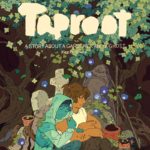
    Taproot by Keezy Young

    For fans of ghost stories, Taproot is the perfect blend of romance with a sprinkle of ghoul. The only thing stopping Blue from being with his true love, Hamal, is that he’s dead. This book is proof love transcends death. Blue is a ghost who’s been in love with Hamal for the longest time, and conveniently, Hamal can see ghosts. Except, with powers like that come great enemies. 

    Wynd by James Tynion IV and Michael Dialynas

    Another sweet book for men who love men. Wynd is a simple and quiet soul, he works at a local tarven aand finds time to gaze at his love Intrest the castle’s ground keepers soon. All would have been okay except Wynd is a magical folk and they are outlawed in Pipetown and trust that that revelation leads him to an interesting adventure.

    The Magic Fish by Trung Le Nguyen

    While, as queer Nigerians, we can’t understand the reality of American immigrants, we do understand having parents who are so set in their ways coming out would feel like a betrayal. Tien enjoys reading with his parents even though they struggle with the new language. His love for books helps him assimilate the language faster until he can no longer communicate with his parents. It’s a delicate story of a boy finding the confidence to come out to his parents, and such a powerful read. 

    Bloom by Kevin Panetta and Savanna Ganucheau

    This queer graphic novel is every 20-something’s reality — trying to move out and find yourself, full of big dreams, but your parents have other plans. It’s Ari’s reality too. His parents hope he’ll stay in town and help with the bakery, but Ari wants to move out to become a famous musician. He starts finding a replacement baker to work at his parents bakery, Hector, but then sparks begin to fly.  

    Heavy Vinyl by Carly Usdin and Nina Vakueva

    Volume 1: Riot On The Radio focuses on Chris and her job at a record store she thinks her co-workers hate her. That’s until she discovers they’re an undercover all-female fight club. For all the music-loving queers, this is a great short read full of badass fight scenes and music recommendations.


    READ ALSO: Underrated Queer Series You Can Binge-Watch in Two Days

  • Hi, I’m Shelah Jegede, a 25-year-old bookstagrammer who writes book reviews.

    I like rock music. I read a lot and work at a bookstore as a buyer/procurer. For fun, I watch anime. I don’t really think I’m interesting.

    What’s your favourite anime?

    One Piece!

    See, I don’t know why I asked. Your Twitter name is “Luffy’s wife”

    Laughs*  Yeah, that’s my favourite anime.

    So, you’re a bookstagrammer. How did that happen?

    I have a friend, Uche, who ran a bookstagram account two years ago. I read a lot, and I’d tell him how good I think a particular book is, so he asked me to open one too. I was so confused about what a bookstagram account was. He showed me his page, and I saw that the people he was following and his followers were all book accounts. I opened mine in 2020. 

    What’s it like to be a bookstagrammer?

    You get to meet many people and work in the book industry. It’s always funny to hear people say, “Nigerians don’t read,” because working in the book industry has shown me that’s a lie. The sales we make daily at the bookstore where I work, selling only books, show that a lot of Nigerians read. I’ve seen someone walk into the store and buy ₦100k worth of books just like that. Not for a library or charity, just for themselves. 

    Have you always been a big reader?

    Yes, I’ve been a big reader since I was a child. I always make sure to read 100 pages every day. 

    What types of books did you read as a child? 

    When I started reading, I didn’t read children’s books. I was reading thrillers and horror when I was like seven.

    So like Goosebumps? Please say Goosebumps

    Yes, I read those, but I started with the gory ones. It got to a point where my mum started burning my books when she noticed I was buying and reading stuff like that.

    Do you think those books had any influence on you?

    Well, I’m goth. I’ve always been into dark stuff like rock music and horror. I used to take pictures at home dressed as a goth, but I no longer have time for that. I also have a lot of tattoos, and people are always surprised by them. It’s just what I am and what I’ve always been. I can’t go full goth to work, but I always wear black. When people ask if I’m mourning someone, I just explain that I’m goth and can’t express myself how I’d like. 

    And you said you’re not interesting. If you could live in a fictional universe, what would it be?

    I wouldn’t survive but the universe of Six of Crows. You can only survive if you have money. Actually, even money can’t save you. Tbh a better option would be One Piece. I’d like to chill with Luffy and the gang. 

    How many books do you own?

    I own a lot of books. I started to run out of shelf space, so now, they live in boxes. They should be up to 300.

    What! How do you handle rodents? 

    I don’t have rodent issues. They don’t disturb my books.

    How can you afford that? Are you laundering money?

    Laughs* I’ve been buying books since I can’t remember. Plus the old ones and the ones I’ve been given. If I have a book I don’t like, I read and sell or give it out. 

    Does working at a bookstore get you discounts?

    Yes, I get discounts. I also get proof copies. Also, one advantage of running a bookstagram account is authors and publishers will reach out to you for book reviews. I don’t review books for self published authors in Nigeria anymore because they don’t take criticism well. They also like to pay, and I don’t like getting paid so I don’t feel obligated to write a nice review. If your book is horrible, I’ll say it’s horrible, and I don’t want money to tie me down. 

    Ever had issues because of a bad review you wrote?

    Yes, two of them. I didn’t even give bad reviews. I have a reputation on Instagram as the Gordon Ramsey of books because I’m always honest. The  first author sent me a review copy, and the book was awful. I had to force myself to finish. When I was done, I took a picture and said, “For reasons known to me, I will not be reviewing this book”, and she blocked me. What if I had reviewed the book instead? 

    The second author  wrote about queer people condescendingly, and it had nothing to do with the plot. It was even Christian fiction. I had to call it out. Then she wrote a blog post saying how she was not homophobic. I told her to write her Christian fiction and go away, abeg. 

    How do you get to review books from non-Nigerians?

    You reach out to the publishers, not the authors, and tell them what you do. Share your handle and where you’d be reviewing it. Some of them will air your message because, who are you? And there is this bias they have towards African book reviewers. During COVID, they told me that because of the pandemic, they couldn’t send books out, but they sent them to other non-Africans. It’s just luck. Most times, I just buy the book. 

    What are some other struggles you face as a bookstagrammer? 

    Sometimes, it can be overwhelming when other bookstagrammers are reading a so many books. I feel pressured to do the same. There’s also the pressure of taking nice pictures. Sometimes, I take breaks from posting so I don’t feel pressured and can just enjoy my book. Another thing is there’s always the pressure to read popular books. People ignore you when you’re talking about the non-popular ones, except you already have a following.

    How did you become the Gordon Ramsey of book reviews?

    There are these popular books people on TikTok always say are interesting, but when you read them, it’ll be the worst thing you’ve ever read. No plot, just heterosexual sex. I started doing this thing where I review those specific books, dissect and tell people how trash it is. 

    There was a time when I said many writers on TikTok don’t know how to write romance. They’d write sexual connections and sell them as romantic, and people started agreeing with me. I like romance but let it be well written. I’m just tired of the heteronormative rubbish in romance. If it’s good, I won’t say it’s bad. I thought people would unfollow me for these opinions, but it turns out they like them.  

    Which romantic books do you consider well-written?

    I’ll say She Gets the Girl, the Heartstopper series. I don’t read a lot of romance; fantasy is my favourite genre. Six of Crows is fantasy, but some of the characters were in love and had good relationships. The Song of Achilles is also good, and finally, Seven Days in June

    Her favourite books right now

    Which do you prefer, hard copies or ebooks?

    Definitely hard copies. I don’t enjoy reading on my phone; it’s very distracting. 

    Book pet peeve?

    Unremovable stickers and annotating books. I can’t stand it. Just get a jotter or something. It’s like defacing a beautiful white wall. Why would you do that? Get sticky notes, don’t just write on the book nau.

    No. Let’s fight because I annotate. Let me guess, you don’t lend people your books, right?

    Let’s not fight, please. I don’t borrow people my books oh. I’d rather buy you a copy. I had this book titled Knots and Crosses, a series about an alternate universe where white people are oppressed. I borrowed this boy, but he didn’t tell me he was travelling. I didn’t see him for a week so I visited and his Grandma said he’d travelled. With my book! I bought a new one, but never again. 

    What’s your favourite and least favourite thing about being a bookstagrammer?

    Just discussing books with people is what I love most about it. I love when I post about a book I’m reading, people reply, and we have the most interesting conversation. I don’t like the arguments and when people are snobbish with books that aren’t even good. 

    D’you think you’ll still be talking about books in the next five years?

    Way more even. I’ll still be reading and reviewing books. That can never change. I’m thinking of starting a sapphic book club. The idea is nice, but I’m not an extrovert and gathering people together is hard. It’ll be monthly, for people who are just starting to read and want something fluffy. No pressure to read whatever we’d be reading monthly. 

    What’s your favourite quote about books?

    A book is a gift you can open over and over again. I don’t know who said it. 

    READ ALSO: Creator Spotlight: Itohan Uses Her Love for Amebo to Document Stories

  • No long talk, show us that you know books of the Bible. You have 1 minute.

    Let’s go:

  • Eloghosa Osunde has written one of the most talked-about books of 2022. Her debut novel, “Vagabonds”! introduces audiences to complex characters navigating life as outliers in a society that sometimes refuses to see them. While fiction can sometimes be alienating, Eloghosa’s work feels real, familiar even, and a reminder that beneath every smile and encounter lies a stranger’s story waiting to be told. 

    While I had my own questions about the book and her writing process, I thought it’d slap harder if I invited some of her biggest fans to submit questions for the rockstar storyteller. They asked and she answered. 

    What are you feeling right now? 

    I’m feeling… overjoyed. I’m a little exhausted. In love. At ease. In awe. Thankful. 

    How do you weave your characters into being? I’m curious about how you craft these characters in a way that feels so real to the rest of us. 

    By listening to the story and what it needs; by listening to the characters and what they want to share; by thinking seriously of stories as powerful forces that can (and do) alter our lived realities. When I remember to do these things, what I choose to write about and how far I will let myself go reflects them too.

    Are you a linear or non-linear writer? 

    Neither and both. Some stories move from start to finish. Some start at the end, others in the middle. I do what each story needs.

    Tell me about your connection to Benin and how it influences your work? 

    My entire lineage is from Benin, and because of this, there aren’t many things about life that shock me. You’ll know what I mean if you’ve been there or are from there. Hard to explain, but basically, almost everything in Benin is openly spiritual. Almost anything can happen right in front of your eyes. Seeing Benin at different points in my life is part of why spiritual and physical realms are interwoven to me. I write how I see, so the stories carry this energy too.

    Do you ever worry that people might misunderstand your work? 

    Not so much anymore. I used to, until a few years ago. But even then, I had more pressing anxiety about people seeing my work before I felt ready to share it. If something I’ve made feels complete or clear to the people who know me or to the people it’s for, other people’s understanding (beyond that point) only affects me if I’m also joining them in misunderstanding myself. I understand my work enough for that not to happen often. I’m also blessed with readers who take their time to read what I’m saying, who share their insights as they go, and I’m so thankful for this because it makes it so much easier to ignore those who don’t.

    How much of your work is really fiction? Do you see the world the same way your characters do?

    I don’t know that what I write is always fiction. It’s storytelling and a kind of literature that feels personal, historic and ancient. Sometimes, I search for characters in my mind who have answers I don’t. Sometimes, I write a character as a way to reach out to a past or future self. Many of the characters I write could easily be in my life. Like the protagonist in Good Boy. Or Maro. Or May. Daisy and Divine are familiar to me. So is Rain. So is Wura. Other characters you haven’t met yet, too. They’re part of my community, so writing these stories is like encountering spirits of all ages who trust me and who I trust to help me navigate this life. Sometimes, I make that process public. Other times, I don’t.

    What did 2020 do and undo for you when it comes to your writing? 

    It undid my relationship with urgency. Being forced to slow down helped me make a new writing pace and practice that involves more patience and care.  

    Be honest, are you TaTaFo? 

    How?! DKM.

    You’ve spoken about making time for work and for joy. Considering how you have a lot going on right now, how you dey run am

    My daily life is full of joy and that makes me happy. I make sure I don’t miss out on beautiful ordinary moments at home or pressure myself to be busier than I need to be. I say no to opportunities that don’t serve me and take every single chance to celebrate milestones as they happen. The people in my life make that experience so much richer. I’m thankful for them.

    You wrote this book for queer babies like me, and while I’ve taken so much from this book already, I still have to ask: What feeling do you want us to walk away with when we put down this book? 

    I’m so glad you enjoyed this reading experience! What feeling do I want readers to walk away with? Whatever feels true. Seriously. People have been paying attention to the parts of the book that strike them, move them, or create a new desire they thought was impossible before. They’re taking scenes, language and passages, and applying them in real life. I love that I get to see this in real-time. For queer people who read this book, I hope that somewhere in the mix of things you’re probably feeling, there’s hope, courage and the reminder that nothing is impossible, whether that is a lasting love or a community of people who get you for you, or a whole new family, or dance and laughter after a rough patch. 

    Is it too soon to ask what’s next? 

    The answer isn’t one thing, and I’m not ready to share that yet.

    Take away the inspiration behind the title. What does it mean to be a Vagabond! according to Eloghosa Osunde? 

    To be free, audacious, self-accepting and gracious. To be an outsider of any kind. To be a strange thing without remorse. 

  • Everyone knows that Nigerian women are best in everything, including writing books. In these books, there are good and bad women, there are strong and weak women who fight for themselves and for those around them. Here’s a list of books written by Nigerian women that everyone should read. 

    1. Second Class Citizen — Buchi Emecheta

    This book features a middle-aged woman who defies tradition to find independence. If that’s not enough empowerment for women’s month, I don’t know what is. 

    RELATED: The 5 Books Nigerian Millennials Can Never Ever Forget

    2. Vagabonds! — Eloghosa Osunde 

    In this book, the women are fearless. We learn that being bad and being good are social constructs. We also learn to support not just women’s rights but also women’s wrongs. You should inject it this minute. 

    3. Ogadinma Or, Everything Will Be All Right — Ukamaka Olisakwe

    The book follows a teenager in the 1980s as she finds her voice after a traumatising event. It’s a soft read that you’ll want to share with your friends. 

    RELATED: 10 Types Of Friends Every Woman Should Have

    6. Stay With Me – Ayobami Adebayo 

    Ayobami Adebayo wrote a timeless book about how the pressure to have children and perform the duties of women in a patriarchal society takes its toll on women over time. You can even share this book with your mummies and aunties. 

    5. Everything Good Will Come – Sefi Atta 

    In Everything Good Will Come, women define what independence meant to them after the Biafran war in a Nigeria where even men had to bow to authority. 10/10 recommendation. 

    6. On Black Sisters Street – Chika Unigwe

    The story follows four African women who become sex workers in Belgium to raise money for their families and pay back their traffickers. It’s a heartbreaking story but it’s one of those books everyone should read to learn about worlds beyond theirs. 

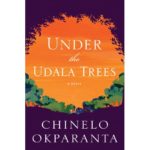
    7. Under The Udala Trees – Chinelo Okparanta 

    This book follows a girl who discovers early that she’d have to hide her love for women. This secret almost costs her her life. In the end, though. she chooses herself. It’s one of Chinelo Okparanta’s finest works. 

    In these books, there are good and bad women, there are strong and weak women who fight for themselves and for those around them.

    8. Ordinary People – Diana Evans

    Similar to the theme in Stay With Me, Ordinary People depicts a middle-aged couple struggling with different layers of marital crisis. It’s a well-written book that deserves its flowers. 

    Here’s a list of 5 Nigerian Books We’re Itching to See on the Big Screen

  • Many millennials discovered their passion for books in different forms: a literature book, FOMO because all your friends were reading or just general curiosity, etc. Whatever reasons that made us love books were good enough. 

    In this article, I’m going to share some of my personal favourite books that were definitely some of yours too. 

    1. Koku Baboni  Kola Onadipe

    I read this book when I was in Primary 5 and it’s one of the books that have stuck with me since then. It was part of the school curriculum but it was very well written for kids. Koku Baboni is a story about an abandoned boy who was rescued by an old lady and raised by her. I hope to get a copy and read it again. 10/10 book. 

    Koku Baboni by Kola Onadipe

    2. A Woman in Her Prime Asare Konadu

    I’m glad that books written by African authors have come a long way from being forced into school curriculums. But I’m also glad that this was included in mine back in the day (the day being 2010). This book made me know what a woman being in her prime really means to society. It touches on barrenness, the need to have children before your “time” runs out and how much women sacrifice to have children of their own.

    Amazon.com: Woman in Her Prime: 9780435900403: Konadu, Asare: Books

    3. The  Joys of Motherhood  Buchi Emecheta

    The first time I read this book, I was too young to understand the intricacies of it, but I know I felt nothing but grief at the end. A young woman who had many children died on the road at the end of the book. The Joys of Motherhood conjured so many emotions in it: from rage, to hope, sadness, pity, exhaustion, more rage, etc. It’s  What a life!

    The Joys of Motherhood - Bookly.ng

    READ: These 7 African Books Need to Be Adapted Into Film ASAP

    4. The Concubine – Elechi Amadi

    The concubine is about a woman whose husbands die after marrying her. The book touches on Igbo culture, tradition and the worship of gods amongst the eastern people of Nigeria. I don’t remember much about it, but I know it’s a book I should pick up to read again. 

    The Concubine, by Elechi Amadi | ANZ LitLovers LitBlog

    5. Purple Hibiscus Chimamanda Ngozi Adichie

    Purple Hibiscus touches on several topics, but for me, it mostly opened my mind up to the complexities of fanaticism. Beyond its focus on religion, the book also focuses on life from childhood to teenagehood and family and societal impacts on young adults. 

    Purple Hibiscus - Chimamanda Ngozi Adichie

    QUIZ: If You Get 10/25 On This Quiz, You’re A True Bookworm