In Detty December, every Lagos rave is its own special experience. With a different mix of lights, music and energy each time, your vibe is what decides how your night really goes.
Take this quiz to figure out your personality at the raves that shake up the heart of Lagos.
Don’t forget to register here for the Hennessy Artistry event going down on the 13th of December 2025!
Two years after Tequila Ever After, Adekunle Gold returns with his sixth album. Titled FUJI, it is his first release in full embrace of Fuji, a genre of Yoruba music birthed in the late 1960s, which he reveals is what he’s “meant to do.” It’s the first album he’s drawing attention to his royal heritage of the Kosoko kingdom.
He digs into his family history. In homage to his forebearers, he returns to the palace and bows to pay respect to his king, the custodian of his ancestry. The throne accepts him like a true prince. Drummers with quick hands and tongues for chants and eulogy put him in a groove with their rhythms. All these are documented as part of the album rollout.
Two minutes and twenty-four seconds short of a forty-minute listening time, this 15-track-long album opens impressively. It begins with a sample from Sakara musician Lefty Salami’s Oloye Eko album, which honours King Kosoko from the 1950s. The sample rings out: “Omo Oba ki jagun bi eru…T’Oba Oluwa lase”—meaning “a prince doesn’t fight wars like slaves…the will of God, the Supreme King, is final.” Then it fades into Adekunle Gold switching flows and singing of his transition from nothing to great. A peasant-prince now wines and dines with elites. A small fry now disturbs the deep blue sea. Hence, his new sobriquet “Big Fish” is also the title of the opening track.
He has wanted these moments all his life: magazine covers draped in gold, front row seats at international fashion shows. Although his politics have never been a public discourse, it tickles the ears to hear him sing specifically that he has never collected “Bourdillion (Tinubu’s) money.” He made his bones without a handout from any politician. His success did that for him. In realisation of that, and that success attracts success and so does influence, he emphatically rebukes, “I don’t wanna go, I don’t wanna go / I don’t wanna go back to poverty.” It’s money in Adekunle’s line of sight. And there’s no better way to keep cash flow than to innovate or creatively captivate what’s currently popular.
Fuji has always influenced contemporary Nigerian music, dating back to LKT, and has had a particularly significant impact in the last four years. It’s the tail of 2025, and Adekunle Gold joins a growing roster of artists hybridising the culture and sound. Though his songwriting and sound gestures to a fusion of Afropop, Tungba, R&B and Amapiano, not Fuji in a purist’s approach or the neo-Fuji that’s common with the likes of LKT, Dekunle Fuji, Small Doctor, Olamide, Reminisce, Asake and Seyi Vibez. The look he presents, as seen on his curtain-call album art, is urban and gives no specific nod to Fuji. But a man can style himself as he likes, though on a closer look, it’s a vestige of his Mexican misadventure.
“Don Corleone” is the second track, featuring shimming and repetitive ad-libs, as well as backup vocals from his wife, Simi. Like every non-Sicilian artist who has referenced Don Vito Corleone to project their strict and ruthless-when-necessary side in their music, Adekunle Gold likens himself to Mario Puzo’s classic The Godfather character. But don’t fret — AG Baby, as fondly called, still wants you to dance…though only if you’re a spender.
With a tweak that encourages diligence and patience, “Bobo” continues his narrative that you’re noticed only if you’re rich, with features that carry emo-pop and street-pop sensibilities from Lojay and Shoday. “Coco Money” follows and plainly advises to stay out of his sight if money isn’t involved.
Now, love is in the air. “Believe”, the track that follows, is a serenade of a promising love, much like Bill Withers and Grover Washington Jr.’s “Just The Two of Us” (1980) — the song it samples. Here, he’s a young lover trying to keep his love youthful. Next, on “My Love Is The Same,” themes of family and sacrifice roll into a moment of fatherhood with his daughter, Adejare. He apologises for not being around to spend time together as much as he’d have loved to.
The music switches back to prospective love in the 6lack-featured “Love Is An Action”, a title that reiterates the message of the sampled song, “What You Won’t Do For Love” (1978) by Bobby Caldwell.
With the dots of American samples and Hollywood references on the album, followed by “Many People”, a Tungba-pop track that directly borrows from veteran Tungba-Gospel artist Yinka Ayefele’s song of the same title, the Fuji is yet to kick in. “Attack” with TkayMaidza, Cruel Santino, Mavo, the new generation lamba maestro, launches straight to a neon-light party where girls bring their friends to mingle. If anything, this song gives the youngsters more visibility than it reinvents Adekunle Gold.
“Only God Can Save Me”, featuring Davido, finds rhythm in Amapiano and throws the two married singers into a confession and temptation with infidelity.
Ten tracks in, it’s clear that the signalled Fuji is largely missing from the album’s sound, neither in the sample nor in the choice of featured artists. Instead, it vaguely hangs in his voice, tickling mostly the delivery of his choruses.
Adekunle Gold says the album’s title carries a deeper meaning. “Fuji is bigger than music. It is Lagos, it’s street royalty, it’s our story, our hustle, our heritage turned global.” All these are valid, except for limiting Fuji to Lagos, but his album is nothing like the music and culture. It only pays tribute to the genre in name, not in approach, style, or sonic appeal. Presenting a certain thing and offering something entirely different is a spineless appropriation.
This creates a fascinating cultural conundrum, especially now that African music genres move so fluidly around the world. If the name Fuji is used willfully, without an accurate context, won’t that enable listeners outside the culture to incorrectly assume the music is something else, rather than the existing, better-known Fuji genre?
Siriku “Barrister” Ayinde, the progenitor of Fuji music, blended Were, Sakara, Juju, Apala, Aro, Gudugudu and possibly Highlife to create the sound. If this is the route Adekunle Gold is taking with Pop, R&B, Tungba and Amapiano, perhaps he should call it something different.
Get More Zikoko Goodness in Your Mail
Subscribe to our newsletters and never miss any of the action
Anyway, the Afropop grooves on, but the eleventh track, “Lailo”, isn’t spectacular. It’s a reiteration of every saccharine lyric about love that you’ve heard from Adekunle since his magnum opus Afropop Vol. 1. On the soul-stirring “Simile”, which he wrote in 2019 after his father’s demise, he searches for an anchor to rest on, unwilling to be swept away by life’s fleeting tides. On this track, he brings back his band, 79th Element, and grabs assistance from Soweto Gospel Choir.
In less than six minutes before he takes the final bow and drops the curtain on the album, “I’m Not Done”, with American pianist Robert Glasper touches on tenacity and longevity. “Obimo” ends the album. You can call it a bonus track.
FUJI has been lauded by many as his best since Afropop Vol. 1, if not the top contender. But here’s an irony worth considering, as writer Ojo O observed in a recent Substack discussion: nothing on this Fuji-themed album is a strong option if brought next to Dammy Krane’s “Faleela”, or Seyi Vibez’s “Fuji Interlude”, or Falz’s “No Less.” Adekunle Gold did not refine the Juju-Tungba sound that came to him instinctively before grafting to a global sound. The result is a loss of musical grounding. He no longer has a centre to perform from with conviction, and his global experiments haven’t been as creatively rewarding as he often claims.
Afropop Vol. 1 is a critical success because he took time to bring the listeners into his pop world-building. Ten singles in, and the audience was aware he was making a switch from the folksy sound.
Post-Afropop, he began moving very fast, and the audience began to take the backseat. Adekunle Gold doesn’t give listeners enough time to love what he’s become before he splits himself into another thing.
But maybe winning takes care of everything.
Don’t get me wrong: six studio albums into a decade-long mainstream career is a serious discipline that deserves applause and more. And there’s no doubt that this is an enjoyable project that outranks many so far this year, in terms of quality and its flamboyant rollout. But FUJI, just like his last two albums, forces the audience to accept a new idea without proper preparation, and lacks the authenticity that allows them to bond with the artist and the body of work.
However, this is the new Adekunle. He’s not a Fuji artist, just a man, or a prince if you’d like, who has loved Fuji since juvenile — and is interpreting it the best way he can.
Score: 6.5
Editor’s note (October 10, 2025): Editor’s note: A previous version of this story included phrasing similar to a Substack comment by Ojo O. The piece has been updated to include proper credit. We remain committed to maintaining accurate attributions in our documentation.
In the past few years, Afrobeats has been on a global takeover. But as the Nigerian musicians who have become stars of the genre have gone bigger, brighter, and louder on international stages, fans back home have been asking an important question: “Why do we feel left behind?” After all, they have watched them perform all through the year abroad, only showing up to perform at home in December.
Nigerian musicians will do the most (I'm talking about their performance too) for their International fans, then come back home and serve us NOTHING. https://t.co/0N134D3w5m
The sentiment that Nigerian musicians give preferential treatment to fans in the West has been a hot topic on social media for months. This has manifested in many ways, but especially in how these musicians treat their home-based fans. Fans have raised everything from throwing jabs at Nigerians to not showing up at all to perform or coming very late when they do show up as evidence of this.
It is obvious that the global expansion of Afrobeats means that Nigerian musicians would have to spend months performing in Europe, North America, and the Middle East. Still, there are times when it has gone beyond that to something lacklustre at best.
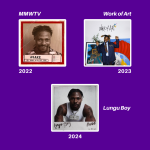
In 2023, after the release of Work Of Art, Asake’s label, YBNL and distributor, EMPIRE, hosted a party for fans and industry insiders in Lagos. But the man of the hour, Asake, was nowhere to be found. It was the same case at his Lungu Boy Experience in 2024. Yhemo Lee, Poco Lee and several others who climbed the stage urged the crowd to make more noise to bring Asake out. But he didn’t show up.
Get More Zikoko Goodness in Your Mail
Subscribe to our newsletters and never miss any of the action

“Imagine arriving at a show venue, and yet, three hours after the start time, the event hadn’t started. When the headlining artist finally got on stage, he didn’t spend more than ten minutes. He left, and the show ended abruptly and immediately,” James, a concert goer in Lagos, said about his experience attending a Seyi Vibez show last December.
With the influx of the dollar into Afrobeats, it is easy to begin to “follow the money,” and neglect the naira, but that local fans are the bedrock of Afrobeats cannot be overstated. They packed the early shows in Nigeria, pushed the music when no one was watching, and created the first viral moments.
“In January 2023, after the Detty December of 2022 and festivities, I stayed back in Lagos with my cousins because of a Burna Boy show. But we waited for hours, almost three, before he took the stage. Worse still, he publicly scolded the crowd, telling us we were lucky he showed up,” Timilehin described his experience at Lagos Love Damini in 2023. “I felt bad and felt he [Burna Boy] didn’t deserve our money. Before then, I used to admire his cockiness as part of his aura. Now, it’s nothing more than stupid arrogance to me,” he added.
This is less the case when Burna Boy performed abroad.
Smeezy Ose, a talent manager, who has been to his shows in Nigeria and abroad, said, “ I was at his Wembley Stadium and Coop Arena shows. The difference between the shows in both locations is that he kept to time here [in the UK]. The venues here don’t even operate till dawn. He had no choice. There’s also more respect for the audience here. My biggest takeaway is the event organisation. It’s always completely different from what I have seen in Nigeria.”
For fans in Nigeria, the sparsity of the shows has also been a problem. While stars like Wizkid and Davido perform in multiple cities in the US and UK in a year, back home many A-list concerts rarely go past Lagos and Abuja, leaving fans outside major cities dry.
But rising acts like Llona and Dwin, the Stoic are filling this vacuum. These artists have performed in places like Port Harcourt, Ibadan, Ife, Kogi. But in these early days, it’s not very clear how profitable those shows have been.
Music journalist and A&R Joey Akan argues that they “are doing it at a loss, and not all people can stomach losses.”
He continued: “The background for all of these is that artists are businessmen. They always focus their energy on places where they are paid and get the most money from. If their product, which is music, is in demand in certain markets, they’ll focus on those places, and that’s what we have been seeing.”
But he added that engaging fans across the country is very important for musicians if they want to remain on top. “You need hype, PR and all the things that’ll build value into the art and disseminate it. But the big artists haven’t treated the Nigerian fans properly; they aren’t even trying,” he said.
He also believes that things will likely not change if the unique infrastructure problems of being a musician in Nigeria are not fixed. “The challenges they have to deal with locally when they come to work and perform, they don’t have to deal with them out there. Insecurity is a big problem here. We don’t have venues to perform too. It is what it is,” he said.
But as the industry miraculously waits for an infrastructure that’ll let it thrive, its artists and executives need to work on better serving fans across the country.
Afrobeats is no longer “breaking into” global spaces. It’s shaping them. Once a local sound, deeply rooted in West African rhythm and ingenuity, Afrobeats now stands at the centre of global cultural takeover. With sold-out tours, Grammy wins, and billion-stream artists, Afrobeats has become a dominant and dynamic cultural force in global music.
In the early 2000s, Afrobeats was just a regional pulse and a sound on the move that powered parties, streets and diaspora communities. The genre’s groundwork laid by the likes of 2Baba, Don Jazzy and P-Square has now been elevated by the younger generations.
Today, Burna Boy is the first African artist to sell out Madison Square Garden and he headlines stadiums across Europe. Rema’s “Calm Down” remix featuring Selena Gomez topped charts in over 15 countries and was on the Billboard Hot 100 for over a year. Tems co-wrote on Beyoncé’s Renaissance album and Rihanna’s “Lift Me Up” for Black Panther: Wakanda Forever.
These aren’t isolated wins. They’re signs of an industry in full takeover mode. Afrobeats is no longer seeking entry into the global stage. It’s owning it.
The global rise of Afrobeats didn’t happen by accident. The success is tightly linked to the digital age. The internet, with platforms like Apple Music, YouTube, Spotify, Audiomack, Instagram, and TikTok broke down traditional barriers. Artists could now release music directly to fans without relying on traditional (local and Western) gatekeepers.
Data supports the claim: according to Spotify’s 2024 Loud & Clear report, Afrobeats’ export grew by over 49% in the last three years. Nigeria, now one of YouTube’s top 10 music consumption countries, is both a creator and exporter of pop culture. TikTok dance trends have turned songs like Victony’s “Soweto”, Ayra Starr’s “Rush” and Davido’s “UNAVAILABLE” into global anthems. Now, someone recording in Oshodi in Lagos or Ogbomoso in Oyo State can go viral in Sweden and Australia overnight.
This democratisation of music consumption made Afrobeats a movement, not just a genre.
Get More Zikoko Goodness in Your Mail
Subscribe to our newsletters and never miss any of the action
In more ways, all these are possible due to diasporic communities in London, Atlanta, and Toronto that acted as cultural bridges, pushing Afrobeats into clubs, radio stations, playlists and pop culture discourse worldwide. But the digital-savvy Gen Zs deserve a shout-out too. They curated the sound, meme’d it, danced it into virality, and gave it aesthetic legitimacy.
Afrobeats is redefining how Africa is seen and heard. It has shaped the global perception of African creativity, youthfulness and innovation. The genre’s stars are pushing boundaries not just socially, but through fashion. Burna Boy appeared at the Met Gala in a custom Burberry fit, and Tems became a fashion muse at the Oscars. Afrobeats has birthed a visual language that’s vibrant, unapologetic, and deeply rooted in African-inspired couture.
What Global Domination Really Means in 2025
Now, the global industry has taken notice and is doing more than watching; it’s racing to keep up. Labels have launched African divisions. Universal Music Group has invested in local talent through platforms like Mavin Records and Aristokrat Records. Now, Warner has followed suit, working with burgeoning artists like Kold AF and Dwin, the Stoic. Global collaborations are at an all-time high. The Grammy introduced a Best African Music Performance category at its 2024 edition, a special recognition, though some critics argue it’s an attempt to box African artists into an “ethnic” lane. Still, the industry is paying attention because they have no choice. Afrobeats is profitable, dynamic, and unstoppable.
Beyond the hype, Afrobeats is finding new headways. Its future now lies in diversification and deeper cultural investment. We’re already seeing experiment and subgenres bloom: Amapiano’s South African house grooves influence Nigerian producers like Magixx; Alté culture is crafting a space for eclectic, genre-bending creatives like Brazy and Mavo; Afro-R&B and Afro-soul explore slower and emotive territories—see artists like Fola and Qing Madi.
Women are also leading the charge in exciting new ways. Tems, Ayra Starr, Bloody Civilian and Qing Madi are not just participating in Afrobeats’ future but reshaping it. Their sounds are often more nuanced, their aesthetics more fluid, and their global appeal undeniable.
Local tours are gaining strength again. The once-dead music activity, mainly due to insecurity, lack of structure for live music performance and poverty, is now a conversation due to the courage of new acts like Llona, who’s been taking his “Homeless” tours across the country. He’s still on the road. OdumoduBlvck just concluded his “Greatest School Tour”, which stopped at universities such as Veritas University, Obafemi Awolowo University, University of Lagos, Afe Babalola University and Olabisi Onabanjo University. Touring doesn’t just put more money in the artists’ bags; it draws them closer to their consumers. The bold steps these artists have taken to take their music around the country lately have sparked conversations on the urgent need for a structure in the music industry.
In 2025, there may be arguments about Afrobeats’ rude and condescending superstars and also its lack of global hits, but it has become more than music and the artists. As the live streaming industry becomes more profitable, the culture is spreading around the world, including Nigeria. One local artist spearheading this movement is Cruel Santino. His SubaruBoyz Twitch channel, which launched in February 2025, has hosted live sessions with artists like Minz, Jeriq, Zerry DL, Odunsi the Engine, and recently Davido, who appeared during the pre-release promotion for his new album FIVE.
Rema, too has been featured on Rynenzo’s Twitch channel after his Houston tour. TikTok is also another means of live streaming. Popular TikTokers like Peller and Shank Comics have hosted big acts such as Tiwa Savage, Olamide, Davido and Spinall.
For these artists, this move goes beyond hawking their music everywhere or their love for gaming. It’s also a way to show their flipsides, an engagement that makes their audience feel closer to them.
The American and South Korean music industries are now being increasingly influenced by Afrobeats and Nigerian pop, from Chris Brown’s multiple Afrobeats-inspired songs and features with Nigerian artists to K-pop’s Penemeco (“BOLO”) and TXT Taeyhun’s admiration for Wizkid. The cross-pollination has only begun.
And perhaps, more importantly, Afrobeats is fueling an identity revolution for African youth. Its global domination proves what many already knew: African creativity, when given space and access, doesn’t just thrive—it leads. Though foreign investment might have helped, the genre’s rise is not about Western co-signs but about African dominance on African terms. If the last decade was about discovery and recognition, the next one will possibly be about power and legacy. Afrobeats is not done yet. It’s only just beginning its next remix.
You’re trying to post a fire Reel on Instagram or a video on TikTok, but your song choice isn’t giving. What you need is the right hit song to upgrade your content and get people’s attention.
To do that, you need a track that makes people stop scrolling and say, “Wait—I need this sound.”
Whether you’re soft-launching your boo, serving face and outfit, or just dancing in your room like nobody’s watching, the right song is the cheat code. Lucky for you, I’ve gathered and ranked 15 of the best Nigerian songs that’ll make your content slap. Thank me later.
“Na Scra” is a street anthem that captures the chaotic lifestyle of the young and reckless—from having multiple women on speed dial to wild sexcapades. On his debut single, Famous Pluto glorifies crime, fast money, and unfiltered youthful energy.
He’s not just any new artist—he’s the younger brother of street-pop stars Shallipopi and Zerry DL.
If you’re looking for a fresh street-pop banger for your next Reel, this is it.
Producer Haystixx teams up with Portable and Haytee on the remix of “Cana,” a vibey track that pays homage to Canadian Loud—a popular and pricey cannabis strain in Nigeria.
You don’t have to be a stoner to vibe to this one. It’s a cruise-heavy, catchy track that’s perfect for fun, carefree Reels and TikToks.
In English, “Omo Lile” loosely translates to a stubborn or rebellious child. But in Nigerian pop culture, the phrase has taken on a more empowering meaning—someone who’s determined, persistent, and unstoppable.
With its addictive beat and repetitive chorus, this track sticks instantly. And it’s not just for the streets—if you’re someone who pushes through adversity and refuses to back down, this song will hit home.
Popular Owambe performer Segun Johnson went viral after performing what appears to be a new composition titled “Ma Fi Sia Pa Won” at a wedding four months ago. The title roughly translates to “I’ll kill them with show-off.”
It’s a high-energy, danceable track for enjoyment seekers—or anyone with a message for their haters and gossipers. Instead of killing them with kindness, why not kill them with confidence?
If that’s your vibe, this is the soundtrack your video needs.
Chella blends Afrobeats with Amapiano to pour his heart out in this love-soaked anthem. With soft falsettos and irresistible melodies, he sings about being under the spell of his lover’s charm—and he’s not even mad about it.
Whether you’re soft-launching your boo or showing off your dance moves, this track sets the perfect romantic vibe.
In the spirit of street-pop anthems like 9ice’s “Living Things”, “Hey Jago” is part eulogy, part motivation. It celebrates Rahman Jago—a Nigerian fashion and lifestyle influencer known for his High Fashion brand—and uses him as a symbol of ghetto-to-glam success.
Shoday’s vocals carry aspirations of rising above struggle, with Jago as the blueprint. If you’re looking for a track that motivates, energises, or just makes your legwork hit harder, this is it.
Fuji legend Wasiu Alabi Pasuma taps into the timeless narrative of rest after labour with his latest release, “Fuji Flavour.” In true weekend spirit, he delivers a 30-minute sonic celebration of enjoyment and well-earned relaxation.
If you’re a Fuji lover—or you proudly identify as a Minister of Enjoyment—this one belongs in your Reels rotation.
Get More Zikoko Goodness in Your Mail
Subscribe to our newsletters and never miss any of the action
The ninth track on Barrystar Vol. 1, “SMSG” deepens Barry Jhay’s signature Afro-Adura sound—a blend of spiritual praise, self-affirmation, and street-rooted motivation. The song opens with a sample from one of his father, Sikiru “Barrister” Ayinde’s early tracks, adding a nostalgic layer to the emotion.
Whether you’re in a gratitude mood or need a reminder that you’re on the right path, this track delivers the motivation and melody.
Niniola continues her streak of bold, sensual storytelling on “Ginger Me (Alum).” The song dives into themes of sexual appetite, consent, and education. She candidly recounts a partner suggesting a threesome and uses the track to encourage safe sex—reminding listeners not to skip those STI checkups.
But the track takes a controversial turn when she references alum as a method for vaginal tightening—a harmful and outdated myth rooted in patriarchal standards of sexual pleasure. While that line deserves criticism, the rest of the song stands strong as a vibrant, catchy jam.
If you want a beat that’s provocative and percussive, this is it.
If you’ve spent any time on TikTok recently, chances are you’ve heard this song at least once. “Venus” by producer Faceless and vocalist Serøtonin has been everywhere, and for good reason.
Built around themes of love and emotional reassurance, the track features a soothing falsetto and dreamy production that’s perfect for slow-motion edits, lip-syncs, or soft-launch moments. It’s the kind of sound that calms the heart and gets the fingers tapping “use this audio.”
Rema reimagines Sade Adu’s iconic 1986 R&B ballad “Is It a Crime” as a smooth Afrobeats track, flipping its soulful longing into a tale of unrequited love—Rema style. While Sade sings about loving someone more than they love her, Rema comes with confidence (and a little pressure), reminding his love interest of his money, fame, swag, and aura.
He’s persistent, but makes it clear: “I no dey for too much whining.” It’s flirtation with a hint of ego—and it works. Whether you’re in your feelings, flirting in your captions, or just feeling yourself, this one sets the mood.
If you know Niniola, you know she never holds back. Her 2018 Afro-house hit “Bana” is a bold, sensual anthem that delivers unfiltered feminine expression around sex, desire, and pleasure. In it, she paints a vivid, almost celebratory picture of male sexual appeal—yes, “Bana” is essentially a love letter to the schlong, and we’re not mad at it.
Seven years after its release, the song is enjoying a second life on Instagram, TikTok, and Snapchat Reels—proof that good music (and good vibes) are timeless. If you’re a certified freak or just in your “IDGAF” era, this one’s for you.
“MMS,” short for “Mr. Money Sound,” goes deeper than its flashy title suggests. At its core, the song is a reflection on the vanity of life and the reality that, no matter our status, we all return to dust. Featured on Asake’s Lungu Boy album, the track sees him revisit his humble beginnings with a battle-hardened, almost militant perspective.
Wizkid brings a meditative tone, opening up about loss, purpose, and the passing of his mother. Together, they deliver a soul-stirring anthem that has also given birth to a new social lingo—“MMS,” now shorthand for God knows best on Nigerian internet.
If you’re in your feelings—about life, money, love, or the weight of adulthood—this is the track that says it all for you.
Gaise Baba and Lawrence Oyor breathe new life into the classic 19th-century hymn “I Have Decided to Follow Jesus” with an infectious blend of Afro-gospel and Amapiano. The result? A danceable declaration of faith that’s already making waves on TikTok and Instagram.
Lawrence Oyor’s standout line—“I can never turn back o / It’s already too late o / It won’t make sense o”—is quickly becoming a viral sound. If you want a track that celebrates your devotion to Jesus while still letting you move your body, this is the one to add to your Reels.
Davido teams up with Omah Lay for “With You”, a sensual, melodic banger that oozes obsession and desire. This marks Davido’s first-ever collaboration with Omah Lay and the chemistry is undeniable.
The track closes Davido’s 5IVE album and blends nostalgia with innovation. It samples Skinny Fabulous’ “Watch Thing” (2016) and nods to Bright Chimezie’s “Because of English”—creating a rich sonic throwback that still feels fresh in 2025.
Whether you’re showing off your soft life, boo’d up moments, or just vibing in the glow of good love, “With You” is the perfect soundtrack.
For full disclosure, I am a reluctant user of the term “Afrobeats”. My reticence is not born out of any hateration, but as our music began to attract major international attention about ten years ago, I was convinced that the name would be used to box all of Nigeria’s music into a compact, yet loose potpourri of different things.
I feared that Afrobeats would come to suffer the same fate that has befallen the Hollywood stereotypical African accent; they just make the characters open their mouths wide with exaggerated expressions to play African. If Wizkid and Davido were making popular music, why should they not be pop the same way Chris Brown was?
Ten years later, I do not think that fear was completely justified: using Afrobeats has helped in identifying our sound and its players. It has served as the vehicle by which our music has travelled with no visa, and the rapid growth experienced since that time may have needed a longer route if we didn’t have a name, a descriptor, for the world to instantly recognise us by.
Burna Boy performing at the Grammys
Yet, a niggling worry remains: what exactly does “Afrobeats” mean? What makes an Afrobeats song Afrobeats? What composition makes it that, as opposed to the elements that define Kwaito or K-Pop or Rock & Roll? I find myself asking again in light of the Afrobeats to the World conversation that has emerged in recent days. Has Afrobeats actually reached the world, or is it a matter of some Afrobeats artistes reaching the world? And what exactly does it mean, this Afrobeats to the World mantra?
For all intents and purposes, it speaks to the emergence of Afrobeats in the global mainstream. It is the most captivating music genre in the world, driven by the irrepressible Nigerian spirit and our ability to bang out a tune from almost anything. Who would have ever thought that a line said by a Yoruba actor — “Gbogbo wa la ma je breakfast” by Ogogo — would inspire a Grammy-nominated song —Burna Boy’s “Last Last” — twenty years later?
In that time, we’ve seen our music receive all the accolades the early practitioners dreamt of back in the day. We’ve seen Afrobeats bring in all the major entertainment media companies to Lagos. Barack Obama has made it a point of duty to include one or two Afrobeats songs in his annual playlist. F(St)ans who have never seen the insides of the Muson Centre can reel off how many times their faves have “sold out the O2″. The Afrobeats years have been great, no doubt.
Get More Zikoko Goodness in Your Mail
Subscribe to our newsletters and never miss any of the action
But its continued greatness appears to be at an enormous cost: it is leaving fans at home behind. Each time Burna Boy sells out arenas abroad, the likelihood of a fan in Rumuokoro seeing him in concert becomes slimmer. It is now a commonly held belief that as Afrobeats continue to gain international recognition and success, its focus on foreign markets may inadvertently (or wilfully) neglect local fans who have supported its journey from the beginning. And sometimes, less-than-ideal situations like news of Wizkid cancelling some of his international shows raise the question: is Afrobeats in decline? Is it in danger?
🚨 4 out of 11 dates have been reportedly cancelled on Wizkid’s upcoming North American “Morayo Live Tour"
State Farm Arena, Atlanta ❌ MSG, New York ❌ Scotia Bank Arena, Canada ❌ CFG Bank Arena, Maryland ❌
The answer to both questions is no, and not really. However, Afrobeats is in need of a soul. To find it, it must operate in a duality that takes its local roots as seriously as it does its international connect, if not more so. The international exposure has been the key factor in taking the genre from home-based to global status, and it’s nothing to thumb our noses at.
Being acknowledged by established international platforms such as global charts, award shows, or influential media can enhance a genre’s credibility and open doors to new audiences and industry networks. This recognition often correlates with higher commercial success and sustainability for artists within the genre. International validation encourages cross-cultural collaborations and genre blending, which can refresh and evolve the genre’s sound, making it more appealing to diverse audiences.
On the flip side, the essence of Afrobeats is that it’s a uniquely Nigerian experience that cannot be replicated in absentia. International validation is not a prerequisite for Afrobeats’ artistic or cultural sophistication. Many genres thrive and evolve within their local contexts. The challenge Afrobeats faces now is that its success has been external-facing, not internal.
The wins that matter (to artistes, if no one else) are those that happen outside of Nigeria, physically and mentally. The trend has to reverse itself. The world must come to us to experience us. To do that, the entire ecosystem has a role to play. Arenas, hotels, major media, indigenous streaming and distribution services… the whole nine yards. It is boring and unsexy work, but it has to be done. Not doing it is what can set Afrobeats as we’ve come to know it, on the path of eventual decline.
The continued rise of Afrobeats is a balancing act that requires its practitioners to remain true to their cultural roots while embracing global innovation and cross-cultural collaboration. Afrobeats can proudly stay here while simultaneously going to the world to share our magic and stories. It is why this past December, nearly all of the frontrunners were in Lagos over the Christmas period.
They can bluster all they want, but they know the sauce is here. The lamba is here. Most of all, the soul is here. The operative word in the phrase “Afrobeats to the World” is the preposition “to”. It means that Afrobeats is coming from somewhere. That somewhere must be protected so that the global conquest can continue. After all, ilé la tí ń kó ẹ̀ṣọ́ r’òde.
It starts with a beat. A stupidly good one. Before you know it, you’re singing and rapping along, word for word. Then you hear the line — the one where he calls women out by their names, for sport.
You pause. Then you don’t. Because the song slaps. But your brain is already spiralling: “Can I call myself a feminist and still vibe to this?”
This is the dilemma many listeners with feminist views face when they come across misogynistic lyrics, tweets and statements from musicians like OdumoduBlvck. It’s a tension many feminists have to navigate daily if they want to keep vibing to rap music.
Isn’t it worth a second thought when you read on his X feed, “Women should not be allowed to act like rabid dogs because they know they can’t be spanked.” Or that, “Not all beating is abuse. I agree that some parents abuse their kids. No one loves me more than my mother. No one. She beat me when I was little. I put aloe vera in my housemaid’s vagina. I dey mad?”
I asked Salawa*,a feminist who also enjoys OdumoduBlvck’s music, what it means to constantly renegotiate the terms of her values with her taste in music. The answer, it turns out, is a complex one.
This is Salawa’s story as told to Tomide
I first heard about OdumoduBlvck, the person, on my X timeline sometime in 2021 — the same year I discovered his music. His charisma was undeniable, and that’s what initially caught my attention. I tilted towards his music after I heard Alpha Ojini’s “Vigilante Bop,” which he’s featured on.
My first reaction was, “What type of audacity is this? Why is he so lewd? Ewww.” But at the same time, I couldn’t help thinking, “Why is he so good?” I remember getting goosebumps when I heard his verse on that track. My brother introduced me to the song when he randomly played it in the kitchen one day, and I was instantly intrigued. I added the song to my library, and I have been actively listening to his music ever since.
It seems like he’s innovating a new sound that’s hard to copy because of its uniqueness. I remember watching him perform at Show Dem Camp’s Palmwine Fest in 2022. His crude personality was obvious then, but it wasn’t an ick…yet. It felt more like an accessory to his showmanship. Everything fit quite nicely, including the Igbo cap — until I started seeing some of his opinions on Twitter.
As a feminist, I hold certain values that don’t align with his kind of persona: that women deserve dignity and respect, that we are equal to men, and that stereotypes are harmful and untrue.
OdumoduBlvck once joked about putting a woman in her place by hitting her. I understand there was some context to it — he was referring to a woman who had beaten up a child. But in the now-deleted tweet, he said, “Women should not be allowed to act like rabid dogs because they know they can’t be spanked. There’s a difference between a good spanking and a good beating. No! Don’t punch her. That’s too much. A nice, ordinary Ahmed combo is a good resting device for those who are foolish.”
There’s a dismissive tone to that tweet, but even worse is how it endorses violence, reducing all women to a single entity and stripping us of individuality, as if we are undeserving of regard or respect.
Get More Zikoko Goodness in Your Mail
Subscribe to our newsletters and never miss any of the action
That said, I don’t think this behaviour is rooted in a deliberate desire to be wicked. I think it’s the result of a deeply ingrained social conditioning that’s been upheld for a very long time. That’s why I don’t listen to “Cast” by Shallipoppi and Odumodu. I’ve never sung along to that infamous line. I can never dance to it either. It just can’t happen. But again, when I’m with the people whose opinions I rate, there’s no scrutiny, we’re just having a good time.
I carefully select his songs that I listen to. I regularly put “Commend” on repeat. As a matter of fact, I need to play it right now. I like it because he references consensual sex, one of my core principles. But also because it’s a damn good song.
If you’re wondering whether I have tried to hide the fact that I listen to him: no, not really. Unfortunately, all my friends are hypocrites like me. I’ve never hidden the songs I listen to in real life. We play everything when we link: house parties or even at work, when it’s just us Black folks around. I’ve done that many times. My friends are mostly like me. There are only a few reasons we’ll refuse to play a good song. (Naira Marley, however, is a no-go)
But on the internet, it’s a different story. I think that social media has become so polarising over time that it feels like a literal minefield. People are quick to brand anyone anything based on their preferences or opinions. The idea that a person can be multifaceted or multi-dimensional is not something the internet accepts. If you listen to Odumodu, you must be a misogynist. You don’t like Beyoncé, you must be a pick-me. (For the record, I love Beyoncé.)
I’m not saying he’s a good artist or praising his music to show anybody that I’m gang. It’s just me doing the little that I can to practice what I stand for. If it gets worse, like allegations of assault or crime, I can easily stop playing the guy altogether. But for now, avoiding his disrespectful songs is the least I can do to practice my feminism.
Participate in our riddle callout for a chance to win ₦25k. This campaign is open only to Zikoko Daily newsletter subscribers and ends May 10, 2025!
[ad][/ad]
After staying quiet for more than a year, singer Dice Ailes has made a return with a new single “Towa,” which dropped on streaming platforms on April 30, 2025. This song joins the long list of Nigerian songs blending Amapiano log drums and Afrobeats elements.
Dice Ailes announced the new song to fans with an interesting artwork on X, captioned “UI love story.” This artwork is designed in the style of the University of Ibadan’s student ID card. It’s quite catchy, but makes even more sense after you listen to the track. It further solidifies the story he tells in the song lyrics.
Whether this song is Dice Ailes’ comeback or just a random music gift to the game, there is so much to unpack . Let’s take a look at the lyrics and examine what business “Towa” has with the University of Ibadan. Shall we?
Who is Towa to Dice Ailes?
[Intro]
Towa
[Verse 1]
Towa, I remember for July
Wey I meet you for UI
Na me you want, I know why
For my bus stop, you owa ohh
I pray say we no go fall out
You no ever dey slow down
You dey always go all out
Money dey jaburata oh
In the first verse, Dice Ailes directs his conversation to a lady called Towa. They had first met at the University of Ibadan sometime in July of a year that’s not specified. It’s also unknown if they met when he went to the school for to perform, or if it was just fate match-making them. But according to the singer, Towa falls in love with him and he would like to know how that happened.
However, in the meantime he wants then to have a lasting relationship, and adds that there’s enough money to sponsor her lifestyle, seeing that she likes to be outside.
Get More Zikoko Goodness in Your Mail
Subscribe to our newsletters and never miss any of the action

What does Dice Ailes say to Towa
[Pre-chorus]
But if it no dey today, I know baby no dey worry ohh
She go dey where I dey, she no fit leave me for Alhaji ohh
We dey for each other ohhh
Legedez Benz or Rover ohhh
Lori street or fly over
[Chorus]
Towa, towa
Leave Efosa
Sebi aye kan lowa
Come climb my Janglova
Towa, Towa
Forget Efosa
Sebi aye kan lowa
Come climb my Janglova
Dice Ailes continues to sing praises of Towa and his confidence in her unwavering support, even as adversity befalls him. He’s cocksure his lady won’t jilt and leave him for another lover or an older and richer man.
For better or worse, there’ll be no asunder. He assures Towa that it’s only her he has his eyes on. Whether the world says that there’s a certain Efosa or Ella for him somewhere or not, there’s no other woman for him except Towa.
How does Dice Ailes make Towa love him?
[Verse 2]
Towa, I no go play you like ludo
Shey you know e no be zobo
Shey you know e no be bobo
Cause you dey bright my world like solar
My Beyonce I dey see your halo
I go fight for you like sumo
Catch grenade for you like Bruno
Money dey jaburata
In the second verse, he reassures Towa that his love for her is pure. He then goes on to make cheesy punchlines: From Beyoncé’s “Halo” to Bruno Mars’s “Grenade.” With this, Dice expresses his love with pop culture references that aren’t lost on both millennials and Gen Z.
All in all, Dice Ailes has fallen for a babe while at the University of Ibadan, and he hopes that their love lasts as long as Ibadan’s famous rusted roofs.
[Pre-chorus]
But if it no dey today, I know baby no dey worry ohh
She go dey where I dey, she no fit leave me for Alhaji ohh
A debut album is a musician’s first big statement, an opportunity to showcase their unique sound, style and musical identity. While some musicians may have had singles, EPs, or mixtapes before, industry types regard the debut album as the artist’s formal introduction. It marks their official entry into the music industry.
In Afrobeats, debut albums often mark significant cultural shifts. They define eras, create trends, and introduce songs that become classics.
The Afrobeats debut albums on this list did more than just introduce an artiste — they ushered us into new eras, inspired a generation, and sometimes, set the standards the musicians themselves years later are chasing. From Wande Coal’s legendary smoothness on Mushin 2 Mo’Hits to Fireboy’s emotional depth on Laughter, Tears and Goosebumps, these are not just albums. They’re ground-shifting first impressions.
Here are the 10 greatest debut Afrobeats albums of all time, ranked.
10. True Story — Timaya
Release Year: 2007
Tracks: 11
True Story is the album that catapulted Timaya into the mainstream. Released under his Dem Mama Records, his debut album marked the beginning of a new era in Afrobeat and Dancehall-infused Nigerian music, contributing to the modern sound we hear today. The album focuses on his journey from a poor background to stardom.
The highlight of the album comes in “Dem Mama,” “Ogologoma,” the eponymous track “Timaya,” and the titular “True Story.” This album dives into his struggles growing up in the margins of Nigeria and his rise as an A-list artiste.
9. New Era — Kiss Daniel (now Kizz Daniel)
Release Year: 2016
Tracks: 20
At just 21 years old, Kizz Daniel (who at the time was known as Kiss Daniel) pulled off a rare feat: he delivered a debut album with features from only his old labelmate Sugarboy, and it became critically acclaimed, commercially successful, and artistically outstanding. Major hits on the album include “Woju,” “Laye,” “Mama,” “Jombo,” “Sin City,” and “Good Time.”
The emergence of Kizz Daniel ushered in a smooth fusion of Juju music into mainstream Afrobeats sound. In 2016, this album earned him three awards at The Headies — Album of the Year, Best R&B/Pop Album and Best New Act.
New Era cemented his place from the “new guy who made ‘Woju’” to a Pop heavyweight.
8. Simisola — Simi
Release Year: 2017
Tracks: 15
I know old-time listeners of Simi’s music are likely to call her O Ga Ju album her debut work. But she was a gospel singer then. On Simisola, she transitions fully into an Afrobeats artist. The album is an autobiographical reflection of her life and experiences. It is her asserting her individuality in the industry. The album displays Simi’s growth, range and ability to transcend genres while maintaining a distinctly African sound.
Simisola is a blend of traditional Nigerian sounds and modern Afrobeats, popular for hits like “Tiff,” “Smile For Me,” “Complete Me,” “Love Don’t Care,” “Jamb Question,” and “Joromi.” This album was a game-changer for Simi. It gave her hits and accolades, and solidified her as a force and strong voice in Nigerian music.
7. The Journey — Sean Tizzle
Release Year: 2014
Tracks: 17
The Journey by Sean Tizzle has become one of the most underrated Afrobeats debut albums of the 2010s. But at the time of its release, Sean Tizzle was a serious contender in the Afrobeats scene, hot off the success of his breakout single “Sho Lee” (2013), produced by D’Tunes. The hit immediately set him apart as an artiste with range, melody, and a superstar aura.
While he never quite reached the global heights of Wizkid or Davido, The Journey proved that Sean Tizzle had the vocal chops, the sauce and the ears for a cohesive and hit-filled album.
Among music heads, this album has aged gracefully, and it is remembered for popular jams such as “Mama Eh”, “Perfect Gentleman”, “Igi Orombo”, and “Loke Loke.”
6. Laughter, Tears & Goosebumps — Fireboy DML
Release Year: 2019
Tracks: 13
Now, we’re diving into the new school renaissance. This album is an R&B-infused Afrobeats classic. It’s more than just a strong first impression; it’s a declaration of depth, sensitivity, and songwriting wiz in a scene dominated by bravado. Fireboy delivered a body of work rich in feeling and tight in structure. It was far from the flashy, club-first records that dominated the time.
This is the music to play when you’re texting someone you shouldn’t or missing someone who ghosted you. It includes songs like “King,” “Need You,” “Vibration,” “What If I Say,” and “Jealous.”
LGT garnered massive critical acclaim and cult fan listening, peaking at #1 on Apple Music Nigeria for several weeks. Fireboy DML did all that without any features.
Get More Zikoko Goodness in Your Mail
Subscribe to our newsletters and never miss any of the action

5. Superstar — Wizkid
Release Year: 2011
Tracks: 17
If we’re talking about a radio-friendly, globally viable sound that perfectly resonates with millennial and Gen-Z listeners, this album is patient zero. It laid the foundation for Wizkid’s evolution from a talented cutie in Ojuelegba to the global Afrobeats superstar he has become. It inspired an entire generation of artistes, from Reekado Banks to Rema.
Here, Wizkid sings of poppy love as a teenager in a now-forgotten era of courtship, filled with relative peace. Over a decade later, tracks from Superstar like “Pakurumo”, “Love My Baby”, and “Don’t Dull” still get spins in clubs and parties. That’s not nostalgia, that’s timelessness.
4. Gongo Aso — 9ice
Release Year: 2008
Tracks: 14
This was 9ice in his street-poet era, blending deep Yoruba metaphors and proverbs with a street-oriented style. While his contemporary offered mainly swagger, 9ice’s Gongo Aso was laced with ancestral pride. He wasn’t just singing, he was preaching, teaching, and subtly throwing jabs all at once. He made folklore sound cool, condensed and danceable.
This album won Album of the Year, Song of the Year and Artist of the Year awards at the 2009 Headies.
Gongo Aso wasn’t glossy like Wande Coal’s Mushin 2 Mo’Hits. It had raw, street-rooted grit that felt real. The themes of the album revolve around his humble beginnings, self-praise, boogying down at parties, getting down with women, and just having a good time.
3. Mr. Money With the Vibes (MMWTV) — Asake
Release Year: 2022
Tracks: 12
This album is a modern-day disruptor — a sonic invasion that crept up on the Nigerian music scene without warning. The release of MMWTV shook up the scene with a Fuji-laced, Amapiano-amped and Lamba-filled combination that no one anticipated. In this album, Asake employs Yoruba in a melodious and emotional way that doesn’t dilute for a global audience, yet is universally appealing.
Asake also gave us a clear identity, from streetwear to choral backup and the energy of someone with a destiny to fulfil, running out of time. Proofs are tracks like “Terminator”, “Peace Be Unto You (PBUY)”, “Organise”, “Dupe”, “Nzaza” and “Joha.”
Shout-out to Magicsticks, who produced every track with unique and rolling Amapiano log drums that everyone has tried to tap into in the last three years. This is one of the greatest debuts in the history of Nigerian music — it flew very high from the Apple Music chart to the Billboard Chart.
2. Face 2 Face — 2Face (now 2Baba)
Release Year: 2004
Tracks: 17
Face 2 Face is a foundational masterpiece in Nigerian music history. It wasn’t just an album, it was a moment. It introduced 2Baba (then 2face) as a legend in the making. This was the era when you had to buy the CD or know someone who knew someone before you could listen to the project. And yet, the album spread like wildfire.
2Face became the first contemporary artist of this generation to break into multiple African markets. Timeless songs like “African Queen”, “Nfana Ibaga”, “Ole” and “Right Here.” This album showed what a Nigerian contemporary pop music album can sound like.
1. Mushin 2 Mo’Hits — Wande Coal
Release Year: 2009
Tracks: 16
Released in 2009, under Mo’Hits Records, this album launched Wande Coal into the limelight. It wasn’t the first time we had a smooth falsetto singer, but he arrived and seamlessly blended R&B, Fuji, Afrobeats and other street sounds.
As the title Mushin 2 Mo’Hits suggests, it’s Wande Coal’s journey from a talent in his hood in Mushin, Lagos, to being part of Mo’Hits, a leading music label before its closure. Smash hits like “Bumper to Bumper”, “You Bad”, “Ololufe”, “Taboo” and “Kiss Your Hand.” Its impact goes beyond changing Wande’s life. The album’s clean, catchy production, courtesy of Don Jazzy, was futuristic for 2009. This album is a classic reference to the era of oversized jeans and shutter shades, when Don Jazzy’s intro tag alone could lift your mood.
It refined Afrobeats and R&B in Nigeria, becoming the blueprint that many current Afrobeats artists, such as Wizkid, Fireboy DML, and Oxlade, modelled their works after. With this album, Wande Coal also won The Headies’ Album of the Year and Revelation of the Year awards.
In December 2024, Davido announced 5IVE, his fifth studio album. First slated for release in March 2025, then postponed to April, the period between the first announcement and eventual release saw him pull off one of the most impressive album rollouts in Afrobeats history.
5IVE album art.
From receiving a handwritten letter directly from the global head of Martell, to partnering with PlayStation, to appearing on popular American radio shows like The Breakfast Club, and even popping up in a recent episode of I Said What I Said podcast, he took the album and its stories everywhere. At a time when his peers chose social media rants and taunts, punching down at their most accessible Nigerian audiences, Davido shunned drama and rage-baiting for positive fan engagement and town hall-style discussions.
Given the immense success of his time-themed trilogy of albums, it wasn’t clear what direction this new album would take. But 5IVE screams, ‘new phase.’
We can now let go of the side-eyes toward the vague and sometimes incoherent definitions he gave during the album’s promotional run.
Numbers go beyond counting time, money and the days of our lives. In numerology, five represents freedom — a desire to explore, to embrace the unknown, and to experience life in new ways.
Nigerian poet Alhanislam opens the album by articulating its core ambition. Though Davido’s attempts at explaining 5IVE did make it sound like it could have also been called An Album About Nothing, her spoken word intro clearly breaks his message into five parts: life, music, family, freedom, and legacy.
Though performed in English, the spoken word intro evokes the feeling of African praise singing. The type that’s rendered like panegyrics to make the head swell. This traditional touch seeps into the album art, too. Davido stands among four colourful masquerades in the middle of nowhere. While he hasn’t explained the image, it hints at ancestral reverence, maybe even the suggestion that he’s an extension of a collective spirit.
Following Alhanislam’s reckoning intro, the album holds up a mirror to Davido’s current state of mind. He’s confident, assured and triumphant. From the defeat of Goliath reference in “Anything” to his cup that runneth over in “Be There Still,” OBO leans into the biblical symbolism of his namesake — sprinkling allusions to David’s legend across the 17-track album (all his albums have 17 tracks).
Get More Zikoko Goodness in Your Mail
Subscribe to our newsletters and never miss any of the action
Sonically, the album leans heavily into fast-paced Afrobeats, Amapiano and house music, sometimes all at once. In the past two years, this kind of sonic fusion has defined the Afrobeats landscape. It’s a sound Davido first attempted on 2014’s “Tchelete” featuring South Africa’s Mafikizolo. It resurfaces in “Be There Still”, which kicks off a streak of woman-inspired tracks.
His intentions seem genuine — the production supports his desire to be seen as a better partner — but the language of love and romance here feels flat. At times, he sounds indistinguishable from a Twitter crypto bro who only has money to impress. His expressions lack depth, and it doesn’t help that his songwriters either phoned it in or sat this one out.
“CFMF (Can’t Feel My Face)”, “Offa Me” featuring Victoria Monét and “R&B” featuring Shenseea and 450 offer mildly satisfying love-drunk night jams.
“10 Kilo” is delightful. The “Orobo, ten kilo” line blares with so much passion that it may otherwise suggest it as a personal kink turned into a song. Think the orobo-loving Davido in the “Dodo” music video. But more importantly, it’s a nod to the African beauty standards now widely replicated globally (hello, BBLs). It echoes Sound Sultan’s “Orobo”, a classic that celebrates plus-sized women. Long-time Afrobeats listeners will catch the homage.
“Don’t Know” and “Awuke” with YG Marley are groove-chaser-meets-love songs. Let’s keep it real: the rhythms are more likely to woo a love interest than the bland lyrics. Afrobeats has long prioritised tempo and melody over emotional resonance — a tradeoff that’s good for replay value but not always for connection. And here, it often feels like we’re listening to a man who loves women but struggles to say anything meaningful about them beyond cheesy catchphrases and quirky, street-generated one-liners. At 30+, shouldn’t there be more to say?
Even his nuptial tales would sound more heartfelt. He has been trying to put himself in a better light, purging himself of youthful exuberance, getting married, and even unashamedly dropping a disclaimer about completely shunning infidelity during an interview at The Breakfast Club. But while the interview seemed earnest, the music doesn’t quite follow through. Everything still screams “finding love in the club.” Davido often frames relationships as transactional — luxury in exchange for affection — and nothing in the music convincingly challenges that.
That said, the production value stays high. Shizzi, Loudaa, Dayo Grey, Blaisebeatz, Jon P, Tempoe, Ucee and others deliver a seamless listening experience. The music picks up halfway through the album, and the energy never dips.
Featured artists on 5IVE.
“Holy Water” shines with the assistance of Musa Keys and Victony. “Nuttin Dey” finds him cocky and unbothered. “Titanium” with Chris Brown finds the frequent collaborators celebrating growth. Davido attempts to lay down his burdens on “Lately” — the song bites off the intro of Asake’s “Dull”, but it doesn’t inspire its wistfulness. The last three tracks, “Funds”, “Lover Boy” and “With You” tie things together nicely. The pace never lags. It’s groove after groove. After all, why not dance like David did?
Davido, much like his biblical namesake, is a king who loves music, God and himself. When he’s not these things, he has no new songs — his psalms, if you’d like — to write. This album is his hymnal — expressing a range of emotions, predictable but sincere, reflecting where he is in life. Although it falls short of Alhanislam’s prophecies and has overall average writing, its melodies and choruses are memorable. It’s packed with sleeper jams, and it may take listeners a while to warm up to some of the tracks.
All in all, 5IVE comes with no drama. It centres on Davido and his resilience, one that must be applauded, in an industry where he has scaled the “rich boy” agenda, survived scandals, faced trolls, and has been ridiculed by both fans and colleagues. This is a celebration of that, a pickup where his Timeless album left off. 5IVE is far from his best output, but it’s a decent effort and a solid foundation for what’s to come.