Nigeria’s history is full of stories that deserve their place on the big screen. From the dramatic and heartbreaking to the disturbing and sometimes completely unbelievable, our past reads like a script that’s begging to be adapted for the purpose of entertainment and/or education.
An example is Hijack 93, a movie that chronicles one of Nigeria’s most infamous events. Whether you think it nailed or missed the mark, the interest in it showed that there’s a hunger for such stories to be told.
It’s that same hunger that has driven me to write this list of eight events in Nigeria’s history that are begging for movie adaptations.
The Arrest of Hushpuppi (2020)
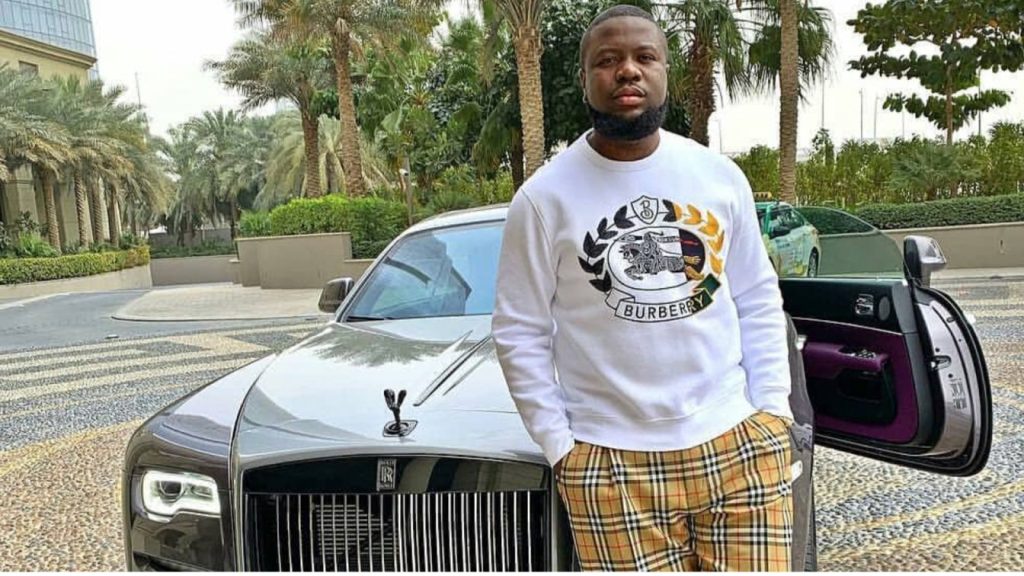
Ramon Abbas, AKA Hushpuppi, went from flaunting luxury cars and private jets on Instagram to foolishly drawing attention to him and being arrested in Dubai on June 10, 2020, for a global cyber fraud scheme that ran into millions of dollars. His story is a modern-day thriller that showcases the allure of social media fame, international crime networks, and an eventual high-profile takedown. In November 2022, Hushpuppi was sentenced to over 11 years in a federal prison in the U.S, and scheduled for release in August 2029.
This narrative of its adaptation would work best with suspense, commentary, and drama about the life of cybercrime in Nigeria. It’ll make for intriguing storytelling if made from the POV of the government agents trying to take Hushpuppi down.
The Assassination of Dele Giwa (1986)
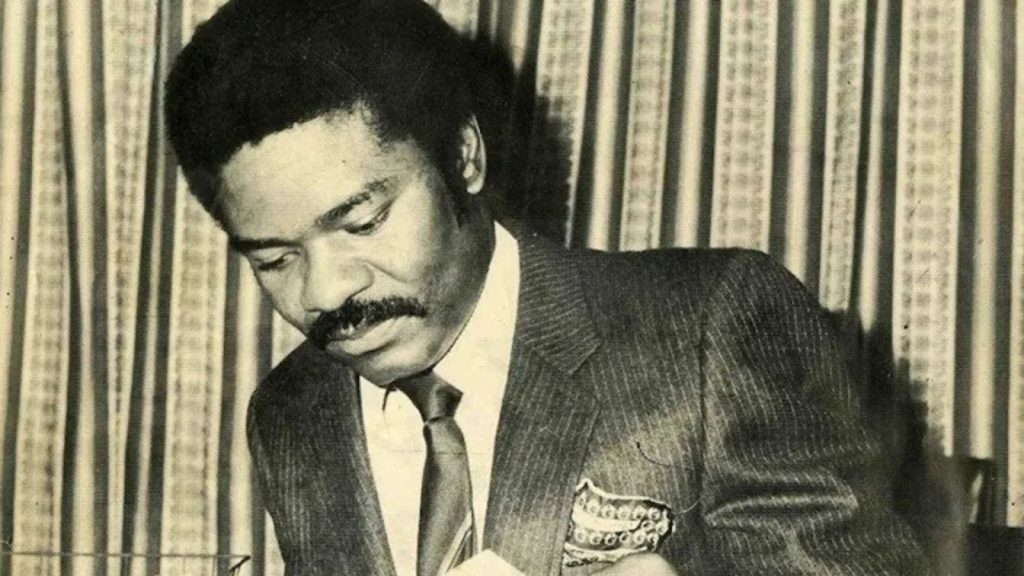
Dele Giwa, the editor-in-chief and co-founder of Newswatch Magazine, was killed on October 19, 1986, by a letter bomb at his home in Lagos. His death shocked Nigeria and remains one of the country’s most notorious unsolved murders. His death came two days after he was interviewed by the State Security Service (SSS) over a cover story that threatened to expose the government of General Ibrahim Babangida (IBB).
Giwa’s assassination ties politics, (investigative) journalism and courage, making it a compelling thriller. This could be a social-realist movie that follows the tension of press freedom, government surveillance and the risks faced by truth-tellers in the volatile military era.
Subscribe to Zikoko Pop newsletter, The Feed, for the most important pop culture news
The Death of Abacha (1998)
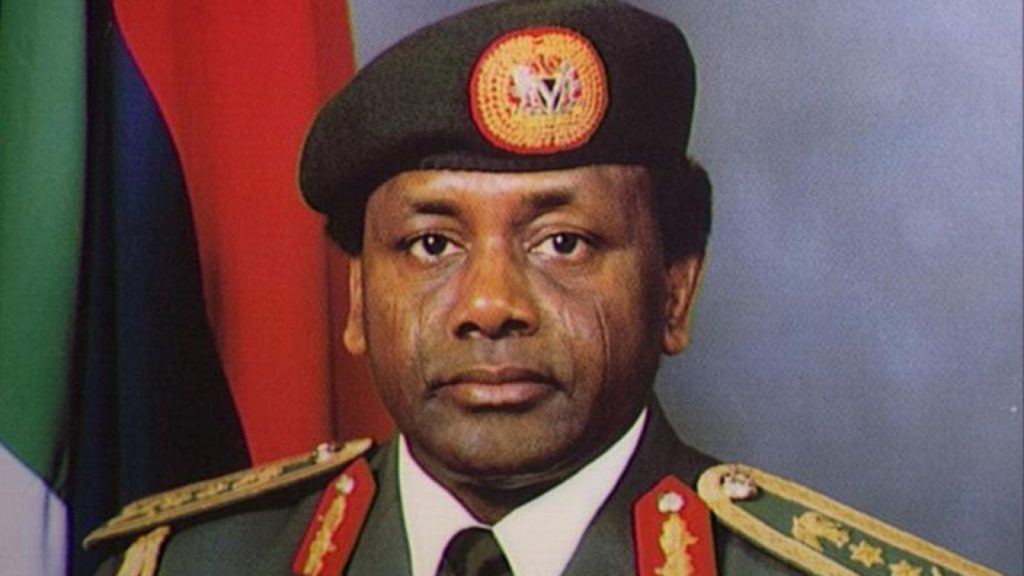
On June 8, 1998, Nigeria awoke to the shocking news that General Sani Abacha, the country’s military ruler known for his iron-fisted regime, had died suddenly of a heart attack. As a dictator who wasn’t loved, Abacha had enemies who wanted him dead and tried everything they could.
The sudden collapse of a dictatorship led to a shift from fear to cautious optimism. This adaptation would be a history and thrilling drama, that’d make it a ripe story for cinematic experience.
The #EndSARS Lekki Tollgate Shooting (2020)
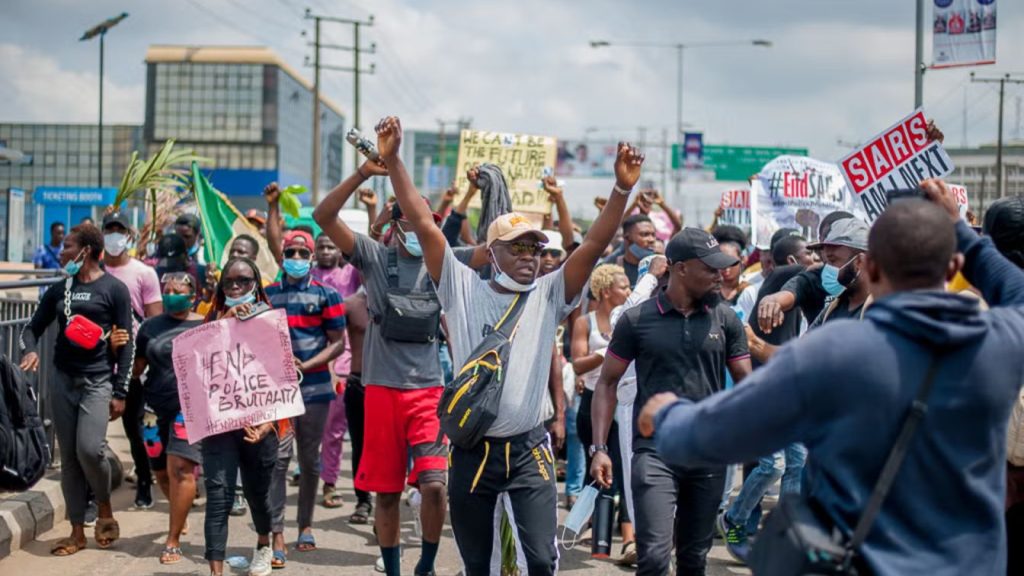
On the night of October 20, 2020, thousands of peaceful protesters, mostly youth, gathered at the Lekki Toll Gate in Lagos. Their reason is calling for an end to police brutality and demanding accountability from the now-disbanded Special Anti‑Robbery Squad (SARS). What began as a hopeful protest turned tragic when soldiers opened fire, in one of the most shocking incidents in recent Nigerian history.
According to investigations, tens of unarmed protesters were killed, with many more wounded, even as CCTV cameras were allegedly disabled, lights cut and ambulances denied access. The Lekki shooting tragic event remains a dark moment in Nigerian history and it deserves a movie for its demand for justice and collective struggle that caught global attention.
READ NEXT: 7 Nigerian Books that Need Movie Adaptations ASAP
The Kalakuta Raid (1977)
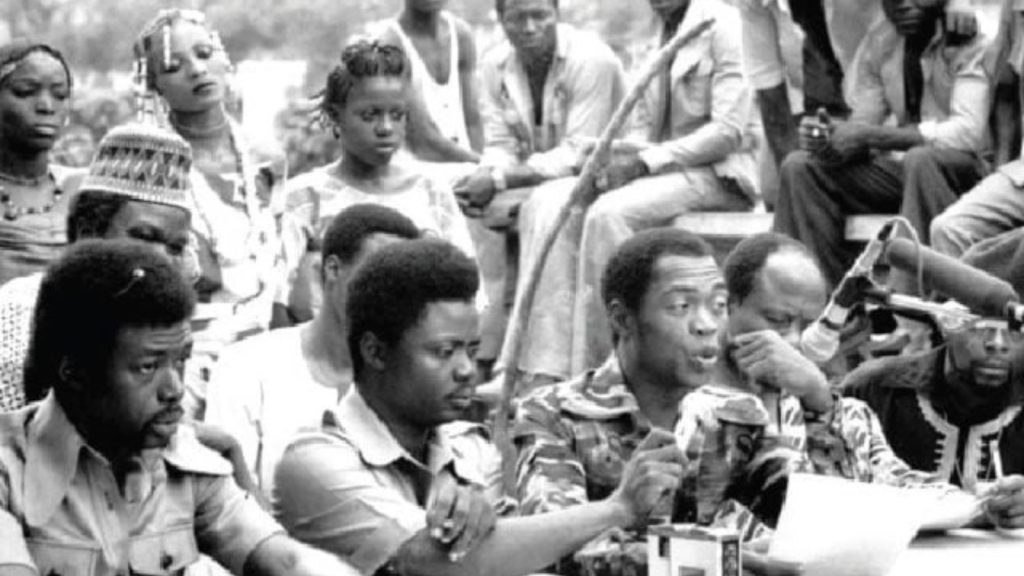
Fela Anikulapo-Kuti was a regular when it came to police and military brutality. However, a spectacular incident occurred on February 18, 1977. Fela Kuti’s Kalakuta Republic, a communal compound and recording studio, was raided by soldiers on orders from the military government. Fela was beaten, his mother Funmilayo Ransome-Kuti was thrown from a window, and the compound was destroyed.
This violent suppression of Fela’s artistic expression, activism and resistance sums up the struggle against oppression in Nigeria. Although there are already stage dramas, documentaries, and books about the Afrobeat legend, an up-close movie adaptation of this incident will properly showcase Fela’s lifestyle, music, philosophy, defiance, resilience, community, and politics. A political thriller, biography, and cultural spectacle about Fela will be a great time at the cinema or on streaming services.
The MKO Abiola’s June 12 Election (1993)

The June 12, 1993, presidential election is widely believed to have been won by Chief Moshood Kashimawo Olawale (MKO) Abiola. It’s also considered to have been annulled by the military regime of General Ibrahim Babangida (IBB). The annulment sparked protests, political unrest and a decades-long struggle for democracy in Nigeria.
This is one of Nigeria’s most critical moments in its democratic history. A well-done cinematic adaptation could capture the military governance, political intrigue, tension, betrayal and stakes of a nation on the brink.
The Super Eagles AFCON Win (1994)
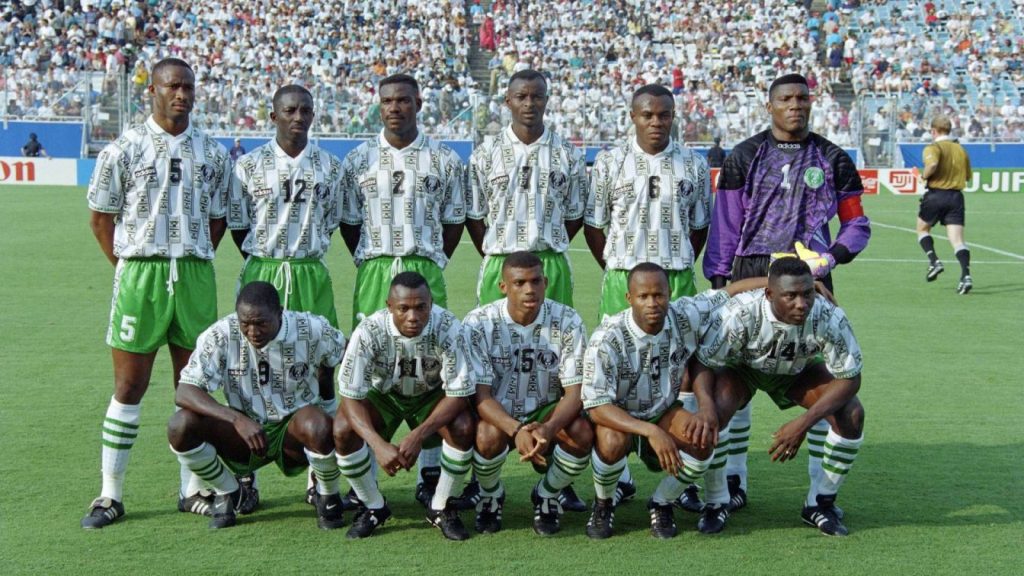
The year was 1994 when Nigeria’s Super Eagles made history by winning the Africa Cup of Nations in Tunisia, beating Zambia 2 – 1 in the final. It came after years of political and social unrest, and marked a moment for national jubilation, pride and unity. The team was led by the star players Rashidi Yekini, Sunday Oliseh and Emmanuel Amuneke.
That same year, the Super Eagles made its debut at the FIFA World Cup in the U.S.A., beating European teams like Greece and Bulgaria. 1994 is widely remembered and revered as the golden era of Nigerian football. This adaptation is needed not just because of the sports drama and ambitions, but also because it’s a tale of national pride, teamwork under pressure, victory against odds and a closer look at the Super Eagles.
The Umaru Dikko Affair (1984)
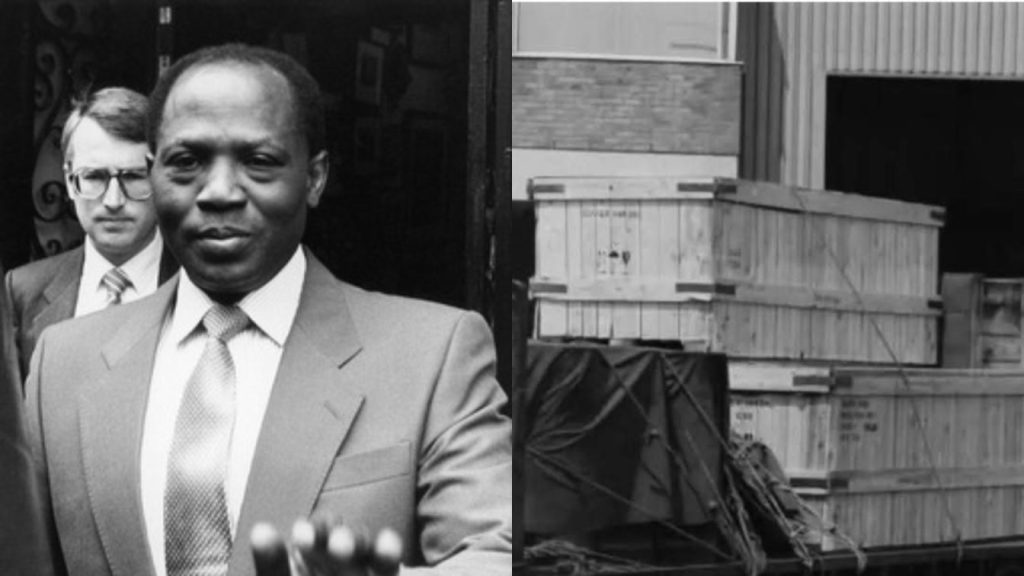
In 1984, Nigeria became embroiled in a bizarre international scandal. Former minister Umaru Dikko was drugged, packed into a crate and nearly flown from London to Nigeria in a kidnapping attempt orchestrated by the Nigerian military government. The plot was foiled by British customs and made headlines worldwide.
This Umaru Dikko affair has everything a spy-thriller movie needs, from political tension to international espionage and dramatic moments that also feel cinematically impossible. This is a real-life plot of power and the lengths people will go to silence their opponents.