In June, when Nigerians first started posting about the hit dating show Love Island US, their comments resembled what you would expect from reality TV heads anywhere in the world. There were merciless takedowns of contestants they didn’t like, banter over the relationships they were rooting for, and bets on who would take home the $100,000 cash prize.
But then came a twist no one, especially not the intended American audience, expected.
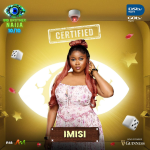
As African Americans grew outraged over what they saw as racial bias against two Black contestants, Chelley Bissainthe and Olandria Carthen, many Nigerian viewers loudly rallied behind another contestant, Huda Mustafa, an American Arab. When Nigerians insisted racism wasn’t at play, the backlash was immediate. In the US, denying racial bias, especially when raised by Black people, is one of the most egregious social sins.
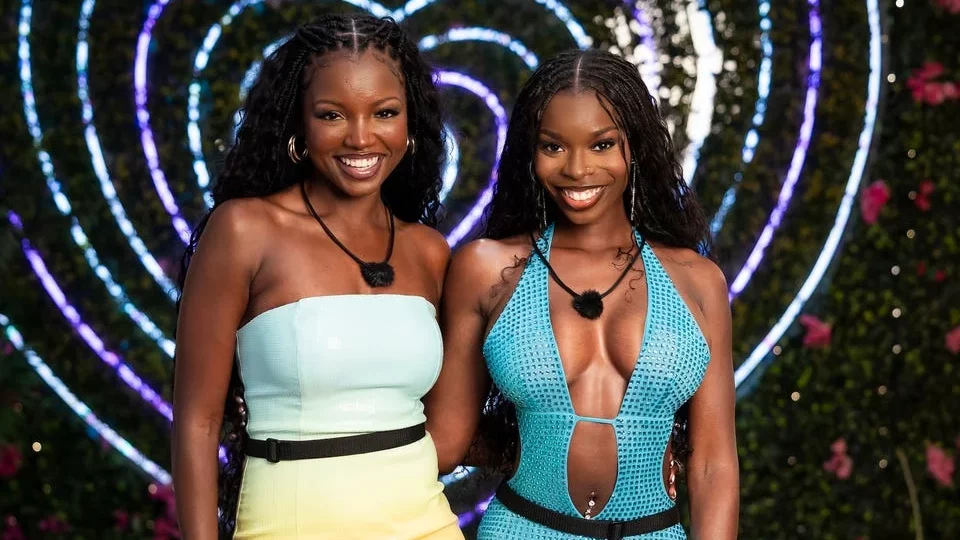
Then tensions further escalated when leaked screenshots from an alleged Nigerian WhatsApp fan group showed one user suggesting the mass-reporting of Bissainthe and Carthen’s TikTok accounts. African Americans concluded that Nigerians were swimming in anti-Black sentiment. “Ban Nigerians from watching Love Island and I’m so serious,” one user said.
The Love Island clash is just one example of how Nigerians have become notorious for their presence online: loud, confident, and unfiltered. The same energy that fuels these increasingly common international fights also turns inward, with Nigerians sparring just as fiercely among themselves. Sometimes, it’s hilariously petty. Other times, it’s just plain cruel.
In August 2024, protests over the state of Nigeria’s economy engulfed parts of Lagos. Reports of vandalism poured in from across the country, but Kano was hit the hardest. The state’s yet-to-be-launched IT hub was ransacked. Videos showed looters carting off desktops, laptops, and chairs. On social media, calls for calm began to spread.
One of those appeals came from media personality Toke Makinwa. “Destroying properties and stealing from your fellow Nigerians who are passing through the same hardship is not right at all,” she posted on X. “This is very sad.”
Her plea was met with venom. “Baby girl, this is why you have tried IVF 2 times and none has worked. This is why you have snatched so many of your ‘girlfriends’ men and none has stuck by you,” a user with the handle @anthony_fedora replied.
It was a cruel and deeply personal attack, but not an unusual one. Nigerians have developed a reputation for going for the jugular in public discourse. No topic — not politics, not pop culture, not even fertility struggles — is safe from this reflexive hostility. When Prince Harry and Meghan Markle visited Nigeria last year, debates about colonialism understandably dominated feeds, but misogyny still bubbled to the surface “Hin wife wey Mike don dismantle her lip,” one user tweeted, a sexist jab at Markle’s role in the hit show, Suits.
Subscribe to Zikoko Pop newsletter, The Feed, for the most important pop culture news
ALSO READ: Meet Aida, the TikTok Gossip Whisperer With Nuance
For Ololade Faniyi, a feminist researcher, the hostility reflects long-standing social tensions. “The combination of class resentment and misogyny can be really explosive, especially when it comes to women celebrities,” she told Zikoko. “That person represents what most aspire to, and may never attain. They have cross-border mobility and the ability to make choices out of the reach of most from a country crumbling under multidimensional poverty.”
Nigerians’ loudness and dominance in conversations didn’t start with the internet. Long before X and Instagram, Nigerians were central to global discourse, producing towering intellectuals like Fela Kuti, Wole Soyinka, and Ngozi Okonjo-Iweala. So, when the world’s town square moved from global conferences to social media timelines at the turn of the century, it was inevitable that Nigerians would show up in force.
On the sports side of X, they spar with Barstool Sports personalities and journalists from The Athletic. In politics, they argue with American pundits over the legacy of Barack Obama and Donald Trump. Wherever Nigerians appear, they arrive the same way: confidently and with the volume turned up to the highest.
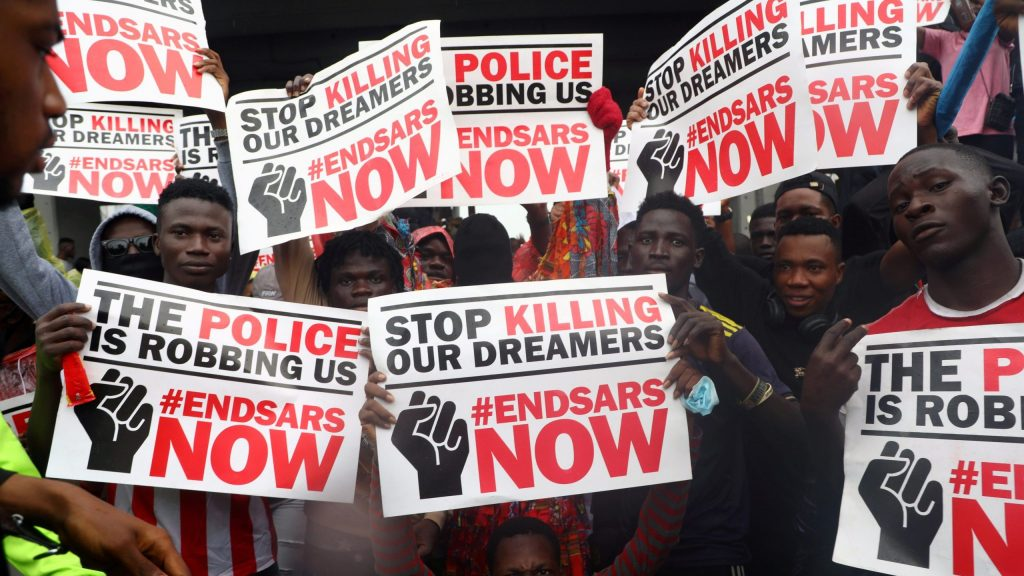
That loudness has had bright moments. In 2020, it helped bring much-needed attention to years of systemic police brutality with the #EndSARS protests. It also powered the rise of Afrobeats and Nollywood as global exports. But that volume has a downside. It doesn’t only amplify brilliance; it magnifies ugliness.
In the early days of social media, moderation kept some of the vitriol in check. Algorithms were more localised, showing Nigerians mostly other Nigerians. That changed when Elon Musk bought Twitter for $44 billion.
Soon after, he stripped down the company’s moderation systems in the name of “free speech.” Then he put the blue checkmark (once a sign of verification) up for sale, tying visibility to payment and rewarding whatever content, however vile, could go viral. The platform, now rebranded as X, became fertile ground for bigotry. Meta, the owner of Facebook and Instagram, has since followed a similar path, loosening its guardrails as well.
“We exist on a platform that gives viral access to misogynist, racist, homophobic, and tribalist thought,” Faniyi said. “Creators lean in because it makes them more popular and drives up engagement. We see people form online hate communities proudly, and boldly paste these bigoted affiliations in their bios.”
But it isn’t just that Nigerians are quick to start fights online, but that they tend to do it in unison. After @anthony_fedora’s jab at Toke Makinwa, another user urged, “Cook her very well.” On X, where every like, repost, and reply pushes a comment further up the timeline, cruelty isn’t just currency — for many Nigerians, it’s a payday they’ll say anything to cash.
That reputation has grown so strong that, in some cases, people don’t even bother engaging. In July, after a dark-skinned woman posted, “Dark-skinned girls? Or light-skinned?” with a picture of herself, a Nigerian user, Nwa Eyen, replied that she’d prefer to be dark-skinned in her next life so she could “rub coconut oil and go my way.”
When asked why she couldn’t just use it now, she claimed coconut oil clogs pores and would darken her light skin. The response drew swift backlash, mocking both her anti-dark-skin sentiment and her bogus claim, until one user finally summed up the futility of arguing with a meme: “C’mon kid, she’s Nigerian.”
Ayomide Tayo, a cultural curator, believes this assertiveness is simply part of Nigerian identity. “Nigerians tend to be loud people, loud in the sense of being dominant wherever we find ourselves,” he said. “It is a known fact across Africa that you can spot a Nigerian from a mile away. This also applies to our demeanour online too.”
Of the over 200 million Nigerians worldwide today, 38.7 million or about 16.4 per cent, use social media, according to Data Reportal. This percentage has produced a perception of Nigerians that now rings true among many nationals globally.
Take, for instance, the clash online during the pandemic in late 2020, with a group of African Americans known as ADOS (African American Descendants of Slaves), who argued that Africans were complicit in slavery. Nigerians pushed back hard, and by 2021, the debates had spilt across platforms, making Nigerian names, flags, and profiles instantly recognisable and cementing their reputation for being combative online.
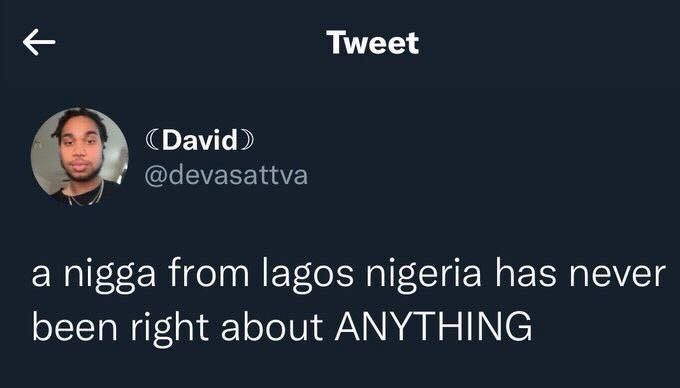
“For some reason, Nigerians have ‘main character syndrome’ and believe they are kind of superior to most people,” Tayo observed, noting that some even insist Nigeria is better than America. The stereotype soon turned memeable, with one viral post declaring, “A nigga from Lagos, Nigeria has never been right about anything”—even though only a small fraction of Nigerians actually joined the discourse.
These global clashes are becoming even more frequent and baffling. When Olympic boxing was swept into a debate about transgender athletes, a group of Nigerian feminists joined the conversation, calling for Algeria’s champion to undergo genetic testing. (No Nigerian was competing). The same dynamic plays out in American culture wars, with Nigerians eagerly engaging in anti-woke debates imported from the U.S.
For Faniyi, Nigerians’ penchant to insert themselves in these culturally Western conversations can be traced back to colonialism. “Our colonial and imperial relationship to Europe and America means what happens in these contexts directly affects our lives. They shape our ability to get visas, our oil prices, our research. They shape our public discourse.”
The result is a Nigerian voice that is not only loud but often misunderstood. Tayo argues that the assertive tone Nigerians use in online debates can make them seem aggressive, even when they’re right. “Because of our assertiveness, confidence, and dominance, people see us as aggressive,” he said. “This is what leads to the condescending tone. We’ve seen it with Afrobeats and how African Americans think we act superior to them.”
Crime adds another layer to this perception. “Our tendency for crime, at least the bad apples among us, doesn’t help matters. I once read an article about how local Italian mobsters are angry that Nigerian criminals are out-muscling them in their territories in Italy. Even before the internet, pop culture helped shape perceptions. I think Nollywood home videos did a lot of groundwork in positioning us as cool but dominant people,” Tayo said.
“When social media platforms integrated African countries, people began to see these traits in real time and not just on TV. I think one of the comical online wars versus Ghana and Kenya could be seen as the genesis.”
Sometimes, this perception of Nigerians has caused real harm to us. In South Africa, Nigerian migrants have been targeted in violent xenophobic attacks. Multiple reports have documented Nigerians being killed, their assertiveness interpreted as arrogance by locals already resentful of foreigners.
When asked if there’s a way forward, Tayo isn’t optimistic. “We are seen as buoyant people,” he said. “That perception will never end.”
And so, from Love Island watch parties to global political debates, Nigerians remain one of the loudest voices online, celebrated for their culture, condemned for their cruelty, and impossible to ignore. In a world where visibility is everything, being notorious might be both a curse and a crown.