Nollywood isn’t just an industry—it’s a cultural force. What began as scrappy home videos has grown into one of the most prolific and influential film industries in the world. At the heart of this transformation are the directors: visionaries who turned limited resources into unforgettable stories, and local tales into global phenomena.
These filmmakers didn’t just shoot movies; they built a language of cinema that is distinctly Nigerian, merging tradition with modernity, laughter with critique, and entertainment with cultural memory. Their persistence and artistry shaped how the world sees Nollywood, and how Nollywood sees itself.
Here are the ten directors whose impact continues to define Nigerian cinema—and why their films remain essential viewing.
10. Biyi Bandele

Biyi Bandele was a filmmaker with a rare gift: the ability to translate literature into cinema without losing its complexity. His 2013 adaptation of Chimamanda Ngozi Adichie’s Half of a Yellow Sun was one of Nollywood’s most ambitious undertakings, weaving the intimacy of love stories into the vast backdrop of the Nigerian Civil War. He followed it with Fifty (2015), a glossy, Lagos-set drama about four women confronting ageing, ambition and desire, a film that expanded Nollywood’s conversation about modern life.
His final work, Elesin Oba: The King’s Horseman (2022), adapted from Wole Soyinka’s stage classic, was a fitting capstone — a meditation on duty, tradition and betrayal. Bandele’s career was defined by a commitment to stories that demanded both scale and seriousness, marking him as one of Nollywood’s most literate and ambitious directors.
Must-Watch: Half of a Yellow Sun — a sweeping portrait of love and war that remains one of Nollywood’s most daring productions.
9. Mildred Okwo

Mildred Okwo is one of Nollywood’s most acclaimed female directors, celebrated for her sharp character work and unapologetically female perspectives. Her breakthrough film, The Meeting (2012), was a turning point for Nigerian romantic comedies — a polished, witty production that paired political satire with a love story, proving that Nollywood could be both entertaining and incisive.
She followed it with Suru L’ere (2016), a lighthearted look at ambition and hustle in Lagos, and La Femme Anjola (2021), a sultry neo-noir that pushed Nollywood into darker, more stylish territory. Across genres, Okwo has maintained a reputation for precision and sophistication, raising the bar for what mainstream Nigerian cinema can achieve.
Must-Watch: The Meeting — a deft blend of satire, romance, and comedy that set a new standard for Nollywood storytelling.
Subscribe to Zikoko Pop newsletter, The Feed, for the most important pop culture news
8. C.J. “Fiery” Obasi

C.J. Obasi belongs to a new generation of Nigerian filmmakers intent on pushing Nollywood beyond its traditional boundaries. His debut feature, Ojuju (2014), shot on a shoestring budget, announced his arrival with urgency and vision. The film, a zombie thriller rooted in Lagos life, won Best Nigerian Film at AFRIFF and established him as a director who could make genre cinema feel both local and universal.
He has since expanded his oeuvre with O-Town (2015), a gritty crime tale, and Hello, Rain (2018), a short adaptation of Nnedi Okorafor’s Afro-futurist story. But it was Mami Wata (2023), his black-and-white reimagining of West African folklore, that placed him firmly on the international stage. Premiering at Sundance and winning the World Cinema Dramatic Special Jury Award for Cinematography, the film signalled Nollywood’s growing presence on the festival circuit.
Obasi’s work is marked by visual boldness and a willingness to merge fantasy, folklore and horror into something entirely his own.
Must-Watch: Mami Wata — a striking, dreamlike vision that transforms myth into cinematic poetry.
7. Teco Benson

Teco Benson is often credited with reshaping Nollywood’s relationship with action and suspense. Beginning his career as an actor in the early 1990s before moving behind the camera, he distinguished himself in an industry long dominated by melodrama, proving that Nigerian cinema could handle thrillers with grit and urgency.
His State of Emergency (2004) was a watershed moment, blending political corruption, gunfights and high-stakes drama in a way audiences hadn’t seen before. He went on to show his range with Two Brides and a Baby (2011), a romantic drama, and returned to darker territory with Accident (2013), a taut psychological film that won the Africa Movie Academy Award for Best Nigerian Film.
Benson’s career is defined by versatility and a willingness to experiment, but it is his mastery of tension and pacing that ensures his place in Nollywood history.
Must-Watch: Accident — a tightly wound thriller that showcases Benson at his most precise and compelling.
ALSO READ: 10 Nollywood Actors Who Used to Be Famous and What They Do Now
6. Jade Osiberu

Jade Osiberu represents a new wave of Nollywood directors who balance box-office appeal with critical recognition. Her debut, Isoken (2017), a romantic comedy about love and cultural expectations, earned her Best Director at the Africa Magic Viewers’ Choice Awards and quickly established her as a filmmaker with both craft and commercial instincts.
She followed with Sugar Rush (2019), one of the year’s highest-grossing Nigerian films, and expanded into bigger, riskier productions with Brotherhood (2022) and Gangs of Lagos (2022). Together, these films confirmed her ability to handle scale, spectacle and storytelling without losing sight of character.
Through her company, Greoh Studios, Osiberu has also created a space for high production values, strong ensemble casts and stories that resonate at home and among the Nigerian diaspora. Her work signals Nollywood’s ambition to compete on a global stage while staying rooted in local realities.
Must-Watch: Gangs of Lagos — a gritty, high-energy drama that reflects both her commercial boldness and her drive for more daring Nigerian storytelling.
5. Tade Ogidan
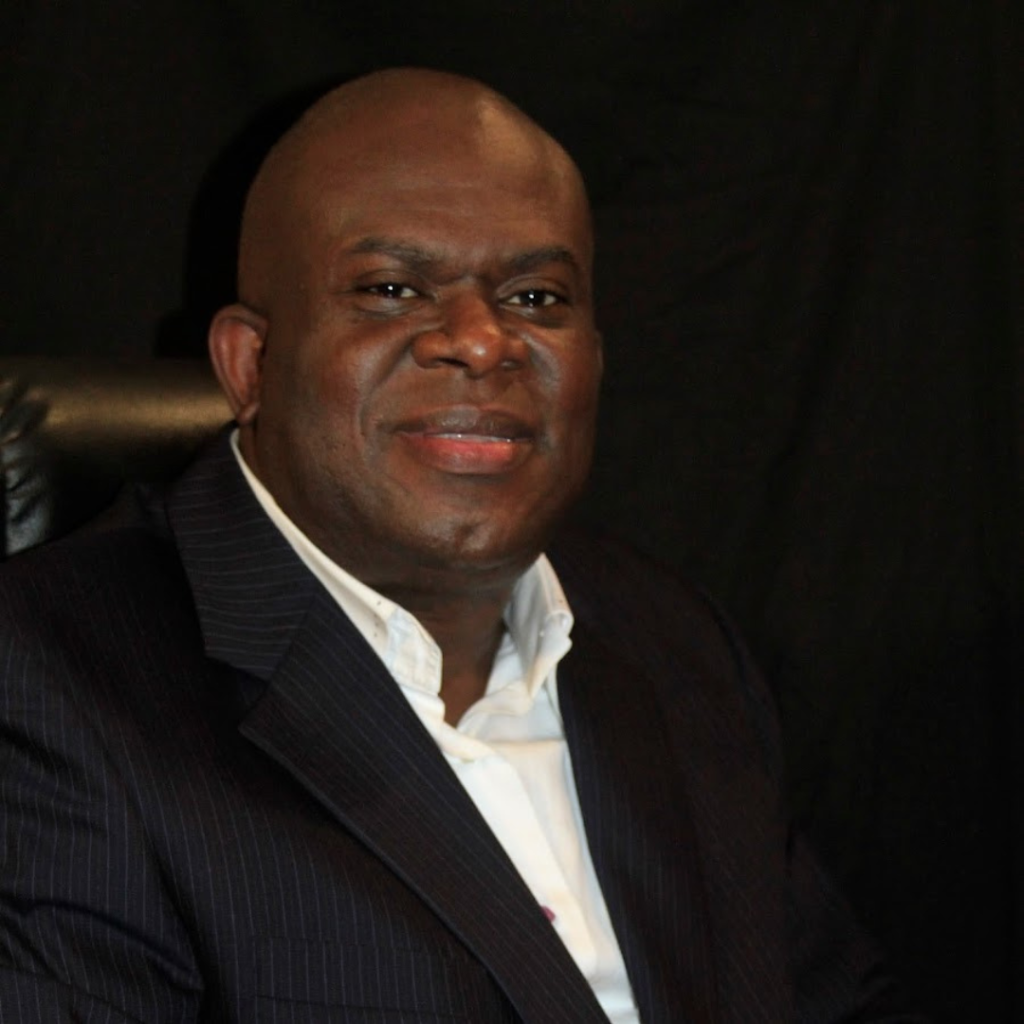
Tade Ogidan is one of Nollywood’s veteran filmmakers, a writer, producer and director whose career has shaped the industry across decades. Known for weaving together adventure, comedy, and drama with moral or patriotic undertones, he helped define the sensibilities of old Nollywood with a string of influential titles. Films like Owo Blow (1996), Out of Bounds (1997) and Diamond Ring (1998) remain landmarks of the 1990s home-video era, often cited for their storytelling ambition and enduring cultural resonance.
Ogidan has continued to adapt with time. His Gold Statue (2019) revisited the blend of comedy, adventure and drama for a new generation, balancing ensemble storytelling with social themes while still appealing to audiences that grew up with his earlier work.
Across his career, Ogidan has been defined by consistency — a filmmaker whose range and longevity secure him a place among Nollywood’s most enduring voices.
Must-Watch: Gold Statue — a testament to his ability to manage large casts, marry humour with deeper questions, and bridge generations of Nollywood audiences.
4. Kunle Afolayan

Kunle Afolayan has come to embody what is often described as “New Nollywood.” His films are marked by higher production values, careful attention to cinematography and sound, and a willingness to explore genres that stretch from romance to thrillers, history to folklore. At a time when audiences were adjusting their expectations of Nigerian cinema, Afolayan helped set a new benchmark.
His breakthrough, The Figurine: Araromire (2009), fused romance, destiny and the supernatural into a taut, suspenseful story that felt both modern and distinctly Nigerian. The film is widely credited with shifting perceptions of what Nollywood could achieve on screen. He has since built a varied catalogue that includes Phone Swap (2012), the period thriller October 1 (2014), the satirical Mokalik (2019), Swallow (2021) and Anikulapo (2022), each expanding the scope of his filmmaking.
Afolayan’s work is ambitious, layered and cinematic, combining local specificity with universal themes — a hallmark of the Nollywood renaissance.
Must-Watch: The Figurine: Araromire — a gripping blend of mystery and romance that wrestles with faith, friendship and fate.
[/ad]