For many rising Nigerian artists, a big break is about finally making music that pays the bills. Think: millions of streams, international tours, brand endorsements, maybe even label backing. It’s the moment that can turn passion into a full-time career.
But until that happens, the hustle is real. From 9- 5s, odd jobs to steady side gigs, these artists are finding ways to fund their dreams while ensuring they can survive daily.
We spoke to a few of such artists about what the grind looks like; how they’re making money, and what that big break would mean financially, creatively, and personally.
“Some months I earn ₦150k, other times it’s 10x that. It’s inconsistent but keeps me afloat.” — Boy Nxxt Door, Afroswing artist.
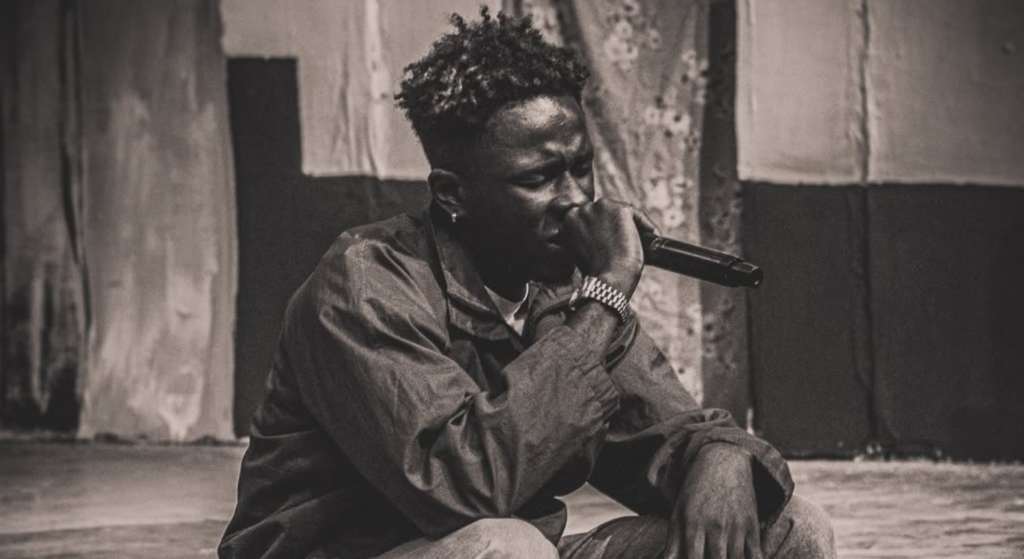
I’ve known I could sing since I was 10, but I started taking music seriously during the lockdown. I dropped my first single in October 2024, but it got taken off streaming platforms due to some irregular streaming pattern, which killed my momentum. I was close to giving up until I started finding my spark recently.
So far, I’ve only made about ₦50k from a live show. I juggle side hustles like sports blogging, crypto, gadget sales and copywriting, earning about ₦100–150k monthly; some months it’s lower or even 10x that. It’s inconsistent, but it keeps me afloat. I do the work primarily for survival; if my music took off today, I’d drop everything else to fully focus on it.
Buying beats used to be the most expensive part of my music grind, but most of my music costs are now covered through the cordial relationships I’ve built with producers. Even when I have to pay for beats, it’s usually at a discounted rate.
But survival comes first: I need to be in a good headspace to be creative.
A big break for me isn’t just streams or a record label deal; it’s stepping on stage, confident that the crowd is there for me, singing my lyrics word for word, and excited to see me perform. That’s the milestone that genuinely matters to me.
I believe deeply in my craft, and I know that with just a little spotlight, I’d be everywhere. I’m not sure exactly how much money it would take to rely solely on music, but one thing’s for sure: it would have to be a lot.
“I’ll feel like I’ve made it when I earn about $200k from music. I’ve got a long way to go, but I’m getting there.” — BDMNZZ, Rapper & Music Producer.
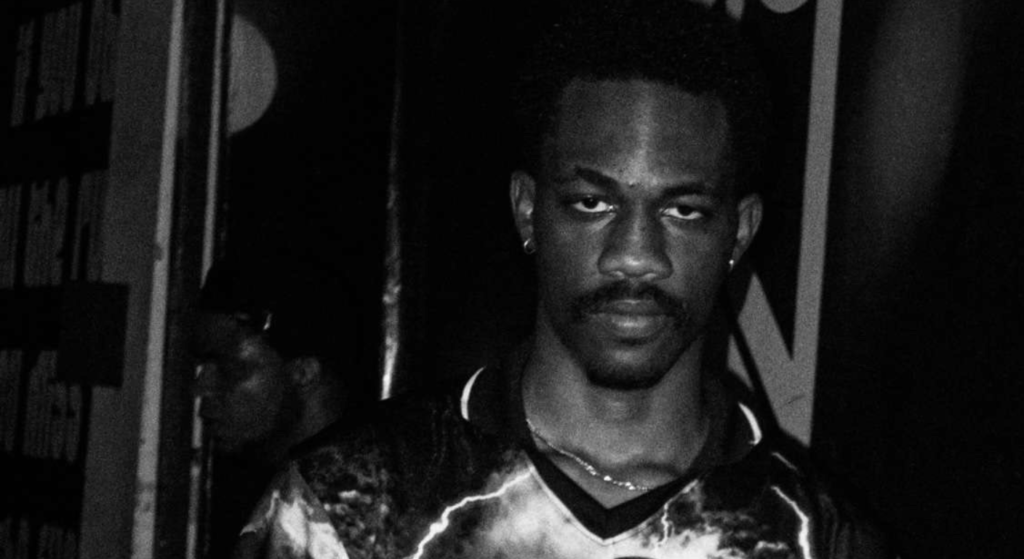
I started writing songs in 2015 but didn’t record my first track until 2019. In 2023, I dropped my first body of work, OJASTERIOUS.
The feedback has been great. People love the music, and my fan base has been incredibly supportive. I still remember how happy I was walking home from the studio after recording my first song. Since then, I’ve stayed consistent.
I haven’t started counting music wins in monetary terms yet. Most of the time, the process is give-and-take. I enjoy it enough that I don’t mind being paid with exposure for now. Performing is always exhilarating; it’s something I genuinely look forward to.
Music has always been “the dream,” but I’m also a designer.
I currently earn about $300 a month designing clothes. I wouldn’t call it a side hustle. It’s another branch of my creative life, which is just as important as making music.
For me, survival means creating music. When money comes in, I design, make clothes, sell them, reinvest the profits into my music, save a portion, then repeat. That’s the cycle.
Promotion is the most expensive part of the music grind. I have my recording gear, and I’m pretty handy with it, so I don’t spend much on studio time. Production costs vary greatly depending on location, but with the right producer, you can still get a good track done for around ₦100k.
I’m not in a hurry for a big break. Every time I make music feels like a big break. But if we’re being real, a big break is when your music gets millions of streams and people start respecting your work globally. That recognition adds value, and value brings rewards.
Getting signed to a record label is cool, but it doesn’t always mean you’ve broken into the scene.
But if we are talking numbers, I’ll know I’ve made it when I earn about $200k from music. I’ve got a long way to go, but I’m getting there.
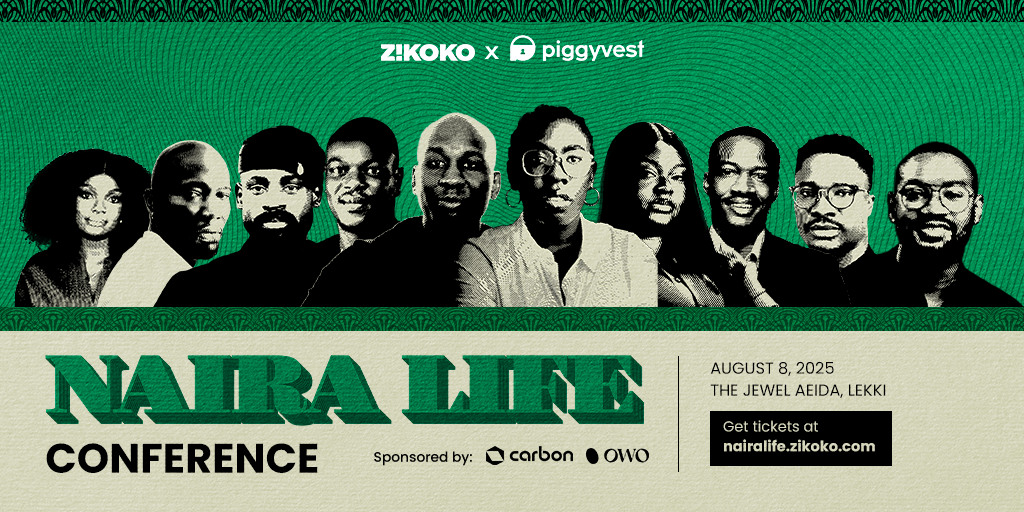
Join 1,000+ Nigerians, finance experts and industry leaders at The Naira Life Conference by Zikoko for a day of real, raw conversations about money and financial freedom. Click here to buy a ticket and secure your spot at the money event of the year, where you’ll get the practical tools to 10x your income, network with the biggest players in your industry, and level up in your career and business.
“My biggest payout from music is around ₦1 million, but it hasn’t hit my account yet.” — Tsuni, Artiste & Songwriter.
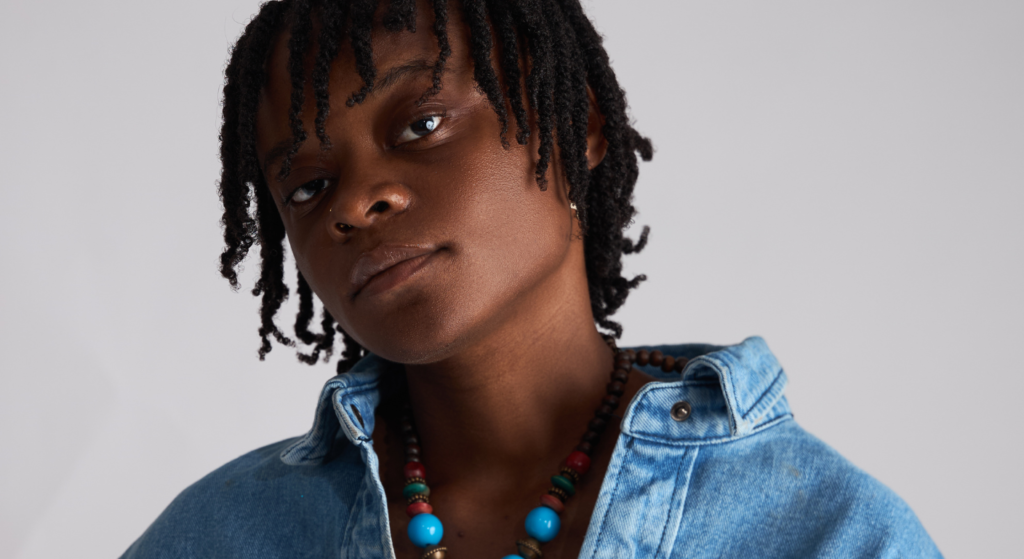
I describe my sound as a fusion of many genres, but the sweet spot is the “Nigerianness” it carries. We call it Afrofusion, but we need a more accurate name.
I’ve been making music for about seven years, but started taking it seriously this April.
Since I decided to drop everything and go all in, my music has been doing surprisingly well. I’ve gotten more traction online, especially on X, where I post music covers. Streaming hasn’t taken off yet; I haven’t been consistent with releases. But I’ve always known music was my path since I watched Hannah Montana at 8 or 9.
The most I’ve made so far is ₦100,000, but it was more of a logistics fee for attending a music camp, not music money. My biggest payout is around ₦1 million, but it hasn’t landed in my account yet. Outside of that, earnings have been modest. I once got ₦21,000 from my catalogue on a distribution platform. Music money isn’t consistent, especially at the start, but I’m not stressing. I know it’ll come with time and effort, I just have to keep going.
Right now, I’m not doing any side hustles or jobs outside of music, so I don’t have a steady income. I gave that up when I left my 9–5 in April. I chose music, and haven’t looked back. To stay afloat, I’m living at my mum’s place and keeping things low-key until I get paid music gigs: usually songwriting work at music camps.
I’m gearing up for my next release, and it’s the most expensive project I’ve taken on so far. It’s wild because I left the workforce with less than ₦100,000 in my account, and now I’m doing something that costs millions. How? I don’t know, but the song will drop.
Fortunately, I don’t pay for studio time because I have a basic recording setup: a laptop, a mic, a sound card, and headphones. For visuals and promotion, the funds come from gigs, my management, favours, or pitching to platforms.
Still, as an independent artist, producing a track can be daunting. You have to pay for studio time, producers, and engineers.
Here are some average figures:
- Studio time: ₦15,000 per hour
- Producers: ₦100,000 per song
- Engineers: ₦100,000 per song (extra revisions may incur added costs)
I’m winging the music life, but if something needs to be paid for, I find a way to pay. Otherwise, I’m just surviving. I try not to take on more than I can handle financially.
I don’t have a specific figure for what “making it” looks like, but I have a rough idea. I’d need steady songwriting gigs because relying on streaming income is tricky. Ideally, I’d attend multiple music camps monthly, getting paid hourly and per selected song, enough that I can afford to turn some gigs down. If I charge per hour, ₦100k is a reasonable starting rate. Per song, I’d charge a minimum of ₦500k. That’s when I’ll start to feel comfortable.
When I catch my first big break, I’m sure it’ll exceed my wildest dreams. For now, I’m staying grounded in the present.
A big break, for me, is not about popularity or signing a record deal. Being a breakout act and actually having your big break are two different things. It’s about the music and how bankable it is.
I’ll know I’ve had mine when I earn at least ₦20 million monthly from streaming alone.
“I’ve made over ₦2 million from streams and partnerships, but these days, I get by on about ₦300k a month from my media job.” — Dela, Fusion Artist.
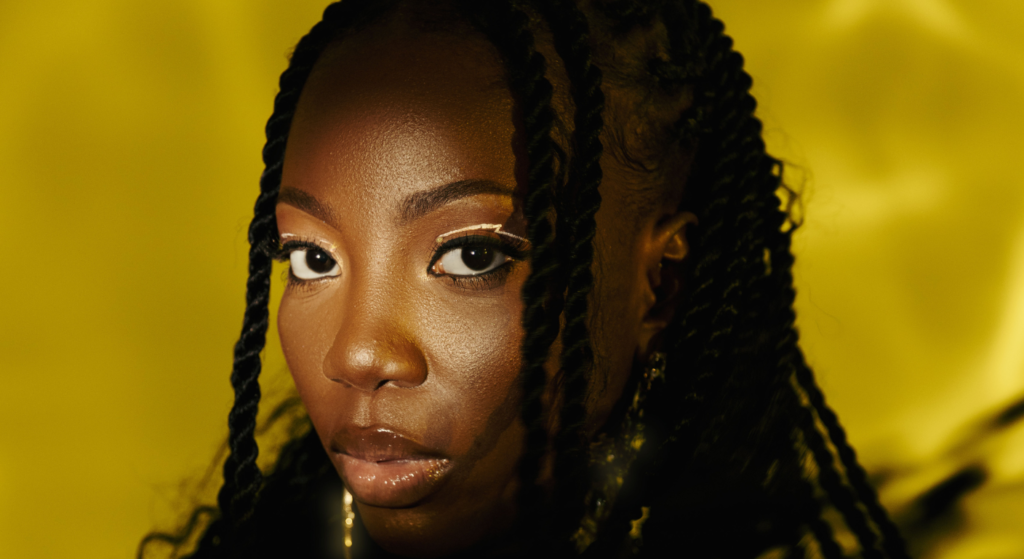
I started taking music seriously in 2022. When life fell apart, music was there, so I taught myself to write again. I make music from every genre: Afrobeats, R&B, dancehall, and even drill, but my voice is the secret sauce that makes every song unmistakably mine.
When I dropped my single, “Solomon,” and high-profile celebrities across the country started posting and showing love, I knew something had shifted. Since then, I’ve performed everywhere I can, and every stage feels like home.
I’m still an emerging independent artist, but I’ve made over ₦2m from streams and partnerships so far. I once got over ₦400k in one go. The performance fees I charge mainly cover logistics, but fans sometimes gift me money or drinks. It’s surreal.
Most side gigs are for survival, but I enjoy them. I currently work at a media house, writing music and doing backing vocals, and earn ₦300k on average monthly, but I still feel broke most of the time.
Studio sessions, visuals, and promos cost a lot, so I pour everything I earn from music back into it. I’m part of a music collective called SINTRAA, and we keep each other going.
Even if I consistently made ₦500k from music monthly, most of it will go right back in.
A ‘big break’ for me is being seen. Whether that’s global recognition or a million-dollar cheque, I just want everyone to know Dela. And once that happens, I’ll finally have enough to cover 99% of my bills and still have something left over.
“Once the music kicks off, I’m dropping the 9–5 and never looking back.” — Muyii, Afrobeats Artist.
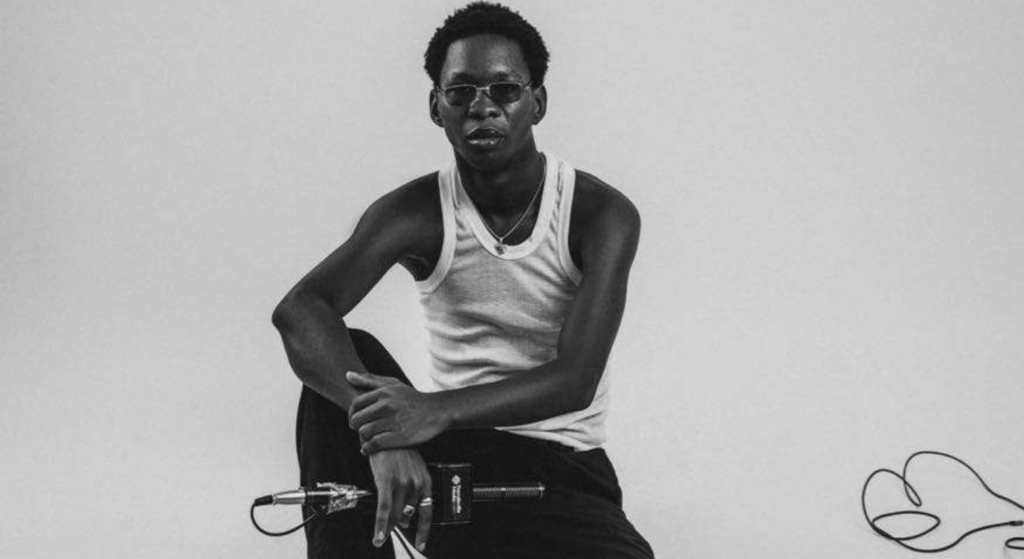
I started taking music seriously in 2021, but things didn’t start moving until I switched from rapping to singing a year later. I’d play my songs at gatherings without saying it was me, just to gauge honest reactions, and the reception blew me away every time. That’s when I knew I was onto something.
Still, I’m not where I want to be with streams. I haven’t hit the numbers that translate to real income. I’ve performed at shows but haven’t been paid for any yet. So far, I’ve only earned some money from a one-off songwriting gig: ₦50,000. The income is inconsistent, but I enjoy writing songs for others so much that I’d do it for free.
I’m in my NYSC year, receiving a basic ₦77,000 monthly stipend from the government. My PPA hasn’t started paying yet. I currently serve in the Business Administration department of a cybersecurity firm, hoping to pick up some real-world business knowledge from the corporate world. But I’m leaving the 9–5 grind behind once the music takes off.
In the meantime, I’m figuring out other ways to earn consistently on the side. I’m never putting all my eggs in one basket.
For me, the first real break starts when I go viral, and people can finally put a face to the music. From there, I know the real breakthrough will be just around the corner.