When Faaiza*, 23, moved to Abuja, she knew independence would come at a price.
But she didn’t know the many different ways she’d have to pay for it, from rent to other hidden costs. This is the full breakdown of what it took her to settle into an apartment in Abuja.
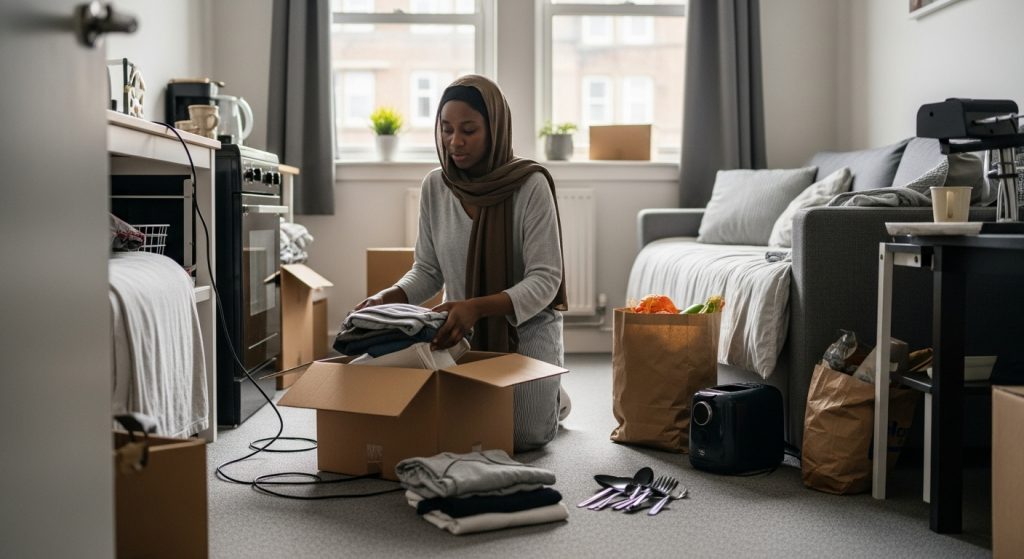
As told to Aisha Bello
There was no grand breakthrough waiting for me in Abuja when I decided to move. I just wanted to leave my comfort zone, and for me, that started with leaving my home state.
So, when my NYSC call-up came in 2024, and I was mobilised to Abuja, I grabbed the chance to relocate. Abuja felt like the best option: unfamiliar, but not intimidating. Far enough to feel like growth, close enough to still feel like home.
I call this period the germination stage of my life. I’m a business owner, a content creator, and someone who likes to have fun, but mostly, I am still a seed. I needed a new environment to grow in, a place that wasn’t too comfortable but welcoming enough to stretch me gently.
My service year was the testing ground. Living with extended family and working at a government secretariat taught me how to navigate the city on my own terms. I built a new customer base for my business and found myself adapting more easily than expected. So, when it was time to move into my own place post-NYSC in November 2025, staying in Abuja wasn’t a question.
The real decisions were about where and how.
The Hunt and The Priorities
My biggest non-negotiable was location. Because of my business, I needed to be close to the city centre. I wasn’t willing to move to the outskirts just to save money. Proximity and convenience were my top priorities.
Once I was clear on that, house-hunting became easier. It wasn’t necessarily cheap, but it was clear.
I found a studio apartment in Jahi, a fast-growing residential area northwest of Abuja, known for its developing infrastructure, scenic outdoor spots, and convenient access to major roads, making it easy to navigate the city.
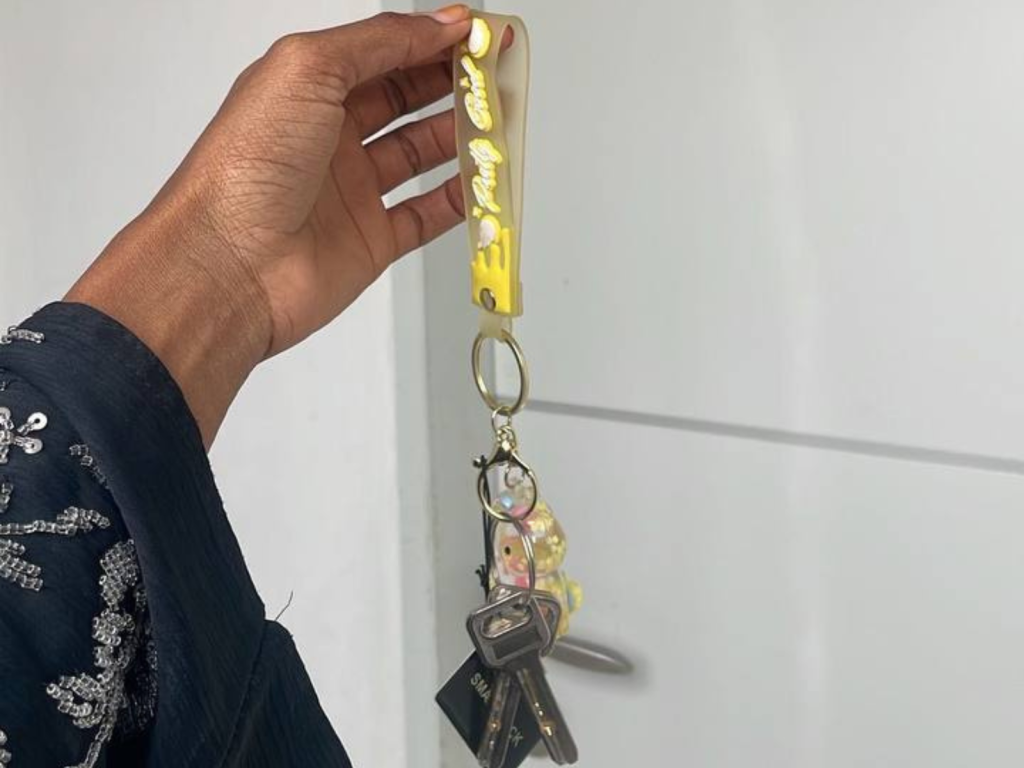
It was the very first place I was shown. Although I looked at a few other options that same day, I already knew my mind was made up. It’s what you’d describe as a self-contained condo: one room, a small kitchen, a dressing corner, and a bathroom. Compact, but thoughtfully laid out.
The Financial Reality
The basic rent alone was ₦2.5 million for the year. But rent, of course, was only the beginning.
Abuja doesn’t ease you into housing costs; it introduces them boldly. When I added up the agent fees, agreement fees, caution deposit, and service charges — all the things that come with paying for a place upfront — my total rent package came close to ₦4 million for the first year.
Seeing that figure written down felt heavy, even though I had prepared for it. Most of the money came from my savings. I wouldn’t say I drastically changed my lifestyle to save it, but I had moments of doubt. I asked myself if I should have just gone back home after NYSC and spent the money on something else.
But then I’d remind myself: I didn’t have any other pressing plans. At this point, the house was the plan. When you have a roof over your head, you can accomplish other things. Stability creates room for ambition.
Setting Up: The Hidden Costs
One small mercy was that the apartment didn’t require structural work. Because it’s a serviced studio, it came with an air conditioner, a stovetop, cabinets, a wardrobe, and decent lighting. That saved me the stress of starting completely from scratch.
However, moving into an empty space reveals how many things you assume you own, until you find yourself missing the essentials.
The first purchases were non-negotiable: a mattress and a gas cylinder. Then came the appliances: a fridge, a blender, and basic kitchen equipment. I actually forgot about a microwave entirely until the first time I froze my lunch and realised I had no way to reheat it. That’s on the list now.
Moving teaches you humility. You don’t realise how important a specific spoon or extension box is until you need it and it’s not there. Every week, something new comes up.
So far, I’ve spent close to ₦2 million on major household essentials alone. This doesn’t even include curtains, a bed frame, a dressing table, or the cost of artisans for installations. Those are patiently waiting for their turn.
The Breakdown
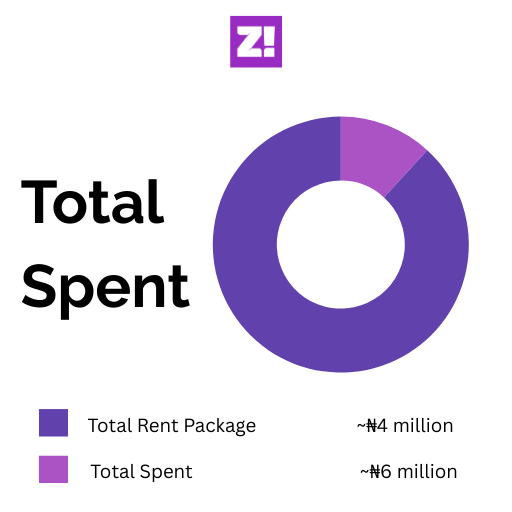
When I add everything together—rent, fees, and household essentials—I’ve spent roughly ₦6 million. Realistically, that number is still climbing.
Here is what the cost looks like on paper:
- Basic Rent: ₦2.5 million
- Total Rent Package (Fees + Service Charge): ~₦4 million
- Household Essentials (So far): ~₦2 million
- Total Spend: ~₦6 million
Was It Worth It?
I’m not fully settled yet, but day-to-day living hasn’t been as shocking as I feared. The electricity bill is manageable, and my monthly expenses feel roughly the same as before.
Looking back, I don’t regret the choice. Sometimes clarity makes things simple; once I got my priorities straight, I didn’t suffer through a chaotic search.
For anyone considering moving to Abuja, expect high prices, moving stress, and very hot weather. Abuja will test your patience before it rewards your courage. But if you know why you’re coming, what you’re prioritising, and what you’re willing to pay for peace, it meets you halfway. For that, I’m grateful.
Names marked with an asterisk (*) have been changed to protect anonymity.
Also Read: What It Really Costs to Move Out as a Young Person in Nigeria

Follow Zikoko Money on Instagram for relatable stories and actionable insights to help you make the most out of your money.