When you see that there’s a hot argument on the +234 side of X (FKA Twitter), four out of ten times, it is because someone’s wife or husband has come outside to say something shocking (cue MumZee and people’s wives waking up at 5 am to pound yam for their husbands).
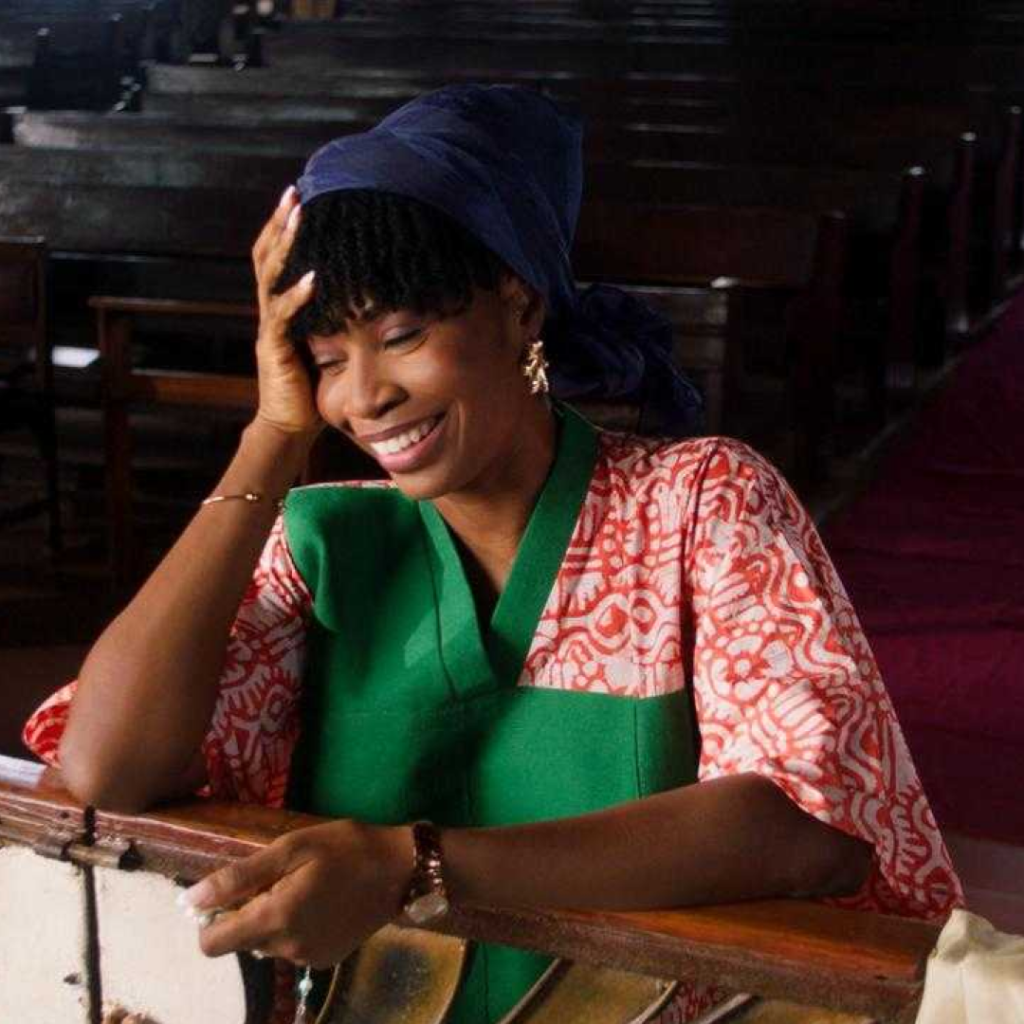
A few months ago, one woman tweeted that during sex, she just lies down like a log and lets her husband do what he wants to do. To Uzoamaka, it’s about time we stop normalising these questionable takes about marriage. She is tired of the existing narratives around sex in marriage and has decided to do something to #shiftthestory.
“Online, you see things about how sex is a husband’s right and how women should ‘take it’ even when they don’t want to.”
To her, the way people talk about how sex in marriage should happen is exhausting. That exhaustion is how the idea behind the main characters in ‘My Body, God’s Temple’ was born. Uzoamaka wants to create a new narrative that centers Nigerian women in loving relationships.
“When I was writing the script, I didn’t want the usual toxicity; I wanted to tell a story that showed two people in love, but also one about a person who understood consent and who respected his wife’s body.”
Writing the story was one thing, but bringing it to the screen had its own challenges. Uzoamaka found it difficult to find someone willing to use a vibrator on screen for the plot.
“I had a hard time casting for a previous episode because the character was a sexual being. We kept explaining that we were not doing porn but nobody wanted to do it. I didn’t want to compromise on certain scenes, and instead of going through that a second time, I decided to just do it myself.”
Her innovative solution brought a new kind of challenge: being in front of and behind the camera at the same time.
“Sometimes, I’ll finish shooting a take and start to leave, forgetting that I’m the director. The producer will then have to call me and ask, ‘Director, won’t you review the rush we just shot?’”
Next Read: What She Said: How I Survived a Marriage to a Covert Narcissist
Uzoamaka is not afraid to challenge herself. Despite all of that, it did not take long to get the hang of things, and over time, she got attached to the character she was playing.
“Omasilu prays about everything. That is so me. If she is having sexual issues, she’s going to talk to God about it. Of course, she’s practical; she talks to her partner, finds her way in the bedroom, and does her research, but the way she copes is by talking to God.”
Uzoamaka says she’s not religious and she doesn’t go to church, but she understands her relationship with God and she’s comfortable with it.”
The idea of a woman who can pray about sex is what she wants Nigerian women to embrace. Just like her, Omasilu’s character challenges stereotypes.
“In the media, religious virgins are supposed to look a certain type of way. She’s not allowed to want sex or be excited about it. People look at virgins who end up discovering they have a high libido as frauds. The narrative is that these women are supposed to be content with a mediocre sex life.”
Omasilu is a way for her to show the audience that there are a million ways to be a woman. The fact that a woman is spiritual does not mean she is not a sexual being, allowed to want more.
In her words: ‘I want women to know that they can be sexual and spiritual too.’
This is also why she chose a male lead so different from the stereotypical Nigerian man; he’s almost unreal. Zion is soft, patient, intentional, and he does not have a fragile ego.
“I wanted to show a man who makes you think about what men should be like. When I see people say things like ‘He’s your husband, he paid your bride price, when he wants it, he wants it. It just tells me that people have normalised entitled men who don’t have self-restraint or respect for a woman’s body. These things irk me.”
She says her work pays off in small moments when she sees people being affected in the ways she wants them to be.
“When we were watching the director’s cut in the studio, someone looked at Zion’s character and called him a simp. I like that the guy in the studio noticed. What that scene did to him was enough to make him vocally express what he thought. I want more men to see that and hopefully try it at home.”
To her, making art can be like manifesting; if we make enough art about what we want, we can create a new narrative. She believes whatever you can think of can exist.
“The scene where Zion tells Omasilu, ‘what can I do if you’re not ready’ is very deliberate because a lot of people think there is something that has to be done when someone is not ready: try harder, convince them, just lie there and let me do the work. It’s important to hear something like that from a good-looking, educated, well-to-do man who respected himself and respected his partner.”
With ‘My Body, God’s Temple’, she’s hoping to help Nigerian women understand that they can be spiritual, sexual, and anything else they want on their own terms.
“How do you say consent is hot in academia? That’s what I’m trying to do here. And that’s why holding a vibrator on set in front of so many people felt more ‘business as usual’ than embarrassing. These days people judge women for not having sex. I’m trying to show women that they decide how their body should be interacted with, even by their husbands and their partners, every single time.”
‘My Body, God’s Temple’ is one out of three films premiering in our Life Series Production, coming out this July, inspired by some of our favourite stories from our Naira Life, Love Life, and Sex Life verticals and Uzoamaka simply cannot wait to see what you will make of it.
Also Read: Everything We Love About the Women of HER: The Docu-series