Bibiana Gyasi grew up around food, watching her mother build a life as a caterer and learning to cook from a young age. Years later, she started making food videos with her phone, eventually turning her curiosity about food, culture, and travel into a career. She reflects on how food blogging changed the direction of her life, the people and experiences that shaped her journey, and why she wants to use food to tell stories and connect Africans across borders.
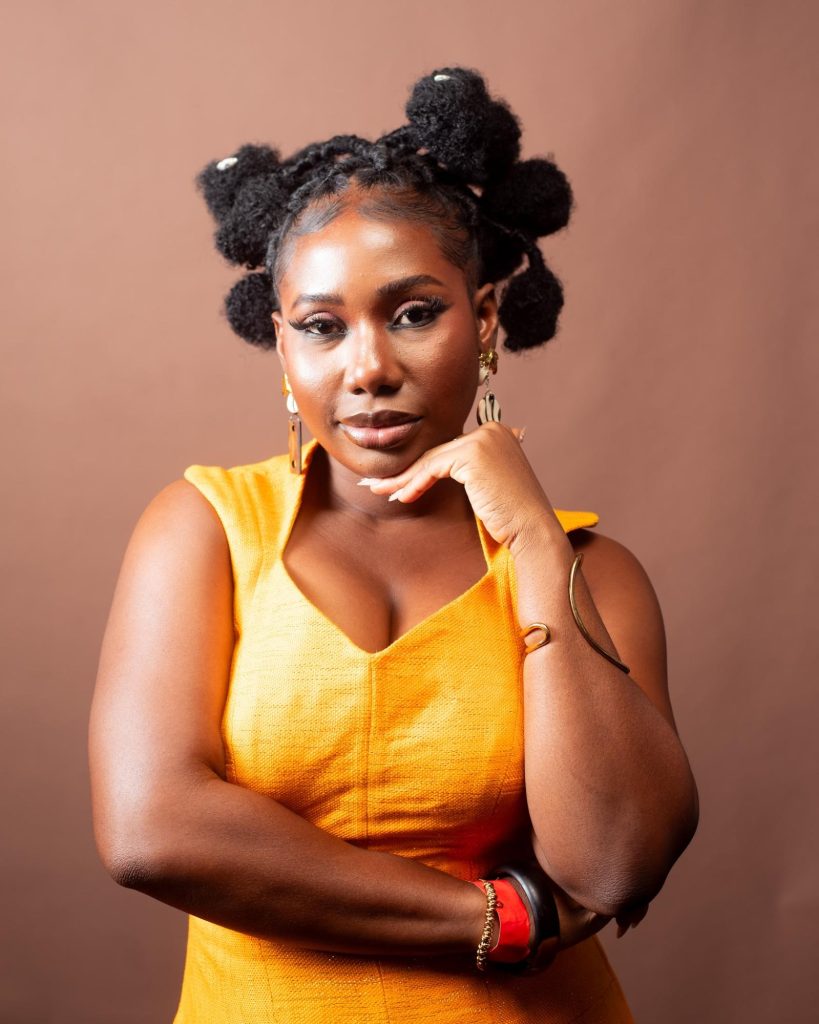
This is Bibiana Gyasi’s Story As Told To Sofiyah
I never had a dream job growing up. My dad wanted me to become a doctor, and for a while, he had convinced me that that was what I was supposed to do. At some point, I realised I was too much of a coward to be a doctor, but more than that, I knew I had always been drawn to creating things with my hands.
I was a creative person in almost every way. I had done creative writing, travel writing and graphic design, and I started fashion design when I was 15. I was interested in many things, which was both exciting and confusing because I never knew which one I was supposed to pursue.
Food, however, was not part of that conversation.
I had always been around food, which may have been why I never thought of it as something I could build a career around. I grew up in the Ashanti region of Ghana, where my mum has been a caterer for more than 30 years, so cooking was simply part of my childhood. I started cooking when I was about eight. Sometimes, she would give my younger brother and me money to buy food after school if she knew she would not be home early. Instead of buying something, I would usually buy ingredients and cook for us.
It did not always go well. I remember making jollof rice for the first time and turning it into rice soup. That didn’t stop my younger brother from eating and enjoying it, so I suppose that encouraged me to keep cooking.
Food also meant something deeper to me because of how I grew up. We did not come from a privileged background, and there were times when my mum had to do menial jobs to be able to buy groceries and cook for us. Seeing food on the table every day felt like a privilege. It was a reminder that somebody had put in effort and worked hard to make that possible.
I did not know then that those experiences would shape the way I understood food, community and giving back.
My career in food started during COVID in 2020. I was in university, preparing to graduate, when everyone had to stay home. I started making food videos with my phone and posting them on Instagram and WhatsApp. People liked what I was doing and began asking me to post more, try different things, and add more content.
Even then, I did not think I had found my career.
My plan was to enjoy it for the moment, return to school when everything went back to normal, graduate and figure out what I wanted to do with my life. When I went back to school, however, I was still making food content. During my national service, I would set aside part of my allowance to buy groceries and ingredients for my videos. I was not making money from the content, but I loved doing it enough to keep investing in it.
Eventually, I started wondering if I should give it a real chance.
The challenge was that I did not know what a career in food content creation was supposed to look like. At the time, content creation was still a relatively new space in Ghana. I knew people were doing it, but I did not understand how to turn it into a sustainable career.
Then, I discovered the Nigerian food content space.
Diary of a Kitchen Lover became particularly important to me. I saw what she was doing and realised that people were not only creating food content for fun. They were building businesses and careers around it. Coincidentally, she was also running food blogging classes at the time, so I joined one, and that class really cemented things for me.
I learned the different ways people could approach food blogging and make money from it. Before then, I knew food blogging existed, but I wanted to know how I could build a career from it. The class helped me understand that this was something people were already doing successfully; for the first time, I had a clearer idea of what was possible. So, I decided to take myself seriously and see where it could go.
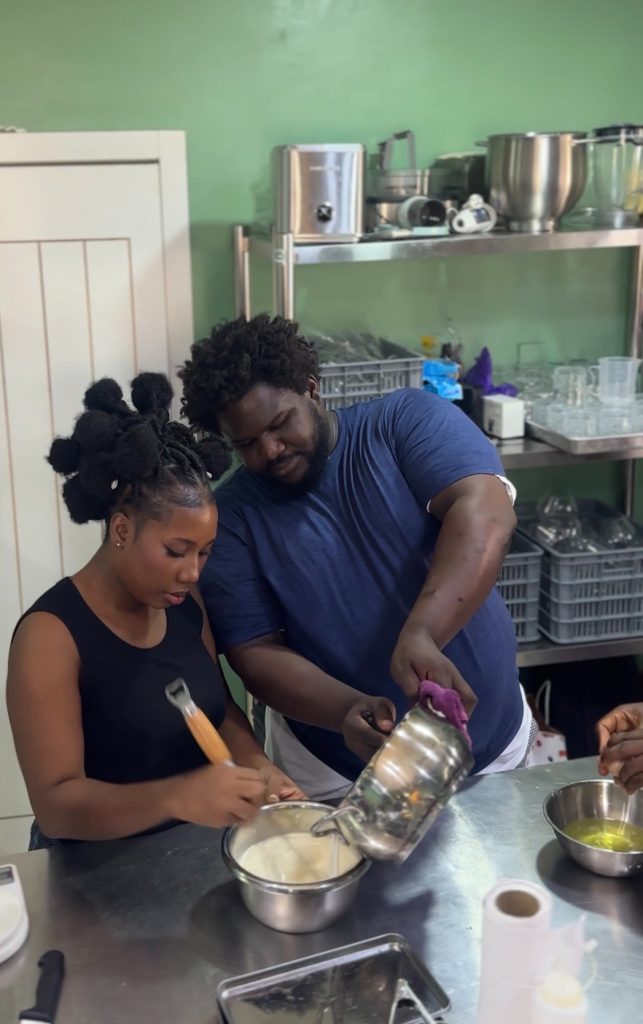
In those early stages, I wanted my personality to be part of the work. I have always loved teaching and sharing what I know, so I did not only post recipes. I started sharing what I was learning because food blogging was still a developing space in Ghana, and I knew other people might want to try it too.
Eventually, I began teaching.
I have now trained more than 1,000 people in areas including social media management, content creation, and food blogging through both in-person and virtual classes. I also developed a six-week content-creation masterclass for my university to give back to my department, and seeing people take something from what I had learned and use it to start their own journeys became one of the most fulfilling parts of my work.
My first brand deal was another important moment. It was not a huge amount of money, but it proved that what I was doing could actually work, and then my content started reaching people beyond my immediate circle.
In the beginning, I had a broadcast channel where I would tell my friends and schoolmates whenever I posted, asking them to watch or comment. Eventually, I stopped doing that. Strangers were finding my page on their own, leaving comments and asking me to try different things.
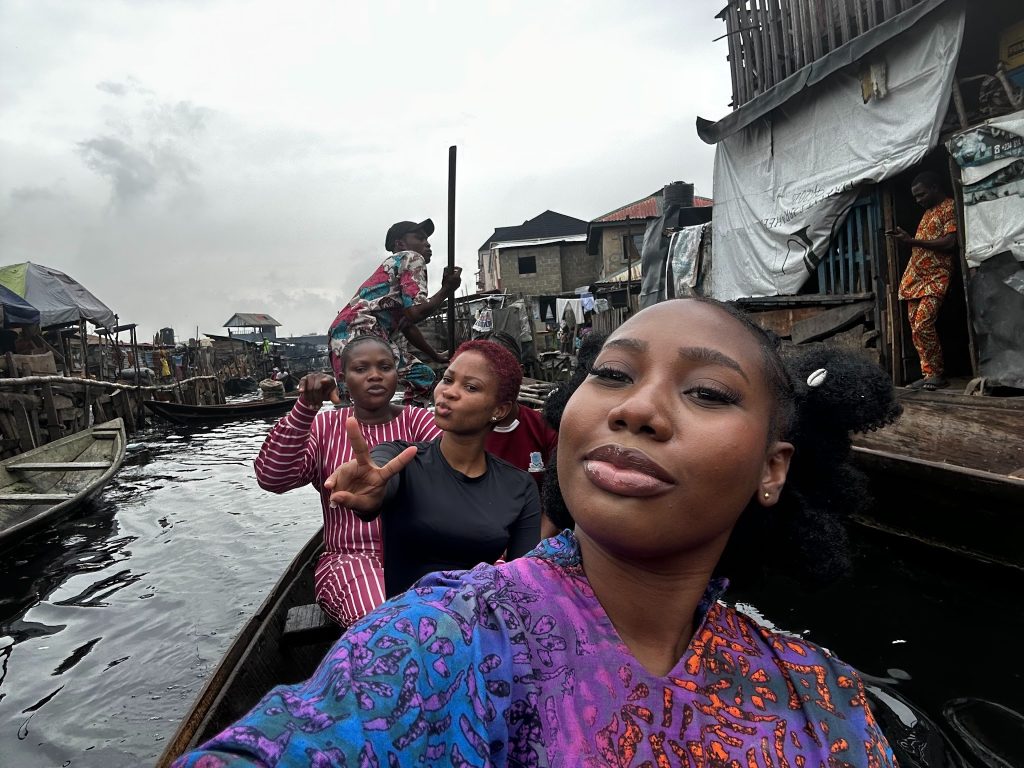
The more I created, the more curious I became about the food itself. I started asking questions about the dishes I was making. Where did they come from? Why were certain ingredients used together? What was the story behind them? My mum has a lot of knowledge about traditional cooking, so I learned from her too. I also started travelling around Ghana, visiting different regions, markets and food spots and sharing what I was discovering with my audience.
The more I explored, the more I realised I wanted to do more than cook.
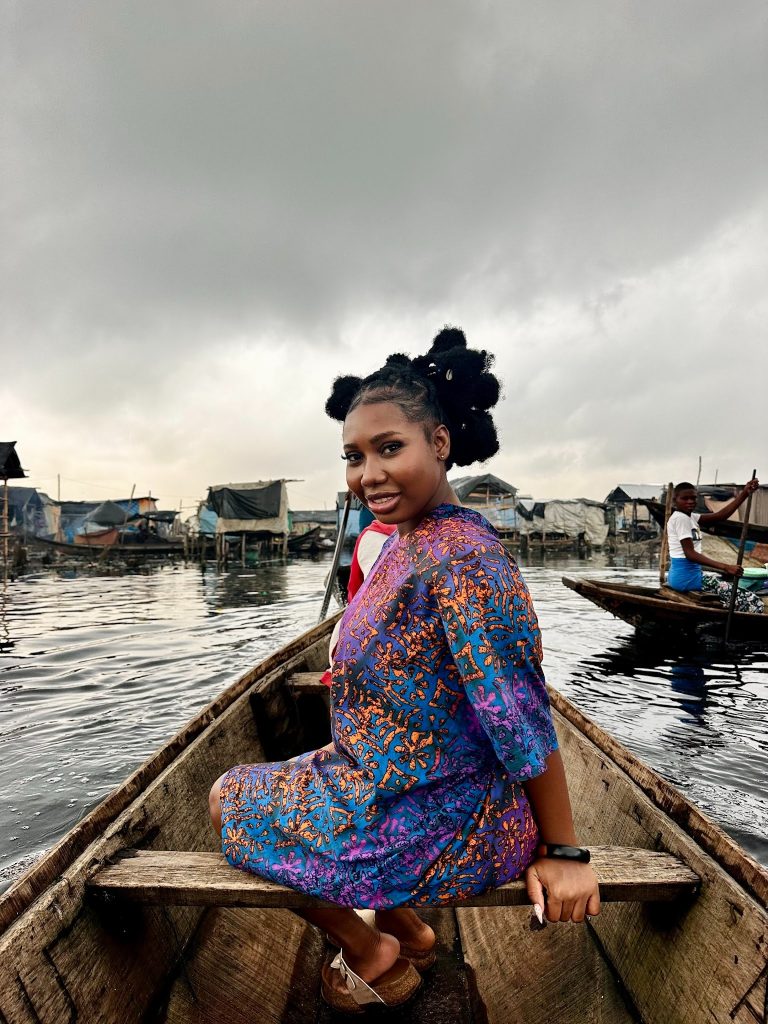
Travel had always interested me, even before food blogging. I previously had a website where I wrote about local travel, culture and Pan-African topics, so travelling was not a completely new idea. Food simply gave me a new reason to explore.
I wanted to know what other African countries were doing with food, and I really wanted to see whether the similarities I kept reading about were actually there and understand what made each cuisine unique.
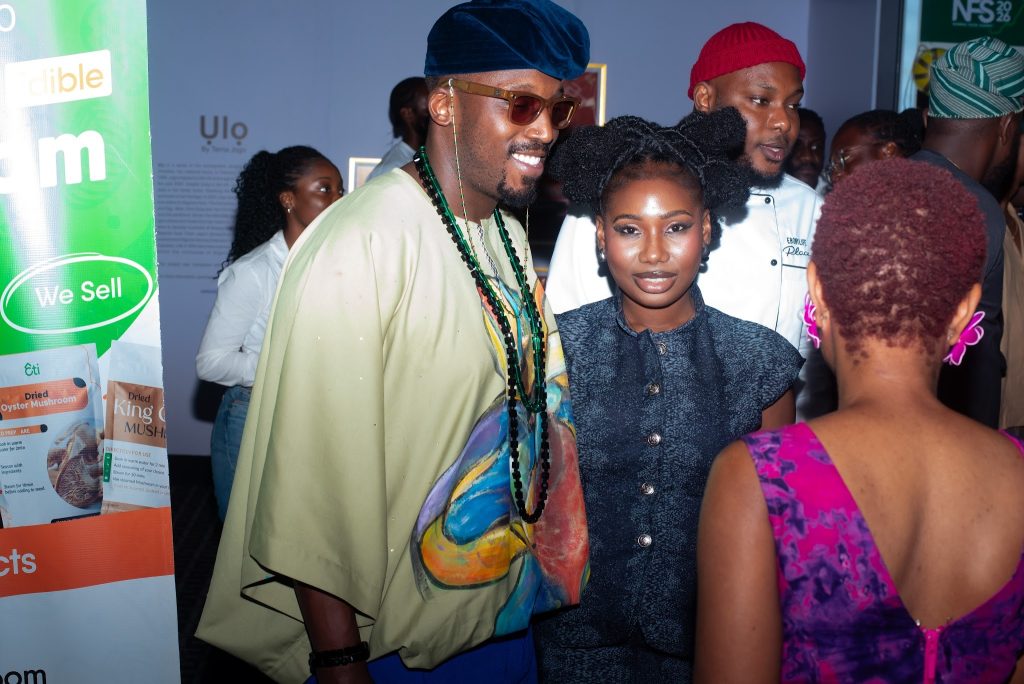
My first trip outside Ghana was to Singapore, and that experience began to change the way I viewed food tourism. I saw how intentionally the country had built tourism around food. Some markets and experiences allowed visitors to explore different cuisines, and food was clearly an important part of their experience of the country.
I came back from that trip thinking about Ghana.
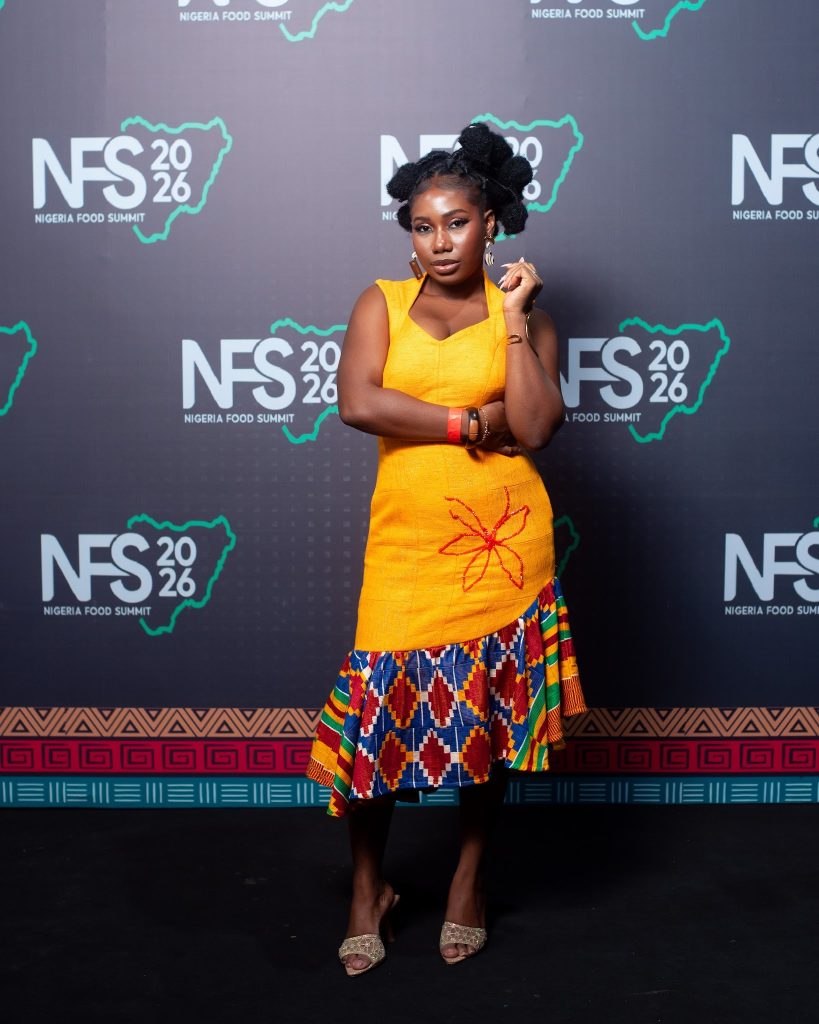
We have done a lot to attract tourists, but there was still more we could do to make food part of the experience. I wanted people coming to Ghana to understand not just where to go, but what to eat, where that food came from and why it mattered.
That was when I began to see myself as an African food tourist.
For me, being a food traveller is not simply about going somewhere and trying the food. I can stay in Ghana and order Nigerian food. I want to go to Nigeria, visit the markets, meet the people who make the food and understand the history behind it. That, in particular, is what makes travel meaningful to me.
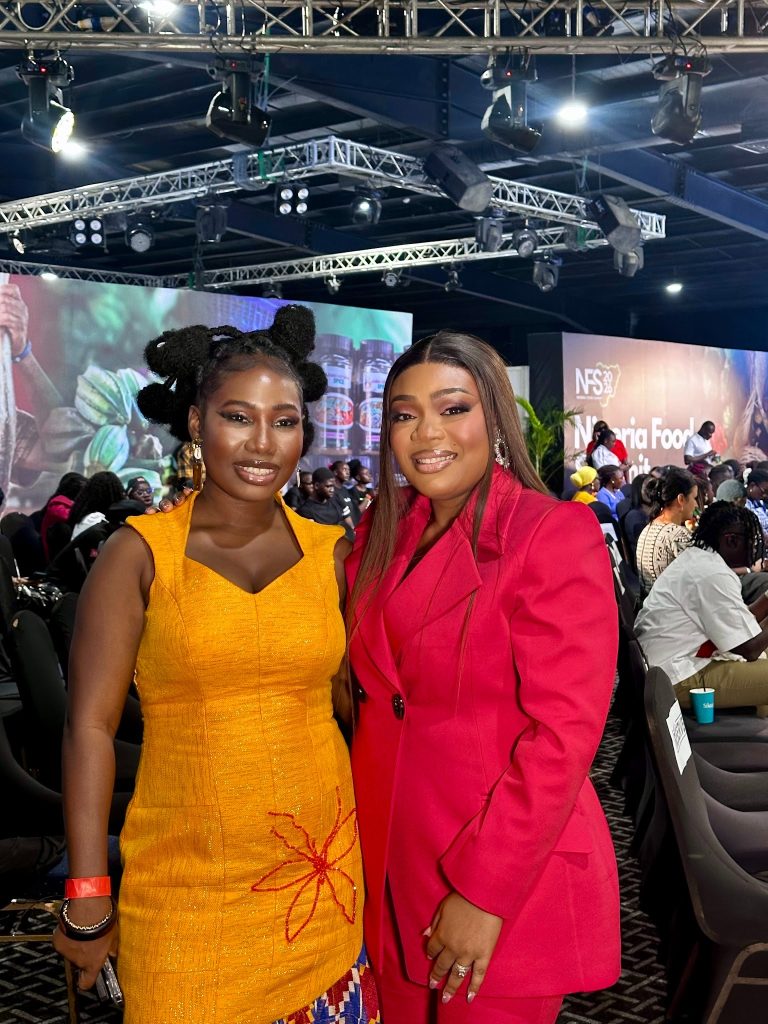
Travelling across Africa has shown me how much we have in common. When I went to Nigeria, I came across foods that reminded me of what we eat in northern Ghana. Sometimes, the biggest difference was simply the name. I even found a snack I remembered from childhood called Alawa in Ghana but goes by Balewa in Nigeria, with almost the same taste and presentation.
I was fascinated by those similarities because they made me think about our history and the connections between African countries that existed long before the borders we know today.
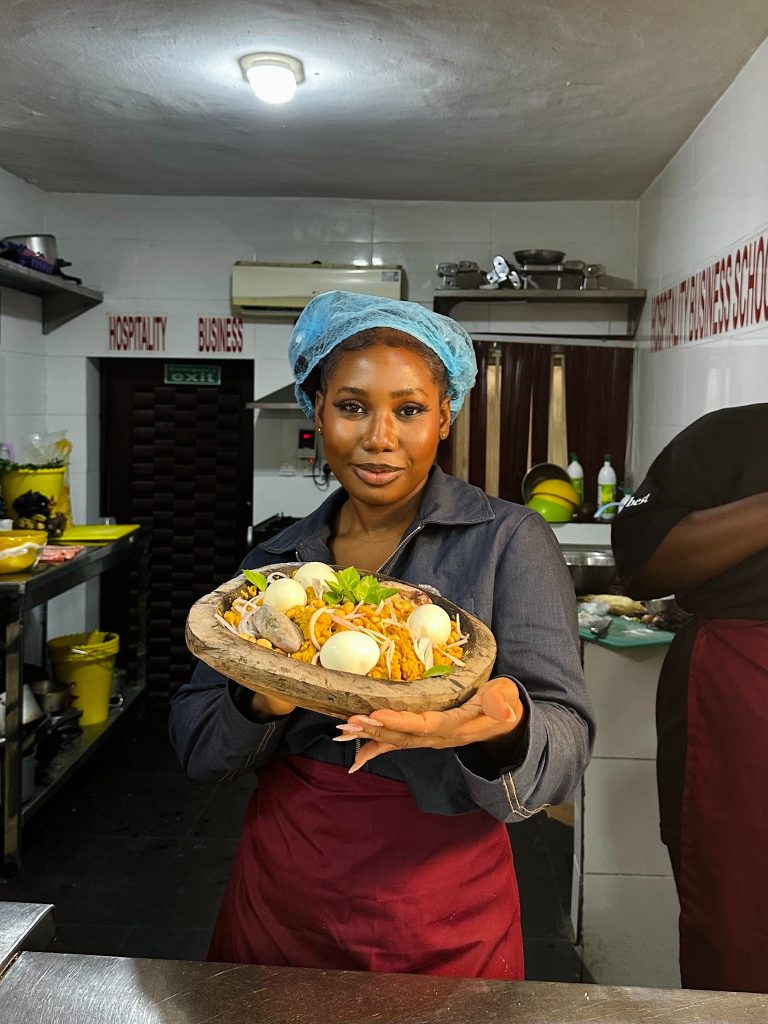
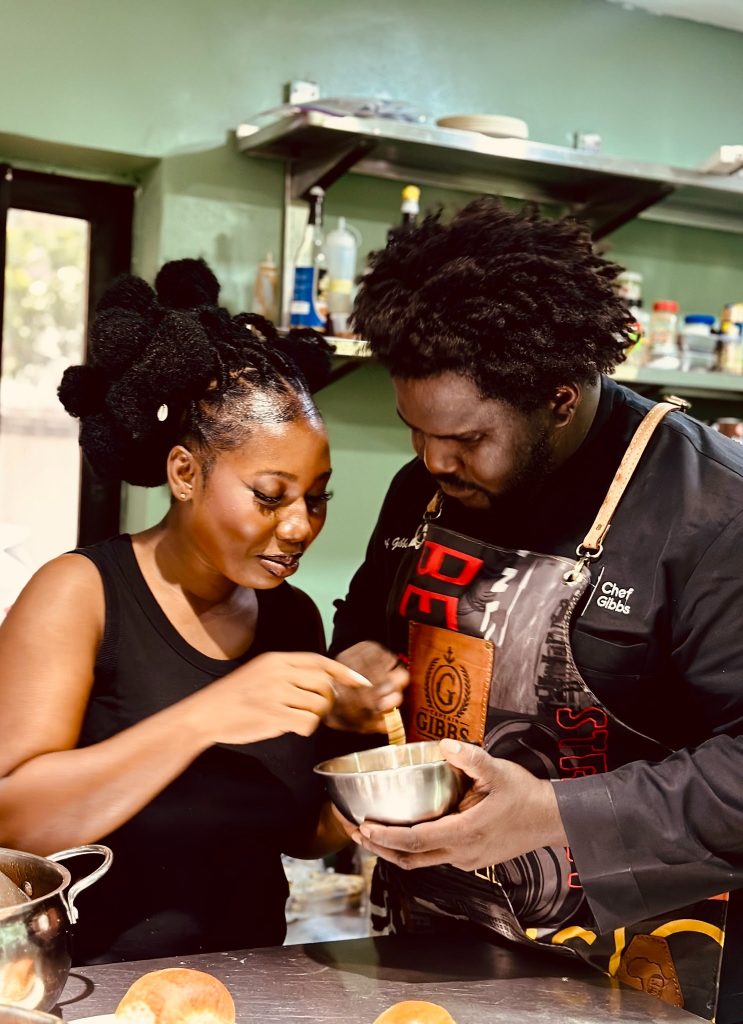
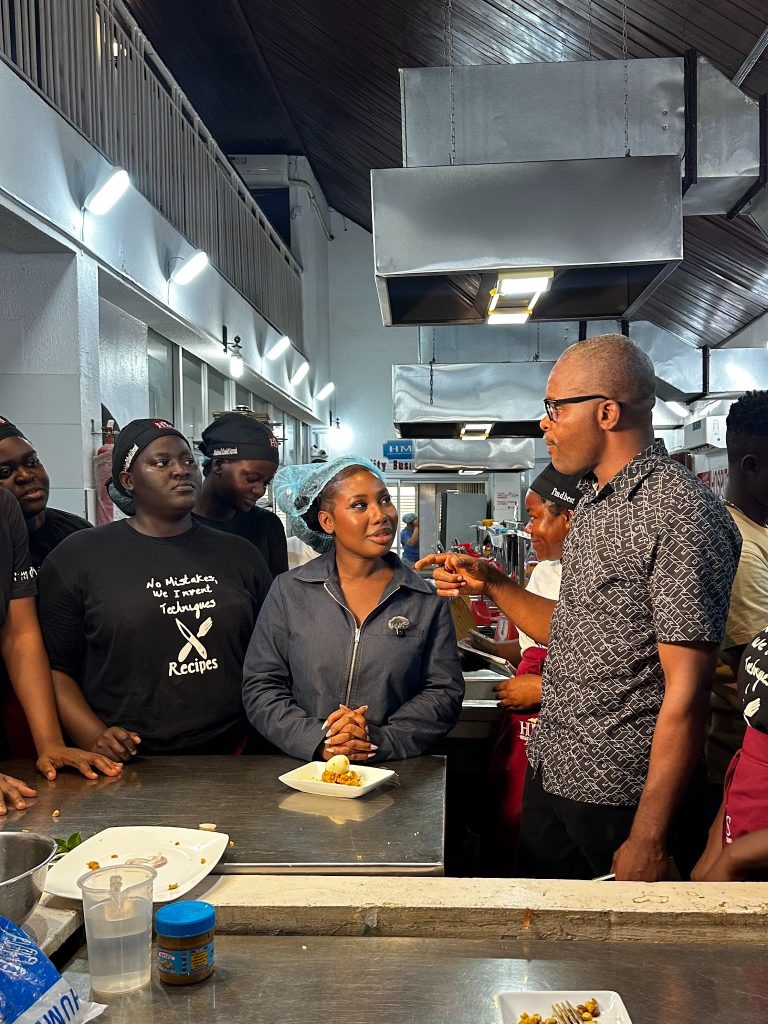
My trip to Nigeria also gave me experiences that had nothing to do with simply eating. I had the opportunity to cook a Ghanaian dish, Etor, with students at the Hospitality Business School. The students and the school’s leadership enjoyed it so much that the school decided to adopt the dish as one of the West African cuisines they teach.
That experience stayed with me because it showed me what cultural exchange can actually look like. I brought something from Ghana into a Nigerian classroom, and people were curious enough to learn about it and make space for it.
That is what I want food to do: create connections between people.
Travel has changed me personally too. I have always been quite introverted and someone who enjoys her own space, but when I travel, I become a completely different person. I become more social, adventurous and open to experiences. Travelling has made my world feel bigger, and once you see how much there is out there, it becomes difficult to settle for an average life.
There is, of course, a cost to building this kind of life.
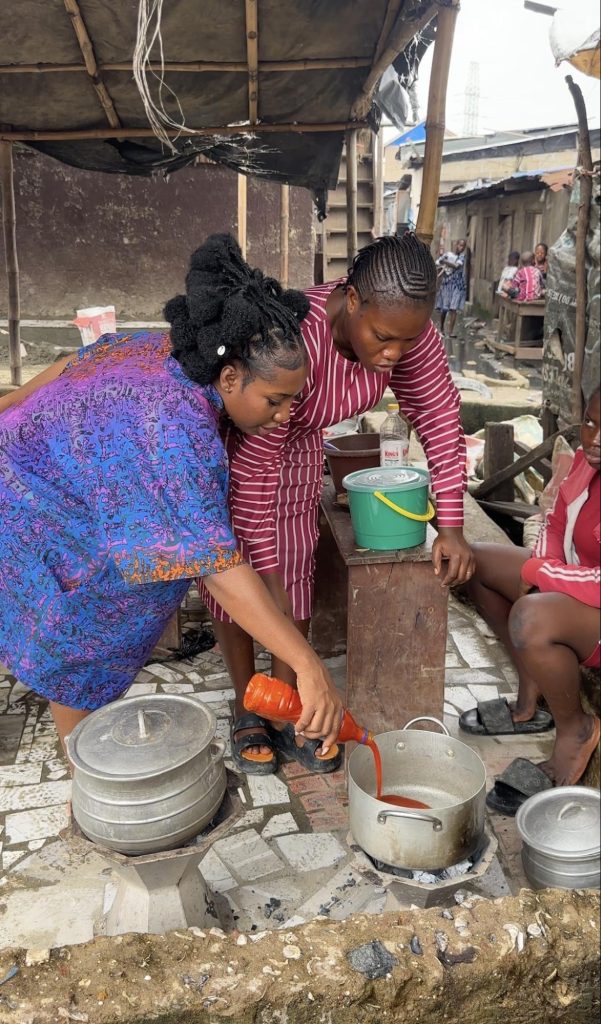
People mostly see the finished videos, the food and the beautiful destinations. There is a lot of work happening before any of that reaches social media. My team and I invest heavily in the brand. Travel costs money, equipment costs money, and creating content while travelling means that I am often working throughout the entire trip. I have had moments where I wondered whether I was making the right decision, especially when I was putting so much of my savings into the work. The moments that keep me going, however, are usually not the ones involving numbers or recognition.
Sometimes, it is a message from someone telling me they visited Rwanda because of my content, and sometimes, it is someone telling me I inspired them to start a business or go back to school. That impact matters to me more than views.
It is also what I want to carry into Flavours Beyond Borders, my storytelling and travel platform. The goal is not simply to visit different countries and eat their food. I want to learn from the people who live there, build relationships with them and share stories about their food, culture, history and way of life.
I am intentional about the way I tell those stories. I do not want to travel to an African country and contribute to the stereotypes already attached to it. There is already enough negative storytelling about Africa, and I do not want my platform to add to that.
I want people to become curious instead.
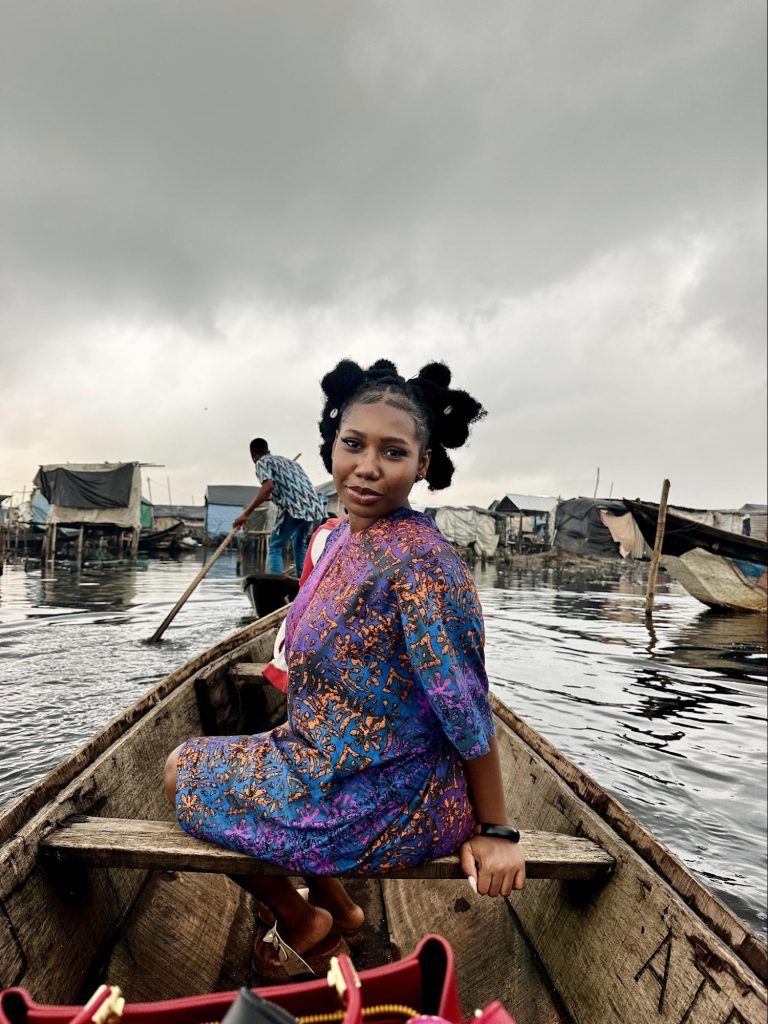
I want someone to see a story about Rwanda and decide to visit. I want a Ghanaian to see something about Nigerian food and want to try it. I want people outside the continent to understand that African food is not one single thing.
That is another misconception I often find myself correcting. Africa is a continent, not a country, and there is no single cuisine that can represent all of it. Nigeria has its own food cultures. Ghana has its own. Rwanda has its own. Every country has its own dishes, traditions and stories.
People also make assumptions about the way Africans eat. Eating with your hands is often treated as unhygienic, even though it is a normal part of food culture in many African communities. I have been criticised for eating fufu with my hands, and I still wonder what people expect me to eat it with. There is also the idea that African food is inherently unhealthy, and I disagree with that. Sometimes, the issue is not the food itself but the way it is eaten. We have to understand the food before judging it.
I also believe Africans have a responsibility to tell these stories for ourselves.
More young Africans are becoming proud of where they come from, and I love seeing that. People are embracing traditional hairstyles, clothing, food and culture in ways that were not always encouraged when many of us were growing up.
There is still a lot more to do, though.
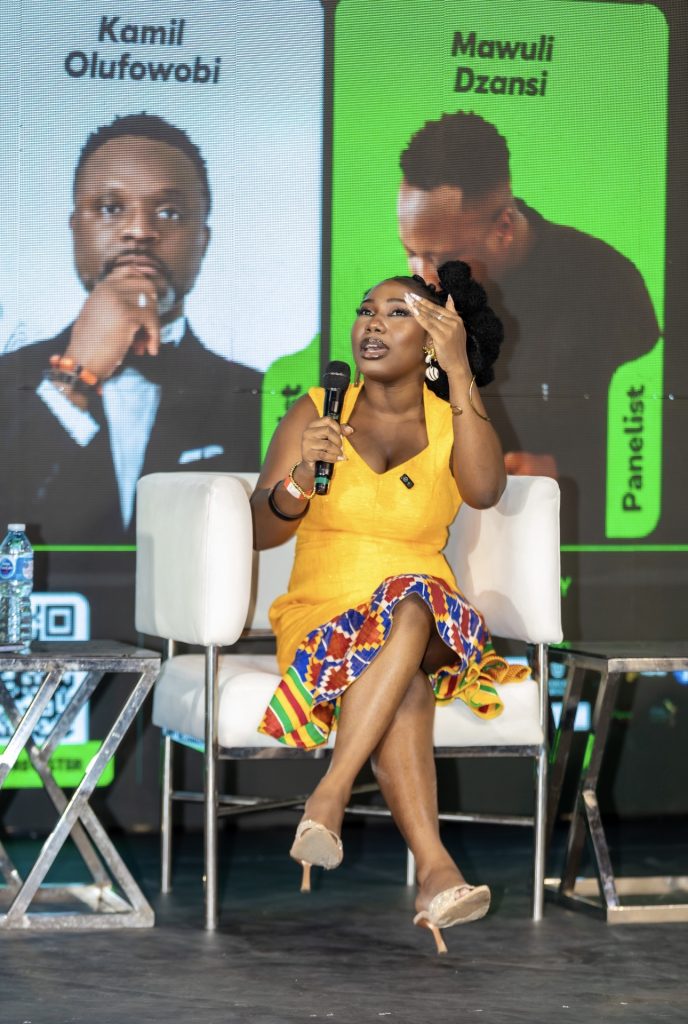
This responsibility should not belong only to influencers or food travellers. If you live in Nigeria, you can tell Nigerian stories. If you live in Ghana, you can tell Ghanaian stories. The people who live in these countries know things about them that a visitor will never know in seven or ten days.
I want to explore different countries, learn from their people and share the stories I find along the way. There is still so much I want to see. Togo and Benin are next, and I will return to Nigeria because there is still so much of the country I have not explored. There are more markets, kitchens, dishes and stories waiting for me.
Next Read: Yes, Alicia Daniels Should Have Known Better. We Still Don’t Get to Blame Her for His Abuse